


Sanjha Morcha

Trump blocks traffic to Iranian ports as Tehran threatens to target US’ Gulf allies

Will eliminate any ship coming near blockade: Prez | Oil prices again surge above $100/barreL

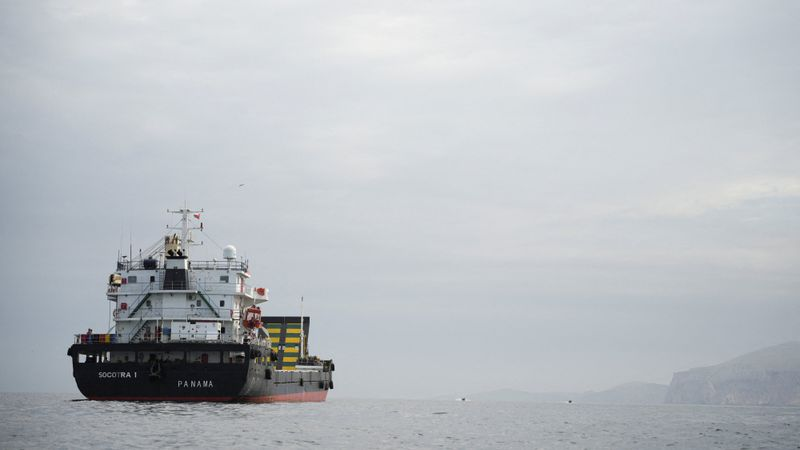
Backed by one of the largest naval deployments at sea in two decades, the US tonight imposed a blockade for maritime traffic entering or exiting ports in Iran in an effort to force Tehran to open the crucial Strait of Hormuz and accept a peace deal.

Iran responded with threats on all ports in the Persian Gulf and the Gulf of Oman, taking aim at US-allied countries. It said any foreign military presence near the strait would be “met with a harsh and decisive” response, raising fears of direct confrontation in one of the world’s most sensitive maritime corridors. The fresh hostilities follow the collapse of the US-Iran negotiations in Islamabad last weekend. Oil prices again surged above $100 per barrel, while stock markets fell worldwide.

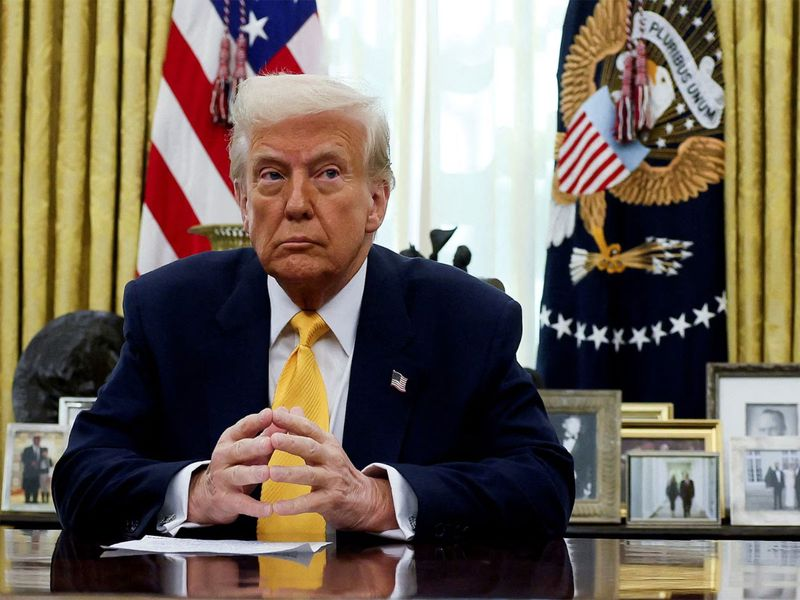
As the blockade came into force at 7.30 pm, US President Donald Trump threatened to “eliminate any Iranian ship coming close to the blockade”. “If any of these ships come close to our blockade, they will be immediately eliminated, using the same system of kill that we use against the drug dealers on boats at sea,” said Trump.

The US Central Command, which operates in West Asia, announced the blockade on Monday, saying it would be in the Gulf of Oman and the approaches to the Strait of Hormuz. It also said the action would not impact ships entering or exiting ports of other countries in the Persian Gulf. “Our forces will begin implementing a blockade of all maritime traffic entering and exiting Iranian ports on April 13 at 10 am ET,” the command posted on X. Analysts see the US blockade as parallel to the one set up by Iran at the Strait of Hormuz.

Iran’s Navy Commander Shahram Irani dismissed the US move as “ridiculous and laughable”, insisting that Iranian forces were closely tracking all American naval activity in the region. “The Iranian Navy is monitoring every movement of the aggressor US military,” Irani was quoted as saying by Iranian Fars news agency.

Chinese Defence Minister Admiral Dong Jun cited his country’s energy sources from Tehran and said, “We expect others not to interfere in our affairs. The Strait of Hormuz is open to us.”

The US Central Command said the blockade would be enforced impartially against vessels of all nations entering or departing Iranian ports and coastal areas, including all Iranian ports on the Persian Gulf and the Gulf of Oman. “CENTCOM forces will not impede freedom of navigation for vessels transiting the Strait of Hormuz to and from non-Iranian ports,” the statement said. This means the US will be facilitating maritime trade at ports of other countries such as Saudi Arabia, Bahrain, Qatar, UAE, Kuwait and Iraq.

The US military has asked mariners to contact through ‘Channel 16’, which is the open communication mode at sea between ships for transit.

The US has pumped in its naval might at sea, with three carrier strike groups now converging in the region. The USS Abraham Lincoln is positioned in the Arabian Sea, the USS Gerald R Ford is in the eastern part of the Mediterranean Sea, while USS George HW Bush has entered the Mediterranean Sea from the Strait of Gibraltar. Two US amphibious ready groups–the USS Boxer and the USS Tripoli–are also in the region. Multiple US Air Force planes like KC-135, KC-46 refuellers and C-17 Globemaster are at staging areas in Jordan, Qatar and Israel. Analysts see this as the largest American naval and air concentration in the Persian Gulf since the 2003 invasion of Iraq.
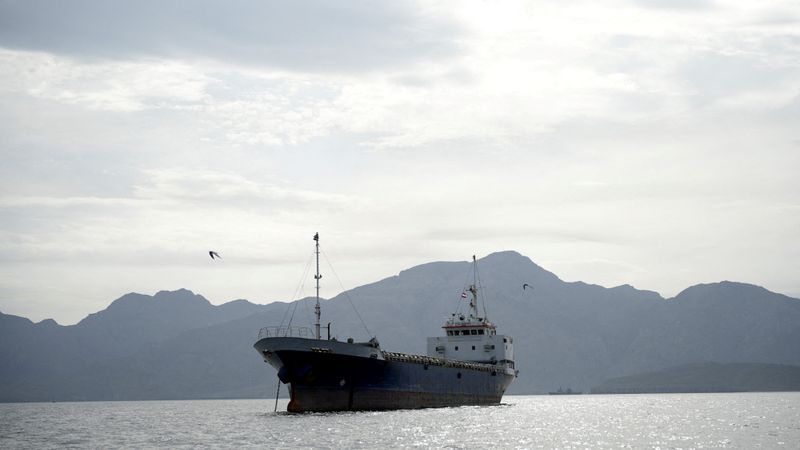
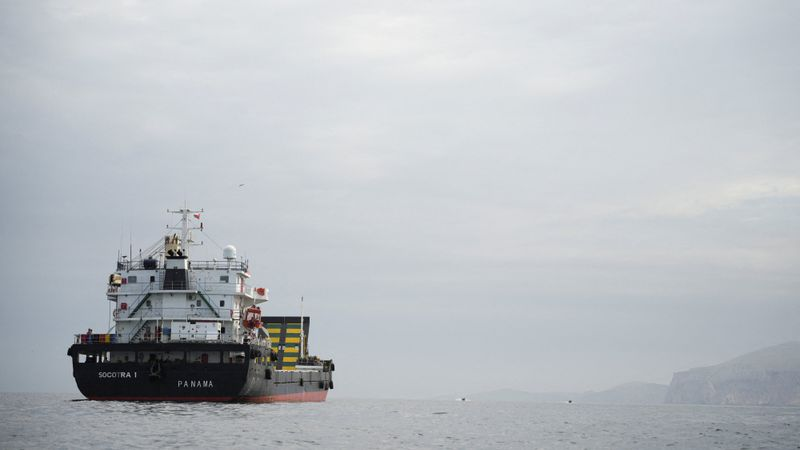
Iran-Israel War LIVE updates: Trump vows to destroy Iranian warships that get near US blockade

The US military has warned that ships entering or exiting a maritime blockade in the Gulf of Oman “without permission” will be “subject to interception, diversion, and capture”.

The US Central Command, tasked for operations in West Asia, has enforced a blockade in the Gulf of Oman and the Arabian Sea east of the Strait of Hormuz from 7:30 pm IST on Monday.

The note to mariners issued on Monday night said: “Any vessel entering or departing the blockaded area ⁠without authorisation is subject to interception, diversion, and capture.”

These access restrictions apply without distinction to vessels of any flag engaging with Iranian ports, oil terminals, or coastal facilities, it said.

However, the US clarified that the blockade “will not ⁠impede neutral transit passage through the Strait ⁠of Hormuz to or from non-Iranian destinations in the Persian Gulf.”

Iran has also threatened that their fast missile boats, named the ‘Red bees of the Persian Gulf’, are warming up. “Now they’re (US) about to find out how a swarm can pin you down real quick,” an Iranian statement said. – Ajay Banerjee

Vance says Iranians made some progress’ in talks on nuclear issues

April 14, 2026 8:37 am

Vice President JD Vance said in an interview with FOX News Channel’s “Special Report” that negotiations “did make some progress” in the Islamabad talks on the US insistence on the removal of nuclear material from Iran as well as a mechanism to ensure uranium cannot be enriched in the future. “They moved in our direction,” Vance said in the interview. He said he thought Iranian negotiators were “unable to cut a deal” and needed to get approval from others in Tehran. Vance also said that US negotiators made clear that Trump “would be very happy if Iran was treated like a normal country, if it had a normal economy,” but he did not go into details about what he meant. “There really is, I think, a grand deal to be had here. But, it’s up to the Iranians, I think, to take the next step,” Vance said.


HEADLINES :13APR 2026

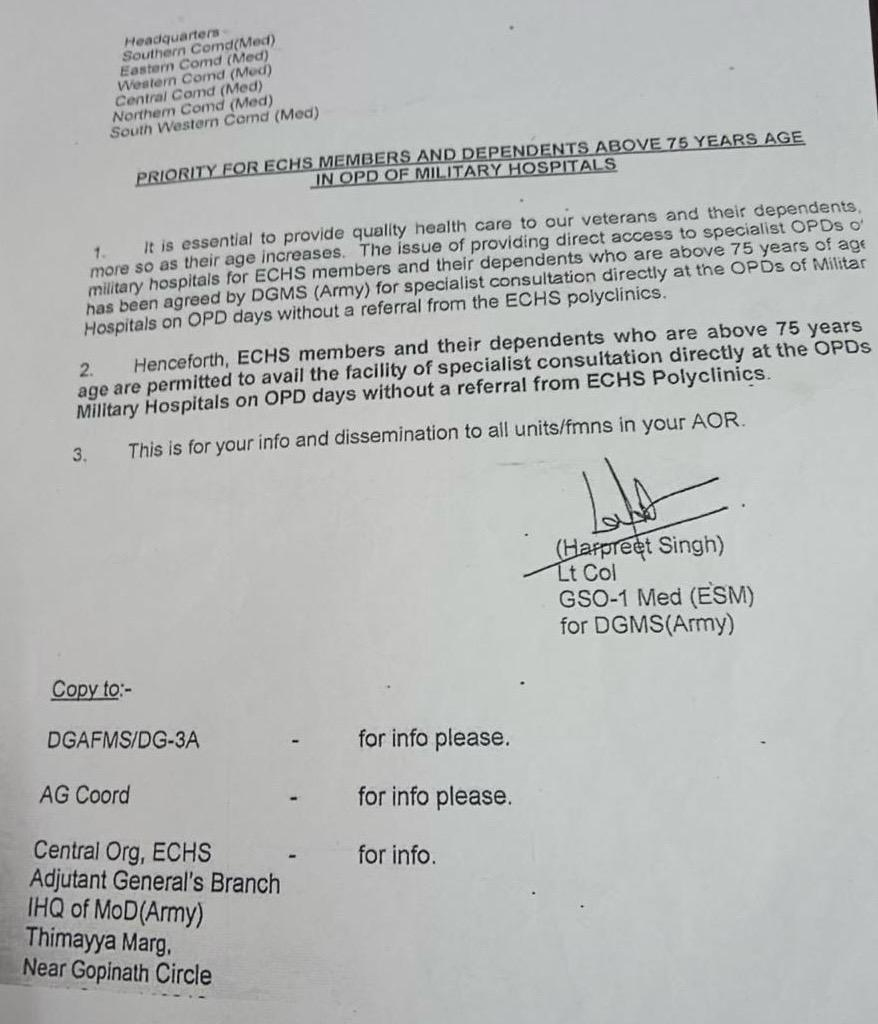
PRIORITY FOR ECHS MEMBERS/DEPENDENTS ABOVE 75 YRS

Iran-Israel War LIVE updates: US military says it will blockade Iranian ports after ceasefire talks end

Iran-Israel War LIVE updates: US military says it will blockade all Iranian ports after ceasefire talks fail

Operation Trident: Warrior who set Karachi harbour ablaze in 1971

Canada proposes major overhaul of Express Entry System 

Iran war, peace talks and Pakistan’s stakes

As Naxalism ends in Chhattisgarh, village gets tap water for first time

China’s attempt to rename places in Arunachal may hit ties: Centre

Massive fire in Kasauli market


Iran-Israel War LIVE updates: US military says it will blockade Iranian ports after ceasefire talks end

Following the collapse of US-Iran negotiations, the US Military announced on Monday that it will block all maritime traffic entering or exiting ports in Iran, in way imposing an economic blockade by preventing the operation of crude and gas laden tankers, which are Iran’s major revenue source.

The US Central Command (CENTCOM), in a post on social media platform X, said, “Forces will begin implementing a blockade of all maritime traffic entering and exiting Iranian ports on April 13 at 10 am ET, in accordance with the President’s proclamation.”

In the Indian context, the blockade comes into force around 7:30 pm on Monday.

CENTCOM said the blockade will be enforced impartially against vessels of all nations entering or departing Iranian ports and coastal areas, including all ports on the Persian Gulf and the Gulf of Oman. However, it clarified that CENTCOM forces will not impede freedom of navigation for vessels transiting the Strait of Hormuz to and from non-Iranian ports.

It means the US will be facilitating maritime trade at other countries like Saudi Arabia, Bahrain, Qatar, UAE, Kuwait and Iraq. – Ajay Banerjee

Trump says he doesn’t care when Iran returns to negotiating table

April 13, 2026 8:34 am

Speaking to reporters outside Washington after flying back from Florida, Trump was asked how long it might be before Iranian officials returned to the negotiating table amid a fragile ceasefire. “I don’t care if they come back or not,” he replied. “If they don’t come back, I’m fine.”


Iran-Israel War LIVE updates: US military says it will blockade all Iranian ports after ceasefire talks fail

Following the collapse of US-Iran negotiations, the US Military announced on Monday that it will block all maritime traffic entering or exiting ports in Iran, in way imposing an economic blockade by preventing the operation of crude and gas laden tankers, which are Iran’s major revenue source.

The US Central Command (CENTCOM), in a post on social media platform X, said, “Forces will begin implementing a blockade of all maritime traffic entering and exiting Iranian ports on April 13 at 10 am ET, in accordance with the President’s proclamation.”

In the Indian context, the blockade comes into force around 7:30 pm on Monday.

CENTCOM said the blockade will be enforced impartially against vessels of all nations entering or departing Iranian ports and coastal areas, including all ports on the Persian Gulf and the Gulf of Oman. However, it clarified that CENTCOM forces will not impede freedom of navigation for vessels transiting the Strait of Hormuz to and from non-Iranian ports.

It means the US will be facilitating maritime trade at other countries like Saudi Arabia, Bahrain, Qatar, UAE, Kuwait and Iraq. – Ajay Banerjee

Trump says he doesn’t care when Iran returns to negotiating table

April 13, 2026 8:34 am

Speaking to reporters outside Washington after flying back from Florida, Trump was asked how long it might be before Iranian officials returned to the negotiating table amid a fragile ceasefire. “I don’t care if they come back or not,” he replied. “If they don’t come back, I’m fine.”


Operation Trident: Warrior who set Karachi harbour ablaze in 1971

Fearless Tales: Chief Artificer Megh Nath Sangal fired two styx missiles, which sunk cruise destroyer PNS Khyber with 222 sailors on board

During the 1971 India-Pakistan War on the western front, Megh Nath Sangal, Master Chief Electrical Artificer (Power) II, was deployed on INS Nirghat. His operational responsibility entailed preparation and operation of the missile control systems.

INS Nirghat was the first missile boat of the task force that sank Pakistan Navy’s cruise destroyer PNS Khyber north-west of Karachi Harbour with 222 sailors on board by firing two styx missiles. All three missile boats that destroyed targets with precision were launched and controlled by Sangal. While INS Nirghat sank PNS Khyber, INS Nipat targeted PNS Shah Jahan and INS Veer sank PNS minesweeper Muhafiz with 33 sailors on board.

After setting Karachi harbour ablaze and destroying some formidable warships of the adversary, the Indian Navy flotilla returned to the Indian shores before first light on December 5, 1971.

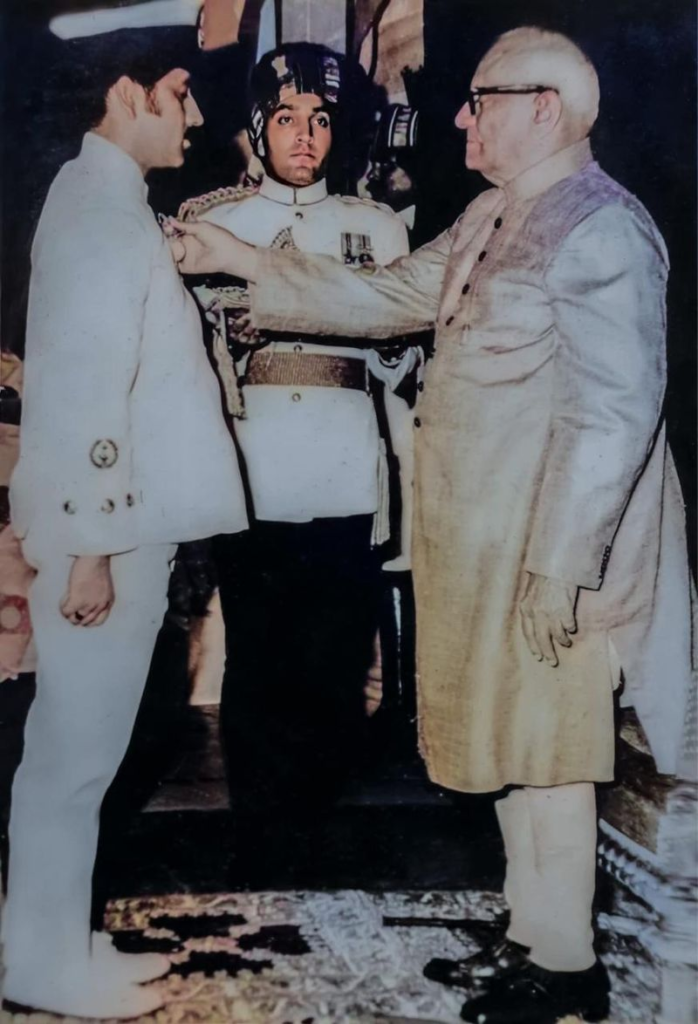
A number of naval warriors were honoured with gallantry awards. One of the gallantry award winner was Sangal, who hailed from Hamirpur district of Himachal Pradesh. For performing his task fearlessly and with great devotion to duty, Sangal was awarded the “Vir Chakra”.

The battle account on his bravery, reads: “During the 1971 India-Pakistan War on the western front, the Indian Navy formulated a plan for attack and destruction of Pakistan’s Karachi harbour and the flotilla guarding it. The operation codenamed ‘Trident’, involved execution of the plan by Indian Navy’s 25th Killer Squadron composed of INS Veer, INS Nipat and INS Nirghat. Master Chief Electrical Artificer (MCEA) Megh Nath Sangal was onboard INS Nirghat for the operation.”

“The operation was launched on the night of December 4. The task of Sangal was to prepare the missiles and fire at the designated sea targets. Despite tremendous pressure due to the speed of operations and threat of enemy sub-marine attacks, Sangal kept his cool and performed his best, which resulted in accurate launching of the missiles. After putting Karachi harbour on fire and sinking two enemy destroyers, the Killer Squadron was back to the naval base before first light of December 5.”

It further states: “For the successful marine assault, the contribution of Sangal was very vital and crucial. For his tenacity of purpose and utmost devotion to duty under trying conditions, Sangal has been awarded the Vir Chakra.”

Megh Nath Sangal was born on October 24, 1943, at Jhareri village in Hamirpur district of then undivided Punjab. After passing matriculation from Government Higher Secondary School, Kangoo, and first year at the DAV College, Hoshiarpur, he joined the Indian Navy on February 8, 1960, as an Artificer Apprentice.

After undergoing training for a year at INS Shivaji, Lonavala, and three years of advance training at INS Varuna, Jamnagar, Sangal joined INS Talwar, the lead ship of the Talwar-Class Frigate of the Indian Navy.

After putting in almost four decades of active service, Sangal retired from Navy on October 23, 1999, as Lieutenant Commander. Post retirement Lt Cdr Sangal, VrC, served as Deputy Director Rajya Sainik Board.

Battling cancer, Sangal breathed his last on February 4, 2024. He is survived by his wife Shakuntala Devi to whom he got married on October 19, 1970. A man of strong values, dedication and an untiring spirit, he led by example and instilled the same principles in his family. His three sons have carried forward his legacy of hard work and perseverance, each achieving success in their respective fields.

The eldest son is employed with a reputed company in Dubai. The middle son is a successful businessman, heading a 1,400 million-dollar enterprise with 29 offices across the globe. The youngest son serves as a captain in the Merchant Navy and is based in Mumbai.

Remembering their father, his sons often speak of his deep love for nature. His farmhouse in Panvel stands as a reflection of his ideals and his connection with the nature.


Canada proposes major overhaul of Express Entry System 

Existing three federal economic immigration programs under Express Entry to be replaced by a single consolidated pathway

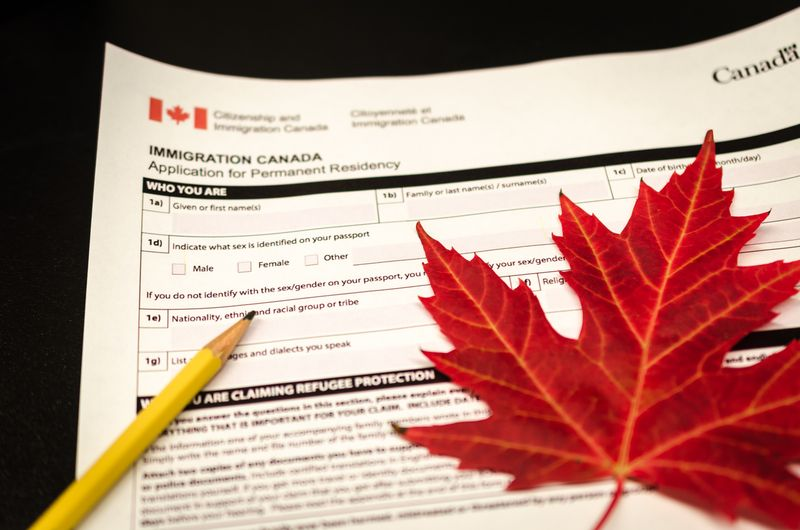
In a development that could impact thousands of Punjabis aspiring to settle in Canada, the Canadian government has announced plans to replace the existing three federal economic immigration programs under Express Entry with a single consolidated pathway.

According to the government’s Forward Regulatory Plan for 2026-2028, released recently, the Federal Skilled Worker Program (FSWP), Canadian Experience Class (CEC), and Federal Skilled Trades Program (FSTP) will be repealed and merged into one “federal high-skilled immigration class”.

This information is based on Immigration, Refugees and Citizenship Canada’s official Forward Regulatory Plan 2026-2028 released on April 8.

It says the move aims to simplify the increasingly complex Express Entry system, introduced in 2015, and make it more responsive to Canada’s current labour market demands.

“The goal is to simplify a system that has become increasingly complex and better align immigration with current labour market needs,” the regulatory plan states.

Under the proposed changes, eligibility criteria for entering the Express Entry pool will be unified. Applicants will require at least one year of skilled work experience (either Canadian or foreign), a minimum language proficiency of CLB 6 and a high school education as the baseline qualification. The existing separate rules for each program will be removed.

The Comprehensive Ranking System (CRS) used to invite candidates is also expected to undergo revision. Greater weightage is likely to be given to higher earnings, valid job offers in in-demand occupations and strong labour market performance, while points for certain factors like Canadian education or a sibling in Canada may be reduced or eliminated.

This overhaul is being seen as one of the most substantial structural changes to Canada’s skilled immigration system in over a decade. Immigration experts believe it will benefit candidates with strong job offers and high-paying skills but could alter the competitive edge currently enjoyed by certain applicant profiles.

The proposal is currently at the planning stage. Public and stakeholder consultations are scheduled to begin in Spring 2026. Until the changes are finalised and implemented, the existing Express Entry categories will continue to operate as usual.

For the Punjabi diaspora in Canada and aspirants in Punjab, Haryana and Chandigarh, this development signals a potential shift in how permanent residency applications will be processed in the coming years.


Iran war, peace talks and Pakistan’s stakes

What does an emboldened Pakistan mean for India, and how is Islamabad’s strategic calculus likely to shape vis-à-vis India

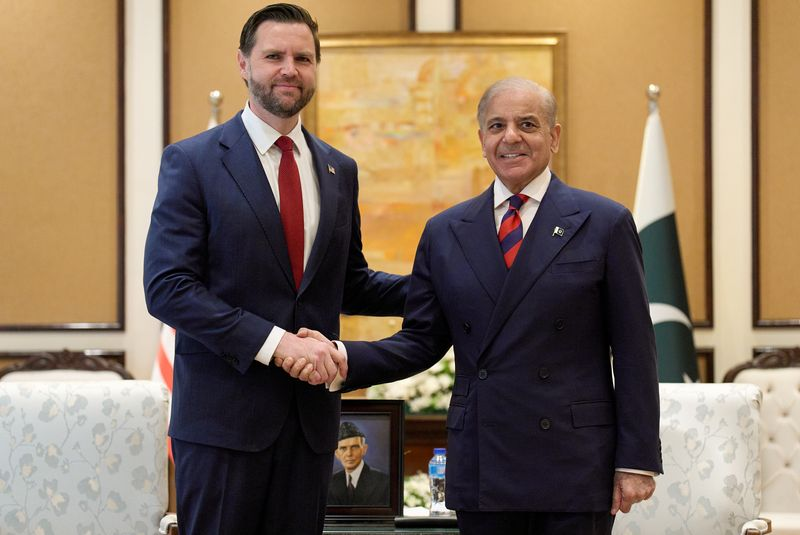
The two-week ceasefire between the US and Iran, the pause in the conflict in West Asia, and the start of talks in Islamabad raised hope for peace. However, an uncertain outcome of the talks has left the ceasefire in jeopardy.  Even though the proposals from the US and Iran have been discussed widely, the details and, more importantly, the future of the talks remain unclear.  Irrespective of the lack of any outcome and the environment of deep mistrust between Tehran and Washington, Pakistan will cherish its position as a mediator and see it as a pathbreaking opportunity to rebuild its much-desired strategic relevance and enhance its credibility in geopolitics. Pakistan positioned itself as a convenient venue given the past complexities related to obvious venues, including the Gulf and Europe.  The Iran crisis has indeed been extremely unnerving for Pakistan, given its high potential to escalate multifold challenges for Islamabad.

pproximately 15 to 20 per cent of Pakistan’s population is Shiite Muslims, and news of Iran’s Supreme Leader, Ayatollah Ali Khamenei’s death during a joint US-Israeli air strike on February 28, 2026, led to violent protests in Pakistan. There has been condemnation of the US strikes on Iran, and Pakistan would not risk sectarian tensions at this point, when the country is under massive pressure with the ongoing conflict on the border with Afghanistan.

Tensions have escalated between Islamabad and Kabul, and Pakistan continues to blame the Taliban for patronising and sheltering the militant group Tehrik-i-Taliban Pakistan (TTP). Pakistan has demanded that Afghanistan formally declare the TTP as a terrorist organisation. TTP has been emboldened post August 2021, expanded its militant network, integrated with existing separatist/insurgent groups, advanced its tactical capabilities and has continued to relentlessly target the security personnel in Pakistan. Islamabad’s punitive measures against Kabul, which include an increase in trade tariffs, closure of border check posts, the repatriation of the Afghan refugees and finally the strikes in mainland Afghanistan leading to significant civilian casualties, have failed to persuade Afghanistan to adhere to the demands of the Pakistani leadership.

Pakistan’s southwestern province, Balochistan, which has remained restive with raging insurgency, cannot remain immune to the ripples of instability and tensions in Iran, given the geographical proximity it shares with Iran. In this respect, two issues are critical.

First, Iran-based Sunni separatist militant group Jaish-al-Adl (Army of Justice) has been reportedly drawing support and emulating the war tactics of the separatist groups in Balochistan in Pakistan, including the Baloch Liberation Army (BLA).  The second issue is the attacks on the  China-Pakistan Economic Corridor by the BLA and the TTP.

Pakistan’s economy is heavily dependent on remittances for its sustenance. Interestingly, around USD 20 billion in remittances come from the Gulf, and instability in the region will dissuade Pakistani nationals from going to the Gulf for work.

On the diplomatic front, Pakistan juggles with complex choices and enjoys the leverage to act as a convenient mediator, given-  Field Marshal Asim Munir’s freshly revived bonhomie with the US President Donald Trump, historical and rich ties with Saudi Arabia, and eternal brotherhood and long-standing alliance with Beijing, a significant stakeholder, given China’s economic and strategic interests and footprint in the region.

The reset of ties with the US has been the top priority for the military-led state, given its deep financial, strategic and reputational interests. Pakistan not only credited President Trump for the ceasefire between India and Pakistan during the May 2025 conflict but also nominated Trump for the Nobel Peace Prize. Given its desperation to manage its goodwill with the White House, Pakistan refrained from opposing the US and Israel’s strikes in Iran. The best choice for Pakistan was to leverage its position with the Americans and offer itself as a channel of communication between Iran and the US.

Pakistan’s relationship with the Gulf became complicated with the Iran crisis. Pakistan and Saudi Arabia share warm historical ties, and the Saudis top the list of Islamabad’s traditional donors and partners for managing financial distress. Iran’s strikes on Saudi Arabia did challenge Pakistan’s commitment to honour the Strategic Mutual Defence Agreement (SMDA) signed between Pakistan and Saudi Arabia in September 2025, which includes a clause on a collective defence framework. Although Pakistan had no intentions of engaging militarily in the Iran crisis, it repeatedly communicated Riyadh’s displeasure to Tehran and also reminded Tehran of the SMDA.

Pakistan is facing strategic complexities and security challenges within and from all sides of its borders. The likelihood of a Kabul-Islamabad truce is extremely bleak, given the history of the strained relationship between the two neighbours. The TTP is the dominating issue at this point, but the fact is that bilateral tensions have complex dimensions, including the contested Durand Line and Pashtun nationalism in Pakistan’s frontier province. Pakistan-India tensions continue, and Pakistan’s projected threat perceptions seem to have intensified with Pakistan’s inability to address its economic vulnerabilities and security challenges. Continuation of the crisis in Iran will have serious strategic, financial and sectarian repercussions for Pakistan and Islamabad’s integration in the peace process is well understood.

China’s role has been that of a relatively silent but effective player in the process. Beijing is a significant trading partner for Iran and the largest importer of Gulf energy resources. As much as China’s power calculus would welcome a dent in US dominance, a prolonged war in West Asia would hit Beijing’s energy supplies, damage the prospects of its export markets, and threaten its strategic investments in the region. Beijing’s engagement in the ceasefire process provided Pakistan with an element of credibility and neutrality. Pakistan and China also issued a joint five-point peace proposal.

While the result of the US-Iran negotiations remains uncertain, Pakistan certainly sees itself as a beneficiary and will be emboldened. Its reinforced relationship with the US could potentially revive the much aspired security assistance from Washington. Two questions are crucial in this context for New Delhi:

1) Will the diplomatically bolstered Pakistan use this opportunity to build its strengths as a nation-state?

2) What does an emboldened Pakistan mean for India, and how is Pakistan’s strategic calculus likely to shape vis-à-vis India?


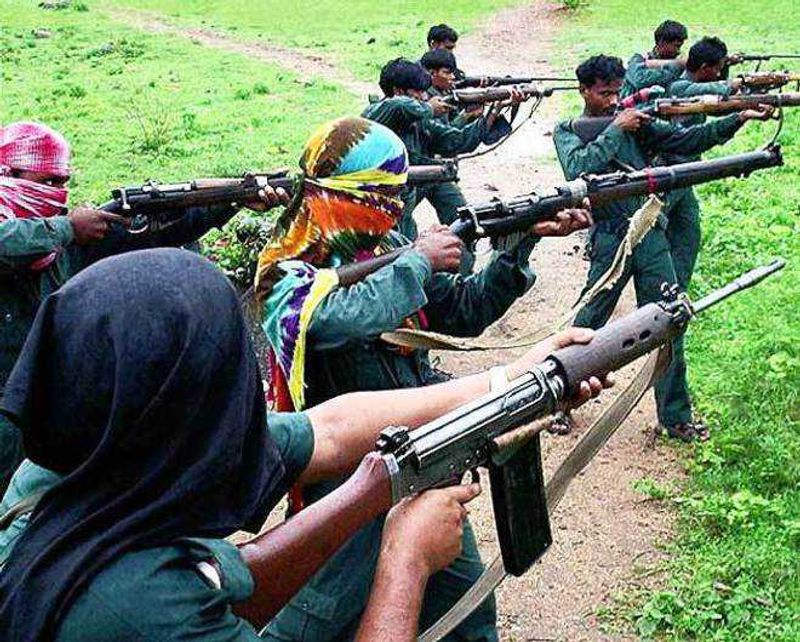
As Naxalism ends in Chhattisgarh, village gets tap water for first time

The end of the Naxal menace in Chhattisgarh and with it the classification of Nelangur, a remote village in the state’s Narayanpur district, as a “highly sensitive” zone has finally resulted in residents there getting relief from their most worrisome problem – lack of water.

For the first time, every household in the village has received tap water connection that is now functional, ending a long struggle with scarcity of one of life’s essentials, officials said on Sunday.

The development comes shortly after Chhattisgarh, particularly the Bastar region, which had grappled with Left-Wing Extremism (LWE) for over four decades, was declared free of armed Maoists on March 31. Narayanpur is one of the seven districts of Bastar region.

“Located in the rugged Orchha block near the Maharashtra border, Nelangur was once classified as a highly sensitive zone. The difficult terrain and past security concerns had made the delivery of basic services a monumental challenge for the state administration,” a government official admitted.

The arrival of tap water reflects sustained administrative efforts to integrate the most remote corners of the state into the developmental mainstream, Narayanpur Collector Namrata Jain said in a release.

“The water supply system was established under the Jal Jeevan Mission. Water is being lifted from the source using solar-powered pumps and supplied directly to homes through pipelines. This has ensured a steady supply while reducing dependence on the conventional electricity grid,” she said.

For the residents of Nelangur, located 52 km from the district headquarters, the project has been life-changing, she said.

Women, who previously trekked long distances to fetch water, said the doorstep delivery has eased their daily routines and improved hygiene standards.

The pace of development in the region picked up significantly after a security camp was established jointly by the Indo-Tibetan Border Police (ITBP) and state police in the village in April last year, officials said.

Connectivity has also improved with the introduction of a regular bus service between Narayanpur and Nelangur under the Mukhyamantri Bus Seva scheme.

The successful implementation of the Jal Jeevan Mission in Nelangur serves as a testament to the government’s reach in border areas, further strengthening public trust in the state’s post-conflict reconstruction efforts, they added.

The government declared Chhattisgarh Naxal-free on March 31 this year after a relentless campaign by security forces deep into the forested strongholds of the ultras left the movement without leaders and cadre, most getting neutralised or preferring to lay down arms.