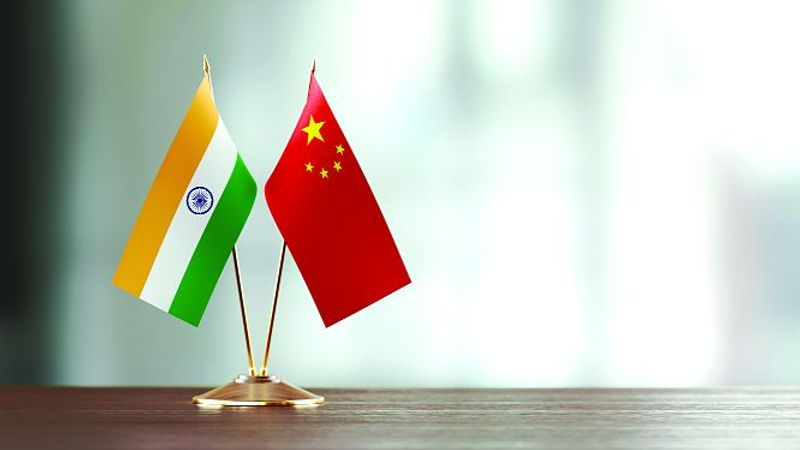
India on Sunday said China’s move to assign “fictitious names” to Indian territory to manufacture “baseless narratives” cannot alter the reality but could impact ongoing efforts to normalise bilateral ties.
External Affairs Ministry spokesperson Randhir Jaiswal said New Delhi “categorically rejects” any “mischievous attempts” by the Chinese side to assign such names to places which form part of the Indian territory.
India had reacted sharply when China resorted to renaming certain places in Arunachal Pradesh in May last year as well as in April 2024.
“India categorically rejects any mischievous attempts by the Chinese side to assign fictitious names to places which form part of the territory of India,” Jaiswal said.
“Such attempts by China at introducing false claims and manufacturing baseless narratives cannot alter the undeniable reality that these places and territories, including Arunachal Pradesh, were, are, and will always remain an integral and inalienable part of India,” he said.
Jaiswal said these actions by the Chinese side “detract from ongoing efforts to stabilise and normalise India-China bilateral ties”.
“China should refrain from actions which inject negativity into relations and undermine efforts to create a better understanding,” he said.
Jaiswal was responding to a media query on the issue.
The relations between the two countries witnessed a major downturn following the 2020 eastern Ladakh border row. In the last one-and-a-half years, the two sides have initiated a series of measures to rebuild the relations.
In a fresh list released recently, China has renamed certain places in the Indian territory.
The Chinese Civil Affairs Ministry released the first list of the standardised names of six places in Zangnan in 2017, while the second list of 15 places was issued in 2021, followed by another list with names for 11 places in 2023.
Zangan is the Chinese name for Arunachal Pradesh. China claims Arunachal Pradesh as part of southern Tibet.
Traders rush to save their goods, face delay in arrival of fire tenders
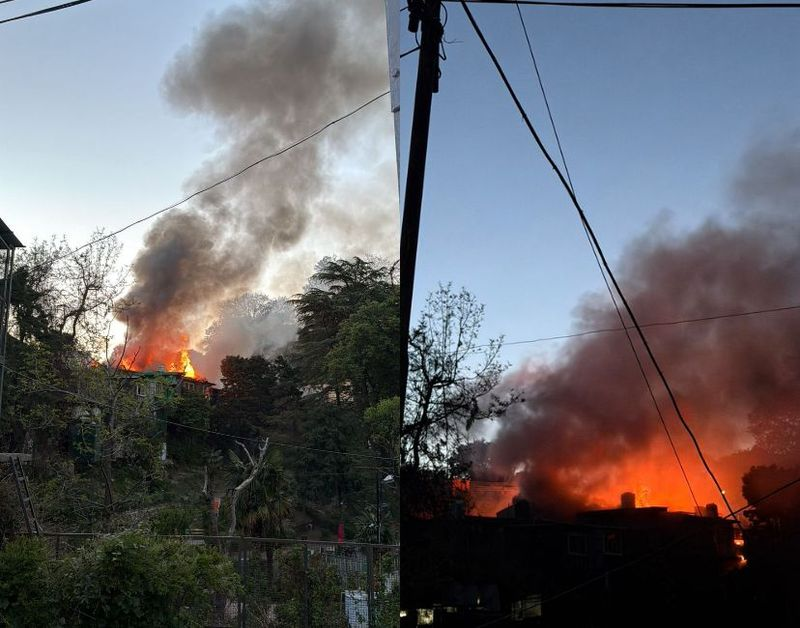
Several shops in the heritage market of Kasauli town were gutted in a fire which broke out in the early hours of Monday.
According to onlookers, the fire was triggered by a blast in an LPG cylinder in one of the shops, and it soon spread to nearby establishments.
According to preliminary information, three restaurants and a chemist shop suffered immense damage. The situation worsened as multiple LPG cylinders exploded one after the other, thus intensifying the blaze.
Fire tenders have been rushed from nearby areas, like Parwanoo, to assist in firefighting operations, as there was no let up in the fire.
Traders rushed to the spot in an attempt to save their goods but battled problems, like delay in arrival of fire tenders, said Nitin Sahu, a local trader.
Huge plumes of black cloud were seen rising in the sky from a distance, as the blaze was yet to be controlled till 7:00 am this morning.
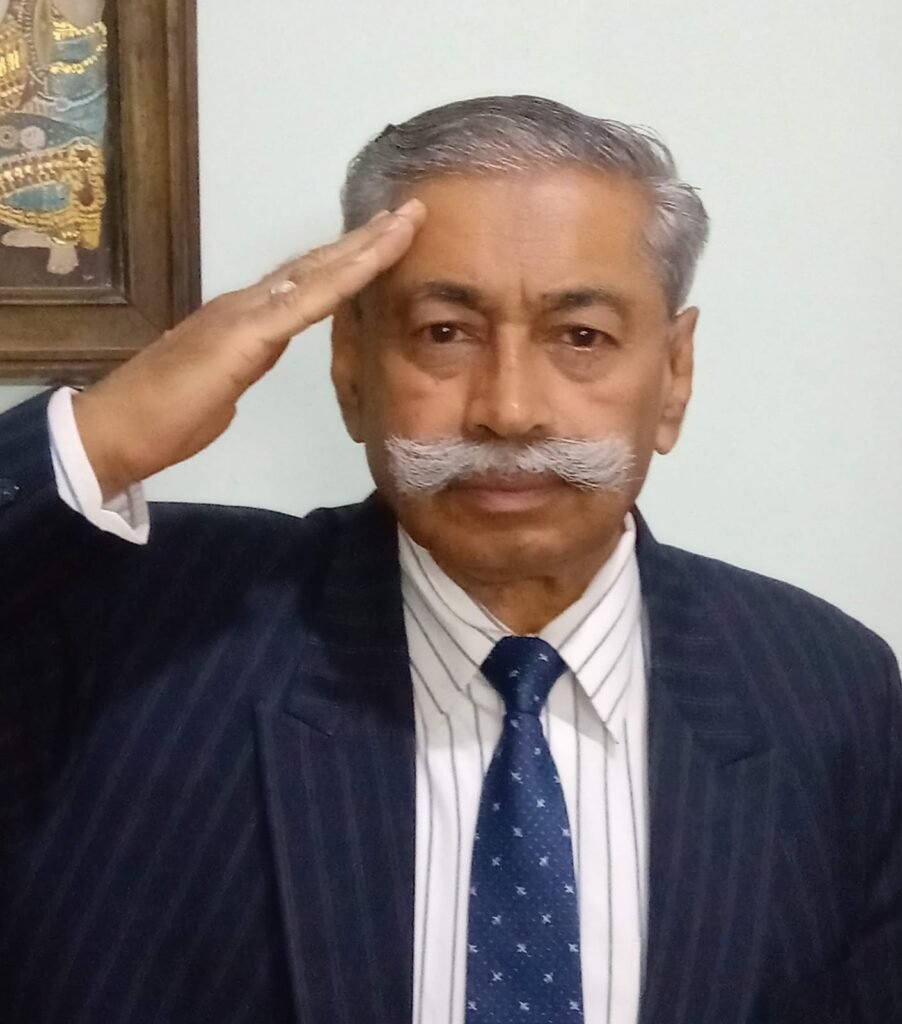
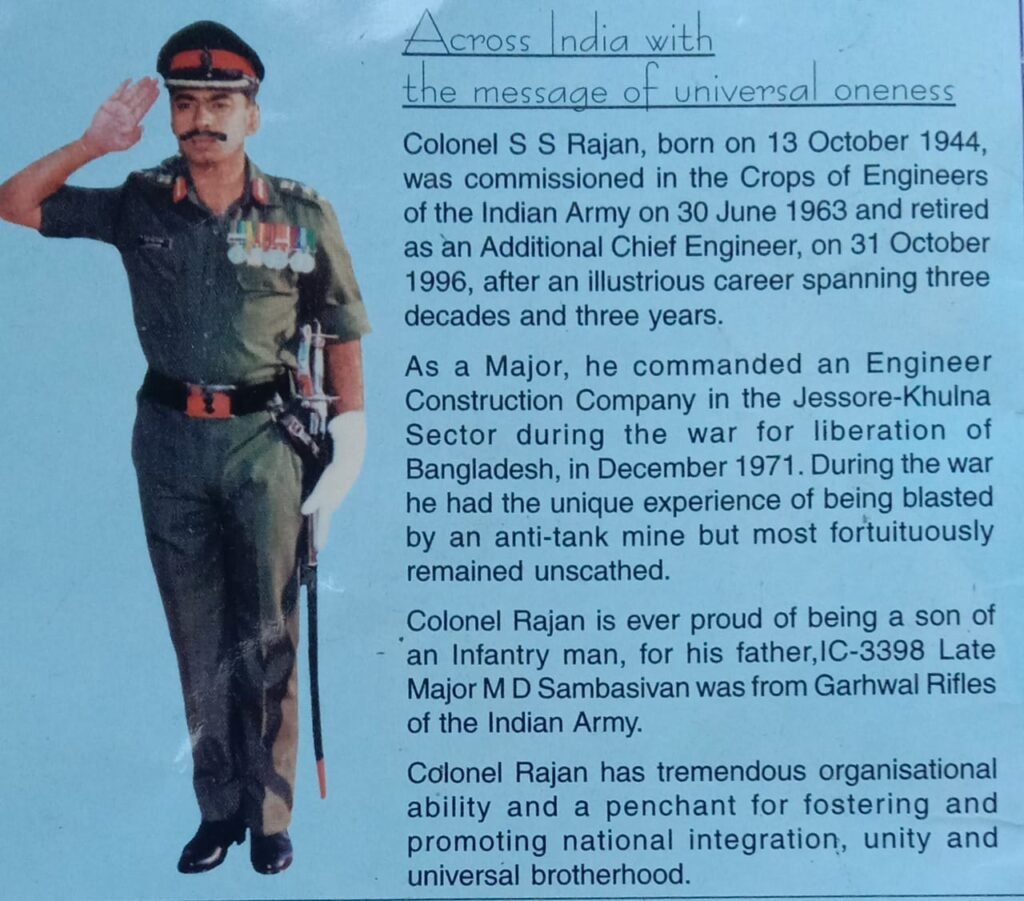
My salute to the Sanjha Morcha Fraternity. Regards, Col Rajan
Col SS Rajan , a veteran who is always is a strong Sapper officers , a daring personality who spearheaded OROP agitation at Jantar Mantar in 2015 , and he has full support from veterans from Southern Sates .
He was an active member of All India Sanjha Morcha but due to his health problems he said good bye to Sanjha Morcha ,now we the Fertility of Sanjha Morcha welcome him back with folded hands to Sanjha mocha family. He is a good writer and takes up veterans cases/problems very aggressively and whole heartedly .
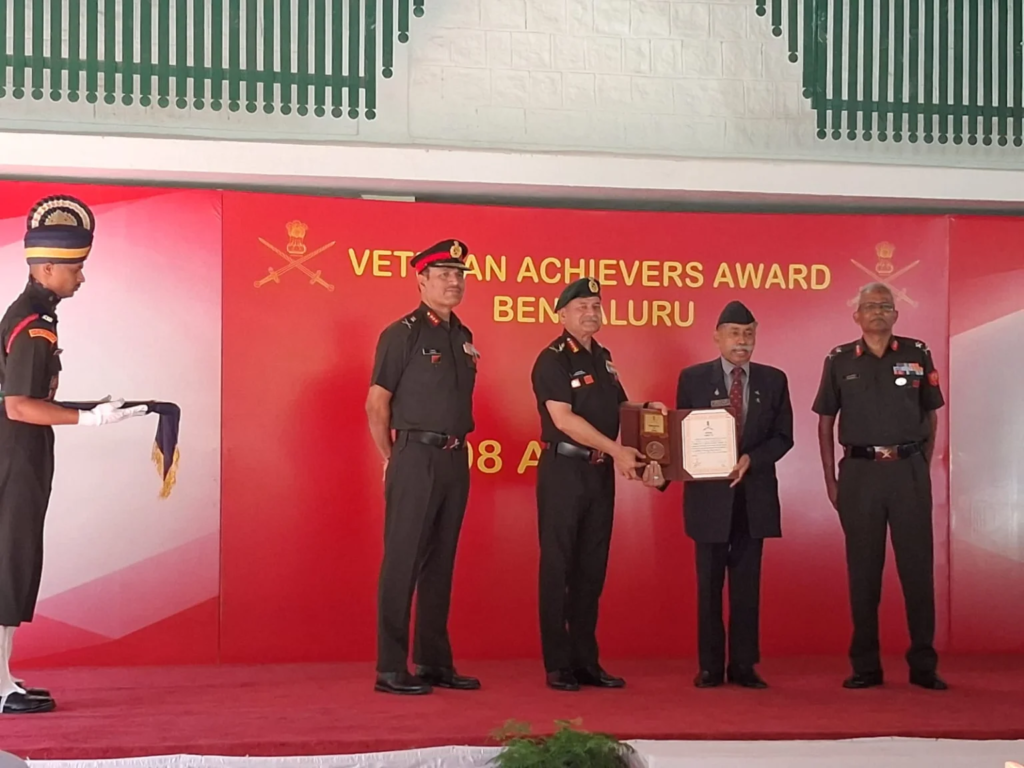
Recently Col SS Rajan( Ex-President South ofSanjha Morcha) being bestowed the Veteran Achiever Award by the COAS on 08 Apr 2026,
Standing from Left to Right:
Comdt ASC Centre & College, Bangalore.
COAS
Col Rajan holding the Veteran Achiever Medallion & Parchments document of the Award.
CoS, HQ Dakshin Bharat Area, Chennai.
Govt hikes windfall tax on diesel to Rs 55.5/litre, ATF to Rs 42/litre
Govt hikes windfall tax on diesel to Rs 55.5/litre, ATF to Rs 42/litreDuties levied to increase domestic availability of the fuel amid the war in West Asia
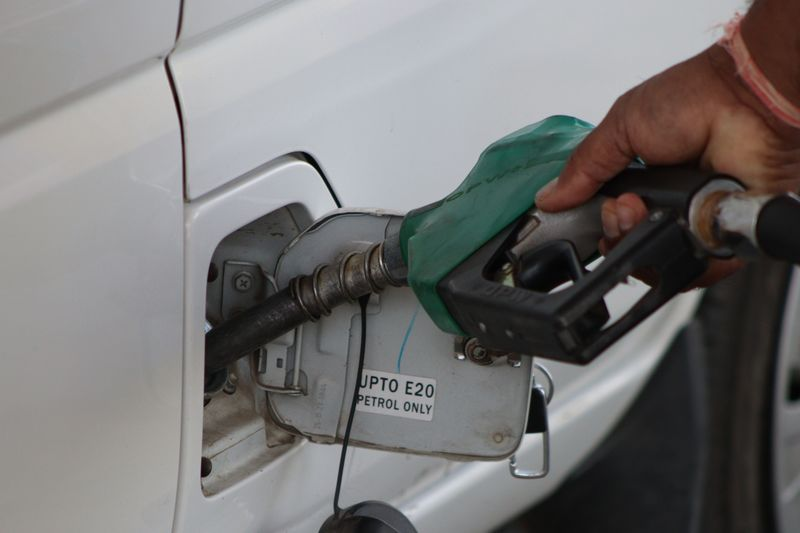
The government on Saturday hiked export duty, or windfall tax, on diesel to Rs 55.5 per litre and on aviation fuel ATF to Rs 42 a litre.
The duty hikes would be applicable with immediate effect, the finance ministry said in a notification.
The government had, on March 26, imposed an export duty of Rs 21.50 a litre on diesel, and Rs 29.5 per litre on Aviation Turbine Fuel (ATF). The duties were levied to increase domestic availability of the fuel amid the war in West Asia.
They were also aimed at not allowing exporters to take undue advantage due to price differences, as globally crude oil prices had risen since the beginning of the war.
On February 28, the United States and Israel launched military strikes against Iran, triggering sweeping retaliation from Tehran.
On April 8, Iran, the United States and Israel agreed on a two-week ceasefire in the war that tore across the Middle East and disrupted the global energy market.
Export duty on petrol continues to remain nil.
Army Chief reviews indigenous drone tech in Bengaluru
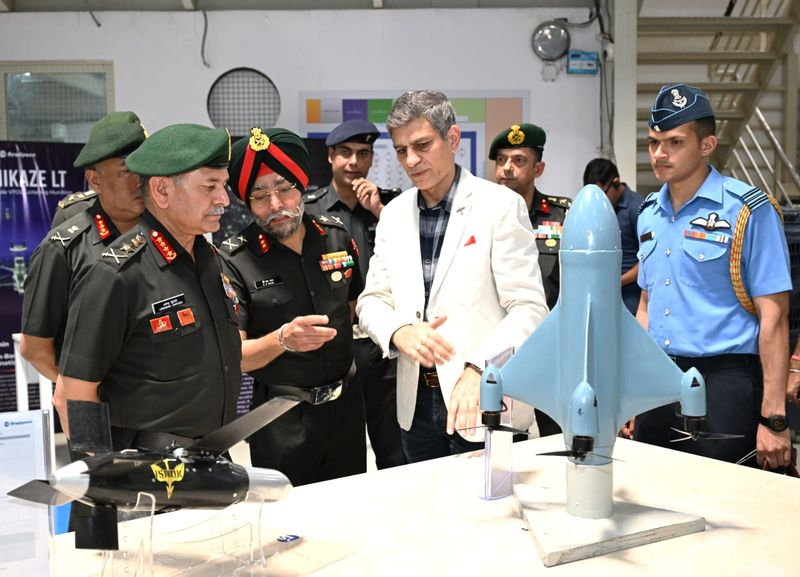
The Army shared images of Gen Dwivedi at NewSpace Research and Technologies
Amid the rapid expansion in the use of drones in warfare, Army Chief Gen Upendra Dwivedi reviewed the latest technological developments and assessed private sector capabilities during a visit to Bengaluru.
The Army shared images of Gen Dwivedi at NewSpace Research and Technologies, where he was briefed on indigenous advancements in unmanned and high-altitude systems. One image showed the Chief being presented a drone resembling systems used in the West Asia conflict.
In a post on X, the Army said the interaction highlighted advancements in swarm drone technologies and ISR (intelligence, surveillance and reconnaissance) capabilities. These are critical for ensuring persistent surveillance and robust communication support in harsh operational environments.
The Army said its focus remains on harnessing indigenous innovation to enhance situational awareness, enable high-altitude operations and accelerate the integration of autonomous systems.
Following Operation Sindoor, the Northern and Central Army Commands reached out to the domestic industry, seeking technological solutions in drones, artificial intelligence and advanced satellite communication systems.
The Ministry of Defence, in September last year, released the Technology Perspective and Capability Roadmap (TPCR), outlining requirements for a wide range of drone systems.
The Army has asked industry to develop options for ‘kamikaze’ systems, vertically launched anti-tank loitering munitions, high-altitude drones with satellite communication capabilities and drone-based radars capable of detecting targets under tree cover. It has also sought high-altitude, long-endurance surveillance swarms and systems capable of neutralising enemy radars.
In addition, the Army has sought AI-based solutions for decoding and translating intercepted enemy communications, real-time drone threat detection, counter-drone electronic warfare, detection of camouflaged military assets, autonomous signal interception and AI-assisted combat communication systems.
The Northern Command is critically dual-tasked, managing intense security challenges on two fronts — the Line of Control with Pakistan in Jammu and Kashmir and the Line of Actual Control (LAC) with China in Eastern Ladakh. The Central Command oversees areas along the LAC in Himachal Pradesh and Uttarakhand.
Colonel Sonam Wangchuk, the Kargil war hero, dies of heart attack
During Kargil War, Colonel Sonam Wangchuk, then a Major, led 30 personnel from Ladakh Scouts to recapture Chorbat La on May 30, 1999
Colonel Sonam Wangchuk (retd), a Kargil war hero awarded the Mahavir Chakra, died of a heart attack at his home on Friday. He had been living a retired life in Ladakh and was about 61 years old.
The Mahavir Chakra is the second-highest wartime gallantry award.
On May 30, 1999, then a Major, Wangchuk was tasked with leading a column of 30 personnel from the Ladakh Scouts to recapture Chorbat La in the Batalik sector along the Line of Control with Pakistan in Ladakh, which had been occupied by the Pakistani Army.
His gallantry award citation stated that while under heavy enemy fire in extreme high-altitude conditions, he initiated a daring counter-ambush, killing 10 enemy soldiers and forcing others to abandon their posts, allowing the unit to take control of the entire ridge.
His actions were vital in clearing the enemy along the Chorbat La axis in the Batalik sector and securing the Line of Control.
Former Indian Army Chief General V.P. Malik, who was heading the Army during the Kargil War (May–July 1999), posted on X: “Very sad to learn about the passing away of Sonam Wangchuk, MVC, Kargil war hero who captured Chorbat La with his Ladakh Scouts troops. A brave leader and a thorough gentleman. Heartfelt condolences to the family. Salute to the braveheart. Om Shanti.”
The Leh-headquartered 14 Corps of the Indian Army posted on X: “The General Officer Commanding and all ranks express profound grief on the untimely demise of Colonel Sonam Wangchuk, MVC (Retired), and extend heartfelt condolences to the bereaved family.”
The 14 Corps described him as a distinguished veteran of the Kargil War, remembered for his exemplary courage and inspiring leadership in the Batalik sector. His indomitable spirit and military acumen contributed significantly to the nation’s success in some of the most challenging high-altitude operations.
His legacy of leadership, patriotism, and unwavering commitment to duty will continue to inspire generations, the post said.
Former Northern Army Commander Lt Gen Y.K. Joshi (retd), himself a gallantry awardee of the Kargil War, posted on X: “Very sad to learn about the sudden demise of Col Sonam Wangchuk, MVC, who breathed his last early this morning due to a heart attack. My deepest homage to the brave soldier.”
“Col Wangchuk, a recipient of the Maha Vir Chakra, was a true hero of the Kargil War. His dedication, bravery, and selfless service will be remembered forever. May his soul rest in peace,” he added.
Indian Army Chief General Upendra Dwivedi has commissioned a state-of-the-art Additive Manufacturing facility at the 515 Army Base Workshop. This milestone development marks a significant step forward in enhancing the Indian Army’s technological prowess.
The facility promises to boost indigenisation efforts across military operations. It equips the army with advanced tools for rapid prototyping, enabling quicker development of essential components without reliance on external suppliers.
Mission-critical repair capabilities receive a major upgrade through this initiative. Soldiers and technicians can now address equipment failures swiftly, minimising downtime in high-stakes environments.
At the heart of the facility lie sophisticated technologies, including advanced 3D scanning for precise digital modelling of parts. This allows for accurate replication of complex components that might otherwise be hard to source.
Polymer printing capabilities form a key pillar of the setup. These enable the swift production of durable, lightweight parts using high-performance polymers, ideal for non-structural applications in combat gear.
Metal printing takes indigenisation to the next level. The facility supports the fabrication of robust metal components, crucial for heavy-duty military hardware like vehicle parts and weapon systems.
Post-processing stations ensure that printed parts meet exacting military standards. Finishing techniques such as heat treatment and surface smoothing guarantee reliability under operational stress.
The operational impact of this facility is profound. It enhances in-house repair and manufacturing of critical combat equipment, reducing dependency on import chains and fostering a resilient supply ecosystem.
This commissioning aligns seamlessly with the Indian Army’s focus on future-ready technology. By embracing additive manufacturing, the army positions itself at the forefront of defence innovation.
Self-reliance remains a core objective. The facility embodies the ‘Atmanirbhar Bharat’ vision, promoting domestic production of spares and prototypes to safeguard national security interests.
Beyond the core Additive Manufacturing setup, the 515 Army Base Workshop has forged strategic partnerships. These collaborations aim to strengthen drone manufacturing capabilities, vital for modern reconnaissance and strike missions.
AI-enabled systems also benefit from these partnerships. Integration of artificial intelligence will optimise drone operations, from autonomous navigation to real-time data analysis on the battlefield. This initiative forms part of the Indian Army’s broader technology absorption efforts. It reflects a holistic push to integrate emerging technologies, ensuring adaptability to evolving threats.
General Dwivedi’s involvement underscores high-level commitment to these advancements. His commissioning signals the army’s resolve to modernise workshops into hubs of innovation.
Rapid prototyping enabled by the facility will accelerate the testing of new designs. Engineers can iterate on ideas swiftly, shortening the feedback loop from concept to deployment. In theatre repairs gain a new edge. Forward-deployed units can now fabricate spares on-site, maintaining operational tempo during prolonged engagements.
The blend of 3D scanning and printing creates a closed-loop system. Damaged parts are scanned, redesigned if needed, printed, and reinstalled with minimal delay. Polymer printing supports a wide array of applications, from custom grips on small arms to insulated housings for electronics. This versatility broadens the facility’s utility across army branches.
Metal printing tackles high-stress components, such as gearbox elements or structural brackets. It ensures that even scarce legacy parts can be reproduced indigenously.
Post-processing elevates quality control. Techniques like machining and coating prevent failures, aligning outputs with rigorous MIL-SPEC standards. Indigenisation reduces vulnerabilities in supply chains. No longer constrained by geopolitical disruptions, the army can sustain equipment longevity through local expertise.
Future-ready technology integration prepares the force for multi-domain operations. Additive manufacturing complements cyber, space, and electronic warfare capabilities.
Self-reliance extends to skill development. Workshop personnel receive training in these technologies, building a cadre of in-house experts.
Drone manufacturing partnerships will yield swarms of indigenous UAVs. These platforms enhance surveillance, logistics, and precision strikes along contested borders.
AI-enabled systems promise smarter decision-making. Algorithms will process sensor data for threat detection, predictive maintenance, and autonomous resupply.
The Indian Army’s technology absorption strategy gains momentum. This facility exemplifies systemic adoption, from labs to frontlines, driving a tech-savvy force. Operational readiness soars as a result. Units face adversaries with fully maintained fleets, unhindered by logistical bottlenecks.
This development inspires similar upgrades across other base workshops. A networked ecosystem of additive manufacturing could revolutionise army-wide sustainment.
General Dwivedi’s vision charts a path to technological sovereignty. By 2030, such facilities may underpin fully indigenised arsenals, from artillery to armoured corps.
IDN (With Agency Inputs)
Navigating Strategic Waters: India’s Ports Rebound As Hormuz Backlog Dissipates
Union Minister of Ports, Shipping, and Waterways Sarbananda Sonowal announced on Friday, 10 April 2026, that India’s major ports have successfully cleared approximately 90% of the cargo backlog resulting from recent geopolitical disruptions in the Strait of Hormuz.
The Minister attributed this rapid return to normalcy to the timely interventions and constant oversight provided by the Ministry.
The logistical bottleneck was exemplified by the arrival of the Green Asha, an India-flagged LPG vessel. After successfully navigating the Strait of Hormuz, the ship moored at the Jawaharlal Nehru Port Authority’s liquid berth in Mumbai, which is operated by a partnership between BPCL and IOCL, on 9 April 2026.
During a high-level review meeting involving senior officials and various port authorities, Mr Sonowal observed that while the evolving situation in West Asia had initially hindered vessel traffic and cargo flow, proactive and coordinated measures were implemented to ensure trade remained resilient. He expressed satisfaction that these actions allowed for rapid stabilisation with minimal overall impact on national commerce.
Sonowal commended the dedication of port authorities and workers, noting that their efforts were instrumental in preventing severe congestion during a critical window of global uncertainty. The Minister reviewed the specific operational status of each port, praising the efficiency with which the backlog was handled across the board.
Beyond operational logistics, the Minister emphasised the welfare of trade stakeholders. He asserted that the government’s priority remains protecting the interests of exporters, importers, and logistics providers. To this end, he issued a directive ensuring that financial relief measures, such as concessions on reefer charges and waivers on ground rent, are passed on to the relevant parties without any delay.
Furthermore, Sonowal issued a stern instruction to the Directorate General of Shipping regarding the transparency of shipping costs. He stated firmly that the crisis must not be exploited for profiteering, demanding that all charges be clearly documented and monitored to safeguard the integrity of India’s trade interests.
India security challenges
Reports from the meeting confirmed that vital hubs, including the Jawaharlal Nehru Port, Deendayal Port Authority, Mumbai Port, and New Mangalore Port Authority, have now largely cleared their stranded cargo. This was achieved through a combination of enhanced yard capacity, innovative operational strategies, and highly coordinated logistics planning.
Concluding the review, the Minister reaffirmed the government’s commitment, under the leadership of Prime Minister Narendra Modi, to maintain a robust maritime sector. He pledged that the Ministry would continue its close monitoring of the situation to ensure that Indian supply chains remain resilient in the face of ongoing global challenges.
State Stalwarts
DEFENCE MINISTER
Minister Rajnath Singh
ALL HUMANS ARE ONE CREATED BY GOD
HINDUS,MUSLIMS,SIKHS.ISAI SAB HAI BHAI BHAI
CHIEF PATRON ALL INDIA SANJHA MORCHA
LT GEN JASBIR SINGH DHALIWAL, DOGRA
SENIOR PATRON ALL INDIA SANJHA MORCHA
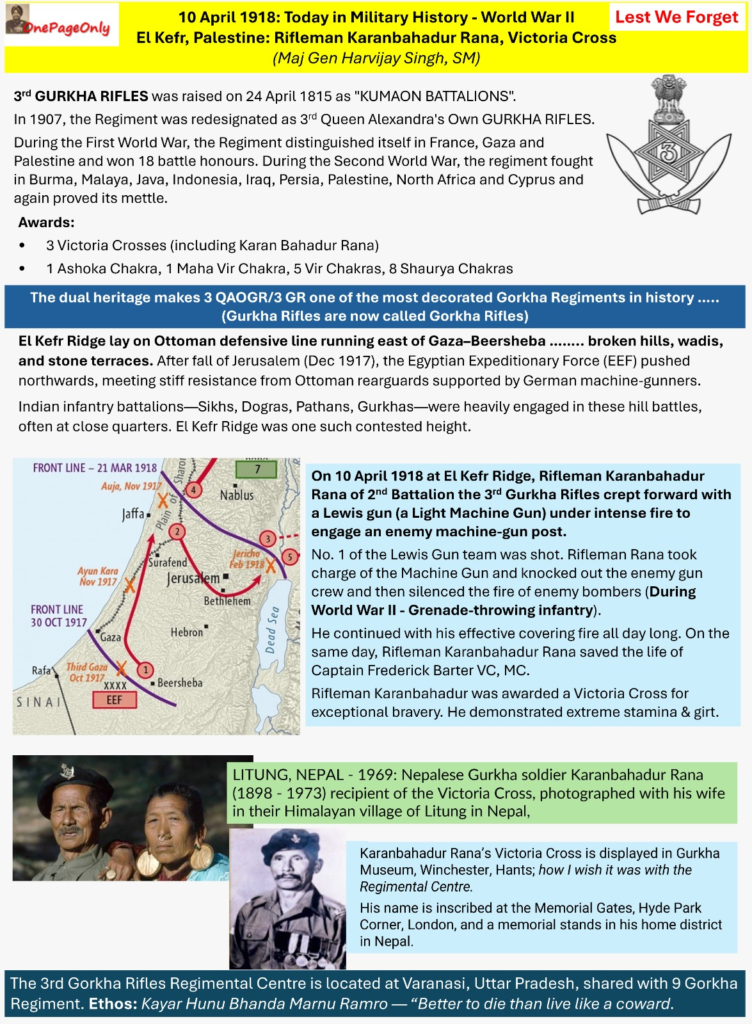
MAJOR GEN HARVIJAY SINGH, SENA MEDAL ,corps of signals
.
.
PATRON ALL INDIA SANJHA MORCHA
MAJ GEN RAMINDER GURAYA ,MADRAS REGIMENT
sanjhamorcha303@gmail.com
PRESIDENT SOUTH ALL INDIA SANJHA MORCHA
COL SS RAJAN BOMBAY SAPPERS,
PRESIDENT UTTARAKHAND ALL INDIA SANJHA MORCHA
COL B M THAPA ,BENGAL SAPPERSS
PRESIDENT HARAYANA STATE CUM COORDINATOR ESM
BRIG DALJIT THUKRAL ,BENGAL SAPPERS
PRESIDENT TRICITY
COL B S BRAR (BHUPI BRAR)
PRESIDENT CHANDIGARH ZONE
COL SHANJIT SINGH BHULLAR
.
.
PRESIDENT PANCHKULA ZONE AND ZIRAKPUR
COL SWARAN SINGH
INDIAN DEFENCE FORCES
DEFENCE FORCES INTEGRATED LOGO
INDIAN AIR FORCE
Air Officer C-in-C WESTERN AIR COMMAND
AIR MSHL S PRABHAKARAN AVSM VM
AOC-IN-C, EASTERN AIR COMMAND
Air Marshal Inderpal Singh Walia
AOC-in-C SOUTH WESTERN AIR COMMAND
Air Marshal Vikram Singh
AOC-IN-C, SOUTHERN AIR COMMAND
Air Marshal J.Chalapati
AOC-IN-C TRAINING COMMAND
AIR MARSHAL SK GHOTIA VSM
AOC-IN-C MAINTENANCE COMMAND
Air Marshal Jagdish Chandra
Flag Officer Commanding in Chief, Western Naval Command
ice Admiral R Hari Kumar, PVSM, AVSM, VSM
Flag Officer Commanding in Chief, Eastern Naval Command
Vice Admiral Sanjay Bhalla, AVSM, NM
Flag Officer Commanding in Chief, Southern Naval Command