












Sanjha Morcha

The Stealth Gambit: Moscow Offers India 36–40 Su-57 Stealth Fighters With HAL Co-Production And Tech Transfer

Citing a report from TASS and in a significant move to bolster bilateral military ties, Russia has extended a formal proposal to supply India with approximately two squadrons of its Su-57 fifth-generation fighter aircraft.

This offer comes at a time when India is navigating its long-term aerial strategy, with the potential deliveries of these advanced jets slated to begin between 2027 and 2028. If the deal proceeds, the full induction of the fleet into the Indian Air Force would likely be completed by the 2030–31 period.

Current reports suggest that the Indian government is in the process of evaluating the offer, which would encompass between 36 and 40 aircraft. The acquisition is being viewed as a possible interim solution to enhance India’s combat capabilities and bridge the technological gap while the nation continues to develop its indigenous Advanced Medium Combat Aircraft (AMCA) program.

This would allow the air force to maintain a sophisticated edge in the region during the AMCA’s transition from blueprint to operational reality.

The Russian proposal outlines a phased increase in production to ensure that the delivery timelines are met, with Moscow aiming to scale up its manufacturing output significantly over the next few years. At present, the Su-57 units are equipped with AL-41F1 engines.

However, the offer also hints at future technical evolutions, including the integration of next-generation powerplants that would further enhance the aircraft’s performance and stealth characteristics.

A pivotal aspect of the proposal is the inclusion of substantial domestic participation, a move that aligns with India’s push for self-reliance in the defence sector. There is a possibility that Hindustan Aeronautics Limited (HAL) could support up to 50% of the production infrastructure, provided a local manufacturing arrangement is formalised. This would ensure that a significant portion of the project’s value and technical expertise remains within the Indian industrial ecosystem.

Despite the strategic allure of the Su-57, New Delhi is expected to weigh several critical factors before committing to the deal. High on the list of priorities are the total cost of the acquisition, the depth of technology transfer being offered, and the potential impact on India’s long-term strategic autonomy. 

Ensuring that the deal does not lead to over-dependence on a single foreign supplier remains a core consideration for Indian policymakers.

As it stands, these discussions are still in their infancy. While the proposal represents a major development in Indo-Russian defence cooperation, no final decision has been announced by the Indian government. The coming months will likely see rigorous technical and financial assessments as India decides whether the “Felon” fits into its vision for a future-ready air force.

IDN (With Agency Inputs)

US assures India of seamless integration of 31 Predator drones

Deliveries are expected to start in January 2029; in October 2024, Ministry of Defence had inked a contract with the US for Predator drones

Deliveries are expected to start in January 2029. Drones are used widely for surveillance and to attack targets with pinpoint precision.

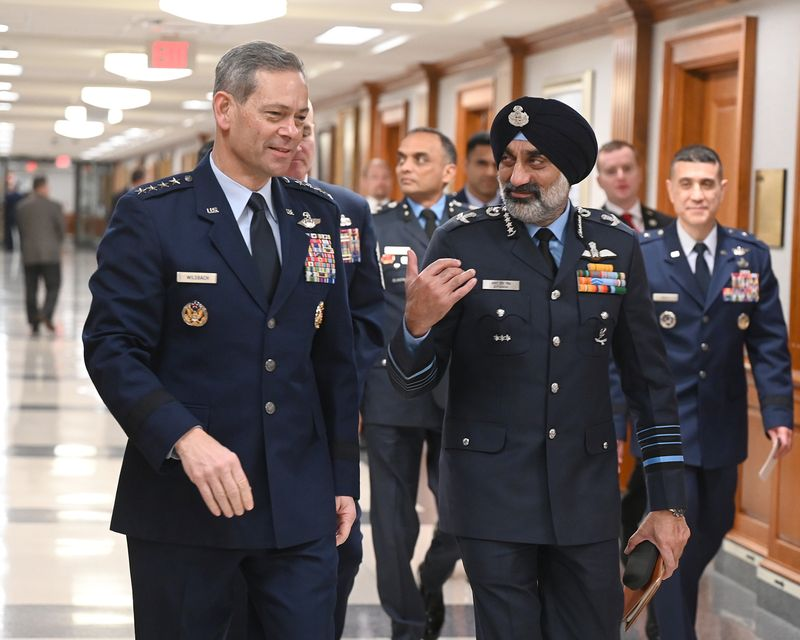
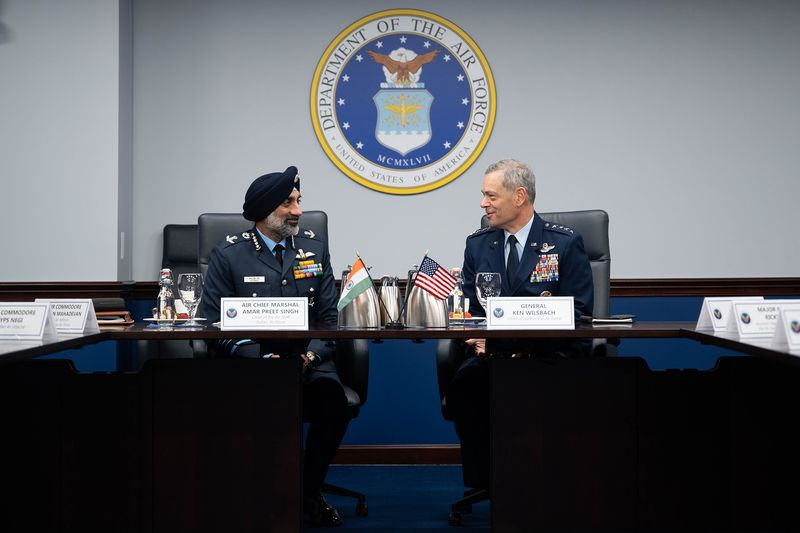
US Air Force Chief General Kenneth Wilsbach, at a meeting with Indian Air Force Chief Air Chief Marshal AP Singh, in the US, welcomed India’s procurement of MQ-9B armed drones.

The US Air Force said, “General Wilsbach emphasised the US Air Force commitment to ensuring the Indian Armed Forces can seamlessly and effectively employ the platform (Predator) upon delivery.”

The IAF Chief was also shown ‘full-spectrum MQ-9 operations’, the US Air Force said on Saturday.

In October 2024, the Ministry of Defence had inked a contract with the US Government for the drones and a separate contract with drone maker General Atomics for performance-based logistics and for maintenance, repair & overhaul in India.  These are valued at almost $ 4 Billion.

The MQ-9B operates at altitudes of over 40,000 feet, has an endurance of up to 40 hours in continuous flight, and has features such as automatic take-off and landing, along with encrypted communications and secure GPS.  Its armament payload includes missiles and small-diameter bombs. It has advanced signals intelligence systems, electro-optical, infrared sensors and synthetic aperture radar for surveillance.

MQ-9B offers persistent and long-range surveillance and monitoring capabilities.

Separately, the Indian Air Force described the meeting of Air Chief Marshal Singh and General Wilsbach, saying the two chiefs discussed enhancing interoperability of the forces, conducting joint training, capability development and fostering shared learning.

The visit also included the IAF Chief’s engagements at Peterson Space Force Base and Nellis Air Force Base, along with a familiarisation flight in an F-15EX fighter jet. Ironically, the Iranians had shot down an F-15E jet during the conflict.

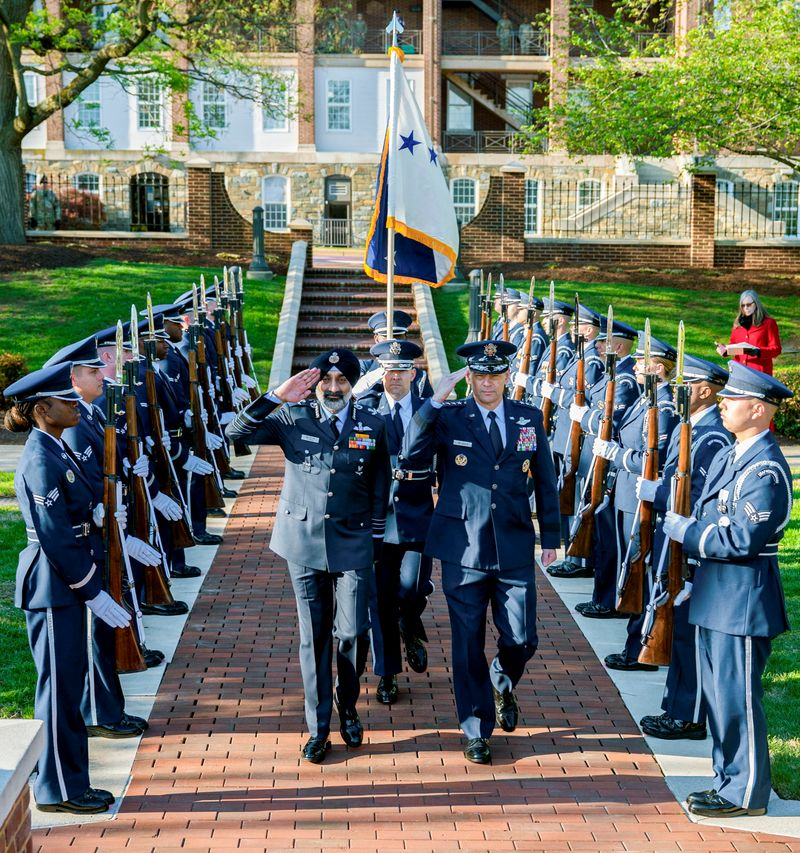
Earlier, Air Chief Marshal AP Singh received a full honours arrival at US Joint Base Anacostia-Bolling and met with Secretary of the US Air Force Troy Meink, the US Air Force said.

During the meetings, Department of the Air Force senior leaders emphasised the priority the US places on its defence partnership with India, highlighting its central role in ensuring a free, open, peaceful and prosperous Indo-Pacific region.

General Wilsbach underscored the U.S. Air Force’s readiness to further support Indian Air Force modernisation efforts, noting the mutual benefits of pursuing these goals through defence industrial collaboration.


IAF unit marks 40th Raising Day with 100 pc serviceability of vintage Chetak, Cheetah helicopters

The IAF’s No. 132 Helicopter Unit is among the last few remaining units to operate the vintage Chetak and Cheetah light helicopters

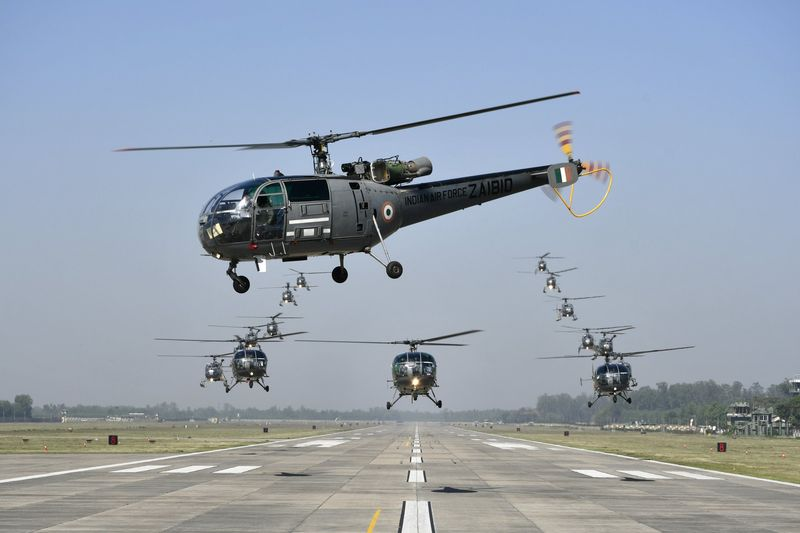
The Indian Air Force’s (IAF) No. 132 Helicopter Unit, among the last few remaining units to operate the vintage Chetak and Cheetah light helicopters, is marking 40 years of its raising in the Western Command.

Also known as the Hovering Hawks, the unit has achieved 100 per cent serviceability for all 16 aircraft in its fleet, which the IAF has termed as an outstanding feat reflecting unwavering professionalism, technical precision and commitment to operational readiness.

“Despite operating a legacy fleet in harsh environment, the unit’s air warriors ensure consistent, high-level mission readiness, overcoming challenges posed by aging aircraft and demanding operational requirements,” the Western Air Command said.

The unit was raised at Udhampur in 1986 as No. 132 Forward Area Control Flight (FACF) to provide airborne forward air control (FAC) support to fighter aircraft as well as undertake liaison roles and search and rescue missions. In October 1997, No. 135 FAC Flight was merged with it.

The unit has played critical roles in major operations, including Operation Safed Sagar in the 1999 Kargil conflict, where it undertook numerous FAC missions over Dras, Batalik and Mashkoh to guide air strikes on enemy positions.

The unit has been operating the Chetak and Cheetah helicopters that are based on the French Alouette SA-316B and SA-315B, respectively, the origins of which date back to the 1960s.

Other squadrons including No. 114 Helicopter Unit called the Siachen Pioneers and No. 131 Helicopter Unit, called Eagle Eyes, still operate these helicopters for extreme high altitude logistics, search and rescue and casualty evacuation. Many Army posts in the Siachen Glacier are dependent on Cheetahs for supplies and troop rotation.

The Army Aviation Corps, Indian Navy and Indian Coast Guard also operate these machines and in some sectors like Ladakh, these are often pushed to the limits of their flight envelope.

The Chetak, which was inducted in 1965, can carry around seven persons and 2500 kgs cargo, while the Cheetah’s capacity is three passengers and 1200 kgs cargo. Also license-manufactured in India by state-owned Hindustan Aeronautics Limited, their combined fleet across all services numbered around 400 aircraft.

Some of these aircraft were also modified and retrofitted with anti-tank missiles and rockets to undertake close air support missions to assist ground troops. These are in the process of being replaced with new light utility helicopters, the acquisition of which has been hanging fire for many years.


Iran-Israel War LIVE updates: ‘Bad news’: JD Vance says no agreement reached after peace talks with Iran

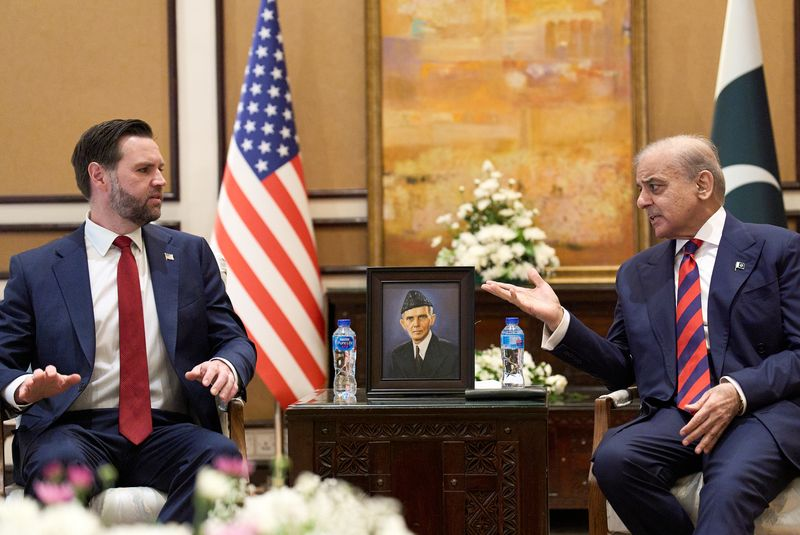
U.S. Vice President JD Vance, left, meets with Pakistan’s Prime Minister Shehbaz Sharif, Saturday, April 11, 2026, in Islamabad, Pakistan for talks about Iran. AP/PTI(AP04_11_2026_000793B)

High-stakes negotiations between the United States and Iran ended without a breakthrough in Islamabad on Sunday, as US Vice President JD Vance departed for Washington after 24 hours of intensive talks mediated by Pakistan.

Addressing a press conference in Islamabad, Vance acknowledged limited progress but confirmed that the two sides had failed to bridge core differences.

“We’ve had a number of substantive discussions with the Iranians. That’s the good news. The bad news is that we have not reached an agreement, and I think that’s bad news for Iran much more than its bad news for the United States,” he said.

Vance said Washington had clearly outlined its “red lines” and areas of possible compromise, but Tehran declined to accept the terms. – Ujwal Jalali

Iran denies claims that US vessels entered Strait of Hormuz

April 12, 2026 8:59 am

A spokesperson for Iran’s joint military command has denied an earlier claim by the US that two Navy destroyers transited the Strait of Hormuz, adding that “initiative over the passage of any vessel rests with the armed forces of the Islamic Republic of Iran”, according to Iran’s state-media. Earlier, the US military said two destroyers transited the Iran-gripped waterway ahead of mine-clearing work, a first since the war began. Iran’s state media, however, said Iran forced a US military ship that was attempting to cross the strait to turn around.

Talks with Iran ended after 21 hours without reaching agreement, says US Vice President Vance

April 12, 2026 8:07 am

US Vice President JD Vance said on Sunday that the Islamabad Talks with Iran failed as the two sides could not bridge the gulf of differences despite hectic efforts spreading more than 21 hours.

Starit of Hormuz

April 12, 2026 8:05 am

As the talks started, the US military said it was “setting the conditions” to start clearing the Strait of Hormuz. The Strait of Hormuz is central to the ceasefire talks. The U.S. military said two of its warships had passed through the strait and conditions were being set to clear mines, while Iran’s state media denied any U.S. ships had transited the waterway.


IAF chief, US counterpart discuss modernisation efforts, future training opportunities

US Air Force Chief of Staff Wilsbach welcomed India’s procurement of MQ-9B Sky Guardian aircraft and emphasised their commitment to ensuring the Indian Armed Forces can seamlessly and effectively employ the platform upon delivery

ndian Air Force chief Air Chief Marshal AP Singh held discussions with US Air Force Chief of Staff Gen Ken Wilsbach in Washington to advance shared priorities in support of the strong and growing defence partnership between the two countries.

Singh received a full honours arrival at Joint Base Anacostia-Bolling here on April 8 and met Secretary of the Air Force Troy Meink and Wilsbach at the Pentagon.

In addition to his engagements in the national capital region, Singh visited Peterson Space Force Base in Colorado for briefings centred on the binational North American Aerospace Defence Command mission of aerospace warning, aerospace control and maritime warning for North America, officials said.

The IAF chief also travelled to Nellis Air Force Base in Nevada, where the visit included briefings at the US Air Force Warfare Centre and a familiarisation flight in an F-15EX Eagle II, a statement from the US Air Force (USAF) said.

“Opportunities like this are crucial for building our joint interoperability and strengthening the strategic partnership between our air forces,” Singh was quoted as saying in the statement.

During the office calls, Department of the Air Force senior leaders emphasised the priority America places on its defence partnership with India, highlighting its central role in ensuring a free, open, peaceful and prosperous Indo-Pacific region.

Wilsbach praised India’s leadership and participation in multilateral exercises with like-minded partners and stressed how continuing to prioritise and expand such cooperation is key to enhancing regional deterrence.

He also welcomed India’s procurement of MQ-9B Sky Guardian aircraft and emphasised the US Air Force commitment to ensuring the Indian Armed Forces can seamlessly and effectively employ the platform upon delivery.

Wilsbach also underscored USAF’s readiness to further support IAF’s modernisation efforts, noting the mutual benefits of pursuing these goals through defence industrial collaboration.

“It was an honour to host Air Chief Marshal AP Singh for this important counterpart visit,” he said.

“Throughout his day at the Pentagon, we had great discussions focused on modernisation efforts, future training opportunities and our shared commitment to a free, open and prosperous Indo-Pacific,” Wilsbach said.

The office call was followed by staff talks to discuss topics that included the National Guard Bureau’s State Partnership Programme, the Air National Guard’s Advanced Airlift Tactics Training Centre, and full-spectrum MQ-9 operations.


US promises seamless induction of ‘Predator’ drones into IAF

Deliveries of MQ-9B likely in Jan 2029

The US has assured seamless integration of the armed MQ-9B Sea Guardian drones into the Indian armed forces. New Delhi had, in October 2024, inked a contract with the US for 31 of these armed drones, popularly known as ‘Predator’.

Deliveries are expected to begin in January 2029. The drones are widely used for surveillance and precision strikes.

US Air Force Chief General Kenneth Wilsbach, during a meeting with Indian Air Force Chief Air Chief Marshal AP Singh in the US, welcomed India’s procurement of MQ-9B armed drones.

The US Air Force said, “General Wilsbach emphasised the US Air Force’s commitment to ensuring that the Indian Armed Forces can seamlessly and effectively employ the platform upon delivery.” The IAF Chief was also shown “full-spectrum MQ-9 operations”, the US Air Force said.

In October 2024, the Ministry of Defence had signed a contract with the US for the drones, along with a separate agreement with its maker General Atomics for performance-based logistics and for maintenance, repair and overhaul in India. The deal is valued at almost $4 billion.

The MQ-9B operates at altitudes of over 40,000 feet and has an endurance of up to 40 hours of continuous flight. It features automatic take-off and landing, encrypted communications and secure GPS. Its armament payload includes missiles and small-diameter bombs. It has advanced signals intelligence systems, electro-optical and infrared sensors, and synthetic aperture radar for surveillance. The MQ-9B offers persistent and long-range surveillance and monitoring capabilities.

Separately, the IAF said the two chiefs discussed enhancing interoperability, joint training, capability development and fostering shared learning.

The visit also included the IAF Chief’s engagements at Peterson Space Force Base and Nellis Air Force Base, along with a familiarisation flight in an F-15EX fighter jet. It may be noted that the Iranians had shot down an F-15E jet during the ongoing conflict.

Earlier, Air Chief Marshal AP Singh received a ceremonial welcome at Joint Base Anacostia-Bolling and met US Air Force Secretary Troy Meink.

During the meetings, senior US Air Force leaders emphasised the importance of the defence partnership with India, highlighting its role in ensuring a free, open, peaceful and prosperous Indo-Pacific region.

General Wilsbach underscored the US Air Force’s readiness to support the IAF modernisation efforts, noting the mutual benefits of defence industrial collaboration.


Vance spoke to Trump ‘dozen times’ during high-stakes US-Iran talks

The US Vice-President confirms consultations with key figures, including Admiral Cooper, Defence Secretary Pete Hegseth, Secretary of State Marco Rubio and Treasury Secretary Scott Bessent

US Vice-President JD Vance on Sunday said he remained in constant touch with President Donald Trump throughout the high-stakes negotiations with Iran, revealing the intensity and real-time coordination behind Washington’s diplomatic push.

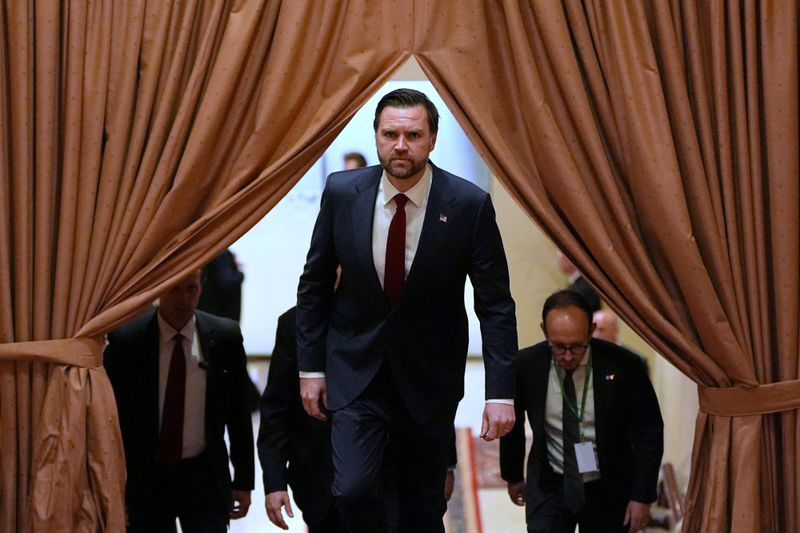
US Vice-President JD Vance arrives for a meeting in Islamabad, Pakistan, on April 11, 2026. Reuters

US Vice-President JD Vance on Sunday said he remained in constant touch with President Donald Trump throughout the high-stakes negotiations with Iran, revealing the intensity and real-time coordination behind Washington’s diplomatic push.

Responding to a question on the frequency of his communication with Trump, Vance said the engagement was continuous during the nearly day-long talks. “We were talking to the President consistently. I don’t know the exact number—perhaps half a dozen times, maybe a dozen over the past 21 hours,” he said.

The Vice-President underscored that the negotiations were closely guided by the broader US national security establishment, with multiple senior officials looped in

He confirmed consultations with key figures, including Admiral Cooper, Defence Secretary Pete Hegseth, Secretary of State Marco Rubio and Treasury Secretary Scott Bessent.

“We were constantly in communication with the entire national security team because we were negotiating in good faith,” Vance said, signalling a coordinated and unified US approach during the talks.


HEADLINES :10APR 2026

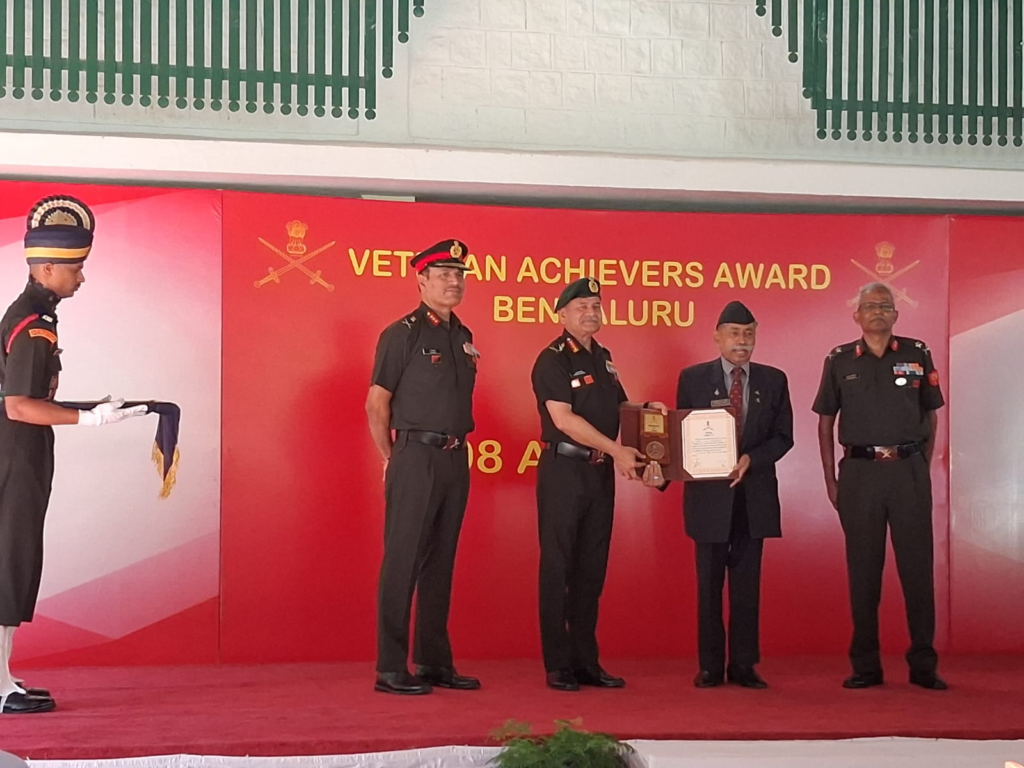
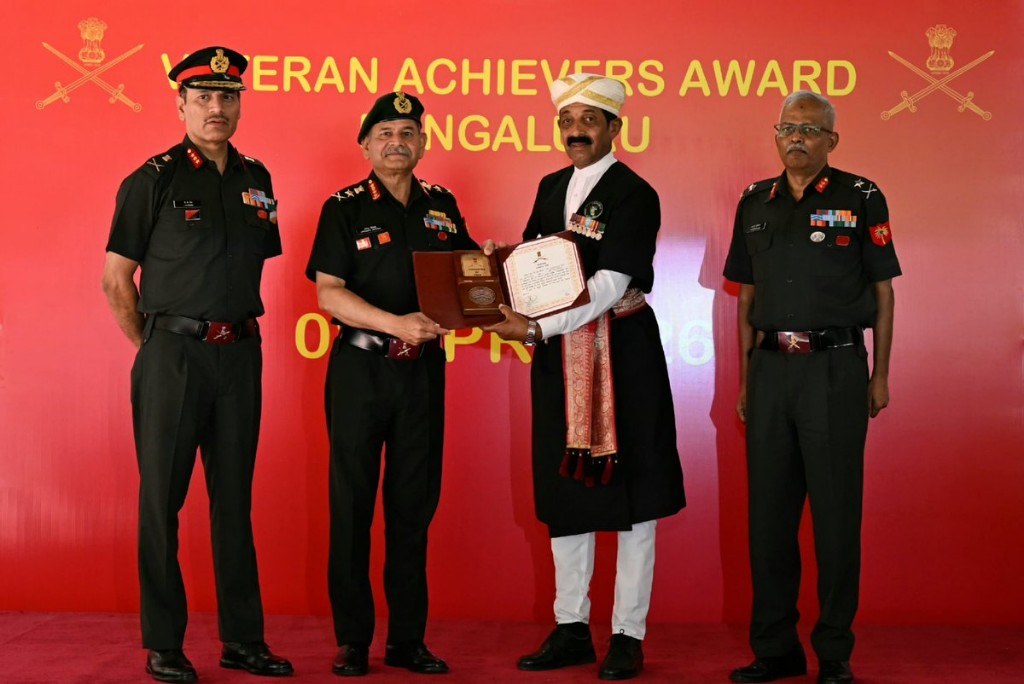
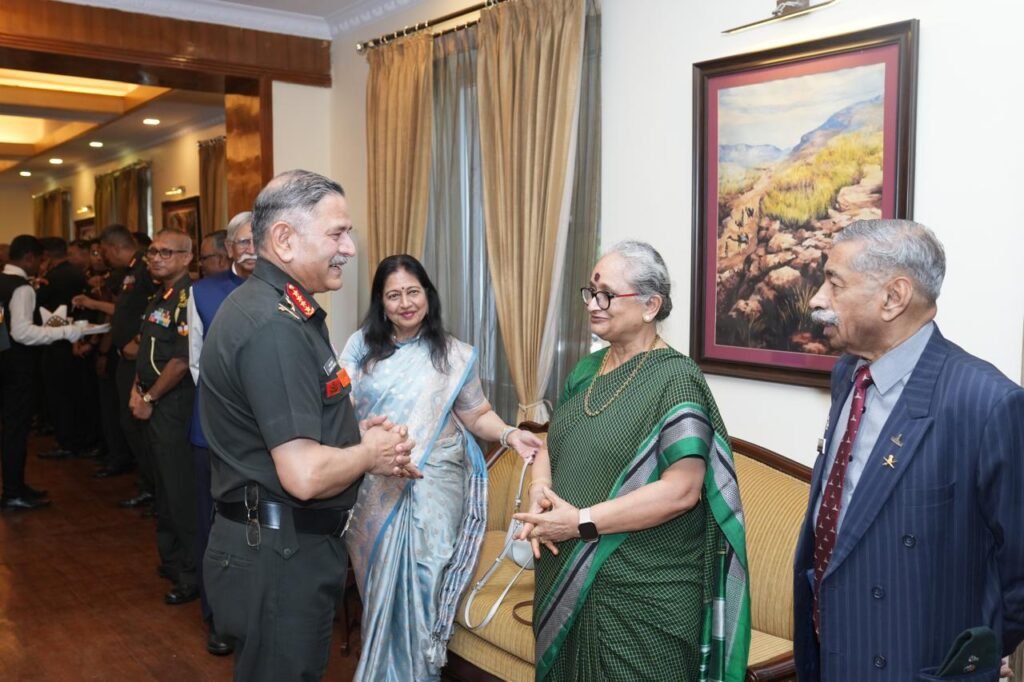
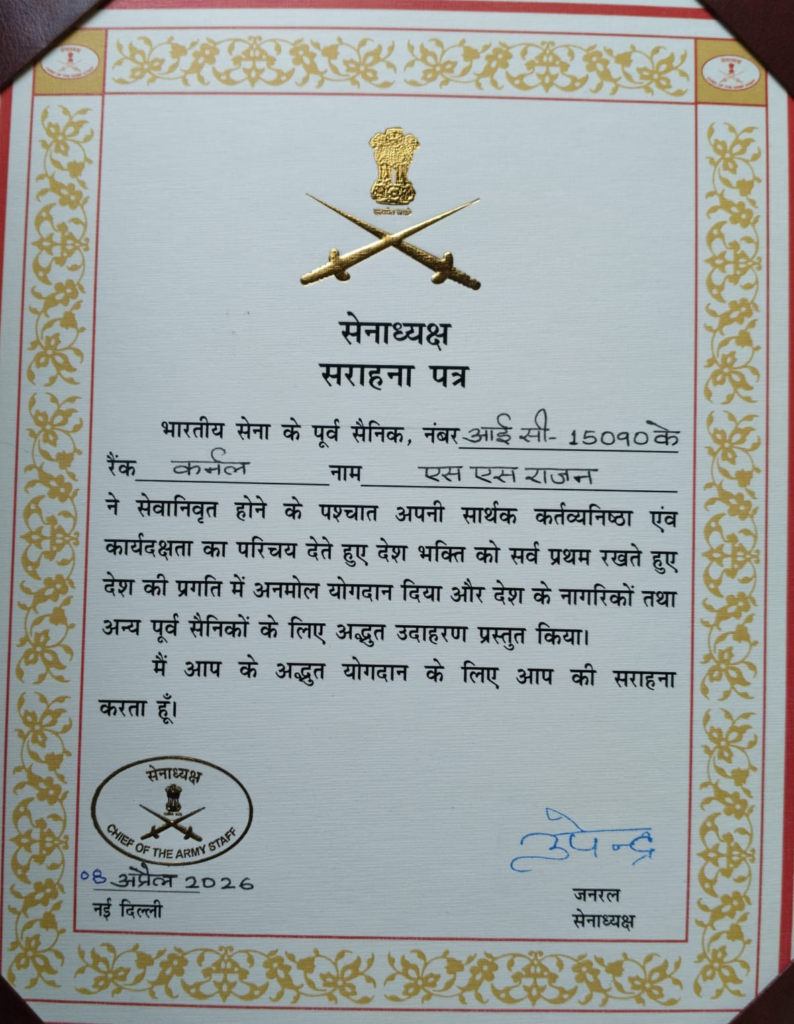
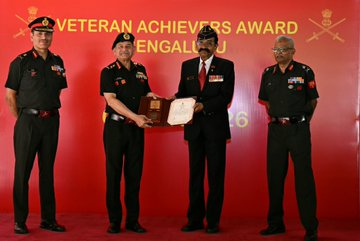
Col SS Rajan( Ex-President South of Sanjha Morcha) being bestowed the Veteran Achiever Award by the COAS on 08 Apr 2026,

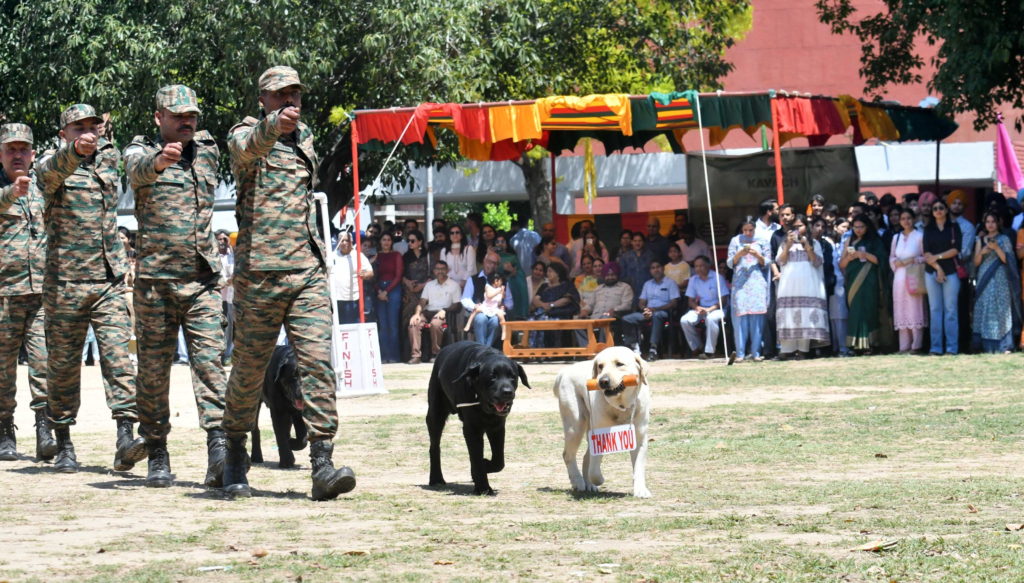
Army dogs steal the show on PU campus

More than 90% planning done for theatre commands: Top military official

Iran makes Trump blink first

Discord keeps ceasefire on thin ice

Theatre command proposal to be submitted to govt soon: CDS Anil Chauhan


Col SS Rajan( Ex-President South ofSanjha Morcha) being bestowed the Veteran Achiever Award by the COAS on 08 Apr 2026,

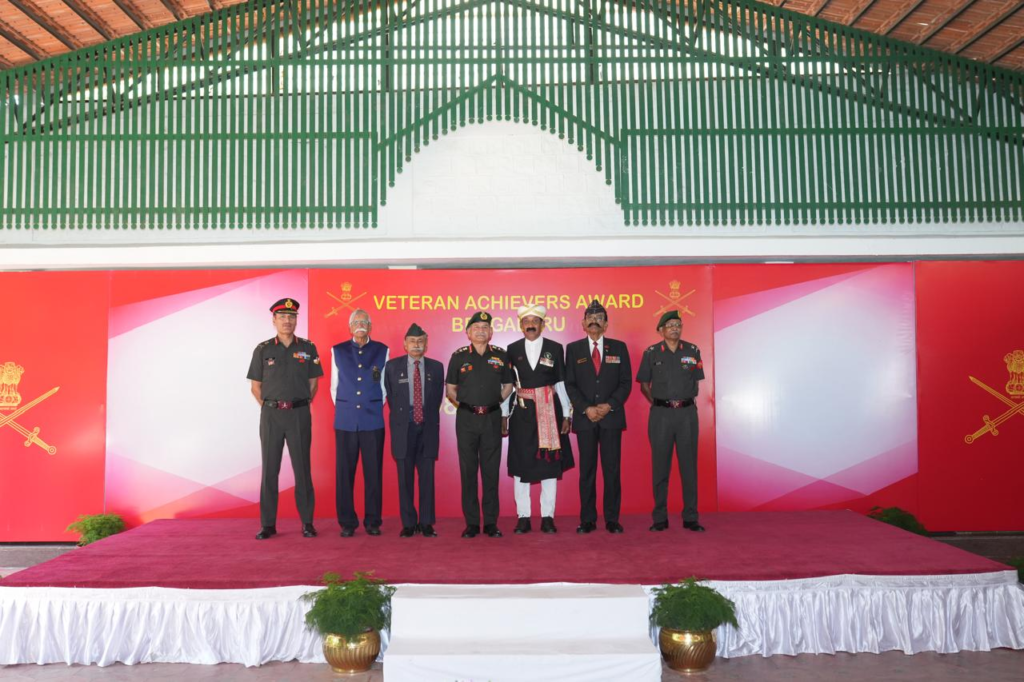
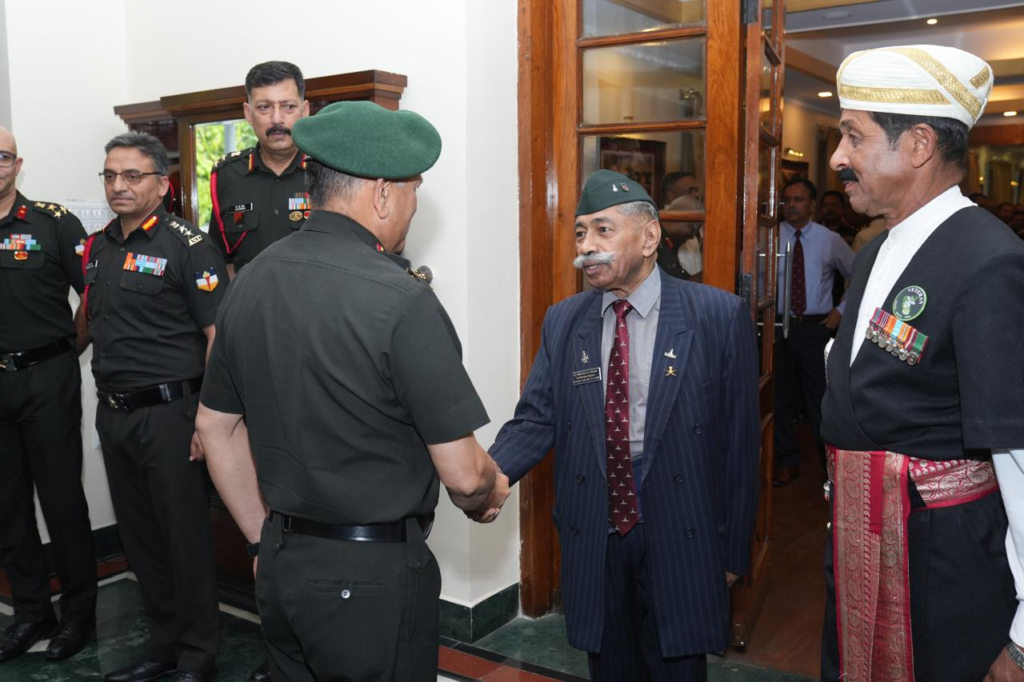
: Col SS Rajan being bestowed the Veteran Achiever Award by the COAS on Wednesday, 08 April 2026 at Dronacharya Hall, ASC Centre & College, Bangalore.

Standing from Left to Right:

  1. Comdt ASC Centre & College, Bangalore.
  2. COAS
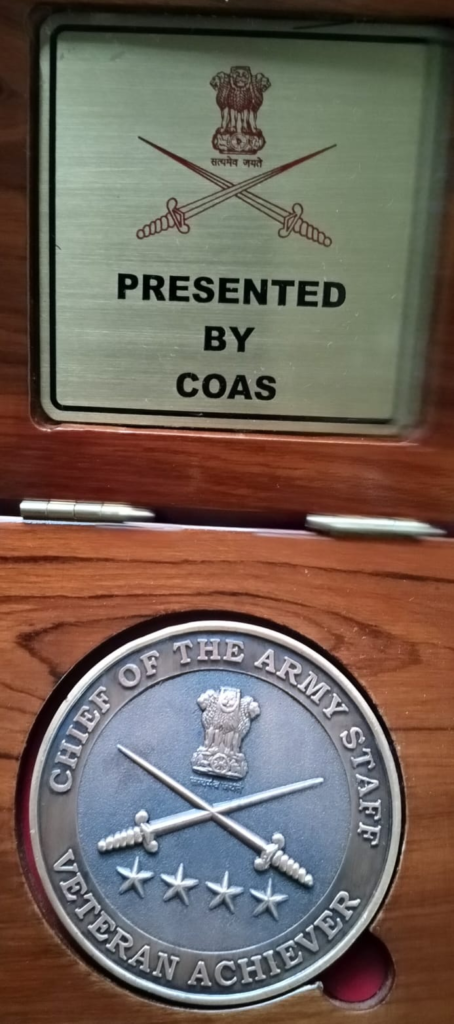
  3. Col Rajan holding the Veteran Achiever Medallion & Parchments document of the Award.
  4. CoS, HQ Dakshin Bharat Area, Chennai.

shaking hands with Col Rajan

The other three Veteran Achievers are:

  1. Col Sharath Bhandary, from Corps of Signals, who rendered yeoman service as President, Mangalore Dist Ex-Servicemen Welfare Association; President, Karnataka Rubber Plant Growers Association; and was Mangalore Metropolitan Magistrate for six years, a unique honor bestowed on a retired Service Officer.
  2. Hav Thimayya, a Madras Sapper, Karnataka Rajyothsava Day Awardee; a recipient of numerous State & National Awards for his contribution to Scientific Farming & Agriculture; and who delivers talks annually to the IAS Trainees at the Lal Bahadur Shastri Academy, Mussoorie, on the subject of Scientific Farming & Agriculture.
  3. Cdr (IN) Santhanam, an authority on various provisions of ECHS; who has been rendering yeo…
    In all humility, I dedicate this Award to my Team of retired Officers, JCOs, NCOs & Men who have stood by me through times thick & thin in organising & conducting various Ex-Servicemen activities, incl Welfare of Ex-Servicemen & their families.
  4. Veteran Achievers Award: Recognising Contributions, Rewarding Excellence #GeneralUpendraDwivedi, #COAS felicitated four distinguished veterans during his visit to Bengaluru for their exceptional contribution to nation-building, social welfare and community empowerment. Havildar SC Thimmaiah (Retd) has significantly transformed rural livelihoods in Kodagu through innovative integrated agro-farming practices. By promoting labour-saving techniques and multi-cropping systems, he has driven widespread adoption across regions. His impactful work has earned him numerous honours, including recognition from ICAR and the Karnataka Rajyotsava Award for excellence in agriculture. Colonel SS Rajan (Retd) has devoted himself to the welfare and resettlement of veterans. He has actively addressed a wide range of issues affecting ex-servicemen and represented their concerns with state authorities. He has also ensured the dignified conduct of Commemoration Ceremonies such as Kargil Diwas and Vijay Diwas at the National Military Memorial, Bengaluru, while continuing to mentor youth and veterans towards meaningful national service. Colonel Nitteguthu Sharath Bhandaray (Retd) has rendered exemplary service in public administration and veteran welfare. As Chairman of the Lok Adalat under the Karnataka High Court, he has effectively resolved numerous grievances of veterans. He has also spearheaded several social initiatives, supporting economically weaker sections, guiding youth towards career in the Armed Forces, and leading welfare activities through charitable organisations. Commander Veeraghava Kuppuswamy Santhanam (Retd) has harnessed digital platforms to support the veteran community by spreading awareness on ECHS policies and procedures. With over 128 informative videos and hands-on volunteer assistance in hospitals, he has enabled countless veterans to access healthcare benefits and navigate reimbursement processes with ease. “Service is a lifelong journey – building a stronger, united India.” #RespectAndRecognition #Veterans #NationBuilding

Army dogs steal the show on PU campus

Army dog squad showcases precision and discipline on Day 1 of Panjab University’s mega-fest ‘KAVACH 3.0’ in Chandigarh on Thursday. Tribune Photo: Pradeep Tewari

featured-img

Army personnel, along with trained dogs, demonstrate a drill to trace terrorists, at Panjab University on Thursday. Pardeep Tewari

The Panjab University ground turned into a display of military precision and discipline as the Department of Defence and National Security Studies (DDNSS) kicked off its two-day annual festival, “Kavach 3.0”. While the event featured various military displays, the highlight of the opening day was a spectacular dog show conducted by the Remount Veterinary Corps (RVC) of the Indian Army.

.The show featured seven highly trained dogs, five labrador retrievers and two Belgian malinois. These canines demonstrated agility and intelligence, successfully navigating complex obstacles like “Brahma Bridge” and 15-foot ladders. Beyond physical stunts, the RVC handlers showcased the technical skills these dogs use in tracking terrorists, detecting explosives and conducting rescue operations in difficult terrains.

These dogs undergo one-year of rigorous training before joining the Army squad. While their average life span is around 12 years, they typically serve for a maximum of 10 years.

The event was inaugurated by PU Vice-Chancellor Renu Vig and special guest Maj Gen Bharat Mehtani, ADG NCC. Organised by Prof Jaskaran Singh Waraich, the show is aimed at bridging the gap between civilians and the armed forces.

The first day also featured a weapon display by the Western Command, Chandimandir. The festival is scheduled to continue through Friday, featuring a horse show and NCC activities.