

















Col Mickie Ubero have created a Child Care Institution (Orphanage) for orphan, abandoned and vulnerable girls and a senior citizens home that runs on a self sustainable basis. It’s a unique institution and a new benchmark.

GHAR is about creating meaningful, purposeful and fulfilling lives and them learning how to use that to make an impact and a difference in the lives of others
– Colonel Mickie Uberoi (Retd)
Sant Ishwar Foundation has set up homes housed in a specially designed seven storied building to house orphan, abandoned and vulnerable girls in need of care and protection, women with disabilities and the elderly under one roof and to empower them through quality education and skilling, mainstream them and make them productive members of society while enhancing the quality of life of the elderly. The name of our institution is GHAR.
GHAR is the creation of a joint family of three generations – daughters, mothers and grandparents and their bonding as we have in our own families. GHAR is about belongingness, security, good education, a sound future and above all, about love and affection.
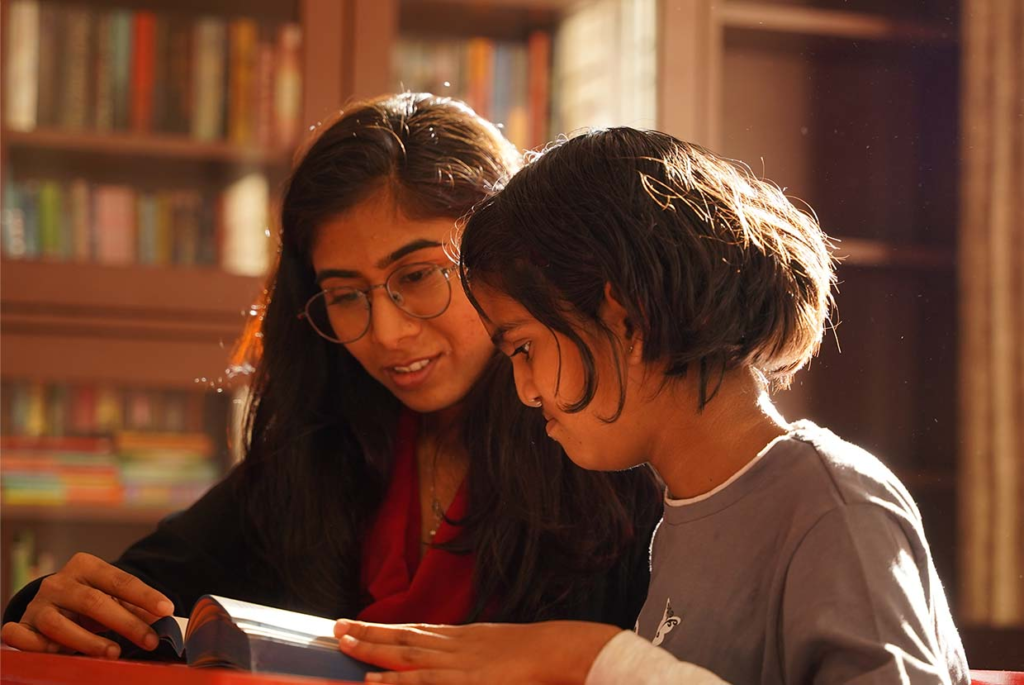
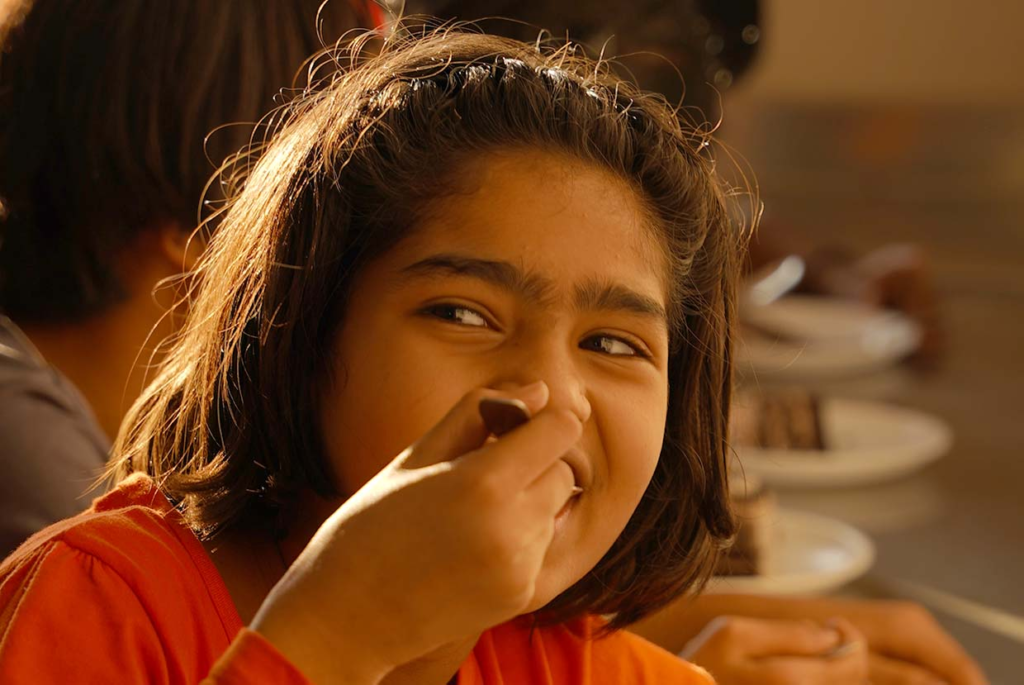
At GHAR we provide our girls a loving and caring environment, good education, healthy nutrition, good healthcare and security and all that it takes to ensure their overall growth and development into successful, compassionate and conscientious human beings. GHAR takes care of the emotional needs of girls in need of care and protection and provides them with good education and all other facilities that are essential to make them realise their full potential in academics, sports, arts and culture and to become capable to participate and compete in all activities.
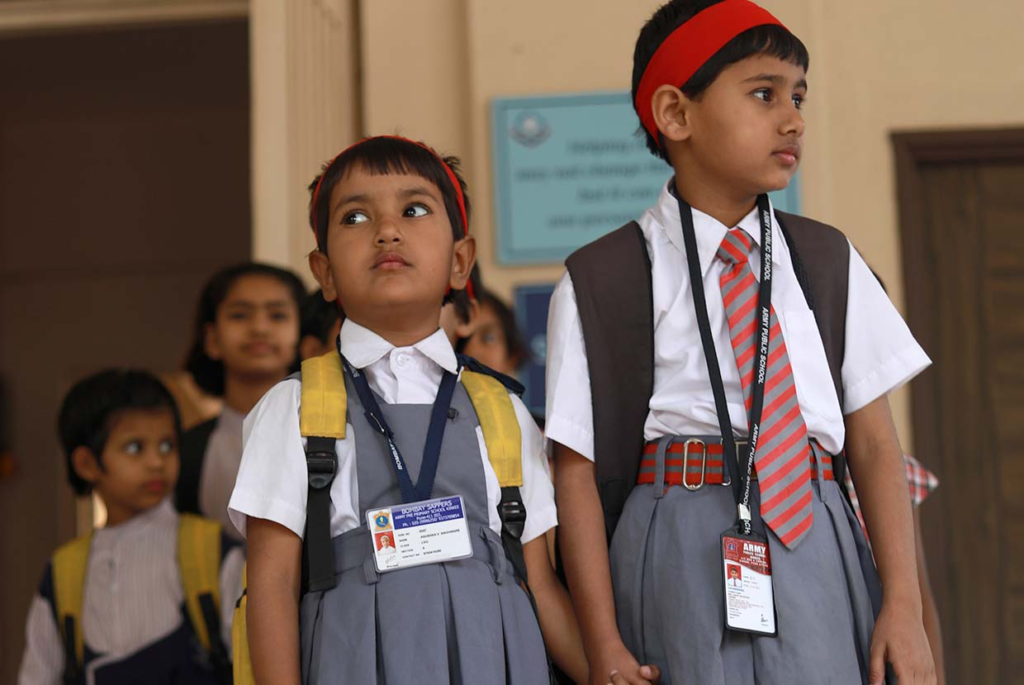
Girls of the age of 6-18 years who are in need of care and protection are taken care of by us. These include orphans who have no one to look after them, abandoned children, children of sex workers who are vulnerable, children of single parents who are unfit and incapacitated to care for and protect their children, abused children and the like. Such children are produced before the Child Welfare Committee, a statutory body, and after due investigations they are admitted to our Child Care Institution.
GHAR is about giving our girls meaningful, purposeful and fulfilling lives and them learning how to use that to make an impact and a difference in the lives of others. We envisage that they will carry the message of humanity, empathy and goodness to their respective worlds and impact people’s lives in times to come.
All girls are educated in English medium schools except some older girls for whom the transition to English is difficult at their age. In view of their underprivileged backgrounds, many girls have had no earlier schooling. In GHAR our teachers provide extensive in-house tuitions to our girls in our classroom named Pathshala.
Classes in English are also conducted to make them versant with the language. Activities, including yoga, sports, vocal and instrumental music lessons, art and craftwork are regularly conducted. Girls are encouraged to participate in school programs. Educational excursions are periodically undertaken. Educational scholarships to needy children are also provided.
Sant Ishwar Foundation also supports the education of marginalised non-resident children and conducts awareness campaigns and workshops on child protection and on aspects of humanity.
The Child Care Institution comprises of four spacious dormitories, a kitchen and pantry, a dining room, well-furnished bathrooms and toilets and a play area for children with playground equipment. Two large halls house a classroom and an activity cum computer room and library.
Girls are provided a well balanced healthy and nutritious diet. All festivals and National events are celebrated with fervour. Workshops on safe and unsafe touch, cartoons, calligraphy, making lamps and motivational classes are also conducted periodically.
All girls are educated in English medium schools except some older girls for whom the transition to English is difficult at their age. In view of their underprivileged backgrounds, many girls have had no earlier schooling. In GHAR our teachers provide extensive in-house tuitions to our girls in our classroom named Pathshala.
Classes in English are also conducted to make them versant with the language. Activities, including yoga, sports, vocal and instrumental music lessons, art and craftwork are regularly conducted. Girls are encouraged to participate in school programs. Educational excursions are periodically undertaken. Educational scholarships to needy children are also provided.
Sant Ishwar Foundation also supports the education of marginalised non-resident children and conducts awareness campaigns and workshops on child protection and on aspects of humanity.
GHAR supports the elderly at our residential facility by offering caring support at a reasonable cost. As a passionate senior living home in Pune, we provide comfortable and well furnished single and double bed rooms for senior living with basic healthcare facilities and recreational activities like indoor games, yoga, meditation and excursions. Our staff provides responsible and caring assistance to promote independent living while creating a nurturing environment that fosters relationships between the elderly and children.

Homely Atmosphere
A cosy and homely environment where residents feel at ease, surrounded by all necessary amenities for their comfort.

Medical Care
Doctors visit weekly and are available on call. Regular medical checkups ensure the residents’ basic healthcare needs are met & addressed promptly.

Courteous and Caring Staff
Our courteous and caring staff includes housekeeping and dedicated attendants who ensure optimum care and utmost attention.

Healthy Living
GHAR offers facilities for a healthy lifestyle including a gym, a meditation hall and yoga sessions to promote physical and mental wellness and a lovely sit out amidst lush greenery.
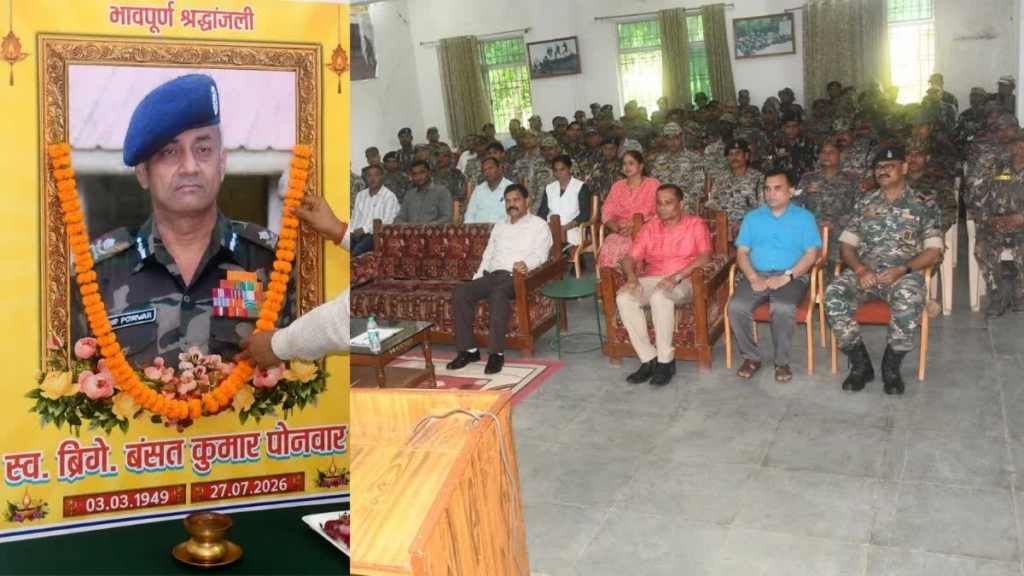
कांकेर : छत्तीसगढ़ में नक्सलियों के खिलाफ अचूक प्लान और जवानों को मुश्किल परिस्थियों में डटे रहने का तरीका जंगल वॉरफेयर कॉलेज में सिखाया जाता है. इस कॉलेज के संस्थापक और पूर्व निदेशक स्वर्गीय ब्रिगेडियर बसंत कुमार पोनवार को परिसर में श्रद्धांजलि अर्पित की गई.इस दौरान श्रद्धांजलि देने पहुंचे उनके जूनियर और वक्ताओं ने जंगल वॉरफेयर कॉलेज और ब्रिगेडियर बसंत कुमार पोनवार के महत्व को बताया. शोक सभा में ब्रिगेडियर पोनवार के छत्तीसगढ़ में नक्सल उन्मूलन और सुरक्षा बलों के प्रशिक्षण में दिए गए ऐतिहासिक योगदान को याद किया गया.
कौन थे ब्रिगेडियर बसंत कुमार पोनवार
ब्रिगेडियर पोनवार ने 1971 के भारत-पाक युद्ध में भी महत्वपूर्ण भूमिका निभाई थी. बांग्लादेश की मुक्ति में भी बसंत कुमार पोनवार का बहुमूल्य योगदान था. ब्रिगेडियर बसंत कुमार पोनवार केवल एक प्रशिक्षक नहीं, बल्कि एक प्रेरणादायी मार्गदर्शक थे. राष्ट्र की सुरक्षा, छत्तीसगढ़ में शांति स्थापना और नक्सलवाद के उन्मूलन के लिए उनके किए गए कार्य सदैव प्रेरणास्रोत बने रहेंगे. उनके योगदान को सुरक्षा बल और पूरा प्रदेश हमेशा सम्मान और कृतज्ञता के साथ याद करेगा.
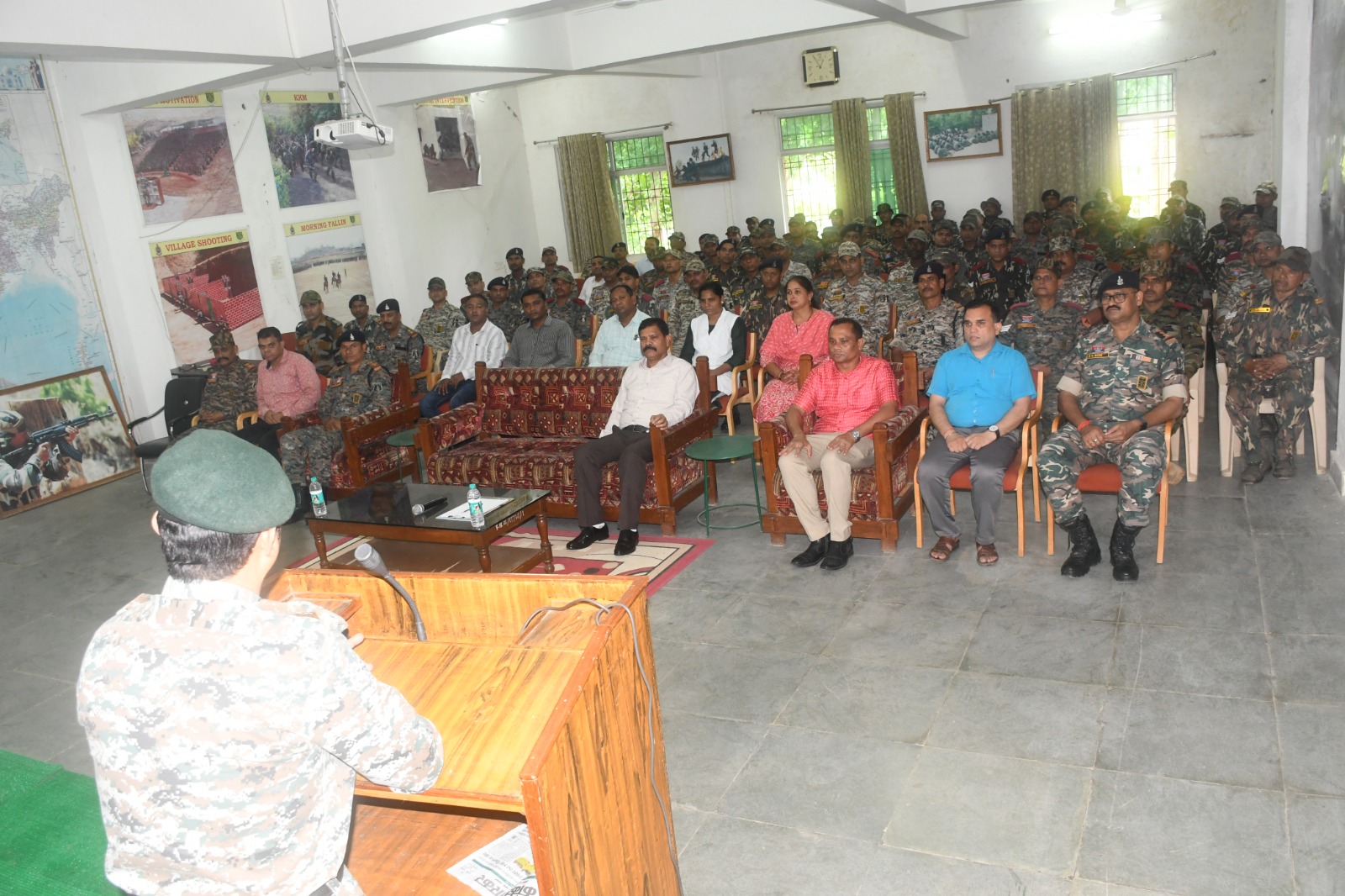
जंगल वॉरफेयरकॉलेज ने निभाई अहम भूमिका (ETV BHARAT CHHATTISGARH)
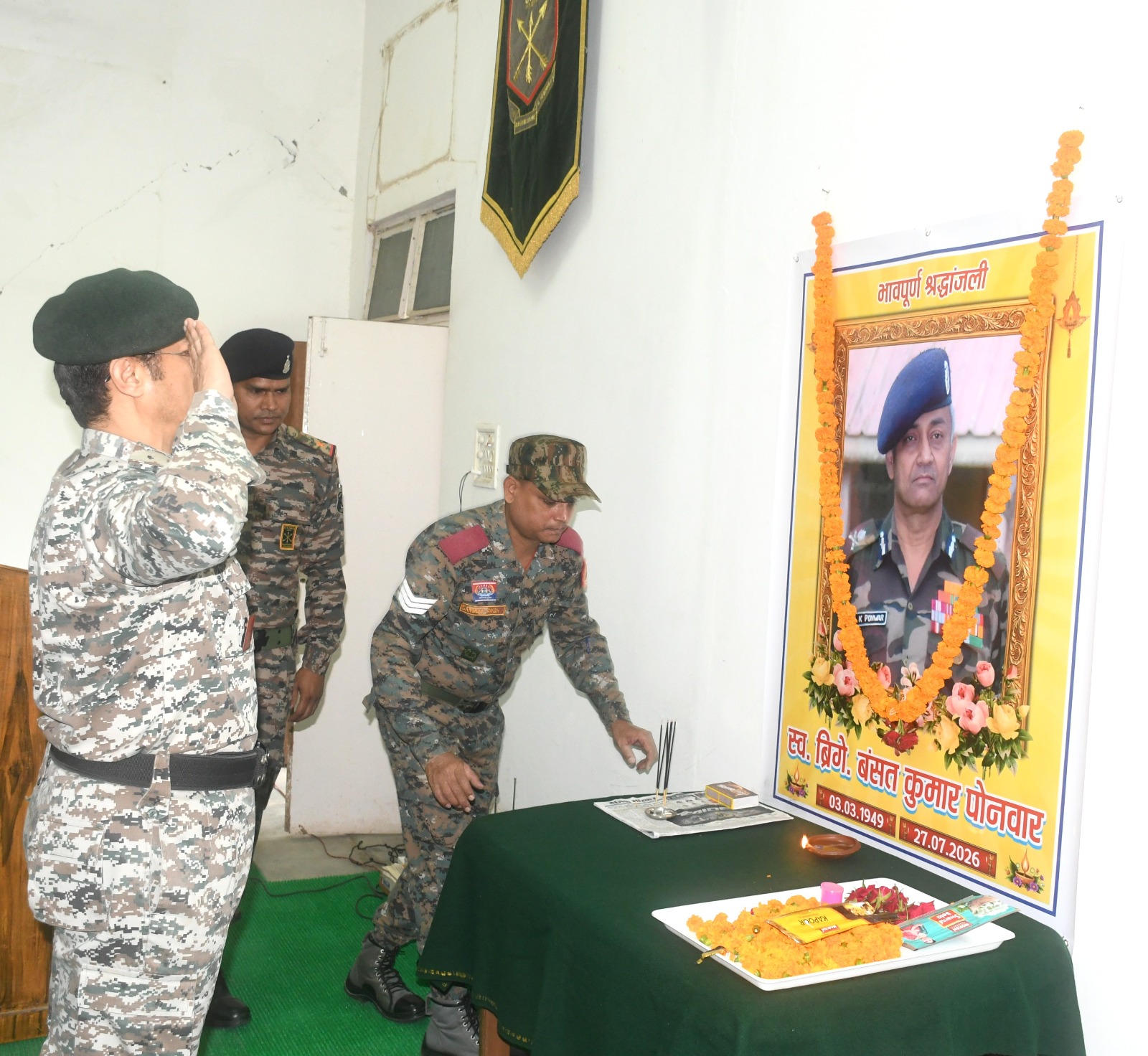
संस्थापक को दी गई श्रद्धांजलि (ETV BHARAT CHHATTISGARH)
क्या है जंगल वॉरफेयर कॉलेज ?
इस अवसर पर कॉलेज के निदेशक एस.के. लामा, सेनानी शंकर लाल बघेल सहित सभी अधिकारियों और कर्मचारियों ने शोक सभा आयोजित कर दिवंगत आत्मा की शांति के लिए प्रार्थना की. इस मौके पर वक्ताओं ने कहा कि एक समय बस्तर क्षेत्र नक्सल हिंसा से गंभीर रूप से प्रभावित था. ऐसे कठिन दौर में राज्य सरकार ने अनुभवी सैन्य अधिकारी ब्रिगेडियर बसंत कुमार पोनवार को गोरिल्ला युद्ध प्रशिक्षण की जिम्मेदारी सौंपी.
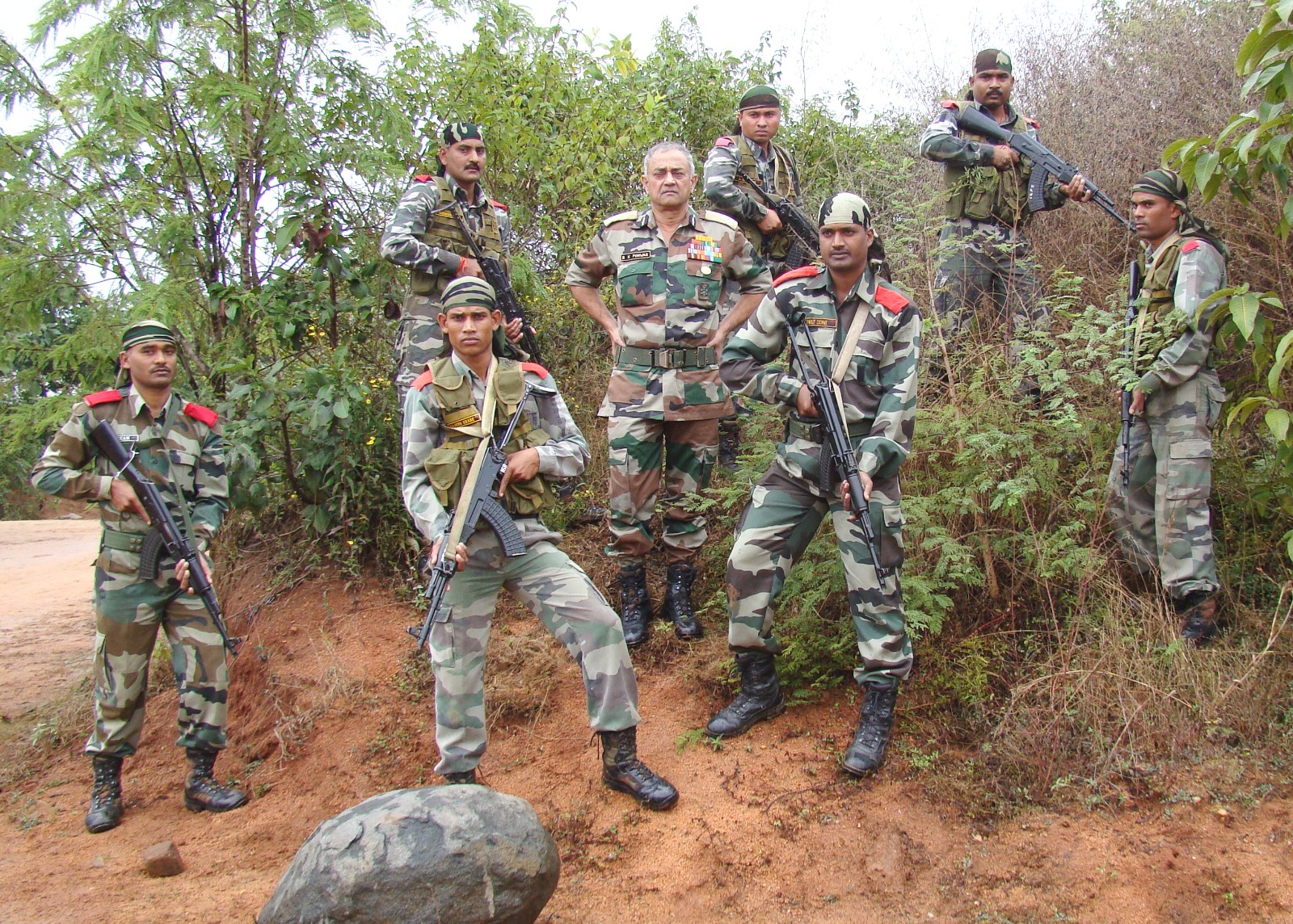
ब्रिगेडियर बसंत कुमार पोनवार को दी गई श्रद्धांजलि (ETV BHARAT CHHATTISGARH)
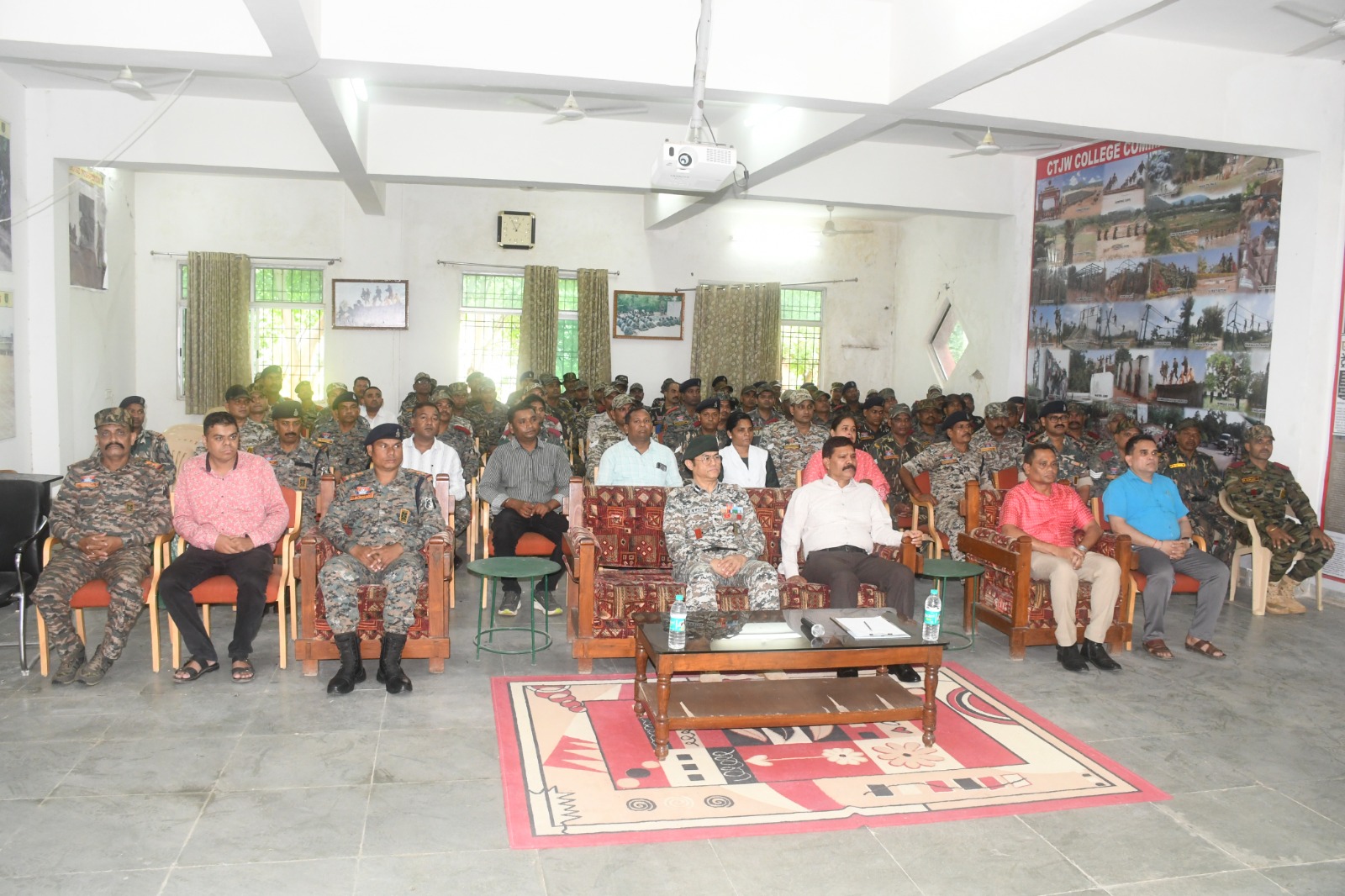
पोनवार के योगदान को किया गया याद (ETV BHARAT CHHATTISGARH)
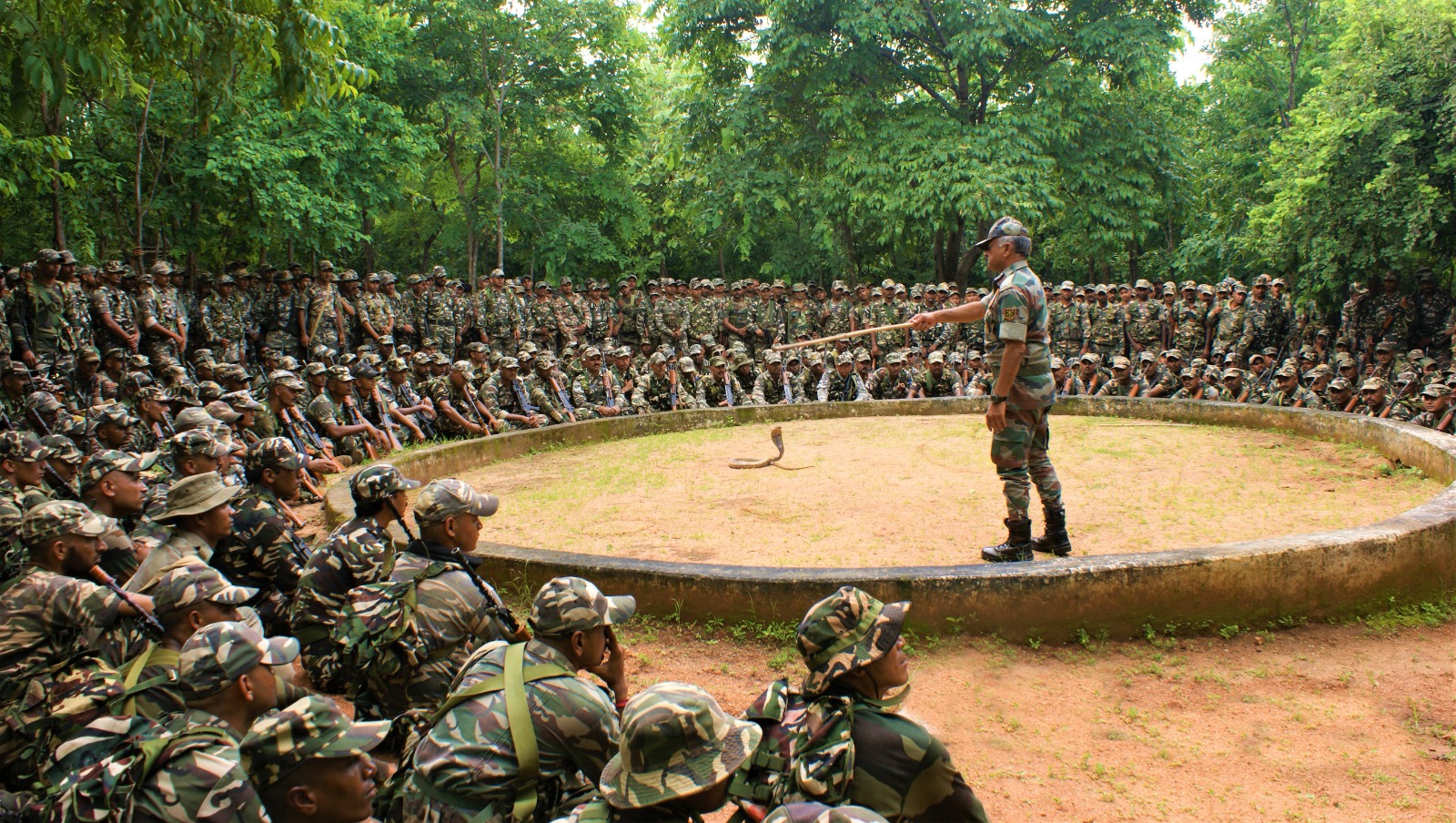
ब्रिगेडियर बसंत कुमार पोनवार ने रखी थी नींव (ETV BHARAT CHHATTISGARH)
सेना से रिटायर होने के बाद ली बड़ी जिम्मेदारी
1 अप्रैल 2005 को भारतीय सेना से सेवानिवृत्त होने के बाद उन्होंने जंगल वॉरफेयर कॉलेज, कांकेर का कार्यभार संभाला. उस समय प्रशिक्षण के लिए आवश्यक संसाधनों और आधारभूत सुविधाओं का अभाव था, लेकिन उन्होंने अपनी दूरदर्शिता, अनुशासन और अथक मेहनत से मात्र तीन महीने में प्रशिक्षण के लिए आवश्यक व्यवस्थाएं तैयार कर दीं. इसके बाद अगस्त 2005 में पहले प्रशिक्षण बैच की शुरुआत हुई.
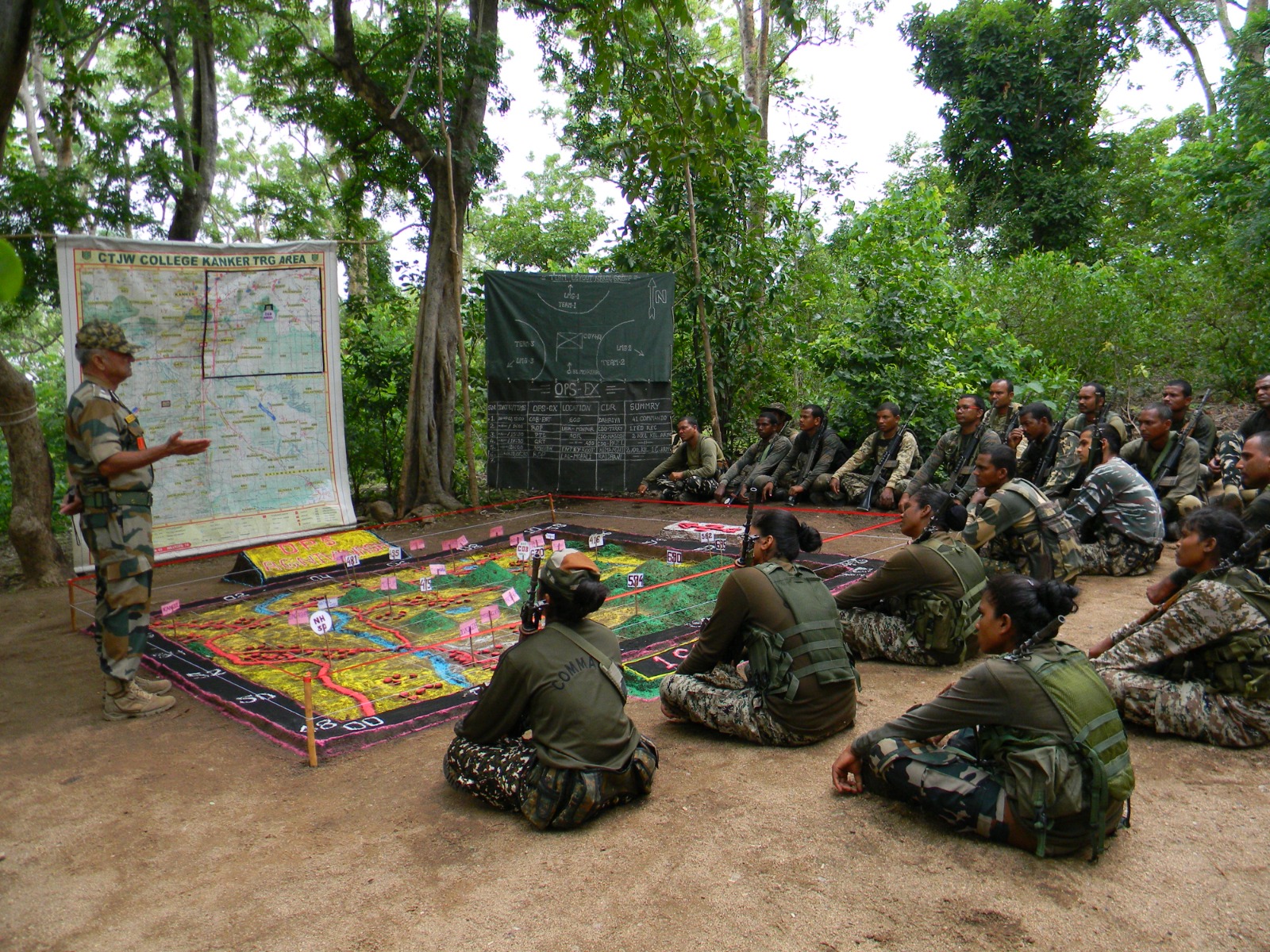
गोरिल्ला वार में जवानों को किया निपुण (ETV BHARAT CHHATTISGARH)
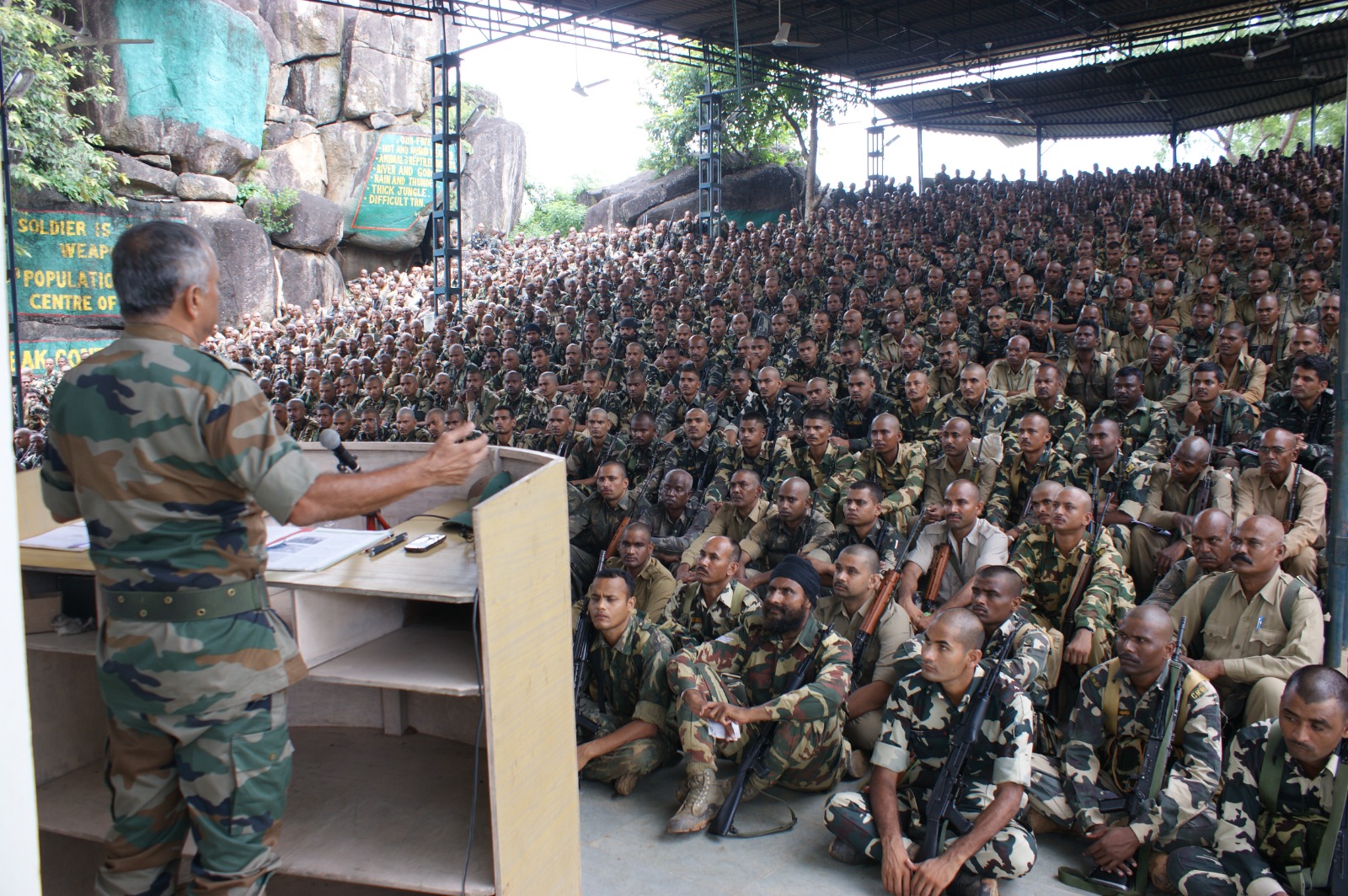
44 हजार से ज्यादा जवानों को किया ट्रेंड (ETV BHARAT CHHATTISGARH)
44 हजार से ज्यादा जवान हुए ट्रेंड
ब्रिगेडियर पोनवार के नेतृत्व में अब तक छत्तीसगढ़ पुलिस, नक्सल प्रभावित राज्यों की पुलिस, बीएसएफ, सीआरपीएफ, आईटीबीपी, आरपीएफ, एनएसजी और भारतीय सेना के लगभग 44 हजार जवानों को गोरिल्ला वारफेयर और नक्सल विरोधी अभियानों का विशेष प्रशिक्षण दिया जा चुका है.उनके प्रशिक्षण ने सुरक्षा बलों की क्षमता, आत्मविश्वास और अभियान संचालन की दक्षता को नई ऊंचाइयों तक पहुंचा
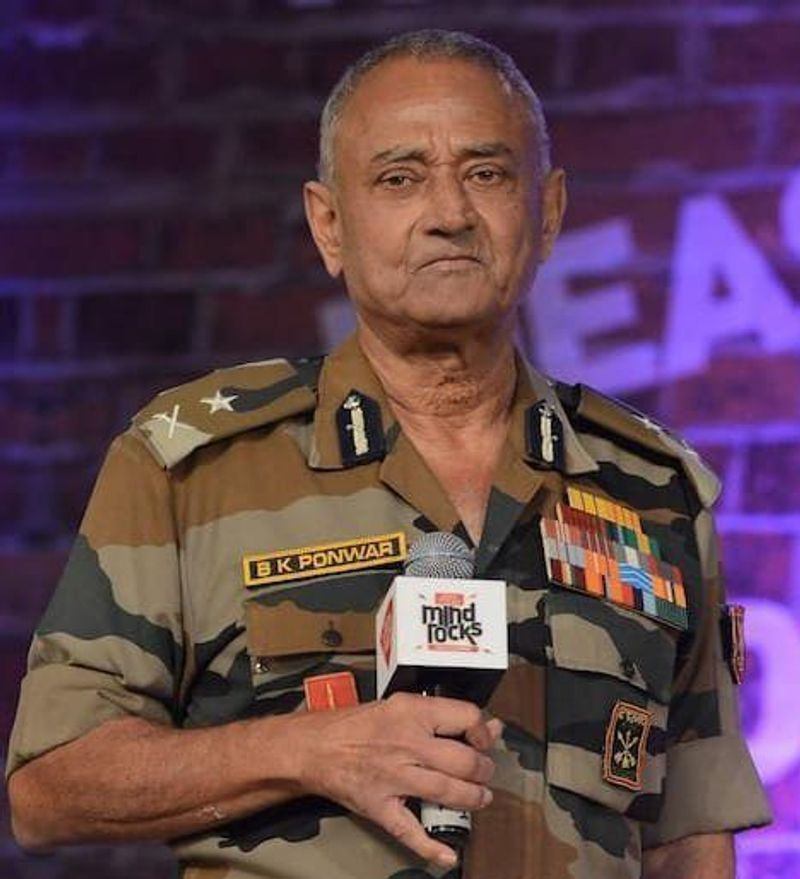
Brigadier Basant Kumar Ponwar (Retd), a decorated veteran of the 1971 Indo-Pak War and the architect of the country’s modern jungle warfare against Maoist insurgency, died here, his family said on Wednesday.
Ponwar, 77, is survived by his mother, Devika Ponwar, and two sons, both currently serving in the Army, they said.
A young officer who was part of cross-border operations during the 1971 war, leading ambushes alongside Mukti Bahini fighters and playing a vital role in the advance toward Dhaka, Ponwar dedicated over five decades to national defence across both the Indian Army and the police forces in Mizoram and Chhattisgarh.
Born on March 3, 1949, in Indore, he was commissioned into the 1st Battalion of the Maratha Light Infantry (1 MLI) in December 1969.
During the 1971 conflict, serving under the 95 Mountain Brigade, he led raids against enemy positions in Kamalpur and Bakshiganj, later acting as a key link officer during the historic Tangail paradrop.
Over a distinguished 36-year military career, he commanded 1 MLI and served as Commandant of the Army’s Counter Insurgency and Jungle Warfare School (CIJWS) in Vairengte, Mizoram, where he oversaw the inaugural Indo-US exercise ‘Yudh Abhyas’ in 2004. He was awarded the Ati Vishisht Seva Medal (AVSM) and Vishisht Seva Medal (VSM) for exceptional service.
Following his retirement from the army, Brig Ponwar was appointed Inspector General of Police by the Chhattisgarh government. In August 2005, he founded the Counter Terrorism and Jungle Warfare College (CTJWC) in Kanker, North Bastar.
Guided by his famous war cry “fight the guerrilla like a guerrilla”, he directed the college for 18 years, training over 37,000 personnel across state police forces and central paramilitary units to combat Naxalite violence.
Former Chhattisgarh Chief Minister Raman Singh expressed condolences over the news of Brig Ponwar (retd) and recalled his role as an instructor at the ‘Counter Terrorism and Jungle Warfare College’ (Kanker).
“His historic contribution in making our soldiers proficient in jungle warfare and thereby strengthening the security forces will forever remain unforgettable. His departure is an irreparable loss for the state and the country,” he said.
Chhattisgarh Police, on its official handle, recalled Ponwar’s role and said his courage, leadership, and service to the nation in the struggle against Naxalism will forever remain an inspiration.
“His contribution to strengthening the security system of Chhattisgarh is unforgettable,” the post said
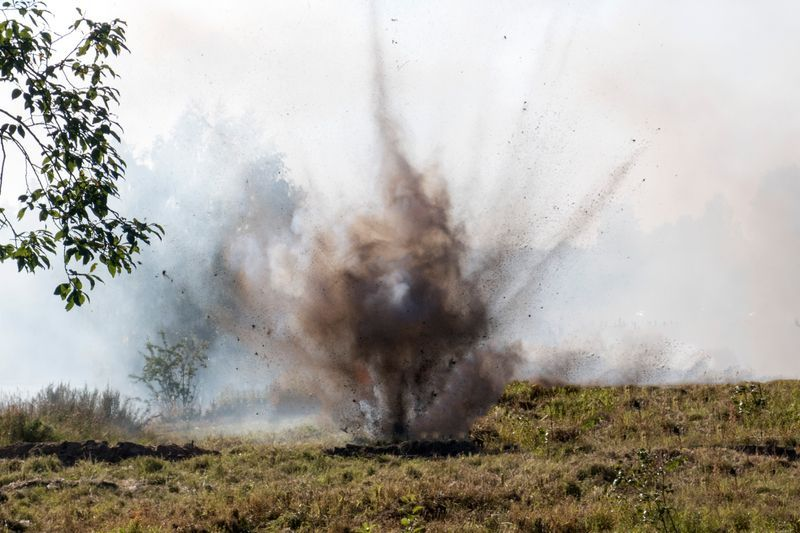
Two soldiers were injured on Tuesday in a mine blast near the Line of Control in Uri sector of Jammu and Kashmir, officials said here.
The soldiers were injured in the blast at a forward post at Kamalkote in Baramulla district, they added.
They were given first aid locally and later airlifted to 92 Base Hospital of the Army here.

The Armed Forces Tribunal (AFT) has held that discrepancies in the numerical grading given to an officer vis-à-vis the pen picture and assessment in his annual confidential report (ACR) by senior officers in the chain of command is a good ground for setting aside the ACR.
Quashing the ACRs of a lieutenant colonel who was deputed with the Air Force for the relevant period, the Tribunal’s Chandigarh Bench comprising Justice Umesh Chandra Sharma and Air Marshal Manvendra Singh observed that the grading system in the Air Force is stricter than that in the Army, a fact that needs to be considered.
Lt Col Santosh G Takras had 18 years of service and was one of the few engineer officers with a Masters of Technology in Geotechnical Engineering and was an expert in underground excavations. He was superseded and after his complaints were rejected by the Army, he moved the AFT.
Arguing for the officer, Senior Advocate Gurpreet Singh contended that he had been underrated in the ‘box grading’ as the officer was on deputation with the Air Force and many of the reports were initiated by the Reviewing Officer (RO) and Senior Reviewing Officer (SRO) of the Air Force.
AirForce
He averred that since the rating system in ACRs by the Air Force is very stringent as compared to the Army, the officer suffered as his inter se merit for promotion has to be considered with his batch mates who are army officers. Therefore, the officer was at a clear disadvantage.
On examination of the ACR for the period August 30, 2011 to February 22, 2012 found that the numerical assessment and box grading by the Initiating Officer (IO) and RO were not consistent with the pen picture.
“Accordingly, though the ACR contained no weak assessment or adverse remarks, it needed to be set aside due to inconsistencies in the box grading, numerical assessment, and pen picture,” the Bench said in its order of July 24.
The Bench further held that another ACR for the period February 1, 2015 to July 11, 2015 also suffered from a mismatch between the numerical assessment, pen picture and the box grading given by the RO and SRO.
“While the performance has been lauded by the RO and SRO, they seem to have held back the box grading due to being conditioned by the ACR rating benchmarks of the IAF,” the Bench remarked.
Stating that the officer had held an extremely challenging appointment, achieved significant documented success and completed important tasks and projects related to the induction of new equipment which deserved to be rated accordingly, the Bench directed that the complete ACRs for the said periods be expunged from the officer’s record, and he be considered for promotion within three months as a ‘Special Review Case’.

The Institute of Nano Science and Technology (INST) organised the inaugural Abdul Kalam Lecture series on the occasion of Research Scholar Day at its Sector 81 campus on Wednesday.
The inaugural lecture was delivered by Dr G Satheesh Reddy, former Chairman of the Defence Research and Development Organisation (DRDO) and Member of the National Security Advisory Board. In his address, Dr Reddy shared fascinating anecdotes from his close association with Dr APJ Abdul Kalam, highlighting the legendary scientist’s leadership, vision and commitment to scientific excellence.
He spoke about India’s transformation from a nation largely dependent on imported defence systems to one that is increasingly developing and exporting world-class indigenous technologies. Citing the BrahMos missile programme as a prime example of the “Make in India” vision, he underlined the country’s growing technological self-reliance.
Dr Reddy, who worked closely with Dr Kalam for nearly three decades on strategic missile programmes, including Prithvi, Agni and Akash, recalled how Dr Kalam’s innovation-driven and visionary leadership played a key role in enabling DRDO to develop indigenous missile systems, ammunition and artillery technologies. “These capabilities proved to be game changers during Operation Sindoor, demonstrating the strength of India’s indigenous defence ecosystem,” he said.
Emphasising the future of strategic technologies, Dr Reddy said nanoscience and nanotechnology, particularly advanced quantum materials, would play a transformative role in developing next-generation indigenous defence equipment, surveillance systems and other critical technologies for national security.
He urged young researchers to pursue cutting-edge research that could strengthen India’s technological leadership and strategic self-reliance. The lecture saw enthusiastic participation from the institute’s research community and was followed by an engaging interactive session with research scholars and faculty members.
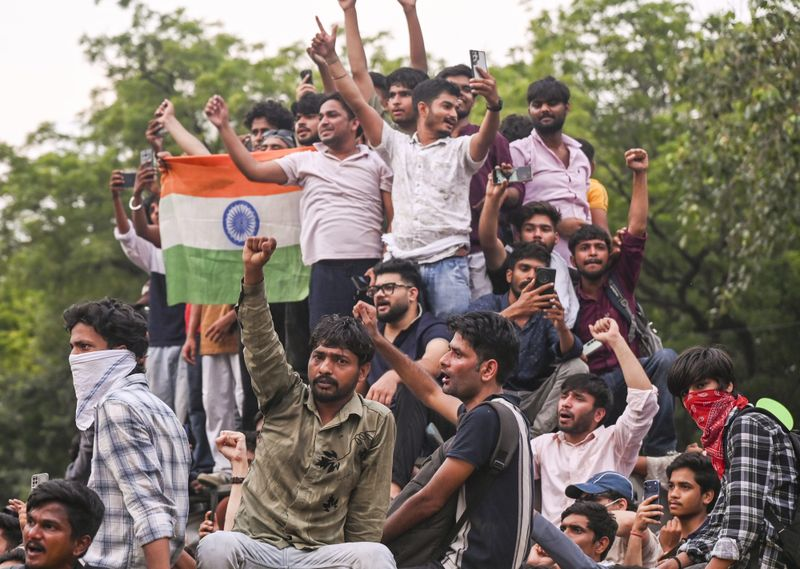
WHAT began with the Chief Justice of India’s words about people struggling to survive Naya Bharat, grew into an extraordinary protest by a new generation of Indians — and ended with the resignation of Education Minister Dharmendra Pradhan — has touched people in all corners of the country in ways that will become apparent only in the coming months, perhaps even over the years. But some conclusions are inescapable.
First, the aura of Prime Minister Narendra Modi has somewhat faded, and he seems less invincible than just two weeks ago. Even though his Instagram account has gathered followers by leaps and bounds since his midnight selfie reel last week, the fact remains that the BJP’s “strong government” reputation has taken a knock, and that Pradhan had to be sacrificed to protect the Prime Minister’s image from further damage.
The use of an AK-47 by a police officer on protesters in Patna and the firing of “anti-riot guns” loaded with pellet rounds in Delhi — three persons were injured by the pellets, one of them in his eye — has evoked country-wide horror at the government’s resort to such tactics against unarmed and largely peaceful protesters.
But even that did not deter the protesters. For a generation that grew up in the “era of Modi” and knew little, and cared even less, about previous governments, the language used both in irreverent social media posts as well as during the month-long agitation at Jantar Mantar Ground Zero was unnervingly direct and fearless. Shocked as the government is at the “ashleelta”, or unparliamentary language, of the students, fact is, it is the ruling party’s troll armies that have normalised such language in the last 12 years against critics. Presstitutes, anyone? And remember how a BJP MP was let off lightly after a communal slur against a fellow parliamentarian in the House?
Politics
A government that made an example of Disha Ravi, and continues to keep Umar Khalid in jail without a trial, has swiftly agreed to withdraw cases against protesters across the country, after a statement by the CJP that it would return to the streets if this promise — a condition for the withdrawal of the Jantar Mantar dharna — was not kept. It shows how rattled the government was, and how urgently it wanted to bring this episode to a close.
Second, GenZ has shown that unlike its parents’ generation, it has moved to a zone beyond Hindu/Muslim tropes. In the past, protests have been broken up by the use of communally divisive tactics. The anti-Citizenship Amendment Act protesters were depicted as radical Islamists, while protesting farmers were vilified as “Khalistanis.” In the large gathering at Jantar Mantar, the majority were clearly Hindus, and their stories, posted in reels on social media, or narrated in interviews, indicated that they had no time for the casual anti-Muslim bigotry that runs rampant across parts of North India; or for the intrusive ideological demands that the ruling party has often made on their personal relationships and food habits. For them, this government has simply failed to secure their future. They are worried not just about NEET, but about ever being able to find gainful employment and the general direction their lives are taking.
In interviews or in their own social media posts, several of those who attended the protests or wanted to express solidarity long-distance confessed that their parents had voted for the BJP, but that did not deter them from making common cause with those at Jantar Mantar. Many such parents accompanied their children to the site and to the July 20 march. Neha Bora, an articulate leader of AISA (All India Students’ Association), said in an interview that her parents did not agree with her political views and voted for a party that she was opposed to. Asked if that was the BJP, she nodded. Children of some BJP leaders were posting messages of solidarity with the protesters, embarrassing their parents.
Moreover, the Delhi Police’s cruel violence on the young protesters, many of them with parents who swore by the BJP, has made more apparent the shifting challenge from a demographic that the party once took for granted — a shift already visible with the shock that accompanied the ‘chanda chori’ from the Ram Mandir in Ayodhya.
Third, GenZ clearly has eyes on the country’s institutions and seems keenly aware about the role it is playing in its refurbishment. They have turned Chief Justice of India Surya Kant’s dismissive language about them — “cockroaches” and “parasites…had no employment and fail to get into the profession… and attack the system” — from a satirical meme to a weapon of mass mobilisation. The CJI has been forced to backpedal on his own remarks. After he declined to watch a video of how the protests unfolded, stating that the court’s time should not be “wasted”, he castigated Delhi Police yesterday, saying that excesses against protests cannot be justified under any circumstances.
IndiaNews Portal
Fourth, several mainstream TV channels, which have not stood up to professional scrutiny for upholding their independence, discovered they were not welcome at the protest site — it is true, too, that in a few cases the protesters have inexcusably used violence against some reporters of these channels, including not allowing some of them even near the Jantar Mantar site. On the whole, “godi media”, a Hindi phrase that indicates a visceral contempt for parts of the media that have refused to remain objective, has passed into the lexicon — it should show the media the mirror.
Finally, a word about Tamil Nadu. Even though several metros nationwide held sympathy marches with the Delhi students, Tamil Nadu’s GenZ has remained strangely untouched. Chief Minister C Joseph Vijay, who was elected four months ago, is the first Indian politician to benefit from what was plainly a GenZ protest vote against established political elites. But he has seemed lost for words and disconnected from what was happening in Delhi. For days, the CM made no statement on the Delhi protests, even though it was about something that has been at the core of a Centre-state struggle for several years.
Vijay’s only remarks came after the leaders of the Congress, a coalition partner in the state, were arrested. He condemned the arrests and reiterated the long-standing demand for abolition of NEET, but he did not echo the Congress demand for accountability from the government. He was also unmoved by the Delhi Police’s violence against the protesters.
Young people from Mumbai to Kolkata, Bengaluru to Patna and Prayagraj, were out on the streets protesting. But in Chennai, except for a small group that gathered daily chanting “Hum leke rahenge azadi” at the office of the CPI, which is also in the ruling coalition, and a separate, smaller anti-NEET protest by film director Pa. Ranjith, the Delhi vibe was missing.
SocialIssues & Advocacy
Vijay and his fan clubs were more preoccupied with the July 23 release of his movie Jana Nayagan. For those at Jantar Mantar who praised Thalapathy Vijay as a rare politician who understood the country’s youth, his silence and that of Tamil Nadu’s GenZ , would have come as a disappointment.
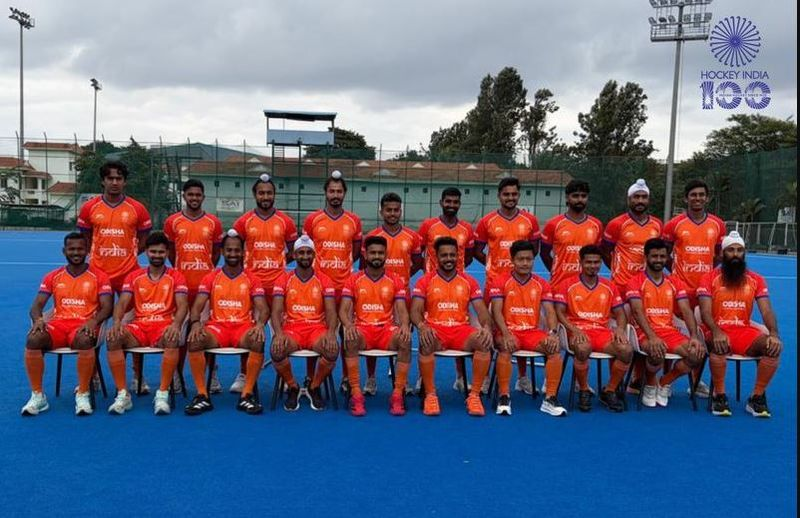
Hockey India cannot seem to catch a break. After controversies over allegations of sexual harassment and intimidation, the federation has sparked another row after deciding to change the team’s jersey colour from its traditional blue kit.
The new jersey unveiled is bright orange or saffron, which Hockey India described as “a symbol of courage, sacrifice and national pride”.
However, the new jersey drew widespread criticism from fans and former players, including former captain Viren Rasquinha. “I must say that Hockey India has done many good things for Indian hockey. But this is embarrassing. The legacy & identity of the Indian team has always been BLUE. I wore the blue jersey with pride for many years. Fans want to see our Indian team in blue. What is the logic of orange?” he wrote in a social media post.
The issue also found mention in Parliament, with Opposition leaders expressing concern, saying that the Indian Army’s uniform could be next. They accused the BJP and RSS of trying to impose saffron everywhere.
Congress leader Priyanka Gandhi Vadra alleged that the change in jersey reflected a wider attempt by the BJP and the RSS to reshape the country’s identity, history and institutions. Congress MP Amar Singh alleged that the BJP wanted to saffronise everything and warned that they might do the same with the Army’s uniform. TMC leader Kirti Azad also questioned the need to replace the traditional blue jersey.
Following the controversy, Hockey India issued a statement, saying the decision had been taken after consultations with the players and the coaching staff.
“We wish to inform you that the decision to change the uniform colour was based on recommendations from the support staff and players after detailed consultations. The primary consideration was technical. It was observed that the blue playing uniform tended to blend with the blue synthetic playing surface, which is now the standard colour of international hockey pitches. This visual similarity affected on-field clarity and visibility for the players,” Hockey India said in the statement on Thursday.
“In light of this, the coaches and players suggested alternative colours such as yellow or saffron. After careful consideration, saffron was finalised. Apart from addressing the technical requirement, saffron also holds deep significance as one of the colours of our National Flag, symbolising courage, sacrifice and national pride,” it added
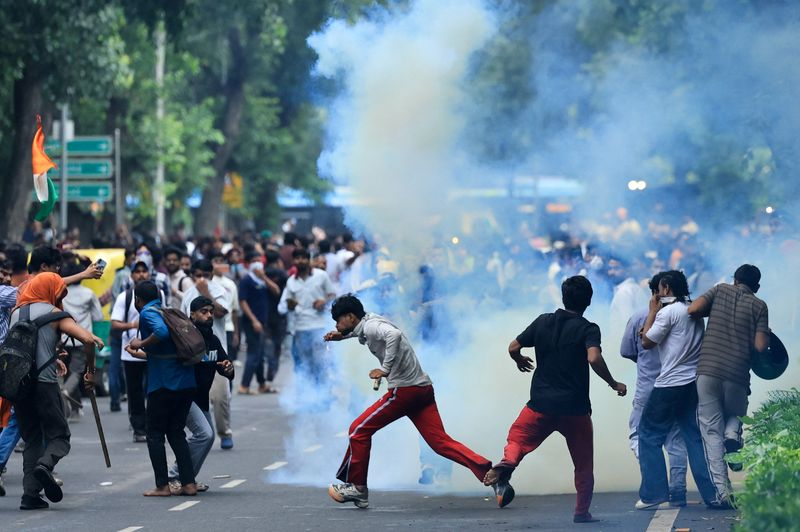
The Supreme Court on Thursday directed the Centre to preserve the ammunition log of the Rapid Action Force (RAF) deployed at Jantar Mantar during the Cockroach Janta Party (CJP) protest even as it questioned a plea by IPS officer Yashovardhan Azad and two victims seeking a complete ban on the use of metallic pellet guns for crowd control.
The order came from a Bench led by Chief Justice of India Surya Kant after the petitioners’ counsel, Vrinda Grover, submitted that the top court’s July 28 interim order for the preservation of CCTV, drone/body camera footage and wireless logs did not specifically refer to ammunition logs.
“Whatever is required for investigation will be preserved,” Solicitor General Tushar Mehta assured the Bench, which also included Justice Joymalya Bagchi and Justice V Mohana.
The top court also directed the Delhi Government to ensure medical treatment was provided to the protesters who suffered pellet gun injuries.
Referring to an advisory of the Bureau of Police Research and Development (BPRD), the Bench said the police were empowered to use pellet guns in exceptional situations.
A bona fide protest may turn violent at any point, perhaps due to infiltration of anti-social elements, and “graded response” of law enforcement agencies might be sometimes necessary, Justice Bagchi said.
The Bench said the petitioners’ prayer for a total ban on the use of pellet guns by law enforcement agencies for civilian crowd control and dispersal was “vague” in the absence of any challenge to police regulations permitting the use of such weapons.
The Bench deferred the hearing to enable the petitioners to amend the petition to challenge the rules, which permitted the use of pellet guns. “Police rules allow the use in exceptional circumstances unless you challenge the rules itself. One of the steps of graded approach is use of pellet guns,” Justice Bagchi said, adding that without challenging the validity of those regulations, the relief seeking a complete ban on the use of pellet guns might be barred.
“In light of alleged excessive use, your prayer should be that the court lays down a protocol regarding the use,” the CJI told Vrinda Grover.
Justice Bagchi, however, clarified that it was not averse to examining the use of pellet guns in a particular situation. Petitioners Prasant Kumar Singh and Sheikh Irshad Mansoori claimed they were victims of pellets fired by the RAF during the CJP’s “Sansad Chalo” protest on July 20 over NEET paper leaks. They were treated at Lady Hardinge Medical College in the national capital where pellets lodged in their bodies were removed after surgical intervention, they claimed.
SupremeCourt Updates
Grover submitted that metallic pellets were used against the petitioners, and the same were recovered from their bodies. “I am not saying pellet guns should not be in the armoury of the RAF. Here it is different. They have used metallic pellets (as against rubber or plastic bullets)” Grover submitted.
Pointing out that such regulations were not easily available in the public domain, she urged the Bench to direct the Centre to place them on record to enable the petitioners to amend their prayers in the petition.
“We are agreeable to non-violent approach when the protests are by students etc… that personal hijacking of protest cannot be allowed which sabotages the bona fides of the protest for their ulterior motives. Arm your police in such a way that they don’t have to resort to such actions,” Justice Bagchi told Mehta, who agreed with the observation.






























