











Sanjha Morcha

Major provisions of Cantonment Act decriminalised: What it means

While the Bill has a much wider canvas proposing decriminalisation across dozens of central statutes, its implications for the Cantonments Act, 2006, are significant

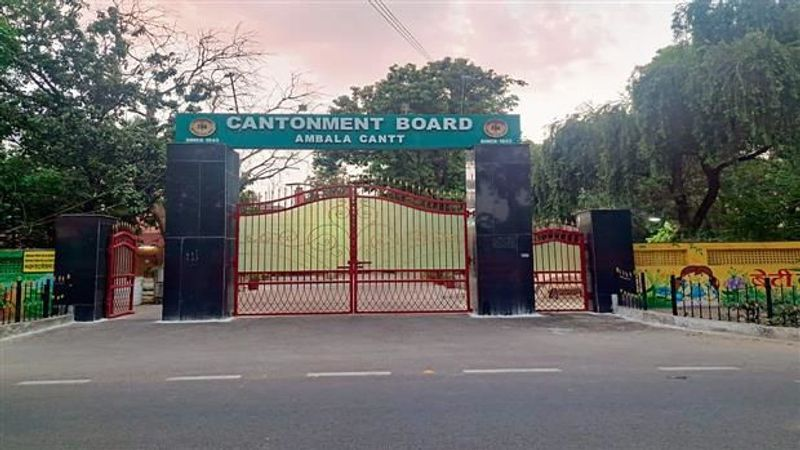
The Jan Vishwas (Amendment of Provisions) Bill, 2026, recently passed by the Parliament, signals a turning point in the legal history of India’s cantonments.

While the Bill has a much wider canvas proposing decriminalisation across dozens of central statutes, its implications for the Cantonments Act, 2006, are significant.

Why Cantonment Act needs to change

For 61 cantonments under the Ministry of Defence, the amendments signal not just statutory tidying up, but a major shift in legal philosophy.

The Cantonments Act has always stood apart from ordinary municipal law. It regulates civic life in notified cantonment areas, sanitation, roads, public health, water supply, buildings, markets, trade licences and local administration but does so in spaces shaped by military ownership, defence land management and security sensitivities.

This dual character has historically produced a more control-oriented legal framework. Like many older statutes, the Act relied heavily on criminal law even for minor civic or regulatory lapses.

Technical breaches were routinely cast as offences “punishable with fine”, thereby subjecting ordinary non-compliance to the machinery and stigma of criminal process.

What the new law does

The new law addresses the issue of needless punishments. The Ministry of Defence reviewed 38 criminal provisions in the Cantonments Act and identified 31 for decriminalisation and three for partial decriminalisation.

Several contraventions that were earlier criminally punishable have now been converted into civil defaults, attracting administrative penalties. In provision after provision, the phrase “punishable with fine” has been replaced with “liable to penalty”. This shift marks the movement from a prosecution-led system to a compliance-oriented one.

Mechanism to adjudicate penalties

The centrepiece of this reform is the insertion of Section 333A, which creates a formal mechanism for adjudication of penalties.

Under this framework, the Chief Executive Officer of the Cantonment Board would be empowered to impose penalties for specified contraventions after giving the affected person an opportunity to be heard.

The Act also makes an important conceptual clarification: a penalty under this framework is civil in nature, does not amount to a conviction, and the proceeding itself is not a criminal prosecution. An appeal lies with the President of the Cantonment Board.

There are defined timelines for filing and disposal. This structural change will reduce unnecessary criminalisation of municipal and licensing defaults, lessen the burden on courts, and enable more prompt disposal of minor regulatory matters.

Relief for traders

The new adjudication mechanism will provide relief to traders, shopkeepers, property owners and residents in cantonment areas. This will mean a more proportionate response to first-time or technical breaches.

For the administration, it will mean faster enforcement in areas such as sanitation, markets, licensing, public nuisances and building compliance.

No blanket relaxation

The law does not provide blanket relaxation of regulatory standards. Instead, it adopts a calibrated and graded enforcement framework. Under this approach, initial violations are treated with relative leniency through the imposition of civil penalties.

Repeat or subsequent breaches attract stricter, including criminal, consequences. The treatment of building-related violations reflects a nuanced balance between deterrence and fairness.

Penalties

Under Section 244, which governs restrictions on the use of buildings within cantonment areas, a first contravention attracts a civil penalty of up to Rs 1 lakh.

However, any second or subsequent violation escalates into criminal liability, with a conviction-based fine of up to Rs 2 lakh, along with additional daily fines for continuing non-compliance. A similar graduated enforcement mechanism is incorporated under Section 247 concerning unauthorized constructions.

The intent is clear to extend leniency to first-time offenders while ensuring stringent action against habitual violators.

The framework recognises that not every regulatory lapse warrants criminalization, yet it equally ensures that the law retains sufficient deterrent force to address repeated and deliberate non-compliance.

Way forward

The amendments will move the cantonment regulation away from a criminalisation-first model and toward a civil enforcement regime. That is a sensible and overdue transition, government officials say.

Overall, the Jan Vishwas Bill represents a concerted effort to move towards a more citizen-friendly, efficient, and modern administrative framework, while maintaining necessary safeguards for public order, safety, and planned development, and will be seen as a modern, trust-based reform that reduces harassment and improves governance efficiency.


Tehran Issues Regional Maritime Warning Following US Announcement of Total Port Blockade

The Iranian government has issued a stern condemnation of United States plans to enforce a blockade on its maritime gateways, asserting that the stability of the entire Persian Gulf region will be at risk if its own security is compromised.

This response follows an announcement from the United States Central Command (CENTCOM) indicating that, under the direction of President Donald Trump, a blockade on all traffic entering or exiting Iranian ports would commence on 13 April at 10:00 am ET.

A spokesperson for the Khatam al-Anbiya Central Headquarters, which serves as Iran’s primary operational command for both the Army and the Islamic Revolutionary Guard Corps (IRGC), communicated through state media that maritime security must be maintained as a collective responsibility.

The spokesperson emphasised that the Iranian armed forces view the protection of the nation’s sovereignty and rights within its territorial waters as both a natural and legal obligation.

The statement issued a clear ultimatum, declaring that security for ports in the Persian Gulf and the Sea of Oman is an “all or nothing” proposition. Iranian officials warned that if the safety of their own ports is undermined, no other port within those strategic waters will remain secure. This suggests a potential for wider regional disruption should the American blockade proceed as planned.

Furthermore, Tehran reiterated its intention to maintain strict control over its waters, specifically mentioning the Strait of Hormuz. The Iranian military stated that while standard commercial traffic would be permitted to transit according to Iranian regulations, any vessels affiliated with “hostile entities” would be strictly prohibited from passing through the narrow and vital waterway.

Iran has characterised the American strategy as an illegal act of “piracy” that defies established international norms. The spokesperson argued that the US-imposed restrictions on ship movements in international waters represent a criminal breach of maritime law.

In light of what it perceives as persistent threats to its national security, Tehran has also announced the implementation of a permanent, long-term mechanism to monitor and control the Strait of Hormuz, which will remain in place even after any immediate hostilities conclude.

On the other side of the escalating tension, US CENTCOM clarified that its blockade is intended to be applied uniformly to ships of all nationalities that are operating in and out of Iranian ports along the Persian Gulf and the Gulf of Oman.

However, the American command specified that it does not intend to disrupt the general freedom of navigation through the Strait of Hormuz for vessels destined for non-Iranian ports.

To manage the situation, CENTCOM has advised the international commercial shipping industry to monitor official broadcasts and maintain constant communication with US naval forces.

Further formal notices and guidance are expected to be issued to mariners to navigate the complexities of the enforcement zone. This confrontation marks a significant escalation in the maritime friction between Washington and Tehran.

ANI


Indian Navy Commanders To Address West Asia Crisis And Energy Security At Key Conference

The Indian Navy’s top commanders are set to deliberate on the implications of the ongoing crisis in West Asia, with a particular focus on safeguarding India’s energy security, during a three-day conclave beginning Tuesday in New Delhi.

The conference, scheduled from April 14 to 16, will bring together senior naval leadership to review operational posture and capability development in line with national security objectives.

Chief of Defence Staff General Anil Chauhan and Navy Chief Admiral Dinesh K. Tripathi will be present at the event, which the Navy has described as significant in light of swift deployments aimed at protecting India’s energy interests amidst conflict in West Asia.

The convergence of multinational forces in the Indian Ocean Region has further heightened the importance of this edition of the biannual conference.

Government contract bidding

The Navy has not elaborated on its specific role in safeguarding energy security, though disruptions in the transit of ships through the Strait of Hormuz remain a pressing concern. For several years, Indian naval forces have been escorting Indian-flagged merchant vessels, particularly those carrying crude oil and natural gas, to ensure safe passage through the Gulf of Oman.

Admiral Tripathi, along with operational commanders and senior leadership, will assess plans to address multi-dimensional challenges in the current geo-strategic environment. Discussions will extend beyond immediate security imperatives to include decisive operational success, enhancement of blue-water capabilities, training, human resource management, sustainable maintenance practices, effective employment of uncrewed systems, operational logistics, and other enablers of combat readiness.

The conference also carries weight in reaffirming the Navy’s operational doctrine, inter-services coordination, and technology-driven response mechanisms following ‘Operation Sindoor’. A key objective is to promote the Indian Navy as the preferred security partner in the Indian Ocean Region and the wider Indo-Pacific.

Chief of Defence Staff General Chauhan and Union Home Secretary Govind Mohan will address the commanders, with interactions designed to enhance interoperability, jointness, and a broader perspective on national stability, security architecture, and collaborative approaches to future maritime challenges. 

The conclave serves as a platform for close interaction with national leadership, setting strategic direction for naval planning.

On a wider canvas, the Navy’s apex leadership will review preparedness to deliver military success when directed by the government, in line with the four roles outlined in the Indian Maritime Doctrine. 

This includes sustained operations, expanding international cooperation, and advancing the government’s vision of Mutual and Holistic Advancement for Security Across Regions (MAHASAGAR). Efforts towards indigenisation and innovation will also be a focal point.

PTI


Pakistan’s ISI Exploited Chinese CCTV Systems To Spy On Indian Military Sites, Delhi Police Reveal

Pakistan’s intelligence agency, the Inter-Services Intelligence (ISI), reportedly infiltrated Chinese-made CCTV systems to monitor Indian military installations and security infrastructure.

According to a report by Hindu BusinessLine, the operation enabled ISI handlers to access live surveillance feeds from sensitive defence sites and central armed police forces (CAPFs) installations across Punjab, Haryana, Rajasthan and Jammu and Kashmir for nearly three months.

Senior Delhi Police officials stated that the feeds were routed through nine solar-powered, SIM-enabled devices connected to EseeCloud, a widely used Chinese surveillance platform. The footage was allegedly transmitted to data centres in China before being relayed to handlers in Pakistan.

This covert operation was designed to track troop movements and logistical activity in real time, potentially allowing precise targeting in the event of a future conflict.

Government contract bidding

The Delhi Police Special Cell uncovered the espionage module during an ongoing investigation, arresting six individuals—three from Punjab and three from Delhi—linked to ISI and Babbar Khalsa International. Nine CCTV cameras were recovered from locations near sensitive defence and security sites close to the Pakistan border.

Additional Commissioner of Police (Special Cell) Pramod Singh Kushwaha confirmed that installations were spread across Kapurthala, Jalandhar, Pathankot, Patiala and Moga in Punjab, Ambala in Haryana, Kathua in Jammu and Kashmir, and Bikaner and Alwar in Rajasthan. These areas were described as highly sensitive due to regular troop movements, proximity to international borders, and the presence of key Army cantonments and logistical corridors.

The devices were installed under the guise of monitoring truck movements in a transportation business. Investigators revealed that a Dubai-based Indian operator led the network, while an ISI handler known by the code name “Captain Rana” supervised the operation. Sleeper cells in Spain, Germany and Dubai were also involved in placing the cameras at designated sites.

The network conducted round-the-clock monitoring of personnel and equipment movements, with funding channelled through UPI accounts, partly sourced from proceeds of smuggled weapons.

The report highlighted that the method bore similarities to tactics allegedly used by Israeli intelligence in Iran. Israeli agencies reportedly hacked Tehran’s traffic camera network over several years, gaining access to live feeds to track senior officials, including Supreme Leader Ayatollah Ali Khamenei.

The footage was transmitted to external servers and combined with other intelligence inputs to build detailed “pattern of life” profiles, enabling precise targeting.

BusinessLine


Air Chief Marshal AP Singh’s F-15EX Flight In The US May Rattle Rivals

The recent visit of Air Chief Marshal AP Singh to the United States has served as a pivotal moment for bilateral defence relations, highlighted by high-level strategic discussions and a first-hand assessment of cutting-edge American aviation.

Defence experts suggest that this flight represents more than a courtesy, indicating an active evaluation of how the platform might meet the Indian Air Force’s specific operational requirements.

The F-15EX is noted for its advanced radar systems, formidable long-range missile capabilities, and substantial payload capacity, all of which could help India address its pressing squadron shortages and the need to phase out ageing airframes.

Parallel to these aerial demonstrations, a significant diplomatic signal emerged from the Pentagon. During a meeting on 9 April, U.S. Under Secretary of Defence for Acquisition and Sustainment Mike Duffey informed Indian Foreign Secretary Vikram Misri that a pathway remains open for India to eventually consider the F-35 Lightning-II. While falling short of a formal offer, the gesture is viewed as a clear sign of Washington’s willingness to expand cooperation in high-end military technologies.

The discussions regarding the F-35 underscored the fifth-generation jet’s superior stealth, sensor fusion, and networked warfare capabilities. Such attributes are increasingly relevant to India’s long-term air power strategy as it seeks to maintain a technological edge in the region.

This development occurred within a broader week of intense defence diplomacy aimed at deepening the partnership between the two nations.

During his itinerary, Air Chief Marshal Singh held extensive talks with U.S. Air Force Chief of Staff Gen. Kenneth Wilsbach and other senior military leaders.

These sessions were focused on enhancing interoperability, coordinating joint training exercises, and fostering mutual capability development. The visit also extended to Peterson Space Force Base for NORAD briefings and Nellis Air Force Base to engage with the U.S. Air Force Warfare Centre.

Beyond manned fighters, the two sides reaffirmed their shared commitment to a free and open Indo-Pacific and discussed the integration of India’s new MQ-9B drones into its existing security architecture. These meetings reflect a comprehensive approach to modernising India’s military hardware while strengthening its strategic alignment with the United States.

Economic impact studies

Looking ahead, several trajectories for India’s air power appear possible. New Delhi may choose the F-15EX as a pragmatic solution to quickly augment its fleet with a proven, easily integrable platform. 

Alternatively, the signalled F-35 pathway could lead to a monumental shift in India’s defence posture and technological alignment. However, India may also continue its traditional diversified procurement strategy, balancing offers from the U.S., France, and Russia to maintain its cherished strategic autonomy while enhancing its combat capabilities.

Agencies


India–US Seal Landmark Jet Engine Pact: HAL And GE Aerospace Finalise Technology Transfer For IAF Fleet Expansion

India and the United States have reached a major milestone in defence cooperation with the conclusion of technical discussions between GE Aerospace and Hindustan Aeronautics Ltd (HAL) on the co-production of fighter jet engines, reported ET Defence.

The agreement, centred on the advanced F414 engines, is expected to lead to a formal contract later this year. This development is seen as a significant boost to the Indian Air Force (IAF), which has been grappling with a declining fighter squadron strength and urgently requires modernisation to prepare for potential two-front challenges involving China and Pakistan.

In parallel, GE Aerospace has signed a contract with the IAF to establish a depot facility for F404 engines, which currently power the TEJAS Jets.

This facility is expected to strengthen the operational backbone of the air force by ensuring timely maintenance and support. Rita Flaherty, vice president of sales and business development for defence and systems at GE Aerospace, highlighted that the most complex part of the technical discussions—covering deep technology transfer for the F414 engines—has now been successfully concluded.

Flaherty described the agreement as a landmark step, emphasising that it will enable India to acquire manufacturing technology for these powerful engines, thereby advancing its mission of self-reliance.

She noted that GE holds about 80% of the intellectual property rights for the F414 engine, with the remainder belonging to other US suppliers. Stressing the rarity of such advanced capabilities, she remarked that only a handful of companies worldwide can produce such engines, and India will now join that select group.

The next stage will involve commercial negotiations, which may take time given the recent rise in global component prices. Once the contract is signed, HAL will establish a manufacturing facility in India with GE’s assistance, aiming to make it operational within two years. Under the agreement, 99 engines will be produced domestically to power the TEJAS MK-2 variant.

The IAF has projected a requirement for 120–130 TEJAS MK-2 fighters, which could expand the order size beyond the initial 99 engines. Furthermore, the first two squadrons of the Advanced Medium Combat Aircraft (AMCA) are also expected to be powered by the F414 engine.

Looking ahead, GE has expressed interest in collaborating with India on the development of higher-thrust engines in the 120kN class for next-generation fighter aircraft.

On the subject of F404 engines for the TEJAS MK-1A, which have faced delays, Flaherty confirmed that the sixth engine has arrived in India and assured that GE remains committed to timely deliveries without compromising safety or quality.

The new depot facility for F404 engines will be owned, operated, and maintained by the IAF, with GE providing technical expertise, training, support staff, and ensuring the supply of spares and specialised equipment.


NCC launches nationwide cyber security capacity building programme for cadets

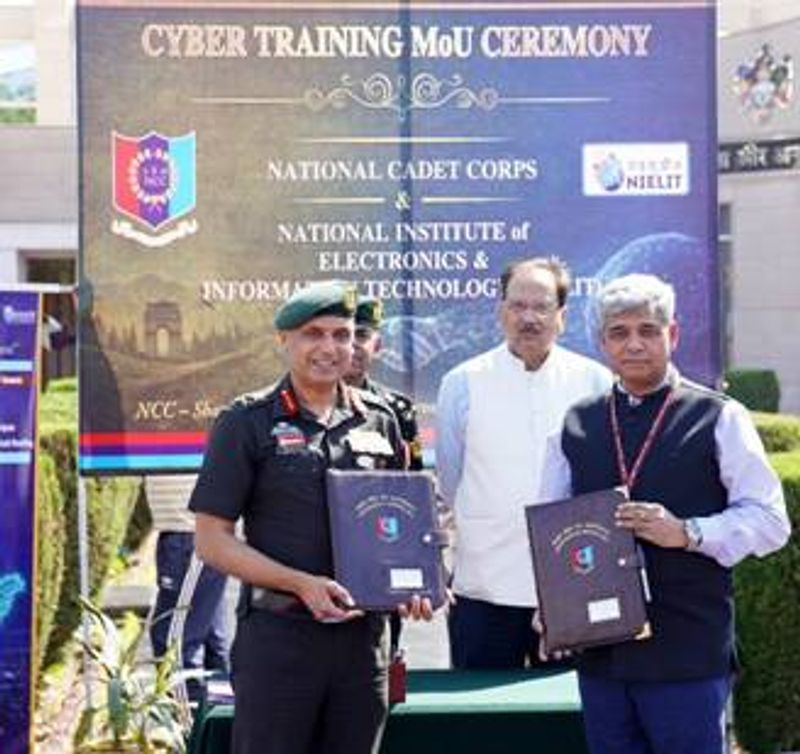
A Cyber Security Capacity Building Programme has been launched by the NCC in collaboration with the National Institute of Electronics and Information Technology (NIELIT).

With cyber security being a serious challenge across the society, the National Cadet Corps (NCC) is empowering its cadets with structured training in cyber awareness, digital hygiene and practical cyber defence skills.

A comprehensive Cyber Security Capacity Building Programme has been launched by the NCC in collaboration with the National Institute of Electronics and Information Technology (NIELIT), a defence spokesperson said. A memorandum of understanding in this regard has been signed in the presence of Director General, NCC, Lt Gen Virendra Vats and Director General NIELIT, Dr Madan Mohan Tripathi.

The programme will be implemented in two stages. The first stage, Cyber Security Awareness Programme, is a 15-hour online training module designed to provide foundational knowledge of digital literacy, safe internet practices, cyber hygiene, and awareness of cyber threats.

This stage will be open to all enrolled NCC cadets across the country and will be delivered through the NIELIT Digital University platform.

The second stage, Cyber Defender Programme, is an intensive 60-hour offline programme designed for selected cadets who qualify through a merit-based screening process.

This stage will focus on hands-on training, real-life simulations and practical exposure to cyber security tools and techniques, enabling cadets to identify and respond to cyber threats effectively.

The initiative aims to create a pool of trained NCC Cyber Cadets who can contribute to spreading cyber awareness, promoting safe digital practices and supporting cyber security initiatives at the grassroots level.

The programme also seeks to align with national priorities under Digital India and the National Skills Qualification Framework (NSQF), the spokesperson said.

With rapid digitalisation, critical infrastructure vulnerability and a shortage of skilled professionals, India faces serious cyber security challenges, according to experts.

Data breaches, ransomware, phishing and digital fraud are among common threats that all individuals using a smartphone or a home computer are exposed to.

Raised in 1948 as the second line of defence, the NCC has a strength of over 17 lakh cadets, including girls, from schools and colleges across India, and is the world’s largest uniformed youth organisation.

Officers and instructors are drawn from the three services, which are supplemented by associate NCC officers who are full time teachers in educational institutions and are offered commissioned ranks.

The aim of the NCC is to inculcate qualities of leadership and discipline and the spirit of adventure and camaraderie among the youth. Besides basic military training, the cadets are also exposed to adventure activities, social service, national integration and attachment with the three services for training


500 drones supplied to Army

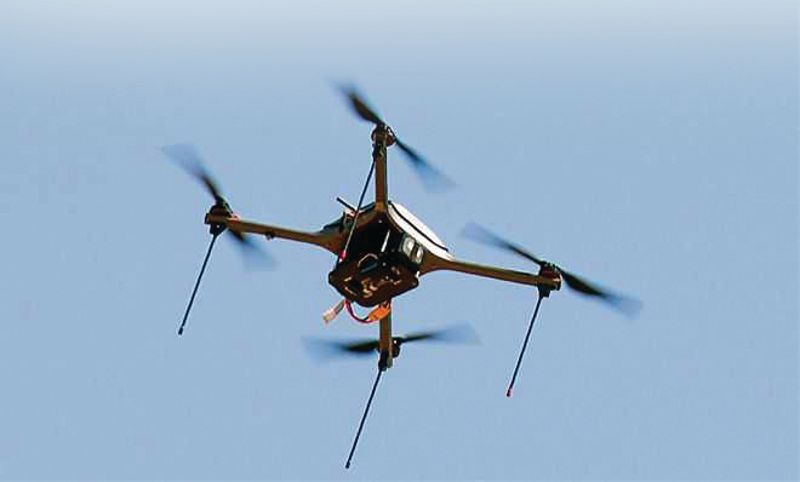
Zuppa Geo Navigation Technologies, a Chennai-based drone and navigation solutions provider, on Monday said it had delivered more 500 “cyber-secure” drones to the Army.

The deployment follows the successful completion of rigorous certification processes aligned with the Army’s cybersecurity framework for unmanned systems. These drones have undergone comprehensive testing by the Standardization Testing and Quality Certification (STQC) Directorate, meeting stringent benchmarks for cybersecurity, reliability and operational resilience.


15 Indian vessels stuck in Hormuz; working on safe return, says govt

Coordinating with Ministry of External Affairs, putting in our efforts to bring back our ships: Minister

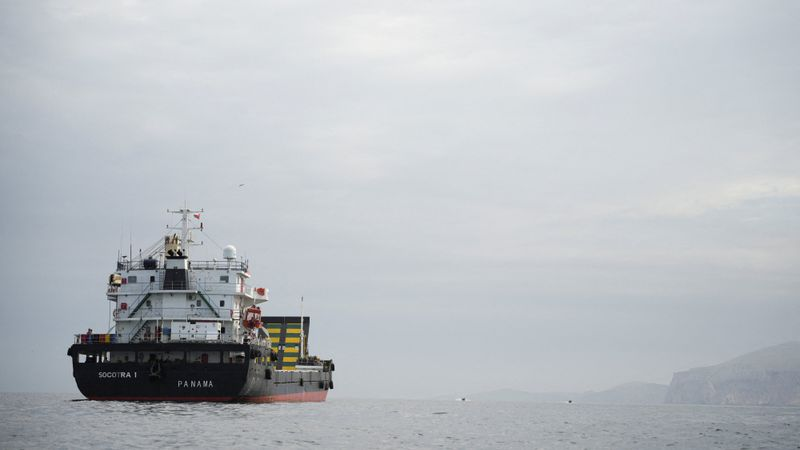
The Centre on Monday said at least 15 Indian-flagged vessels were stranded in the Strait of Hormuz and efforts were underway to bring them back.

Addressing an inter-ministerial briefing on recent developments in West Asia here, Mukesh Mangal, Additional Secretary in the Ministry of Ports, Shipping and Waterways, said, “We are coordinating with the Ministry of External Affairs and putting in our efforts to bring back our vessels. Arrangements are being made so that as soon as conditions are suitable, the ships can sail back to Indian ports.”

He said the Indian-flagged LPG vessel “Jag Vikram” crossed the Strait of Hormuz on April 11. It was carrying around 20,400 metric tonnes of LPG and had 24 seafarers on board. It was expected to reach Kandla on April 14.

The official said the ministry was actively monitoring the evolving situation in the Persian Gulf, adding that “at present, all Indian seafarers in the region are safe. No incident involving Indian-flagged vessels has been reported in the past 24 hours.” He said the Directorate General of Shipping had facilitated the safe repatriation of over 2,177 Indian seafarers so far, including 93 in the past 24 hours from various locations across the Gulf region.

Meanwhile, India has also taken a significant step towards strengthening its electric mobility ecosystem. In a move aimed at accelerating the adoption of electric vehicles (EVs) and supporting domestic manufacturing, the government has announced extensions and relaxations under key policy frameworks, responding to both market needs and global supply chain disruptions.

Hanif Qureshi, Additional Secretary in the Ministry of Heavy Industries, highlighted that subsidies under the PM e-DRIVE scheme for electric three-wheeler rickshaws had been extended by two years, shifting the deadline from March 2026 to March 2028.

Recognising the widespread use of electric two-wheelers across the country, the government has also extended subsidy support for this segment. The revised deadline now stands at July 31, 2026, offering additional time for consumers and manufacturers to benefit from the incentives and further drive adoption in one of the fastest-growing EV segments.

Qureshi also emphasised the role of the Phased Manufacturing Programme (PMP) in determining subsidy structures across different EV categories. The programme is designed to promote indigenous production and reduce dependency on imports, aligning with the broader vision of building a self-reliant automotive ecosystem in India.

In light of ongoing supply chain challenges stemming from the West Asia crisis, the government has introduced a six-month relaxation in PMP guidelines specifically for electric trucks and buses.


India, US ink pact on first-ever fighter jet engine tech transfer

In a first-ever military technology transfer between India and the US, a technical agreement has been reached on co-producing a jet engine in India.

Almost 80 per cent of the manufacturing technology and intellectual property rights for making the engine of F-414 jet, owned by US-based General Electric, will be transferred to India.

For India, this will be the first such technology sharing by the US. In the Cold War period (1945-1991), the Soviet Union, and later Russia, had allowed India to make engines from the MiG-series and Sukhoi-30MKI jets.

US major General Electric and Indian public sector aviation company Hindustan Aeronautics Ltd (HAL) had reached an agreement on ‘technical matters’ on the engine production, sources confirmed on Monday. This is likely to be followed by the signing of a final contract later this year, they said.

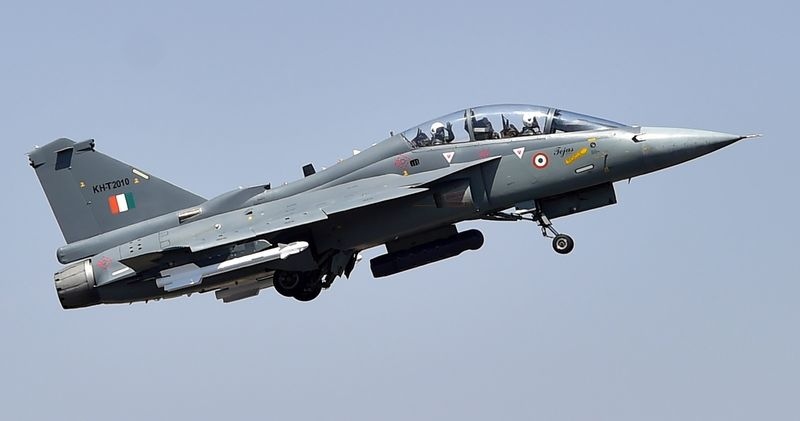
The HAL-GE agreement is for the F-414 aero engine that will power the next-generation Tejas Mark-2, a heavier and potent upgrade over the existing Tejas Mark-1A jet production line. A lowered powered engine the F-404, also manufactured by General Electric, is used for the Tejas Mark-1A.

The US, in June 2023, had agreed on a technology transfer and a joint venture to produce the F-414 aero-engine in collaboration with India. The upcoming Tejas Mark-2 fighter jet has been planned and designed around the specifications of the F-414 engine.

Once production starts, it can stabilise the engine programme for jets needed by the Indian Air Force that is now operating at its lowest fighter squadron strength in decades.

India and the US had inked the Industrial Security Agreement in 2019, followed by a 2021 protocol for the exchange of classified information between the defence industries of both the nations. Last week, Foreign Secretary Vikram Misri had an interaction with the US Under Secretary of War for Acquisition and Sustainment Mike Duffey in Washington DC.

GE to set up repair facility

US firm General Electric announced that it had signed a contract with the IAF to establish an in-country depot facility for maintenance of F404-IN20 engines that power Tejas

The engine is used in the fleet of 35 Tejas jets in the IAF inventory. It is also a part of upcoming 180 jets of the Tejas Mark-1A