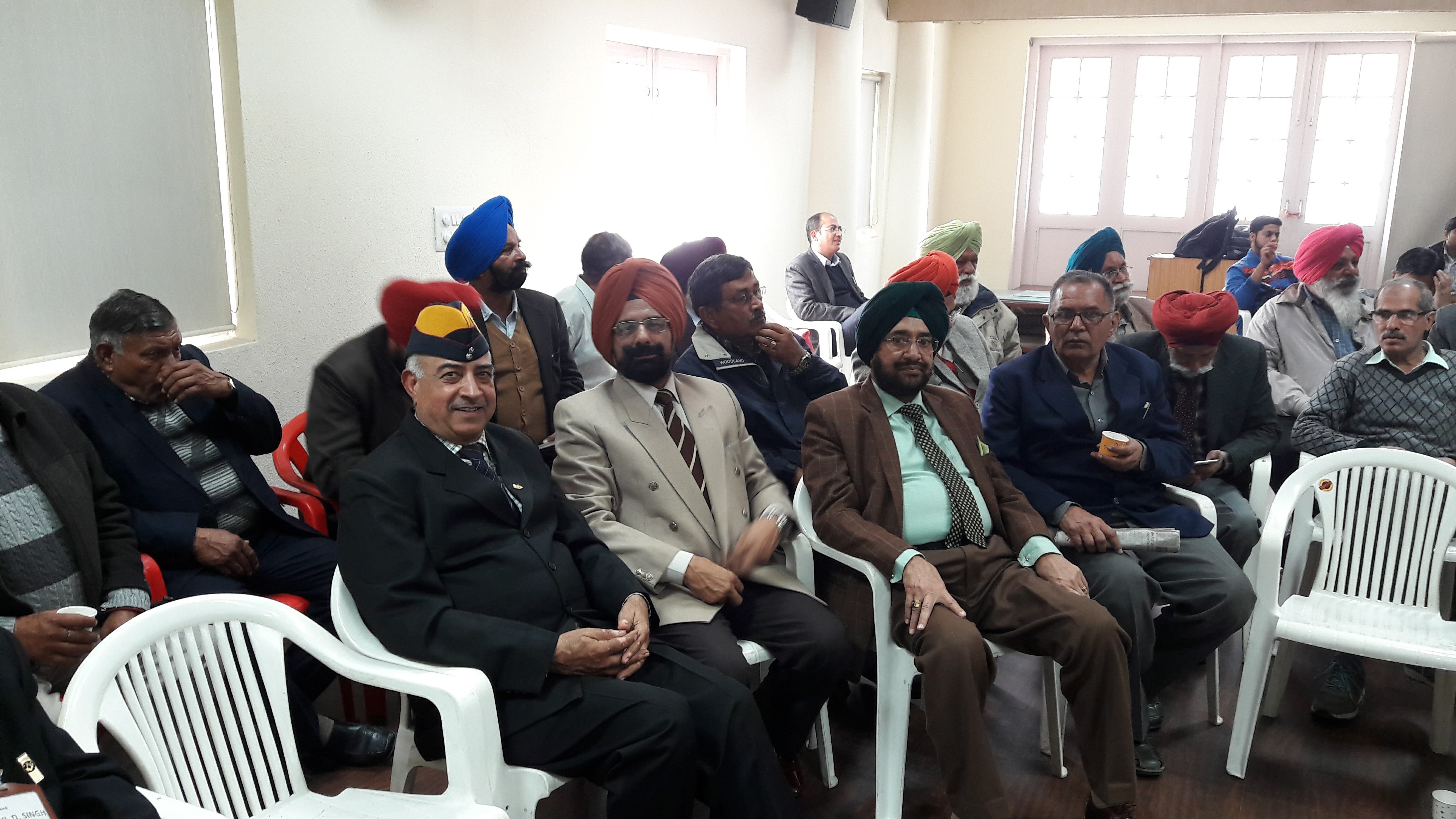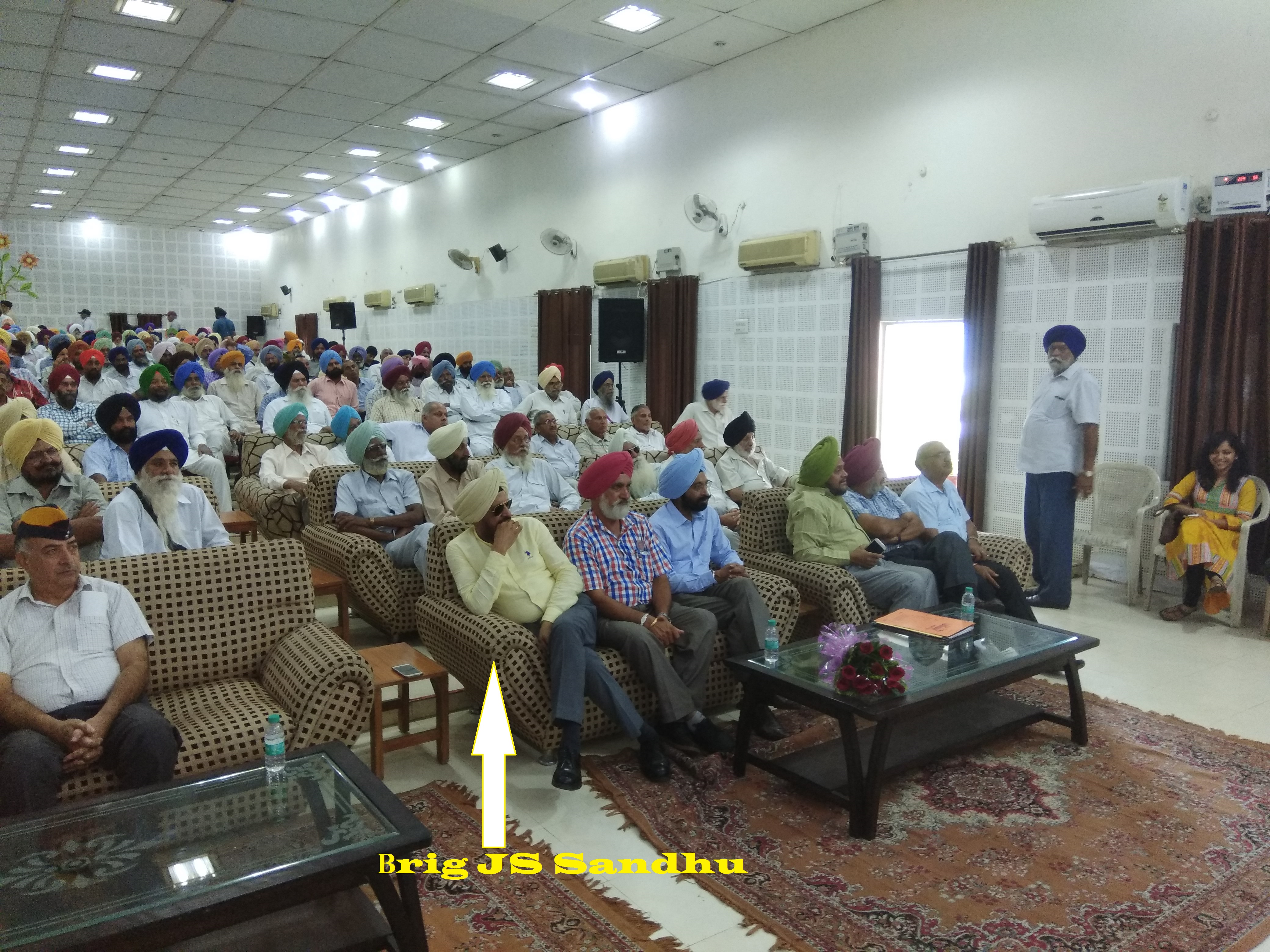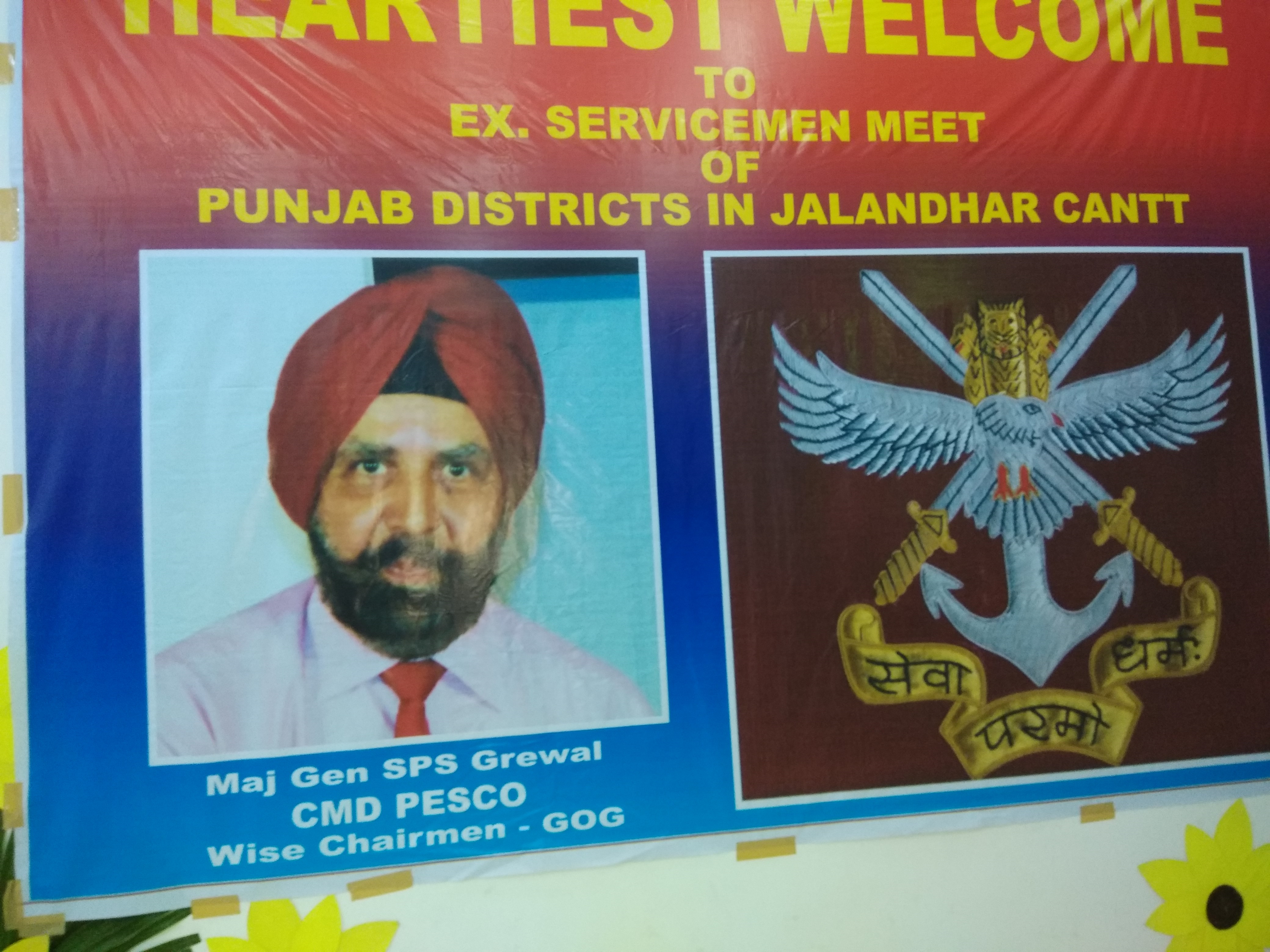
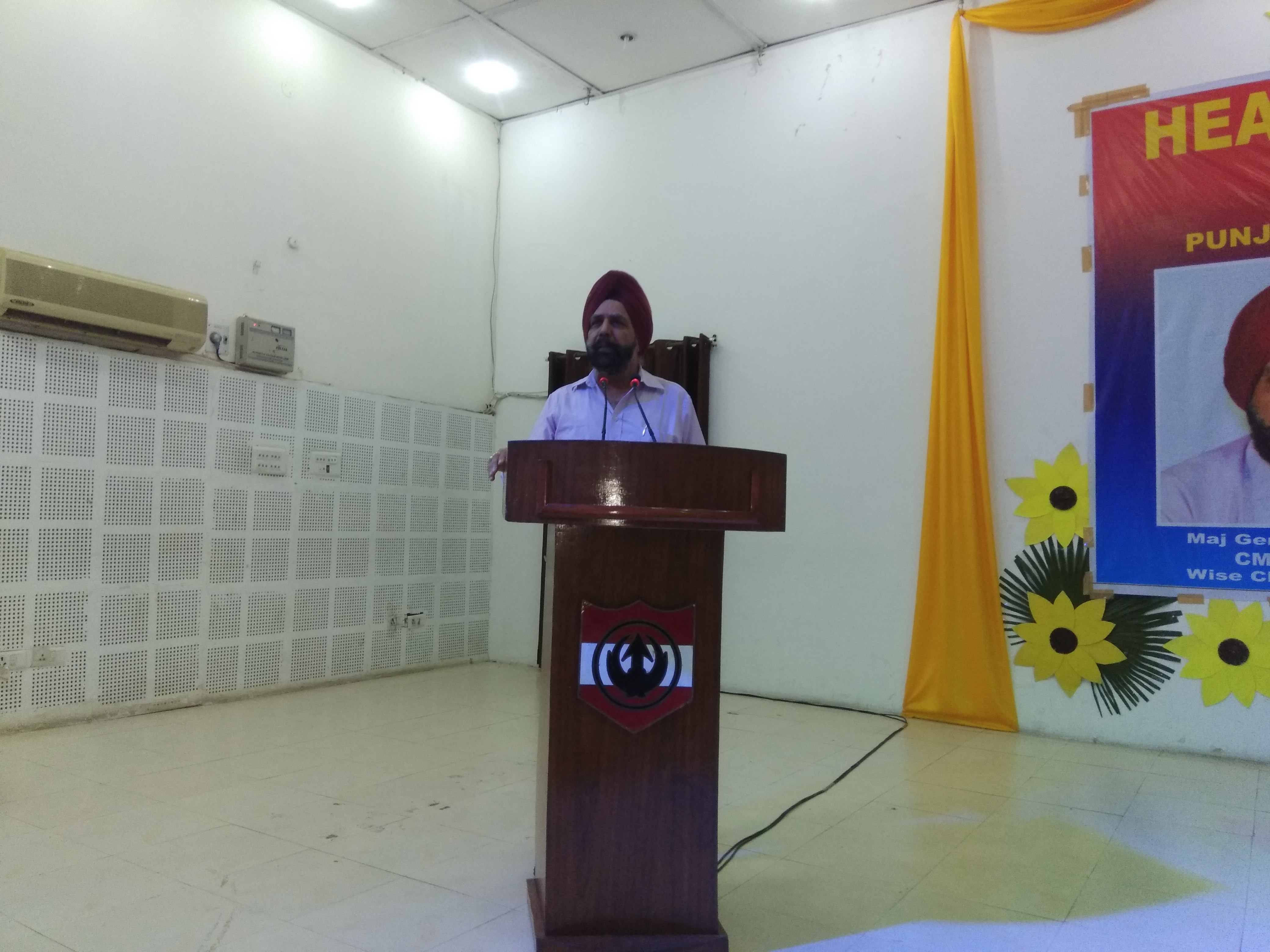
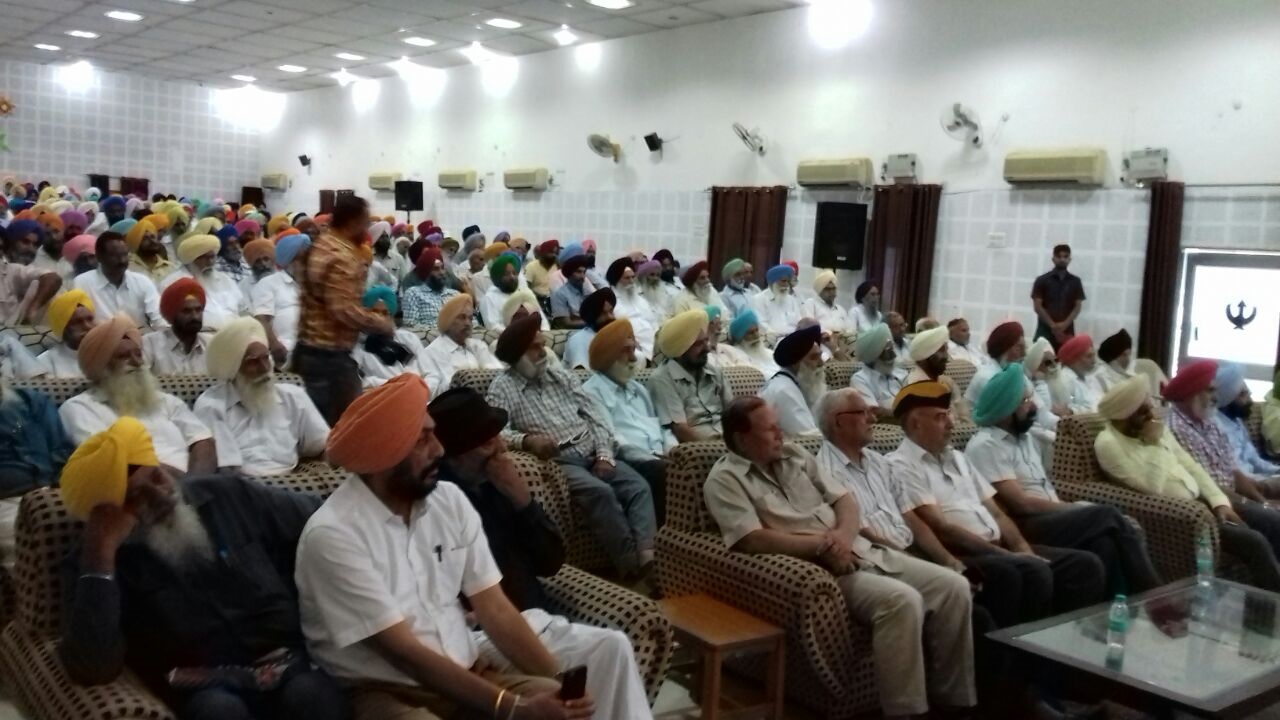
Its rather a Shameful act and height of Ambition with greed of the JM Battalion Leader that he directs his second-in-command Brig JS Sandhu to reach Jallander at a schedule meeting of GOG (Guardians of Governance) the brain child of Capt Amarinder Singh to employ the trained force of Ex-Servicemen as his eyes and ears in the administration Governance.
The meeting was to be addressed by Maj Gen SPS Grewal, Vice Chairman of GOG Scheme and Chairman cum Managing Director PESCO ( Punjab Ex-Servicemen Corporation) .
The meeting was to educate the ESM of Punjab from Various Districts regarding the role and responsibility that ESM will have to shoulder to make the GOG a success. The ESM will be State employs at Village,Tehsil,Districts and State Level and they7 will paid an honorarium in return of their services. The basic aim of Capt Amarinder Singh being an ESM to restore the lost respectability and dignity of ESM in Punjab and utilize their experience in Punjab Administration.
SATBIR CIRCULATED MESSAGE TO ESM PUNJAB AGAINST CAPTAIN AMARINDER THROUGH WHATS APP.NOW SEEKING RS SEAT
Dear Friends,
We have made serious mistake in supporting Capt Amrindger Singh in the Elections.
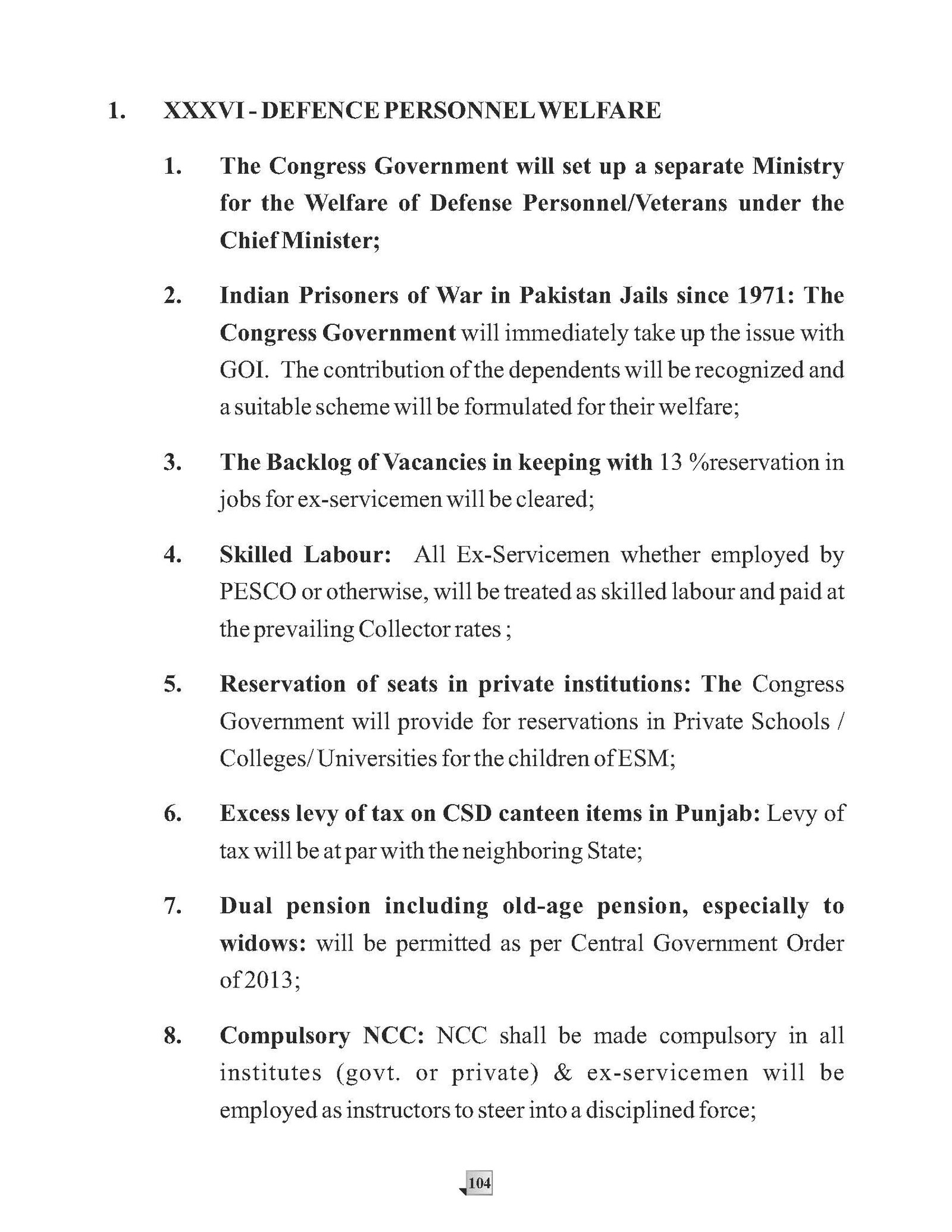
The group of some of our own ESM have not advised him correctly.Capt Amrinder Singh had agreed to 13 issues concerning Def Personnel to be part of priority action of his Govt.
Unfortunately,not even one decision has been taken by CM PUNJAB concerning the agreed 13 points.
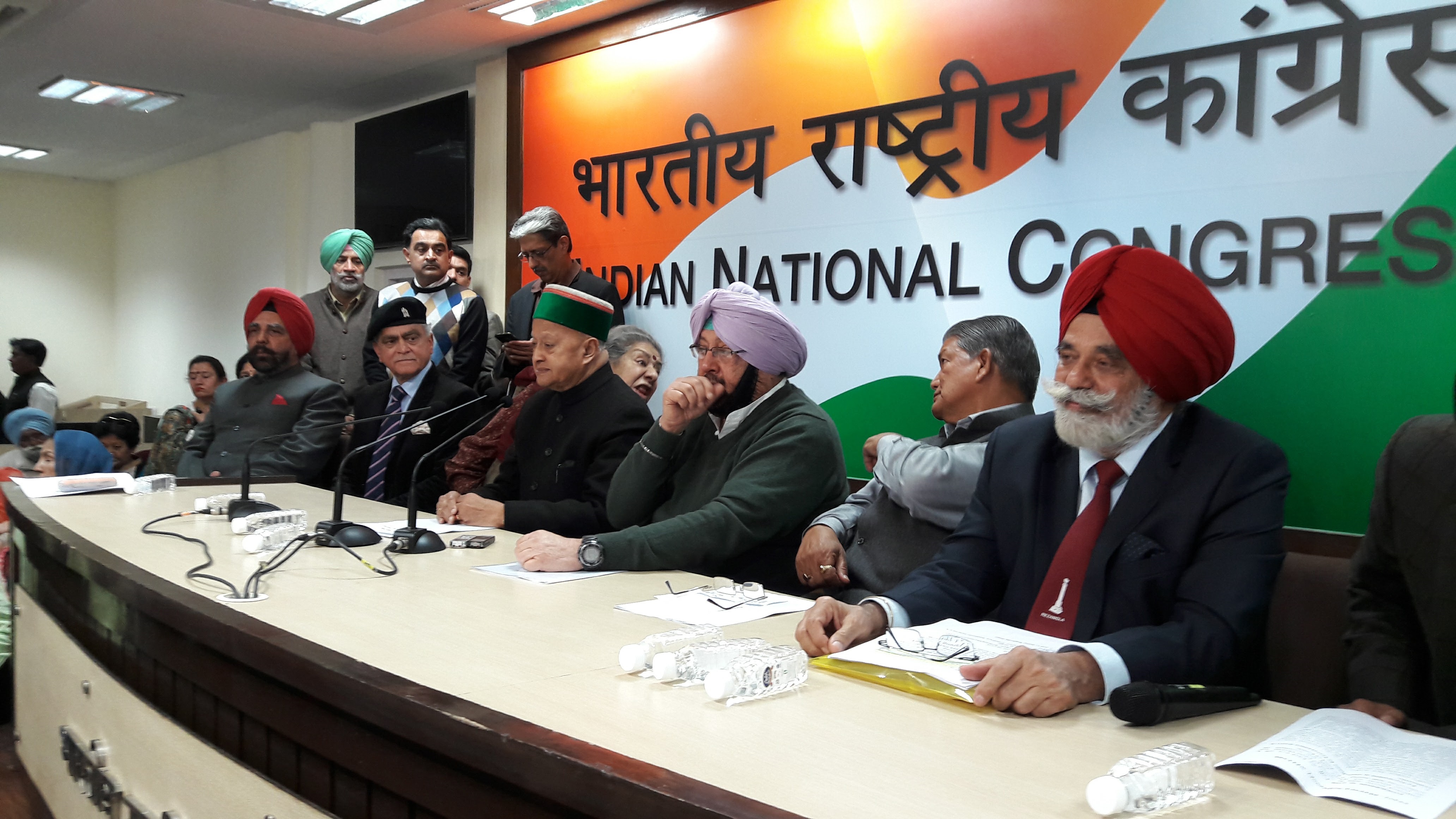
I had personally stated these 13 agreed issues on 5th Jan2017 at Cong Hq in the presence of Capt Amrinder Singh,CMs of HPand Utterkhand and other Central leaders of Congress and again during ESM Rally at Jalandhar which was attended by Capt Amrinder Singh .I have written a DO letter to Capt Amrinder Singh about 20 days ago conveying our concerns but no reply has been recd from him.
Till such time this group is around Capt Amrinder Singh,no worthwhile Welfare Measures will be taken up by Punjab Govt for the welfare of Def Family.
I will be writing another letter to Capt Amrinder Singh.I hope he delivers on the agreed issues of Def Pers Once i receive his reply,i will keep you updated.
Maj Gen Satbir Singh SM
COMMENTS ON GEN SATBIR MESSAGE :TRUE FACTS
1. NO letter was written by Maj Gen Satbir to Capt Amarinder but did write to Lt Gen Shergill.
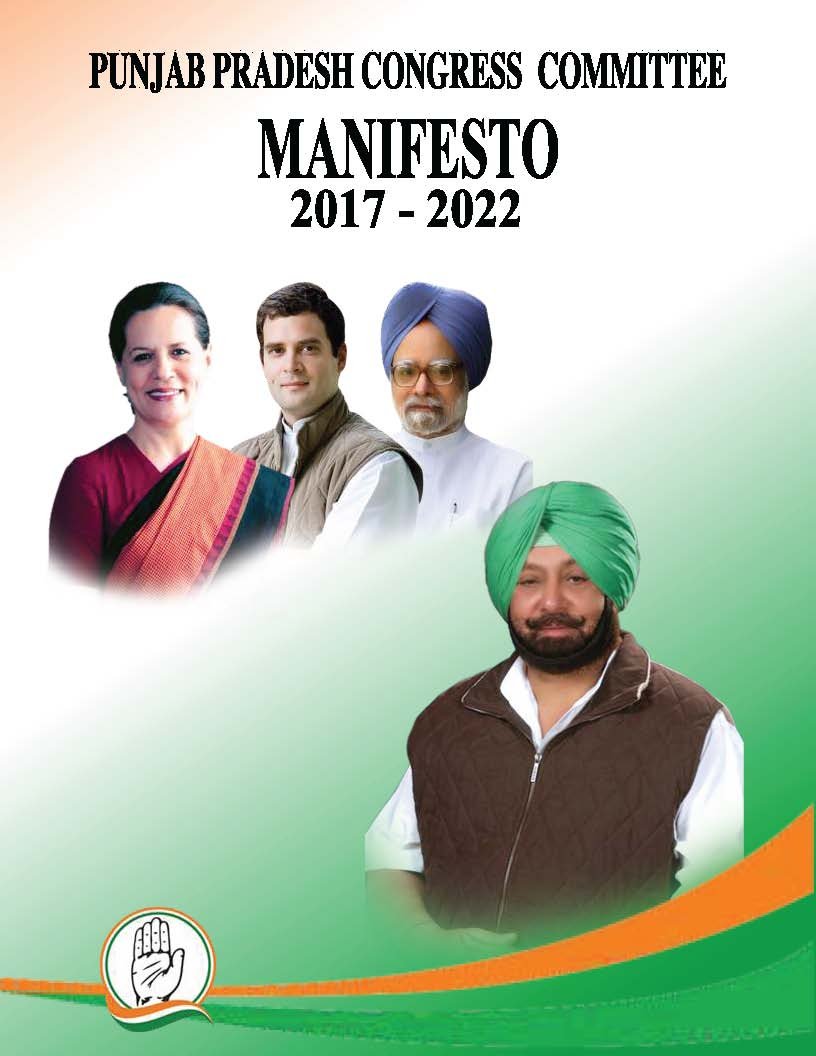
2. The claim of 13 points submitted was too late in the month of Jan 2017 ,to be included in the congress manifesto. The 17 Points which had been included in the Manifesto were out of the written 24 points handed over to Manpreet Badal By SANJHA MORCHA after a detailed discussions in a meeting held in the month of OCT , Those who were [resent were Lt Gen Shergill,Maj Gen
SPS Grewal, Lt Gen JS Dhaliwal,Brig JS Jaswal,Brig Inder Mohan, Col Bhag Singh,Col RS Boprai and Col CJS Khera and of course Manpreet Singh Badal
The only point which was emphasized by Maj Gen Satbir was his nomination to Rajiya Sabha from any of the Congress winning State i.e Punjab,Himachal and Uttrakhand. No such agreement or Commitment was made to satbir as all points which may have been handed over to Capt Amarnder in person had already taken care off.
Maj Gen Satbir was not even aware of Punjab ESM Problem and he took assistance of Col CJS Khera to include points in his list.
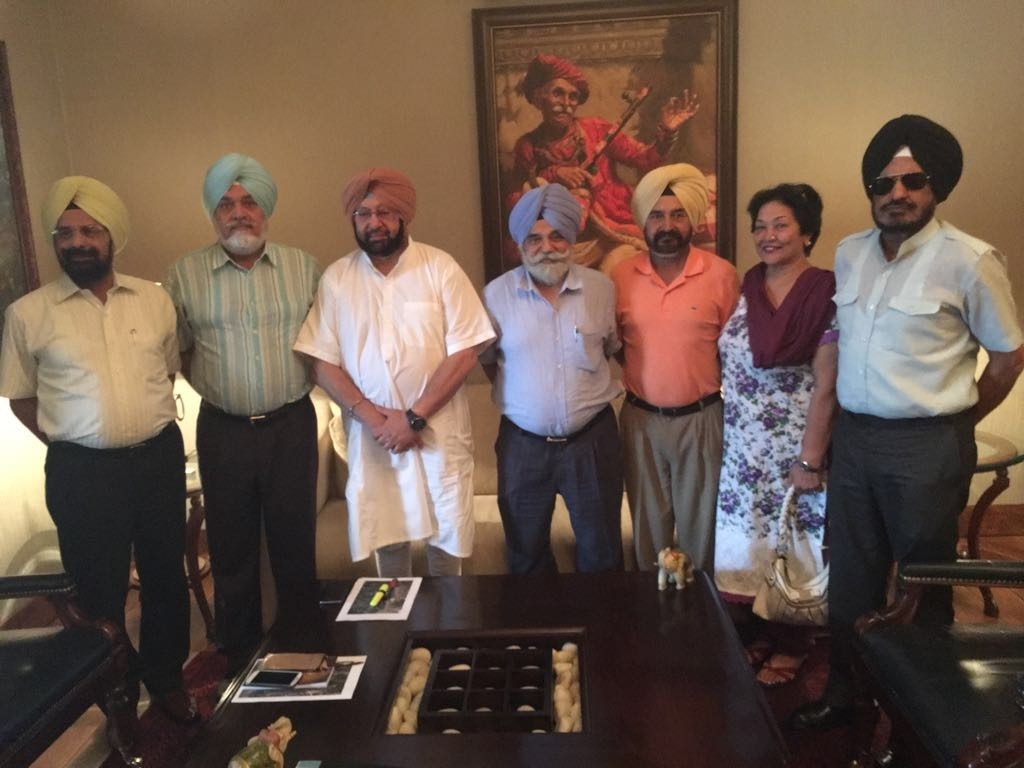
DECLARES SUPPORTS TO CONGRESS IN PUNJAB,HIMACHAL AND UTTARAKHAND in DELHI JAN 2017
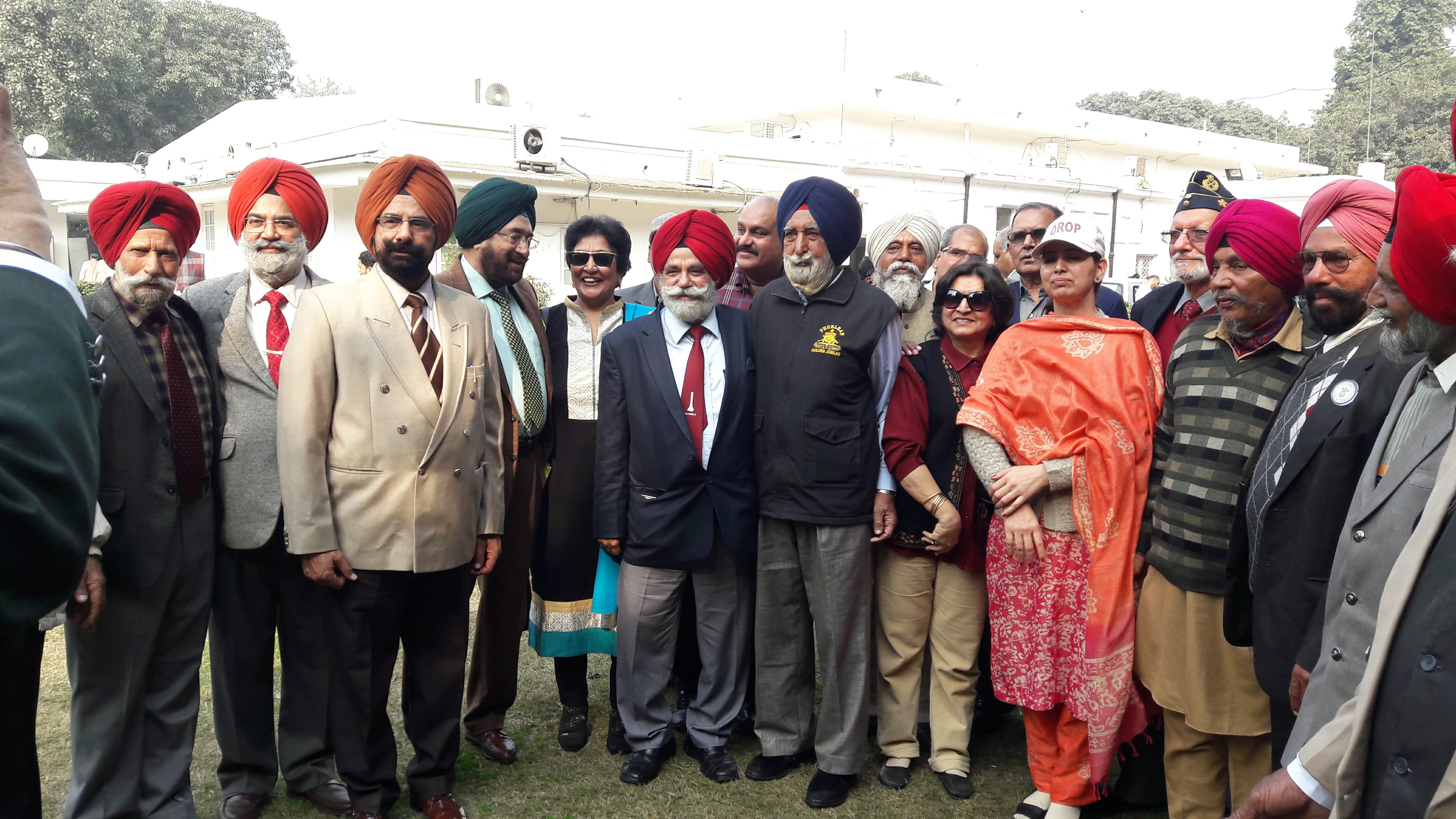
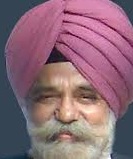
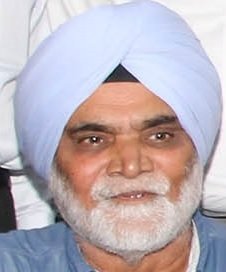
SANJHA MORCHA TEAM ABOVE AT DELHI AND mAJ gEN sATBIR WITH SANJHA MORCHA TEAM BELOW AFTER THE SUPPORT
3. Maj Gen Satbir did not come even once to Chandigarh/Punjab to
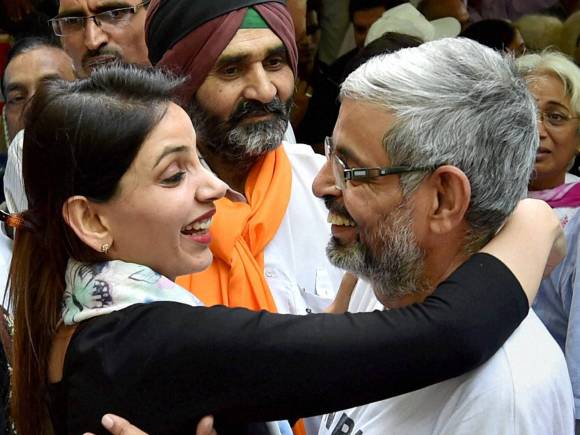
congradulate Capt Amarinder on his llandslide victory in Punjab,rather he sent some Lady to congratulate Capt Amarinder and make him speak with Capt Amarinder. It sounds so funny and egoistic probably MGS thought he is a National Leader of Jantar Mantar fame and Capt Amarinder is a State Leader/
NOW SATBIR WANTS RAJIYA SABHA SEAT
Brig JS Sandhu came as an uninvited person in a meeting og GOG which only pertained to ESM of Punjab. It seems all preplanned by Satbir to remind his so called 13 Points agenda and impress the ESM further take opportunity to lure and convince ESM of Punjab and avail the best opportunity to garner support of ESM Punjab to elect him as Chairman IESM.
However at the end of Briefing by Maj Gen SPS Grewal , On Brig JS Sandhu pleading he was giving opportunity to speak to ESM not knowing his intentions were to convey message of Maj Gen Satbir and he started his JM Politics to which he was then and there rebuked by the Chief Guest as it was not the forum to discuss politics but he was reluctant to listen and kept repeatedly demanding Rajiya Sabha seat for Satbir.
However it was clarified to all ESM Maj Gen SPS Grewal that he is not aware of any 13 Points handed over to Capt Amarinder nor he was party or called in any meeting held by Satbir with Capt Amarinder. Hence he cannot be the messenger of Satbir.
MAJOR GEN SATBIR carrying WRONG NOTION THAT HIS SUPPORT TO CAPT AMARINDER IS CAUSE FOR VICTORY.
Its a simple calculation. IESM headed by Maj Gen satbir does not have more than 3000 members in Punjab. The members are spread over in all Distt of Punjab. Each Distt does not have more than 200 members approximately . Even if each member has an average of 5 Votes than only 1000 votes an average in each Distt .Further each ditt has min 4 to 14 Constituencies thus average vote share is 250.
Can Maj Gen Satbir claim that 250 votes per candidate has made the victory of candidate win by 10000 to 50000 votes .Its unfortunate that where ever IESM had the maximum members the Congress candidate got defeated.
Maj Gen Satbir must come down to Mother earth and know the reality and his contribution.
He supported congress in Delhi Press meet in first week of Jan2017 to Punjab,Himachal and uttrakhand.
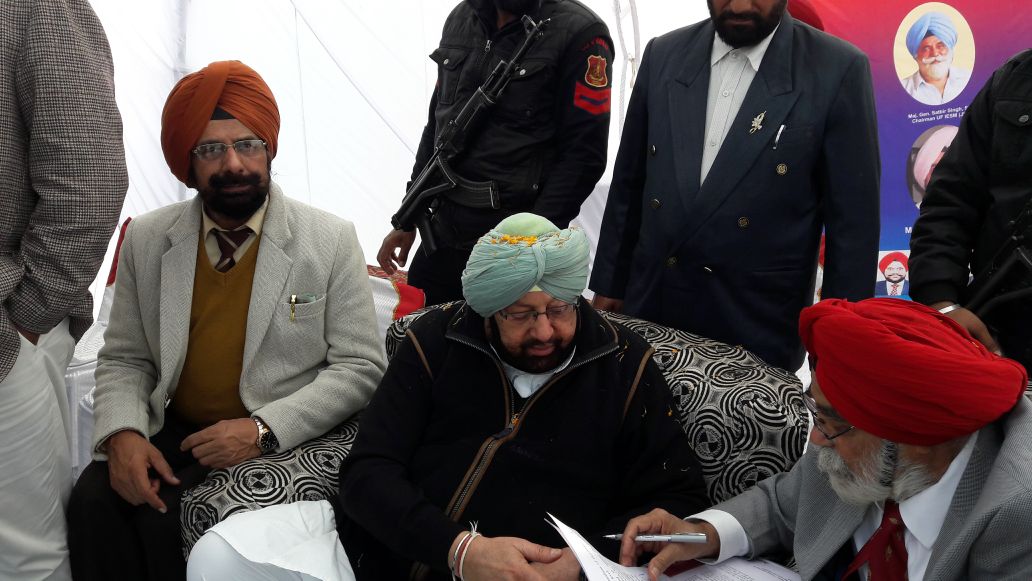
The only Rally he attended in support of Capt Amarinder was in Jallander in month of Feb 2017 and there also he did not give time to Capt Amarinder to address the ESM but kept harping his slogan of OROP ” Sada Haq ethe rakh” and in the last he told all to vote for OROP and not a single time he told the ESM to vote in support of Capt Amarinder.
AT Jallandhar Rally L to R–Col CJS Khera,Capt Amarinder Singh and Maj Gen Satbir Singh in picture below
The other organisation which were working since Jul 2016 were IESL and Sanjha Morcha etc. Maj Gen Satbir came at the FAG end by the time 85% of ESM had made up their mind to support Capt Amarinder and 5 % for Akali and 1% for APP 5% undecided and IESM does not figure any where as it did not decide its support till Feb 2017.
If he recalls his behavior and his dramatic acting he should be ashamed for demanding Rajiya sabha Seat after he circulated message to all members of his mistake in supporting Capt Amarinder.
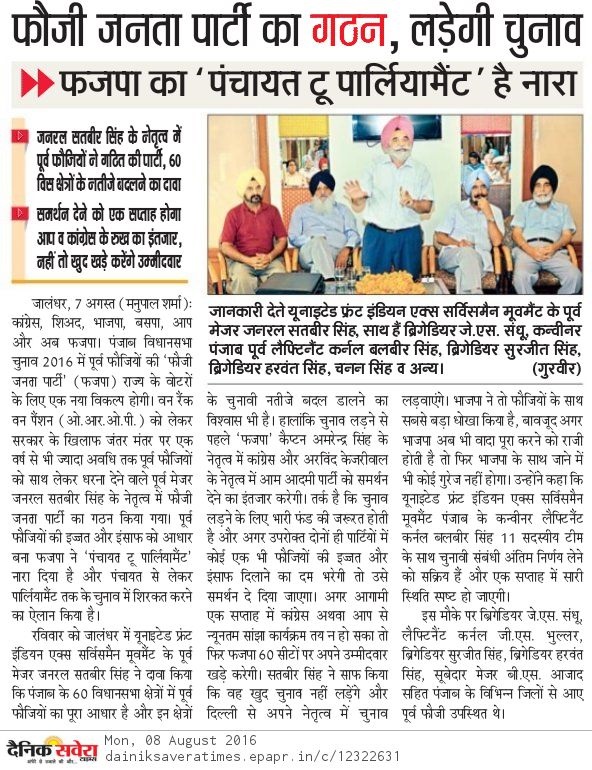
PROMISED CAPT AMARINDER BUT ANNOUNCED FJP AT ISSURU
At Capt Amarinder Singh Residence after Luch on 13 Aug 2016 and there aftyre backtracked for shifting to APP and Launshed Fauji Janta Party to fight elections, He wanted 25 Seats for ESM in Punjab elections but could not provide name of a single probable Candiate to Capt Amarinder
MAJ GEN SATBIR A FRUSTRATED PERSON: ALL OUT TO WIN BACK HIS POPULARITY EVEN IF UNINVITED
There is no end to human ambition or greed to collect more funds or have control over the massive amount collected in crores in IESM account apart from his illegally withdrwn amoun of Rs 60 Lakhs from IESM account in 2014 for which was granted bail by High Court,Chandigarh
SATBIR REACTION TO GOG MEET : BLAMES BRIG INDER MOHAN FOR NO RYME OR REASO0N
Maj Gen Satbir is a frustrated individual and JM fame leader history and lowering his image day by day.
TODAY Non of the Ministry or MP wants to see his face or it speak to him about OROP.History repeats earlier Mr Anthony did not allow him for 9 yrs.
He landed up at Sangrur function where IESL was celeberating Golden Jublee organised by Brig Inder Mohan as uninvited Guest in month of Jul 2017. He created an unpleasant atmosphere by his unwarranted OROP speeches.
It is alleged that he handed over approx Rs 2 Lakhs to Hav Sukhdev Singh as reliably learned to make new members from IESL and break IESL member ship and support him and bring maximum ESM to Jantar Mantar on 05 Aug 2017.
He himself landed uninvited at Golden Jubliee Akhand Path of IESL at Sangrur
Brig JS Sandhu his 2 IC of JM battalion also came uninvited to disturb GOG meeting addressed by Gen SPS Grewal,CMD PESCO and Vice Chairman GOG at Jallander to remind Capt Amarinder regarding his demand for Rajiya Sabha seat.
Later Brig Sandhu was seen pleading ESM to support Gen Satbir for Chairman elections of IESM.
No doubt Maj Gen Satbir has lost his balance and started blaming Brig Indermohan who was no where nearby GOG meet.
Gen Satbir writes to Brig Indermohan with unwarranted language/wording
Brig Inder Mohan,
1 When will you grow up and attend to what you wish to do for the Def Family.Stop criticising others.
2 Please donot spread false and concocted Information.I donot even know that there was a Meeting of ESM at Jalandhar and the Schedule.I donot even know about Brig JS Sandhu attending any such Meeting.
3 What are you talking about RS Seat?I have neither asked any one nor given any brief to Brig Sandhu to speak about me on any forum.
4 Brig Inder Mohan,HAVE YOU NOT LEARNT YOUR LESSON OF BEING ARROGANT WITH YOUR CRUSHING DEFEAT IN IESL ELECTION?The other Day,you were boasting of OUT RIGHT WIN.
5 Once again,please refrain from talking about me,i have nothing to do with you.
REPLY OF BRIG INDER MOHAN TO MAJ GEN SATBIR
Dear Gen Satbir,
You are talking of growing up. I thought we are in the last quarter of our lives.
Firstly the names mentioned in the post are all known to you and are your confidants. Hope you understand plain English, I just forwarded the post. Not to your liking doesn’t bother me.
How come you are not aware your 2ic is in Jalandhar. You wanted RS seat or not is not my concern. But let me tell you. If there is a queue of RS aspirants, you will be too far behind to be visible. And we know you will not be in the queue also. Your place is in JM please be there.
About Punjab IESL election I still command more respect and times ahead will show you. You have done a good job, money distribution coming to light. Lt Col SANGHA realising in three way split Inder Mohan will win hands down surrendered his votes getting only 8. Difference between Col Bhag and me only 5 votes. Then I don’t behave like you. When Col Bhag Singh confirmed he doesn’t want to contest I made him a delegate to support me. Suffice to say, I do not want to write pages on the betrayal, I would have got grass root elections done in the districts where no open elections have been held. Even now they have no standing. In fact very shamelessly they have divided ESM into SIKH and non SIKH votes. What I am doing you all will know in due course. It doesn’t need any organisation for what I am going to do. My bonding with ESM is good enough. And I don’t need show of strength lest I to am like your strength at JM which can be counted on dinners of two hands. What IESL members and large number of other ESM have given me is beyond your comprehension. Mine is payback time for the rest of my life.
And yes, unlike you who are always in financial controversies, with less than Rs 12000 received in subscriptions from new members in three years, I leave behind Rs 136000 more than I took over. How? I did not spend a rupee on any expenditure on self. My cars, my fuel. How about you? One course when donating money between Jun – Sep 15 gave a cheque of Rs 175000 to IESL Punjab. They knew money in your hands is gone. 30000 in cheque from my Regt officers. 10000 from another offr in Ludhiana and 1000 from an NCO in Tamil Nadu. That’s all. IESL Hq Delhi gave Rs 150000 for travel to jcos ncos for Anna Hazare really in Delhi, all paid to 250 participants on 26 Jul 15 I think.
The day you imbibe my leadership qualities you would not be running around for getting support for JM.
Just for your Info, visiting Baba Bakala tomorrow to meet Amritsar group for our next venture. We are no more interested in JM or any activity related to begging for better future of ESM. We will show the way to not only ESM of Punjab but the entire country.
Got another feed back from some ESM. They are being asked to become members of iesm to vote for you in your elections. Good luck.
Rest time will tell.
Inder Mohan Singh
EARLIER POST REPLIED BY BRIG INDERMOHAN
[11/10 14:09] Brig Indermohan Ldh:
Gen Satbir, after 20 years I may have erred in your appointment as a brig. That you stayed in a house ahead of the corps HQ is not forgotten by me. I stand by my visit to your house and your query on your son’s choice. Why do you think I would be lying. Anyway what happened in babina is too fresh to be forgotten.
Problem is with you GEN Satbir. You first split IESM with GEN Kadyan. You lost election Signalman sheoran and recreated a new IESM at Pune.
You didn’t account for a huge sum of money, over ten lakhs, and are in bail now. Somewhere mentioned another case filed for collection at jm last year. Your colleague in the money case has deposed against you. Your correspondence with col ANIL KAUL is in the open. What more you want to know.
Coming to your service career one thing you missed to mention that JM is a fertile ground for reaping benefits at the cost of ESM.
You think people came to JM because of you. If so what was the result in the 2008. We all were not keen on RHS but only you knew how to garner funds through RHS.
Yes I whiled away my time. Just to tease you. In 1971 I was the youngest armoured corps officer with three months service in war, without YOs, as a tank commander, in the best performance of the Indian Army in all wars in East Pakistan. Though from armoured corps served in 14, 15 and 16 corps. Was selected in the first lot for UN mission when these recommenced after Gaza in 1988. Attended 14 Army courses, topped three, in top three in the others. I didn’t while away time drinking coffee in IDSA.
Be careful you may be charged for keeping records of 42 lakh telephones and misusing them. Must have got it from your political benefactor in Punjab and we know who he is.
Finally you have been rewarded well for JM. Given a choice you would keep the money machine running. You have learnt this mantra well.
Good wishes cannot come from you because I am one who takes you head on, starting last year. I will not wish you well in Punjab take it from me.
Inder Mohan
JANTAR MANTAR A BUSINESS HUB AND VOTE FOR CHAIRMAN
Message from Brig R Vinayak.
Dear friends,
There is no doubt that Maj Gen Satbir Singh’s efforts in steering the OROP to see the light of the day (even in the present incomplete / deficient from) is unquestionable and credit goes to him.
It is surprising that mostly especially officers are up in arms to defend any criticism against Maj Gen Satbir. How many of us still remember or acknowledge Col BK Sharma who spearheaded the Maj Dhanpalan 4 CPC Rank Pay Case which benefited large number of us to some extent of the other. Even just recently RDOA won a disability pension percentage (rounding off) case which those affected may know better.
I happen to meet a Col (wouldn’t like to name him as he prefers to be low profile and not go public) Prez of an ESM Org that has also been closely associated with ESM affairs and equally involved in negotiating OROP with Government, I asked him why don’t you and other ESM heads including Maj Gen Satbir come on one platform? He laughed and said – Gen Satbir will never join anybody as he has always had political ambitions.
The IESM General Body affairs have also been messed up because of personal squabbles and towering egos of Chairman and claimed to be Chairman.
He vied for political appointment even with BJP pre-2014 Parliamentary elections and when nothing happened he negotiated with opponents of BJP in Bihar Assembly elections and with Congress in 2017 Punjab elections. He also allowed AAP to use JM forum against ruling dispensation. This is the truth of IESM JM faction.
Because of political indulgence of Maj Gen Satbir he has been ignored and sidelined by the Government and not made party to any meeting held in MOD for discussion on 7 CPC / OROP.
Even the Government is delaying implementation of One Man Judicial Commission (OMJC) Report on OROP because of JM activities and their political indulgence with political opponents.
I have been one to one prevailing upon Maj Gen Satbir (whom I still have regard for) to suspend JM agitation but he is adamant not to do so despite my best efforts.
Lot of pushing has been done to resolve the issues of 7 CPC and is being done without any publicity on social media else it becomes counter productive.
Even the googly of discontinuance of entitled rations in kind for officers in peace stations amongst others is being represented against by Service HQ as well as close group of ESM in the interest of our serving brethren.
Even the Government is being pushed by Service Chiefs and a few ESM who can influence a political decision on OMJC by overruling bureaucrats who are trying to scuttle it somehow or the other.
Under these circumstances I think Maj Gen Satbir is doing more harm to the ESM now. One has to move ahead rather than bask on past glories of Maj Gen Satbir and hero worship him.
I know his blind worshipers are bound to troll me on this post.
Good luck. Happy shooting.
Regards,
Brig R Vinayak, VSM
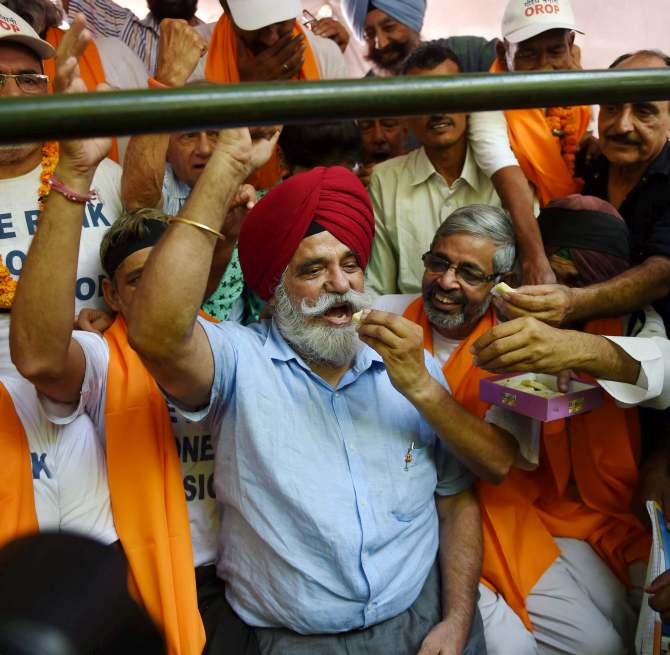
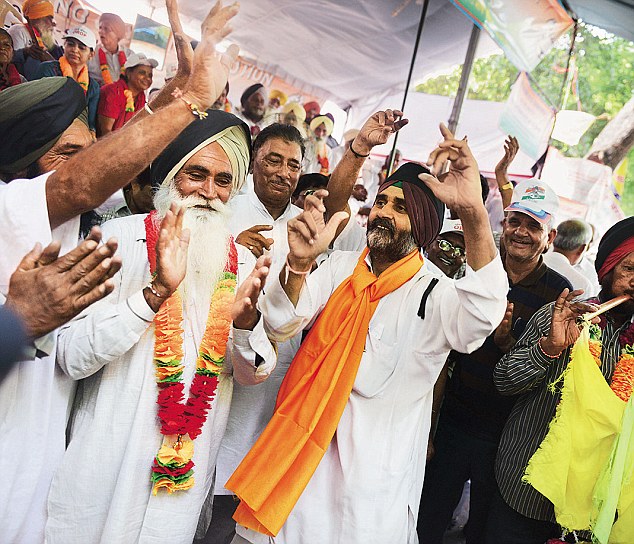
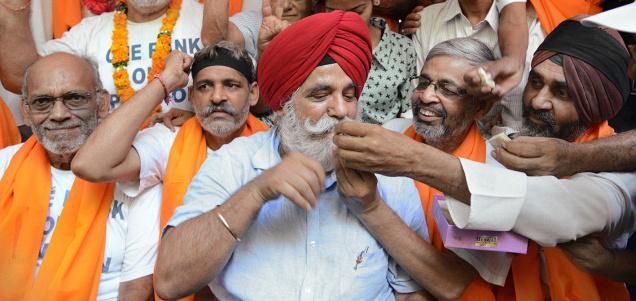
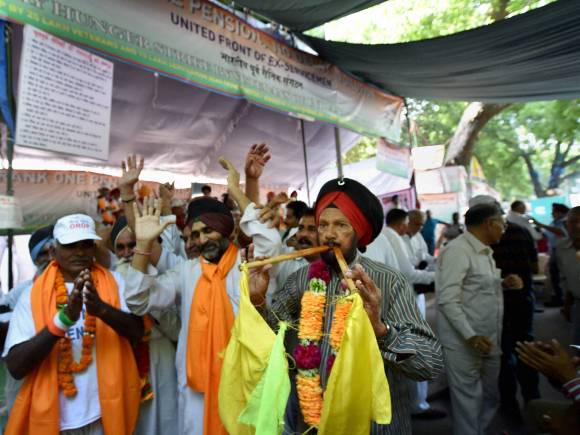
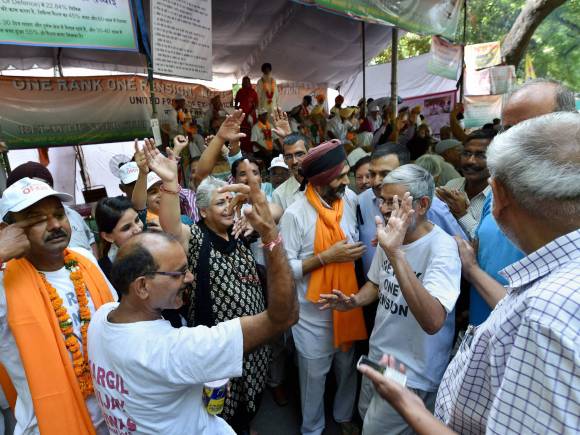
OROP CELEBRATED BY MAJ GEN SATBIR AT JM THEN WHY HOLDING TO JM
CONCLUSION
1. Maj Gen Satbir is all out to be elected as a Chairman of IESM and have control over huge funds in crores.
2. He is self centered and have no love lost for any ESM especially the JCo’s or OR.
3. He has never helped any widow or their children inspite of accumulating crores on person from the donations.
4. Till date he has yet tro visit any Martyrs residence of Punjab or contribute towards any financial assistance to Widow family.
5, JM is the only place he has for self generated employments.
6. The bodies of Martyrs soldiers have been coming via Delhi but he has never ever cared to pay homage to the brave hearts.
7. He will leave Jantar Mantar if elected as Chairman.
8. JM has become a business hub and he has his own Security staff sitting over the Dharna .