Locals and eyewitnesses in the Lethpora area of Pulwama where the suicide car bomb left 39 CRPF personnel dead described the scenes at the place as those of “doomsday”.
“There are no other words than to describe it a doomsday. It was terrifying and gut-wrenching,” a local said.
The car bomb rocked the area, 27 km from Srinagar, at about 3.15 pm. The explosion was so powerful that even some people in Srinagar heard it.
The explosion took place in between the lines of the newly constructed saffron shops along the National Highway No. 44.
People in Lethpora said they felt that the sky was falling on their heads.
“Our house rocked as if a high-intensity earthquake had hit Kashmir valley. The noise was deafening,” Zafar Ahmad, a resident, said.
People only understood it was an attack when the explosion was followed by gunshots that reverberated in the area for about five minutes.
“Then came the CRPF men, who were part of the convoy, running towards our houses. Many of them took refuge in our houses and also kept firing shots as they heard guns roaring around them,” a resident said.
Shopkeepers in the area said it was mayhem. As the blast rocked the area, people ran for cover, wailing and crying.
But the nightmare was not over for them.
“As guns stopped roaring and we peeked outside, we could see scattered body parts lying around with the damaged parts of the vehicles that were hit by the explosion,” one of the shopkeepers, Abdul Karim, said
He described the scenes as horrible and gruesome.
“I don’t think anyone in Lethpora can sleep or eat tonight. It has shaken us badly,” another shopkeeper said.
The security forces immediately blocked traffic movement on the NH-44 and diverted vehicles to “safer” bypasses. Even scribes trying to reach the spot were not allowed to go the place.
Blast heard in Srinagar
The explosion was so powerful that even some people in Srinagar, 27 km away, heard it.
Ajay Banerjee
Tribune News Service
New Delhi, February 11
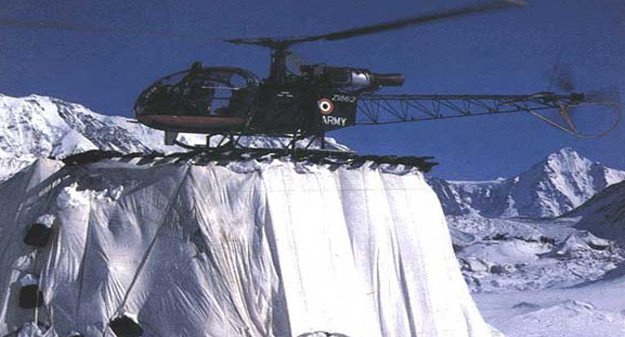
Major Nishant Dogra of the Indian Army was killed in a sudden snow slide at Yongdi in North Sikkim.
Major Dogra was with his battalion at a high-altitude posting. He was inside his make-shift accommodation when the snow slide carried away the entire accommodation on February 9.
The Major, who is from an armoured unit, was found very seriously injured under mounds of snow late that night. Weather conditions prevented an immediate evacuation.
He died on Sunday. Army authorities in Delhi have confirmed the death. The Major’s family originally hails from Jammu, and is now in Delhi.
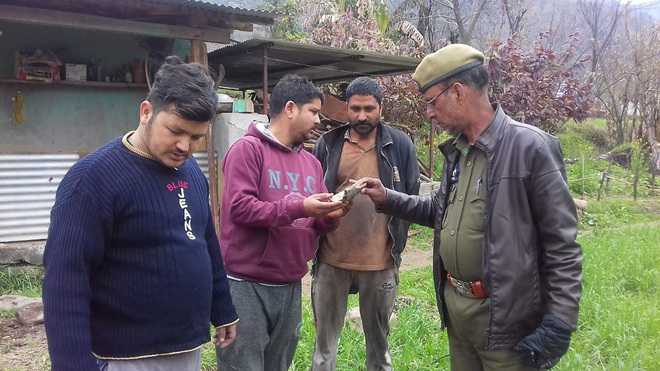
Locals look at a part of mortar shell that landed near their house at Bera in Poonch on Tuesday.
Tribune News Service
Jammu, February 5
The Pakistani army on Tuesday violated the ceasefire agreement in the Krishna Ghati sector along the Line of Control (LoC) in Poonch district.
Pakistani troops resorted to unprovoked truce violation around 10:30 am on Tuesday.
A defence spokesperson said: “About 10:30 am, Pakistan initiated unprovoked ceasefire violation along the LoC by firing two shells of rocket launchers in the Krishna Ghati sector.” Pakistan has been violating the truce agreement continuously.
Narrow escape for family
A family in a forward hamlet in Poonch district had a narrow escape on Tuesday when a mortar shell fired from across the LoC landed in front of their house in Bera hamlet in Jhalas general area around 11 am.
According to the family of one Krishan Lal Sharma, two mortar shells fired from across the LoC fell in their hamlet around 11 am.
“One shell fell near the livestock shed in the vicinity of our house. We had a narrow escape because due to harsh winter all family members and cattle were indoors,” said a member of Sharma’s family.
He said it was after a long time that the Pakistan army had targeted their area. Earlier, stray shells had hit their hamlet. The Indian Army has retaliated strongly and effectively while no injury or damage was reported.
ARTRAC NEEDS TO BE MOVED OUT OF SHIMLA TO A NEW LOCATION THAT HAS BETTER INFRASTRUCTURE
NEW DELHI: The Indian Army is exploring the possibility of moving the Army Training Command (Artrac) to Ambala as part of an overarching plan to restructure the force, two army officials said on condition of anonymity on Sunday.
Ambala is the base of Headquarters 2 Corps, a strike formation.
The names of other towns such as Meerut, Secunderabad, Bengaluru and Gaya have also been doing the rounds as the possible new location of Artrac, which is currently based in Shimla.
The army is yet to officially announce where Artrac will be moved. It needs to be moved out of Shimla to a new location that has better infrastructure, as the command’s role will increase after the restructuring.
The restructuring of the army headquarters will see the role of the Director General of Military Training being given to Artrac. This will require additional infrastructure that is not available in Shimla, said one of the officials cited above.
The headquarters of Punjab, Haryana and Himachal Pradesh Sub Area could be moved from Ambala to Shimla, he added.
The biggest exercise in independent India’s history to restructure the army is based on four comprehensive studies led by the army’s topmost generals, and it seeks to change the direction of the 1.2 million-strong force and transform it into a deadlier fighting machine prepared for future wars.
Raised at Mhow in Madhya Pradesh in October 1991, the command was shifted to Shimla in March 1993.
“When Artrac was moved to Shimla, it was initially felt it should be moved to a better location where communications are better as officers had to travel to training establishments around the country,” said former army vice chief Lieutenant General Vijay Oberoi (retd), who commanded Artrac during 1997-99.
“But now, Artrac is well established and I don’t think there’s a need to relocate it after nearly three decades in Shimla,” he added.
The command is responsible for drafting and disseminating concepts and doctrines related to strategy, operational art, tactics, logistics, training and human resource development.
Defence Ministry sacks five officials of Military Engineering Services
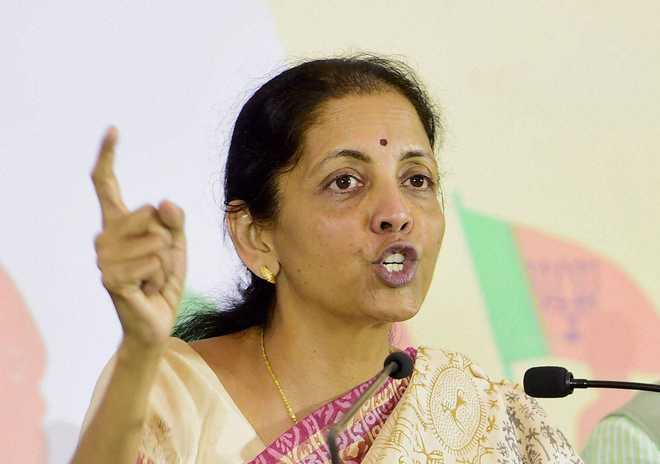
Defence Minister Nirmala Sitharaman approved their dismissal. File photo
New Delhi, January 24
In a punitive action, the Defence Ministry has sent five officers of the Military Engineering Services (MES) on compulsory retirement on the grounds of poor performance, official sources said Thursday.
They said the orders for their removal were issued on Tuesday following approval by Defence Minister Nirmala Sitharaman.The sources said performance of the officers was found “poor” in an internal performance audit.
The officers were serving in the rank of assistant engineers and they are being given three months’ salary and post retirement benefits as per laid down guidelines.
The officials had either crossed 55 years of age or completed 30 years of service. Performance of around 500 officers was analysed by an internal committee and the action was taken based on its report.
In August 2017, the ministry had sacked 13 officers of the Ordnance Factory Board for poor performance following a review of the employees’ performance.
The MES is a premier construction agency which provides engineering and infrastructure support to the Indian Army. It is one of largest construction and maintenance agencies in India with a total annual budget to the tune of approx Rs 13,000 crore.
The sources said government may continue to crack down on those showing “unsatisfactory performance”. PTI
Ajay Banerjee
Tribune News Service
New Delhi, January 21
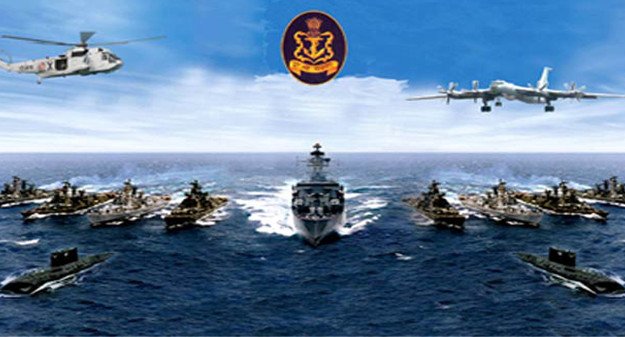
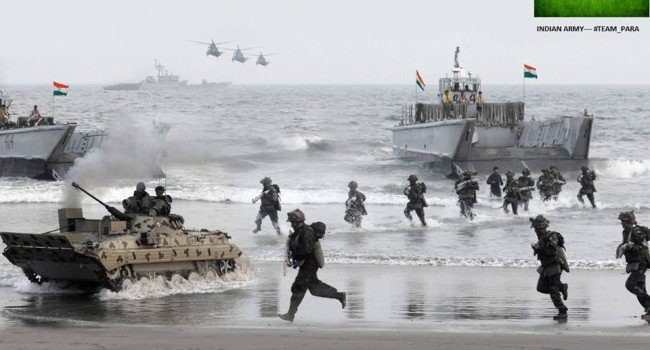
Navy Chief Admiral Sunil Lanba will on Tuesday kick off the biggest search operation at sea to hunt for enemies aiming to attack India through sea route, exactly the way Mumbai was attacked by terrorists in November 2008.
The tw-day drill is part of an unprecedented exercise, ‘Sea vigil’, which will test and validate India’s coastal security architecture set up after the attack on the Maharashtra capital, infamous as 26/11.
Admiral Lanba will send out a “signal”—military parlance for a message—to commanders along the coast and given “targets” that will need to be found. No time has been given as to when this signal will go out as the surprise element has to be maintained. These targets will be vessels at sea which Admiral Lanba designates as “enemy” and will have to be found and “terminated” using all resources. It will cover the entire spectrum of maritime security.
Involved in these search operations will be the Navy, Coast Guard, Customs, marine police and state police forces, warships, helicopters, fast-attack crafts and a chain of radars set up all along the coast, UAVs and satellites.
The National Command Control Communication and Intelligence Network with the Information Management Analysis Centre at Gurugram will be operational. A total of 51 nodes of the Navy and Coast Guard are integrated—all will provide comprehensive maritime domain awareness. The exercise will be undertaken along the entire 7,516-km coastline and exclusive economic zone.
2018 remarkable year for Army: Lt Gen Ranbir Singh
The Northern Command chief inaugurates a bridge in Poonch.
Tribune News Service/PTI
Jammu, January 17
Describing 2018 as a “remarkable” year for the Army as it neutralised a number of militants, Lt Gen Ranbir Singh, Northern Command chief, on Thursday said the forces had given a befitting reply to the Pakistan army along Line of Control (LoC) whenever there were instances of any ceasefire violation or sniper firing.
The Northern Command chief said more than 250 militants were killed, 54 arrested and four others surrendered in the Kashmir valley.
“In the past 10 years, the Army, along with other forces, has killed many militants while many have surrendered under pressure,” Lt Gen Ranbir Singh said.
He also said the Army was replying befittingly to Pakistani aggression along the LoC. “Our operation has been successful. We have been able to eliminate a number of militants, who were targeting security forces and civilians. We have foiled their designs,” he said.
Lt Gen Ranbir Singh was addressing the media after inaugurating the Kalai Bridge constructed by the Border Roads Organisation.
The bridge spans over the Suran river and connects the Kalai area to the Chandak area in Poonch district.
A great year if no youth joins militancy: Omar
Former Chief Minister Omar Abdullah on Thursday questioned Army officials boasting about the number of militants killed in the state last year, saying it would have been a “great year” if no youth had joined militancy.“I beg to differ, a great year would be one in which no young man would join militancy, no terrorists would be killed and no security personnel would lose their lives in encounters. The compulsion of killing militants/terrorists shouldn’t be treated as a cause for celebration,” Omar wrote on Twitter.
Dear General Bipin Rawat, this is what is wrong with your military reforms by Lt Gen H S Panag PVSM, AVSM (R)
Army Chief Bipin Rawat’s grand plans need course correction in order to succeed.
While Indian Army chief General Bipin Rawat has planned a virtual transformation with ambitious military reforms, they may misfire given the fundamental flaws in his approach. Such reforms have been pushed after four decades—and deserve course correction in order to succeed.
In this piece, I discuss the flaws and how General Rawat can prevent his transformation from being a non-starter.
What is military reform?
The process of military reforms is a continuum with reviews necessitated by emerging threats, changing patterns of conflicts and new technology. When the change in these factors is very radical, it calls for transformation or Revolution in Military Affairs (RIMA)—an all encompassing military theoretical hypothesis about the future of warfare connected with technological, structural and organisational changes to enable the armed forces to fight wars of the future.
General K.V. Krishna Rao and General Sundarji planned transformational reforms in the late 1970s which were largely executed in the 1980s. The political and military leadership were on the same wicket and the required budget was made available. What the Indian Army is today is based on these reforms, even though due to subsequent budgetary constraints, 15-20 per cent of the objectives are still to be achieved.
General Rawat has taken it upon himself to ‘sell’ the reforms not only to the Army’s rank and file, but also to the media, defence analysts and veterans.
He has tasked his top brass with discussing, analysing, formalising and, where necessary, testing the envisaged reforms.
In his own words, the aim of the reforms is ‘to be better prepared for future warfare by strengthening our capabilities, become more efficient and better manage our budgetary allocations.’
Four time-bound studies are nearing finalisation to make recommendations with respect to the creation of an agile and operationally effective field force capable of fighting a hybrid war across the entire spectrum of conflict. The agenda includes the restructuring of the Army Headquarters, maintaining a youthful profile for the officer cadre, and formulation of optimum terms of engagement and colour service for Junior Commissioned Officers (JCOs) and Other Ranks (ORs).
It is premature to speculate about the final recommendations but the hierarchy is committed to downsizing/rightsizing the Army by shedding 1,00,000 – 1,50,000 soldiers to reduce the burden on the revenue budget.
By far the most far-reaching reform is envisaged in restructuring of the field formations. Divisions and Brigades, part of the conventional armies for 200 years, are being merged to create mission and terrain specific all-arms Integrated Battle Groups which will operate directly under the Corps Headquarters.
Logically, reforms with respect to national security are a top-down process—they begin with a ‘strategic review’ carried out by the government. This leads to the formulation or revision of the national security strategy encompassing all measures, diplomatic, economic and military, the government needs to undertake to secure the nation.
The government then budgets and creates the wherewithal to implement the national security strategy. For the military, it formulates the force development strategy. In consultation with the armed forces, the government decides the broad size and composition of the force, budgets for it, and leaves it to the military to develop the strategy.
Transformational reforms for our elephantine army have been a subject close to my heart, in and out of the Army. I salute the Army chief for initiating the process for RIMA. However, there is a fundamental flaw in his approach and all his efforts will come to naught if course correction is not carried out.
RIMA threatens to be a non-starter
If RIMA is to succeed, it must be government-owned, tri-service in nature and the defence minister should be its prime mover.
Without a formal national security strategy on which is contingent the force development strategy and firm long-term financial commitment from the government, RIMA is non-starter. In our case, none of these aspects is formalised and, financially, RIMA is not on the government’s radar.
When you downsize/rightsize to reduce manpower, it has to be replaced with high-end technology—a costly exercise. Therefore, in the absence of the above prerequisites, General Rawat’s plan will remain a standalone exercise for internal restructuring/reorganisation without technology infusion and nothing more.
In the last six months, despite endless coverage of the RIMA in the media, not a word has been spoken on the subject by the otherwise outspoken defence minister or the defence secretary who virtually functions as a de facto Chief of Defence Staff and is ‘responsible for the defence of India and the Armed Forces’, as per the Government of India (Transaction of Business) Rules 1961.
However, there is a silver lining. Militaries rarely initiate reforms to reduce their size, even though they continue to clamour for higher budgets to modernise. The three chiefs must work together to make the RIMA a tri-service venture and prevail upon the government to own it. General Rawat’s earnest endeavour has also provided the media, public, defence analysts and the veterans with an opportunity to exert pressure on the government to initiate national security reforms.
We must not let this opportunity slip by.
Lt Gen H S Panag PVSM, AVSM (R) served in the Indian Army for 40 years. He was GOC in C Northern Command and Central Command. Post retirement, he was Member of Armed Forces Tribunal.
ThePrint’s YouTube channel is now active and buzzing. Please subscribe here.
Pak SC orders govt to give more rights to people of Gilgit-Baltistan
The bench wrote that the jurisdiction and power of the Supreme Court extended to Gilgit-Baltistan.
Islamabad, January 18
Pakistan’s Supreme Court has ordered the federal government to promulgate a new law within a fortnight to grant more rights, including fundamental human rights, to the people of Gilgit-Baltistan in Pakistan-occupied Kashmir.
A seven-judge bench headed by Justice Saqib Nisar issued a detailed order on Thursday in response to several petitions filed against constitutional issues and previous reforms in the region.
The bench wrote that the jurisdiction and power of the Supreme Court extended to Gilgit-Baltistan.
The Ministry of External Affairs in New Delhi last year conveyed its stand to Pakistan that the entire state of Jammu and Kashmir, which also included the so-called ‘Gilgit-Baltistan’, is an integral part of India by virtue of its accession in 1947.
It further said that the region’s courts did not have constitutional power to deal with issues within Pakistan but the people from the region would be able to challenge their top court’s decisions in the Supreme Court of Pakistan.
It also ordered that the people of the region should be given fundamental human rights as provided in the proposed constitutional order, which was made part of the detailed order.
Noting the international status of Kashmir, of which Gilgit-Baltistan is a part, the order said that “as and when the promised plebiscite is organised by the parties to the dispute, it would be up to the people of all of Jammu and Kashmir, and of Gilgit-Baltistan, to make their choice”.
It also said until the plebiscite, “it is surely incumbent upon both India as well as Pakistan to ensure that the people of this region enjoy maximum rights for areas within each country’s control”.
However, it noted that until the plebiscite is held, a proper arrangement must be provided by Pakistan for the people of Gilgit-Baltistan for the purposes of governance within a framework of a constitutional nature, including most importantly the enjoyment of fundamental rights. PTI
Army will not hesitate in taking action against terror along Pak border’
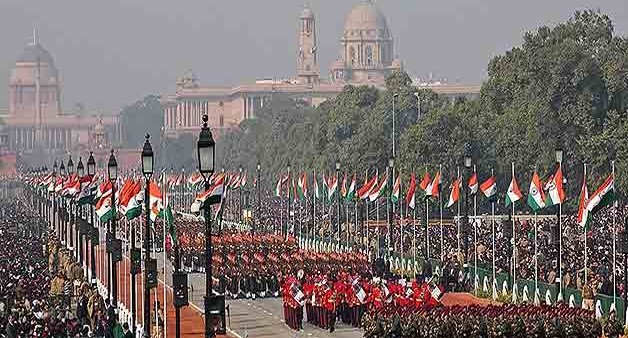
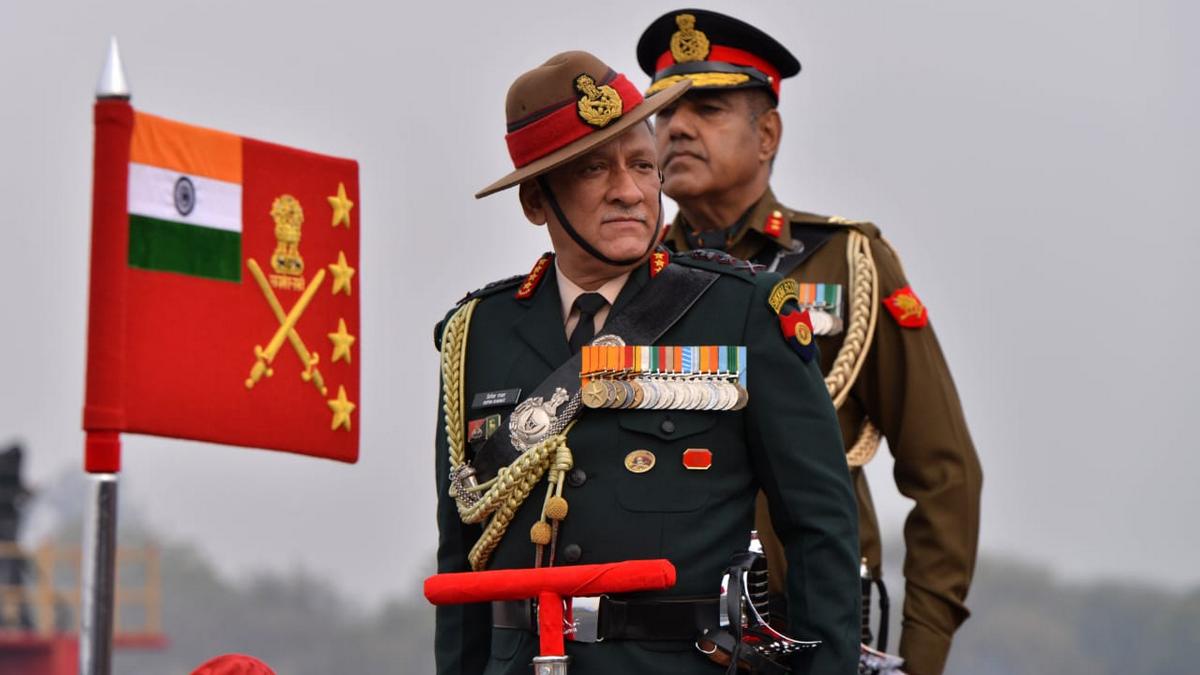
Army Chief Gen Bipin Rawat addressing during Army Day parade in New Delhi on Tuesday. Tribune photo: Manas Ranjan Bhui
New Delhi, January 15
NThe Indian Army will not hesitate to take strong action to deal with terror activities along the border with Pakistan, Army chief Gen Bipin Rawat said on Tuesday.
The country along India’s western border is providing support to terror groups and the Indian Army is dealing with them effectively, Gen Rawat said in an obvious reference to Pakistan, “We are ensuring moral dominance along border in Jammu and Kashmir,” he said while addressing Army personnel on the occasion of Army Day here.
The Indian Army will not hesitate to take strong action to deal with terror activities along the western border, Gen Rawat said.
He said new guidelines are being followed to maintain peace and tranquillity along the border in the eastern sector.
“We will keep reviewing the situation along the eastern border,” he said, referring to the border with China.
“Our soldiers will not allow any compromise in guarding the border in the eastern sector,” he said.
Gen Rawat also said the Army was carrying out major restructuring and modernisation of the Army. P
State Stalwarts
DEFENCE MINISTER
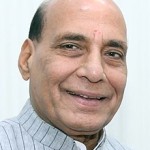
Minister Rajnath Singh
ALL HUMANS ARE ONE CREATED BY GOD
HINDUS,MUSLIMS,SIKHS.ISAI SAB HAI BHAI BHAI
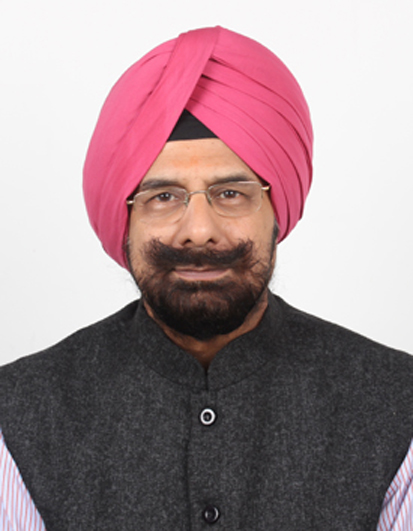
CHIEF PATRON ALL INDIA SANJHA MORCHA
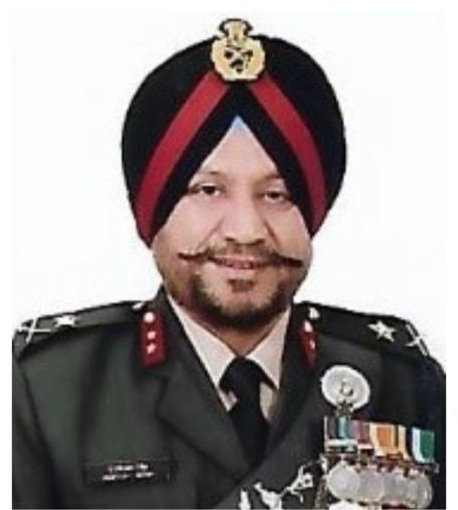
LT GEN JASBIR SINGH DHALIWAL, DOGRA
SENIOR PATRON ALL INDIA SANJHA MORCHA
MAJOR GEN HARVIJAY SINGH, SENA MEDAL ,corps of signals
.
.
PRESIDENT SOUTH ALL INDIA SANJHA MORCHA
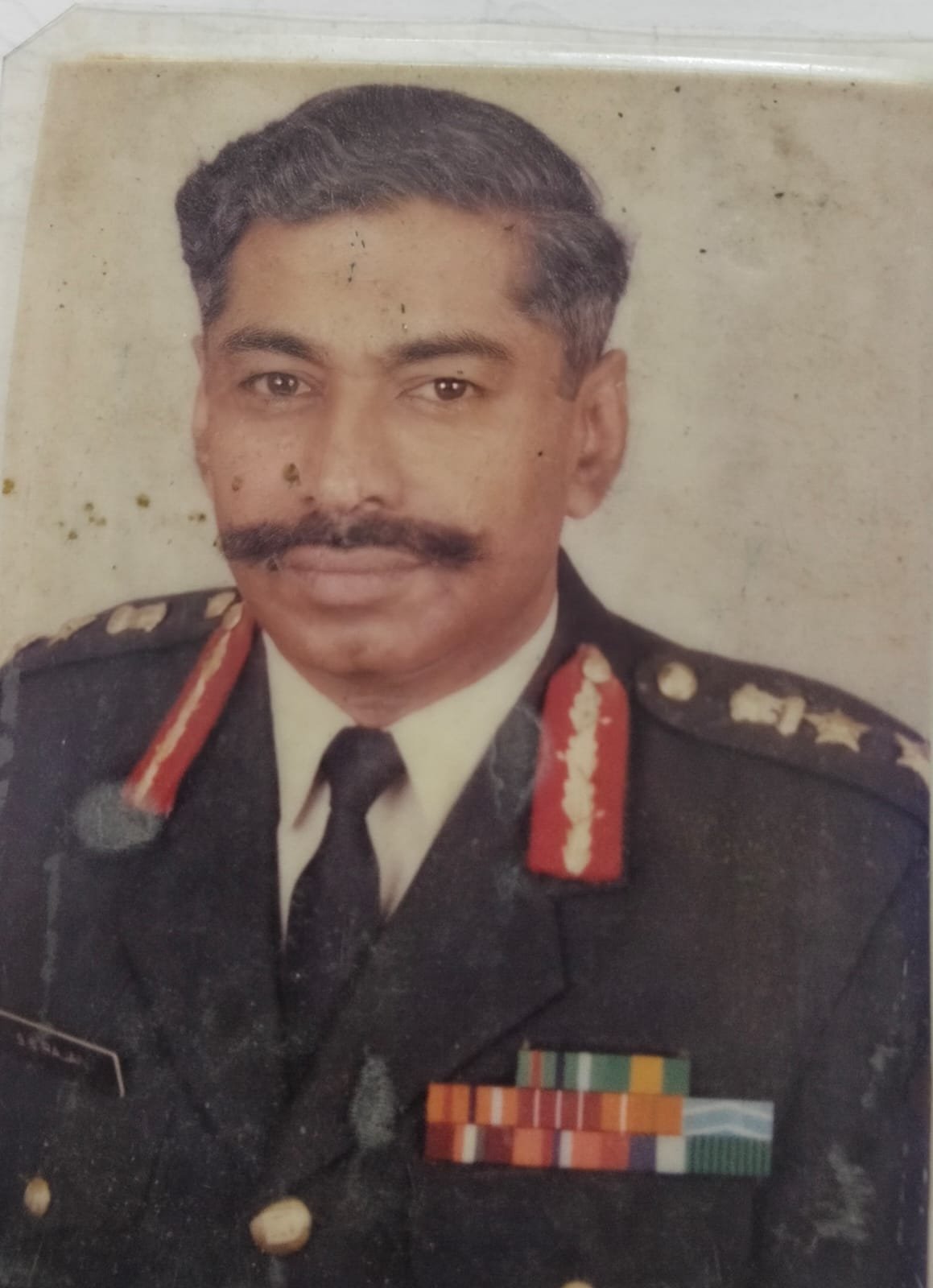
COL SS RAJAN BOMBAY SAPPERS,
PRESIDENT UTTARAKHAND ALL INDIA SANJHA MORCHA
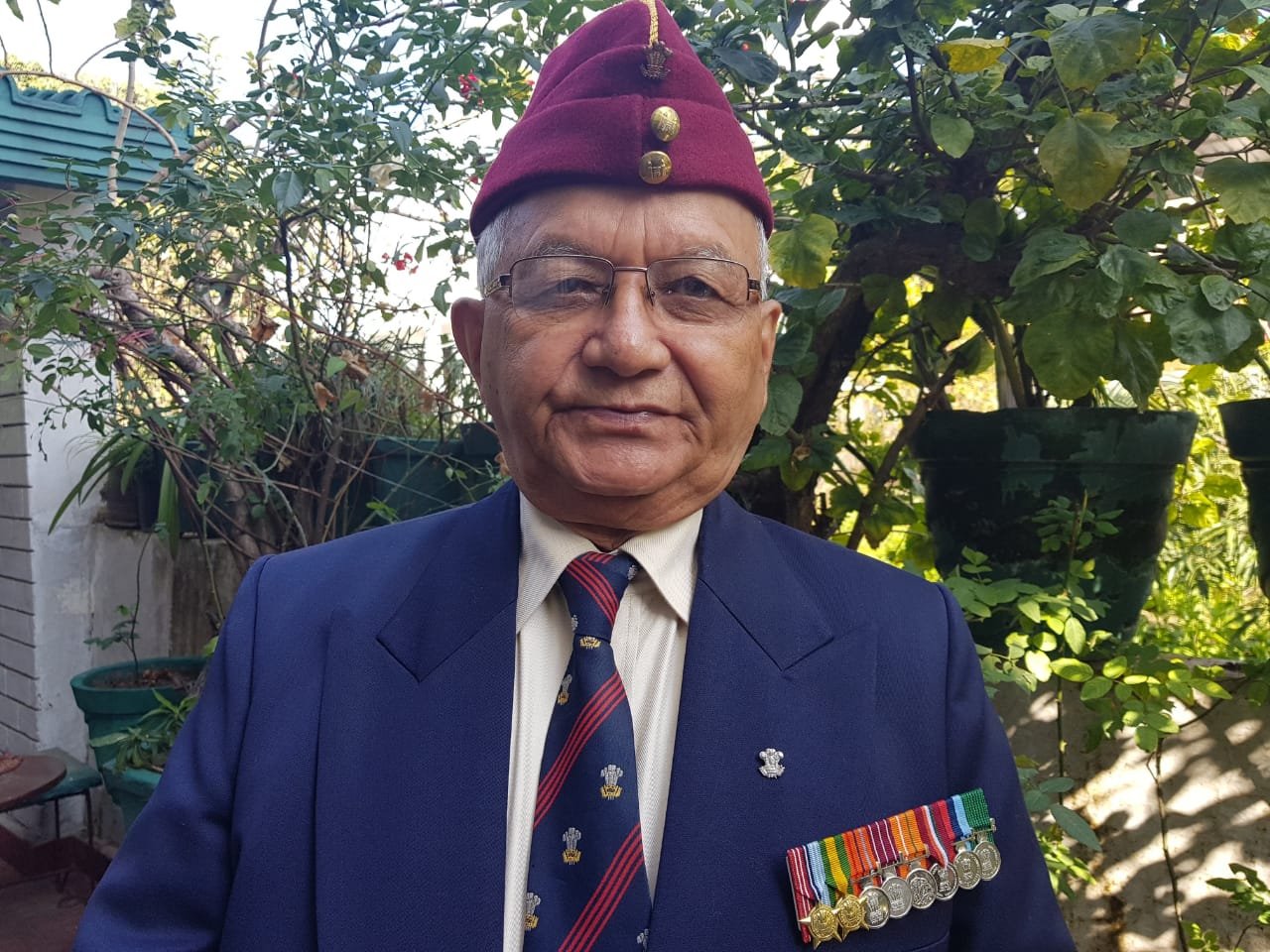
COL B M THAPA ,BENGAL SAPPERSS
PRESIDENT HARAYANA STATE CUM COORDINATOR ESM
BRIG DALJIT THUKRAL ,BENGAL SAPPERS
PRESIDENT TRICITY
COL B S BRAR (BHUPI BRAR)
PRESIDENT CHANDIGARH ZONE
COL SHANJIT SINGH BHULLAR
.
.
PRESIDENT PANCHKULA ZONE AND ZIRAKPUR
COL SWARAN SINGH
INDIAN DEFENCE FORCES
DEFENCE FORCES INTEGRATED LOGO
INDIAN AIR FORCE
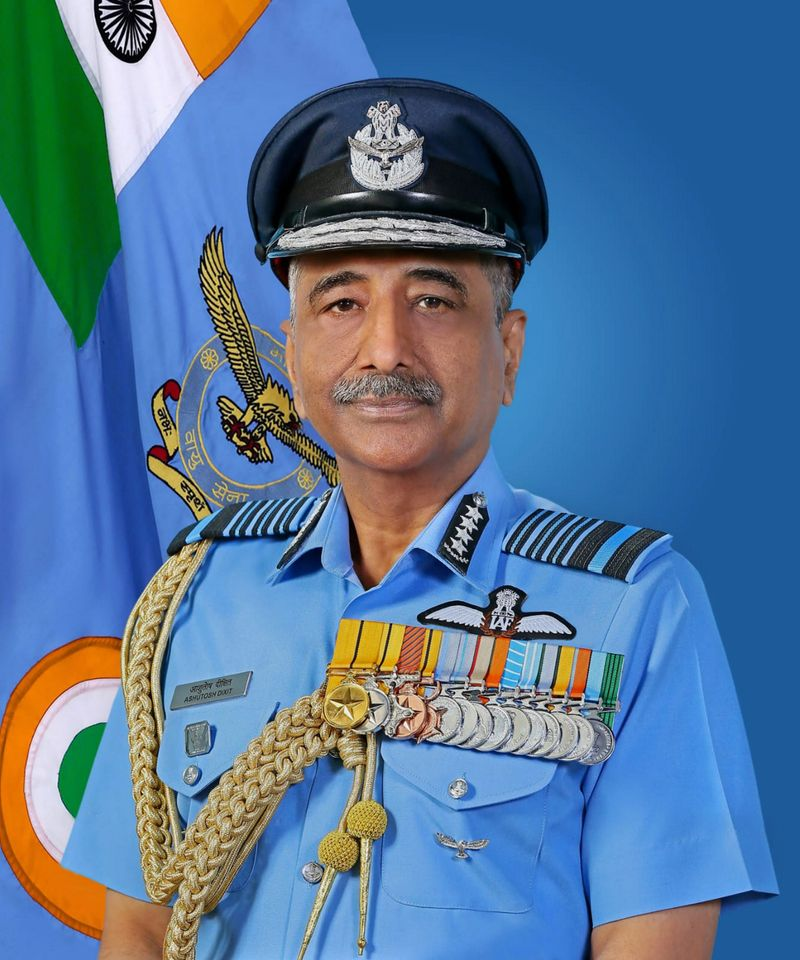
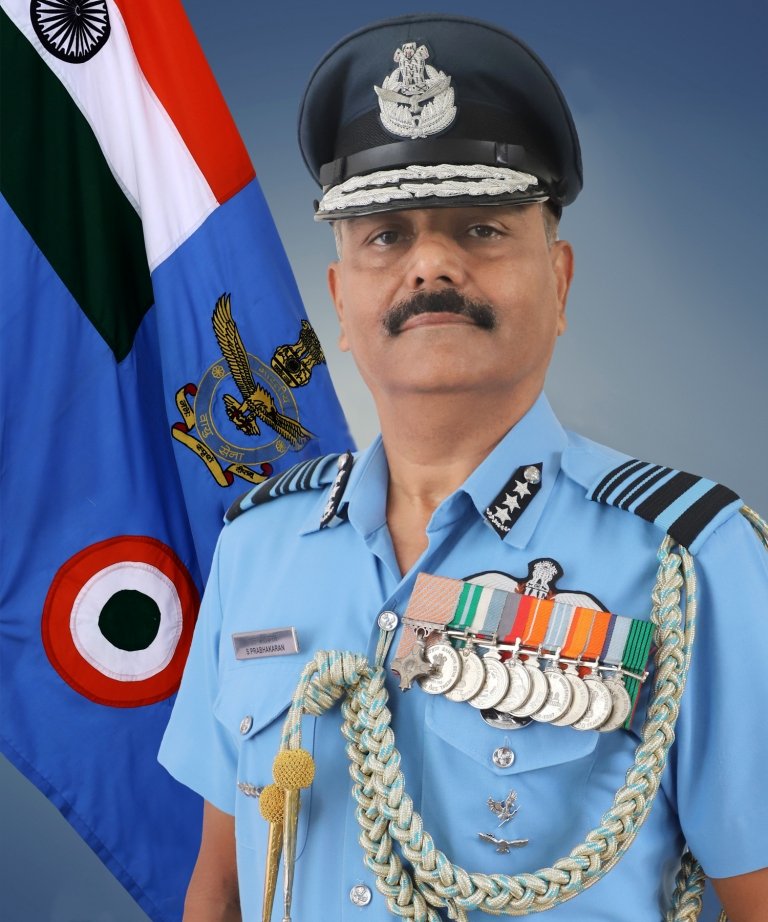
Air Officer C-in-C WESTERN AIR COMMAND
AIR MSHL S PRABHAKARAN AVSM VM
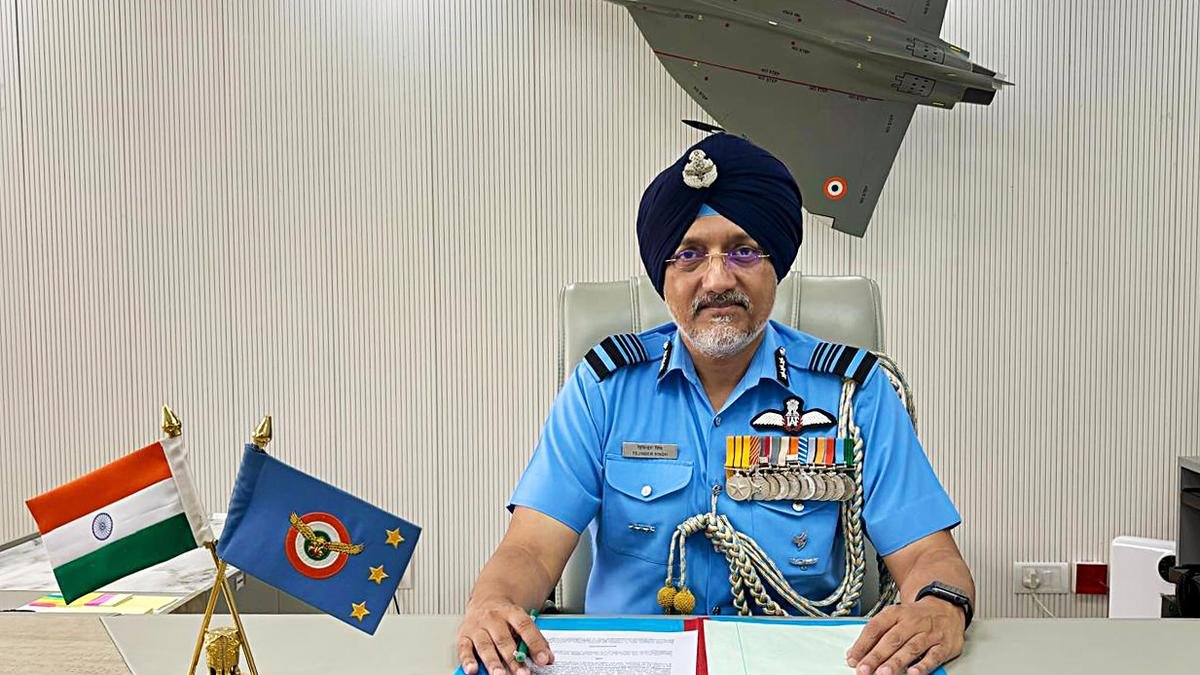
AOC-IN-C, EASTERN AIR COMMAND
Air Marshal Inderpal Singh Walia
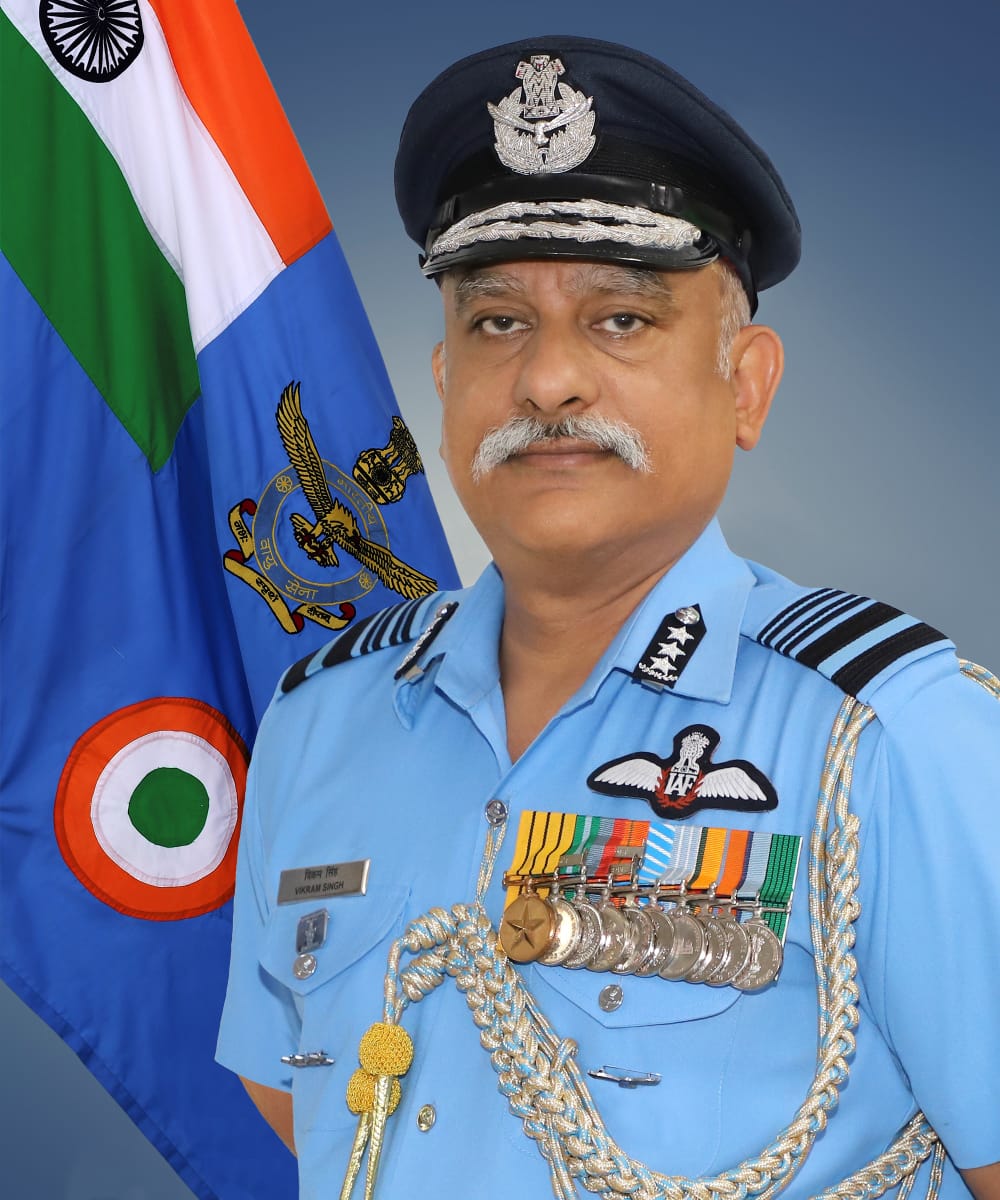
AOC-in-C SOUTH WESTERN AIR COMMAND
Air Marshal Vikram Singh
AOC-IN-C, SOUTHERN AIR COMMAND
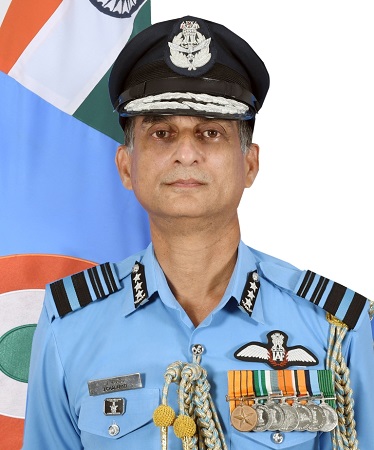
Air Marshal J.Chalapati
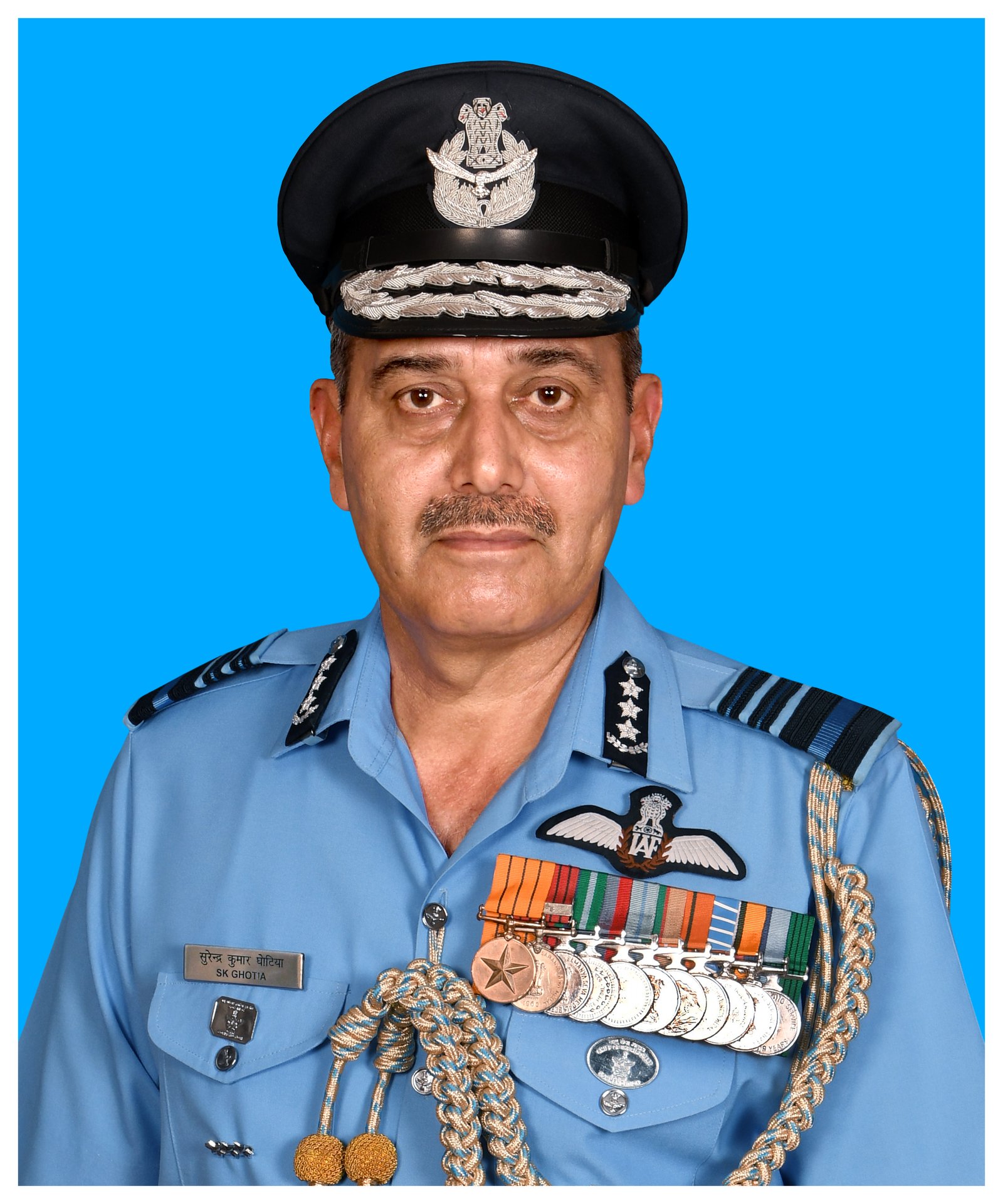
AOC-IN-C TRAINING COMMAND
AIR MARSHAL SK GHOTIA VSM
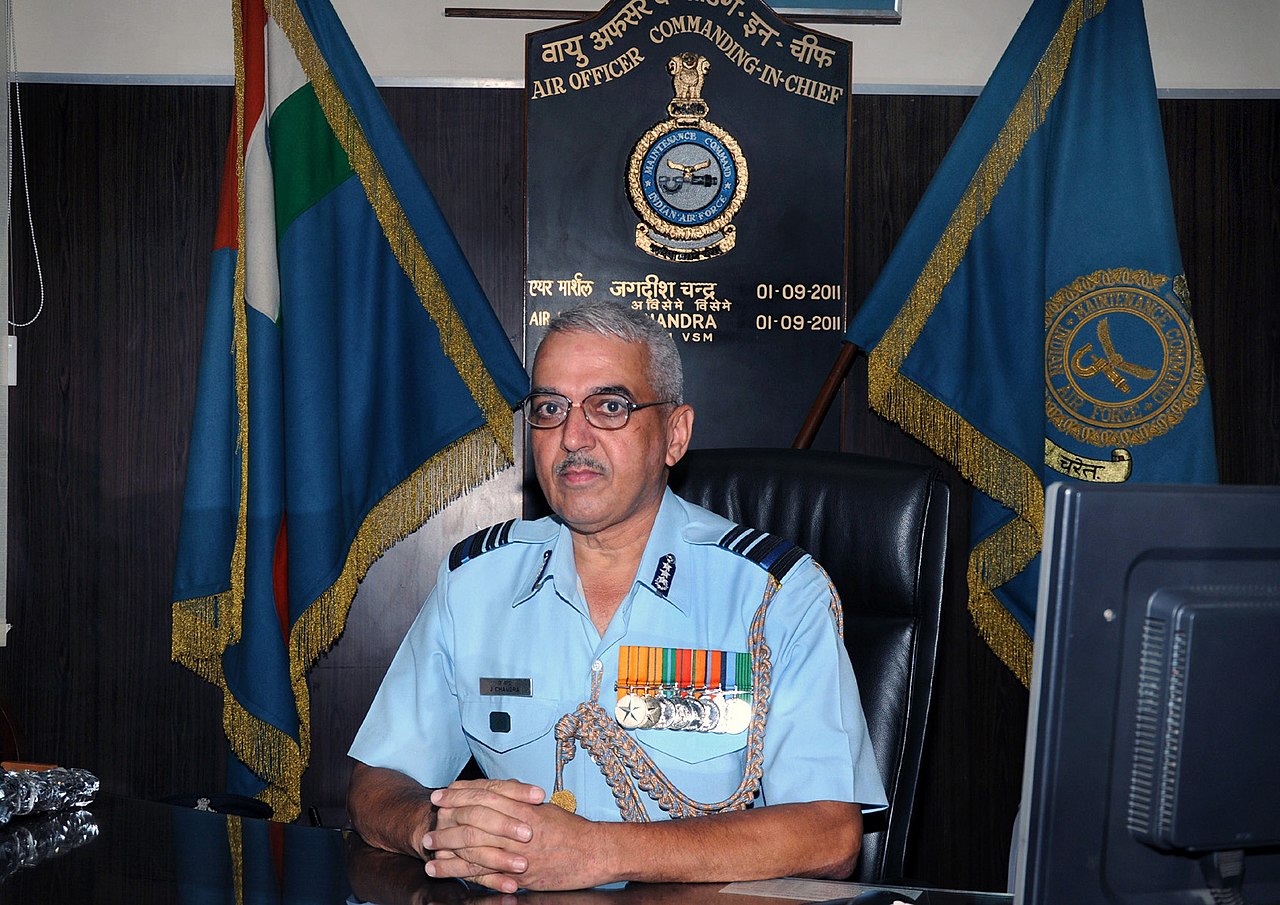
AOC-IN-C MAINTENANCE COMMAND
Air Marshal Jagdish Chandra
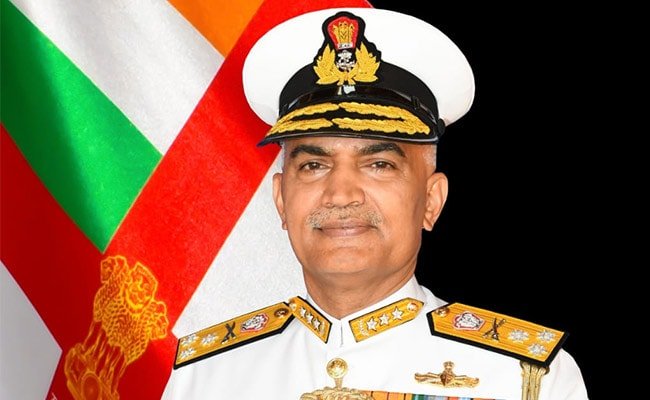
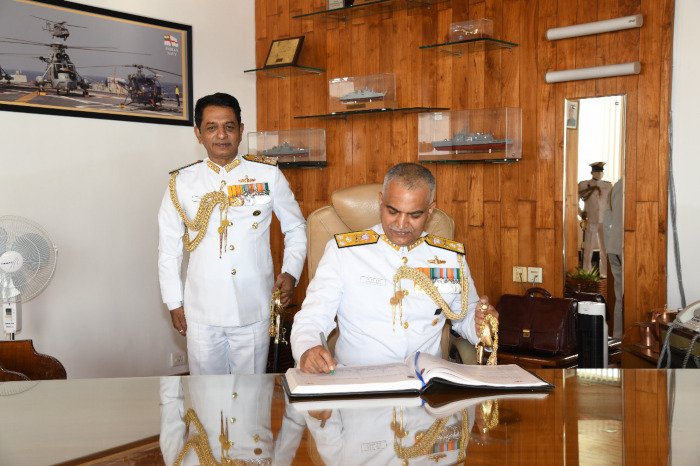
Flag Officer Commanding in Chief, Western Naval Command
ice Admiral R Hari Kumar, PVSM, AVSM, VSM
Flag Officer Commanding in Chief, Eastern Naval Command
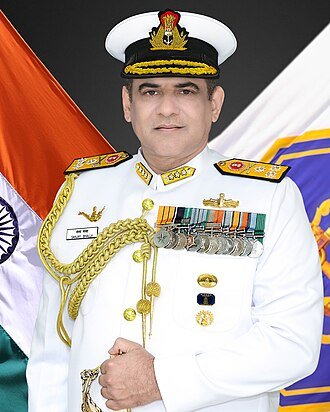
Vice Admiral Sanjay Bhalla, AVSM, NM
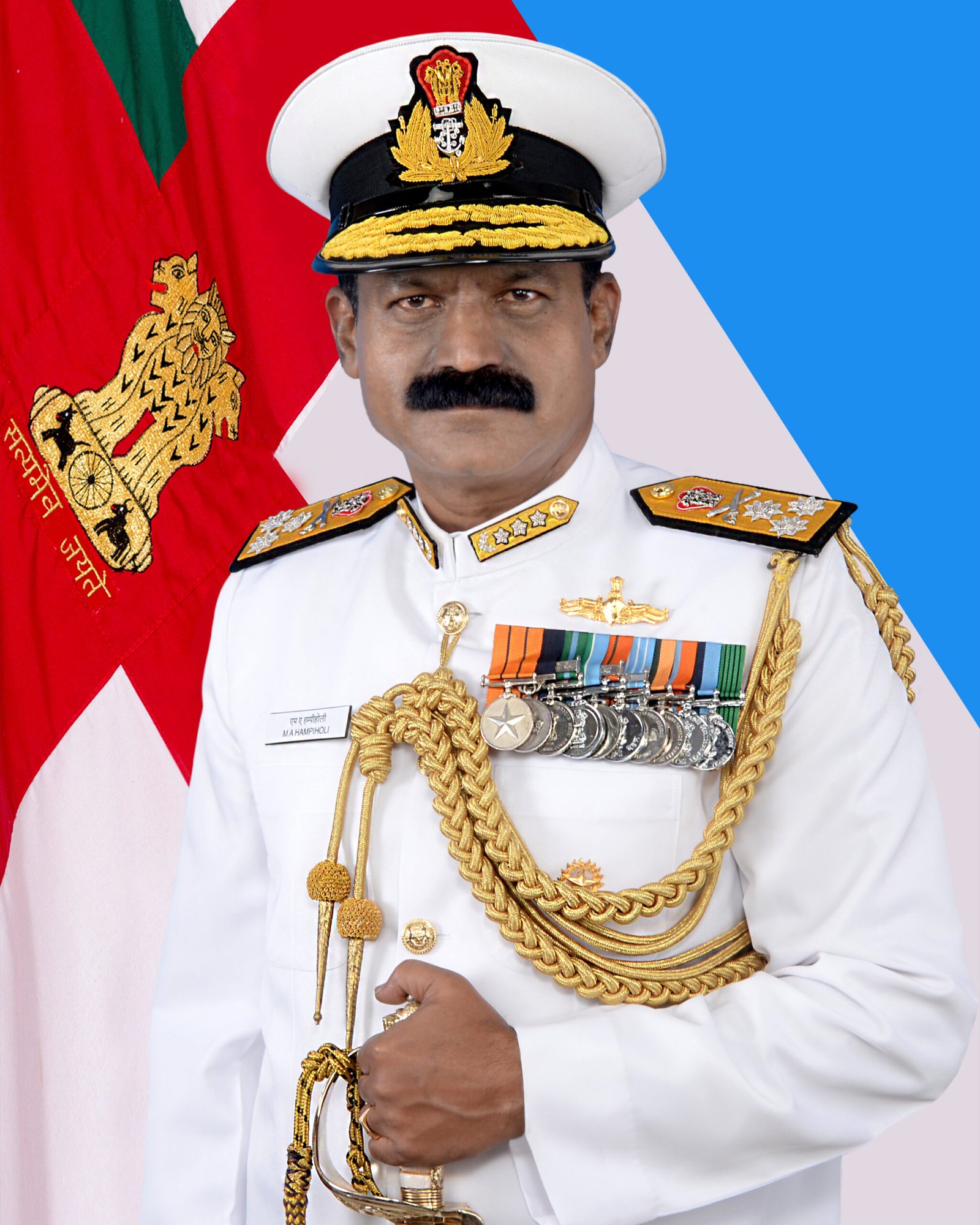
Flag Officer Commanding in Chief, Southern Naval Command