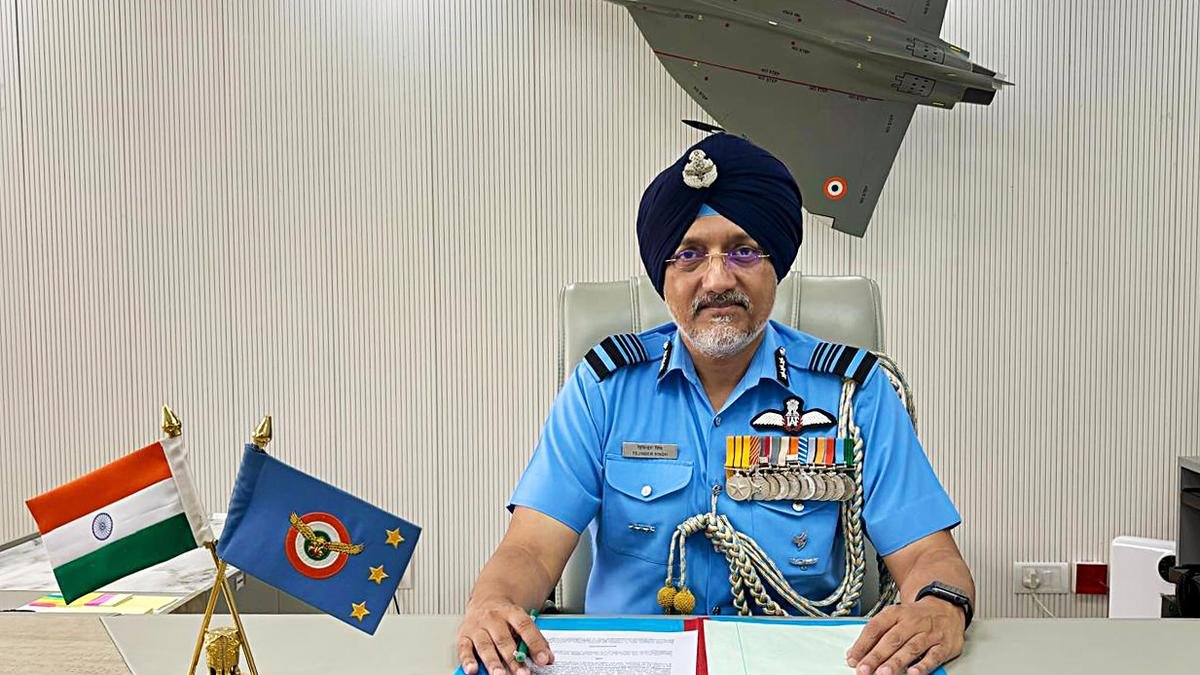
Goel had blamed black sheep in Police Department for rampant drug menace in state
Rana Gurjeet Singh
Deepkamal Kaur
Tribune News Service
Jalandhar, June 19
Even as the recent speech of Ferozepur SSP Sandeep Goel on drug menace and involvement of cops caused embarrassment to the state, Congress Kapurthala MLA Rana Gurjeet Singh today endorsed the officer, saying, “it was a practical and straight talk by him”.
On the sidelines of a function held on the shifting of Kapurthala DC office to a new location yesterday, Rana Gurjeet Singh said, “The SSP has said only what he was confronting daily. Now, that he has attempted to make the society aware about the disease, he has also started making attempts to treat it. You have already seen that the process to identify and punish black sheep has already started in the Police Department.”
The ex-minister, however, added, “It is not for the first time that a problem has erupted in the system. We cannot blame the Capt Amarinder government for this.”
Later when asked about his statement, Rana Gurjeet Singh said, “I have not said anything wrong. I stand by the Ferozepur SSP as he has not only criticised the police, but only admitted to the shortcomings, which he wants to rectify. I commend such daring officials.”
Rana maintained, “The SSP’s statement has not caused any embarrassment to the government. It has only made the corrupt police officials worried. The credit for the same goes to this SSP because of whom the clean-up exercise has begun in a big way. No police officer ever did the kind of marking in staff which he has started. I think all other SSPs must emulate Goel.”
” He has attempted to make society aware about the disease (drugs). He has also started making attempts to treat it. The process to identify and punish black sheep has started in the Police Dept.” — Rana Gurje
The government has the political capital to bring in defence reforms. Band-aid fixes won’t work
Astriking feature of the 2019 Lok Sabha elections was the unusual prominence accorded to national security in the Bharatiya Janata Party (BJP)’s campaign. In 2014, the party’s election manifesto discussed security policy, but only towards the end. By contrast, the 2019 manifesto began with national security. Political scientists will debate the extent to which these issues shaped voters’ preferences, but the Narendra Modi government now has enormous political capital to bring about farreaching reforms in defence, reforms that cannot be put off. Indeed, the government faces daunting challenges from reforming the security architecture and structuring the armed forces to strengthening the defence industrial base and military readiness. Rhetorical fixes and institutional band-aids can no longer help.
Need for a Chief of Defence Staff (CDS): Let’s start with issues that are well-recognised before considering those that have yet to register in policy debates. It is almost 20 years since the Kargil Review Committee set out its recommendations for national security reforms — recommendations that were broadly endorsed by a subsequent Group of Ministers and revisited by another committee in 2011. The most important, yet thorny, of these was creating the post of a CDS as a single-point military adviser to the political leadership. The idea had met with resistance both from within the armed forces — the Air Force was not keen — and from political leaders who were averse to concentrating military authority in a single office.
During Prime Minister Narendra Modi’s first term in office, it appeared that these concerns had been smoothed over. In the summer of 2015, the then defence minister, the late Manohar Parrikar, publicly asserted that a “Chief Defence Staff is a must” and that he would come up with a proposal within three months. Three years on, Parrikar was still hoping to get this done. The problem, he observed, lay in ensuring that the CDS was linked with meaningful jointness among the three services.
In fact, the importance of creating integrated theatre commands had been emphasised all along. As a starting point, it was felt that supply and logistics functions could be integrated. But the government failed to make any headway in the remainder of its tenure, partly owing to resistance from within the armed forces. It bears emphasising, however, that defence reforms of this scale have been pushed through in other democracies in the teeth of greater or lesser opposition from the military. Even the choice of the first CDS or equivalent has often been unpalatable to the services and their leadership. Lord Mountbatten was chosen as Britain’s first CDS because he was equally detested by all the three services. It’s time the government moved decisively to create a fully empowered CDS with a road map for integration of commands.
Defence manufacturing: The strategic imperative of creating a solid defence industrial base is equally well-recognised. Here, too, the first Modi government sounded the right notes. Speaking at the Aero India show in February 2015, the prime minister said that defence manufacturing was “at the heart of the Make in India programme” and that the country should aim to manufacture 70% of military equipment domestically in the next five years. By the end of the term, the proposed defence manufacturing ecosystem had, along with Make in India, slipped out of sight. The only thing the BJP’s 2019 manifesto could talk about was manufacturing of AK-203 rifles in Amethi. But this is as good a time as any to push ahead the plans for a defence manufacturing base that includes private sector as well as public sector undertakings. If there is one area where industrial policy can work, it is defence. Emphasising this domain could fit well with the country’s larger requirements of economic renewal.
The fiscal challenge: The next priority for defence policy is to deal with the shrinking resources for military modernisation and the consequent need for structural change in the armed forces. Following the grant of onerank-one-pension and the implementation of the 7th Pay Commission, costs of salary and pension now account for over 70% of the defence budget. In the budget of 2018-19, the allocation for pensions grew at 27% over the previous year, while capital expenditure rose by only 9%. Given the constraints on increasing the overall allocation for defence, capital expenditure for military modernisation is unlikely to increase in line with the requirements.
This fiscal challenge, however, is also an opportunity to rethink the fundamental structure of our armed forces, especially the balance between long-service and short-service components as well as manpower and technology. The services are reportedly considering how to prune manpower, but this should be part of a broader exercise that ideally should be led by a CDS.
Military education must: This brings us to the last challenge — military readiness. Much of the discussion around this tends to focus on critical shortages of equipment and spares. But the long-term problem lies in professional military education, especially for officers.
Our training establishments impart narrow professional skills. They focus on preparing officers to command companies, battalions and brigades, or perform staff duties at various levels. There is practically no attempt to give the officers a sense of the larger contexts — strategic, political and international — in which the armed forces function. It is only at the highest training establishment, the National Defence College, that senior one-star officers get exposed to some of these issues. This is too little and too late.
This outmoded approach to training affects the quality of human capital at all levels in the services. Yet, no government has paid serious attention to this. The fate of the long-heralded Indian National Defence University is symptomatic of the political leadership’s neglect of this crucial area.
The BJP’s mandate gives the government an opportunity to place defence policy in the top tier of its priorities. It should seize this rare opportunity. The time for tarrying has passed.
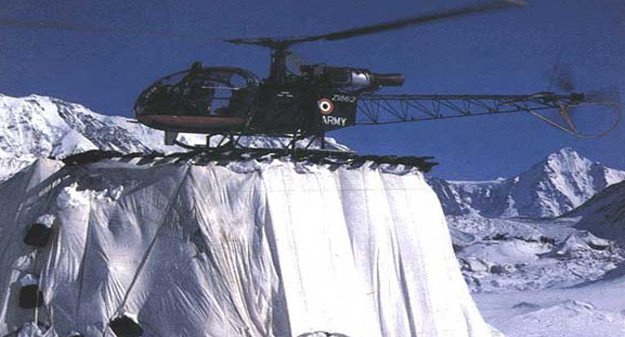
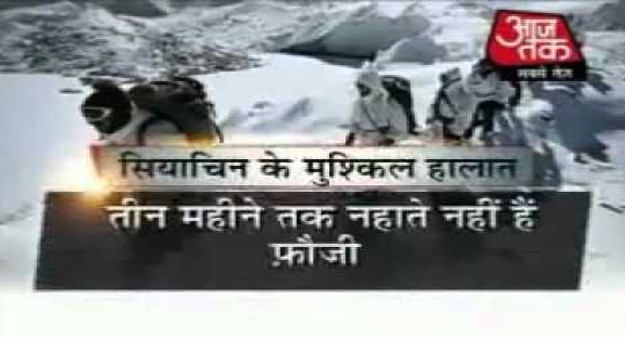
Siachen, where hammers break eggs; soldiers’ video goes viral
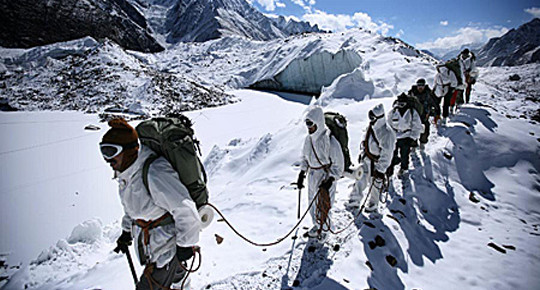
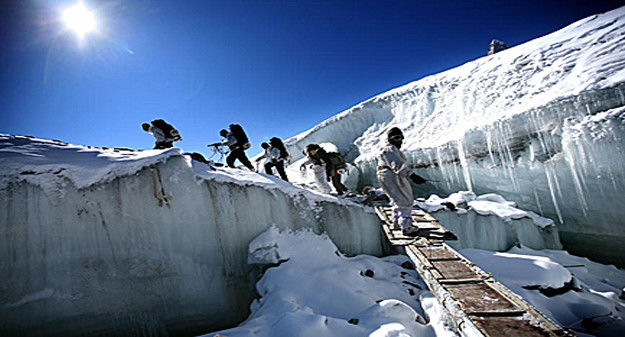
Cutting open a carton of juice to reveal a block of orange ice, and breaking open eggs with a hammer! Soldiers on the Siachen Glacier have given a demonstration of life on the frozen military outpost in a video that is going viral.
Three soldiers can be seen explaining how they need to boil any food item, cooked or raw, before it can be cut or consumed in any manner.
So you see a juice pack being opened with a knife, eggs and tomatoes resisting blows from a hammer, onion and potato being broken apart when chopped with a khukhri, the versatile weapon and tool that is part of a Gorkha soldier’s gear.
Even as they attempt to convey the cold conditions on the remote glacier, clad in heavy jackets, their spirit and ‘josh’ seem high as they giggle away at their antics and seem to be having fun.
The warmth and high spirit in the video comes out especially at the end when they close it with the greeting“Tagra raho!”, a greeting of the Assam Regiment.
New Navy chief: No quasi religious functions, no red-carpet welcome on ships
Ajay Banerjee
Tribune News Service New Delhi, June 5
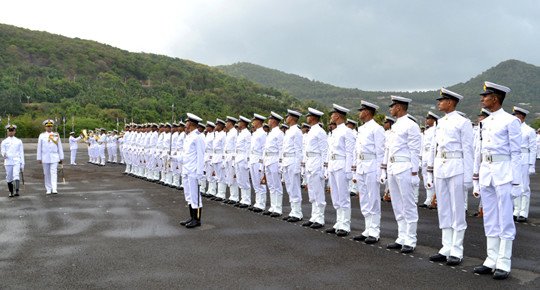
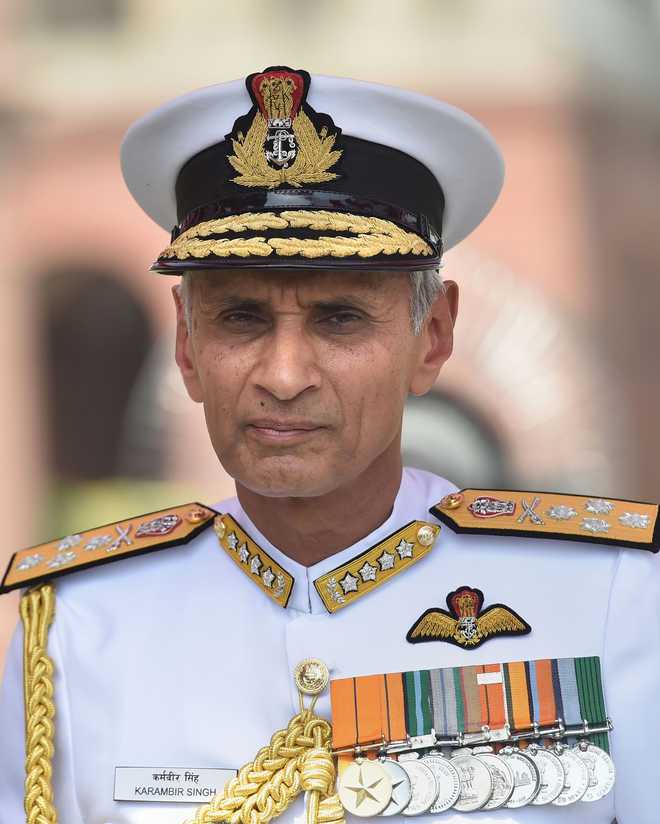
Making a change from the past, newly-appointed Navy Chief Admiral Karambir Singh Nijjer has issued a set of instructions that ban ‘quasi religious’ functions in the Navy, puts a lid of ostentatious events and bans red-carpet welcomes.
Besides, the order puts an end to opening of car doors for VVIPs. Most importantly, officers and sailors at all functions will be served same drinks and food by using same cutlery and crockery.
Within the forces, personnel attending official functions often are served different food and use separate varieties of cutlery – all depending upon their ranks.
The Admiral took over on Friday, May 31, and his first full working day was Monday, June 3. The instructions shall override all other existing instructions. These shall come into force immediately.
In the list of 26 instructions issued on Tuesday evening, the Navy Chief says, “Lighting of lamp/functions of quasi religious nature/fawning gestures, garlanding and showering flower petals, on guests, invitees, dignitaries to be avoided.” The order also called for doing away with the practice of lining up women and children to welcome and see off dignitaries at naval events.
As of now, wives of younger officers are often called upon to welcome the wife of a visiting senior officer, very often they line up for a welcome which is essentially not their job. Some of the wives of younger officers are full-time working professionals and don’t find time from their schedules.
Also, no flower bouquets will be presented to officers and their spouse on a visit. The Navy Chief also called for ending the practice of having flower pots and red carpets on-board ships, when dignitaries come visiting.
The Chief says in his order, “As a modern fighting force, it is important that the Navy imbibes contemporary social and ceremonial procedures towards optimal utilisation of manpower and resources.”
The Admiral starts with himself and has instructed that there be no ‘standby’ cars for the Chief and only sailors – and no officers—be detailed for ‘liaison duties’ on visits.
Seeking more openness, the new Chief has asked senior officials to ensure that their juniors are respectful but not subservient. Sources said this is probably aimed at ending the ‘yes sir’ culture bred by sycophancy.
Full titles of the officers need not be mentioned in speeches. Only the rank and the name is needed. “No ostentatious snacks and drinks at functions”, say the instructions and add that all ranks—officers and sailors – have to eat same food and from same crockery
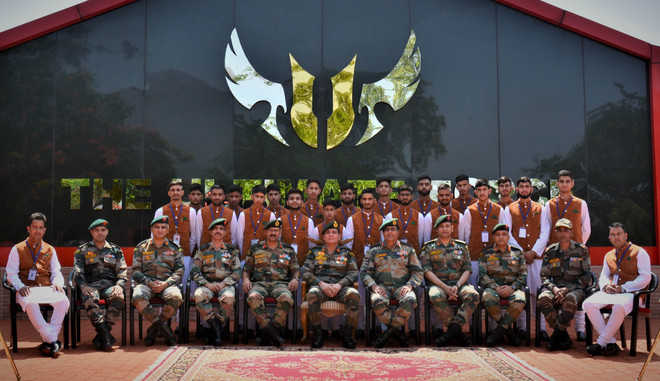
Army flags off a capacity-building tour for youth of Gool, Samote and Bagga to Dehradun, Delhi and Chandigarh. Tribune photo
Tribune News Service
Jammu, June 4
To create opportunities in personality development and education for people of far-flung areas, the Army on Tuesday flagged off a capacity-building tour for 20 youths to Dehradun, Delhi and Chandigarh till June 15. The youths belong to Gool, Samote and Bagga areas.
The aim is to provide an insight into the cultural heritage and diversity of the country. The youths are scheduled to witness a passing-out parade of gentleman cadets at the Indian Military Academy (IMA) on June 6. They will visit the Dehradun Military Station and interact with senior military officials.
They will also interact with Chief of the Army Staff in Delhi, followed by a visit to the National War Memorial, National Rail Museum and Nehru Planetarium, which will exhort them to join the Indian armed forces.
In Chandigarh, the participants will visit the Government Museum and Art Gallery and Rock Garden.
An ex-serviceman, Ranjit Singh (41), who had participated in Operation Rakshak in 1999 in Jammu and Kashmir, was found dead outside his house in Baba Deep Singh Nagar here today.
His brother Kuldeep Singh, who had escorted their mother to Chandigarh, returned today and noticed the body lying in a pit outside the house where Ranjit was living alone.
Kuldeep said Ranjit had become a psychiatric patient during Operation Rakshak. After getting treatment for three months, he started living here. As injuries were spotted on head and neck, the police sent the body for postmortem examination. Further action would be initiated after receiving the medical report, the police said. —
The Golan gift and its wider implications by Lt Gen Sanjiv Langer (retd)
The Golan decree recognises Israeli sovereignty on territories seized in the 1967 war. The world over, military capture or recapture of strategic terrain, when actively contested, carries formidable costs. This realism echoes all along our contested and unresolved borders.
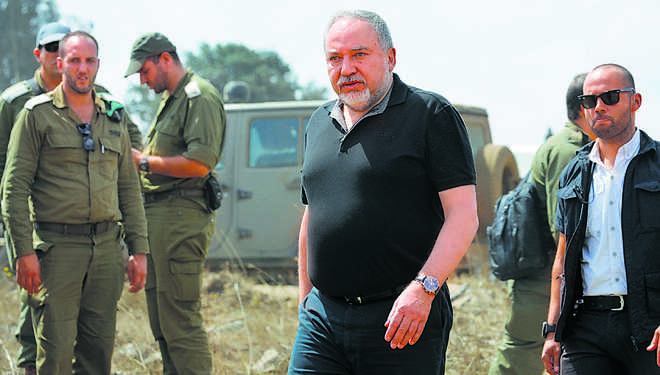
STRATEGIC REGION: Avigdor Lieberman (right), the then Israeli Defence Minister, during an army drill at Golan Heights on August 7, 2018.
Lt Gen Sanjiv Langer (retd) Former Deputy Chief, Defence Staff
ISRAELI Prime Minister Benjamin Netanyahu is poised for a historic fifth term. His election battle has undoubtedly benefited from the two gifts of US President Donald Trump — recognition of Jerusalem as the Israeli capital and the presidential decree of March 25, affirming Israeli sovereignty over the Golan Heights. Electorally, Trump’s gifts appealed to the extreme right parties, which have thrown their lot in with Netanyahu’s Likud party, nullifying the serious challenge by General Benny Gantz, a former Military Chief. The Golan decree, however, has far wider implications for disputed territories, the rules-based international order, and the Indian strategic environment.
The strategic Golan region (approximately 1,800 sq km) is a wedge of territory bordered by Israel, Jordan, Syria and Lebanon. An extended plateau superimposed with heights from 2,814 metre (Mt Hermon) to hills of 1,300 metre in the south. Bordered on the west by the Jordan river and the Sea of Galilee and in the south by the Yarmouk river, its ragged and challenging crestlines and heights give clear dominance to Israel over the Syrian expanse to the north and east, as well over South Western Lebanon. The control of the Golan ensures Israeli electronic and visual overwatch and facilitates unhindered launch of forces. More significantly, the region serves as a bulwark for Israeli territory to the west.
Golan’s strategic significance dates back to the early biblical times, and its importance is recorded from the times of Alexander of Macedon. In 1947-48, it was used by Syria for attacks into the nascent Israeli territories, and was fiercely contested in the Middle East wars of 1967 and 1973. During the terminal stages of the 1967 war, the UN Security Council called for a ceasefire on June 7. While accepted by Jordan, Syria continued to attack till June 9, when the Israelis launched an offensive. Thereafter, Syria accepted the ceasefire on June 10. The UN Security Council Resolution 242, while calling for cessation of hostilities and Israeli withdrawals, also affirmed Israeli’s right to live in peace within secure and recognised boundaries, free from threats and acts of force.
Israel’s right to exist and live in peace has never been recognised by Syria or Lebanon, and Israel never withdrew. The subsequent wars in the region with Syria and Lebanon, continued cross-border conflict, and the on-off negotiations have left the occupation unchanged. Significantly, all negotiations between Israel and Syria have been suspended since 2011 due to the war/civil war in the Syrian region. The decree of March 25 recognises Israeli sovereignty on territories seized in the 1967 war and is linked to a territorial reality. The subsequent outcry by some nations — as well as Syria, of course — and the UN is understandable.
Fundamental to the issue of international law and the rules-based international order being challenged is the UN Security Council Resolution (UNSCR) 497 of December 17, 1981, which was as a consequence of the ‘Israeli Golan Heights Law’. The law unilaterally extended Israeli administrative control and laws to the Golan region. The UN stated that the imposition of laws, jurisdiction and administration by Israel was null and void, without international legality. The resolution relied upon Article 2 Para 6 of the UN Charter, which focuses on the sovereign equality of all nations and regards the acquisition of territory by force as unacceptable. This UN Resolution has to be viewed in the context of the UN Charter. Article 1 of the Charter states that the UN’s purpose is ‘maintenance of international peace and security’. Can Article 2 of the Charter be applied in exception to Article 1? Article 4 says that the members (signatories) are all peace-loving States that accept obligations contained in the UN Charter. Consequently, can Syria, which has continued to attack Israel as well as allowed its territory to be used by several entities (violation of Articles 1 and 4), seek compliance of UNSCR 497? Can the UN remain committed to a 1981 vintage resolution that in no way reflects the reality of 2019 in the Syrian territory? While the US and Israeli affirmations may be debatable, the Syrian claims are legally infirm since no statute or charter can be applied selectively. Further, how does Syria claim international legal rights when it has violated international humanitarian law, causing untold suffering to its own population, based on exercise of its version of sovereignty?
An appreciation of the consequences in the Indian context revolves around our strategic neighbourhood. How do you apply and seek compliance of international law and UN resolutions with our western neighbour, who has a conspicuous history of nurturing and giving unfettered access to proxies and non-state actors from its territory? Is this not a violation of the concept of sovereignty (non-interference in the internal affairs of a neighbouring state)? Ever since the treaty of Westphalia, sovereignty carries the weight of governance and the rule of law in defined territories. Lack of control or connivance cannot be condoned under international law. How does India apply an international rights-based approach in its dealings with China? A nation which propounds its own version of history, legal interpretations, perceived injustices, and pre-eminent destiny. This is clearly evidenced by China’s posturing in the South and East China Seas and more significantly along our northern borders. As a mature nation, we must never lose sight of the legal and moral high ground in international affairs. Equally, when we live in a troubled neighbourhood, we must be intimately aware of the acute limitations of the international order and institutions in the 21st century. Israel is driven by its existential reality and the Trump administration has put its stamp on a strategic necessity. Implications of the US decree on Nagorno Karabakh and Cyprus are talked about in the media. We must, however, remember that each international politico-military situation is uniquely singular and no instructive generalisations are possible in the 21st century.
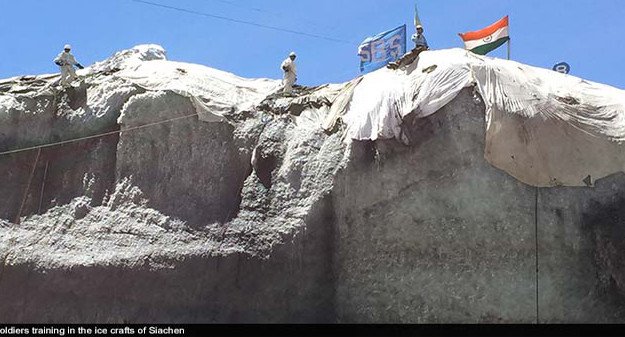
The Golan decree is a definitive step in keeping with strategic politico-military thought, which assigns exceptional guidelines to strategic terrain. It is most important to define this strategic terrain, and not dilute the classification. Thereafter, if this terrain is critical, it cannot be negotiated away. In the case of the Golan region, a territory captured by the blood of war, its loss, militarily or diplomatically, would strategically compromise Israel. Well-known examples in our context are Siachen and Kargil heights. The world over today, and in the foreseeable future, military capture or recapture of strategic terrain, when actively contested, carries formidable costs. This realism echoes all along our contested and unresolved borders.
As the Israeli PM looks forward to his next term, he probably will make good on his pre-election promise to extent sovereignty to portions of the West Bank. Whether this will be blessed by the US is presently not evident. This will directly impact the Palestinian State. In the Golan, the enduring challenge for Israel remains the predicament and future of the 20,000-odd Syrian Druze population.
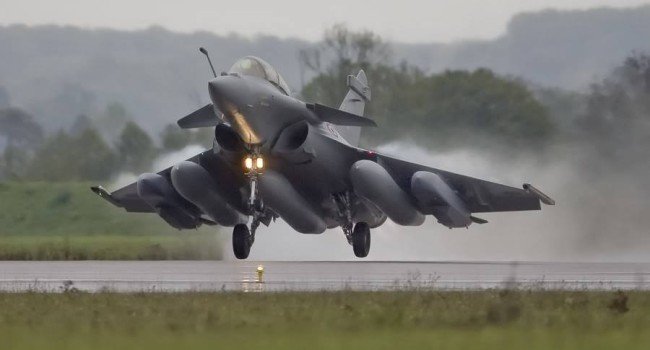
French Government Denies Pak Pilots Were Trained On Rafale Jets
This clarification comes after ainonline.com, an independent media firm which focusses on the aviation sector reported that “the first batch of pilots trained for Qatar in November 2017 were Pakistani exchange officers.” According to Jon Lake, the author of the piece, “Escadron de Chasse 04.030 was established at Mont-de-Marsan as the Qatar Rafale Squadron on Oct. 1, 2017.”
Referring to the ainonline.com story, Ambassador Alexandre Ziegler has said, “I can confirm that it is fake news.” French government sources have told NDTV that they have cross-checked details of this article.
Qatar took delivery of its first Rafale at Dassault’s Merignac facility on February 6 this year. In a press statement, Dassault had said Qatar had signed up for 24 Rafale fighters in May 2015. In December 2017, it ordered an additional 12 fighters. The deal for the first 24 fighters is valued at euro 6.3 billion.
Both Qatari and Indian Air Force Rafales are equipped with the Meteor ultra long-range air-to-air missiles
Pakistani military personnel have been deputed to operate with the armed forces of several Middle Eastern countries for decades. Pakistan has also received military hardware from partner nations, including Jordan which has supplied Islamabad with 13 additional F-16 A/B fighters, some of which may have been used by the PAF during its attacks on Indian military targets along the Line of Control on February 27.
In January 2018, the Pakistani news portal www.thenews.com.pk reported the visit of the Commander of the Qatar Emiri Air Force to Pakistan Air Force Headquarters in Islamabad. Pakistan’s Air Chief reportedly “offered support and cooperation in the field of aviation and military training” to his counterpart.
This article will be updated if Dassault Aviation, France, chooses to issue a statement or clarification on the report carried by ainonline.com.
India’s deal with France to buy the Rafale from Dassault Aviation has been mired in controversy over alleged wrongdoings and crony capitalism. The opposition alleges the government led by Prime Minister Narendra Modi favoured industrialist Anil Ambani’s rookie firm Reliance Defence bag an offset contract with Dassault Aviation.
On Friday, the Supreme Court also outright rejected the centre’s argument that classified documents accessed by the media on the Rafale fighter jet deal can’t be evidence. The court said it will examine the secret documents while considering petitions asking for a review of its order giving the government a clean chit on the deal that the opposition alleges was corrupt.
21 COMMENTS
Disclaimer: NDTV has been sued for 10,000 crores by Anil Ambani’s Reliance Group for its coverage of the Rafale deal.
While teaching Yeats’ poem Easter I916, I thought of using the comparative method of teaching. The poem depicted the glorious sacrifices of the people of Ireland in their freedom struggle. Since India, too, had grappled with the British to get Independence, comparative analysis came up as the best way to explain the poem. As I was eulogising our martyrs, a student wished to express her perspective. With conspicuous frustration in her voice, she articulated that Indians were still slaves and leading a miserable life fraught with restrictions. Before I could deploy my counter-perspective, another student stood up and referred to the atrocities of the British, which we had only read in the books of history. Gradually, the discussion began to hover around our freedom struggle. This time, a usually reticent girl drew our attention towards the most brutal Jallianwala Bagh massacre. Coincidentally, this year, we are going to commemorate 100 years of the carnage that took place on April 13, 1919.
Of course, the young students had many reasons to castigate our government, but I was reminded of John Milton’s Paradise Lost, that it was better to rule in hell than serve in heaven. The pain of a caged bird could not be realised by those who had a vast sky to flap their wings and fly freely. Now, the discussion was warming up and with sorrowful hearts, we began to revisit the gory episode at Jallianwala Bagh. Though years have rolled by, the memories of that bloody episode still linger. Like me, many of my students had also visited the historical place several times. Bullet marks on the walls are a testimony to the cruelty of the British.
What pained us more was the observation of a sensitive English writer, Rudyard Kipling, about this heinous crime. On the death of the architect of this massacre, General Dyer, Kipling remarked in Dyer’s defence that he only did his duty. The carnage shocked Rabindranath Tagore to such an extent that he returned the honour of knighthood. The barbarism of the English had startled the whole country, which resulted in a wrenching loss of faith of the common citizens in the intentions of the rulers. The pseudo-investigation into the bloodshed was nothing short of a mockery of justice and presented a reprehensible example of human rights violation.
Unfortunately, instead of punishing the mass murderer, the House of Lords honoured him with accolades. It was a reason potent enough to fuel widespread anger among Indians. When on that fateful day thousands of innocent people had thronged there, Udham Singh was serving water to the crowd. Perchance, he escaped the attack, but remained deeply disgruntled, till he brought the devil Michael O’Dwyer to his death and nemesis.
Having dwelled on the dark day of history, the whole class stood up and paid tributes to the martyrs by singing the National Anthem.
Bengaluru Initiative Helps Indian Army Veterans Turn Entrepreneurs After Retirement!
Every year 60,000 soldiers from the Indian Army retire. Since, most of these jawans retire in their late thirties, it is easier to mould and teach them entrepreneurial skills,” says I Create India.
Courage, determination and a passion to serve the country in every way they can.
These three traits are ingrained in each soldier who takes an oath to serve and protect their homeland despite the risk of facing a bullet or a bomb.
Serving the country by guarding its borders so that others may sleep easy is not for everyone, it needs a certain kind of dedication and selflessness that very few possess. Being a part of the Indian Army has its rewards both at a personal and social level, but life post-retirement is not as easy. Transitioning from the life of a military person to a civilian can be challenging especially when it comes to securing the future of their loved ones financially.
Though the existing monetary retirement plan may help the retired veterans lead a reasonably comfortable life, lack of skills or education, especially for soldiers of lower ranks, can be a hindrance to those who wish to establish an alternative career.
40-year-old R Y Naidu, who served as a havaldar(equivalent to a sergeant) at the ER-5 unit of the Indian Army for nearly 20 years, faced the same worries.
R Y Naidu who retired in 2018 today owns a business
Speaking to The Better India (TBI), about his retirement plans, Naidu says,
For nearly 20 years I served my country and given my family a comfortable life. I wanted to do the same after retirement. I did not have a fancy degree or any other skills to get a decent job.
After retiring from the army, Naidu wanted to start a small-time business in his native Vizianagaram, Andhra Pradesh, because a business venture does not require formal training or education. “As I was nearing my retirement in October 2018, I came across an organisation who helped me to become an entrepreneur,” says Naidu.
Today, he has his own Reverse Osmosis (RO) plant that he built using his savings and a loan from the Prime Minister Employment Generation Programme Scheme (PMEGP). His monthly business turnover from selling water bottles, cans and pouches is Rs 3-4 lakhs, and his take-home is up to Rs 50,000. He has also started paying his loan instalments.
Talking about his future plans, he says, “I am planning to set up a bottle manufacturing unit next to the RO plant as, currently, I have to export the bottles from Vishakhapatnam.”
A thousand kilometres away from Vishakhapatnam, Namdev Ghotane in Belgaum, Karnataka has not only revived his failed dairy business but has also established another business of earth-movers. In the ER-14 unit of the Indian Army, Namdev used to drive heavy-duty vehicles in challenging terrains.
Namdev Ghotane in Belgaum invested his personal savings to start his business in Belgaum
Banking on his skill, he invested 22 lakhs from his savings and purchased 2 JCBs and one tractor. The income generated from his dairy and earth-mover business is proving to be a boon for the 36-year-old and his family of five.
Likes Naidu and Ghotane, 50 other ex-servicemen across India have benefited from the 5-day Entrepreneur workshop by a non-profit organisation called ‘I Create India’
I Create India helps ex-servicemen from the Indian Army to start their business
Started by a US-based Indian couple Harsh and Aruna Bhargava, the 20-year-old organisation aims at imparting entrepreneurship and employability skills development to the underprivileged across India apart from retired army veterans.
While the founders would visit India regularly for updates, they wanted someone in India to take charge and so Ulhas Kamat, the CEO of ‘I Create India’, got on board. Kamath had worked in the US with a minority business development agency after which he moved back to Bengaluru 10 years ago.
Talking to TBI, Kamath says,
Every year 60,000 Indian Army soldiers retire. Our objective is to help create micro-business so that they can live with dignity. Since most of these jawans retire in their late thirties, it is easier to mould and teach their entrepreneurial skills.
From Retirement To Business
“I Create India” signed an MoU with the Directorate of Indian Army Veterans (DIAV) in 2016. As per this MoU, Junior Commissioned Officers (JCOs) and Non-Commissioned Officers (NCOs) would be sent for the programme.
“Just when the army personnel from Madras Engineer Group (MEG) regiment are about to retire, they are expected to visit the MEG headquarters from across India. They get about a week free while completing the formalities. We utilise these days to train them,” says Kamath.
Staff from I Create India mentors ex-servicemen during the initial days of the business
The organisation uses the preferences, skills, hereditary traits and resources that the ex-servicemen already possess to their benefit and prepare them accordingly without charging any money.
Take, for example, the case of Naidu. For most of his time in the Indian army, he worked in technical operations department and dealt with water treatment plants. Meanwhile, back in his village, there was no RO water plant because of which water had to be brought from other areas. Thus the staff at I Create India gave him the training that helped him utilise his experience in the army to solve the water problem of his village.
The model is a five-stage process that involves awareness, imparting skills, mentoring, helping them access financial options and finally hand-holding the ex-servicemen after they have established the process. The first two stages are implemented in the five-day workshop that takes place at the Madras Sappers Headquarters MEG and Centre in Bengaluru’s Ulsoor area.
Each batch contains up to 30 participants in the first stage. Of them, 30 per cent of them back out in the next stage. The remaining ones present their idea in front of the tutors and other batch mates.
Once the idea is approved, mentoring begins that lasts for 1-3 months. At this stage, they are taught about basic business fundamentals like investment, profits, marketing, and customer relations and so on.
After they are confident about managing their business ventures, financial investment options are explored. In most cases, the retired servicemen prefer using their personal or family savings. For those, who don’t have enough capital, the organisation helps them explore other options.
“Various government-approved schemes help the retired army personnel to acquire a plant, land or raw materials at subsidised rates and the interest charged by banks is very low,” says Kamath. The staff of I Create India then helps them prepare the necessary documents.
Once the capital is acquired, the final stage of execution begins, and the organisation staff remains in constant touch with the retired serviceman until he is ready to fly solo.
So far, 730 ex-army servicemen personnel have been a part of this workshop and 50 are successfully running their business.
Future Plans
Currently, the training workshops are taking place in Bengaluru and Ahmednagar. Six other centres will come up in cities including Delhi, Lucknow, Belgaum, Ahmednagar, Bengaluru and one in Odisha.
The annual cost of running each centre is around 25 lakhs. To fund these centres, I Create India is currently looking for corporates or companies for funding through their Corporate Social Responsibility (CSR) activities.
To know more about the programme, you can mail I Create India at: sharmila@icreateindia.org
State Stalwarts
DEFENCE MINISTER
Minister Rajnath Singh
ALL HUMANS ARE ONE CREATED BY GOD
HINDUS,MUSLIMS,SIKHS.ISAI SAB HAI BHAI BHAI
CHIEF PATRON ALL INDIA SANJHA MORCHA
LT GEN JASBIR SINGH DHALIWAL, DOGRA
SENIOR PATRON ALL INDIA SANJHA MORCHA
MAJOR GEN HARVIJAY SINGH, SENA MEDAL ,corps of signals
.
.
PRESIDENT SOUTH ALL INDIA SANJHA MORCHA
COL SS RAJAN BOMBAY SAPPERS,
PRESIDENT UTTARAKHAND ALL INDIA SANJHA MORCHA
COL B M THAPA ,BENGAL SAPPERSS
PRESIDENT HARAYANA STATE CUM COORDINATOR ESM
BRIG DALJIT THUKRAL ,BENGAL SAPPERS
PRESIDENT TRICITY
COL B S BRAR (BHUPI BRAR)
PRESIDENT CHANDIGARH ZONE
COL SHANJIT SINGH BHULLAR
.
.
PRESIDENT PANCHKULA ZONE AND ZIRAKPUR
COL SWARAN SINGH
INDIAN DEFENCE FORCES
DEFENCE FORCES INTEGRATED LOGO
INDIAN AIR FORCE
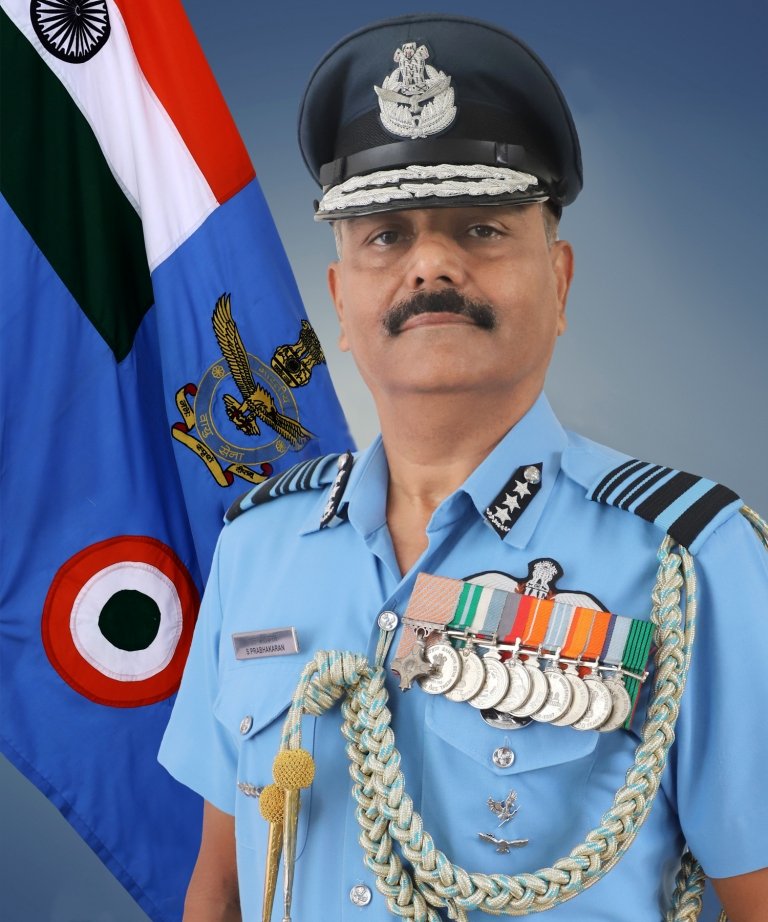
Air Officer C-in-C WESTERN AIR COMMAND
AIR MSHL S PRABHAKARAN AVSM VM
AOC-IN-C, EASTERN AIR COMMAND
Air Marshal Inderpal Singh Walia
AOC-in-C SOUTH WESTERN AIR COMMAND
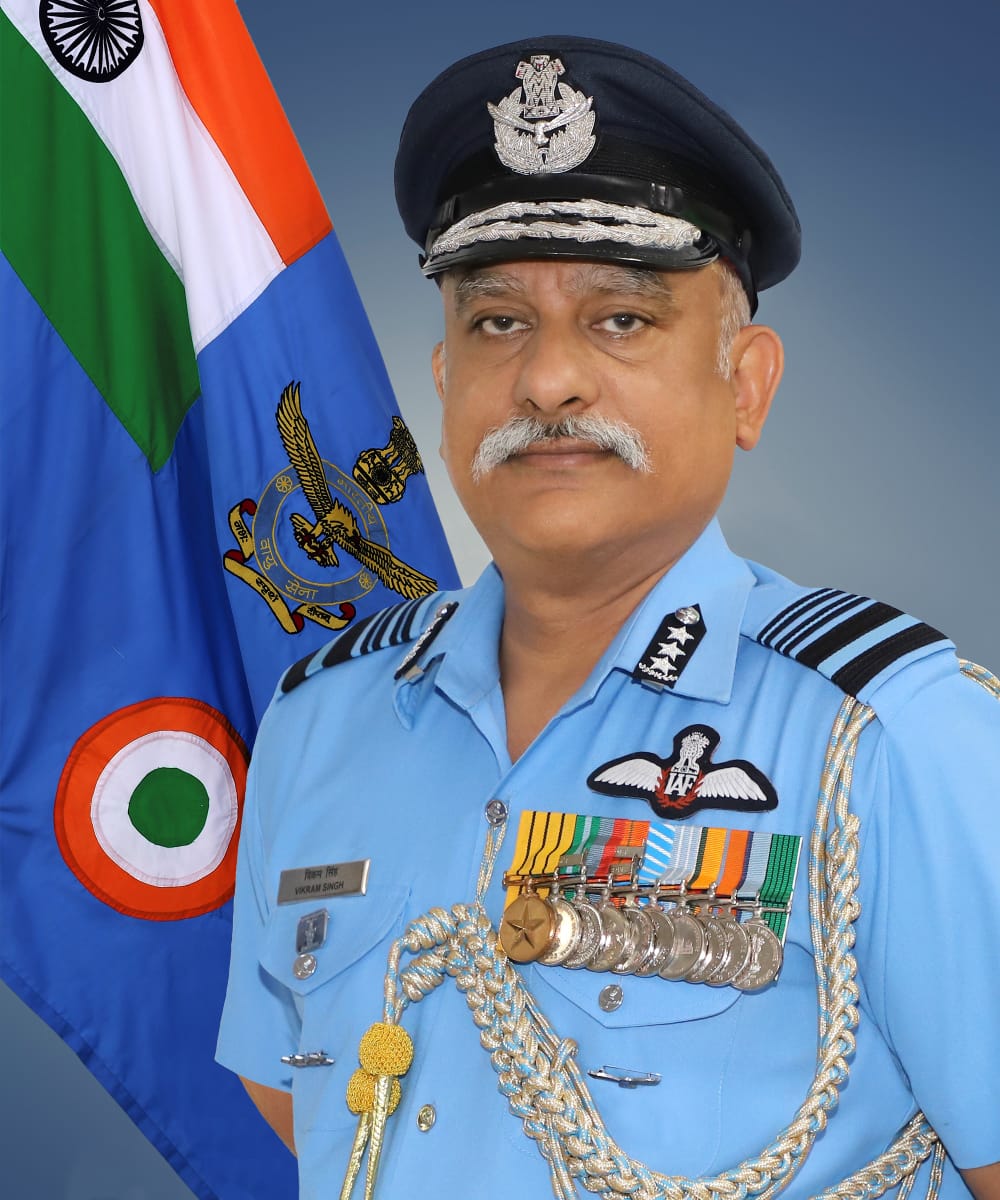
Air Marshal Vikram Singh
AOC-IN-C, SOUTHERN AIR COMMAND
Air Marshal J.Chalapati
AOC-IN-C TRAINING COMMAND
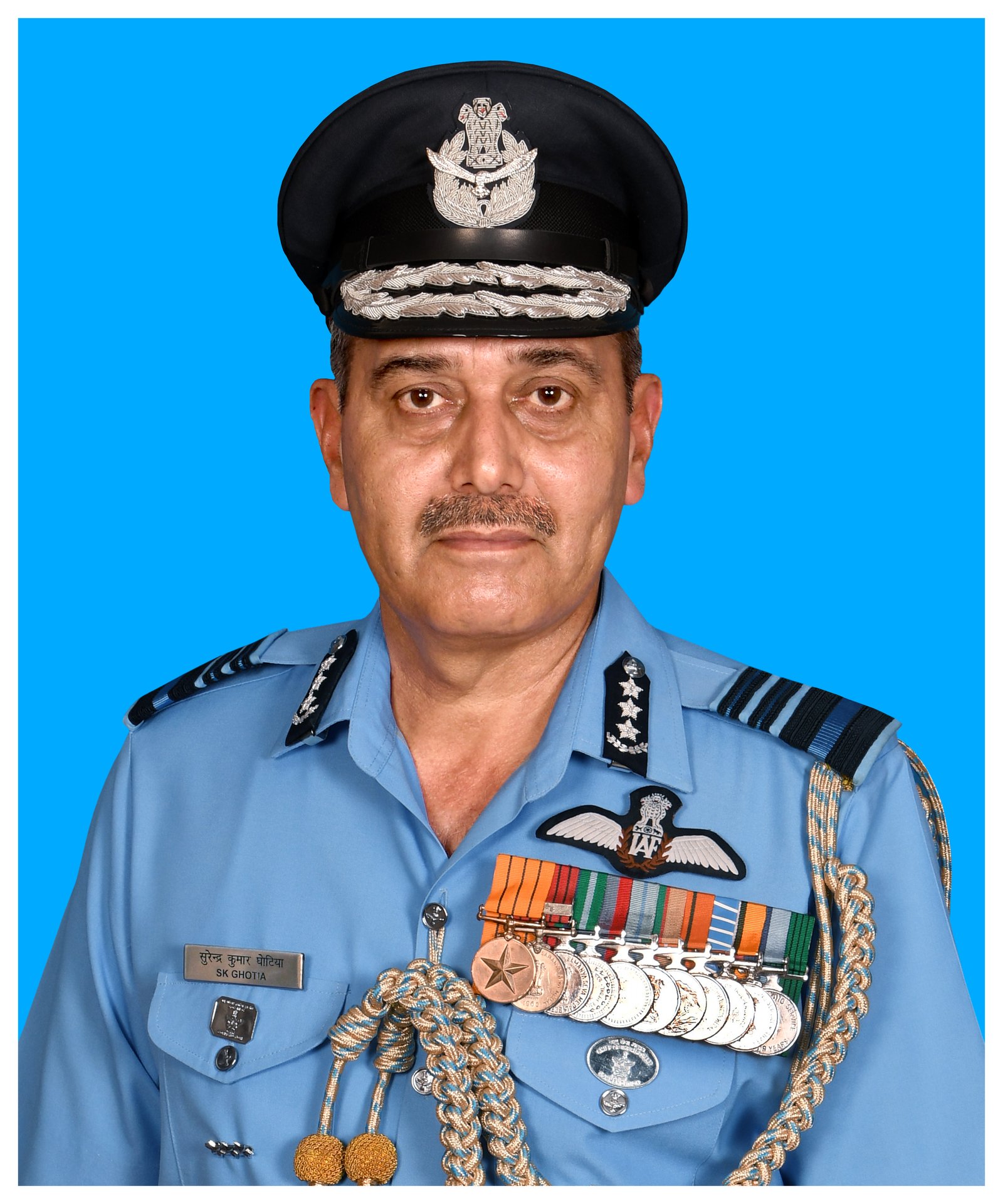
AIR MARSHAL SK GHOTIA VSM
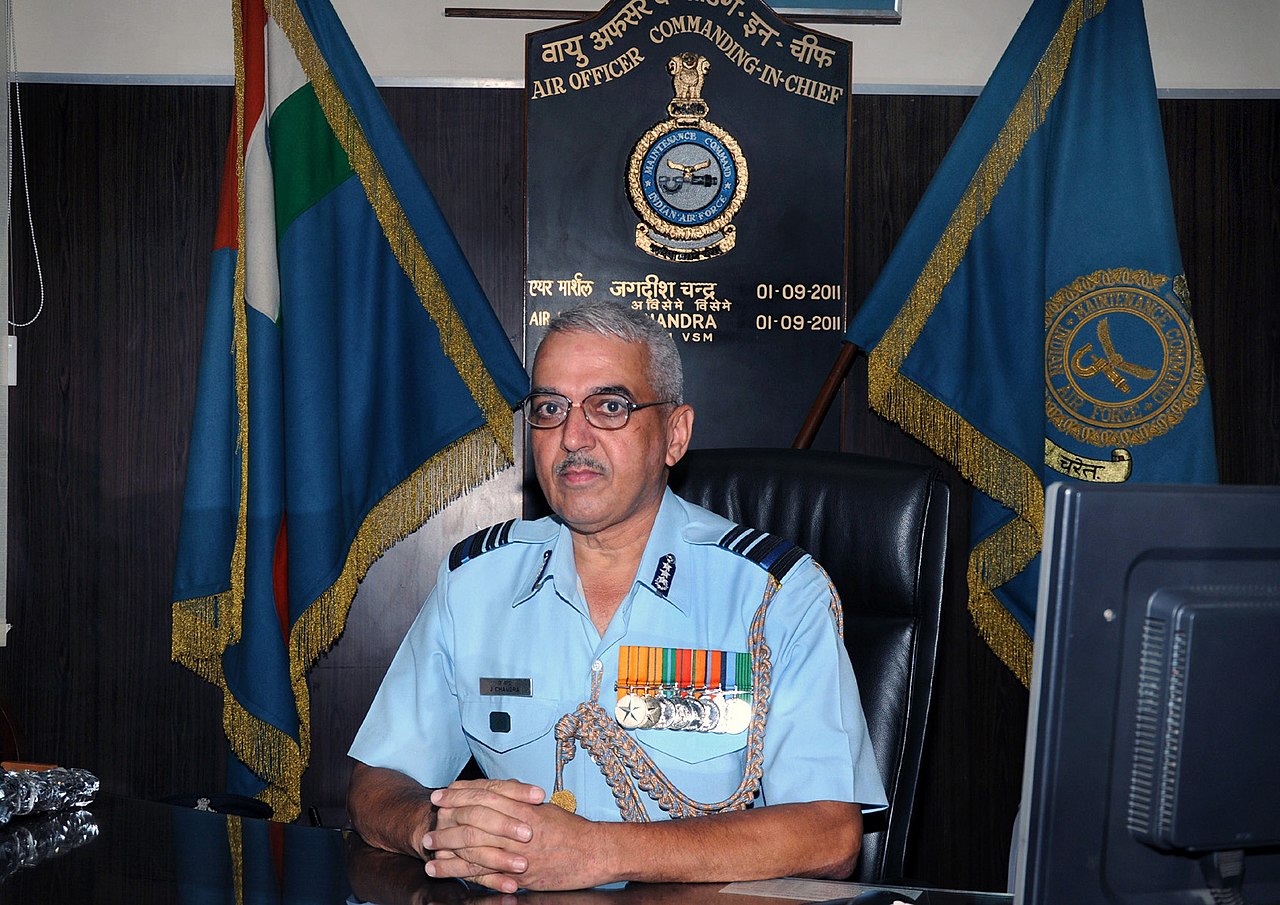
AOC-IN-C MAINTENANCE COMMAND
Air Marshal Jagdish Chandra
Flag Officer Commanding in Chief, Western Naval Command
ice Admiral R Hari Kumar, PVSM, AVSM, VSM
Flag Officer Commanding in Chief, Eastern Naval Command
Vice Admiral Sanjay Bhalla, AVSM, NM
Flag Officer Commanding in Chief, Southern Naval Command