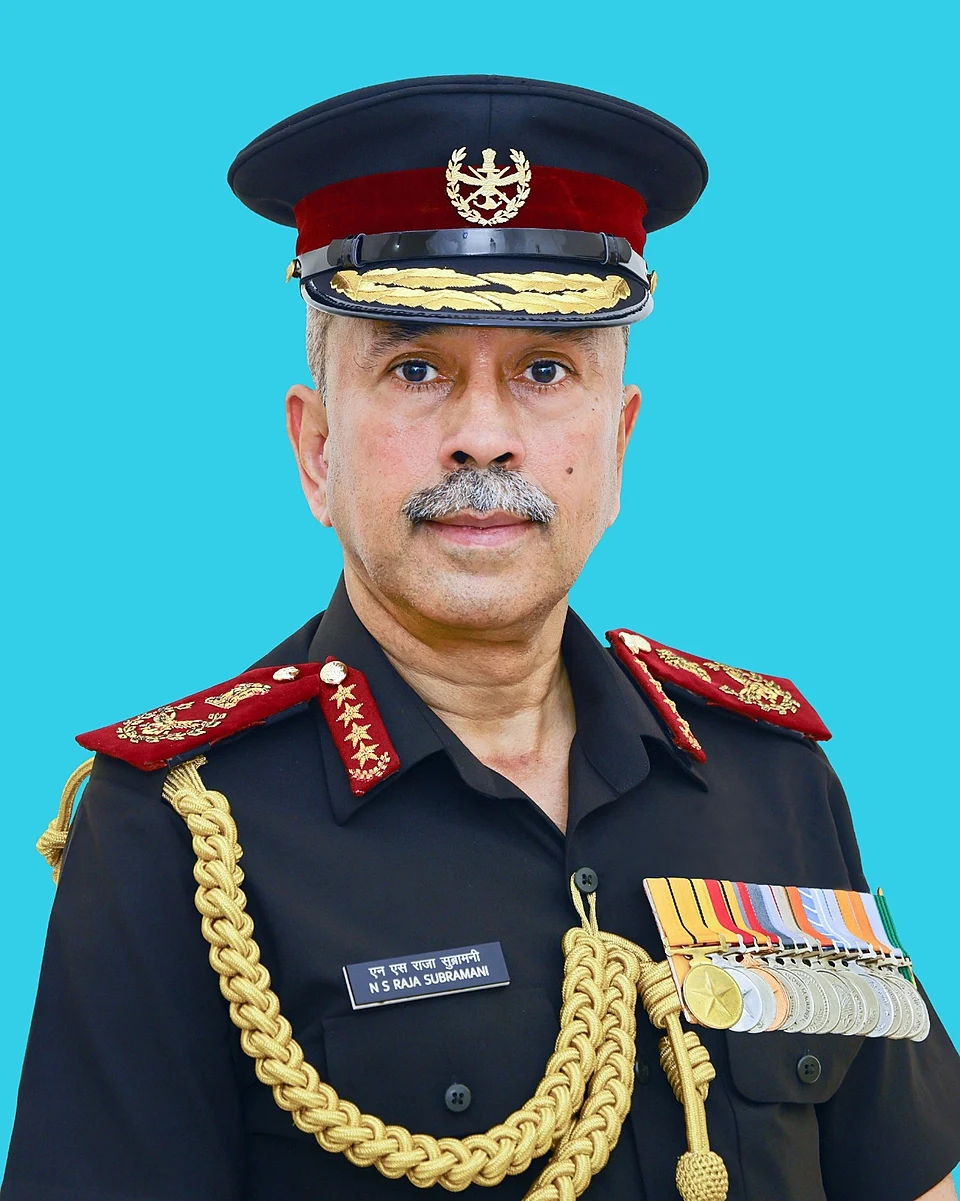
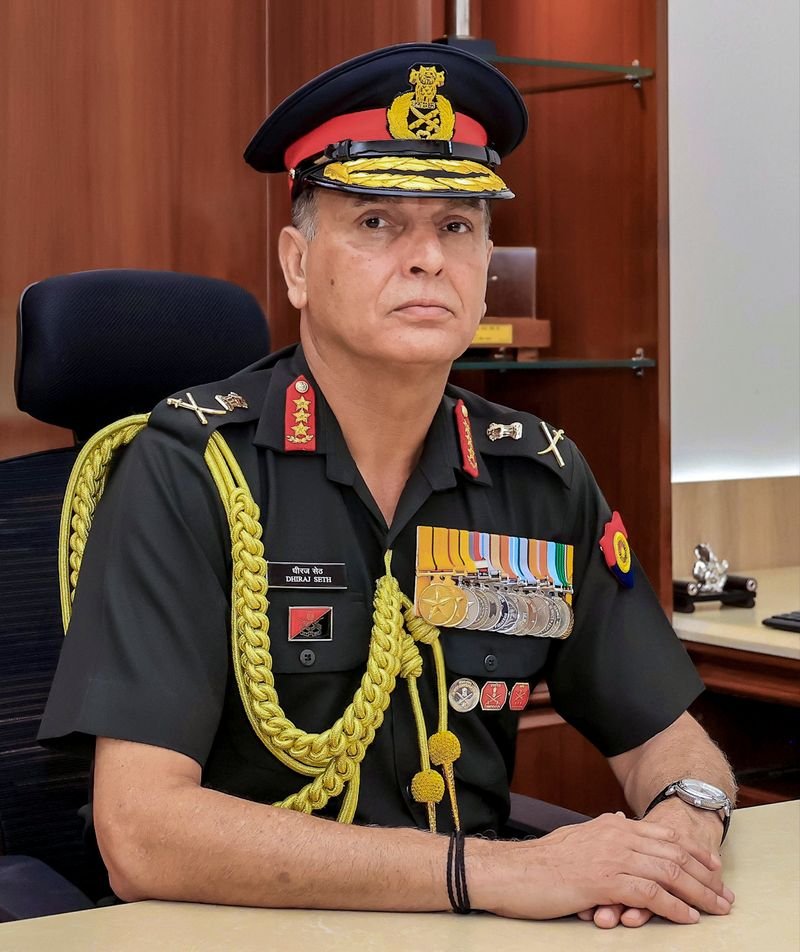
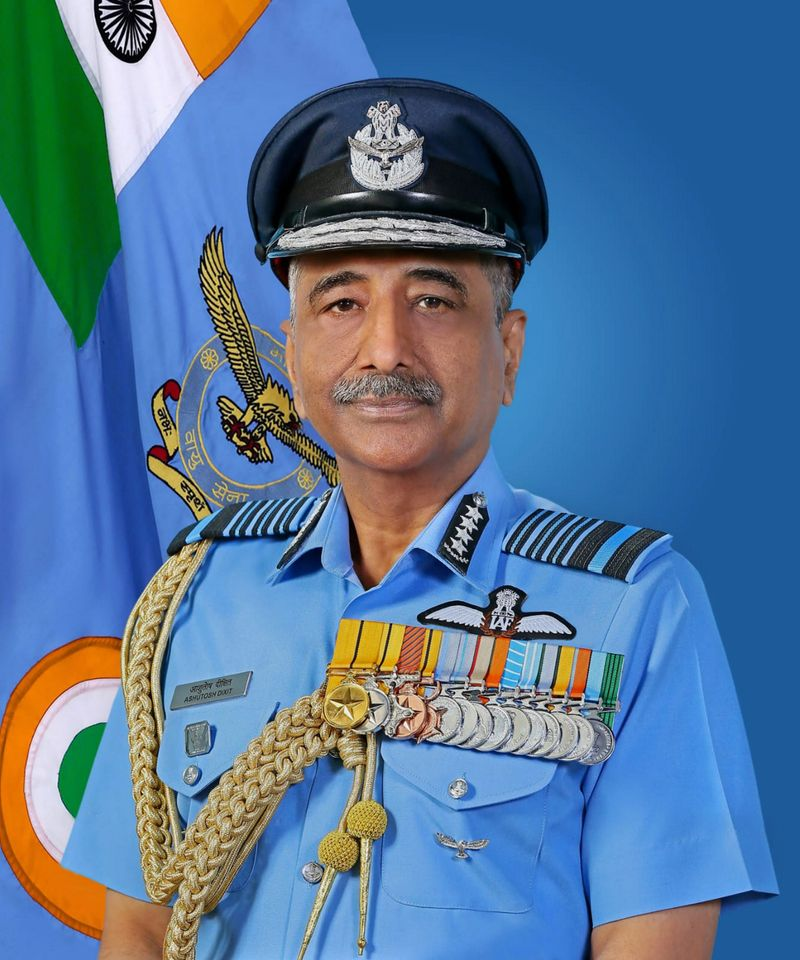
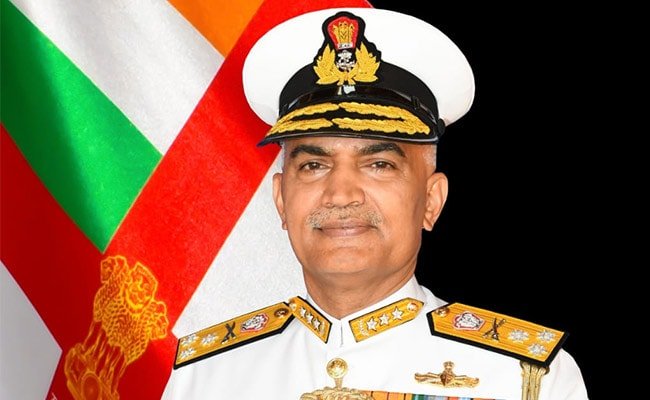
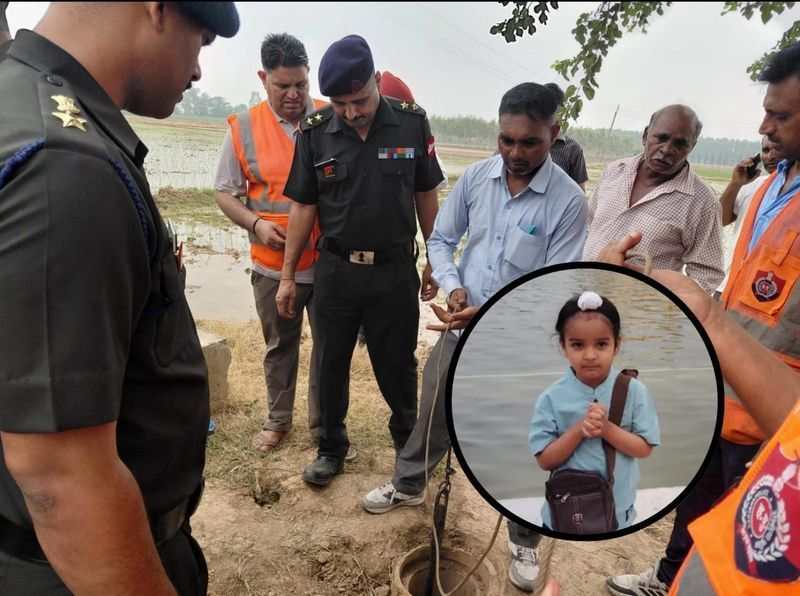
Nirvair, a resident of Dhanaura village, had fallen into the borewell while playing in the fields on Tuesday morning
The dead body of four-year-old Nirvair Singh, who fell into a borewell in Ambala on Tuesday morning, was retrieved in the early hours of Wednesday after an around-the-clock rescue operation.
The rescue operation was completed at around 3:25 am. The boy was taken to the Civil Hospital, Ambala, where doctors declared him brought dead.
Medical Officer Dr Rishipal said that the boy was examined as soon as he was pulled out of the borewell and rushed to the hospital.
“Despite all efforts, he was declared brought dead. The body has been shifted to the mortuary for post-mortem examination. Since there was water in the borewell, the exact cause of death will be clear after the post-mortem,” he said.
Nirvair, a resident of Dhanaura village, had fallen into the borewell while playing in the fields on Tuesday morning. A rescue operation was launched to rescue him.
Personnel from the police, National Disaster Response Force (NDRF), State Disaster Response Force (SDRF) and the Army, along with heavy machinery, were deployed to rescue the child.
According to the family, Nirvair and his father, Manjeet Singh, had gone to their fields at around 6:30 am to give food to the boy’s grandfather. While playing, he accidentally fell into a borewell on a neighbouring field. On hearing his screams, his father and grandfather raised the alarm. Local residents and an emergency response team rushed to the spot and launched rescue efforts, but they could not pull him out.
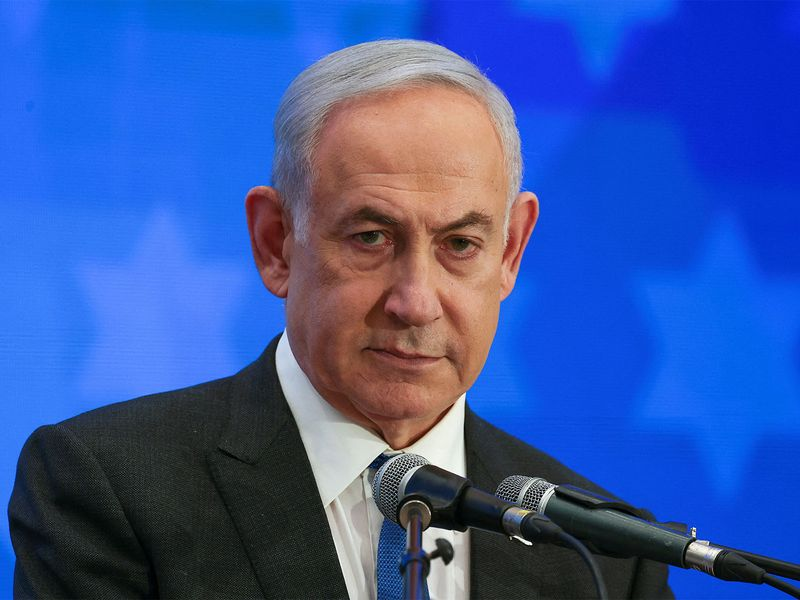
‘Want to stop American aid’: Netanyahu says Israel no longer needs US assistance
Asserting the nation’s economic self-reliance, Israeli Prime Minister Benjamin Netanyahu announced an ambitious policy shift aimed at ending American financial assistance, declaring that the country’s robust economy no longer requires foreign subsidies.
Making the remarks on Tuesday, the Prime Minister outlined his administration’s comprehensive strategy across critical security and geopolitical fronts, including state sovereignty, regional military presence, and diplomatic manoeuvres.
Addressing the financial relationship with Washington, Netanyahu stated, “I want to stop American aid. It’s like welfare; I don’t want it.”
He emphasised that Israel’s contemporary fiscal strength renders outside funding negligible, adding, “Our economy is no longer a small economy… we can finance ourselves with this fraction of a per cent of our GDP that we receive from the United States. I want this process to start this year.”
Turning to core territorial and sovereignty matters, the Prime Minister re-emphasised his administration’s unyielding opposition to Palestinian statehood.
He reaffirmed, “Israel is the nation-state of the Jewish people. No Palestinian state will be established here.”
Netanyahu detailed an aggressive stance on national defence, underscoring that the military will maintain a proactive posture against external adversaries.
He asserted, “We will pursue an active security policy–we won’t sit back and wait behind fences.”
When questioned about the potential re-establishment of Israeli communities within the Gaza Strip, the Prime Minister maintained a calculated diplomatic silence.
He noted, “As for rebuilding settlements in Gaza, you have to be ready to act first and talk afterwards. Sometimes it’s better to separate the two. That’s why I’m not going to add anything further on that subject.”
Elaborating on his approach to governance and international relations, Netanyahu suggested that strategic ambiguity remains paramount.
He stated, “You have to understand that the art of statecraft isn’t limited to domestic politics. I don’t have to declare everything to the whole world at every moment.”
Highlighting Israel’s persistent operations against regional threats, the Prime Minister issued a direct warning regarding cross-border pre-emptive strikes against Tehran’s nuclear and military infrastructure.
He remarked, “We entered Iran twice to save ourselves from destruction. There will be a third time if necessary.”
Netanyahu also confirmed that Israeli defence forces will maintain their operational positions within Lebanese territory to counter hostile factions.
He explained, “We didn’t leave Lebanon. We have effectively established this security belt–about 10 kilometres inside Lebanon–with the agreement of the Lebanese government. And, of course, Hezbollah is outraged. The same is true of Iran.”
During a physical assessment of troop deployments in the northern sector, the Prime Minister reiterated that the military presence would persist until cross-border threats were neutralised.
He told the gathered forces, “Our position is clear: we will not leave southern Lebanon until the threat has disappeared. And as long as Hezbollah, armed, is here and threatening us, we will stay here.”
The declaration follows the recent signing of a Washington-brokered framework pact between Beirut and Tel Aviv, intended to establish long-term stability and ensure the demilitarisation of the Iran-backed Shiite militia.
Under the stipulations of the diplomatic accord, any eventual troop drawdown by Israeli forces remains strictly contingent upon the Lebanese government successfully establishing specialised operational sectors where the state military takes over security control.
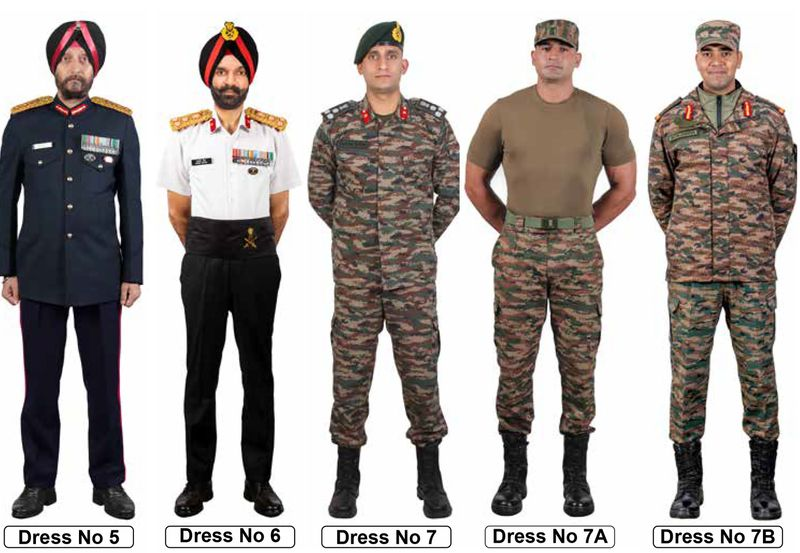
The Army’s new manual for uniforms to be worn by its personnel brings in a practical change to align the clothing to match Indian weather conditions and does away with the “residual” colonial-era practices.
Army personnel are needed to wear different uniforms for separate activities, including ceremonial functions, combat, mess, hot climates and high altitudes.
A 185-page booklet, ‘Army Uniforms 2026’, released earlier this month reflects a step towards aligning regulations with the contemporary Indian ethos through the progressive removal of residual colonial-era practices and non-essential accoutrements and the discontinuation of archaic terminology such as “Royal”.
The document removes ambiguity and provides flexibility, especially in winter clothing. Also, for civilian formal occasions, officers now have the option of wearing a half jacket – a ‘bandi’ jacket. The coat or the blazer has not been removed from the list; the bandi jacket is an additional option that can be used with a full-sleeved shirt and matching formal trousers and shoes.
It does away with the mandatory carrying of swords by parade reviewing officers and the use of pouch belts, worn across the shoulder with certain mess dresses. Swords may be carried only by parade commanders, contingent commanders and designated personnel during major ceremonial events such as Republic Day, Independence Day and Army Day parades and for the guard of honour.
The Army has also introduced a new winter working dress featuring a battle jacket, which will gradually replace the existing jersey-based winter uniform by June 2029. The battle jacket has been reintroduced as standard winter outerwear for all ranks, with a three-year transition period for implementation. This jacket has a provision to add or remove layers depending upon the weather.
The booklet bars radical hairstyles, unauthorised beards, visible electronic gadgets, tattoos, body piercings and cosmetic make-up while in uniform. It also prohibits the wearing of uniforms at political, religious or protest gatherings; weddings; private parties; and paid media appearances without authorisation.
The uniform shall not be worn when visiting restaurants, hotels or other public places in a personal capacity. It also can’t be worn in case of staying in a hotel on temporary duty or while travelling in public transport during leave.
There are norms for contact lenses too. The booklet says contact lenses may be used in place of spectacles. However, the colour of contact lenses must be natural and almost similar to the wearer’s eye colour.
Earlier this year, the Army undertook an initiative to discontinue colonial names and renamed 246 roads, buildings and facilities across its establishments. According to Army officials, the exercise covered 124 roads, 77 colonies, 27 buildings and other military facilities and 18 miscellaneous facilities, including parks, training areas, sports grounds, gates and helipads.
In Delhi Cantonment, Kirby Place (officers’ accommodation) has been renamed Kenuguruse Vihar, while Mall Road has been renamed Arun Khetrapal Marg. At the Indian Military Academy in Dehradun, Colins Block and Kingsway Block have been renamed Nubra Block and Kargil Block, respectively.
In Kolkata, Fort William has been renamed Vijay Durg.
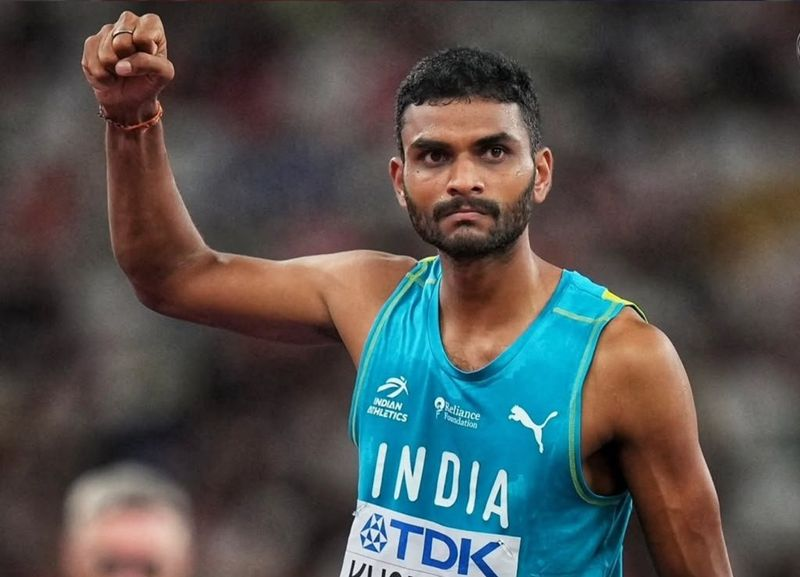
New national record in high jump: Army athlete becomes 1st Indian to clear legendary 2.30 metre barrier
Kushare has surpassed the earlier record of 2.29 metres set in 2018 by Tejaswin Shankar of New Delhi
With this, he has surpassed the earlier record of 2.29 meters set in 2018 by Tejaswin Shankar of New Delhi, and has qualified for the Asian Games. He has become the first Indian in history to clear the legendary 2.30 metre barrier.
Over the past few months, several Indian Army sports persons have won gold medals at various international and national competitive events. “The gold rush continues,” the Indian Army said after Kushare bagged the gold. Wishing Nb Sub Sarvesh all the very best for the Commonwealth Games and the Asian Games — fly high and bring home more glory!” the Army said.
The Asian Games record in High Jump is 2.35 meters, set by Mutaz Barsham of Qatar in September 2014 at Incheon in South Korea, while the Commonwealth Games record is 2.36 metres by Clarence Saunders of Bermuda, set in February 1990 at Auckland in Australia. The world high jump record is 2.45 metres, set by Javier Sotomayor of Cuba in July 1993, during the International Athletics Meet at Salamanca in Spain.
Belonging to Nashik district of Maharashtra, Kushare had joined the Army in 2016 and is posted at the Artillery Center, Bengaluru. He made his international debut at the 13th South Asian Games in Nepal in December 2019, where he won the gold medal in the men’s high jump. He has won several medals at national and international events.
As part of its Mission Olympics programme, the Army trains specially selected sportspersons at the Army Sports Institute, which is run in collaboration with the Sports Authority of India.
The ASI was established in July 2001 as a multi-disciplinary institute to identify and nurture the vast talent of sportspersons within the Armed Forces Army and recruit potential sportspersons from across the country.
Army raises specialised ‘Baaz’ battalions for sustained drone-based surveillance, long range strikes
Baaz battalions would be placed under the Army Aviation Corps and be tasked for different purposes than the ‘Ashini drone platoons’
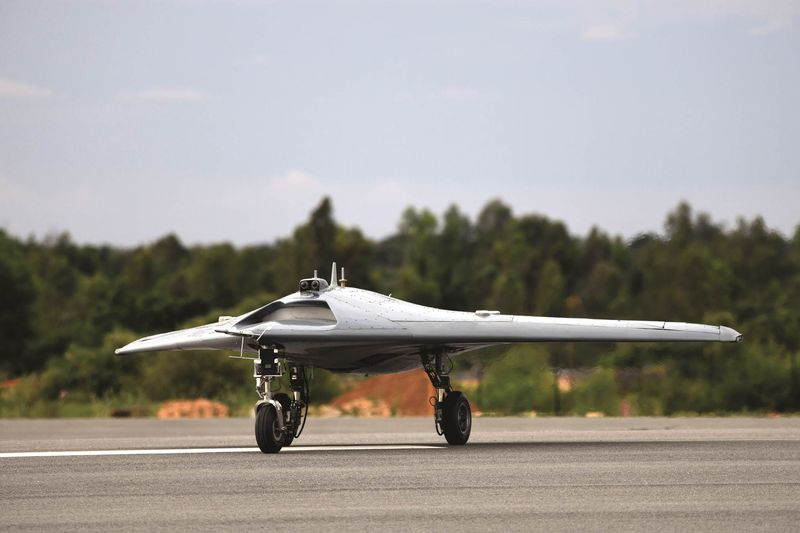
As part of its post Operation Sindoor transformation, the Indian Army has decided to set up specialised battalions to operate long-range drones for surveillance and attack. Called the ‘Baaz’ – a hawk — these battalions would be placed under the Army Aviation Corps and be tasked for different purposes than the ‘Ashini drone platoons’ which are part of the infantry battalions and are for tactical ‘immediate-vicinity’ surveillance. Also these ‘Baaz’ battalions will be different from the ‘Divyastra batteries’ of the Artillery regiment which carry and deploy the loitering ammunition, or called ‘one-way’ drones.
Baaz battalions will centralise growing drone and capabilities and are designed to handle the entire lifecycle of operations, including deployment, maintenance, data exploitation and seamless integration with ground forces.
These battalions will house a specialist pool of personnel specifically trained to manage the drone ecosystem. This move aims to ensure a sustained operational tempo and a more persistent ‘intelligence, surveillance and reconnaissance’ (ISR) capability across the battlefield.
Sources said that no numbers can be given on how many ‘Baaz’ battalions would be set up, but added that the specialised Aviation Brigades has been set up in the past few years and Army Aviation Corps flies helicopters – including attack versions – along the front line.
The initiative was announced in outgoing Army Chief General Upendra Dwivedi and aligns with the “Decade of Transformation.” It will provide frontline units of the Army with advanced aerial surveillance and situational awareness tools.
Sources said the decision has been spurred by lessons from recent border standoffs along the Line of Actual Control (LAC) with China and the tactical outcomes validated during Operation Sindoor against Pakistan in May last year.
Sources said the ‘Baaz’ – meaning Hawk – would operate platforms like the long range UAV like the MQ9B being sourced from the US company General Atomics; the Heron and the Hermes from Israel; the locally produced UAV by companies like, Idea Forge, SMPP and NewSpace Research.
This will enable deep-penetration surveillance, targeting, and prolonged border monitoring. The ‘Baaz’ battalions would act as the centralized ‘brain’ to standardise training, manage the high-density technical data streaming from these mixed fleets, and rapidly handle the software updates or replenishment cycles required in high-intensity drone warfare.
n historic first, Army duo clinch World Rowing Cup gold for India in Switzerland’s Lucerne
Lakshay and Ujjwal top men’s Lightweight Double Sculls event, finishing ahead of Hong Kong and Netherlands
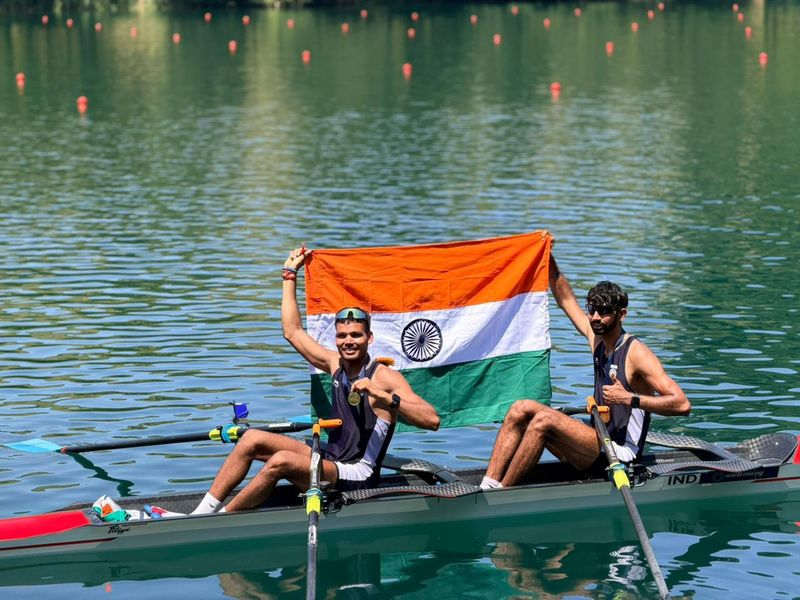
Two Indian Army sportspersons have won India’s first-ever gold medal at the World Rowing Cup 2026 being held at Lucerne, Switzerland, topping the men’s Lightweight Men’s Double Sculls (LM2x) category.
WaterSports
“Historic! India’s First Ever. Hav Lakshay and Hav Ujjwal Kumar Singh won India’s first-ever World Rowing Cup gold in LM2x at Lucerne — 6:26.09. Proud moment for the Indian Army and the nation!” the Indian Army said on Sunday.
The duo, who have won several international medals in the past, were trailed by Hong Kong and the Netherlands. About 650 rowers from as many as 42 nations are competing across various men’s and women’s categories at the championships in Lucerne.
The two sportspersons belong to the Army Rowing Node (ARN), Pune. It is located at the College of Military Engineering (CME) in Pune and is India’s premier international-standard rowing facility with a specific mission to train the Indian Armed Forces’ rowing teams for international competitive events, including the Olympics.
Established in 2001 as part of the Army’s Mission Olympics, ARN features a man-made rowing channel measuring 2,200 m long and 135 m wide, making it the only facility in India capable of hosting international competitions.
The facility can support around 300 athletes and features a boathouse, a fully-equipped gymnasium, and sports science facilities and is staffed by a professional team comprising coaches, physiotherapists, nutritionists and sports psychologists.
The Army runs an expansive programme to recruit promising sportspersons in different disciplines and train them to meet global international standards. Many Army athletes have won gold medals at international events and set national records.
Army, Navy contingents to participate in Seychelles’ National Day celebrations
Indian Armed Forces contingents have previously represented nation at Bastille Day Parade in France and Victory Day parades in Bangladesh and Russia
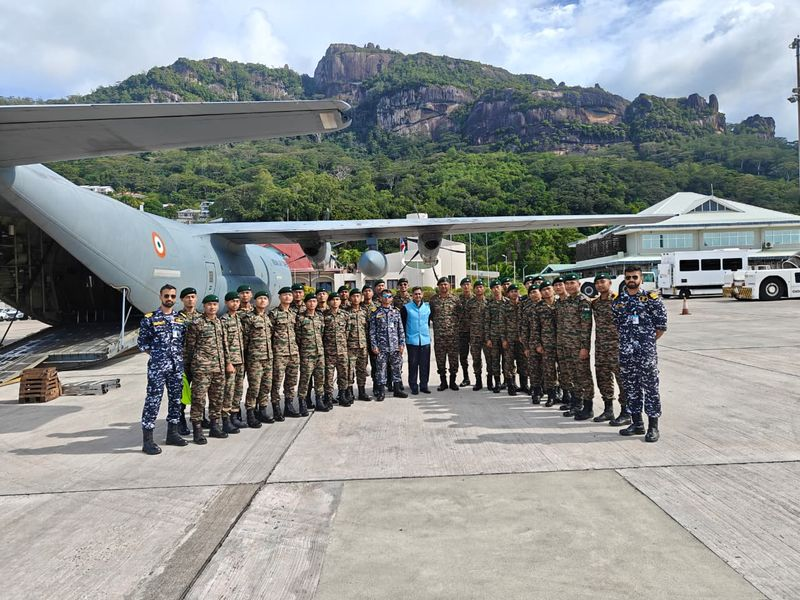
Indian Army and Navy contingents will participate in the 50th National Day celebrations of Seychelles on Monday, commemorating the Golden Jubilee of Seychelles’ Independence.
Prime Minister Narendra Modi will attend the celebrations as the Guest of Honour.
India and Seychelles share longstanding historical ties. Over the years, the relationship has evolved into a strong strategic partnership encompassing defence cooperation, development, culture and trade.
The Indian Army contingent comprises 32 personnel from the Assam Regiment and is led by Captain Aryan H Deolekar. An Indian Navy marching contingent, accompanied by a military band, will also take part in the celebrations, reflecting the close and enduring defence partnership between the two countries.
Participation of Indian Armed Forces contingents in the national celebrations of friendly foreign countries serves as a symbol of mutual trust, military camaraderie and shared commitment towards strengthening bilateral relations. Such engagements reinforce defence cooperation and underscore India’s role as a reliable partner in promoting peace, stability and security in the Indian Ocean Region.
Indian Armed Forces contingents have previously represented the nation at prominent international ceremonial events, including the 237th Bastille Day Parade in France in 2023 and the Victory Day parades in Bangladesh (2021) and Russia (2015 and 2020).
India’s participation in Seychelles’ Golden Jubilee celebrations reaffirms the special partnership between the two countries and highlights the growing depth of bilateral engagement across diverse sectors.
23 hours, 14,000 km: Here’s how IAF aircraft reached quake-hit Venezuela to deliver humanitarian aid
Under Operation Amistad, the two heavy-lift aircraft had departed Hindon Air Base in Ghaziabad on June 26
it took IAF aircraft 23 hours of flying to cover more than 14,000 km to reach Venezuela for delivering humanitarian aid to the quake-hit South American country.
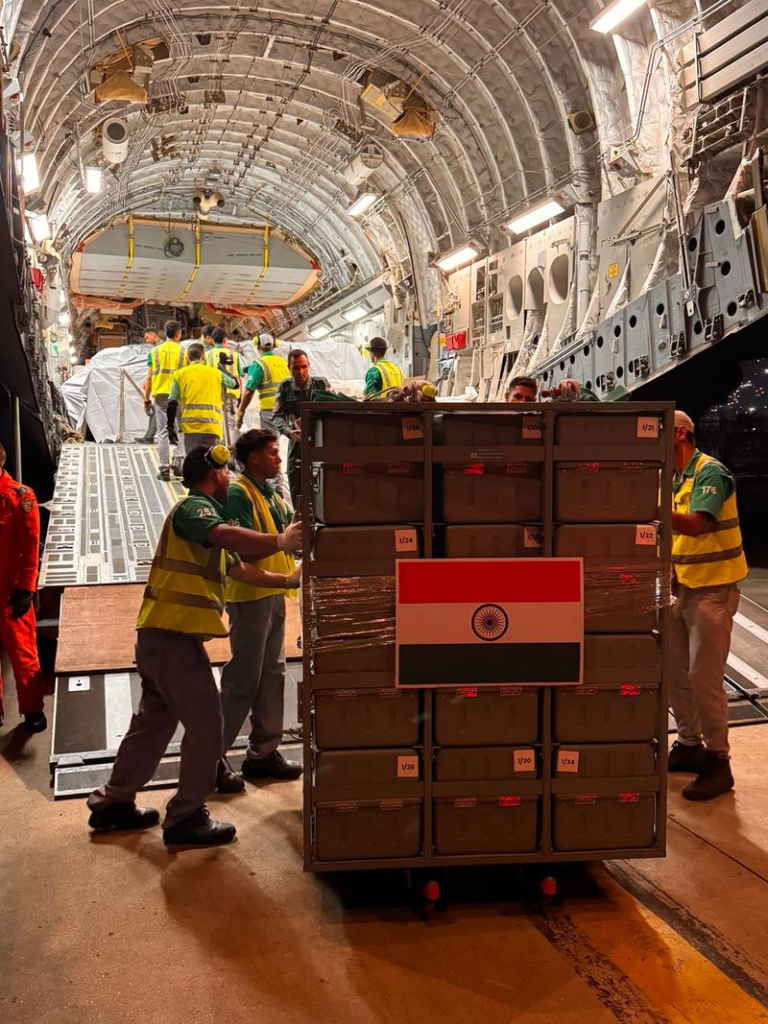
“Responding with speed, reach and compassion, two Indian Air Force C-17 Globemaster III aircraft completed a demanding 23-hour flight to Venezuela, covering an aerial distance of over 14,000 km from Delhi to Caracas,” the IAF said on Sunday.
Under Operation Amistad, the two heavy-lift aircraft had departed Hindon Air Base in Ghaziabad on June 26.
The aircraft landed at Maiquetía International Airport in Caracas,carrying 66 tonnes of humanitarian aid, including an Indian Army Field Hospital, over 35 tonnes of relief supplies, medicines and medical equipment. The load also included two BHISHM Cubes, a rapidly deployable modular field hospital capable of delivering advanced trauma care, emergency surgeries and intensive care for up to 200 patients.
“This transoceanic deployment reaffirms India’s growing role as a responsible first responder and a reliable humanitarian partner,” the IAF said, adding that the mission demonstrates India’s capability to deliver hope across continents whenever called upon.
Air Force officers said that to reach Caracas, Venezuela’s capital, the IAF aircraft would have flown westwards over the Middle East and parts of North Africa with fuelling halt at Ivory Coast before heading in the southern direction to cross the Atlantic Ocean. Venezuela is located on continental South America’s northern coast. To have flown east over the Pacific would have added several thousand kilometres to the journey.
The IAF’s special mission apart, there are at present no direct commercial flights between India and Venezuela. Though the two countries share warm bilateral ties and growing energy and economic cooperation, there is a very small community of non-resident Indians in that country.
Persons travelling to Venezuela have to first fly to destinations in the Middle East or Europe and then switch flights for Caracas.
The IAF operates 11 Boeing-manufactured C-17 aircraft that were procured from the United States and inducted in 2013. These equip No.81 Squadron, The Skylords, based at Hindon.
The aircraft have a payload capacity of 77,000 tonnes and a range of over 10,000 km, and shot into prominence during the 2020 stand-off with China in eastern Ladakh, when they air lifted T-90 tanks and other heavy equipment to the Himalayan frontier.
The IAF employs the C-17, along with other aircraft like the IL-76, C-130 and AN-32, on regular logistics and support missions to the northern as well as north-eastern sectors.
C-17s have also been deployed for overseas joint military exercises with foreign countries, humanitarian aid at home and abroad and other special missions. More recently, these aircraft were in the news for assisting the government to ferry question papers for the NEET re-test across the country.
SGPC’s call to preserve Maharaja Ranjit Singh’s rich legacy
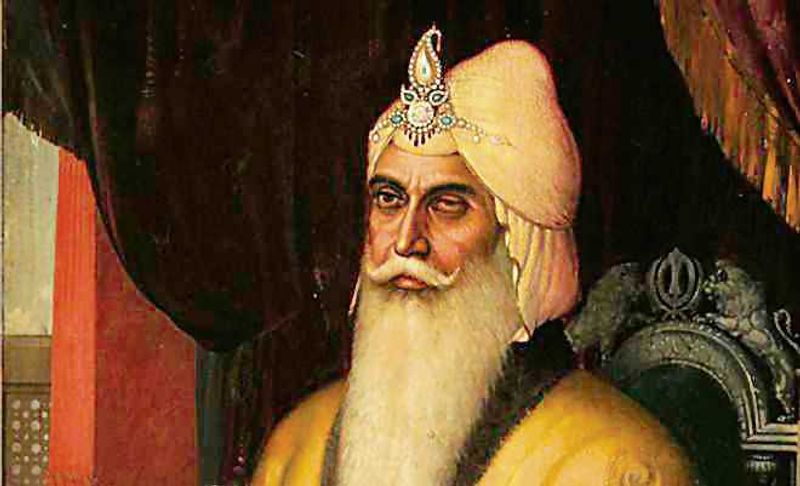
Addressing the gathering, Acting Jathedar of Sri Akal Takht Sahib, Giani Kuldeep Singh Gargaj, said Maharaja Ranjit Singh’s life symbolised unwavering faith in the Guru, humility and justice. He said the Sikh ruler established a Khalsa Raj where people of all faiths and communities enjoyed equal rights, respect and security.
Emphasising the need to preserve Sikh heritage associated with Maharaja Ranjit Singh, Giani Gargaj said the historic palace and Ram Bagh in Amritsar are priceless heritage sites. He appealed to Sikh organisations and the public to jointly identify and conserve heritage buildings linked to the Sikh empire. He also urged the younger generation to visit the historic palace to understand and connect with their rich heritage.
The Acting Jathedar said activities that do not conform to the historical character of the palace should be stopped and the site should be developed exclusively as a heritage monument. Describing Maharaja Ranjit Singh as a hero not only of the Sikhs but of the entire Punjab and Punjabi community, he said preserving his legacy was a collective responsibility.
Referring to other neglected Sikh-era heritage sites, he also expressed concern over the condition of Maharaja Sher Singh’s Baring College in Batala, saying Sikh institutions should come together for the conservation of such historically significant buildings.
The programme featured Gurbani kirtan by Hazoori Ragis of Sachkhand S Harmandir Sahib, while dhadhis narrated episodes from Sikh history. Rajinder Singh Marwaha, SGPC head pracharak Bhai Sarabjit Singh Dhotian, activist Gangveer Singh Rathore also addressed the gathering.
State Stalwarts
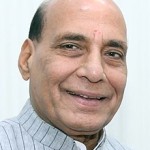
DEFENCE MINISTER
Minister Rajnath Singh
ALL HUMANS ARE ONE CREATED BY GOD
HINDUS,MUSLIMS,SIKHS.ISAI SAB HAI BHAI BHAI
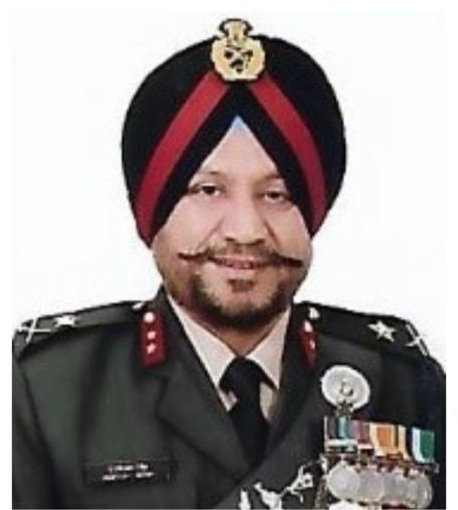
CHIEF PATRON ALL INDIA SANJHA MORCHA
LT GEN JASBIR SINGH DHALIWAL, DOGRA
SENIOR PATRON ALL INDIA SANJHA MORCHA
MAJOR GEN HARVIJAY SINGH, SENA MEDAL ,corps of signals
.
.
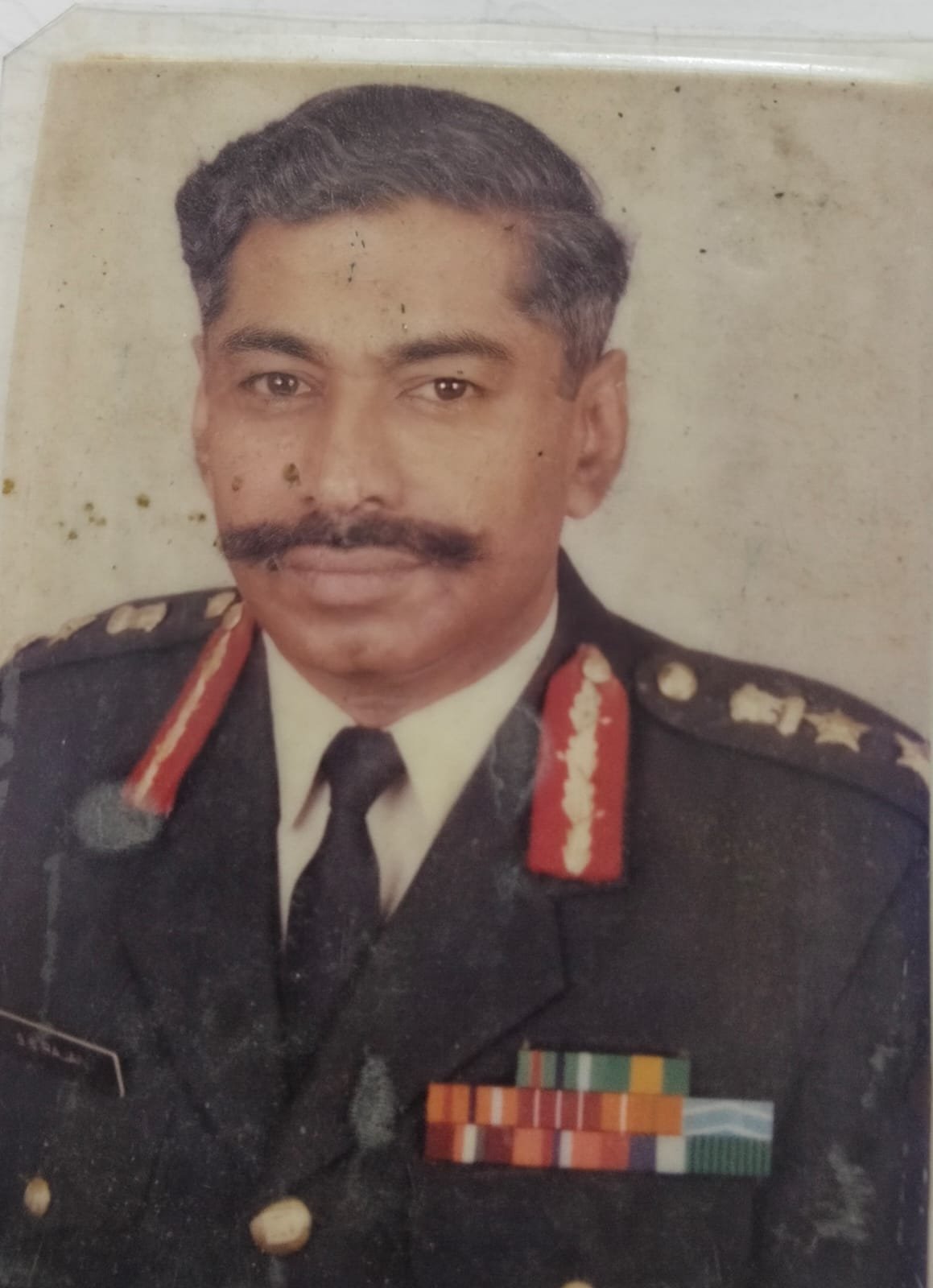
PRESIDENT SOUTH ALL INDIA SANJHA MORCHA
COL SS RAJAN BOMBAY SAPPERS,
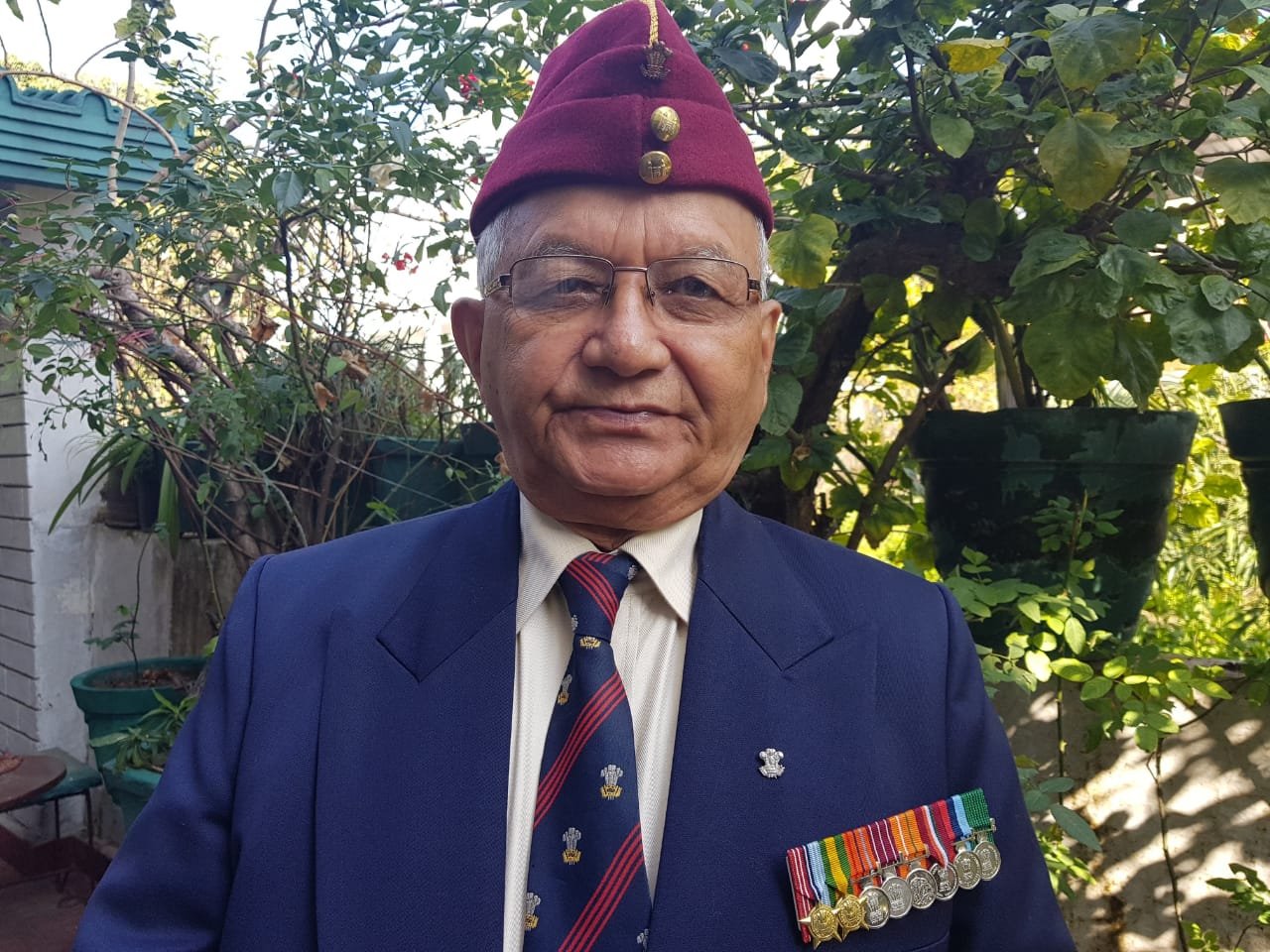
PRESIDENT UTTARAKHAND ALL INDIA SANJHA MORCHA
COL B M THAPA ,BENGAL SAPPERSS
PRESIDENT HARAYANA STATE CUM COORDINATOR ESM
BRIG DALJIT THUKRAL ,BENGAL SAPPERS
PRESIDENT TRICITY
COL B S BRAR (BHUPI BRAR)
PRESIDENT CHANDIGARH ZONE
COL SHANJIT SINGH BHULLAR
.
.
PRESIDENT PANCHKULA ZONE AND ZIRAKPUR
COL SWARAN SINGH
INDIAN DEFENCE FORCES
DEFENCE FORCES INTEGRATED LOGO
INDIAN AIR FORCE
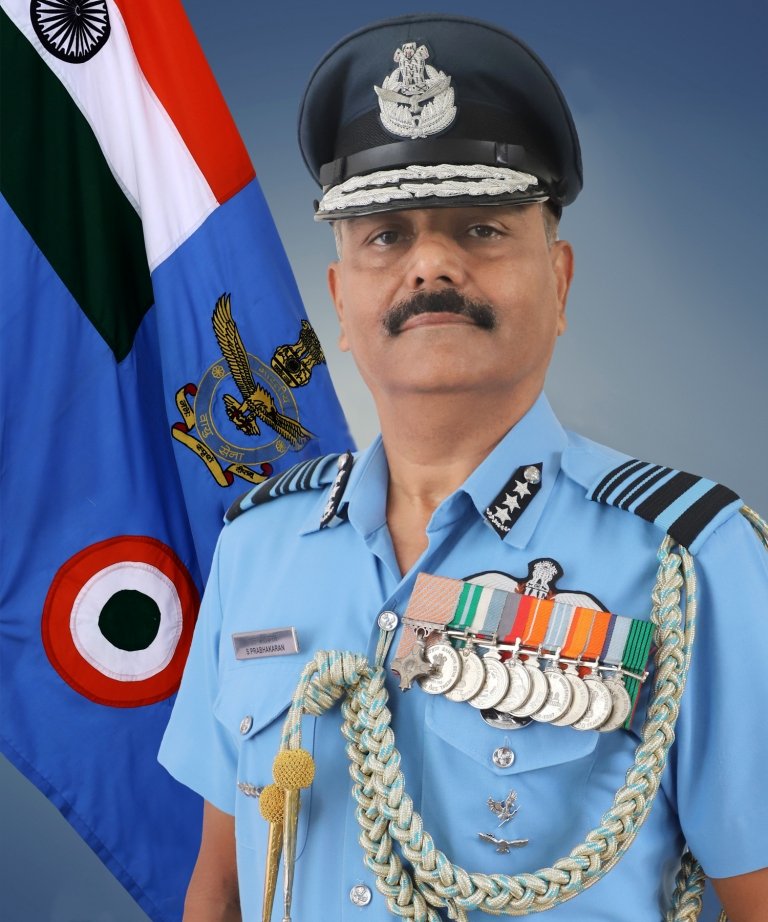
Air Officer C-in-C WESTERN AIR COMMAND
AIR MSHL S PRABHAKARAN AVSM VM
AOC-IN-C, EASTERN AIR COMMAND
Air Marshal Inderpal Singh Walia
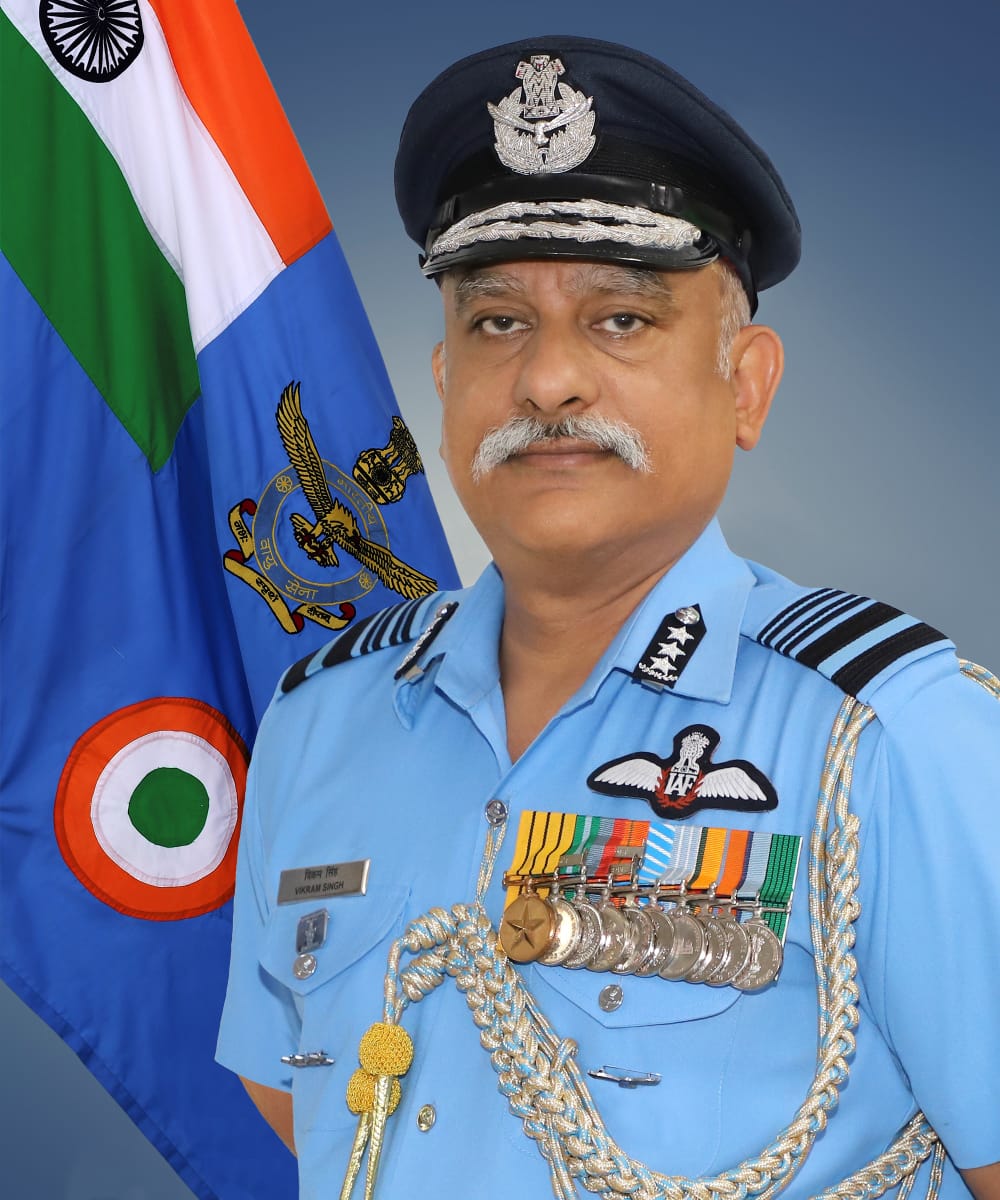
AOC-in-C SOUTH WESTERN AIR COMMAND
Air Marshal Vikram Singh
AOC-IN-C, SOUTHERN AIR COMMAND
Air Marshal J.Chalapati
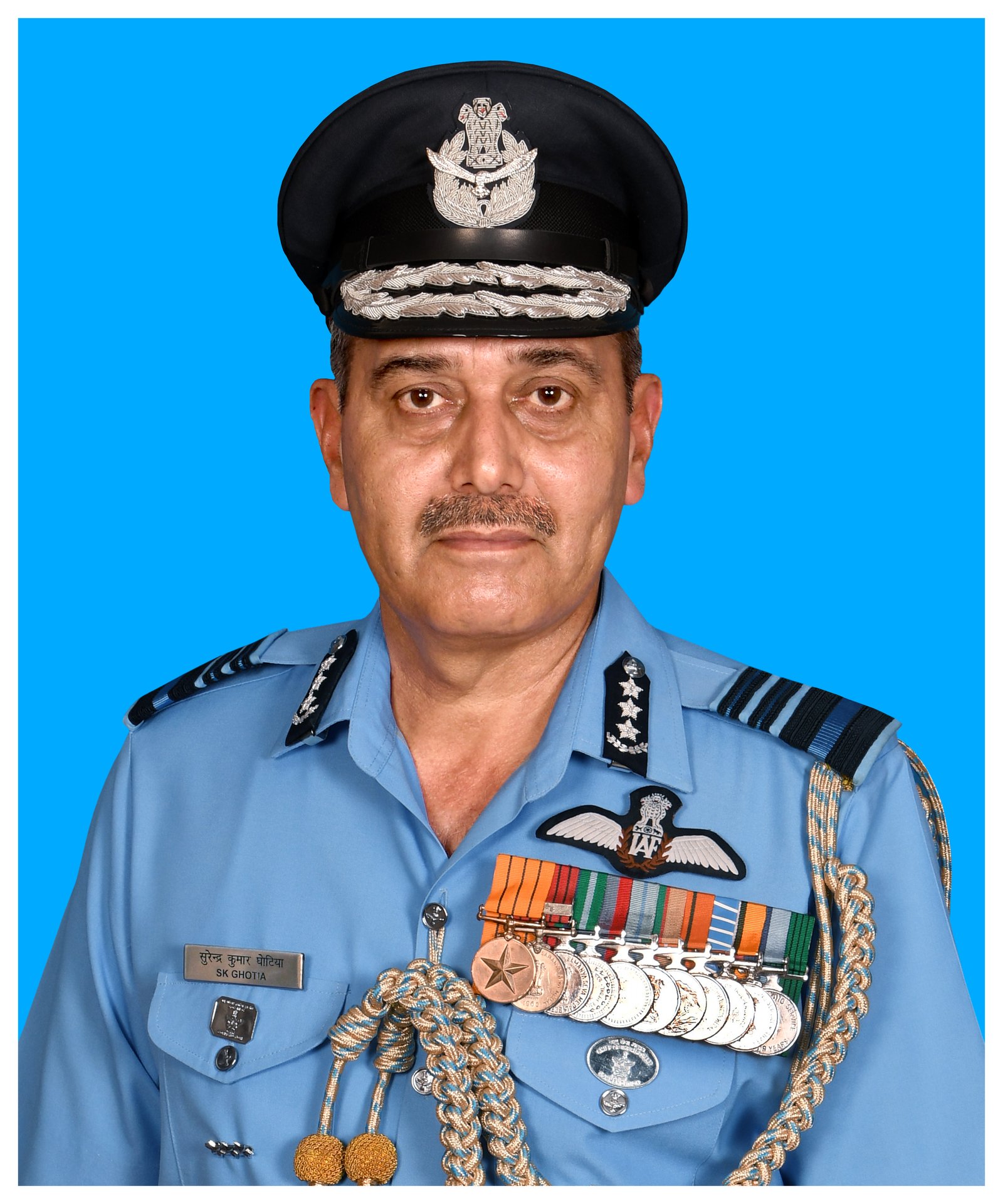
AOC-IN-C TRAINING COMMAND
AIR MARSHAL SK GHOTIA VSM
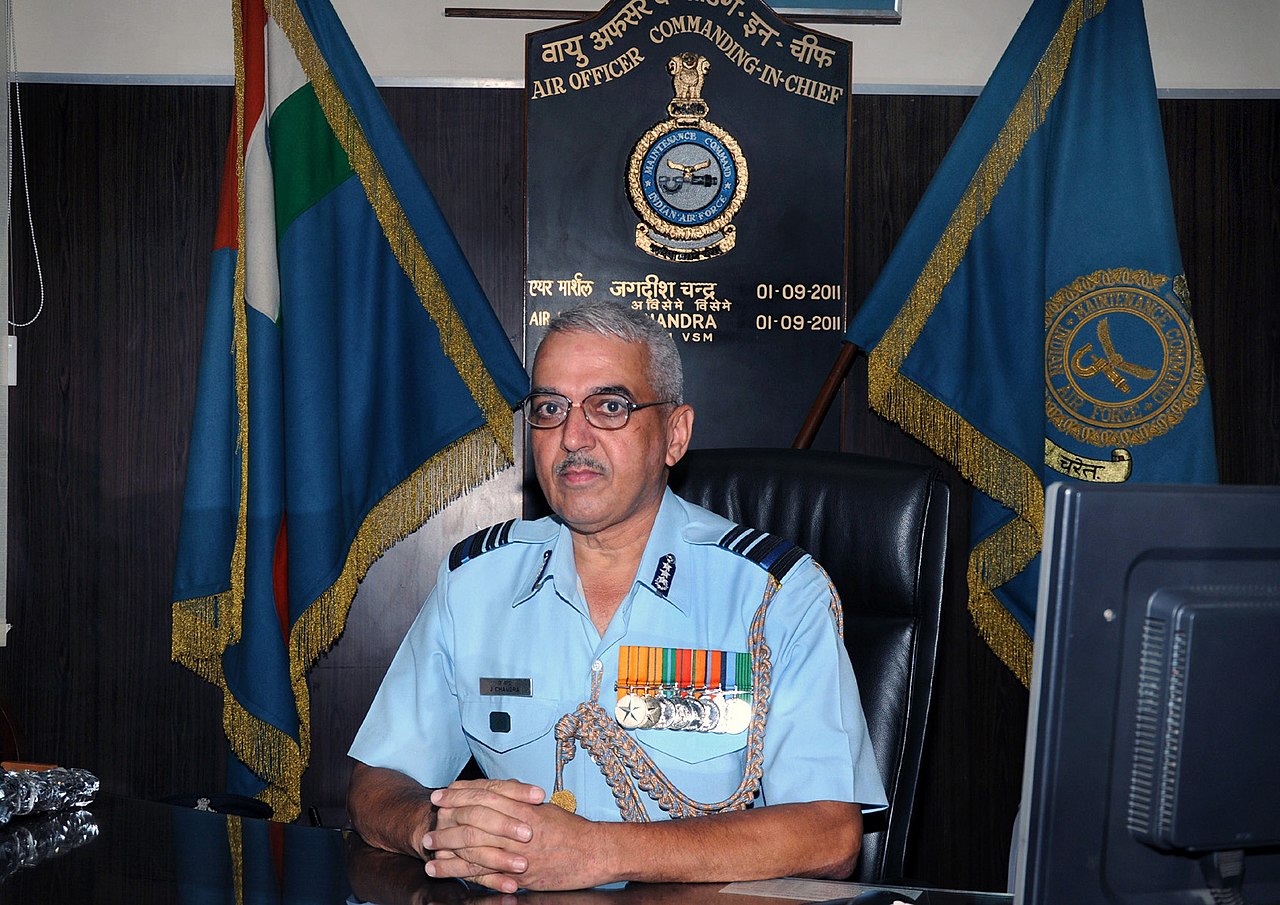
AOC-IN-C MAINTENANCE COMMAND
Air Marshal Jagdish Chandra
Flag Officer Commanding in Chief, Western Naval Command
ice Admiral R Hari Kumar, PVSM, AVSM, VSM
Flag Officer Commanding in Chief, Eastern Naval Command
Vice Admiral Sanjay Bhalla, AVSM, NM
Flag Officer Commanding in Chief, Southern Naval Command