All posts by webadmin

PUNJAB POLITICS ::LATEST SCENARIO FOR INFO OF VETERANS

7 fresh faces on Congress list

7 fresh faces on Congress list

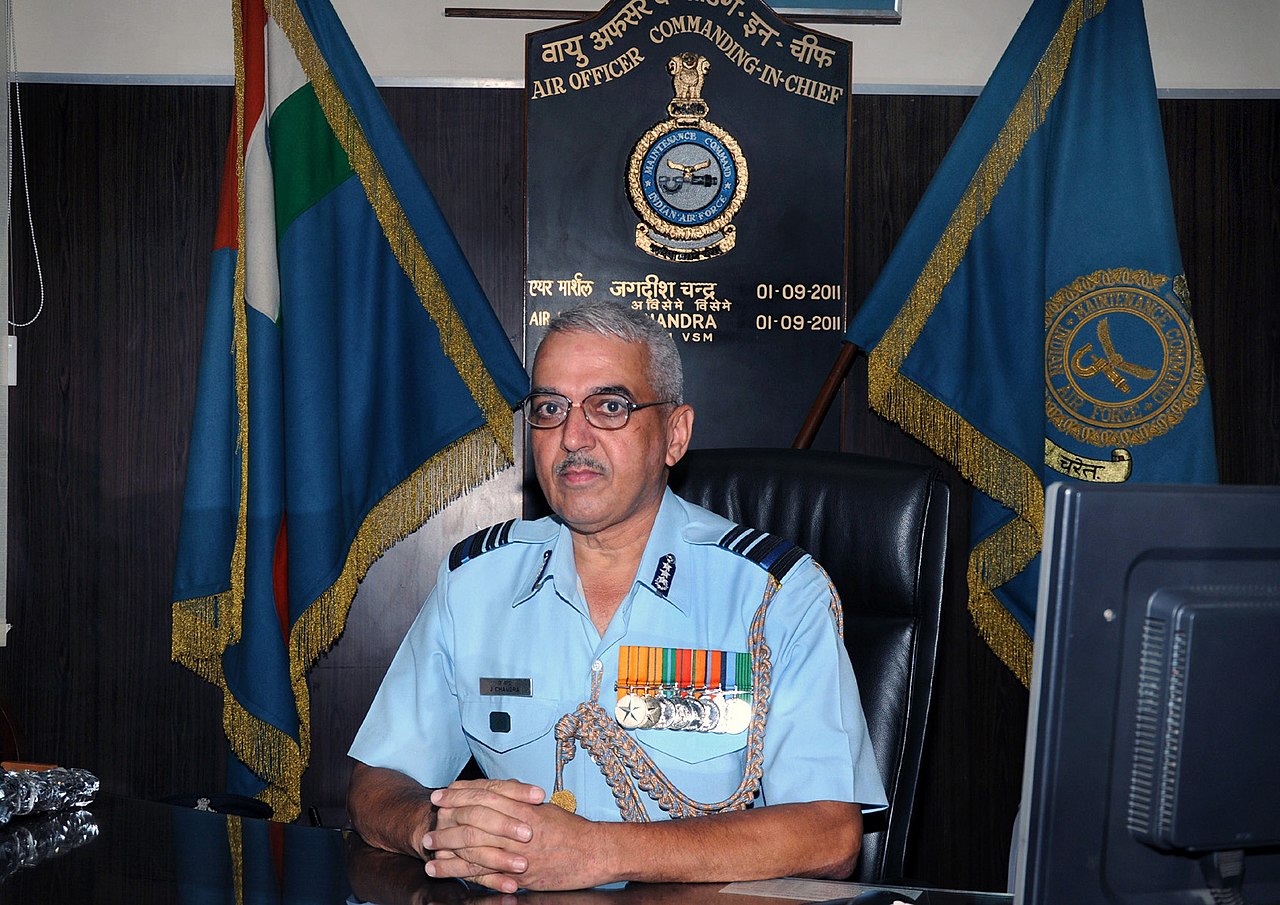
Dalvir Singh Goldy

7 fresh faces on Congress list
Angad Saini
7 fresh faces on Congress list
Kuldeep Singh Vaid
7 fresh faces on Congress list
Kulbir Singh Zira
7 fresh faces on Congress list
Amar Singh
7 fresh faces on Congress list
Gurpreet Singh GP

Candidature of 12 party MLAs withheld; Pargat, Navjot await ticket too; First-timers in the fray: Angad Saini youngest at 26

Tribune News Service

Chandigarh, December 15

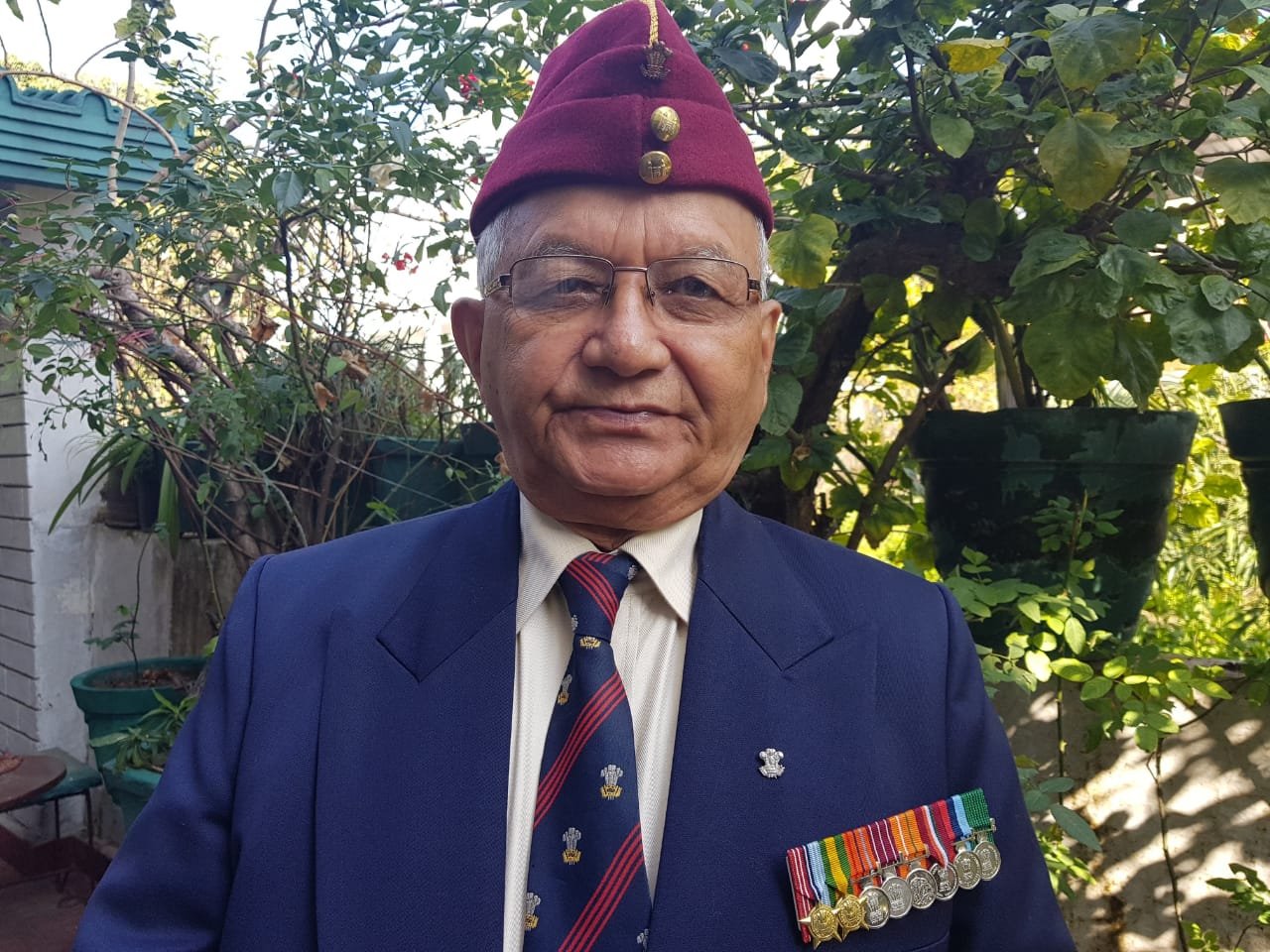
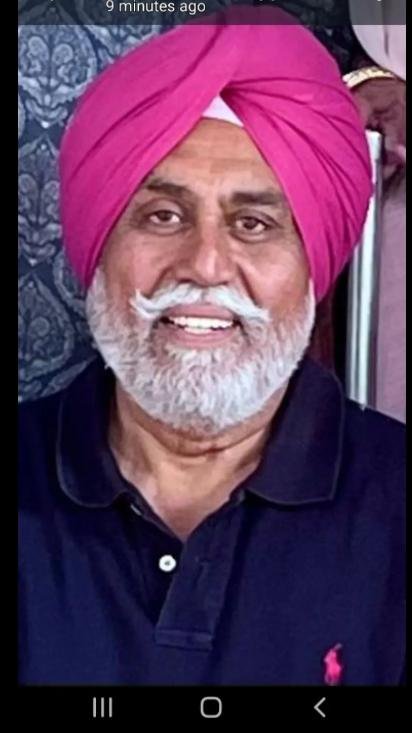
The Congress today withheld the candidature of 12 sitting MLAs while releasing the first list of 61 candidates for the Assembly elections.There are seven new faces: Angad Saini (Nawanshahr), Gurpreet Singh GP (Bassi Pathana), Kuldeep Singh Vaid (Gill), Amar Singh (Raikot), Khushbaj Singh Jatana (Talwandi Sabo), Kulbir Singh Zira (Zira) and Dalvir Singh Goldy (Dhuri).Vaid, a former Moga Deputy Commissioner, recently took premature retirement. Amar Singh is a former IAS officer of the Madhya Pradesh cadre.

 The red flag raised by Rajya Sabha MPs Partap Singh Bajwa, Ambika Soni and Shamsher Singh Dullo against giving the ticket to former Akali/BJP leaders is reflected in the list.

The party top brass has treaded cautiously regarding “outsiders” Inderbir Bolaria, Pargat Singh, Sarwan Singh Phillaur and Navjot Kaur Sidhu. No candidate has been announced for contentious seats such as Jalandhar Cantonment, Amritsar South and Amritsar East. The names of sitting MLAs whose seats are likely to be swapped or those who were rated poorly in surveys have been withheld.

The top names missing from the list are: Lal Singh (Sanaur), Tarlochan Singh (Banga), Jagmohan Kang (Kharar), Sukhjinder Dimpa (Amritsar East), Amrik Singh Dhillon (Samrala), Rakesh Pandey (Ludhiana North), Amrinder Raja Warring (Gidderbaha), Karan Kaur Brar (Muktsar), Joginder Singh (Jaitu), Ajaib Bhatti (Bhucho Mandi) and Mohammed Sadique (Bhadaur).

Congress president Sonia Gandhi, vice-president Rahul Gandhi and other top leaders were flooded with requests for seats as well as warnings that those refused the ticket would rebel against the official candidates.


Ex-CM Bhattal among six women candidates  

  •  Dinanagar- Aruna Chaudhary

  •  Qadian- Fateh Jang Singh Bajwa 

  •  Batala- Ashwani Sekhri

  •  Sri Hargobindpur- Balwinder Singh Laddi

  •  Fatehgarh Churian- Tripat Rajinder Singh Bajwa

  •  Dera Baba Nanak- Sukhjinder Singh Randhawa

  •  Raja Sansi-  Sukhbinder Singh Sarkaria

  •  Majitha- Sukhjinder Lalli Majithia

  •  Jandiala- Sukhwinder Singh Danny

  •  Amritsar West- Raj Kumar Verka

  •  Amritsar Central- Om Parkash Soni

  •  Attari- Tarsem Singh DC

  •  Tarn Taran- Dharamvir Agnihotri

  •  Patti- Harminder Singh Gill

  •  Khadoor Sahib- Ramanjit Singh Sikki

  •  Kapurthala- Rana Gurjit Singh

  •  Sultanpur Lodhi- Navtej Singh Cheema

  •  Jalandhar Central- Rajinder Beri

  •  Mukerian- Rajnish Kumar 

  •  Urmar- Sangat Singh Gilzian

  •  Hoshiarpur- Sunder Sham Arora

  •  Chabbewal- Raj Kumar

  •  Nawanshahr- Angad Saini

  •  Anandpur Sahib- Rana Kanwarpal Singh

  •  Chamkaur Sahib- Charanjit Singh Channi

  •  SAS Nagar- Balbir Singh Sidhu

  •  Bassi Pathana- Gurpreet Singh GP

  •  Fatehgarh Sahib- Kuljit Singh Nagra

  •  Amloh- Randeep Singh Nabha

  •  Khanna- Gurkirat Singh Kotli

  • Ludhiana Central- Surinder Kumar Dawar

  • Ludhiana West- Bharat Bhushan Ashu

  • Gill- Kuldeep Singh Vaid

  • Payal- Lakhvir Singh Lakha

  • Raikot- Amar Singh

  • Baghapurana- Darshan Singh Brar

  • Dharamkot- Kaka Sukhjit Singh Lohgarh

  • Zira- Kulbir Singh Zira

  • Ferozepur City- Parminder Singh Pinki

  • Ferozepur Rural-  Satkar Kaur

  • Guru Harsahai- Rana Gurmit Singh Sodhi

  • Abohar- Sunil Jakhar

  • Faridkot- Kushaldeep Dhillon

  • Rampura Phul- Gurpreet Singh Kangar

  • Bathinda Urban- Manpreet Singh Badal

  • Talwandi Sabo- Khushbaj Singh Jatana

  • Sardulgarh- Ajit Inder Singh Mofar

  • Budhlada- Ranjit Kaur Bhatti

  • Lehra- Rajinder Kaur Bhattal

  • Dirba- Ajaib Singh Rataul

  • Barnala- Kewal Singh Dhillon

  • Mehal Kalan- Harchand Kaur

  • Malerkotla- Razia Sultana

  • Dhuri- Dalvir Singh Goldy

  • Sangrur- Vijay Inder Singla

  • Nabha- Sadhu Singh Dharamsot

  • Patiala Rural- Brahm Mohindra

  • Rajpura- Hardial Singh Kamboj

  • Ghanaur- Madan Lal Jalalpur

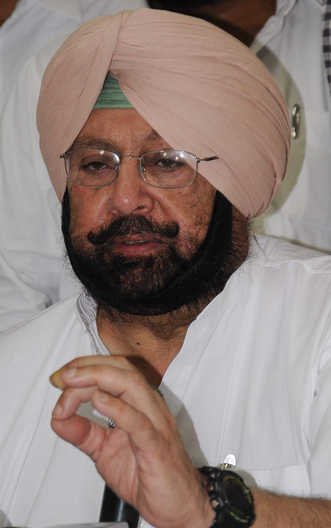
  • Patiala Urban- Capt Amarinder Singh 

  • Shutrana – Nirmal Singh

Wait & watch

  • The names of Indian Youth Congress president and Gidderbaha MLA Amrinder Singh Raja Warring and Punjab Youth Congresschief Amarpreet Singh Lali, a contender from Garshankar, are not on the list

  • Speaking on the phone from Delhi, Warring said,“I will contest from Gidderbaha, Lambi or both. My first preference is Gidderbaha and I don’t want to leave it because I am representing this constituency. However, I will go by my party’s decision.”

  • No candidate has been announced from Lambi and Jalalabad, represented by CM Parkash Singh Badal and Deputy CM Sukhbir Badal, respectively

  • The youngest candidate on the list is Angad Saini (26), while the oldest is Capt Amarinder Singh (74). The other septuagenarian nominees are Rajinder Kaur Bhattal and Brahm Mohindra (both 70). Dalvir Goldy, Khushbaj Jatana, Kulbir Zira and Satkar Kaur are in their 30s.


 Cong first list out, sticks to ‘one family, one ticket’ rule

CHANDIGARH: The Congress created history of sorts on Thursday by releasing its first list of candidates before the announcement of polls in Punjab. But it has played it safe by declaring names on just 61 seats out of 117, steering clear of ones where a consensus still eludes the party, including seats where MLAs who have quit the ruling SADBJP are vying for tickets.

One of the big surprises is absence of names of cricketerturned-politician Navjot Singh’s wife, Navjot Kaur Sidhu, and former Indian Hockey team captain Pargat Singh, who were BJP and SAD MLAs from Amritsar (east) and Jalandhar Cantt, respectively. The duo had joined Congress after Sidhu’s front Awaaz-e-Punjab had split following Bains brothers of Ludhiana allying with the AAP. The announcement of names on both the seats has been kept on hold, party sources said. Amarinder is rooting for former MLA and party candidate in 2012 polls, Jagbir Brar, from Jalandhar Cantt. Kaur’s seatwill also be announced along with Pargat’s, they said.

The only new entrant to get a place in the first list is former Punjab finance minister and CM Parkash Singh Badal’s estranged nephew Manpreet Singh Badal who has been fielded from Bathinda (urban) — the bastion of the ruling Badal family. The seat falls in the Bathinda parliamentary constituency of CM’s daughter-in-law and Union minister Harsimrat Kaur Badal.

In another first, the political dynasties have given way to new rule of ‘one family, one ticket’. Three women MLAs have made way for men in the family owing to the new rule. Amarinder, who has resigned as Amritsar MP, will return to his seat Patiala (urban), won by his wife Preneet Kaur in a bypoll. Rajya Sabha MP Partap Bajwa’s wife Charanjit Bajwa has opted out for brother-inlaw Fateh Bajwa in Qadian and Nawanshahr MLA Guriqbal Kaur for son Angad Saini, 25, the youngest candidate on the list. The first list has six women candidates, including three sitting MLAs.

But the rule has also delayed a final decision on seats where it has to decide between fatherson and grandfather-grandson. Sanaur MLA Lal Singh is willing to give up his claim for Samana seat for his son Rajinder Singh.

74-year-old Samrala MLA Amrik Dhillon is more “winnable” in party surveys than his 26-yearold grandson Karanvir Dhillon.

Other than the five sitting MLAs who have opted out for family, the party has renominated 31 sitting MLAs out of 43 in the first list, including Rajnish Singh Babbi of Mukerian, who had won as a independent after being denied the Congress ticket.

Former MP Vijay Inder Singla, a part of Congress vice-president Rahul Gandhi’s team, will contest the state polls for the first time. He had won the Sangrur Lok Sabha seat in his debut election in 2009 but lost it to AAP’s Bhagwant Mann in 2014. Of the six new youth candidates on the list, half are “son-rises”, including former state minister Sardool Singh’s son Sukhwinder Singh Danny, Angad Saini son of MLA Guriqbal Kaur and Kulbir Singh Zira, son of former state minister Inderjit Singh Zira.

Other party stalwarts will contest their traditional seats — former CM Rajinder Kaur Bhattal from Lehragaga, former Congress Legislature Party (CLP) leader Sunil Jakhar from Abohar and incumbent CLP leader Charanjit Singh Channi from Chamkaur Sahib.

The seats where the sevenmember screening committee headed by former Rajasthan CM Ashok Gehlot has still to finalise names are the ones where Punjab Congress chief Captain Amarinder Singh wants to have his say such as Ludhiana (east) seat from where he is keen to field former Ludhiana MP and Union minister Manish Tewari but sitting Ludhiana MP Ravneet Bittu is opposing the move.

The party has also skipped announcing names of candidates in assembly segments where it is trying to pacify rebels or swap or drop sitting and former MLAs.

The 61 candidates on Cong’s first list

Twist in the tale of nine sitting MLAs not on list

CHANDIGARH: The screening committee of the Congress headed by former Rajasthan CM Ashok Gehlot for Punjab elections is treading cautiously on seats that can trigger bushfires. Adopting the policy of “minimum damage”, a majority of names or seats in the party’s first list of 61 are “non-contentious”.

The list, however, betrays party’s own discomfort at the ruling Shiromani Akali Dal’s rhetoric that it is “accepting its rejects and has no winnable candidates of its own” at a time there are differences within the Congress on fielding “turncoats” from the ruling alliance.

All the six MLAs, who have joined the Congress in last one month, have been kept out of the list, including Navjot Kaur Sidhu, Pargat Singh, Sarwan Singh Phillaur, Inderbir Singh Bolaria, Rajwinder Kaur Bagike and Maheshinder Singh.

Those who had joined the Congress from the Akali Dal early this year, also have been kept in the waiting list. These include Deepinder Dhillon, who is eyeing the Dera Bassi seat, and Harry Mann who wants Samana. But the fact that the seats they represent as MLAs or are vying for are yet to be decided shows the Congress will try to pacify rebels to humour the “turncoats”.

While Congress vice-president Rahul Gandhi has assured Navjot Kaur and Pargat tickets from home seats, the announcement of Pargat’s name from Jalandhar Cantt could cause former MLA and candidate Jagbir Brar to rebel. Mann’s candidature will face revolt by none other than senior MLA Lal Singh, who is eyeing Samana seat for his son Rajinder Singh. The result? Both Samana and Lal Singh’s own seat, Sanaur, have been kept on hold.

Like Lal Singh, there is twist in the tale of the eight other MLAs not on the first list. Of its 43 sitting MLAs, including Rajnish Kumar Babbi, who has remained an independent member of the state assembly from Mukerian after he won as an independent after being denied a Congress ticket, the party has fielded 31.

Kharar seat of MLA Jagmohan Kang is not on the list. Party sources claim Kang is “not looking good in the party surveys but he is defiant”.

And it is not just another seat for Amarinder, who would do all it takes to ensure Aam Aadmi Party (AAP) candidate Kanwar Sandhu is defeated.

Likewise, in Samrala the party has yet to decide whether it should go for its sitting MLA Amrik Singh Dhillon, who is 74, or his grandson Karanvir Dhillon who too has applied for the seat. The popularity rating of the grandfather is “higher” in the surveys.

In Ludhiana, there is a tussle on the Ludhiana north seat of MLA Rakesh Pandey. Dropping Pandey, a loyalist of Bhattal, will not hurt Amarinder but “harmless” Pandey has many sympathisers among the Ludhiana team of the Congress.

The Gidderbaha seat of MLA Amrinder Singh Raja Warring is also not on the list. Warring, party insiders said, is interested in the Muktsar seat. Which also partly explains why neither Muktsar seat nor its MLA Karan Brar, is not on the list. The other part is that Amarinder was interested in fielding Bhai Kuku from here.

Jaito MLA Joginder Singh too is not on the list. He fits into the “swap of only reserved seats” formula of Amarinder. Another SC MLA Mohammad Sadique too finds no mention and may be shuffled around in the second list. A big surprise is in MLA Tarlochan Singh Soondh also not finding any mention .

The MLA, who has gained popularity as the “shoe-hurler” in the last assembly session represents Banga, a reserved seat. The remaining four sitting MLAs are Preneet Kaur, Guriqbal Kaur, Charanjit Bajwa and Gurcharan Singh Boparai who have opted out for family. Boparai’s brother, Dr Amar Singh, is the Raikot candidate.

EX-MOGA DC GETS TICKET FROM GILL

In the first list, names of candidates for 17 out of Punjab’s 34 reserved seats have been announced. Former Moga DC Kuldeep Singh Vaid has got the ticket from the Gill reserved constituency.

Of the six women on the list, four have been fielded from the reserved constituencies, including sitting MLA Harchand Kaur, Aruna Chaudhary, Ranjit Kaur Batti and Satkar Kaur.

Friends turn foe: Once right-hand man of Bains, Karwal to contest elections against him

LUDHIANA:Once a right-hand man of firebrand leader Simarjit Singh Bains, SAD councillor and a turncoat leader Kamaljeet Singh Karwal is likely to contest elections against Bains, as he is all set to join Congress shortly.

HT PHOTOEx­Akali leader and Bains brothers’ aide Kamaljit Karwal (green turban) meeting the PPCC president Captain Amarinder Singh in Ludhiana on Thursday.

Karwal met state Congress chief Captain Amarinder Singh at New Delhi, after which the latter made an announcement that Karwal will soon join the party. Congress is likely to field Karwal from Atam Nagar constituency, which is a stronghold of Bains.

Till recently, Congress was clueless regarding which candidate to field from Atam Nagar as all applicants from the area, including Kulwant Sidhu, KK Bawa and Parvinder Singh Lapran, were not considered a match to Bains. However, Captain had hinted in the past that he will provide Bawa an opportunity.

Being a close associate of Bains brothers, Karwal is considered privy to all their loopholes and thus is the best bet for the Congress party, in this area.

Karwal, who contested 2012 MC polls on SAD symbol, left the party after sometime after the Bains brothers left the party. Thereafter, he joined SAD again in January 2015 in the presence of deputy chief minister Sukhbir Singh Badal.

Interestingly, in 2009, Karwal and Simarjit had allegedly beaten up, the then tehsildar GS Benipal.

Following this, both were booked under Sections 307 (attempt to murder), 186 (obstructing public servant in discharge of public functions), 353 (manhandling public servants), 332 (deter public servant from official duty), 394 (causing hurt in committing robbery) of the Indian Penal Code (IPC) and many Sections of the Arms Act. They even remained in jail for some time.

Earlier in 2014, the Supreme Court handed the matter over to the Central Bureau of Investigation (CBI), and the investigation has been pending since then.

Karwal was re-elected as the councillor from ward number 45 in 2012. Sources said that the Congress leaders aspiring to contest from Atam Nagar were lobbying in Delhi on Thursday, trying to persuade Captain Amarinder Singh, not to allot a ticket to Karwal for the constituency.

Kamaljit Karwal said that SAD has not fielded a capable candidate from Atam Nagar constituency due to which he decided to join the Congress party. “I will officially join the party in the coming days,” he said.

SAD has fielded city industrialist Gumeet Singh Kular from Atam Nagar who has no political background and is considered to be a weak candidate in front of Simarjit Singh Bains.


Navjot Singh Sidhu joins Congress; 4 more candidates announced

Capt, Bittu to fight Badals; Sidhu from Amritsar East and Pargat from Jalandhar Cantt

Aditi Tandon
Tribune News Service
New Delhi, January 15The Congress on Sunday shifted to top gear in poll-bound Punjab with former BJP stalwart Navjot Singh Sidhu joining its ranks and the party approving fielding of bigwigs to fight Badals in the elections.
(Follow The Tribune on Facebook; and Twitter @thetribunechd)

Also read: Capt up for Badal fight

Punjab Congress chief Amarinder Singh will file his nomination from Lambi against Chief Minister Parkash Singh Badal while Ludhiana MP Ravneet Singh Bittu will take on Punjab Deputy Chief Minister Sukhbir Badal in Jalalabad.Sidhu will contest from Amritsar East where his wife is the sitting MLA right now.Former Olympian Pargat Singh will fight from his own segment Jalandhar Cant. These announcements will be made soon as January 18 is the last date for filing of nominations in Punjab.Earlier today, Sidhu met Congress vice-president Rahul Gandhi at the latter’s residence after which the party issued a statement welcoming the former cricketer into its fold.Sidhu will mark his formal entry into the Congress tomorrow at 11 am at party headquarters in Delhi.He will address the media in the presence of state Congress in charge Asha Kumari. Kumari said Sidhu met Gandhi today as Gandhi will be away to Uttarakhand for an election tour tomorrow.“Navjot Sidhu will formally address the press tomorrow. I will be there. We have decided not to disturb Punjab Congress chief Amarinder Singh who is now canvassing in Punjab,” Asha Kumari told The Tribune.Sidhu didn’t want to join before Makar Sankranti as he believes in stars, which were unsettled pre -Lohri. Sidhu’s wife along with ex-Akali Pargat Singh had joined the Congress on November 28.Sidhu had resigned from the BJP in September 2016.Sidhu, who had represented Amritsar in the Lok Sabha between 2004 and 2014, had accused the BJP of using him as a “decorative piece” and trying to keep him out of Punjab.After resigning from the BJP, Sidhu had also formed a new political front in Punjab with India’s former hockey captain Pargat Singh and Punjab MLAs Simarjit Singh Bains and Balwant Singh Bains called “Aawaaz-e-Punjab”.

http://

http://

http://


Pak spy was trying to get info for a possible terror strike: Official

Pak spy was trying to get info for a possible terror strike: Official
Maulana Ramzan and Subhash Jangir were handing over information to Akhtar about security forces deployment in the Sir Creek area and Kutch region when they were arrested on Friday. PTI file photo

New Delhi, October 28The Pakistan High Commission official accused of spying may have been trying to gather classified information on Indian security forces along the western coast for a militant strike similar to the 2008 Mumbai attack, an official of the Home Ministry said on Friday.(Also read: Pak spy racket: Visa agent from Jodhpur arrested)Mehmood Akhtar was trying to gather information pertaining to deployment of security forces along the western coast, Sir Creek and Kutch areas and also about military installations in Gujarat, Maharashtra and Goa, a Home Ministry official said.”There have been intelligence inputs that Pakistan’s ISI was planning to send terrorists through the sea route to carry out a Mumbai-type terror attack in India. Akhtar’s activities and his interests to gather information about the western coast buttress the intelligence inputs,” the official said.

(Follow The Tribune on Facebook; and Twitter @thetribunechd)

More than 160 people died when 10 gunmen struck mayhem for three days in Mumbai in November 2008. The gunmen had come to Mumbai from Karachi by sea.Maulana Ramzan and Subhash Jangir were handing over information to Akhtar about security forces deployment in the Sir Creek area and Kutch region when they were arrested on Friday.The Pakistani official was to hand over the duo Rs 50,000 for getting information, the official said.Before being let off because of diplomatic immunity, Akhtar confessed to police about his role in the spy ring.Delhi Police also had a recorded video of his statement.In his statement to police, Akhtar admitted that he was part of the spy ring for more than a year.He has named a few officers of the Pakistani High Commission to whom he had reported the information he collected but police have no direct evidence and therefore have yet to take action.Acting on a tip-off, Delhi Police on Friday nabbed Akhtar, along with Ramzan and Jangir, at Delhi Zoo while a visa agent from Rajasthan, Shoaib, had managed to escape.Shoaib was detained near Jodhpur last evening and after being brought here, he was arrested.India declared Akhtar persona non grata on Thursday. Subhash and Maulana have been arrested on charges of passing on sensitive information and defence documents and deployment details of BSF along the Indo-Pak border. They were sent to 12-day police custody.A local court remanded them to police custody for 12 days. Akhtar enjoys diplomatic immunity but has been asked to leave India. — PTI

Ex-servicemen protesting OROP to back Congress in poll-bound states

New Delhi, Hindustan Times
Highlight Story

Congress vice-president Rahul Gandhi meets with ex-servicemen over the OROP issue at the party headquarters in New Delhi in November. (PTI File )

A group of retired military personnel, which has been at the forefront in the demand for implementing One Rank-One Pension (OROP), on Thursday threw their weight behind the Congress in all-poll bound states.

In a joint press conference in New Delhi with the Congress, Major General Satbir Singh of the Indian Ex-Servicemen Movement (IESM) said ex-servicemen will be supporting the party for it has assured them of fighting for their demands.

The group has been agitating at Delhi’s Jantar Mantar for the past 571 days over the implementation of OROP, 7th pay commission and other issues related to ex-servicemen.

So far, the Congress has fielded a battery of leaders, including Himachal Pradesh chief minister Virbhadra Singh and his Uttarakhand counterpart Harish Rawat, to launch a stinging attack on the BJP-led NDA government over OROP and other issues.

In a bid to woo the retired soldiers ahead of the assembly elections in Punjab, the Congress included a 21-point agenda for the ex-servicemen in its manifesto.

Read | What is OROP and why are veterans still unhappy

“There will be a dedicated ex-servicemen (ESM) cell in the chief minister’s office,” said Punjab Congress chief Captain Amarinder Singh. “We will also create department of Guardians of Governance at village, panchayat and block levels to monitor expenditure of funds and implementation of government schemes for retired military personnel,” he said.

Attacking Prime Minister Narendra Modi and defence minister Manohar Parrikar, Amarinder said the leaders had not only put the OROP demand on the back-burner but also “cheated” the armed forces of their “rightful due” as a result of its revised ranking system that widened the disparity between civil and military officers. He also hit out at the NDA government for ignoring the interests of defence forces in the 7th pay commission.

Virbhadra said it was “shameful that soldiers were agitating and the government was oblivious” to their cause, while Rawat claimed that the PM had “diluted and diverted” the OROP issue.

Though OROP was implemented in September 2015, ex-servicemen said the scheme didn’t address all the concerns raised. In November, a 70-year-old retired soldier, Subedar Ram Kishan Grewal committed suicide over the issue. Grewal, who was leading the protest of Haryana’s retired servicemen, had attempted to meet Parrikar with a petition before taking the drastic step.

A week after, Grewal’s arrears had been credited to his account.

Read | OROP controversy: Stop playing politics with the Indian Army


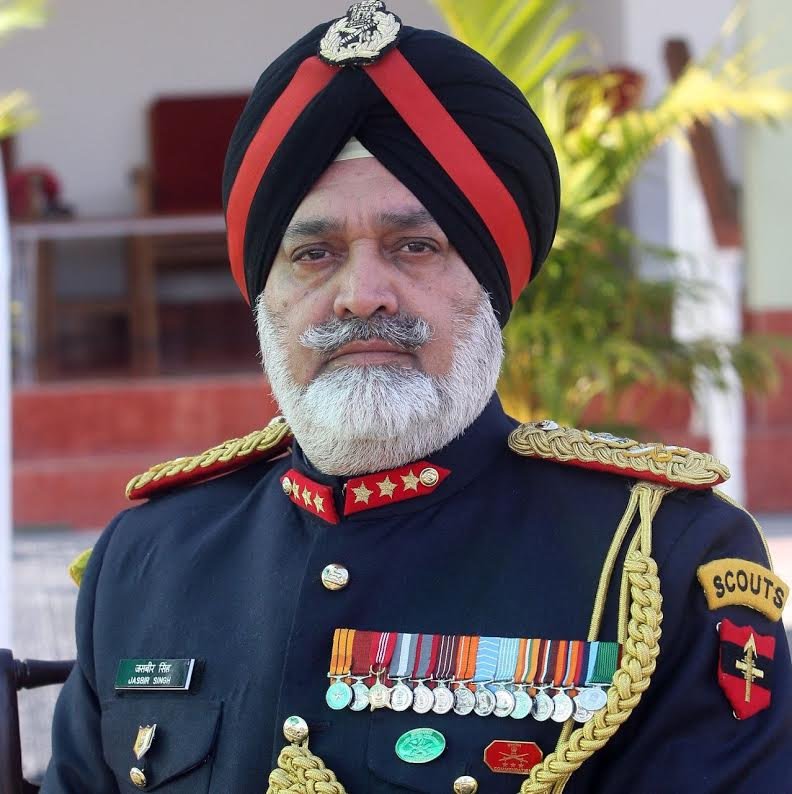
ਸੀਨੀਆਰਤਾ ਨਜ਼ਰਅੰਦਾਜ਼ ਕਰਨ ਦੇ ਖ਼ਤਰੇ ( DANGERS OF OVERLOOKING SENIORITY) by Lt Gen Jasbir Singh Dhariwal (Retd)

12912CD _MILITARY

ਦਹਾਕਿਆਂ ਤੋਂ ਵੱਧ ਸਮੇਂ ਤੋਂ ਕੇਂਦਰੀ ਕੈਬਨਿਟ ਦੀ ਨਿਯੁਕਤੀਆਂ ਬਾਰੇ ਕਮੇਟੀ (ਸੀਸੀਈਏ) ਥਲ ਸੈਨਾ ਮੁਖੀ ਦੀ ਨਿਯੁਕਤੀ ਸਮੇਂ ਸੀਨੀਆਰਤਾ ਸੂਚੀ ਉੱਤੇ ਅਮਲ ਕਰਦੀ ਰਹੀ ਹੈ। ਅਤੀਤ ਵਿੱਚ ਸਿਰਫ਼ ਦੋ ਮੌਕਿਆਂ ਉੱਤੇ ਸੀਨੀਆਰਤਾ ਦੇ ਸਿਲਸਿਲੇ ਨੂੰ ਤੋੜਿਆ ਗਿਆ। ਉਨ੍ਹਾਂ ਦੋਵਾਂ ਮਸਲਿਆਂ ਵਿੱਚ ਸਰਕਾਰ ਨੂੰ ਜਾਪਿਆ ਕਿ ਸੀਨੀਆਰਤਾ ਸੂਚੀ ਵਿੱਚ ਸਭ ਤੋਂ ਉੱਪਰ ਆਉਣ ਵਾਲੇ ਜਰਨੈਲ ਜ਼ਿਆਦਾ ਦ੍ਰਿੜ੍ਹ ਤੇ ਮਜ਼ਬੂਤ ਸ਼ਖ਼ਸੀਅਤਾਂ ਸਨ ਜੋ ਸਿਆਸੀ ਪ੍ਰਬੰਧ ਦੇ ਸੂਤ ਨਹੀਂ ਸਨ ਬੈਠਣੀਆਂ।
ਲੈਫ਼ਟੀਨੈਂਟ ਜਨਰਲ ਐੱਸ.ਕੇ. ਸਿਨਹਾ ਦੀ ਸੀਨੀਆਰਤਾ ਵਿਸਾਰ ਕੇ ਲੈਫ਼ਟੀ. ਜਨਰਲ ਏ.ਐੱਸ. ਵੈਦਿਆ ਨੂੰ ਥਲ ਸੈਨਾ ਮੁਖੀ ਥਾਪਿਆ ਗਿਆ। ਜਨਰਲ ਵੈਦਿਆ ਭਾਵੇਂ ਅਤਿ ਸਨਮਾਨਿਤ ਤੇ ਅਲੰਕ੍ਰਿਤ ਫ਼ੌਜੀ ਅਫ਼ਸਰ ਸਨ, ਪਰ ਉਨ੍ਹਾਂ ਦੀ ਚੋਣ ਇਸ ਇਰਾਦੇ ਨਾਲ ਕੀਤੀ ਗਈ ਕਿ ਉਹ ਸਿਆਸੀ ਹੁਕਮਾਂ ਉੱਤੇ ਬੇਝਿਜਕ ਹੋ ਕੇ ਫੁੱਲ ਚੜ੍ਹਾਉਣਗੇ। ਉਨ੍ਹਾਂ ਨੇ ਅਜਿਹਾ ਕੀਤਾ ਵੀ ਅਤੇ ਸਰਕਾਰ ਨੂੰ ਸ੍ਰੀ ਦਰਬਾਰ ਸਾਹਿਬ, ਅੰਮ੍ਰਿਤਸਰ ਅੰਦਰ ਫ਼ੌਜੀ ਕਾਰਵਾਈ (ਸਾਕਾ ਨੀਲਾ ਤਾਰਾ) ਕਰਨ ਦੇ ਖ਼ਿਲਾਫ਼ ਠੋਸ ਤੇ ਨਿੱਗਰ ਮਸ਼ਵਰਾ ਨਹੀਂ ਦਿੱਤਾ। ਇਸ ਦੇ ਨਤੀਜੇ ਤਬਾਹਕੁਨ ਨਿਕਲੇ। ਇਸ ਤੋਂ ਜ਼ਾਹਿਰ ਹੈ ਕਿ ਜਦੋਂ ਸਰਕਾਰ, ਥਲ ਸੈਨਾ ਮੁਖੀ ਵਰਗੇ ਅਤਿਅੰਤ ਅਹਿਮ ਅਹੁਦੇ ਲਈ ਲਚੀਲੇ ਤੇ ਜੀ-ਹਜ਼ੂਰੀਏ ਕਿਸਮ ਦੇ ਅਫ਼ਸਰ ਦੀ ਚੋਣ ਕਰਦੀ ਹੈ ਤਾਂ ਉਹ ਵੀ ਢੁਕਵੀਂ ਤੇ ਨੇਕ ਸਲਾਹ ਦੇ ਲਾਭਾਂ ਤੋਂ ਵਾਂਝੀ ਹੋ ਜਾਂਦੀ ਹੈ। ਫ਼ੌਜੀ ਹਲਕਿਆਂ ਵਿੱਚ ਇਹ ਆਮ ਰਾਇ ਸੀ ਕਿ ਜੇਕਰ ਜਨਰਲ ਐੱਸ.ਕੇ. ਸਿਨਹਾ 1984 ਵਿੱਚ ਥਲ ਸੈਨਾ ਮੁਖੀ ਹੁੰਦੇ ਤਾਂ ਉਨ੍ਹਾਂ ਨੇ ਦਰਬਾਰ ਸਾਹਿਬ ਸਮੂਹ ਅੰਦਰ ਫ਼ੌਜ ਨਾ ਭੇਜਣ ਦੀ ਸਲਾਹ ਯਕੀਨੀ ਤੌਰ ’ਤੇ ਦੇਣੀ ਸੀ।
ਇਹ ਸਹੀ ਹੈ ਕਿ ਸਰਕਾਰ ਨੂੰ ਅਧਿਕਾਰ ਹੈ ਕਿ ਉਹ ਸਭ ਤੋਂ ਸੀਨੀਅਰ ਪੰਜ ਜਾਂ ਛੇ ਫ਼ੌਜੀ ਅਫ਼ਸਰਾਂ ਵਿੱਚੋਂ ਕਿਸੇ ਇੱਕ ਨੂੰ ਥਲ ਸੈਨਾ ਮੁਖੀ ਚੁਣੇ, ਪਰ ਉਸ ਕੋਲ ਸੀਨੀਆਰਤਾ ਦੀ ਲੜੀ ਤੋੜਨ ਲਈ ਬਹੁਤ ਨਿੱਗਰ ਕਾਰਨ ਹੋਣੇ ਚਾਹੀਦੇ ਹਨ। ਕਈ ਰੱਖਿਆ ਵਿਸ਼ਲੇਸ਼ਕਾਂ ਨੇ ਦੋ ਵੱਧ ਸੀਨੀਅਰ ਜਨਰਲਾਂ ਦਾ ਦਾਅਵਾ ਵਿਸਾਰ ਕੇ ਜਨਰਲ ਬਿਪਿਨ ਰਾਵਤ ਨੂੰ ਥਲ ਸੈਨਾ ਮੁਖੀ ਥਾਪਣ ਦਾ ਸਰਕਾਰੀ ਫ਼ੈਸਲੇ ਨੂੰ ਚੁਣੌਤੀ ਨਾ ਦਿੱਤੇ ਜਾਣ ਦੀ ਰਾਇ ਦਿੱਤੀ ਹੈ। ਪਰ ਅਜਿਹਾ ਕਰਦਿਆਂ ਉਹ ਭੁੱਲ ਗਏ ਹਨ ਕਿ ਭਾਰਤ ਇੱਕ ਲੋਕਤੰਤਰੀ ਮੁਲਕ ਹੈ ਅਤੇ ਜੇਕਰ ਅਜਿਹਾ ਕੋਈ ਫ਼ੈਸਲਾ ਕਿਸੇ ਹੋਰ ਸੇਵਾ ਵਿੱਚ ਲਿਆ ਗਿਆ ਹੁੰਦਾ ਤਾਂ ਸਰਕਾਰ ਨੇ ਆਪਣੀ ਕਾਰਵਾਈ ਦੇ ਕਾਰਨ ਖ਼ੁਦ-ਬਖ਼ੁਦ ਬਿਆਨ ਕਰਨੇ ਸਨ। ਥਲ ਸੈਨਾ ਵਿੱਚ ਜਿਨ੍ਹਾਂ ਅਫ਼ਸਰਾਂ ਦੀ ਸੀਨੀਆਰਤਾ ਉਲੰਘੀ ਗਈ ਹੈ, ਉਹ ਬੜੇ ਸੁਯੋਗ ਅਫ਼ਸਰ ਹਨ। ਸੀਨੀਆਰਤਾ ਸੂਚੀ ਦੇ ਸਿਖਰਲੇ ਅਫ਼ਸਰ, ਲੈਫ਼ਟੀ. ਜਨਰਲ ਪ੍ਰਵੀਨ ਬਖ਼ਸ਼ੀ ਨੂੰ ਤਾਂ ਬੇਹੱਦ ਸੁਯੋਗ ਮੰਨਿਆ ਜਾਂਦਾ ਹੈ ਅਤੇ ਫ਼ੌਜੀ ਹਲਕਿਆਂ ਵਿੱਚ ਉਨ੍ਹਾਂ ਦਾ ਬੜਾ ਮਾਣ-ਸਨਮਾਨ ਹੈ।  ਜੇਕਰ ਅਜਿਹੇ ਅਫ਼ਸਰ ਨੂੰ ਅਣਗੌਲਿਆ ਕੀਤਾ ਗਿਆ ਹੈ ਤਾਂ ਅਜਿਹਾ ਕਰਨ ਦੇ ਕਾਰਨ ਵੀ ਬਹੁਤ ਨਿੱਗਰ ਤੇ ਪ੍ਰਮਾਣਿਕ ਹੋਣੇ ਚਾਹੀਦੇ ਹਨ।

ਲੈਫ਼ਟੀ. ਜਨਰਲ ਜਸਬੀਰ ਸਿੰਘ ਧਾਲੀਵਾਲ*

ਜ਼ਾਹਰਾ ਤੌਰ ’ਤੇ ਜੋ ਸਥਿਤੀ ਹੈ, ਉਸ ਦੇ ਮੱਦੇਨਜ਼ਰ ਜਨਰਲ ਬਿਪਿਨ ਰਾਵਤ ਨੂੰ ਦੋ ਸੁਯੋਗ ਤੇ ਕਾਬਲ ਅਸਫ਼ਰਾਂ ਦੇ ਉੱਪਰੋਂ ਦੀ ਥਲ ਸੈਨਾ ਮੁਖੀ ਬਣਾਉਣ ਦਾ ਕੋਈ ਠੋਸ ਆਧਾਰ ਨਜ਼ਰ ਨਹੀਂ ਆਉਂਦਾ। ਰੱਖਿਆ ਮੰਤਰਾਲੇ  ਵੱਲੋਂ ਸੁਝਾਈ ਗਈ ਵਜ੍ਹਾ ਕਿ ਜਨਰਲ ਰਾਵਤ ਨੂੰ ਬਾਗ਼ੀਆਨਾ ਸਰਗਰਮੀਆਂ ਨਾਲ ਸਿੱਝਣ ਤੇ ਅਤਿਵਾਦੀਆਂ ਖ਼ਿਲਾਫ਼ ਅਪਰੇਸ਼ਨ ਚਲਾਉਣ ਦਾ ਵੱਧ ਤਜਰਬਾ ਹੈ ਅਤੇ ਉਨ੍ਹਾਂ ਨੇ ਜੰਮੂ ਕਸ਼ਮੀਰ ਵਿੱਚ ਕੰਟਰੋਲ ਰੇਖਾ (ਐੱਲਓਸੀ) ਉੱਤੇ ਕਾਫ਼ੀ ਸਮਾਂ ਬਿਤਾਇਆ ਹੈ, ਆਪਣੇ ਆਪ ਵਿੱਚ ਬਹੁਤੀ ਵਜ਼ਨੀ ਨਹੀਂ ਜਾਪਦੀ। ਅਜਿਹੀ ਦਲੀਲ ਦੇ ਕੇ ਰੱਖਿਆ ਮੰਤਰਾਲੇ ਅਤੇ ਰੱਖਿਆ ਵਿਸ਼ਲੇਸ਼ਕਾਂ ਦੀ ਵੱਡੀ ਗਿਣਤੀ ਨੇ ਆਪਣੇ ਅਗਿਆਨ ਦਾ ਹੀ ਅਹਿਸਾਸ ਕਰਾਇਆ ਹੈ।
ਜ਼ਾਹਿਰ ਹੈ ਕਿ ਦੁਨੀਆਂ ਦੀ ਤੀਜੀ ਸਭ ਤੋਂ ਵੱਡੀ ਥਲ ਸੈਨਾ ਦਾ ਕਾਰਜ ਮਹਿਜ਼ ਇਲਾਕਾਈ ਵਿਦਰੋਹ ਜਾਂ ਅਤਿਵਾਦੀਆਂ ਦੇ ਕਦੇ-ਕਦਾਈਂ ਹੁੰਦੇ ਹਮਲਿਆਂ ਦਾ ਟਾਕਰਾ ਕਰਨਾ ਨਹੀਂ। ਨਾ ਹੀ ਇਨ੍ਹਾਂ ਦੋਵਾਂ ਖੇਤਰਾਂ ਨਾਲ ਜੁੜਿਆ ਤਜਰਬਾ, ਏਨੀ ਵੱਡੀ ਫ਼ੌਜ ਦੇ ਮੁਖੀ ਦੀ ਚੋਣ ਦਾ ਫ਼ੈਸਲਾਕੁਨ ਆਧਾਰ ਹੋ ਸਕਦਾ ਹੈ। ਦਰਅਸਲ, ਭਾਰਤੀ ਥਲ ਸੈਨਾ ਦੀ ਤਿਆਰੀ ਤੇ ਸਿਖਲਾਈ ਬੁਨਿਆਦੀ ਤੌਰ ’ਤੇ ਦੇਸ਼ ਦੀਆਂ ਸਰਹੱਦਾਂ ਦੀ ਰਾਖੀ ਕਰਨ ਤੇ ਇਲਾਕਾਈ ਅਖੰਡਤਾ ਬਰਕਰਾਰ ਰੱਖਣ ਦੇ ਕਾਰਜ ਵਾਲੀ ਹੈ। ਇਸ ਨੂੰ ਅਤਿਵਾਦੀ-ਵਿਰੋਧੀ ਜਾਂ ਬਗ਼ਾਵਤ ਵਿਰੋਧੀ ਕਾਰਵਾਈਆਂ ਉੱਪਰ ਇਸ ਕਰਕੇ ਲਾਇਆ ਜਾਂਦਾ ਹੈ ਕਿਉਂਕਿ ਸੂਬਾਈ ਤੇ ਕੇਂਦਰੀ ਪੁਲੀਸ ਬਲ ਇਨ੍ਹਾਂ ਕਾਰਜਾਂ ਨਾਲ ਜੁੜੀਆਂ ਚੁਣੌਤੀਆਂ ਨਾਲ ਸਿੱਝਣ ਪੱਖੋਂ ਖ਼ਰੇ ਨਹੀਂ ਉੱਤਰੇ। ਖ਼ਰੇ ਨਾ ਉੱਤਰਨ ਦੀ ਮੁੱਖ ਵਜ੍ਹਾ ਵੀ ਸਿਖਲਾਈ ਦੀ ਘਾਟ ਅਤੇ ਅੰਤਰ-ਪ੍ਰੇਰਨਾ ਦੀ ਕਮੀ ਰਹੀ ਹੈ।
ਭਾਰਤੀ ਥਲ ਸੈਨਾ ਮੁਖੀ ਦੀਆਂ ਜ਼ਿੰਮੇਵਾਰੀਆਂ ਬਹੁਤ ਵਿਆਪਕ ਹਨ। ਉਸ ਨੂੰ ਰਣਨੀਤਕ ਤੇ ਨੀਤੀਗਤ ਮੁੱਦੇ ਵੀ ਨਜਿੱਠਣੇ ਪੈਂਦੇ ਹਨ, ਥਲ ਸੈਨਾ ਨੂੰ ਸਹੀ ਕਿਸਮ ਦੇ ਜੰਗੀ ਸਾਜ਼ੋ-ਸਾਮਾਨ ਤੇ ਹਥਿਆਰਾਂ ਨਾਲ ਲੈਸ ਕਰਨਾ ਯਕੀਨੀ ਬਣਾਉਣਾ ਪੈਂਦਾ ਹੈ ਅਤੇ ਅਪਰੇਸ਼ਨਲ ਮੰਗਾਂ ਮੁਤਾਬਿਕ ਦੂਜੀਆਂ ਦੋ ਸੈਨਾਵਾਂ ਨਾਲ ਇਕਸੁਰਤਾ ਵੀ ਬਿਠਾਉਣੀ ਪੈਂਦੀ ਹੈ। ਸਾਡੇ ਵਾਲੇ ਭੂਗੋਲਿਕ ਖਿੱਤੇ ਵਿੱਚ ਸੁਰੱਖਿਆ ਦ੍ਰਿਸ਼ਾਵਲੀ ਵੀ ਹੁਣ ਬਹੁਤ ਸੁਖਾਵੀਂ ਨਹੀਂ। ਪਾਕਿਸਤਾਨ ਨਾਲ ਵਿਗੜਦੇ ਜਾ ਰਹੇ ਸਬੰਧ, ਅਫ਼ਗਾਨਿਸਤਾਨ ਤੇ ਮੱਧ ਪੂਰਬ ਅੰਦਰਲੀਆਂ ਅਸੁਖਾਵੀਆਂ ਘਟਨਾਵਾਂ, ਚੀਨ ਵੱਲੋਂ ਗੁਆਂਢੀ ਮੁਲਕਾਂ ਅੰਦਰ ਆਪਣਾ ਦਾਬਾ ਵਧਾਉਣ ਦੇ ਯਤਨ ਅਤੇ ਸਮੁੱਚੇ ਦੱਖਣ ਪੂਰਬ ਏਸ਼ੀਆ ਵਿਚਲੇ ਘਟਨਾਕ੍ਰਮ ਨੇ ਭਾਰਤ ਦੀ ਕੌਮੀ ਸੁਰੱਖਿਆ ਨੂੰ ਅਸਰਅੰਦਾਜ਼ ਕੀਤਾ ਹੈ। ਅਜਿਹੇ ਪੇਚੀਦਾ ਤੇ ਉਲਝਵੇਂ ਸੁਰੱਖਿਆ ਮੁੱਦਿਆਂ ਦੇ ਪ੍ਰਸੰਗ ਵਿੱਚ ਜੰਮੂ ਕਸ਼ਮੀਰ ਵਿੱਚ ਖਾੜਕੂਵਾਦ ਨਾਲ ਨਜਿੱਠਣਾ, ਕੰਟਰੋਲ ਰੇਖਾ ’ਤੇ ਛੋਟੀਆਂ-ਮੋਟੀਆਂ ਝੜਪਾਂ ਜਾਂ ਉੱਤਰ-ਪੂਰਬੀ ਭਾਰਤ ਵਿੱਚ ਥੋੜ੍ਹੀਆਂ ਬਹੁਤ ਬਾਗ਼ੀਆਨਾ ਸਰਗਰਮੀਆਂ ਨਾਲ ਨਿਪਟਣਾ ਮੁਕਾਬਲਤਨ ਗ਼ੈਰ-ਅਹਿਮ ਕਾਰਜ ਜਾਪਦੇ ਹਨ ਅਤੇ ਇਨ੍ਹਾਂ ਖੇਤਰਾਂ ਵਿਚਲੀ ਮੁਹਾਰਤ ਵੀ ਬਹੁਤੀ ਮਹੱਤਵਪੂਰਨ ਨਹੀਂ ਜਾਪਦੀ।
ਚੀਨ ਦੀ ਇਹ ਨੀਤੀ ਰਹੀ ਹੈ ਕਿ ਭਾਰਤ ਨੂੰ ਅੰਦਰੂਨੀ ਬਗ਼ਾਵਤਾਂ ਅਤੇ ਅਤਿਵਾਦ ਵਿੱਚ ਹੀ ਉਲਝਾਈ ਰੱਖਿਆ ਜਾਵੇ ਤਾਂ ਜੋ ਇਹ ਅੰਦਰੂਨੀ ਮਸਲਿਆਂ ਵਿੱਚ ਹੀ ਉਲਝਿਆ ਰਹੇ। ਉੱਤਰ ਪੂਰਬ ਵਿੱਚ ਉੱਠਦੀਆਂ ਬਾਗ਼ੀ ਸੁਰਾਂ ਨੂੰ ਚੀਨ ਵੱਲੋਂ ਗੁੱਝੀ ਹਮਾਇਤ ਰਹੀ ਹੈ ਜਦੋਂਕਿ ਭਾਰਤ ਦੀ ਪੱਛਮੀ ਸਰਹੱਦ ਉੱਤੇ ਦਹਿਸ਼ਤੀ ਹਮਲੇ ਉਤਸ਼ਾਹਿਤ ਕਰਨ ਲਈ ਇਹ ਪਾਕਿਸਤਾਨ ਨੂੰ ਧਿਰ ਬਣਾਉਂਦਾ ਰਿਹਾ ਹੈ। ਇਸ ਦਾ ਇੱਕੋ-ਇੱਕ ਮਕਸਦ ਭਾਰਤ ਦਾ ਧਿਆਨ ਖ਼ਿੱਤੇ ਵਿਚਲੇ ਵਿਆਪਕ ਸੁਰੱਖਿਆ ਪ੍ਰਬੰਧਾਂ ਦੀ ਬਜਾਏ ਸਿਰਫ਼ ਅੰਦਰੂਨੀ ਸੁਰੱਖਿਆ ਸਬੰਧੀ ਮਾਮਲਿਆਂ ਤਕ ਹੀ ਸੀਮਿਤ ਕਰਨਾ ਹੈ। ਭਾਰਤ ਸਰਕਾਰ ਵੱਲੋਂ ਨਵੇਂ ਥਲ ਸੈਨਾ ਮੁਖੀ ਦੀ ਨਿਯੁਕਤੀ ਸਬੰਧੀ ਕੀਤਾ ਗਿਆ ਐਲਾਨ ਇਸ ਤੱਥ ਵੱਲ ਇਸ਼ਾਰਾ ਕਰਦਾ ਹੈ ਕਿ ਚੀਨ ਦੇ ਮਨਸੂਬਿਆਂ ਮੁਤਾਬਿਕ ਭਾਰਤ ਸਰਕਾਰ ਦਾ ਧਿਆਨ ਅਤੇ ਤਰਜੀਹਾਂ ਵੱਡੇ ਯੁੱਧਨੀਤਿਕ ਮਸਲਿਆਂ ਦੀ ਬਜਾਏ ਇਨ੍ਹਾਂ ਸਰਹੱਦੀ ਮਸਲਿਆਂ ਵੱਲ ਹੋ ਗਈਆਂ ਹਨ।
ਭਾਰਤ ਦੇ ਸਿਰ ਉੱਤੇ ਪਰਮਾਣੂ ਹਥਿਆਰਾਂ ਦਾ ਮਸਲਾ ਵੀ ਮੰਡਰਾ ਰਿਹਾ ਹੈ। ਪਾਕਿਸਤਾਨ ਵੱਲੋਂ ਫ਼ੌਜੀ ਵਰਤੋਂ ਲਈ ਪਰਮਾਣੂ ਹਥਿਆਰਾਂ ਦਾ ਵਿਕਾਸ ਅਤੇ ਪਰਾਬੰਦੀ, ਭਵਿੱਖ ਵਿੱਚ ਕਿਸੇ ਵੀ ਜੰਗ ਦੇ ਇੱਕ ਨਵੇਂ ਆਯਾਮ ਸਬੰਧੀ ਅਗਾਊਂ ਸੂਚਨਾ ਸਮਝਿਆ ਜਾਣਾ ਚਾਹੀਦਾ ਹੈ। ਇਸ ਤਰ੍ਹਾਂ ਭਾਰਤ ਦੇ ਦੋ ਮੁਹਾਜ਼ਾਂ ਉੱਤੇ ਜੰਗ ਵਿੱਚ ਉਲਝਣ ਦੀ ਗੁੰਝਲਦਾਰ ਸਥਿਤੀ ਬਣਨ ਦੀ ਵੀ ਸੰਭਾਵਨਾ ਹੋ ਸਕਦੀ ਹੈ। ਯੁੱਧਨੀਤਿਕ ਦਿਸਹੱਦਾ ਵਸੀਹ ਹੋਣ ਕਾਰਨ ਭਾਰਤੀ ਥਲ ਸੈਨਾ ਮੁਖੀ ਨੂੰ ਆਧੁਨਿਕ ਜੰਗ ਦੇ ਤੌਰ-ਤਰੀਕਿਆਂ ਦੇ ਗੁੰਝਲਦਾਰ ਮਸਲਿਆਂ ਦੀ ਚੰਗੀ ਸਮਝ ਹੋਣੀ ਚਾਹੀਦੀ ਹੈ ਅਤੇ ਵੱਡੀ ਫ਼ੌਜ ਨੂੰ ਪ੍ਰੇਰਿਤ ਕਰਨ ਲਈ ਦੂਰਦ੍ਰਿਸ਼ਟੀ, ਸੂਝ-ਬੂਝ ਅਤੇ ਕਿਰਦਾਰ ਦੀ ਮਜ਼ਬੂਤੀ ਲਾਜ਼ਮੀ ਹੈ।
ਕੇਂਦਰ ਸਰਕਾਰ ਨੇ ਥਲ ਸੈਨਾ ਮੁਖੀ ਦੀ ਚੋਣ ਵਿੱਚ ਸੀਨੀਆਰਤਾ ਨੂੰ ਨਜ਼ਰਅੰਦਾਜ਼ ਕੀਤਾ ਹੈ, ਪਰ ਇਹ ਇਸ ਦਾ ਕੋਈ ਢੁਕਵਾਂ ਤੇ ਪ੍ਰਭਾਵਸ਼ਾਲੀ ਕਾਰਨ ਨਹੀਂ ਦੱਸ ਸਕੀ। ਸਿਆਸੀ ਲੀਡਰਸ਼ਿਪ ਨੂੰ ਕੌਮੀ ਸੁਰੱਖਿਆ ਅਤੇ ਫ਼ੌਜੀ ਕਾਰਵਾਈ ਨਾਲ ਸਬੰਧਿਤ ਮਾਮਲਿਆਂ ਬਾਰੇ ਮਜ਼ਬੂਤੀ ਨਾਲ ਸਲਾਹ ਨਾ ਦੇ ਸਕਣ ਵਾਲਾ ਫ਼ੌਜੀ ਮੁਖੀ ਦੇਸ਼ ਲਈ ਬਿਪਤਾ ਹੀ ਸਹੇੜ ਸਕਦਾ ਹੈ ਜਿਵੇਂ 1962 ਵਿੱਚ ਚੀਨ ਖ਼ਿਲਾਫ਼ ਜੰਗ ਸਮੇਂ ਜਨਰਲ ਥਾਪਰ ਨੇ ਕੀਤਾ ਸੀ। ਦੂਜੇ ਪਾਸੇ ਮਾਰਚ-ਅਪਰੈਲ 1971 ਵਿੱਚ ਪੂਰਬੀ ਪਾਕਿਸਤਾਨ ਉੱਤੇ ਹਮਲਾ ਕਰਨ ਸਬੰਧੀ ਸਿਆਸੀ ਦਬਾਅ ਖ਼ਿਲਾਫ਼ ਸੈਮ ਮਾਨਕਸ਼ਾਅ ਵੱਲੋਂ ਲਏ ਗਏ ਸਟੈਂਡ ਨੇ ਸਿਆਸੀ ਲੀਡਰਸ਼ਿਪ ਨੂੰ ਬਹੁਤ ਫਾਇਦਾ ਪਹੁੰਚਾਇਆ।
ਅਫ਼ਸੋਸ ਦੀ ਗੱਲ ਇਹ ਹੈ ਕਿ ਮੌਜੂਦਾ ਸਰਕਾਰ ਨੇ ਸ਼ਾਇਦ ਸਿਆਸੀ ਕਾਹਲ, ਉਤੇਜਿਤ ਕਰਨ ਵਾਲੀਆਂ ਖੁਫ਼ੀਆ ਸੂਚਨਾਵਾਂ ਜਾਂ ਚੁਣੇ ਗਏ ਵਿਅਕਤੀ ਵਿਸ਼ੇਸ਼ ਦੇ ਲਚੀਲੇਪਣ ਕਾਰਨ ਸੀਨੀਆਰਤਾ ਸੂਚੀ ਨੂੰ ਤੋੜ ਦਿੱਤਾ ਹੈ। ਸਰਕਾਰ ਨੇ ਆਪਣੇ ਇਸ ਗ਼ਲਤ ਕਦਮ ਉੱਤੇ ਬਗ਼ਾਵਤ ਵਿਰੋਧੀ ਕਾਰਵਾਈਆਂ, ਖ਼ਤਰਨਾਕ ਅਤਿਵਾਦੀਆਂ ਖ਼ਿਲਾਫ਼ ਕਾਰਵਾਈ ਅਤੇ ਕੰਟਰੋਲ ਰੇਖਾ ਉੱਤੇ ਤਾਇਨਾਤੀ ਜਿਹੇ ਬਣਾਉਟੀ ਕਾਰਨ ਦੱਸ ਕੇ ਪਰਦਾ ਪਾਉਣ ਦੀ ਕੋਸ਼ਿਸ਼ ਕੀਤੀ ਹੈ। ਇਹ ਸਭ ਗੱਲਾਂ ਜਾਣਕਾਰਾਂ ਨੂੰ ਹਜ਼ਮ ਨਹੀਂ ਹੋ ਰਹੀਆਂ।
ਸਿਵਿਲ ਸੇਵਾਵਾਂ ਵਰਗੇ ਨਿਆਂਸੰਗਤ ਭੱਤੇ ਤੇ ਸਹੂਲਤਾਂ ਹਾਸਲ ਕਰਨ ਲਈ ਕੀਤੇ ਜਾ ਰਹੇ ਸੰਘਰਸ਼ ਕਾਰਨ ਭਾਰਤੀ ਸੁਰੱਖਿਆ ਬਲਾਂ ਦੇ ਮਨੋਬਲ ਵਿੱਚ ਕਮੀ ਆਈ ਹੈ। ਅਜਿਹੇ ਮਾਹੌਲ ਵਿੱਚ ਸੀਨੀਆਰਤਾ ਦੀ ਉਲੰਘਣਾ ਕਰਕੇ ਬਿਨਾਂ ਕੋਈ ਵਿਵਹਾਰਕ ਅਤੇ ਢੁਕਵਾਂ ਕਾਰਨ ਦੱਸਿਆਂ ਥਲ ਸੈਨਾ ਮੁਖੀ ਦੀ ਚੋਣ ਸੁਰੱਖਿਆ ਬਲਾਂ ਦੇ ਜੋਸ਼ ਤੇ ਜਜ਼ਬੇ ਨੂੰ ਘਟਾਉਣ ਵਾਲਾ ਕਦਮ ਹੈ। ਸੋਸ਼ਲ ਮੀਡੀਆ ਉੱਤੇ ਬਿਪਿਨ ਰਾਵਤ ਦੇ ਭਾਜਪਾ ਨਾਲ ਸਬੰਧਾਂ ਬਾਰੇ ਟਿੱਪਣੀਆਂ ਦਾ ਹੜ੍ਹ ਆ ਗਿਆ ਹੈ। ਜੇ ਅਜਿਹਾ ਹੈ ਤਾਂ ਇਹ ਭਾਰਤੀ ਫ਼ੌਜ ਅਤੇ ਸਰਕਾਰ ਲਈ ਮਾੜਾ ਸਮਾਂ ਹੈ ਜਿਸ ਨੇ ਫ਼ੌਜ ਦੇ ਸਿਆਸੀਕਰਨ ਵਰਗਾ ਮੰਦਭਾਗਾ ਕਦਮ ਚੁੱਕਿਆ ਹੈ।

LT GEN JASBIR SINGH DHALIWAL(RETD) PVSM, AVSM, VSM. DOGRA REGT +917889146931

 ਲੇਖਕ ਥਲ ਸੈਨਾ ਦੀ ਉੱਤਰੀ ਕਮਾਂਡ ਦਾ ਸਾਬਕਾ ਚੀਫ਼ ਆਫ਼ ਸਟਾਫ਼ ਅਤੇ ਡਾਇਰੈਕਟਰ ਜਨਰਲ (ਇਨਫ਼ੈਂਟਰੀ) ਹੈ। 


’71 martyrs remembered

’71 martyrs remembered
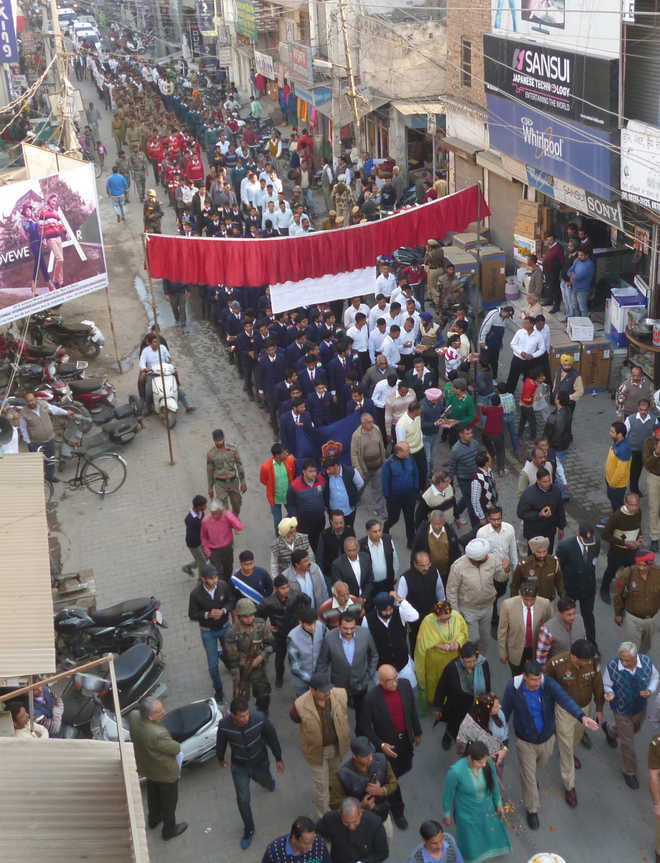
Residents take out a procession to commemorate the martyrs of the 1971 war in Fazilka on Thursday. Tribune Photo

Fazilka: Hundreds of citizens today converged on the main road to join the unique ‘Victory Parade’ that was taken out to commemorate 206 martyrs of the 1971 Indo-Pak war who had laid down their lives in the Fazilka sector on the eve of Vijay Diwas. The town was decorated with flowers and the clock tower was decked up beautifully for the occasion. There was festive spirit across the town. The event was conceived by citizens of Fazilka under the banner of the Shaheedon ki Samadhi Committee, Asafwala (Fazilka), which has been maintaining the Asafwala War Memorial for more than four decades. oc


AN-32 courier service on the cards

Tribune News Service

Srinagar, December 15

Various issues related to the operation of AN-32 courier flights between Srinagar and Kargil were discussed at an officers’ meeting here today. The authorities concerned were directed to maintain close coordination for smooth operation.The Additional Commissioner, Kashmir, directed the agencies concerned to also use social networking for better dissemination of information regarding flight cancellation, if any, on a real-time basis.The meeting decided that the AN-32 courier service would operate as per past practice from Srinagar to Kargil and back.

Army celebrates Swachh Bharat fortnight

Army celebrates Swachh Bharat fortnight
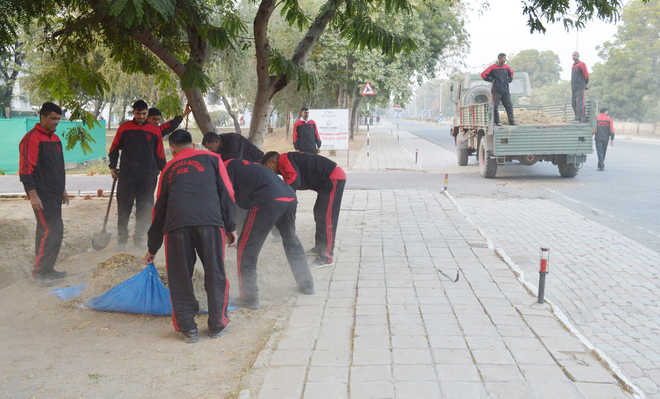
Army men carry out a cleanliness drive at the Abohar military station on Thursday. Tribune Photo

Our Correspondent

Abohar, December 15

A ‘swachhata’ (cleanliness) fortnight, which was part of the ‘Swachh Bharat Mission’, concluded today at Abohar military station.Sainik sammelan in the Army units, photo display at public places, garbage disposal and a community cleaning drive were conducted at the station.All families at the military station took part in different events. A discussion for women was also conducted to bring about awareness on household cleanliness.Also, water storage, garbage disposal and personal hygiene were the focus areas of the cleanliness fortnight. The fortnight concluded with a lecture on the ‘Swachh Bharat Mission’ for the families residing at the military station.


Amarinder tells PM to sack Parrikar

Tribune News Service

Chandigarh, October 25

2016_7$largeimg29_Friday_2016_220710756

Punjab Congress president Capt Amarinder Singh today asked Prime Minister Narendra Modi to sack Defence Minister Manohar Parrikar for allegedly downgrading military officers’ ranks.“You cannot allow an incompetent person to continue to hold such a sensitive portfolio,” Amarinder told Modi in a strongly worded statement issued here.He condemned the Defence Minister’s diktat downgrading Army ranks as compared to their counterparts in the civil administration.Reacting strongly to a report in a section of the media that a new Defence Ministry letter has downgraded the status of military officers across ranks, Amarinder charged Parrikar with lowering the morale of the Army to satiate vested bureaucratic interests.


Home Made Artillery Gun Booms in World’s Biggest Artillery Programme – Major Milestones Achieved

At 4.30 p.m. on Tuesday, in a historic moment for India’s artillery programme, an indigenous, fully integrated, 155-millimetre artillery gun fired its first rounds of live ammunition at the Proof and Experimental Establishment (PXE) in Balasore, Odisha.

The 155-mm, 52-calibre gun, dubbed the Advanced Towed Artillery Gun System (ATAGS), has been developed by the Defence R&D Organisation (DRDO), in partnership with two private sector firms — the Kalyani Group and Tata Power (Strategic Engineering Division) — and the Ordnance Factory Board (OFB), which is owned by the Ministry of Defence (MoD).

Business Standard learns that Tuesday’s firing trials, and a second round of testing on Wednesday, met the specified parameters. Although extensive testing remains to be carried out in the months ahead, a project manager describes the actual firing as a “major milestone”.

The shortage of 155-mm, 52-calibre artillery is widely considered the Indian Army’s most worrying shortfall. Over the preceding 18 years, several international tenders for buying 1,580 towed guns from the international arms market have stalled. Consequently, no new 155-mm guns have entered the army since the purchase of 410 Bofors howitzers 30 years ago.

With the spectre of Bofors dogging international procurement, the DRDO charged its Pune-based Armament Research & Development Establishment (ARDE) with the ambitious ATAGS project to develop an indigenous towed gun.

“In the ATAGS programme, we are developing two parallel sources to cut the risk of delays. The private sector is extensively involved under the prime minister’s “Make in India” initiative. This would allow us to open two manufacturing lines, to meet the large numbers gun requirements of the services”, said Dr S Christopher, the DRDO chairman.

In addition, the artillery-starved army has several other gun procurements in hand. The OFB used manufacturing blueprints supplied by Swedish company, Bofors, with the controversial 1986 purchase of 410 FH-77 howitzers, to develop an indigenous 155-mm, 45-calibre gun.

A higher calibre denotes a longer barrel and, consequently, a longer range. Upgrading the 39-calibre Bofors into the 45-calibre Dhanush has increased the gun’s range from 27 kilometres to 35 kilometres (with enhanced range ammunition).

On August 5, the defence minister told parliament that an indent for 114 Dhanush guns had been placed with the OFB. Analysts believe that if these guns satisfy the army, the order could increase to as many as 400 guns.

Separately, New Delhi has signed a contract with Washington for 145 ultralight guns of 155-mm, 39-calibre, built by BAE Systems in the US, the defence minister told parliament on December 2.

In November 2014, the MoD sanctioned 814 mounted gun systems (MGS) for an estimated Rs 15,750 crore. Tenders are also out for 100 tracked (self-propelled) guns; and 180 wheeled (self-propelled) guns. All these are 155-mm, 52-calibre guns.

Towed guns are employed in plains and foothills; tracked (self-propelled) guns are mounted in armoured vehicles to support high-mobility tank formations; wheeled (self-propelled) guns are for fast-moving, non-armoured formations; The MGS is a regular 155-millimetre gun fitted onto a high mobility vehicle, allowing it to move faster and start firing quicker than a conventional towed gun.

– – – – – – – – – – – – – – –
Army’s artillery black hole: 155-millimetre guns in the pipeline”
– 1,580 towed artillery guns for Rs 25,000 crore
– 114 Dhanush guns from Ordnance Factory Board
– 145 Ultralight howitzers from BAE Systems for Rs 5,000 crore
– 814 Mounted Gun Systems (MGS) for Rs 15,750 crore
– 100 Tracked Self Propelled (SP) guns 180 Wheeled Self Propelled (SP) guns

One gun project is being pursued by Tata Power (SED), while the other is working in parallel under the Kalyani Group. The OFB and Bharat Forge are making the barrels.

Going by specifications, the ATAGS is a world-beater. Its “extended range, base-bleed” ammunition has a range of 45 kilometres — more than any 155-mm, 52 calibre gun in service. ATAGS also has an “all-electric drive”, which is more reliable than conventional hydraulic drives, and improves reaction time and accuracy.

With each ATAGS likely to be priced at Rs 15-18 crore, the contract for building 1,580 towed guns would add up to more than Rs 25,000 crore.

In war, most soldiers are killed or wounded by artillery fire, which is usually fired from 20-30 kilometres away. When an enemy position is to be attacked, artillery is used to pulverize it so that one’s own tanks and infantry soldiers easily overrun it, with minimal hand-to-hand fighting.

India has about 264 artillery regiments, each having 21 guns (including reserves). Many regiments currently deploy lighter, 105-mm “field guns”, but the army plans to make 155-mm its basic gun, since its heavier shell causes more enemy casualties.

If even 150 of India’s artillery regiments are converted to 155-mm guns, that would require 3,150 guns — twice what was earlier tendered, adding up to about Rs 50,000 crore.

On November 25, the defence minister told parliament that the ATAGS was one of the DRDO’s “mission mode” projects. He said the ATAGS was to have been completed by September 2015, but the date had been extended to March 2017.


Why are Soldiers Agitating? Are they Greedy or There Are Serious Problems Violating Their Constitutional Status ?

FAQs: Why are Soldiers Agitating? Are they Greedy or There Are Serious Problems Violating Their Constitutional Status ?

Last updated on 28 Oct 2016 and is in progress

This blog is an attempt to answer ‘Frequently Asked Questions’ on issues of military. The questions answers given are not a complete set and shall be kept updated time to time.

Question No 1. Military veterans seems to be always agitated on issues like pay, pension and allowances. Why is it? Are they depressed or greedy? 
Answer.
Military veterans vocal on electronic, print and social media or agitating on Jantar Mantar airing their concerns on many issues concerning military, are neither depressed nor greedy. Soldiers of Indian army give more preference to service to nation and democracy than money. There are certain pressure points which govts after govts have not only ignored since 1973, but are creating more reasons for agitations.
As for as public is concerned, in independent India it is happening for the first time, that in last 5-6 years military veterans have taken the course of agitation on key issues in public domain creating ripples in minds of common man creating such false impressions. The issues are pending with govt since 1973 and now the patience of soldiers is at breaking point.
Question No 2. But why shall Govt show such apathetic attitude towards soldiers? Soldiers defend nation and render great service and politicians, babus and govt are surely aware of it? 
Answer
It puzzles solders too. Why such apathetic attitude towards soldiers? Serving soldiers do not have unions or lobbies like civilians. They always had blind trust in govt but in 1973 they were delivered a serious blow when their status, pay, pensions and allowances were reduced drastically by 3rd pay commission and that of civilians raised.  It created serious imbalance and that too once soldiers had delivered an unprecedented and historic military victory in 1971 war.  Instead of award, soldiers were punished. It never happens like that. It is a sure way of killing the high moral of a victorious army setting a wrong precedence.
Soldiers have a system of reporting their problems to their commanding officers, who then report the matter to services HQ at Delhi. Military Chiefs then take up matter with the govt. Soldiers followed the same system and had trust in the ability of their chiefs and Govt. Naturally such serious imbalance created by 3rd pay commission were reported to Govt through proper channels. Then PM Indra Gandhi assured Military Chiefs of resolution of their problems but it never happened.
Since 1973. chiefs after chiefs have kept reporting the matter to Govt. Govts after Govts have kept assuring soldiers about resolution of their problems but without any solution in sight. Rather various political parties have used frustration of soldiers for petty vote bank politics. It has now created a situation wherein soldiers have lost trust in ability of military chiefs to get solution and started doubting the intentions and seriousness of Govts to deliver justice forcing them to came on street and social media bringing matters into the notice of public. After in all in democracy people are supreme. It is surely not a healthy sign for the democracy. It has also created problem within military where abilities of top leaderships to effectively communicate with govt are now being questioned?
Question 3. Still why is Govt not serious? Soldiers on street in democracy is a frightening scene? 
 
Answer. 
It is surprising for soldiers too. Why is govt not serious? Why are political parties only interested in using frustration of soldiers for votes? Ignoring the problem without giving any justification is like adding the fuel to fire. Unfortunately, such apathy is creating impressions that corrupt politician- babu nexus has no time for serious issues of the nation and soldiers demand for justice is no exception. Look around, justice system has collapsed, govt administration is totally rusted, corruption rules everywhere, parliament has become defunct, proxy govts rule, no political party has internal democracy, funding channels are kept secret, banking is overburdened with NPAs, gap between poor and rich are widening, farmers are committing suicide. A situation of hopelessness exists. It looks politics has become a profession of employment for failed people who are only interested in loot and plunder. Babus, banks, judiciary, some crony businessmen and temple priests, have joined hands with corrupt politicians to create a mafia. Naturally such mafia has no time and sensitivity for soldiers and justice or what else could be the reason?
Indian soldiers are sensitive, committed to constitution and responsible people. Soldiers know that in the given situation of hopelessness, if they also come on street, as it happens in other countries, it will deliver a death blow to the nation. Naturally so, military veterans have taken the responsibility to communicate with “we the people” who are supreme in democracy, keeping the threshold of agitation well below acceptable limits so that the situation doesn’t explode.
Questions 4. What are the major demands of soldiers? 
 
Answer 
 
The major demands of soldiers are:
1. Status of soldiers as given in the constitution be respected.
2. Accordingly, serious imbalances and disparities between compensation model of soldiers and other govt civil employees be removed based on best HR practices taking into account the average career earnings including pension  benefits.
Question 5.  What are the constitutional provisions for the executive authority of the military? 
Answer
Constitutional military executive authority of the soldiers comes out of the following articles:
1. Article 18;- respects the “Title of Ranks” of Soldiers even after his death. Soldiers never retire. Title of Ranks never die.
2. Article 34:- Gives military a political executive authority to intervene by declaring martial law only to restore democracy.  In India parliamentary democracy is supreme. This article makes Indian military as soldiers totally committed to democracy and “we the people”. There may be situation where state fails to govern as per constitution or parliament is unable to function due to any reasons or rise of a civilian dictator endangers democracy or external/ internal aggression endangers it . In such situations constitution makes obligatory on military authorities to intervene to protect and restore democracy. Baba Saheb Ambedkar was a very wise man. He could sense that in independent India, probability of rise of civilian dictators are more than rise of a military dictator. He therefore under this article, entrusted military a role of silent and invisible custodian of Indian democracy.  History of independent India is testimony to the fact that Baba Saheb was right. Military has been loyal to constitution and we the people whereas Indra tried to become dictator declaring unconstitutional emergency. Military did play its role to protect democracy, when then Army Chief cautioned Indra to remain within limits of constitution. In fact emergency was lifted as all three chiefs wrote a top secret letter to Indra Gandhi advising her to lift emergency and call for elections. Probably this is right time the content of this letter shall be disclosed to public.
3. Article 52 read clubbed with Article 74:- The sovereign authority of govt is vested in the President who wears two distinct hats. One of being head of civil political govt and other of supreme commander of defense forces. These two roles of the president are independent. Under this article the hard and soft national powers are identified and constitutionally divided. While the democracy under the pre-dominance of soft power functions under the leadership of Prime Minister and his cabinet, the total command authority over the hard power of military is denied to him/her. Baba Saheb was a visionary and had deep knowledge of Indian history. He wisely so separated national hard power from the national soft power. Baba Saheb knew if PM or defense minister are given total command authority over military it will give rise to many civilian dictators.  Therefore under this article if read clubbed with article 74, the political direction to military comes from cabinet headed by PM, administrative support comes from ministry of defense and military retains the authority and freedom to take military executive decisions and that is the reason precisely military is an attached organisation to the political govt. Constitutionally, military can not be subordinate to PM and his cabinet as President who is senior to PM is its head and also PM is not given command of military. In Indian democracy where PM exercises executive political authority and President is constitutional head of military, services HQ can only be integrated with civil govt and can not be merged as is the case in USA.
4. Co-relation of Article 34 on Article 52 and 74. Articles 52 and 74 do not take away the authority as vested in supreme commander of defense forces and military commanders as Silent and Invisible Custodians of Indian Democracy. There could be situation where advice of PM (aspiring to become a dictator) and his cabinet to President could be detrimental to democracy. Under article 52 and article 74, president is left with no choice except to accept their advice after one review however under article 34 supreme commander of defense forces or military commanders can exercise military authority as vested in them only to defend constitution and democracy.

Question 6. Constitutionally, what are the roles of the defense forces? 

Answer

If seen in the backdrop of above constitutional provisions, the roles of Indian Defense Forces are:

1. Primary Role. To defend Indian Constitution and democracy against any of the following threats:

a. Any external aggression or threat in any form on the geo-political and economic interests of India, territories under the political control of Indian Govt and Indian constitution. The external threat may not be always in form of military invasions. It may appear in form of externally abetted political assassinations,  cyber or economic wars, threatening geo-poltical alliances or posturing etc.

b. Any internal threat endangering functioning of the constitution and democracy which may be in forms of armed rebellion or political takeover by a civilian dictator.

2. Secondary Role. To assist civil administration in maintenance of law and order and in case of natural calamities, disasters and disturbances only when requisitioned.

Please note that defenses forces can act in their secondary roles only when requisitioned. However for preforming their primary roles, no such orders or requisition are required. However as long as an elected political govt under parliamentary democracy is functioning, defense forces will always seek their political directions before any action. In case such govt seize to exist or nuke attacks have obliterated such govt or a civilian dictator has taken over violating constitution or any state govt has rebelled or any armed rebellion has seized any part of territory/ govt administration, defense forces will act under the military authority as vested in them to protect constitution and shall not wait for any political directions.

Question 7. What are the constitutional provisions for the status and service conditions of the Defense forces?

Answer
Chapter 14 of the constitution deals with “Services of the Union and States”. Though defense forces are created under articles 34 and 52, but their service conditions are constitutionally governed under this chapter. Relevant article are as under:
1. Article 309 empowers parliament to make legislation for the service conditions of various public services including defense forces.
 2. Article 310 Makes provisions for the tenure of all commissioned officers of the defense forces personals and civilian gazetted officers to be at pleasure of president. This article mentions various govt services in order of their seniority in terms of constitutional status. Officers of the defense forces are first in the seniority even ahead of civil services of the union (discontinued after independence) and All India Services (IAS, IPS, IRS, IFS etc).
Articles 311- 323 under the chapter deal with various safeguards provided to civil services and forming of Public Service Commissions.
Legal provisions for withdrawal of Pleasure of President in respect to officers of the  defense forces differ from the civil officers which  for defenses forces are further given in respective services acts, rules and also regulations.
Under article 309, various civil services acts for giving various service conditions in details like IAS acts and rules or IPS acts and rules have been framed. However in relation to defense services Govt and Parliament has chosen to remain silent and adhocism has been created. Absence of act and rules for service conditions of defense forces in detail as mandated under article 309, is the root cause of soldiers grievances. Present Defense Acts and Rules deal more with the discipline aspect of forces. The defense regulations are customs of Monarchy. India is a democracy and defense forces shall not be administered under adhoc regulations.
Question 8.  How are officers in defense forces appointed and how does their oath differ from a civil servant?
Answer
Officers of the defense forces in addition to being gazetted, are also commissioned officers. The word “commission” is mentioned in the parchment given to them at the time of their commissioning wherein they take oath of allegiance not only to the constitution as taken by civil officers but also to obey lawful command of their superior officer up in the chain of command after due observations to it being a lawful in accordance with laws of regular army.
Under this observed obedience of lawful command, duty to defend the constitution is inherent. Civilians including PM and Govt Ministers take oath of allegiance to the constitution and not to defend constitution? Few key aspect which shall be noted in appointments of defense officers are :
1. The parchment of commission is given under the printed signatures of the President authenticated by a Military General and not by any civil officer.
2. In parchment of commission, the President uses the word “ME” and not “MY GOVT” as he uses in Parliament, because the authority of military command is absolute in nature and is vested in him as supreme commander of the defense forces. Such power legally can not be delegated to any other authority. Provisions of article 74, therefore do not apply on military authority and chain of command. Army laws make nature of command legally very clear.  In case of confusion of political directions for military between President and PM, defense forces are obliged to follow orders of supreme commanders of defense forces and not PM.
3. Officers of defense forces take oath to serve anywhere in world and space, where ever they could be send by land, air and sea beyond the territories of India and where even the Indian laws do not apply? They enforce the sovereign authority of the state not only within national territories but beyond.
4. Officers are suppose to follow such orders of command which are lawful in nature. Legal validity of orders are decided by officer himself interpreting these under the law. Commissioned officers are therefore expected to use their judgment to decide legality of the orders and all illegal orders he is expected to disobey. In case commissioned officers obey illegal orders, they carry liability of criminal prosecution.
5. Officers of the defense forces by virtue of being commissioned officers, are vested with following powers
a. Military executive authority not only to impose its will using military force on any entity but also to the extend of forming govts. Military Govt in India were formed in Hyderabad, Goa and Junagarh once these were liberated and also in Bangaldesh and Jaffna Sri Lanka.
b. Judicial powers to not only give punishments to the extend of death sentence, but in certain situations confirm and execute it without any reference to any court, govt and president.
c. Powers of Magistrates are exercised by defense forces in aid to civil authority. Officers of the rank of NCOs and above  exercise such powers. Whereas in case of civil these are not below gazetted officers.
d Military Authority to command troops. Military functions based on unique concept of command.
e. Administrative powers like any civilian officers.
It could be seen from above that all functions of state for which a civil govt has different organs, in case of military are vested in commissioned officers.
Question 9. It seems somewhat confusing? General Impressions are that constitutionally IAS officers are Masters of Indian Destiny and they are even superior than other sister services like IPS, IRS and IFS? 

Answer

If seen in backdrop of article 310, that is not correct. Over a period of time IAS officers have taken advantage of their certain appointments and closeness to politicians. Corrupt, greedy and insecure politicians have obliged them, as in elections IAS officers are appointed returning officers responsible to check validity of their nomination papers, their election canvassing activities and spending of funds. In fact it is this appointment which makes them a kind of masters of Indian Elections. It is the IAS officer as DM, who announces results of vote counting. When in multi corner elections where victory margins are thin, such officers naturally can oblige politicians. It is this relationship between politicians and IAS officers which has given unjustified advantage to IAS. In most of the democracy. No civil servant is given the responsibility of being a returning officer. In US, civil servants only oversee checks over political spending, in Pakistan, these are judicial officers who are nominated as returning officers. The present practice is harmful to Indian Democracy and parliament must take note of it? 

Nevertheless constitutionally, following shall answer the question about the correct position on the standing of officers of defense forces with officers of IAS and other All India Services :

Comparison of Constitutional Status of Defense Officers and IAS including Officers  of All India Services

1. Sovereign Executive Military Authority is an exclusive domain of military officers exercised through powers and chain of command. Under such authority nations are destroyed or made. Political directions for military actions at macro levels are given by elected govt in a functional democracy. Under article 34 defense forces have been made silent and invisible custodian of Indian democracy with a responsibility to keep it intact. No such powers in civil domain to any civil officer.

2. Authority to form political Govt is an exclusive domain of political civil Govt in a functional democracy on mandate of ‘we the people’. However in certain situations with approval of elected civil political authorities and if it doesn’t exist then own its own, officers of the defense officers form a political govt in any external captured territory and anywhere within the country. Examples are when military formed Govts in Haydrabad, Goa and Junagarh within the country and in Bangladesh and Jaffna; Sri Lanka abroad. Such govt can be led by any military officer or any other person so authorized by responsible military commander.  Adjutant General of the Army HQ is responsible for the subject. Only officers of the rank of Brigadier and above are authorized to declare formation of such govt. That is the reason rank of Brigadier was and should be equated with the appointment of secretary of Govt of India. Same is the practice world over in most democracies. No such authority is vested in any of the officers of all India services. All civil officers serve under the command of military commanders under the military govts.

3. Judicial Powers  Any commissioned officer can be nominated to the military court as a Judge. Military officers of the rank of Captain and above exercise judicial powers of a session judge and can give death sentences.  In case of SGCM, an officer of the rank of Captain and above can nominate himself as judge and can give death sentence in a summary trial. He in this case can also confirm the sentence given by himself on behalf of president and give orders for its execution without reference to any court and civil authority. No right of appeal is given to the accused. Military Laws can be made applicable to civilians either by notification by central govt or under martial laws. Legal validity of the courts formed under martial laws has the sanction of Supreme Court. No such powers or authority is held by any officer of the all India services.

4. Powers of Magistrate.   Powers of magistrate is more of a civilian concept when a civilian officer is given part of executive authority of the state by virtue of he/her holding an appointment or given for a period. Military works on the concept of command where executive powers of state are inherent in powers of command of Military officers by virtue of holding commission or authority to exercise such powers. In case of military, powers of command are given down to NCO levels. In aid to civil authority military Non Commissioned Officers, has the powers to order fire.  Such orders in case of civil can only be given by a Civil magistrate. These powers are not inherent as is the case of military officers. IAS officers exercise powers of magistrate as returning officers for an election. It is this appointment which gives advantage to them to illegally oblige politicians and makes them powerful over others.

5. Administrative Powers   Exercised as authorized by defense officers as well as officers of all India services.

Please note,  IAS officers or other officers of all India services exercise executive powers of state only when they have powers of magistrate or holding a specified appointment where as executive authority of the state are inherent to all commissioned officers by virtue of they holding  commission on behalf of President. Nature of job of officers of all India services is more as administrative whereas in case of defense officers it is pre-dominantly executive. That is the reason article 310, puts officers of defense forces in senior most order than officers of all India services and other civil services. Yes it is also true constitutionally that IAS officer have no legal standing to claim seniority or preference over IPS, IRS or IFS. They present superior status is illegal and has been created with help of politicians as they are the only one who can become returning officers to conduct elections.

Question 10. The word defending the constitution are neither mentioned in Oath and Nor in commission parchment, then how are officers of the defense forces responsible for the defending the constitution?

Answer 
 
Oath of President of India has two key words. One “upholding the constitutions” and other defending it?  President takes the oath to defend constitution as supreme commander of the defense forces and the only means to defend constitution, he has are the defense forces. He therefore passes his authority to officers of the defense forces in form of commission. It is through this commission the officers of defense forces become responsible for defending the constitution by military force following lawful command. Article 34 also makes it obligatory on part of the defense forces to defend constitution.
Question 10. Civil Political Govt has authority and freedom to decide what shall be status of the defense officers and how shall they be paid? Why shall defense officers and soldiers crib?
 
Answer
 
Govt of the day is formed and functions under the broad constitutional framework. No govt or babu is above constitution and they are expected to work within the space as provided. Since 1973 govt are taking certain unconstitutional decisions and downgrading status and compensations of the the defense forces. The same is highly objectionable. Defense forces have been so far maintaining the decorum and trying to argue reason with the govt. Unfortunately the same is not yielding the result and no answers are coming from the govt?  That is main reason military veterans have taken to social media and streets.
Questions 11. Why shall Govt give answers to the military? It is communicating its decisions? Where is the problem in it? 
 
Answer
 
India is a democracy and not autocracy. Govts are answerable to the people and parliament. In case of military they need to explain reasons as by law military is not expected to obey unlawful orders. Soldiers have certain of their fundamental rights restricted it doesn’t mean they lose all other rights of a being Indian citizens? Govt carry a responsibility to reason out their grievances? It is demand of democracy.
Question 12. Why is military not going to court? After all it is an attached organisation to the govt and maintains its own identity? 
 
Answer
Defense forces surly have such options open but not exercising showing respect to democracy and hoping  that some day wisdom will prevail. After all military going against an elected govt in court might cause serious problems to the democracy. Yes some serving officers and military veterans are taking some lead but the same is also not a healthy sign.
Question 13. What are the main grievances? Can same be elaborated? 
Answer
 
Same were explained above in answer to question 4. The same is again elaborated here:
1. Considering various articles 18, 34, 52, 309 and 310 of the constitution and their authority, powers of command, roles and functions, officers of defense forces have a constitutional status and the same is superior to the senior most civil services that is IAS. Article 310 makes it very clear. Equating commissioned officers inferior to police and higher than homewards is surely humiliating. Since 1973 defense forces are actually under systematic attack from political establishment for marginalizing them. The same is likely to create a serious imbalance in power structure of the country in total violation of constitution which is fraught with serious consequences.
2. On the eve of Independence, first Govt under PM Nehru in fact had realized the problem and on recommendations of a committee, respecting constitutional status of the defense officers, certain principle of parity were laid down. The same were:
a. The status of officers of defense forces will be superior to civil services; IAS.
b. Seniority protocol between commissioned officers and IAS shall be decided based on length of service and not on the basis of rank of defense officers.
c. Compensation packages in terms of total average career take home including pension of defense forces shall be higher than civil. In case of defense officers more than IAS.
3. The above thumb rule as made under Nehru govt, respected the constitution. It was in 1973, in lust to be a dictator, Indra Gandhi tweaked above policy and cut their status and compensation drastically. The process which she started is still continuing? Now the situation is that in terms of status, defense forces are being equated to Grade B civil officers and their average career take homes are less than police and above home guard?
4. The real unrest is not OROP or some allowances here or there. Real issue is question of disparity and serious imbalances in total disregard to constitutional status of the soldiers. If a MP is respected as MP, if president is respected as president, if judges are respected as judges all as per status given in constitution than why are soldiers not being respected their constitutional status? Degrading soldiers in total disregards to constitution is nothing but direct attack on Constitution.
Question 14. PM Modi seems to be serious in resolving the issues, then why are soldiers still agitating?
 
Answer
 
Soldiers had lots of hope in Sh N Modi as he looked sincere but actions of his govt doesn’t speak the same story. Following may please be noted:
1. BJP promised a white paper on the problems and also formation of a military commission. In last 2 years nothing has happened on it?
2. After BJP formed govt, their defense minister clearly said “OROP” can not be given. Soldiers are asking salary for life. That triggered agitation. Then their Home Minister tried to break the agitation using force. A RSS leader in their first ever political darbar in Delhi, in fact as reported passed instructions to present Defense Minister in a very derogatory manner “Give them something and make them quite’?   It further aggravated problem.
3. Govt has accepted recommendations of the VII pay commission which has given a very humiliating treatment to soldiers, cutting them further in status and compensations. There are issue pending since IV, V and VI pay commissions. Nothing was addressed, rather more cuts have been implemented. It has happened for the second time, while the civilians have been given their dues, soldiers are still struggling. It is the first time in the history of India, where three services chiefs have polity declined implementation of VII pay commission till major anomalies are resolved.
4. On issue of disability govt has created yet another controversy.
5. Now fresh controversy over status parity has erupted in MOD, where civil officers of the Grade B are being treated much superior than commissioned officers.
6. On all these issues, one can notice deliberate leaks and motivated article  to defame soldiers? In VII pay commission report, an attempt has been made to put down soldiers and show them as greedy.
7. A new fund has been created for public to donate money giving and impression that as govt has no money for soldiers as nation is poor, public must pitch in donations.
Question 15. India is poor country surly she cant not pay soldiers lavishly? 
 
Answer
 
Who is asking that? India is a poor country then why to pay civilian govt employees so lavishly? Soldiers are asking to remove imbalances and restore their status maintaining the principle of parity in line  of constitutional status. Nehru Govt did make the rules.
Question 16. If govt doesn’t address the problem as seen by soldiers and tries to resolve its own way then what are the consequences? 
 
Answer
 
At first place govt shall not do that. The constitution is supreme. If govt still wishes to go ahead then better amend constitution. Make defense minister as supreme commander of defense forces, abolish article 34 and article 52 II. Amend article 310 to make defense forces junior to police forces. Make NSA as Chief of Defense Staff and stop giving commission to defense officers. Where is the problem? We live in a democracy where constitution and will of people are supreme.
But if not done, then respect the present constitution. In any case, since independence a situation has been created now where trust of soldiers in govt as the its lowest. It is a dangerous situation. A soldier who is low in his self esteem and doesn’t trust govt will have no trust in cause of his mission and moreover he will be more worried about future, safety and security of his family? Such soldiers can only deliver defeat.  Choice is of the govt and we the people.
Question 17. What is the way out? 
 
Answer
 
Well the way out is known to the govt. BJP did promise a white paper and standing military commission. In fact Supreme Court has been suggesting same to govt. Twice it has happened that SC has ordered Govt to form a standing commission and then withdrawn its orders on promise of the govt. Let this commission first publish a white paper and then take a comprehensive approach to restructure the whole model keeping constitution in mind. The real issues are only two. 1. Treating soldiers as per their constitutional status and 2. accordingly structuring a compensation model.