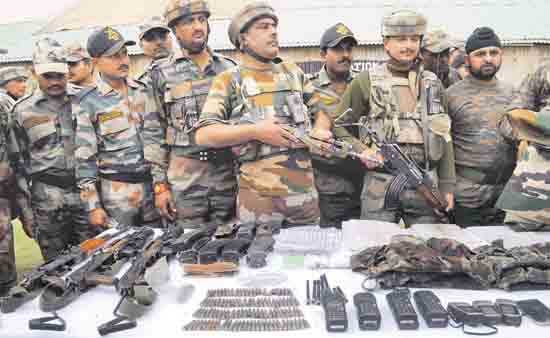
Armymen display arms and ammunition recovered from three slain ultras in Langate. Mohd Amin War
Srinagar, October 6
Seven terrorists were killed in two operations even as the Army today foiled a Uri-type attack on one of its counter-insurgency battalion headquarters in Kupwara, killing three heavily armed terrorists.In their early 20s and equipped with GPS devices and maps, the terrorists tried to sneak into the well-fortified headquarters of 30 Rashtriya Rifles at Langate along the Baramulla- Handwara highway in the wee hours. The attack was repulsed. “Alert sentries spotted three terrorists within the camp periphery. When challenged, they opened fire. Our quick reaction team ensured that they did not escape,” the Commanding Officer, Col Rajiv Saharan, said. Claiming the three terrorists were Pakistanis, he said three AK-47 rifles and ammunition were found at the encounter site. “We recovered GPS, maps, radio sets, medicines and food items. The medicines had Pakistani markings on them,” he said. The terrorists tried to scale the rear fence and breach security by opening fire at multiple points. “They had crossed one security barrier before they were noticed. The gunfight lasted two hours,” a police officer said. The Army also repulsed three infiltration bids, two in Nowgam in Kupwara district and another in Rampur in Baramulla sector, killing four infiltrators in Nowgam. — TNS
IAF wing commander held in international drug racket
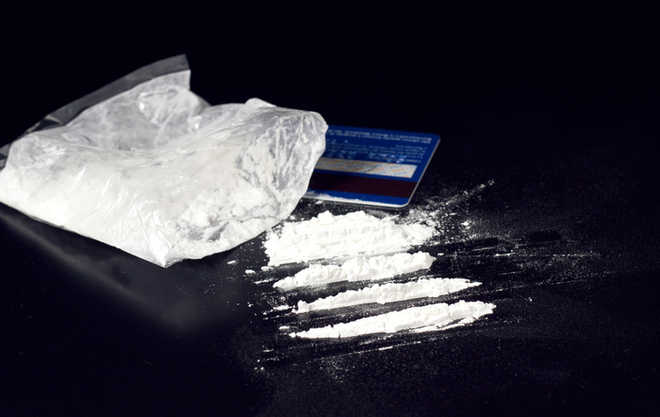
The NCB had on Monday seized 231 kg of the banned narcotic drug amphetamine. Photo for representational purpose
New Delhi, October 5
A Wing Commander of the Indian Air Force has been arrested by the NCB from Maharashtra in connection with its probe in an international drug racket involving a scientist and his wife.
Officials said Wing Commander G. Rajasekhar Reddy was arrested by the Narcotics Control Bureau (NCB) in coordination with Nanded Police on Monday and brought to Hyderabad today, based on investigations after a drug racket was unearthed in Hyderabad two days back.
They said Reddy, posted at Air Headquarters in Delhi, was the alleged “kingpin” of the racket and his purported involvement was revealed after the questioning of the duo in Hyderabad.
Some mobiles and Rs 7.5 lakh in cash were recovered from him.
Officials said Reddy was produced in a court in Hyderabad today which sent him in NCB’s custody.
The NCB had on Monday seized 231 kg of the banned narcotic drug amphetamine, worth about Rs 45 crore, from Hyderabad and Bengaluru and arrested three persons, including a research scientist and his wife.
The NCB first seized 221 kg of amphetamine from two persons at Miyapur area here on September 30.
Venkat Rama Rao, a research scientist in a reputed private chemical firm of Bengaluru, had come to Hyderabad to collect the contraband from Ravi Shankar Rao, the NCB said.
After Venkat and Ravi Shankar were arrested, 30 grams of amphetamine and Rs 1.23 crore in cash were seized from a house rented by Venkat near Electronic City in Bengaluru, and his wife was also arrested.
Further, 10 kg of amphetamine was seized from a manufacturing lab in Bollaurm area here on October 1. The seized amphetamine was worth about Rs 45 crore. — PTI
India must acknowledge the centrality of the issue in its troubled ties with Pak
Writing on the wall: The Kashmiris want nothing short of azadi.
AWELL-INFORMED Indian strategic analyst in London sounded slightly puzzled over the post-Uri uproar. Because, according to him, India had in fact been “expecting” some excitement ahead of the SAARC Summit. He contrasted the sound and fury over the attack to the muted reaction to the Pathankot incident when India even agreed to let in an ISI officer to join its investigation. But his sense was that the Uri row would blow over for now, India having registered its protest with the so-called “surgical strikes” and the SAARC boycott. Pakistan’s insistent denial that such strikes ever took place suggested that it didn’t want to pursue the matter further, and draw a line under the episode. To my question, where do we go from here, and, where are India-Pakistan relations headed, his response was a cold sigh. Well, let’s get this right. They’re not headed anywhere unless the elephant in the room is tackled. Which means India acknowledging the centrality of the Kashmir issue in its troubled relationship with Pakistan, and agreeing to take a fresh look at the dysfunctional post-Partition regime. Sahir Ludhianvi wrote, ‘Woh afsana jise anjaam tak laana ho mushkil, use ek khubsoorat mor dekar chhorna achha’. You can’t force someone to love you.For 70 years, India has been trying, in turn cajoling, coaxing, and frequently forcing Kashmiris to fall in love with it. But nothing has worked; the harder it tries, the more cold-hearted is the response. Blame it on their bloody-mindedness, blame it on Pakistan, the India-Kashmir story has no future. Illusions, like faith, can be very comforting but sometimes it helps to do a reality check. Kashmiris want a divorce and seem determined, with a little help from across the border. It is significant that the latest burst of insurgency by a new generation of Kashmiris is not backed by economic demands. They’ve a one-point agenda — azadi. Full stop. And under the currently fashionable international doctrine, the will of the people takes precedence over national sovereignty. It doesn’t recognise the old notions of absolute sanctity of state sovereignty and non-negotiable territorial integrity. Redrawing of borders in accordance with the wishes of the people, and devolution of powers to restless regions have become a routine feature of advanced democratic societies. Even well-established centuries-old arrangements are not safe. Britain was forced to agree to a referendum over the future of its 300-year-old union with Scotland and despite the risk it involved — a breakup of the United Kingdom — London put the wishes of the people of Scotland above the idea of Britain’s “territorial integrity”.The argument that discussing Kashmir means “surrendering” to Pakistan is a red herring; and it plays into the hands of Pakistan’s hawkish security establishment which has invested heavily in keeping the issue alive. The last thing Pakistan wants is a solution of the Kashmir dispute; once it is settled it will lose any justification for its anti-Indian activities. And if it persists, India will be in a stronger position to challenge it and mobilise international support. At the moment, India is diplomatically isolated. Contrary to breathless media claims, the international reaction to the Uri attack has been extremely cautious and limited to routine condemnation of terrorism in general terms. Even as the Indian media was hyperventilating about Washington being keen to show solidarity with India, the fact was that John Kerry was reported “commending” Pakistani security forces for their “efforts to counter extremist violence”. Accompanied by a gentle reminder of “the need for Pakistan to prevent all terrorists from using Pakistani territory as safe havens”. So much for American support. Much has been made of the fact that two Republican Congressmen have moved a bill calling for Pakistan to be designated as a “state sponsor of terrorism”. Yes, they have. Except that one of them, Ted Poe from Texas, is a known Indian lobbyist. That apart, their move predates the Uri attack and is not a consequence of New Delhi’s international “diplomatic offensive”.In reality, beyond polite expressions of sympathy India has little support over Kashmir. That Pakistan is a bad boy with a penchant for exporting terror is recognised even by its allies. But that doesn’t equal support for India. For one thing, as Ayesha Siddiqa, well-known Pakistani analyst, wrote in The Hindu, “the international community is reluctant to take measures against Pakistan” because different countries have their “own calculations of their interests”. Islamabad serves their potential strategic interests better than India does. However, India’s biggest Achilles’ heel, according to Western observers, is the human rights situation in Kashmir; and allegations of military and police excesses. Photographs of little children blinded by pellets in police firing have added to old concerns about use of disproportionate force against unarmed civilians. There’s also a great deal of frustration over New Delhi’s refusal to countenance independent international verification of allegations of rights violations. British and European MPs have been repeatedly refused permission to visit Kashmir; and reports by international Red Cross, World Watch and Amnesty International are dismissed as biased and politically motivated. The question frequently asked is: why is India so sensitive if it has nothing to hide? Successive governments, aware of India’s own vulnerability on the issue, wisely refrained from making too much of a public fuss over Pakistan’s appalling rights situation. So, the Modi government’s decision to internationalise rights abuses in PoK and Balochistan is a high-risk strategy; and has inevitably raised eyebrows. It is likely to encourage Pakistan (already has) to talk up its accusation of India’s role in stirring up trouble in Balochistan. There’s a view that the Modi government has decided to pursue a “ruthlessly pragmatic” policy on Pakistan irrespective of the risks, and its Balochistan gambit is part of that policy. Narendra Modi started with pragmatism inviting Nawaz Sharif to his swearing-in; when that didn’t work, he switched to ruthlessness; and when that failed too; he’s now talking about “ruthless pragmatism”. The truth is, he is playing it blind. The famous American screenwriter William Goldman wrote about Hollywood that “nobody knows anything”. “Not one person… knows for a certainty what’s going to work. Every time out, it’s a guess, and if you’re lucky, an educated one.”One can be forgiven for saying pretty much the same thing about India’s Pakistan policy. Nobody knows anything. Meanwhile, the elephant in the room is happily busy causing havoc. Anyone in Delhi noticed “him”? The writer is a London-based commentator
Peace call amidst LoC firing NSAs talk to defuse tension
India and Pakistan today took the first concrete step towards defusing the volatile situation along the LoC with the National Security Advisers (NSAs) of the two countries discussing steps to improve the situation. The news was confirmed by Sartaj Aziz, adviser on foreign affairs to Pakistan PM Nawaz Sharif. India, however, remained silent on the development. Aziz said there was a telephonic conversation between Pakistan NSA Nasser Janjua and his Indian counterpart Ajit Doval and they discussed steps to reduce tension along the Line of Control.Blaming India for raising tension, Aziz said Kashmir remained the core issue for Pakistan. “Prime Minister Nawaz Sharif has indicated quite clearly that till the issue is not resolved, tension across the border will remain.”Ties between India and Pakistan touched the bottom with India upping the ante on the Indus Waters Treaty and finally conducting surgical strikes in Pakistan-occupied Kashmir. The conversation between the two NSAs is being seen as an indication that both countries want to de-escalate the situation.
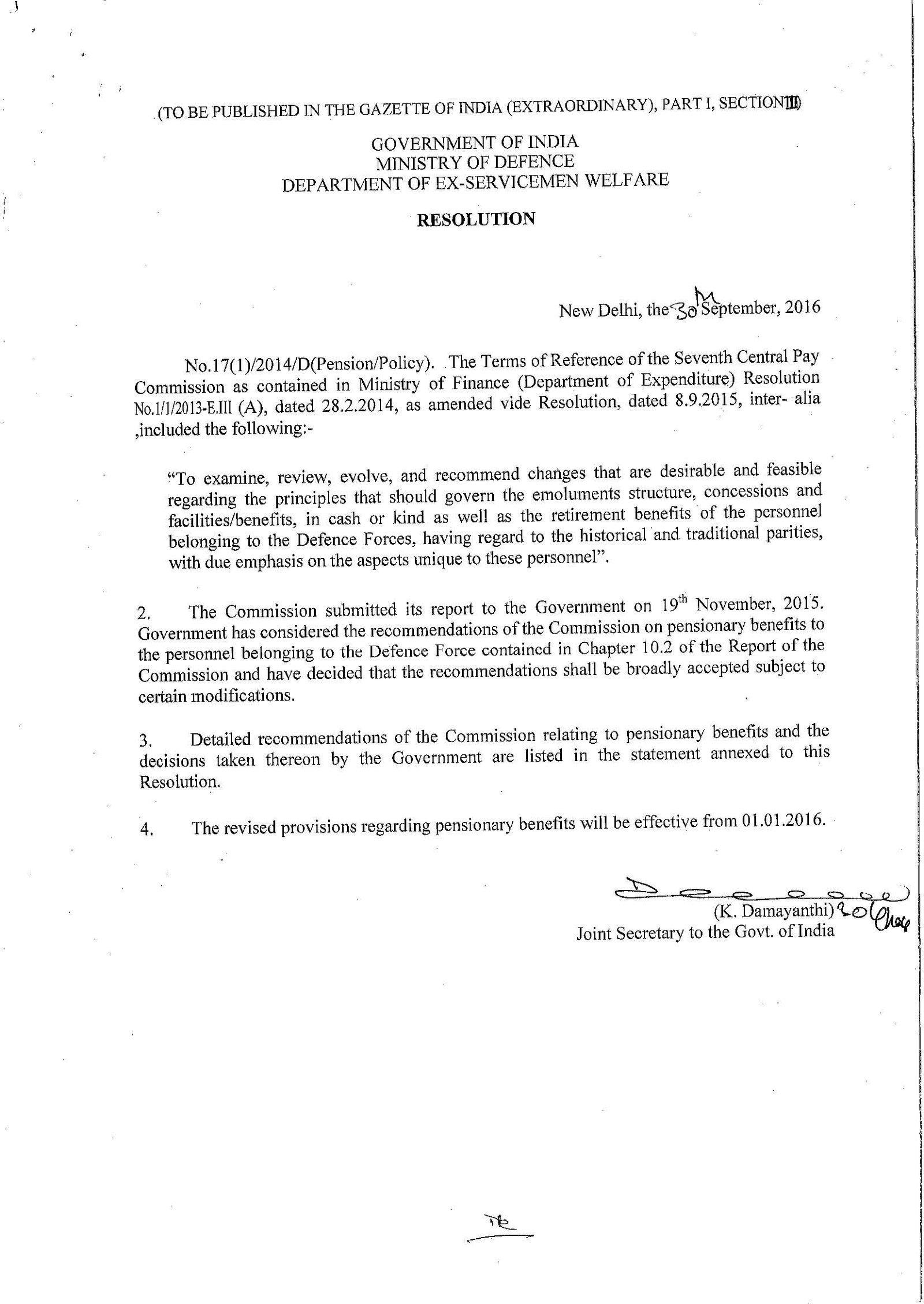
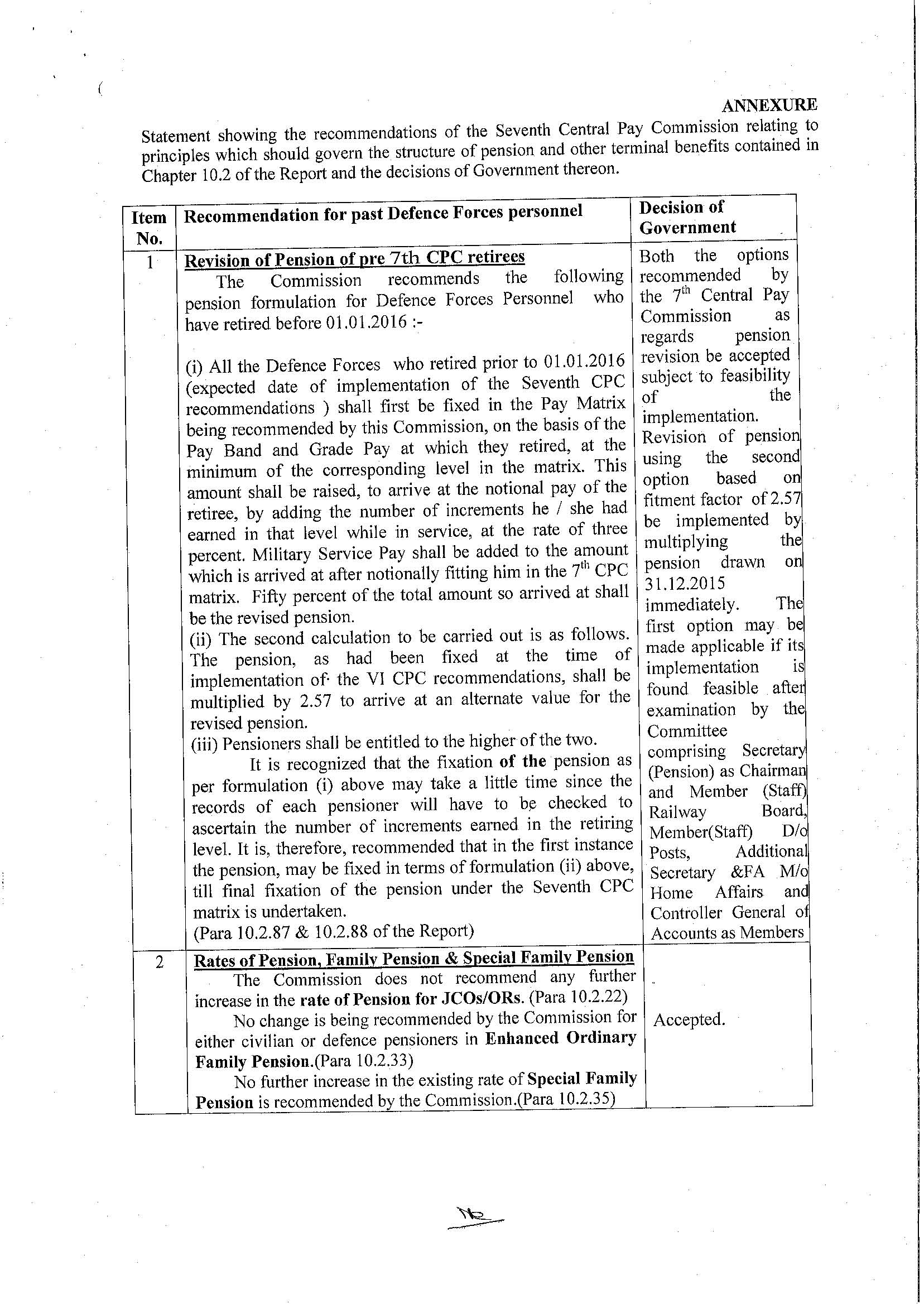
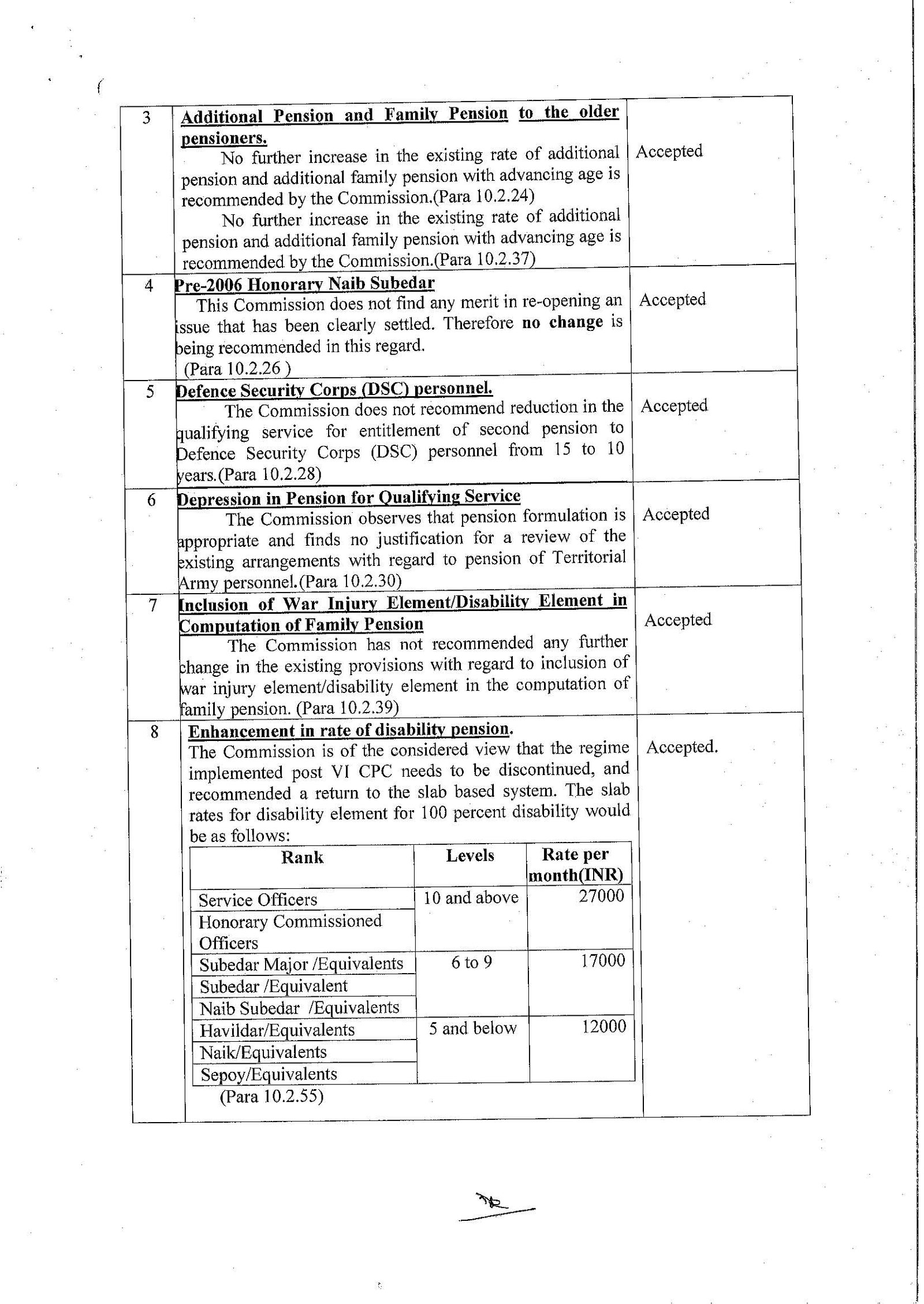
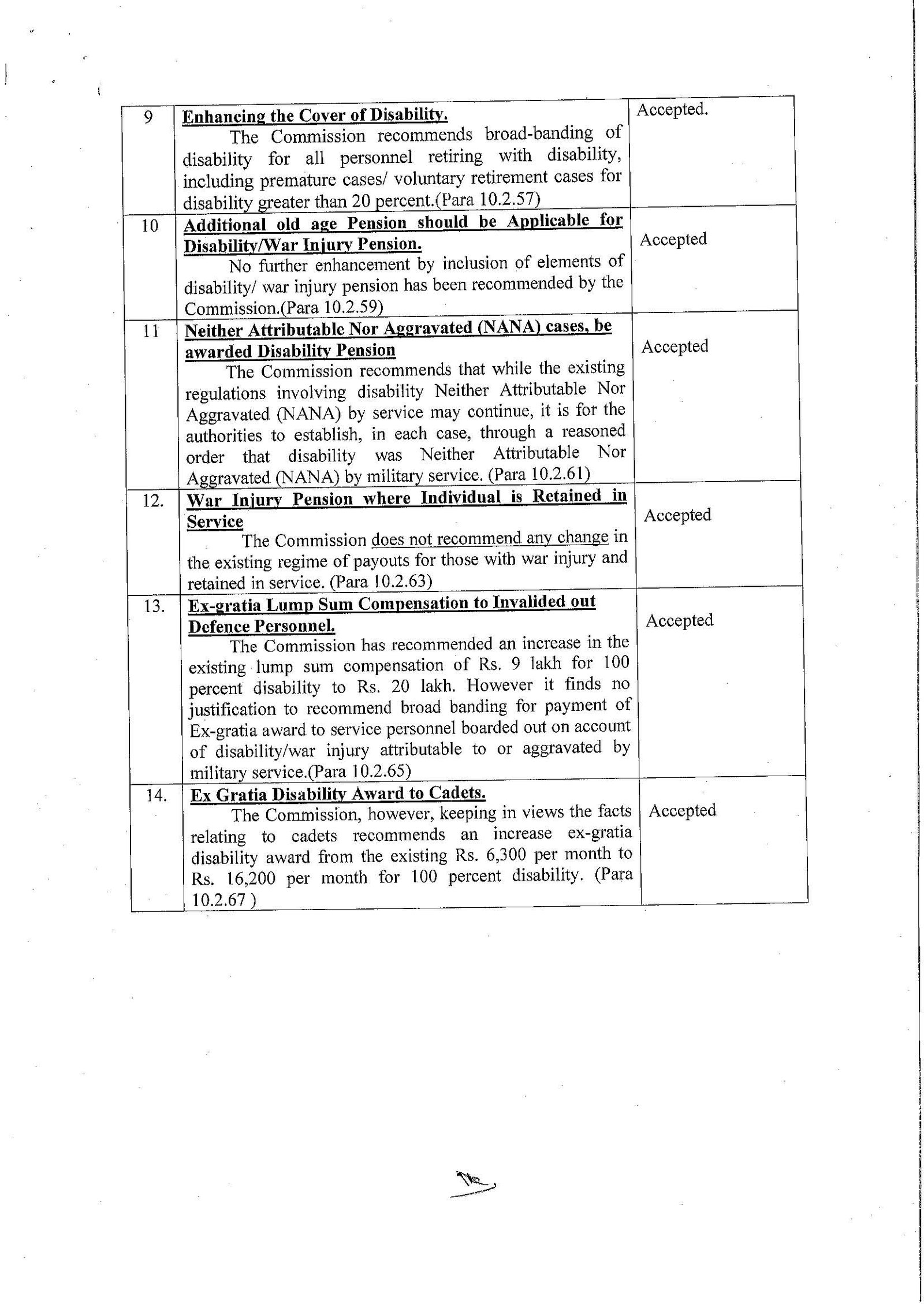
Chandigarh: The Ministry of Defence (MoD) has issued a notification for the grant of revised pension, based on the recommendations of the Seventh Central Pay Commission, to retired armed forces personnel.
According to the orders issued on Friday, the government has granted a fitment of 2.57 on the pension drawn by pensioners as on December 31, 2015, which includes configuration of one rank, one pension (OROP) drawn on the said date. Two options have been given to calculate the new pension. However, the rates of disability pension have been drastically reduced as the “slab system” which was prevalent prior to the Sixth Pay Commission has been adopted again. Consequently, defence disability pensioners are now at a disadvantage as compared to civil disability pensioners. TNS
US lawmakers support India’s counter-terror operations in PoK
Top US lawmakers have come out in support of India’s surgical strikes in Pakistan-occupied Kashmir in the aftermath of the Uri terror attack which claimed the lives of 19 jawans.“The Uri attack against India was horrific. Prayers are with victims’ families. I will continue to follow India’s subsequent counter-terrorism op closely,” Congressman Steny Hoyer, Democratic Whip in the US House of Representatives, wrote on Twitter on Friday.
“Our sympathy and support go out to India as they work to counter the terrorism they faced in the Uri Attack,” Congressman Pete Olson said in a tweet. Olson, from Texas, is Vice Chair of House Energy and Power Committee.“Condolences to the victims of last week’s terrorist attack on the Indian Army base in Kashmir. We stand with India fighting terrorism,” said Senator Jeff Flake from Arizona.Meanwhile a White House petition seeking to designate Pakistan as a “terror state” has gained more than 3.9 lakh signatures.Organisers of the petition said they had set a target of getting the support of more than a million people which, they said, would reflect growing sentiment against Pakistan in the United States and globally. PTI
Pakistan military in a statement said, ‘The notion of surgical strike linked to alleged terrorists’ bases is an illusion being deliberately generated by India to create false effects’.
akistan today said India’s claim of a “surgical strike” across the Line of Control (LoC) was an illusion, saying that the incident was “cross-border fire”.
“The notion of surgical strike linked to alleged terrorists’ bases is an illusion being deliberately generated by India to create false effects,” the military said in a statement.
This quest by the Indian establishment to create media hype by rebranding cross border fire as surgical strike is fabrication of truth. Pakistan has made it clear that if there is a surgical strike on Pakistani soil, same will be strongly responded,” the statement added.
Reacting strongly to reports on surgical strikes by India on Pakistan soil, the statement said: “There has been no surgical strike by India, instead there had been cross-border fire initiated and conducted by India which is existential phenomenon.”
The statement further added, “As per rules of engagement same was strongly and befittingly responded by Pakistani troops.”
The statement was released shortly after DGMO Lt Gen Ranbir Singh said India had hit suspected militants preparing to infiltrate into Kashmir.
Later, addressing the media, Pakistan’s Defence Minister Khawaja Asif said, “Indian claims of surgical strikes are a lie. There was an exchange of firing along the LoC which Pakistan Army responded to.”
Pakistan’s military has confirmed that two of its soldiers had been killed in an exchange of fire across the Line of Control.
Indian Army’s Director General of Military Operations Lt Gen Ranbir Singh addressing the media in New Delhi on September 29, 2016. Reuters
KV Prasad and Simran Sodhi
Tribune News Service
New Delhi, September 29
India on Thursday announced that it conducted surgical strikes on Wednesday night to neutralise terrorists waiting on the Line of Control in Jammu and Kashmir, emphasising that it remained committed to maintaining peace and tranquillity on the border.
Stating this, Director General of Military Operations, Lt Gen Ranbir Singh, said the operation was conducted after specific and credible information about the presence of terrorists at launch pads along the LoC, who were waiting to cross over to carry out attacks in J&K and other parts of the country.
Meanwhile, a statement issued by the Pakistan Army said its troops ‘responded’ to ‘Indian firing’ on the LoC in Bhimber, Hotspring, Kel, and Lipa sectors around 2.30 after midnight. The exchange of fire continued till 8 am. The statement said two of Pakistani soldiers were killed in the action.
It was not clear whether the two sides were referring to the same set of incidents.
General Singh said significant damage was inflicted on terrorists and those supporting them. He said he had spoken to his Pakistan counterpart and hoped the Pakistan army would cooperate with the Indian Army to end terrorism.
Reminding Pakistan that it had not kept its commitment of 2004 of not allowing its soil to be used to launch terror attacks against India, he said India was facing continuing and increasing attacks, including Uri.
DGMO Lt Gen Ranbir Singh addressing the media (MEA video):
Indian security forces, he said, had thwarted 20 infiltration bids. New Delhi also offered consular access to Pakistan to those terrorists apprehended by India, and also to provide fingerprints/DNA samples of those terrorists killed in operations. He said equipment recovered from terrorists included GOS systems with Pakistan markings.
The announcement, at a joint briefing by the Ministries of Defence and External Affairs, was preceded by a meeting of the Cabinet Committee of Security headed by Prime Minister Narendra Modi. It was attended by Union Ministers Arun Jaitley, Sushma Swaraj, Manohar Parikkar, National Security Adviser Ajit Doval, Chief of Army Staff Gen Dalbir Singh, DGMO Lt Gen Ranbir Singh, Cabinet Secretary PK Sinha, Foreign Secretary S Jaishankar and Home Secretary Rajiv Meherisi.
Soon after the meeting, Modi briefed President Pranab Mukherjee and also spoke to Vice President Hamid Ansari, J&K Governor NN Vohra and former prime minister Manmohan Singh.The operations were carried post midnight and NSA Doval spoke to US National Security Adviser Susan E Rice. A statement issued by her office said Ambassador Rice strongly condemned the Uri attack
Full text of the statement by the DGMO
Ladies and gentlemen, Jai Hind and a very good afternoon to all of you. It has been a matter of serious concern that there has been continuing and increasing infiltration by terrorists across the Line of Control in Jammu & Kashmir.
This is reflected in the terrorist attacks at Poonch and Uri on 11 and 18th of September respectively. Almost 20 infiltration attempts have been foiled by the Indian army successfully during this year. During these terrorist attacks and infiltration attempts we have recovered items including Global Positioning Systems and stores which have had Pakistani markings.
Further, captured terrorists hailing from Pakistan or Pakistan Occupied Kashmir have confessed to their training and arming in Pakistan or territory under the control of Pakistan.
The matter has been taken up at the highest diplomatic levels and the military levels at regular times. India has also offered consular access to the apprehended terrorists to Pakistan to verify their confessions.
Furthermore, we have proposed that finger prints and DNA samples of terrorists who have been killed in Uri and Poonch encounters can also be made available to Pakistan for their investigations.
Despite our persistent urging that Pakistan respect its commitment made in January 2004 not to allow its soil or territory under its control to be used for terrorism against India, there have been no letup in infiltrations or terrorist actions inside our territory.
If the damage has been limited it has been primarily due the efforts of soldiers of Indian army who are deployed in a multi-tier counter infiltration grid and most of the infiltration bids have been foiled at those locations. The Indian armed forces have been extremely vigilant in the face of continuing threat.
Based on very credible and specific information which we received yesterday that some terrorist teams had positioned themselves at launch pads along the Line of Control with an aim to carry out infiltration and terrorist strikes in Jammu & Kashmir and in various other metros in our country, the Indian army conducted surgical strikes last night at these launch pads.
The operations were basically focused to ensure that these terrorists do not succeed in their design of infiltration and carrying out destruction and endangering the lives of citizens of our country.
During these counter terrorist operations, significant casualties have been caused to the terrorists and those who are trying to support them. The operations aimed at neutralizing the terrorists have since ceased. We do not have any plans for continuation of further operations. However the Indian armed forces are fully prepared for any contingency that may arise.
I have just spoken to the Pakistani Director General of Military Operations and explained our concerns and also shared with him the operations we had conducted last night.
It is India’s intention to maintain peace and tranquility in the region, but we can certainly not allow the terrorists to operate across the Line of Control with impunity and attack the citizens of our country.
In line with Pakistan’s commitment made in January 2004 not to allow its soil or territory under its control for any terrorist activities against India, we expect the Pakistani army to cooperate with us with a view to erase this menace of terrorism from our region. Thank you very much.
Six Reasons Why Military Action Against Pakistan Is Not An Option For India
By and by, the Modi government is discovering the harsh truth: India just doesn’t have room for manouevre in its Pakistan policy.
Public demand wants military action against Pakistan for the Uri attack yesterday. Terrorist attacks against Indian security forces in border areas used to be a thing of the ’90s. Lately, they have returned: Pathankot earlier this year and Gurdaspur last year were two more such attacks.
Call it surgical strike or hot pursuit, any military action against Pakistan is a bad idea. It is unlikely to achieve the desired result of preventing future terrorist attacks. On the contrary, it could backfire.
1. Risk of War: India may mean a small strike, but there’s no telling that Pakistan could escalate it. Between two nuclear armed neighbours, with one refusing to declare ‘no first use’, war is not an option.
2. More terrorism: Successful military action might actually increase the risk of terrorism. India helped create Bangladesh in 1971, and in turn, Pakistan took to terrorism aka sub-conventional warfare, in Punjab and Kashmir. Regaining some territory, causing more Pakistani casualties than Indian ones, or any such measure of success is unlikely to make Pakistan give up its use of terrorism.
3. No guarantee of success, risk of failure: The success of military conflict cannot be guaranteed. It might weaken India further and make it more vulnerable, if military action is unsuccessful. After 26/11, then prime minister Manmohan Singh had considered air strikes against Pakistan. But the air force chief had said India didn’t have accurate digital data on terrorist camps in Pakistan, and the army chief had said the Indian Army was not prepared for a brief, surgical strike. Military experts say it would take years for India to develop strategic capabilities for targeted cross-border operations. Politically, military action that is seen as a failure would hurt the Modi government more than not doing anything.
4. Exactly what the Pakistani establishment wants: Countering that the Kargil incursion was not a “misadventure”, General Musharraf maintains that it achieved the goal of internationalizing the Kashmir issue. The terrorists who struck at Uri, and their masters, know very well that such an attack could provoke India into military retaliation. They would be happy if that is the case, as it would help bring greater attention to the Kashmir issue. On 23 August, a Twitter account claiming to belong to the Jamat ud Dawa (Lashkar-e-Taiba) had said the Pakistani army was working to ensure that “Modi can only focus on Kashmir in days ahead, instead of Baluchistan, Sindh, GB, AJK or Karachi.”
5. International pressure: For now, the US and UK have refrained from responding to the Uri attacks by calling for India and Pakistan to hold talks, as they used to. But if India were to pursue military action, it would alarm the world for fear of nuclear war. In such a case, there would be immense global pressure on India to not pursue military action. Any cross-border military action, whether or not you call it war, needs global diplomatic support. Without it, India may face a major international crisis. Pakistan will turn the tables and say that India is the aggressor. India cannot afford to look like an irresponsible state–that’s not the image that India and prime minister Modi have been trying to cultivate.
6. It will hurt the economy. War is always bad for the economy, for both sides. In this case, India has a lot more to lose. The Indian economy is way ahead of Pakistan, so the damage will be greater for India. The uncertainties of war drive away potential investors, cause inflation and shortages. In fact, votaries of strategic restraint argue that success is the best revenge: India’s economic rise is the best answer to a Pakistan whose image is that of a terrorism-sponsoring state.
State Stalwarts
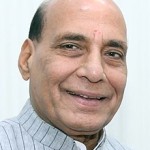
DEFENCE MINISTER
Minister Rajnath Singh
ALL HUMANS ARE ONE CREATED BY GOD
HINDUS,MUSLIMS,SIKHS.ISAI SAB HAI BHAI BHAI
CHIEF PATRON ALL INDIA SANJHA MORCHA
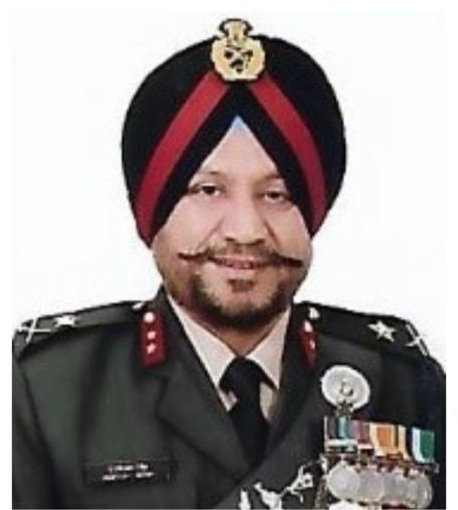
LT GEN JASBIR SINGH DHALIWAL, DOGRA
SENIOR PATRON ALL INDIA SANJHA MORCHA
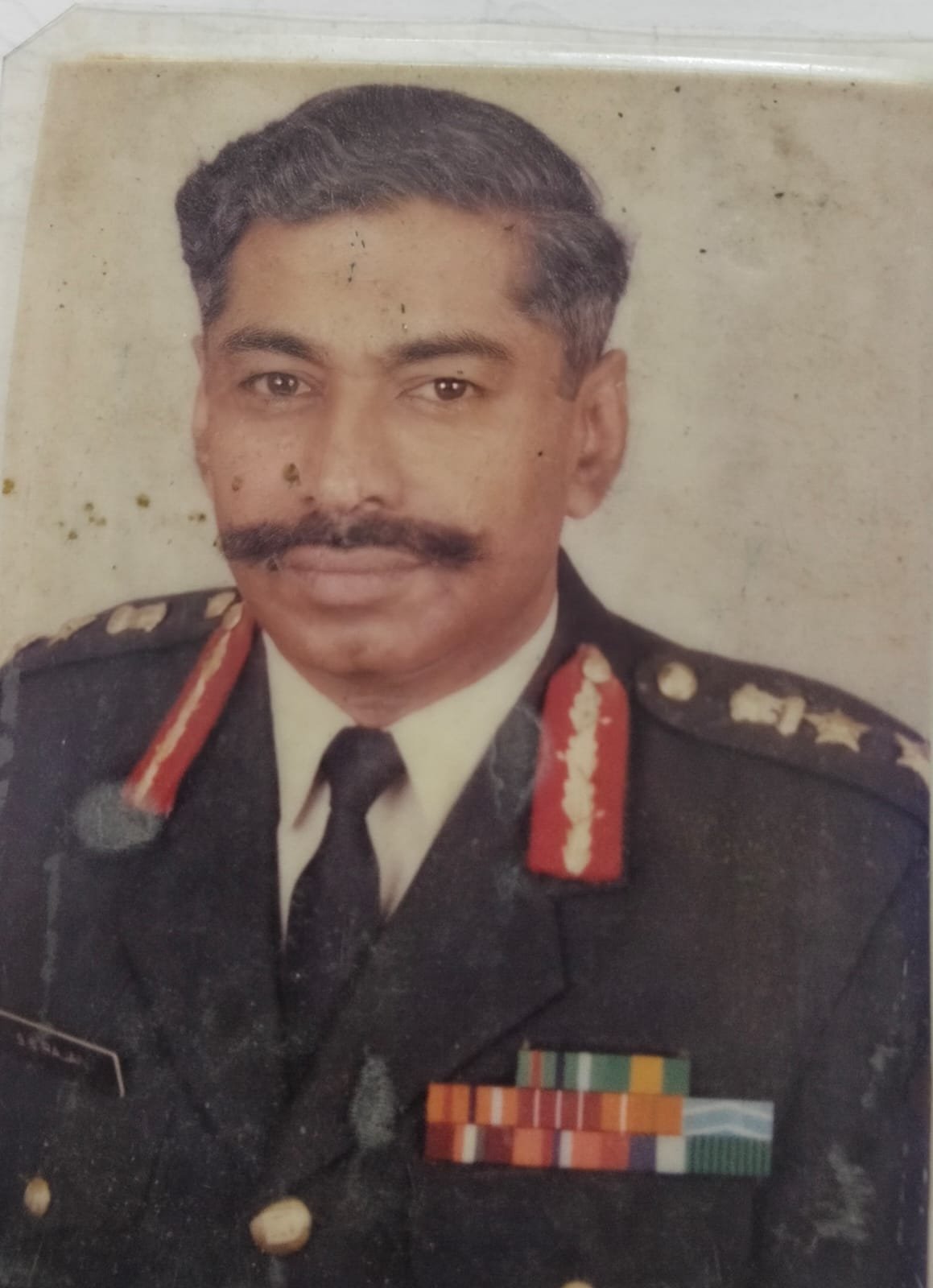
MAJOR GEN HARVIJAY SINGH, SENA MEDAL ,corps of signals
.
.
PRESIDENT SOUTH ALL INDIA SANJHA MORCHA
COL SS RAJAN BOMBAY SAPPERS,
PRESIDENT UTTARAKHAND ALL INDIA SANJHA MORCHA
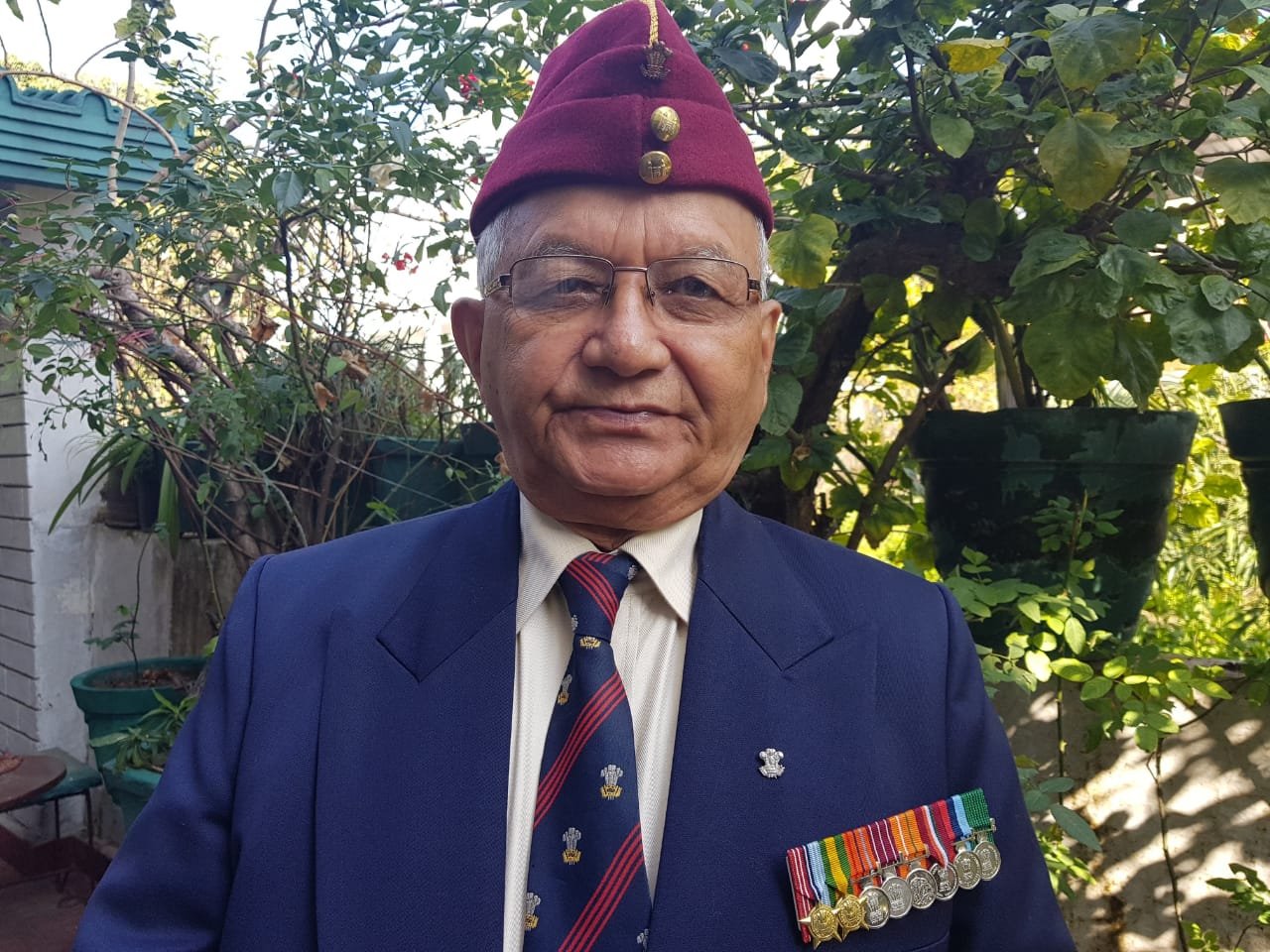
COL B M THAPA ,BENGAL SAPPERSS
PRESIDENT HARAYANA STATE CUM COORDINATOR ESM
BRIG DALJIT THUKRAL ,BENGAL SAPPERS
PRESIDENT TRICITY
COL B S BRAR (BHUPI BRAR)
PRESIDENT CHANDIGARH ZONE
COL SHANJIT SINGH BHULLAR
.
.
PRESIDENT PANCHKULA ZONE AND ZIRAKPUR
COL SWARAN SINGH
INDIAN DEFENCE FORCES
DEFENCE FORCES INTEGRATED LOGO
INDIAN AIR FORCE
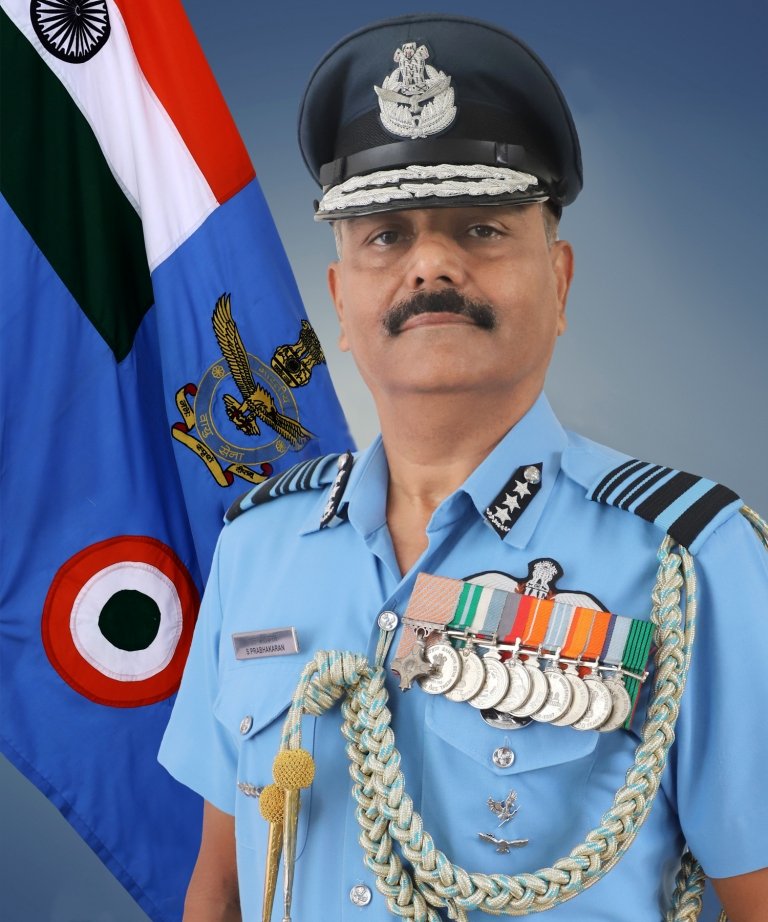
Air Officer C-in-C WESTERN AIR COMMAND
AIR MSHL S PRABHAKARAN AVSM VM
AOC-IN-C, EASTERN AIR COMMAND
Air Marshal Inderpal Singh Walia
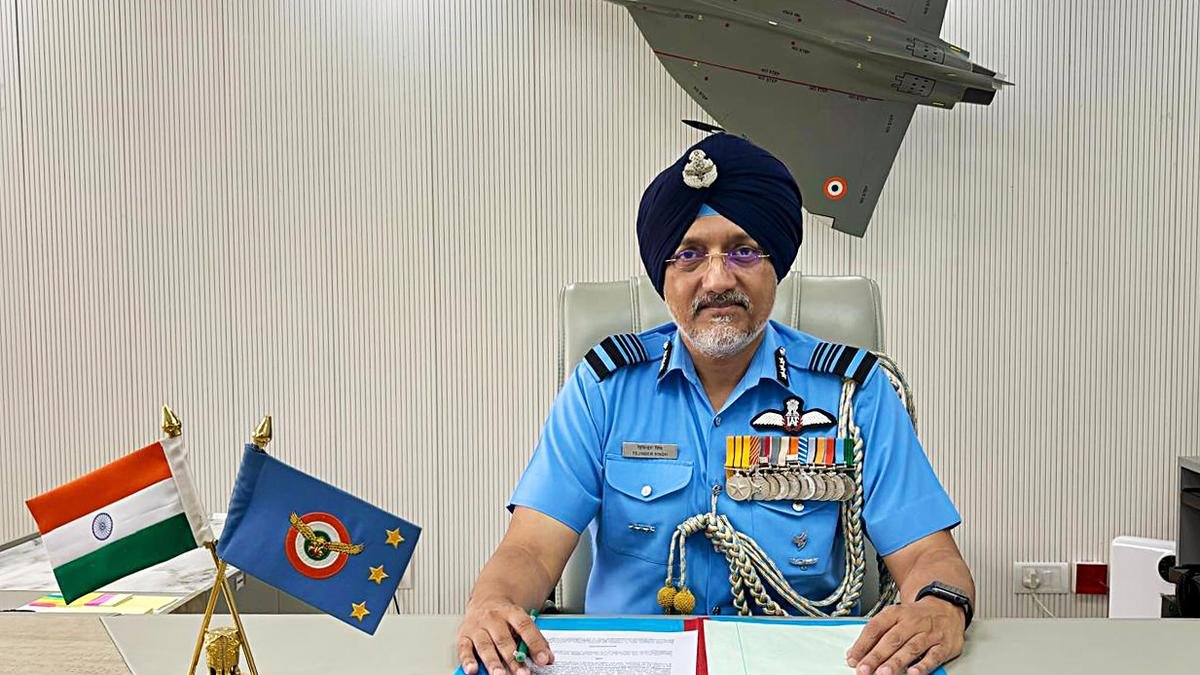
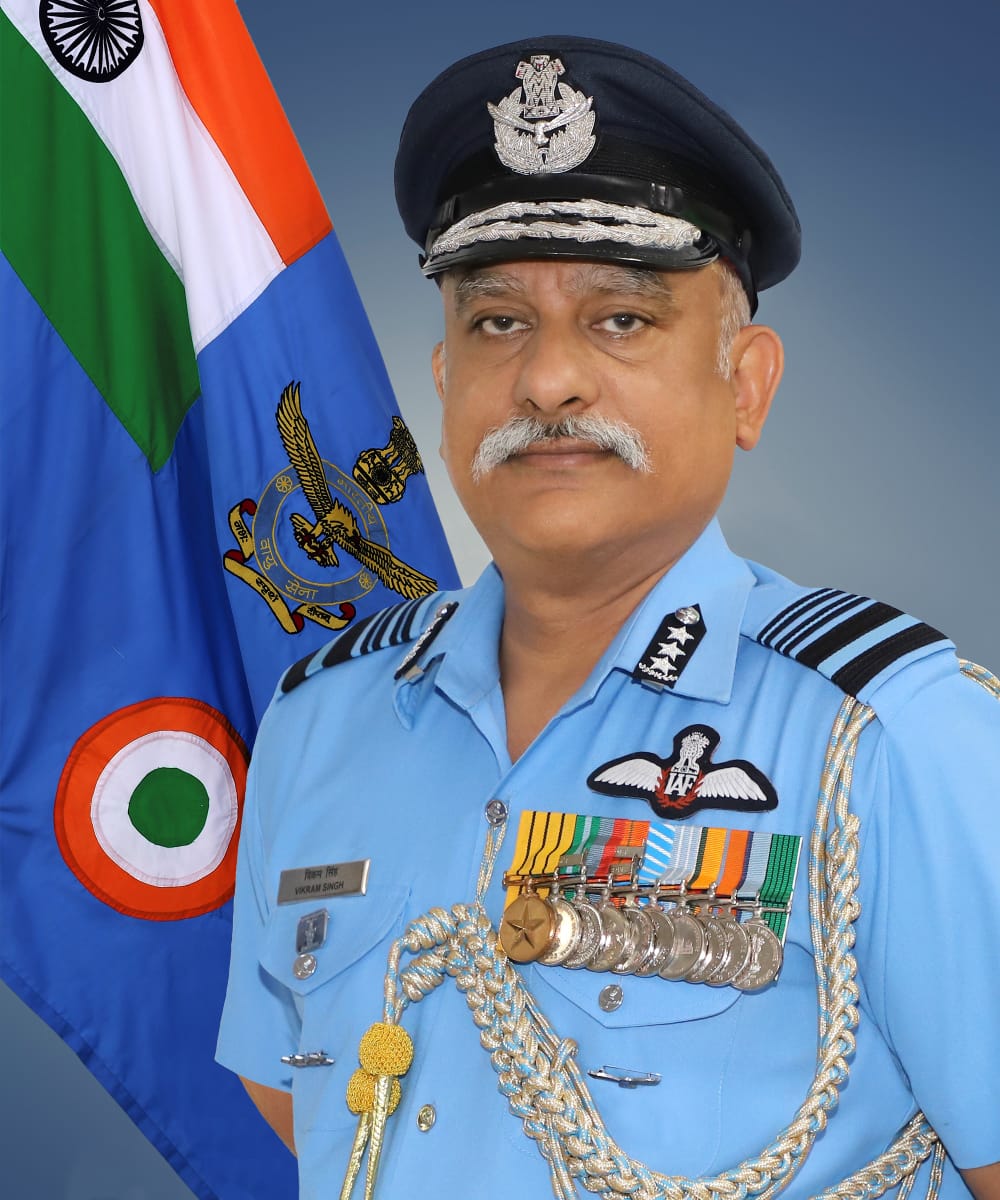
AOC-in-C SOUTH WESTERN AIR COMMAND
Air Marshal Vikram Singh
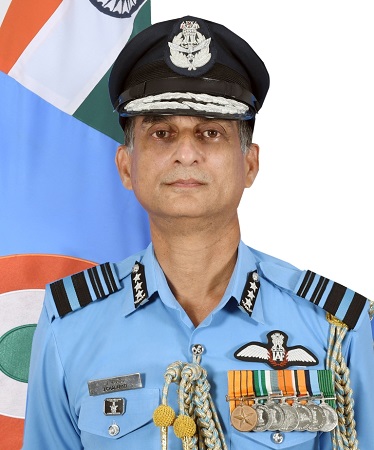
AOC-IN-C, SOUTHERN AIR COMMAND
Air Marshal J.Chalapati
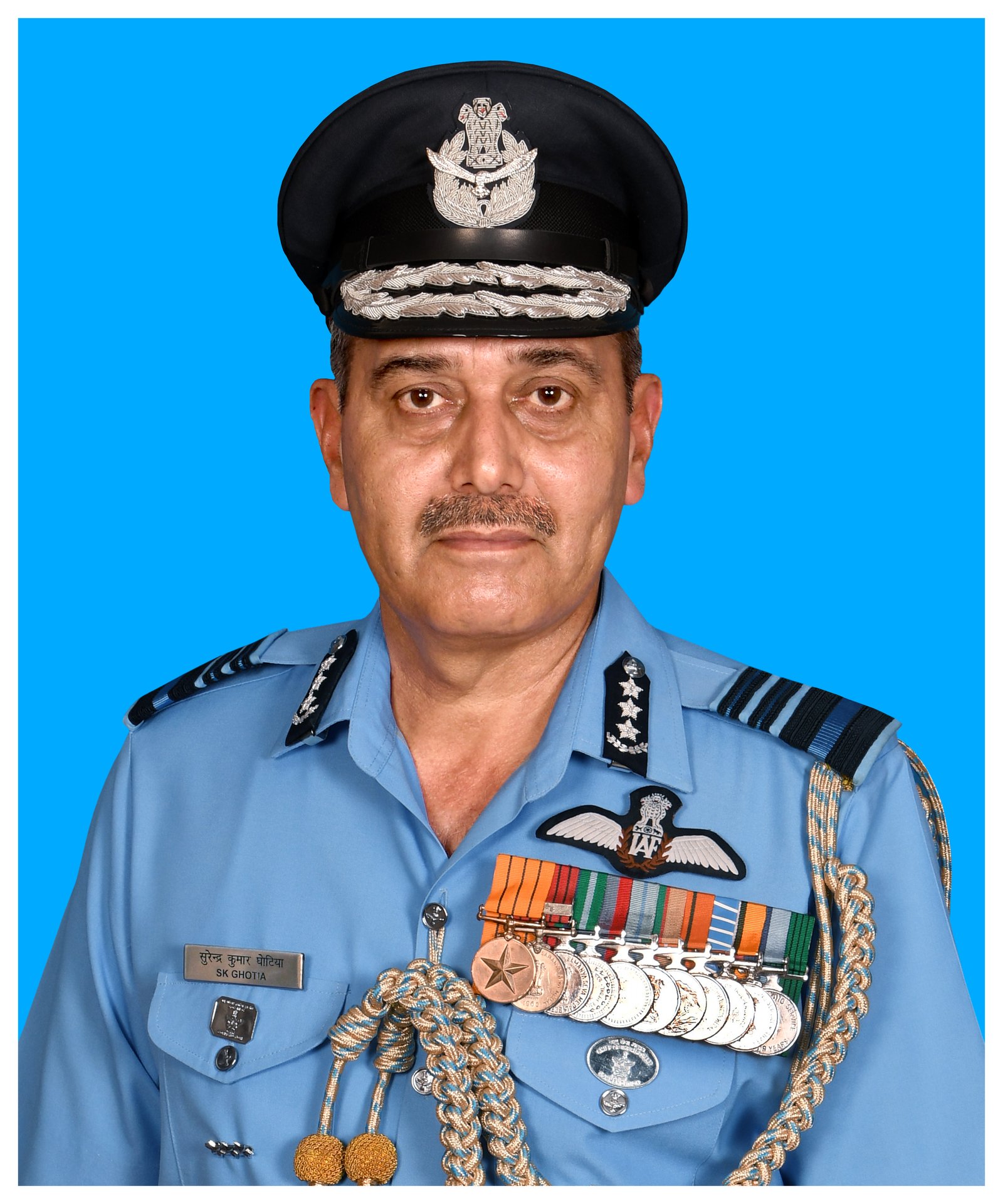
AOC-IN-C TRAINING COMMAND
AIR MARSHAL SK GHOTIA VSM
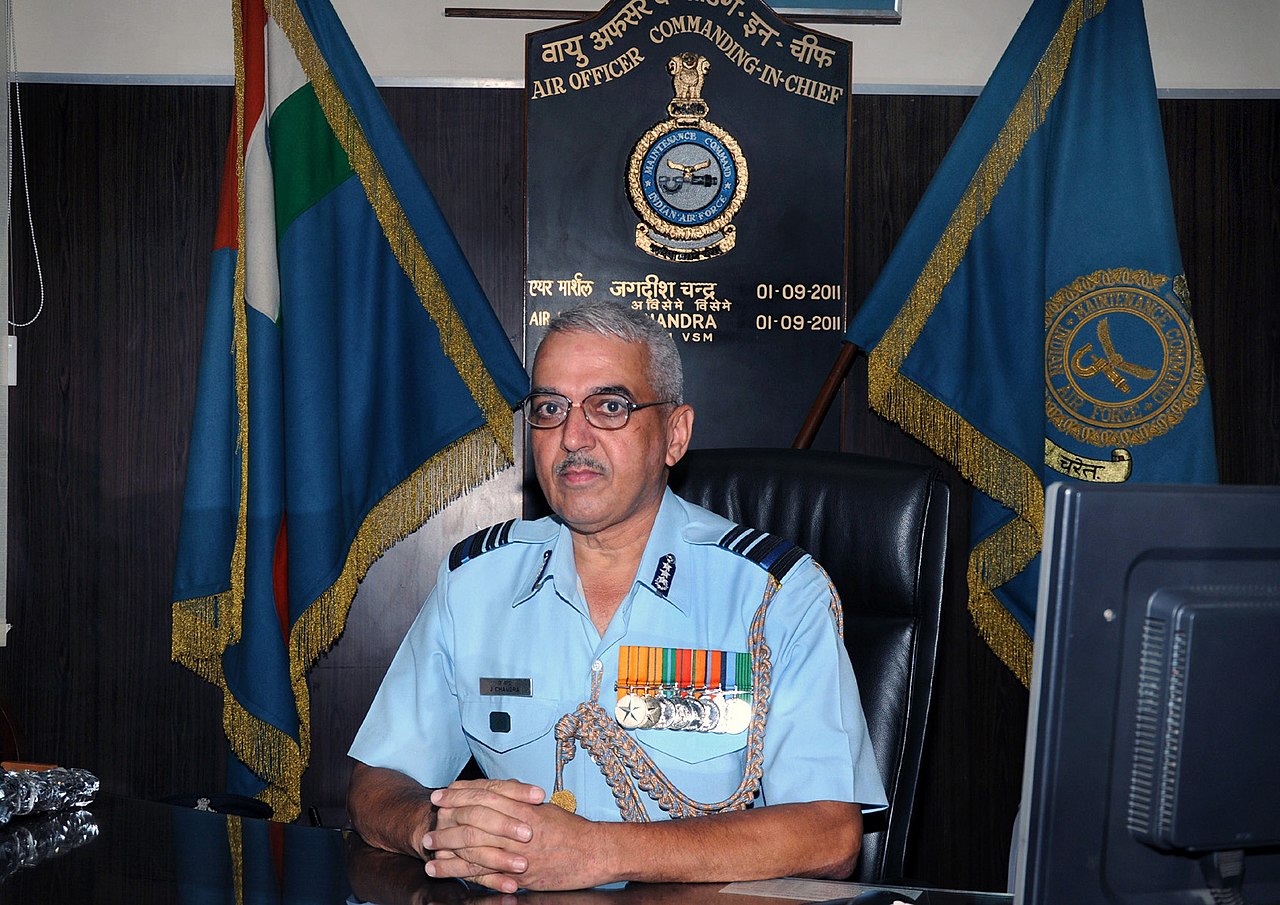
AOC-IN-C MAINTENANCE COMMAND
Air Marshal Jagdish Chandra
Flag Officer Commanding in Chief, Western Naval Command
ice Admiral R Hari Kumar, PVSM, AVSM, VSM
Flag Officer Commanding in Chief, Eastern Naval Command
Vice Admiral Sanjay Bhalla, AVSM, NM
Flag Officer Commanding in Chief, Southern Naval Command