









Sanjha Morcha

Sheshnaag-150: India’s Own Long-Range Swarming Killer Drone Flies

India is currently facing significant challenges in selecting its next manned fighter aircraft, with a recent offer from both Russia and the U.S. to acquire F-35 & Su-57 stealth fighters adding to the complexity. Simultaneously, a breakthrough in indigenous defence technology has been achieved with the successful flight test of the Sheshnaag-150, a long-range collaborative attack swarming drone developed by NewSpace Research Technologies (NRT). This system is designed for coordinated swarm attacks, capable of overwhelming enemy defences and executing precision strikes.

The Sheshnaag-150, developed by NewSpace Research Technologies (NRT), represents a significant advancement in autonomous drone technology, specifically designed for coordinated swarm attacks. This system is part of a broader family of intelligent swarming systems aimed at overwhelming enemy defences through precision strikes. With an operational range exceeding 1,000 km and an endurance of over 5 hours, the Sheshnaag-150 can loiter over target areas, providing real-time surveillance and strategic attack options. The drone’s capability to carry warheads weighing between 25-40 kg enables it to inflict substantial damage on enemy infrastructure, vehicles, or personnel.

Beyond its physical capabilities, the Sheshnaag-150’s true strength lies in its sophisticated software and electronic systems. These enable the drones to operate with minimal human intervention, autonomously identifying, tracking, and engaging enemy targets. The system supports a variety of missions, including Intelligence, Surveillance, and Reconnaissance (ISR) and electronic warfare (EW) operations. This versatility makes the Sheshnaag-150 a valuable asset for modern warfare, capable of executing complex tasks with precision and speed.

The development of the Sheshnaag-150 marks a significant leap forward in autonomous warfare technology, offering military forces enhanced capabilities in complex combat environments. By leveraging swarm tactics and advanced AI, these drones can overwhelm adversaries, creating a force multiplier effect in critical operations. The integration of such systems into India’s defence strategy is poised to transform the way combat missions are planned and executed, ensuring readiness for future warfare challenges.

Sheshnaag-150 has over 1,000 km range with an endurance of more than 5 hours, allowing it to loiter over target areas for extended periods. The drone can carry 25-40 kg warheads, enabling significant damage to enemy infrastructure. The drone is equipped with AI systems for autonomous operations, enabling it to identify, track, and engage targets with minimal human intervention. It supports Intelligence, Surveillance, and Reconnaissance (ISR) and electronic warfare (EW) operations.

In the context of border security, the Sheshnaag-150 could play a crucial role in monitoring high-altitude regions during stand-off. A swarm of these drones could be deployed to identify adversary troop movements in real-time, enabling rapid response to potential incursions. If an incursion is detected, the drones could autonomously engage enemy positions, neutralising threats before they escalate into full-scale confrontations. This capability minimises risks to Indian soldiers while maintaining a strong defensive posture along the Line of Actual Control (LAC) with China and the Line of Control (LoC) with Pakistan.

Beyond border security, the Sheshnaag-150 could be utilised for pre-emptive counter-terror operations in hostile areas. If intelligence suggests an impending terror attack, a drone swarm could be dispatched to track and eliminate high-value targets in remote hideouts. The drones could conduct coordinated strikes on terror camps, ammunition depots, or infiltration routes, effectively disrupting enemy networks. Additionally, their electronic warfare capabilities could jam enemy communications, further degrading their ability to coordinate attacks.

The integration of advanced AI-based technologies in the Sheshnaag-150 enhances its mission effectiveness, allowing for additional roles such as Intelligence, Surveillance, and Reconnaissance (ISR). This adaptability makes the Sheshnaag-150 a versatile asset for various strategic scenarios, including gathering critical intelligence and performing reconnaissance missions. As NRT continues to refine and enhance the capabilities of the Sheshnaag series, it is poised to become a key player in reshaping the dynamics of modern aerial combat, offering military forces enhanced capabilities in an increasingly complex and challenging environment.

The Sheshnaag-150 is poised to address the deep strike needs of the Indian Army, Air Force, and Navy. As the Indian armed forces face conventional capability gaps and budgetary constraints, the potential for swarming systems like the Sheshnaag-150 is significant. An Indian Air Force (IAF) officer, briefed on the Sheshnaag-150 at Aero India 2025, noted that there is always a need for platforms that can create a combat mass with diverse payloads and attack options. This sentiment underscores the strategic value of the Sheshnaag-150 in modern warfare, particularly in its ability to conduct autonomous operations with minimal human intervention, enhancing the military’s operational flexibility and effectiveness.

The Sheshnaag-150 is designed for coordinated swarm attacks, allowing multiple drones to overwhelm enemy defences and execute precision strikes. With a range of over 1000 km and an endurance of over 5 hours, it can loiter over target areas, providing real-time surveillance and strategic attack options. The drone’s ability to carry 25-40 kg warheads enables it to inflict significant damage on enemy infrastructure, vehicles, or personnel, making it a formidable asset in attritable warfare.

The Sheshnaag-150 is being developed internally by the start-up and will be pitched for the certain deep strike swarm-based needs of the Army, Air Force and the Navy.  The system is potentially deployable along the Line of Actual Control (LAC) with China and the Line of Control (LoC) with Pakistan for border security and counter-terror operations.

Integration Challenges

Integrating the Sheshnaag-150 into the Indian military’s existing infrastructure poses several challenges:

1. Interoperability And Integration

Ensuring seamless communication and coordination between the Sheshnaag-150 and existing military systems, such as command and control networks, sensors, and other drones, will be crucial. This requires standardising protocols and interfaces to avoid duplication and ensure interoperability. Existing bases and facilities might need upgrades to accommodate the unique requirements of the Sheshnaag-150, such as specialised maintenance and storage facilities.

2. Operational Training And Doctrine

Developing comprehensive training programs for operators to effectively utilise the autonomous capabilities of the Sheshnaag-150 will be essential. This includes understanding its swarm tactics and autonomous decision-making processes. Integrating the Sheshnaag-150 into existing military doctrines will require updates to operational strategies and tactics, ensuring that its capabilities are fully leveraged in various scenarios.

3. Cybersecurity And Data Management

Protecting the communication networks used by the Sheshnaag-150 from cyber threats is vital. This involves implementing robust encryption and secure data transmission protocols. Managing and integrating the vast amounts of data generated by the Sheshnaag-150’s surveillance and reconnaissance capabilities into existing intelligence systems will be a challenge.

4. Strategic And Tactical Adaptation

Adapting existing tactical strategies to effectively utilise the Sheshnaag-150’s capabilities in various combat scenarios, such as border security and counter-terrorism operations, will be essential. Understanding the strategic implications of deploying autonomous swarming drones like the Sheshnaag-150, including potential escalations and diplomatic repercussions, is crucial for effective integration.

Addressing these challenges will be key to successfully integrating the Sheshnaag-150 into India’s military infrastructure and maximising its operational effectiveness.

The development of the Sheshnaag-150 marks a significant milestone in India’s autonomous warfare capabilities. By leveraging advanced AI-based technologies, these drones can perform Intelligence, Surveillance, and Reconnaissance (ISR) roles, enhancing mission effectiveness and adaptability in various strategic contexts. The integration of the Sheshnaag series into India’s defence strategy is expected to transform combat mission planning and execution, preparing the military for future warfare challenges.



Formation of Cost Negotiation Committee Under Way To Speed Up Indian Navy’s Project-75 (India) Project

The formation of a cost negotiation committee (CNC) is underway to expedite the Indian Navy’s Project 75 (India), which aims to build six advanced diesel-electric submarines. This project aligns with the Atmanirbhar Bharat Abhiyan, a national initiative to enhance self-reliance in defence manufacturing.

urn:uuid:e9c4b999-1499-40e5-b9ed-a31eaccd6d1e

The CNC will comprise officials from the Ministry of Defence (MoD), the Indian Navy, Defence Finance, and representatives from Mazagon Dockyard Limited (MDL), which will lead the project in a strategic partnership with ThyssenKrupp Marine Systems (TKMS) of Germany.

Project 75 (India), also known as P-75(I), is an extension of the earlier Project 75, which involved building Scorpene-class submarines. The new project seeks to procure submarines with advanced features such as Air-Independent Propulsion (AIP) systems, which allow submarines to stay underwater for longer periods. The project has faced delays due to bureaucratic issues and tendering complexities but is crucial for enhancing India’s submarine capabilities.


The CNC’s formation is a step towards finalising the project’s costs and moving forward with the construction process, which is expected to take several years. The involvement of MDL and TKMS under the Make in India initiative underscores the government’s commitment to indigenising defence manufacturing while leveraging international expertise.

The project must align with the objectives of the Atmanirbhar Bharat Abhiyan, which emphasises self-reliance and indigenous production. This means that the project should contribute significantly to India’s ability to produce its own submarines in the future.

Historically Germans are not known for sharing such extensive knowledge in defence programmes, so the successful implementation of the strategic partnership model is will be seen as significant.

TKMS is required to transfer 100% of the necessary technology to India. This includes both commercial and technical aspects, ensuring that India gains comprehensive knowledge to design and build submarines independently in the future.

The project mandates a significant level of Indian content in the submarines. The requirement is for 45% indigenous content in the first submarine and 60% in the last one, ensuring that Indian industries are involved and benefited throughout the process.

The project aims to build six advanced submarines with air-independent propulsion (AIP) systems, enhancing the Indian Navy’s underwater capabilities. AIP allows submarines to stay submerged for extended periods, significantly improving stealth and operational effectiveness.

Past projects, like the Scorpene-class submarines, faced significant delays and cost overruns. The success of Project 75I will depend on avoiding such issues while ensuring the transfer of technology and adherence to the Atmanirbhar Bharat Abhiyan.

The contract for six Scorpene submarines was signed in 2005 with DCNS (now Naval Group), France, valued at ₹18,706 Crores.

The cost eventually rose to about ₹23,000 Crores, reflecting a significant escalation from the original estimate. The first submarine, INS Kalvari, was inducted in 2017 instead of the planned 2012. The last submarine, INS Vagsheer, was commissioned in January 2024, instead of the planned completion by 2017 for all six.

Despite the project’s aim to enhance indigenous capabilities, there was minimal technology transfer from the French company, with less than 3% of the technology being indigenous by value.

The experience with P75 has raised concerns for future projects like Project 75I, which aims to build more advanced submarines with significant indigenous content.

Plans are underway to build three more Scorpene-class submarines with increased indigenous content, including a combat management system made in India by Bharat Electronics Limited (BEL). These new submarines will integrate the DRDO-developed Air Independent Propulsion (AIP) system to enhance operational capabilities.

In contrast, Project 77 focuses on developing nuclear-powered attack submarines, highlighting India’s broader efforts to modernise its naval capabilities through both conventional and nuclear submarine projects.


Search operations launched in Poonch

Security forces on Monday launched a search operation at multiple places near the Line of Control in Poonch district, police officials said. Acting on inputs about suspicious movement, special operations group of local police and troops of the Central Reserve…

Security forces on Monday launched a search operation at multiple places near the Line of Control in Poonch district, police officials said.

Acting on inputs about suspicious movement, special operations group of local police and troops of the Central Reserve Police Force (CRPF) jointly cordoned off Phamarnar, Kiker Morh, Jabdan Gali and Harni in Gursai and Brella and Kasbalari in Mendhar and Bafliaz forest in Surankote, the officials said.

The search operation was underway when last reports were received, they said.

Security forces have intensified anti-terrorist operations across Jammu region over the past few weeks to neutralise terrorists, who have managed to sneak into this side from across the border last year and are believed to be hiding in the dense forests in higher reaches.


US aligns with Russia to oppose UN Resolution condemning war on Ukraine

This vote against the Ukrainian and European-backed resolution saw the US at odds with its longtime European allies and instead aligning with Russia on the third anniversary of Moscow’s full-scale invasion of Ukraine, as per CNN.

New York [US], February 25 (ANI): The United States, in a surprising shift from its previous stance, voted alongside Russia against a UN General Assembly resolution condemning Russia’s war against Ukraine on Monday, as reported by CNN.

This vote against the Ukrainian and European-backed resolution saw the US at odds with its longtime European allies and instead aligning with Russia on the third anniversary of Moscow’s full-scale invasion of Ukraine, as per CNN.

It came as the Trump administration has pursued discussions with Moscow about ending the war, with US President Donald Trump has ratcheted up his rhetoric towards Ukrainian President Volodymyr Zelenskyy.

The resolution was adopted by the General Assembly with 93 votes in favor. It notes “with concern the full-scale invasion of Ukraine by the Russian Federation has persisted for three years and continues to have devastating and long-lasting consequences not only for Ukraine but also for other regions and global stability” and “calls for a de-escalation, an early cessation of hostilities and a peaceful resolution of the war against Ukraine.”

The US had introduced a rival General Assembly resolution, which did not call Russia the aggressor or acknowledge Ukraine’s territorial integrity, CNN reported.

It “implores a swift end to the conflict and further urges a lasting peace between Ukraine and Russia.” It mourns “the tragic loss of life throughout the Russia-Ukraine conflict” and reiterates “the principal purpose of the United Nations, as expressed in the United Nations Charter, is to maintain international peace and security and to peacefully settle disputes,” per CNN.

The US is expected to introduce the same draft resolution at the UN Security Council later on Monday (local time).

Prior to the vote in the General Assembly, Ambassador Dorothy Shea, the Charge d’Affaires at the US Mission to the UN, had urged “all Member States, including Ukraine and Russia” to back the resolution.

“A simple, historic statement from the General Assembly that looks forward, not backwards. A resolution focused on one, simple idea: Ending the war. A path to peace is possible,” she said.

“Mr. President, that is why the United States opposed putting forward another resolution. And that is why we cannot support Ukraine’s resolution, and we urge its withdrawal in favor of a strong statement committing us to end the war and work towards lasting peace,” Shea said.

The US ended up abstaining from the vote for its own resolution at the General Assembly after several amendments were passed ahead of the vote to strengthen the language against Russia and reaffirm Ukraine’s territorial integrity. (ANI)

(The story has come from a syndicated feed and has not been edited by the Tribune Staff.)


MoD panel explores privatisation to speed up Tejas jet production

Modi raised Tejas engine delays with Trump

article_Author
Ajay Banerjee Tribune News Service

The Ministry of Defence (MoD) has set up a high-powered committee to address delays in the production of Tejas fighter jets, with privatisation being considered as a possible solution. The panel has been tasked with recommending ways to accelerate production, including greater private sector involvement.

Currently, state-run Hindustan Aeronautics Limited (HAL) is contracted to manufacture 83 Tejas Mark 1A jets, but deliveries have been delayed by over a year. A major reason for the delay is the failure of US company General Electric (GE) to supply the F-404 engines that power the Tejas.

Prime Minister Narendra Modi has personally raised the issue with US President Donald Trump. “The delayed delivery of GE engines was taken up during Prime Minister Modi’s visit. We remain engaged with the US side on all aspects relating to contracted defence articles, including timely deliveries,” Ministry of External Affairs spokesperson Randhir Jaiswal said on Friday.

To address these challenges, Defence Minister Rajnath Singh constituted a five-member expert committee in early February, led by Defence Secretary Rajesh Kumar Singh. The panel includes the Secretary of Defence Production, the Vice Chief of the Indian Air Force (IAF) and the Chairman of HAL. It has been given a one-month deadline to submit recommendations on expediting the Tejas Mark 1A’s induction.

The urgency of the situation was highlighted by IAF Chief Air Chief Marshal AP Singh, who recently questioned HAL’s ability to meet production deadlines. He also expressed dissatisfaction with the “incomplete” Tejas Mark 1A jet presented to him.

At Aero India 2024 (Feb 10-14, Bangalore), HAL had assured that it would complete production of all 83 Tejas Mark 1A jets within the next three and a half years. Responding to criticism, HAL Chairman DK Sunil stated that the company remains focused on delivering the jets to the IAF at the earliest rather than engaging in debates over the program’s delays.

The MoD’s latest initiative signals a push to resolve bottlenecks and ensure the timely deployment of India’s indigenous fighter jets.


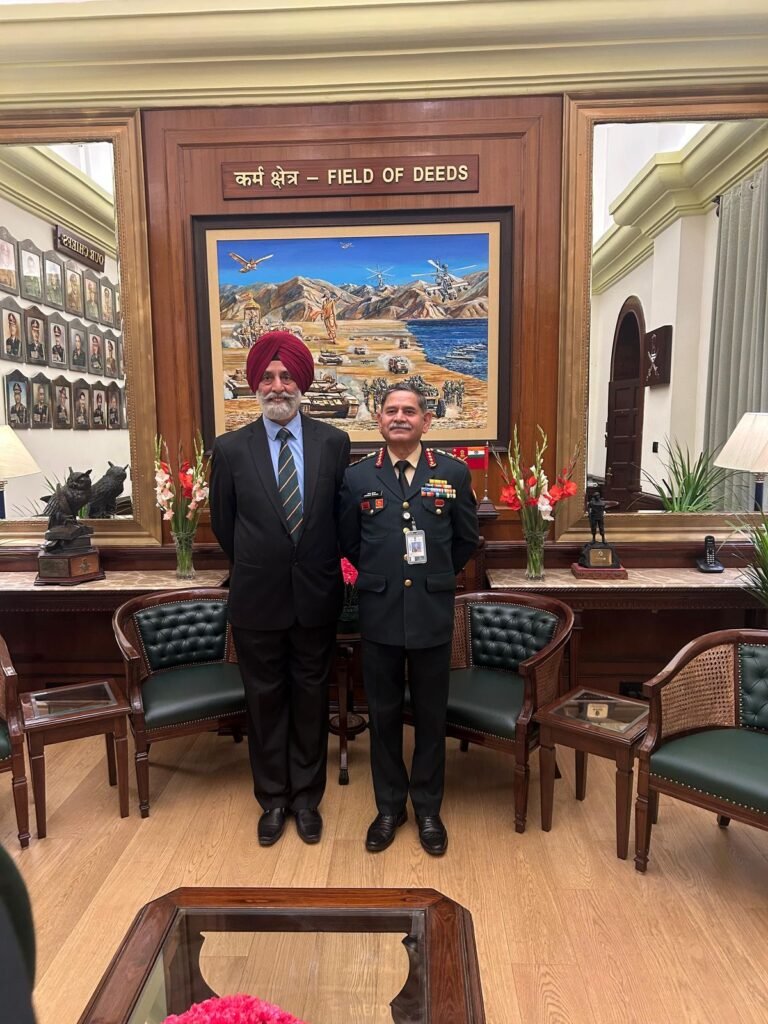
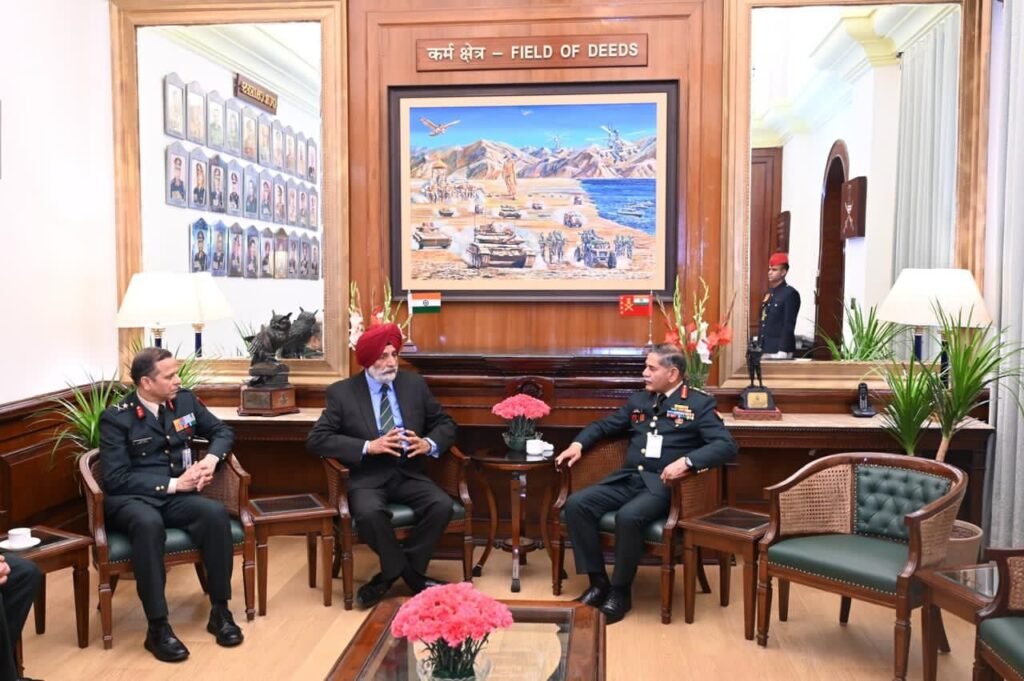
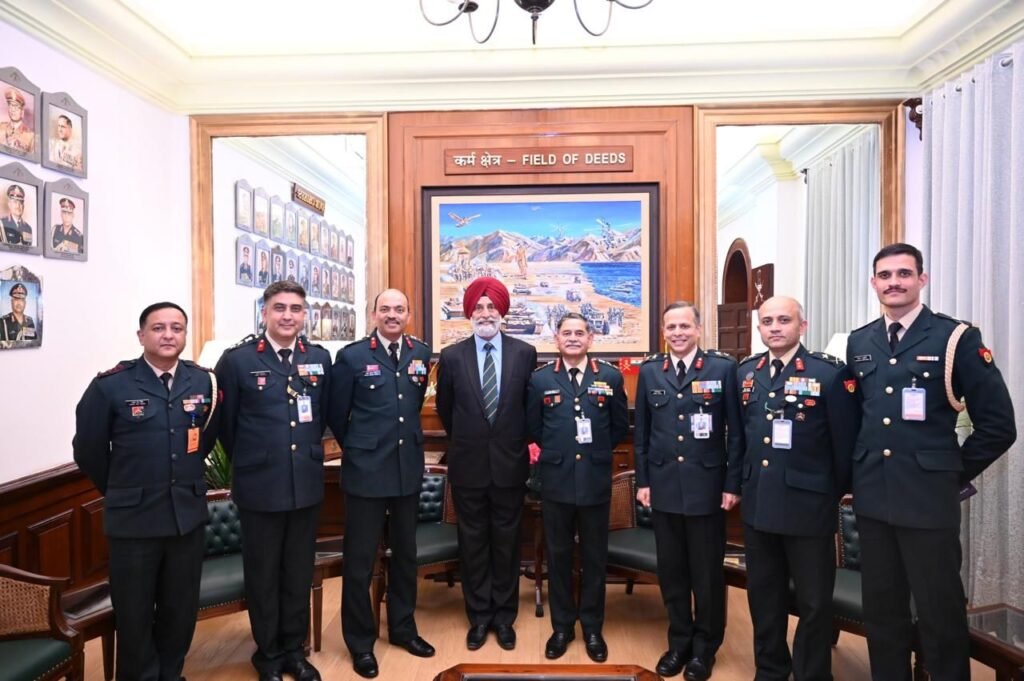
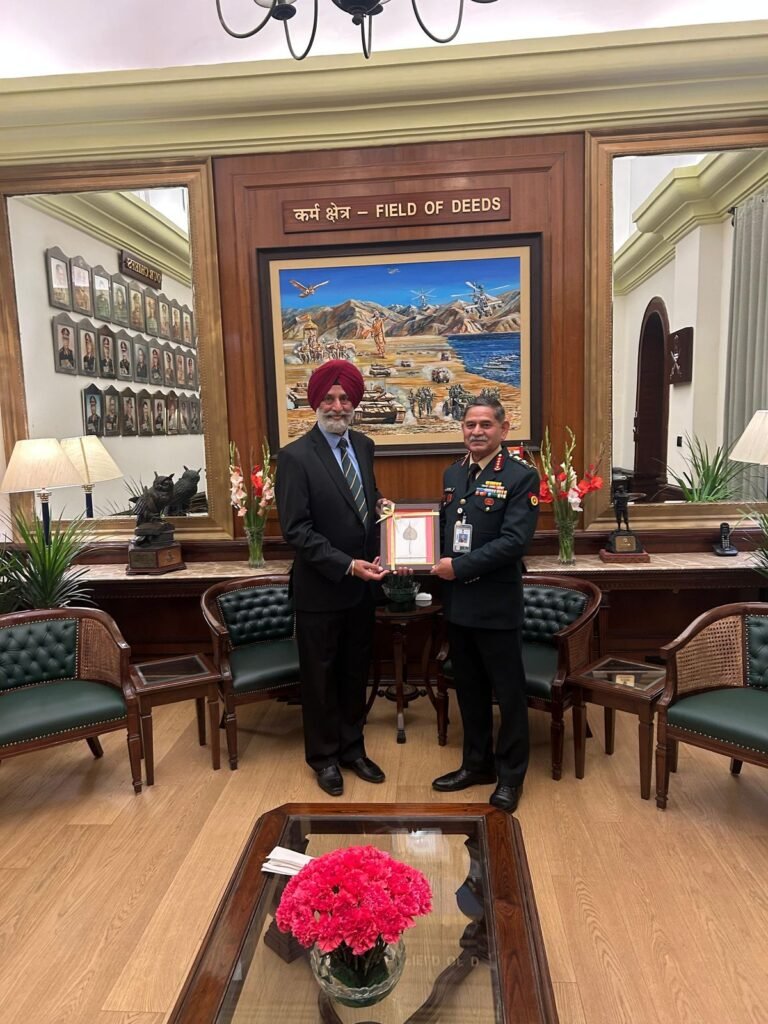
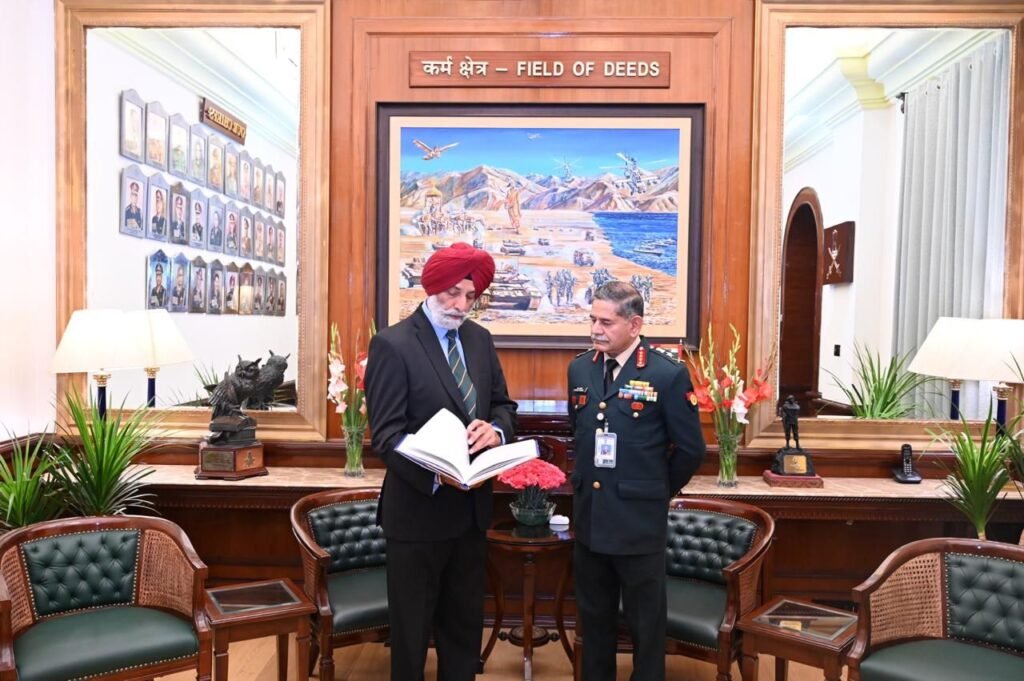
President Haryana State of ESM Wefare association (Sanjha Morcha) Brig PS Bedi VSM (Peter Bedi) Meets COAS General Upendra Dwivedi in his office

Sharing A Proud and Privileged Moment
In my recent visit to Delhi had the honor of having lunch with the Chief of the Army Staff in his office, along with fellow regimental officers. As a proud member of JAK RIF, it was truly special to meet and bless one of my regimental juniors, whom I have known for a long time, now leading the Indian Army as COAS.
His humility, deep respect for veterans, and unwavering commitment to the force make him an exceptional leader. He has always hosted me with great warmth and regard, reaffirming the strong bonds of our regimental brotherhood.
Wishing him continued success in leading the Army with strength and wisdom!

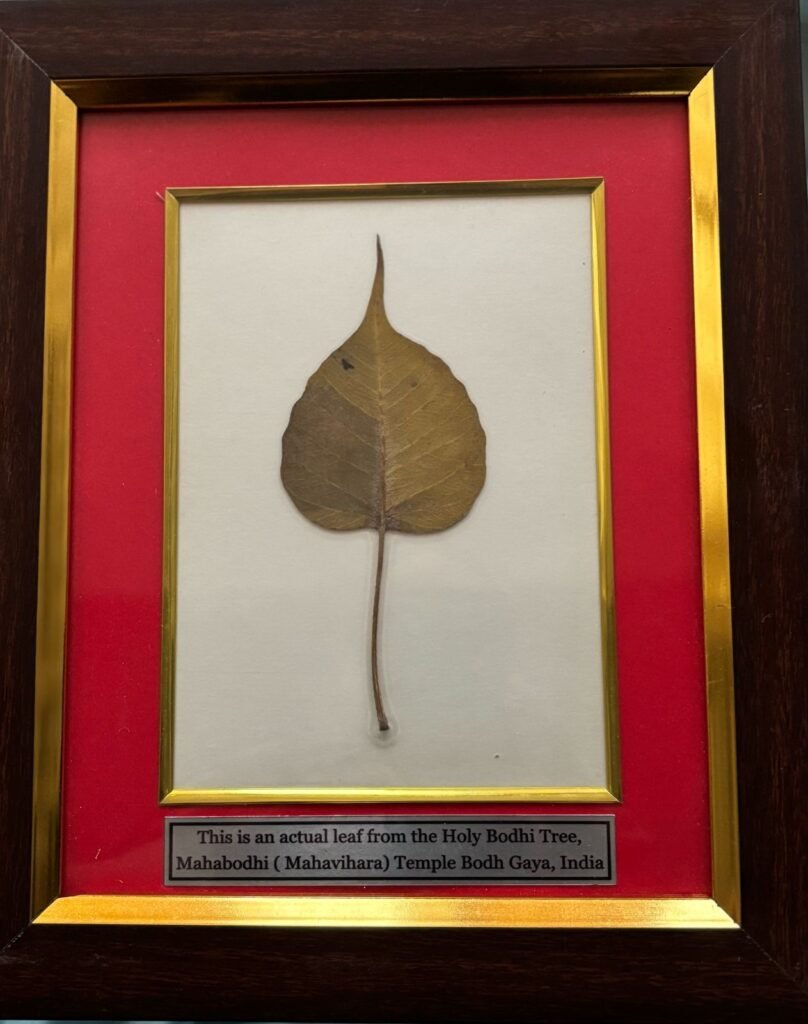
I took this opportunity to present him the book “The Japji of Guru Nanak “ and was honored to receive a Memento from him which will always fine a place of pride in our home

Army Chief Embarks On 5-Day Trip To France

Army Chief General Upendra Dwivedi has embarked on a five-day official visit to France from February 24 to February 27, 2025. This trip aims to enhance bilateral military cooperation between India and France.

General Dwivedi is scheduled to engage in discussions with his French counterpart, focusing on strengthening defence ties.

Exploration of Defence Industries: The Army Chief will also explore opportunities for collaboration with various French defence industries.

As part of the visit, General Dwivedi will pay respects at memorials dedicated to Indian soldiers who fought in World War I, including laying a wreath at the Neuve-Chapelle Memorial and the Indian Memorial at Villers-Guislain.


Army to deploy next-gen missile systems against aerial threats

The Indian Army is adding three next-generation weapon systems to counter enemy airborne threats such as incoming missiles and rockets. The first is an air defence weapon designed to protect infantry and armoured battalions in battle. A Quick Reaction Surface-to-Air…

article_Author
Ajay Banerjee Tribune News Service

The Indian Army is adding three next-generation weapon systems to counter enemy airborne threats such as incoming missiles and rockets.

The first is an air defence weapon designed to protect infantry and armoured battalions in battle. A Quick Reaction Surface-to-Air Missile (QRSAM), developed by the Defence Research and Development Organisation (DRDO), has been tested. With a range of 30 km, the Army aims to finalise a contract for its procurement within four months.

For close-range threats, the Army is considering a Very Short-Range Air Defence System (VSHORADS). It has two options — an indigenously developed DRDO system and an imported alternative for immediate operational requirements.

The DRDO’s system has undergone three successful tests off the Odisha coast against high-speed, low-altitude targets. On February 1, the Ministry of Defence stated that “in all three flight tests, the missiles intercepted and completely destroyed the targets”. VSHORADS is a man-portable air defence system designed and developed in India.

While the DRDO works on the final version, the Army is planning an emergency purchase from a foreign vendor. Additionally, a Request for Information (RFI) — the first stage of the tender process — will be issued soon for Indian manufacturers.

The Army has also begun inducting the Medium-Range Surface-to-Air Missile (MRSAM), which has a range of 70 km, allowing threats to be neutralised at a greater distance. A test firing of the system is planned for this summer, with more units to be inducted.

The MRSAM is derived from a similar system deployed on Indian Navy warships. The Army version has been jointly developed by the DRDO and Israel Aerospace Industries and includes a multi-function radar and a mobile launcher system. The first unit has already been inducted in the eastern sector.


Suspicious radio signals from Bangladesh hint at ISI-backed plot

Security forces have intercepted suspicious wireless radio communications originating from across the Bangladesh border. The transmissions, conducted in Arabic, Urdu and Bengali, have raised concerns within India about the potential increase in covert activities by Pakistan’s Inter-Services Intelligence (ISI) in…

Animesh Singh Tribune News Service

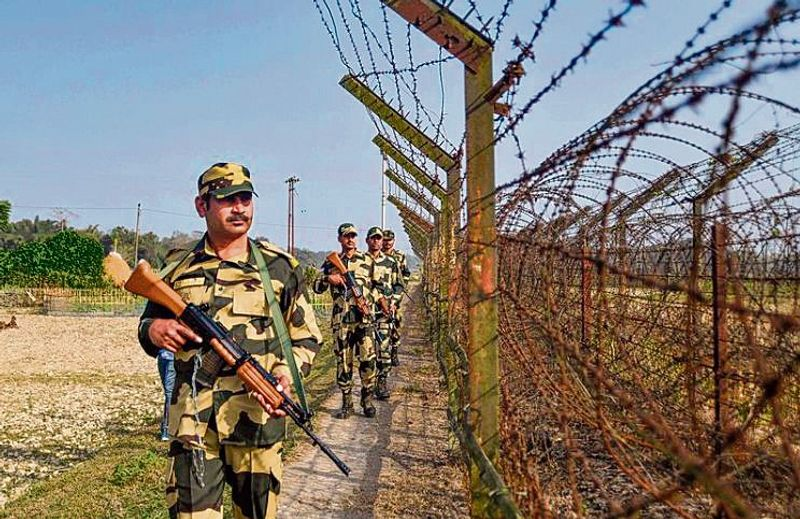
Security forces have intercepted suspicious wireless radio communications originating from across the Bangladesh border. The transmissions, conducted in Arabic, Urdu and Bengali, have raised concerns within India about the potential increase in covert activities by Pakistan’s Inter-Services Intelligence (ISI) in regions bordering the West Bengal sector. There are fears that the ISI may be collaborating with radical elements in Bangladesh and training Rohingya refugees for terrorist activities.

Terror camps near border trigger alert

  • Security forces intercepted radio signals in Arabic and Urdu from Bangladesh border areas
  • ISI reportedly running terror camps, collaborating with radicals, training Rohingya refugees
  • Bangladesh’s fluid political situation being exploited by agencies such as ISI for anti-India activities
  • Indian forces on high alert, intensifying border surveillance to counter potential threats

Pak, Bangladesh resume direct trade

Islamabad: Pakistan and Bangladesh have resumed direct trade for the first time since the 1971 separation, with the first government-approved cargo departing from Port Qasim, a media report said.

Sources revealed that the radio signals were intercepted during the early hours (between 1 am and 3 am) from various locations in Bangladesh and were detected in several areas along the Bengal sector, including Shonepur, Basirhat, Bongaon and South 24 Parganas. The nature and timing of the communications have sparked concerns about coordinated efforts that could pose a threat to India’s security.

The development has fuelled speculation within security circles that Bangladesh jihadis may be working in tandem with the ISI to carry out nefarious activities targeting India. The use of multiple languages and the timing of the signals suggest a well-organised operation, though the exact objectives remain unclear. Security officials have expressed suspicions that the ISI may be leveraging the fluid political situation in Bangladesh, where several foreign actors are believed to be influencing the narrative. Of particular concern is the reported increase in ISI presence near India’s strategic “chicken’s neck corridor”, a narrow strip of land connecting mainland India to the northeastern states. A Pakistani army delegation, accompanied by an ISI officer, recently visited Rangpur, located near this critical corridor, as well as Chittagong and Cox’s Bazar in southeastern Bangladesh.

These visits have further heightened apprehensions about Pakistan’s growing influence in the region.

According to sources, the ISI is allegedly supplying arms to training camps in Bangladesh, where Rohingya refugees and Bangladeshi operatives are being trained for militant activities. These camps, reportedly overseen by former members of Pakistan’s Special Service Group (SSG), are said to be preparing operatives for missions targeting India. Additionally, there are alarming reports of the Islamic State’s presence in Bangladesh, raising fears of covert operations aimed at India.


Coaching academy brings hope to underprivileged students

Sheikh Mudasir’s life journey is a story of resilience and transformation. From once being a supporter of separatist activities, he has come a long way to establishing an academy in the Baramulla district of Kashmir, where underprivileged and orphaned students…

Sheikh Mudasir’s life journey is a story of resilience and transformation. From once being a supporter of separatist activities, he has come a long way to establishing an academy in the Baramulla district of Kashmir, where underprivileged and orphaned students receive free coaching.

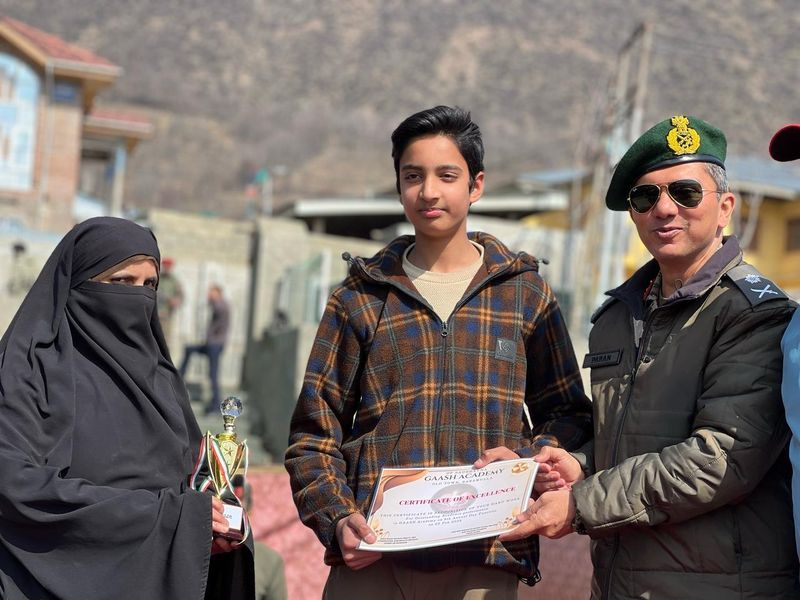
With support from the Army, old town Baramulla is witnessing a positive transformation through initiatives like GAASH Academy, founded by Sheikh Mudasir. The academy provides free educational support to about 80 underprivileged children and orphans, empowering them with modern education and guiding their energy towards becoming the torchbearers of a prosperous Kashmir.

The General Officer Commanding (GOC) of the Vajra Division recently visited the academy to acknowledge the students’ outstanding performance in the JKBOSE exams. He praised their achievements and emphasised the importance of education in shaping a brighter future for Kashmir.

An Army spokesperson remarked, “Sheikh Mudasir’s journey is a powerful testament to resilience and transformation. Once drawn into separatist activities in his youth, he has now become a driving force for change in Baramulla. Despite battling a brain tumour and facing ongoing threats, his commitment to education and peace has never wavered.”

His initiative, GAASH Academy, has become a beacon of hope for the youth of the region, steering them away from extremism and towards a brighter future through education. “The success of Mudasir’s vision is evident in the academy’s remarkable performance in the JKBOSE exams, where several students scored above 90%,” the spokesperson added.

These impressive results highlight the effectiveness of GAASH Academy in empowering the youth of Baramulla, turning Mudasir’s vision into a powerful reality that is shaping a positive future for Kashmir.