Sanjha Morcha

What’s New

Click the heading to open detailed news

Current Events :

web counter

Print Media Reproduced Defence Related News

Excel in all fields, NCC cadets told

Excel in all fields, NCC cadets told

Tribune file photo for representation only.

Chandigarh, January 30

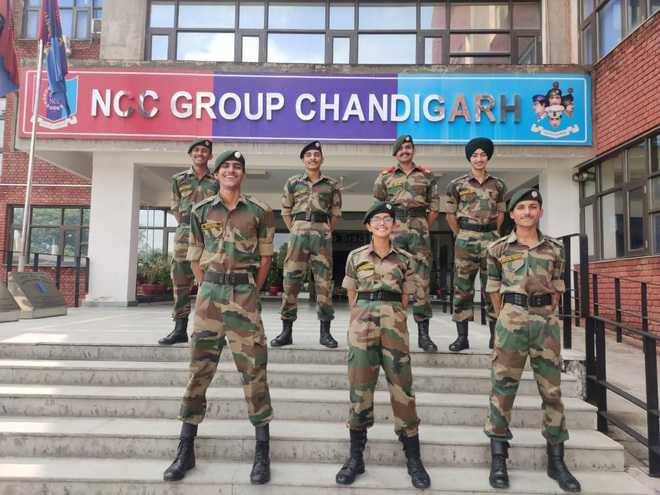
The combined annual training camp of the Chandigarh NCC Air Wing is being organised at the NCC Complex here, with a total of 35 cadets, including 21 girls, participating in the event.

During the camp, cadets were being exposed to intensive training regimen, which include both outdoor activities and classroom lectures, said camp commandant Group Captain MR Pandeya.

In addition to drill and weapon training, various topics being covered are history of the Indian Air Force (IAF), precautionary measures during flying, role of air traffic control, meteorology and navigation in aviation, first-aid procedures, fire-fighting and selection process in the IAF.

Inaugurating the camp, Col DK Sharma, Training Officer, Chandigarh NCC Group, an ex-NCC cadet himself, said the NCC imparts discipline and promotes fitness amongst the youth. He exhorted the cadets to excel in all fields, enjoy the training and develop camaraderie and friendship among themselves. — TNS


Why the farmers’ protests are a wake-up call for rest of us Farmers’ protests are a contemporary example of the power of a peaceful people’s struggle against marginalisation

Why the farmers’ protests are a wake-up call for rest of us

Representational image

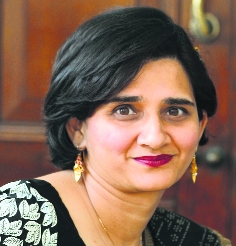
Natasha Badhwar

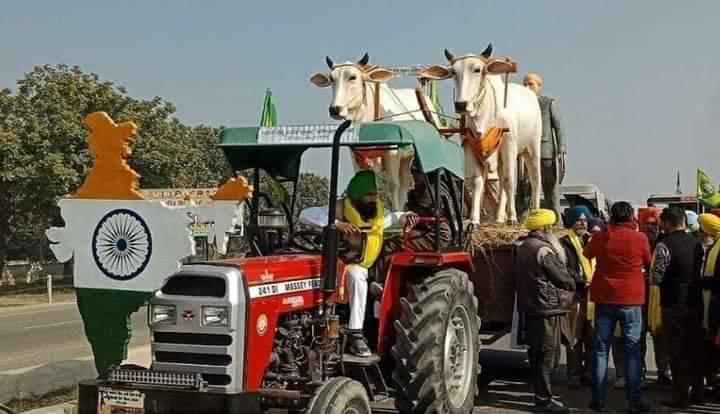
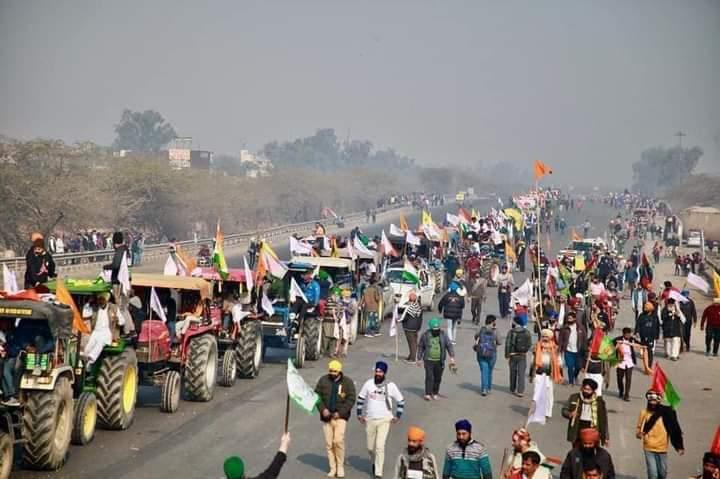
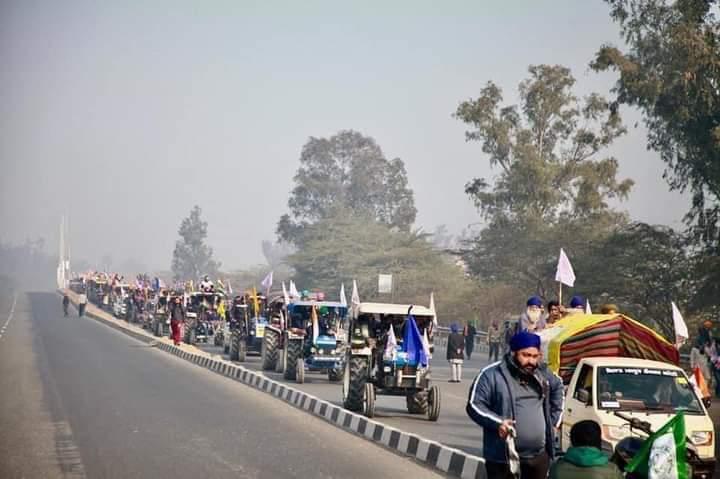
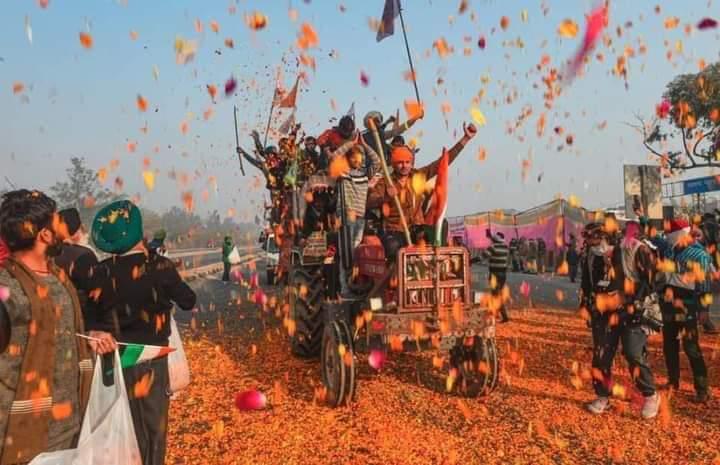
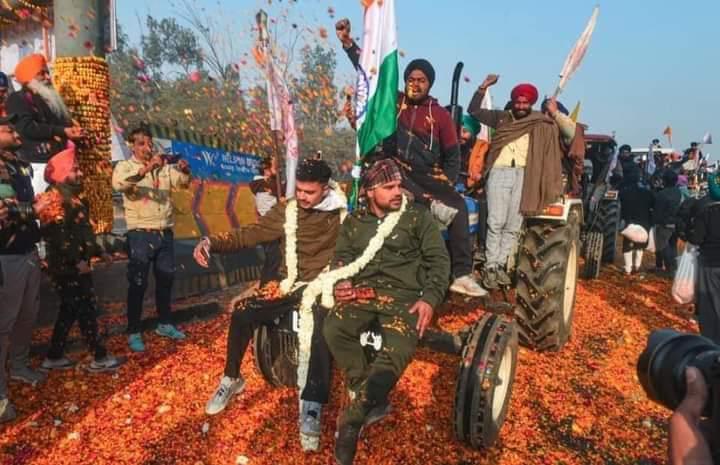
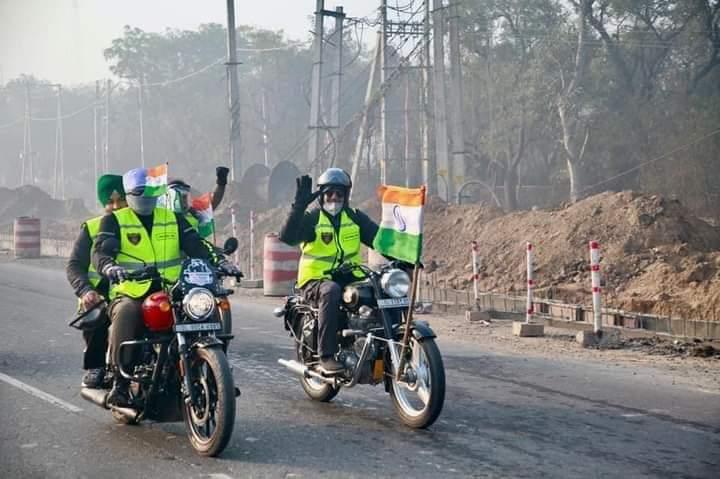
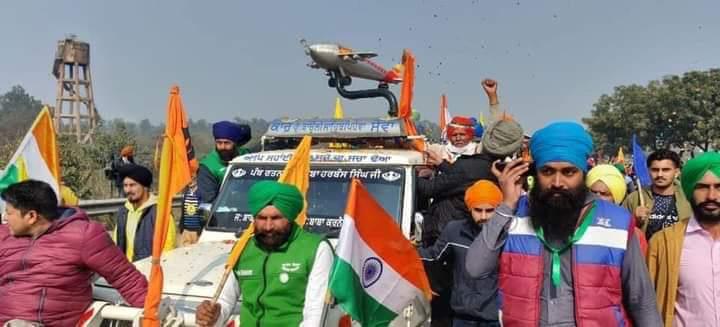
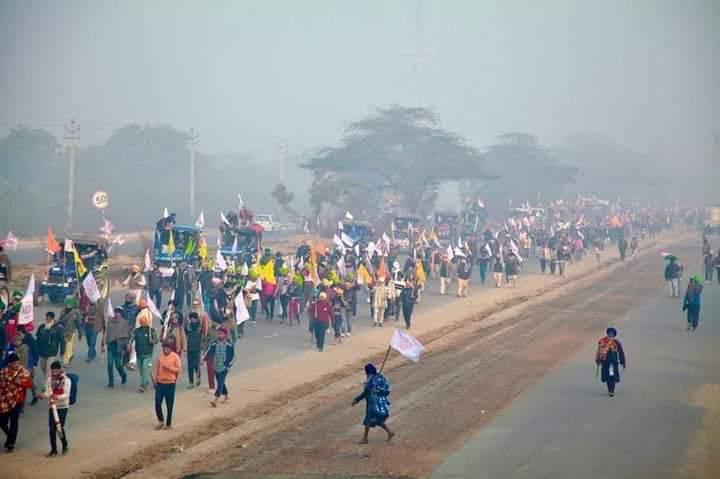
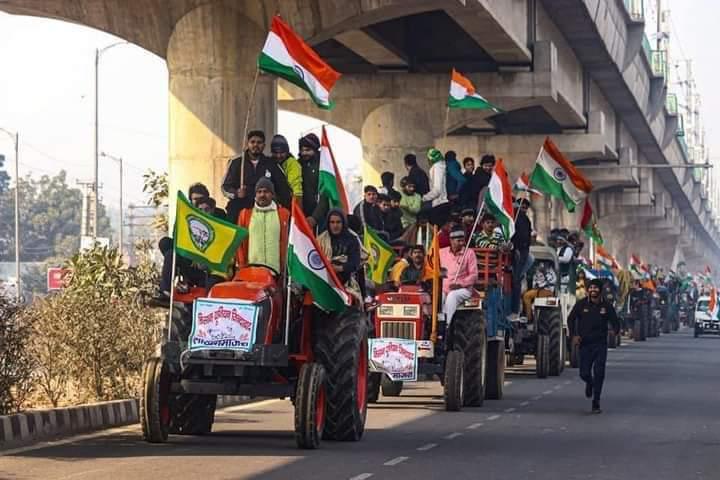
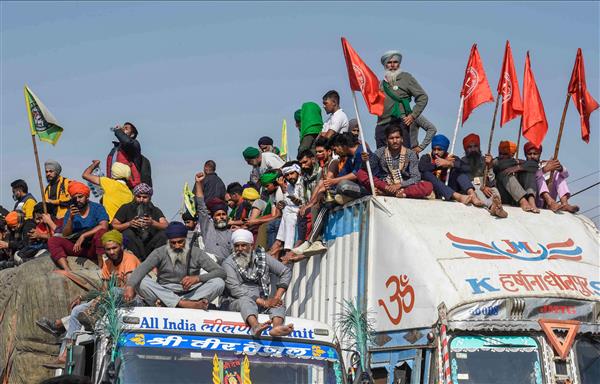
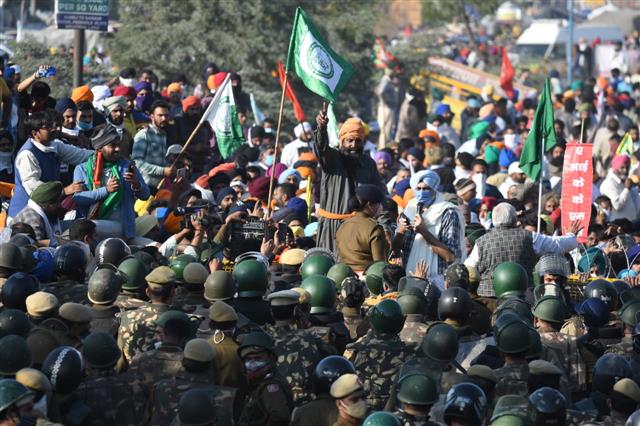
My family and I spent the last two weeks travelling through Punjab to Dharamkot in Himachal and back home to a Delhi suburb. As we drove away from the capital city, we were cheered by the sight of tractors and cars with banners and flags of farmers’ unions going towards Delhi. On our way back, we found ourselves joining the cavalcades arriving at the protest sites on Delhi’s borders for the Tractor Parade on Republic Day. On the night of January 25, the traffic on the highway had swelled so much that we were unable to find a way to enter the city. We had become one with the farmers.

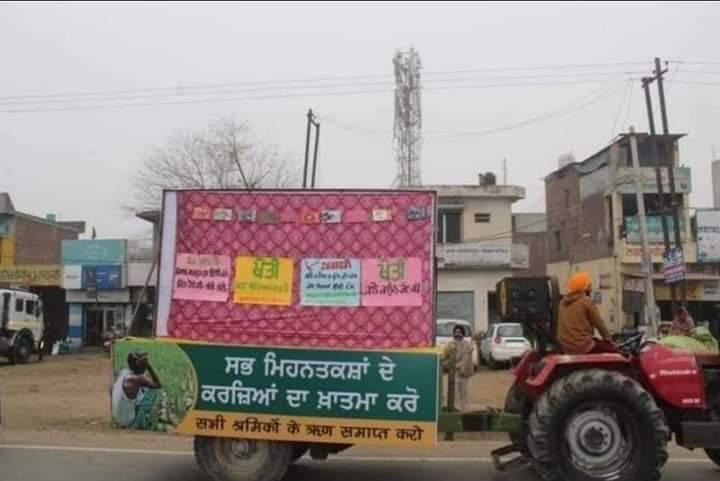
We didn’t mind. A historic people’s movement led by farmers is taking place right now and it is impossible to be untouched by it. What hurts the farmer today will not leave the rest of India unscathed. Those who have risked their lives and livelihood to confront the powerful need to be protected from state repression and false accusations of anti-national activities and sedition. They need visibility. Their demands and point of view need to be amplified by those of us who have smartphones and social media on fingertips.

What do these farmers have to offer us in return? Are we doing them a favour by paying attention? Why should the farmers’ agitation matter to the rest of us?

At a time when the state and administration have abdicated from people-centric governance and the judiciary as well as large sections of mainstream media seem to have forfeited their role to provide the checks and balances that keep democratic processes in balance, the farmers’ protest is like a shot in the arm of Indian democracy. While it is the three farm laws that have finally catalysed lakhs of farmers to leave their homes and sit in protest in the bitter cold, their mode of protest as well as the capaciousness of their demands is a reminder of some of the basics of humanity — of the power of solidarity, fraternity and unity among people. Of the need for dignity, equality and agency of groups and individuals.

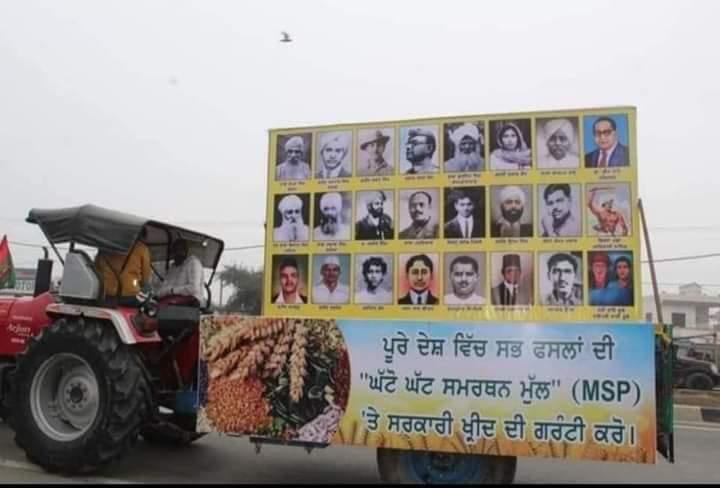
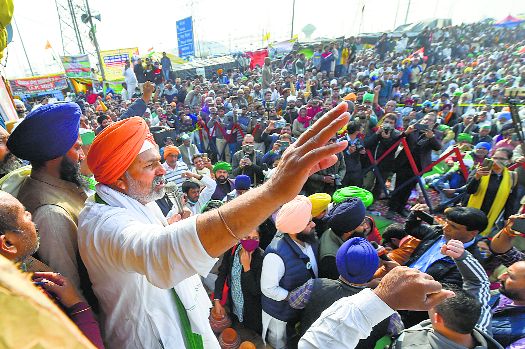
On International Human Rights Day, December 10, 2020, BKU (Ekta Ugrahan) — the largest farmers’ union at the protests — held an event in which protesters held up pictures of incarcerated intellectuals and human rights activists who have been booked under grave laws, such as the UAPA. Despite a backlash from sections of the media, farmers’ leaders defended this act of solidarity with eloquence and candour, reminding us that the need for stable livelihoods and that of dignity and autonomy cannot be separated into binaries.

“These people have been incarcerated in jails for speaking the truth. Through their writing and work, they have explained how the corporate sector adversely affects agriculture as well as the public sector. These intellectuals and activists have exposed the fascist mindset of the government. If we do not raise our voice for them, then who will?” a speaker asked rhetorically from the stage at Tikri border. Off stage, men and women held posters of each of the activists. “These people are freedom fighters, not anti-nationals,” a woman farmer said.

On January 18, Women Farmers’ Day was celebrated at the protest sites, just days after Chief Justice of India SA Bobde, while staying the implementation of the new farm laws, had also commented, “We don’t understand why old people and women are kept in the protests.”

In a rousing speech on the Singhu border, researcher Navsharan Singh challenged the patriarchal and condescending attitude represented by this statement. “Do not forget that this is the same government which maligned Muslim women who were protesting against the highly discriminatory Citizenship Amendment Act last December in Shaheen Bagh. It is the same government that has denied bail to four young women — Devangana Kalita, Gulfisha Fatema, Ishrat Jahan and Natasha Narwal,” she said.

“They want you to go back not because you are weak, but because they are threatened by your fearlessness and empowered presence. Their armies and weapons are not as strong as the determination and courage of unarmed women.”

As police violence and political backlash against the protesting farmers escalates, the settlements on the borders of Delhi have only continued to grow in response.

The ongoing farmers’ protests are a contemporary example of the power of a peaceful people’s struggle against marginalisation. It is a wake-up call. Will we stand up for those who are risking their all for the rest of us?

 The writer is an author & filmmaker natasha.badhwar@gmail.com

Tikait’s outburst unifies Jats

Tikait’s outburst unifies Jats

Geetanjali Gayatri

Tribune News Service

Chandigarh, January 30

After suffering a setback following violence during the tractor parade on the Republic Day, the farmers’ agitation is back on track though it has moved on from being a Punjab-driven protest to a Jat-propelled affair.

The second phase of mobilisation of farmers from Haryana following UP farmer leader Rakesh Tikait’s emotional outburst has turned the tables after the agitation started to lose steam, with voices of dissent against sit-ins beginning to grow.

Though Balbir Singh Rajewal apologised, his words on the role of Haryanvis in the Republic Day violence had led to Haryanvis pulling back. Tikait breathed new life into the agitation on Thursday evening.

In response, villagers in the Jat heartland organised panchayats and tractors and trolleys were on their way to Ghazipur. The renewed enthusiasm following Tikait’s appeal could spell greater trouble for the BJP-led government in the state and a bigger headache for its alliance partner, the JJP.

With khap panchayats putting their weight behind the agitation, the appeal has consolidated Jats in a state divided along caste lines, with non-Jats as the BJP’s vote bank. This stark division, in the backdrop of violence during the Jat quota agitation in 2016, is bound to make it a tightrope walk for the BJP.

The JJP and Deputy CM Dushyant Chautala are likely to feel the maximum heat. With Jats as his vote bank and mounting support to the agitation from the Jat belt, Dushyant can no longer afford to lie low.

Already under pressure from farmers to withdraw support to the BJP, the Jat spin to the protest is likely to add to his growing headache. All eyes are on Dushyant after his paternal uncle and INLD leader Abhay Chautala resigned from the Vidhan Sabha in support of farmers.

With the movement set to begin a new chapter, every passing day will make it more difficult for him to strike the balance of retaining his vote bank and occupying the position of Deputy Chief Minister.


What do you know of the grace of the national flag, Amarinder asks BJP’s Chugh Calls Tarun Chugh’s remarks on his army background ‘reprehensible’

What do you know of the grace of the national flag, Amarinder asks BJP’s Chugh

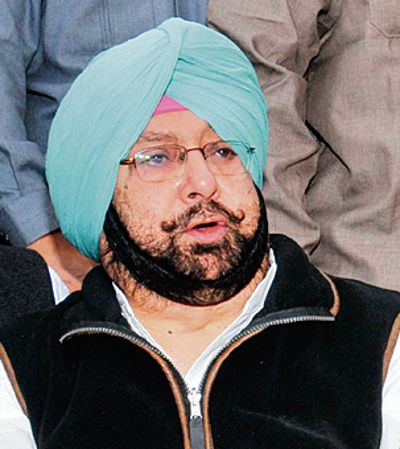
Amarinder Singh. Tribune file photo

Chandigarh, January 30

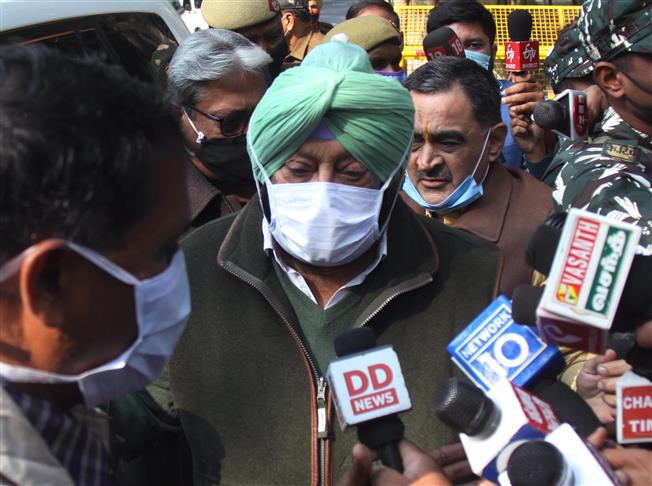
Punjab Chief Minister Amarinder Singh called Bharatiya Janata Party (BJP) leader Tarun Chugh’s remarks on his Army background “reprehensible”.

“What does the BJP or its leadership know of Army honour or the grace of the national flag, in which the bodies of our Punjabi brothers come wrapped from the borders every second day,” a press release quoted him as saying.

“We in Punjab know the pain of seeing the bodies of our sons and brothers, wrapped in the national flag, come home every second day,” he said, adding that the BJP clearly has no empathy or sensitivity towards the soldiers losing their lives to protect India’s honour and integrity.

Neither Chugh nor his party could relate to the anguish of those very soldiers on seeing their farmer fathers and brothers being beaten up and tear-gassed while fighting for their rights, said the Chief Minister.

The Chief Minister slammed Chugh for deliberately spreading lies on an issue relating to the honour of Indian soldiers fighting for the safety and security of the nation at the borders. Lambasting the BJP national general secretary over his remarks on the ‘Republic Day grace’, he said the BJP, which had systematically ripped the Constitutional fabric apart over the past 6 years and most notably over the draconian Farm Laws, had lost all moral and ethical right to talk of the honour of the R-day.

“What was wrong in my statement that ‘maligning the farmers’ (for the Red Fort violence) could cause the morale of the armed forces, 20 per centof which is from Punjab, to go down? How does that amount to insulting the Republic Day grace and my own Army background?” asked an angry Amarinder, hitting out at Chugh for misleading the people with baseless allegations.

“What happened to the grace of the R-day when the central government, which the BJP leads, trampled over the federal and Constitutional rights of the states to unilaterally bring in the Farm Ordinances without consulting anyone? Where is the grace in letting the poor farmers, who are feeding you along with the billion plus people of India every day, shiver out in the cold on the roads, with many of them dying out there?”


Indian Army acquires 14 acres of land in Arunachal Pradesh’s West Siang district The Army has two of its corps looking after Arunachal Pradesh — the Dimapur based 3 Corps and Tezpur based 4 Corps.

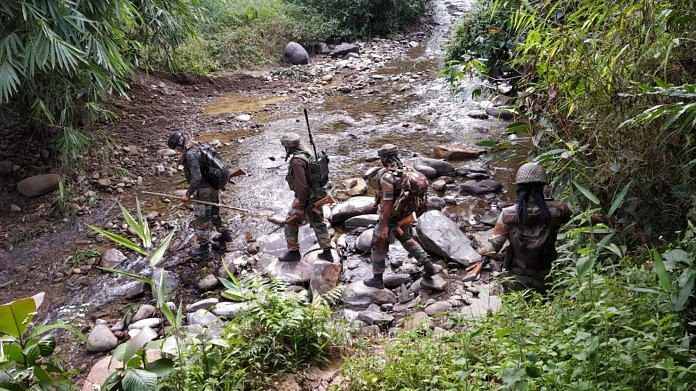
Indian Army personnel during an operation in Arunachal Pradesh | Representational image | ANI File Photo

Indian Army personnel during an operation in Arunachal Pradesh | Representational image | ANI File Photo

New Delhi: As part of its continuing efforts to further strengthen its presence along the borders, the Indian Army has acquired around 14 acres of land in the West Siang district of Arunachal Pradesh, sources said.

The Army would be using the land to construct buildings for its units deployed there, near the Line of Actual Control (LAC) with China. “Such land acquisitions are routine in nature and are done as and when required by the units on the ground,” the sources said.
The Army has two of its corps looking after Arunachal Pradesh including the Dimapur-based 3 Corps and Tezpur-based 4 Corps.

Both the donations have deployed themselves in the forward locations at the moment in view of the ongoing boundary dispute between them in Eastern Ladakh and other areas.
In the conflict, the Indian armed forces have deployed their forward formations in a high meet mode even during the harshest winters.

The two sides are in a conflict situation since April-May last year. India has reacted strongly to Chinese attempts to unilaterally change the status quo unilaterally.


Also read: India’s defence needs money. If Budget can’t provide it, we need to change how we fight


MUSINGS & MALEDICTIONS Reality becomes mirror to fiction

Reality becomes  mirror to fiction

Representational image

Keki Daruwalla

If reality is so harsh and crude, is it worth looking at? Let us leave the fatigued farmers on the Delhi borders, the government which did not spend a day before rushing the Bills, now stonewalling, a dozen meetings and riots with Deep Sidhu and Co. Leave the Nishan Sahib at Red Fort. We are into fiction. Story telling, painting deer or a jackal on a rock wall in a cave are the oldest examples of the creative urge in human beings; not forgetting poetry of course, and drums and dance from Africa. All cultures evolved their stories, legends — evil was always vanquished, whether it was Grendel or Ravana or Kans. In India, religion and faith got woven inextricably with stories. You sat around with children and grownups, and stories evolved, right triumphed over wrong. From epics, often a collective effort of a generation, we moved to novels. The gods came down from the sky and joined us.

Utopia too was fiction in a way, so was dystopia. Can fiction be a reflection of reality that can depress or excite at will? More important is the question if reality itself is a mirror of fiction. There are numerous cases where the mind envisaged something and it came to pass. What I am trying to get at is that much of fiction is so depressing that reality seems to follow where fiction has led before.

For two months last year, I read about 30 or more novels — was a member of a jury and so had to. The dismal caught my attention, but we need to start with the celebratory. Dionysius must take the chair. Though there were just two notable volumes of short stories, one by Aruni Kashyap, who teaches creative writing at Georgia, USA, and one by Kalpish Ratna, Mumbai surgeons Kalpana Swaminathan and Ishrat Syed who write jointly under one name. In their book ‘Synapse’, Kalpish Ratna rightly make fun of Vedic science and Brahminical eugenics and tackle ghostly seductresses. If I may venture to say, even flesh and blood seductresses are hard to tackle!

The finest novel I read in 2020 was ‘Kintsugi’ by Anukrti Upadhyay, who has post-graduate degrees in management and literature, works with a wildlife trust and writes in Hindi and English. Anukrti divides her time between Singapore and Mumbai, and has worked in Hong Kong. She knows her beat well. Her research in jewellery-making in Jaipur is flawless and her narrative is seamless. She gives a feminist angle by showing women can also be good sunars. Kintsugi is the Japanese art of repairing broken pottery with gold dust, and here it is used as a metaphor for patching up lives. The narrative starts with jewellery-making. A work of fiction is known by the strength of the narrative, and the depth the writer brings to it. Hers is the story of a girl Leela, daughter of a dead goldsmith, and the Japanese Haruko who comes to Jaipur to learn the sunar’s craft, not just designing, and runs into a bull and gets a broken leg. The section on Japan is flawless, even though it ends with a lesbian suicide. The rest of the novel is sunny. It gladdened my heart to read it.

But we need to move towards the depressing if not dystopian. Is that a reflection of an age? Are writers disenchanted with what is happening around us in India? Or is it the norm the world over? Dystopia has almost become a fashion. The narrative would go along perfectly till it nears the end. A woman goes to her ancestral house in Assam where her mother had been badly treated, since she had married outside the community. Then, unaccountably, the novelist dispenses with her in a flood, and she drowns. What is more noteworthy, as in the novel ‘A Burning’ by Master of Fine Arts student Megha Majumdar, the villain triumphs in the end. We have a right-wing madam who becomes Chief Minister and raises a PT Sir, physical trainer at the college, to a party boss. An innocent woman is hanged because the PT Sir does not pass on her mercy petition. Right-wing goons attack a Muslim house, kill the family, loot gold bangles, then open the ice box. There are chickens in it, no beef! That’s the modern version of epiphany. The MFA student-novelist has made a political point, but the plot creaks, whines, squeals like a bad machine badly in need of lubrication.

What about blurbs? Amitav Ghosh writes, “The best debut novel I have come across in a long time.” The publishers, Penguin Hamish Hamilton, say, “Taut, symphonic, propulsive and riveting right from the outset, ‘A Burning’ has the force of an epic.” Cyrus Mistry in his novel ‘The Prospect of Miracles’ puts his characters in Kerala. The protagonist marries a pastor, who is a debauch. In the end, she goes off her rocker, the insanity triggered off by the pastor’s widow meeting the gardener Yesu Das. The name Yesu acts as a trigger for setting off hallucinated meetings with Jesus and angel Gabriel. In ‘The Cliffhangers’ by Sabin Iqbal, a right-winger, Balannan, gets into a clinch with a foreigner and rapes her. When he confesses, the Inspector files the case as ‘inconclusive’. Charging him would invite mayhem.

Is our fiction a mirror to our reality? Do both act as depressants?


BJP’s Army barb reprehensible: CM

BJP’s Army barb reprehensible: CM

Punjab CM Capt Amarinder Singh. Tribune file

Chandigarh, January 30

CM Capt Amarinder Singh today hit out at BJP national general secretary Tarun Chugh over his “Army background” remark and called it reprehensible.

“What does the BJP know of Army honour or the grace of the national flag, in which the bodies of our Punjabi brothers come wrapped from the borders every second day?” he said.

Chugh had claimed the CM was insulting his Army background and the grace of Republic Day by supporting farmers over the Red Fort incident. “We in Punjab know the pain of seeing bodies of our sons and brothers, wrapped in the national flag, come home every second day,” he said, adding the BJP had no empathy towards soldiers losing their lives to protect India’s integrity.

What does it know of Tricolour grace?

What does the BJP know of Army honour or the grace of the national flag, in which the bodies of our Punjabi brothers come wrapped from the borders every second day? —Capt Amarinder Singh, CM

Neither Chugh nor his party could relate to the anguish of those soldiers on seeing their farmer-fathers and brothers being beaten up and teargassed while fighting for their rights, said the CM, while accusing Chugh of spreading lies. He said the BJP, which had ripped the constitutional fabric apart over the past six years had lost all moral and ethical right to talk of the honour of the R-Day. — TNS


Family worried as no info on youth held for Singhu violence

Family worried as no info on youth held for Singhu violence

Ranjeet Singh

Aparna Banerji

Tribune News Service

Jalandhar, January 30

“Mere putt nu ghar bhej den, meri ehi hath jor ke benti hai,” Sarabjit Kaur weeps uncontrollably as she remembers the last glimpses she caught of her 22-year-old son.

With his mother eager to hold an akhand path at the village gurdwara, Ranjit Singh had asked her to wait until he returned from the Singhu morcha. However, the images on the social media of police assault on the 22-year-old left the family in shock.

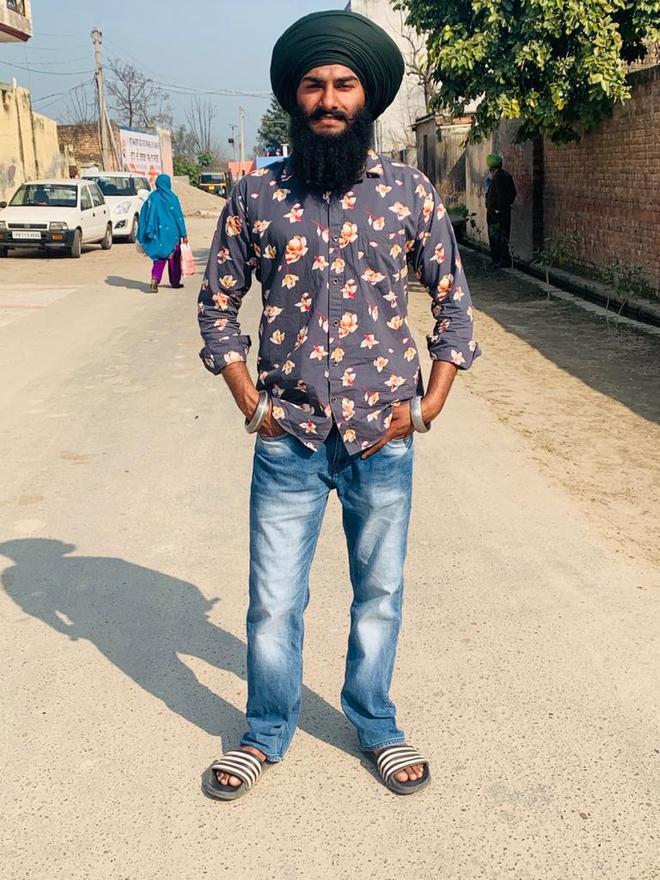
Ranjit is among the youths accused of attacking the police during the Singhu border violence. His family vehemently denies the charge. “He is a very good natured boy. He can’t beat anyone. I just request the government to send my son back,” says Sarabjit Kaur.

Cops not responding

Ranjit didn’t beat up anyone. We called the police last night but no one responded. Today some youths went to the local police station but they said he would be produced in court. We haven’t seen him yet. —Jasbir Singh Piddi, KMSC vice-president

Hailing from Kajampur village in Nawanshahr, Ranjit’s video grabs of being beaten with lathis and picked up — seemingly unconscious — went viral on internet. Ranjit’s family still hasn’t heard from the Delhi police. Since yesterday, frantic calls have been made to the police and some members of the Kisan Mazdoor Sangharsh Committee, who also checked with the local police – but there is no information about Ranjit’s whereabouts.

Satnam Singh, a resident of Jalwaha village in Nawanshahr and neighbour of Ranjit’s family, says, “Hooligans have beaten up Ranjit because he stood in the way of the ladies’ tents they were going to uproot. These people weren’t locals. He is a very religious, Amritdhari Gursikh who does path twice a day in the local gurdwara. False charges have been slapped on him for no fault of his. He wielded his sword which is part of his Gursikh attire but he did not injure or attack anyone.”

Jasbir Singh Piddi, vice-president, Kisan Mazdoor Sangharsh Committee, said: “Ranjit didn’t beat up anyone. We called police last night but no one picked. Today some youths went to the local police station but they said he would be produced in court. We haven’t seen him yet.”


Farmers returning to Singhu, Ghazipur borders in droves 50 tractor-trailers leave for Singhu

Farmers returning to Singhu, Ghazipur borders in droves

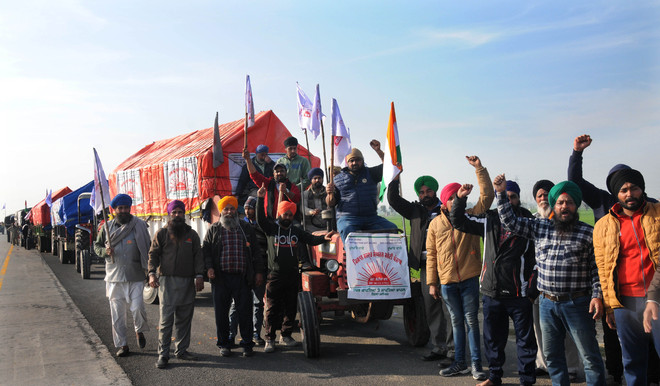
Farmers from Lohian, Shahkot and Nakodar blocks leave for the Singhu border. Photo: Malkiat Singh

Tribune News Service

Jalandhar, January 30

Scores of farmers from Punjab are heading back to the Ghazipur and Singhu borders after having returned home from the tractor parade.

Amarjot Singh, youth wing president (Jalandhar), BKU (Rajewal), and Kulwinder Singh Machiana, its general secretary, were at Singhu a few days ago. After holding meetings with farmers here and dispelling rumours, they plan to go back soon. A ‘jatha’ of youths from Thatha Purana village in Sultanpur Lodhi headed out to Singhu amid reports of a police build-up at Ghazipur.

“Youths from Sarhali, Jandiala, Nakodar and other blocks are preparing to return to protest sites. Some have already started going back, others will go in a couple of days. The attempt to evict BKU leader Rakesh Tikait forcibly has angered farmers,” said Amarjot.

Machiana, who was holding the stage of the Sanyukt Kisan Morcha a few days ago, said, “Some of us have been deputed to dispel fake news about the agitation. Any attempt to disrupt our honest stir will fail. We are going village to village to speak to farmers about the real situation and will head back to Delhi borders on February 1. All those who came back will return.”

From Thatta Purana in Sultanpur Lodhi, an 11-member jatha headed to Singhu on Thursday. Surinderjit Singh, a village resident, said, “In view of the rumours being spread about the tractor parade, it is important we head back to Singhu.”

Dr Baljit Singh, national president of the Jai Jawan Jai Kisan Party floated by farmers youths, said, “Over 15 to 20 trailers left for Delhi borders from Patiala a few days ago. Everyone is keen to return to the protest site. There is anger among people for the way farmers have been blamed for the Red Fort incident. Everyone wants to head back and lend support to the movement.”

At least 50 tractor-trailers of the Kisan Mazdoor Sangharsh Committee left for Singhu today.

“After we saw at Singhu last night, many of us couldn’t sleep. Leaders called us to come soon as they need people there. We are going to strengthen the movement,” say villagers.

Ex-servicemen on faST in Gidderbaha

Muktsar: Former servicemen on Saturday observed a hunger strike in Gidderbaha in protest against the police action on farmers in Delhi. Kirpal Singh, president, ex-servicemen cell, Gidderbaha unit, said, “We have observed a hunger strike today against the lathicharge on farmers in Delhi.” Meanwhile, some advocates also lent support.