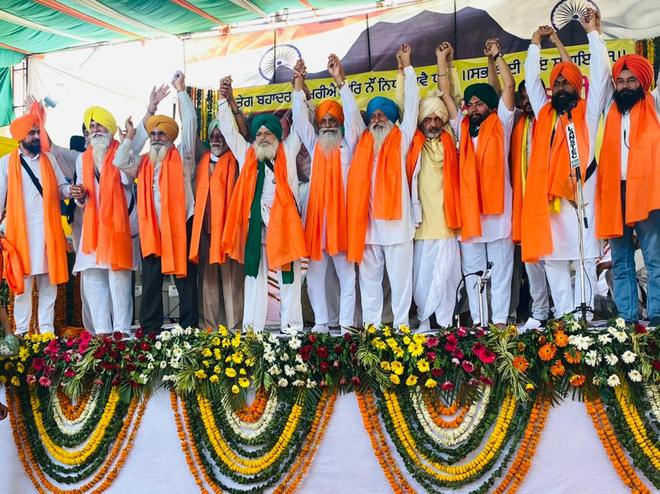
Farmer leaders during the Gurpurb celebrations at the Singhu border. Tribune Photo
Tribune News Service
Karnal, April 30
The agitating farmers and labourers, under the banner of the Samyukt Kisan Morcha (SKM), on Friday celebrated the 400th birth anniversary of Guru Tegh Bahadur at the Singhu border in Sonepat district.
At a joint meeting of the SKM and the Central Trade Unions, it was decided that May Day would be celebrated as ‘Mazdoor Kisan Ekta Diwas’.
Leaders, including Abhimanyu Kohar, Balbir Singh Rajewal, Dr Darshan Pal, Gurnam Singh Charuni, Hannan Mollah, Jagjit Singh Dallewal, Joginder Singh Ugrahan, Yudhvir Singh and Yogendra Yadav said Guru Tegh Bahadur fought for humanity beyond religion and caste and sacrificed his life
“It has been more than five months since farmers have been sitting at the Delhi borders. The Centre is forcibly imposing farm laws on us. Taking inspiration from Guru Teg Bahadur, we are ready for any sacrifice,” said Darshan Pal, a leader of the SKM.
The farmer leaders also emphasised on the progressive writings of Guru Teg Bahadur.
They said taking inspiration from the ninth Sikh Guru, the Sikh community had been fighting against exploitation and they were ready for any sacrifice. “Today, farmers are fighting against oppression, while many other organisations are helping people affected by the pandemic. Farmers and social welfare organisations, who were discredited and abused by the governments and a section of society, are still engaged in social service,” they added.
Religious organisations, including farmer leaders, also participated in a ‘samagam’. They called for strengthening the protest.
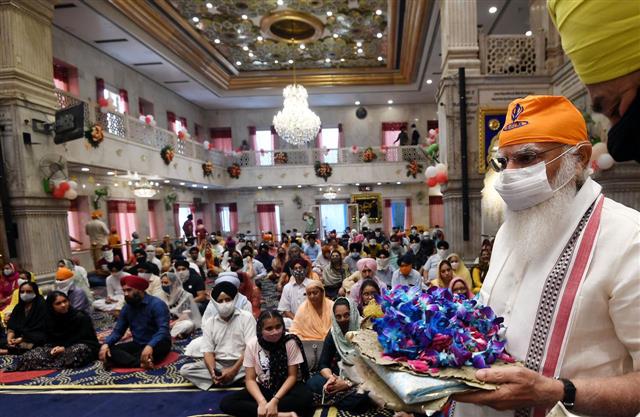
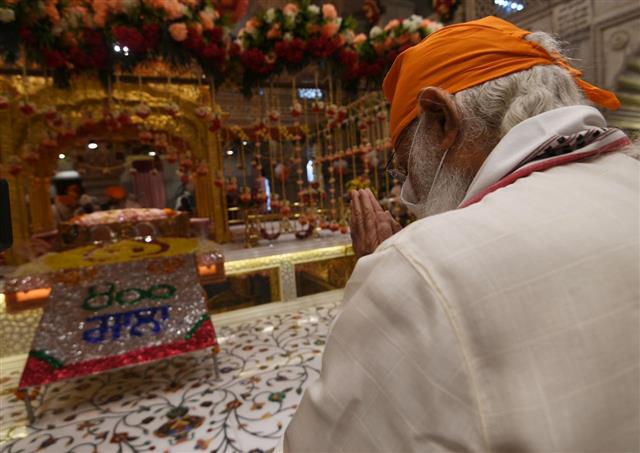
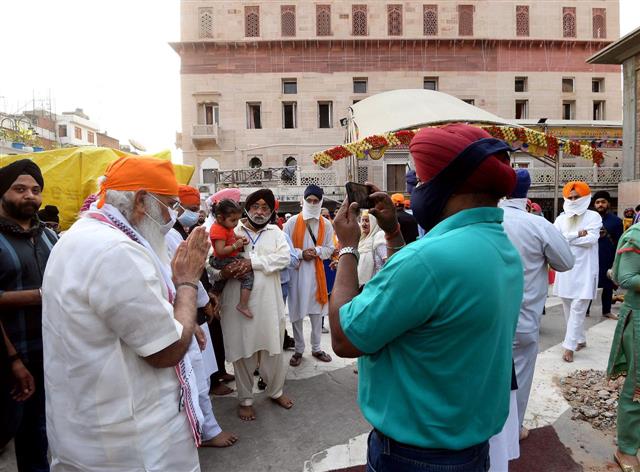
Pics: Modi offers prayers to Guru Teg Bahadur at Delhi’s Sis Ganj Sahib gurdwara
Visits without security route and special security arrangements
ribune News Service
New Delhi, May 1
Prime Minister Narendra Modi on Saturday morning visited gurdwara Sis Ganj Sahib here. He offered prayers on the 400th Parkash Purab of Guru Teg Bahadur as the Covid surge continued to overwhelm the country setting new grim records every day.
According to sources, Prime Minister Modi visited the Gurudwara Sis Ganj Sahib in Chandni Chowk area without security route or special security arrangements at the gurdwara.
“On the special occasion of his 400th Parkash Purab, I bow to Sri Guru Teg Bahadur Ji. He is widely respected globally for his courage and his efforts to serve the downtrodden.He refused to bow to tyranny and injustice. His supreme sacrifice gives strength and motivation to many,” Prime Minister Modi tweeted.
Can’t take coercive action over SOS on social media, says Supreme Court
‘Centre mustn’t leave vax pricing to makers’; order expected today
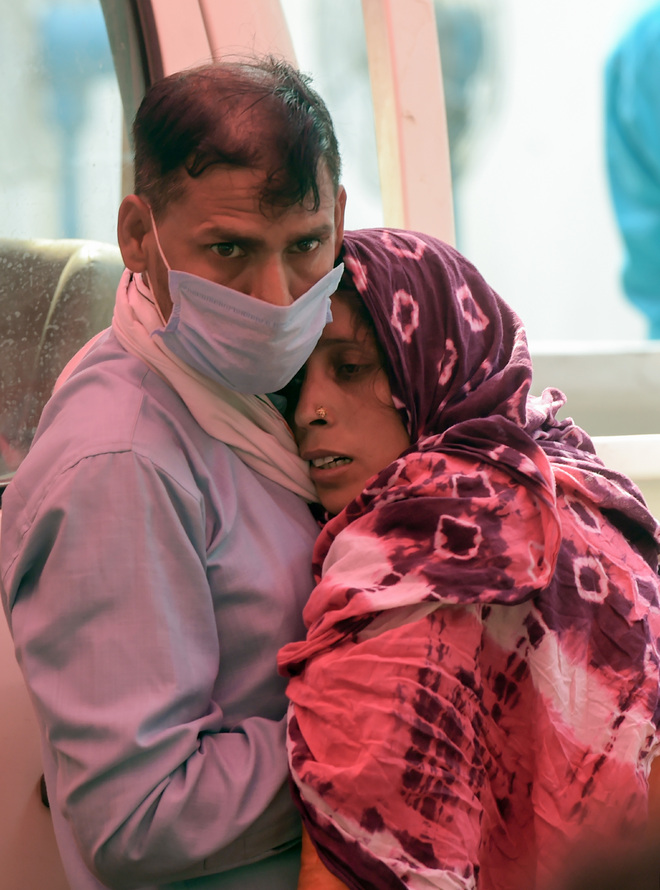
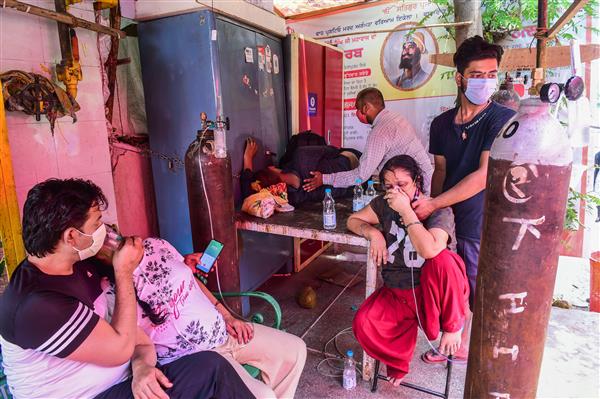
A distressed Covid-19 patient with a relative waits to receive oxygen at Indirapuram, Ghaziabad, on Friday. PTI
Satya Prakash
Tribune News Service
New Delhi, April 30
The Supreme Court on Friday said states can’t take coercive action against people sharing distressing information on social media to seek medical help for their dear ones during Covid-19 pandemic.
“I flag this issue at the outset… We want to make it very clear that if citizens communicate their grievances on social media and the Internet then it can’t be said it’s wrong information. We don’t want any clampdown on information,” a Bench led by Justice DY Chandrachud said while hearing a suo motu PIL on Covid management.
‘Why not buy 100% doses?’
The Bench wanted to know why the Centre wasn’t buying 100 per cent of vaccine doses Why not follow the national immunisation policy with respect to Covid vaccines, it asked. Vaccine makers are publicly funded, hence vaccines are ‘public goods’, it said “We will treat it as a contempt of court if such grievances are considered for action,” said the Bench, which also included Justice LN Rao and Justice SR Bhat.
Terming the second wave of the pandemic as a “national crisis”, it said, “There should be free flow of information… we should hear voices of citizens.”
The UP Government had reportedly ordered strict action under the National Security Act against those allegedly creating panic by making “false appeals” for help for Covid patients on social media. However, the top court said, “Let a strong message go to all the states and their DGPs… clampdown on information is contrary to basic precepts.”
Noting that the government should not leave vaccine pricing and distribution to manufacturers, the Bench sought to know why the Centre was not buying 100 per cent of the Covid vaccine doses as it was better placed to determine equity and disburse. It asked, “Why can’t the Centre follow the national immunisation programme policy with respect to Covid vaccines?”
The top court — which had last week taken suo motu cognisance of the Covid management — will formally issue its order on Saturday.
Emergency fiscal powers for forces to ferry oxygen: Ministry of Defence
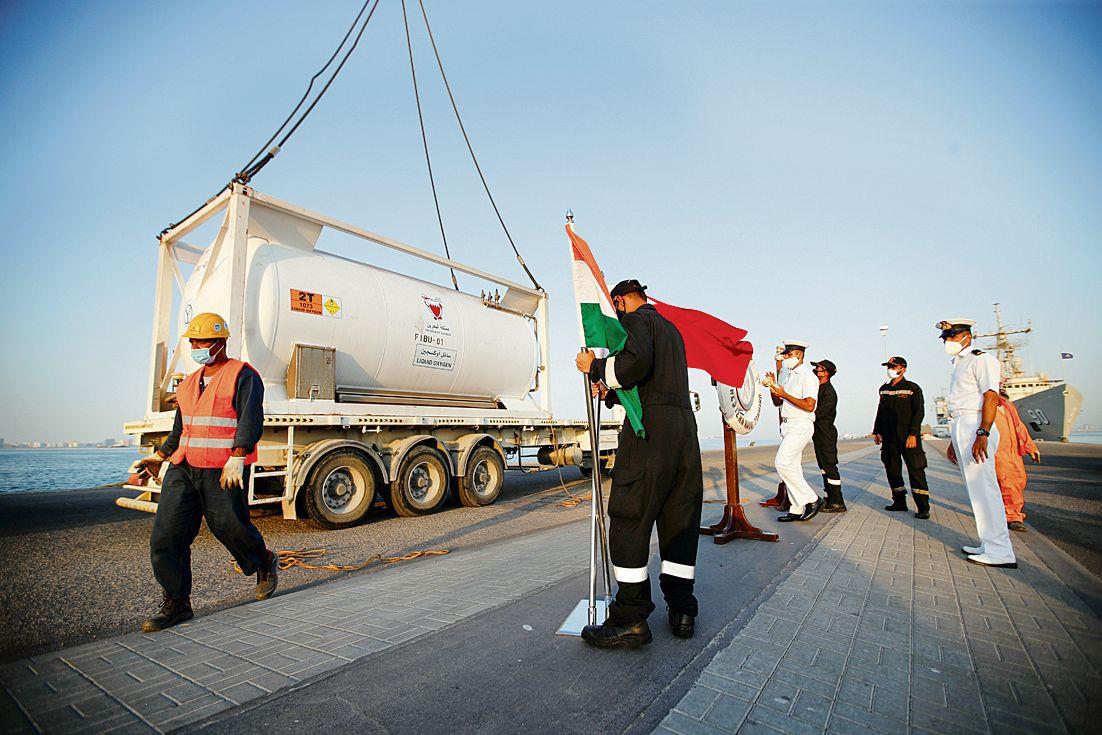
Sailors from the Indian Navy ship, INS Talwar, in the process of loading a liquid oxygen tank onto their ship at Salman Port, Manama, Bahrain.
New Delhi, April 30
Among several initiatives to tackle the ongoing Covid-19 surge, Defence Minister Rajnath Singh on Friday, invoked special provisions and granted emergency financial powers to the armed forces while Indian Navy warships have sailed across to three countries to bring several tonnes of oxygen.
The Ministry of Defence said the financial powers would help formation commanders establish and operate quarantine facilities and hospitals, and undertake procurement and repair of equipment, items, material and stores. These powers, in addition to the emergency powers delegated to medical officers of the armed forces last week, have been devolved initially for a period of three months.
Crucially, the Indian Navy has launched Op Samudra Setu-II for shipment of oxygen-filled containers to India. Two warships— INS Kolkata and INS Talwar — entered the port of Manama, Bahrain, on Friday. These will be transporting 40 metric tonnes of liquid oxygen to Mumbai. INS Jalashwa is sailing to Bangkok while INS Airavat is enroute to Singapore for similar missions. The DRDO has handed over 75 cylinders to the Delhi Government and another 40 will be given to the ITBP-run Covid care centre in the city. Each of these oxygen cylinders has a capacity of 10,000 litres. — TNS
ZOOM made the Commissioning Day !After 48 years for SS-15
& Tech-6 course mates
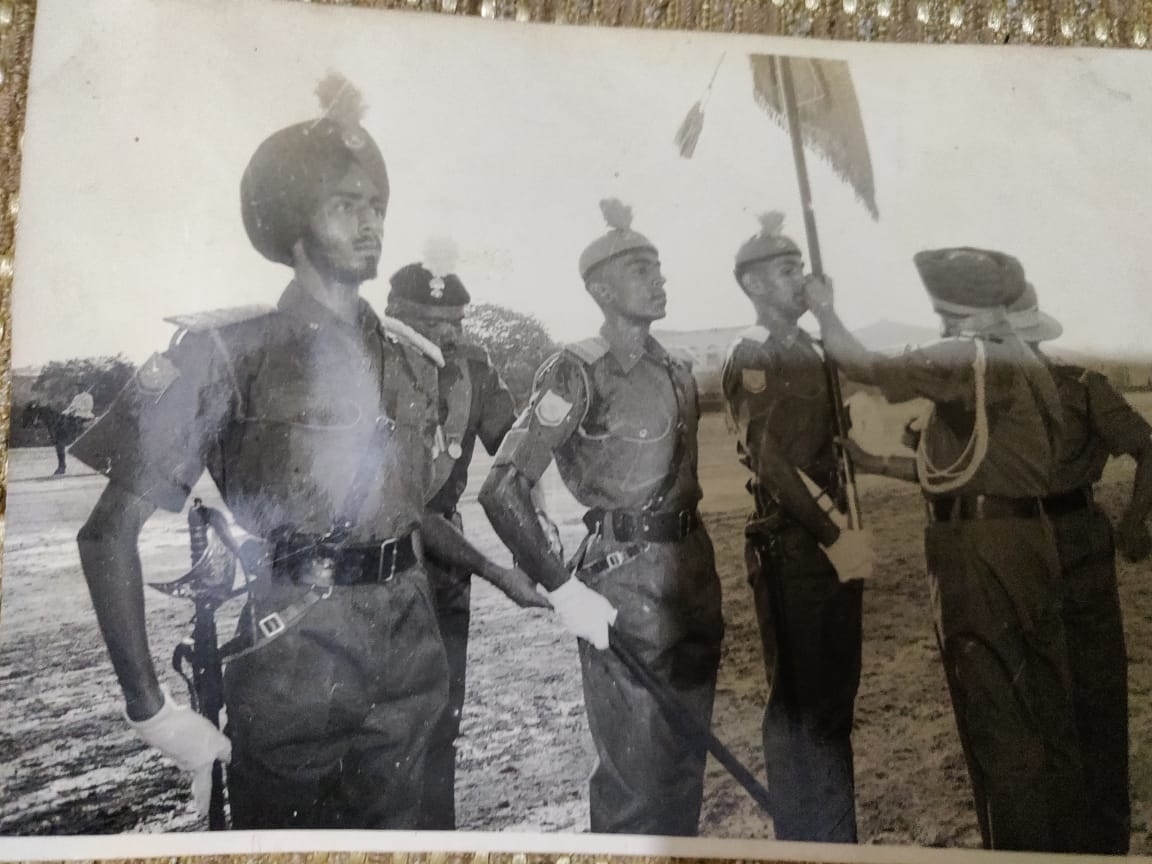
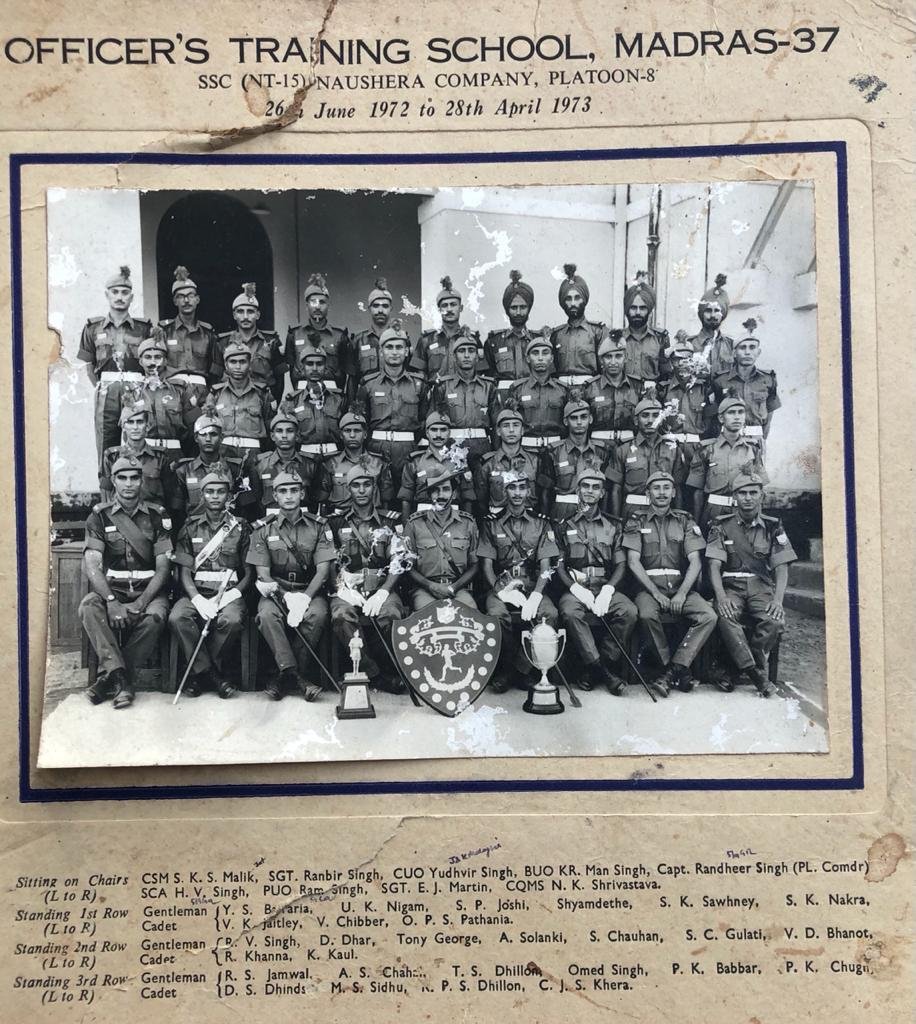
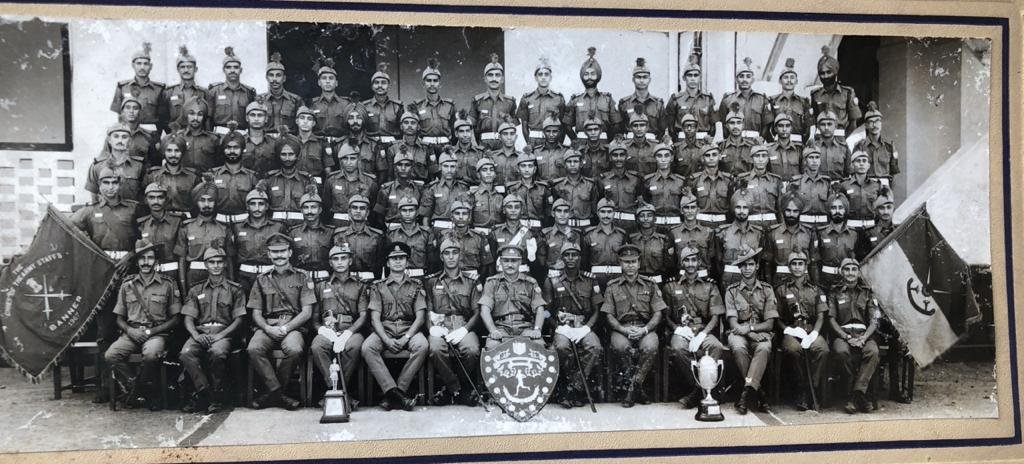
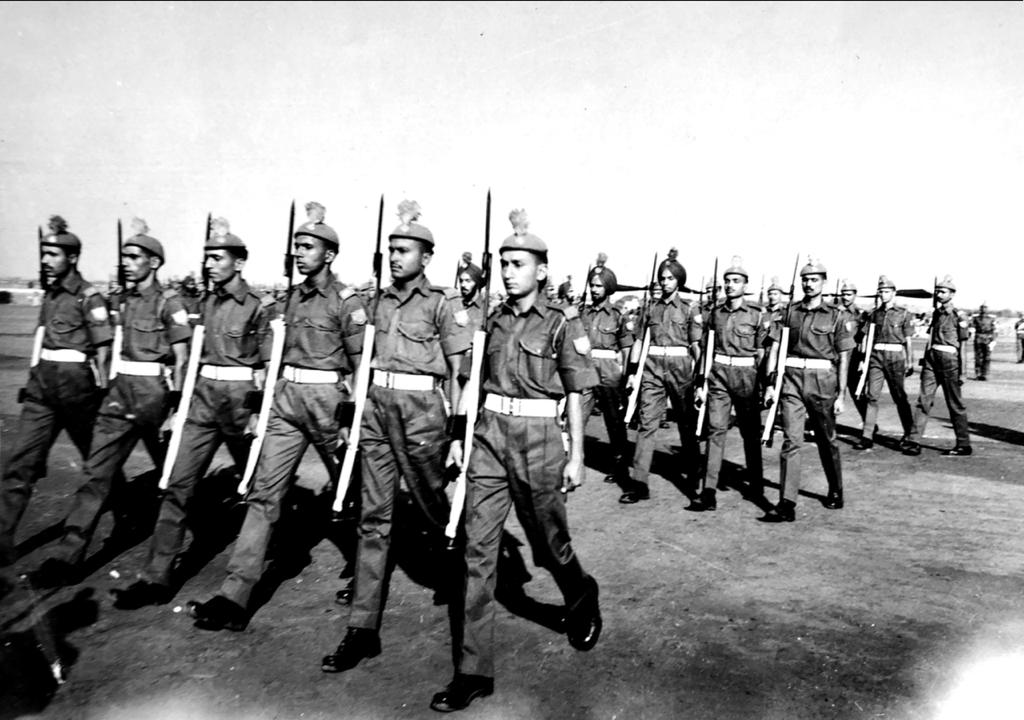
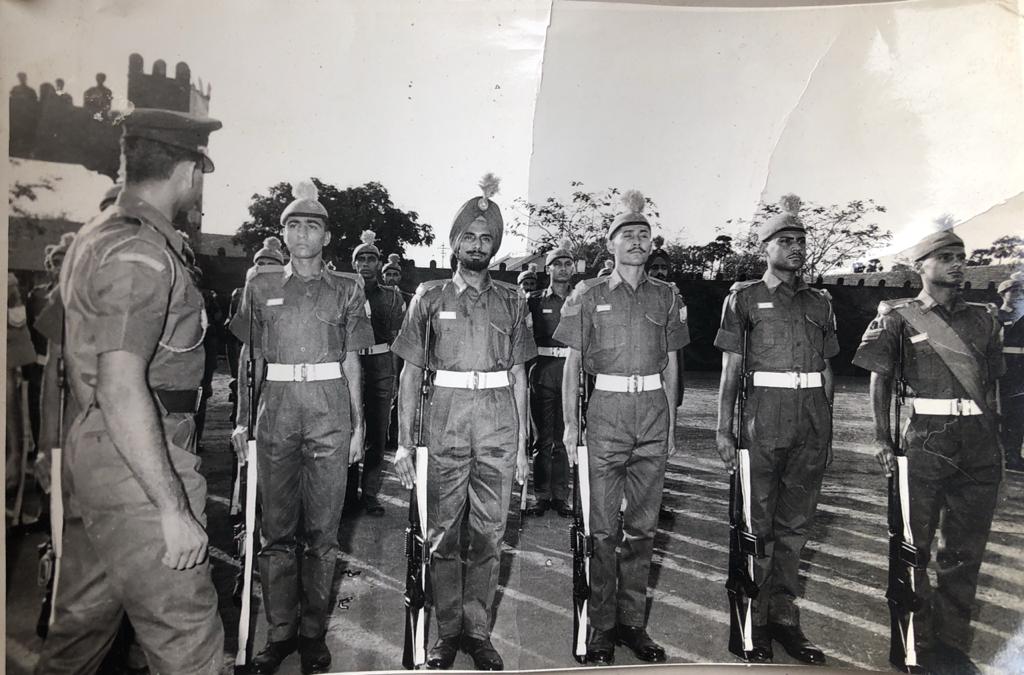
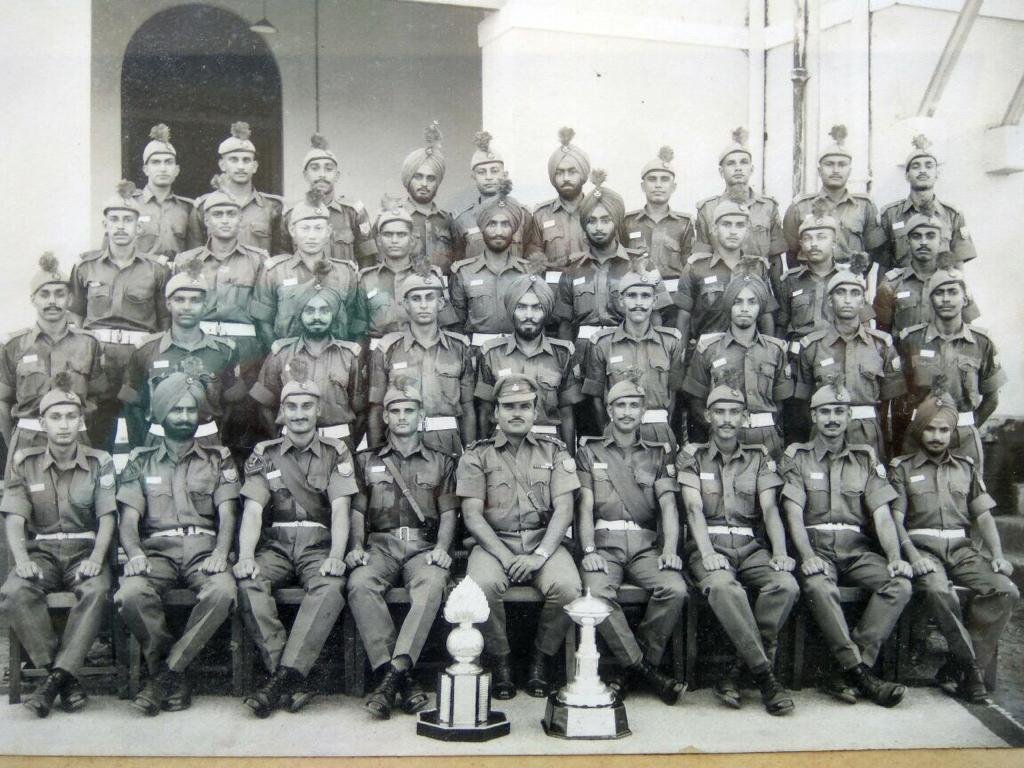
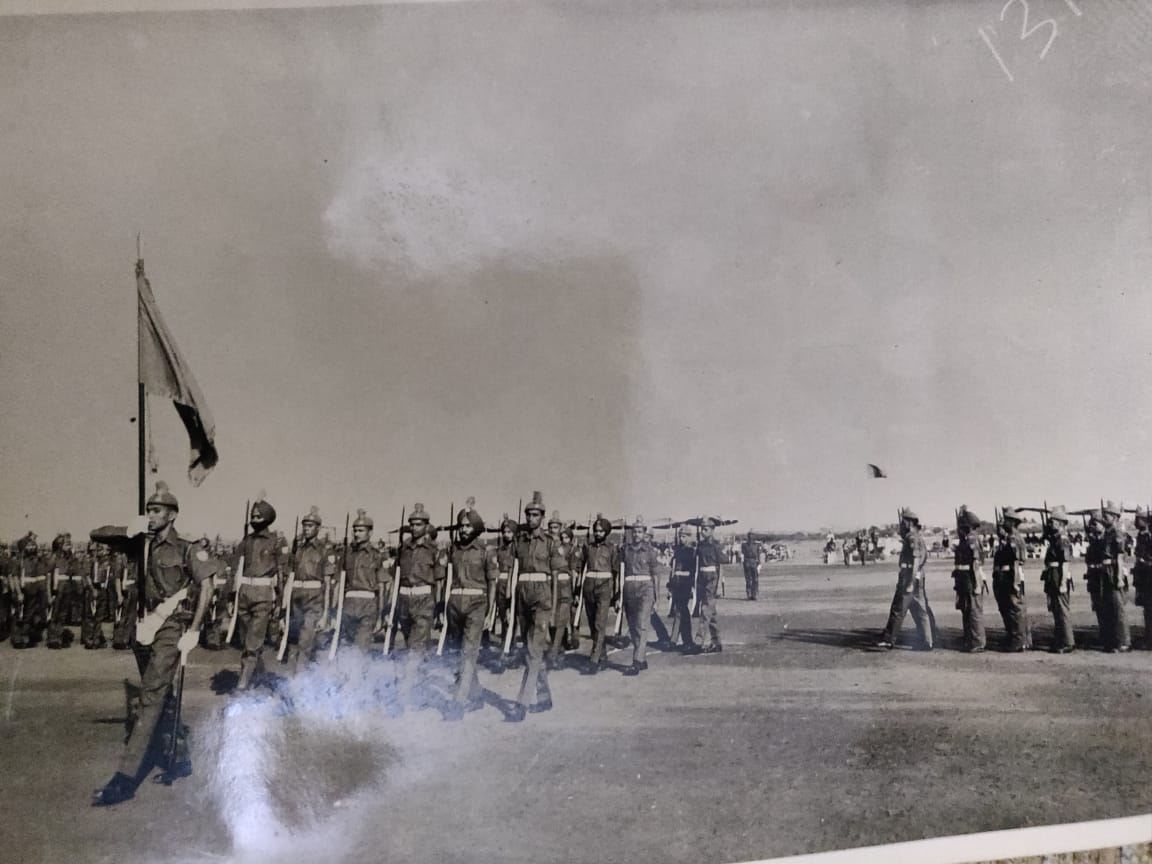
The unforgettable, significant and memorable day for 298 Gentlemen Cadets of the SS-15 and Technical 6 Batch , commissioned into the Army on 29 Apr 1973 as young Second Lieutenants bubbling with energy with chests swell with pride.
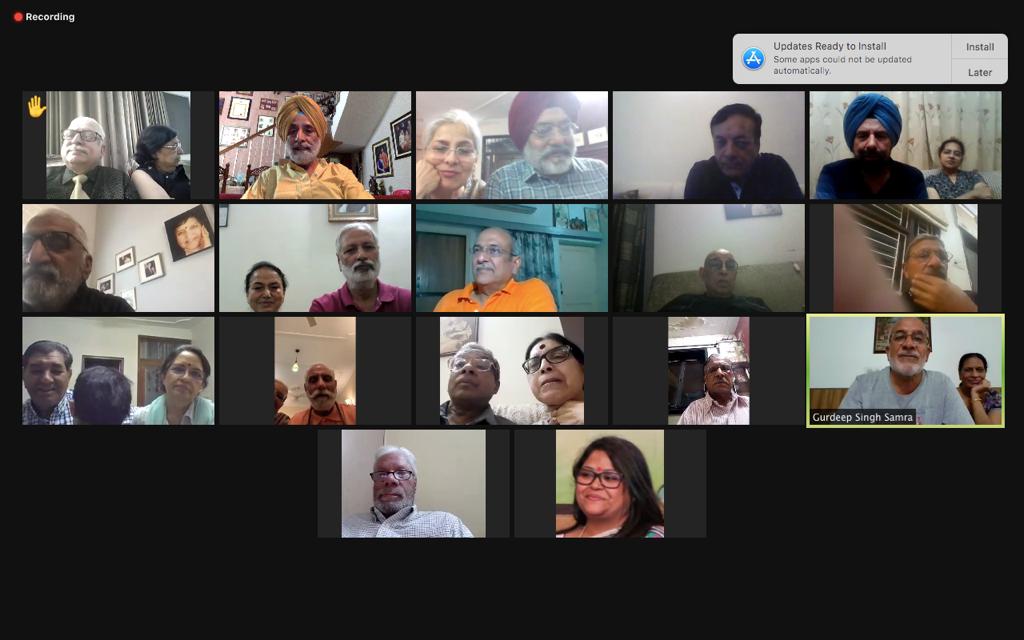
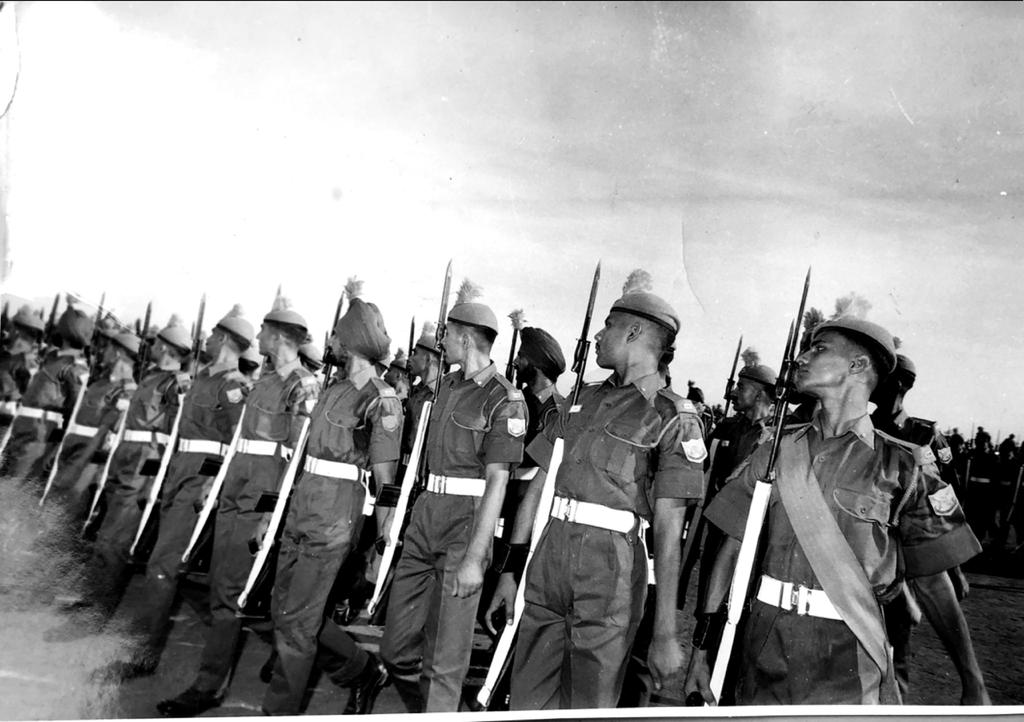
It is a proud moment where after rigorous training, one is finally acknowledged as an OFFICER of the Indian Defence Services and special pride for their parents. Today after 48 years those who could make via ZOOM(On line app) on their computers were able to watch how young childish faces after 48 yrs have turned into handsome young senior veterans with grey hairs and beards. 29 Apr 1973 , was this day when with that coveted one star adorned on their shoulders with their regimental accoutrements shone distinctly on their uniform, they moved within the academy with their chest up and head held high. The feelings were unique and UN equivocal. To commemorate and bring back those nostalgic moments the course organised a Virtual Celebrations over a Zoom Meeting wherein officers from across the world attended i.e. Australia, USA, New Zealand, Canada . They all remembered the events of that momentous day starting from the passing out parade in the morning to the pipping ceremony at night.
The grey haired and bearded Officers of the batch along with their graceful wives had a special twinkle in their eyes and symptomatic smiles .The common dialogue was “Today when we sit back, all that seems only yesterday.” In those good old days the Defence Services career was the most sought after and to have become part of it as an Officer at the prime young age of 20 years , was a matter of great pride.
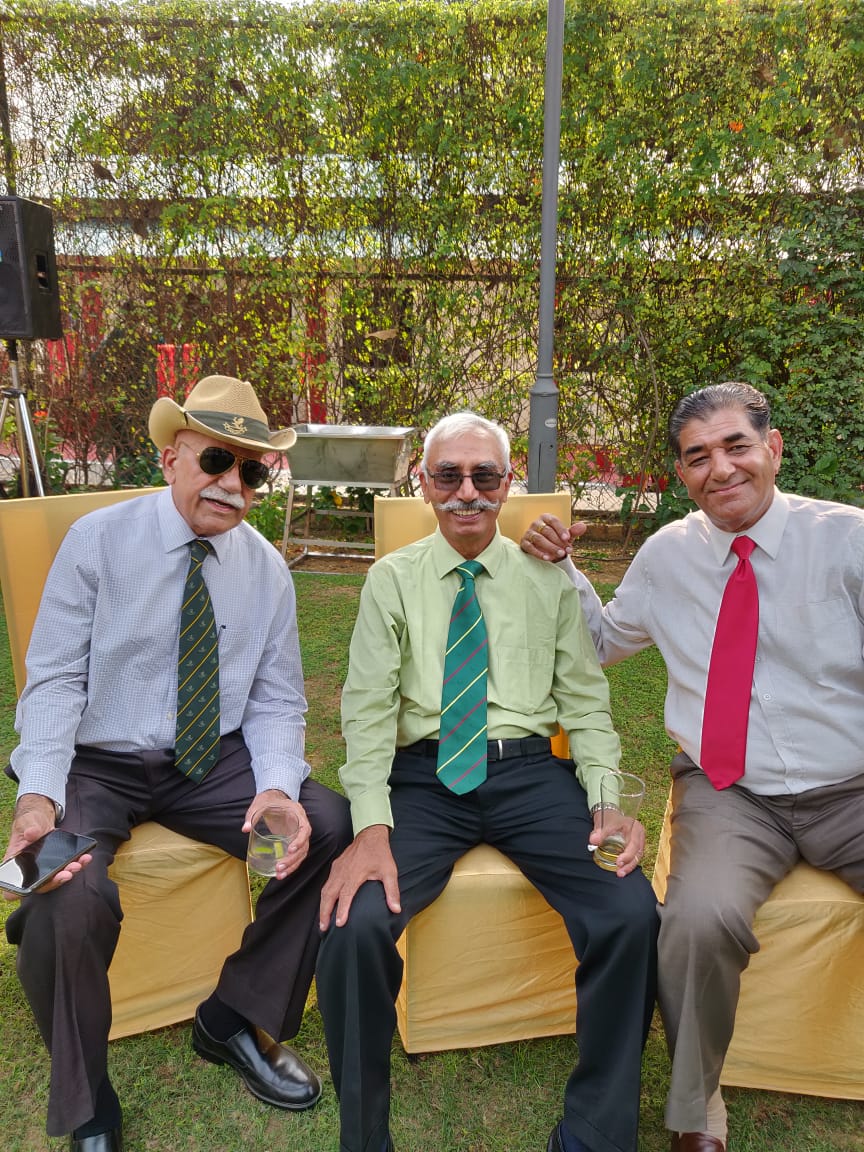
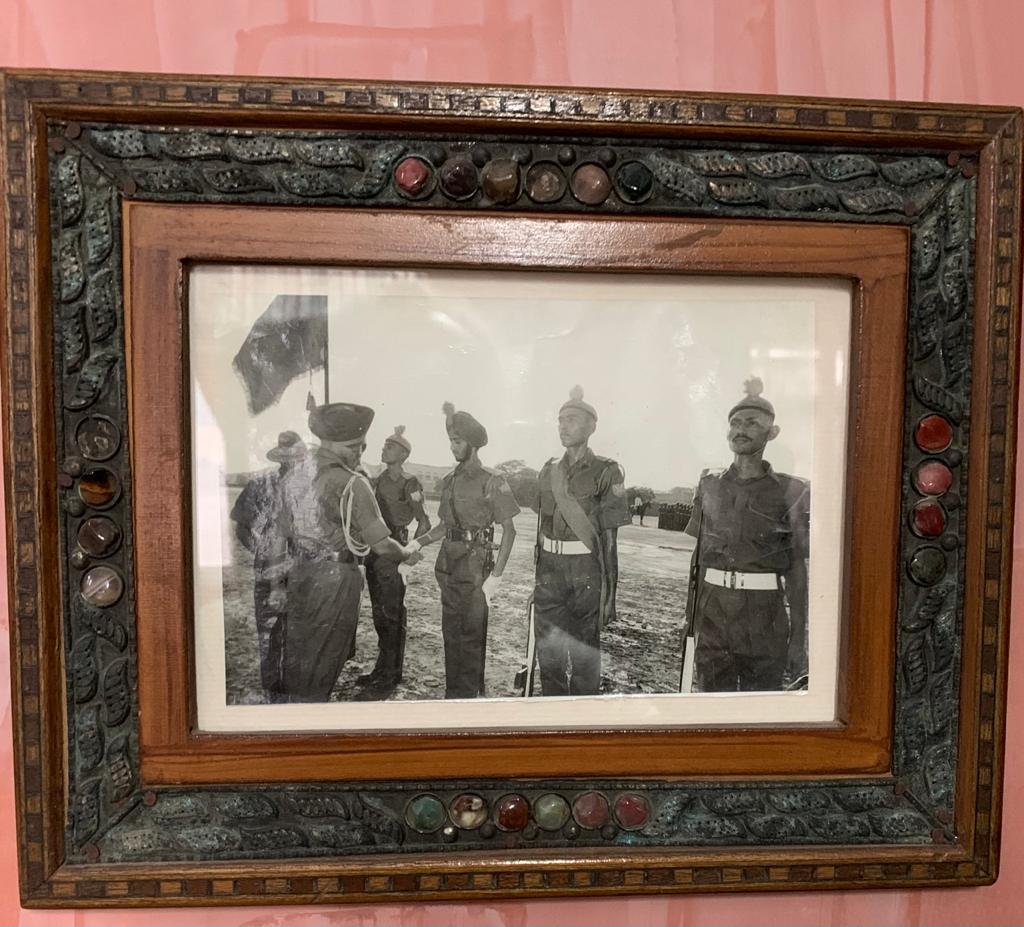
While congratulating each other on the occasion, they remembered and paid tributes to those batch mates who have achieved their heavenly abode, with some are on war with Covid. Sharing some pics of that memorable day of our Life …..Our Commissioning Day!
The officers and their Spouses are now eagerly looking forward to the Golden Jubilee in 2023 which they all hope they will be able to celebrate physically at the Officers Training Academy at Chennai.
Two veterans have become pillars of Sanjha Morcha and ESM welfare association ie Col Charanjit Singh Khera as Gen Secy since 2009 and now Brig HPS Bedi VSM as Haryana State President
Jai Hind
SWORD OF HONOR ,MEDALS AND FLAGNAUSHERA COMPANY : RANJIT SINGH BATTALIONDEHINE DEKH THE FINAL MARCH FROM DRILL SQUARE PARADE GROUNDACADEMY ADJUTANT INSPECTION OF PARADE
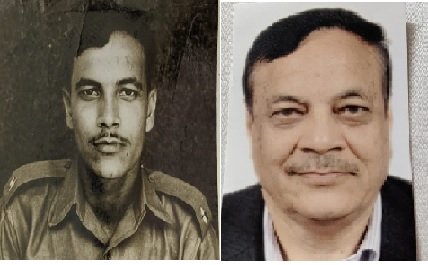
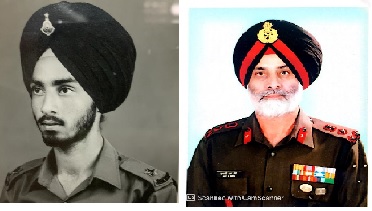
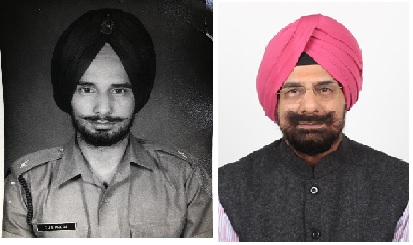
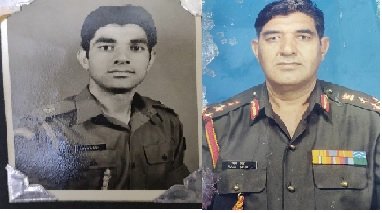
HOW YOUNG FACES CHANGED WITH TIME AND EXPERIENCE :
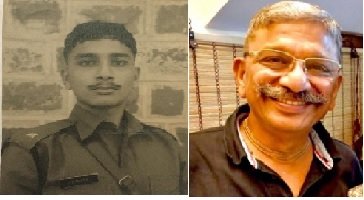
2 Lt Satish Kocher to Col Satish Kochar2 Lt HPS Bedi to Brig HPS BediVSM2Lt Charanjit SIngh to Col Charanjit Singh 2 Lt Mann Singh to Brig Mann SIngh2 Lt G D Mishra to Col GD Mishra
POEM ON COMMISSIONING DAY
Commissioning poem
On this day some 48 years ago,
There were go getters, strutting about like peacocks,
In full Army regalia, Dreams getting fulfilled of the flock,
There was swagger in walk, confidence in talk,
They had come away from no one to someone, after the drill square squad,
The OG had converted, lads into soldiers and gentlemen,
With solemn prayers on lips to live by the oath,
Defend the nation, whatever be the cost,
Nostalgia gripping today, thinking of that pipping,
The crew cuts of 1973 are now bald grandpas
Life passed though like desert sand out of hands,
Loved ,lived each minute no regrets,
Oh Lord,if there is another life,
send us to OTS, I say with folded hands 🙏🙏
Major Gurdeep Samra
@@@@@@@@@@@@@@@@
This day 48 years back, my friends Was a red letter day for all of us Who from cadets became Officers Thus realizing our long cherished dreams. The Magnificent Army of ours Had just a few months before Delivered a resounding victory In the wake of which we all had Walked into the hallowed portals of OTS.
Dashing and romantic youngsters We were when we offered ourselves For months of rigorous training In quest of our dream of being pipped.
We had chosen sweat, dust and grime And the rough, tough and the sapping grind Of months to the cosy and comfortable Life our friends in college had opted for.
Besides the rigours of training Including PT, WT, Drill and Excercises We put up with, with equanimity, The crew cut, bullshit and ragging Rolling, crawling and patti parades, Countless runs to P Hill and around khajjis, All together in a span of 10 months To come out shining to wear those pips.
A few of us bid adieu while in harness A few after hanging up the boots And a few recently as is the order of life. Let us bow our heads to those dear souls And celebrate the day together For all of us and on their behalf too.
Let us raise a toast to the collective spirit Grit and bonhomie of SS 15 & Tech 6. Let us hope we all make it to the next one And celebrate the Golden Jubilee together.
🥂Cheers
Col Muraleedharan Nair
MESSAGES FROM COURSEMATES
[ Hello Course Mates, Heartiest Congratulations on our Commissioning Date. Sorry, I have not been active on the Course Group, for personal reasons, but I regard the OTS Phase as a primary one in my life, and my CMs as those gems whom any of us can fall back upon any time. I can never forget the emotional support I got from my CM friends when my Wife left me in Oct 19. On this day, I pray for those who are back to Heaven, and also wish good health, happiness and s long, contented life to all of you and your Families. I am in Goa- any help, please reach out. While each Course get-together in Delhi has been memorable, I apologise for missing the Zoom Meeting, for an unavoidable duty of taking care of COVID positives, and those left behind by my RIP friends. Regards & best wishes, And Cheers !
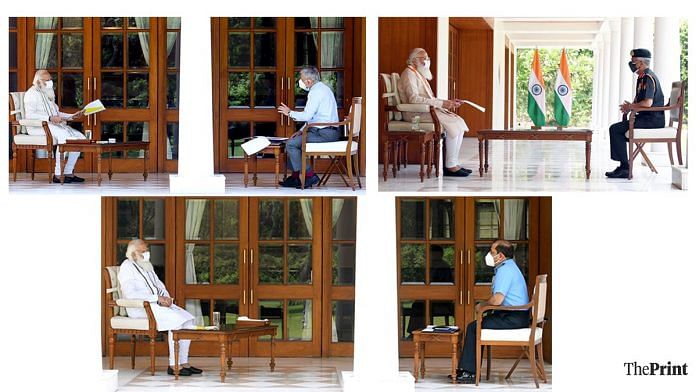
Masked up and socially distanced, PM Modi met Army chief General M.M. Naravane, IAF chief R.K.S. Bhadauria & CDS General Bipin Rawat to take stock of Covid readiness.
Clockwise) PM Narendra Modi meets CDS General Bipin Rawat, Chief of Army Staff General MM Naravane and Air Chief Marshal RKS Bhadauria, in New Delhi this week | ANIText Size: A- A+
New Delhi: Despite a massive surge in Covid-19 cases, Prime Minister Narendra Modi has been meeting India’s top defence officials — but all meetings have been outdoors, following all the safety protocols.
This comes amid recent studies claiming that small and micron-scale aerosol droplets are primarily responsible for the spread of Covid-19, especially indoors.
PM Modi Thursday met Chief of Army Staff General M.M. Naravane to discuss the Army’s initiatives to help in Covid-19 management. Sitting across a table at the PM’s residence at Lok Kalyan Marg in New Delhi, both Modi and Naravane were wearing masks and maintaining adequate distance.
On Wednesday, the PM held a meeting with Air Chief Marshal R.K.S. Bhadauria to take stock of the efforts of the Indian Air Force to deal with the Covid situation. Bhadauria and Modi were seen sitting across two separate tables
PM Modi’s in-person meetings come at a time when there has been a massive spike in cases with India’s Covid tally reaching 3.79 lakh cases and more than 3,600 deaths in the last 24 hours.
Many top policymakers and officials in the central government are also out of action after getting infected by the virus. Over two dozen secretaries, additional secretaries and joint secretaries across central government ministries, including the health ministry, have tested positive for the coronavirus in April.
An MIT study, published in the journal Proceedings of the National Academy of Sciences of the United States of America recently, pointed out that there is now overwhelming evidence that relatively small, micron-scale aerosol droplets are primarily responsible for the spread of Covid-19, especially indoors.
Airborne transmission arises through the inhalation of aerosol droplets exhaled by an infected person and is thought to be the primary transmission route of Covid-19. The respiratory droplets are mixed uniformly through an indoor and unventilated space, thus increasing the chance of infection.
The studynoted that small infected drops may accumulate and remain suspended by the ambient airflow and mixed throughout the room, until they are removed by the ventilation outflow or inhaled.https://296978b1916d211c005312eff18a0dea.safeframe.googlesyndication.com/safeframe/1-0-38/html/container.html
In that case, staying outdoors while wearing masks and maintaining social distancing can relatively lessen the spread of Covid-19.
In the study of 7,324 early cases outside the Hubei Province in China, the authors found that all clusters of three or more cases occurred indoors, with 80 per cent arising inside apartment homes and 34 per cent potentially involving public transportation. Only a single transmission was recorded outdoors.
Finally, the fact that face mask directives have been more effective than either lockdowns or social distancing in controlling the spread of Covid-19 is consistent with indoor airborne transmission as the primary driver of the pandemic.
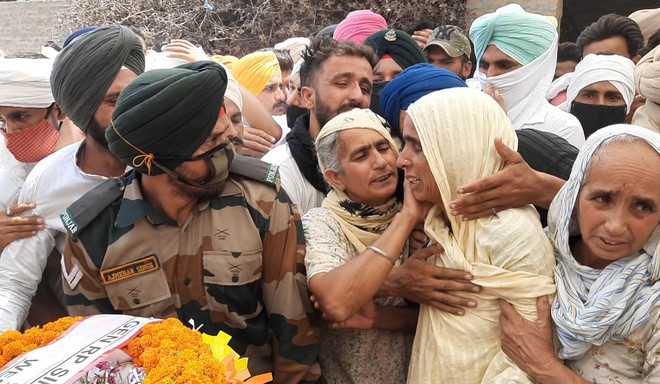
The mortal remains of Sepoy Prabhjit Singh and Sepoy Amardeep Singh of 21 Punjab Regiment were consigned to flames at their native villages in Mansa and Barnala districts, respectively. The soldiers were killed in an avalanche at the Siachen glacier on Sunday.
Prabhjit’s brother lit the pyre of the martyr at Hakamwala village in the Budhlada subdivision of Mansa. A contingent of the Army played ‘The Last Post’ and a gun salute followed.
On behalf of Governor VP Singh Badnaur and Chief Minister Capt Amarinder Singh, Additional Deputy Commissioner Sukhpreet Singh Sidhu laid the wreath.
He conveyed condolences to martyr’s father Jagmel Singh and mother Melo Kaur and ensured all possible help to them. He also said Chief Minister Capt Amarinder Singh had announced Rs 50 lakh ex-gratia compensation and a government job for the next of the kin.
Others present were Budhlada MLA Budh Ram, former MLA Ajit Inder Singh Moffer, SDM Sagar Setia, Subedar Bhupinder Singh of 21 Punjab Regiment and District Defense Services Officer Col Maninder Singh.
In Barnala, the mortal remains of Sepoy Amardeep Singh were consigned to flames with full honour at Karamgarh village. Deputy Commissioner Tej Partap Singh Phoolka said as per the government rule, the 23-year-old soldier’s family would get Rs 50 lakh ex gratia. — TNS
Army setting up temporary hospitals, making its medical staff available to states to fight Covid
Army Chief informs PM that force is giving all needful help to states, people
Tribune News Service New Delhi, April 29
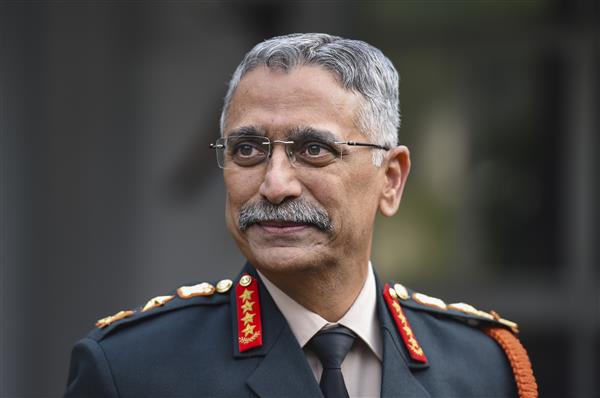
Prime Minister Narendra Modi on Thursday reviewed the Army’s preparedness in dealing with the serious situation arising out of the COVID-19 pandemic in the country, as Chief of Staff MM Naravane called on him to apprise him of the various measures so far taken by the personnel of the defence force.
According to an official statement issued by the government, Naravane told the Prime Minister that the Army was making its medical staff available to state governments and was setting up temporary hospitals in various parts of the country to fight the pandemic.
During the meeting, the Army Chief apprised the Prime Minister that efforts are being made to open the force’s hospitals for civilians, wherever possible, and that citizens could approach their nearest Army hospitals, the statement said.
“General MM Naravane informed the Prime Minister that the Army is helping with manpower for imported oxygen tankers and vehicles, where specialised skills are required to manage them,” the statement read.
The Prime Minister has been holding daily meetings with various stakeholders both within the government and outside to marshal the country’s resources in its fight against coronavirus, as the pandemic has been raging in various parts of the country.
Delhi gurdwara starts ‘Oxygen Langar’, food delivery for COVID-19 patients
Manjeet Singh GK said his team is arranging oxygen from Punjab and Haryana to provide oxygen to the people in Delhi
New Delhi, April 29
Amid an acute shortage of medical oxygen in Delhi, Gurdwara Singh Sabha located in Greater Kailash area of the national capital has started ‘Oxygen Langar’ for refilling of oxygen cylinders, where people can come and refill their empty oxygen cylinders.
Former president of Delhi Sikh Gurdwara Management Committee Manjeet Singh GK told ANI that his team is arranging oxygen from Punjab and Haryana to provide oxygen to the people in Delhi.
Singh further said that at the moment they have an oxygen supply for only 100 to 150 people.
“If we will have more oxygen then we will be able to run the oxygen langar for 24 hours,” he added.
Along with medical oxygen, the gurdwara also made arrangements for home delivery of food for COVID-19 infected people.
The gurdwara has also issued a helpline number where people can ask for help regarding food.
The national capital is witnessing over 300 daily fatalities due to COVID-19 for the past seven days.
The city reported 25,986 new COVID-19 cases and 368 related deaths on Wednesday, taking the total active cases in Delhi to 99,752. ANI
State Stalwarts
DEFENCE MINISTER
Minister Rajnath Singh
ALL HUMANS ARE ONE CREATED BY GOD
HINDUS,MUSLIMS,SIKHS.ISAI SAB HAI BHAI BHAI
CHIEF PATRON ALL INDIA SANJHA MORCHA
LT GEN JASBIR SINGH DHALIWAL, DOGRA
SENIOR PATRON ALL INDIA SANJHA MORCHA
MAJOR GEN HARVIJAY SINGH, SENA MEDAL ,corps of signals
.
.
PATRON ALL INDIA SANJHA MORCHA
MAJ GEN RAMINDER GURAYA ,MADRAS REGIMENT
sanjhamorcha303@gmail.com
PRESIDENT SOUTH ALL INDIA SANJHA MORCHA
COL SS RAJAN BOMBAY SAPPERS,
PRESIDENT UTTARAKHAND ALL INDIA SANJHA MORCHA
COL B M THAPA ,BENGAL SAPPERSS
PRESIDENT HARAYANA STATE CUM COORDINATOR ESM
BRIG DALJIT THUKRAL ,BENGAL SAPPERS
PRESIDENT TRICITY
COL B S BRAR (BHUPI BRAR)
PRESIDENT CHANDIGARH ZONE
COL SHANJIT SINGH BHULLAR
.
.
PRESIDENT PANCHKULA ZONE AND ZIRAKPUR
COL SWARAN SINGH
INDIAN DEFENCE FORCES
DEFENCE FORCES INTEGRATED LOGO
INDIAN AIR FORCE
Air Officer C-in-C WESTERN AIR COMMAND
AIR MSHL S PRABHAKARAN AVSM VM
AOC-IN-C, EASTERN AIR COMMAND
Air Marshal Inderpal Singh Walia
AOC-in-C SOUTH WESTERN AIR COMMAND
Air Marshal Vikram Singh
AOC-IN-C, SOUTHERN AIR COMMAND
Air Marshal J.Chalapati
AOC-IN-C TRAINING COMMAND
AIR MARSHAL SK GHOTIA VSM
AOC-IN-C MAINTENANCE COMMAND
Air Marshal Jagdish Chandra
Flag Officer Commanding in Chief, Western Naval Command
ice Admiral R Hari Kumar, PVSM, AVSM, VSM
Flag Officer Commanding in Chief, Eastern Naval Command
Vice Admiral Sanjay Bhalla, AVSM, NM
Flag Officer Commanding in Chief, Southern Naval Command
























































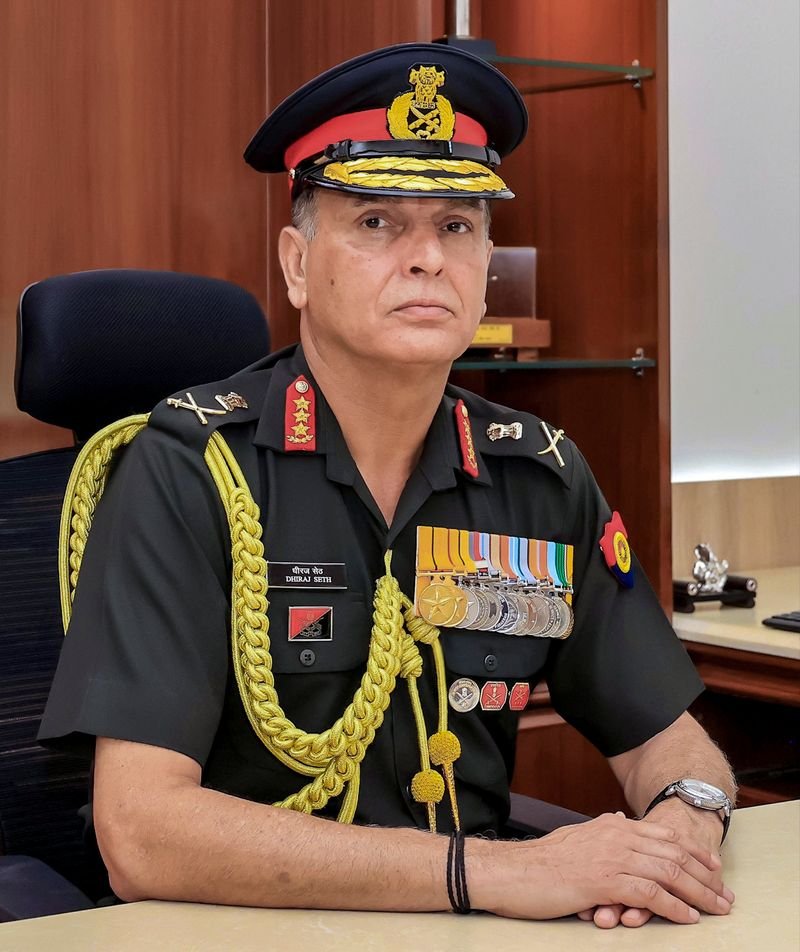







 He refused to bow to tyranny and injustice. His supreme sacrifice gives strength and motivation to many,” Prime Minister Modi tweeted.