









Sanjha Morcha

What’s New

Click the heading to open detailed news

Current Events :

web counter

Print Media Reproduced Defence Related News

Covid, production quality concerns delay induction of ‘Desi Bofors’ Dhanush by Army

New Delhi: The much anticipated large-scale induction of the Dhanush artillery guns, also known as ‘Desi Bofors’, has been hit due to the Covid-19 pandemic as well as production quality concerns flagged by the Army, ThePrint has learnt.

Since April 2019, when the induction started, only 12 of the indigenously built long-range artillery guns have been delivered. This is far below the 18 guns required to make a full regiment.

Incidentally, the first six guns were delivered in April 2019 itself and more of the 155mm x 45mm Dhanush were to be produced subsequently.

The delay meant that the first regiment of Dhanush, which was to be raised by the end of 2019, had not been completed by then and the date was later pushed to March 2020.

Furthermore, while the Army is satisfied with the guns in terms of fire power and mobility, it has flagged multiple concerns regarding the production quality. Dhanush is being manufactured by the Gun Carriage Factory (CGF) in Madhya Pradesh’s Jabalpur, which comes under the state-run Ordnance Factory Board (OFB).

“The production system has still not stabilised. After integrated firing checks, issues have cropped with regard to the hydraulics, sight and even mounting in some cases,” a source told ThePrint.

Sources further noted that the Army is awaiting the production system to stabilise so that a larger number of guns, which is an advanced variant of the Bofors, can be inducted.

Incidentally, the CBI had registered a case in 2017 against a Delhi-based firm and unidentified officials of the Gun Carriage Factory for China-made parts camouflaged as those ‘Made in Germany’ finding their way to the production line of Dhanush.


Also read: Army gets going on plan to buy over 1,700 ‘future tanks’ that will become its main battle tanks


Covid delayed production too

Another issue that has delayed the production is the Covid-19 pandemic which has halted the work at the factory for quite some time now.

According to sources familiar with the matter, several cases of Covid emerged at the Jabalpur factory.

The national lockdown last year and the pandemic also meant that the supply chain got affected, sources said.

OFB officials told ThePrint that initial manufacturing plans faced certain constraints in the supply chain “which have largely been settled”.

They said that the pandemic had a widespread global impact but the OFB is making “all efforts to ensure timely supplies”.

They added that further production of guns is underway. However, they did not respond to a query on the quality concerns raised by the Army.


Also read: India notifies 2nd list of defence items it won’t import, industry hopes more will be added


Army has ordered 114 Dhanush

Dhanush passed its final test at Pokhran in June 2018, after trials in high altitude areas like Sikkim and Leh and in hot and humid weather in Balasore, Odisha and Babina in Jhansi.

The GCF got the Dhanush project in October 2011 and the first prototype was built in 2014. The Army had ordered 114 Dhanush guns in 2018.

A towed howitzer with a strike range of 38 km, Dhanush has been developed on the basis of the first phase of Transfer of Technology (ToT) deal as part of the Bofors contract in the late 1980s.

However, the Swedish Bofors company (now owned by Britain’s BAE System) could not complete the ToT as the deal got embroiled in a major political row following allegations of kickbacks under the then Rajiv Gandhi government.

The Bofors gun subsequently became the backbone of the Indian Army’s operation in the 1999 Kargil conflict with its pinpoint accuracy in targeting enemy positions.

Costing about Rs 14.5 crore a piece, Dhanush is equipped with an inertial navigation-based sighting system, auto-laying facility, onboard ballistic computation, and an advanced day and night direct firing system.

The self-propulsion unit of the gun allows it to be easily deployed in mountainous terrain.


Also read: DRDO will begin trials of Made-in-India towed artillery in June but Army still has ‘concerns’
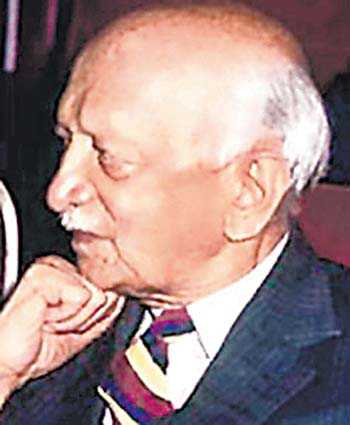

Memorable moments with Cariappa

The founding father of the Indian Army cherished and nourished the ideals of discipline, character and selfless service

Memorable moments with Cariappa

General KM Cariappa.

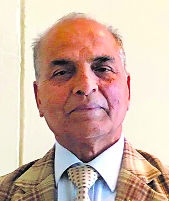
Col Mahesh Chadha (Retd)

It was in April 1972, while I was posted at Shillong, that a message came from the Army HQ about the visit of General KM Cariappa, the first and the last Indian Commander-in-Chief of Independent India. One had heard about him as the founding father of the Indian Army; an admirable officer and a gentleman, moulded in the British tradition. More than anything else, I had read a booklet titled ‘Officer’s Code of Conduct’ issued by the Army HQ on his orders. It was thus a great honour and a matter of pride to be detailed as his liaison officer.

Accompanying the GOC, we received the former Army Chief, who retired from active military service in 1953, at the Guwahati airport. Tall, lean and handsome, he was immaculately dressed in a morning suit, with a felt hat. Shaking hands with him sent a wave of warmth and blessings.

General Cariappa, affectionately known as Kipper, a name given by a British officer’s wife, was visiting Guwahati and Shillong as president of the Ex-Servicemen League. He addressed a rally and took stock of the problems faced by ex-servicemen and their families. Some were living a retired life in remote and inaccessible areas of the North-East, and there were those whose financial condition was miserable. He took notes personally and after a quick working lunch, we drove to Shillong.

At a dinner party organised in his honour, he amused us with anecdotes. As a young officer in the British army, he was frequently posted from one regiment to another, then took over as the CO of 1/7 Rajput; as the western Army commander, he planned and executed operations in Jammu and Kashmir in 1947-48, saving Poonch and also Kargil and Leh as he bulldozed his way in moving forces to Ladakh across the Zojila.

As he rubbed shoulders with Defence Minister Baldev Singh and Pandit Nehru, the appointment of C-in-C was changed to COAS (Chief of Army Staff) and the new appointments of Chiefs of Air and Naval Staff created.

A man of principles, he ensured inclusivity in recruitment and kept the Indian Army apolitical; he did not accept soldiers from the disbanded INA even though he introduced their salutation, ‘Jai Hind’. During the 1965 war, when his son, who was in the Air Force, was taken prisoner, he refused the offer made by Pakistan’s President Ayub Khan to release him, saying his son should be treated like the rest.

Visiting the Military Hospital, he spent some light moments with the wounded soldiers who were convalescing after the Bangladesh war, bringing much cheer. Sharing his war experiences in Burma, he spoke about the beauty of Khasi and Jaintia hills and the bravery of tribes of all ‘seven sisters’. Besides many motivating superlatives, he emphasised on personal hygiene and took out a small bundle of a leaflet-like paper soap; handy and disposable. He also presented us an Indian version of Scotch whisky, the newly brewed Peter Scot

The following day, he called on the Governor, BK Nehru, an equally distinguished man. Later, he met the Chief Minister, Williamson A Sangma, a tribal leader who had organised a civic reception for him where the music king of North-East, Bhupen Hazarika, sang ‘Rikksha chaloae ami dui bhai (we two brothers pull a rickshaw)’.

General Cariappa, on taking over the reins of Indian Army in 1949, instituted the day as Army Day and was given the honorary rank of Field Marshal on January 15, 1986. He breathed his last in 1993, leaving behind a unique legacy of leadership — discipline, character and selfless service to the nation.


Engage military to expedite vaccination drive

he military has extensive human resources at its command, especially medical staff, including nurses, nursing assistants and technical personnel, who can efficiently carry out the task of accelerating the vaccination programme. Also, the military has an enviable ethos and record of ‘getting the job done’ even in the most complicated of circumstances.

Engage military to expedite vaccination drive

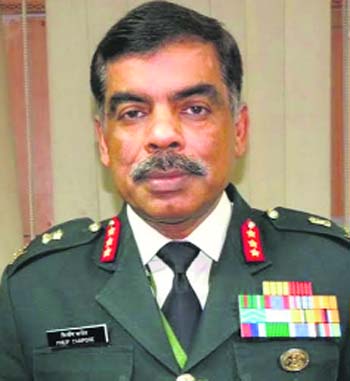
Lt Gen Philip Campose (Retd)

Former Vice-Chief Of Army Staff

The Indian military has played a significant role in mitigating the effects of Covid’s second wave among the civilian population in cities like Delhi, Lucknow, Pune, Patiala and Jaisalmer and far-flung areas such as Ranikhet and Pithoragarh, where military-run Covid care centres for the general public have been set up or expanded during the past month. This was done to supplement the earlier decision of providing beds for Covid-affected civilians in military hospitals, in case these were available.

The question that now arises is whether the military-civilian cooperative model of Covid care centres should be extended to the next logical step. This step includes the setting up of mobile vaccination centres and the conduct of vaccination camps, especially in small towns and rural areas, thus filling the gaps in our vaccination plan and bolstering the country’s capacity for achieving ‘herd immunity through vaccination’ by the end of the year.

It is a fact that whenever there is a disaster in the country, the government and the people look to its military, the ‘last bastion’ as it is called, to step in and provide assistance to deal with the situation expeditiously. The fact that the military is mandated, as its ‘secondary role’, to assist Central and state agencies to deal with national emergencies like the ongoing Covid-19 pandemic, facilitates an early and effective response.

During the first wave last year, such assistance for civilians was limited to setting up quarantine centres for people being repatriated from abroad as also a Covid care centre in Delhi, in concert with other agencies, for those who tested positive with the disease.

However, considering the large number of people who were infected in the second wave this year, especially those in the severe category — requiring hospitalisation, oxygen and ventilators — the massive scale of the problem has dictated a wide range of additional roles for the military. They include transportation of oxygen plants and other emergency resources by Air Force aircraft and Naval ships as also assistance for setting up additional Covid care centres for civilians in many parts of the country.

Nonetheless, there is a contrarian view among some people, including military veterans, that the involvement of the military in such a role would have adverse effects on the quality of medical care available to serving personnel and their families, who are equally affected by the ravages of the pandemic. Further, they fear, it would divert attention from the military’s primary role of war-fighting at a time when tension over PLA intrusions still remains in eastern Ladakh.

These arguments are countered by those who support military assistance. They say that the unprecedented scale of the health emergency dictates a more substantive role for the military, which is capable of making a real difference, especially since it would not have any adverse effect on our operational capabilities.

In this backdrop, the question that arises in the context of the nation’s quest for defeating the virus, by achieving ‘herd immunity’ through an accelerated vaccination programme, is whether the military can contribute towards this end, keeping its organisational strengths and vast outreach in view. The military also has extensive medical human resources at its command, especially medical staff, including nurses, nursing assistants and technical personnel, who can carry out this task efficiently. Also, more importantly, the military has an enviable ethos and record of ‘getting the job done’ even in the most complicated of circumstances.

Undoubtedly, if so tasked — and the vaccines provided — the military is capable of speedily and efficiently vaccinating people in the remotest of geographical areas. It can also take on the challenge of vaccinating specified categories of people in towns and cities, e.g. teachers and students, in a speedy and efficient manner.

The only pre-requisites for such a venture are the assured availability of vaccines from Central or state resources and the assistance of the state governments concerned, which should cooperate and coordinate with the military by providing appropriate venues and local health staff for the vaccination centres. Local administrative authorities must also take care of publicity for the campaign, more so to counter vaccine hesitancy.

Needless to emphasise, the military cannot be seen to be serving any political agenda and, thus, if a decision is taken to seek the assistance of the military in implementing the vaccination programme, it becomes incumbent on the government of the day to ensure that the tasking and distribution of resources is done impartially, without controversy. Further, once so tasked, the military must be provided the resources, especially the vaccines, to ensure that the programme is implemented speedily with military efficiency and vigour.

To that extent, the military should be given this role only if the vaccines are available in the required numbers. Rest assured, once given a clear task and resources, the military will never let the people down.


Western Command chief reviews preparedness of Airawat Division

Western Command chief reviews preparedness of Airawat Division

Chandigarh, June 4

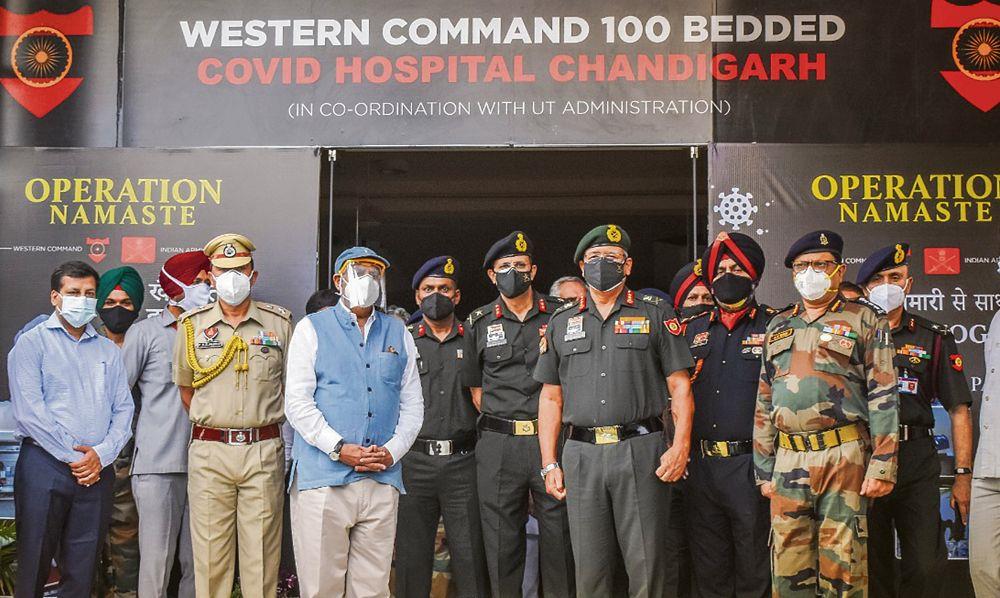
The General Officer Commanding-in-Chief (GOC-in-C), Western Command, Lt Gen RP Singh, visited the Airawat Division in Patiala today and reviewed formation’s operational preparedness

He lauded troops for their innovative approach towards training while adhering to the restrictions imposed due to Covid pandemic. He complimented all stakeholders for their sustained efforts for enhanced operational preparedness and professional training. He exhorted all ranks to retain operational focus in order to be prepared for future security challenges. During his visit he was also briefed on initiatives taken by the Army to assist the local population and veterans of the surrounding areas in the fight against Covid.

Lt Gen Singh interacted with healthcare workers involved in Covid management and lauded their efforts in providing medical support to serving personnel, veterans, families and civilians. He also met Col Manoj Kumar Sharma, CO, Western Command Covid Hospital, Patiala, and complimented the team running facility at Rajindra Hospital. — TNS


Army helps admn in conducting vaccination camp at Jagatpura

Army helps admn in conducting vaccination camp at Jagatpura

Tribune News Service

Mohali, June 4

The district administration in collaboration with the Army (Western Command) and Avtar Education Trust organised a vaccination camp under Mission Fateh 2.0 at Heritage Public School, Jagatpura, here.

Appreciating the initiative, Deputy Commissioner Girish Dyalan said 100 doses each were procured and provided by the family of martyr Col Sanjay Rana and Avtar Education Trust.

Dayalan said a large number of ex-servicemen were supporting the campaign and the Army provided doctors, paramedics, support staff, ambulances and other necessary equipment for the camp on Thursday.

He said Jagatpura village was densely populated and efforts were being made for maximum vaccination on priority basis.

“This will not only help in curbing the current wave of Covid but also help in achieving the target of 100 per cent vaccination in the district,” he said.

Col Jasdeep Singh Sandhu, Director, Civil Military Affairs and Joint Operations, Western Command, said the Commander Lt General RP Singh had decided to extend all possible cooperation to the district administrations for expanding vaccination campaign.

He said the vaccination camp emerged as a model in which the Army provided doctors, paramedics, ambulances, etc.

“Such efforts by the Army will continue in future as well,” said Colonel Sandhu.

Kinshuka Sethi, director, The Heritage Public School and Nodal Institute of Security Guards, said the school teachers went door to door to sensitise people on vaccination.


Army pays floral tributes to soldier who slipped to death in Jammu and Kashmir

Army pays floral tributes to soldier who slipped to death in Jammu and Kashmir

Srinagar, June 5

The Army on Saturday paid floral tributes to Sepoy Arun Singh who had slipped to death while on an area domination patrol in Shopian district of Jammu and Kashmir.

In a solemn ceremony at Badamibagh Cantonment, officiating Corps Commander, Chinar Corps, Major General Anupam Bhagi and all ranks paid homage to the gallant soldier on behalf of the proud nation, a defence spokesman said here.

He said Singh was on Area Domination Patrol from Sedhau to Tangimarg when he slipped and fell into the Vishwa River while crossing a wooden bridge at Ada on Friday. 

The soldier was swept downstream due to the fast current of the river before he was finally pulled out by other soldiers and civilians, the spokesman said.

Singh was immediately evacuated to a hospital where he was declared dead.

Singh (26) had joined the Army in 2016 and belonged to Gho Mangni village of Pathankot Tehsil, Pathankot district in Punjab. He is survived by his parents, the spokesman said.

“The mortal remains of Arun Singh were taken to his native place where he would be laid to rest with full military honours. In this hour of grief, the Army stands in solidarity with the bereaved family and remains committed to their dignity and wellbeing,” he said. — PTI


Farmers burn copies of laws across Punjab

Observe anniversary of ordinance promulgation by Centre as ‘Sampoorna Kranti Diwas’

Farmers burn copies of laws across Punjab

BKU (Ekta Ugrahan) members protest in Bathinda.

Tribune News Service

Patiala/Muktsar, June 5

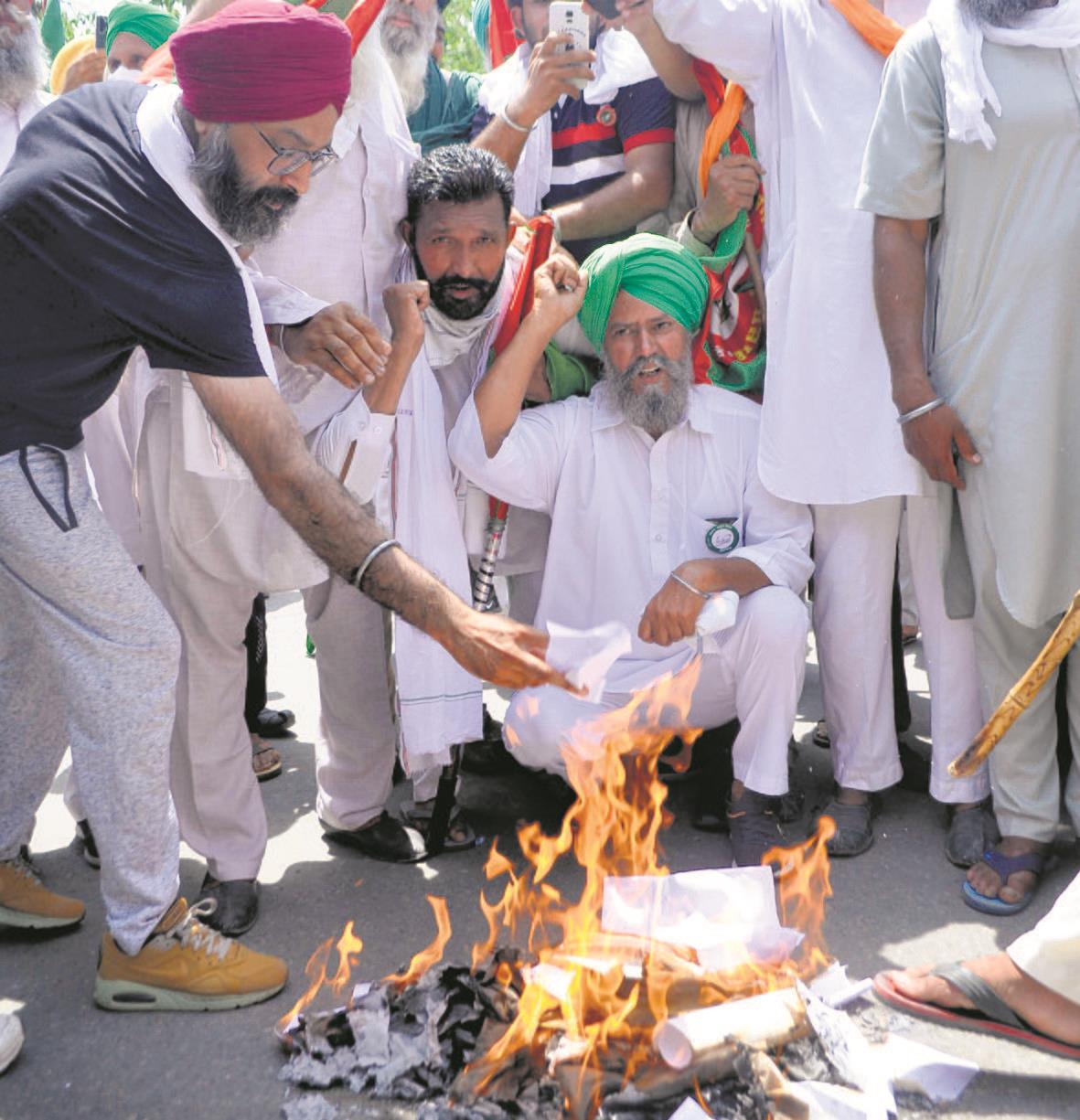
Farmers burnt the copies of the Centre’s three farm laws near residences of BJP leaders and at other places in Patiala and Rajpura on Saturday, observing the day of the promulgation of the farm ordinances last year as ‘Sampoorna Kranti Diwas’.

Farmers carrying black flags raised slogans against the BJP-led central government for not scrapping the legislation which, they said, would destroy the farming community.

 Farmers burn copies of the laws in Patiala on Saturday. Pawan Sharma & Rajesh Sachar

Farmers gathered in Rajpura and burnt the hoardings of BJP leaders, including Harjeet Grewal, while in Patiala they protested against BJP leader Bhupesh Aggarwal. Heavy police was deployed and barricades put up near the protest sites to maintain law and order, even as farmers managed to reach the protest sites.https://f55994d636d761f1a2a3ee6aa68d85f6.safeframe.googlesyndication.com/safeframe/1-0-38/html/container.html

In Muktsar, the district police had made strict security arrangements near the residence of BJP’s Muktsar district president Rajesh Pathela. The farmers could not reach there and burnt the copies of the three farm Bills on Tibbi Sahib Road at some distance. In Bathinda, the BKU (Ekta Ugrahan) staged a protest outside the houses of BJP leaders Dyal Dass Sodhi at Tungwali and Vinod Kumar Binta at Bhucho Mandi. The farmers also burnt the copies of the laws outside the office of the SDM, Talwandi Sabo, and staged a protest at Fire Brigade Chowk here.

Senior leaders Mothu Singh Kotra and Harjinder Singh Baggi said the new laws were being rolled out in the name of economic reforms by the BJP government. They said attempts were being made to tarnish the image of Punjab by fanning the flames of religious issues.

In Jalandhar, farmers burnt copies of the three farm ordinances and marched to the residence of BJP leader Manoranjan Kalia to mark a year of the passing of the farm laws and the anniversary of the protests at the Delhi borders. Members of the BKU (Rajewal) held protests at the DC office, Nakodar, while those of the Kirti Kisan Union and Dehati Mazdoor Sabha raised slogans and burnt the copies of the laws outside BJP leaders’ residences.

‘Corporates making products costlier’

Farm leaders Mothu Singh Kotra and Harjinder Singh Baggi said by handing over public institutions to corporate houses, household products and facilities were becoming inaccessible to the people of the country due to their high cost. They said attempts were being made to tarnish the image of Punjab by fanning the flames of religious issues.


Mob storms Assam Rifles camp after Manipur man killed in firing

Mob storms Assam Rifles camp after Manipur man killed in firing

mphal, June 5

One person was shot dead allegedly by a staff of the Assam Rifles in a village in Manipur’s Kangpokpi district, triggering a mob to storm a camp of the para-military force in the area, police said on Saturday.

Posts on torching of an Assam Rifles vehicle are being circulated on social media but it could not be confirmed by the authorities.

The victim was fired upon in Chalwa village on Friday night and he succumbed to his injuries on way to a hospital in state capital Imphal early Saturday, Superintendent of Police P Goulungmuon Singsit said.

It is still not clear what led to the incident in the village.

The SP told PTI that following the shooting incident, a group of villagers reached the local Assam Rifles camp and demanded that the force hand over the accused to them.

The situation was tense in the area till Saturday morning but the police brought the situation under control, Singsit said.

A case was registered in this regard at Kangpokpi police station.

The Assam Rifles spokesperson could not be reached for comment.

The para-military force personnel have been deployed in Manipur to help the state administration in counter-insurgency operation. PTI


Covishield ‘more effective’ than Covaxin

Produces higher level of antibodies, shows study on health staff

Covishield ‘more effective’ than Covaxin

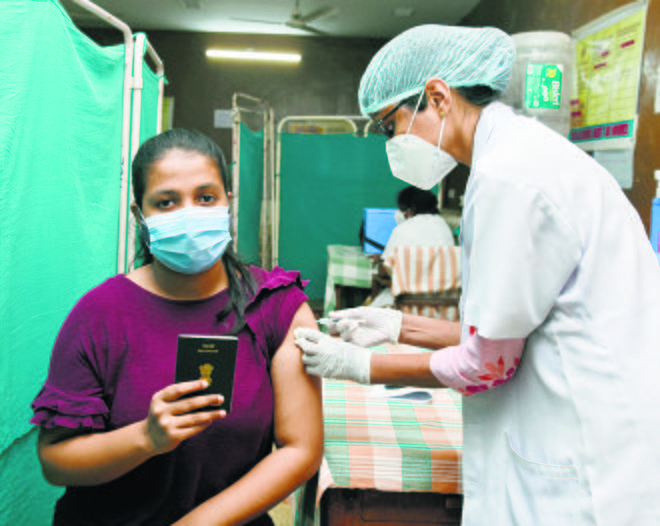
A health worker administers a vaccine dose to a student in Hyderabad. PTI

Aditi Tandon

Tribune News Service

New Delhi, June 5

Indian healthcare workers have shown high immune response to Covid after receiving the two mandated doses of both domestically manufactured vaccines —Covishield and Covaxin.

A preprint of the first Indian study among doctors and nurses who received both shots shows that a higher proportion of those inoculated with Covishield produced antibodies compared to those who received Covaxin, even though both shots elicited a good immune response.

“Among 515 healthcare workers (305 male, 210 female), 95 per cent showed seropositivity (higher antibodies) after two doses of both vaccines. Of the 425 Covishield and 90 Covaxin recipients, 98.1 per cent and 80 per cent, respectively, showed seropositivity. However, both seropositivity rate and average rise in anti-spike antibody was significantly higher in Covishield versus Covaxin recipients,” the study authors show.

The study highlights the significance of speedy vaccination to avert a potential third wave of the pandemic, signalling the urgency of expanding the coverage, which is running low due to stock shortages of Covaxin and Covishield.

While no difference was observed in relation to gender, body mass index, blood group and any comorbidities, people aged 60 years and above or those with type 2 diabetes had a significantly lower seropositivity rate, indicating a comparatively lower antibody response. The study also shows a good safety profile for both vaccines.

“Both the vaccine recipients had similar solicited mild to moderate adverse events and none had severe or unsolicited side-effects. In conclusion, both vaccines elicited good immune response after two doses, although seropositivity rates and median anti-spike antibody titre was significantly higher in Covishield compared to Covaxin arm,” researcher AK Singh says.

India has so far inoculated 43 per cent of its 60-plus people with one dose (the rates being as low as 35 per cent in Punjab, 39 in Telangana, and as high as 78 in Himachal Pradesh and 80 in Tripura). In the 45-plus group, 37 per cent people have received at least one dose.

The government is hoping to reach all 95 crore adults by December this year, with vaccine stocks expected to improve from June.


Delhi to ease curbs further from June 7

  • Govt, private offices to reopen with 50% attendance
  • Delhi Metro to operate at 50% capacity
  • Markets, malls to open on odd-even basis

1,20,529 fresh cases

3,380 deaths in 24 hours

Total deaths: 3,44,082

Active cases:15,55,248


BKU’s Tikait to meet Mamata on June 9

BKU’s Tikait to meet Mamata on June 9

Kolkata: BKU leader Rakesh Tikait, accompanied by three other farmer leaders, will meet West Bengal CM Mamata Banerjee in Kolkata on June 9. Sources said they would formally invite Mamata Banerjee to the farmers’ protest site on the outskirts of Delhi to address the agitators there. tns

Govt: Appoint officers to help kin of deceased

New Delhi: The Department of Personnel & Training (DoPT) has asked all Central ministries and departments to appoint nodal officers to help deceased employees’ kin get their monetary and other entitlements as quickly as possible. Details of the nodal officer may be displayed on the official websites of offices at different levels. TNS

Delhi’s doorstep ration delivery plan ‘blocked’

New Delhi: The Centre has stopped Delhi Government’s doorstep delivery of ration scheme, scheduled for rollout next week, for not seeking prior approval, said sources. — PTI