Three Indian Navy warships are bringing to India on Monday 80 tonnes of liquid oxygen, 20 cryogenic oxygen tanks, 3,150 cylinders and a large amount of other medical supplies from abroad as the country reels under a severe second wave of the coronavirus pandemic.
The medical supplies being brought by the ships included 900 oxygen-filled cylinders and 10,000 rapid antigen COVID-19 test kits, 54 oxygen concentrators, 450 PPE (personal protective equipment) kits, Indian Navy spokesperson Commander Vivek Madhwal said.
Indian Navy ship Airavat is reaching Visakhapatnam from Singapore carrying eight cryogenic oxygen tanks each having a capacity of 20 metric tonnes of oxygen and other supplies.
Another warship, INS Kolkata, is arriving at New Mangalore port carrying 40 metric tonnes of liquid oxygen, 400 Oxygen cylinders and 47 oxygen concentrators from Qatar and Kuwait, Commander Madhwal said.
INS Trikand is reaching Mumbai with 40 tonnes of oxygen from Qatar, he said.
Last week, the Indian Navy deployed nine warships to bring liquid medical oxygen and other supplies from several countries in Persian Gulf and south-east Asia.
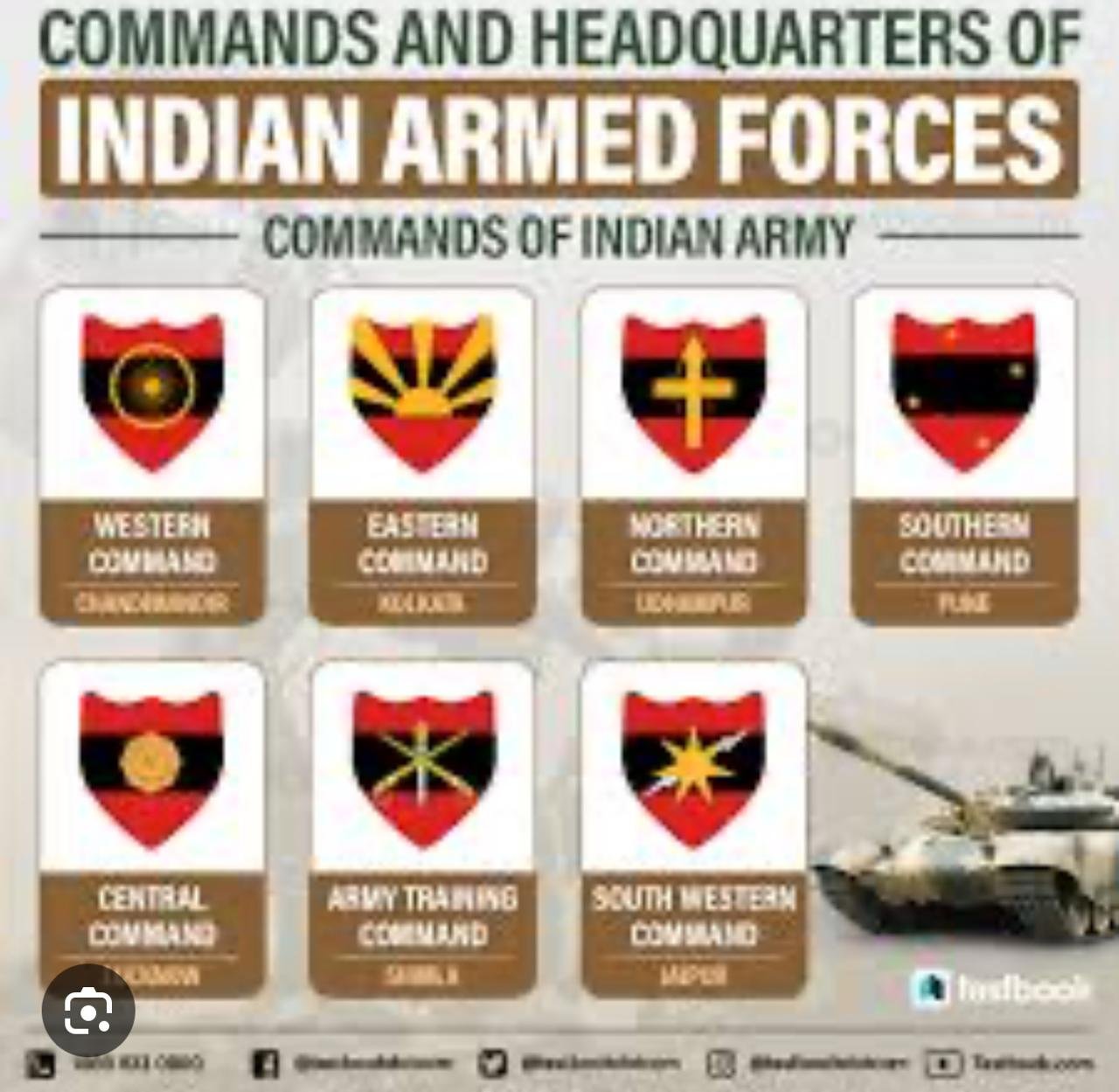
The Navy said it has stepped up its efforts as ships from all three naval commands in Mumbai, Visakhapatnam and Kochi were deployed to bring oxygen and other medical equipment under operation ‘Samudra Setu II’.
Last year, Indian Navy had launched Operation Samudra Setu as part of the Vande Bharat evacuation mission under which it brought back to India around 4,000 stranded Indians from Maldives, Sri Lanka and Iran.
As India battles a devastating second wave of coronavirus pandemic, countries around the world have sent medical supplies including oxygen-related equipment to help it tide over the situation.
Most countries used ‘Swiss cheese’ model to reduce Covid. In India, the holes were too big
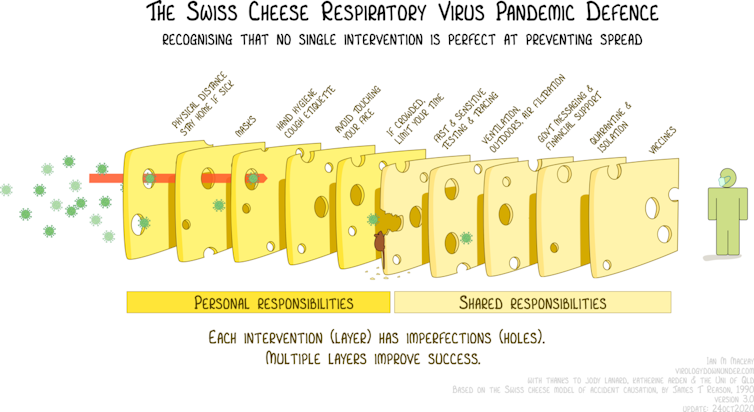
Most countries have used what’s known as the Swiss cheese model in planning their COVID response. In this risk-management model, each preventative measure is represented by a slice of cheese. No slice on its own can stop the virus from spreading because it has holes (flaws). But many slices, stacked one in front of the other, are enough to stop the contagion. In India – to continue the analogy – some of the holes were too big in three of the most important layers.
The first layer (as shown in the diagram below) is physical distancing – a tall order for India. India’s cities are densely populated and made denser by the daily arrival of millions of migrant workers who do most of the menial work.https://7535a4aec6e4ccaae7212b20983765a7.safeframe.googlesyndication.com/safeframe/1-0-38/html/container.html
The second layer is the proper use of masks and enhanced sanitation. This was always expected to be unreliable because of India’s low literacy rates and patchy social compliance. Excruciatingly hot weather in parts of the country, which can get to 48℃-50℃ in peak summer, doesn’t help either.
The final layer is mass vaccination. This measure has been severely dented from the beginning. High rates of vaccine hesitancy and, more recently, vaccine shortage are to blame. India has partially or fully vaccinated just 12% of its population. The challenge of vaccinating the vast majority of people in such a large, populous and demographically complex country was always going to be difficult.
During the first wave, India’s lockdown was one of the strictest in the world. And the stigma of dying from a new unknown disease encouraged people to wear masks. So two of the three primary layers of protection mentioned above, worked well to protect India from widespread infection.
In the second wave, however, the prolonged and harmonious failure of all the three basic layers resulted in a catastrophic blow to India’s already busy infectious disease landscape and strained healthcare system.
A study known as a serosurvey, conducted in February 2021 in New Delhi, showed that over 56% of the population had antibodies to the coronavirus. This number could have only increased in the months that followed. However, it’s not clear if the antibodies are as effective against the new circulating variants.
The limited viral genomic sequencing in India makes it difficult to conclusively blame either of the two most reported circulating variants B117 (first detected in the UK) and B1617 (first detected in India) or any other yet unknown variant.
Too relaxed by far
With other contributors, such as the government’s relaxation of restrictions on holding religious gatherings, election rallies, sporting events (until just before the new surge) and social and festive celebrations, it is not surprising that the COVID response layers were torn apart by this highly opportunistic virus, causing the devastation we are seeing today.
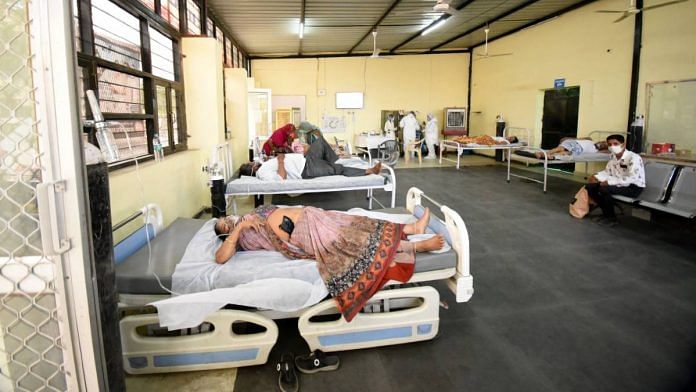
India is now reporting the highest number of cases in the world, with over 1 million recorded every three days. This has put an enormous strain on the mostly privately run diagnostic industry. The diagnoses that used to be made available in less than 24 hours are now taking up to five days in some cases.
This has resulted in several patients dying without even considering a trip to the hospital. And those lucky enough to get to a hospital are fairly sick by that point, making recovery all the harder, or already on the mend and don’t need to be in hospital.
This crisis in India reminds us how an out-of-control public health situation and healthcare infrastructure failure can lead to a much higher mortality rate than would otherwise be the case. It is an important lesson for every country that healthcare systems should be prepared, poised for another potential surge, until we are all safe as one world.
Imran Khan is on an official visit to Saudi Arabia from May 7-May 9
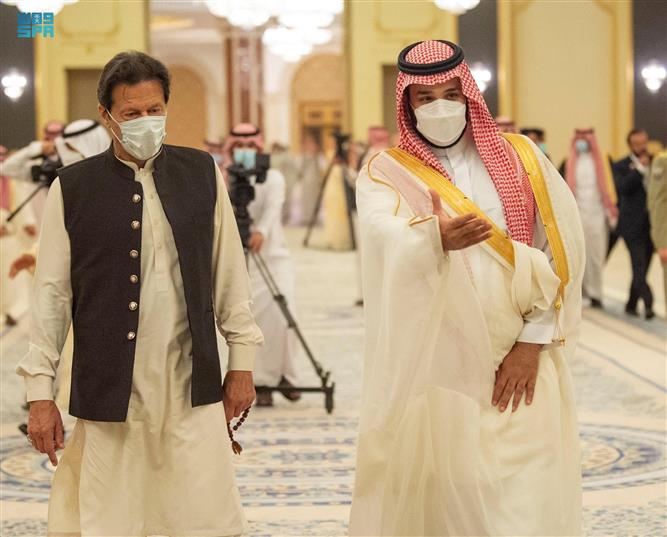
Saudi Crown Prince Mohammed Bin Salman welcomes Pakistani Prime Minister Imran Khan upon his arrival in Jeddah, Saudi Arabia. Reuters
Islamabad, May 9
Saudi Arabia has emphasised the importance of dialogue between Pakistan and India to resolve their outstanding matters, including the Kashmir issue.
Pakistan Foreign Office on Saturday night released a joint statement agreed between Pakistan and Saudi Arabia after Prime Minister Imran Khan held high-level talks with Crown Prince Mohammad bin Salman.
Khan is on an official visit to Saudi Arabia from May 7-May 9.
“The two sides emphasised the importance of dialogue between Pakistan and India to resolve the outstanding issues between the two countries, especially Jammu and Kashmir issue, to ensure peace and stability in the region,” according to the joint statement.
The Crown Prince “welcomed the recent understanding reached between the military authorities of Pakistan and India regarding ceasefire at the Line of Control (LoC), which is based on a 2003 understanding between Pakistan and India”.
The militaries of India and Pakistan, in a surprise announcement on February 25, said that they have agreed to strictly observe all agreements on ceasefire along the Line of Control (LoC) in Jammu and Kashmir and other sectors.
India has told Pakistan that it desires normal neighbourly relations with it in an environment free of terror, hostility and violence.
During Khan’s Saudi visit, the two sides also reviewed all facets of bilateral cooperation and discussed regional and international issues of mutual interest and agreed to further strengthen the relationship in diverse fields.
They signed an agreement on the establishment of the Saudi-Pakistan Supreme Coordination Council (SPSCC). An MoU on combating illicit traffic in narcotics, drugs, psychotropic substances and precursor chemicals was also signed.
They also inked a framework MoU between Saudi Fund for Development and Pakistan for financing projects in energy, hydropower generation, Infrastructure, transport communication and water resource development.
Cooperation agreements in the field of combating crimes and on the transfer of convicted prisoners were also signed.
The two leaders also stressed the need for concerted efforts by the Muslim countries to confront extremism and violence, reject sectarianism, and strive to achieve international peace and security.
They called for joint efforts to combat terrorism in all its forms and manifestations. PTI
here is more brutality to the war in this poorest of the countries in terms of psychological scars of the young and old, and families and communities which were caught between the Taliban, the US-led International Security Assistance Force and the Afghan government. Against this background comes the decision of American President Joe Biden to bring home the remaining 2,500 American soldiers stationed in Afghanistan and make way for the return of the Taliban.
HUGE TOLL: Nearly 2,000 US defence personnel, 70,000 Afghan security men and 47,000 civilians have died in the Afghan war since 2001. Reuters
Parsa Venkateshwar Rao Jr
Senior Journalist
In the aftermath of the September 11, 2001, terror attacks in New York and Washington and the death of around 3,000 office-goers and rescue workers in the twin towers, the then United States President George W Bush rushed the mighty American commando forces, with NATO in tow, into the target-impoverished, Taliban-ruled Afghanistan.
Initially, the Bush Administration asked the Pakistan interlocutors to persuade the Taliban, who had been in power in Afghanistan since 1996, to hand over the prime suspect of the terror attack, Osama bin Laden, the leader of Al Qaida. The Taliban mulishly refused. And the American troops poured in.
There were warnings then that it would not be an easy war for the Americans in Afghanistan. Two other great powers before them — the British in the late 19th century and the Soviet Union in the 1980s — had failed in their attempts to control the country.
It seemed that the Americans had had the last laugh when the Taliban resistance collapsed. A lot many of the Taliban troops were captured along with Al Qaeda men. In violation of international law, these prisoners of war were transferred to Guantanamo Bay and other undisclosed centres of the Central Intelligence Agency (CIA) — the American spy oprganisation — in different parts of Europe and in some other places like Egypt.
American troops scoured the Tora-Bora mountains and caves there in search of Osama bin Laden, but they could find no trace of the man.
It was only a decade later that the American Navy Seals swooped on Osama’s hideout at Abbotabad in Pakistan, where he was found with his young wife and children on
May 2, 2011. Instead of being imprisoned and brought to trial, he was killed without ceremony and his body was thrown into the sea
Perhaps, the Americans feared that he would spill the beans about his American connections in his war against the Soviets in Afghanistan in the 1980s.
It is estimated that in the years between end-2001 and up till now, more than 2,000 US defence personnel, nearly 70,000 Afghan security men and about 47,000 Afghan civilians have died in the war.https://312992a8840c2febd9cc6ec6458b1665.safeframe.googlesyndication.com/safeframe/1-0-38/html/container.html
The economic cost of the war is estimated to range between $800 and over $500 billion.
These are but statistics. There is more brutality to the war in this poorest of the countries in terms of psychological scars of the young and old, and families and communities which were caught between the Taliban, the US-led International Security Assistance Force (ISAF) and the Afghan government.https://312992a8840c2febd9cc6ec6458b1665.safeframe.googlesyndication.com/safeframe/1-0-38/html/container.html
Against this background comes the decision of American President Joe Biden to bring home the remaining 2,500 American soldiers stationed in Afghanistan and make way for the return of the Taliban.
In effect, America has lost the war against the Taliban in the same way that it had lost the war against the Vietcong in Vietnam.
Unsurprisingly, pundits in America and America-friendly pundits in India are literally skirting the issue of the return of the Taliban to the mainstream Afghan politics.
The America-supported democratically elected government of President Ashraf Ghani is tottering in the face of the imminent dominance of the Taliban. Despite the ostensible international conferences in Doha, Moscow and Istanbul among the stakeholders, which include Pakistan, China, Iran, the US, Russia — and not India — the Taliban had been insisting that the American forces must leave Afghanistan before the puritanical Islamist group accepted the terms of peace and participated in the established political system.
There is, however, no explicit guarantee that the Taliban will conform to the norms of the post-2001 democratic Afghanistan.
It became clear after the Taliban regime was dislodged in late 2001 that there could be no political stability in Afghanistan without the participation of the Taliban. The armed Islamist group had sustained a credible insurgency over the past two decades, threatening the national and provincial governments of democratic Afghanistan. It is the sustained insurgency of the Taliban that has forced the Americans to bring them to the negotiating table.
It is indeed a matter of speculation as to the role Pakistan played in nudging and propping up the Taliban. It is a known fact that the Taliban, when they ruled Afghanistan between 1996 and 2001, were amply supported by Pakistan, both diplomatically and materially.
The Americans were very much aware of the Pakistan-Taliban nexus.
There is general hostility towards Pakistan among the people of Afghanistan because they are aware that it is Pakistan that facilitated the Taliban’s repressive regime.
Pakistan, in its desperate search for strategic depth, wants a Pakistan-pliant regime in Kabul.
The reason for India’s opposition to the Taliban is the Islamist group’s Pakistan connection. That is why India’s official stance over the last many years has been that there cannot be a distinction between good Taliban and bad Taliban, and that the Taliban are bad per se because of their ultra-Islamist tenor and their terrorising tactics against their own people.
Pakistan has been trying to convince India through the backchannels that India should not maintain a rigid stance towards the Taliban, and that New Delhi should see the change in the attitude of the Taliban. This was nearly a decade ago.
For two decades now, the Americans have tried to convince the world, including India, about the spectre of Islamic terrorism threatening the global order. It turns out that Islamic terrorism was only a pretext to unleash the American firepower in a post-Cold War world. Now that China has emerged as the new ideological adversary, the Americans are only too eager to turn their back on the spectre of Islamic terrorism because it was just a spectre all along, and it was the proverbial Frankenstein’s creature created to unseat the Ba’ath governments of Saddam Hussein in Iraq and Bashar Assad in Syria.
Saddam Hussein has gone, but Bashar Assad remains. And chaos reigns in the Iraq-Syria region, and the Americans have burnt their fingers with the Islamic State in Iraq and Syria (ISIS).
At least in the case of the Taliban, the Afghan Islamist group has no extra-territorial ambitions like the ISIS.
The Northern Command of the Army on Saturday said it was taking proactive actions to assist the ex-servicemen in the twin Union Territories of Jammu and Kashmir and Ladakh in the wake of the prevailing Covid situation.
Over 34,000 ex-servicemen and their dependents are residing in J-K and Ladakh.
“Efforts are being made to educate them on preventive measures, facilities that have been created, helpline numbers, symptoms, testing facilities, Army hospitals located in their vicinity and facilities existing,” the spokesman said, adding 1,878 ex-servicemen had been given the first dose of vaccine and 137 the second dose so far. — PTI
Punjab announces Rs 50 lakh compensation, job for kin of soldier killed in Arunachal
Amritpaul Singh was on a patrol when he lost his balance and slipped into Siyom river near Manigong village on April 8
Photo for representation. — iStock
Chandigarh, May 10
Punjab Chief Minister Amarinder Singh on Monday announced an ex-gratia compensation of Rs 50 lakh and a government job to the next of kin of a soldier who laid down his life in the line of duty.
Havildar Amritpaul Singh was part of the 31 Field Regiment, was on a patrol when he lost his balance and slipped into Siyom river near Manigong village in Arunachal Pradesh on April 8.
His body was found on May 7, according to a state government statement.
The chief minister extended his sympathies to the bereaved family of the soldier, it said.
Amritpaul Singh, hailed from Kheri village in Sangrur district and is survived by his wife Harmeet Kaur, 11-year-old son Gursewak Singh, father Balveer Singh, mother Bhagwan Kaur and brother Harvinder Singh.
The mortal remains of the soldier were consigned to flames at his native village on Monday. PTI
The Indian Air Force (IAF) has coordinated its resources to cater to the “surge operations” in view of the Covid pandemic. This will include manpower, ground handling, loading equipment and vehicles such as trailers and fork lifters.
The IAF has been operating the Covid Air Support Management Cell (CASMC) at the Palam air base since April 27. The cell is tasked with coordinating distribution of the relief aid from foreign countries.
The cell is operating round the clock. One C-130 and two AN-32 transport aircraft are operating at Palam to airlift load on short notice across the country.
Central Vista: HC to take up early hearing plea to stop work on Tuesday
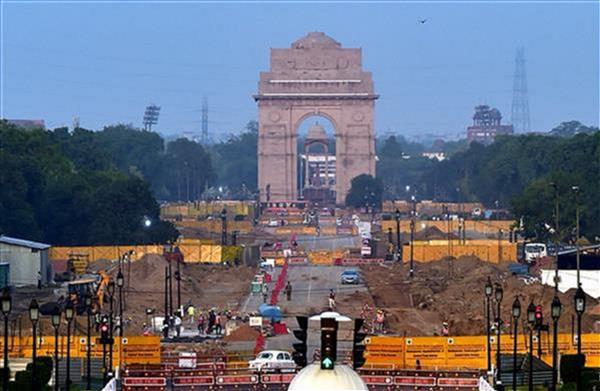
Construction work underway as part of the Central Vista Redevelopment Project, at Rajpath in New Delhi. PTI
Tribune News Service New Delhi, May 10
The Delhi High Court on Monday agreed to hear on Tuesday a plea for early hearing of a petition seeking to stop construction work relating to the Central Vista redevelopment project in view of a sudden spike in COVID-19 cases.
“We are keeping it tomorrow,” a Bench led by Chief Justice DN Patel told senior advocate Siddharth Luthra after the latter mentioned it for early listing this morning.
The Central Vista redevelopment plan – which aims to free up 75-acre land in the heart of the capital – involves demolition of around 10 buildings, including Shastri Bhawan, Udyog Bhawan, Krishi Bhawan, Vigyan Bhawan, Vice-President’s House and Lok Nayak Bhawan.
Announced in September last year, it envisages a new triangular Parliament building, with seating capacity for more than 1,200 MPs, expected to be constructed by August 2022 when the country will be celebrating its 75th Independence Day. The common Central Secretariat is likely to be built by 2024.
Refusing to set aside the clearances given to the Central Vista Redevelopment Project, the Supreme Court on January 5 said it can’t venture into policy matters and areas reserved for the Executive without any legal basis.
On Monday, Luthra explained that after the high court posted the matter for hearing on May 17 petitioners—Anya Malhotra, who works as a translator, and documentary filmmaker Sohail Hashmi had moved the top court against the high court’s May 4 order.
The high court had adjourned the matter, saying it wanted to study the top court’s January 5 judgement giving a go ahead to the Central Vista project.https://6461dfcbe13d83570e6afb82985c076e.safeframe.googlesyndication.com/safeframe/1-0-38/html/container.html
The petitioners had contended that the project was not an essential activity and therefore, it can be put on hold for now during the pandemic. Luthra had told the top court that the plea was only opposed to the permission granted for continuing the construction going on at Rajpath, Central Vista stretch and gardens.
“Labourers are being transported from Sarai Kale Khan and Karol Bagh area to Rajpath and Central Vista, where construction work is going on. This enhances chances of spread of COVID infection among them,” Luthra had told the apex court.
Luthra had told the top court that when the nation was considering lockdown and even the Indian Premier League was being shut, the construction activity cannot be allowed.
The plea before the high court has contended that the project has the potential to be a super spreader if allowed to continue during the pandemic.
Martyr Sepoy Pargat Singh cremated with military honours at ancestral village Daburji
Sukhjinder Singh Randhawa salutes martyrdom of braveheart, shares grief of family members
Martyrs are treasure trove of nation, We are proud of Pargat Singh: Randhawa
Bereaved family to be given Rs. 50 lakh ex-gratia & a Government job
Dera Baba Nanak, May 9:
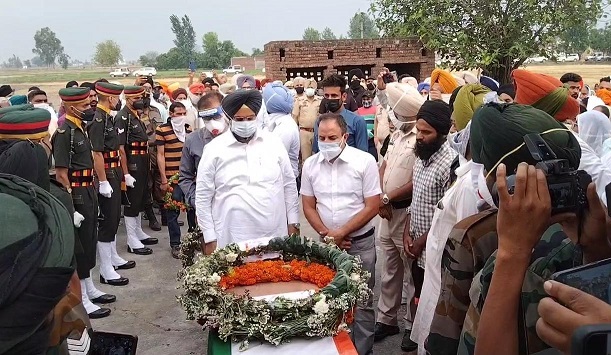
The martyr Sepoy Pargat Singh (21 Punjab) who sacrificed his life in the line of duty at Siachen glacier in a snow storm, was today cremated with full military honours at his ancestral village Daburji near Dera Baba Nanak in Gurdaspur. The martyr left behind his father S. Pritam Singh, mother Sdn. Sukhwinder Kaur and 2 sisters.
The Cabinet Minister S. Sukhjinder Singh Randhawa laid wreath on the mortal remains of the martyr on behalf of the State Government and said that those who make the supreme sacrifice in the line of duty are the treasure trove of the nation and we all are proud of Shaheed Sepoy Pargat Singh who is an inspiration for the youth of the country
Divulging more, S. Randhawa said that the Chief Minister Captain Amarinder Singh has announced an ex gratia of Rs. 50 lakh besides a Government job to a family member of the braveheart. He assured the bereaved family that the State Government and he himself would extend every possible assistance to them.
It is noteworthy that in a avalanche on April 25, 2021 in Siachen glacier, Sepoy Amardeep Singh (Barnala) and Sepoy Prabhjot Singh (Mansa) from 21 Punjab were martyred while Sepoy Pargat Singh from the same unit was taken out from under the snow on April 27, 2021 and evacuated to the Command Hospital Chandigarh where he succumbed to Hypothermia and severe injury to lungs on May 8.
8 UP cops booked for torturing ex Sikh army officer ( Watch video )
FIR registered against 8 police personnel for torturing ex Sikh army officer
UP Police has assured of strict action against guilty police personnel :
New Delhi, May 9, 2021 : On a complaint filed by the Delhi Sikh Gurudwara Management Committee (DSGMC) regarding custodial torture, unnatural maltreatment and insult to religion of ex Sikh army officer, UP Police has registered a case against 8 guilty police personnel and they are likely to be arrested soon.
Disclosing this in a statement issued here today, the DSGMC President Manjinder Singh Sirsa said that FIR No 22 has been registered at Police Station Puranpur today u/s 147, 323, 342 and 504 IPC against errant police personnel including Ram Naresh Singh, Rayees Ahmed and 6 others for mercilessly beating Resham Singh and resorting to unnatural torture and insulting his religion.
Sirsa said that SP Pilibhit Kirit Rathore has assured him that strict action would be taken against these police personnel. He said that he has also ensured justice for Resham Singh.
He thanked DSGMC Legal team led by Advocate Jagdeep Singh Kahlon, Jasdeep Singh Dhillon, Jaspreet Singh Rai, Varinderpal Singh Sandhu for ensureing legal actions in the matter.
It is worth mentioning here that the DSGMC had filed a criminal complaint with UP CM, Union Home Secretary and DGP UP in the matter and had demanded strict action against the guilty police personnel yesterday.
This incident had occurred under Puranpur Police Station in Pilibhit district of UP.
Sirsa said that the DSGMC will ensure that these guilty police personnel are dismissed from service and sent to jail for their sin.
State Stalwarts
DEFENCES FORCES RANKS
ARMY, NAVY, AIRFORCE RANKS
FORMATION SIGNS
FORMATION SIGNS
ALL HUMANS ARE ONE CREATED BY GOD
HINDUS,MUSLIMS,SIKHS.ISAI SAB HAI BHAI BHAI
CHIEF PATRON ALL INDIA SANJHA MORCHA
LT GEN JASBIR SINGH DHALIWAL, DOGRA
SENIOR PATRON ALL INDIA SANJHA MORCHA
MAJOR GEN HARVIJAY SINGH, SENA MEDAL ,corps of signals
.
.
PATRON ALL INDIA SANJHA MORCHA
MAJ GEN RAMINDER GORAYA , CORPS OF
sanjhamorcha303@gmail.com
PRESIDENT HARAYANA STATE CUM COORDINATOR ESM
BRIG DALJIT THUKRAL ,BENGAL SAPPERS
PRESIDENT TRICITY
COL B S BRAR (BHUPI BRAR)
PRESIDENT CHANDIGARH ZONE
COL SHANJIT SINGH BHULLAR
.
.
PRESIDENT PANCHKULA ZONE AND ZIRAKPUR
COL SWARAN SINGH
PRESIDENT SAS NAGAR (MOHALI)
COL BALBIR SINGH , ARTY
INDIAN DEFENCE FORCES
DEFENCE FORCES INTEGRATED LOGO
FORCES FLAGS
15 Th PRESIDENT OF INDIA SUPREME COMMANDER ARMED FORCES
Droupadi Murmu
DEFENCE MINISTER
Minister Rajnath Singh
CHIEF OF DEFENCE STAFF (2nd)
General Anil Chauhan PVSM UYSM AVSM SM VSM
INDIAN FORCES CHIEFS
CHIEF OF ARMY STAFF(29th)
General Upendra Dwivedi, PVSM, AVSM (30 Jun 2024 to Till Date)