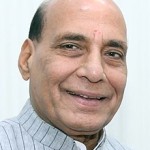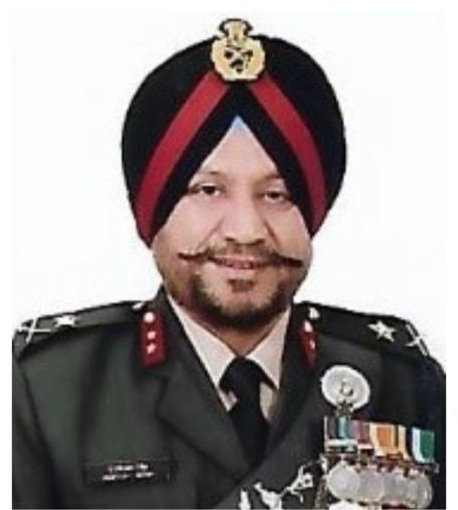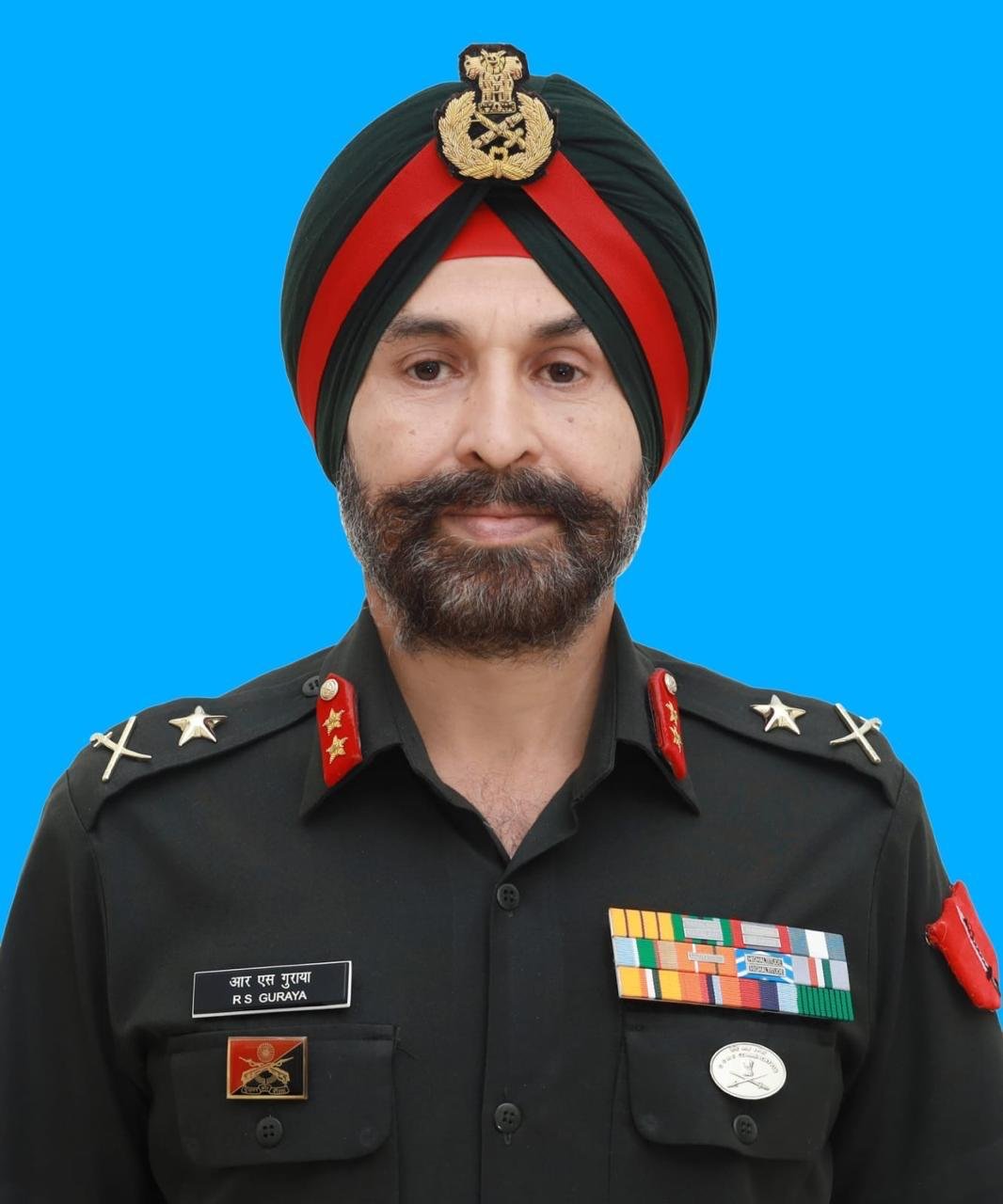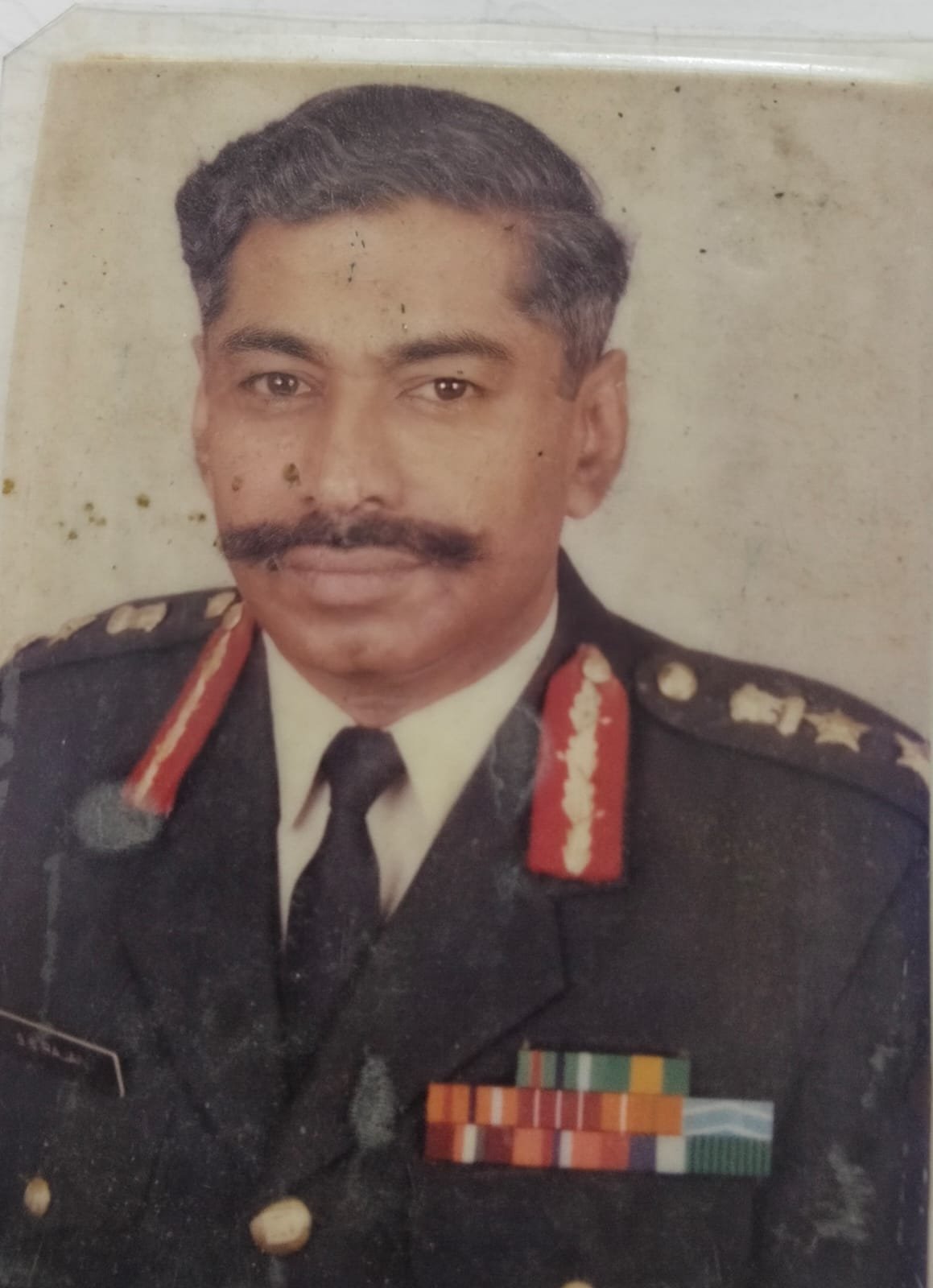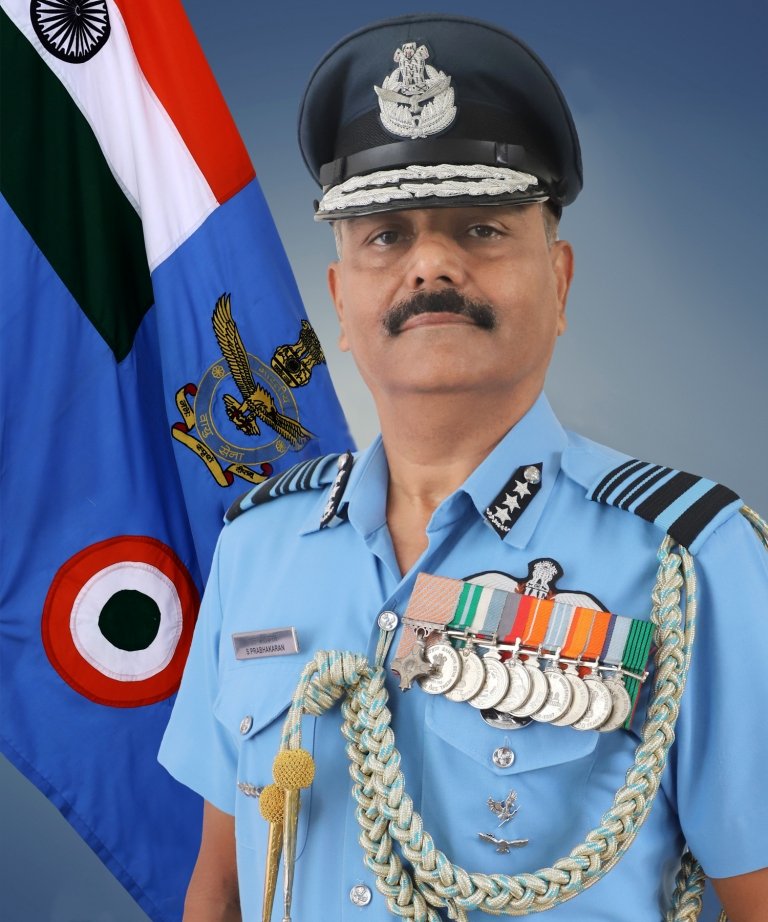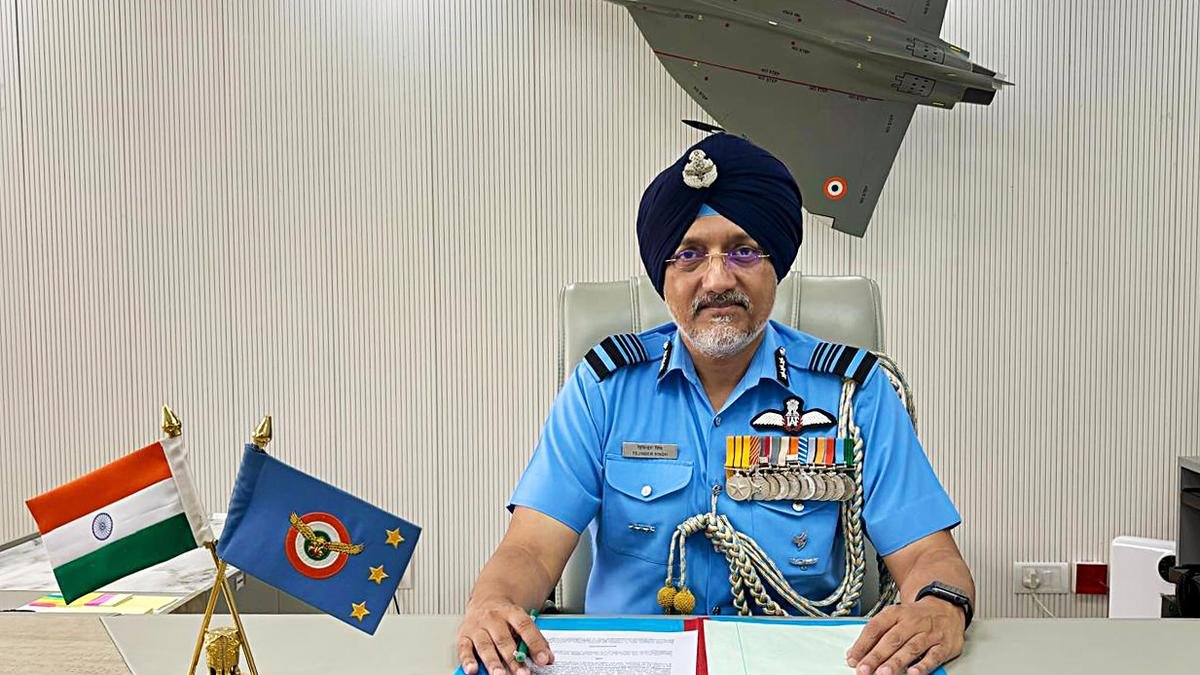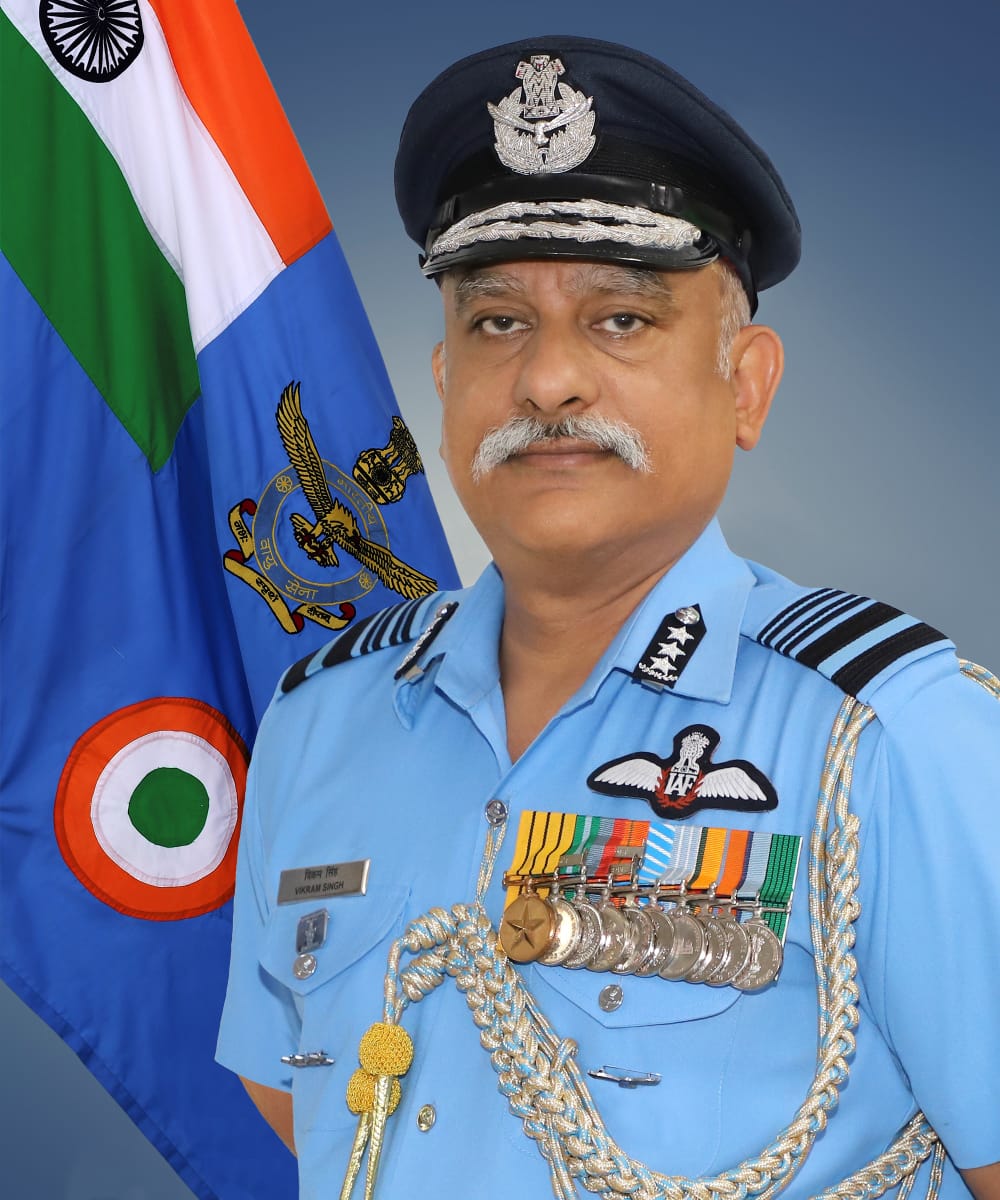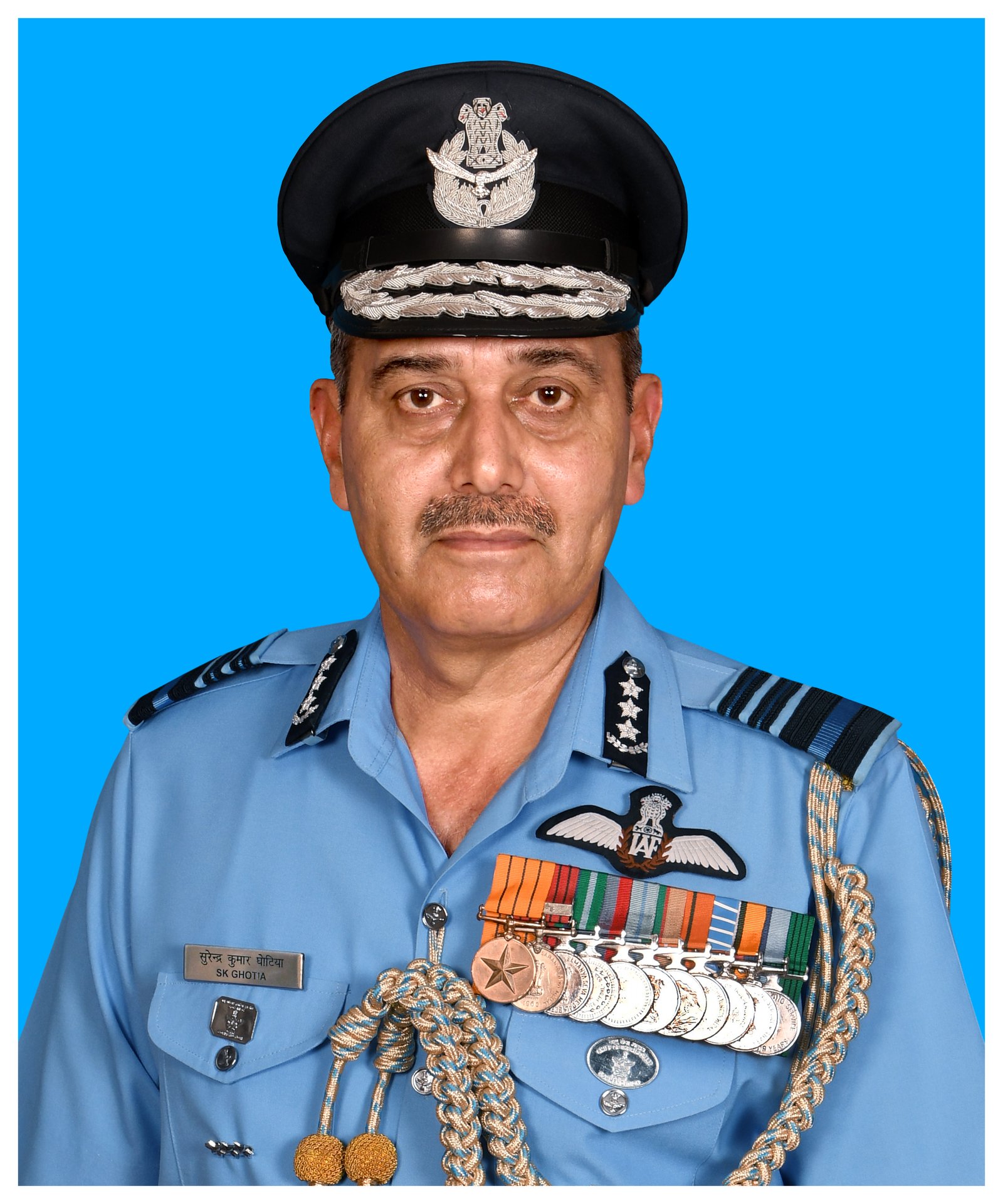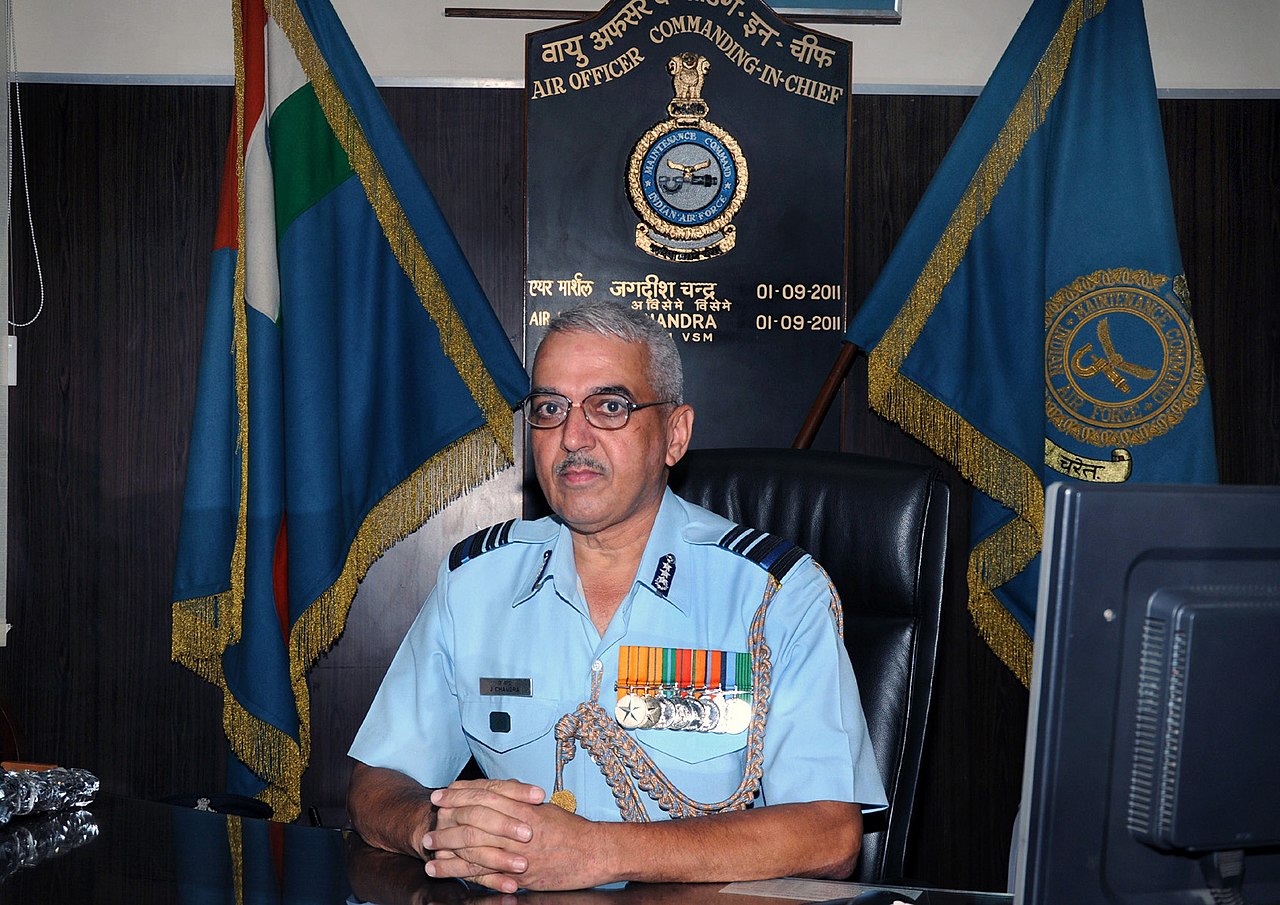




LT GEN SURESH SHARMA, AVSM
ASSUMED THE APPOINTMENT OF ENGINEER-IN-CHIEF ON 01 FEB 2017
Current Events :
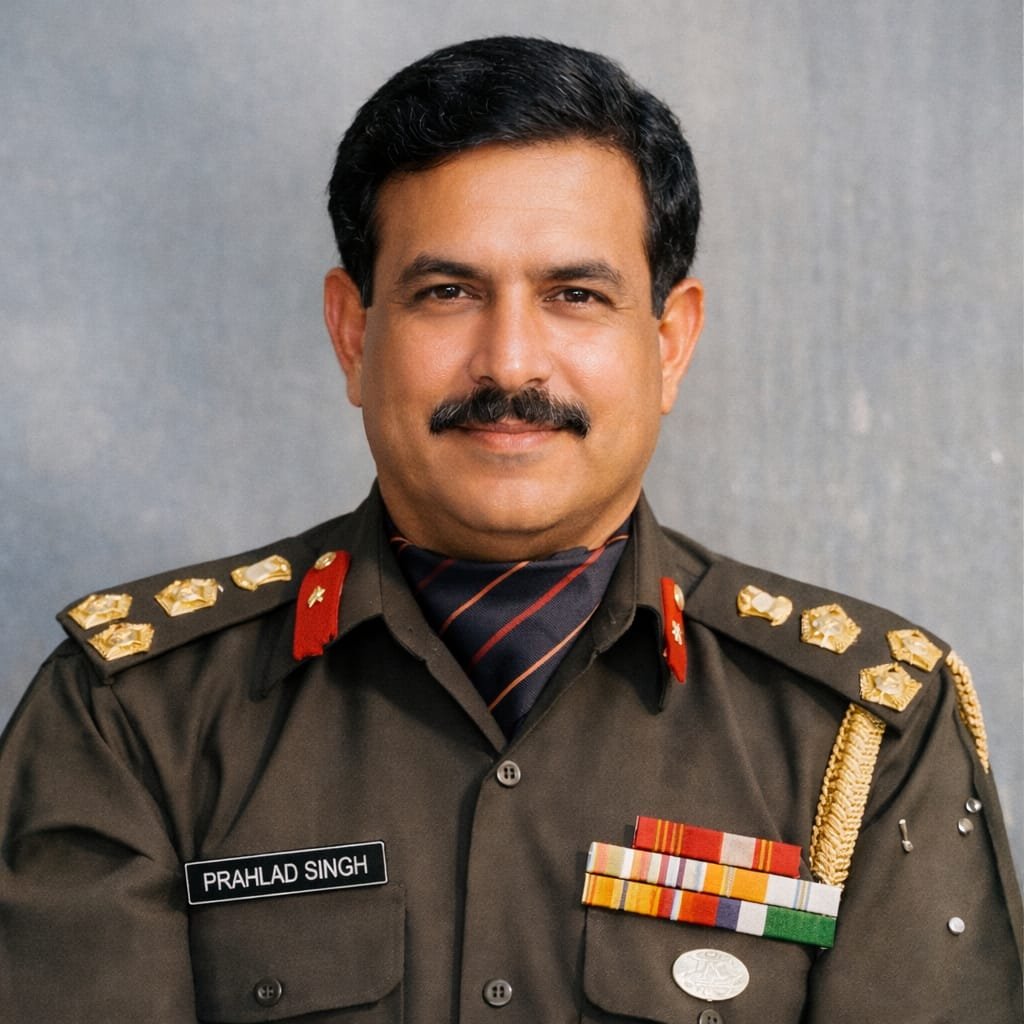
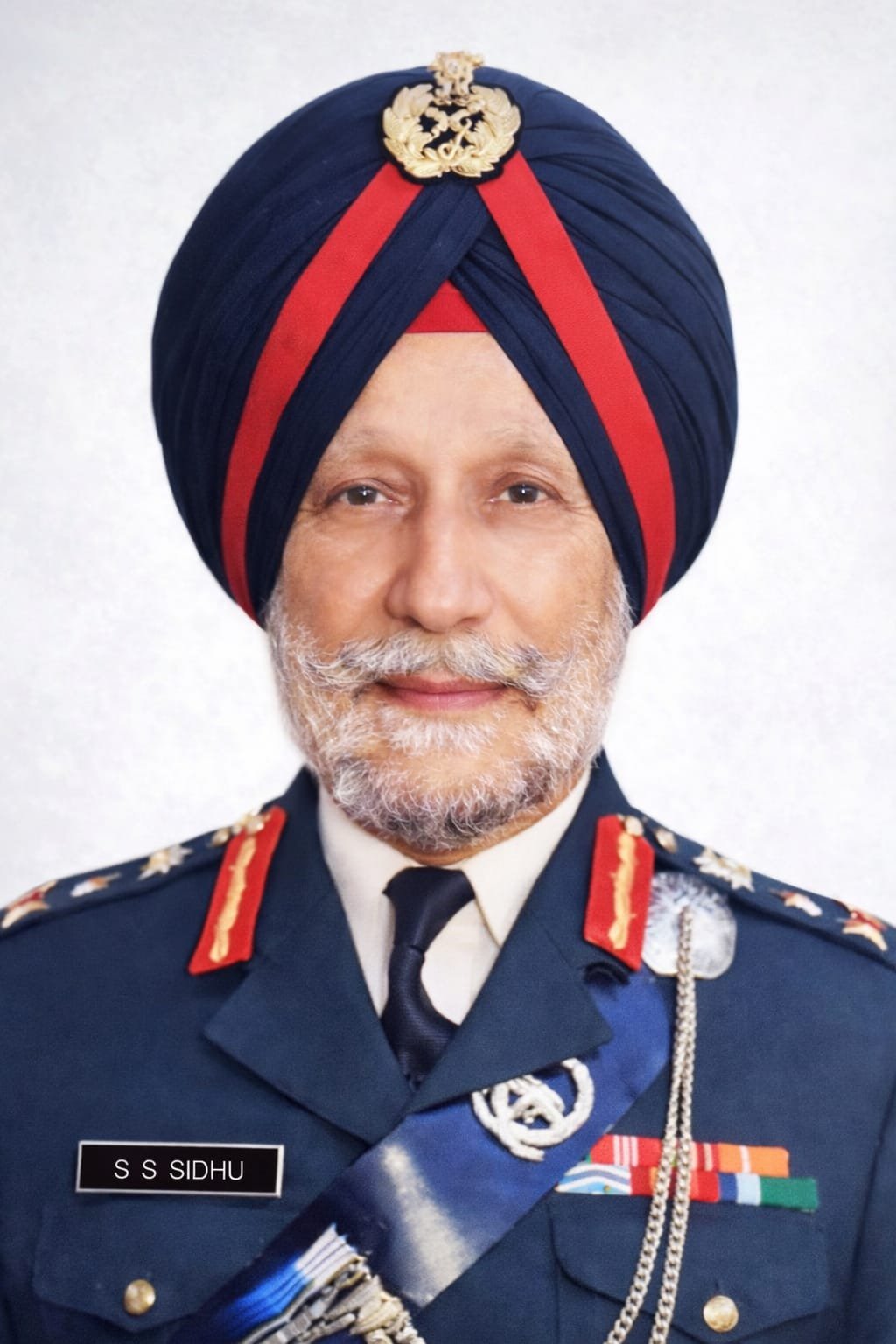

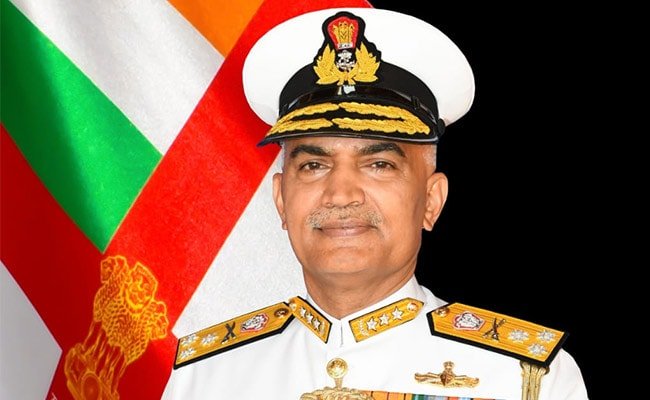


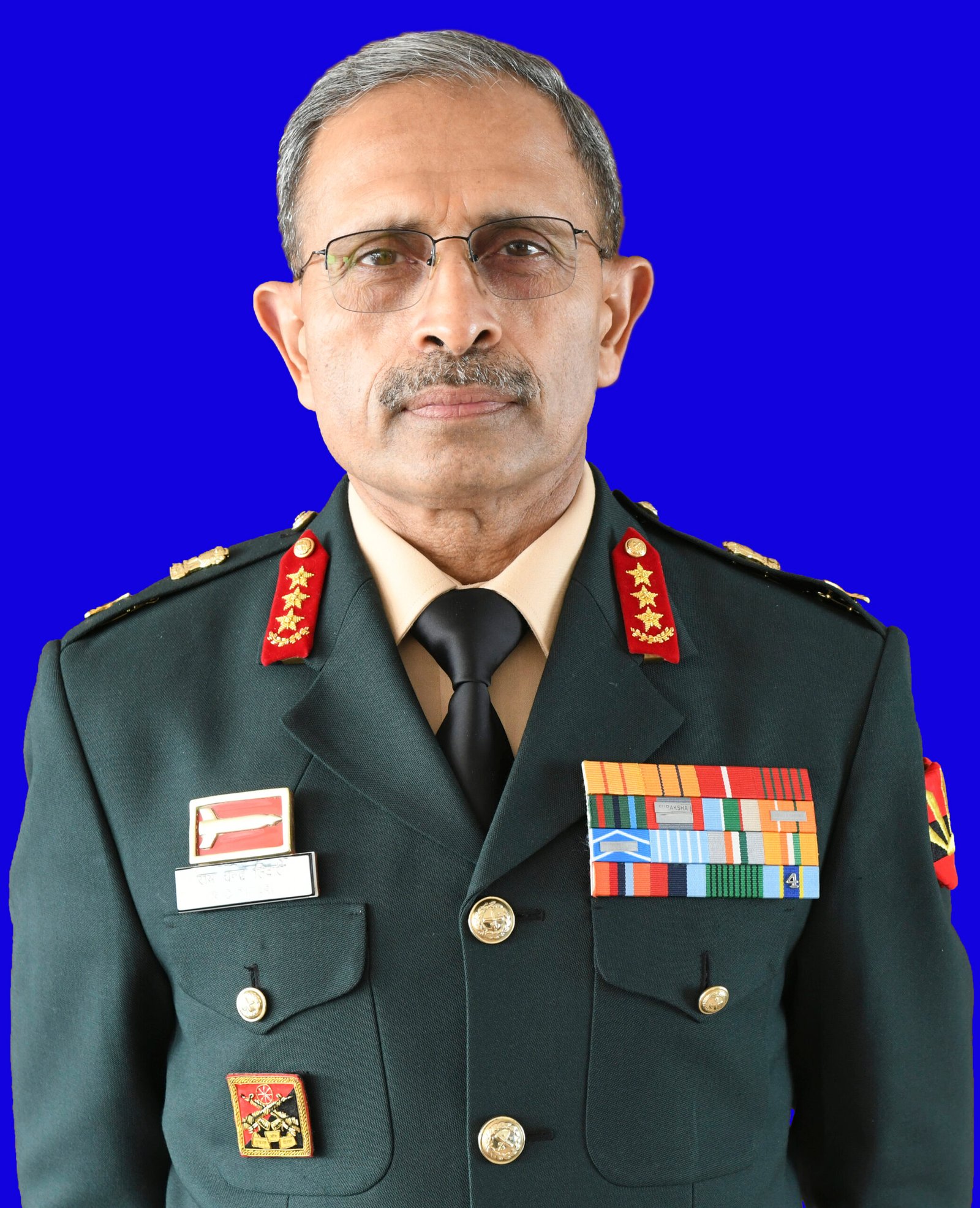
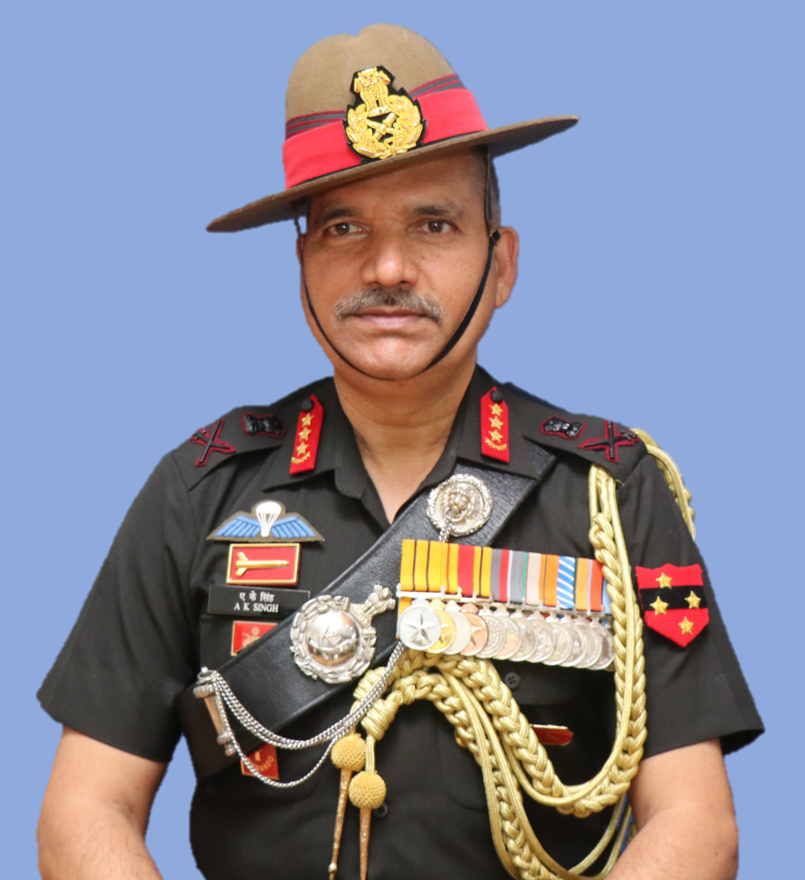
LT GEN SURESH SHARMA, AVSM
ASSUMED THE APPOINTMENT OF ENGINEER-IN-CHIEF ON 01 FEB 2017
China has prevented JeM chief Masood Azhar from being on the proscribed UN list. This is not out of any love for the ISI’s favourite terrorist leader. It is more about the insurance China needs for its $46-billion investment in projects in Pak. China wants its strategy of the trade corridors to be without potential of conflict.
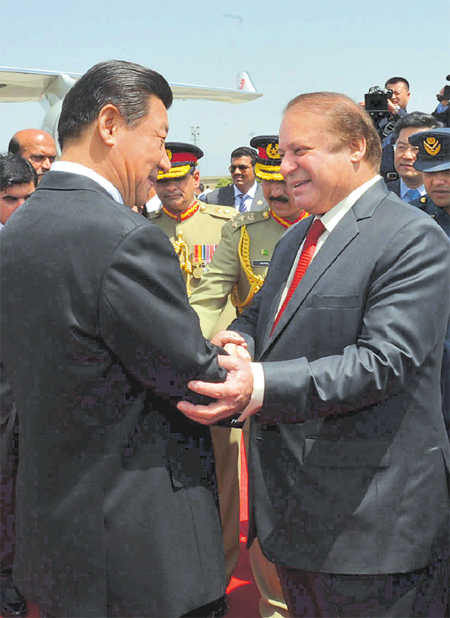
Playing the great game: Chinese President Xi Jinping (L) with Pakistan’s Prime Minister Nawaz Sharif in Islamabad in 2016. Xi launched projects worth $46 billion. This exceeds US spending in Pakistan. Reuters
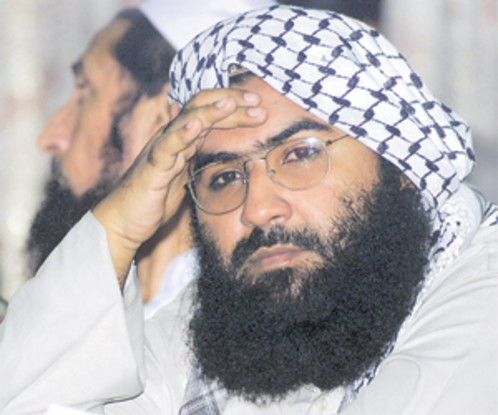
ANYONE who follows strategic issues knows that much can happen in geopolitical and geo-strategic-related affairs which defies rationale. Yet, one thing is clear; nations do not act, engage or support each other unless there is an inherent national interest involved. Seldom do leaderships follow the norm of support based on emotive or historical linkages. A nation as pragmatic and nationalistic as China does not usually make mistakes in this regard as far as the pursuit of national security strategy is concerned. When it comes to China’s denial of support to brand Masood Azhar a UN-designated terrorist, this rationale appears to fly in the face of the Masood Azhar affair. A few facts, to glean the background may be required. Following the attack on the US embassies in Nairobi and Darussalam by the Al-Qaida and other associated groups, the Security Council passed Resolution 1267 or 1267 Regime, in 1999. This Resolution primarily looks at non-kinetic ways of forcing entities, terror groups or their leaders to be proscribed and pressurised with cooperation between members of the UN. It requires unanimity of the Security Council to be brought into effect against any of the above. India has been attempting to have Masood Azhar, the infamous JeM chief proscribed under this but China comes to Pakistan’s support each time in denying unanimous approval of the UNSC which is mandatory. India has criticised the UNSC decision, stating that, “Its working methods, based on the principles of unanimity and anonymity, is leading the Committee to adopt a selective approach to combating terrorism.” JeM was listed under 1267 Regime as far back as 2001 for its links to the Al-Qaida but labelling eludes Masood Azhar because of China which is the only nation in the UNSC which is preventing this. Is it in China’s national interest to do the above? First and foremost, to put the question differently, is anything in the interest of India and not that of Pakistan automatically in China’s national interest? China’s strategic academic community does not think so because there has emanated no strident defence of China’s stance except from the usual media commentaries. The latest Global Times of China states, “Chinese analysts said they believe India did not provide enough evidence to support its proposals, as evidence is required not only because of the need to maintain the UN’s authority, but also because of the complexities in the region”. This stance can continue forever.The conclusions should be obvious. China considers its relationship with Pakistan deeply strategic. There have been times China has tried to project a degree of neutrality between India and Pakistan in matters concerning even Jammu and Kashmir. Since the last two years its stance has hardened irrationally in favour of Pakistan. Two things seem to have dictated this. First, is the turn in the Indo-US relationship, which progressively showed emergence of greater strategic understanding and was perceived by China as essentially aimed at it. The larger narrative of India’s outreach to Japan and Vietnam also appears to have unnerved China. Second is the indirect effect of the New Great Game in Asia. It is not the China Pakistan Economic Corridor (CPEC) alone which is binding China to Pakistan in a more determined way. The CPEC is just a sub-arm of the larger strategy of outreach by China to go well beyond its borders in order to sustain its growth rate. It is also designed to help develop the backward regions within its territories, including the troubled region of Xinjiang. In the South-East Asian and East-Asia region in order to have a control over the ocean disputes, China has reached out to Philippines, Laos and Cambodia. It also has the presence of North Korea as a foil should things not go as per plan. In its strategy towards its western boundaries it is Russia who it needs and the relationship has strengthened considerably. Oil and gas from Russia, Kazakhstan and Turkmenistan are reasonably guaranteed but insufficient to meet its voracious needs. Almost 80 per cent of its energy needs are still supplied through the sea lines of communication (SLsOC) which are vulnerable in the event of larger conflict. The only country which can facilitate both, outreach for trade and transportation of energy needs through the continental routes is Pakistan. This realisation has struck a deeper chord in China over the last two years as the US moved closer to its pivot and rebalancing strategy under former President Obama. Donald Trump’s approach is still confused and unclear. He does not yet know how he will deal with China. He wishes to be aggressive on the South China Sea dispute and does not wish to leave Afghanistan to the control of Pakistan and the ISI to work with the Taliban and the Haqqanis. So the US may well marginally enhance its presence in Afghanistan. That is not good news for China that wants its strategy of the trade corridors to be without potential of conflict and opposition. So, Pakistan’s strategic importance goes up several notches. As it is, even the casual eye can gauge that without any other factor; just its geographic location is God’s greatest gift to Pakistan. It controls access to the ocean and reverse access to the heart of Asia. It provides the US its only viable logistics route to Afghanistan. China’s future development of the western peripheral regions is dependent on the development of the trade corridors through the zone of the New Great Game. In the latter, it is not infrastructure alone but the potential of ideology being infused as a weapon here. The entire New Great Game, which is all about extension of influence to facilitate trade corridors, can be hamstrung by the infusion of Islamic radicalism. The infrastructure will remain unsafe and millions of dollars worth of security systems will have to be deployed to safeguard it. Pakistan’s reputation as the core centre of radical Islam precedes it each time. Through the 1980s, the US and Saudi Arabia defeated the former Soviet Union with the assistance of Pakistan and its ISI. It has tied down India considerably in the state of Jammu and Kashmir and potentially it holds the key to the security of the corridors in the New Great Game zone. All this is through the networks it controls. The extent to which friendly terrorists can assist Pakistan in its future strategy has been insufficiently realised by India. China has the full measure of appreciation of what Pakistan can and cannot do. The investment in Masood Azhar is not for any love for the ISI’s favorite terrorist leader but due to sheer prudence about the insurance China needs for the $46 billion and much more that will eventually be sunk into these projects.India’s diplomatic efforts may not yet succeed in this sphere but there is no option but to continue these as China is isolated in the UNSC and Pakistan too is feeling the heat. Sometimes narrow diplomatic defeats can actually be converted to eventual victories. That is, only if you understand the nuances.The writer is a former GOC of the Srinagar-based 15 Corps. He is now associated with the Vivekanand International Foundation.
Mandi, February 8
Ex-honorary commissioned officers are seeking early implementation of Justice Reddy recommendation on ‘One Rank One Pension’ (OROP) scheme.Captain Jagdish Verma (retd), president of the Ex-Servicemen Organisation, Honorary Commissioned Officers’ Welfare Association of Himachal Pradesh, said their association had sent a letter to the Ministry of Defence demanding intimation on the latest status of the case and getting the process of acceptance of the recommendation of Justice Reddy so that the already delayed scheme of OROP for ex-servicemen is implemented in right perspective.He claimed that there were certain irregularities in the OROP scheme which was implemented by the Central government in 2015 for ex-servicemen.“The government had constituted one-man judicial commission under the chairmanship of Justice L Narsimha Reddy, a retired Chief Justice of Patna High Court, to look into the irregularities and submit a detail recommendation to the government for early rectification,” he added.He alleged that even after the interval of five months neither the government had made the recommendation of Justice Reddy public nor any acceptance of the recommendation. — TNS
Tribune News Service
Bathinda, February 8
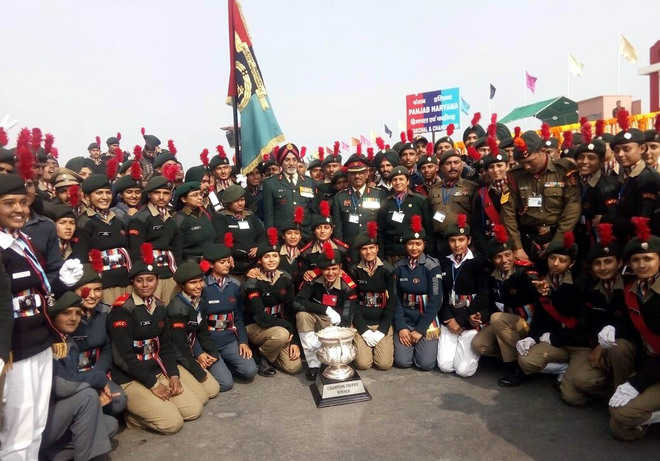
Lt Rajeev Kumar Varshney, associated NCC officer of the Giani Zail Singh Campus College of Engineering and Technology (GZSCCET), Bathinda, recently returned after attending the one-month long All-India Republic Day Camp, 2017, of the NCC held in Delhi.Around 2,500 cadets hailing from 17 NCC directorates across the country participated at the camp.He represented the Directorate jointly of Punjab, Haryana, Himachal and Chandigarh under the direction of Contingent Commander Col Piyush Aggarwal.While sharing his experience, he said the camp proved to be a culmination of efforts of the NCC cadets who had cherished the desire of being a part of the Republic Day celebrations at the national level.“During the camp, the cadets of our contingent excelled in almost all categories of competitions and won the most coveted RDC-Banner of the NCC,” he added. Col Himmat Singh, Commanding Officer, 20 Punjab Batallion, NCC, Bathinda, appreciated him and congratulated Lieutenant Varshney for the spectacular success of his contingent.Mohan Paul Singh Ishar, Vice-Chancellor, Maharaja Ranjit Singh Punjab Technical University, said his knowledge and experience would be shared and utilised for the benefit of the students.

The move comes in the backof a video uploaded by BSF jawan Tej Bahadur Yadav on social media over the poor quality of food served in frontier posts of the BSF.
New Delhi, February 8
Senior officers of paramilitary forces have been advised to have the food prepared for jawans and endorse a note on its quality, the government informed the Rajya Sabha on Wednesday.The move comes in the backdrop of a video uploaded by BSF jawan Tej Bahadur Yadav on social media over the poor quality of food served in frontier posts of the BSF.(Follow The Tribune on Facebook; and Twitter @thetribunechd)Minister of State for Home Affairs Kiren Rijiju said the ministry has reiterated to forces to ensure that the officers during their visit to posts, may check on the aspects of living conditions, clothing, food and equipment and they may also take initiative to get free and frank feedback of the personnel.“It has been advised that senior officers may also partake in the food prepared for the jawans and endorse a note on the quality/quantity of the food in the inspection register.The forces have also been advised to review their internal grievances redressal system and take proactive measures to redress the grievances,” he said.On the issue of videotape of Yadav, Rijiju said, “Senior officers of the force were deputed to ascertain the facts. A Staff Court of Inquiry (SCOI) has been ordered and to facilitate free and fair inquiry, the officers concerned have since been transferred”.In response to a separate question, he said, “BSF has informed that the jawan, who made the complaint of substandard quality of food, has not been transferred from out of the frontier where he is serving. It is also reported that the said jawan never made such complaint earlier to anyone”.In yet another response, the minister said the CRPF has also reported two such complaints of poor quality of food along with various other grievances.“With respect to other paramilitary forces viz – SSB, ITBP and CISF, no such complaints have been received adding that all the forces have robust grievance redressal mechanisms,” he said. — PTI
THERE has been much debate on the officer-jawan relationship in recent months in the media. Let me forcefully state that the Indian Army officers can cross all boundaries of laid-down rules to look after the welfare of their troops. Here goes an ‘actuality’. I got my flying wings in 1975, and by 1976, was flying in an Observation Post Flight in Jammu. The three-seater Krishak aircraft was mainly meant for directing fire on enemy locations, photo missions, evacuation of injured personnel and ferrying of Commanders for operational tasks. The switch to this aircraft from Auster MK IX, which I flew earlier, was done under the watchful eye of a flying instructor who was a no-nonsense man and a stickler for rules.VIP tasks soon came my way. I was to pick up the GOC of a division from Poonch and fly him to Rajouri. I had to clear the hills by midday to avoid turbulence. The takeoff from Jammu was delayed by an hour due to inclement weather and I landed, an hour late, at my final destination, Poonch. As I was taxying to a mini ad-hoc dispersal, I saw the staff officer from the Brigade HQ, heading towards my aircraft. I was told that the GOC had already left for Rajouri by road as he was not sure of my arrival due to bad weather. In the same breath, I was told that the Brigade Commander wanted me to join him for breakfast. Quick to accept the offer, I directed the Guard Commander to ensure that guards were placed all around the aircraft. The breakfast was sumptuous, and soon, I was heading back to the landing ground. As I approached the kit, I could see someone already sitting in the co-pilot seat — a handsome Sikh soldier, carrying a small bag in his lap. In a commanding voice, I asked my unauthorised passenger to come out of the aircraft. I asked the Guard Commander how he allowed this security breach. He replied that he was told that ‘he’ and ‘I’ were performing similar duties and had the ‘right to board’ the aircraft. My next arrow was fired at this overconfident soldier; and I asked him how our duties were similar. Pat came the reply, ‘Sir, you are a driver, and so am I. If a driver does not look after another, who will?’ I was fuming. How dare he call a pilot a driver! To put him in his place, I asked him what type of ‘vehicle/aircraft’ he ‘drove’ on which he rested his claim. Proudly, he stated that his task was more difficult than mine, for he was a ‘mule driver’, and had taken the liberty of taking a lift in my aircraft as he wanted to reach his hometown early to see his ailing mother. My anger gave way to guilt. I immediately strapped him in my co-pilot seat. Seeing him smile, I felt I had made up for the unwanted vocal ordeal of the last 10 minutes. I made contact with the Jammu Air Traffic Control and said I was carrying a passenger who was not a planned occupant and this be told to my Flight Commander. On landing, I ensured that he was taken to a langar, where a feast was laid out for him. The jeep driver was directed to drop him at the railway station, with the order that he must be brought to my office before leaving the air base. Soon, he entered my office, his salute perfect. His verdict was that I was a ‘good driver’. Indeed, I was a driver in the air and was lucky to have been given an opportunity to ferry a ‘VIP mule driver’!
Lucknow, February 6
Indian National Army (INA) veteran ‘Colonel’ Nizamuddin died in Uttar Pradesh on Monday, his family said. He was 116.A close associate of Netaji Subhas Chandra Bose, Nizamuddin breathed his last in Azamgarh district’s Dhakwa village.He served as a driver-cum-guard of Bose after the INA was formed. He accompanied Bose when he went to meet Hitler to seek help to secure freedom for India.He also accompanied Bose during his trips to Japan, Thailand, Malaysia and Singapore.He is survived by his 107-year-old wife Ajbunisa, daughter Habibunnisa (85) and sons Akhtar Ali (72), Anwar Ali (65) and Sheikh Akram (55). IANS

Nitish Sharma
Tribune News Service
Ambala, February 5
The family of Major Yogesh Gupta, who sacrificed his life while fighting terrorists at Surankot in Jammu and Kashmir in July 2002, feels neglected. The family have been struggling to keep the name of the martyr alive for the last 14 years.Talking to The Tribune, Lalit Mohini, the martyr’s mother, said, “Despite killing four dreaded terrorists and sacrificing his life, no gallantry award has been given. We remember the Commanding Officer mentioning his name being forwarded for the Ashok Chakra, but have not heard anything in this regard so far.”The battle casualty report stated: “Based on specific information, the Operation Prachand Prahar was launched with 9 Para (SF). At 0430 hours, contact was established with terrorists at Ranjati. In the ensuing firefight, Major Yogesh Gupta suffered severe gunshot wounds in the abdomen.” It further stated: “Despite being severely injured, Major Yogesh Gupta continued to engage the terrorists valiantly and killed four dreaded terrorists. A total of five hardcore terrorists were killed in the firefight and Major Yogesh Gupta attained martyrdom.”“If this is not bravery, what are gallantry awards given for? Either the Army should say it had prepared a wrong casualty report or tell why the martyr has not been honoured so far,” she added.“We desire that a memorial to Major Yogesh Gupta should be built, which will help in keeping his name alive and inspire the future generation. The government and administration have turned a blind eye to our struggle and the sacrifice of my son,” she further said.“It is sad that there is not even five yards of land in Ambala for a martyr while huge space is used to build statues of political leaders. We are not seeking any monetary help. It is a matter of honouring a martyr and remembering his bravery,” said the pained mother.“Sometimes, we do not feel like raising the issue again. We feel neglected when a gallantry award is presented to the next of kin of other martyrs and feel the injustice meted out to Yogesh,” she said.“We have approached all concerned, including the Ambala GOC, local administration, MLA and the PMO repeatedly, but to no avail,” said the martyr’s mother.


Indian Army’s Infantry Combat Vehicles march during the Republic Day parade in New Delhi on January 26, 2017. Tribune photo: Mukesh Aggarwal
Border Security Force (BSF) ‘Daredevils’ motorcycle riders take part in the Republic Day parade in New Delhi, January 26.Tribune photo: Mukesh Aggarwal
Indian Army’s Infantry Combat Vehicles march during the Republic Day parade in New Delhi on January 26, 2017. Tribune photo: Mukesh Aggarwal
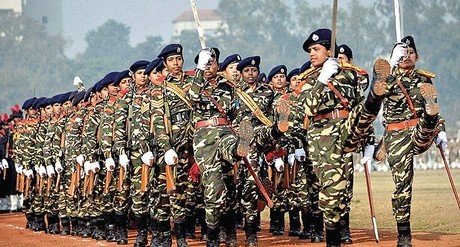
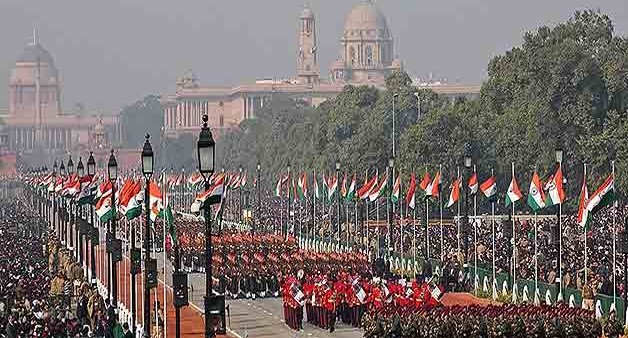
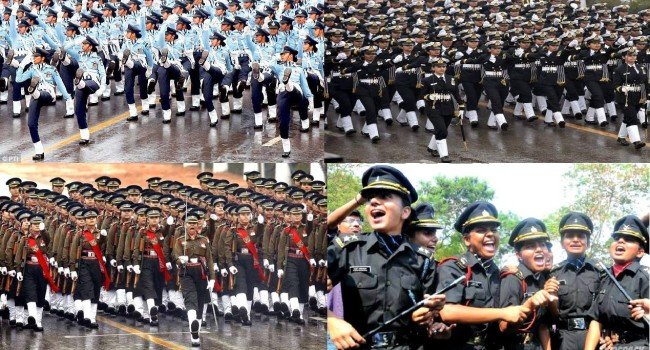
New Delhi, January 26India’s military might and rich cultural diversity were in full display during the dazzling 68th Republic Day celebrations in the national capital which had Crown Prince of Abu Dhabi Sheikh Mohamed bin Zayed Al Nahyan as the chief guest.Light rains and overcast skies failed to dampen the enthusiasm of thousands of spectators who witnessed the nearly one-and-half hour-long parade that marched down the majestic Rajpath, India’s ceremonial boulevard, amid unprecedented security cover.A major highlight of the parade was 149-member marching contingent from the UAE comprising personnel from Presidential Guards, the Air Force, the Navy and Army. They were led by a band comprising 35 musicians from that country.
(Follow The Tribune on Facebook; and Twitter @thetribunechd)
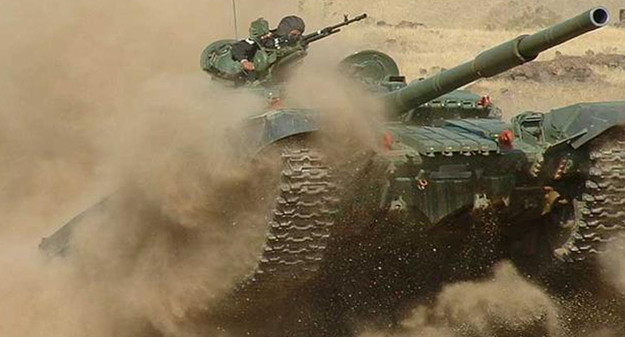
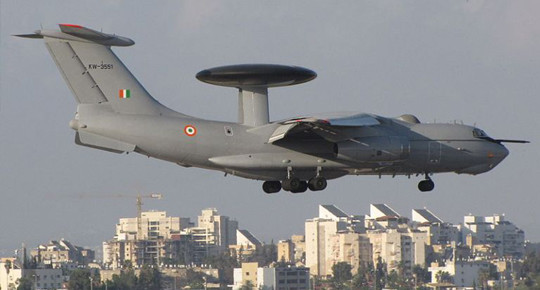
Al Nahyan, also Deputy Supreme Commander of the UAE armed forces, was seated next to Prime Minister Narendra Modi who wore a pink-colour turban. The two leaders were seen sharing some light moments.For the first time, a contingent of the National Security Guard (NSG), popularly known as the Black Cat Commandos, was part of the march past.The parade also saw the fly-past of three LCA Tejas Aircraft flying at a height of 300 metres in ‘Vic’ formation and the Airborne Early Warning and Control System (AEW&C) developed by DRDO.The Army’s missile firing capability T-90 ‘Bhishma’ tank, Infantry Combat Vehicle BMP-2K, Mobile Autonomous Launcher of the BrahMos Missile System, Weapon Locating Raddar ‘Swathi’ and Akash Weapons System and Dhanush Gun System were among the main draw in the mechanised columns.Alongside the Crown Prince, the ceremonial parade was watched by Vice President Hamid Ansari, former prime minister Manmohan Singh, Congress chief Sonia Gandhi and the country’s top political and military brass, besides the diplomatic community.Tableaux from 17 states and union territories and six central ministries and departments showcased the varied historical, art and cultural heritage of the country. Goods and Services Tax (GST) was the theme of the tableau of Central Board of Excise and Customs.Twenty-one of the 25 children who won the National Bravery Award also participated in the parade. Four children have received the award posthumously.The grand finale of the parade was a spectacular flypast by the Indian Air Force which displayed various formations like ‘Chakra’ and ‘Vic’ leaving the spectators spell-bound.The ‘Hercules’ formation comprising three C-130J Super Hercules aircraft also drew loud cheers. PTI
Test Indian tracking abilities, no aggressive posture so far
Ajay Banerjee
Tribune News Service
New Delhi, January 20
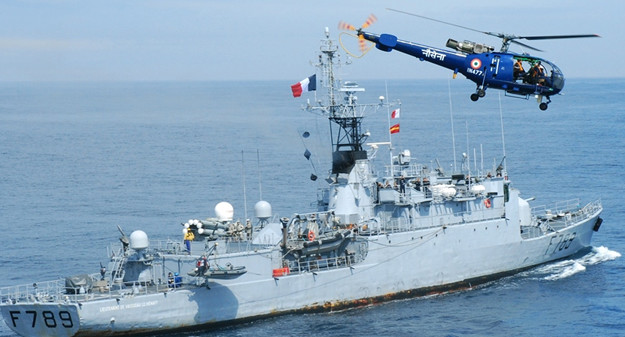
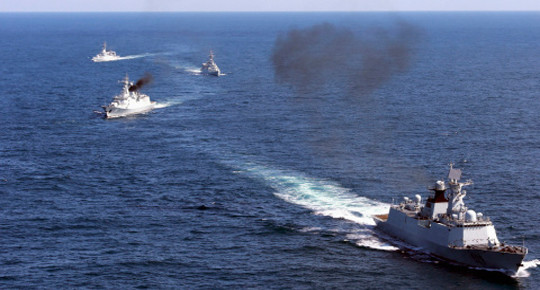
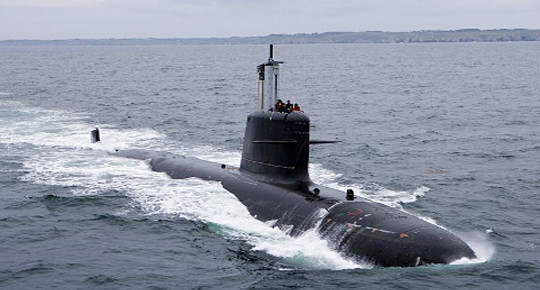
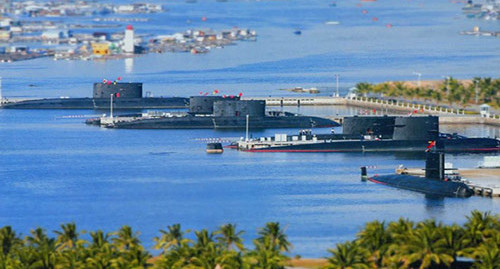
Posing a fresh challenge to India, one or two Chinese submarines are now permanently sailing in the Indian Ocean, testing New Delhi’s abilities to keep an eye on under-sea threats.The Navy has flagged the matter to the government about the continuous presence of Chinese submarines, floating either in the Indian Ocean, Arabian Sea or the Bay of Bengal. Though the subs are in international waters, the visits are no more sporadic in nature.For the past one year or more, submarines of the People Liberation Army Navy are constantly noticed, Navy has told the government. The world’s busiest sea lane of communication runs from the west of India and passes through the Bay of Bengal. China’s trade moves on these routes and so does India’s and Japan’s, among others.With submarine technology becoming more sophisticated, tracking these under-sea vessels is a challenge. China has 61 submarines, including nine nuclear-powered, allowing longer endurance. At present, China is just testing waters and there is no aggressive posturing, sources said.A submarine, under-sea, can ‘pin down’ six-seven warships just by instilling the fear of unknown and track ship movements. The Navy’s most potent ability to track submarines is the Boeing P-8I maritime patrol aircraft. Eight are in the fleet and another four are on order. The aircraft have the ability to quickly search a wide area of water.Such is the threat that the Navy wants even the planned 100-odd naval utility copters to carry an anti-submarine weapon. The Kalvari class diesel-electric submarines have ASW suites. The Kalvari and Khanderi, the first two of the subs, will be commissioned within this year.A new set of ASW-capable helicopters are on the anvil. An ASW helicopter with its sea-dunking sonars is a favoured platform for detecting a submarine as an over flying copter itself cannot be found or targeted by a submarine. The ASW-capable Kamov 28 copters are being modernised, sensors upgraded and the copters will undergo a technical overhaul to enhance the copter’s life.