Sanjha Morcha

What’s New

Click the heading to open detailed news

Current Events :

web counter

Print Media Reproduced Defence Related News

The Queen is being robbed

he degeneration of Shimla into a concrete jungle is not just old hat. It represents the collective failure of government wings and the capricious builder lobby that has systematically struck at the capital city’s vital organs. There’s a ray of hope, though. The National Green Tribunal-appointed panel is set to submit its report next month. The findings can help the government to redefine the ‘carrying capacity’’ of the city and make it livable.
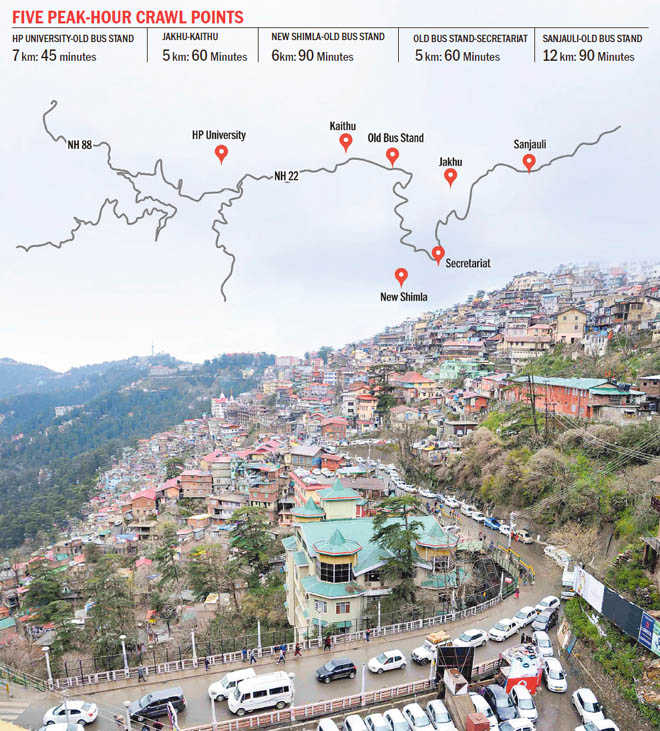
How many of us would prefer Shimla to other hill destinations in Himachal as tourists? The answer could as well tell you why the ‘Queen of Hills’ has badly lost out to other choices. The arguments against Shimla are as much well-known as the measures thought to have been taken by state governments to stem the rot, an urban concrete jungle that has taken in its stranglehold the once summer capital of the British. Take a look at where the state capital, spread over about 25 sq km, stands: if you are there in your car, you may take hours to find a parking place, if you are looking for accommodation, chances are that of the 275 hotels, you may have to settle for a place from where you can see only rooftops instead of picturesque valleys, and if it is summer, you may also face drinking water shortage. The hill capital is virtually imploding with haphazard constructions. So much so that several houses have trees jutting out of the houses or roofs caving in to cover trees with walls all around. Such trees over a period dry up and later permission is sought to remove them (see picture on the left).So many committees and assessments have been done. Nothing substantial has happened; the municipal corporation doesn’t even have a map clearly showing problem areas. The only ray of hope this time is that the city’s carrying capacity – how much the city infrastructure can take — is now being assessed by an expert group, set up on the directions of the National Green Tribunal (NGT). The committee drawn from experts from National Disaster Management Authority, Wadia Institute of Himalayan Geology Dehradun, Union Ministry of Environment and Forest, GB Pant Institute of Himalayan Environment and Development and School of Planning and Architecture, New Delhi, visited the town last month.The panel is expected to submit its report next month, on the basis of which the NGT could take a final and holistic view. “We will decide as per the NGT directives, but we had proposed some relaxation as we plan to increase the area under green belts in the suburbs,” says Town and Country Planning Minister Sudhir Sharma.Is there any redemption? First parking: Shimla with a population well above 2 lakh has 80,000 registered vehicles, but has a parking provision for a mere 1,000. The work on the multi-storeyed parking lots in Chotta Shimla, Lift and Bypass is underway. The High Court on May 5 last year ordered that no vehicle meant for use in Shimla would be registered in the city unless there is a parking provision. The vehicle owner will have to produce a certificate issued by the Shimla Collector, based on the physical verification by the area SHO. Ever since, some 3,000 vehicles have been registered.”The tourism industry is the main sufferer of the traffic chaos. Tourists who suffer on this account once, do not wish to return ever, making Shimla very unpopular,” says Harnam Kukreja, president, Shimla Hoteliers and Restaurants Association. 

Amorphous growth

The year 2000 was the watershed for the city as 17 green belts (no-construction zones) spread over 414 hectares, were set up. Even though the government notified the green belts, there were no khasra numbers (revenue records) of the area forming part of the green belts, leading to a number of missing links. A lot of ambiguity exists in the physical and revenue records. As a result, there have been several cases where influential persons have got away with approval for construction, including hotels and commercial ventures like apartments in the green areas. The Cabinet nod for special relaxation has not gone down well with several plot owners who, despite buying land before the ban was imposed in 2000, are yet to get permission to raise two-storey need-based structures, solely for personal use. There are about 75 such plot owners.”I don’t think constructing a small house on a plot with buildings on either side will affect the environment. Moreover, we are being made to suffer for no fault of ours as we bought plots before the green belts were carved out in 2000,” says RL Jain, president of the Green Plot Owners Association. “We are law-abiding citizens who have been running from pillar to post for so many years to plead our case. We feel let down and hurt when exceptions are made for a select few,” says a plot owner.

Satellite imagery

The Government took up Environment Impact Assessment (EIA) for the 17 green belts in January 2014 by engaging the Society for Environment Protection and Sustainable Development. The report mentions a spurt in construction gobbled up vast stretches of lush greenbelts in and around the capital. Backed by satellite imagery, the highlight of the EIA is the comparative study in the 17 green belts and the rest of the town and later in 2013. Clearly visible were the no-construction, regulated areas and other parts where the green area is under a tremendous strain.A drastic change in the land use has taken place over the last decade. The EIA report recommended eco-sensitive zones within the Shimla Planning Area. It meant areas free from human habitation and vehicular traffic. Another important recommendation is to enhance the tree and vegetation cover. The EIA has looked into the seismic, hazard risk and soil analyses and tested the air and water quality and requirement of the town.
Result: No action. Ambition vs intentionSix years ago, the Department of Town and Country Planning prepared the Shimla Development Plan (SDP), which remained buried in the files and could not get the government approval. It recommended that the number of green belts be enhanced from 17 to over 100 by including forests in Tara Devi, Mashobra, Totu and others in the suburbs. Neither did the government give nod to the SDP nor were new areas included to increase the area under green belt. There was a proposal to include forests in Tara Devi, Mashobra, Totu and other suburbs under the green belts. No construction was to be allowed at least 5 metres from a tree. Result: No final decision, though certain areas have been identified and marked. Yet another panelWithout bothering about the EIA of green belts, the state government on May 28, 2014, formed a committee headed by Town and Country Planning Minister Sudhir Sharma to examine the anomalies in the demarcation of the 17 green belts. The committee with officials of the Shimla Municipal Corporation, TCP, Forest and Revenue departments visited all the 17 green belts within the Shimla Planning Area. The main objective was to verify the physical and revenue boundaries. Their report was to decide granting partial relaxation after redefining the boundaries of the green belts. No action was taken. Result: The real estate lobby prevailed. “Several people who are politically very influential managed to get relaxation for constructing commercial flats and hotels,” says an official on the condition of anonymity.

Court interventions

The NGT in its order passed on September 30, 2015, restrained the state government from lifting the ban on construction in the green belts. “The two studies placed before us show that there should be no construction, not only in the areas covered under the notification of 2000, but even in the nearby areas including open areas. One of the main cited reasons is that Shimla has already gone much beyond its carrying capacity. The adverse environmental and ecological consequences are seen in day-to-day life,” read the NGT order. In another order passed recently, the NGT has asked the district administration to see if the main Cart Road (Circular Road) cane made one way to ease vehicular clogging.  The Himachal High Court on May 5, 2015 observed that a high intensity quake can turn Shimla into a tomb of rubble as it falls in a high seismic Zone IV and V. The court observed that fourteen major localities in Shimla are located at 70-80 degree slope, whereas, most buildings violate byelaws and building norms and have not even adhered to the seismic building norms. “Most buildings are precariously hanging on steep slopes and clinging to one another. A moderate and high intensity tremor can be catastrophic for congested settlements with no escape routes and they are likely to collapse like a pack of cards,” the judgment read. The court restrained the government from bringing about any retention policy to regularize the over 25,000 illegal construction in Shimla and outside.The 17 Green belts in Shimla Tuti-Kandi, Nabha, Phagli, Lal Pani, Bemloe, Himfed, Khalini, Chotta Shimla I and II, Kasumpti, Charlie Villa, Jakhu, Bharari, Shankali, Ruldu Bhatta, Summer Hill, Boileauganj, Chaura Maidan.But there are no revenue records, leading to confusion over the physical and revenue record. Shimla Interim Development Plan (IDP) 1979 The growth of the town facing serious traffic, civic and environmental issues is still based on the 1979 interim development plan (IDP). It was in 2004 the Town and Country Planning (TCP) Department prepared City Development Plan which never got the government approval. It has suggestions from stakeholders, architects, planners, environmentalists. Another Plan

  • It was in May last year that the Town and Country Planning Department initiated the process for getting the Shimla Development Plan (SDP) of Shimla Planning Area (SDA) to enable it to regulate the haphazard growth. It will have components like satellite townships and decongestion plan with involvement of 15 stakeholder departments. The document will exhibit land use, traffic and transportation system, water supply network and other details.
  • Even though the population of the SPA has crossed 2.50 lakh, the development plan will cater to the present and future needs of the population based on 2011 census report.
  • The limits of the SPA, which includes Shimla City, Kufri, Shoghi, Ghanahtti and the additional planning area in the suburbs, covers about 22,450 hectares

Green warrior

Had it not been for the petition filed by environmentalist Yogendra Mohan Sengupta before the NGT, the 17 no-construction green belts notified in December 2000 would have been thrown open for construction. “Shimla is a disaster-prone area and even a mild tremor can spell doom. I have met all the authorities concerned urging them to take remedial steps, but nobody has bothered to enforce regulations. I am confident the NGT-appointed high-level committee will help in sorting out the mess,” he said.


IAF BASE ATTACKED Focus on local handlers’ radical links

Abducted’ SP Salwinder Singh to be questioned by NIA in Delhi on Monday09 Jan 2016 | 1:24 AM

NEW DELHI:

2016_1$largeimg09_Saturday_2016_004528992


Going deeper into investigations into the Pathankot air base attack, the security agencies are of the view that the local handlers or local contacts of Pakistan-based terrorists and smugglers could be the “sleeper cells” of the dormant “Khalistan” movement that rocked Punjab between 1978 and 1996.Familial and fraternal links of suspected India-based conduits or “handlers” are being scanned by intelligence agencies and the Punjab Police to see if any of them happened to be related with Pakistan-based “pro-Khalistan” persons.Obtaining phone numbers of taxi drivers in India or reaching the IAF base in the dead of the night would not have been possible for terrorists without local help, which could have been arranged by way of threat or lure for quick money. A thriving cross-border drug trade and conduits are also being probed.It was clear that an insider at the IAF base had revealed the exact vulnerable spots inside the 12-m-high fence that ran around the 24-sq km air base at Pathankot. Six terrorists carrying heavy equipment such as mortars and around 50 kg bullets could not have entered the air base without a prior knowledge of the possible entry points and change of sentries’ duties, said a source.Meanwhile, the Ministry of Home Affairs (MHA) today said Punjab Police SP-level official Salwinder Singh would be questioned by the National Investigation Agency (NIA) in Delhi.Among the questions that are rankling the investigators are: Did Salwinder Singh know the murdered taxi driver Ikagar Singh? The driver had got a call from Pakistan and moved to a certain location to pick up “passengers”. The terrorists used Ikagar’s mobile phone to make calls to Pakistan, this itself is unusual as not many taxi drivers would subscribe to international dialling facility, which the telecom companies extend only after due diligence.It’s being probed if Ikagar had earlier also picked up such passengers in the middle of the night after calls from Pakistan.Investigators also want to ascertain why the SP was without his personal guard in the dead of the night near the border and why he was travelling in a personal vehicle with a blue beacon atop.The terrorists reportedly left him and took away his car and his friend jeweller Rajesh Verma. Around 2.30 am, the SP called up his seniors to inform them about his abduction. The SP’s car was found at Tajpur village, which is just 1 km away from the base. Who guided the terrorists to Tajpur? Was it Rajesh Verma? These are some other questions that need to be answered.

More areas searched, but in vain

  • Pathankot: The police conducted a search operation in Makkoran Pattan area, 20 km from here, after some locals claimed that they had spotted two military uniform-clad ‘militants’ lurking in the area in the morning. As many as 12 labourers are camping in Makkoran Pattan area to engage in manual labour. One of them, Nawab Ali, claimed to have spotted some terrorists. Till the time of filing of this report, the police team could not locate any terrorists as claimed by Nawab Ali.

Terrorists might have sneaked in via tunnels

Vijay Mohan,Tribune News Service,Chandigarh, January 8

2016_1$largeimg09_Saturday_2016_005238454
BSF men near the tunnel that was detected along the Indo-Pak border in Samba sector. Tribune file photo

The Border Security Force’s (BSF) stance that the fence on the India-Pakistan border was not breached in the run-up to the terror attack on the Pathankot Air Force Station earlier this week and there still being no clarity on how the terrorists came across have raised the spectre of tunnels being used for infiltration.There have been several known instances of cross-border tunnels being detected by the Army and security forces along the International Border (IB) as well as the Line of Control (LoC).“Though the feasibility of terrorists exploiting riverine gaps along the border is being investigated, the possibility of them using tunnels simply cannot be ruled out,” a source in the security establishment said.“What is most worrisome is that it is virtually impossible to detect such tunnels unless some specific intelligence is available or troops stumble across them by chance,” he said. Ground penetration radars and other sensors are available, but these cannot be used to cover every inch of the border stretch or deployed during regular patrolling.Sources point out that with engineering support from the military establishment boring such tunnels, some of which may be several hundred metres long, is not difficult. Their exit could be concealed inside a shack or a barn like structure near the border or even under dense vegetation or crevice.The use of tunnels is not new, but has been going on for a long time across the entire stretch of the border with Pakistan for smuggling as well as terrorist activities. In 2008, the Jodhpur Police unearthed a tunnel in the Barmer sector that was being used for drug-running.In July 2012, a 400-metre long tunnel dug 20 feet below the ground, complete with ventilation and breathing system, was discovered near Samba, not very far from Pathankot, after a portion of its ceiling collapsed. In August 2014, a 50 metre tunnel was discovered near Pallanwala in the Jammu sector and the same year another tunnel about 150 metre long and 20 feet deep was detected near Pargual in Jammu and Kashmir.Besides historical prevalence, cross-border tunnels have also been in vogue in other parts of the world in the recent past. They have been found in strife-torn Eastern Europe, US-Mexico border, US-Canada border and the Middle East.

Impending danger

  • Sources point out that with engineering support from the military establishment boring such tunnels is not difficult
  • Their exit can be concealed inside a shack or a barn-like structure near the border or even under dense vegetation


Army to train Punjab Police

CHANDIGARH: The Army’ s Western Command has offered to train Punjab Police personnel at its different camps in Jalandhar, Pathankot, Zirakpur and Nahan, a Punjab Police spokesman said here on Friday.

A two-week training programme was also being considered for nearly 20 young police officers for strengthening the Punjab Police SWAT team as a follow-up of a recent meeting between Punjab’s additional general of police (ADGP-HRD) MK Tiwari and major general MP Singh, the in-charge (training) at the Western Command.

The Army has also agreed to enhance the expertise of Punjab Police in handling improvised explosive devices, and antisabotage and bomb disposal techniques.


ਫੌਜ ‘ਚ ਭਰਤੀ ਹੋਣ ਦੇ ਚਾਹਵਾਨ ਨੌਜਵਾਨਾਂ ਲਈ ਚੰਗੀ ਖਬਰ, ਸ਼ੁਰੂ ਹੋਈ ਭਰਤੀ

2016_1image_17_39_230797925army_recruitment_rally_14-ll

ਪਟਿਆਲਾ (ਬਲਜਿੰਦਰ)— ਭਾਰਤੀ ਫੌਜ ਵਿਚ ਨੌਜਵਾਨਾਂ ਦੀ ਭਰਤੀ ਲਈ ਚੋਣ ਪ੍ਰਕਿਰਿਆ ਸੋਮਵਾਰ ਤੋਂ ਸ਼ੁਰੂ ਹੋ ਗਈ ਹੈ। ਪਟਿਆਲਾ-ਸੰਗਰੂਰ ਸੜਕ ‘ਤੇ ਫੌਜ ਦੇ ਮੈਦਾਨ ‘ਚ ਆਰੰਭ ਹੋਈ ਇਹ ਭਰਤੀ ਪ੍ਰਕਿਰਿਆ 14 ਜਨਵਰੀ ਤੱਕ ਜਾਰੀ ਰਹੇਗੀ। ਪਹਿਲੇ ਦਿਨ ਬਰਨਾਲਾ ਜ਼ਿਲੇ ਦੇ ਕਰੀਬ 3800 ਨੌਜਵਾਨਾਂ ਨੇ ਸਰੀਰਕ ਪ੍ਰੀਖਿਆ, ਮੈਡੀਕਲ ਪ੍ਰੀਖਿਆ ‘ਚ ਹਿੱਸਾ ਲਿਆ ਅਤੇ ਬਾਅਦ ‘ਚ ਮੌਕੇ ‘ਤੇ ਹੀ ਫੌਜ ਦੇ ਅਧਿਕਾਰੀਆਂ ਵੱਲੋਂ ਨੌਜਵਾਨਾਂ ਦੇ ਦਸਤਾਵੇਜ਼ਾਂ ਦੀ ਜਾਂਚ ਕੀਤੀ ਗਈ।
ਫੌਜ ਦੇ ਭਰਤੀ ਡਾਇਰੈਕਟਰ ਕਰਨਲ ਵਿਸ਼ਵ ਭਾਰਗਵ ਨੇ ਦੱਸਿਆ ਕਿ ਭਰਤੀ ਰੈਲੀ ਵਿਚ ਹਿੱਸਾ ਲੈਣ ਲਈ ਸੂਬੇ ਦੇ ਪੰਜ ਜ਼ਿਲਿਆਂ ਦੇ ਕਰੀਬ 30 ਹਜ਼ਾਰ ਨੌਜਵਾਨਾਂ ਵੱਲੋਂ ਆਨਲਾਈਨ ਪ੍ਰਣਾਲੀ ਰਾਹੀਂ ਬਿਨੈ ਪੱਤਰ ਦਿੱਤੇ ਗਏ ਸਨ, ਜਿਸਦੇ ਆਧਾਰ ‘ਤੇ ਸੋਮਵਾਰ ਤੋਂ 11 ਜਨਵਰੀ ਤਕ ਬਰਨਾਲਾ, ਪਟਿਆਲਾ, ਫਤਹਿਗੜ੍ਹ ਸਾਹਿਬ, ਸੰਗਰੂਰ ਅਤੇ ਮਾਨਸਾ ਜ਼ਿਲਿਆਂ ਦੇ ਉਮੀਦਵਾਰਾਂ ਦੀ ਸਕਰੀਨਿੰਗ ਹੋਵੇਗੀ। ਉਨ੍ਹਾਂ ਦੱਸਿਆ ਕਿ ਜ਼ਿਲਾ ਪ੍ਰਸ਼ਾਸਨ ਦੇ ਸਹਿਯੋਗ ਨਾਲ ਭਰਤੀ ਪ੍ਰਕਿਰਿਆ ਨੂੰ ਸੁਚਾਰੂ ਢੰਗ ਨਾਲ ਨੇਪਰੇ ਚੜ੍ਹਾਉਣ ਲਈ ਵਿਆਪਕ ਪ੍ਰਬੰਧ ਕੀਤੇ ਗਏ ਹਨ।
ਕਰਨਲ ਵਿਸ਼ਵ ਭਾਰਗਵ ਨੇ ਦੱਸਿਆ ਕਿ ਭਰਤੀ ਪ੍ਰਕਿਰਿਆ ਦੌਰਾਨ ਦੌੜ ਵਿਚੋਂ ਪਾਸ ਹੋਣ ਵਾਲੇ ਉਮੀਦਵਾਰਾਂ ਦਾ ਡੋਪਿੰਗ ਟੈਸਟ ਵੀ ਕੀਤਾ ਜਾ ਰਿਹਾ ਹੈ। ਉਨ੍ਹਾਂ ਦੱਸਿਆ ਕਿ ਬਾਇਓਮੀਟਿਰਕ ਪ੍ਰਣਾਲੀ ਰਾਹੀਂ ਨੌਜਵਾਨਾਂ ਦੀਆਂ ਉਂਗਲਾਂ ਅਤੇ ਅੱਖਾਂ ਦੀ ਸਕੈਨਿੰਗ ਵੀ ਕੀਤੀ ਜਾਂਦੀ ਹੈ ਤਾਂ ਜੋ ਕਿਸੇ ਵੀ ਉਮੀਦਵਾਰ ਵੱਲੋਂ ਹੇਰਾਫੇਰੀ ਦੀ ਸੰਭਾਵਨਾ ਨੂੰ ਖ਼ਤਮ ਕੀਤਾ ਜਾ ਸਕੇ। ਪੰਜ ਜਨਵਰੀ ਨੂੰ ਪਟਿਆਲਾ ਜ਼ਿਲ੍ਹੇ ਦੀਆਂ ਸਮਾਣਾ, ਪਾਤੜਾਂ, ਨਾਭਾ ਅਤੇ ਰਾਜਪੁਰਾ ਤਹਿਸੀਲਾਂ ਦੇ ਉਮੀਦਵਾਰਾਂ ਵੱਲੋਂ ਭਰਤੀ ਰੈਲੀ ‘ਚ ਹਿੱਸਾ ਲਿਆ ਜਾਵੇਗਾ।


Brigade of the Guards celebrates Raising Day

Tribune News Service,Dehradun, January 4

Maj Gen CB Gupta (retd), former colonel of Brigade of the Guards regiment, applauded the role played by officers and jawans in the post –Independence wars. He was addressing a gathering at a Raising Day celebrations of Brigade of the Guards here today.Maj Gen Gupta requested the gathering to continue their efforts to safeguard the international boundaries.He said officers and jawans from Brigade of the Guards had played a pivotal role in wars and counter insurgency operations. The regiment had also achieved distinction in many fields.The retired officers and jawans recalled the history of the regiment and sang the regiment song at the function. The gathering observed two-minutes’ silence to pay homage to those who had fallen in the line of duty.Retired personnel of the Regiment, including Subedar BS Rawat, Capt Puran Singh Chettri and Capt Jagdish, attended the ceremony.


OROP struggle to continue :Col Anil Kaul(Retd)

62624


26ccad35-8e55-4038-b190-ddf2ab5fc626


2b630ec2-c6f8-414e-bd81-f1405014bed7


9489756d-57cc-49ff-8a2c-6696756c7ebc


e9fda7fb-01e5-44be-9e55-763b0fce4953


Army ‘uniform’ sale goes on unchecked

Tribune News Service,Pathankot, January 3

2016_1$largeimg04_Monday_2016_005443898
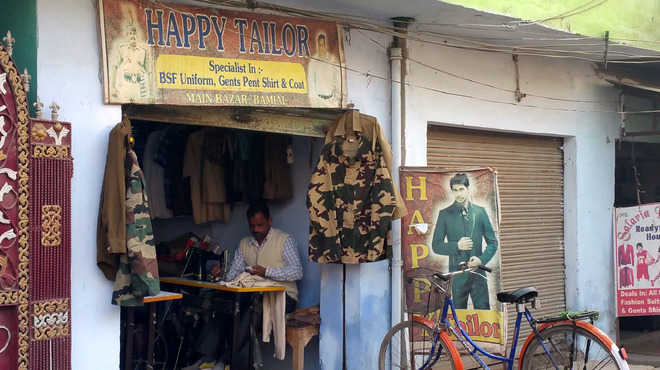
Army uniforms on sale at Bamihal village. Tribune photo

Despite several attacks reported to have been carried out by terrorists donning the Army uniform, such dresses continue to be sold openly in border villages.Happy, a shopkeeper who sells such dresses at Bamyal village, said whenever he sold such a dress to anyone, he would note down his name and phone number in a register. However, he could not produce that register when asked to do so.The situation was even grim in Pathankot town where numerous shops were found selling such dresses openly without even seeking the identity card of the buyers.According to Narayan Singh, a ex-serviceman from the area, the sale of such dresses should be allowed only in the cantonment area. Some serving Army personnel in the market accepted that they were not asked for any identity card or address proof while buying uniforms.

Defence uniform: DCP issues orders

Jalandhar, January 3

Coming into action after reports that the terrorists who attacked the Pathankot Air Force base had come in Army fatigues, the DCP today issued orders under Section 144 of the CrPC asking all shopkeepers and tailors in the city engaged in stitching uniforms for police, defence personnel or paramilitary forces not to sell their items without taking a record of ID of buyer.The orders by the DCP, Sandeep Kumar, passed with effect from January 1 for two months, read that shopkeepers have to take self-attested photographs, rank, name, address, place of posting, phone number and other details of buyers before selling out uniform to them. The shopkeepers have been even asked to maintain the record and present it to the SHO concerned after every two months. The district police do not even have a list of shopkeepers engaged in the business, most of whom are concentrated around cantonment and the Rama Mandi area.He said he had instructed his staff to prepare a list of such traders in the Commissionerate area. — TNS

Bad omen for Kashmir

2016_1$largeimg03_Sunday_2016_234648221

IT was coming. The moment Prime Minister Narendra Modi landed in Lahore, Pakistan, a unique visit of its kind, there had been apprehensions that there might be a spectacular attack on the Indian soil which may attempt to kill the prospects of future meetings and talks between the two countries.The attack on the Pathankot Indian Air Force base on Saturday fitted into that line of anxieties that govern the relationship between Delhi and Islamabad. Terrorists have started their work post Christmas Modi visit to Pakistan. This is a bad sign for Kashmir, where the people desperately want to escape the harshness of violence and see a life of peace on their land. Anything derailing the surprise and goodwill visits by the apprehension of the real-time terror attacks would be a death knell to their hopes. If the talks fail this time, there would not be a third visit to Lahore by any Indian Prime Minister.It’s immaterial whether the attack was planned before or after Modi’s visit to Pakistan, the terrorists have made a striking point that they were all out to tell all the peaceniks that their agenda would remain unchanged. The birthday diplomacy or the desire to improve the India-Pakistan ties was unacceptable to them.The target and the objective of the terrorists this time underlined the audacity of the attackers and the potential aim of torpedoing the Indo-Pak talks.Compared to today’s attack, the terrorists’ assaults on the Dinanagar police station and a BSF convoy in Udhampur were milder versions.The last time terrorists had attempted an attack was the Awantipore air base in south Kashmir. That time the terrorists could not penetrate into the airbase as they were neutralised outside it. There was another attempt at the Srinagar airport in January 2002. Security forces foiled that, too.Terrorists’ choice to attack the Air Force base in Pathankot was to send a message that they were capable of striking anywhere anytime and were not deterred by the fact that in the recent terror attacks, their colleagues were captured alive.Naved was captured alive after Udhampur attack in Jammu and Kashmir on August 5 last year. It was his revelations that led to the elimination of Abu Qasim. It also helped the security forces to cause a major dent to the Lashkar-e-Toiba in Kashmir.An attack on a police station or a convoy doesn’t cause as much alarm and concern as it does with the terror attack on an Air Force base where fighter aircraft are parked. This can raise an international concern and also raise questions about the national security. It’s a potential trigger for the groups within India to ask for cancellation of proposed talks with Pakistan. Secondly, the greater danger is that it also serves the purpose of the anti-dialogue militants and their patrons in Kashmir and Pakistan.The method of the attack in Pathankot bears close similarities to the attacks on the airbases of Pakistan where terrorists inflicted heavy loss to human lives and material. Today, Pathankot might have escaped with minor losses as compared to the terrorism-hit air force bases in Pakistan, but the fact is that more such attacks cannot be ruled out. It also establishes the fact that this group of attackers was inspired, motivated and trained by the same set of terrorist trainers who want to cause instability. The only difference in the Pathankot attack case is that the non-state actors — whether Jaish-e-Mohammad or any other terror group — were having the blessings of the state actors. The intentions of the Pakistan army and ISI have been suspected by Washington DC for despite getting the American aid Pakistan has not acted against terrorists in the manner it should have. There is no clear line defining the non-state and the state actors in Pakistan. These state actors had raised Taliban that destroyed Afghanistan and the militant outfits that destroyed the social, political and economic order in Jammu and Kashmir.Two things are clear: One, non-state actors having the patronage of some anti-dialogue state actors in Pakistan are active. Secondly, the terror attack in any part of the country would have serious psychological consequences in Kashmir where the mainstream and separatists alike are working in an apparent unison to further stir the cauldron of uncertainty for their respective agendas.With this kind of unsettling scenario, the attack is a very bad omen for the India-Pakistan talks as also for the internal situation in the Valley.


Western Naval Command set to get new chief

download

MUMBAI: Vice Admiral Sunil Lanba, PVSM, AVSM, will assume charge as Flag Officer Commanding-in-Chief Western Naval Command here on Sunday. He is an alumnus of the National Defence Academy and was commissioned in the Executive Branch of the Indian Navy in January 1978.


Indian consulate in Afghanistan attacked

Kabul/New Delhi, January 3

2016_1$largeimg04_Monday_2016_005001960 2016_1$largeimg04_Monday_2016_005202241gallery 2016_1$largeimg04_Monday_2016_020053611gallery

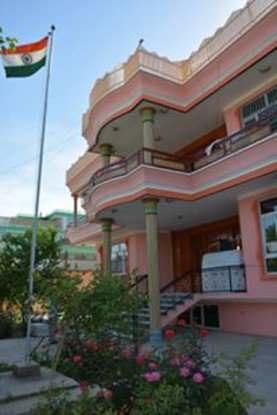
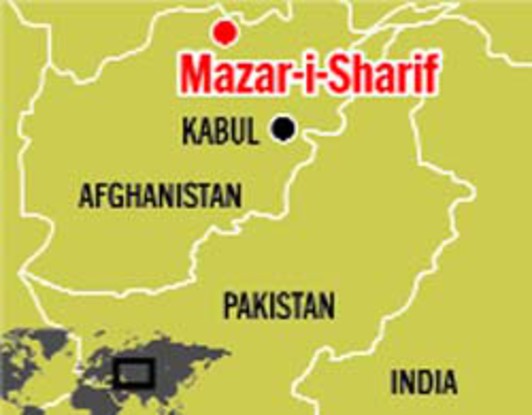
The Indian consulate in the Afghan city of Mazar-i-Sharif was attacked tonight by unidentified gunmen who tried to storm the building. An Indian official said all consulate personnel are safe, as explosions and gunfire rang out at the compound.“Everybody is safe,” B Sarkar, Consul General at the consulate, said. The mission in the northern Afghan city is manned by three Indian personnel.An External Affairs Ministry spokesman said there were no Indian casualties.Sarkar said the shooting lasted for 20 minutes. “They shot from some adjacent building but nobody could enter the consulate.”An unidentified Indian consulate official was quoted as saying: “We are being attacked. Fighting is going on.”No group claimed responsibility for the attack that came just days after Prime Minister Narendra Modi was in Afghan capital Kabul on a brief visit on December 25 during which he inaugurated the new building for Afghan Parliament built by India.Director General ITBP Krishna Chaudhary said: “ITBP personnel along with Afghan police are retaliating. We are effectively engaged and retaliating along with the Afghan forces posted at the consulate.”Sources said two of the four attackers are believed to have been killed in the retaliatory fire. However, a final confirmation will be given only after the bodies are seen.Pajhwok Afghan News, an Afghan media outlet, tweeted: “The number of attackers was 4, two of them killed but not confirmed by police yet.” In his address to Parliament, Modi had made a veiled attack against Pakistan, saying that Afghanistan will succeed only when terrorism no longer flows across the border and when nurseries and sanctuaries of terrorism are shut. Modi also made a veiled reference to Pakistan’s reservations about Indian involvement in Afghanistan. — PTI

Indian missions easy target

  • Sunday’s attack was yet another strike at Indian diplomatic missions instrife-torn Afghanistan over the past few years
  • The worst strike was asuicide bomb terror attack on the Indian embassy in Kabul on July 7, 2008, killing 58 people and injuring 141
  • On August 3, 2013, the Indian embassy in Jalalabad was attacked by three suicide bombers, killing nine Afghans, mostly children
  • The Indian consulate in Herat was attacked on May 23, 2014, by four heavily-armed militants

अफगानिस्तान में भारतीय वाणिज्य दूतावास पर हमला

Posted On January – 4 – 2016

काबुल, 3 जनवरी (एजेंसी)
अफगानिस्तान के मजार-ए-शरीफ शहर में भारतीय वाणिज्य दूतावास पर रविवार रात आतंकियों ने हमला करते हुए अंदर घुसने की कोशिश की। परिसर में विस्फोट और गोलीबारी हुई। मीडिया रिपोर्ट्स के मुताबिक 4 आतंकियों में से एक ने खुद को बम से उड़ा लिया, जबकि एक अन्य को वाणिज्य दूतावास में तैनात आईटीबीपी के जवानों ने मार गिराया। बाकी आतंकी पास की इमारत में जा छिपे और फायरिंग करने लगे। जल्द ही अफगानिस्तान के सुरक्षा बलों ने उन्हें घेर लिया। देर रात तक मुठभेड़ जारी थी।
एक भारतीय अधिकारी ने कहा कि वाणिज्य दूतावास के सभी कर्मी सुरक्षित हैं। दूतावास में महा वाणिज्य दूत बी. सरकार ने कहा कि गोलीबारी करीब 20 मिनट चली। हमलावरों ने पास की इमारत से गोलियां चलाईं, लेकिन कोई भी वाणिज्य दूतावास के अंदर नहीं घुस सका। वही मीडिया रिपोर्ट्स के मुताबिक इस गोलीबारी में 2 लोग जख्मी हुए हैं, हालांकि यह स्पष्ट नहीं हो पाया कि ये लोग दूतावास के हैं या नहीं।

ਅਫ਼ਗ਼ਾਨਿਸਤਾਨ ’ਚ ਭਾਰਤੀ ਕੌਂਸਲਖਾਨੇ ’ਤੇ ਹਮਲਾ

Posted On January – 3 – 2016

ਕਾਬੁਲ, 3 ਜਨਵਰੀ
ਅਫ਼ਗ਼ਾਨਿਸਤਾਨ ਦੇ ਸ਼ਹਿਰ ਮਜ਼ਾਰ-ਏ-ਸ਼ਰੀਫ਼ ਵਿਚਲੇ ਭਾਰਤੀ ਕੌਂਸਲਖਾਨੇ ’ਤੇ ਅੱਜ ਅਤਿਵਾਦੀਆਂ ਨੇ ਹਮਲਾ ਕਰ ਦਿੱਤਾ। ਸੂਤਰਾਂ ਮੁਤਾਬਕ ਬੰਦੂਕਧਾਰੀਆਂ ਨੇ ਕੌਂਸਲਖਾਨੇ ਦੇ ਅਹਾਤੇ ਵਿੱਚ ਦਾਖਲ ਹੋਣ ਦੀ ਕੋਸ਼ਿਸ਼ ਕੀਤੀ। ਹਮਲਾਵਰਾਂ ਦੀ ਗਿਣਤੀ ਬਾਰੇ ਫਿਲਹਾਲ ਪਤਾ ਨਹੀਂ ਲੱਗਿਆ। ਹਮਲੇ ਦੌਰਾਨ ਦੋ ਧਮਾਕਿਆਂ ਦੀ ਆਵਾਜ਼ ਸੁਣੀ ਗੲੀ ਭਾਰਤ ਦੇ ਵਿਦੇਸ਼ ਮੰਤਰਾਲੇ ਨੇ ਕਿਹਾ ਹੈ ਕਿ ਹਾਲੇ ਤੱਕ ਕਿਸੇ ਦੀ ਮੌਤ ਦੀ ਖ਼ਬਰ ਨਹੀਂ ਮਿਲੀ।