












Sanjha Morcha

What’s New

Click the heading to open detailed news

Current Events :

web counter

Print Media Reproduced Defence Related News

India Seeks Stronger Defence Partnership With UAE Amid BrahMos Missile Talks

India has confirmed its intent to deepen defence ties with the UAE amid reports of potential exports of the BrahMos supersonic cruise missile and the Akashteer air defence system. While the Ministry of External Affairs has not confirmed the deal, discussions are reportedly advancing quickly, reflecting Abu Dhabi’s urgent need to secure critical infrastructure following Iranian attacks.

New Delhi has reiterated its close defence relationship with Abu Dhabi, with MEA spokesperson Randhir Jaiswal stating that India wants these ties to grow stronger. He clarified that the Defence Ministry would be better positioned to provide details on the reported negotiations.

Reuters has reported that talks between India and the UAE are at an early stage but are progressing rapidly. The UAE has shown interest in several Indian systems, particularly BrahMos and Akashteer, as it seeks to enhance protection of vital energy infrastructure, including the Strait of Hormuz.

The BrahMos missile, jointly developed by India and Russia, is among the fastest supersonic cruise missiles in the world, capable of speeds of Mach 2.8–3.0 and ranges of around 290 km in export variants. It can be launched from land, sea, and air platforms, making it versatile for multiple operational scenarios. However, any export requires Moscow’s approval due to the joint development arrangement.

The Akashteer system, developed by Bharat Electronics Limited in collaboration with the Indian Army, is a fully automated air defence command and control network. It integrates radars, sensors, and weapon systems to provide real-time detection, tracking, and engagement of aerial threats. Its mobility and automation make it particularly effective against modern threats such as drones and cruise missiles.

The UAE’s interest in Indian systems comes after facing over 2,800 missile and drone attacks from Iran earlier this year, which caused billions in infrastructure and tourism losses. Protecting the Strait of Hormuz, a critical global energy route, has become a strategic priority for Abu Dhabi.

Defence Acquisition Consulting

India’s defence exports have surged to over ₹38,000 crore in FY 2025–26, with equipment supplied to more than 80 countries. The Philippines became the first overseas buyer of BrahMos in 2022 in a $375 million deal, followed by Vietnam’s $629 million agreement in May 2026.

Indonesia is also nearing a final deal. If the UAE agreement materialises, it would mark India’s entry into the Gulf defence market, diversifying Abu Dhabi’s supplier base beyond traditional Western partners.

Analysts argue that closer defence cooperation with India provides the UAE with strategic autonomy while avoiding friction with Washington, as both nations remain U.S. allies.

The potential deal, reportedly valued at up to $4 billion, would further cement India’s position as a rising global arms exporter and reinforce its role as a net security provider in Asia and the Middle East.

Trump Rejects Vance’s Suggestion of Indian Troops For Ukraine, Cites Modi Ties But Dismisses Funding Role

JD VJD Vance’s proposal for deploying Indian or Saudi troops as peacekeepers in Ukraine was revealed in the book Regime Change. He opposed the idea of NATO forces being sent into the conflict, warning that such a move could provoke Russia.

His alternative suggestion was to involve non‑NATO countries such as India or Saudi Arabia, with the aim of supporting a ceasefire without drawing the United States deeper into the war. However, the proposal was met with scepticism and ultimately dismissed.

Donald Trump reportedly laughed off Vance’s suggestion, remarking that India would not contribute to or fund such missions. He acknowledged his cordial ties with Prime Minister Narendra Modi but insisted that India does not finance such international operations.

Trump indicated he would be more open to the United Kingdom or France deploying troops, provided the United States avoided direct involvement. His comments reflected both his transactional approach to foreign policy and his reluctance to commit American forces abroad.

The exchange took place during a January 30, 2025 Oval Office meeting led by special envoy Keith Kellogg. The meeting outlined an ‘America First’ peace plan that avoided recognising Russian territorial claims but simultaneously barred Ukraine from regaining lost territory militarily.

Trump repeatedly criticised Ukrainian President Volodymyr Zelenskyy, calling him a “bad negotiator” and labelling Ukraine the most corrupt country in the world. He also instructed Kellogg to avoid official contacts with Russia, while hinting at undisclosed parallel negotiations.

In a separate meeting with technology CEOs, Trump complained about high foreign tariffs, citing India’s 175% duties on US goods. He warned that companies failing to build within the United States would face massive tariffs.

This underscored his broader view of India as resistant to bearing costs in international arrangements, even as he maintained a positive personal relationship with Modi. His remarks illustrated the tension between strategic cooperation and economic disputes in the India–US relationship.

The episode highlights the divergence between Vance’s search for alternative peacekeeping solutions and Trump’s blunt rejection of India’s potential role. It also reflects Trump’s consistent emphasis on shielding the United States from costly overseas commitments while pressing allies and partners to shoulder greater responsibility.

The discussions revealed both the limits of India’s involvement in European security matters and Trump’s transactional approach to diplomacy and trade.


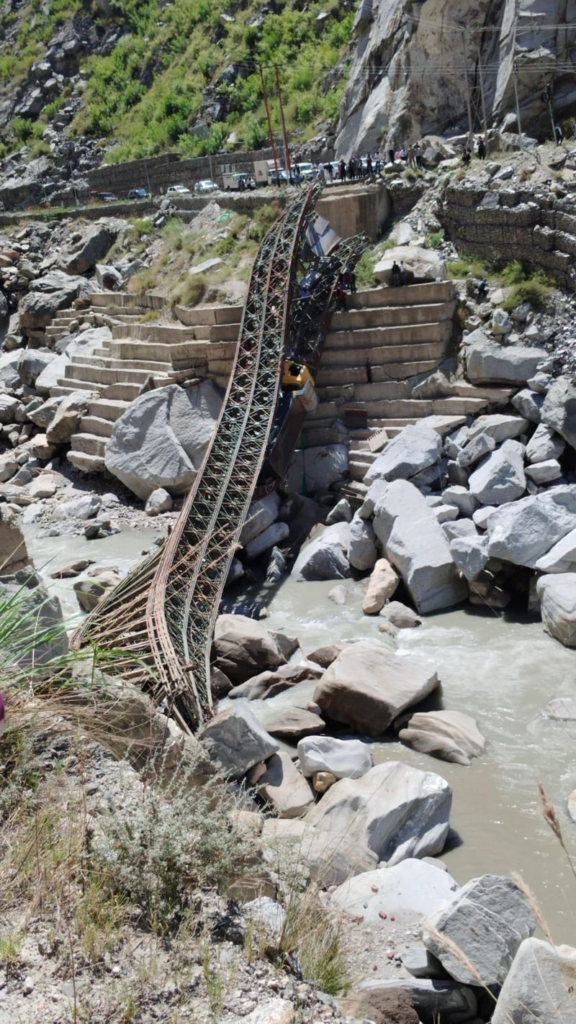
Bailey bridge collapses in Kinnaur district, traffic movement disrupted

A police team from Tapri reached the spot as soon as it received the information and rescued an injured

A Bailey bridge located on National Highway 5 in Tapri region under Kinnaur district on Sutlej river collapsed along with a dumper which was present on the bridge, leading to one person sustaining minor injuries. The incident also led to disruption in traffic movement, causing inconvenience to the commuters.

The accident took place today near Urni Dhank on NH05, which collapsed while a dumper was crossing it.

A police team from Tapri reached the spot as soon as it received the information and rescued an injured.

Kinnaur Deputy Commissioner (DC) Dr Amit Sharma and Superintendent of Police (SP), Sushil Kumar Sharma also reached the spot to take stock of the situation.

A team of the Tapri police station, led by the SHO, rushed to the spot. The driver was rescued and rushed to a nearby medical facility. He has sustained minor injuries. The traffic is being diverted through the alternative route.

Kinnaur Superintendent of Police (SP) Sushil Kumar Sharma confirmed the report and said that the traffic had been diverted through alternative routes.

Meanwhile, the Kinnaur DC instructed the National Highway authorities to restore the bridge at the earliest.

US approves $230 million to sustain Indian artillery gun used during Operation Sindoor

The sustainment programme comes just months after India replenished its stock of specialised artillery ammunition, known as Excalibur rounds, which were fired from the M777 during Operation Sindoor to target terrorist camps in Pakistan

The United States has approved two separate technical support programmes for artillery guns and attack helicopters used by the Indian armed forces. These will collectively cost $428 million (approximately Rs 4,000 crore).

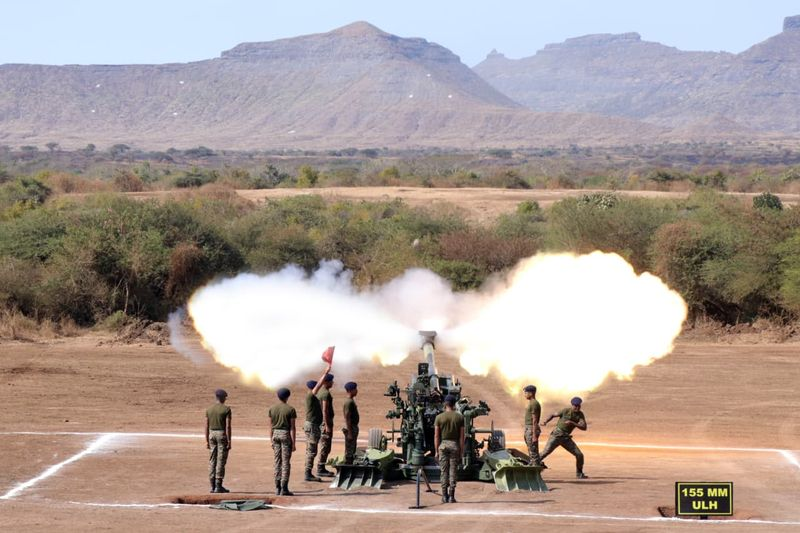
The US has notified a $230 million “sustainment support” package for the Indian Army’s M777 ultra-light howitzers. These guns were used for precision strikes against Pakistan during Operation Sindoor in May last year.

India has requested a long-term sustainment support package covering ancillary items, spares, repair and return services, training, technical assistance, field service representatives, depot capability, and other related logistics and programme support elements, according to a US notification.

The sustainment programme comes just months after India replenished its stock of specialised artillery ammunition, known as Excalibur rounds, which were fired from the M777 during Operation Sindoor to target terrorist camps in Pakistan.

The Excalibur has precision-guided capability to home in on targets. Several terror camps in Pakistan were hit by Excalibur rounds on May 7 last year.

Post Operation Sindoor, India procured 216 Excalibur projectiles from the US under a $47.1 million deal. The Excalibur ammunition is fired from the M777, a specialised lightweight artillery gun. India sourced 145 such guns from the US nearly a decade ago.

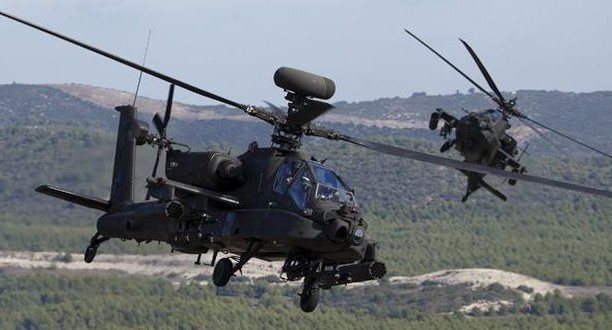
Separately, India has also requested to buy AH-64E Apache sustainment support services, including US government and contractor engineering, technical and logistics support services, technical data and publications, personnel training, and other related logistics and programme support elements.

This programme is estimated to cost $198.2 million.

The Indian Air Force (IAF) and the Indian Army both operate Apache attack helicopters, which are deployed along the frontlines in the western and northern sectors.

Meanwhile, the US has highlighted the strategic utility of both sales, stating that they support national security objectives by strengthening the US-India strategic relationship and improving the security of a major defence partner that remains an important force for political stability, peace and economic progress in the Indo-Pacific and South Asia regions.

The proposed sales will enhance India’s capability to address current and future threats, strengthen homeland defence and deter regional threats, it added.


72-hour Uttarakhand gurdwara standoff ends peacefully as Nihangs vacate premises

A nearly 72-hour standoff at the Nagarasu gurdwara in Uttarakhand’s Rudraprayag ended on Tuesday evening as a group of Nihangs holed up at the shrine vacated the premises after talks with a delegation from Punjab, officials said.

“The gurdwara management and the police administration worked together to resolve the issue peacefully. All those involved have now left the premises, and normalcy has been restored,” Rudraprayag District Magistrate Vishal Mishra said.

Videos circulating on social media showed the Nihang Sikhs leaving the Nagarasu gurdwara premises on their motorcycles, with police personnel facilitating their safe and orderly exit.
Around half a dozen Nihangs, armed with swords and spears, had stormed the Nagarasu gurdwara, situated between Rudraprayag and Gauchar on the Badrinath Highway, on the evening of June 20. They climbed onto the roof and blocked the entrance to the terrace. This came after four Nihang Sikhs were arrested in connection with an incident that took place in Karnaprayag town of Uttarakhand on June 16.

According to officials, the dispute began when a group of Nihangs demanded accommodation for upcoming demonstrations, which the gurdwara management could not fully provide due to limited capacity.

The situation escalated into an altercation, following which the group occupied the higher floors. During the confrontation, the Nihangs climbed onto the roof and the topmost floor of the gurdwara. Despite the administration’s appeals, they refused to vacate the premises.

Eyewitnesses said the Nihangs were receiving food and other supplies while remaining on the roof. They also allegedly resorted to occasional stone-pelting to avoid being apprehended. Gurdwara manager Sardar Beant Singh claimed on Sunday that the Nihangs held a person hostage for some time before releasing him.

Authorities claimed the face-off at the gurdwara was an isolated incident stemming from a local accommodation dispute.

Rudraprayag Superintendent of Police (SP) Neeharika Tomar said the police control room received information about a dispute between gurdwara sevadars (volunteers) and arriving Nihang pilgrims at 3.40 pm on June 20.

“The local administration, police, and the gurdwara management committee immediately initiated dialogues. Over the last two days, three Nihangs had come down safely, and today, a visiting delegation from Punjab mediated a final resolution,” SP Tomar said, adding that a thorough investigation is underway and details of all individuals present have been recorded.

“The gurdwara was never locked, nor was there any structural capture. Daily ardas (prayers), langar (community kitchen), and the movement of devotees continued smoothly. The Shri Hemkund Sahib and Char Dham Yatras are proceeding seamlessly,” she added.

On Tuesday, a delegation of Nihangs from Punjab met the group in the gurdwara and the premises were vacated.

Speaking to the media after the breakthrough, Baba Gargaj Singh, a member of the five-member Punjab delegation, which included representatives from Takht Sri Damdama Sahib, Jalandhar, and Sri Anandpur Sahib, counselled the group for peace.

“Just like the five fingers on a hand are not identical, people have different mindsets. These youths acted out of an aggressive mindset and showed restlessness, but they are our children. We used dialogue and counsel to resolve the matter, after which they relented, sought blessings, and left,” he said, emphasising that weapons in the Sikh tradition are meant strictly for self-defence and protecting the weak, not for intimidation.

Expressing relief, gurdwara manager Sardar Beant Singh thanked the local administration, police, media, and the local public, noting that the minor structural damage would be repaired.

Singh said the management requested authorities not to press criminal charges or detain the protesting youths.

“Disputes can happen between brothers. We requested the authorities to let them return to Punjab peacefully. The administration accepted our plea, and the youths were fed langar and respectfully sent back in vehicles,” Singh said.

The standoff followed an earlier incident on June 16 in Karnaprayag, where a minor dispute between local residents and another set of Nihangs escalated into violence.

The Nihangs allegedly brandished swords, injuring a few locals, while one Nihang Sikh was also hurt. Following the clash, police registered a case and arrested four Nihangs. A section of the Sikh community accused the administration of “one-sided” action.

While it was initially unclear whether any conditions were met to end the protest, police sources claimed that a key demand of the Nihangs—to file a cross-FIR against the opposite party in the June 16 Karnaprayag clash—was accepted. To ensure an impartial probe, both cases related to the Karnaprayag incident have been transferred to the Haridwar district police.

According to information provided by the state police headquarters, allegations made by various Sikh organisations regarding police conduct and behaviour in connection with the Karnaprayag incident have been assigned for investigation to Deputy Inspector General of Police Yashwant Singh, who has been asked to submit his report within two weeks.

The gurdwara, built a few years ago in Nagarasu, is used by Sikh devotees travelling to and from the Hemkund Sahib pilgrimage.

The district authorities urged the public not to pay attention to rumours regarding the incident. They said the Shri Hemkund Sahib and Shri Kedarnath Dham pilgrimages were proceeding smoothly under full police vigil.


Logistics contract renewal pending, IAF seeks Safran help to keep Rafales battle-ready

article_Author
Ajay Banerjee Tribune News Service

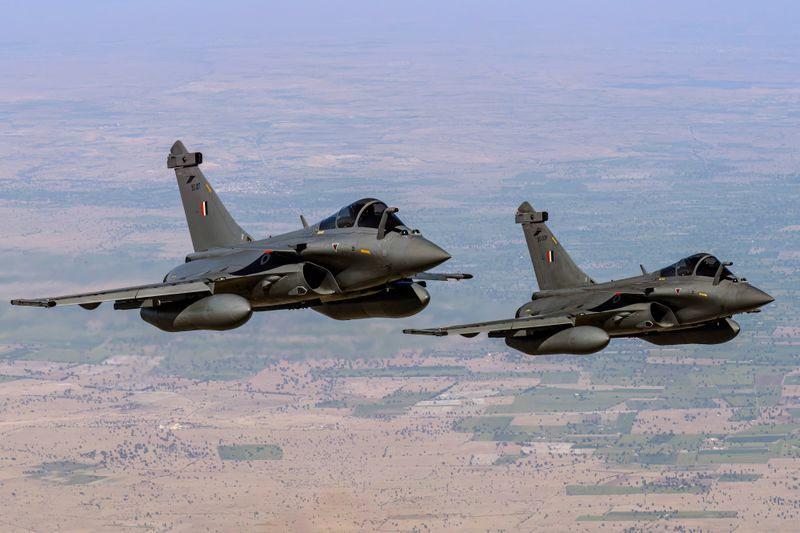
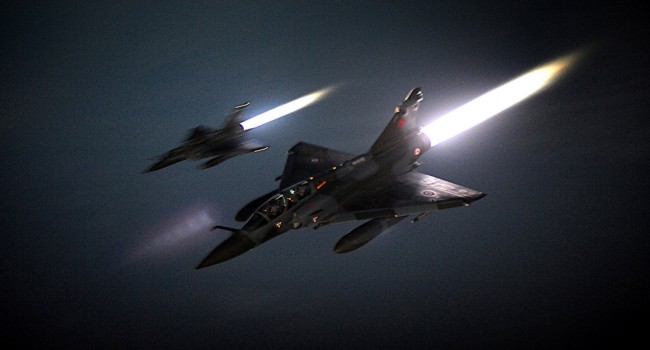
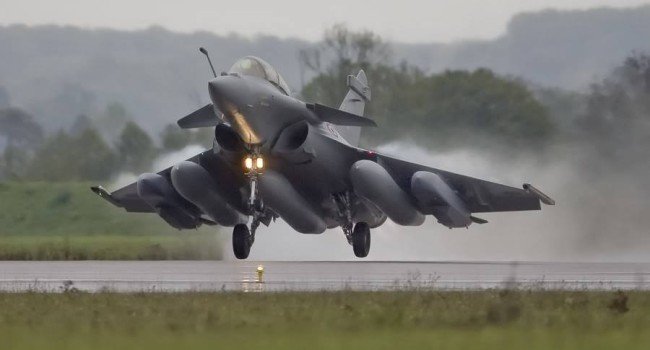
IAF seeks Safran help to keep Rafales battle-ready amid contract renewal Ajay Banerjee Tribune News Service New Delhi, June 23 Amid a pending renewal of long-term logistics contract, the Indian Air Force has asked French engine-maker Safran for interim support to its Rafale fighter fleet. The IAF’s request for proposal (RFP) to Safran has triggered a debate on social media as it seeks the support for the fleet of 36 jets — the same number as purchased from France under a government-to-government deal. On social media some users have cited the number of 36 jets mentioned in the document to challenge Pakistan’s claims of aircraft losses during Operation Sindoor. The IAF has not officially confirmed any loss to its fleet during the four-day skirmish with its western adversary in May last year. The IAF’s RFP seeks a five-month ‘bridge support’ arrangement beyond September 18, 2026. Safran Aircraft Engines is one of the original equipment manufacturers associated with the Rafale programme.

The IAF’s request for proposal (RFP) to Safran has triggered a debate on social media as it seeks the support for the fleet of 36 jets — the same number as purchased from France under a government-to-government deal.

On social media some users have cited the number of 36 jets mentioned in the document to challenge Pakistan’s claims of aircraft losses during Operation Sindoor. The IAF has not officially confirmed any loss to its fleet during the four-day skirmish with its western adversary in May last year.

The IAF’s RFP seeks a five-month ‘bridge support’ arrangement beyond September 18, 2026. Safran Aircraft Engines is one of the original equipment manufacturers associated with the Rafale programme.

Sources said the bridge support arrangement was needed as the follow-on performance-based logistics (PBL) contract is yet to be finalised. Under the PBL, a specified number of aircraft have to available for battle at any point and time.

The PBL was signed for five years. The ‘bridge support’ is arrangement to ensure uninterrupted maintenance, logistics and technical support for the fleet until the new PBL framework is signed.

Contracts for sustainment and maintenance are generally based on authorised fleet numbers and do not disclose operational inventories. Each of the Rafale jets is powered by M88 engine produced by Safran.

The RPF document sent to Safran seeks a support package meant for the operation of all 36 Rafale aircraft and targets a planned utilisation rate of 150 flying hours per aircraft annually and calculates the requirement at 2,250 flying hours during the five-month period.

The original Rafale contract included 36 fighter aircraft along with associated equipment, spares, consumables and maintenance support required for the initial years of fleet operations.

Sources said ‘bridge support’ arrangements are a routine practice whenever long-term sustainment contracts are under negotiation or awaiting conclusion. Such measures are intended to prevent any gap in the supply of spares, repairs, technical assistance and maintenance services.


Post US-Iran MoU, 11 India-bound ships cross Strait of Hormuz: MEA

MEA spokesperson Randhir Jaiswal says maritime traffic has resumed in both directions

article_Author
Ujwal Jalali Tribune News Service

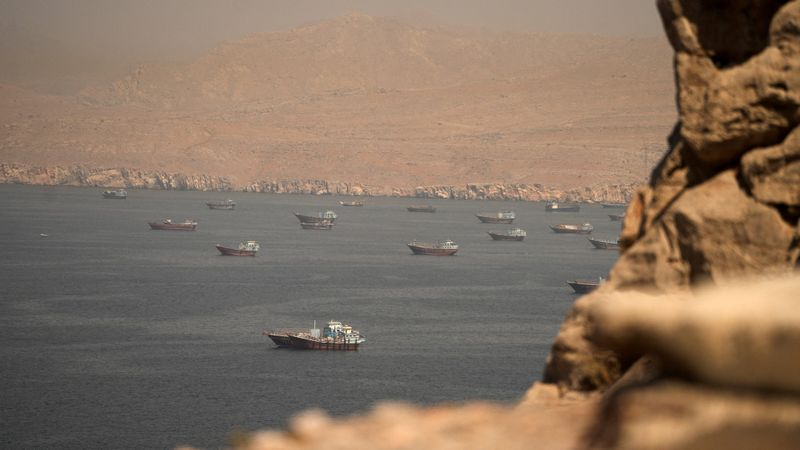
Signs of normalcy are beginning to return to one of the world’s most critical maritime chokepoints, with 11 India-bound vessels successfully transiting the Strait of Hormuz since the signing of the Iran-US memorandum of understanding earlier this month, the Ministry of External Affairs said on Tuesday.

The development comes amid efforts to stabilise shipping traffic in the Gulf region following weeks of uncertainty triggered by the Iran conflict.

MEA spokesperson Randhir Jaiswal said maritime traffic had resumed in both directions and expressed hope that the remaining Indian vessels stranded in the region would soon be able to proceed.

“As of today, we have 10 Indian-flagged vessels still in the Persian Gulf region — these are the ones that were stranded when the conflict began — but in addition, we have two Indian ships that have crossed from this side into the Persian Gulf, which means that traffic is moving back and forth,” he said.

Jaiswal disclosed that since the signing of the MoU on June 17, 11 India-bound vessels had successfully navigated through the Strait of Hormuz.

The vessels comprised three Indian-flagged crude oil tankers, each carrying around 2,85,000 metric tonnes of crude oil, one foreign-flagged LPG carrier, one foreign-flagged crude oil tanker and six foreign-flagged bulk carriers transporting fertiliser cargo destined for India.

“It is our expectation and hope that the remaining Indian-flagged vessels will also be able to cross Hormuz soon,” he added.

The latest figures released by the MEA indicate that India’s energy supplies and fertiliser imports have begun moving through the corridor, offering relief to policymakers and markets alike. With shipping activity gradually picking up, New Delhi is closely monitoring the situation and remains hopeful that the remaining Indian vessels stranded in the Gulf region will soon be able to resume their journeys.


India asks Bangladesh to rein in extremists after desecration row sparks protests by Hindus

The controversy erupted after an image of the Hindu deity was allegedly desecrated during demonstrations by Islamist grou

India on Tuesday urged Bangladesh to act against extremist elements and ensure the safety of minorities after reports of the desecration of an image of Lord Ram triggered protests by the Hindu community across the neighbouring country.

The controversy erupted after an image of the Hindu deity was allegedly desecrated during demonstrations by Islamist groups opposing the construction of a proposed 81-foot statue of Lord Ram in Gaibandha district in northern Bangladesh.

The incident has sparked widespread protests, including torchlight marches and demonstrations in Dhaka, with Hindu organisations demanding action against those responsible and stronger protection for religious minorities.

Responding to questions on the issue, Ministry of External Affairs spokesperson Randhir Jaiswal said New Delhi expected the Bangladeshi authorities to prevent extremist forces from targeting minorities.

“Regarding the reports from Bangladesh about acts of desecration involving images of Hindu deities — which have sparked protests — we expect the Bangladeshi government to curb extremist elements and guarantee the safety of the minority community residing there,” he said.

The protests in Bangladesh have gathered momentum over the past several days, with student groups and members of the Hindu community taking to the streets to condemn what they described as an attack on religious sentiments. Demonstrators have also called for the resumption of work on the proposed Ram statue project, which has reportedly been halted amid security concerns and pressure from radical groups.

The issue has once again brought the spotlight on the condition of religious minorities in Bangladesh, which has witnessed periodic incidents of communal violence and attacks on places of worship over the years.

India has repeatedly raised concerns over the safety of Hindus and other minority communities in Bangladesh, particularly following episodes of unrest and political instability.

The latest remarks from New Delhi come amid otherwise close ties between the two countries, with both sides maintaining extensive cooperation in areas ranging from trade and connectivity to security and energy.

However, incidents involving attacks on minorities have often cast a shadow over bilateral relations and prompted calls in India for stronger safeguards for vulnerable communities in Bangladesh


HEADLINES : 21JUN 2026

Income tax exemption for disabled soldiers continuing, clarifies Defence Minister Rajnath Singh

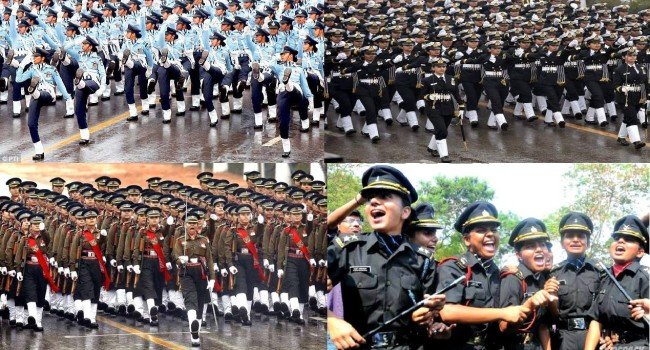
In a first, retired women officers to take up post of defence welfare officers in Punjab

Col Shanjit Singh Bhullar shares his journey pictures of LADAKH ,ZOZILA,SONAMARG ETC IN J&K

ATM TRANSACTIONS FOR DEFENCE SALARY PACKAGE ACCOUNTS :SBI

LEST WE FORGET GREAT PERSONALIES

Sikh Regiment inks pact with Guru Nanak Dev University to empower Agniveers through higher education

India takes 1st step in aluminium alloy manufacturing needed for military equipment

Dunagiri, Sanshodhak and Agray: Navy to commission 3 indigenously built frontline warships on June 21

IAF to procure 9 Jaguar jets from UK to be cannibalised as spares

Uttarakhand govt orders probe into Karnaprayag incident involving Nihang Sikh pilgrims: who hit the sikh first


Income tax exemption for disabled soldiers continuing, clarifies Defence Minister Rajnath Singh

Defence Minister Rajnath Singh has clarified that “disability pension” given to a section of retired military personnel shall continue to be exempt from income tax, unless the exemption is removed through a specific notification.

The minister in a letter to Trinamool Congress MP Mahua Moitra referred to the issue raised by her in Parliament under Rule 377 seeking a review of the decision to “remove income tax exemptions on disability pension” for those service personnel who despite being injured continue duties until retirement.

Moitra posted the letter on X in which the Defence Minister says “taking note of the concern raised regarding the issue…the amendments notified shall take effect on or after such date as may be notified by the Central Government”.

“Pending such notification, the entire disability pension, that is disability element and service element, of disabled officer of the Indian armed forces shall be exempt from income tax,” the letter said.

Moitra welcomed Rajnath’s clarification and thanked him for what she described as his “empathy” towards disabled defence personnel. She expressed hope that officials in the Finance Ministry would show similar sensitivity and refrain from implementing the proposed changes.In March, a Parliamentary Standing on Defence recommended that a proposal to impose income tax on pensions for disabled soldiers need to be “examined” and reconsidered.