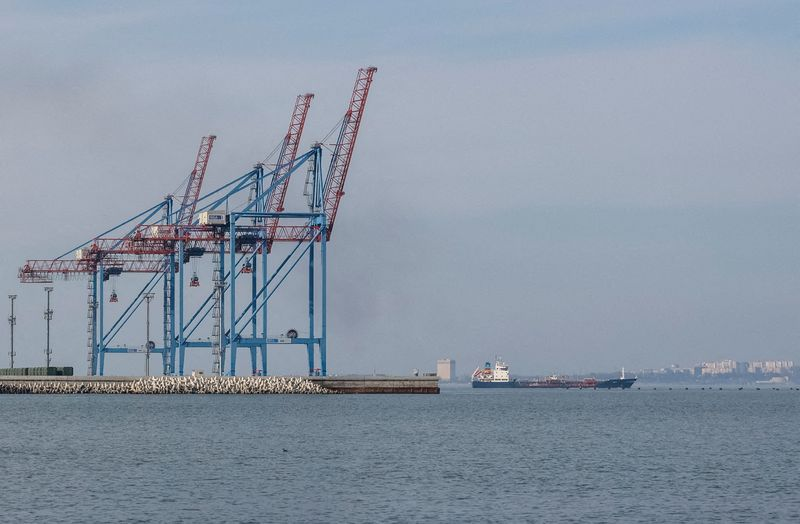
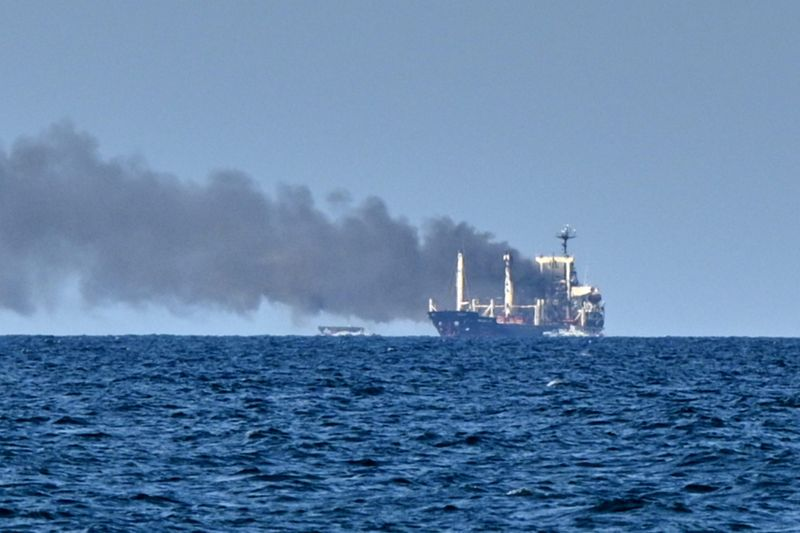
A merchant vessel carrying four Indian nationals was struck at Ukraine’s Port of Odesa, with two crew members confirmed safe while information about the other two is still awaited, the Indian Embassy in Kyiv said on Sunday.
The incident occurred on Saturday when MV AGN Ragnar was hit at the Port of Odesa, one of Ukraine’s key Black Sea ports that has frequently come under attack since the outbreak of the Russia-Ukraine conflict in 2022.The Indian mission, in a statement, said it is closely monitoring the situation.
History
“Embassy of India in Ukraine is closely monitoring the situation following the incident involving MV AGN Ragnar, which was struck at the Port of Odesa on July 25,” it said.
Four Indian nationals were on board the vessel at the time of the incident, the embassy said. “As per the latest information, two have been confirmed safe, and information is awaited regarding the other two nationals,” it said.
Search and rescue operations are currently underway, the embassy said, adding that it is in constant touch with the concerned authorities to ascertain the status of the missing crew members and extend all possible assistance.
There was no immediate information on the source of the strike, the circumstances surrounding the incident or the total strength of the vessel’s crew. The identities of the four Indian nationals and the nature of their duties on board were also not immediately known.
Odesa, Ukraine’s principal Black Sea port, has remained a frequent target of missile and drone attacks since Russia launched its full-scale invasion of Ukraine in February 2022. Merchant shipping in the Black Sea has periodically been affected despite efforts to keep maritime trade routes operational.
India has repeatedly advised its nationals to avoid travel to Ukraine in view of the security situation and has been extending consular assistance to Indian citizens in the country since the conflict began.
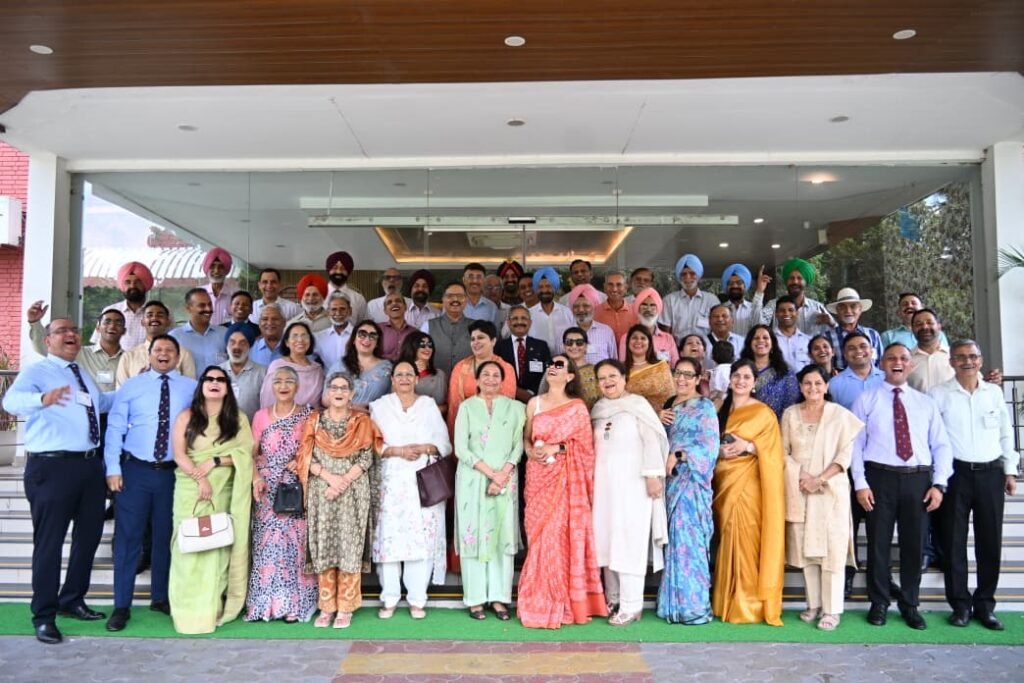
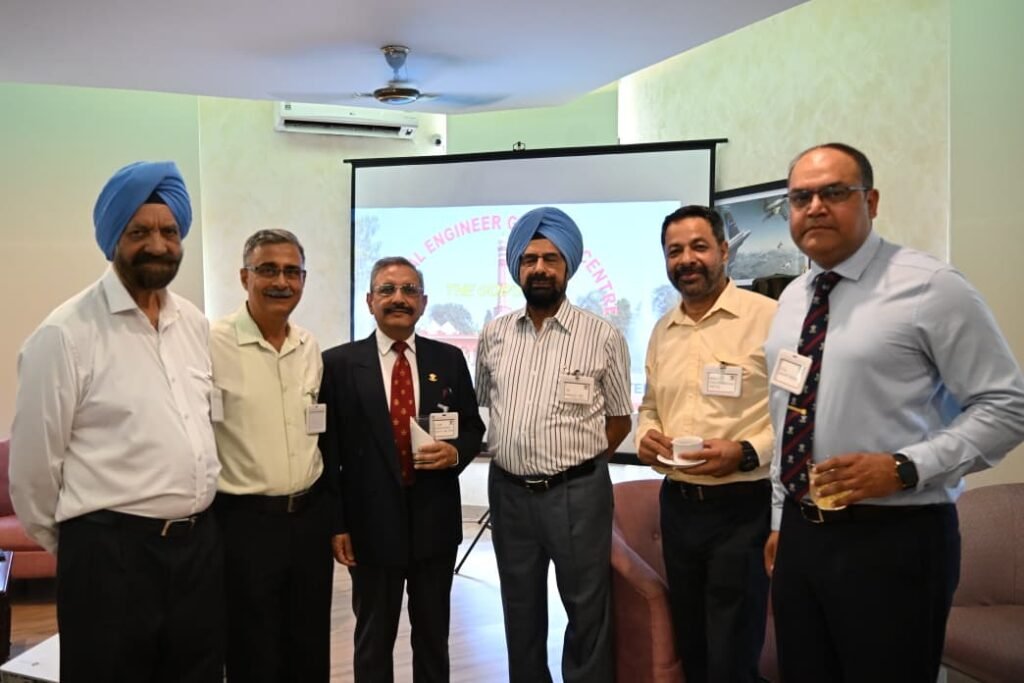
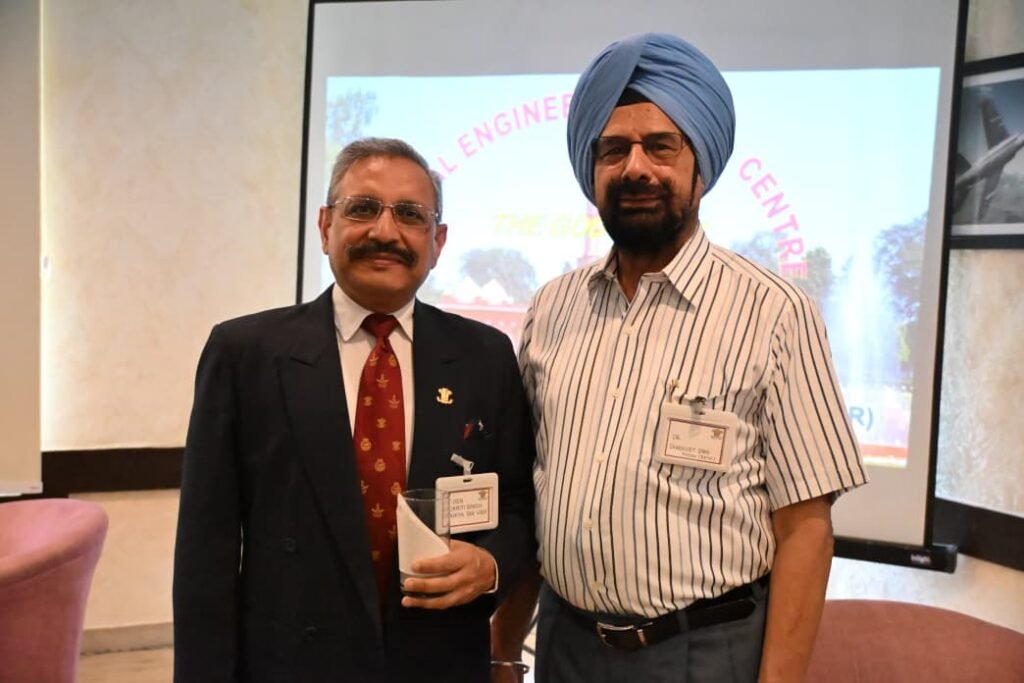
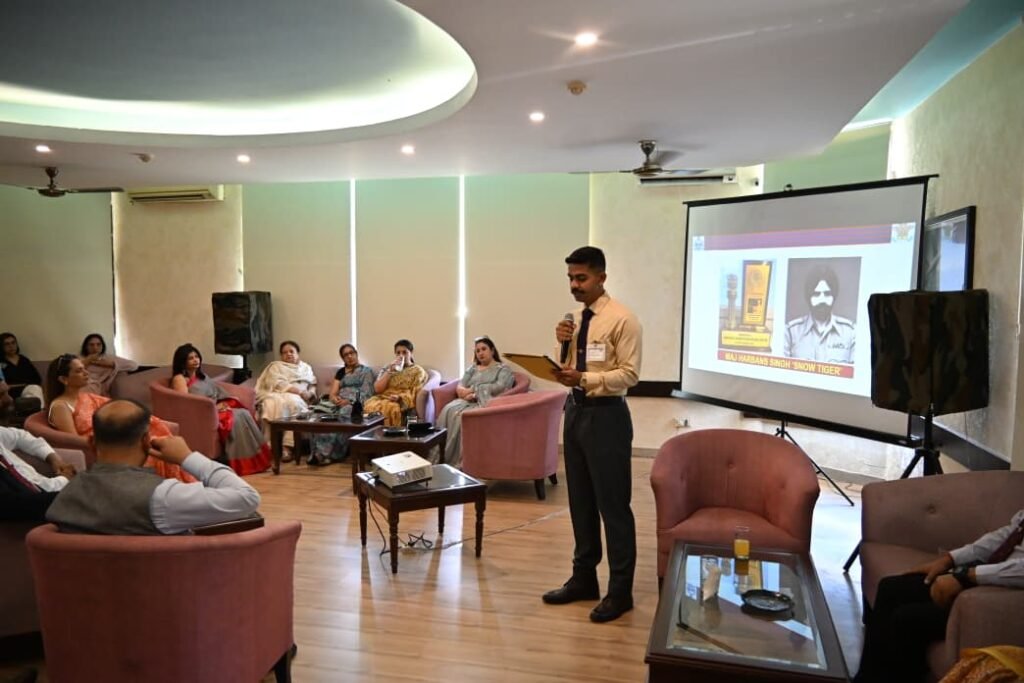
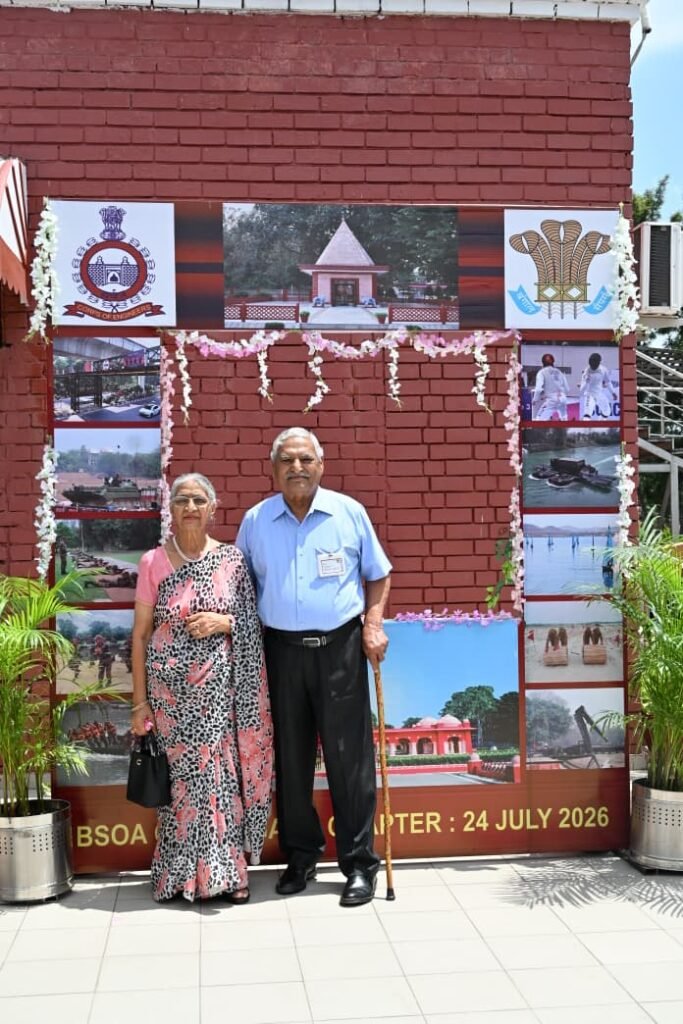
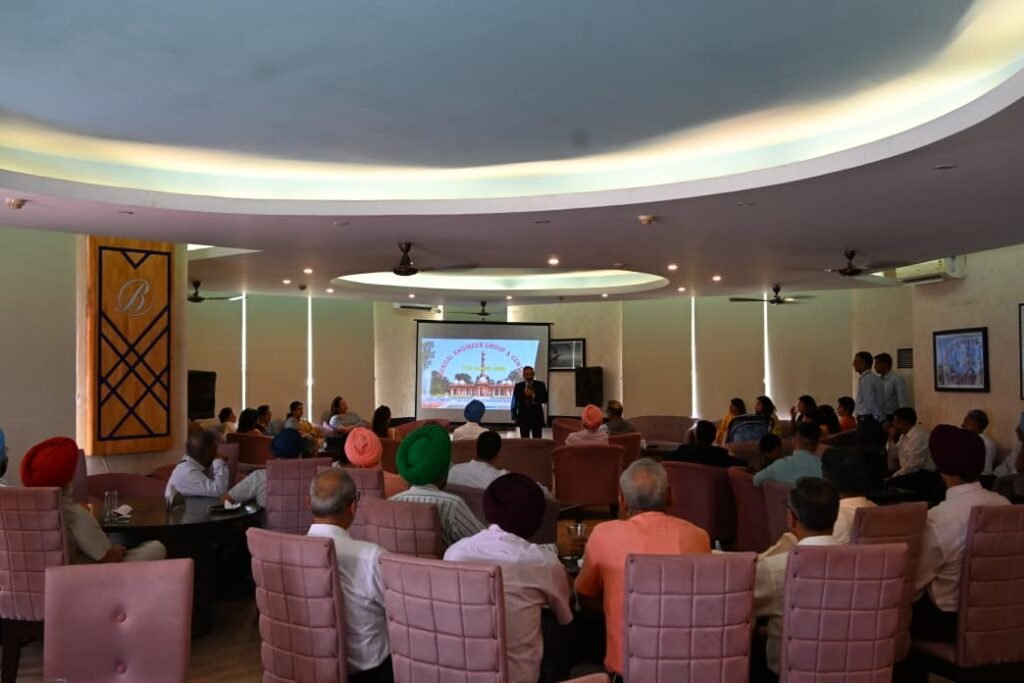
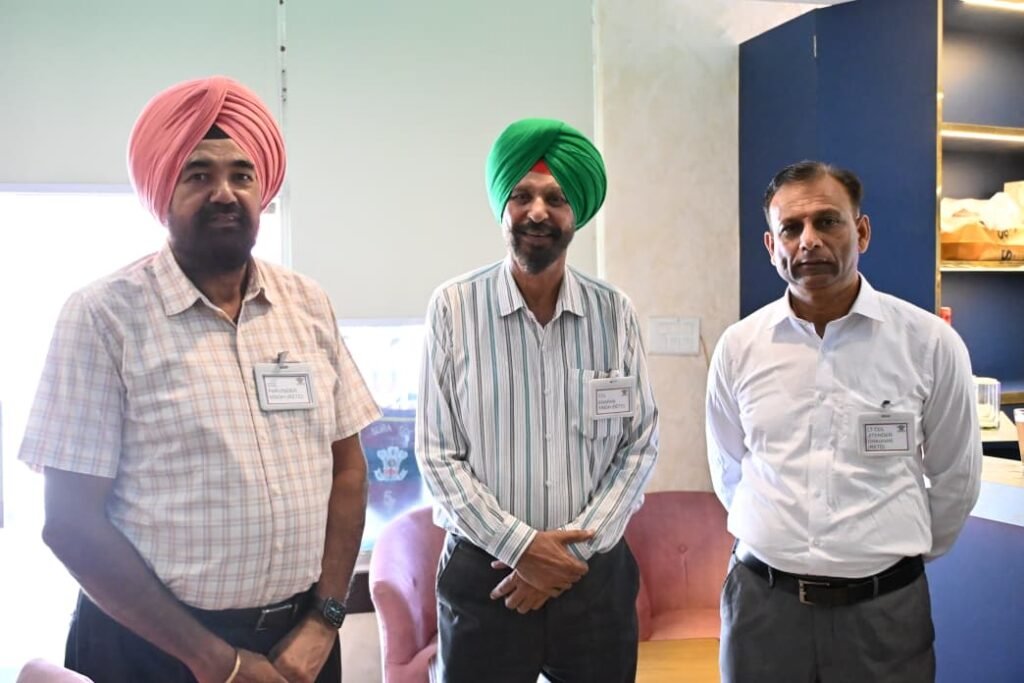
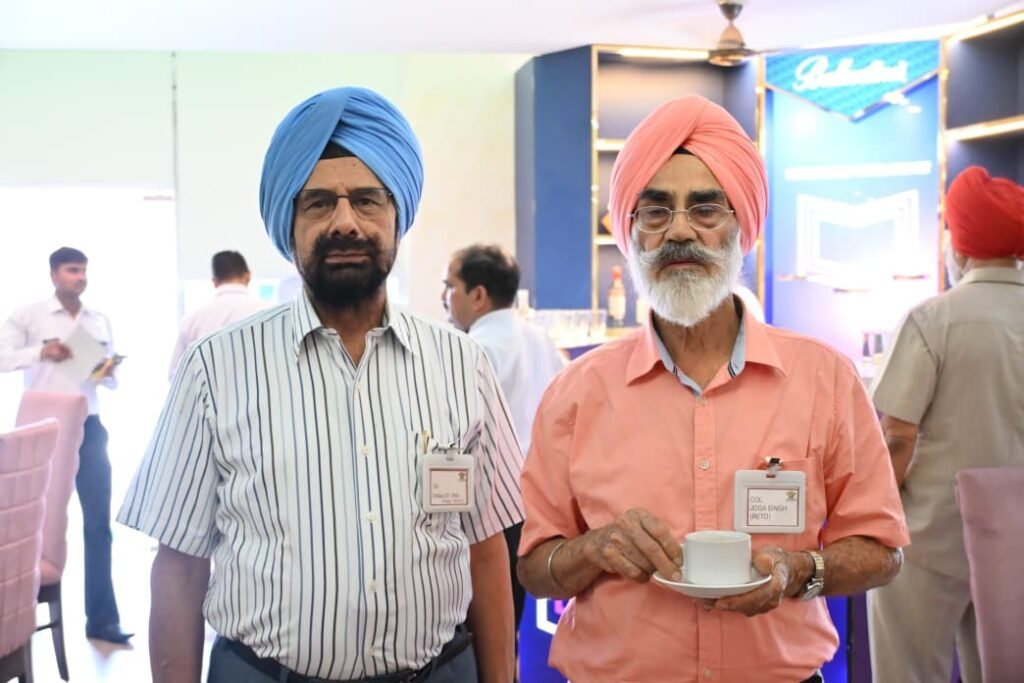
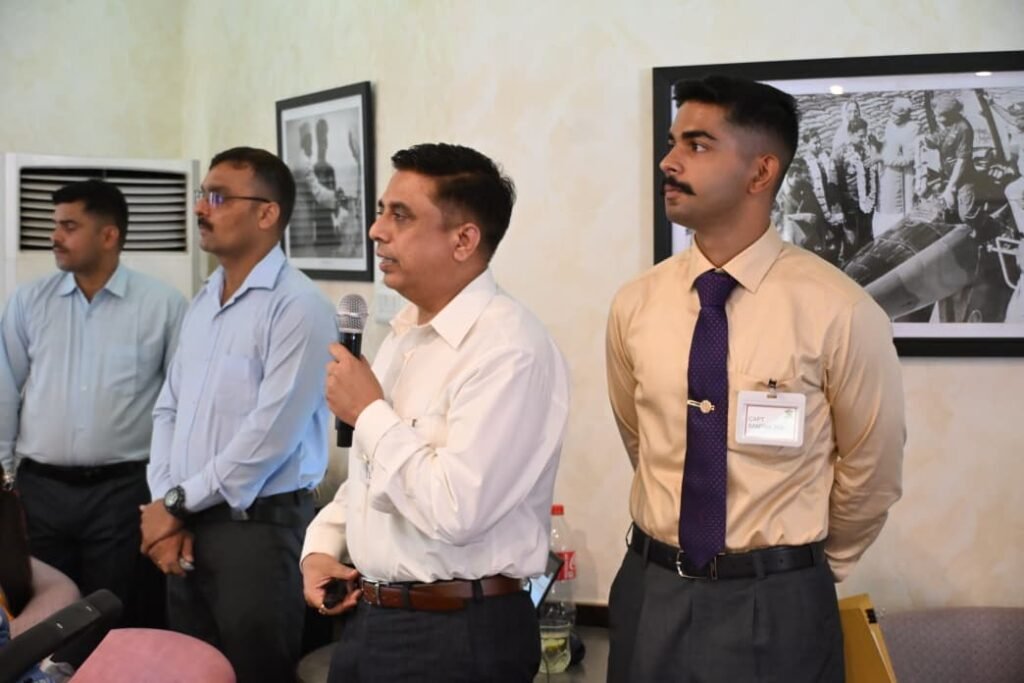
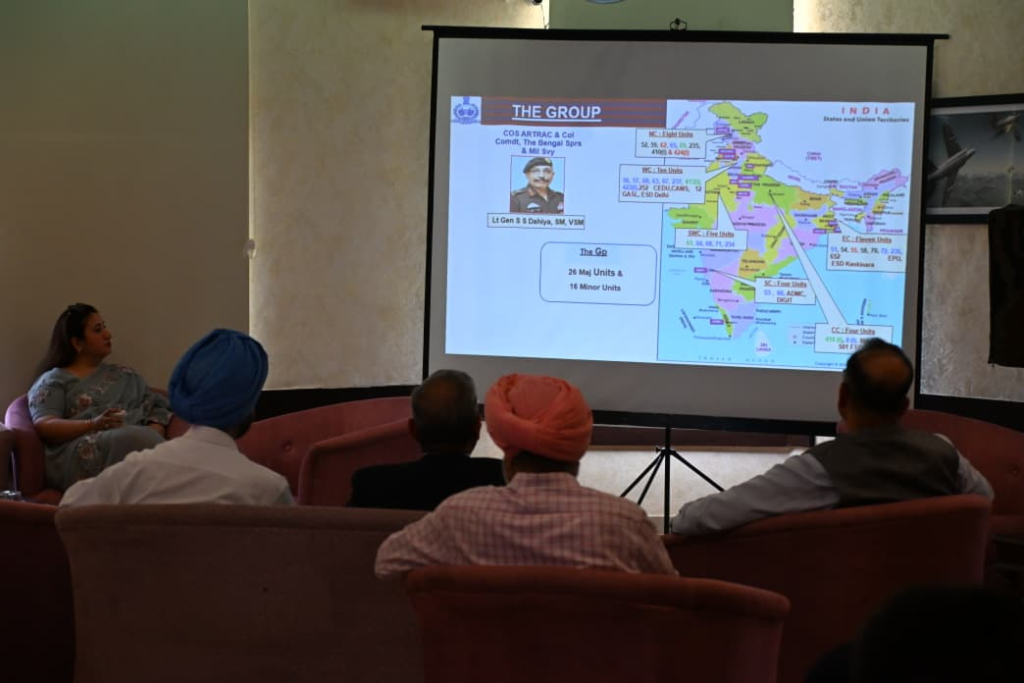
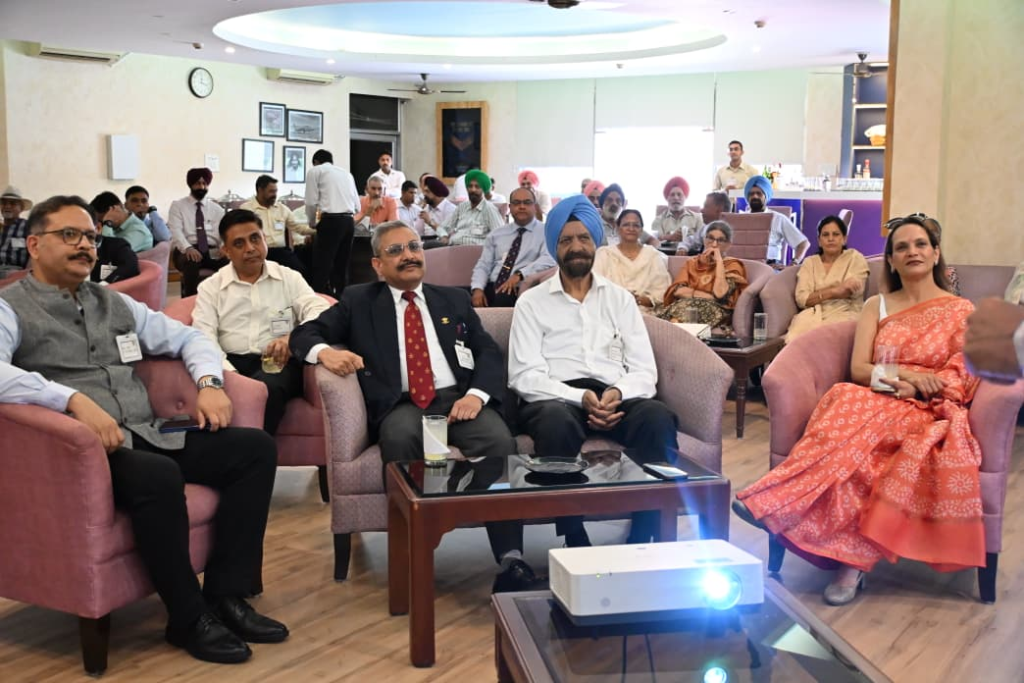
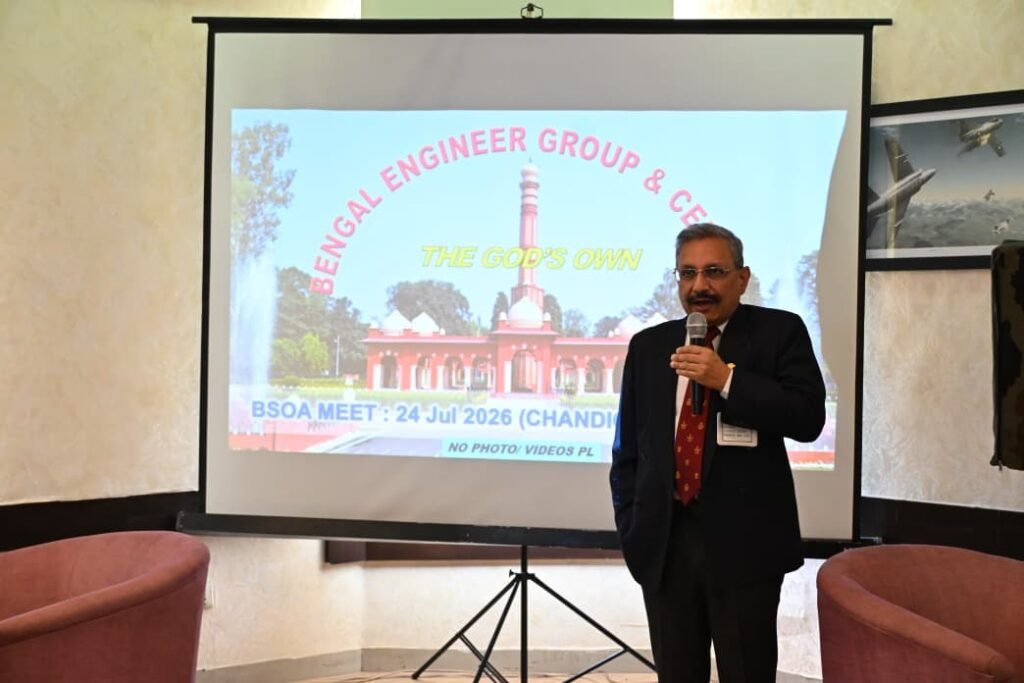
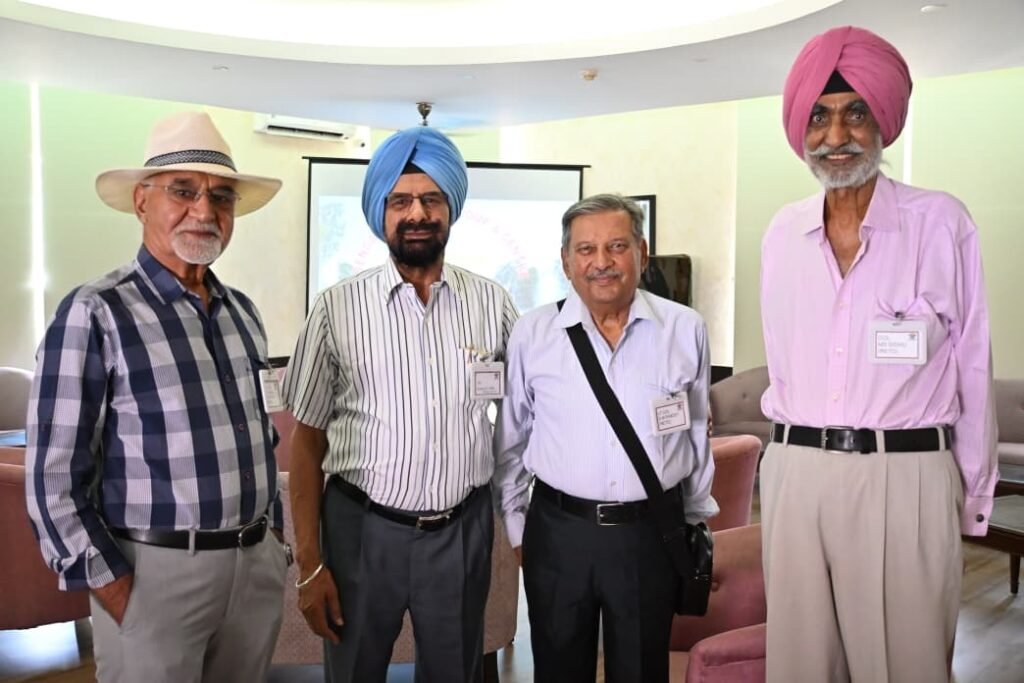
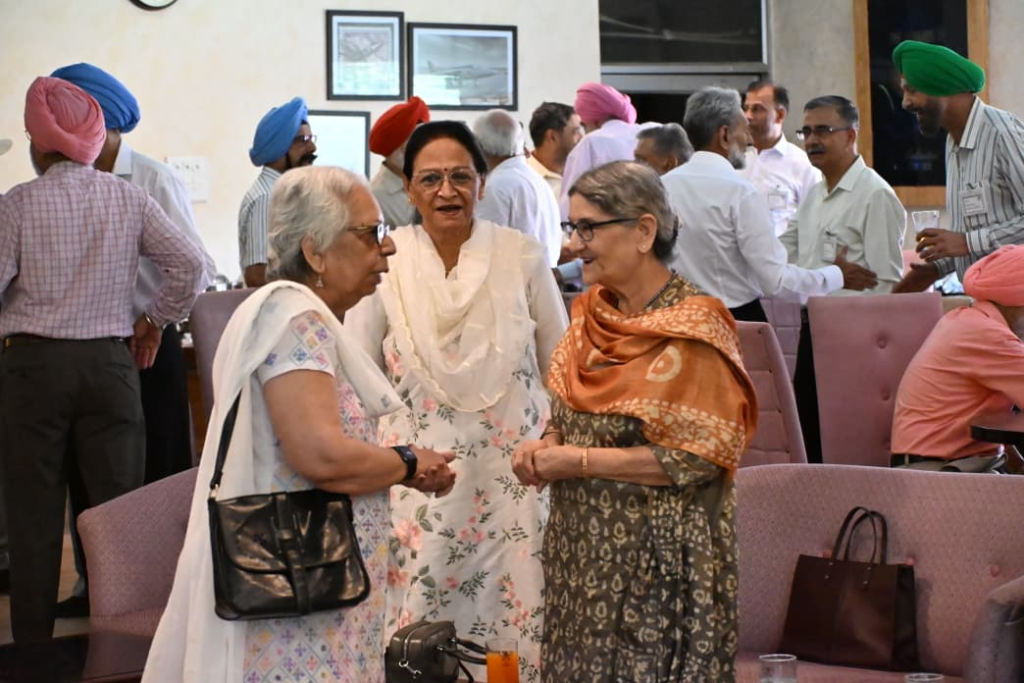
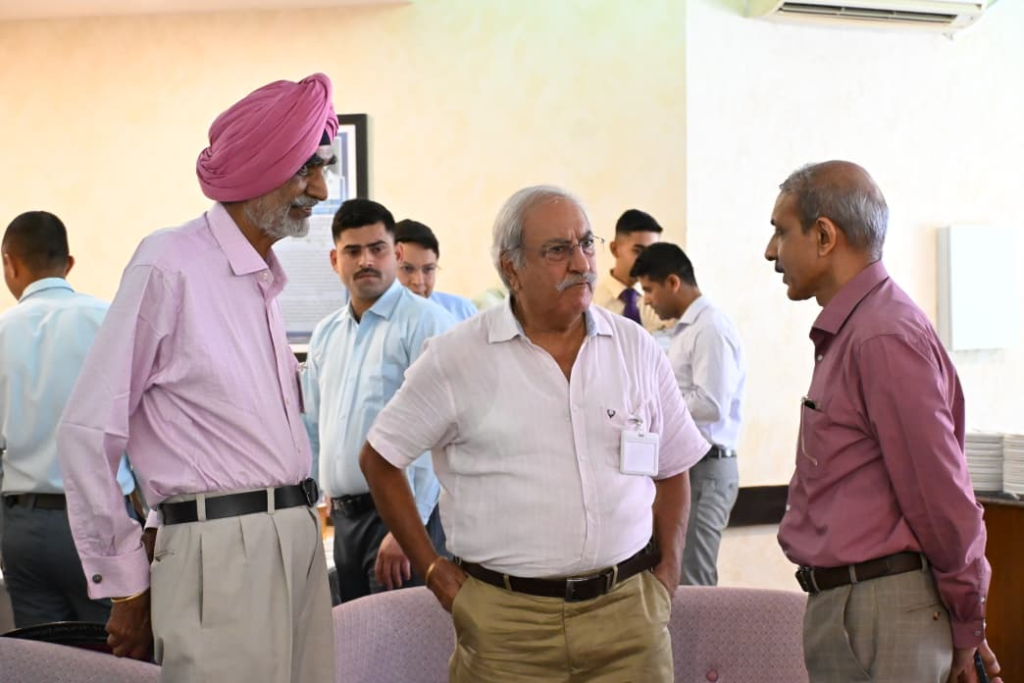
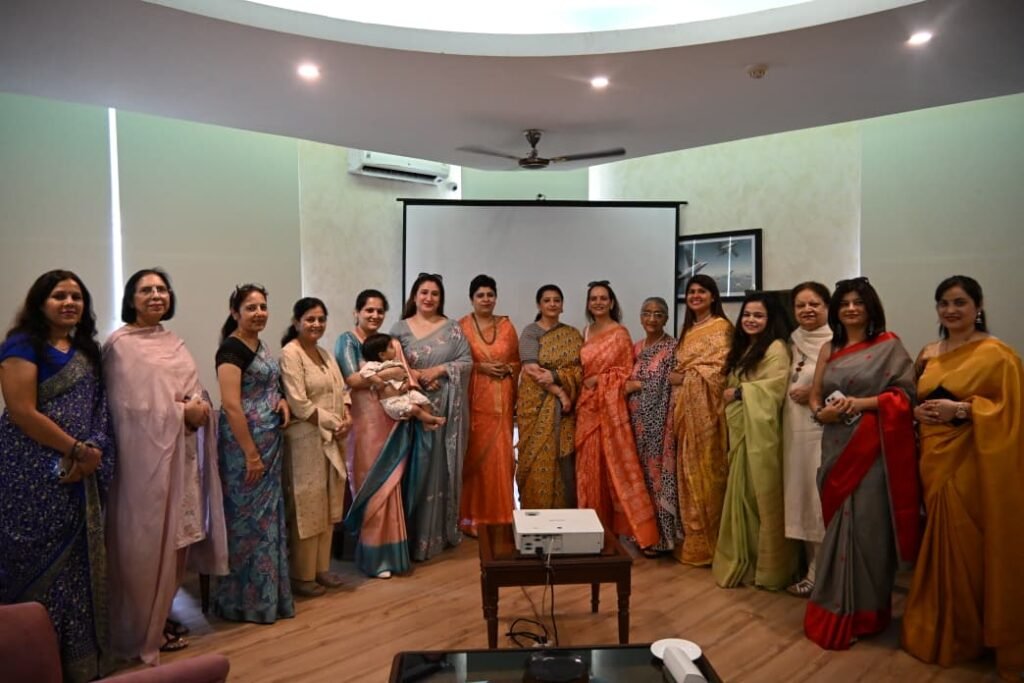
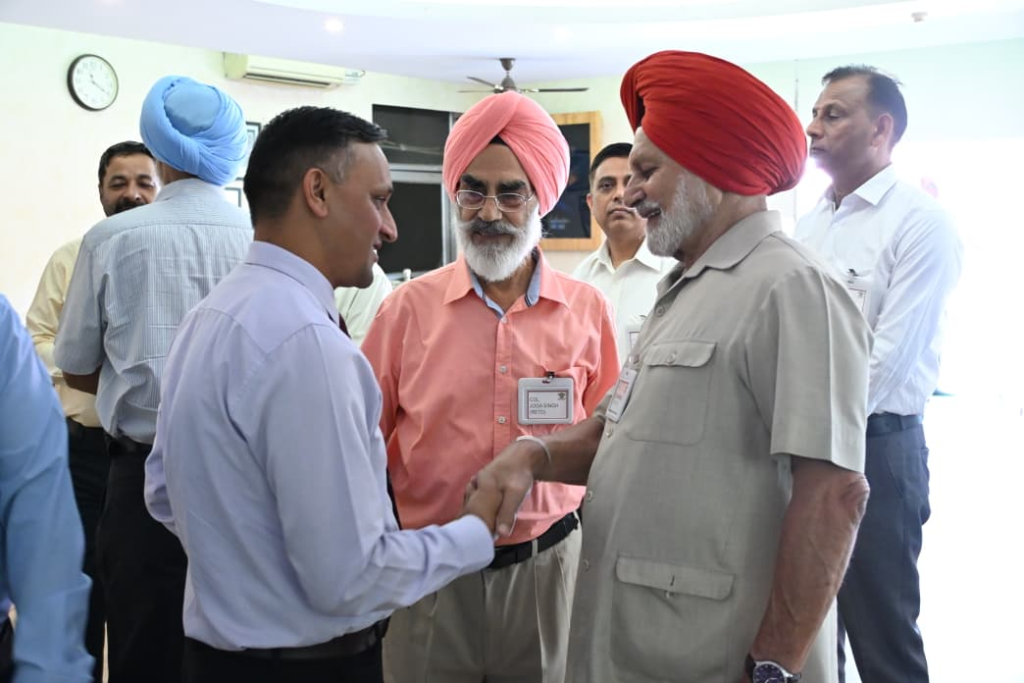
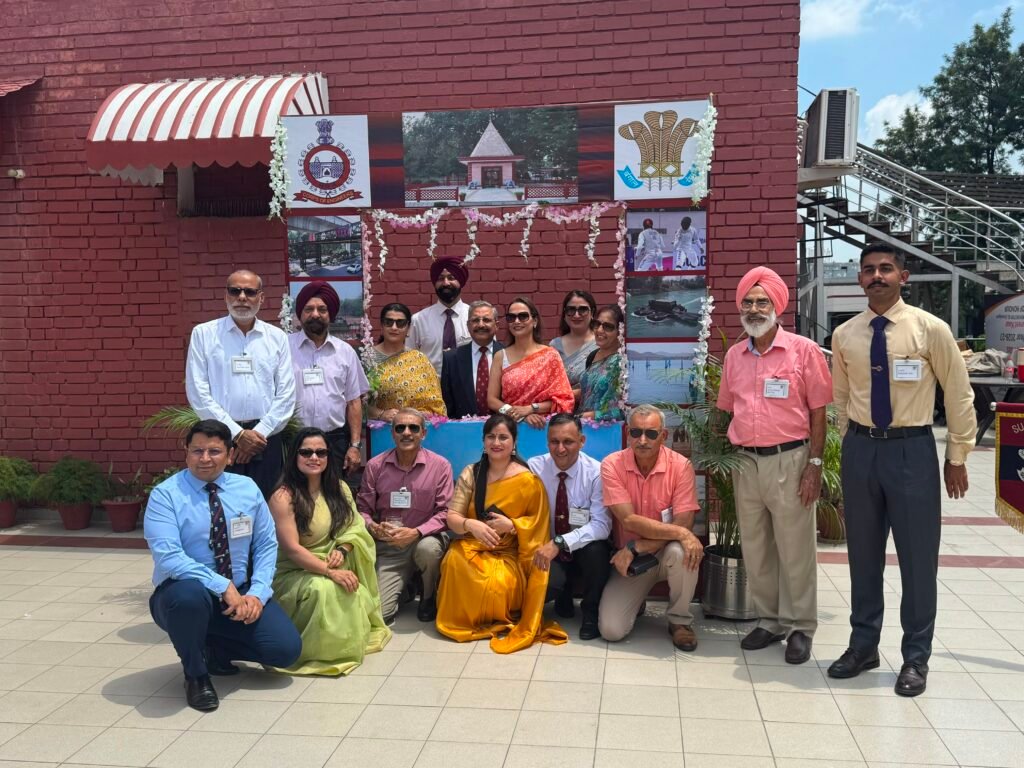
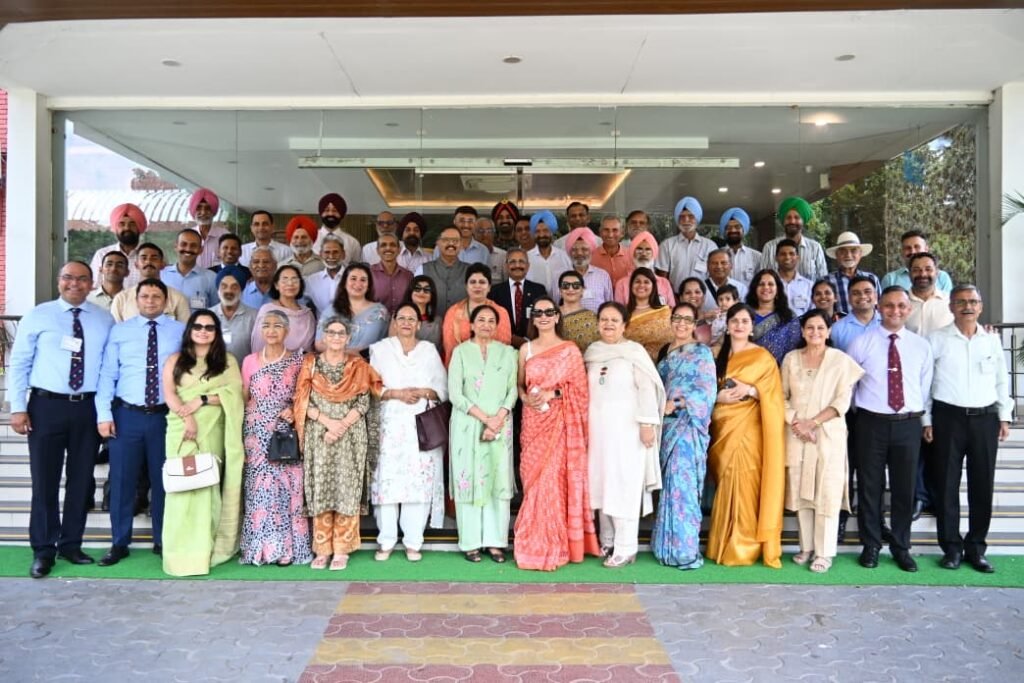
A well organised and conducted Bengal Sappers Officers Association meet at DSOI Sector 36 , Chandigarh by CO 57 Engineer Regiment . Gen & Mrs SS Dahiya Colonel commandant Bengal Sappers was the guest of honor . Lt Col Mukesh Singh an officer from BEG& Centre Roorkee attended on behalf of Commandant, who briefed about activities of Bengal Group & Centre .
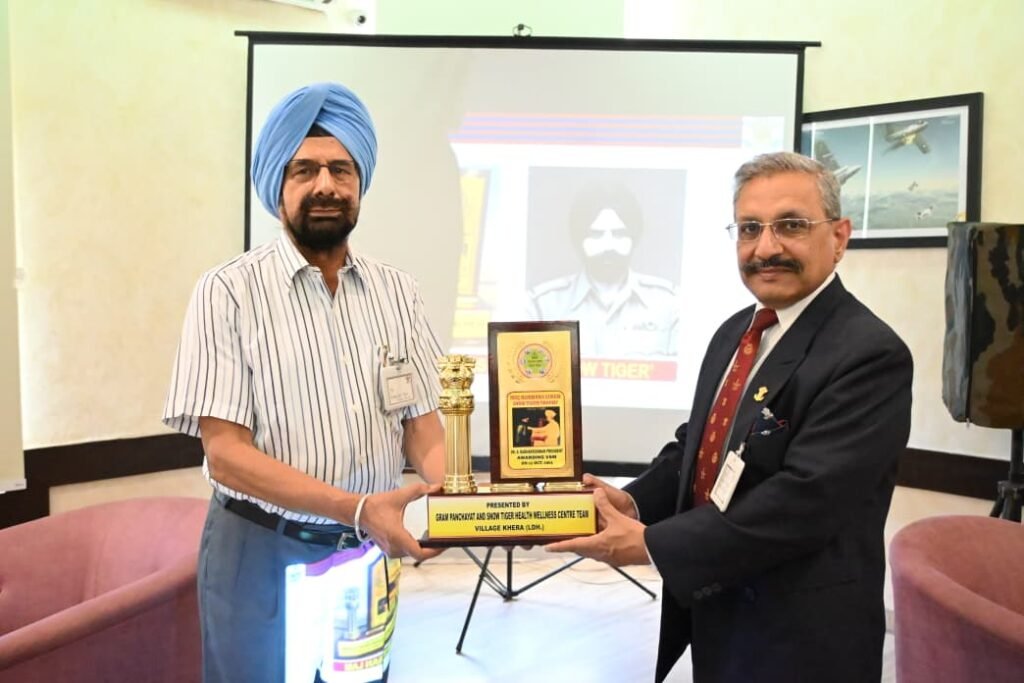
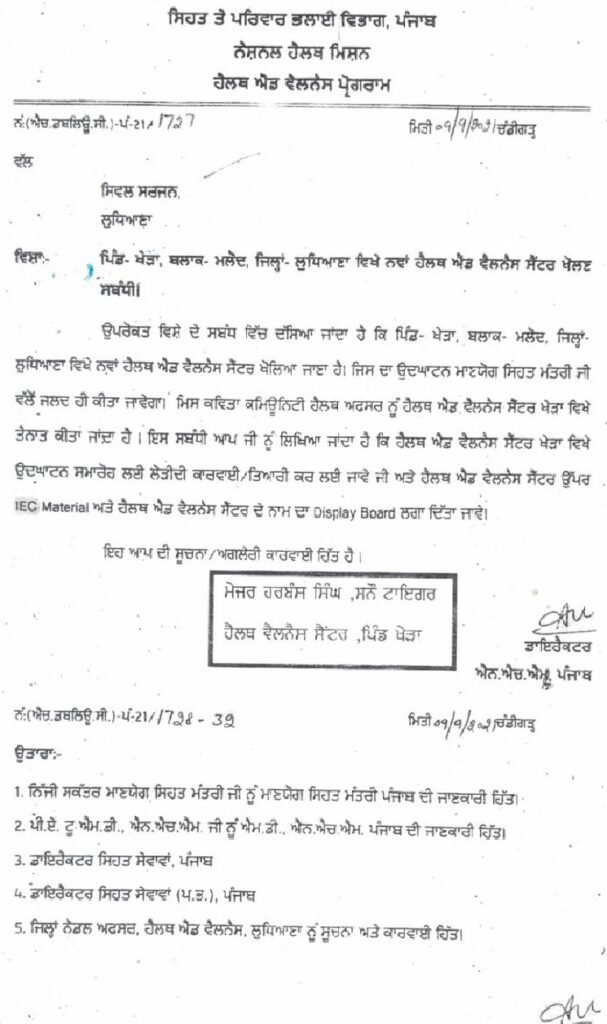
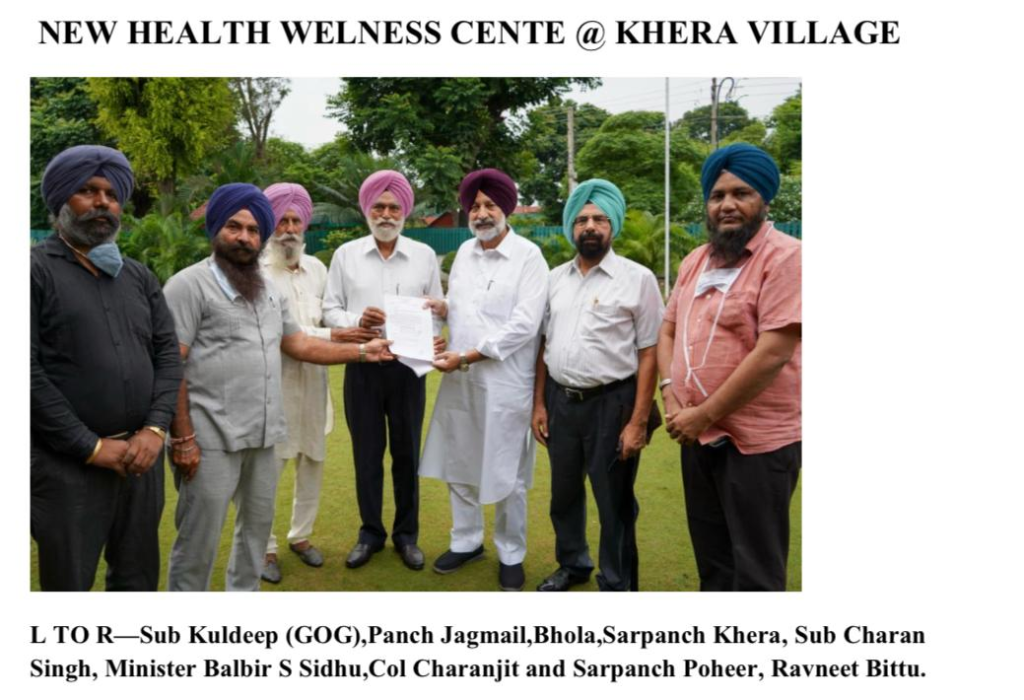
A Trophy was presented by Col Charanjit Singh Khera to Gen SS Dhayia , regarding Health welness Centre opened in his village Khera ,Distt Ludhiana by Punjab Govt , in memory of his father , known as
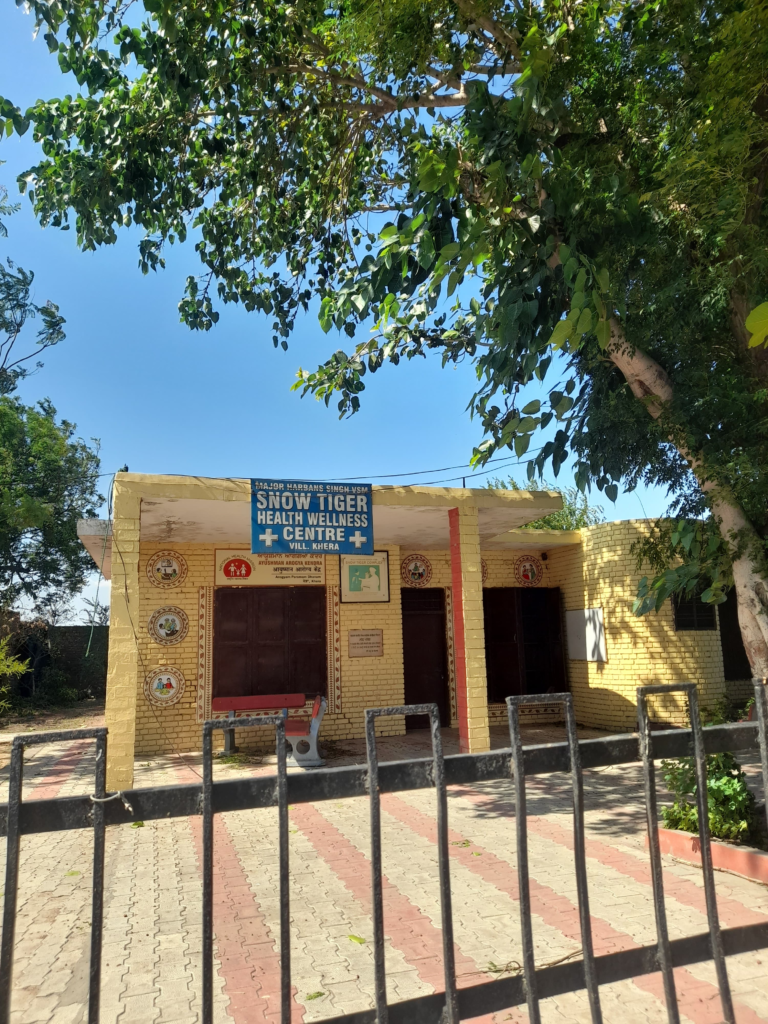
MAJOR HARBANS SINGH ,VSM SNOW TIGER HEALTH WELNESS CENTRE .
. The HWC is providing free medicines & medical coverage to all the surrounding village of Khera and near by villages. It facilitate free medical checkups by a Doctor along with provision of routine medicine and lab manned by Lab technician. The building complex also named as snow Tiger Complex
This is with great pride for all Bengal Sappers that an Health wellness center has been opened in Vill Khera, Distt Ludhiana in memory of Great Bengal Sappers (Mechanical Engineer )officer IC 2185 MAJOR HARBANS SINGH VSM , a Para trooper too. This is the only HWC in Punjab , even India in the name of any army officer in his memory..
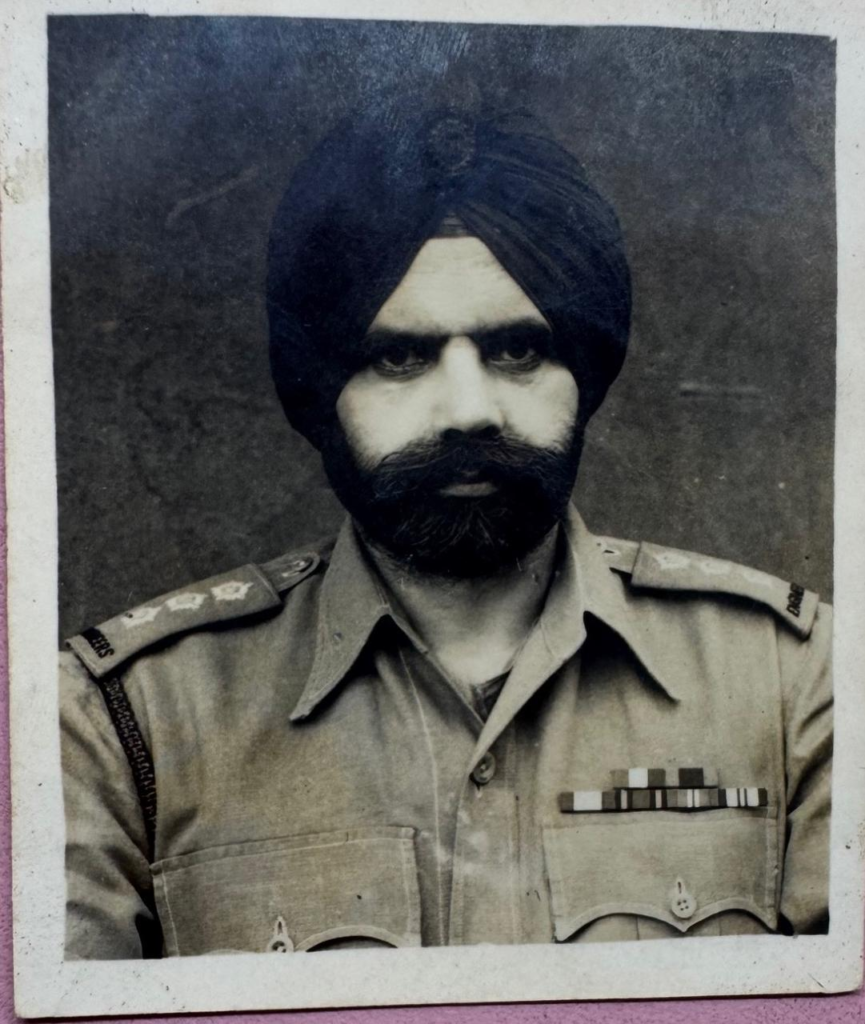
Photograph as captain above
2. This was all with the consent and approval of Capt. Amarinder Singh Ex Chief Minister Punjab through his Punjab Health Minister S Balbir Singh Sidhu for opening New Health Wellness Centre at Vill Khera ,Distt Ludhiana in the name of Army officer and handed over authority letter to village Panchayat..
3. Late major Harbans Singh earned a nick name in Army Circles and especially in corps of Engineers as “ SNOW TIGER” during 1962 Chinese aggression . Accordingly The New HWC was named after Major Harbans Singh VSM , named as
“Major Harbans Singh VSM,Snow Tiger, Health Wellness Center”
FEW WORDS ABOUT MAJOR HARBANS SINGH
1. Major Harbans Singh, son of Hardit Singh Nambardar (Village Khera), was born on January 12, 1919. He completed his matriculation from Malwa Khalsa High School. On November 19, 1932, he joined the Bengal Engineers at Roorkee as a Sapper in 40 Para Company; he completed 21 parachute jumps and was subsequently commissioned as a Lieutenant on December 15, 1945.
4. Participated in the Burma War and was awarded the Burma Star and World War II medals.
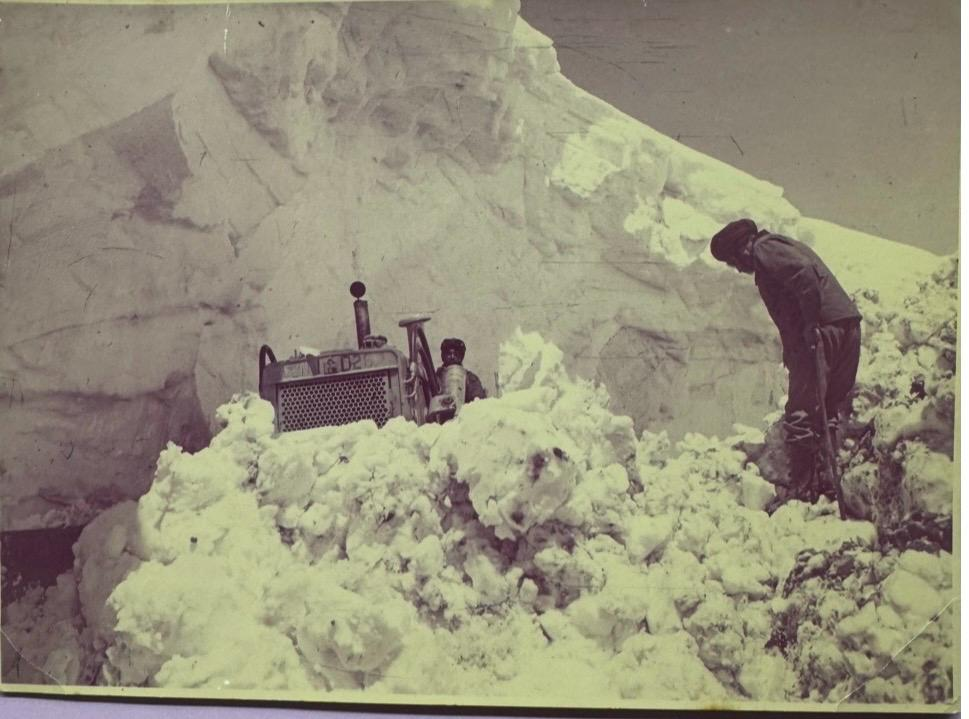
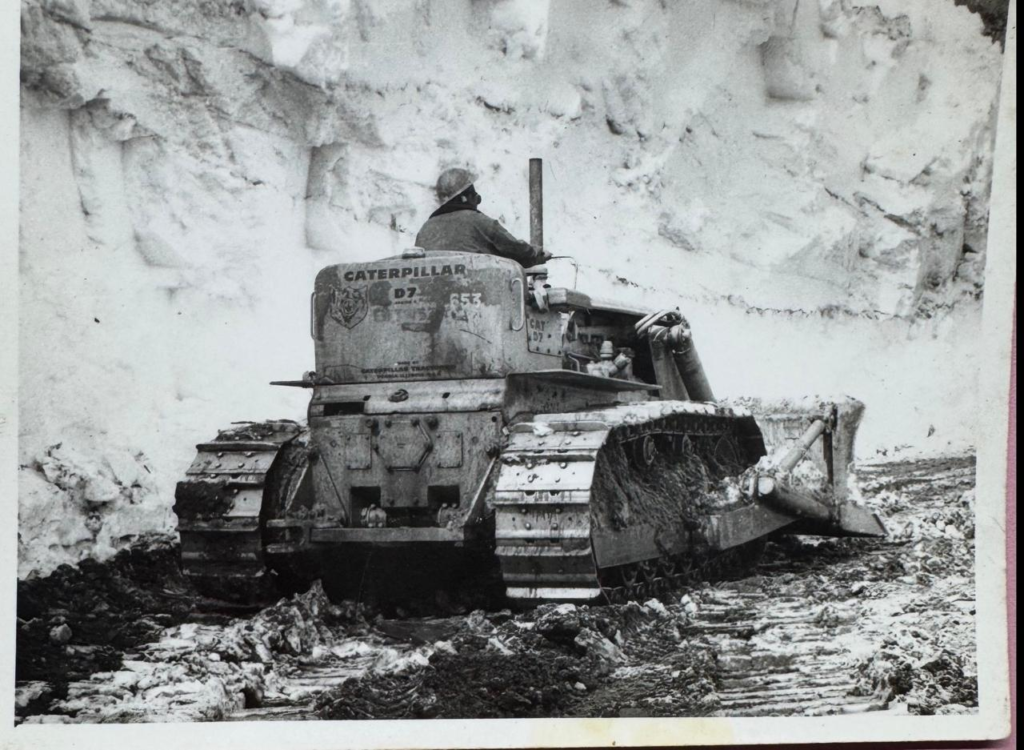
5. He authored number of pamphlets and manuals on the maintenance of Caterpillars (dozers) , forward written by Col JS Dhillon then the Commandant BEG & Centre ( Late LT Gen JS Dhillon ,) and were taught is Plant school Roorkee .He was regarded as an expert on heavy plant machinery. He once loaded a dozer onto a helicopter, assembled it at a mountain peak, and constructed a helipad.
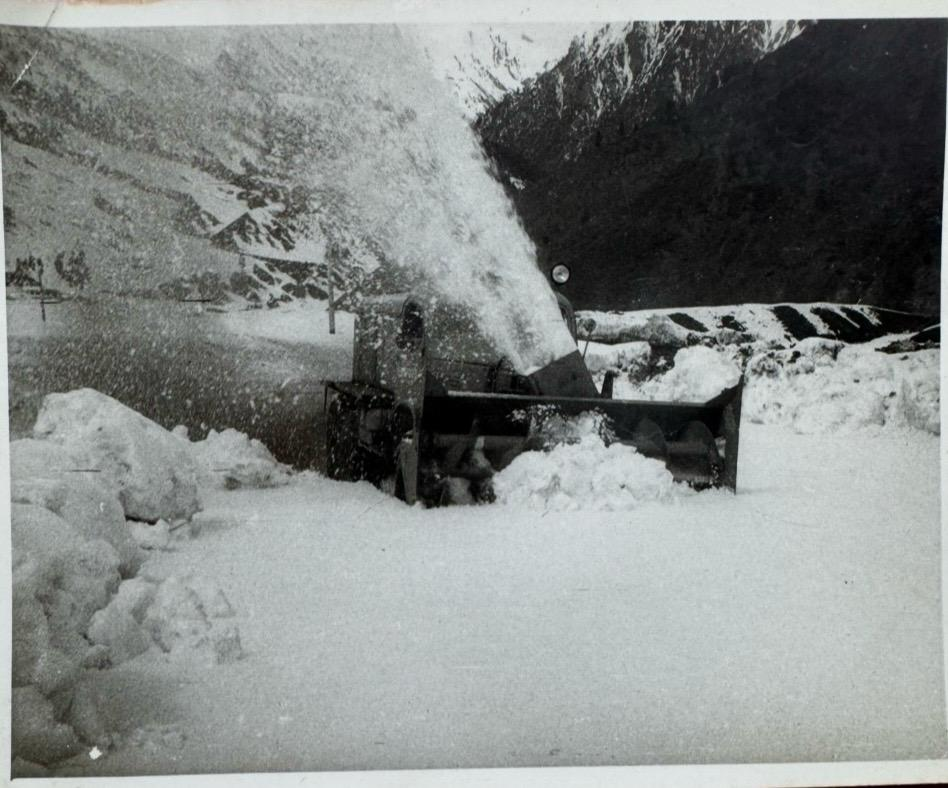
6. During the 1962 war with China, he kept the Leh-Zojila road clear of snow which piled up to 10–20 feet high using Russian snow-clearing machinery; working 12 hours a day, he became renowned as the “Snow Tiger” in the Jammu & Kashmir sector.
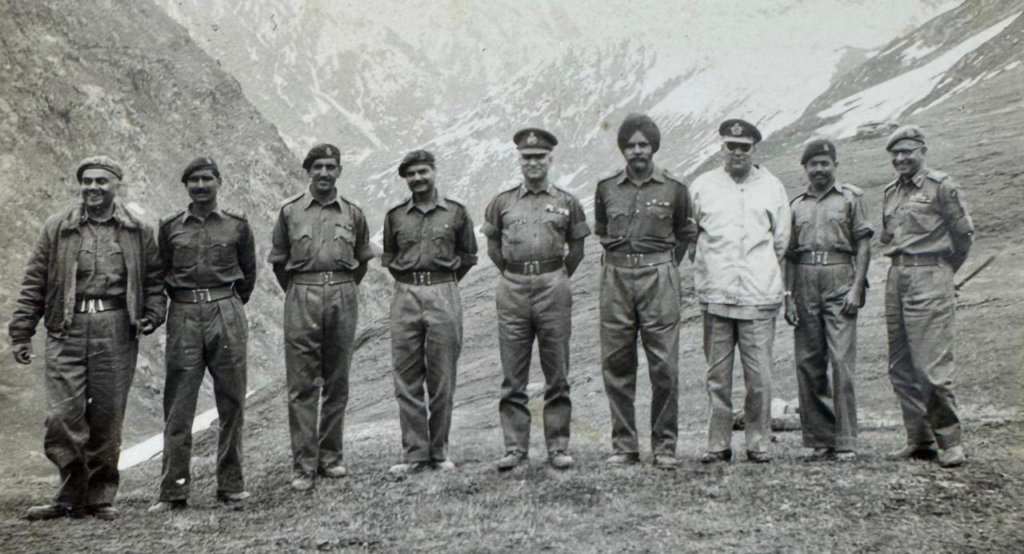
7. Soldiers and senior commanders alike referred to him as the “Snow Tiger.” Later, in 1963, he was awarded the Vishisht Seva Medal (VSM) by the President of India, becoming the third Bengal sapper to be awarded to receive this honor.
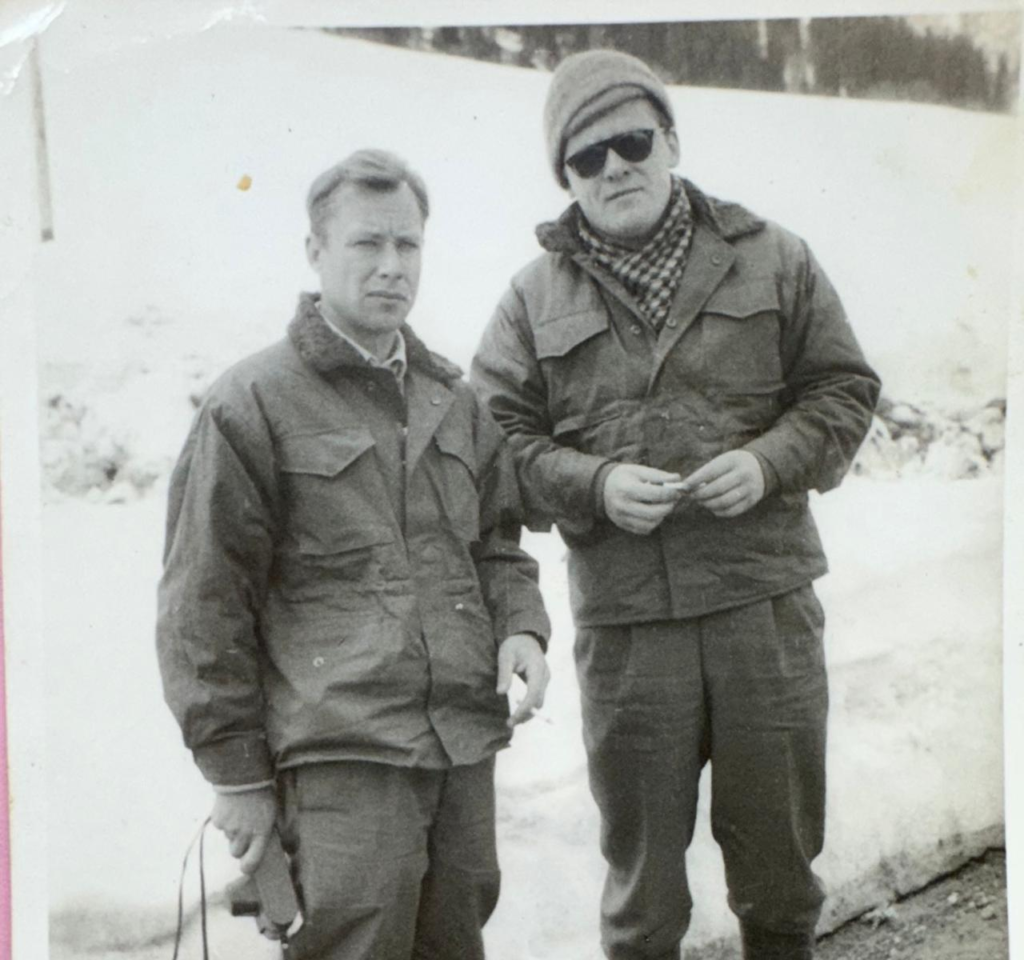
Russian Delegation came to India to see how their snow clearing machinery was working without any breakdown in high altitude
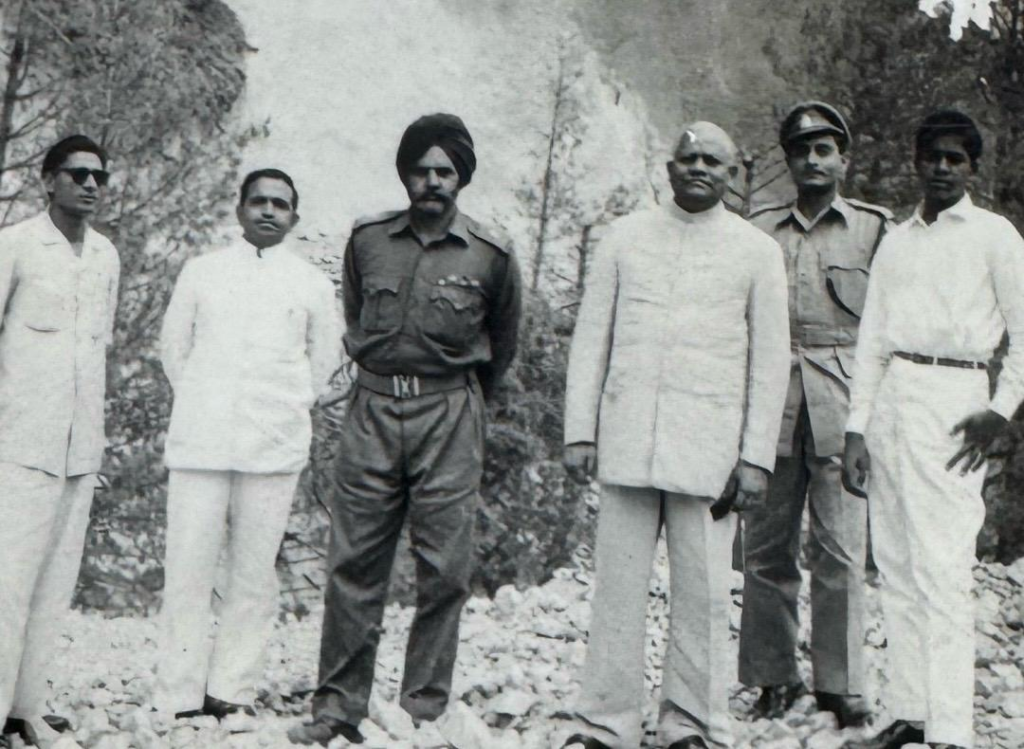
Indian Union Minister also visited baramula to know first hand information of snow clearance in lay-zozilla axis
10 He was posted at GREF Centre Roorkee where he was instrumental in raising Pioneer Platoons. He almost got approx. 500 men recruited in Boarder roads and Bengal sappers from Distt Ludhiana villages.
10. He was a consultant for the repairs of Dozers and snow-clearing machinery at Base repair workshop at Pathankot and later EME workshop Roorkee even Rookee University Professors .The Russian delegation came to GREF Centre Roorkee to know how got heavy duty dozer pistons have been repaired under his supervision. Even the delegation visited Barmula to know status of their snow clearing ,machinery along with Indian union minister
11. He departed for his heavenly abode on January 19, 1974.
12. Today, third generation of his family is serving in the Army. His two sons are Bengal sapper officers ,
Col Charanjit Singh Khera(Retd)
Col S J Singh(Retd) .
grandson Colonel Sukhvinder Singh Khera from Bombay sappers
Second grand son Lt Col Navshinder Singh currently serving in Bengal Sappers .However maximum relatives were Bengal Sappers .
Some quotes of senior officers of Bengal sappers in 1974 -75 .
Late Lt Gen JS Bawa Ex- Ein-C-“ I was his coy commander a great paratrooper and Mechanical Engineer”
Lt Gen JS Dhillon “ Was Known as Snow Tiger, with Vast knowledge of Plant Machinery”
( C ) Lt Gen Wadhera “ No body in Indian army knew more about Dozers then Him”
( D )Late Brig RS Sundaram , centre commandant on his funeral day “ He was a fatherly figure to Bengal sappers troop ,loved and respected by all, an officer of few words but professionally very
Was serving as Commandant of Military Hospital in Jammu
A summary general court martial (SGCM) has held a Major General from the Army Medical Corps guilty of misappropriation in the procurement of medical supplies worth Rs 11 crore while serving as the Commandant of a Military Hospital in Jammu. He has been cashiered from service and sentenced to one-year rigorous imprisonment, sources said.
The trial, presided by Lt Gen V Sreehari, General Officer Commanding of Dakshin Bharat Area, concluded in Udhampur on Friday. The SGCM was ordered by the General Officer Commanding-in-Chief, Northern Command.
Maj Gen Devendra Arora, who has since retired, was tried for 18 charges, which included 17 counts under Section 52(f) of the Army Act for intent to defraud and one under Section 57(a) of the Act for making fraudulent statements. The SGCM found him guilty of 16 charges.
The SGCM’s verdict is subject to confirmation by the convening authority. The officer has the option of appealing against the findings and sentencing by the SGCM before the convening authority and may thereafter move the Armed Forces Tribunal. Brig Harish Mitra (retd) was the prosecution counsel while the accused was represented by Maj SS Pandey and Maj Piyush Thakran.
The officer pleaded not guilty to the charges and had challenged the proceedings against him before the Armed Forces Tribunal, which on July 20 directed that the SGCM’s findings and sentence, if any, would not be implemented “without leave of the Tribunal”.
According to the chargesheet, the accused, while serving as the Commandant of 166 Military Hospital in Jammu from August 2018 to January 2020, had procured various medical stores, including tablets, gels, ointments, dressings and other equipment, that were excessive both in quantity and costs.
He had also allegedly given incorrect information regarding the availability of the stores and the suppliers in the Propriety Articles Certificates that was in contravention of the provisions of the Defence Procurement Manual-2009.
Acting on an anonymous complaint, the Army had ordered a one-man inquiry into the allegations, following which a full-fledged court of inquiry was convened to determine the facts of the case. Based on the findings and recommendations of the court of inquiry, which concluded in September 2022, disciplinary action was ordered against him and he was attached to the 16 Corps headquarters at Nagrota for further proceedings.
Painting that stoked row goes from Army Chief’s office
Had replaced famous artwork depicting Pak’s surrender at Dhaka in 1971
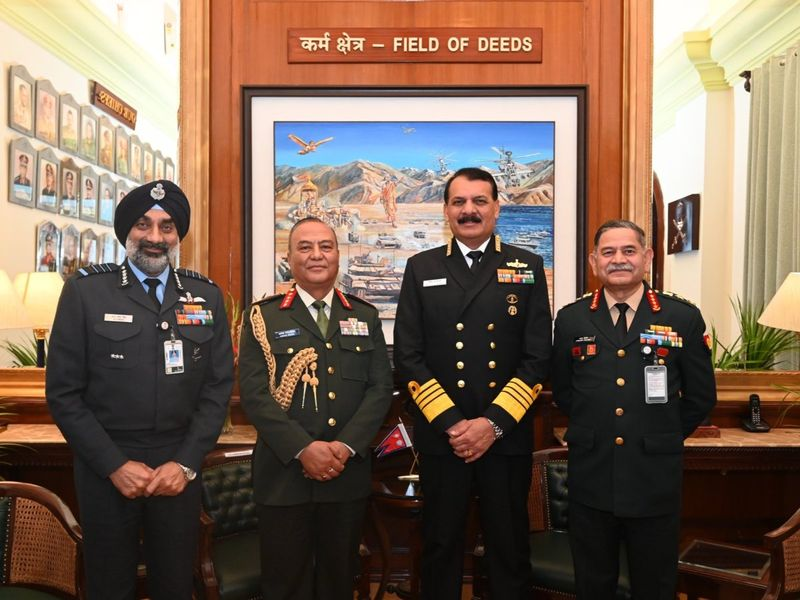
he wall decor of the lounge at the Army Chief’s office at South Block here has undergone a change. A painting that had “sharply divided opinion” has been removed from the venue where the Army Chief receives and meets visiting dignitaries.
The much-debated painting had been put up in December 2024 replacing another famous painting depicting the Pakistan Army’s surrender at Dhaka in 1971.
Army
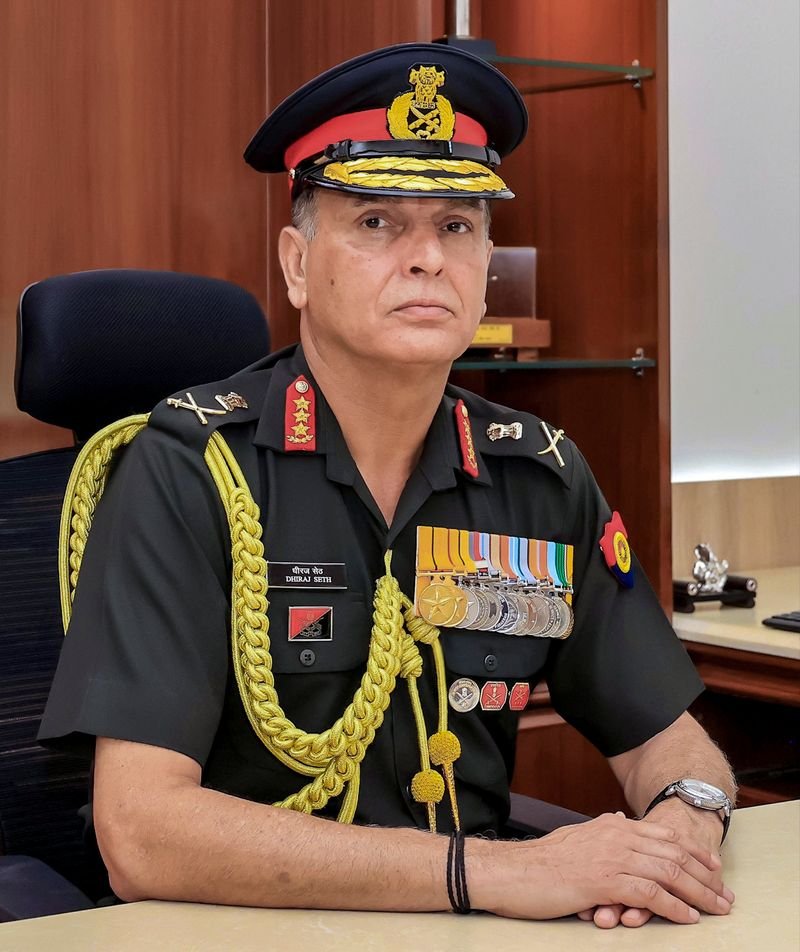
Yesterday, the Eastern Command posted a video message of the Army Chief, Gen Dhiraj Seth, wishing success for the Durand Cup football tournament, to be hosted from July 25.
The Eastern Command is hosting the 135th edition of the tournament this year. General Seth had taken over as Army Chief on June 30.
In the video message shot in the lounge of his office, the General is seen sitting against a wood-panelled background which has the Army’s insignia at the same spot where the now-removed painting existed.
The painting that has been removed had been put up in December 2024. It depicted tanks along the Pangong Tso near the Line of Actual Control (LAC) in Eastern Ladakh. It also showed Lord Krishna riding a chariot with Chanakya pointing towards the LAC and armed helicopters flying overhead. It combined civilisational history and modernity of equipment, besides depicting the military stance at the LAC.
At that time, several veterans had questioned the need for removing the painting depicting the surrender of the Pakistan Army — easily the finest hour in the annals of Indian military history.
The painting depicts Pakistan’s Lt Gen AAK Niazi signing the documents following the surrender of its army at Dhaka in 1971.
Within days of the controversy, the then Army Chief, Gen Upendra Dwivedi, had hosted an event to relocate the painting to the Manekshaw Centre at the Delhi Cantonment, named after the architect and hero of the 1971 war, Field Marshal Sam Manekshaw.
Army
The Manekshaw Centre, located on the Delhi-Gurugram road, is a glass façade building were all important events are hosted by the three services.
The argument behind relocating the painting to the Manekshaw Centre was to allow a larger global and domestic audience to see it, as the Army Chief’s lounge at South Block does not have that kind of footfall.
Paintings at the Army Chief’s office keep changing. A former Northern Army Commander, Lt Gen HS Panag (retd), today welcomed the change. He posted on X, “Hail the Chief! The Indian Army emblem now forms the backdrop. Hope it is the first step towards bringing back the iconic ‘1971 surrender’ painting!”
Final act of humanity: Army JCO’s organ donation gives new life to 6, had suffered brain stroke while deployed in Ladakh
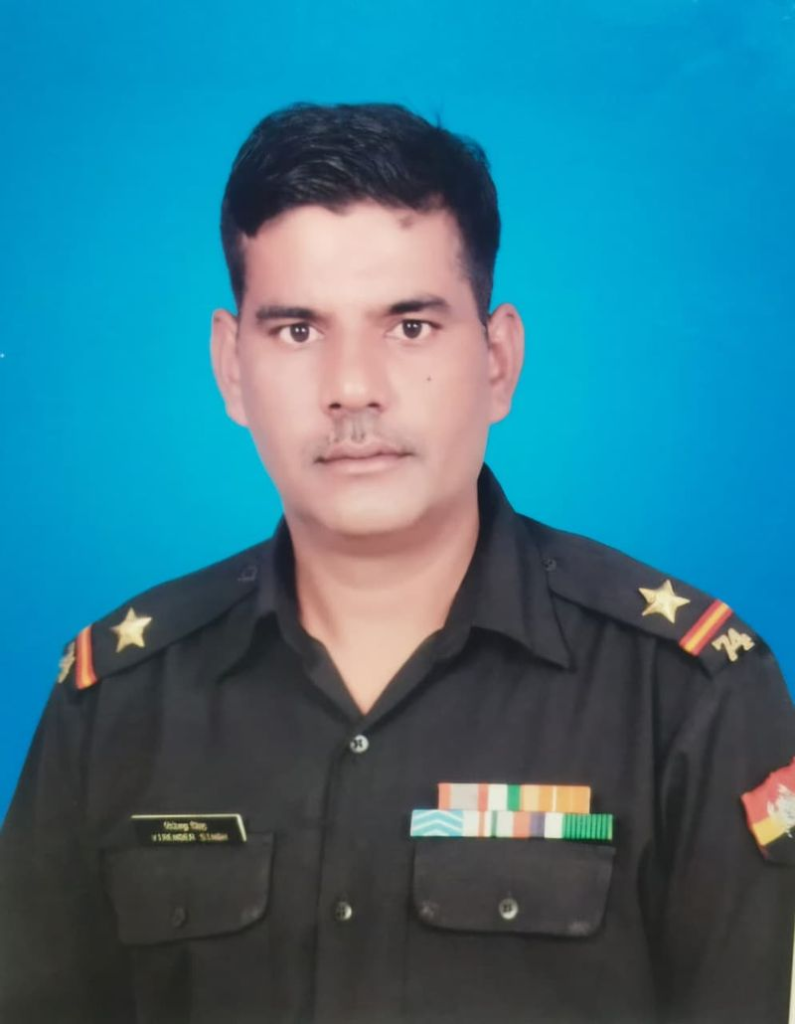
As an Army junior commissioned officer gave a fresh lease of life to six critically ill persons across the country through organ donation after death, it also marked a new milestone for the Command Hospital, Chandimandir, which carried out its first lung retrieval procedure.
Army
In an act of humanity and compassion, the family of Naib Risaldar Virender Singh, donated his organs after he was declared brain dead on July 21. Belonging to the Armoured Corps, he had suffered a brain stroke while deployed in high-altitude areas of Ladakh at 16,000 feet. Despite immediate medical aid and swift aero-medical evacuation to the Command Hospital on July 16, he could not recover.
Displaying courage and resilience even under immense grief, his wife, Kusum, volunteered to donate his organs. Five vital organs — two kidneys, liver, lungs and two corneas were successfully retrieved and transplanted to patients seeking organs for saving their life.
Credit: Western Command
This is the first lung retrieval in the history of Command Hospital and is a medical milestone which epitomises the technical prowess of Army’s medical stream, a defence spokesperson said on Thursday.
The organs were allocated to eligible recipients across the country through the organ sharing network. One kidney and both corneas were transplanted at Command Hospital, Chandimandir, the second kidney was sent to SOTTO, Haryana, the liver to Army Hospital (Research and Referral), New Delhi and the lungs to KIMS Hyderabad.
Army
A green corridor was established with coordination between Military Police, civil administration and local authorities for timely transfer of the donated organs.
The Western Command Hospital in Chandimandir is a pioneering Armed Forces medical centre in the region for organ retrieval and transplantation. Recognising its strides, the facility was conferred the Best Emerging National Organ Transplant Retrieval Centre award by the Ministry of Health and Family Welfare.
In May 2026, the hospital’s transplant team carried out the first heart retrieval procedure, successfully harvesting the heart of a brain-dead donor, which was swiftly airlifted to Delhi in 30 minutes to save the life of a critically ill 14-year-old Sudanese boy admitted for treatment at a hospital in the Capital.
In June 2024, the hospital also marked a first for any Armed Forces medical institution, by successfully harvesting the pancreas from a brain-dead serving soldier from the Punjab Regiment, whose father had consented for the cause.
In the past, Western Command Hospital has performed several organ harvesting and transplant operations, providing a new lease of life to critically ill persons by harvesting kidneys, liver and heart from brain-dead patients.
Organ donation was started in the Armed Forces in the late 2000s and introduced at Western Command Hospital in 2014. The process is coordinated by the Armed Forces Organ Retrieval and Transplantation Authority in New Delhi.
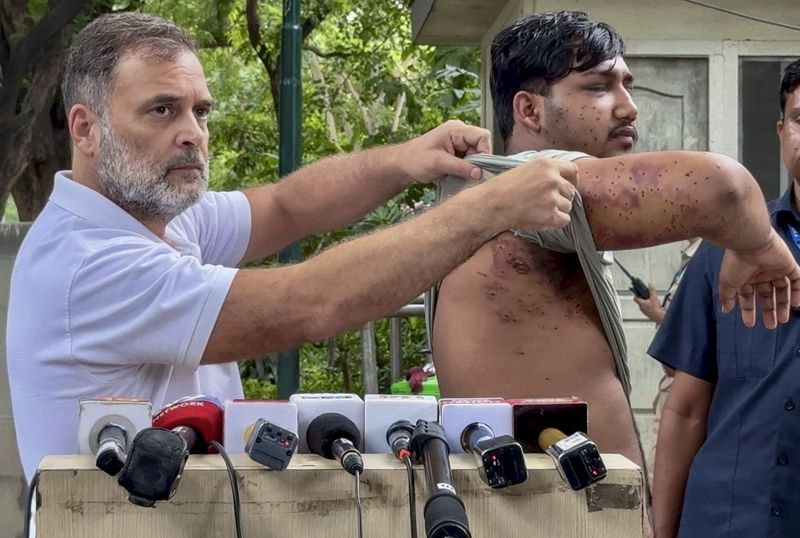
Rahul Gandhi presents student hit in eye by ‘pellet gun’
Lok Sabha Leader of the Opposition Rahul Gandhi on Friday presented before the media a student who had allegedly lost vision in one eye after being hit by a pellet during the July 20 protest march to Parliament over the NEET paper leak issue
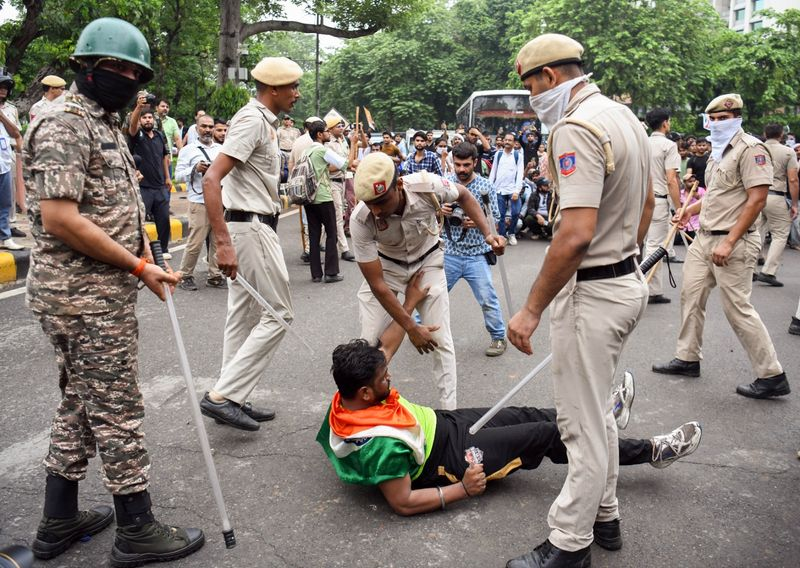
CJP protest: Supreme Court to take up petitions against ‘excessive’ use of police force on Monday
The Supreme Court on Friday agreed to take up on Monday two petitions alleging excessive use of police force across India against students protesting against exam paper leaks.
“There is urgency because this is happening on a daily basis. Police are using excessive force against children. It is just going on unabated. Some controls are necessary. The court stands between us and the police,” senior advocate Gopal Sankaranarayanan told a Bench led by Chief Justice of India Surya Kant while mentioning the petitions.
The CJI agreed to list the matter on July 27 for urgent hearing.
Earlier, clarifying that no petition had been filed in the Supreme Court on CJP protests, the CJI took strong exception to media reports that said he had refused to list a petition against alleged police brutality on CJP protesters for urgent hearing.
It was widely reported in the media that the CJI on July 22 refused to list a petition against alleged police excesses on student protestors.
Dismissing such reports as “completely false” and “reckless”, the CJI said, there was no petition filed and it was only a representation.
India rejects Russia’s claim, says attacked ship off Ukraine coast carried grain
After New Delhi summoned Russian Charge d’affaires on Tuesday following the killing of Indians in the strike on MV Golden Leo vessel, Kremlin spokesperson Dmitry Peskov had said Russia would continue to attack ships carrying arms for Ukraine
Days after a Russian attack on a merchant vessel off the coast of Ukraine killed 10 people, including four Indians, India on Friday said the ship contained grain, virtually rejecting Moscow’s claim that it carried military hardware.
After New Delhi summoned Russian Charge d’affaires on Tuesday following the killing of the Indians in the strike on the MV Golden Leo vessel, Kremlin spokesperson Dmitry Peskov had said Russia would continue to attack ships carrying arms for Ukraine.
“As per information made available to us from the Directorate General of Maritime Administration, India, MV Golden Leo, the Guinea-Bissau-flagged commercial vessel involved in the tragic incident in the Odesa port, had loaded grain as cargo prior to its departure on July 19,” External Affairs Ministry spokesperson Randhir Jaiswal said at a regular media briefing.
He was responding to a question on the Russian claim.
“We once again reiterate that commercial shipping and seafarers must not be targeted under any circumstances,” he added.
Jaiswal said External Affairs Minister S Jaishankar reiterated this position by New Delhi to his Russian counterpart Sergey Lavrov in their meeting in Manila on Wednesday.
India had summoned Russian Charge d’affaires Vladimir Ladanov on Tuesday and conveyed to him its “grave concerns” and “unequivocal condemnation” of the Russian attack on the merchant vessel.
It was the first instance of death of Indian seafarers in the Russia-Ukraine conflict
State Stalwarts
DEFENCE MINISTER
Minister Rajnath Singh
ALL HUMANS ARE ONE CREATED BY GOD
HINDUS,MUSLIMS,SIKHS.ISAI SAB HAI BHAI BHAI
CHIEF PATRON ALL INDIA SANJHA MORCHA
LT GEN JASBIR SINGH DHALIWAL, DOGRA
SENIOR PATRON ALL INDIA SANJHA MORCHA
MAJOR GEN HARVIJAY SINGH, SENA MEDAL ,corps of signals
.
.
PATRON ALL INDIA SANJHA MORCHA
MAJ GEN RAMINDER GURAYA ,MADRAS REGIMENT
sanjhamorcha303@gmail.com
PRESIDENT SOUTH ALL INDIA SANJHA MORCHA
COL SS RAJAN BOMBAY SAPPERS,
PRESIDENT UTTARAKHAND ALL INDIA SANJHA MORCHA
COL B M THAPA ,BENGAL SAPPERSS
PRESIDENT HARAYANA STATE CUM COORDINATOR ESM
BRIG DALJIT THUKRAL ,BENGAL SAPPERS
PRESIDENT TRICITY
COL B S BRAR (BHUPI BRAR)
PRESIDENT CHANDIGARH ZONE
COL SHANJIT SINGH BHULLAR
.
.
PRESIDENT PANCHKULA ZONE AND ZIRAKPUR
COL SWARAN SINGH
INDIAN DEFENCE FORCES
DEFENCE FORCES INTEGRATED LOGO
INDIAN AIR FORCE
Air Officer C-in-C WESTERN AIR COMMAND
AIR MSHL S PRABHAKARAN AVSM VM
AOC-IN-C, EASTERN AIR COMMAND
Air Marshal Inderpal Singh Walia
AOC-in-C SOUTH WESTERN AIR COMMAND
Air Marshal Vikram Singh
AOC-IN-C, SOUTHERN AIR COMMAND
Air Marshal J.Chalapati
AOC-IN-C TRAINING COMMAND
AIR MARSHAL SK GHOTIA VSM
AOC-IN-C MAINTENANCE COMMAND
Air Marshal Jagdish Chandra
Flag Officer Commanding in Chief, Western Naval Command
ice Admiral R Hari Kumar, PVSM, AVSM, VSM
Flag Officer Commanding in Chief, Eastern Naval Command
Vice Admiral Sanjay Bhalla, AVSM, NM
Flag Officer Commanding in Chief, Southern Naval Command