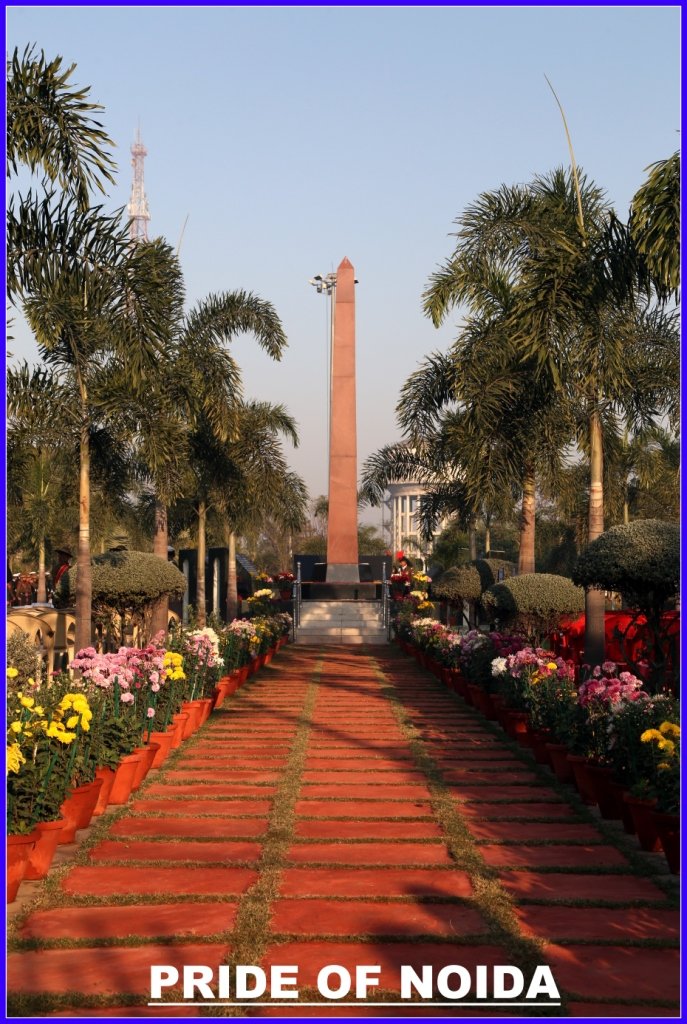
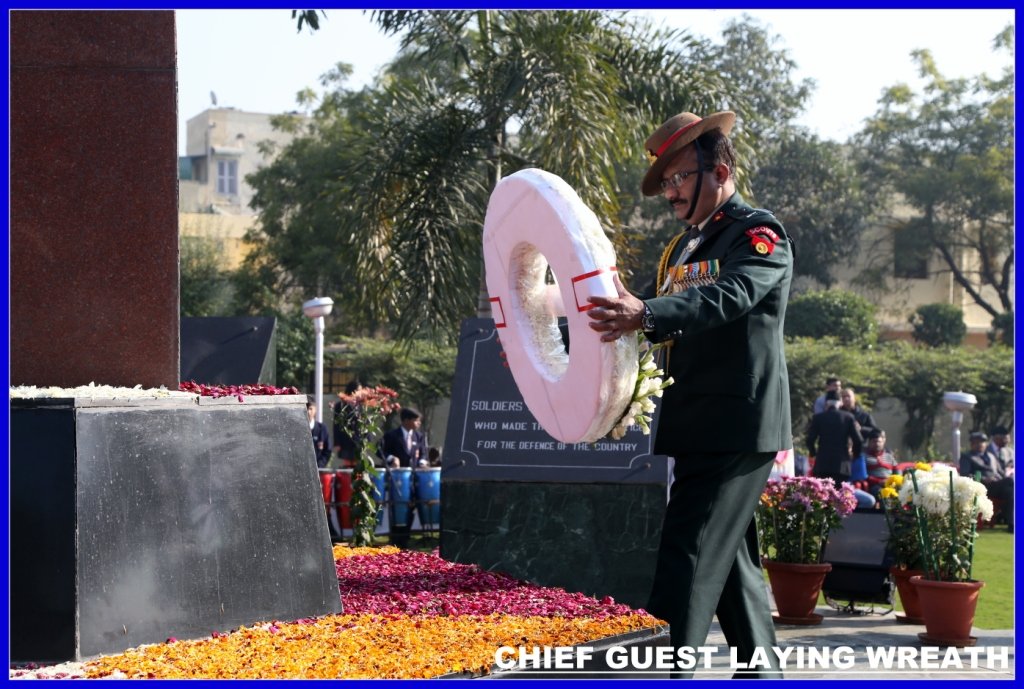
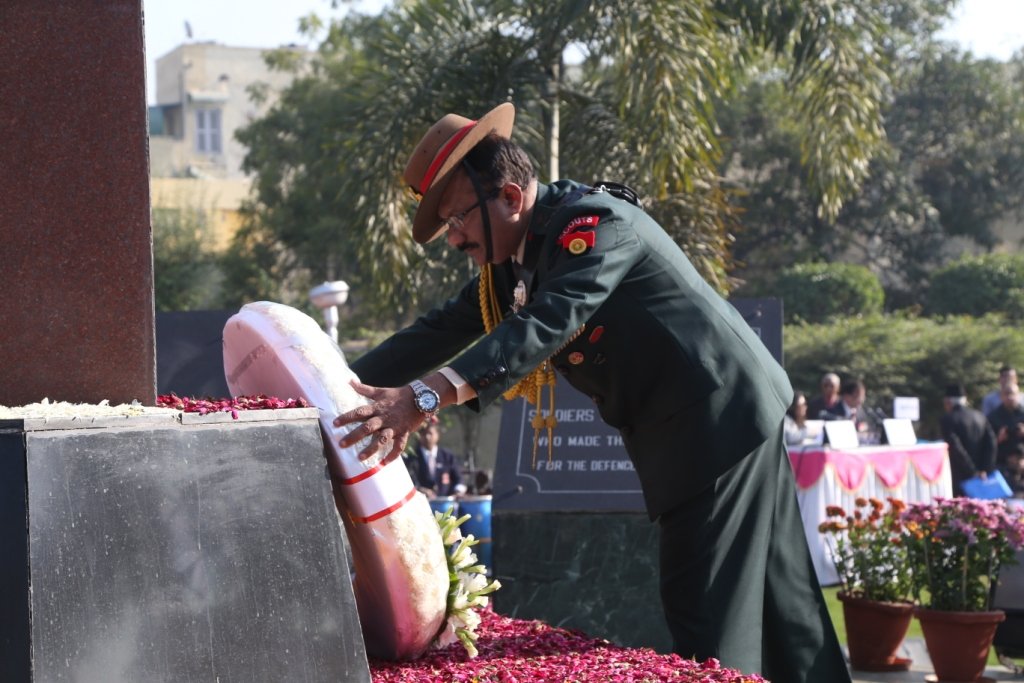
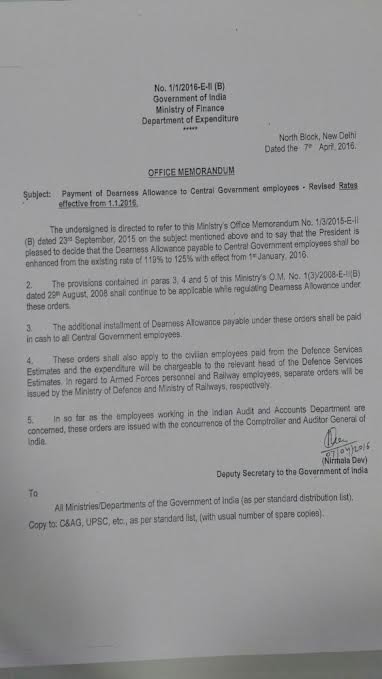
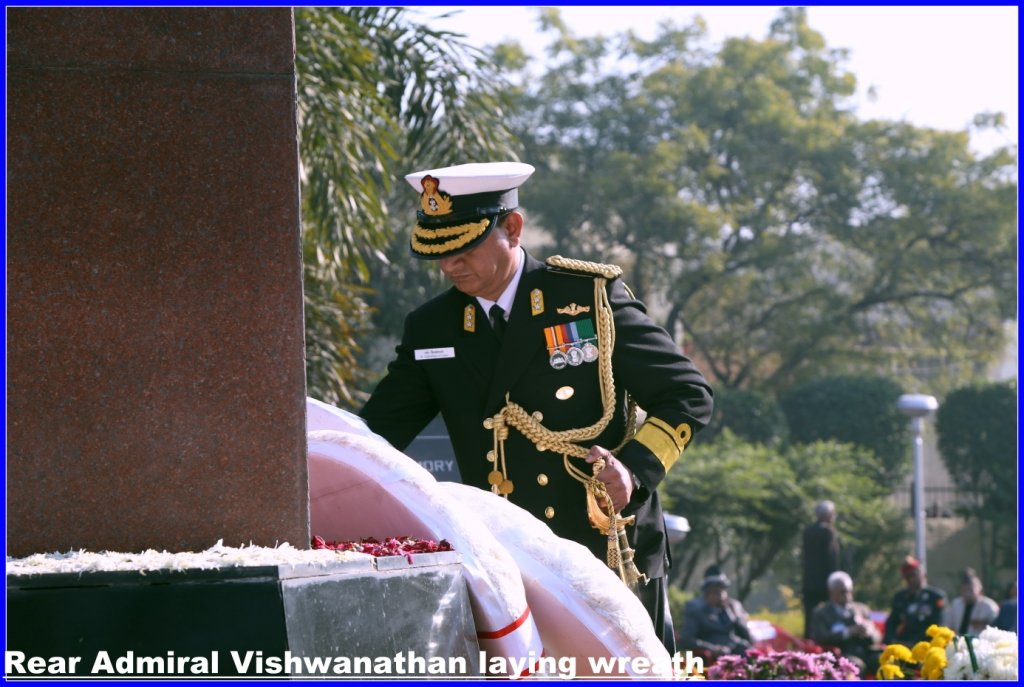
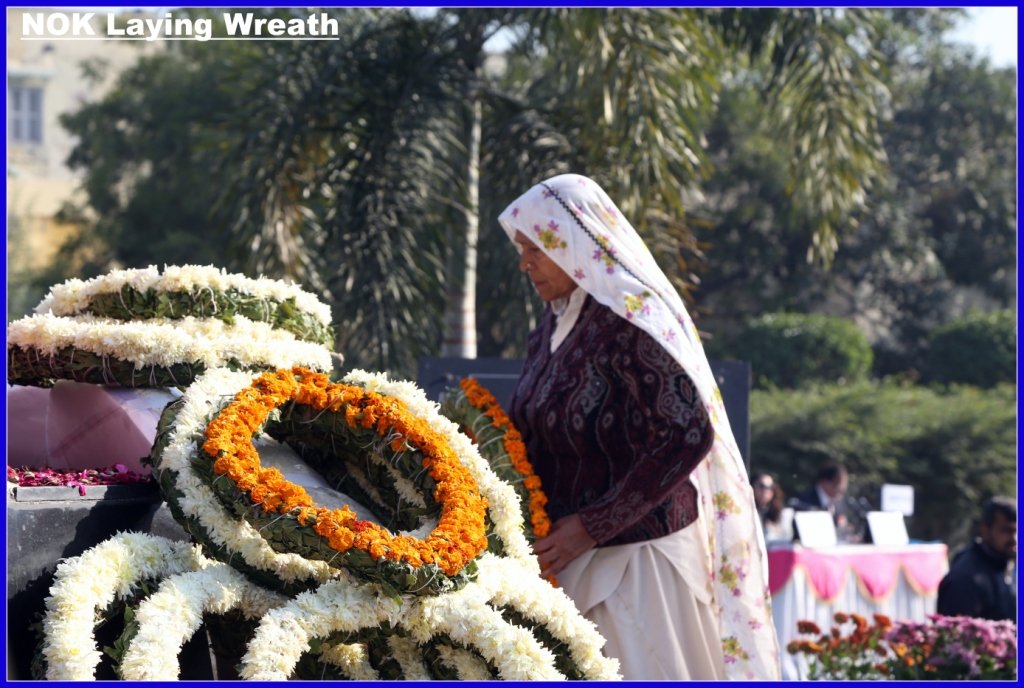
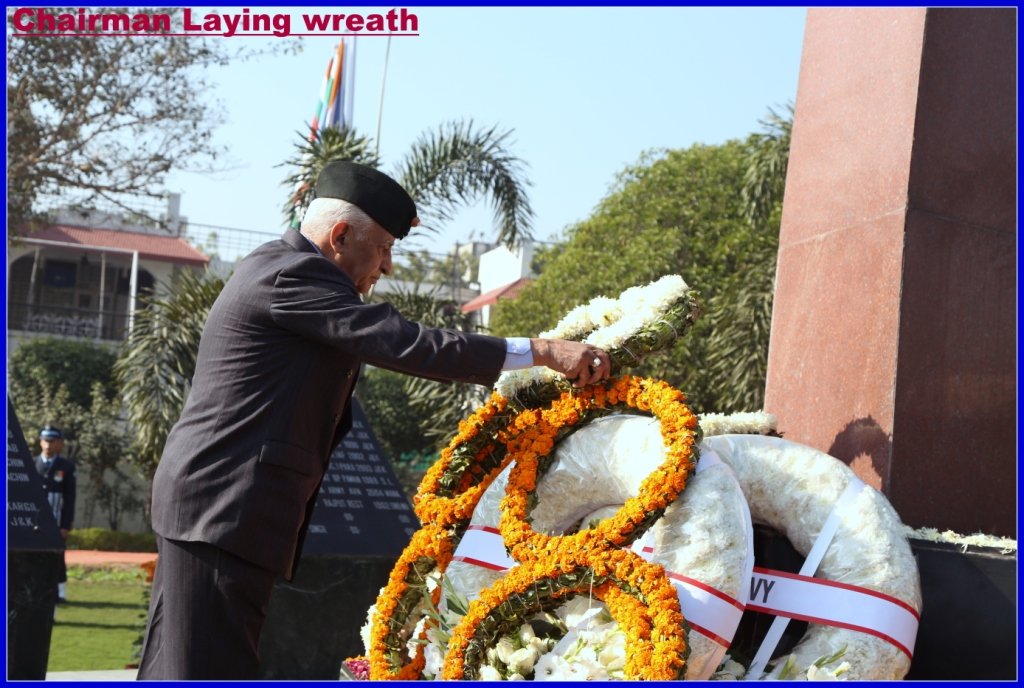
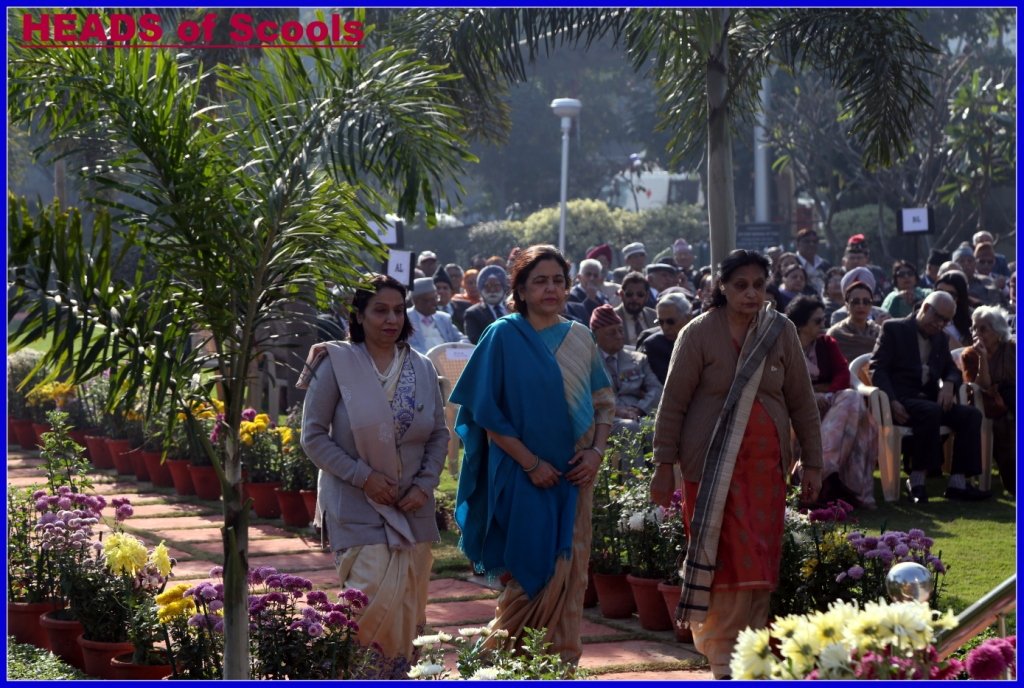
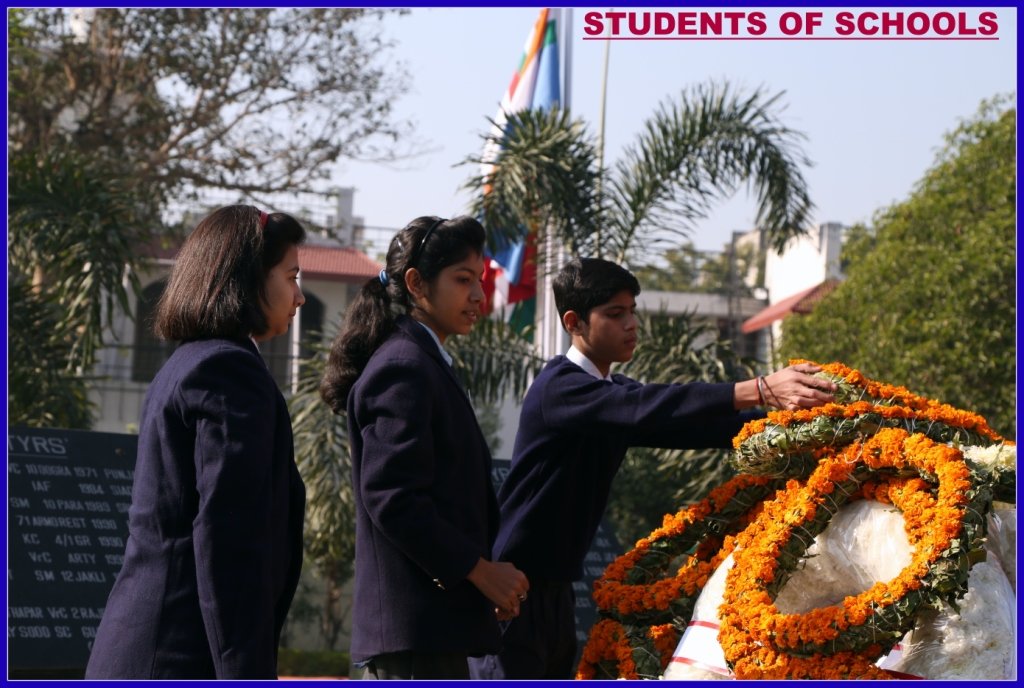
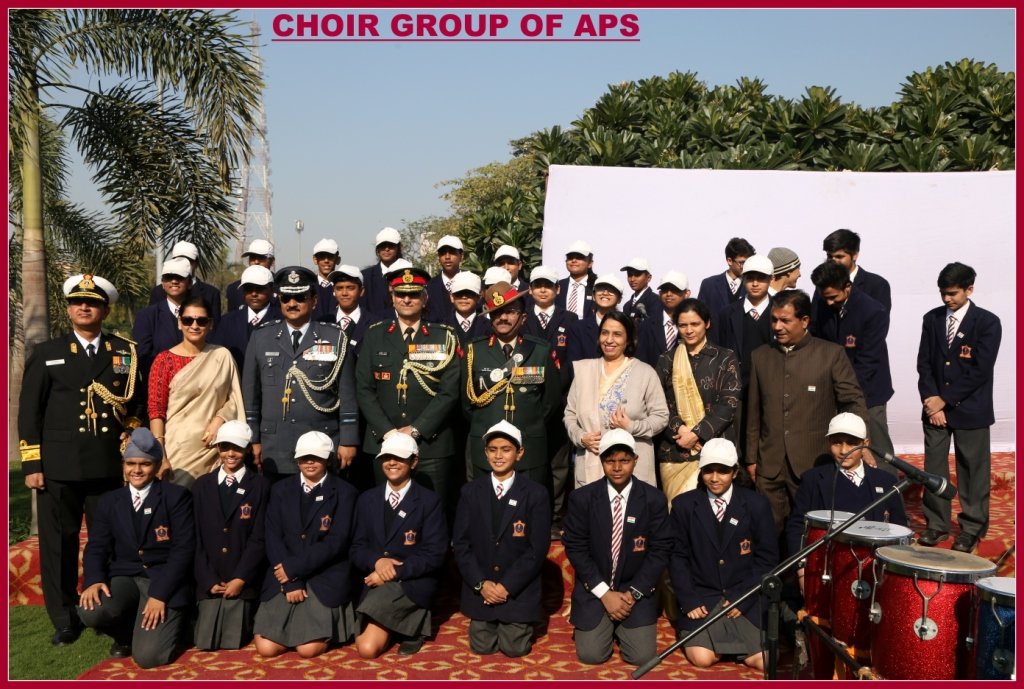
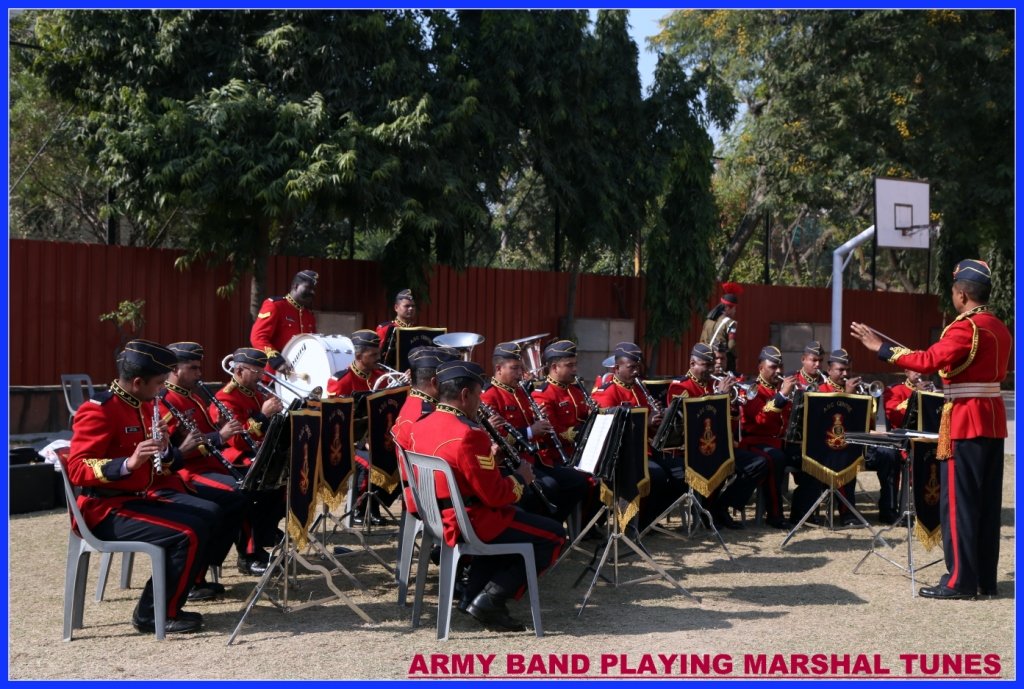
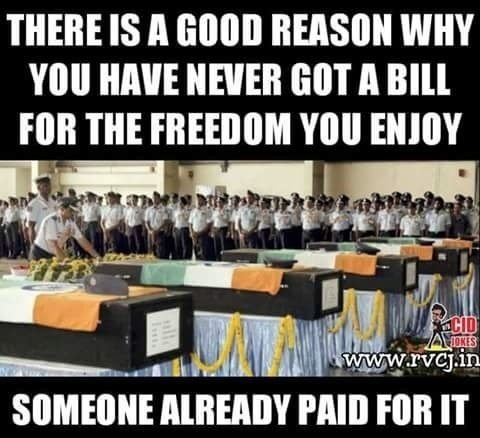
Celebrtions of Vijay Diwas was a treat to watch. In a colourful ceremony, the residents of Noida paid tribute to 38 martyrs who laid down their lives for the glory of the country .The function was carried out with military precision with tri service guard, buglers & band in attendance. The choir of Students of Army Public School gave a scintillating performance, which was applauded by everyone. The Chief Guest, Lt General Sarath Chand, UYSM,AVSM, VSM, Vice Chief of Army Staffwas received by the chairman ,Lt General GL Bakshi, PVSM and Lt General Gorakh Nath, PVSM, AVSM. The chief guest paid homage followed by Rear Admiral Vishwanathan and AVM DK Patnaik, representing Indi Navy and Indian Air Force respectively.
Next of kin of 38 gallant martyrs, Chairman of Sanstha, civil dignitaries, IAS and IPS officers, defence personnel, veterans, Principles and students of schools; heads of Arun Vihar and Jalvayu Vihar institutions; and common citizens laid wreath/ paid floral tributes.
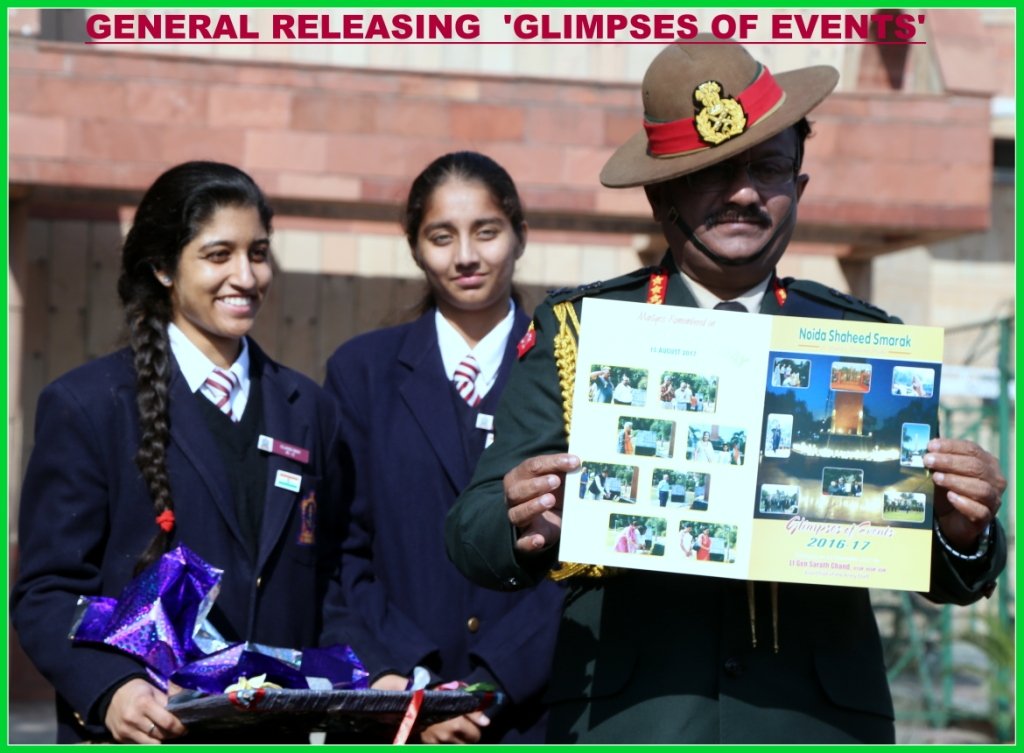
The chairman welcome the Chief guest and expressed his gratitude on the behalf of Sanstha for being the chief guest. In his speech, General appreciated the high standard of the function and congratulated the dedicated tem of Sanstha. He declared tyht it is one of the best homage ceremony he has witnessed. He added that he would attempt to follow the same procedure for other memorials in the country. He patted Sanstha members for maintaining such a high standard. He added that Noida Shaheed Smarak is the first and only Tri-Services Memorial in the country raised by Noida to honour its war dead.‘Glimpses of Events’ docket was be released by the chief guest and gifts were distributed to NOK’s of martyrs. Army band played marshal tunes.
Cdr N Mahajan(V)
Director, Shaheed Samarak Sanstha, Noida
M 305 Sec 25 Noida
9818315422
Timeline: The turbulent history of the Rafale deal
A closer look at the history of events behind the current Rafale defence-deal controversy
The Indian government’s deal to purchase 36 Rafale fighter jets, first announced during a 2015 state visit to France, is now in the headlines thanks to allegations of overpricing and crony capitalism.
The controversy began with the selection of the Rafale fighter jets by the Congress government in 2012 to meet the IAF’s requirement for 123 combat aircraft. As the deal hit a deadlock, the Modi government scrapped the process to purchase 36 Rafale fighters. Now, the Congress has raised questions on the cost of each jet and alleged that industrialist Anil Ambani was unduly favoured in the deal.
ThePrint looks closely at the series of events in the now controversial defence deal:
1996: India’s last fighter jet deal
In one of the costliest defence deals, India signs a deal with Russia for Russian Su-30 MKI fighter jets to be procured in five batches. The deal costs India approximately 1.46 billion USD. The Sukhois are the last fighter jets to be bought by India till date.
2001: India’s jet fails to inspire hope
On 4 January 2001, the indigenous Light Combat Aircraft ‘Tejas’ completes its first flight, but it’s clear that the project is nowhere near completion. (The jet is finally inducted in the air force only in 2016). Meanwhile, the ageing MiG 21 fleet’s shelf life is drawing closer and the IAF begins its search for a new multi-role fighter.
2007: Two jets make the cut
Tenders for 126 Medium Multi Role Combat Aircraft (MMRCA) fighters are issued by India in 2007. The competition is between the French Rafale, Russia’s MIG-35, the Swedish Saab JAS-39 Gripen, American Lockheed Martin’s F-16, the Boeing F/A-18 Super Hornet and Eurofighter Typhoon.
Only the Rafale and Typhoon make the cut.
2012: A winner emerges
Five years after the tenders were issued, Dassault emerges as lowest bidder. Of the 126 jets required, 18 fighters are to be imported “in a fly-away condition”(i.e. having readied completion). Hindustan Aeronautics Ltd (HAL) will manufacture the remaining 108 jets with technological assistance from Dassault.
However, India and France are unable to decide on a price for the jets.
2014: The deal stalls
The workshare agreement between HAL and Dassault Aviation is signed on 13 March, 2014. But with the BJP-led NDA government coming to power, clarity on the progress of the deal remains unclear.
New Defence Minister Arun Jaitley says that a ‘considered decision’ will be taken. Dassault’s competitor Eurofighter Typhoon makes a last ditch attempt by offering a 20 per cent cut in price.
2015: A new deal is signed
Narendra Modi visits Paris in April 2015, and India announces its decision to buy 36 Rafale fighters via a government-to-government deal.
Defence Minister Manohar Parrikar says the previous 126 fighter jet deal is dead, and now 36 fighters will be bought after negotiations.
2016: The deal is sealed
French President François Hollande visits India in January, a memorandum of understanding on the purchase of Rafale jets is signed for $7.8 billion.
2017: Congress claims to smells a rat
Alleging a “huge scam is brewing”, the Congress and media reports raise doubts about the deal. The main claims that have since emerged are:
The PM announcing the purchase of 36 jets without the defence minister’s presence and an inter-governmental agreement, is stated as being against Defence Procurement Procedure
The UPA government inked its deal worth $10.2 billion with a transfer of technology agreement but critics argue the new Rafale aircraft is now worth $8.7 billion. It is claimed the 126 Rafale jets would have cost $30.45 billion (without transfer of technology) as per the price arrived at by the Modi government.
Since Dassault is no longer obliged to share technology with HAL, and Reliance Defence Ltd has emerged as a key alliance player, the Congress alleges it is a move to “promote the interests of one industrial group”
The Armed Forces Tribunal (AFT) today directed the Centre and the Army to consider raising the retirement age of Army officers of the rank of Colonel by two years to bring them on a par with similarly placed officers in the Navy.Disposing of a bunch of 70 petitions by officers from various arms and services, the tribunal Bench comprising Justice VK Shali and Lt Gen SK Singh asked the Army to review its earlier order fixing the retirement age of Colonel at 54 years.(Follow The Tribune on Facebook; and Twitter @thetribunechd)“We had sought that the retirement age of Colonel be increased by three years to 57 years,” Jyoti Singh, counsel for some of the petitioners said. “The Army, however, had been adamant on keeping the retirement age for Colonel at 54,” she added. The retirement age for Colonel in arms and services, barring minor corps, is 54 years. Officers holding the rank of Commodore/Captain in the Navy retire at 56, while those in the Navy’s education branch retire at 57 years. In the IAF, the retirement age for Group Captain (select) is 54 years in the flying branch and 57 years in some other branches.Family pensionThe MoD has extended the benefit of Liberalised Family Pension to the next of kin of soldiers who die in harness during deployment along LAC and the border with China
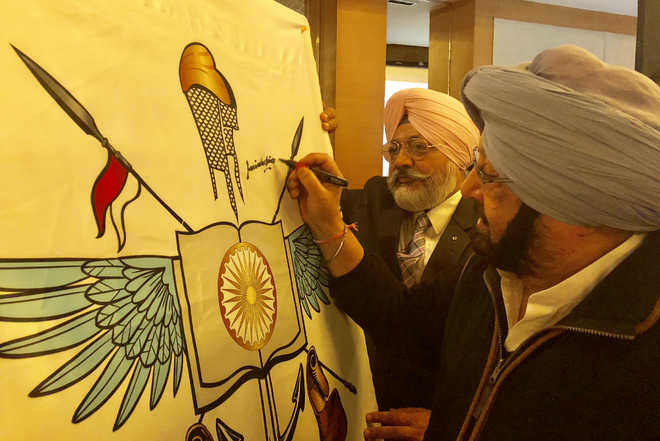
Chief Minister Capt Amarinder Singh signs off the first Military Literature Festival in Chandigarh on Thursday. Tribune photo
Tribune News Service
Chandigarh, December 15
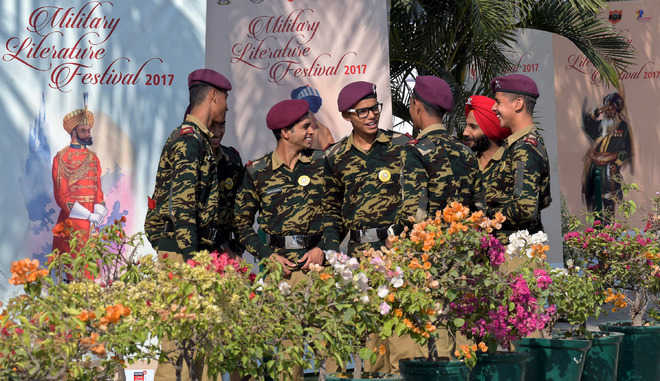
Signing off the first Military Literature Festival (MLF) held here last week, Chief Minister Capt Amarinder Singh yesterday called for making the event more holistic through the participation of authors and veterans from other nations, including Pakistan.“It would be interesting, for instance, to see the 1965 war veterans from India and Pakistan come face to face to share their experiences in a new environment,” the CM said while addressing a gathering.Tracing the journey of the festival from its conception to its eventual conduct, Capt Amarinder said the event proved to be an exciting platform to promote understanding and awareness among the people, especially youth, about India’s defence forces. He hoped the festival would imbibe a spirit of nationalism among youth and encourage them to join the defence forces.“Being part of the armed forces is a matter of pride for every Indian and this festival would go a long way in strengthening that feeling among youngsters,” he said while extending his government’s support to scale up the event.Lt Gen TS Shergill (retd), senior adviser to the CM, said the Military Literature Festival Society had been set up as a permanent body and would continue to initiate various activities to promote exchange of ideas and experiences in this field.
Major shake up being given to Defence Ministry: Sitharaman
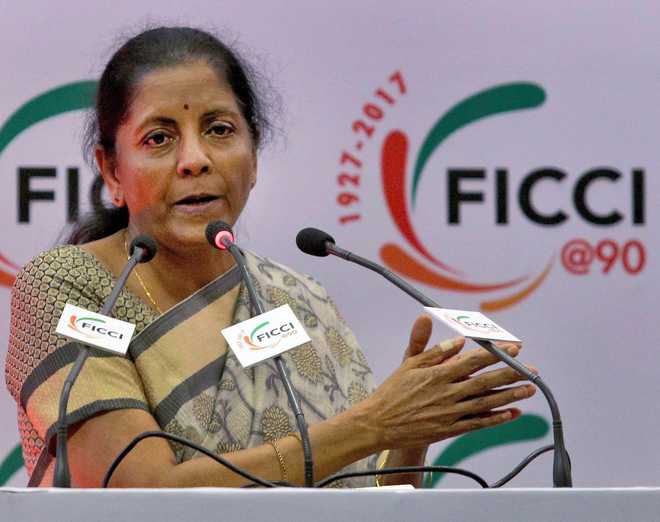
Union Minister for Defence, Nirmala Sitharaman addressing at the 90th Annual General Meeting of FICCI, in New Delhi on Thursday. PTI
New Delhi, December 14 A “shake up” is being given to the Defence Ministry to speed up various acquisition projects, ensure transparency and clear backlogs for key programmes, Defence Minister Nirmala Sitharaman on Thursday said.In an address at an industry chamber, she also said the government is seriously examining functioning of around 39 ordnance factories and possible ways to boost their productivity, including through joining of hands by the private sector.She said the efforts are on to ensure that the defence acquisition council (DAC) clears all the backlog relating to various procurement by December 31, emphasising that speeding up of decision making process has been one of her focus areas.The DAC is Defence Ministry’s highest decision making body on procurement.“There is a sense of making sure that every aspect of this large ministry is given a shake up,” Sitharaman said, adding the aim is to make a difference so that the ministry, which was sort of a cocooned, do things in a faster and transparent way.On various acquisition projects, she said, “I may be confident enough to say that by December 31, at least DAC would be on the top of it in the sense that no more waiting list would be with me.” She was addressing a FICCI event.Sitharaman, who assumed charge of the ministry in September, also said ensuring transparency is a major priority area for her.“The biggest compliance issue which we are definitely 100 per cent following is to have greater transparency, put everything in the public domain and make sure that every decision stands up to the principle of accountability,” she said.Her comments came in the backdrop of the Congress accusing the government of flouting laid down norms in sealing a deal to purchase 36 Rafale fighter jets from France.The party had recently raised several questions about the deal, including the rates, and accused the government of compromising national interest and security while promoting “crony capitalism” and causing a loss to the public exchequer. The government had rejected the allegations.Asked about handing over of the strategically located Hambantota port to China on a 99-year lease by the Sri Lankan government, she only said India has been watchful of all the developments in the neighbourhood.On ordnance factories, she said government was doing a major review of their work and examine whether they can have joint venture or benefit from technology transfer.Talking about the Defence Research and Development Organisation (DRDO), Sitharaman said it should identify the patentable products so that they can be used commercially.Referring to the strategic partnership model, she said it was brought to support the domestic defence industry and to ensure that India, which is now a leading importer of military hardware, becomes a defence exporter.The strategic partnership was unveiled nearly four months back under which domestic defence manufacturers can tie up with leading global defence majors to manufacture specific military platforms like fighter jets.Sitharaman also said the government was in the process of identifying “organically grown” defence industry clusters in various parts of the country so that they can be supported.“We are planning to tell them about the requirement of the armed forces for the next 40-50 years so that they can lay a roadmap for their capacity building,” she said.She also said start-ups in the defence sector will be given encouragement. — PTI
Rohingya crisis will be resolved amicably: B’desh Army Chief
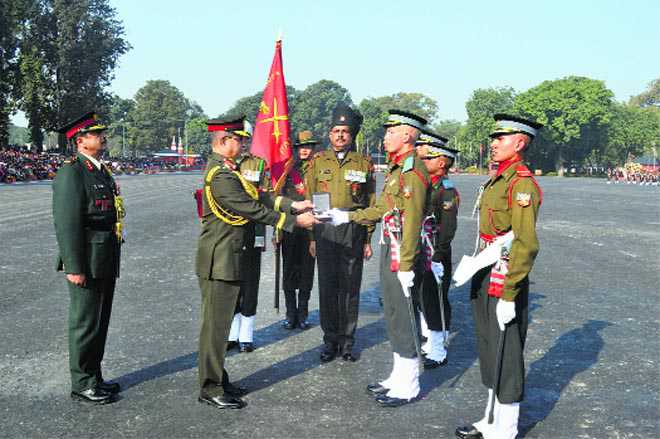
Bangladesh Army Chief Gen Abu Belal Muhammad Shafiul Huq presents an award to a winner at the Indian Military Academy in Dehradun on Saturday. Tribune photo
Tribune News Service
Dehradun, December 9
Bangladesh Army Chief Gen Abu Belal Muhammad Shafiul Huq has hoped for an amicable solution to the Rohingya refugee crisis, asserting that his country has good relations with Myanmar.“Yes there is an issue, which we will resolve amicably”, he told journalists when asked about the Rohingyas refugee influx. Gen Belal was interacting with the mediapersons on the sidelines of the passing-out parade at the Indian Military Academy, Dehradun, which he attended in the capacity of a Reviewing Officer today.The Bangladeshi General’s statement comes at a time when a large population of Rohingya Muslims from Myanmar have taken refuge in Bangladesh. He said it was a special day for both India and Bangladesh as he had been given the honour of reviewing the IMA’s passing-out parade and said the two nations shared strong ties and had even gone for joint military exercises in the past.The Bangladesh Army Chief also held that the his country had a zero tolerance policy towards terrorism reaffirming his country’s commitment to fighting terrorism. Earlier, addressing the Gentlemen Cadets at the Drill Square in front of the Chetwode building, the Bangladesh Army Chief expressed his gratitude to the Indian Army men for their role in the 1971 Bangladesh war of liberation. He said Indian Army officers and soldiers worked shoulder to shoulder with freedom fighters for the liberation of Bangladesh. He also remembered Bangabandhu Sheikh Mujibur Rahman, who led the movement for the liberation of Bangladesh. He said both India and Bangladesh not only shared borders but kept long cultural and historical ties and described his presence at the parade as a momentous occasion for both countries.
Experts: China’s ambitions may jeopardise India’s interests
Cadets from Maharaja Ranjit Singh AFPI, Mohali, at the Tribune-sponsored Military Literature Festival at the Lake Club in Chandigarh on Friday.
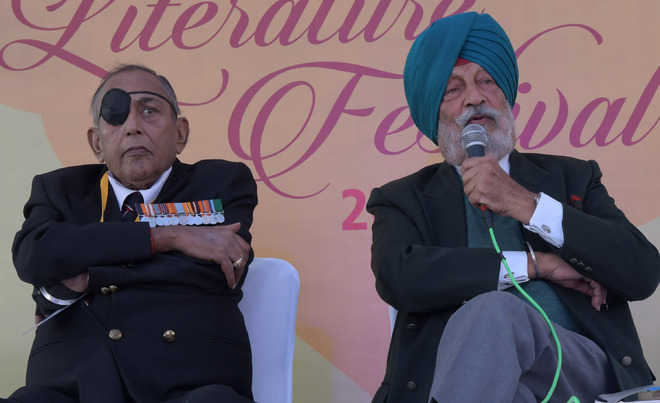
Lt Gen Depinder Singh addresses the audience as Col Anil Kaul looks on during their session at the club. Tribune Photos: Ravi Kumar/Vicky Gharu
Tribune News Service
Chandigarh, December 8
The present quadruple of India-Australia-Japan-United States is not enough to deal with the challenge that China poses in the Indian Ocean and we have to bring in Europe and Vietnam on board.This was stated by former Indian diplomat G Parthasarthy at a session on ‘Strategic perspective on China’ during Military Literature Festival here today. He said the Indian Ocean was of a great concern to China and it might like to take control of the ocean, as 80 per cent of its petro-chemical trade was through this region.He said China would not settle the border issue with India. “We have to be prepared to defend our borders. Patience and diplomacy is the correct approach towards dealing with China,” he said.He said: “China is an ambitious country which envisions being unchallenged in Asia and being on a par with the United States globally. China has managed to dominate Asia through a clever mix of diplomacy and coercion.”Cautioning that the China-Pakistan nexus was much stronger than believed, he said: “Building up Indian maritime power is crucial”. He said for the first time, there had been resistance in Pakistan against China’s ‘One belt and One Road’ project due to its economic implications.Lt Gen JS Bajwa (retd) said the recent development of China holding back funds for its ambitious China-Pakistan Economic Corridor that links Western China hinterland with sea, could mean that it is trying to get India on board for the project. He said while China was satisfied with its politico-economic system and with what it has achieved, it would not take any such steps which could harm its interests.Maj Gen BK Sharma said: “China’s forays into the Indian Ocean have implications on the strategic environment in South Asia, which needs to be balanced.” Stating that the India-Japan-Australia-US quadruple needs to be strengthened, he said India should also work towards building strategic trust with China.Claude Arpi, a Chinese expert, said though China has been traditionally wary of having minorities in the armed forces, the trend has reversed. Speaking on lessons learnt from the Indian Peace Keeping Force in Sri Lanka, Lt Gen Depinder Singh, the then General Officer Commanding-In-Chief (GOC-in-C), Southern Command, said when the force went in, the government had no clear-cut political objectives and the individual training of the soldiers was found to be wanting. The force initially had a high tri-service component, but as time went and there was little action, the Navy and Air Force elements began to reduce steadily on the pretext of employing resources elsewhere. Col Anil Kaul, a decorated veteran, spoke about his combat experience in Sri Lanka.Experts also discussed the role of Indian soldiers in the World War I. These included military historian Alan Jeffreys from the UK, Lt Gen PK Singh, Director United Service Institute, Prof Rakesh Datta from Punjab University, journalist Rahul Bedi and writer Pushpinder Singh Chopra. Various aspects of the first war of independence in 1857 were also discussed at another session.GL Batra, father of Param Vir Chakra recipient Capt Vikram Batra, spoke about the communication with his son from the battlefield during the 1999 Kargil conflict. He said the stories of martyrs and war heroes need to be immortalised for the benefit of future generations. Rachna Rawat Bisht, Rahul Singh and Shiv Aroor spoke about their books covering tales of gallantry. Col Balwan Singh, decorated with the Maha Vir Chakra in Kargil, spoke about the physical and psychological aspects of bravery and the motivation behind the acts of gallantry.
CRPF, ITBP taken off VIP security, CISF to take over
With a view to keep two specialised central forces – CRPF and ITBP – focussed on their respective core areas, the Ministry of Home Affairs (MHA) has decided to take them off VIP security. This in turn will now mean that providing security to VIPs will be the responsibility of Central Industrial Security Force (CISF) and National Security Guard (NSG).Confirming about the MHA decision, a senior official said by the end of next year the two forces –Central Reserve Police Force (CRPF) and Indo-Tibetan Border Police (ITBP) – which have under them about 100 VIP protectees, would hand over the security baton to CISF.Quoting the MHA order, the official said: “The personal protection duties have been reviewed by the ministry and it has been decided to take CRPF and ITBP off from the VIP security duty.”According to the official, the order further said, “The task shall progressively be assigned only to Special Security Group (SSG) of CISF, which has been specifically created for the purpose.” It went on to add: “NSG will continue to provide security to the high-risk protectees as decided from time to time.” The NSG security is being provided to a limited number of protectees.As per the figures provided by the MHA around 75 persons are being provided security by CRPF, which include protectees like BJP chief Amit Shah, Union Minister Nitin Gadkari, Centre’s Special Representative for talks in Kashmir Dineshar Sharma, RJD chief Lalu Prasad and Reliance Industries chairman Mukesh Ambani. The force was roped in to provide VVIP protection in 2014 when NSG had shown its reluctance to deploy black cat commandos for personal protection.The NSG currently protects 14 high-risk category VVIPs. NSG’s Special Rangers Group (SRG), with personnel drawn from Central Armed Police Forces (CAPF) and state police forces, is deployed for guarding high-risk VIPs/VVIPs.
High-profile protectees
Nearly 75 persons are being provided security by CRPF, which include protectees like BJP chief Amit Shah, Union Minister Nitin Gadkari, Kashmir Interlocutor Dineshar Sharma, RJD chief Lalu Prasad and Reliance Industries chairman Mukesh Ambani
ITBP protects 17 high-profile dignitaries, including Supreme Court judges, J&K Chief Minister Mehbooba Mufti, NC patriarch Farooq Abdullah, former Chief Minister Omar Abdullah and CPM MLA Yusuf Tarigami
As many as 409 Gentlemen cadets from different states are set to take the “Antim Pag” (final step) on course to becoming Army officers during the passing out parade at the Indian Military Academy here on Saturday.With 76 Gentlemen cadets belonging to Uttar Pradesh alone, the state tops in terms of contribution to the academy this year, followed by Haryana (58) and Uttarakhand (38). The other top contributors are: Bihar (25), Punjab and Maharashtra (24 each), Rajasthan (23), Delhi (22), Madhya Pradesh (19), Himachal Pradesh (18) and Karnataka (15).As a precursor to the passing out parade, the wreath-laying ceremony was held at the academy’s War Memorial today. Academy’s Commandant Lt Gen SK Jha along with officers and the Academy Under-Officer on behalf of the passing out course laid wreaths and offered floral tributes to the gallant martyrs. — TNS
State Stalwarts
DEFENCE MINISTER
Minister Rajnath Singh
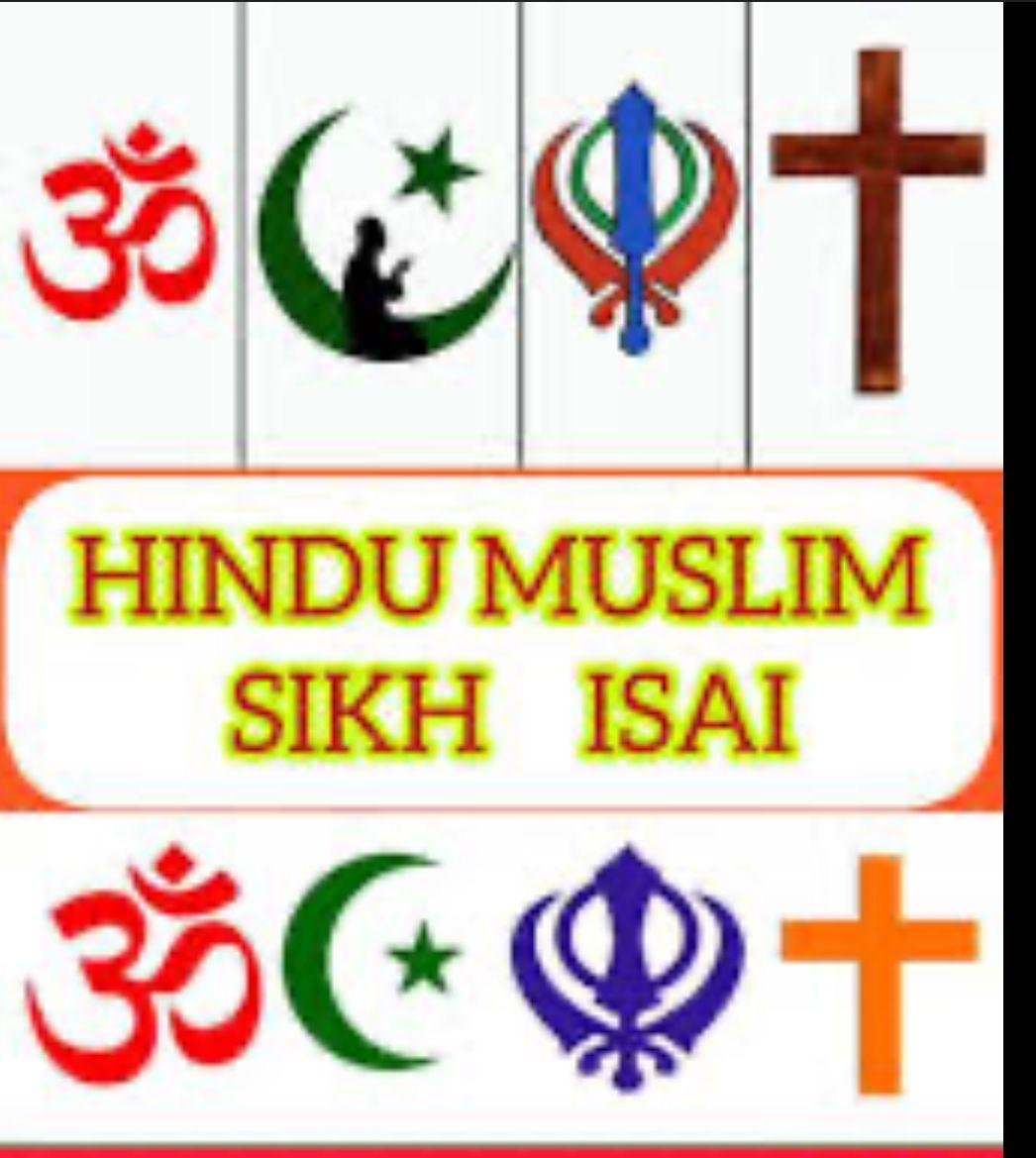
ALL HUMANS ARE ONE CREATED BY GOD
HINDUS,MUSLIMS,SIKHS.ISAI SAB HAI BHAI BHAI
CHIEF PATRON ALL INDIA SANJHA MORCHA
LT GEN JASBIR SINGH DHALIWAL, DOGRA
SENIOR PATRON ALL INDIA SANJHA MORCHA
MAJOR GEN HARVIJAY SINGH, SENA MEDAL ,corps of signals
.
.
PRESIDENT SOUTH ALL INDIA SANJHA MORCHA
COL SS RAJAN BOMBAY SAPPERS,
PRESIDENT UTTARAKHAND ALL INDIA SANJHA MORCHA
COL B M THAPA ,BENGAL SAPPERSS
PRESIDENT HARAYANA STATE CUM COORDINATOR ESM
BRIG DALJIT THUKRAL ,BENGAL SAPPERS
PRESIDENT TRICITY
COL B S BRAR (BHUPI BRAR)
PRESIDENT CHANDIGARH ZONE
COL SHANJIT SINGH BHULLAR
.
.
PRESIDENT PANCHKULA ZONE AND ZIRAKPUR
COL SWARAN SINGH
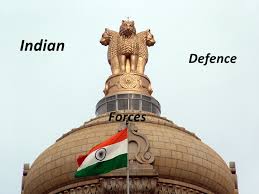
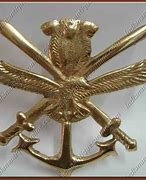
INDIAN DEFENCE FORCES
DEFENCE FORCES INTEGRATED LOGO
INDIAN AIR FORCE
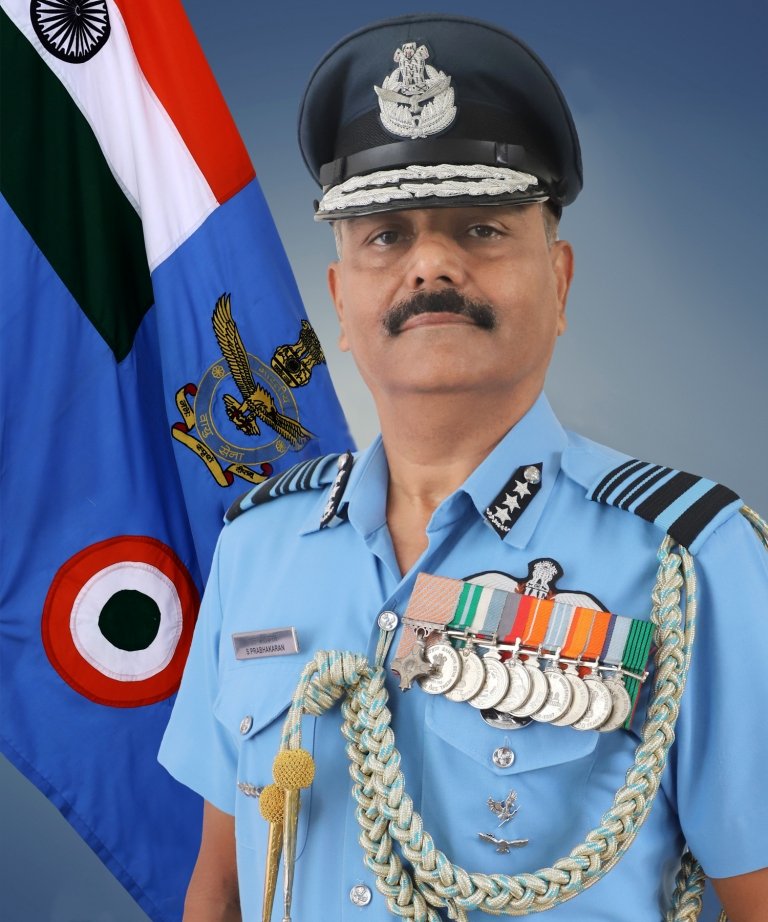
Air Officer C-in-C WESTERN AIR COMMAND
AIR MSHL S PRABHAKARAN AVSM VM
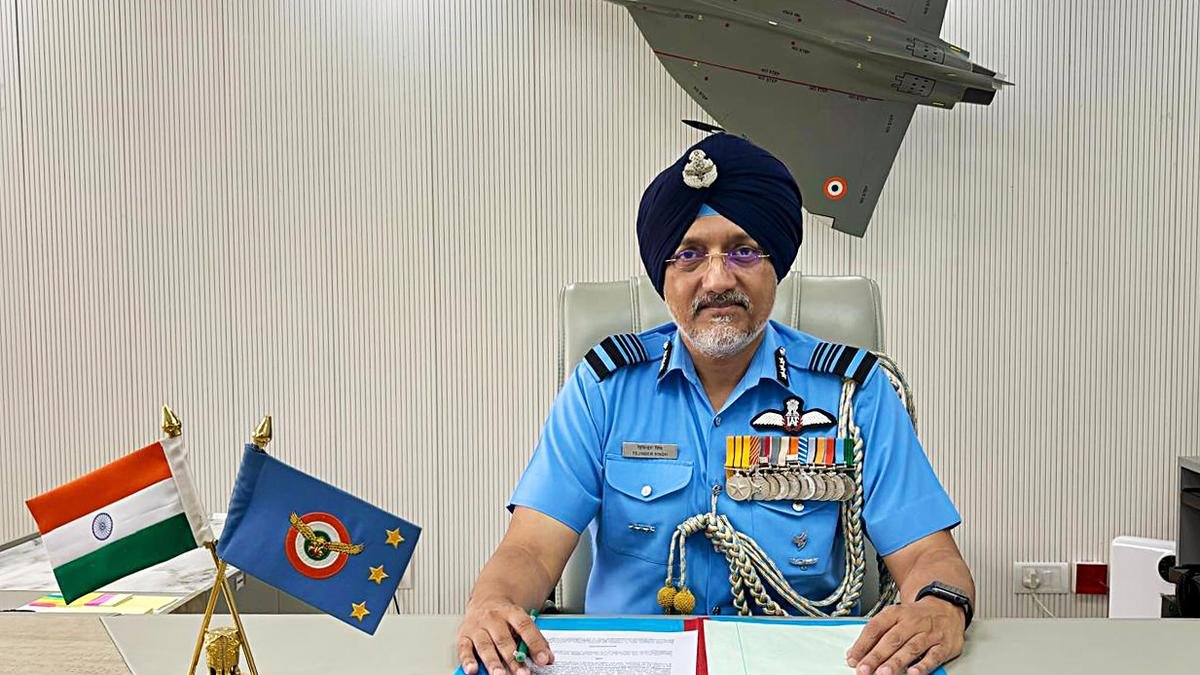
AOC-IN-C, EASTERN AIR COMMAND
Air Marshal Inderpal Singh Walia
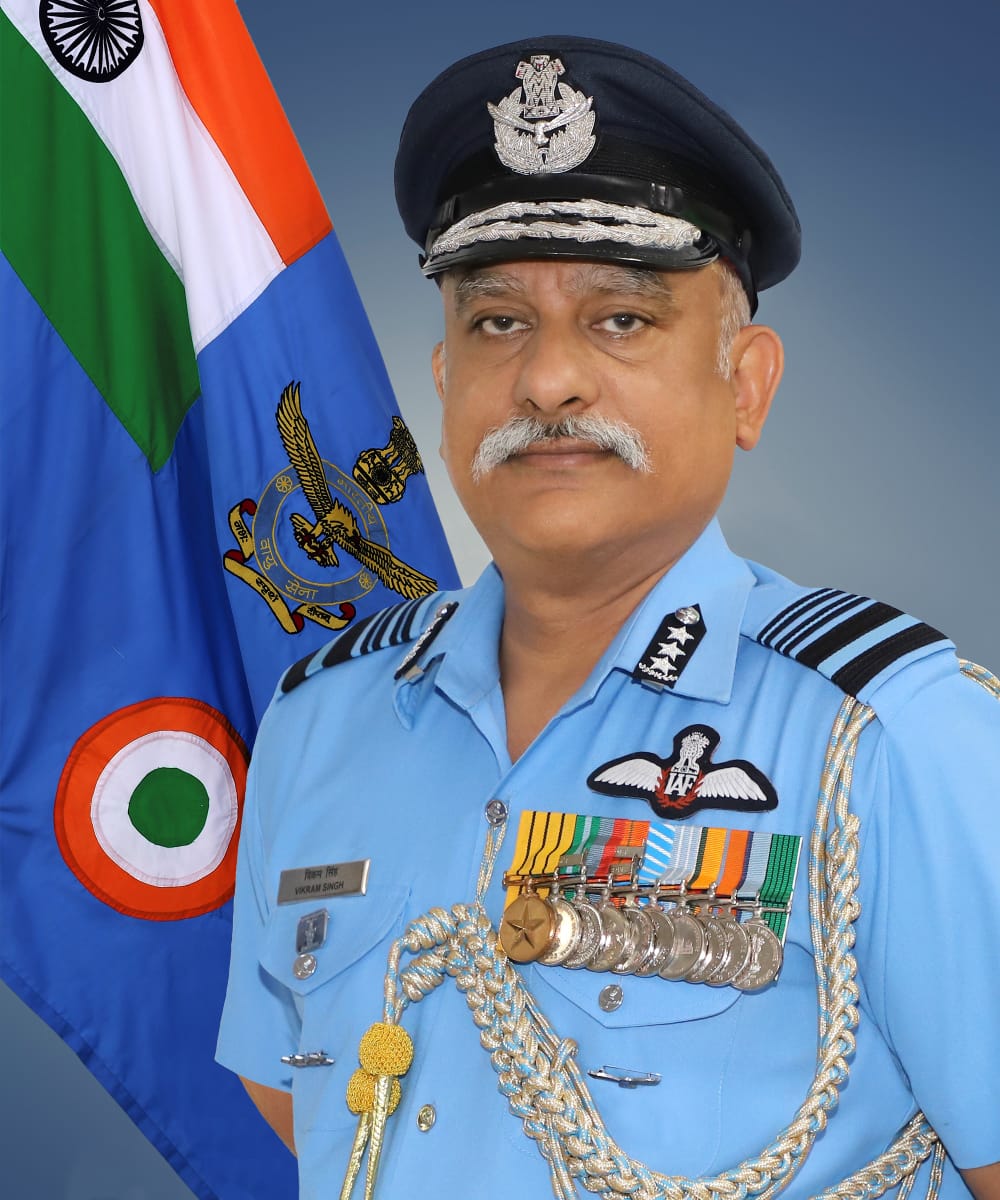
AOC-in-C SOUTH WESTERN AIR COMMAND
Air Marshal Vikram Singh
AOC-IN-C, SOUTHERN AIR COMMAND
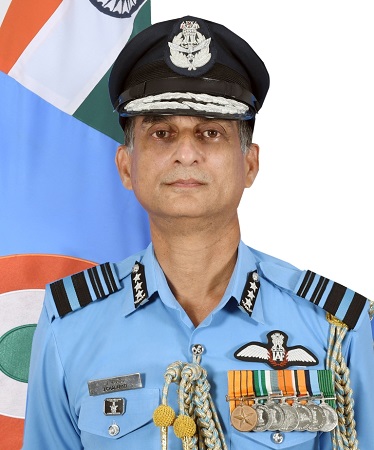
Air Marshal J.Chalapati
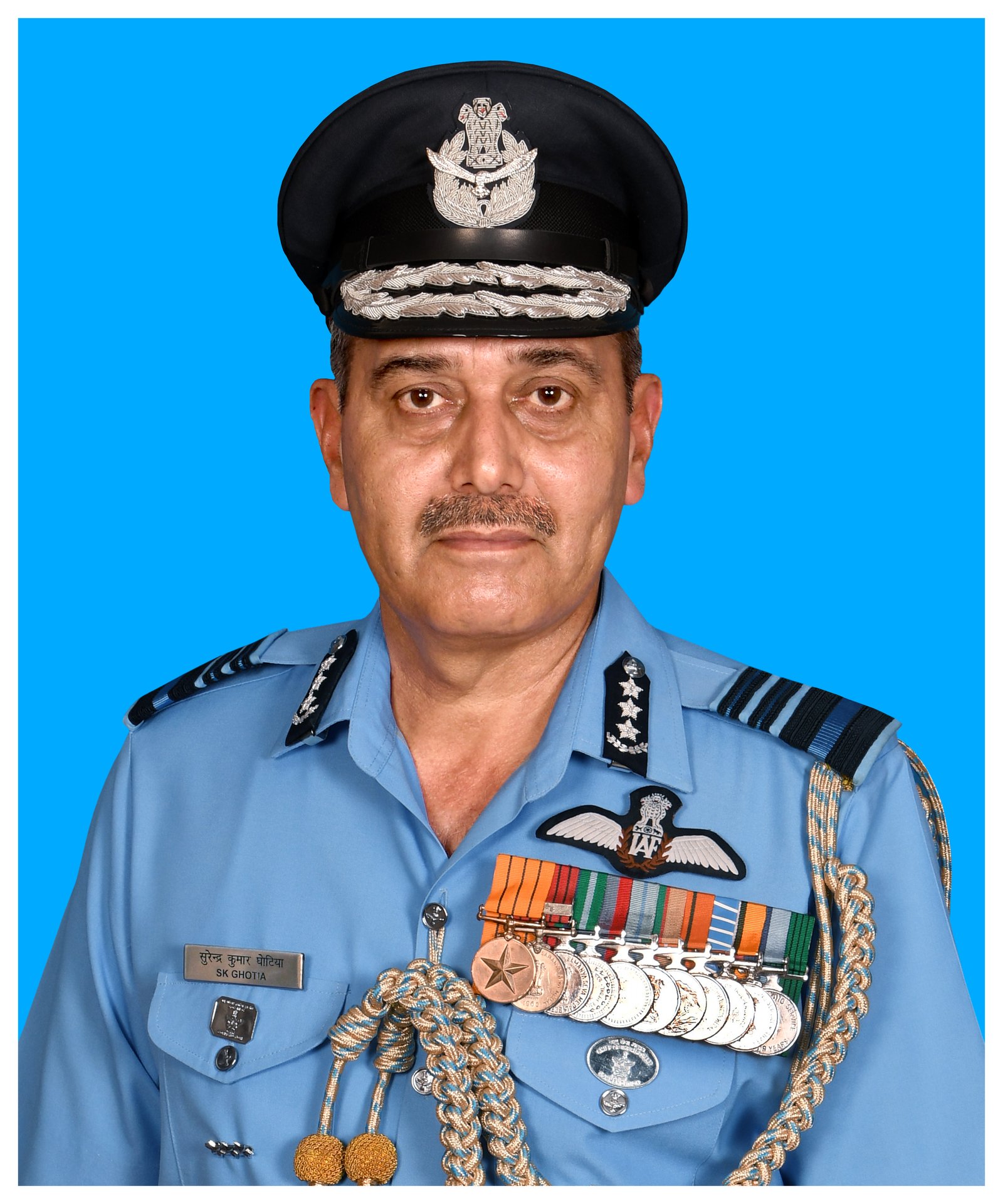
AOC-IN-C TRAINING COMMAND
AIR MARSHAL SK GHOTIA VSM
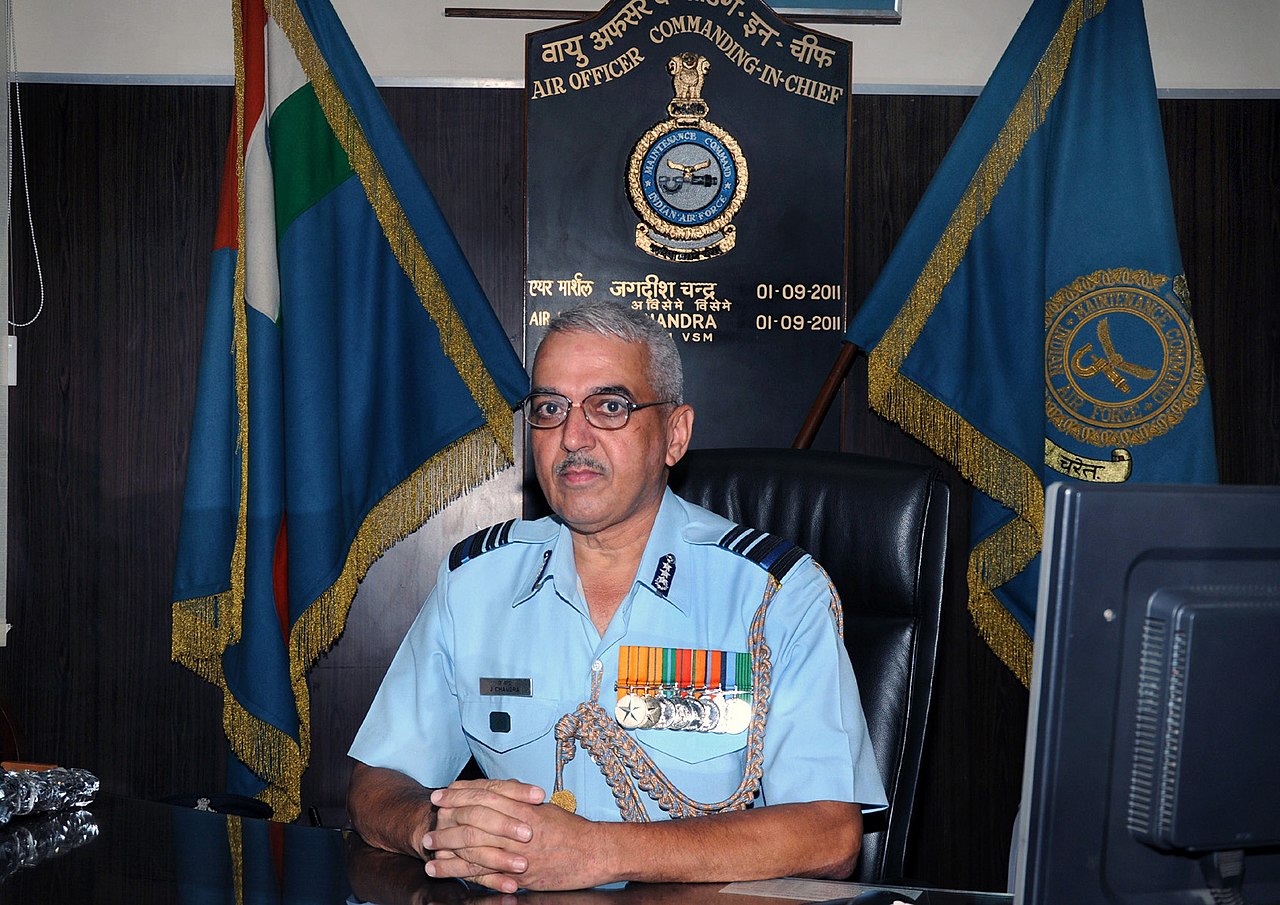
AOC-IN-C MAINTENANCE COMMAND
Air Marshal Jagdish Chandra
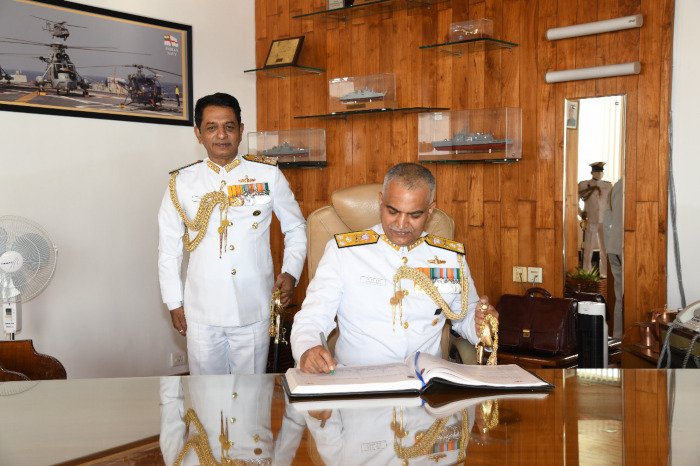
Flag Officer Commanding in Chief, Western Naval Command
ice Admiral R Hari Kumar, PVSM, AVSM, VSM
Flag Officer Commanding in Chief, Eastern Naval Command
Vice Admiral Sanjay Bhalla, AVSM, NM
Flag Officer Commanding in Chief, Southern Naval Command