









Sanjha Morcha

A throwback to forgotten, tragic chapter on Indian war prisoners

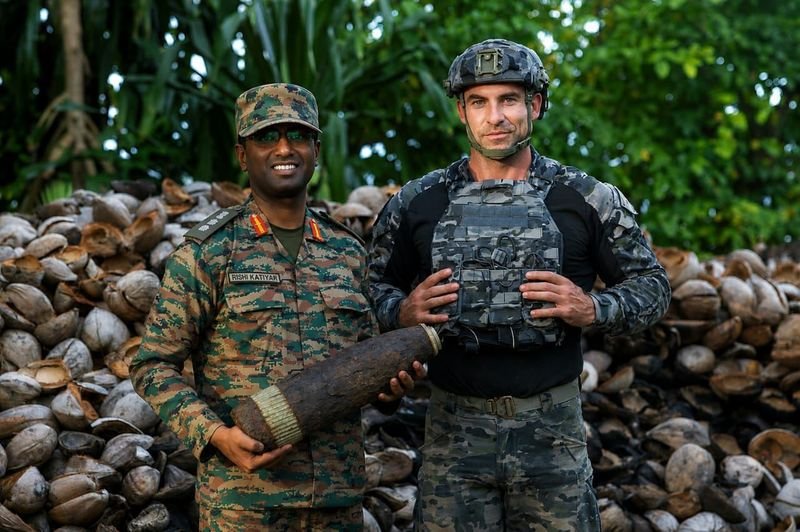
For the first time, an Indian Army observer participated in Australia’s Operation Render Safe, the latest edition of which was held in Papua New Guinea from June 15 to June 19.

Amid thriving bilateral ties between India and the Oceanic state, it was a throwback to a tragic and largely ignored chapter in Indian military history — involving thousands of prisoners of war (POWs) held captive in terrible conditions by the Japanese forces during World War II.

Led by the Australian Defence Forces (ADF), Operation Render Safe takes place annually or after an urgent request from a Pacific Island nation to address danger posed by remnants of explosives for World War II.

“The engagement is aimed at enhancing interoperability and cooperation in unexploded ordnance (UXO) and explosive remnants of war (ERW) reconnaissance and disposal operations. It aids professional military exchanges and explosive ordnance disposal (EOD) expertise among participating nations,” the Indian Army said.

Operation Render Safe contributes to collective regional security through safe disposal of remnants of explosives, and provides education and training to enhance the security capabilities of Australia’s Pacific partners, according to the ADF website.

“The participation reflects India’s growing commitment to regional security, defence cooperation and capacity building across the Indo-Pacific region,” the Indian Army added.

Located in south-western Pacific Ocean, the island territory of Papua New Guinea — part of the Commonwealth — lies to the north of Australia, and covers about half the island of New Guinea and numerous smaller islands in the vicinity. To its west on the main island, it shares a land border with Indonesia. It was a strategically crucial location during World War II, despite its brutal environment and tough terrain.

Approximately 40,000 Indian soldiers part of the erstwhile British Indian Army were captured by the Japanese forces, mainly after the fall of Singapore in February 1942. Though many of them joined the Indian National Army (INA), over 10,000 of them were transported to various camps in New Guinea, and were at the centre of untold tales of courage, sacrifice, resilience and survival.

In a paper titled ‘Great in adversity: Indian prisoners of war in New Guinea’, Peter Stanley, principal historian at the Australian War Memorial, said official histories provide scant coverage as Indian POWs have been largely overlooked in war literature of India as well as the Allied forces.

“Despite the neglect, the ordeal of Indian POWs was as severe as those of the less in number British and Australian troops who were captured in the fall of Southeast Asia. Unlike their British and Australian comrades, they have not published memoirs, nor have they been the subject of historical works. They remain substantially neglected,” he added in the paper.

More Indians were transported by the Japanese to New Guinea than anywhere else. They were forced to work in labour camps in harsh conditions for constructing airfields and fortifications in dense jungles while enduring severe starvation, tropical diseases and execution. Many did not survive to the end.

Narinder Singh Parmar, an educator based in Australia, has written a book on the experiences of his father — Major Chint Singh, a native of Himachal Pradesh who served with the 12th Frontier Force Regiment during the war.

He said that over two years, many of the POWs died in the thick jungles and swamps due to diseases, malnutrition, torture by the Japanese or bombings by the Allied forces. They were even deprived of medical aid. Of 2,400 captives at the camp, only his father and 10 others were rescued by Australian forces in September 1945.

Tragically, the other ten died in a plane crash while heading home in November 1945. Chint Singh, should have been on board, but he was needed for testimony in the trials of Japanese soldiers charged with war crimes, making him the sole survivor among the 2,400 Indian POWs.

Terming the campaign in New Guinea to be all but forgotten except by those who served there, the US Army Center for Military History said diseases thrived on the island. “Though Malaria was the greatest threat, dengue fever, dysentery, scrub typhus and a host of other tropical diseases awaited unwary soldiers in the jungles. Scattered, tiny coastal settlements dotted the flat malarial north coastline, but inland, the lush tropical jungle swallowed men and equipment,” the Center said.

The status of Indian POWs became significant when they began to be rescued as Allied forces led by General Douglas MacArthur advanced along the northern coast of New Guinea. The first indications that Indians were to be found in New Guinea came in March 1944, when Indians were liberated on Los Negros by advancing American forces under McArthur.

The presence of Indian POWs — over 6,000 of whom were during and after the war — had come as a surprise to the Allies, Dr Stanley wrote.

On September 16, 1975, Papua New Guinea became an independent state and established diplomatic relations with India. Structured ties between the two countries are spread across diplomatic, economic, defence, maritime, science and education fields, and include delegation visits at the highest level and regular bilateral interactions. The country also forms a key element in India’s Act East Policy and Indian Navy warships have made several port calls over the years to Papua New Guinea.

The latest round of talks were held in June 2026. “During the consultations, the two sides reviewed the full spectrum of bilateral relations, including development partnerships, political engagements, economic cooperation and cultural ties. They also discussed cooperation in multilateral fora, the Indo-Pacific region and exchanged views on regional and global developments of mutual interest,” the Union Ministry of External Affairs (MEA) had said.
Nihang-police standoff in Uttarakhand ends, heavy security continues at border with Himachal

A day after a tense face-off between a large group of Nihang Sikhs and security personnel at the Kulhal border check post near Paonta Sahib of Sirmaur district, normalcy returned along the Himachal Pradesh-Uttarakhand border on Friday.

The group left for Paonta Sahib in Himachal Pradesh in the early hours of Friday following negotiations with the authorities.

After meeting police and district administration authorities, the Nihangs left the gurdwara premises at Dehradun in the wee hours in vehicles under police escort.

The authorities, however, continued to maintain heightened security across the interstate border in view of the recent developments linked to the Karnaprayag dispute in Uttarakhand.

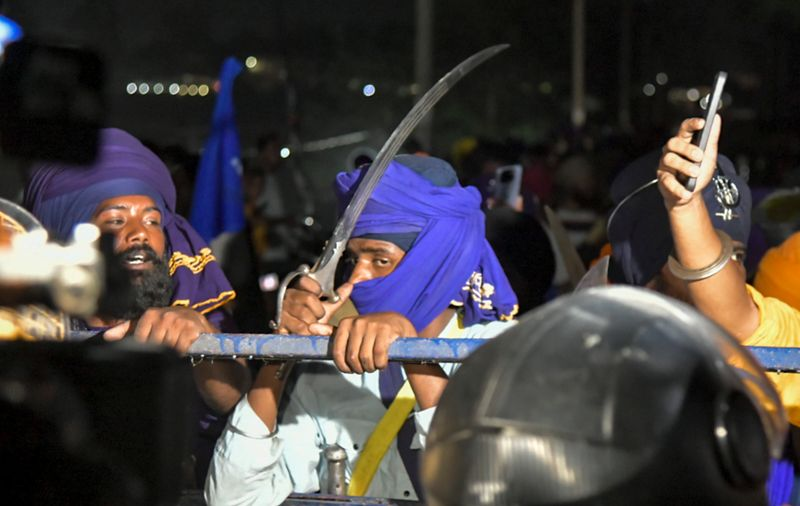
The sequence of events began on Thursday when hundreds of Nihang Sikhs travelling from Punjab towards Uttarakhand assembled at the historic Gurdwara Paonta Sahib before heading towards the Kulhal border late at night.

Following directions from the Uttarakhand administration, the police established barricades to stop the group from entering the state, citing concerns over law and order in the wake of recent tensions in Karnaprayag and the Nagrasu Gurdwara issue.

Senior officials from Himachal Pradesh and Uttarakhand, along with representatives of the Sikh community, held extensive discussions in an effort to resolve the situation peacefully. Although a large number of Nihang Sikhs agreed to return after the talks, a section of the group reportedly crossed the barricades, leading to a brief confrontation with police before entering Uttarakhand. No major injuries were reported during the incident.

Police presence remained strong on Friday at key locations in Dehradun district and along the interstate border. Officials said the situation was under control, with most members of the Nihang group having dispersed or returned, while vehicular movement resumed without disruption after the overnight tension.

Uttarakhand Chief Minister Pushkar Singh Dhami said the state government had full respect for every religious community, but made it clear that no one would be permitted to take law into their hands. He asserted that strict action would be taken against anyone attempting to disturb public order.

The border standoff is rooted in the developments that followed the June 16 incident at Karnaprayag in Chamoli district, where a dispute involving some Nihang Sikhs and local residents over parking reportedly escalated into a clash, leading to arrests and heightened tensions. The arrests prompted protests and demands from Nihang organisations for the release of those detained, eventually culminating in Thursday’s mobilisation towards the Uttarakhand border.

Officials of both Himachal Pradesh and Uttarakhand have appealed to the public to maintain peace and avoid rumours, while assuring that the situation is being closely monitored to prevent any further escalation.


New passport rules from July 1: Here’s how application fees will change

Passport application fees in normal route to be Rs 2,500 from July 1 instead Rs 1,500

New passport rules will kick in from July 1, with the government set to charge more for various categories of passport applications.

A special discount of 10 per cent will be available to children below nine years of age and elders above 60 years on fresh applications.

Other segments of passports will cost more.

Here is how the fee will change and the percentage rise in cost of filing for new passports under various major categories:

Fresh 36-page passport for people age 18 years and above: Passport application fees in normal route will be Rs 2,500 from July 1 instead Rs 1,500. This represents a 67 per cent rise. Tatkal category passport under this segment will cost Rs 5,000 as against Rs 3,500 (43 per cent rise) at present.

A 60-page passport under the normal route passport will cost Rs 3,500 as against Rs 2,000 (75 per cent rise) currently. Tatkal category passport will cost Rs 6,000 as against Rs 4,000 (50 per cent) at present.

For applications in the lost or damaged category, a 36-page passport in normal route will cost Rs 5,000 instead of Rs 3,000 (67 per centrise) at present. Tatkal category passport will cost Rs 7,500 as against Rs 5,000 (50 per cent) at present.

For applications in the lost or damaged category, a 60-page normal route passport application will cost Rs 6,000 as against Rs 3,500 today and Tatkal category will be Rs 8,500 instead of Rs 5,500 today.

The revised fee structure will come into effect from July 1.


Army man murders wife, swims to safety after driving car into canal in Patiala

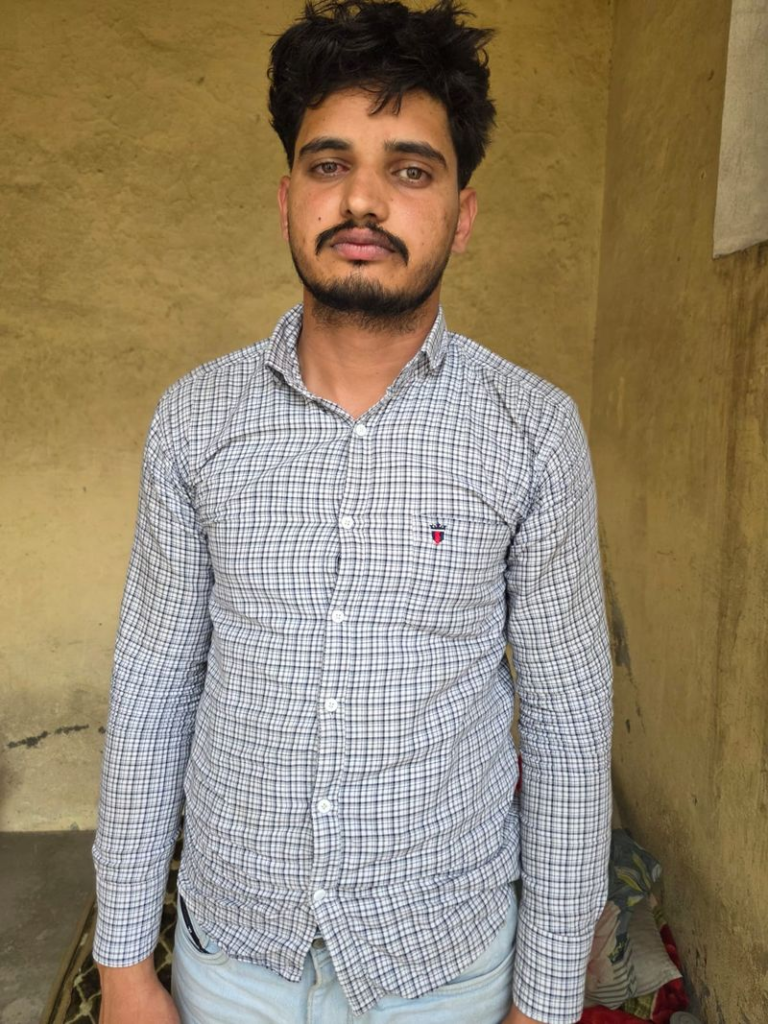
The driver’s side door left open as a car plunged into the Bhakra Canal in Patiala’s Passiana helped the police crack the murder case of Ramandeep Kaur (30), leading to the arrest of an Army sepoy. Ramandeep drowned after being trapped inside the vehicle, while her husband, Happy Singh (29), swam to safety.

The police registered a murder case against Happy, currently posted in Assam, after evidence suggested he intentionally drove into the canal. The couple had married in 2024 after a long inter-caste love affair, but were reportedly facing disputes.

Samana DSP Fateh Singh Brar said Happy initially claimed he lost balance while driving, and no foul play was suspected. Divers were deployed to recover the car and Ramandeep’s body. However, when the vehicle was retrieved, investigators found the driver’s door was not shut properly, indicating Happy exited before impact. “It would have been tough to open the door under water pressure,” Brar noted.

Following statements by the victim’s kin, Happy was arrested. The police said the incident occurred on June 23 after a minor dispute. Ramandeep drowned, while Happy, from Bajewala village in Mansa, managed to swim to safety. A case was registered on the complaint of Ramandeep’s brother, Gurjeet Singh.


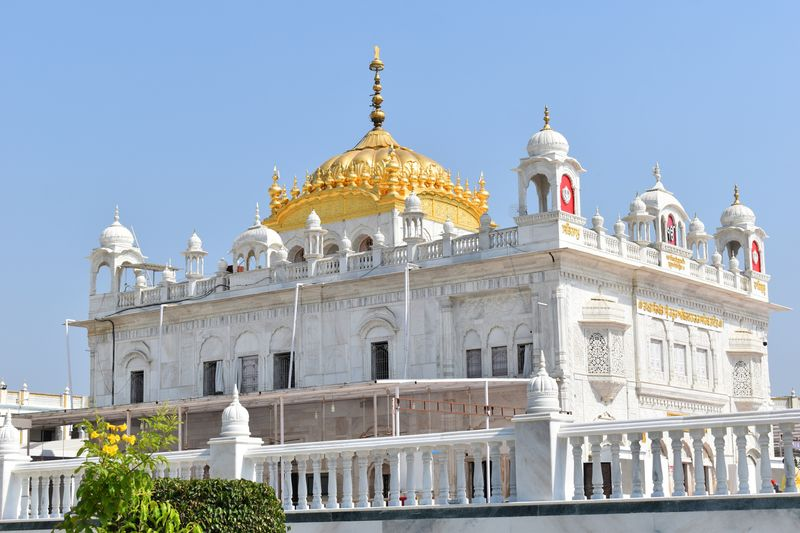
Takht Hazur Sahib pronounces ‘gurmata’ against Maharashtra move to repeal 1956 Hazur Sahib Act

In a significant assertion of religious autonomy, the caretakers of Takht Sri Hazur Sahib have issued a gurmata (collective religious edict) rejecting the Maharashtra government’s proposal to repeal the Nanded Sikh Gurdwara Sachkhand Sri Hazur Abchalnagar Sahib Act, 1956 and replace it with a new law.

The decision followed a high-level congregation involving the Panj Pyare (the Guru’s five beloved ones), senior clergy and representatives of various Sikh religious bodies. After deliberations, a unanimous resolution was adopted, firmly calling for the retention of the original 1956 Act.

The gurmata, considered a binding, collective decision taken in the name of the Guru, was formally read out by Singh Sahib Giani Ram Singh in the presence of Takht Jathedar Giani Kulwant Singh.

According to a senior functionary associated with the Takht, said that it was an attempt to dilute the established traditions of the Takht.

The ‘gurmata’ says that the existing administrative framework of Hazur Sahib is rooted in principles laid down by Sikh scholars and guided by the vision of Guru Gobind Singh. The proposed legislation, they argue, risks undermining these foundations.

“There is a clear apprehension that the state’s fresh move is driven by vested interests and making interference in Takht affairs,” a former senior functionary observed, reflecting the sentiment prevailing within the shrine’s establishment.

The Maharashtra Cabinet, chaired by Chief Minister Devendra Fadnavis, recently approved a proposal to repeal the seven-decade-old Act and introduce a new law titled “Takht Sachkhand Sri Hazur Abchalnagar Sahib Gurdwara Act.”

The proposed legislation is slated to be tabled in the ongoing Vidhan Sabha session. Once passed, it will pave the way for a new administrative framework governing the gurdwara board, including revised rules for elections, management and by-laws.

The push for a fresh law is based on recommendations by a state-appointed committee, which has suggested structural changes in governance.

The move has triggered strong reactions across Sikh institutions, with major panthic bodies—including the Shiromani Gurdwara Parbandhak Committee (SGPC) and the Akal Takht—voicing firm opposition against the government’s repeated attempts to amend the existing law to penetrate and establish its dominance.

The organisations have described the move as a direct intrusion into the religious autonomy of one of Sikhism’s five Takhts and have warned against any attempt to alter its maryada (religious code) or administrative independence.

Earlier, in February, 2024, the Maharashtra  government made an amendment to enable direct nomination of 12 of 17 members of the board. Similarly, SGPC’s nomination was reduced and the Chief Khalsa Diwan and Hazuri Sachkhand Diwan, alongwith the membership of Sikh MPs was abolished. Following a massive protest by the SGPC and other local Sikh oraganisations then, the government was compelled to roll back the amendment. Similar attempts were made in 2018 and 2019 too, but were foiled.


Advanced combat aircraft project faces hurdle over costly GE engines

ndia’s ambitions to produce a fifth-generation Advanced Medium Combat Aircraft (AMCA) have encountered a setback, after the F414 engine sought from US aerospace giant General Electric (GE) for the aircraft’s design and development turned out to be ‘too expensive’.

The Defence Research and Development Organisation (DRDO), which is designing the aircraft, is now exploring alternative options for powering the under-development prototype.

Sources clarified that the requirement for engines to support the AMCA design and development is distinct from the ongoing commercial negotiations between GE and Hindustan Aeronautics Limited (HAL) to manufacture the same F414 engine in India under a joint venture. Technical discussions for the JV have been completed, while commercial talks are still underway and expected to take several months.

The GE-HAL joint venture covers procurement, technology transfer, licensed manufacturing, maintenance, repair and overhaul (MRO) facilities, spares, warranties, and delivery schedules. The JV’s engines are intended to power the Tejas Mark 2 and the first variant of the AMCA, while a second variant is expected to use a more powerful engine being co-developed by Safran and HAL.

However, in the case of engines sought for AMCA’s design and development, GE has reportedly quoted a price nearly three times higher than earlier estimates. Initially projected at Rs 70–80 crore per unit, the revised cost is said to be almost triple. With the AMCA designed as a twin-engine aircraft, the cost of engines alone could reach $380–400 million (Rs 3,500–3,800 crore) per plane, raising concerns over both affordability and timelines for the flagship fighter programme.

The AMCA is central to the future combat readiness of the Indian Air Force. Last month, the Ministry of Defence invited three shortlisted consortiums to submit formal commercial and technical bids for manufacturing five prototypes of the aircraft. The bidders include Tata Advanced Systems Ltd (TASL), competing independently; a consortium led by Larsen & Toubro (L&T) with Bharat Electronics Ltd (BEL) and Dynamatic Technologies Ltd; and another consortium comprising Bharat Forge, PSU BEML, and Data Patterns.

The winning partner will collaborate with the Aeronautical Development Agency (ADA) under DRDO to build five flying prototypes and one structural test aircraft. The shortlisted firms, selected based on their technical capabilities, will compete to build prototypes of the fighter aircraft. A few F414 engines from GE had been sought specifically for this design and development phase.


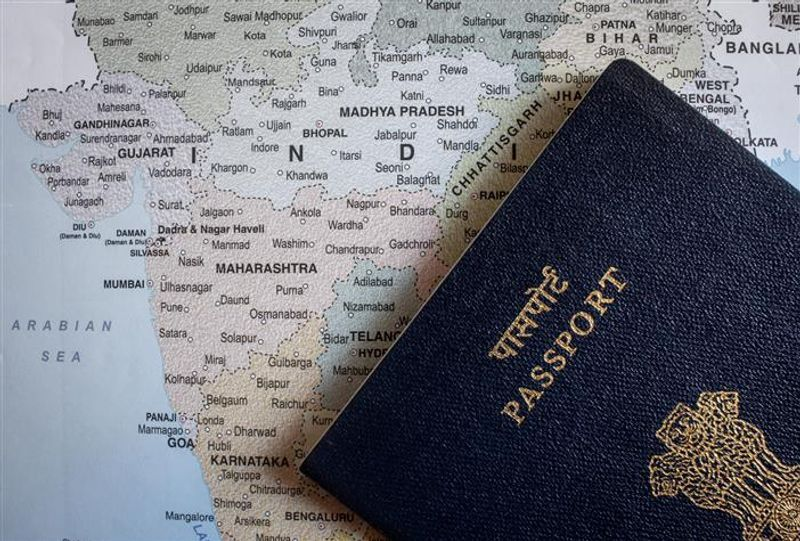
Passport a travel document, not proof of citizenship: Ministry of External Affairs

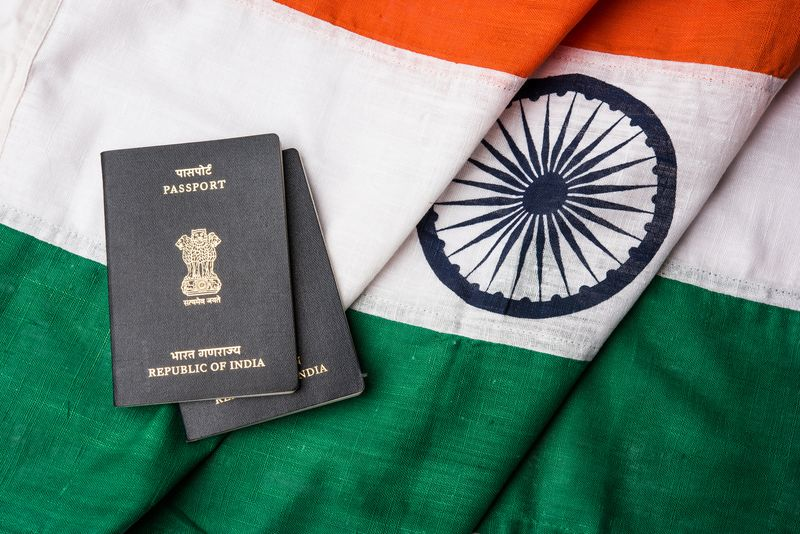
The government on Wednesday clarified that an Indian passport is primarily a travel document and should not be construed as proof of citizenship, a statement that triggered debate and drew political reactions.

According to media reports, officials of the Ministry of External Affairs (MEA) made the clarification while outlining developments in India’s passport and mobility ecosystem on the occasion of Passport Seva Divas.

The officials reportedly said that a passport attests to the nationality of an Indian citizen while travelling abroad but is not, in itself, a document of citizenship.

News reports quoted officials as saying that passports are issued only after extensive verification and due diligence involving multiple government agencies. However, they stressed that the document’s principal purpose is to facilitate international travel and establish identity overseas.

The clarification comes amid continuing public debate over what documents can be relied upon to establish citizenship. Several court rulings in recent years have held that documents such as Aadhaar cards, voter identity cards, PAN cards and other records are not, by themselves, conclusive proof of citizenship.

Another report noted that there is no single universally accepted citizenship document issued to all Indian citizens by birth. The report said citizenship claims are often determined through a combination of records and legal provisions under the Citizenship Act.

The MEA’s remarks also sparked political criticism. Shiv Sena (UBT) leader Aaditya Thackeray questioned the rationale behind the clarification, asking whether police verification conducted before passport issuance would lose significance if a passport was not regarded as proof of citizenship.

The government, however, maintained that the passport remains a secure and rigorously verified travel document. Officials highlighted the rollout of chip-based e-passports and ongoing efforts to modernise passport services across the country.