Sanjha Morcha

What’s New

Click the heading to open detailed news

Current Events :

web counter

Print Media Reproduced Defence Related News

बलिदान सप्ताह : क्रिसमस की खुशी या गुरु गोविंद सिहं के बलिदान पर शोक?

बलिदान सप्ताह : क्रिसमस की खुशी या गुरु गोविंद सिहं के बलिदान पर शोक?

ये जो सप्ताह अभी चल रहा है (21 दिसम्बर से लेकर 27 दिसम्बर तक) इन्ही 7 दिनों में गुरु गोबिंद सिंह जी का पूरा परिवार शहीद हो गया था। 21 दिसम्बर को गुरू गोविंद सिंह द्वारा परिवार सहित आनंदपुर साहिब किला छोङने से लेकर 27 दिसम्बर तक के इतिहास को हम भूला बैठे हैं?

एक ज़माना था जब यहाँ पंजाब में इस हफ्ते सब लोग ज़मीन पर सोते थे क्योंकि माता गूजर कौर ने वो रात दोनों छोटे साहिबजादों (जोरावर सिंह व फतेह सिंह) के साथ, नवाब वजीर खां की गिरफ्त में – सरहिन्द के किले में – ठंडी बुर्ज में गुजारी थी। यह सप्ताह सिख इतिहास में शोक का सप्ताह होता है।

पर आज देखते हैं कि पंजाब समेत पूरा हिन्दुस्तान क्रिसमस के जश्न में डूबा हुआ है एक दूसरे को बधाई दी जा रही हैं

गुरु गोबिंद सिंह जी की कुर्बानियों को इस अहसान फरामोश मुल्क ने सिर्फ 300 साल में भुला दिया??

जो कौमें अपना इतिहास – अपनी कुर्बानियाँ – भूल जाती हैं वो खुद इतिहास बन जाती है।

आज हर भारतीय को विशेषतः युवाओं व बच्चों को इस जानकारी से अवगत कराना जरुरी है। हर भारतीय को क्रिसमस नही, हिन्दुस्थान के हिन्दू शहजादों को याद करना चाहिये।

यह निर्णय आप ही को करना है कि 25 दिसंबर (क्रिसमस) को महात्त्वता मिलनी चाहिए या फिर क़ुरबानी की इस अनोखी.. शायद दुनिया की इकलौती मिसाल को

21 दिसंबर:
श्री गुरु गोबिंद सिंह जी ने परिवार सहित श्री आनंद पुर साहिब का किला छोड़ा।

22 दिसंबर:
गुरु साहिब अपने दोनों बड़े पुत्रों सहित चमकौर के मैदान में पहुंचे और गुरु साहिब की माता और छोटे दोनों साहिबजादों को गंगू नामक ब्राह्मण जो कभी गुरु घर का रसोइया था उन्हें अपने साथ अपने घर ले आया।
चमकौर की जंग शुरू और दुश्मनों से जूझते हुए गुरु साहिब के बड़े साहिबजादे श्री अजीत सिंह उम्र महज 17 वर्ष और छोटे साहिबजादे श्री जुझार सिंह उम्र महज 14 वर्ष अपने 11 अन्य साथियों सहित मजहब और मुल्क की रक्षा के लिए वीरगति को प्राप्त हुए।

23 दिसंबर :
गुरु साहिब की माता श्री गुजर कौर जी और दोनों छोटे साहिबजादे गंगू ब्राह्मण के द्वारा गहने एवं अन्य सामान चोरी करने के उपरांत तीनों की मुखबरी मोरिंडा के चौधरी गनी खान से की और तीनो को गनी खान के हाथों ग्रिफ्तार करवा दिया और गुरु साहिब को अन्य साथियों की बात मानते हुए चमकौर छोड़ना पड़ा।

24 दिसंबर :
तीनों को सरहिंद पहुंचाया गया और वहां ठंडे बुर्ज में नजरबंद किया गया।

25 और 26 दिसंबर:
छोटे साहिबजादों को नवाब वजीर खान की अदालत में पेश किया गया और उन्हें धर्म परिवर्तन करने के लिए लालच दिया गया।

27 दिसंबर:
साहिबजादा जोरावर सिंह उम्र महज 8 वर्ष और साहिबजादा फतेह सिंह उम्र महज 6 वर्ष को तमाम जुल्म ओ जब्र उपरांत जिंदा दीवार में चीनने उपरांत जिबह (गला रेत) कर शहीद किया गया और खबर सुनते ही माता गुजर कौर ने अपने साँस त्याग दिए।

धन्य हैं गुरु गोविन्द सिंह जी जिन्होंने धर्म रक्षार्थ अपने पुत्रो को शहीद किया था।

धन्य हैं वह माता जिसने अजित सिंह, जुझार सिंह, जोरावर सिंह और फतेह सिंह को जन्म दिया।

धन्य है वे लाल जिन्होने अपनी भारत भूमि, अपने धर्म और अपने संस्कार की रक्षा हेतु माँ के दूध का कर्ज चुकाया और यौवन आने के पहले मृत्यु का वरण किया।

चमकौर की गढ़ी का युद्ध: एक तरफ थे मधु मक्खी के छत्ते की तरह बिलबिलाते यवन आक्रांता और दूसरी तरफ थे मुट्ठी भर रण बाकुँरे सिक्ख – सिर पर केशरिया पगड़ी बाधें, हाथ मे लपलपाती भवानी तलवार लिये, सामने विशाल म्लेच्छ सेना और फिर भी बेखौफ!
दुष्टों को उनहोंने गाजर मूली की तरह काटा। वीर सपूत गुरुजी के दोनो साहबजादे – 17 साल के अजितसिंह और 14 साल के जुझार सिंह – हजारों हजार म्लेच्छो को मार कर शहीद हुये।

विश्व इतिहास में यह एक ऐसी अनोखी घटना है जिसमे पिता ने अपने तरूण सपूतो को धर्म वेदी पर शहीद कर दिया और विश्व इतिहास मे अपना नाम स्वणृक्षरो मे अंकित करवा दिया। क्या दुनिया के किसी और देश मे ऐसी मिसाल मिलती है?

यवन शासक ने उन रण बांकुरों से उनके धर्म और संस्कृति के परिवर्तन की माँग की थी जिसको उन्होंने सिरे से खारिज कर दिया। गुरू महाराज के उन दो छोटे सिंह शावको ने अपना सर नही झुकाया। इस पर दुष्ट यवन बादशाह ने 7 साल के जोरावरसिंह और 5 साल के फतेह सिंह को जिंदा दीवाल मे चिनवा दिया।

कितना बड़ा कलेजा रहा होगा वीर सपूतों का, कितनी गर्माहट और कितना जोश होगा उस वीर प्रसूता माँ के दूध मे – जो पाँच और सात साल के बच्चों की रगों मे रक्त बन कर बह रहा था – कि उनमे इतना जज्बा – इतना जोश – था कि अपने धर्म संस्कृति की रक्षा के लिये इतनी यातनादायक मृत्यु का वरण किया।

और कितने दुष्ट, कितने नृशंस, कितने कातिल और कितने कायर थे वे म्लेच्छ जिनका मन फूल जैसे बच्चो को जिन्दा चिनवाते नही पसीजा था! और किस लिये? सिर्फ इसलिये कि मुसलमान बन जाओ! आखिर क्या अच्छाई हो सकती है ऐसे धर्म मे जो निरीह अबोध बच्चो को भी जिन्दा दीवार मे चिनवा दे?

यही कारण है कि यह भूमि वीर प्रसूता और हम आज गुरू गोविंद सिंह और उनके साहबजादो को श्रृद्धा और विनम्रता से याद कर रहे हैं।

हम मे से अधिसंख्य को इन वीरो के बलिदान की जानकारी भी नही होगी क्योकि हमने तो अकबर महान और शाहजहाँ का काल स्वण काल पढ़ा है; हमने तो इन वीर पुरुषो के विषय मे किसी किताब के कोने मे केवल दो लाइने भर पढ़ी होंगी।

हमारा यह कर्तव्य है कि हम अपने बच्चो को इतिहास की यह जानकारी दें, यह जरुरी है कि हम अपने इतिहास और पुरखो के बारे मे जानें।


Top Maoist leader Ganesh Uike, who carried Rs 1.1 crore bounty, 5 others killed in gunfights in Odisha

Union Home Minister Amit Shah called it a ‘major breakthrough’, while Chief Minister Mohan Charan Majhi described it as a ‘remarkable success’ to build a Naxal-free India

op Maoist leader Ganesh Uike, who carried a bounty of Rs 1.1 crore on his head, was among six red rebels killed in gun battles with security forces in Odisha’s Kandhamal district, police said on Thursday.

CPI(Maoist) central committee member Uike was the chief of the banned outfit in Odisha, Sanjeeb Panda, an ADG rank officer heading anti-Naxal operations in the state, said.

Two Maoists from Chhattisgarh were killed in an exchange of fire with security forces in Gumma forest in the Belghar police station area on Wednesday night. Fresh gun battles took place in a forest in the Chakapad police station area on Thursday morning, in which four other Maoists, including Uike, were killed, he said.

“Four Maoists were killed in the gunfight. One of them was identified as 69-year-old Ganesh Uike, who is also known by his aliases Pakka Hanumantu, Rajesh Tiwari, Chamru and Rupa. He was a native of Pullemala village under Chendur mandal in Telangana’s Nalgonda district,” Panda said.

The identity of the other three Naxals, including two women, was yet to be ascertained, the officer said.

Taking to X, Shah said, “In a major operation in Kandhamal, Odisha, 6 Naxalites, including Central Committee Member Ganesh Uike, have been neutralised so far. With this major breakthrough, Odisha stands at the threshold of becoming completely free from Naxalism. We are resolved to eliminate Naxalism before the 31st of March 2026.”

Majhi, who is also the home minister of the state, congratulated the police personnel for their indomitable courage, professionalism and excellent coordination.

“Today, Odisha has achieved a remarkable success in the campaign to build a Naxal-free India. During the ongoing joint operation in Kandhamal district, 6 Naxalites, including Ganesh Uike, a member of the Naxal Central Committee, have been neutralised,” Majhi said in a social media post.

With this significant breakthrough, Odisha stands on the threshold of being completely free from Naxalism, he said.

“We are determined to completely eradicate Naxalism. The development of the state and the safety of the people are our highest priorities. Peace and progress will determine the future direction of Odisha,” the Chief Minister said.

Addressing a press conference, DGP YB Khurania said, “While two Maoists were gunned down on Wednesday, four others, including Ganesh Uike, were neutralised this morning. The killing of a central committee member is a big success for the Odisha Police. It has broken the backbone of the Maoists in the state.”

The DGP said operations were underway at different places along the Kandhamal-Ganjam inter-district boundary.

“We hope to get more success. This is one of the biggest operations against Maoists in Odisha in recent times. We thank the security personnel involved in the operation. We are determined to meet the Union Home Minister’s target of eliminating Naxalism by March, 2026,” he added.

Replying to a question, the DGP said that there was no report of any casualty on police side so far.

“This is for the first time in recent times that a Maoist commander of central committee member rank has been gunned down by security forces in Odisha,” he said.

The DGP said that based on intelligence inputs, a joint operation involving 23 teams – 20 of Special Operations Group of Odisha Police, two of CRPF and one of BSF – was launched in the Chakapad police station area in Kandhamal district and bordering Rambha forest range in Ganjam district on Thursday morning.

“Multiple gunfights were reported on Thursday in different areas. Later, four bodies of Maoists — two men and women each — were recovered. Two INSAS rifles and a .303 rifle were also seized,” he added.

The Naxals killed on Wednesday night were identified as CPI(Maoist)’s area committee member Bari alias Rakesh, and dalam member Amrit, both from Chhattisgarh, a senior police officer said, adding they carried a cumulative bounty of Rs 23.65 lakh on their heads.

The gunfights took place after 22 Maoists surrendered before Khurania in neighbouring Malkangiri district on Tuesday.

The DGP on Thursday again issued an appeal to the Maoists to return to the mainstream.

“Odisha’s surrender and rehabilitation policy is the best in the country under which surrendered Maoists get many benefits, including cash and social security like houses, ration cards, cash to do business and above all, skill training,” he added.


JCO killed in firing inside military camp in Samba

Army unit is located in the Bari Brahmana area

A Junior Commissioned Officer (JCO) of the Army was killed in a firing incident inside a military camp in Samba district on Wednesday.

The JCO was identified as Surjeet Singh, a resident of Reasi.

Army spokesperson Lt Colonel Suneel Bartwal said, “A JCO of an Army unit in Samba sustained gunshot wound while on duty and unfortunately succumbed to his injuries in the line of duty.”

Sources said the incident occurred in the Army unit located in the Bari Brahmana area. While the Army ruled out the terror angle, it said the incident was under investigation.

The sources said the incident was likely a case of fratricide. An FIR has been registered and the police have started a probe into the incident.

In a statement on X, Army’s Rising Star Corps said it paid solemn tribute to braveheart Subedar Surjeet Singh, “who made the supreme sacrifice while on operational duty in Jammu”.

There were reports that a soldier, who was a suspect in the case, fled from the spot after the incident and was missing.


Why is 3-day Shaheedi Sabha one of the most significant annual Sikh commemorations at Fatehgarh Sahib

The annual martyrdom congregation is held from December 25 to 27 at Fatehgarh Sahib

A three-day Shaheedi Sabha, commemorating the supreme sacrifice of Guru Gobind Singh’s two younger sons—Sahibzada Baba Zorawar Singh and Sahibzada Baba Fateh Singh—and their grandmother Mata Gujri, began here on Thursday in accordance with Sikh traditions.

DGP Gaurav Yadav pays obeisance and checked security arrangements during Shaheedi Sabha at Gurdwara Fatehgarh Sahib on Thursday. Tribune photo: Rajesh Sachar

The annual martyrdom congregation is held from December 25 to 27 at Fatehgarh Sahib.

The Shaheedi Sabha formally commenced with the beginning of Sri Akhand Path Sahib at the historic Gurdwara Sri Jyoti Saroop Sahib, the sacred site associated with the cremation of the younger Sahibzadas and Mata Gujri, with the recitation of holy Gurbani.

On the first day, a large number of devotees from Punjab, other parts of the country, and abroad arrived at Gurdwara Sri Fatehgarh Sahib and Gurdwara Sri Jyoti Saroop Sahib to pay obeisance and offer homage to the martyrs.

After paying obeisance at Gurdwara Sri Jyoti Saroop Sahib, Deputy Commissioner of Fatehgarh Sahib, Dr Sona Thind, appealed to devotees to observe the sacred occasion with devotion, peace, and discipline, while maintaining cleanliness and extending full cooperation to the district administration.

She said comprehensive arrangements have been made to ensure all necessary facilities for the devotees and that robust security measures are in place for the peaceful, orderly, and dignified conduct of the Shaheedi Sabha.

The bhog of Sri Akhand Path Sahib will be performed at the same site on December 27. On the same day, a Nagar Kirtan (religious procession) will begin in the morning from Gurdwara Sri Fatehgarh Sahib and conclude in the afternoon at Gurdwara Sri Jyoti Saroop Sahib.

What it commemorates

Shaheedi Sabha honours the supreme sacrifice (shaheedi) of:

Sahibzada Baba Zorawar Singh (9)

Sahibzada Baba Fateh Singh (7 )–the younger sons of Guru Gobind Singh, and

their grandmother Mata Gujri

They were martyred in 1705 by Mughal authorities for refusing to give up their Sikh faith. Their sacrifice holds a central place in Sikh history and values such as courage, faith, and standing up for truth.

Where it is held

The main events take place at:

Gurdwara Sri Fatehgarh Sahib – where the Sahibzadas were bricked alive

Gurdwara Sri Jyoti Saroop Sahib – the site where Mata Gujri and the Sahibzadas were cremated

What happens during Shaheedi Sabha

Sri Akhand Path Sahib (continuous recitation of Guru Granth Sahib)

Kirtan (devotional singing)

Ardas (prayers)

Nagar Kirtan (religious procession) on December 27

Large numbers of devotees gather to pay homage and reflect on Sikh history

Why it is important

Shaheedi Sabha: Reminds Sikhs of the sacrifice of children for religious freedom

Reinforces Sikh principles of faith, justice and resilience

with inputs from PTI


CBI files chargesheet against 4 Punjab cops in Col Pushpinder Bath assault case

The prosecution has pressed grievous hurt and wrongful restraint charges among others against the police officials

The CBI has filed a chargesheet in a Mohali court against four Punjab cops in the Colonel Pushpinder Bath assault case.

The prosecution has pressed grievous hurt and wrongful restraint charges among others against the four Punjab Police officials.

According to the chargesheet, inspector Ronnie Singh is the main accused in the case. The attempt to murder charge does not find mention in the chargesheet.

The Patiala Police had earlier registered an FIR against police inspectors Harry Boparai, Ronnie Singh and Harjinder Dhillon under Sections 109 (attempt to murder), 310, 155(2), 117(2) (related to voluntarily causing hurt), 126(2) (wrongful restraint), and 351(2) (criminal intimidation) of the Bharatiya Nyaya Sanhita. Later, another inspector was named under Sections 299 and 191 of the BNS.

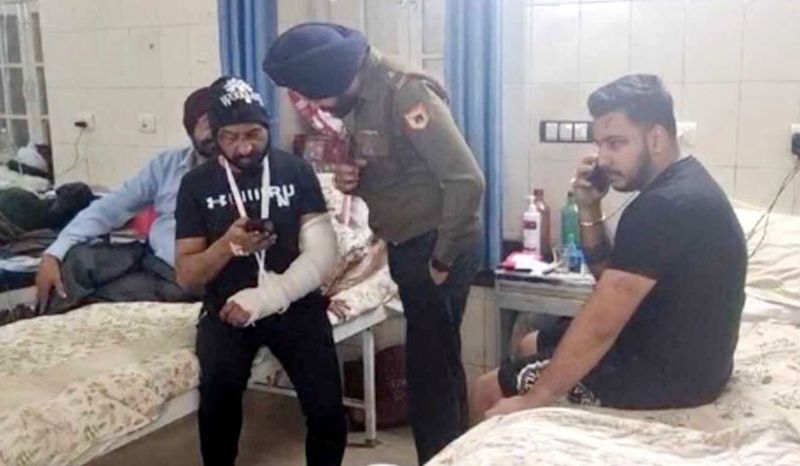
The alleged incident occurred on the intervening night of March 13 and 14, when Colonel Bath and his son were at a roadside eatery near Rajindra Hospital in Patiala.

The family claimed that while they were standing next to their car and eating, some police officers in civilian clothes approached them and asked the colonel to move his vehicle so that they could park theirs.

Later, over a dozen police personnel allegedly attacked the colonel and his son using rods and sticks, leaving them injured.


HEAD LINES 24DEC 2025

BIBI HARSHARAN KAUR ATTAINED MYTRYDOM FIGHTING MUGULS AFTER SHE LIT THE FUNERAL OF ALL MARYTRED SIKHS IN CHAMKOR SAHIB BATTLE INCLUDING TWO SAHIBZADAS :24 DEC /10 POH

HUMBLE SALUTE TO MARTYDOM OF BIBI HARSHARAN KAUR :VEDIOS

Facing constant threat of avalanches, Army scouts for advanced detection and rescue system

Dhurandhar’ got real Army edge as military consultant ensured authenticity, accuracy

Himachal leads nation in substandard drugs, 49 samples fail quality test

Patiala Police file forgery case after Punjab ex-IPS officer’s ‘Rs  8  crore scam’ suicide not

Libya’s military chief, 7 others killed in plane crash in Turkey


BIBI HARSHARAN KAUR ATTAINED MYTRYDOM FIGHTING MUGULS AFTER SHE LIT THE FUNERAL OF ALL MARYTRED SIKHS IN CHAMKOR SAHIB BATTLE INCLUDING TWO SAHIBZADAS :24 DEC /10 POH

Sharan Kaur Pabla(Harsharan Kaur Pabla) was a Sikh martyr who was slain in 1705 by Mughal soldiers while cremating the bodies of the two older sons of Guru Gobind Singh, the 10th Sikh Guru, after the battle of Chamkaur. She was from the village Raipur Rani which is 2 KM from the famous town of Chamkaur[5] [6]

Historical Background: Guru Gobind Singh Escapes Chamkaur Fort

In the battle of Chamkaur Sahib, Guru Gobind Singh jee and 40 starving Singhs fought against the Mughal army. The battle, which took place in Chamkaur Sahib’s mud fort, lasted 72 hours and saw the loss of many Mughal soldiers, and also 36 of Guru Gobind Singh jee’s companions along with the two Sahibzaadey (princes). Fighting an army of hundreds of thousands, Guru Gobind Singh jee gave an exhibition of his battle skills. Guru jee, following the orders of the Panth Khalsa (in the form of the Panj Pyaare) left the fort on the night of December 22, 1705 along with Bhai Daya Singh jee, Bhai Maan Singh jee, and one other Singh, after giving his clothes to Bhai Sangat Singh jee to wear. Only Bhai Sangat Singh jee and Bhai Sant Singh jee fought the battle to its end. They too were martyred. Seeing Guru jee’s clothes on Bhai Sangat Singh jee, the Mughals were ecstatic. Taking him to be Guru Gobind Singh they cut off his head and took it to Delhi.

When Guru Gobind Singh ji moved on from the fort of Chamkaur. He briefly stopped at Raipur on his way to Machhiwara. Here Guru Sahib ji asked a lady by the name of Bibi Sharan Kaur Pabla to perform the last rites of the martyred Sikhs, which included two of Guru Gobind Singh’s own sons, Sahibzada Ajit Singh and Sahibzada Jujhar Singh.

Bibi Sharan Kaur Goes to Battlefield

Bibi Sharan Kaur Pabla.png

Cremates the Sahibzadas and her Husband along with other Martyrs of Chamkaur

As the Story Goes, Bibi Sharan Kaur Pabla performed the last rites of the two elder Sahibzadas, her husband Bhai Pritam Singh Pabla and other Sikh warriors who had laid down their lives in the battle.

In every village it was announced that Guru Gobind Singh had been killed. “Look here is his chopped off head! His family is also finished. His two sons were killed in the battle and the two younger ones will also die abandoned. The revolution has been crushed. No one should go to the Chamkaur Fort. No one should cremate the dead Singhs.”

A tight cordon was put around the Fort. As the soldiers were going from village to village making their announcement, the people were retreating in terror into their homes. However, in village Khroond, a daughter of Guru Gobind Singh jee, Bibi Harsharan Kaur, asked for her mother’s permission to perform the final rites for the Shaheeds (martyrs). Her old mother replied, “It is total darkness outside and soldiers are everywhere around the fort, how will you even go near?”

Hearing this, Kalgeedhar’s lioness daughter replied with resolve “I will avoid the soldiers and perform the cremation, and if need be, I’ll fight and die.”

The mother gave her courage and hugged her daughter, and then explained the maryada (tradition) to follow for the cremation. After performing Ardaas, Bibi Harsharan Kaur jee left for the Chamkaur Fort.

The battlefield, which saw iron smashing against iron, the bellows of elephants, the trotting of hooves, and calls of “Kill! Capture!” was now totally silent and enveloped in complete darkness. In such a situation, the 16 year old girl, Bibi Harsharan Kaur jee, avoided the guards and arrived at the Fort. She saw that bodies were lying everywhere and that distinguishing between Sikh and Mughal was very difficult. She still had faith and began to find arms with kaRas (iron bangles) and torsos with kachheras (Sikh undergarment) and heads with long kesh (unshorn hair). As she found a body, she would wipe the face of every shaheed (martyr). Both Sahibzaadey and about 30 shaheeds were found and then she began to collect wood. Fearing the approaching light of dawn, Bibi Harsharan Kaur jee worked very quickly and soon prepared a pyre. She then lit the fire.

Seeing the rising flames, the guards were shocked and advanced towards the pyre. Bibi Harsharan Kaur jee was seen in the light of the flames sitting beside the pyre. She was quietly reciting Keertan Sohilaa (prayer said at bedtime and funerals). The guards were shocked and confused as to how a lone woman could come into the fort on such a dark night. The guards asked in a loud voice, “Who are you?!”

Bibi jee: I am the daughter of Guru Gobind Singh jee.
Officer: What are you doing here?
Bibi jee: I am cremating my martyred brothers.
Officer: Don’t you know about the order that coming here is a crime?
Bibi jee: I know it.
Officer: Then why have you disobeyed that order?
Bibi jee: The orders of a false king do not stand before the orders of the Sache Paatshaah (True King)
Officer: Meaning?
Bibi jee: Meaning that I have respect for the Singhs in my heart and with the Guru’s grace I have done my duty. I don’t care about your King’s orders.

Hearing such stern answers from Bibi Harsharan Kaur jee, the infuriated Mughal soldiers attempted to capture her and attacked. Bibi jee grabbed her kirpaan (sword) and fought back with determination. After killing and maiming many soldiers, Bibi Harsharan Kaur jee was injured and fell to the ground. The soldiers picked Bibi Harsharan Kaur up and threw her into the pyre, burning her alive in 1705.

The next day the cordon around the Fort was lifted because it was clear that the Sahibzaadey and most of the Shaheed Singhs had been cremated. The ancestors of the Phulkiaan family, Rama and Triloka, then cremated whichever Singhs remained. The story of Bibi Harsharan Kaur jee reached Guru Gobind Singh jee Mahaaraaj in Talvandee Sabo (Takhat Sri Damdama Sahib).

Upon hearing of her daughter’s martyrdom, the old mother thanked Akaal Purakh. She said, “My daughter has proven herself worthy.” The story of the cremation of the Chamkaur Sahib Shaheeds will forever serve as a glowing star of inspiration for all Singhs and Singhnees.

Martyrdom of Bibi Sharan Kaur

Here are two accounts of Bibi Sharan Kaur Pabla’s Martyrdom.

  • According to one acccount, Bibi Sharan Kaur Pabla was so grief stricken that she herself jumped in the funeral pyre and ended her life.
  • According to another view she did not self-immolate but was pierced by a Mughal lance/soldier and thrown in the funeral pyre of the Sahibzadas, when she and her other accomplices from Raipur, were caught cremating the bodies of Sahibzadas. [3]

Identity

Sharan Kaur was a Saini and there are a number of Saini villages around Chamkaur Sahib where the monumental battle between Sikhs and Moghuls took place . Pabla is one of the major clans of Sainis.

Possible Ancestor of Sardar Nanu Singh Saini of Phulkiyan

She is also sometimes linked as a possible ancestor with Sikh nobleman of Phulkiyan, Sardar Nanu Singh Saini, whose family later owned sizeable land in the village Raipur. [4]

Bibi Sharan Kaur’s Husband

Bibi Sharan Kaur’s husband Bhai Pritam Singh, who was a Khalsa warrior, was with Guru Gobind Singh ji, inside the Chamkaur fort resisting the Moghul attack/onslaught. She discovered her husband among the dead. In total she is said to have collected bodies of thirty-two Khalsa soldiers, including the two elder Sahibzadas. She tried to cremate them in a single funeral pyre. As soon as the funeral pyre was lit she was discovered by Moghul and Ranghar soldiers who wanted the bodies of the “Shaheed” Khalsa soldiers – martyrs according to warrior tradition – to rot in open air in order to terrorise non-Muslim population who refused to apostasize or give out the whereabouts of Guru Gobind Singh ji. Another school of thought, is of the viewpoint that Bibi Sharan Kaur understood the intentions of the Moghul soldiers to outrage her modesty, she jumped into the funeral pyre of Sikh warriors, which included her own husband, to save her honour.[7]

Village of Chamkaur

This village also has the samadhs (funerary shrines) of the following Sikh martyrs:

  • Jathedar Naunihal Singh
  • Mastan Singh
  • Santokh Singh
  • Malkiat Singh.

Gurudwaras Commemorating Bibi Sharan Kaur’s Martyrdom

Gurudwara Sahib Bibi Sharan Kaur Ji Raipur.jpg
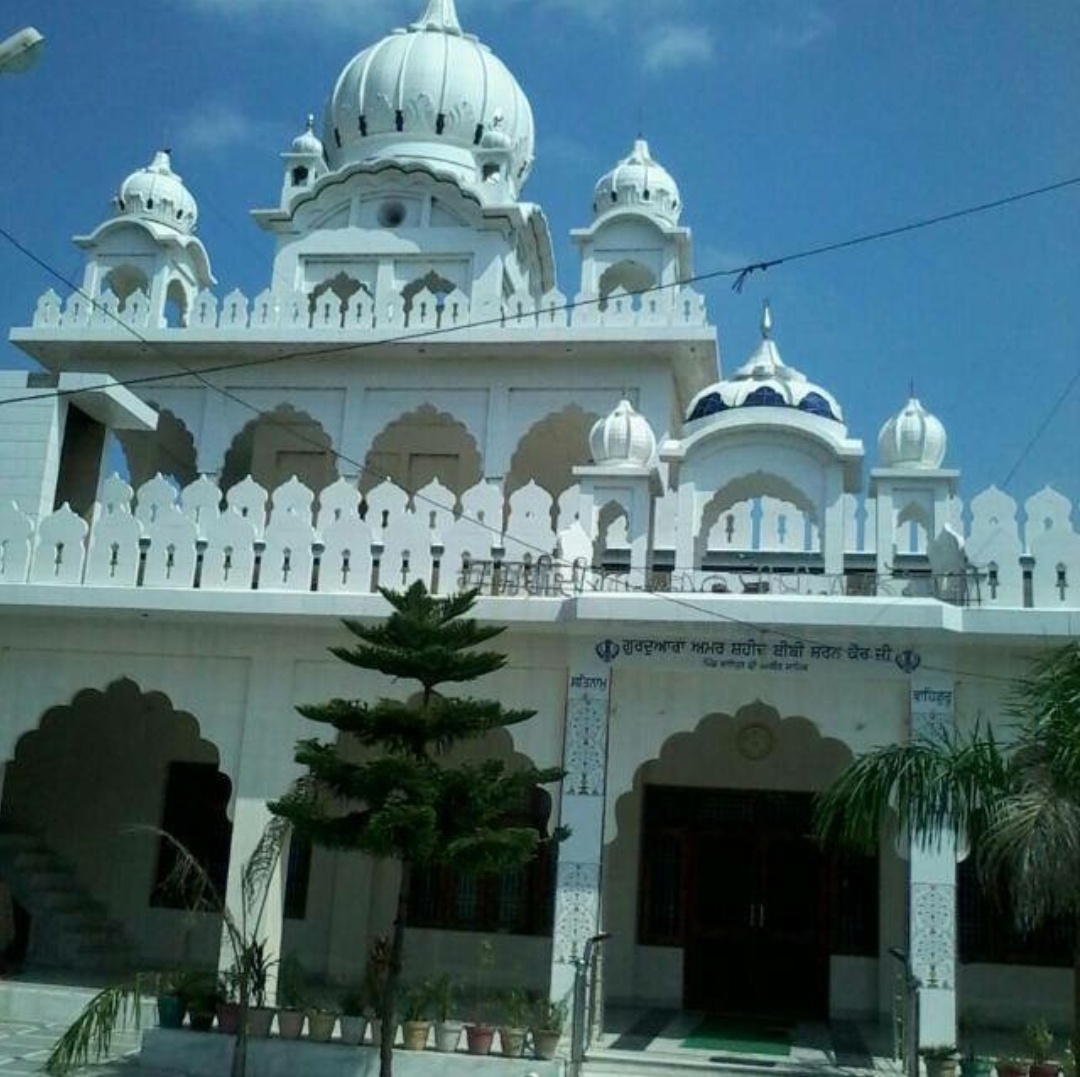
  • In 1945 a Gurudwara was built in village Raipur to commemorate Bibi Sharan Kaur. [8][1]
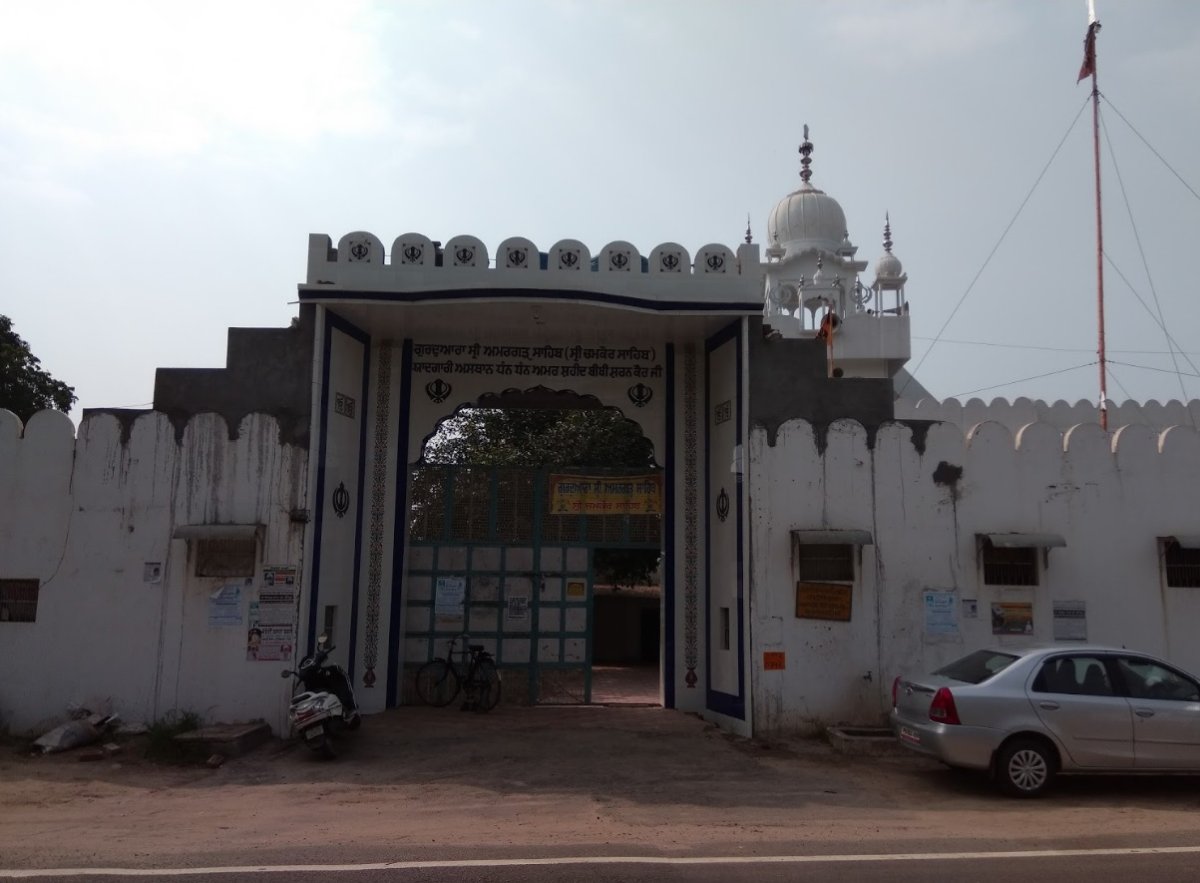
Gurdwara Amargarh Sahib in Chamkaur Sahib.jpg
  • Gurdwara Amargarh Sahib in Chamkaur Sahib Is a Sacred Shrine where Mata Sharan Kaur performed the last rituals of Wadde Sahibzaade is situated on the banks of canal.[2]

Facing constant threat of avalanches, Army scouts for advanced detection and rescue system

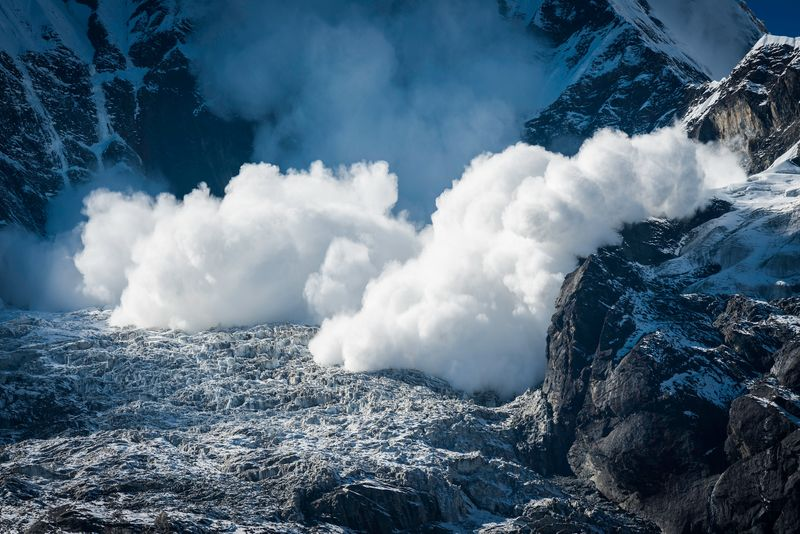
Faced with constant threat of avalanches in many snow-bound areas in the northern as well as north-eastern sectors, especially during winter months, the Indian Army is scouting for an advanced man-portable avalanche rescue system that comprises a search radar and electronic response beacon

The system comprises a rescue radar designed to detect personnel and equipment buried under snow in real time, and a reflector with an electronic transponder to return the signals emitted by the radar to pin point the location.

“The system ensures force protection in areas with adverse weather and climatic conditions and prevents non-operational casualties in snow bound areas. Equipped with advanced sensors and mitigation technology, this system enhances battlefield survivability and security of personnel against vagaries of weather,” a request for information issued by the Army on December 22 states.

The system is required to incorporate multiple victims marking feature in case of more than one buried individual and also include audio and video indication system and display for distance indication. It should have the option of being mounted on drones.

The high probability of avalanches as well as landslides and mudslides in many parts of Kashmir, Ladakh, Himachal Pradesh, Uttarakhand, Arunachal Pradesh and Sikkim poses a danger to troop movement and deployment. Extreme weather, storms, heavy snowfall and unstable terrain make avalanches a leading cause of non-combat casualties.

In September this year, three soldiers were killed when an avalanche hit an Army camp in the Siachen Sector. A captain was rescued after being buried for hours. The most notable incident in Siachen was in February 2016, when 10 soldiers were buried under snow at an altitude of 19,000. One soldier, Lance Naik Hanumanthappa Koppad, was finally evacuated after six days but he later succumbed to cold-weather injuries.

An avalanche struck an Army patrol at 14,500 in the Kameng Sector of Arunachal Pradesh in February 2022, killing seven personnel. It was only after several days that their bodies could be retrieved due to adverse weather conditions.

Among the worst incident in recent times was an avalanche that struck a training camp in Gulmarg in which 17 soldiers were killed during a skiing exercise. Multiple avalanches that struck Army camps during heavy snowfall in the Gurez Sector of Kashmir and adjoining areas killed 20 soldiers during January 2017.

The Army has been engaged in the mitigation of avalanche hazards for decades, with DRDO’s Defence Geo Research Establishment in Chandigarh playing a crucial role in the forecast of avalanches and developing technologies to minimise risk and damage.

The Army is working with the industry and the academia to develop newer technology for avalanche rescue that involves the use of drones, satellites and artificial intelligence. The Army has also been inducting equipment such as Avalanche Monitoring Radar that uses microwave pulses to detect avalanches and landslides in under three seconds through snow, fog and darkness within an area of a few square kilometers.

Victim detection and rescue equipment for locating buried personnel have also been procured. In 2022, the Army acquired 20 advanced Swedish avalanche rescue systems for precise location in deep snow.


Dhurandhar’ got real Army edge as military consultant ensured authenticity, accuracy

“Everything about the Army was projected correctly and reflected in a proper manner in the film”

During the making of the film Dhurandhar, we ensured that everything about the Army was projected correctly and reflected in a proper manner,” Colonel Bhupinder Shahi (retd), who was engaged as a military consultant for the newly released Bollywood blockbuster movie said.

“In the world of military-based cinema, where every salute, every uniform detail, every battlefield tactic and every word spoken by a soldier must resonate with realism, the role of a military consultant, though often overlooked, becomes crucial,” Col Shahi told The Tribune.

“On the set, the military consultant becomes the moral compass and technical expert who trains actors in battlecraft, fieldcraft, communication protocols and body language, guiding the filmmaker through the nuances of military culture, chain of command, unit cohesion and the psychological makeup of a soldier,” he added. It also involves collaborating closely with costume designers and art directors for visual accuracy.

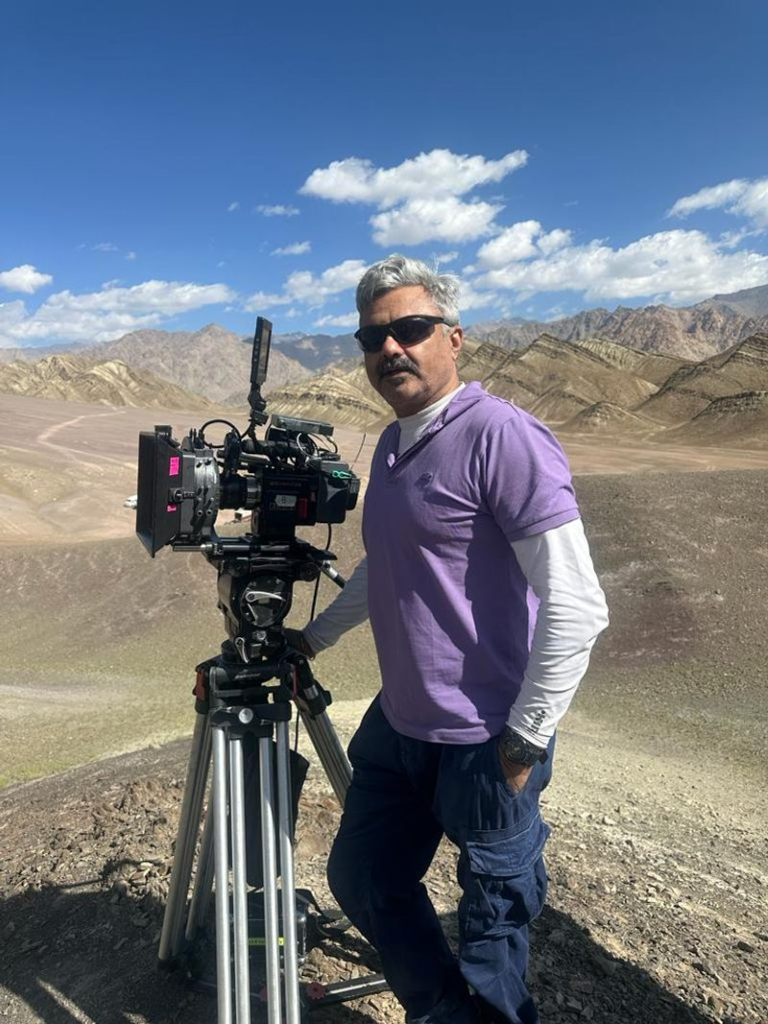
This was his ninth such project. Dhurandhar has been filmed extensively in Ladkah, where Col Shahi has served for eight years. “It is an authentic film and everything that has been depicted actually happened,” he remarked. Dhurandhar, meaning ‘Stalwart’ is a Hindi spy action thriller portraying a decade-long Indian intelligence operation where an undercover agent infiltrates Karachi’s criminal and political underworld.

Besides deployment in conflict areas like Kargil and Kashmir as well as counter insurgency environment, Col Shahi has also had stints with the National Security Guard and the Ladakh Scouts.

Commissioned into the Jammu and Kashmir Rifles in 1991, he took premature retirement in 2017 and after settling down in Mohali, has been involved as a consultant on matters involving the military in films. After retirement he initially worked with a travel firm and is presently an entrepreneur.

“My cinematic journey began with the film Shershah, which set a new benchmark for military accuracy in Indian cinema,” Col Shahi said. “In 2017, while serving in Leh, Maj Gen YK Joshi, who later became the Northern Army Commander, asked me to provide assistance to the makers of the movie which was based on the life of Capt Vikram Batra,” he said.

Captain Batra was posthumously decorated with the Param Vir Chakra in the 1999 Kargil conflict. “Vikram had served under me at the regimental center in Jabalpur and we had proceeded to the Kargil battle zone together,” he said. “We wrote the script for the film in Leh and then went to Vikram’s home town in Himachal Pradesh to collect more details about his life,” he added.

Kill, Veda, Freedom at Midnight, Waking of a Nation and Fauj are among other projects that Col Shahi has worked with. He started working on Dhurandhar in 2024 after being approached by an executive producer, Rahul Gandhi.

His task primarily for Dhurandhar was to help the movie producers get the required permissions from the Army and the Indian Air Force (IAF), and ensure that the script portrays the services in the correct, realistic and positive manner. He was responsible for liaising with the Army and Air Headquarters for the use of a MI-17 and Cheetah helicopter that were to be used in the shooting.