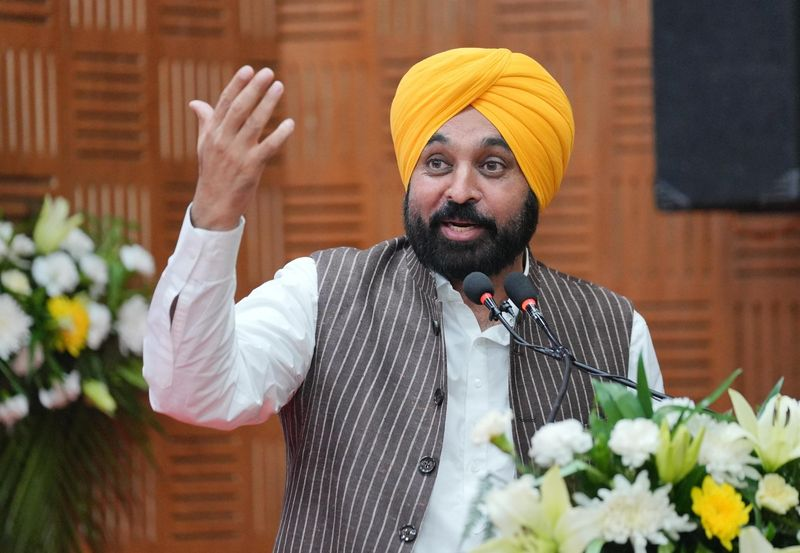
CM Bhagwant Singh Mann highlighted the issue of missing Guru Granth Sahib ‘saroops’ at AAP’s Maghi rally, saying 169 were traced during the probe. “The SIT found 169 missing ‘saroops’ from a religious place near Banga, with records existing for only 30. No agency, neither SGPC nor those who managed them, had proper documentation,” he said.
Mann claimed his government would hand over the ‘saroops’ to SGPC for installation. “This isn’t an achievement we’re claiming credit for – it’s our duty,” he added.
Earlier, Mann offered prayers at the historic gurdwara here and paid homage to the 40 ‘muktas’. “People have gathered here not just to listen to politics but to bow to Guru Sahib,” he said.
The CM mixed his remarks with political attacks, saying former rulers were trying to regain power, while AAP had given jobs, ensured uninterrupted power, and planned a Rs 10 lakh insurance scheme. He announced Rs 1,000 monthly honorarium for women in the next budget.
Mann targeted SAD president Sukhbir Singh Badal and PCC chief Amrinder Singh Raja Warring, but spared BJP. The rally saw a large turnout, with notable attendees including Manish Sisodia and AAP Cabinet ministers.CM’s mother Harpal Kaur was also present on the stage. The party’s national convener Arvind Kejriwal did not attend the rally.
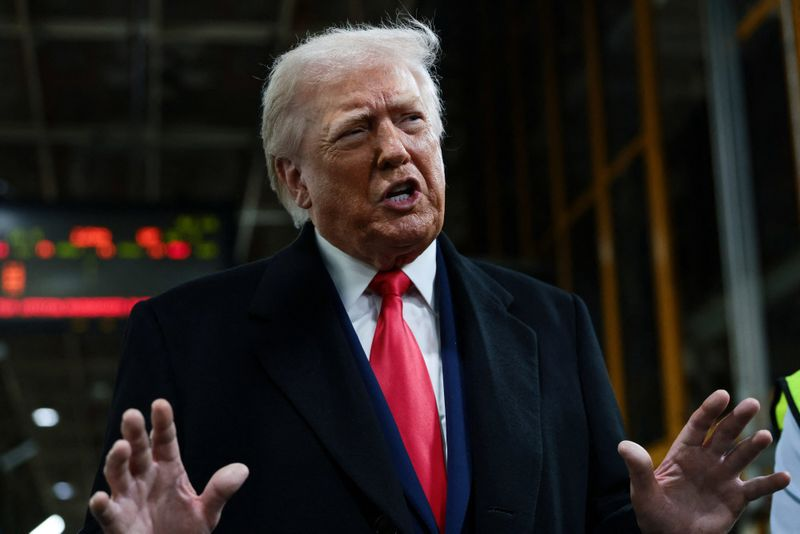
Trump says anything less than having Greenland in US hands ‘unacceptable’
President Donald Trump said on Wednesday that NATO should help the US acquire Greenland and anything less than American control is unacceptable, hours before Vice President JD Vance was to host Danish and Greenlandic officials for talks.
In a post on his social media site, Trump reiterated his argument that the US “needs Greenland for the purpose of National Security.” He added that “NATO should be leading the way for us to get it” and that otherwise Russia or China would — “AND THAT IS NOT GOING TO HAPPEN!” “NATO becomes far more formidable and effective with Greenland in the hands of the UNITED STATES,” Trump wrote. “Anything less than that is unacceptable.”
Greenland, a semiautonomous territory of NATO ally Denmark, is at the centre of a geopolitical storm as Trump insists he wants to own it — and residents of its capital, Nuuk, say it isn’t for sale. The White House hasn’t ruled out taking the Arctic island by force.
Vance is to meet Denmark’s foreign minister Lars Lokke Rasmussen and his Greenlandic counterpart Vivian Motzfeldt in Washington later on Wednesday to discuss Greenland.
Greenland residents want the US to back off
Along the narrow, snow-covered main street in Nuuk, international journalists and camera crews have been stopping passersby every few metres asking them for their thoughts on a crisis which Denmark’s prime minister has warned could potentially trigger the end of NATO.
Tuuta Mikaelsen, a 22-year-old student, said in Nuuk that she hoped American officials would get the message to “back off.”
Greenland’s Prime Minister Jens-Frederik Nielsen told a news conference in Copenhagen on Tuesday that “if we have to choose between the United States and Denmark here and now, we choose Denmark. We choose NATO. We choose the Kingdom of Denmark. We choose the EU.”
Asked on Tuesday about Nielsen’s comments, Trump replied: “I disagree with him. I don’t know who he is. I don’t know anything about him. But, that’s going to be a big problem for him.”
Greenland is strategically important because, as climate change causes the ice to melt, it opens up the possibility of shorter trade routes to Asia. That also could make it easier to extract and transport untapped deposits of critical minerals which are needed for computers and phones.
Trump said in Wednesday’s post that Greenland is “vital” to the United States’ Golden Dome missile defence programme. He also has said he wants the island to expand America’s security and has cited what he says is the threat from Russian and Chinese ships as a reason to control it.
But both experts and Greenlanders question that claim.
“The only Chinese I see is when I go to the fast food market,” heating engineer Lars Vintner said. He said he frequently goes sailing and hunting and has never seen Russian or Chinese ships.
His friend, Hans Norgaard, agreed, adding “what has come out of the mouth of Donald Trump about all these ships is just fantasy.”
Denmark has said the US — which already has a military presence — can boost its bases on Greenland. For that reason, “security is just a cover,” Vintner said, suggesting Trump actually wants to own the island to make money from its untapped natural resources.
Norgaard said he filed a police complaint in Nuuk against Trump’s “aggressive” behaviour because, he said, American officials are threatening the people of Greenland and NATO.
Mikaelsen, the student, said Greenlanders benefit from being part of Denmark, which provides free health care, education and payments during study, and “I don’t want the US to take that away from us.”
More diplomatic efforts
Following the White House meeting, Lokke Rasmussen and Motzfeldt, along with Denmark’s ambassador to the US, are due to meet with senators from the Arctic Caucus in the US Congress.
Two lawmakers — Sen. Jeanne Shaheen, a New Hampshire Democrat, and Sen. Lisa Murkowski, an Alaska Republican — have introduced bipartisan legislation that would prohibit the use of funds from the US Defence or State departments to annex or take control of Greenland or the sovereign territory of any NATO member state without that ally’s consent or authorization from the North Atlantic Council.
A bipartisan delegation of lawmakers is also heading to Copenhagen at the end of the week to meet with Danish and Greenlandic officials.
Last week, Denmark’s major European allies joined Danish Prime Minister Mette Frederiksen in issuing a statement declaring that Greenland belongs to its people and that “it is for Denmark and Greenland, and them only, to decide on matters concerning Denmark and Greenland.”
On Wednesday, French Foreign Minister Jean-Noel Barrot told RTL radio that his country plans to open a consulate in Greenland on February 6, following a decision last summer to open the diplomatic outpost.
“Attacking another NATO member would make no sense; it would even be contrary to the interests of the United States. And I’m hearing more and more voices in the United States saying this,” Barrot said. “So this blackmail must obviously stop.”
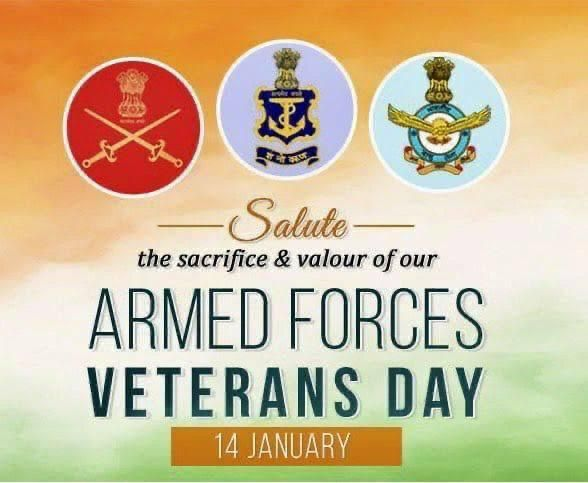
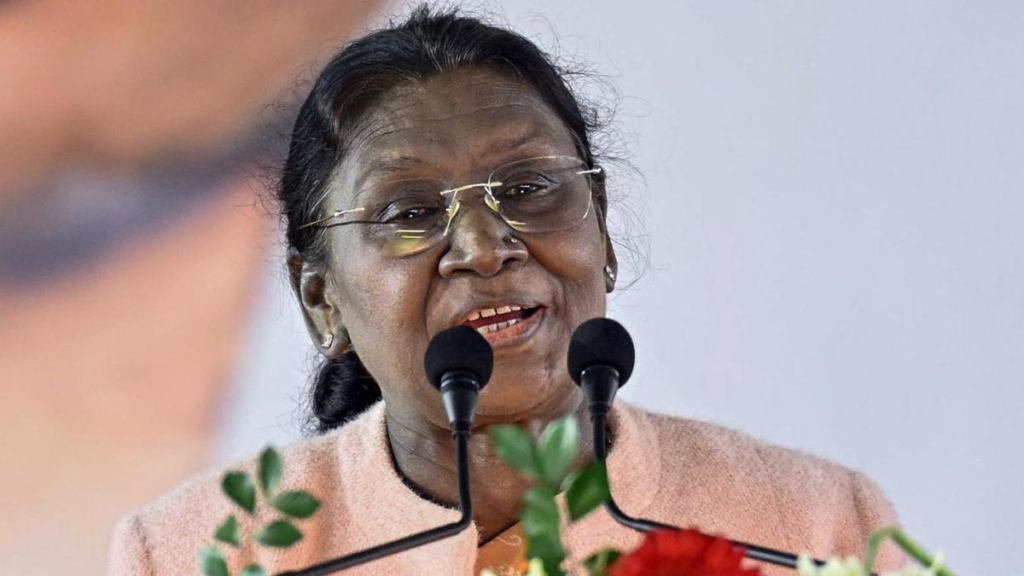
“On Veterans’ Day, I salute the valour, dedication, and sacrifice of our ex-servicemen. Their unwavering courage continues to inspire every Indian,” President Murmu said
President Droupadi Murmu on Wednesday (January 14, 2026) lauded ex-servicemen on Veterans’ Day, saying their unwavering courage continues to inspire every Indian.
“Occasions such as Veterans’ Day and Armed Forces Flag Day are not only opportunities to pay tribute to our brave soldiers, but also to extend meaningful support to them. I am confident that our veterans will continue to remain deeply committed to the cause of the nation,” the President said in a post on X.
“On Veterans’ Day, I salute the valour, dedication, and sacrifice of our ex-servicemen. Their unwavering courage continues to inspire every Indian,” Ms. Murmu said.
Honouring the Soldier beyond service:India’s unfinished duty to its veterans
As we express our gratitude, we must never forget that the highest appreciation is not to utter words, but to live by them” ‘John F Kennedy’ At the time of our independence the Indian defence forces continued to be com manded by British officers designated as Commander-in Chief, first by General Lockhart till Dec 31, 1947 and later by General Bucher who stayed in office till 14 Jan 1949. General (later Field Marshal) KM Cariappa got the privilege of being the first Indian C-in-C of India from Jan 15, 1949 to Jan 14, 1953. These two dates are commem orated as Army Day and Veterans’ Day respec tively. Indian defence forces are pure volunteers known for selfless devotion to the Nation and readiness to make the ultimate sacrifice in the line of duty. Nation must honour their services by looking after their interests post-retirement and by ensuring welfare support to the widows and children of the martyrs. India has actually done well to establish various organisations and mechanisms to provide required support to the retiring commu nity during transition and after; as also to address their grievances, if any. The intent behind most such measures is laudable yet many of them somehow fall short in delivery! Important Milestones Armed Forces Veterans Day was instituted in 2016 and this year we are celebrating the tenth. A lot of attention has been devoted to Veterans’ issues since last so many years but last ten years have seen more focus in this regards. An attempt is made here to list out important milestones in our journey so far to look after the interests of our soldiers once they hang up their boots. n Resettlement Division was set up under the Department of Defence in 1986. n Department of Ex-Servicemen Welfare was established in 2004 having the following: n Pension Division. n Resettlement Division. nSainik Board consisting of 34 Rajya Sainik Boards and 410 Zila Sainik Boards. n Directorate General of Resettlement. nEx-servicemen’s Contributory Health Scheme under which a total of 427 polyclinics are func tioning. n Armed Forces Tribunal Act, 2007; effected in 2009. “Various pay commissions which have improved considerably the financial health of both in — service and veteran communities
One Rank One Pension decision. n The protocol of sending home the mortal remains and according military funerals to the martyrs established during the Kargil War. Shortfalls and Unmet Expectations BALRAJ MEHTA On one hand it is heartening to go through the above list but on the other hand it is disappoint ing to observe serious shortfalls. Mostly it is due to the bureaucratic apathy, encouraged by restraint of a disciplined community resigned to suffering at the hands of a callous administra tion and political treachery. List of grievances is very long but I will restrict myself to major aspects: n Armed Forces Tribunals. In addition to the Principal Bench at Delhi, there are 10 regional benches at Chandigarh, Chennai, Guwahati, Jammu, Jabalpur, Jaipur, Kolkata, Kochi, Lucknow and Mumbai. The staffing is inadequate and apart from four, the rest are almost non functional, not having been posted with judicial and/or administrative members for long. Nearly 28,000 cases were pending in various AFTs by end of 2025 and plight of the affected parties can only be imagined. to offset the limited promotional opportunities in rigid bureaucracies. Its benefits are being enjoyed by the Civil Services, the Police Services, the Foreign Service and even the Central Armed Police Forces. However, the defence forces have been kept out of the system in spite of the 7th Pay Commission Chair having recommend ed their inclusion. In actual fact the pyramid is much steeper in the armed forces, service con ditions much tougher and the retirement ages much less; yet the logjam continues! n Negative Outlook towards Pensions. There is a repeated outcry about rising pension bills. Admittedly it constitutes about 24 per cent of the Defence budget and stands at `1.61 Lakh Crores for the FY 2025-26. It is a big number but it needs to be kept in mind that the agreed terms of engagement cannot be done away with. We have to find additional resources for our defence budget by reprioritisation, stopping the waste and pilferage. Schemes like downsizing, Agniveer and the like are not permanent solu tions. Inherent Bias and Apathy n Appeals Against AFT Decisions. Much against the basic tenets of welfare of vet erans, govt officials are prone to file appeal after appeal against AFT judgements delivered against them. This persistent line of action delays justice to the affected parties some of whom are fighting for redressal for a decade or more! This pathologically negative attitude of the Ministry has been adversely commented upon by the High Courts. The cases are dragging on and it has become a case of “taareekh parr taareekh.” There seem to be absolutely no political direction to the babudom for removing the legal and pro cedural road blocks repeatedly being put in place by them. n Pay Commission Woes. Application of the Fitment Factor and pay bands have been creat ing confusion and various anomalies have sprouted up. One famous case, decided in favour of veterans but not being implemented by MoD, is of Brigadiers drawing more pension than Major Generals! There are other similar examples wherein a little concern would have resolved problems easily but the confusion remains and will, in all probability, be carried forward to the 8th Pay Commission! n ECHS. There is a severe shortage of funds cumulatively going up to more than 10,000 crores, as we stand today. Delays in release of funds, administrative restrictions and diversion have created havoc in this otherwise beautiful system which was meant to be cashless and capless. There are shortages of medicines and many hospitals have stopped providing treat ment due to a huge backlog of unpaid bills. Non Functional Upgrade (NFU). Introduced in 2008 for Group ‘A’ Services, NFU was designed Something strange is affecting the veteran com munity in India apparent in the all-pervasive disdain and widespread neglect. It appears that Indian soldier is remembered and honoured only during crises and forgotten thereafter. n Remember a politician saying not so long ago that soldiers get paid to get killed? n Remember how the veterans protesting peacefully demanding One Rank One Pension were brutally lathi charged by Delhi police in 2015? n Remember a retired Colonel and his son getting beaten up by Punjab Police personnel last year and the continued disinclination of police deptt and the State govt to carry out unbiased investigation? Ultimately the case was trans ferred to CBI under orders of the High Court and now some progress is being seen. n Remember the case of daughter of a deceased officer being duped of their house which could be restored to her only after intervention by CM of Uttar Pradesh? The pattern points to an inherent bias against soldiers once their service ends. While this may not be evident on paper, the conduct of the police, bureaucracy and civil administration towards veterans suggests otherwise. Despite some positive initiatives, far more must be done by both society and the government. Chanakya’s warning remains relevant: when a soldier must demand his dues, the ruler loses moral author ity. It is time we faced this reality
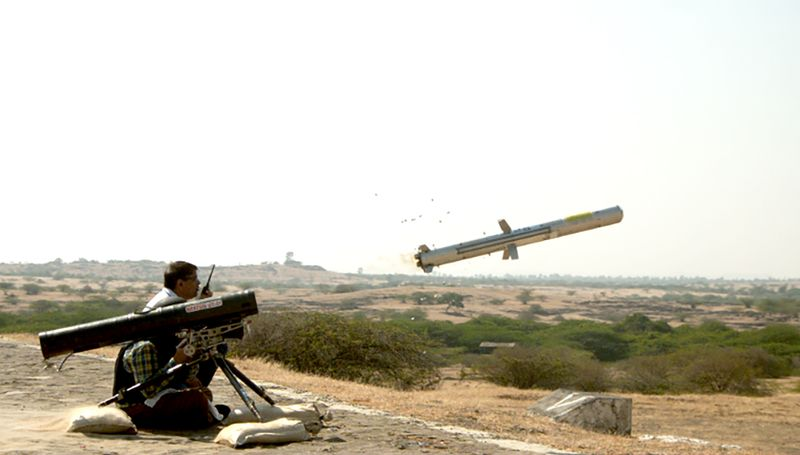
A third generation ‘fire and forget’ Man Portable Anti-Tank Guided Missile (MPATGM) with top attack capability has been flight-tested successfully against a moving target by the Defence Research and Development Organisation (DRDO).
The indigenously developed MPATGM consists of state-of-the-art indigenous technologies like imaging infrared (IIR) homing seeker, all electric control actuation system, fire control system, tandem warhead, propulsion system and high performance sighting system, DRDO said on Monday.
The weapon system has been produced by DRDO’s Defence Research and Development Laboratory, Hyderabad. The missile can be launched from a tripod or a military vehicle launcher. It has an effective range of 4,000 metres.
Some components for the system have been provided by DRDO’s Research Centre Imarat, Hyderabad, Terminal Ballistics Research Laboratory, Chandigarh, High Energy Materials Research Laboratory, Pune and Instruments Research and Development Establishment, Dehradun.
The thermal target system was developed by Defence Laboratory, Jodhpur to simulate the target tank. The IIR seeker is well accomplished with day and night combat operation capability. The warhead is capable of defeating modern main battle tanks. Bharat Dynamics Limited and Bharat Electronics Limited are the development-cum-production partners for the weapon System.
Defence Minister Rajnath Singh has complimented DRDO and its industry partners for the successful test, terming it as an important step towards self-reliance. Secretary, Department of Defence Research and Development and Chairman DRDO, Dr Samir V. Kamat said that the trial target was successfully conducted, thereby leading the weapon system for induction into the Indian Army.
Alcohol not sole factor, service conditions also responsible for death on duty: Armed Forces Tribunal
Ruling that brain haemorrhage suffered while on duty is attributable to military service, the Armed Forces Tribunal has held that the death of a soldier cannot be attributed solely to alcohol consumption but other factors like posting to high-altitude area must also be considered.
Granting special family pension to the widow of an airman, the Tribunal observed that the airman, Corporal Jaswindra Singh, had been sent on duty to a high-altitude area despite being ill.
His request for exemption to be sent to Kurseong on medical grounds was declined by the Air Force authorities. There he was admitted to hospital as his condition worsened and ultimately his died from intra-cranial haemorrhage.
Special-family pension was denied to his widow on grounds that the death was not attributable to military service. Her appeals before the pensionary authorities also did not yield any results. The Air Force also contended that he had been a regular alcohol consumer for the past six years.
“We make it clear that the death of the petitioner’s husband was not definitely due to regular alcohol for the last six years. There could be other factors like high altitude, the fact that he had travelled to Kurseong from Purnia, etc. This vital aspect of the matter has not been considered by the competent authority while negating the claim of the petitioner for grant of special family pension,” the Tribunal’s Bench of Justice Suresh Kumar Gupta and Maj Gen Sanjay Singh said.
“It is abundantly clear that the petitioner’s husband has passed away in performance of the bonafide official duty and as such the action of the respondents in declining the claim of the applicant for grant of special family pension is faulty,” the Bench ruled.
The Bench also observed that Kurseong is at a higher altitude than Purnia, where the airman was originally based, and that is why his medical condition worsened. “While Kurseong station does not come under the category of high altitude, that is 9,000 feet above sea level or more, it is certainly higher than Purnia and there would have logically been some efforts at making the tour,” the Bench said.
IIT Madras develops ramjet-assisted artillery shells, boosts gun range by 50 per cent
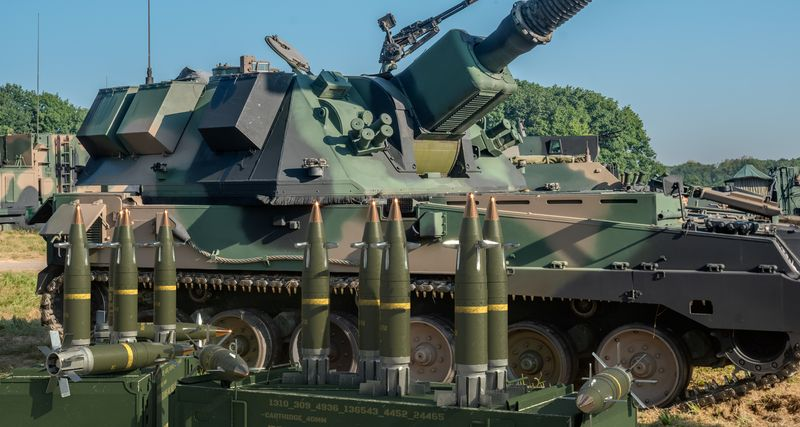
IIT Madras has achieved a breakthrough in defence technology by developing ramjet-assisted artillery shells that can extend the range of existing gun systems by nearly 50 per cent without compromising lethality. This innovation integrates a ramjet engine into standard 155 mm artillery ammunition, replacing the conventional base-bleed unit, and enables sustained propulsion after the shell exits the gun barrel.
The technology has shown substantial range improvements across multiple platforms, including Advanced Towed Artillery Gun System (ATAGS), extended range from 40 km to 70 km; Vajra K-9 gun, extended range from 36 km to 62 km; Dhanush artillery guns, extended range from 30 km to 55 km, said IIT Madras.
The project, launched in 2020 in collaboration with the Indian Army, has undergone extensive gun and field trials, successfully validating clean gun exit, stable flight, and reliable ramjet ignition. This innovation aligns with the Atmanirbhar Bharat initiative, demonstrating how upgrading existing systems can deliver cost-effective, survivable, and future-ready firepower for modern battlefields.
The project was led by Prof PA Ramakrishna of IIT Madras, along with Lt Gen P R Shankar (retd), Prof HSN Murthy, Prof G Rajesh, Prof M Ramakrishna, Prof Murugaiyan, Lt Gen Hari Mohan Iyer (retd), Prof Lazar C and Dr Yogesh Kumar Velari.
State Stalwarts
DEFENCES FORCES RANKS
ARMY, NAVY, AIRFORCE RANKS
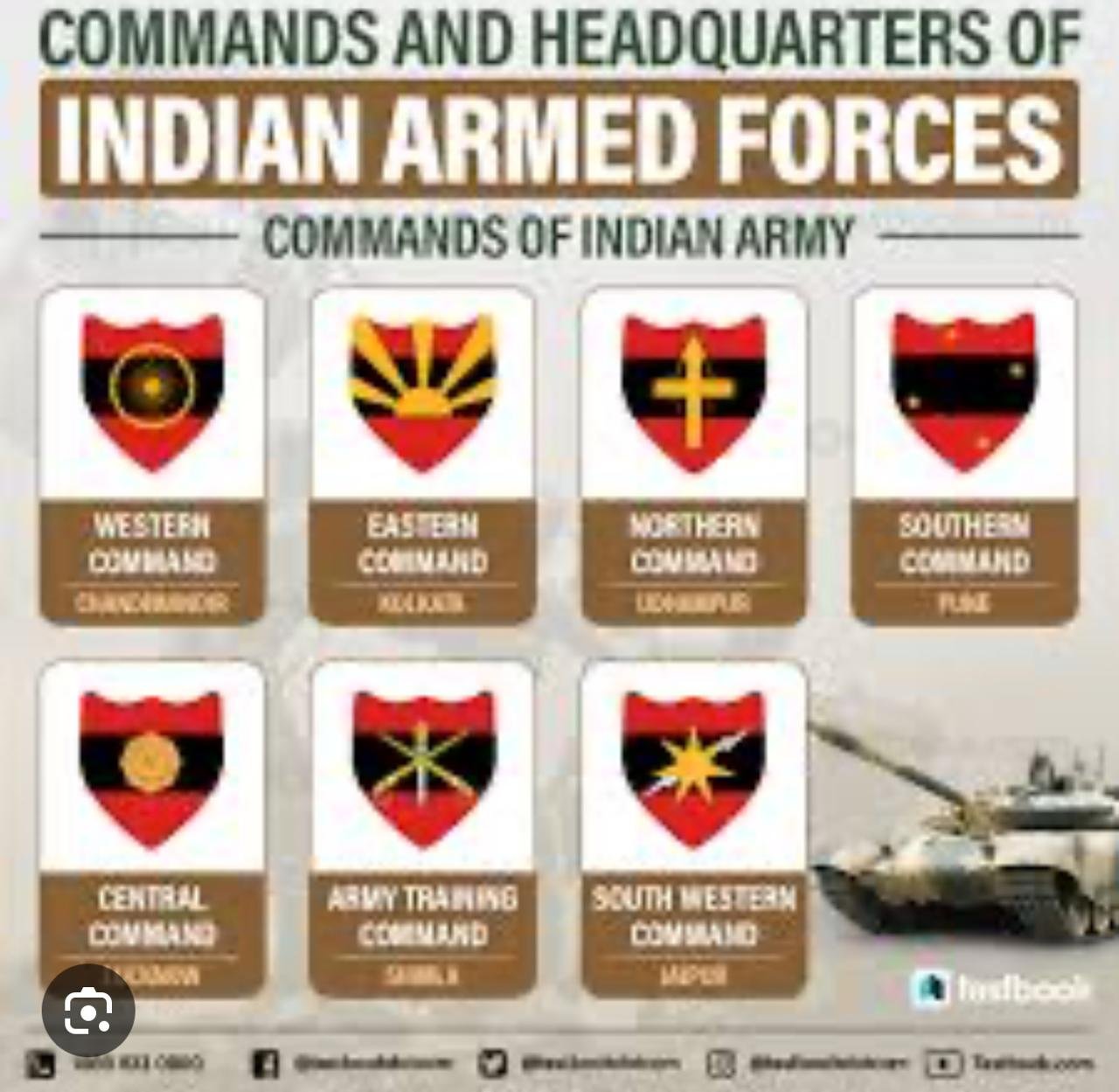
FORMATION SIGNS
FORMATION SIGNS
ALL HUMANS ARE ONE CREATED BY GOD
HINDUS,MUSLIMS,SIKHS.ISAI SAB HAI BHAI BHAI
CHIEF PATRON ALL INDIA SANJHA MORCHA
LT GEN JASBIR SINGH DHALIWAL, DOGRA
SENIOR PATRON ALL INDIA SANJHA MORCHA
MAJOR GEN HARVIJAY SINGH, SENA MEDAL ,corps of signals
.
.
PATRON ALL INDIA SANJHA MORCHA
MAJ GEN RAMINDER GORAYA , CORPS OF
sanjhamorcha303@gmail.com
PRESIDENT HARAYANA STATE CUM COORDINATOR ESM
BRIG DALJIT THUKRAL ,BENGAL SAPPERS
PRESIDENT TRICITY
COL B S BRAR (BHUPI BRAR)
PRESIDENT CHANDIGARH ZONE
COL SHANJIT SINGH BHULLAR
.
.
PRESIDENT PANCHKULA ZONE AND ZIRAKPUR
COL SWARAN SINGH
PRESIDENT SAS NAGAR (MOHALI)
COL BALBIR SINGH , ARTY
INDIAN DEFENCE FORCES
DEFENCE FORCES INTEGRATED LOGO
FORCES FLAGS
15 Th PRESIDENT OF INDIA SUPREME COMMANDER ARMED FORCES
Droupadi Murmu
DEFENCE MINISTER
Minister Rajnath Singh
CHIEF OF DEFENCE STAFF (2nd)
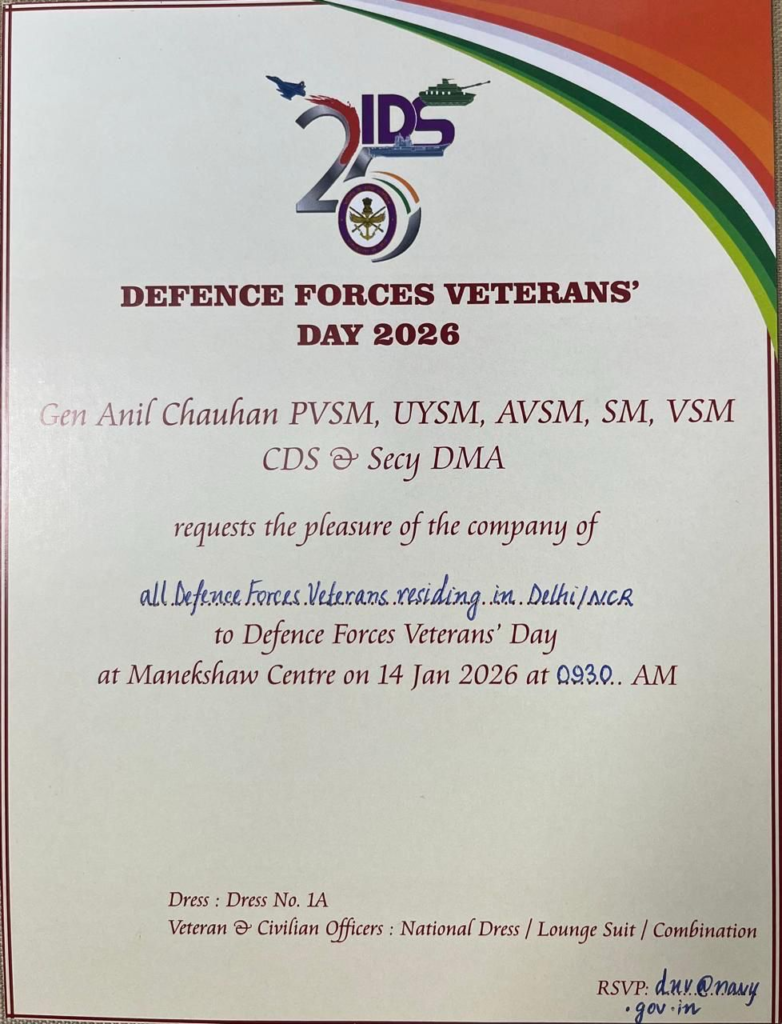
General Anil Chauhan PVSM UYSM AVSM SM VSM
INDIAN FORCES CHIEFS
CHIEF OF ARMY STAFF(29th)
General Upendra Dwivedi, PVSM, AVSM (30 Jun 2024 to Till Date)