









Sanjha Morcha

What’s New

Click the heading to open detailed news

Current Events :

web counter

Print Media Reproduced Defence Related News

Cockiness alone won’t do by Sandeep Dikshit

Cockiness alone won’t do
GO EASY: The testosterone-infused narrative is shaping public perception.

Sandeep Dikshit

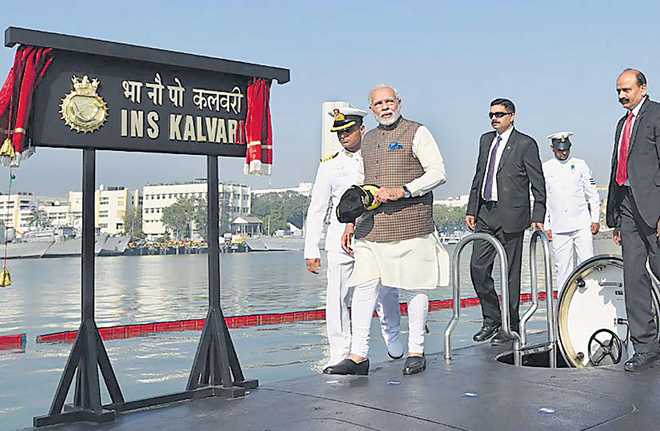
LAST week, India commissioned a new submarine after 17 years. This was yet another opportunity for some joyful, vigorous back-slapping in the national security crowd. Defence Minister Nirmala Sitharaman all but made PM Modi the star of the show till social media informed her that most of the project spanned the tenure of the UPA government.Yet, the breaking of waters by the solitary, though strikingly deadly submarine, was made out as a watershed event in India’s march at military muscle-building. There was little word about the existing capability — down to 13 undersea vessels and less than half operational at any given time and in no match to China’s 50-plus submarine fleet.National security is admittedly a sensitive subject and involves some self-censorship. But not a single commentary dwelt on the severely compromised characteristics of the submarine after the last September leak of 22,000 pages of its sensitive operational data. Veteran submariners say a submarine becomes naked and exposed if the enemy captures its distinctive noise, heat and electro-magnetic emissions. Did the government apply correctives as it had promised? Were they adequate? If the embarrassing exposure of all its operational characteristics had been modified, why is there no follow-up order on three more submarines?The might of the Indian Navy has become something of a myth, especially in the undersea. Neither are there adequate submarines nor deep-sea rescue vessels to extricate our submariners if one of the undersea boats packs up. India is reportedly entering the nuclear era of submarines but its sole Russia-leased nuclear boat is in the dock after busting its sonar panels, its eyes in the murky sea.Yet there is tall talk about how a brave India is plunging into uncharted waters in concert with the US, Japan and Australia to counter an aggressive and abrasive China, keen on dominating its peripheral oceans.Forget the compromising of operational data of the submarine, the cyberspace is surprisingly silent on the results of the probe the French government had promised; the issue is why each submarine is Rs 1,000 crore more expensive and if there was any penalty for the five-year delay in its launch.Instead, the Indian security establishment and its cheerleaders have happily moved on to the next major cherry on the defence acquisition calendar — a $8 billion project for more submarines. There will be another new acquisition-related excitement this month — the purchase of anti-missile missiles from Russia. Each battery will come packed in its original crate and there is not even a token technology transfer envisaged in this multibillion dollar deal. But there will be another round of jubilation over India joining an exclusive club of countries with a missile defence shield. No questions will be asked about the fate of DRDO’s several tests of our own missile defence shield or the worth of the late Missile Man’s claim of having made India self-sufficient in defence.If this vigorous flagging of India’s military muscle was intended to impress the neighbours, three developments last week should dampen our exuberance. The Foreign Office was compelled to issue two thinly veiled warnings. Sri Lanka was testily asked to keep India’s security concerns in mind: an allusion to the 99-year lease to China of the Hambantota port juxtaposed with Colombo’s procrastination on an Indian request for the same favour for the Trincomalee port.The Maldives was the next to get the rap. It seems no longer ready to adhere to the “India First” dictum,  especially when the largest number of tourists bankrolling its economy are from China. It largely operates India-gifted military hardware and is networked in the Indian Naval surveillance system. Yet India was uninformed when its Majlis approved an FTA with China. Worse, the Maldives is now viewing the Indian ambassador from the same lens used by PM Modi for the Manmohan Singh-Mahmud Kasuri dinner meeting. It suspended three employees for a conversation with the Indian envoy in Mali.The third setback has happened in Nepal where the election results from the mountains, its political heartland, have brought a new elite to the fore that is under no past obligation to the Indian security managers or the RSS cadre that had worked together in vain to refashion social equations in the Nepalese Parliament.The absence of criticism, scepticism and constant questioning in national security debates has left the common citizen uninformed about India’s true place in the global constellation of nations.The Kargil War was one where the national security apparatus was tested and found wanting. The 1962 War was an earlier occasion for meticulous self-examination of the state of our military responses. Both led to salutary changes in the way we conduct our defence affairs as well as a reappraisal of the alternative tools of persuasion and dissuasion at our disposal.This faculty of introspection; of ascertaining where we truly stand is now in a short supply. This inhibits not just an honest appraisal but stunts our problem-solving abilities and prevents a sincere appraisal of the future.Embarrassing developments are allowed to fade, unquestioned. December is the Russian season, when there is a flurry of high-level meetings in the run-up to the annual summit. But there has been no examination of the impact on Moscow’s psyche about an alleged hush-hush tour by either the Americans or the British to examine a sophisticated submarine leased to India.Of course, India does not have a parade ground Army. Neither are its armed forces predominantly symbolic. It is as lethal and responsive as the best in the game. But the incessant talking up of the armed forces — there is no let-up in the celebrations of the surgical strikes — while dissuading the public scrutiny of its warts does the cause of nation-building a disservice and shields the security managers from being called out for their bloopers.  The testosterone-infused narrative is shaping public perception: Talks with Pakistan are disfavoured; Nepal can be brought to heel with a few spies and RSS cadre; frequent invocation of the Buddhist link will keep Sri Lanka in good humour; and, regime change in the Maldives will resolve all issues. All these easy-fixes are conceived under the misplaced assumption of a massive Indian military umbrella that has the others, presumably, impressed and in awe.India lives in a tough neighbourhood and it makes sense to remind the more adventure prone about its military muscle. But the macho man needs to take a back seat occasionally. An occasional, if spectacular, military operation also does not stir this tough neighbourhood.  

sandeep4731@gmail.com


Tributes paid to martyrs on Vijay Diwas

Tribune News Service

Ludhiana, December 16

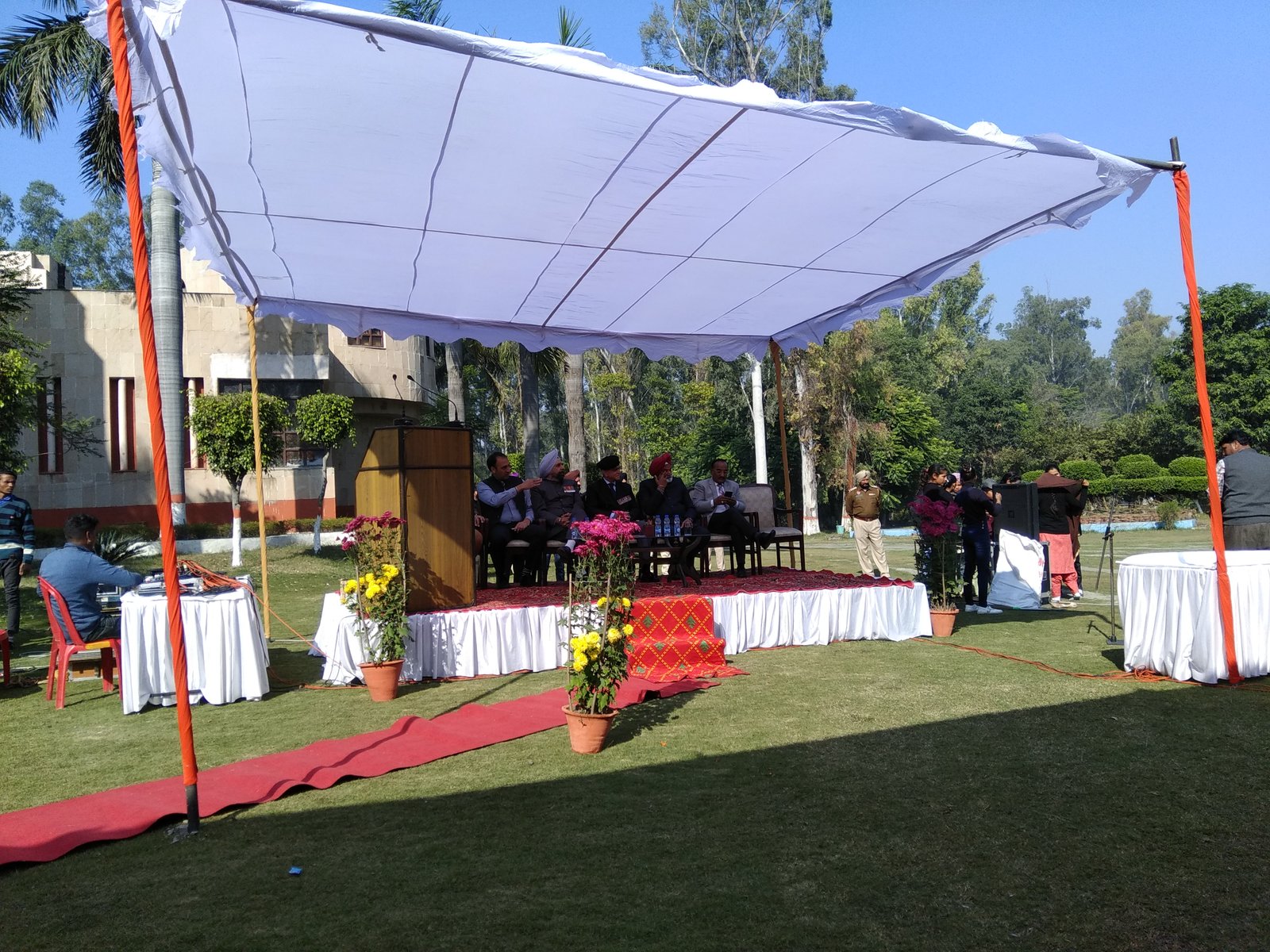
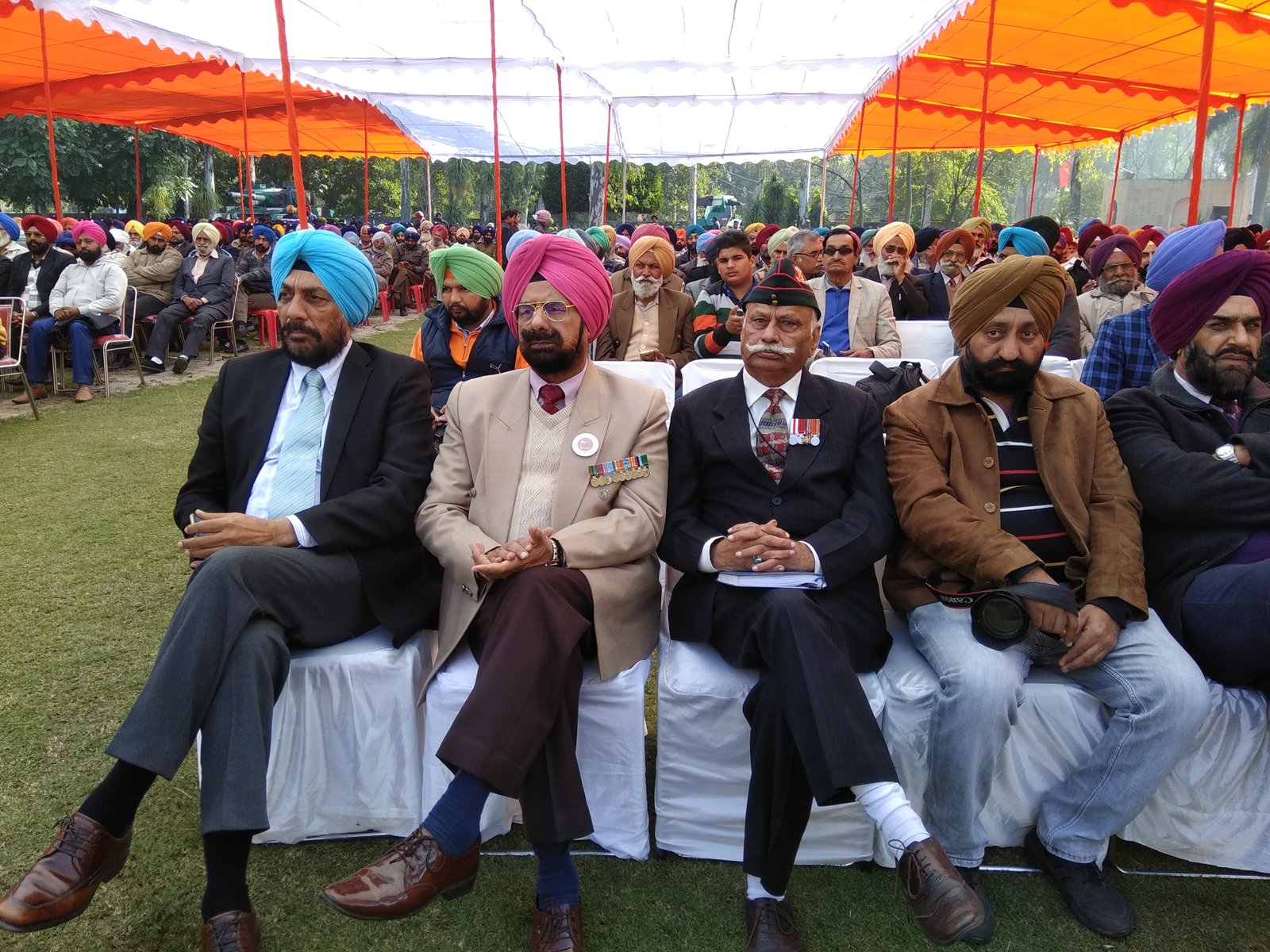
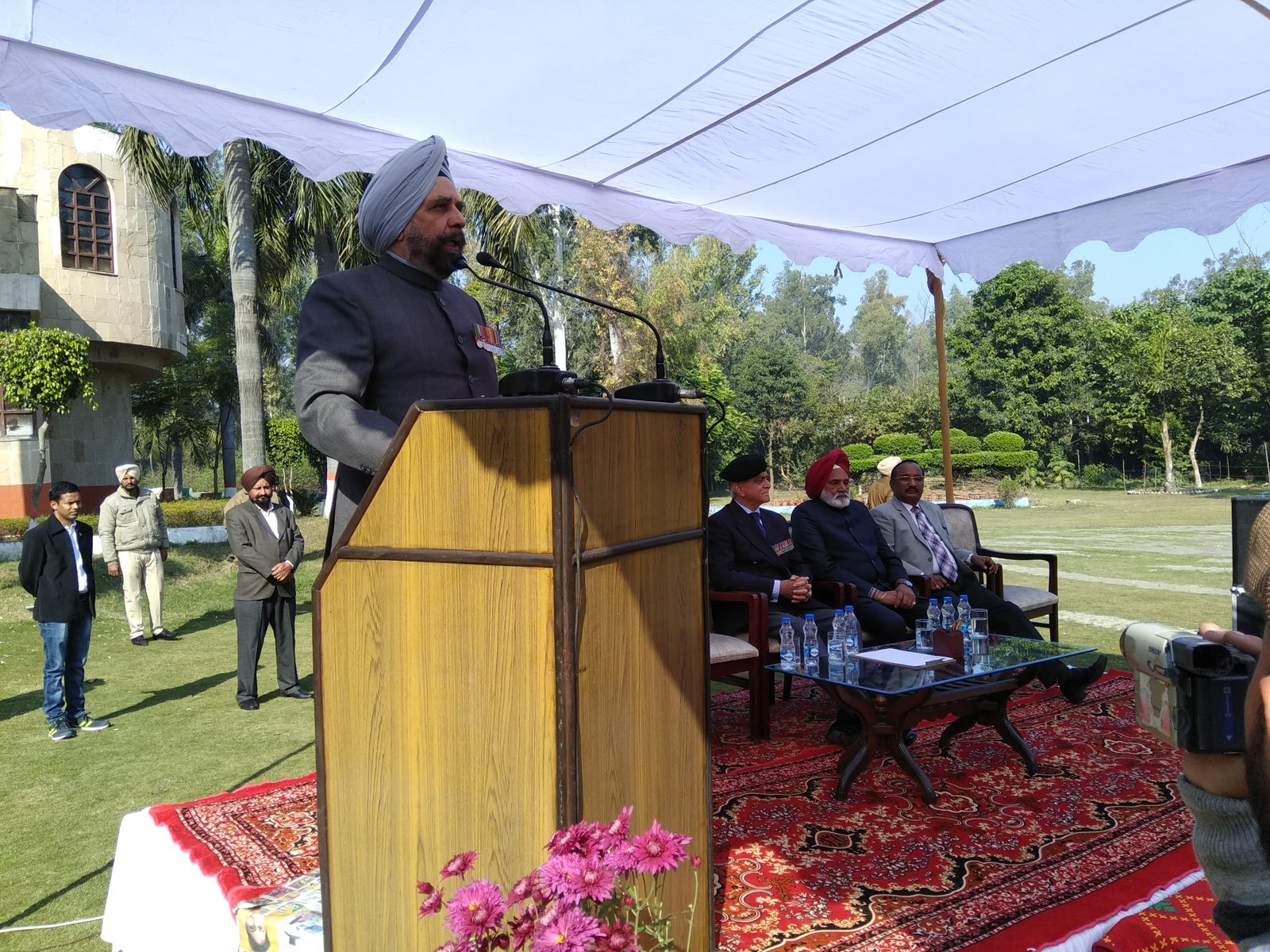
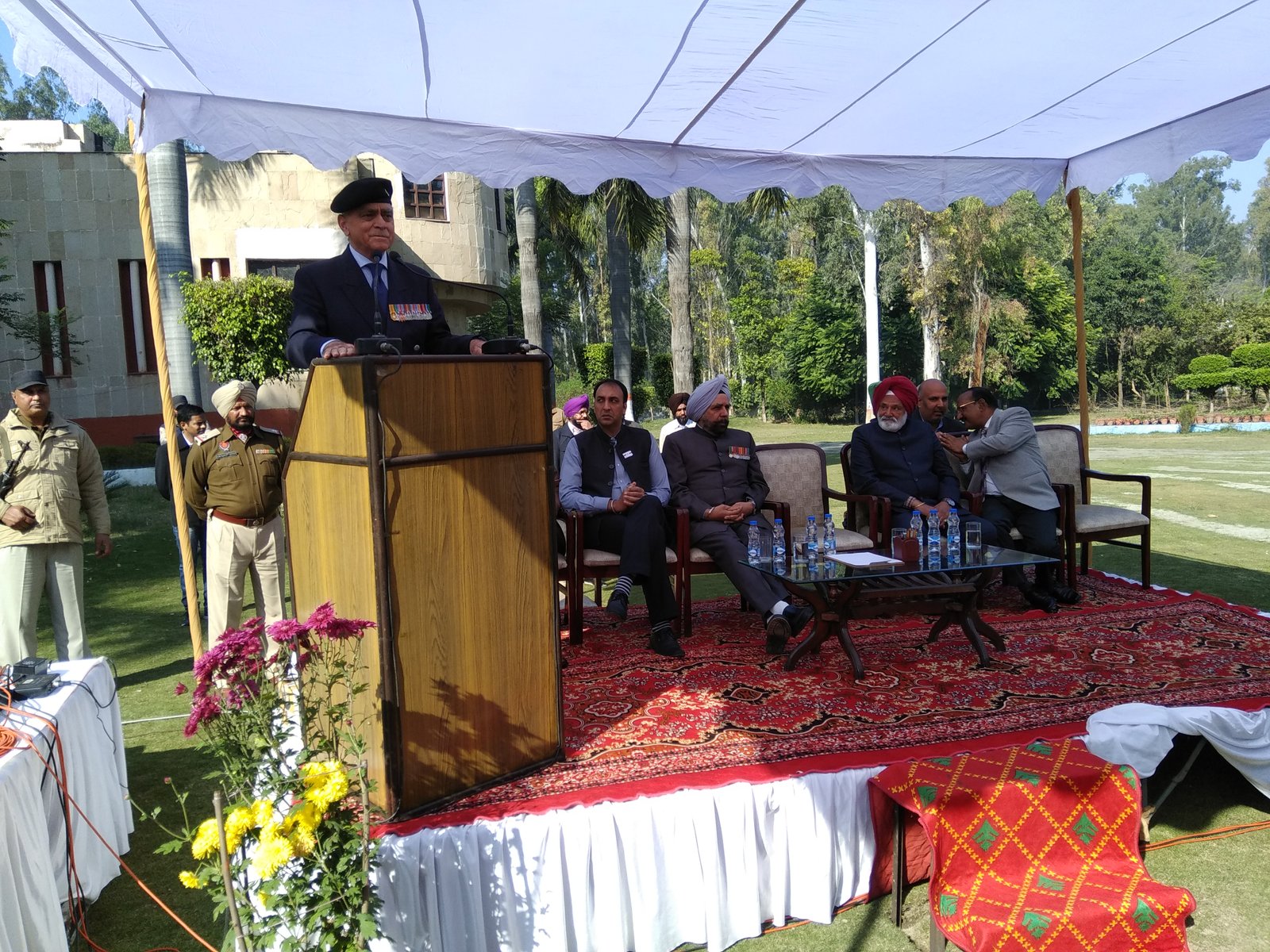
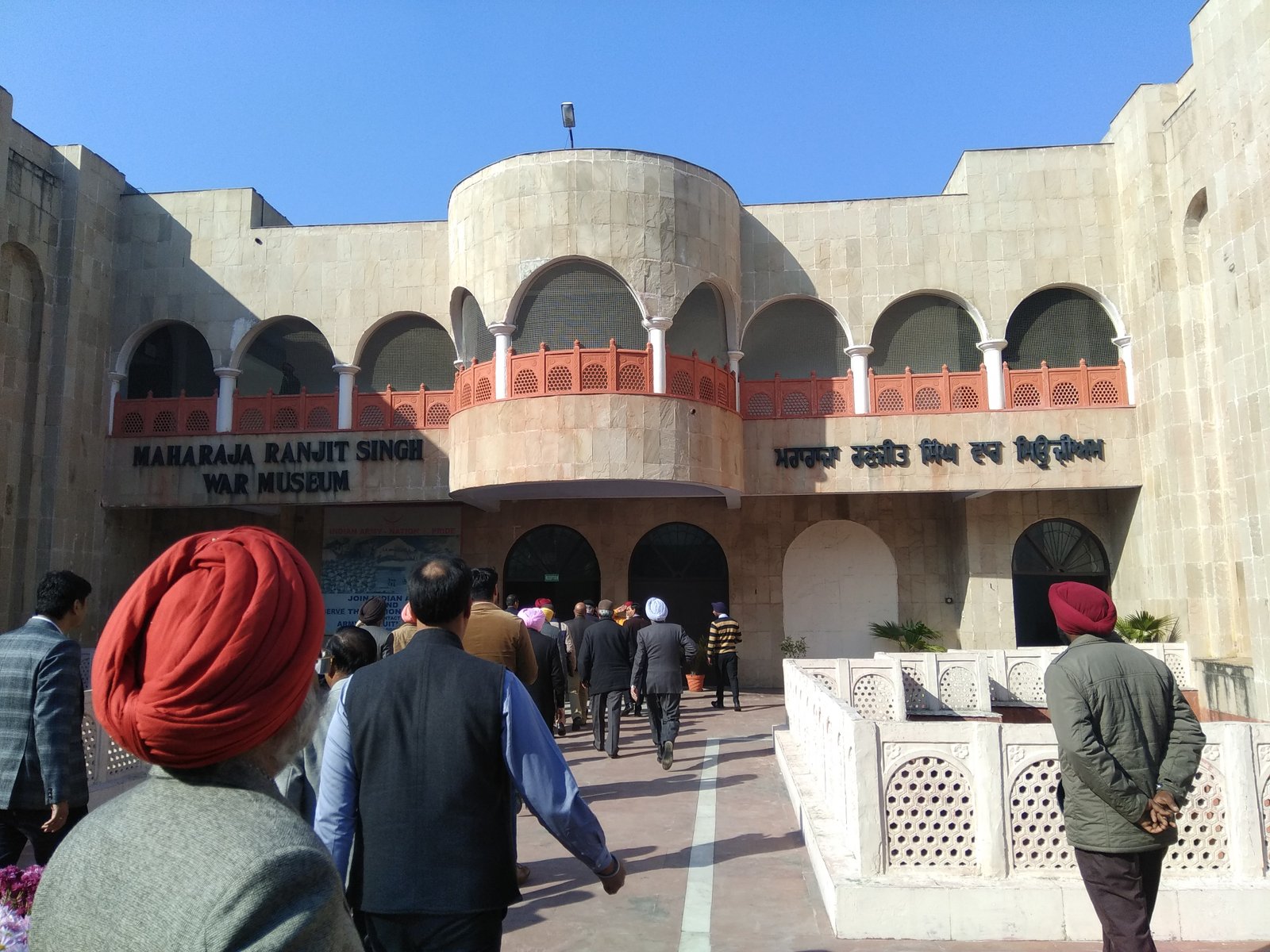
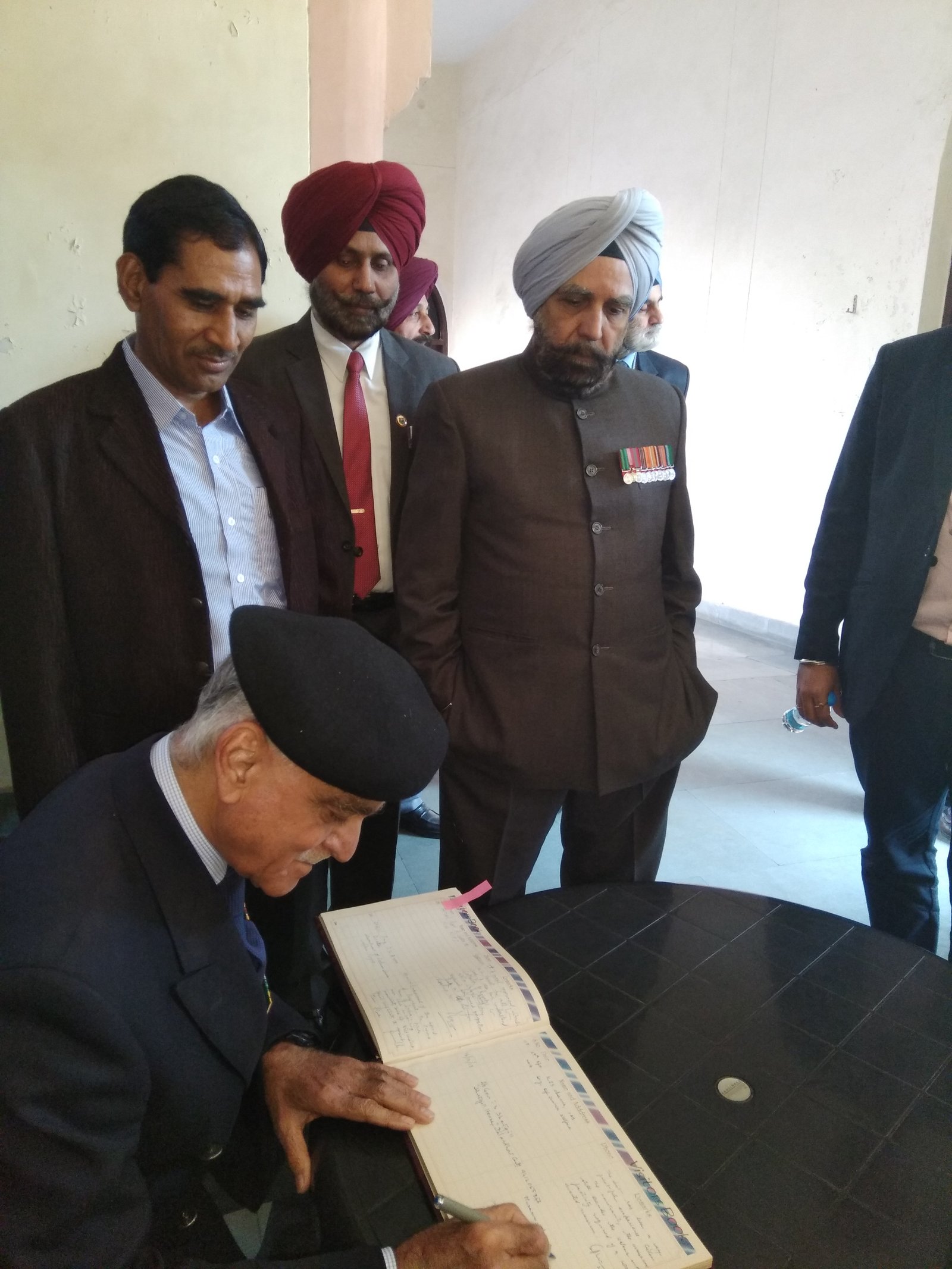
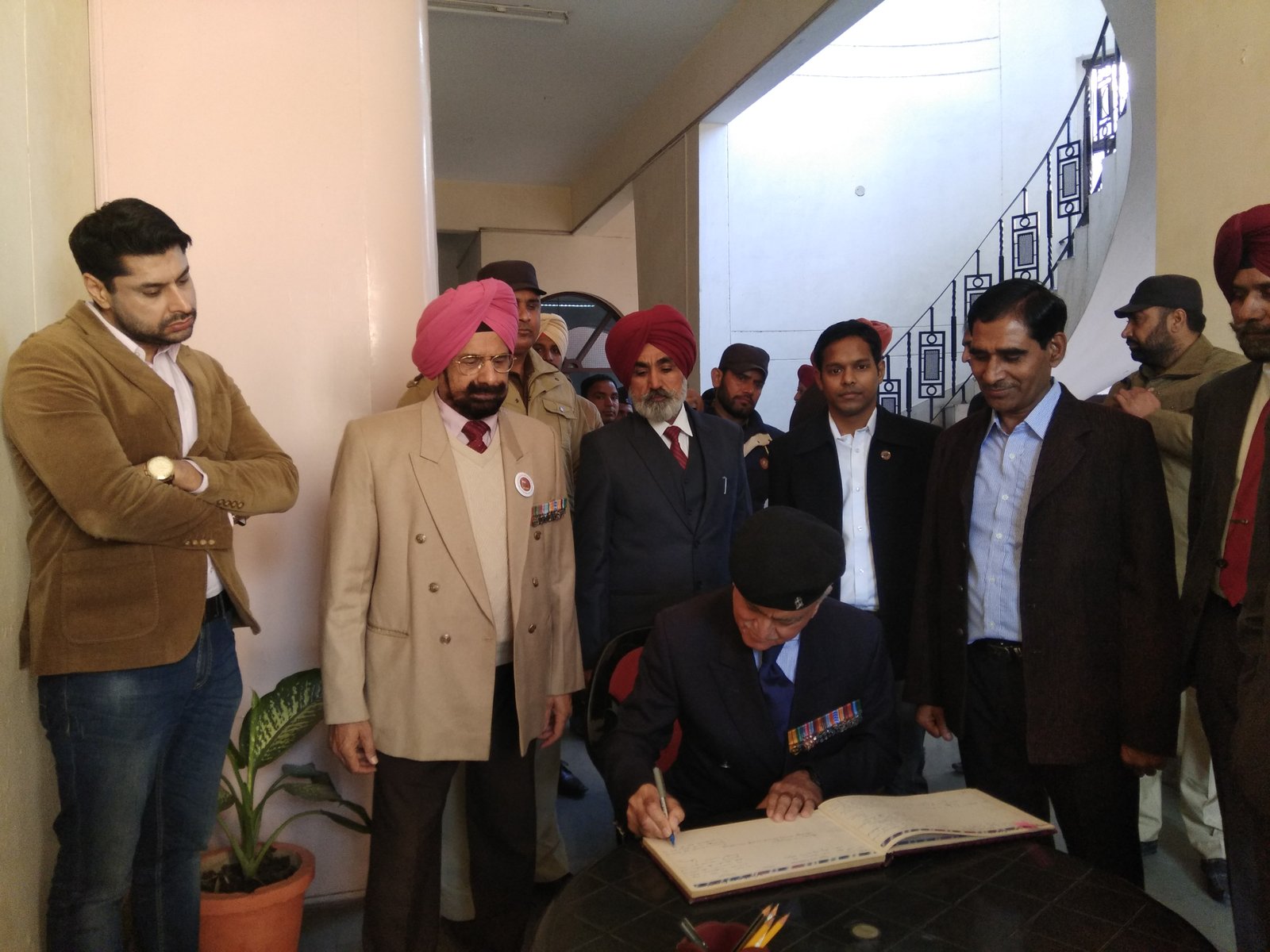
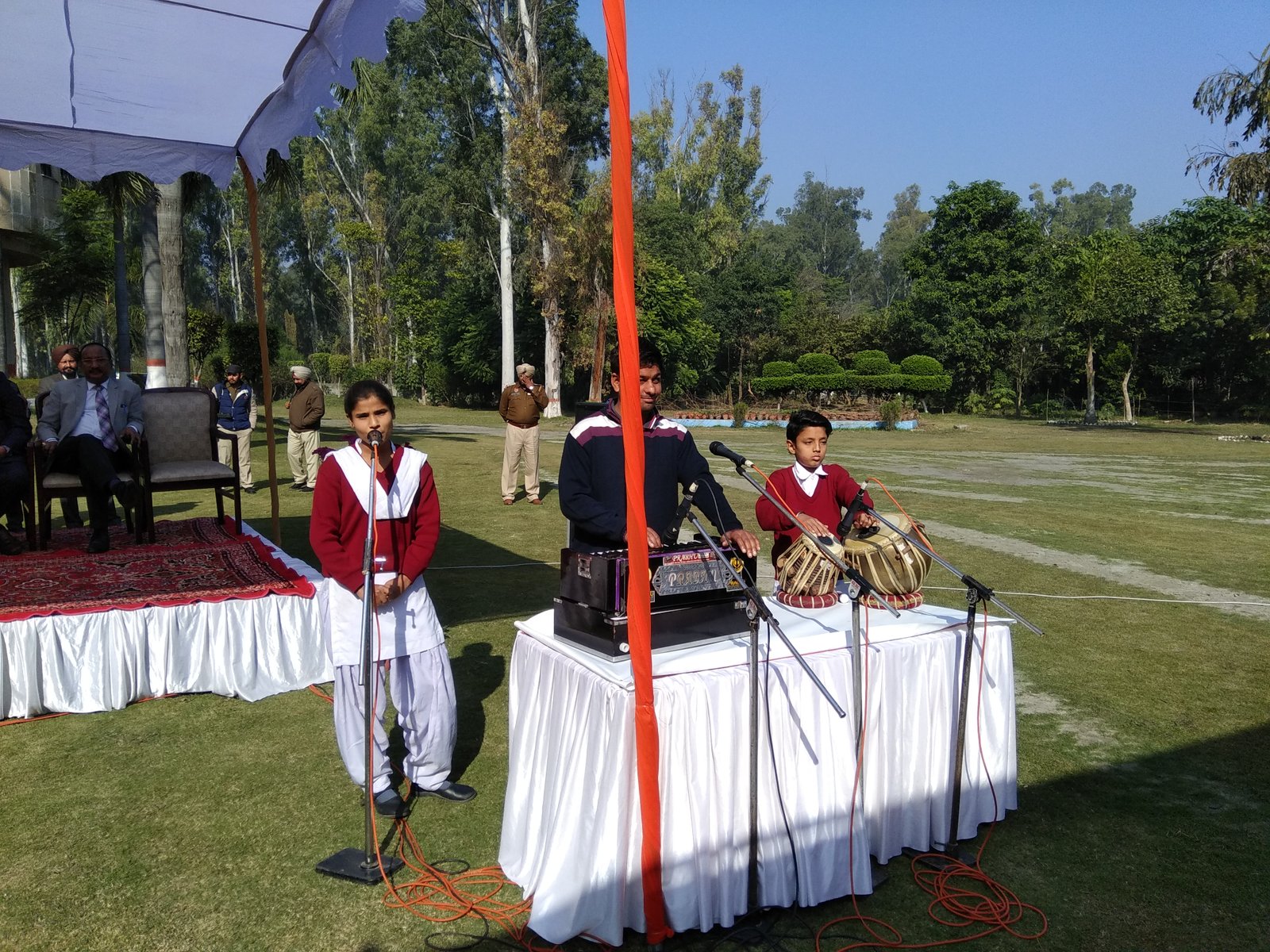
Tributes were paid to the martyrs of 1971 war between India and Pakistan during a programme organised at the Maharaja Ranjit Singh War Memorial here today.Senior advisor to Chief Minister Capt Amarinder Singh, Lt General TS Shergil (Retd), was the chief guest. Before this, Shergil also laid a wreath at the memorial of flying officer Nirmaljit Singh Sekhon.Addressing the gathering, Shergil said Indian soldiers fought several battles — first to attain freedom and then to save the country from the external forces. He asserted that Punjabi soldiers had remained in the forefront in all battles.He said the battle of 1971 was prominent because it led to the birth of a new country — Bangladesh — which was earlier known as East Pakistan.He said before the battle, millions of Pakistani soldiers had entered the Indian territory which had then posed a challenge to the Indian Army.He applauded the Punjab Government’s ‘Guardians of governance scheme’, under which the ex-servicemen would help the government in ensuring that welfare schemes reach the poor and the needy on time.On this occasion, widows of war martyrs were honoured. Schools students also presented patriotic songs to pay tributes to the martyrs.Deputy Commissioner Pradeep Kumar Agrawal graced the occasion with his presence.

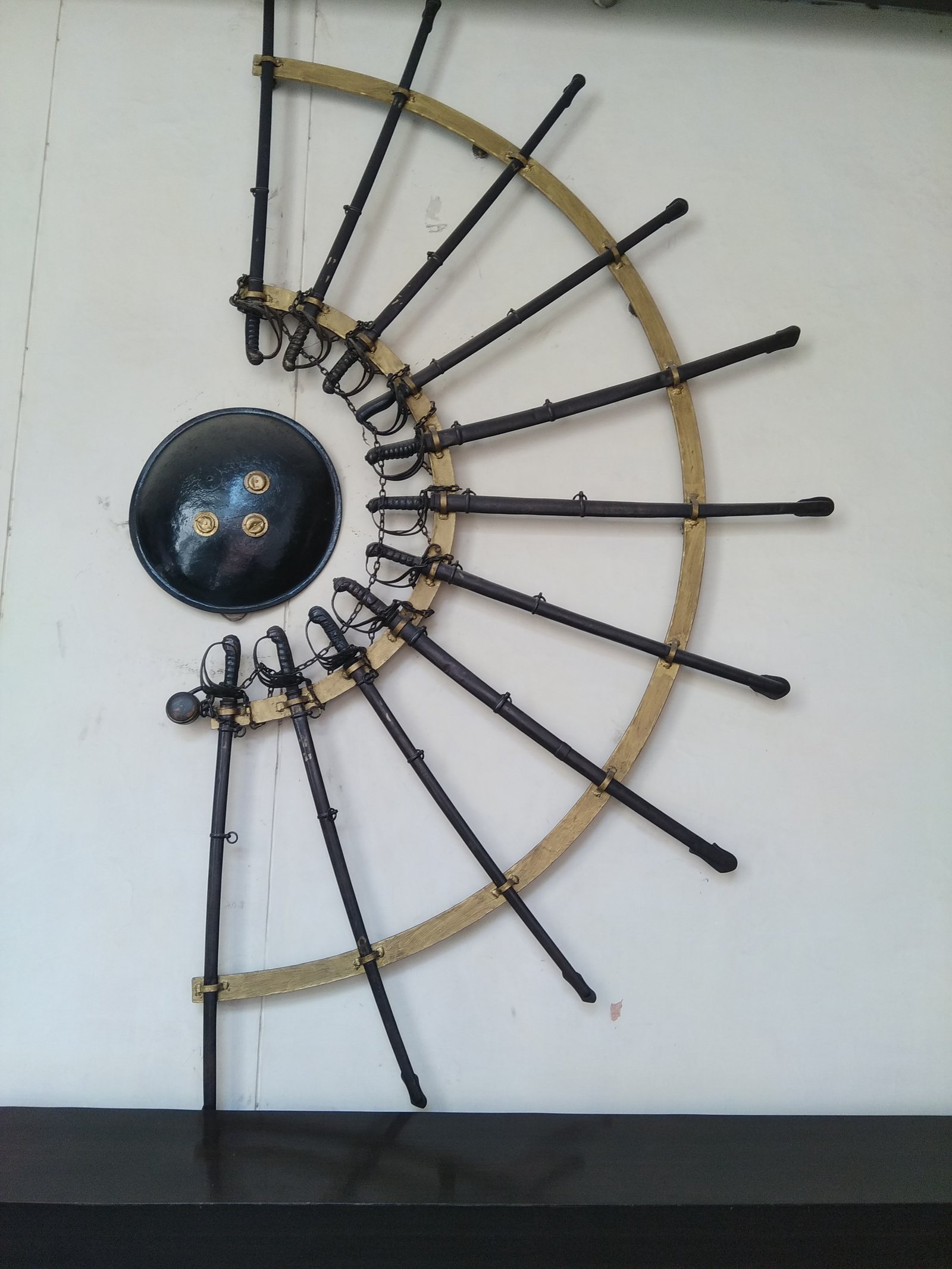
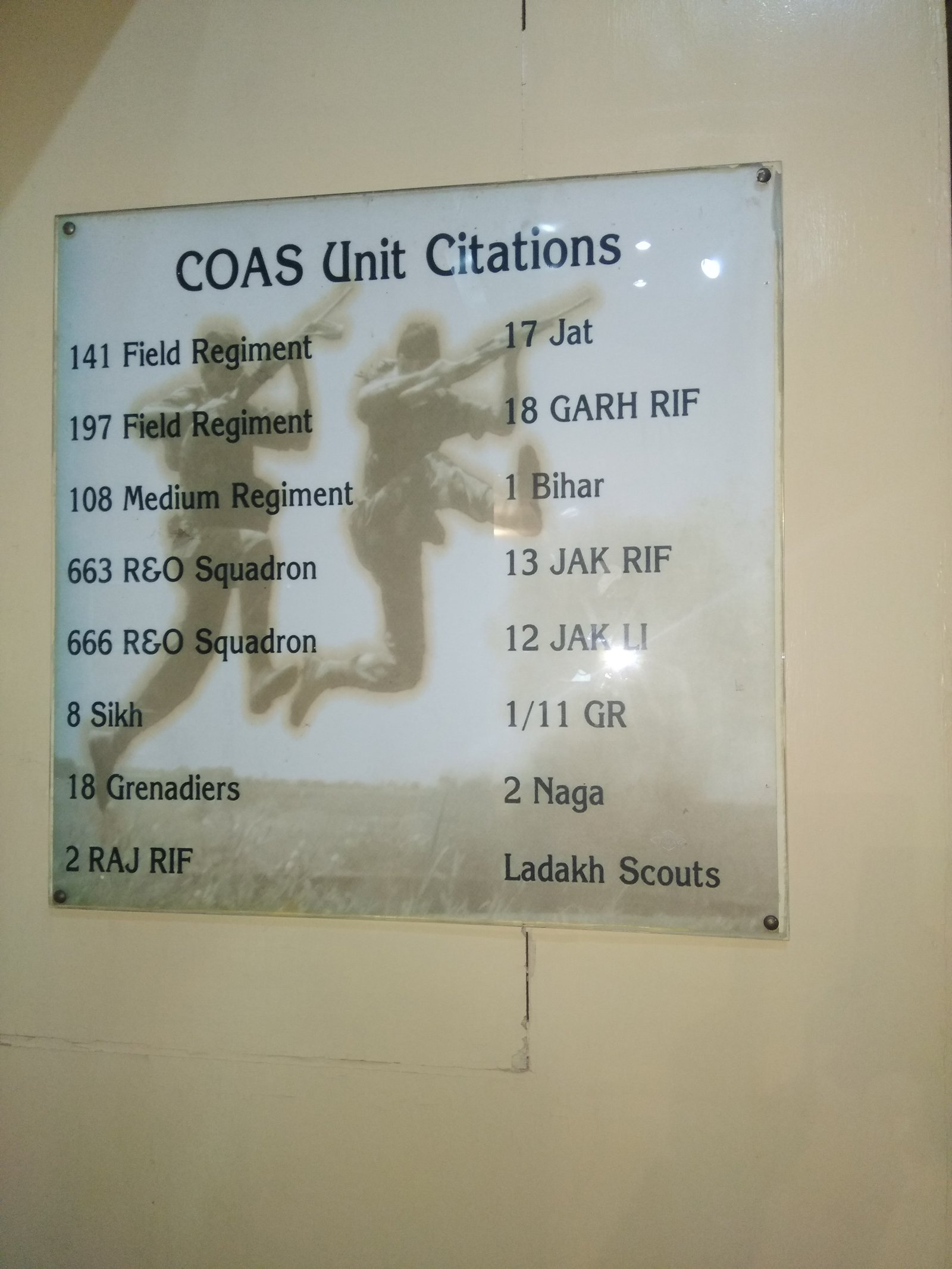
FUNCTION AT WAR MESEUM AT LUDHIANA

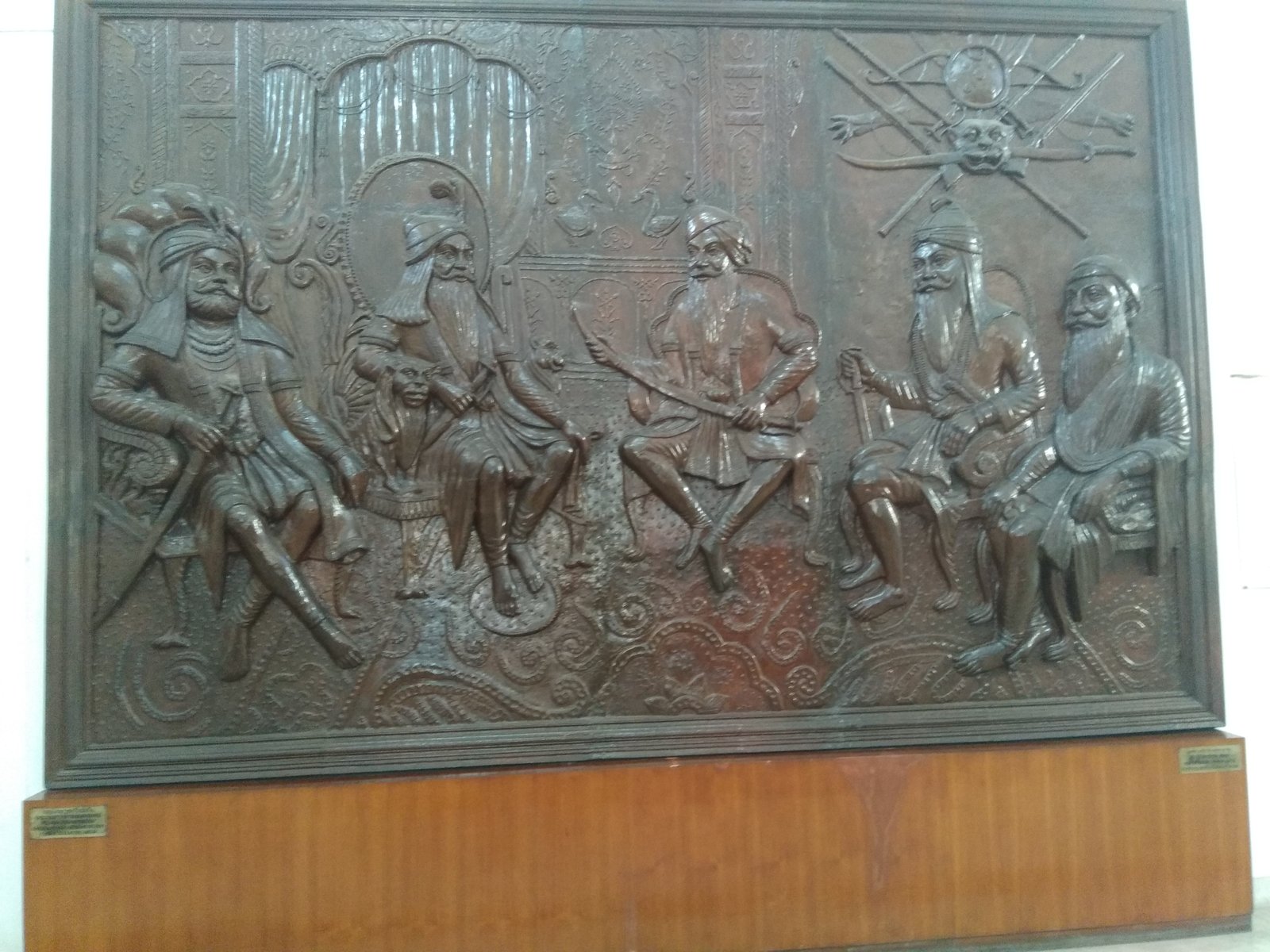
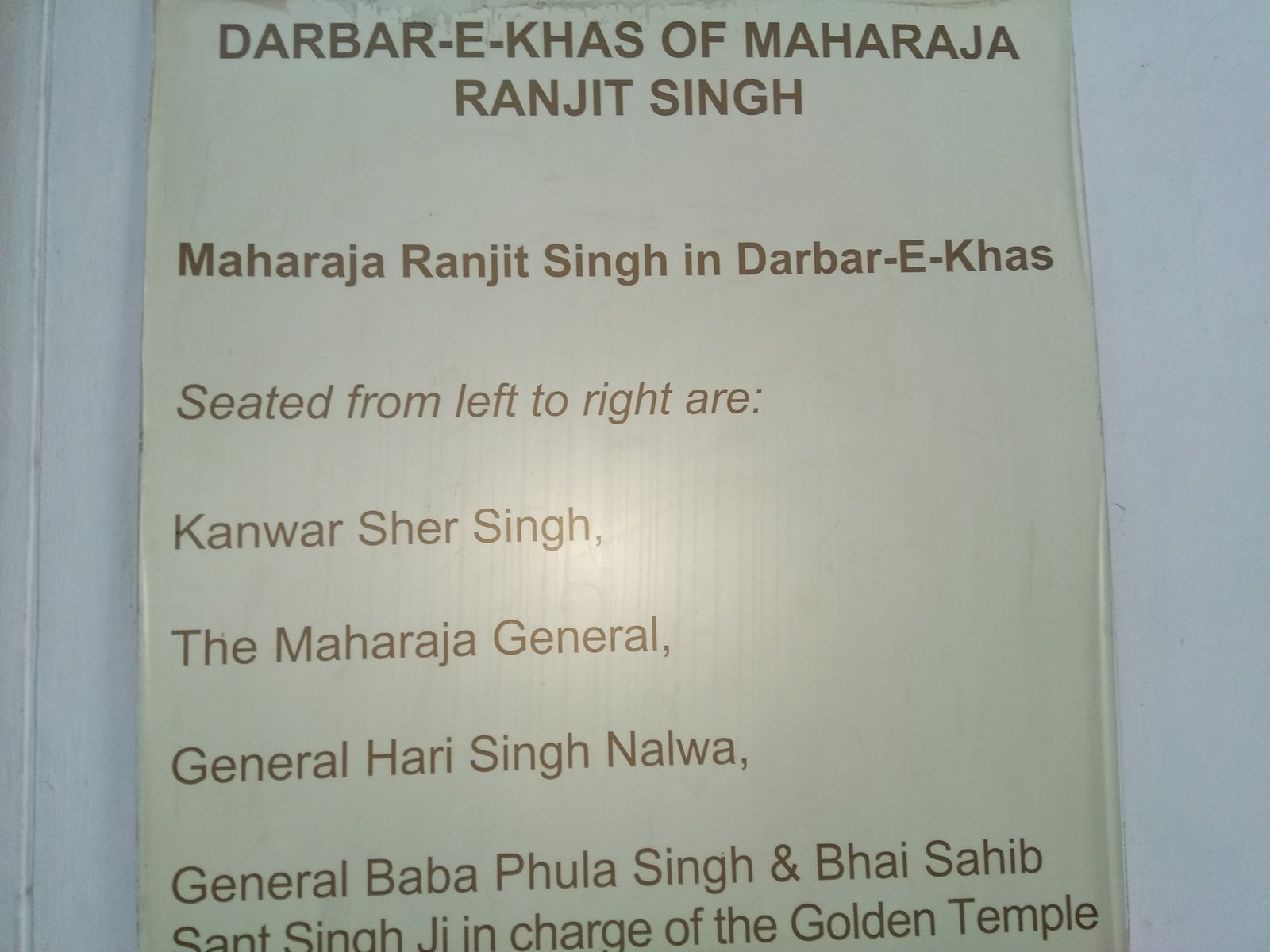
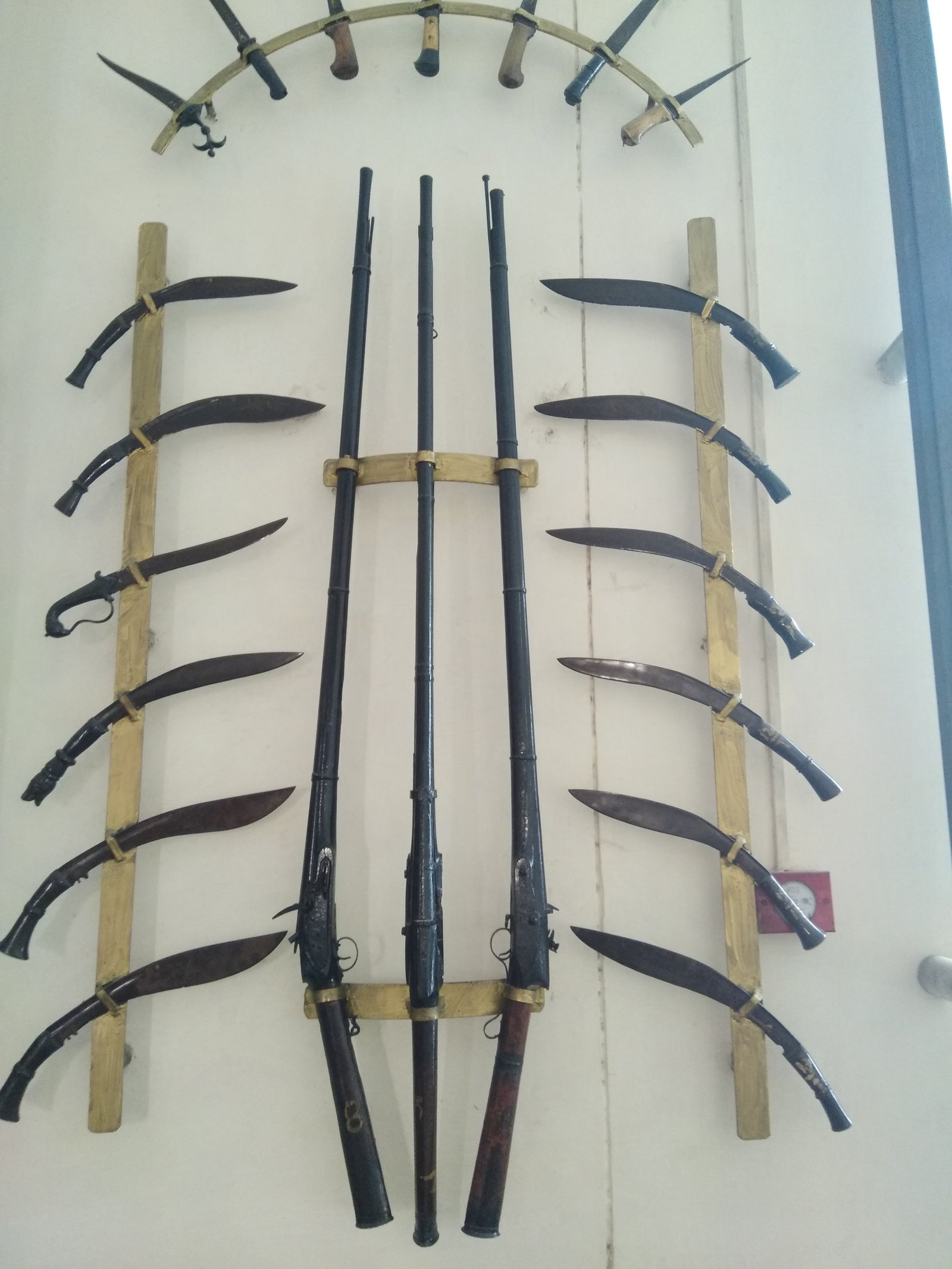
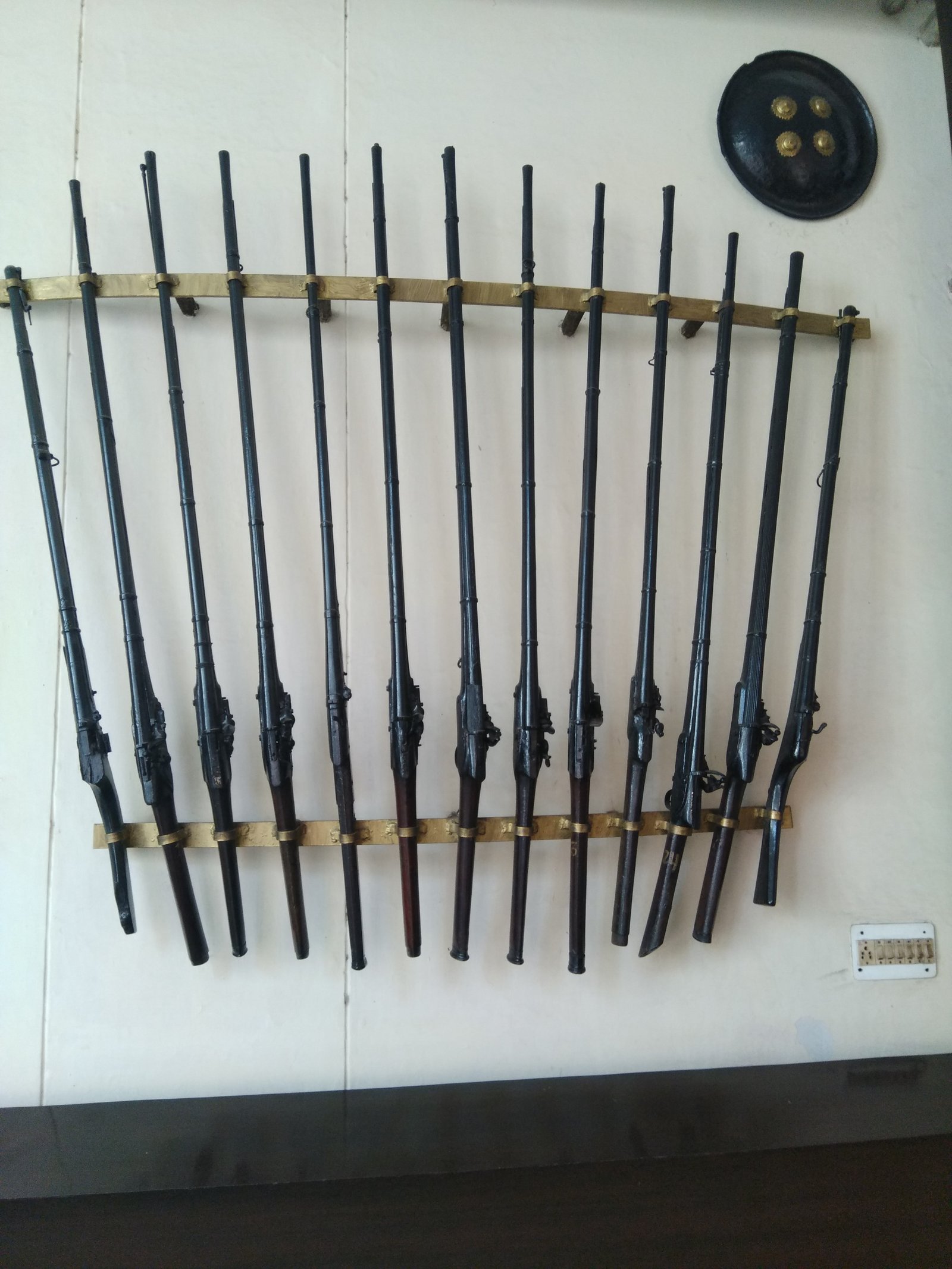
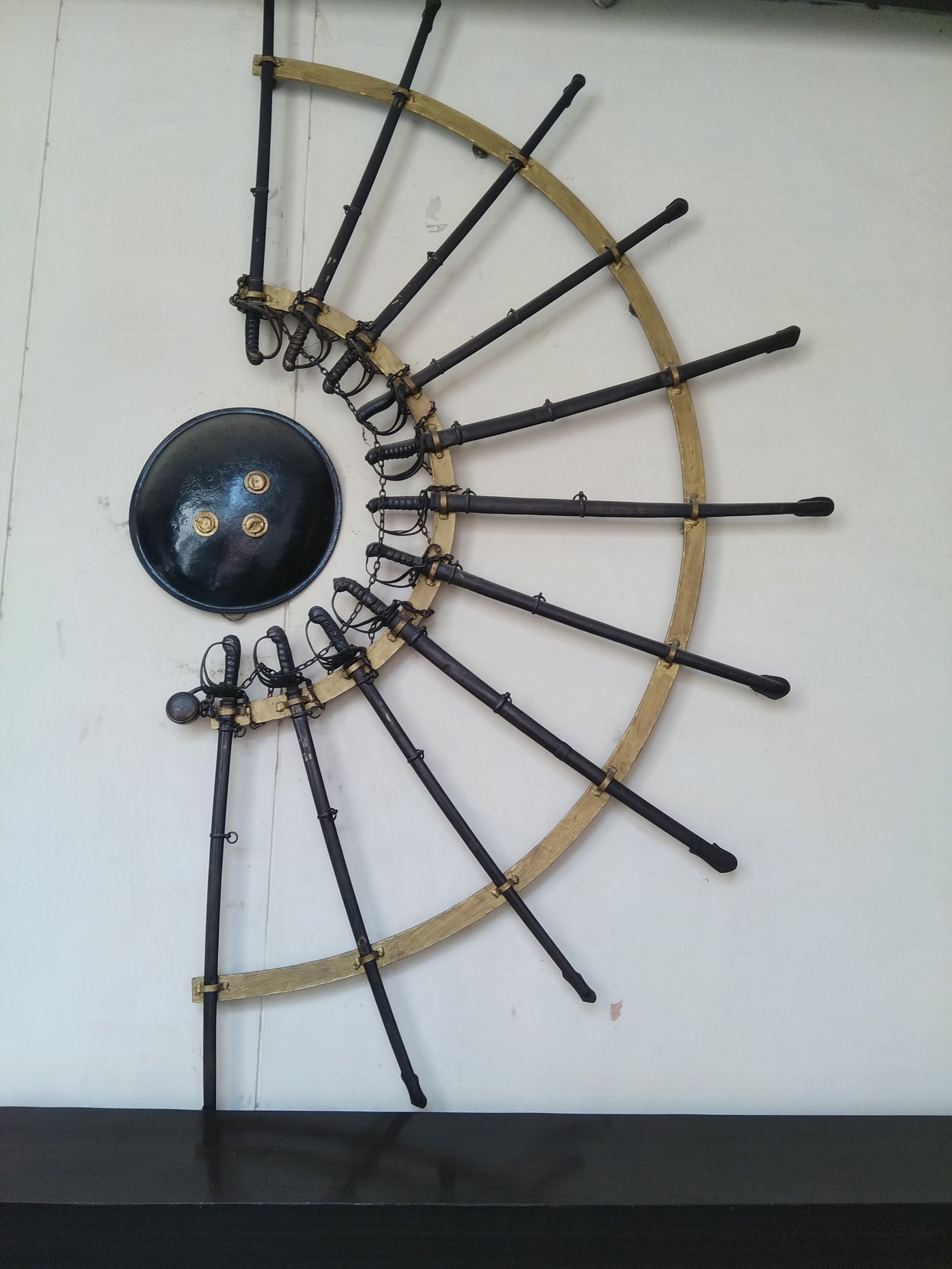
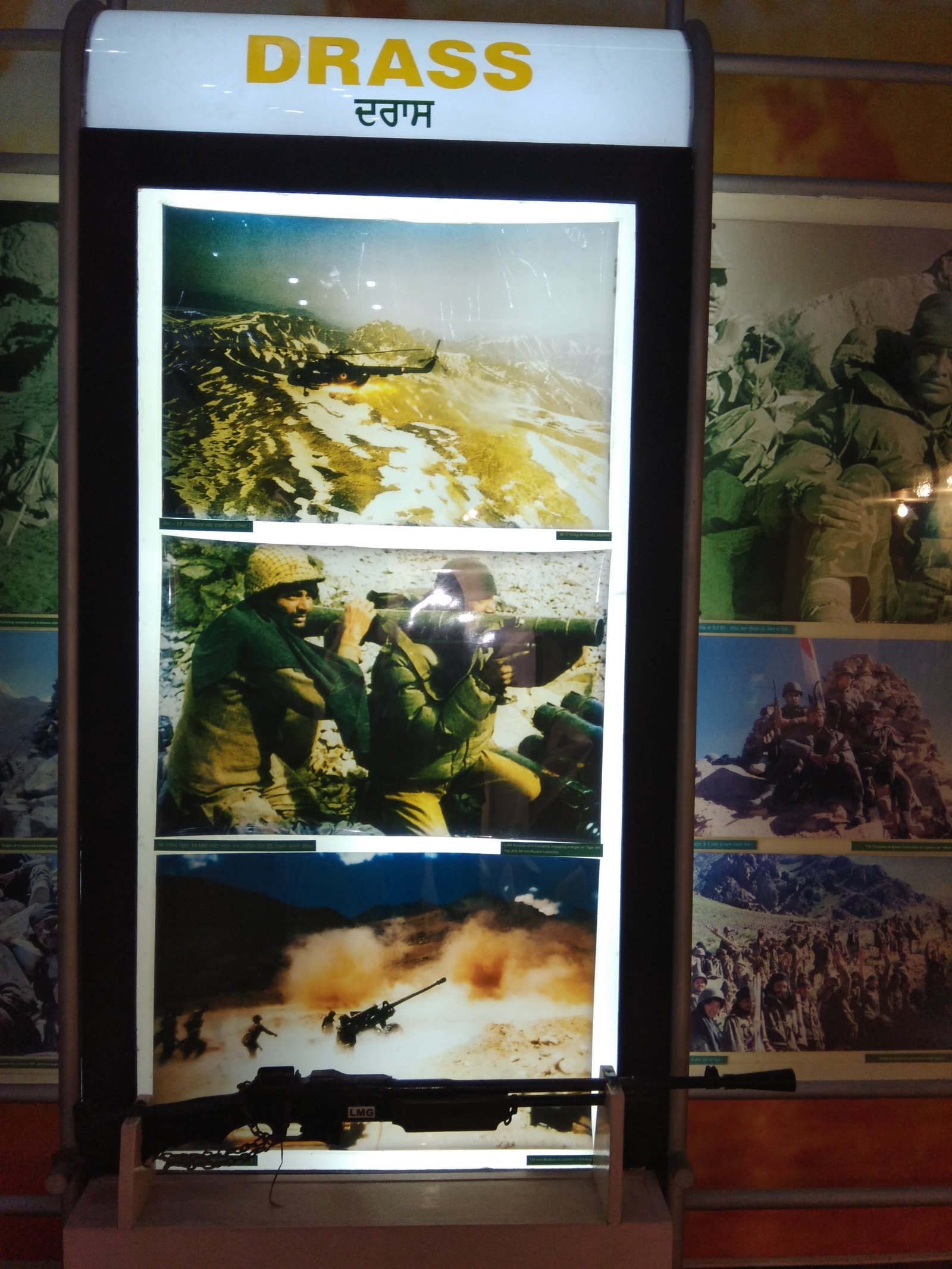
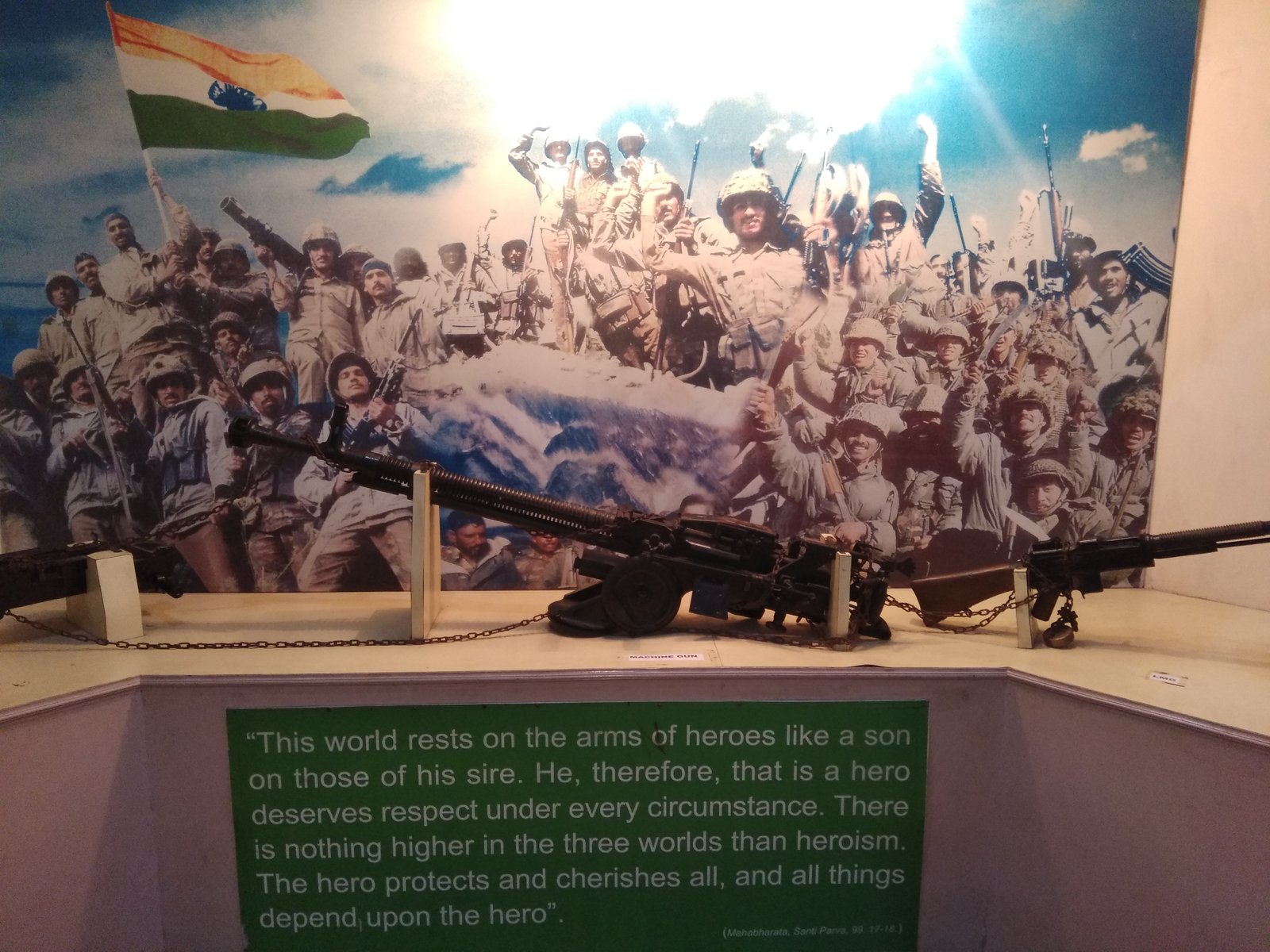
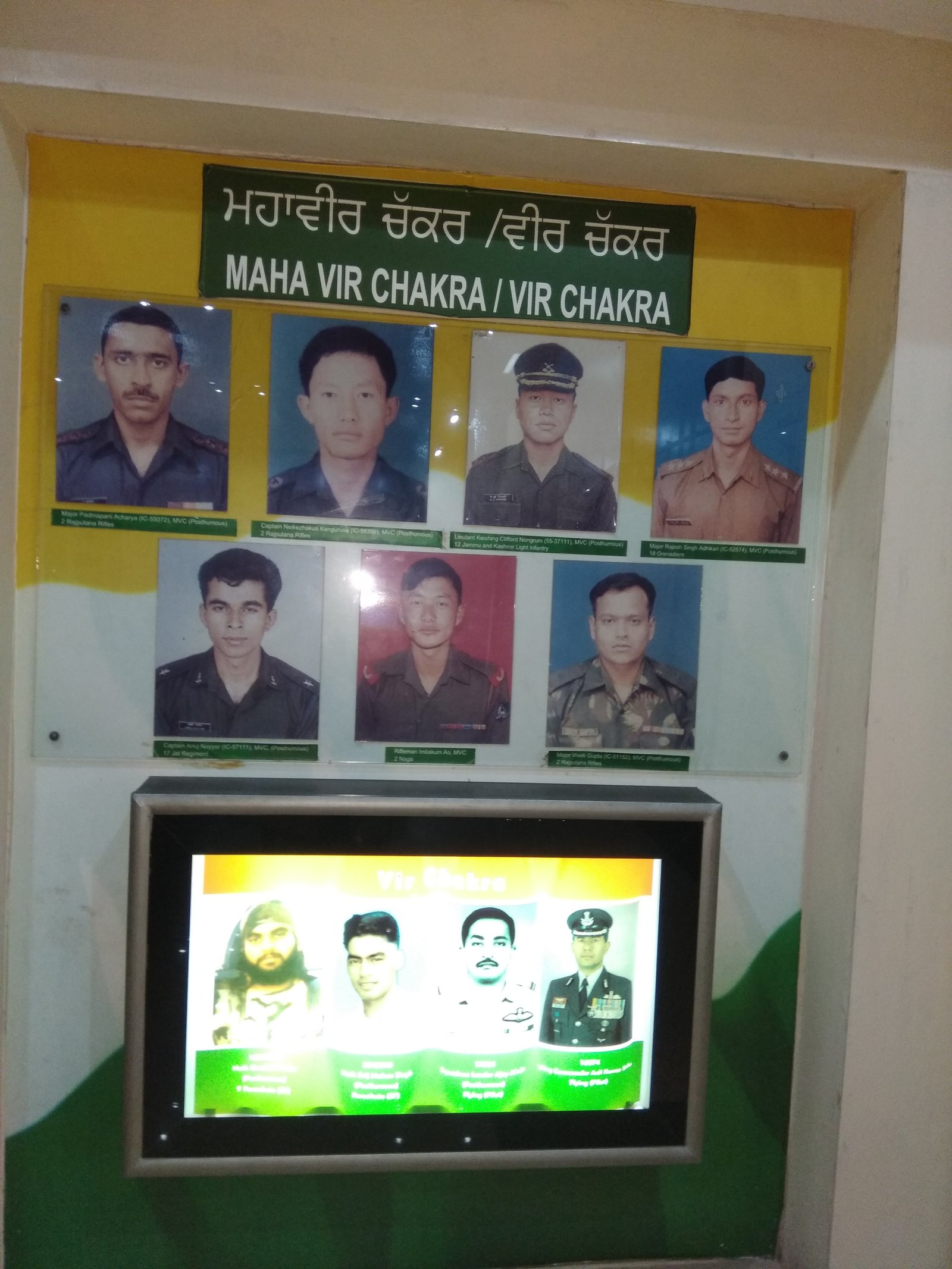
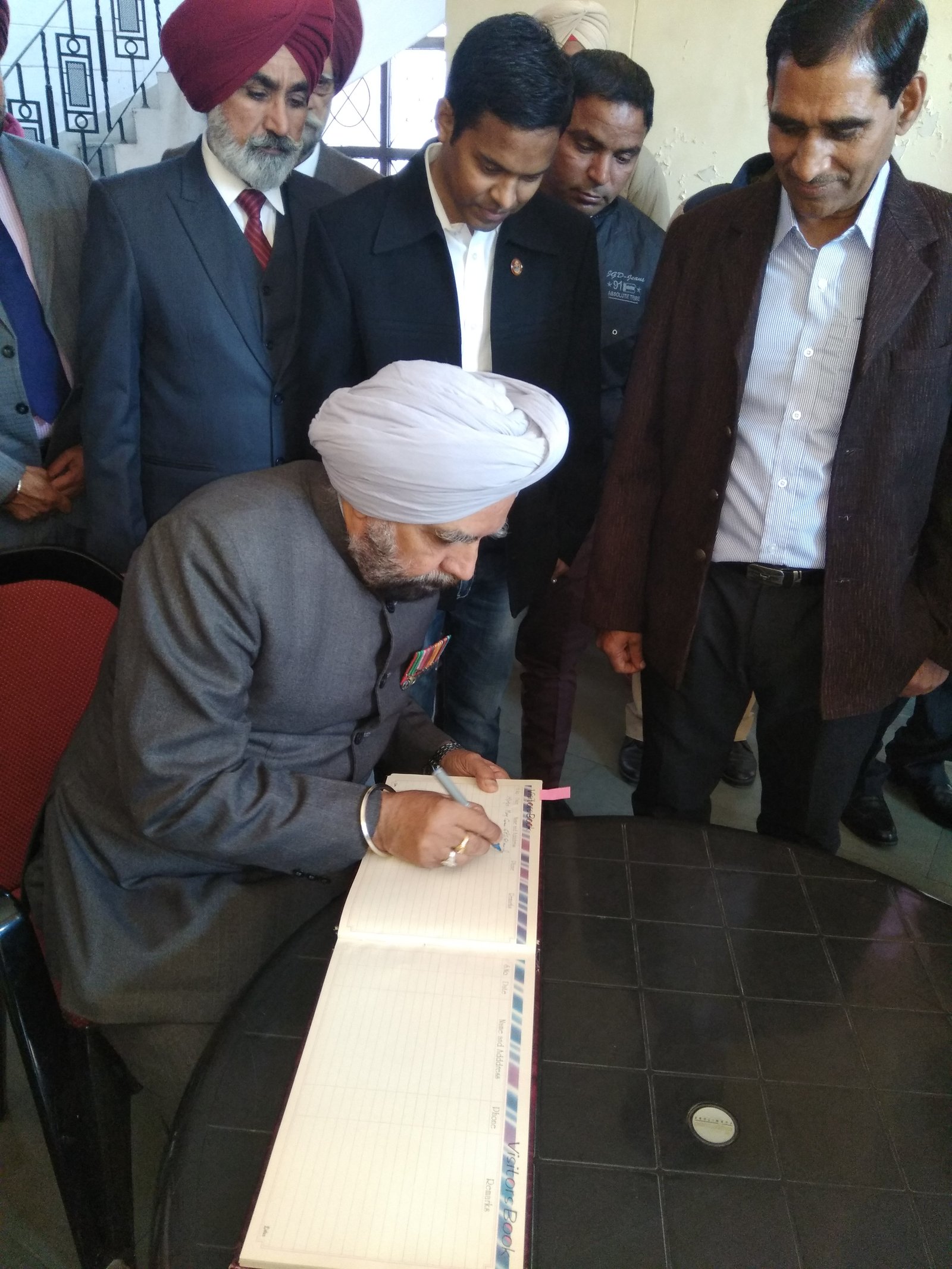
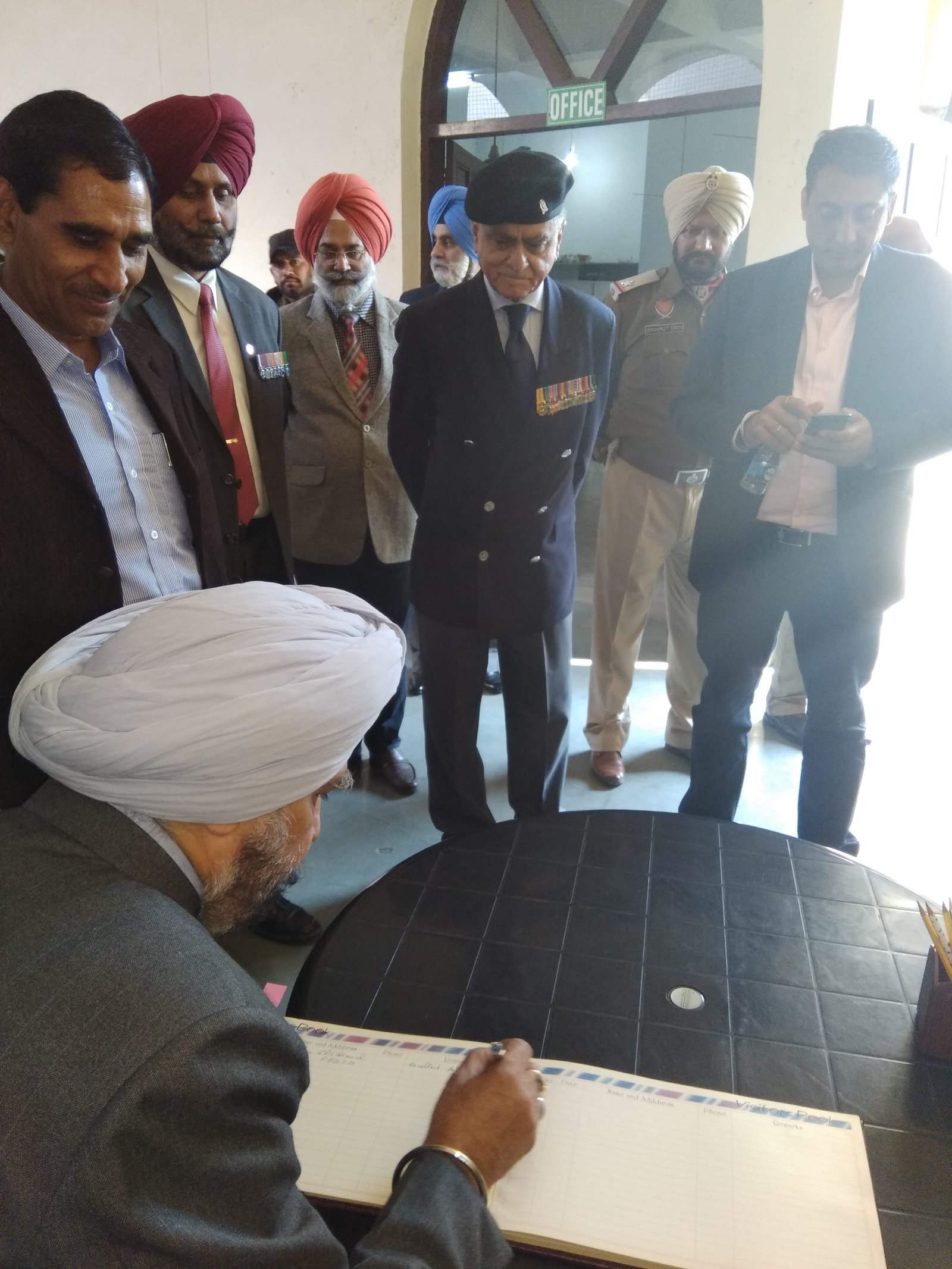
VIJAY DIVAS COMMEMORATION IN LUDHIANA. Wreath laying  at Flt Lt Nirmaljit Singh Sekhon  PVC statue and a get together of about 600 ESM and 200  school students at War Museum. Interesting fact narrated by Lt Gen T S Shergill that all the Div Commanders in LIBERATION of Bangladesh were from Punjab.  4 Inf Div Maj Gen  M S Brar, 9 Inf Div Maj Gen Dalbir  Singh,  20 Mtn Div Maj Gen  Lachman Singh Lehl, GOC 101 Comn Zone Maj Gen Gurbux Singh Gill and later Maj Gen Gandharv Nagra. All under Lt Gen JS Aurora.

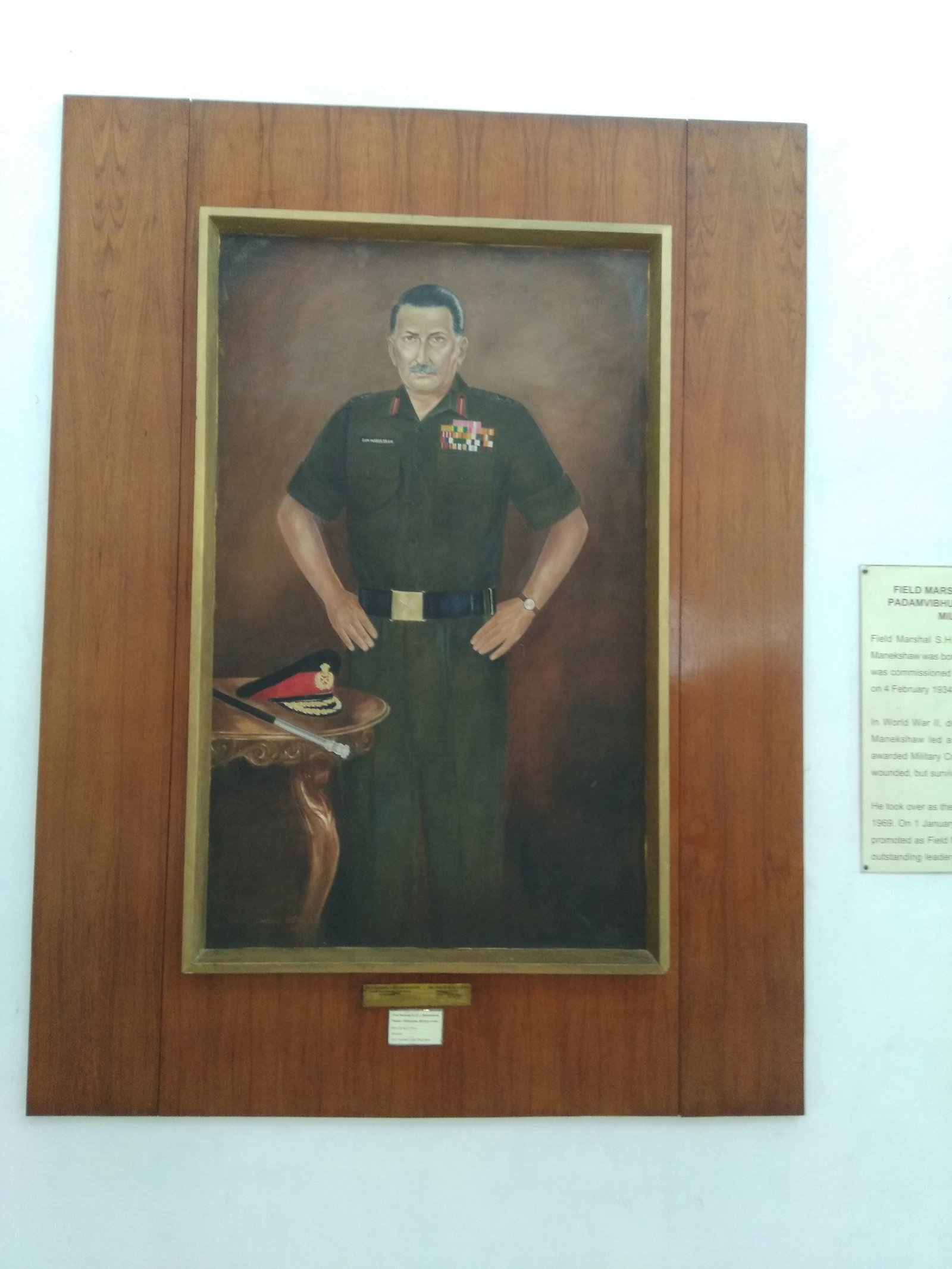
Punjabs role in liberation of Bangladesh. FM Sam Maneckshaw. Born in the heart of Punjab, Amritsar, began service with Punjabi troops in Frontier Force Regt and was the architect of strategic planning. 


IMG_20171216_121607 IMG_20171216_121613 IMG_20171216_122719 IMG_20171216_124359 IMG_20171216_124546 IMG_20171216_125227 IMG_20171216_132424 IMG_20171216_132552 IMG_20171216_132559 IMG_20171216_132608 IMG_20171216_132626 IMG_20171216_132640 IMG_20171216_133059 IMG_20171216_133108 IMG_20171216_133114 IMG_20171216_133121 IMG_20171216_133127 IMG_20171216_133258 IMG_20171216_133307 IMG_20171216_133316 IMG_20171216_133326 IMG_20171216_133334

IMG_20171216_133121 IMG_20171216_133334

IMG_20171216_134330 IMG_20171216_134355 IMG_20171216_134446 IMG_20171216_134500


BRO starts clearing snow to open links to Lahaul

BRO starts clearing snow to open links to Lahaul
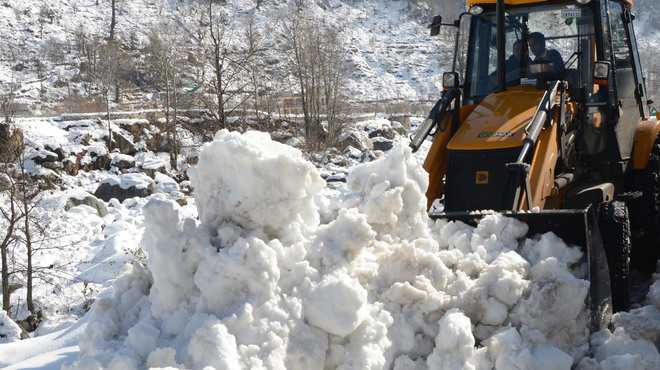
A BRO machine removes snow from the Keylong-Udaipur road in Lahaul on Thursday. Photo: Jai Kumar

Tribune News Service

Mandi, December 14

Despite adverse weather conditions, the Border Roads Organization (BRO) is geared up to open inter road links of Lahaul valley for traffic movement, which were blocked during the last three days after heavy snowfall occurred in the region.The BRO had yesterday started its snow clearance operation on the Keylong-Uaidpur-Darcha stretch to connect the main road link of the valley for traffic movement. Only six km road was cleared but in evening the district received mild snowfall again, hampering road clearing.Today again the BRO started its snow-clearance operation in the region, providing a ray of hope to the tribals that the BRO will open the road for traffic movement provided the weather stayed good in the coming days.Dorej Upask, a native of Keylong, told The Tribune “The weather was inclement today but the BRO has engaged its machinery and workforce in snow-clearance operation, which gave a ray of hope to us that soon the inter inks of valley will be restored for traffic movement.”BRO commander Colonel AK Awasthi said, “We started snow clearance operation in Lahaul yesterday but bad weather was hampering the progress of the work.” He said that as soon as the weather improved the BRO will intensify its snow-clearance operation in Lahaul valley to provide the people of the district transportation facility in the coming days.The residents of the district are urging the district administration and the state government to provide air services to move in and out of the district.


Gentlemen cadets become officers

FRUIT OF LABOUR The young officers had been in the IMA for one and a half years undergoing the autumn training course

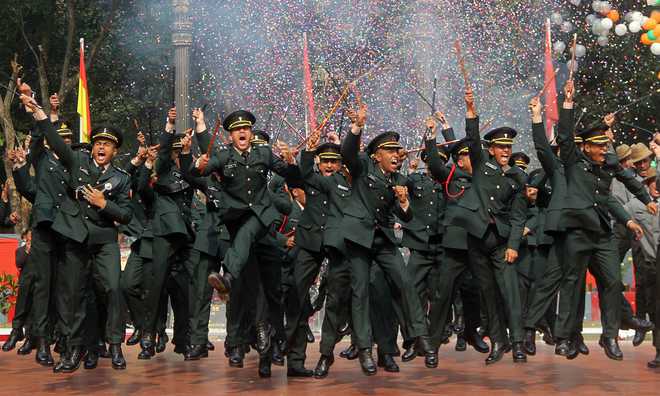
DEHRADUN: A total of 409 gentlemen cadets , including those from abroad, completed the Passing out Parade on Saturday at the Indian Military Academy before being commissioned into the armies of their respective countries after completing the autumn training course.

VINAY SANTOSH KUMAR/HT PHOTO■ Newly commissioned officers celebrate after the Passing out Parade at Indian Military Academy in Dehradun.

The gentlemen cadets had been in the IMA for around one and a half year. Seventy-eight cadets from Maldives, Tajikistan, Kazakhstan, Afghanistan, Bhutan, Nepal and Sri Lanka also graduated from the IMA.

The gentleman cadets assembled in the drill square of the Chetwode Building where they conducted the march past to the military tunes of “Colonel Bogey” and “Sare jahan se achha’. The parade was reviewed by Bangladesh army chief General Abu Belal Muhammad Shafiul Huq.

The Chief of Army staff Banner was handed over to the Nowshera company for being overall first among 16 companies. The coveted sword of honour went to Chandrakant Acharya, who also won the Gold medal bestowed to the cadet standing first in Order of Merit. The silver medal went to Amarpreet Singh Dhatt.

The Silver medal for the gentleman cadet standing first in order of merit in the Technical Graduate Course was given to Barnna Yadagiri. Alexandar Simonaitis from Kazakhstan was awarded the Silver medal for standing first in order of merit among foreign gentleman cadets.


166 Gentleman Cadets commissioned as Army officers

166 Gentleman Cadets commissioned as Army officers
Gentleman Cadets celebrate after their graduation ceremony at the Officers Training Academy in Gaya on December 9, 2017. — AFP

Gaya, December 9

A total of 166 Gentleman Cadets were on Saturday commissioned as officers in the Army during the 12th passing-out parade at the Officers Training Academy (OTA), Gaya.

Of the 166 newly inducted officers, four are foreigners while 14 belong to Assam Rifles.

Lieutenant General Mohammad Sharif Yaftali, Chief of Staff, Afghan National Army, was the reviewing officer of the passing-out parade, while Lieutenant General B S Negi, General Officer Commanding-in-Chief, Central command, was the chief host.

Yaftali was welcomed in customary Army’s buggy by Lieutenant General B S Negi and OTA and Gaya’s Commandant Lieutenant General V S Srinivas.

The reviewing officer gave away the awards to Cadets who performed well during the training. Dharmesh Kumar was awarded ‘Sword of Honour’ for his best performance in the TES-30 course.

Addressing the function, Afghanistan’s Army Chief of Staff congratulated Gentleman Cadets for their fine drill show and gave them best wishes for the future.

“Cadets should imbibe the qualities of being a disciplined soldier to be successful in career”, Yaftali admonished them.

The OTA, Gaya is the third pre-commissioning military academy in the country and was raised on July 2011 apart from Dehradun and Chennai.

The OTA was established,  near Paharpur village on the Gaya-Dobhi main road, to train both new entrants and serving Army personnel in different modes of conventional as well as non-conventional warfare. PTI


‘Navy is battle arm of future to take on China’

CHANDIGARH: Any power that has ruled the world has done so on the strength of its navy. The Indian Navy, seen as the neglected service among the three arms of battle, is now proving to be vital for the progress of India, the only country that has an ocean named after it.

It is in this backdrop that viceadmiral Satish Soni set the ball rolling at a panel discussion on the ‘Shape and Contours of the Indian Navy of the Future’ at the Military Literature Festival here on Friday.

“With the blue economy taking shape and over 90% of trade through sea in a not-so-friendly neighbourhood up North, the enormous responsibility of securing the coastlines rests with the navy,” said Soni.

“Post-26/11, the Indian Navy can raise the threshold of any adversary,” he said.

BEING AMBITIOUS

The recent inauguration of the first phase of the Chabahar port, opening up a transit route between Iran, Afghanistan and India that bypasses Pakistan, also shows the change in perception. Brigadier RJS Dhillon said, “Today, sea lanes are as crowded as Delhi’s traffic lanes. Monitoring is tough. An all-out war is not feasible but to maintain supremacy we need, what US president Woodrow Wilson said in 1918, ‘absolute freedom at all times in peace and war beyond eight nautical miles’.”

Dhillon added, “It’s the Indian Ocean but not India’s ocean. Build combat capability but be ambitious and take on China’s growing influence. We need a relook beyond the Straits of Malacca. Force structuring for the long term and working on economic and industrial modernisation should be the strategy.”

BEST TO INDIGENISE

Lt Gen Aditya Singh, a former commander-in-chief of the Andaman and Nicobar Command, said, “India was troubled by land borders so the attention went there. The spin-off of the neglect is that the navy has been the best to indigenise and is the most self-contained of the three services.”

Commodore Ranjit Rai, whose book was released by Punjab chief minister Captain Amarinder Singh, said the navy had become the epitome of construction and had produced its own nuclear submarine and underwater missile in Sagarika.


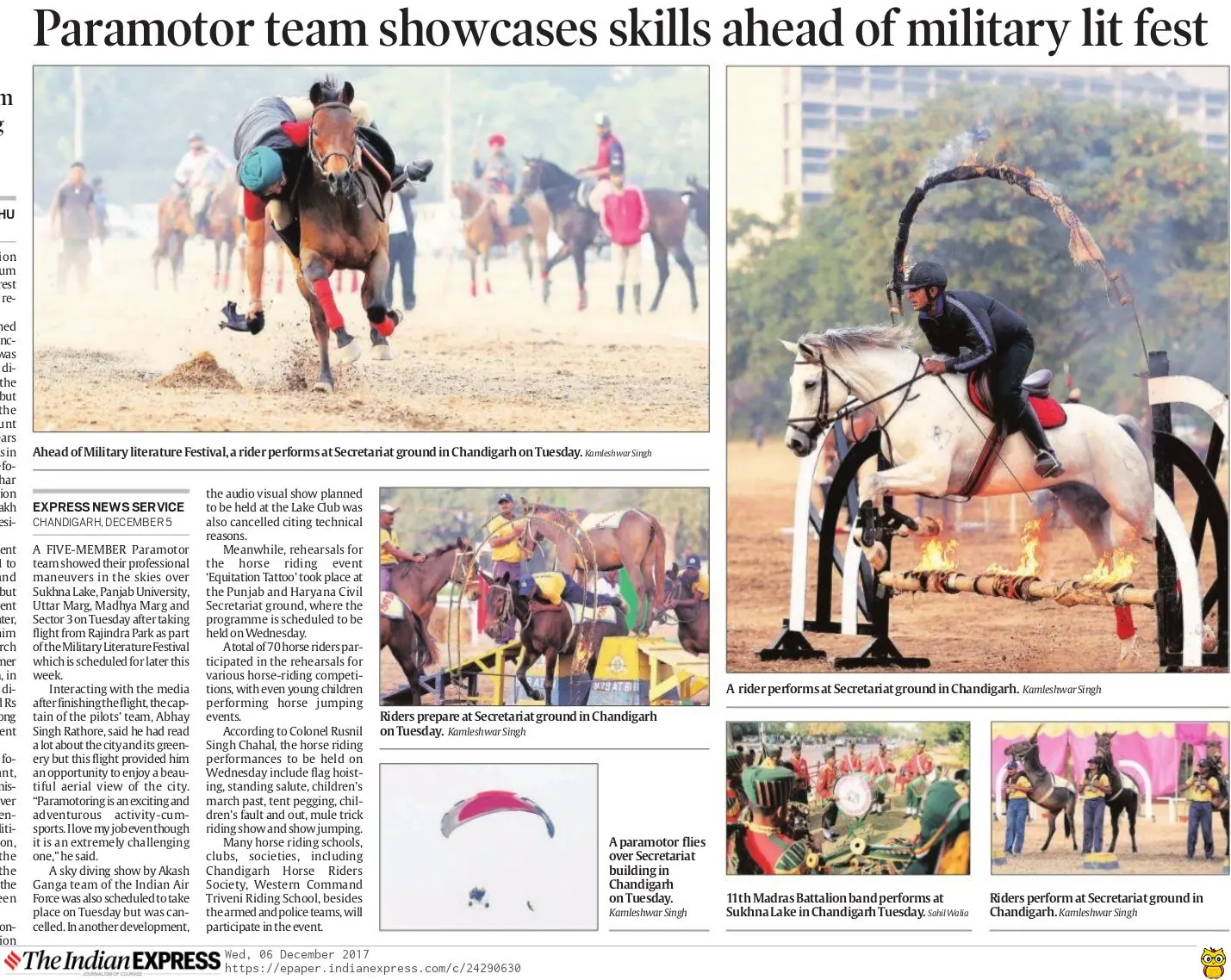
Paramotors, military bands lend festive touch to Sukhna

CHANDIGARH: A dash of festive colour and music was added to the Sukhna Lake area on Tuesday as paramotors displayed their skills and military bands entertained people in the run-up to the Military Literature Festival.

SANJEEV SHARMA/HTA soldier displaying his skills during the rehearsal in the run­up to the Military Literature Festival near the Punjab and Haryana Secretariat ground in Chandigarh on Tuesday.

A five-member team of paramotors flew over Panjab University, Uttar Marg, Madhya Marg and Sector 3 after taking flight from Rajindra Park.

Interacting with the media after the flight, the captain of the pilots’ team, Abhay Singh Rathore, said he had read about the city and its greenery but this flight provided him an opportunity to enjoy a beautiful aerial view of the city.

Rehearsals for the horse-riding event, Equitation Tattoo, were held at the Punjab and Haryana Civil Secretariat ground, where the programme is scheduled to be held on Wednesday.

Seventy horse riders, including children, took part in the rehearsals of the show jumping.

All events are free and open to the public.


3 Param Vir Chakra awardees at Military Literature Festival

clip

COUNTRY’S FIRST
MILITARY LIT FEST BEGINS ON FRIDAY; CAPT AMARINDER TO CHAIR INAUGURAL SESSION; DARLYMPLE, VIR SANGHVI AMONG AUTHORS TAKING PART

CHANDIGARH: The only three living winners of the Param Vir Chakra (PVC), the country’s highest gallantry award, will be taking part in the twoday Military Literature Festival that starts with Punjab chief minister Capt Amarinder Singh chairing the inaugural session at the Sukhna Lake Club here on Friday.

ANIL DAYAL/HTAn armyman rehearsing for an equestrian event to be held at the Punjab and Haryana Civil Secretariat ground on Wednesday in run­up to the two­day Military Literature Festival that begins at Sukhna Lake Club in Chandigarh on Friday. >>P2

PVC winners Capt Bana Singh, Naib Subedar Sanjay Kumar and Subedar Yogender Yadav will be attending sessions on both days of the festival. Capt Bana Singh was awarded the PVC for recapturing the highest Pakistani post on the Siachen Glacier, the Quaid Post, on June 26, 1987, that has since been named after him. Naib Subedar Sanjay Kumar and Subedar Yadav were awarded for their acts of gallantry during the Kargil war in 1999.

While Capt Amarinder will be chairing the hour-long panel discussion with veterans on the First Kashmir War, 1947-48, at 11.30am, there will be a parallel session on the Indian Navy of the future that Commodore C Uday Bhaskar (retd) and Admiral Arun Prakash (retd) will address.

Senior journalist Vir Sanghvi will be conducting an interactive session with military historians and authors, including Thomas Fraser and Tom Donovan.

After lunch, Punjab governor VP Singh Badnore will chair a discussion on Defensive Battles of Rajasthan, while there will be a parallel session on Indian Military and Society in which Lt Gen Vijay Oberoi, a former vice-chief of the army staff, will be taking part.

On December 9, author William Dalrymple will be taking part in a session on the Anglo-Sikh Wars. Former army chief General VP Malik will be holding a parallel session on military diplomacy, while yet another session on military writing in Punjabi will be held simultaneously.

Former Southern Command army commander Lt General Depinder Singh will be taking part on a discussion on the Indian Peace Keeping Force (IPKF) in Sri Lanka at 12.30pm.

Delhi University student activist Gurmehar Kaur will be taking part in a session on ‘The Latest Military Challenge – Social Media’. She is the daughter of Capt Mandeep Singh, who was killed after militants attacked a Rashtriya Rifle camp in J&K in 1999.


A state run by terrorists

Saeed’s release proves Pakistan has taken a turn for the worse

It is no surprise that a Pakistani court has allowed Lashkare-Taiba (LeT) chief Hafiz Saeed to walk the streets again. From the start, his detention was little more than an eyewash by the Pakistani administration in response to the global criticism of LeT’s role in the 26/11 Mumbai terror attacks. Saeed was not formally charged with terror crimes; his detention was based on minor public order rules. His release is likely an outcome of a changed domestic political landscape in Pakistan. LeT is the terrorist group most closely associated with the Pakistani military, so any serious action against Saeed was unlikely. The battle over his detention helped highlight Pakistan’s state sponsorship of terror to the rest of the world and promoted a broader, long-term policy of isolating Pakistan within the international community.

What precipitated Saeed’s release is the power struggle between Pakistan’s former Prime Minister Nawaz Sharif and the military establishment. One could almost say the failure of the government to press a charge against Saeed signifies Sharif’s decline. The judgment is just as much a reflection of the military’s heightened power. Part of the military’s strategy is promoting a cluster of political parties to undermine Sharif’s party, the Pakistan Muslim League (Nawaz). These include a political party structured around LeT. With Pakistani general elections scheduled for next year, it was necessary for Saeed to be released so that the LeT chief could effect the transition from a pretend prisoner to an authentic politician.

While Saeed’s release is reprehensible, it should be recognised that his conviction on terror charges would have meant a fundamental shift in the mindset of the Pakistani military establishment. His release indicates that if there is any change, it is only for the worse. Rawalpindi’s generals seem to have concluded that it makes sense to bring Saeed and his murderous cohorts into the political mainstream. Pakistan may now cease being a state sponsor of terrorism and instead become a state run by terrorists.


US aid to Pakistan falls 76% in 17 yrs after 9/11

NEW DELHI: US aid and military assistance for Pakistan has plummeted from more than $2.2 billion a year during the period immediately after the 9/11 terror attacks to a little more than $500 million in 2017 and is set to fall further next year, reflecting the strain in ties between the two sides.

The total civilian and military assistance for 2017 was estimated at $526 million, a steep fall from the figures of the past decade. The total assistance in 2018 is expected to be even lower – $345 million, including $134 million in security-related assistance and $211 million in economic aid, according to figures collated by the Congressional Research Service (CRS).

Despite a sharp dip in relations following the killing of al-Qaeda chief Osama bin Laden in the Pakistani garrison town of Abbottabad in 2011, US assistance increased over the next two years to a little more than $2.6 billion a year before falling rapidly.

During the period between 2002 and 2011, the total aid — including economic support funds, foreign military financing, Coalition Support Fund reimbursements and anti-terrorism funding – was worth a total of $22.14 billion.

This included $8.8 billion in reimbursements from the CSF and a total of $5.7 billion in security-related aid. The CSF is used to reimburse Pakistan for logistical and operation support for US-led military operations in Afghanistan. The killing of Osama in a compound located close to a military academy had a significant impact on funding from the CSF.