Sanjha Morcha

What’s New

Click the heading to open detailed news

Current Events :

web counter

Print Media Reproduced Defence Related News

When narrative warfare needs its own force

India has shown restraint in kinetic responses, but struggles to maintain the same composure in the information space. We should consider a statutory body for strategic communication

As we analyse the recent turbulence and India’s major achievements, it’s also time to examine where we can make our response more effective in the future exchanges that the subcontinent appears to be headed for.  India’s response to the horrific Pahalgam carnage has demonstrated the maturity, precision and resolve of a rising power that now fully understands the utility of force and thresholds of escalation. In many ways, the nation displayed the best of its operational capacity—marked by calm political judgement, tight escalation control and a well-executed military response in the form of Operation Sindoor.

The strikes on the nine targets were calibrated to send a message not just across the border, but also to domestic audiences, global partners and observers in regions of strategic interest. The selection of targets, element of surprise and overall risk calculus showed that India can achieve tactical and operational brilliance even in a complex, nuclear-shadowed environment.

Yet, amid this military success lies a sobering truth. While India controlled the battlefield, it did not fully control the narrative as it emerged. Pakistan’s narrative flooded digital and traditional platforms, shaping early perceptions in its favour. There is a reason for this that needs to be understood. Operational planning must include narrative-building as a sub-domain, but when the focus is on operational objectives, this aspect tends to get relegated under the pressure of secrecy. Pakistan was not working under that constraint. For it, narrative-building and painting itself the victim took prime focus. Although ultimately exposed, the early dominance of Islamabad’s messaging significantly shaped how global audiences—and even parts of India’s own population—viewed the unfolding events.

This is not a new pattern. India has often shown restraint and strategic patience in kinetic responses, but struggles to maintain the same composure and coherence in the information space. In today’s world, narrative dominance is not a soft addition to strategic power—it is its own domain of conflict. Winning the information war is all about building long-term architecture, proactive planning, and the seamless integration of talent, technology and timing.

Powered by:PauseSkip backward 5 secondsSkip forward 5 secondsMute

The military conduct of Operation Sindoor deserves study. It achieved tactical surprise through unconventional launch timings and access routes, leveraging intelligence assets effectively, and striking targets that were both symbolic and strategic. By doing so, it signalled to Pakistan’s deep state and political leadership that India’s red lines are no longer theoretical.

Further, India communicated deterrence and resolve to international stakeholders—friends and adversaries alike. The US and France quietly acknowledged the necessity of India’s response, while more cautious voices such as Turkey and Malaysia took opposite stands. Subsequently, US responses were more personality-led, although the liberal media did not support us as could be expected. American military journals, such as the respected War on the Rocks, did do a realistic appreciation of India’s military operations. These signals needed to be accompanied by the shaping of global public opinion, elite consensus and open-source information flows. That is where India must now introspect.

By the time India’s information response was launched, Pakistan had already occupied much information space. It positioned itself, predictably and falsely, as a victim—muddying the waters with propaganda, fabricated videos and diplomatic noise. International media outlets, starved of immediate information, resorted to quoting Pakistani sources or speculative think tanks.

While India’s restraint in the fog of conflict is understandable—especially when operations are underway—the vacuum of authoritative storytelling allowed the adversary to frame the crisis on its terms. In strategic communication, perception forms early—and is hard to dislodge once set. In this respect, the kinetic brilliance of Operation Sindoor may  have been matched by higher levels of  informational preparedness.

What this experience highlights is the need for a dedicated, statutory body on national strategic communication—a civil-military-media interface that works not in isolation, but as part of India’s national security architecture. This institution could be structured to include:

Representatives from the ministries of external affairs, defence, home, and information & broadcasting;

  • Senior military officers with experience in information warfare;
  • Experts from media, digital platforms, cognitive psychology, and behavioural science;
  • Data scientists, AI specialists, and digital monitoring professionals;
  • Academics with strategic affairs orientation;
  • A permanent liaison with the National Security Council Secretariat.

The aim is not to create a propaganda machine, but rather a truth-delivery architecture—capable of shaping narratives, countering disinformation, and building sustained influence over time. It should monitor information threats in real-time, advise on messaging strategies and deploy multi-platform campaigns pre-emptively, not merely in response.

This body should not operate in parallel or in competition with the I&B ministry, but in sync with it. The I&B ministry has institutional experience in mass communication, but often lacks the strategic context in crises of national security. Conversely, intelligence and defence entities understand the threat landscape, but are not storytellers by training. The fusion of these domains is essential.

India also has a vibrant pool of digital creators, influencers, filmmakers and content strategists who can be co-opted in times of crisis, not for jingoism but for factual amplification. The lessons from Ukraine’s masterful information campaign post-2022 are clear: a narrative war is won as much on Telegram as on the battlefield.

Strategic communication is not a luxury to be designed in peacetime. It is a warfighting capability that must be crisis-responsive, mission-ready, rehearsed and resourced. India’s adversaries—both state and non-state—operate 24/7 in the information domain. The post-Pahalgam crisis offers a clear case study: India can strike decisively, calibrate escalation prudently and signal resolve without crossing into recklessness. But unless we complement military strength with narrative power, we risk repeating the same strategic oversight.

The five domains of modern warfare—land, sea, air, space and cyber—now have added a sixth: narrative. Control over the story shapes control over outcomes, alliances and perceptions. As India emerges as a regional and global power, it must not just win battles; it must also win belief.

Operation Sindoor will be remembered as a moment of resolve and professional excellence. Let it also become the turning point where India moves from episodic communication to institutionalised strategic storytelling, worthy of its politico-military and diplomatic prowess.

(Views are personal)

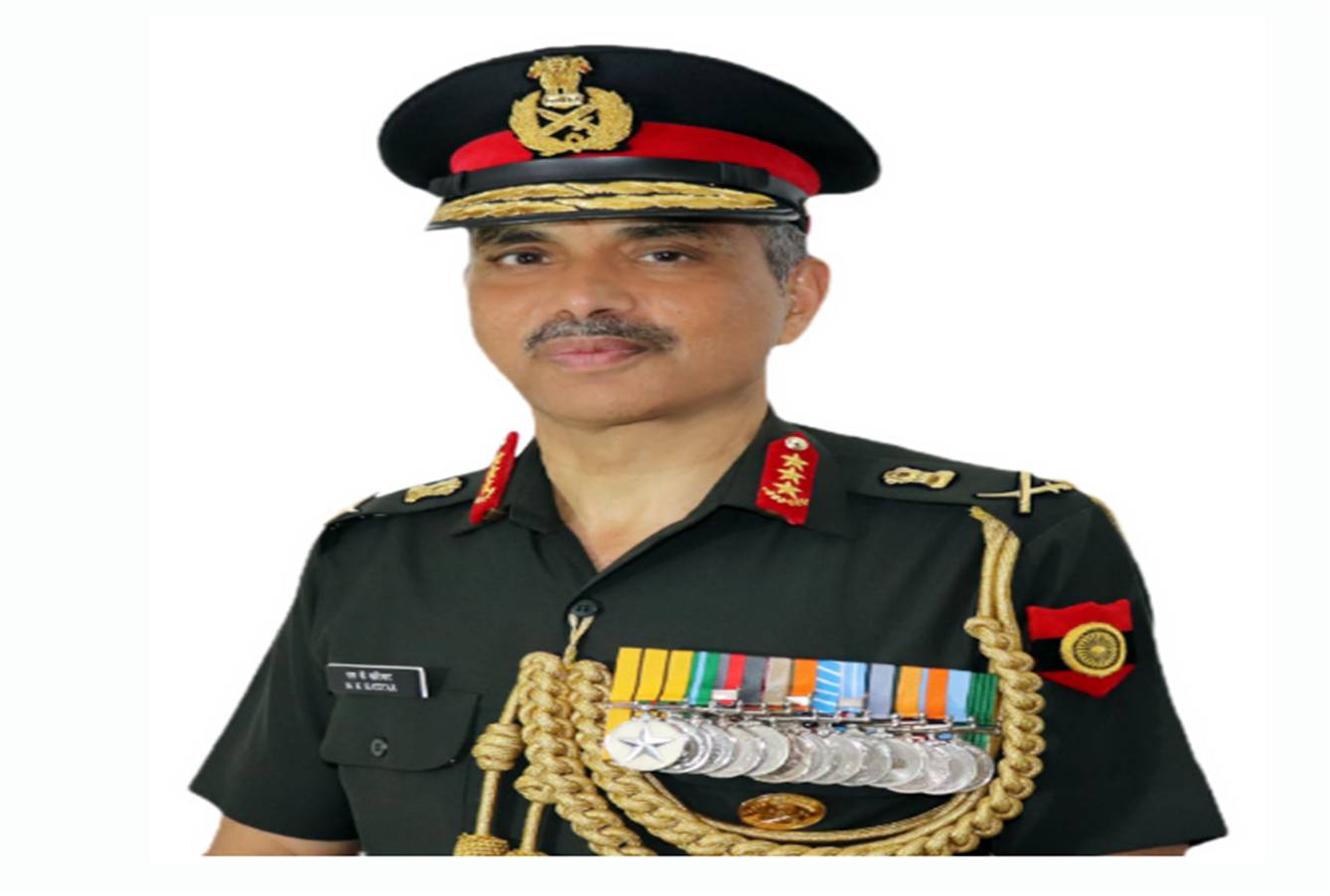
Lt Gen Syed Ata Hasnain (Retd)

Former Commander, Srinagar-based 15 Corps;
Chancellor, Central University of Kashmir

(atahasnain@gmail.com)


एक बार जो मैंने कमिट किया, फिर मैं अपने आप की भी नहीं सुनता`, एयर चीफ मार्शल के शब्द सुन खौफ में आ जाएगा पाकिस्तान

IAF chief: पाकिस्तान को `ऑपरेशन सिंदूर` के जरिए तगड़ी चोट देने के बाद पूरी दुनिया ने भारतीय सेना के पराक्रम का लोहा मान लिया है. ऐसे में एयर चीफ मार्शल अमर प्रीत सिंह ने गुरुवार को जो कहा, उनके शब्दों में इतना विश्वास था कि यह पाकिस्तानी सेना के अंदर खौफ पैदा करने के लिए काफी था.

Amar Preet Singh: पाकिस्तान को ‘ऑपरेशन सिंदूर’ के जरिए तगड़ी चोट देने के बाद पूरी दुनिया ने भारतीय सेना के पराक्रम का लोहा मान लिया है. भारतीय वायुसेना को दुनिया की दूसरी सबसे ताकतवर वायुसेना कहा जाने लगा है. ऐसे में एयर चीफ मार्शल अमर प्रीत सिंह ने गुरुवार को जो कहा, उनके शब्दों में इतना विश्वास था कि यह पाकिस्तानी सेना के अंदर खौफ पैदा करने के लिए काफी था. एयर चीफ मार्शल अमर प्रीत सिंह ने साफ कहा, ”हमने हिंदुस्तान का कमिटमेंट दुनिया के सामने दोहराया है. प्राण जाए पर वचन न जाए. यही हमारा एकमात्र लक्ष्य है.

मैं अपने आप की भी नहीं सुनता
उन्होंने सेना के आत्मविश्वास की झलक अपने शब्दों के जरिए भी बयां की, जब उन्होंने सलमान खान की फिल्म का एक डायलॉग इस्तेमाल करते हुए सधे शब्दों में दुश्मनों को चेतावनी दे दी. उन्होंने कहा, ”एक बार जो मैंने कमिट किया, फिर मैं अपने आप की भी नहीं सुनता. सीआईआई समिट में रक्षा मंत्री राजनाथ सिंह के समक्ष एयर चीफ मार्शल अमर प्रीत सिंह ने दुश्मनों को सख्त लहजे में चेतावनी दे दी और बता दिया कि भारत अब किसी भी परिस्थिति में अपने खिलाफ चलाए जा रहे ऑपरेशन का सटीक और सीधा जवाब देगा.

हम किस दिशा में जा रहे हैं
अमर प्रीत सिंह ने सीआईआई बिजनेस समिट को संबोधित करते हुए कहा कि ऑपरेशन सिंदूर ने हमें यह स्पष्ट रूप से बता दिया है कि हम किस दिशा में जा रहे हैं और भविष्य में हमें क्या चाहिए. इसलिए हमें अपनी विचार प्रक्रियाओं को फिर से संगठित करने के लिए बहुत काम करने की जरूरत है, जो पहले से ही चल रहा है.उन्होंने साफ कह दिया कि हिंदुस्तान की सेना एक ही बात में यकीन करती है कि एक बार जो कमिटमेंट कर लिया तो फिर हम अपने आप की भी नहीं सुनते.

हम नई तकनीकें खोज रहे हैं
एयर चीफ मार्शल ने कहा, “हर दिन, हम नई तकनीकें खोज रहे हैं. भविष्य में भी, हम एक राष्ट्र के रूप में माल वितरित करने में सक्षम होंगे और हम अपने उद्देश्यों को प्राप्त करने में सक्षम होंगे. ”एएमसीए-उन्नत मध्यम लड़ाकू विमान को निजी उद्योग की भागीदारी के लिए भी मंजूरी दे दी गई है, जो एक बहुत बड़ा कदम है और आज देश को निजी उद्योग पर इस तरह का भरोसा है और मुझे यकीन है कि यह भविष्य में आने वाली बड़ी चीजों का मार्ग प्रशस्त करेगा. हालांकि, एयर चीफ मार्शल अमर प्रीत सिंह ने रक्षा खरीद परियोजनाओं में देरी पर चिंता जताई. वायुसेना प्रमुख ने रक्षा प्रणालियों में देरी के कई मामलों की ओर इशारा किया, खासतौर पर स्वदेशी परियोजनाओं से जुड़े मामलों की ओर उनका इशारा था. 

हमें है विश्वास की जरूरत
उन्होंने कहा, ”हम सिर्फ भारत में उत्पादन के बारे में बात नहीं कर सकते, हमें डिजाइनिंग के बारे में भी बात करनी होगी हमें सेना और उद्योग के बीच विश्वास की जरूरत है. हमें बहुत खुलापन दिखाने की जरूरत है. एक बार जब हम किसी चीज के लिए प्रतिबद्ध हो जाते हैं, तो हमें उसे पूरा करना चाहिए। वायु सेना भारत में निर्माण के लिए अपना सर्वश्रेष्ठ प्रयास कर रही है. एयर चीफ मार्शल अमर प्रीत सिंह ने साफ संदेश दे दिया कि हमें भविष्य के लिए अभी से तैयार रहना होगा. उन्होंने कहा कि वह मानते हैं कि 10 साल में हमें उद्योग से ज्यादा उत्पादन मिलेगा, लेकिन हमें आज जो चाहिए, वह आज चाहिए. हमें जल्दी से जल्दी अपने कामों को एक साथ करने की जरूरत है. साथ ही यह भी कहा कि युद्ध सेनाओं को सशक्त बनाकर जीते जाते हैं. (आईएएनएस)


HEADLINES : 30 MAY 2025

Can’t do without air power: IAF Chief

Sculptures bring Sikh history to life at Gurdwara Mehdiana Sahib

Army helps open Hemkund Sahib route

Onus on Pakistan to heed India’s warning in the aftermath of Op Sindoor BY Lt Gen (retd) Harwant Singh

Not a single defence project completed on time: IAF Chief flags systemic delays

Meet Former COAS General VK Singh: The Reviewing Officer for NDA 148th Course POP on 30 May 2025

Punjab boy who served milk, lassi to jawans during Op Sindoor honoured by Army

Army Chief presents ‘Badge of Sacrifice’, ‘Certificate of Honour’ to DySP Himayun Muzzammil Bhat, 8 others

Chinar Corps GOC reviews security situation

CDS to visit Singapore today for Shangri-La dialogue

United Nations to honour 2 Indian peacekeepers posthumously

Russia-Ukraine war: Missing Indians’ kin fight battle at home for their safe return

Looking beyond Pahalgam to fight Pakistan-sponsored terror BY t Gen Pradeep Bali Retd

NDA’s first women cadets ready for tomorrow BY Maj Gen Sanjeev Dogra Retd

People of PoK our own, will return voluntarily: Rajnath


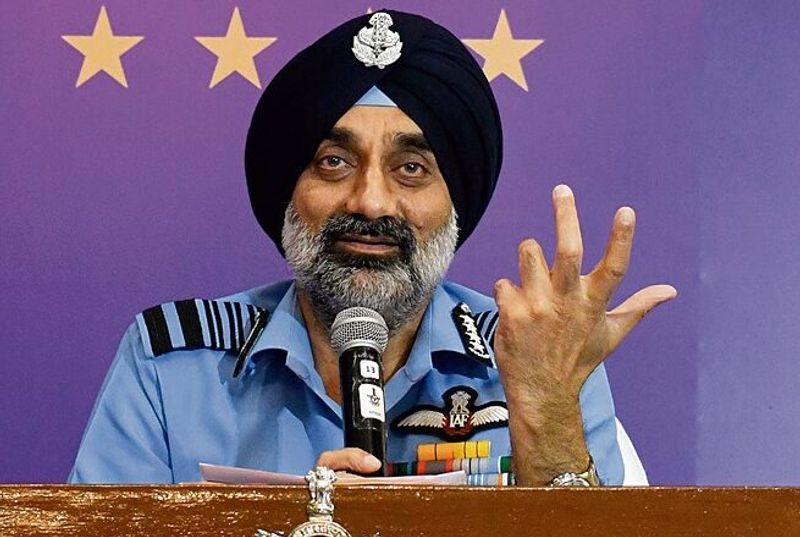
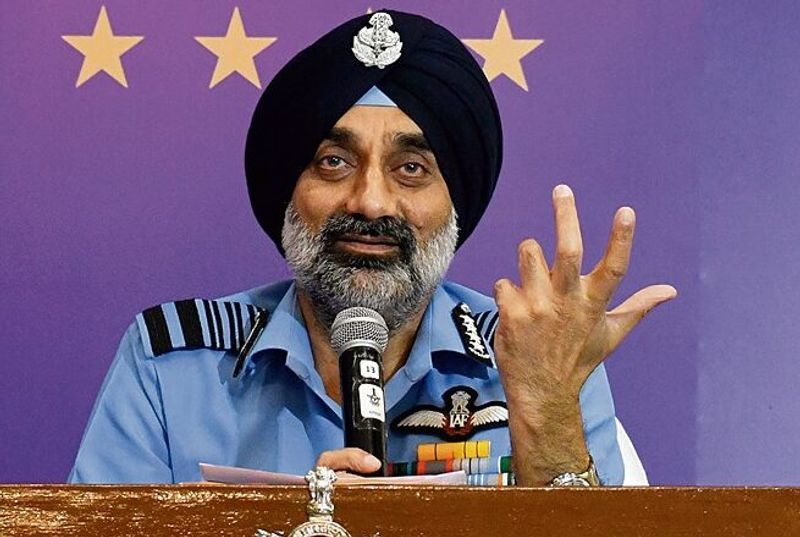
Can’t do without air power: IAF Chief

Any kind of operations (whether on land or at sea) cannot be conducted without air power, and this has been proved very well during Operation Sindoor: Air Chief Marshal AP Singh

Tribune News Service

Making his first public comments since Operation Sindoor, Indian Air Force Chief Air Chief Marshal AP Singh on Thursday said the skirmish with Pakistan had proven “we can’t do it without air power”.

Speaking at the CII Annual Business Summit 2025, he said, “Any kind of operations (whether on land or at sea) cannot be conducted without air power, and this has been proved very well during Operation Sindoor.”

His remarks come in the backdrop of the proposed theatre command, which aim at integrating all war-fighting elements in a defined geographical area under a single commander. The IAF has consistently maintained that the air force was inherently dynamic and should not be constrained by the limits of a theatre command.

On the future of warfare, the IAF Chief stressed the need for both capability and capacity. Referring to Operation Sindoor, he noted that the character of war was evolving, with new technologies emerging daily. “Operation Sindoor has provided a clear direction on where we are headed and what we will need in the future. Significant work is required to realign our thought processes and this is already underway,” he said.

Air Chief Marshal Singh hailed Operation Sindoor as a “national victory,” crediting the seamless coordination among all three forces for its professional execution. “We were on the path of truth and I believe God was with us,” he said, expressing gratitude to every Indian. “I am certain every citizen was eagerly waiting for this victory.” He said the operation was executed in a very professional manner and its success was a collective effort. “When truth is on your side, everything falls into place,” he added.

The IAF Chief also highlighted the government’s decision to allow private industry participation in the advanced medium combat aircraft (AMCA) project, calling it a big step. “This reflects the nation’s confidence in the private sector and I am sure it will pave the way for greater achievements in the future,” he added.


Sculptures bring Sikh history to life at Gurdwara Mehdiana Sahib

Gurdwara Mehdiana Sahib, located in Mehdiana village near Jagraon, is often referred to as the ‘School of Sikh History’. It is believed to be the place where Guru Gobind Singh rested after the Battle of Chamkaur and wrote parts of…

article_Author
Manav Mander Tribune News Service

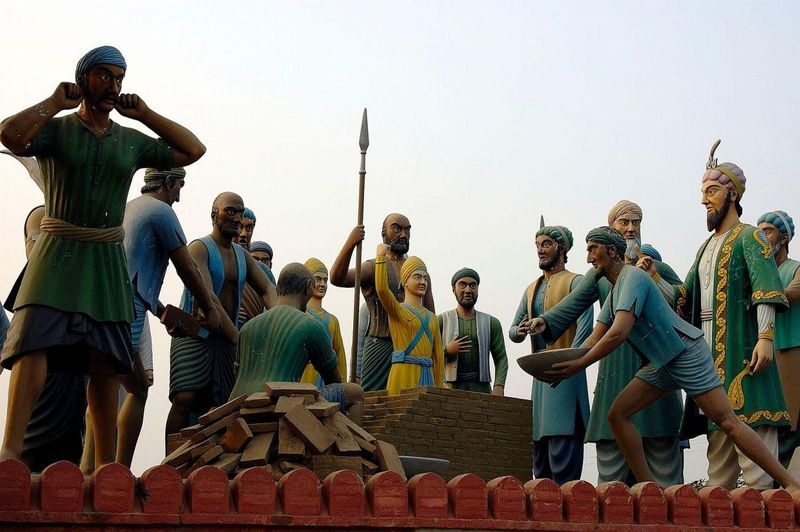
Gurdwara Mehdiana Sahib, located in Mehdiana village near Jagraon, is often referred to as the ‘School of Sikh History’. It is believed to be the place where Guru Gobind Singh rested after the Battle of Chamkaur and wrote parts of the Zafarnama (Epistle of Victory)

letter to the Mughal emperor, Aurangzeb.A major attraction at the gurdwara is the uniquely coloured monuments, sculptures and statues, depicting important events from the Sikh history, particularly those linked to Guru Gobind Singh, and the persecution of Sikhs under the Mughal rule. These sculptures serve as a powerful visual narrative of the sacrifices and bravery of the Sikh community with the aim of educating visitors. The gurdwara also houses a museum which showcases various facets of the Sikh history and culture.In the vicinity of this gurdwara are sculptures and statues of Sikh warriors, including Tara Singh, recipient of a number of awards, including the Punjab Rattan Award, Baba Farid Award and the Sobha Singh Memorial Award. Iqbal Singh Gill, an artist based in Nihalsingh Wala, has also made statues for the gurdwara.

“My main aim behind making these statues was not only to depict history but also to educate people that religion was more important than their lives. The Sikh religion was born from the sacrifices of our ancestors and that religion should not be taken for granted,” said Gill.

There are a number of sculptures inside the gurdwara complex which include eminent Sikh generals like Akali Phoola Singh, Sardar Hari Singh Nalwa, Maharaja Ranjit Singh, Sardar Sham Singh Attariwala, Baba Deep Singh and Baba Banda Singh Bahadur. There are other sculptures depicting the sacrifices made by Chhote Sahibzade, and Sikh men, women and children who did not convert to Islam and instead preferred martyrdom. The statue of Bhai Kanhaiya, one of the soldiers of the 10th Guru, serving water not only to the wounded soldiers in their own army but also to enemy soldiers, is also present. Arvinder Sandhu, an NRI from Jagraon, never fails to visit the gurdwara whenever he is in India. “This gurdwara gives us the powerful message to respect our religion and realise how many sacrifices have been made by our Gurus for our identity. I have been living abroad for 15 years but I have never cut my hair and still wear a turban. Since childhood, I have been visiting this gurdwara. It is not just one statue that is installed here but entire episodes from Sikh history are depicted through these statues, which leave a powerful impact on the minds of everyone paying a visit here,” he said.

The sculptures at the gurdwara act as a powerful visual narrative, bringing Sikh history to life and allowing visitors to immerse themselves in the past.


Army helps open Hemkund Sahib route

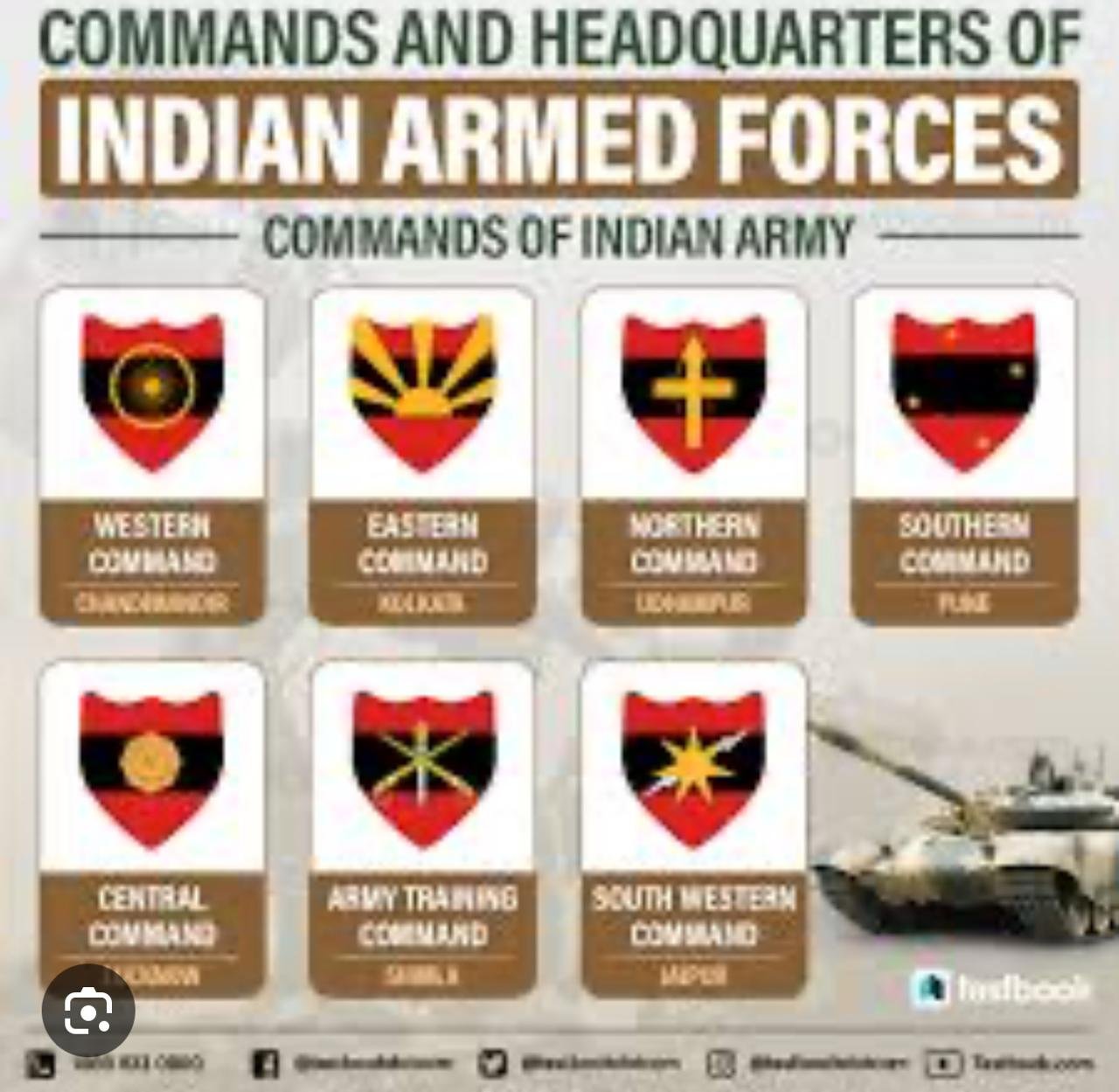
The Indian Army’s Central Command headquartered at Lucknow today posted videos and pics on its troops working to open the route to Hemkund Sahib in Uttarakhand. The pilgrimage started on May 25. The Army said the shrine is over 15,000…

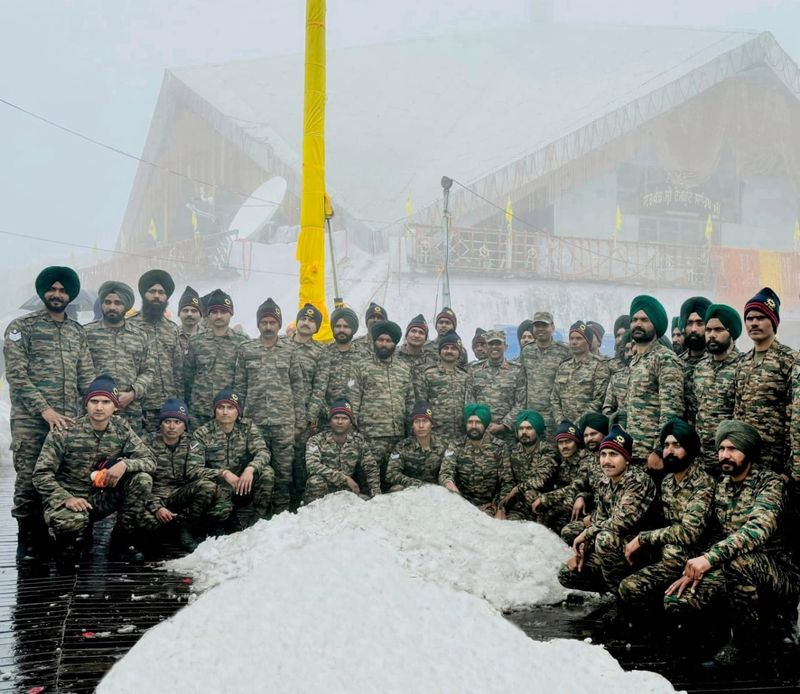
The Indian Army’s Central Command headquartered at Lucknow today posted videos and pics on its troops working to open the route to Hemkund Sahib in Uttarakhand. The pilgrimage started on May 25.

The Army said the shrine is over 15,000 ft altitude and the teams worked through 6 km of glacier. A team of the engineers from the Brigade at Joshimath under the ‘Uttar Bharat’ area carved open the frozen route to the sacred Hemkund Sahib, ensuring timely commencement of the pilgrimage on May 25.

The gurdwara management committee solemnly acknowledged and recognised the efforts of the Army, the Indian Army said.


Onus on Pakistan to heed India’s warning in the aftermath of Op Sindoor

Pakistan’s poor state of economy and bankruptcy is directly related to its enormous expenditure on defence.

article_Author
Lt Gen (retd) Harwant Singh

Operation Sindoor was launched by India against terrorist centres in Pakistan and against military infrastructure in that country. This operation was in response to the cross-border terrorist attack near Pahalgam on

April 22 — a major intelligence failure for which accountability is yet to be fixed.

India’s air-defence systems performed extremely well and its troops displayed appropriate skills in handling high-tech military equipment. Pakistan’s success lay in shelling Indian villages in J&K and inflicting civilian casualties.

Pakistan has also claimed it had knocked down Indian fighter planes. The precise casualty figures on both sides or the full extent of damage to military assets has still not been fully disclosed.

We have to wait and see if this operation is enough to dissuade Pakistan from continuing with cross-border terror attacks and give up its policy of a “thousand cuts” against India. Going by the past record and Pakistan Army chief Asim Munir’s recent statements, it seems unlikely.

India’s response, as and when the next terrorist attack takes place, is likely to be significantly enhanced. India must war-game what red lines can and must be crossed. Pakistan must realise the outcome of a nuclear conflict.

Meanwhile, Pakistan has also claimed that it has destroyed a few Indian aircraft. The Army chief has been promoted to the rank of Field Marshal. But what should concern us is that few countries openly stood with India during this brief conflict. When India tried to block the IMF loan to Pakistan, it was not successful.

It is said that the IMF usually allows such loans through, especially when the economy of a country is in dire straits. Perhaps this reflects on our foreign policy, especially in view of the fact that we don’t have friendly relations with any of our immediate neighbours.

Before the launch of Operation Sindoor, External Affairs Minister S Jaishankar is believed to have warned Pakistan about our attack. Was this an act of diplomacy or serious breach of security, which resulted in the escape of some terrorists?

While the Minister now says that he had informed Pakistan 15-30 minutes after the launch, in response to Rahul Gandhi’s question, some analysts argue the warning was necessary in order to move out the civilian population. Imagine if a few hundred innocent people had been killed along with terrorists, these analysts say.

As for India now dispatching parliamentary and diplomatic teams to various countries to brief them on Pakistan’s terrorist activities and the compulsions for India to launch Operation Sindoor, it seems like a case of shutting the gate after the horse has bolted.

The people of Pakistan must realise that its Army is unnecessarily creating the bogey of a threat from India. Pakistan’s poor state of the economy and bankruptcy is directly related to its enormous expenditure on defence.

It needs to develop good neighbourly relations with India. Good relations and enhanced trade with India will work to Pakistan’s great advantage. India desires a friendly and prosperous Pakistan.

Finally what have been the gains from Op Sindoor for India and Pakistan? For India, besides demonstrating its resolve to meet cross-border terrorism head on, there are expectations of electoral gain.

On the Pakistan side, the fissures that were surfacing in its Army seems to have been closed. The Pakistan Army’s standing in the country appears to have been restored.

Lt Gen Harwant Singh (retd) is former deputy chief of army staff.


Not a single defence project completed on time: IAF Chief flags systemic delays

Invest in R&D, fly-by-night operators not welcome in this sector, cautions Defence Secy

article_Author
Ajay Banerjee Tribune News Service

Indian Air Force Chief Air Chief Marshal AP Singh on Friday pointed to systemic delays in defence projects. “Not a single project that I can think of has been completed on time,” he said, adding that even while signing contracts, the IAF anticipated delays and still proceeded with signing contracts.

Speaking at the CII Annual Business Summit, he called for greater emphasis on indigenous design and development, stressing the need for industry to allocate a portion of revenue to R&D, drawing inspiration from the Sikh principle of “dasvandh” (donating 10 per cent of earnings).

“In Punjabi culture, there’s the concept of ‘dasvandh’, giving 10 per cent of earnings back to society. Something similar should apply here. Every industry should earmark a portion of revenue for R&D,” he said.

He suggested the need for domestic design and development, followed by mass production. “We need to start designing in India and when it comes to producing in numbers, the capacity has to come in,” he added.

The IAF Chief raised concerns over brain drain, stating, “We are not getting the best people for the job. They’re going abroad to work. We need to retain them with good pay, incentives, work environment and may be some recognition.”  He pushed for urgent action, suggesting “quick Make in India programmes” to accelerate progress.

Defence Secretary Raj Kumar Singh, speaking at the same event, said the Indian industry could secure better prospects in military equipment manufacturing by investing in research and development. He cautioned that there was “no get-rich-quick option” in this sector.

He called for the need for long-term commitment, stating that companies lacking engineering expertise, manpower or willingness to invest in R&D should not enter defence production.

“Fly-by-night operators will not be welcome,” Singh asserted, assuring that the Ministry of Defence would support private industry just as it had backed public sector enterprises. He pledged to “bury the private sector in orders” while urging streamlined procurement processes and ease of doing business in defence.

The Defence Secretary said the defence modernisation budget was fully utilised in the last fiscal, breaking a long-standing pattern of underspending caused by slow procurement decisions. The pace of modernisation was expected to pick up, he said.

Though the defence expenditure had fallen to 1.9 per cent of the GDP, Singh said it remained sufficient to meet current modernisation goals. He reiterated that the government’s long-term defence vision was rooted in atmanirbharta (self-reliance.


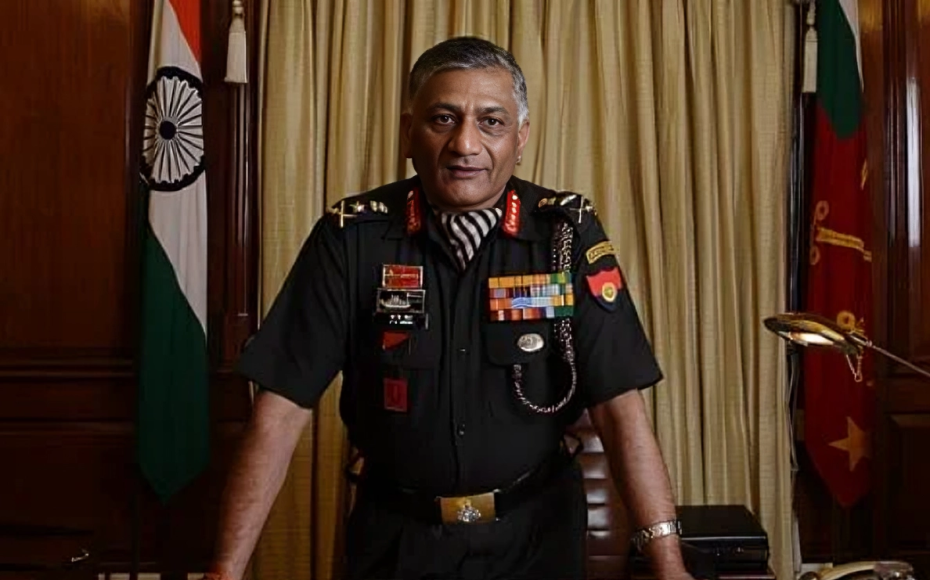
Meet Former COAS General VK Singh: The Reviewing Officer for NDA 148th Course POP on 30 May 2025

General Vijay Kumar Singh (Retd.), former Chief of Army Staff and senior Indian politician, represents a rare blend of military leadership, administrative reform, and patriotic zeal. From leading troops in war zones to overseeing critical evacuation missions and taking bold stands in Parliament, his journey reflects a lifetime of service, integrity, and fearless leadership. He will be the Reviewing Officer for the Passing Out Parade (POP) of the historic 148th course of the National Defence Academy (NDA), scheduled for May 30. The landmark event will see the first batch of woman cadets graduating from the premier tri-services academy among around 340 passing out cadets. Table of Contents Also Read: NDA Passing Out Parade To Be Held on 30 May 2025: All You Need To Know About The Event in Advance Early Life and Education Born on May 10, 1950, in Uttar Pradesh, Gen. Vijay Kumar Singh grew up in a family with strong military traditions, instilling in him values of discipline, patriotism, and honour from an early age. His military education includes top institutions like the National Defence Academy (NDA), Indian Military Academy (IMA), Defence Services Staff College (DSSC), and the College of Combat, Mhow. He also trained at the U.S. Army War College in Pennsylvania, gaining global strategic insights. These prestigious institutions shaped his leadership, strategic thinking, and commitment to national service, laying the foundation for his distinguished career as a military reformer and statesman. Then Second Lt VK Singh During 1971 Bangladesh Liberation War. Distinguished Military Career Commissioned into the 2 Rajput Regiment in 1970, General V.K. Singh began his military journey on the front lines. He played a key role in the 1971 Indo-Pak War, which resulted in the historic liberation of Bangladesh. His early experiences in active combat shaped his leadership and operational expertise. Throughout his career, General Singh was actively involved in counter-insurgency operations in challenging regions like Nagaland and Jammu & Kashmir. He also represented India in UN Peacekeeping Missions across Africa, contributing to global peace and stability. Rising through the ranks, he commanded military units at every level—from company and battalion to brigade, division, and corps. His leadership of elite Special Forces units earned him respect for tactical excellence and operational efficiency. General Singh became known for his strong advocacy of modernization and transparency in the Indian Army. Equally dedicated to soldier welfare, he consistently worked to improve the lives and conditions of the men under his command. His career reflects a blend of combat experience, strategic leadership, and a deep commitment to national service. Then Lt Col VK Singh in 1991 Movie ‘Prahar’. Tenure as Chief of Army Staff (2010–2012) Appointed as India’s 26th Chief of Army Staff, General V.K. Singh made history as the first commando-trained officer to hold the Army’s top position. His tenure was marked by bold decisions, fearless leadership, and a commitment to military integrity. One of the most talked-about events during his service was the age dispute controversy, where General Singh challenged the official records of his date of birth. This brought the sensitive issue of civil-military relations into the national spotlight, sparking widespread debate. General Singh also led a strong anti-corruption drive, notably exposing the Tatra trucks procurement scandal. His actions raised serious concerns about corruption in defence deals and emphasized the need for transparency and accountability within the armed forces. Another major moment of his tenure was a confidential letter to the Prime Minister, later leaked to the media. In it, he warned of serious gaps in India’s defence preparedness, highlighting issues in military readiness and equipment shortages. Despite the controversies, General V.K. Singh’s legacy as Army Chief is remembered for his courage, transparency, and unwavering stance on accountability within the Indian Army. General VK Singh as Cheif of Army Staff. Awards and Military Honors General Singh’s illustrious military career has been recognized with some of India’s highest military honors, showcasing his exceptional service and leadership. He has been awarded the Param Vishisht Seva Medal (PVSM), Ati Vishisht Seva Medal (AVSM), and Yudh Seva Medal (YSM)—each a testament to his operational brilliance, strategic acumen, and unwavering commitment to national security. These prestigious awards highlight General Singh’s distinguished contributions in both combat and peacetime roles. From leading troops in challenging operations to driving reforms and ensuring military preparedness, his career reflects exemplary leadership under fire and dedication to India’s defence. These accolades not only honour his past achievements but also reinforce his enduring legacy in the Indian armed forces. General V.K. Singh enrolled as a Ph.D. student at Barkatullah University in Bhopal in 2010, focusing his research on “Geostrategy of Wakhan,” a strategic region in Afghanistan. While specific details about the completion of his doctoral studies are not publicly available, his official parliamentary biography lists a Ph.D. among his educational qualifications, suggesting that he successfully earned the degree. Transition to Politics and Government Leadership Post-retirement, General Singh entered politics by joining the Bharatiya Janata Party (BJP) in 2014. He was elected as the Member of Parliament (MP) from Ghaziabad and quickly emerged as a key national figure. General Singh has held significant ministerial roles, including Minister of State for External Affairs and Minister of State for Road Transport and Highways. As a Minister of State, General Singh was instrumental in leading high-risk evacuation missions such as Operation Rahat in Yemen, and similar successful efforts in Iraq and Libya, showcasing his leadership in crisis situations. In the infrastructure domain, he played a vital role in accelerating road and highway development projects across India, contributing to national connectivity and growth. General Vijay Kumar Singh’s transition from military leadership to public service reflects his disciplined, hands-on approach and unwavering commitment to national development. His image as a soldier-politician continues to resonate with people across the country, symbolizing service, action, and integrity in public life. He currently serves as the Governor of Mizoram. Personal Life, Writings & Leadership Philosophy General Singh is the author of the acclaimed autobiography Courage and Conviction, which offers a candid insight into his life, military career, and reformist vision. Through his writing, he shares valuable lessons from his experiences on the battlefield and his commitment to transforming India’s defence and governance systems. General Singh often speaks on important topics such as youth participation in governance, the importance of national pride and patriotism, and the need for transparency in defence and public institutions. His strong advocacy for these issues resonates widely, inspiring many across the country. His guiding philosophy, “A soldier never quits, even when he removes his uniform,” reflects his relentless dedication to serving the nation beyond the battlefield. This principle continues to shape his impactful political and public life, making him a respected voice on leadership, integrity, and national service. Autobiography of General VK Singh. A Symbolic Return to NDA On 30 May 2025, General Singh will be reviewing the 148th NDA Passing Out Parade, which saw the first women cadets graduate from the Academy. His presence will serve as a powerful symbol of continuity between past traditions and modern military reforms. This moment will be reinforcing his role as both a product of the NDA and an inspirational leader for future defence officers. Also Read: NDA’s First Batch of Women Cadets Set to Graduate, Marking Historic Milestone in Armed Forces Conclusion General Singh’s journey from military service to political leadership embodies India’s evolving defence and governance ecosystem. A warrior, reformer, whistleblower, and politician, his legacy is one of principled leadership, national service, and uncompromising values. As India faces new global and strategic challenges, Gen. Singh remains a figure of strength and inspiration—a living reminder that service before self is not just a motto, but a way of life.