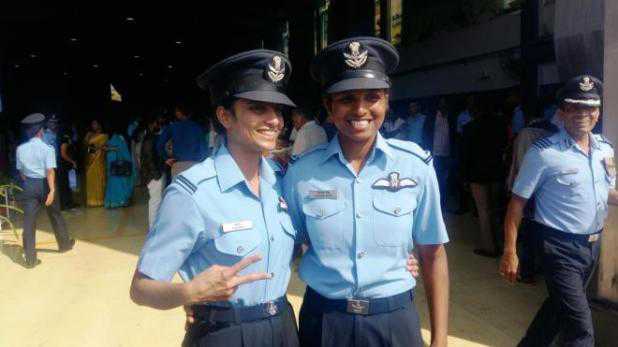
Flying Officers Pratibha (left) and Shivangi Singh
Hyderabad, December 16
Over 100 officers, including two women fighter pilots, were commissioned in the Air Force today during the Combined Graduation Parade of Pilots and Ground Duty Officers at Air Force Academy, Dundigal, near here.An official statement said the event marked the passing out of 105 flight cadets as flying officers, including two women fighter pilots—Flying Officers Shivangi Singh and Pratibha, of a total of 15 women who joined the elite cadre of IAF officers.(Follow The Tribune on Facebook; and Twitter @thetribunechd)The occasion also marked the passing out of the 200th pilot’s course of IAF officers. Navy Chief Admiral Sunil Lanba was the chief guest at the parade. He conferred the President’s Commission to the graduating Flight Cadets who successfully completed their basic and professional training. — IANS
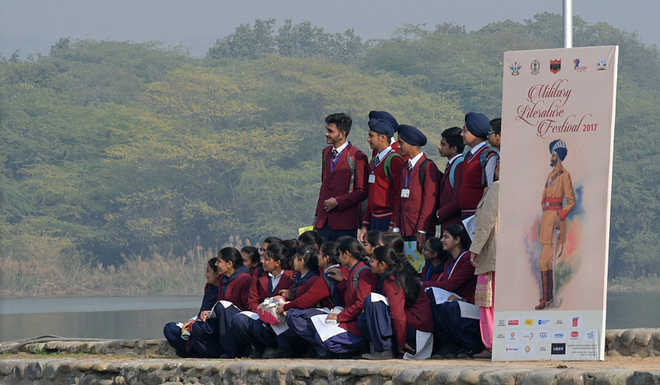
Meaningful discussions, sonorous bands, cultural artifacts and avid visitors made the concluding day of the first Military Literature Festival a glittering affair
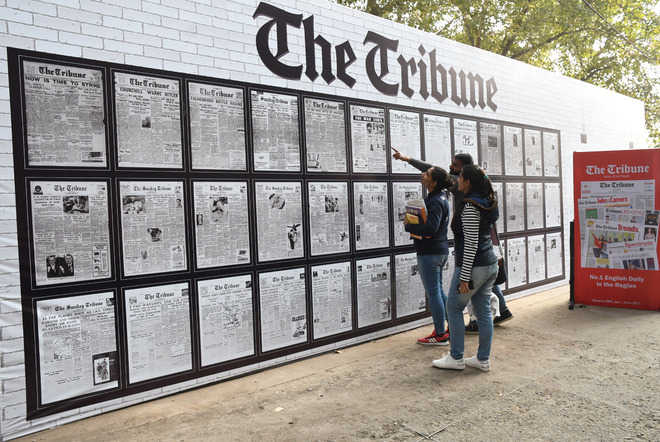
Pages from The Tribune archives being viewed by avid youngsters.
Amarjot Kaur
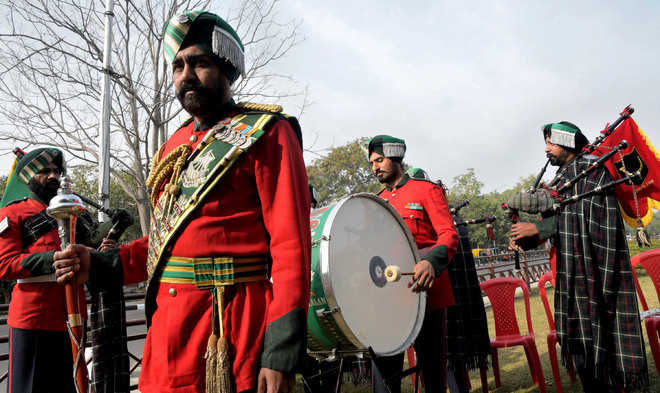
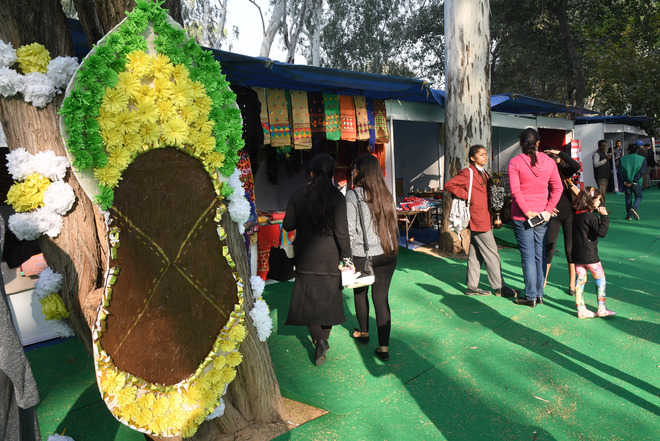
From discussions on Saragarhi Samvad and battles fought from 1818 to 1837, including the Battle of Peshawar, Jamrud, Multan, and Kashmir, to discussions on Anglo-Sikh wars, 1971 and 1965’s Indo-Pak war, military animals, national security strategy and ongoing conflicts, Chandigarh’s first Military Literature Festival kept introducing firebrands to the bonfire of thought-provoking dialogues by the Sukhna Lake at the Lake Club on Saturday.Besides military leaders, authors, writers, and thinkers, who added to the literary part of the festival, five book stalls, among 30 other booths selling artefacts and handicrafts, contributed to the cultural side of the three-day festival.Regaling the visitors with Kullu and Kashmiri shawls, Hoshiarpur’s famous wood inlay work, UP’s handloom cotton bed-sheets and covers, and Jaipur’s traditional jewellery, the last day of the festival witnessed a footfall of over 2,000 people, including National Cadet Corps, and school students. With daris, cushion covers, and table mats on display, Manuj Kamboj from SabTera Foundation says, “We are an NGO for women empowerment based in Khuda Ali Sher, near PGI, and these are items made by SabTera Livelihood programme by underprivileged women.”What catches our attention the most is the Pipe Band from the 11 Madras regiment. “This band was established on July 1, 1980. I have been a part of it since 20 years now and have over 100 tunes to play at the festival,” says band major BV Anathan.
amarjot@tribunemail.com
OPEN INVITATION TO ALL FOR MILITARY LITERATURE FEST :::07 DEC TO 09 DEC 2017 AT CHANDIGARH LAKE CLUB
Military literature festival is scheduled to be held at chandigarh Lake Club from 7th to 9th December 2017. This is an initiative of His Excellency the Governor of the Punjab, Shri V P S Badnore and the Honourable chief minister of Punjab, Capt Amarinder Singh, in association / coordination with the Indian Armed Forces, to create public awareness about elite armed forces among the citizens/future generation.
Well known personalities who have been invited and will be sharing their views /experiences with the public are authors, veterans, war decorated heroes, publishers, musicians, artists, journalists, war correspondents, poets, film makers, research fellows, leaders in technology and manufacturing, architect, craftsmen, industrialists.
In addition to the panel discussions, the other attractive activities are Akash Ganga Sky Divers team, Brave Hearts Motorcycle ride, Equitation Tattoo, Para Motor shows, Daredevils Motorcycle displays and Military music by Military bands. The Subjects will range from National security, wars, conflicts, battlefield, heroism and life of military family thus providing a wholesome and enriching exchange of discussions and dialogue & ideas.
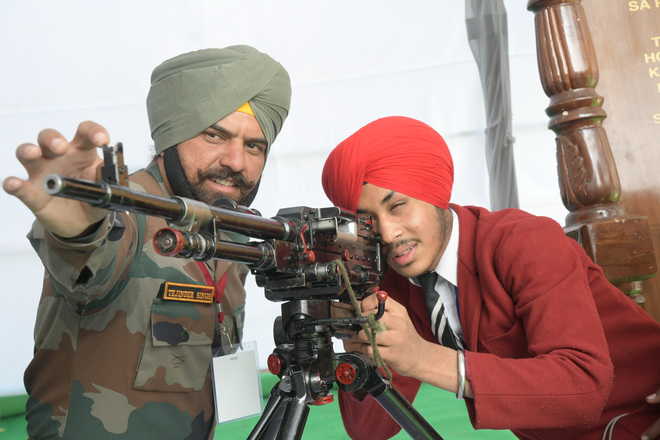
Apart from above, there will be books, arts and handicraft exhibitions, magic shows, puppet shows, the vibrant and lively Bhangra and Giddha troupes and an armament display of the latest army weaponry.
On behalf of the government of Punjab, I invite you and all officials of your organisation, along with families / friends to participate / witness this historical event, and to pass the baton of legacy bravery, valour and sacrifices of the sons of soil to the future generations/children. Students of Schools/Colleges/Universities are most welcome.
Confirmation may be sent via email to
festcoordinator.mlf@gmail.com
OR telephonically on —9877860269
Military literature festival:PGME
Event Date Venue
Braveheart’s Motorcycle ride for the military
03 December
War Memorial Chandigarh to KOI Chandimandir
A V Shows
05 to o9 December
Lake Club Area
Air Force Fly Past Show
05 to 06 December
Lake Club Area
Subject to Sanction By MOD
Akash Ganga Sky Diving Team
05 to 06 December
Lake Club Area
Subject to Sanction By MOD
Band Displays
05 to 09 December
Lake Club Area
Equitation Tattoo
06 December
Secretariat Ground
Motorcycle Daredevil Team Display
07 December
Uttar Marg near Lake
Club
Paramotor Display
07 December
Secretariat Ground
High Tea
07 December
Raj Bhawan
Dinner
07 December
Western Command
The military literature festival 08 And 09 December
Opening Ceremony
08 December
1000 to 1100
Lake Club
Tea
08 December
1100 to 1130
Lake Club
Panel discussions
08 December
1130 to 1345
Lake Club
Lunch
08 December
1345 to 1435
Lake Club
Panel discussions
08 December
1445 to 1815
Lake Club
Mega Social Evening
08 December
1900 onwards
Capital Complex
Dinner
08 December
2000 onwards
Hotel Taj
09 December2017
Panel discussions
09 December
1000 to 1330
Lake Club
Lunch
09 December
1330 to 1430
Lake Club
Panel discussions
09 December
1445 to 1645
Lake Club
Closing Ceremony
09 December
1700 to 1800
Lake Club
TEA
09 December
1800 to 1830
Lake Club
Dinner with concert
09 December
2000 onwards
Hotel Mt View
FOR REGISTRATION OPEN SITE
HTTP://WWW.MILITARYLITERATUREFESTIVAL.COM
Religious beliefs, political personas by Satya Narayana Sahu
Politics should be used to nourish and enrich the unity of the country. By remaining wedded to our multiple identities and by remaining tuned to the Constitution and not to any shrine or place of worship, we can defend the Idea of India.
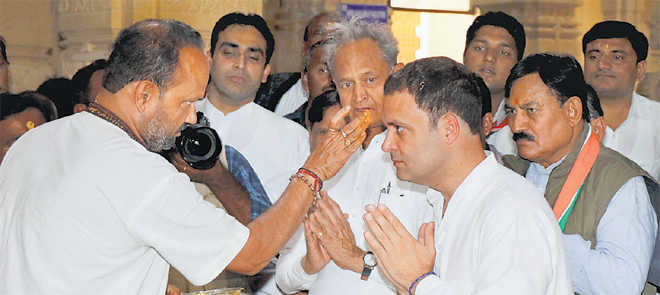
Congress Vice-President Rahul Gandhi at the Somnath temple in Gujarat on Wednesday. PTI
Satya Narayana Sahu Former Press Secretary to President KR NarayananRahul Gandhi’s visit to the Somnath temple on Wednesday and the alleged entry of his name in the register meant for non-Hindus has predictably caused a row. It came to imply that he is not a Hindu. Photographs of him wearing a sacred thread were flashed to prove his credibility as a Hindu. Efforts were made to demonstrate that his religion is Hinduism and the entry of his name in the register meant for non-Hindus is a political mischief. It is strange that the immediate identity of somebody gets highlighted just to score a political point and appeal to voters. Let us take two examples from history where our leaders refused to be defined by their religious identity alone:1. In 1965, just before the invasion of Pakistan on India, the BBC in a radio broadcast stated that the Prime Minister of India Shri Lal Bahadur Shastri being a Hindu would attack Pakistan which is a Islamic Republic. Immediately, Prime Minister Shastri issued a statement in which he dismissed the BBC portrayal of his identity as PM of India in terms of Hindu religion as mischievous and asserted that he became the Prime Minister of India not because of Hinduism but because people of all faiths chose him for the post. He then referred to the secular character of India and the office of the Prime Minister. He argued that India did not stand for only one religion and he being the Prime Minister, and not a Hindu, would defend India the idea of which could not be reduced to one religion. It is a remarkable lesson which teaches us to stand above religion.2. Another shining example of going beyond religious identity was shown by none other than Mahatma Gandhi when he declined to meet Jinnah who insisted that he should come to see him as a representative of the Hindus. Gandhiji wrote a piece on the issue and he defined his identity beyond Hinduism. He said that he hailed from Gujarat and, therefore, he had a Gujarati identity which was coextensive with his Indian identity. Then he further expanded his Gujarati and Indian identity by saying that these Gujarati and Indian identities coexisted with his planetary identity. Stretching further and broadening all those identities, Mahatma Gandhi said that he was of the cosmos and so his Gujarati, Indian and planetary identities coexisted with his cosmic identity. These refreshing examples of leadership teach us to go beyond immediate identity by including manifold identities which define every individual. Professor Amartya Sen, in his book Identity and Violence, and in one of his speeches “Indian Identity” had cautioned that if one identity of an individual is privileged over other identities, it would lead to distortion and imbalance of multiple identities which an individual has and which define his overall identity. Such a process of privileging one identity over other identities would necessarily lead to narrowness of mind which, in turn, would spread violence and venom, cashing festering sores across the whole body polity.
Glorious legacy
Politics, which is a necessary attribute of parliamentary democracy, has to be used to nourish and enrich the unity of our country. By remaining wedded to the multiple identities which we have and by remaining tuned to the Constitution and not to any shrine or place of worship, we can defend the Idea of India. Rahul’s visit to Somnath temple or the visit of anybody to any shrine should be seen from the perspective of the Mahatma who juxtaposed his Hindu identity with his planetary and cosmic identities. Such a harmonious approach is indispensable to harmonise our identities to use politics to foster harmony and understanding in society and stand up for the Idea of India.The Mahatma said he did not want India to be wholly Hindu, wholly Islamic or wholly Christian but wholly tolerant with all its religions coexisting side by side and flourishing. He also said that to define nationalism as Hindu nationalism or Islamic nationalism is a libel on nationalism. Exactly the same composite dimension of nationalism was given by Swami Vivekananda when he said that he wanted India to have a Vedantic brain and Islamic body. Dr BR Ambedkar described attempts to establish the Hindu Rashtra as “arrant non-sense”. In no phase of India’s history was the identity of India defined by the religious identity of the rulers. When Sardar Patel wanted to use government funds to reconstruct the Somnath temple, Mahatma Gandhi advised to create a trust and appeal the people to contribute money for that purpose. Sardar Patel paid heed to this voice of sanity and desisted from using the funds of the Government for conducting religious work. In doing so, Sardar Patel was setting a splendid example of keeping the State apparatus away from religion and temple construction activities. It is gratifying to note that that narrative of Gandhi’s advice to Sardar Patel and the later’s acceptance of it is part of the light and sound show event being conducted every evening in the sacred premises of the temple for the pilgrims who visit the shrine. Such a glorious legacy to go beyond religious identity in public life and politics and not to use the State for religious purposes is the defining feature of our Republic. It is every Indian’s duty to uphold this legacy which is the basic structure of the Constitution. The leadership must remain tuned to this legacy to uphold the Idea of India or in the words of the former President of India, the late KR Narayanan, the ideals of Indiatva in contrast to Hindutva.Mahatma Gandhi’s exampleIn the pre-independent India, once when Mahatma Gandhi was requested to dedicate the Lakshmi Narayan temple in Delhi, which is popularly known as the Birla temple, he initially refused to do so. However, he was persuaded to come and do the honours as Pandit Madan Mohan Malviya who was supposed to do it could not come to Delhi because of his other engagements. Gandhiji, while doing so, delivered a speech and said that by visiting a temple, a devotee should pray to get strength to respect faiths of others and fight against the practice of untouchability which plagued Hinduism.
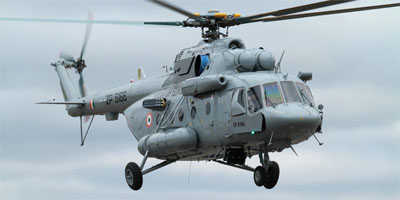
The Indian Air Force has approached Hindustan Aeronautics Limited (HAL) for retrofitting part of its Soviet-origin Mi-17 medium lift helicopter fleet with advanced navigational aids.Under the project, to be executed at No.3 Base Repair Depot in Chandigarh, nearly 60 helicopters will be retrofitted with the Tactical Air Navigation System (TACAN) as well as the VHF Omni-directional Radio Range (VOR) equipment and instrument landing system, IAF sources said.HAL has traditionally been associated with the licence manufacture and repair of western-origin helicopters such as the French Alouette III and the SA-315 Lama, known locally as Chetak and Cheetah, as well as the Dhruv, advanced light helicopter and the proposed Indian Multi-Role Helicopter that envisions to replace older Mi-17 variants in a few years. HAL is not known to have been associated earlier with modifications or upgrades related to Mi-8/17 and Mi-25/35 fleet.TACAN provides the aircrew the exact bearing and distance to a ground station and is primarily meant for military aircraft. Equipped aircraft can use this system for route navigation as well as non-precision approaches to landing fields.On ground, TACAN receivers can be placed on top of a building or in a truck. It is a smaller and more accurate version of VOR that is now the standard air navigational system in the world where aircraft determine their position and stay on course by receiving radio signals transmitted by a network of fixed ground radio beacons.Besides supplying the navigation equipment along with associated accessories and technical support, HAL will also be required to train IAF personnel in the operation and maintenance of the equipment in Chandigarh.Sources said that the project is expected to commence in January 2018, with three helicopters being initially retrofitted and evaluated by the IAF. The remaining choppers will be upgraded in batches within two years.
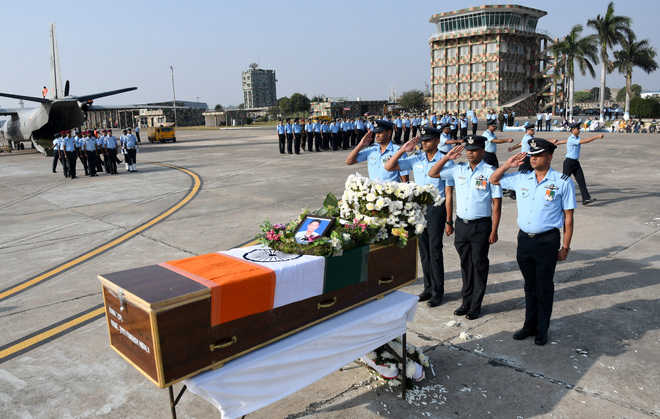
IAF personnel pay tributes to commando Jyoti Prakash Nirala (below) during a wreath-laying ceremony in Chandigarh on Sunday. Tribune Photos: Nitin Mittal
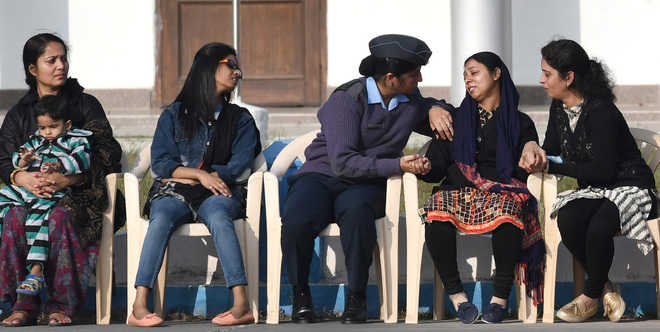
Sushma Nand(2nd from right), wife of the martyr.
Chandigarh: Air Force personnel on Sunday paid floral tributes to Corporal Jyoti Prakash Nirala, a member of the IAF’s Garud Special Forces who was killed in anti-terrorist operations at Hajin in Kashmir on Saturday. The 31-year-old commando is survived by his wife Sushma Nand and a three-and-a-half-year-old daughter Jigyasa Kumari, who were residing in Chandigarh. He is the third Air Force commando in recent months to be killed in anti-terrorist operations in Kashmir. Nirala’s mortal remains were airlifted from Srinagar to Chandigarh on Sunday for onward movement to his native place Badiladih village in Rohtas district of Bihar where the last rites will take place with full military honours. Among those who laid wreaths on the coffin were the Air Officer Commanding 12 Wing, Air Commodore Arun Solanki, the Air Officer Commanding 3 Base Repair Depot, Air Commodore Sanjeev Sinha, and other senior officers posted here. For the past few months, the Air Force has been embedding Garud commandos with Army formations deployed in Jammu and Kashmir for operational experience and live situational training. The Garud force was established in 2004 to provide the IAF with a specialised ground force for guarding high-value strategic assets and undertake special operations like airborne assault, special reconnaissance, combat search and rescue, anti-hijacking and hostage rescue. TNS
MILITARY LITERARY FESTIVAL HELD AT WESTERN COMMAND HEADQUARTERS IN CHANDIMANDIR
First of its kind, Military Literary Festival was held at Western Command headquarters in Chandimandir on Sunday.
As a part of ongoing series of activities under the aegis of Gyan Chakra – Think Tank, this unique festival saw luminaries from academia, media and the armed forces, discuss and deliberate on varied subjects ranging from Campagin Studies, National Security issues, Military Humour, Movie Making and Memoirs.
While delivering the keynote address the chief guest of the function, Governor of Andaman & Nicobar Islands, Lt Gen AK Singh, (Retd) expressed his views on this unique venture. Examining the future contours of military affairs, the chief guest said that this festival will become a trend setter in the country.
He was later presented with a coffee table book of Western Command which was released during Commanders’ Conclave of Western Command.
The event was also attended by both serving and retired defence community of the tricity.
Divide over the Army building bridges in Mumbai reflects state of civil-military relations BY Lt Gen Ata Husnain
Nirmala Sitharaman, Piyush Goyal and Devendra Fadnavis with army representatives | Source: Twitter.com/CMOMaharashtra
Unfortunately, there is now a build-up of the perception that the Army is no longer the last resort but is fast becoming the first one because other institutions have abdicated their responsibilities.
Extreme emotions appear to dominate the reactions around the decision of the Defence Ministry and Railway Ministry to hand over the construction of pedestrian bridges at a few Mumbai railway stations to the Army. The decision was prompted by the unfortunate deaths of 23 people in a stampede on a pedestrian bridge at Elphinstone station a few weeks ago.
However, the response did not even wait for the details to determine whether it is a supervisory responsibility or end-to-end job being handed over to the Army. The primary responsibility of the Army lies at the borders, but the secondary responsibility remains open-ended: from controlling civil strife to disaster management, pulling out infants from bore holes to simply anything no one else in India seems to be able to do.
The rancour on social media is a reflection on the state of civil-military relations in India today. It reflects the high regard for the Army and the extremely poor opinion about civilian government agencies and their ability to perform a job in time. Most importantly, it also indicates the existing bitterness.
In the recent handling of the agitation after godman Ram Rahim’s arrest and the Jat reservation issue, the Army stood out for the way it performed its duties. It is the self-assured discipline and confidence of our Army which makes it the instrument of last resort.
Unfortunately, there is now a build-up of the perception that the Army is no longer the last resort but is fast becoming the first one because other institutions have abdicated their responsibilities. Is it any wonder that in routine surveys, so many Indians opt for military-style governance as their preferred choice?
In a politicised environment, it is difficult to find any rationale, but what is generally accepted is that the Army can step into any situation when it is an emergency. The issuethen is about determining and defining these emergency conditions.
I am aware that J&K-based examples aren’t the best because emergency conditions seem to exist there forever. Yet, the example of Army Goodwill Schools (AGS) constructed under Sadbhavna, illustrate the rationale on both sides of the divide.
Under the rules, all projects of Sadbhavna are supposed to be handed over to the civil authorities once the Army completes them. However, in the case of AGS, the Army decided to run them due to public demand. For the last 20 years, the Army has run schools all over J&K, not for the children of Army families, but for local people. It is the price the Army pays for its reputation and efficiency.
In 2005, thanks to its impeccable integrity and reputation, the Army was requested by the MLA of Baramulla to oversee the construction of a footbridge over the Jhelum. The engineer unit aided in the design, financial planning and subsequent monitoring of quality.
It was a perfect example of a project that was completed on time with no physical Army involvement. This was not an emergency situation, but it was prompted by the goodwill the Army enjoyed, which obviously doubled after the project.
The stress on infrastructure in Mumbai is severe and puts lives at stake every day. This should prompt the state government to raise its standards and ensure the timely delivery of high-quality projects that are foolproof. So, those questioning the government’s failure to get its act together are not wrong. But when public safety is in question, it can be considered as an urgent situation.
Many also raised the issue of unfair demands being made of the Army, and how such unthinking demands in the past (pre-1962) led to a compromise in quality of soldiering in the Army.
This sharply divided debate would not have taken place if the Army’s larger fraternity (serving soldiers, veterans and families) were given their due for what they do for the nation. The failure to accommodate their just demands, lowering their status in the hierarchy of protocol, allowing the bureaucracy to play havoc with their self-esteem and letting the Delhi Police manhandle veterans – these aren’t the finest ways to motivate the institution that Indians respect and admire widely.
Our fine Army deserves better and will give its best back to the people. But people must also become arbiters to ensure that their Army is given what it deserves, and not be treated as a below-par government service.
In times of crises, India always relies on its armed forces, the Railways said today, amid criticism over the government’s decision to take the help of the Army to build a new foot-over bridge at Mumbai’s Elphinstone Road station.”We have always relied on the Army during a crisis,” a Railway official said. The Army had strong operational expertise in the construction of roads and bridges and in developing infrastructure and had been used during many civilian crises in the past, ministry officials pointed out.”Why should we wait for another disaster to happen before seeking help? If the Army can help rebuild the structure then why not get them to build it,” said an official. The ministry officials pointed out that the Army had been called in to join operations when the Mumbai-Goa highway bridge collapsed in August 2016, in rescue and rehabilitation work in Jammu and Kashmir during an earthquake in 2005 and floods in 2014 and the construction of a bridge during the Commonwealth Games in Delhi in 2010.A railway official also listed instances where the Army had been called in not just to repair and rebuild, but to manage fires as in 2008 when it helped control a blaze in a 13-storeyed building in Kolkata. — Agencies
Helping hand
The Army had helped construct a foot overbridge during the 2010 Delhi Commonwealth Games when an under-construction bridge outside Jawaharlal Nehru Stadium, collapsed days before the games were to start. The new bridge was built within five days
The Army was also involved in making pontoon bridges across the Yamuna last year when a World Culture Festival was organised on the flood plains of the river by the Art of Living group
State Stalwarts
DEFENCES FORCES RANKS
ARMY, NAVY, AIRFORCE RANKS
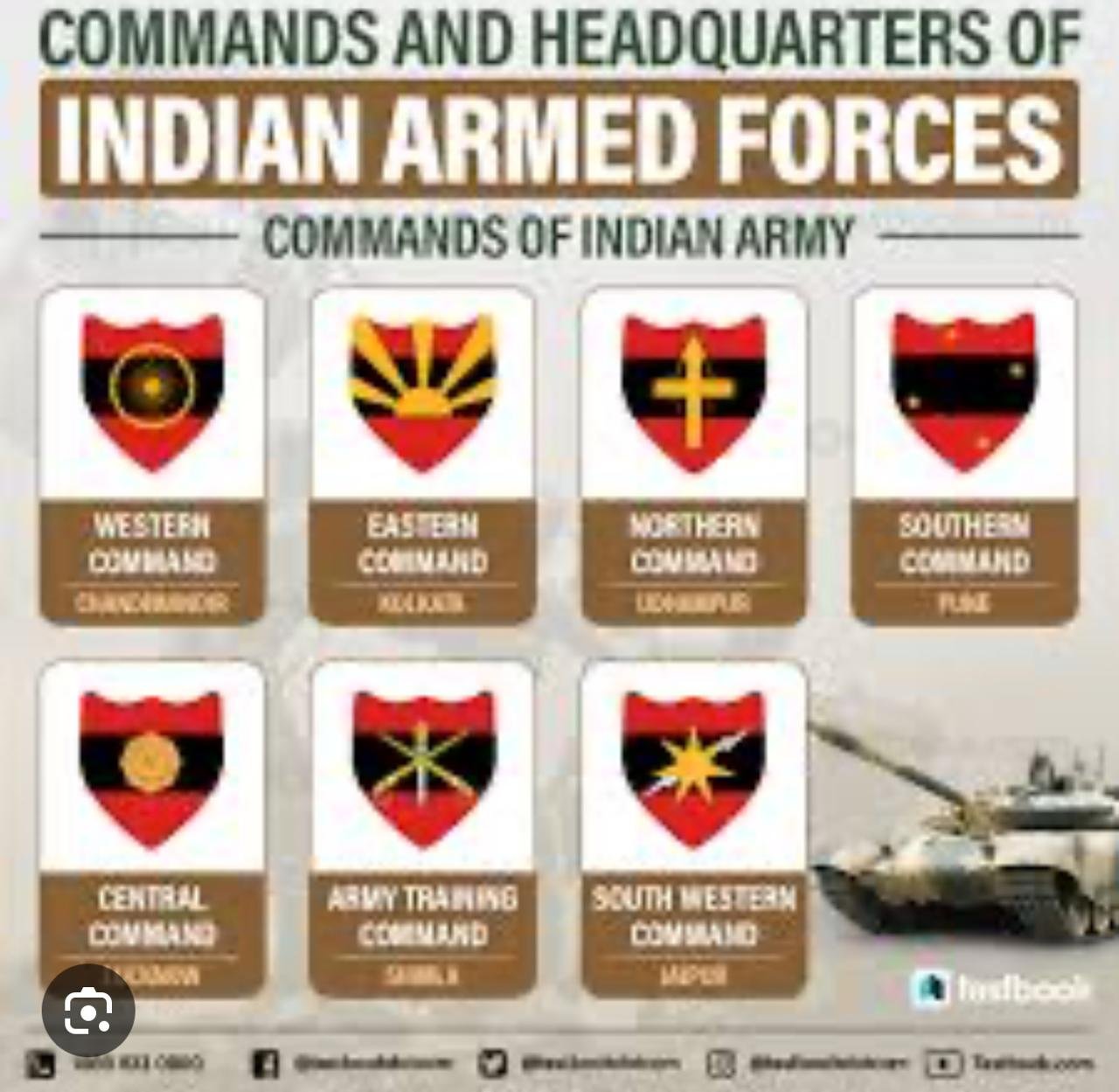
FORMATION SIGNS
FORMATION SIGNS
ALL HUMANS ARE ONE CREATED BY GOD
HINDUS,MUSLIMS,SIKHS.ISAI SAB HAI BHAI BHAI
CHIEF PATRON ALL INDIA SANJHA MORCHA
LT GEN JASBIR SINGH DHALIWAL, DOGRA
SENIOR PATRON ALL INDIA SANJHA MORCHA
MAJOR GEN HARVIJAY SINGH, SENA MEDAL ,corps of signals
.
.
PATRON ALL INDIA SANJHA MORCHA
MAJ GEN RAMINDER GORAYA , CORPS OF
sanjhamorcha303@gmail.com
PRESIDENT HARAYANA STATE CUM COORDINATOR ESM
BRIG DALJIT THUKRAL ,BENGAL SAPPERS
PRESIDENT TRICITY
COL B S BRAR (BHUPI BRAR)
PRESIDENT CHANDIGARH ZONE
COL SHANJIT SINGH BHULLAR
.
.
PRESIDENT PANCHKULA ZONE AND ZIRAKPUR
COL SWARAN SINGH
PRESIDENT SAS NAGAR (MOHALI)
COL BALBIR SINGH , ARTY
INDIAN DEFENCE FORCES
DEFENCE FORCES INTEGRATED LOGO
FORCES FLAGS
15 Th PRESIDENT OF INDIA SUPREME COMMANDER ARMED FORCES
Droupadi Murmu
DEFENCE MINISTER
Minister Rajnath Singh
CHIEF OF DEFENCE STAFF (2nd)
General Anil Chauhan PVSM UYSM AVSM SM VSM
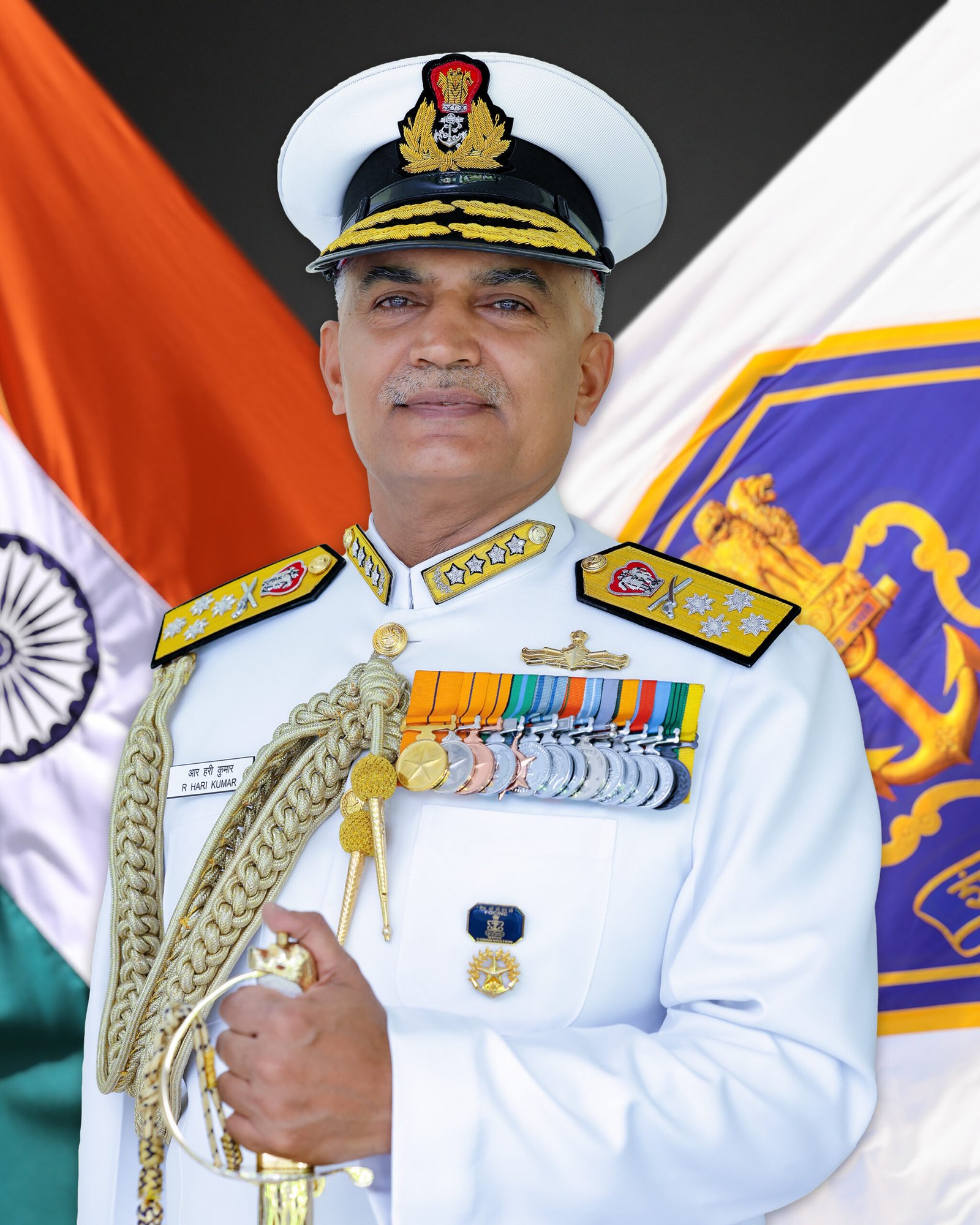
INDIAN FORCES CHIEFS
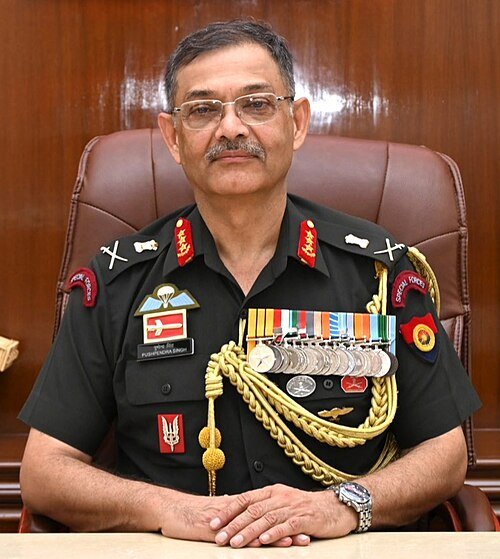
CHIEF OF ARMY STAFF(29th)
General Upendra Dwivedi, PVSM, AVSM (30 Jun 2024 to Till Date)