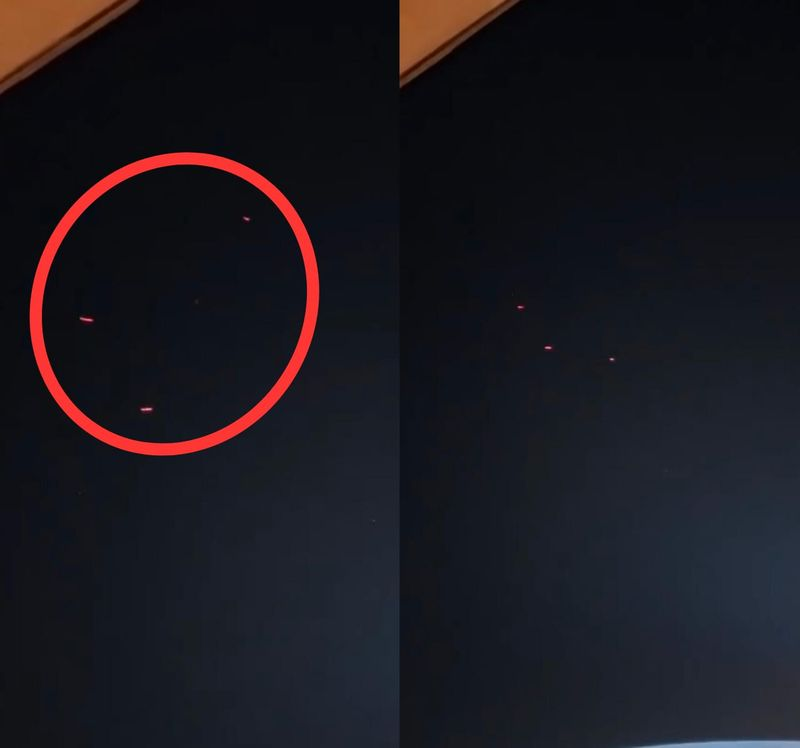
Heavy gunfire erupted near Venezuela’s presidential palace in Caracas early Tuesday after security forces fired at unidentified drones over the complex, according to News18, citing BNO News.
Shots were fired near the Miraflores presidential palace in central Caracas around 8 pm local time (0000 GMT), with gunfire heard across parts of the city for roughly 45 minutes.
Residents also reported possible drone or aircraft activity during the incident, and some neighbourhoods experienced power outages.
The report stated that a source close to the Venezuelan government said unidentified drones were seen flying over the palace, prompting security forces to open fire. The situation was later brought under control, though no immediate details were available on damage or casualties.
The White House, quoted by BNO News, said the US was “not involved” in the incident near the presidential palace.
The development comes amid heightened political and security tensions in Caracas, shortly after Delcy Rodriguez was sworn in as interim President following the capture of former President Nicolas Maduro in a US-led operation over the weekend.
Meanwhile, Maduro appeared before a federal court in New York City on Monday and pleaded not guilty to multiple federal charges.
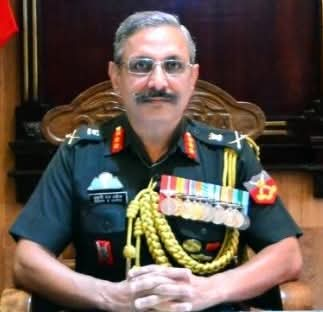
MESSAGE FROM COL COMMANDANT BENGAL SAPPERS :Lt Gen Sukriti Dahiya, SM, VSM
On the occasion of the 61st Raising Day of ’55- Pachpan Ajay, I extend my heartfelt felicitations to all ranks, veterans, and families of the Regiment.
The Regiment has exemplified the highest standards of professionalism, greatly strengthening our Nation’s security. This day is a solemn reminder of the remarkable achievements and noble sacrifices that define its distinguished history, upholding the rich ethos and cherished traditions of the Bengal Sappers.
My best wishes for success in all future endeavours.
JAI HIND
MESSAGE FROM EX-CO COL RN KHANNA
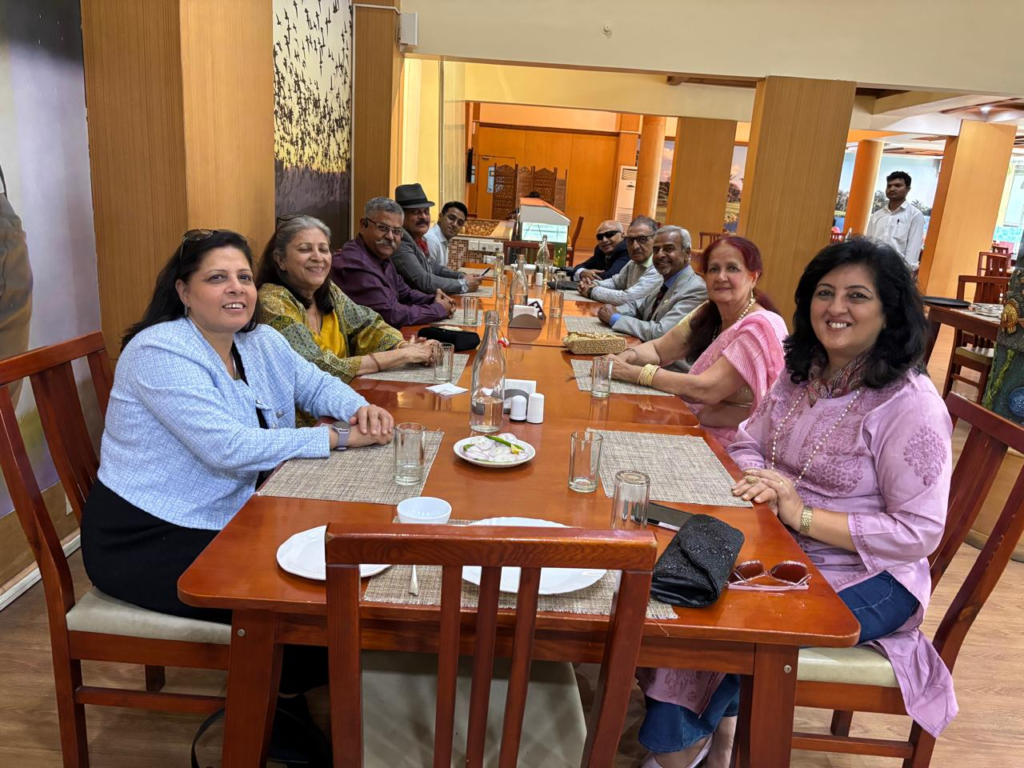
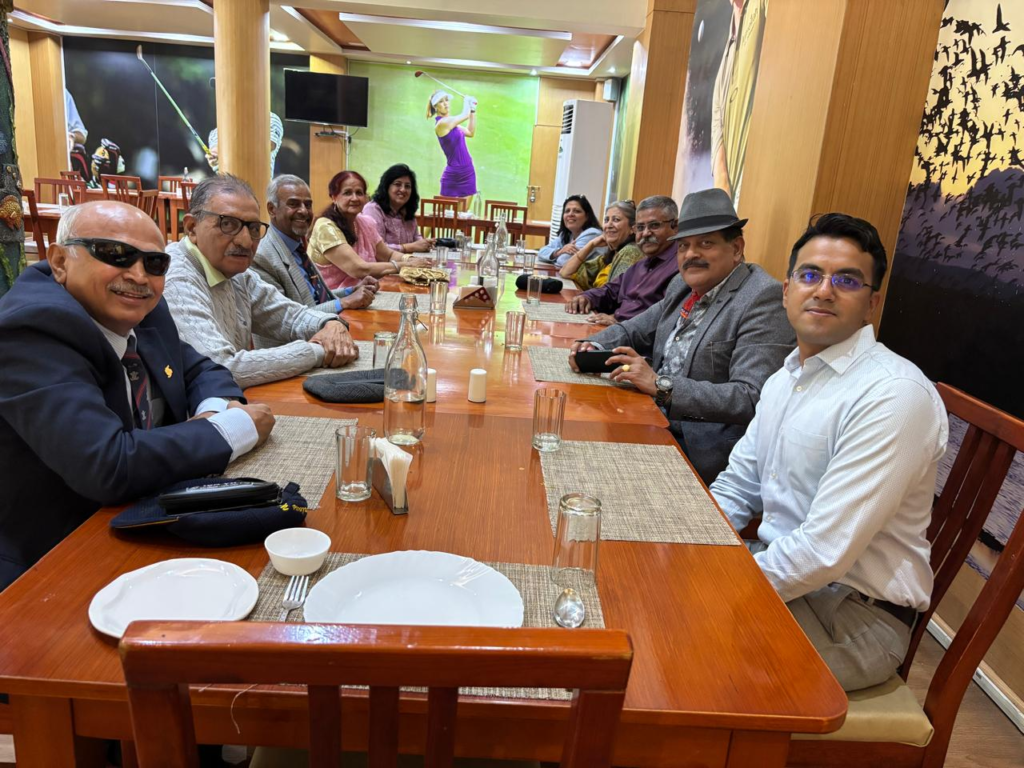
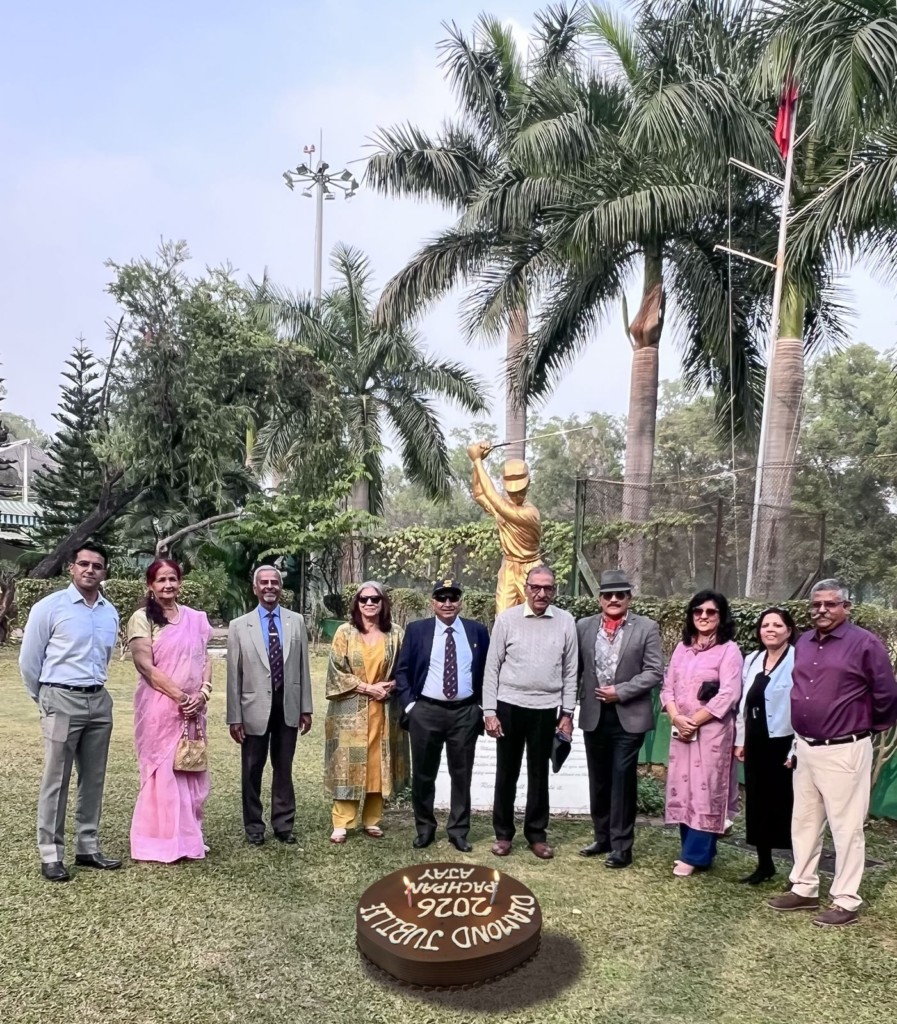
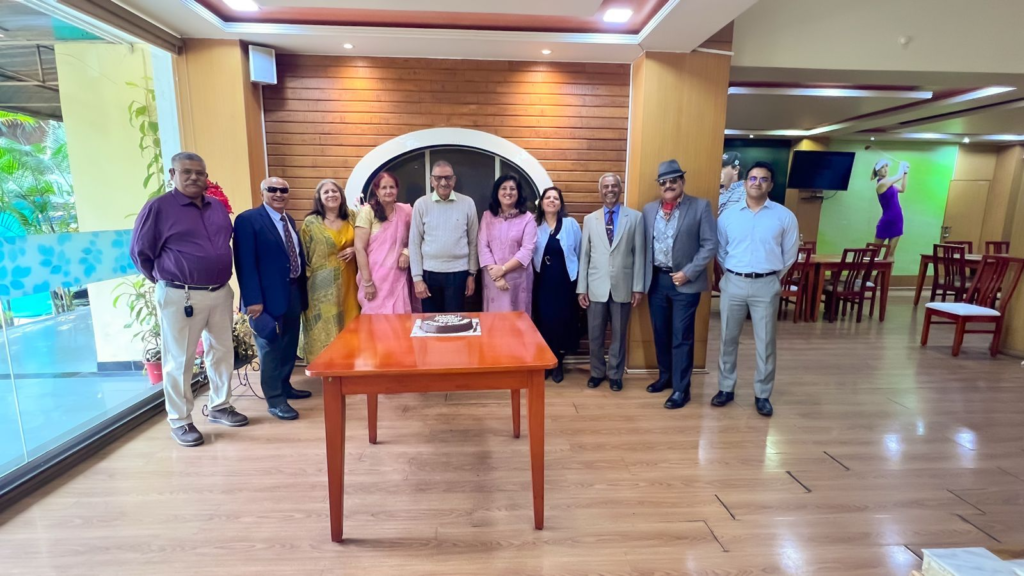
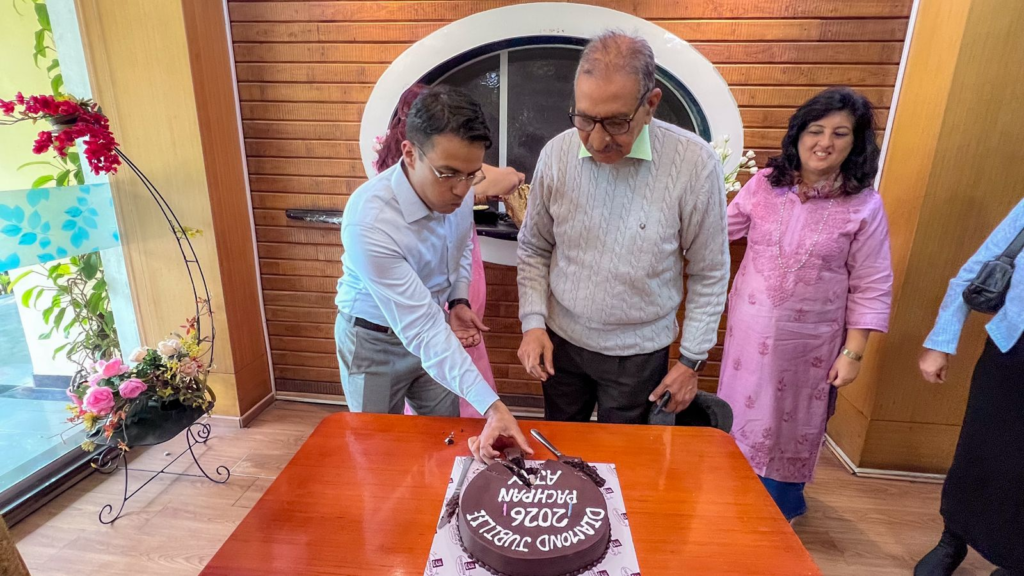
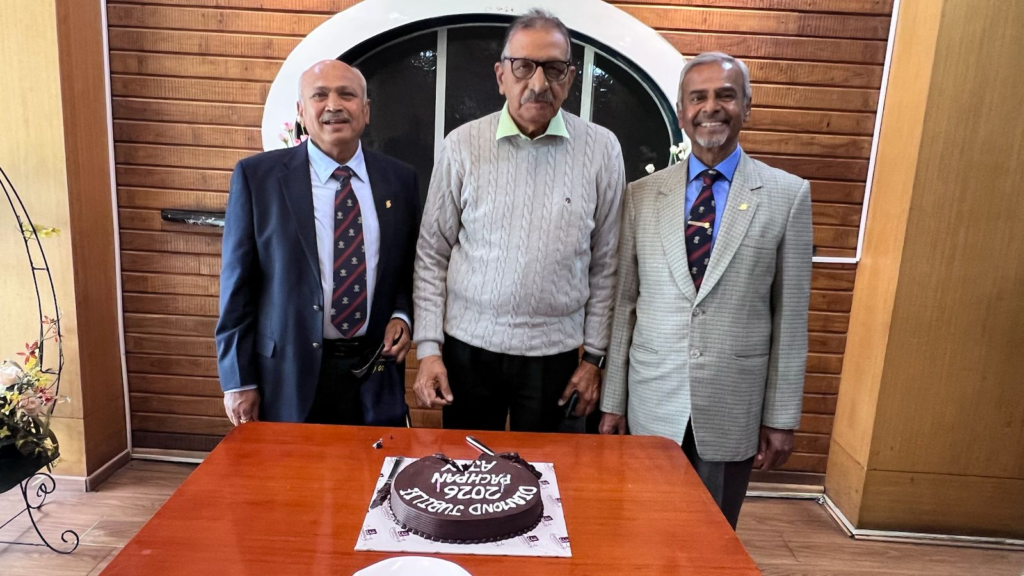
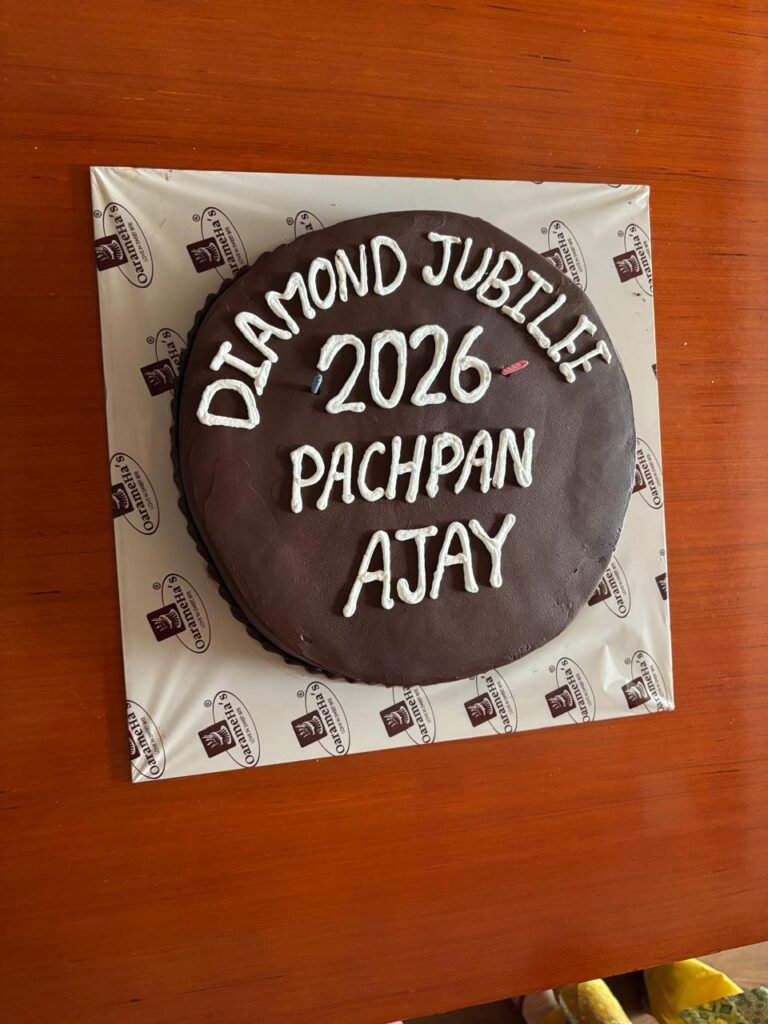
🌹PACHPAN AJAY DIAMONDJUBILEE O2 JAN 26:-
Dear Pachpanites celebrating 60 Glorious Years of PACHPAN AJAY. Be as Div Engrs, Corps Troops, or part of Engr Bde :- Be in war, Exec of op Works in most difficult time & terrain, In Aid to civ Auth, or saviors in Natural Calamaties:- Be in competitive arena of it’s Formation activities, doing well in various courses , and recieving number of max decorations & Awards at various levels:- Come what may, PACHPAN AJAY has always been in the reconning. Every Commanding Officer & his team has kept the tempo high.
There were few takers when I mooted the idea of FOUR CHAPTERS for ease of participation & maximising the attendies in Annual GTGs, but it not only sustained but enlarged the activity (which was started by Gen & Mrs Batra simply as NOIDA GTG), has now been expanded, covering from North/West to South. Whole hearted participation of Ladies has been very encouraging for GTGs success.
Starting from the Regt( in Op loc ) + Pune Chapter on 02 Jan, followed by DELHI-NCR plus PUNJAB Chapters GTG on3rd Jan, let max PACHPANITES with their families attend the DIAMOND JUBILEE CELEBERATIONS in max numbers to keep the spirit & bonhomy of PACHPAN AJAY alive. GOD BLESS PACHPAN AJAY 🌹🌹🌹🌹🌹🌹🌹
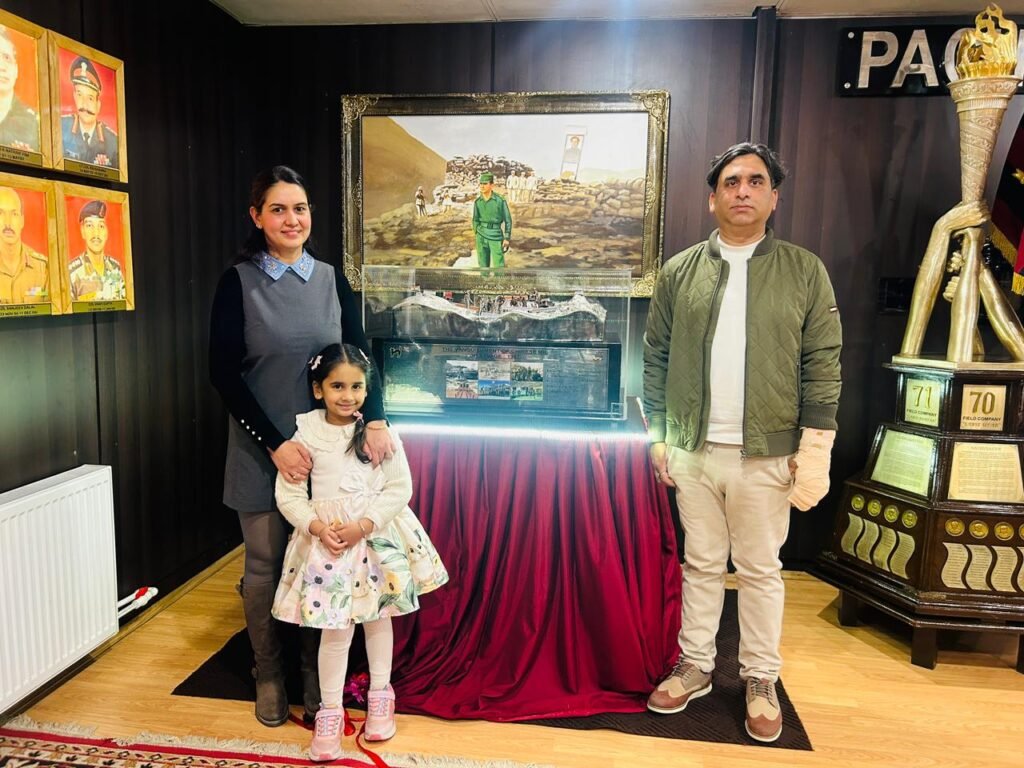
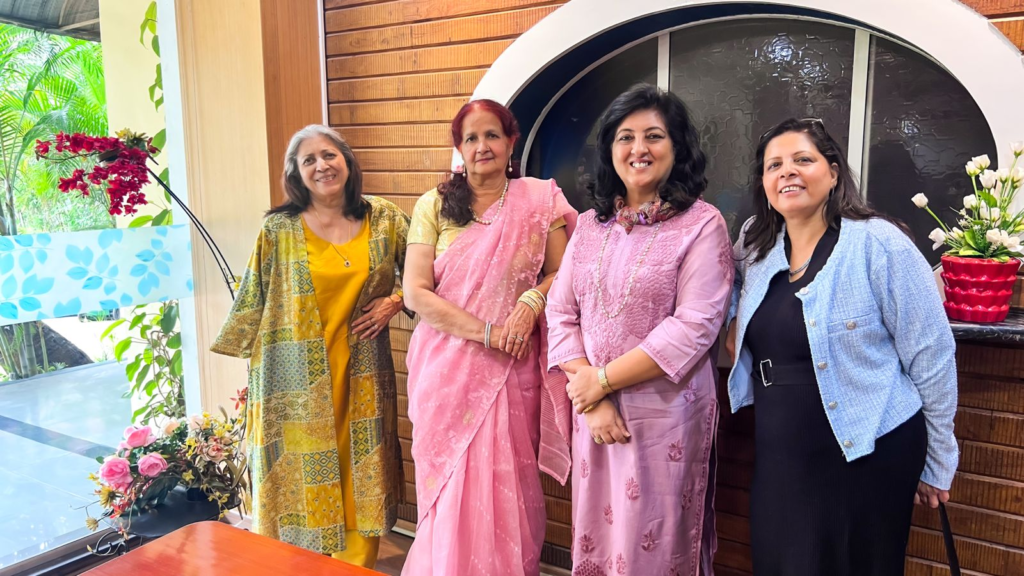
AT 55 ENGINEER REGIMENT LOCATION THOSE MADE IT AND ARE PRESENT
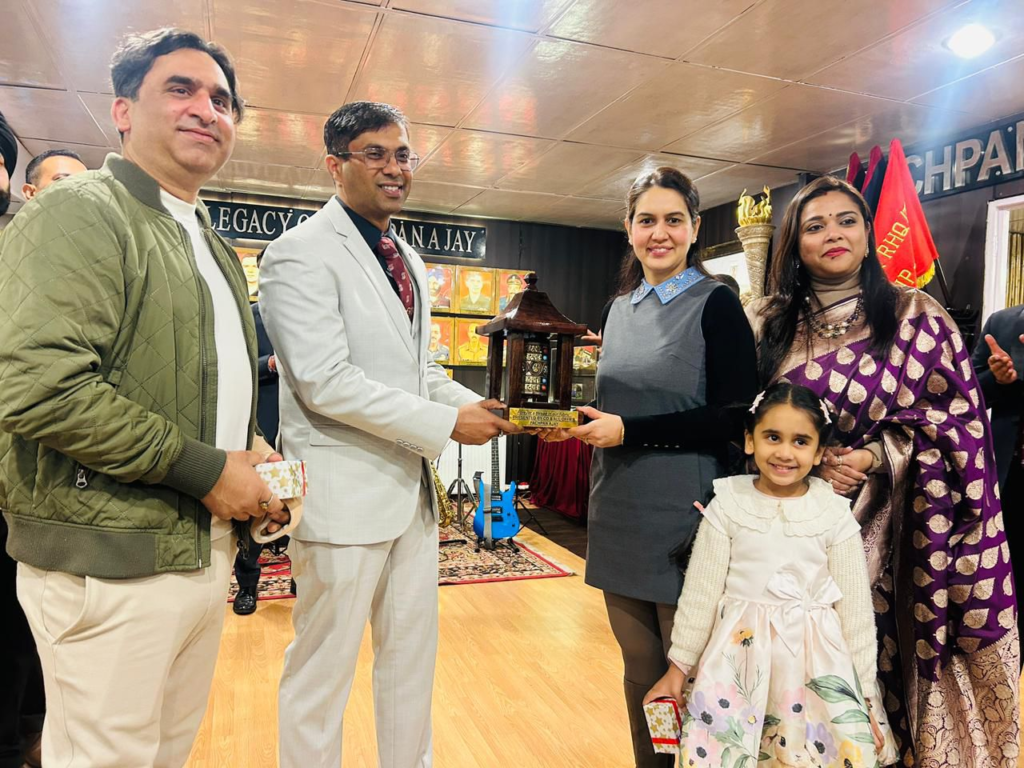
It was a proud moment for all of us here in the Regt. We established contact with Brig SS Cheemas daughter and invited her to the regt to unveil the Nathu la trophy and the painting of Brig SS Cheema.
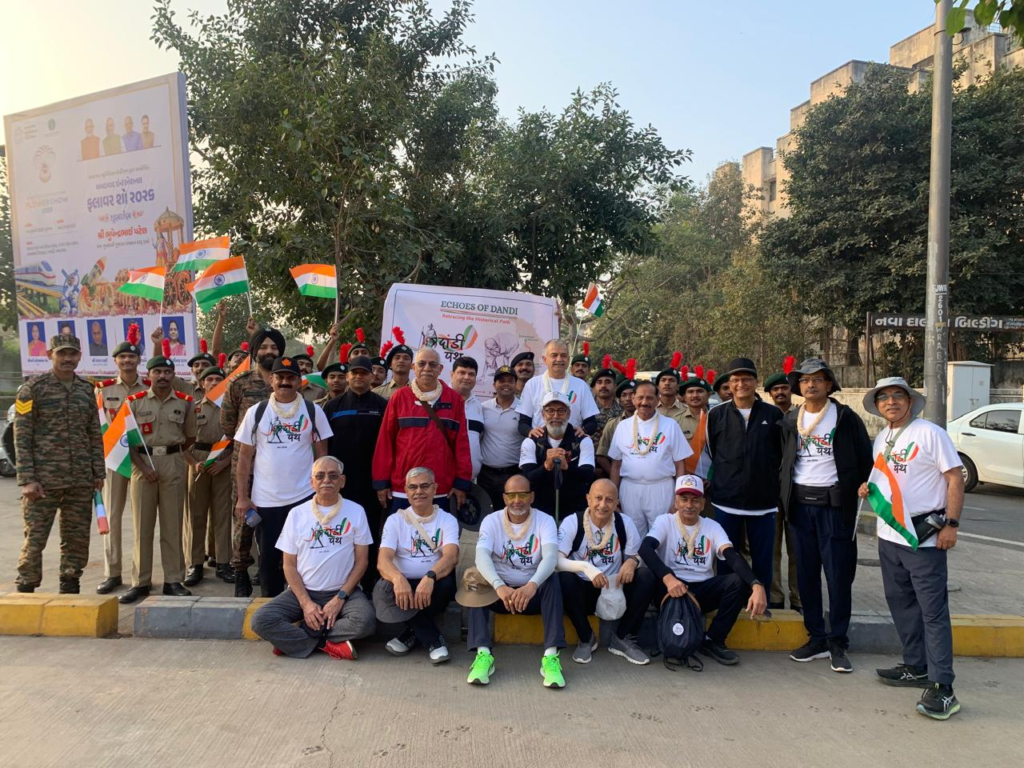
Celebrating the Diamond Jubilee by walking from Sabarmati Ashram to Dandi over a dist of about 400km in next fifteen Days PACHPAN AJAY
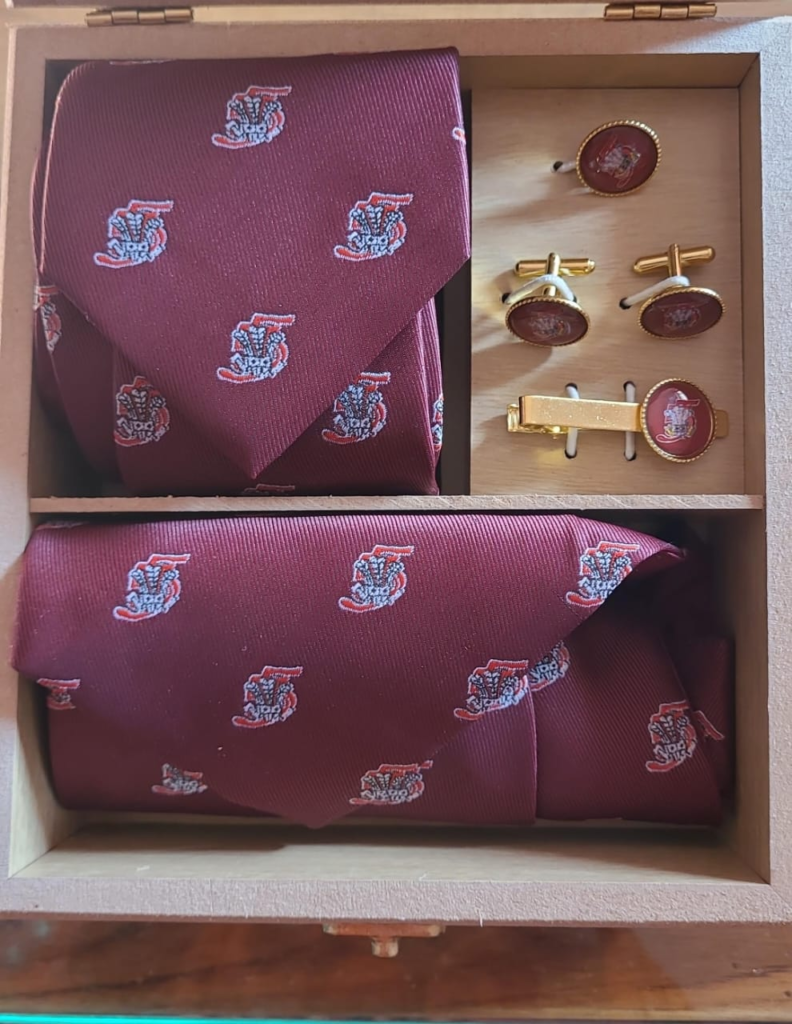
GOLDEN JUBLEE SOVENIOR
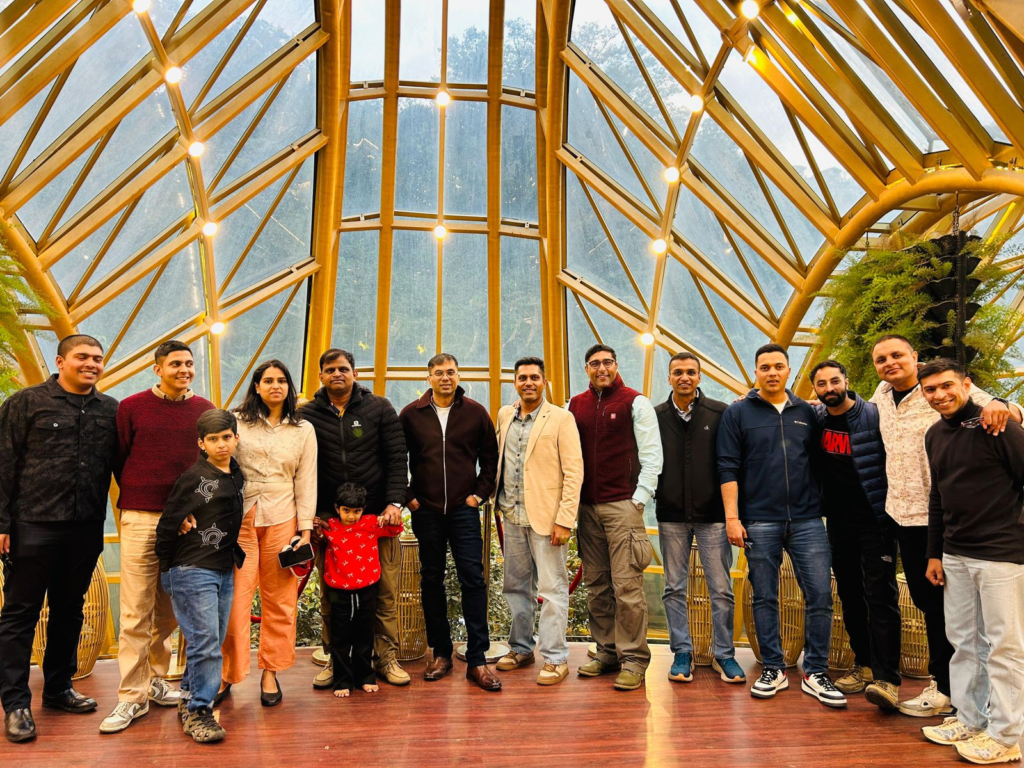
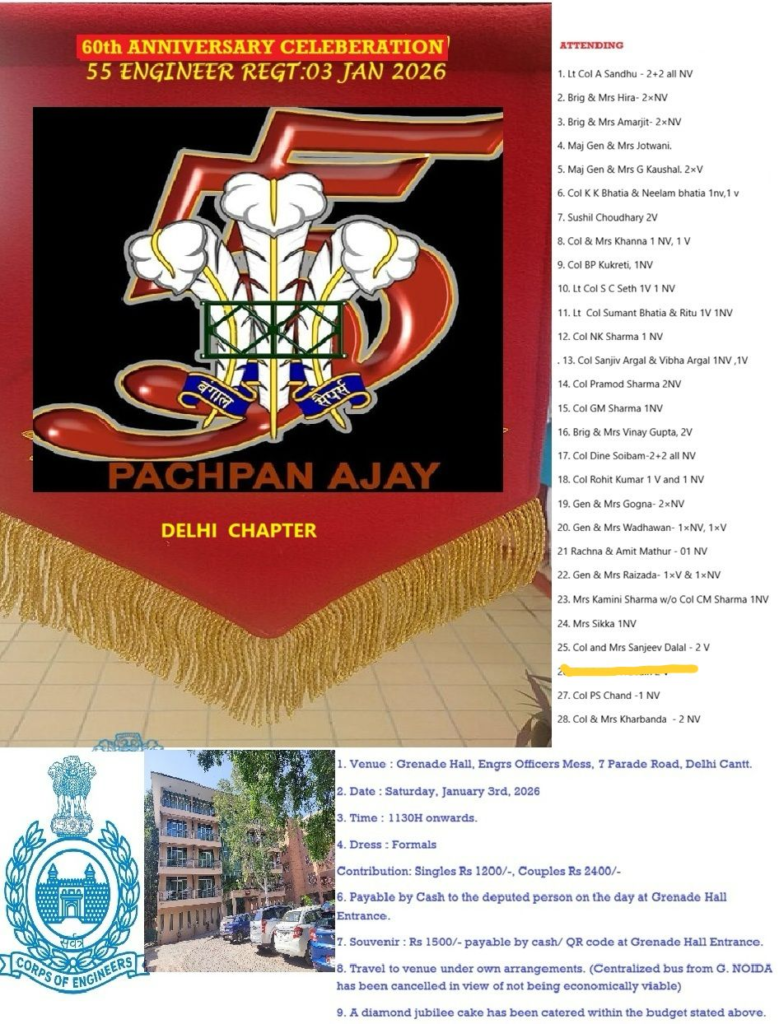
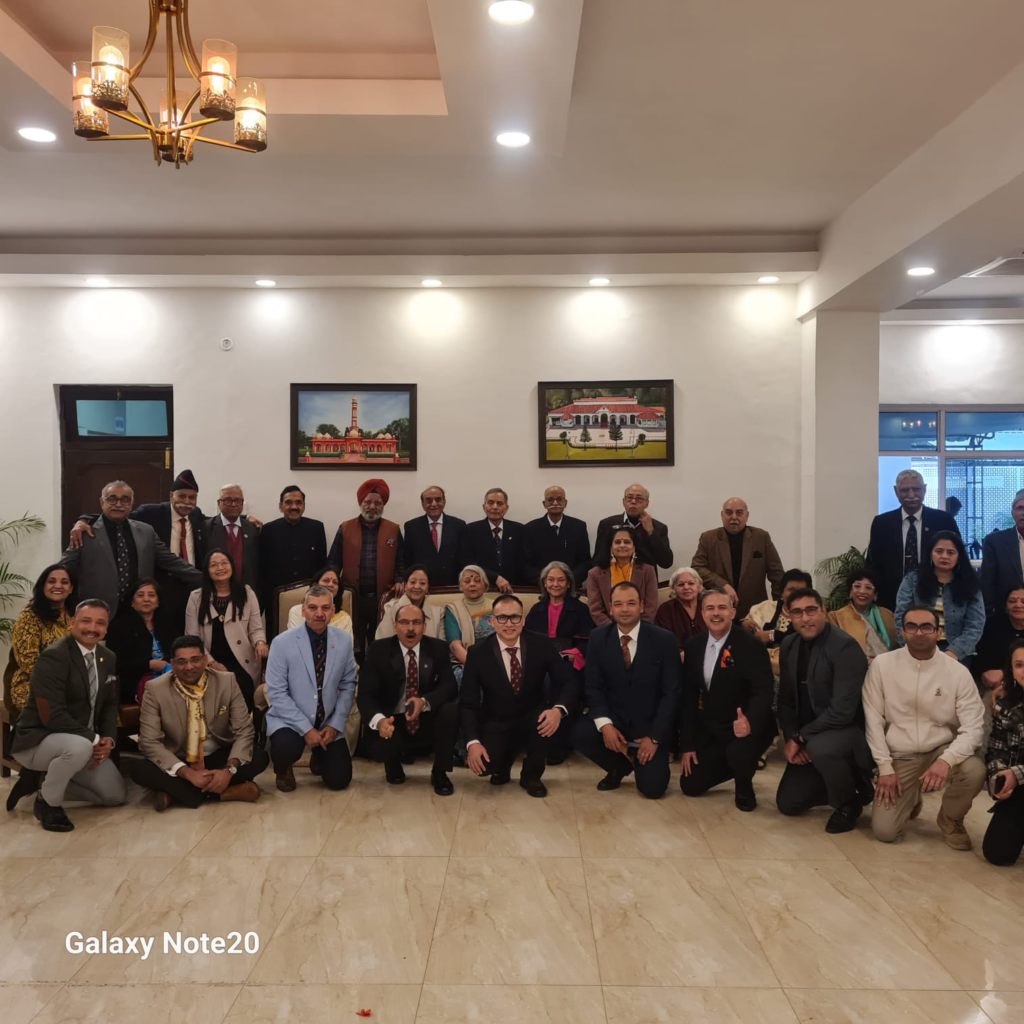
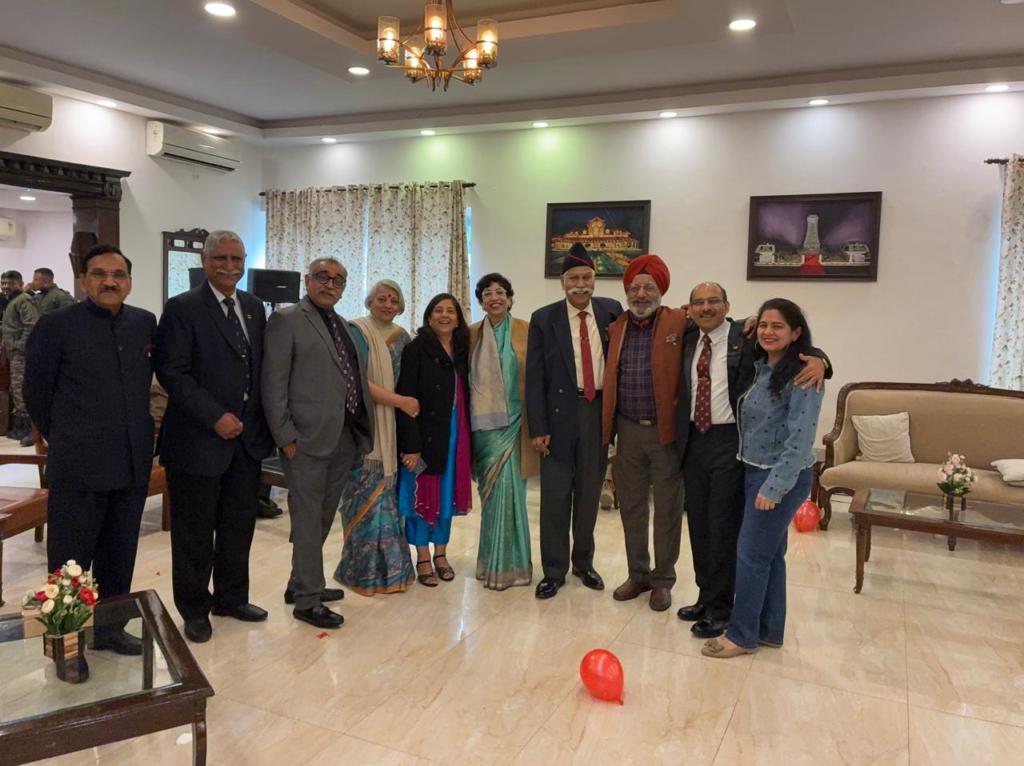
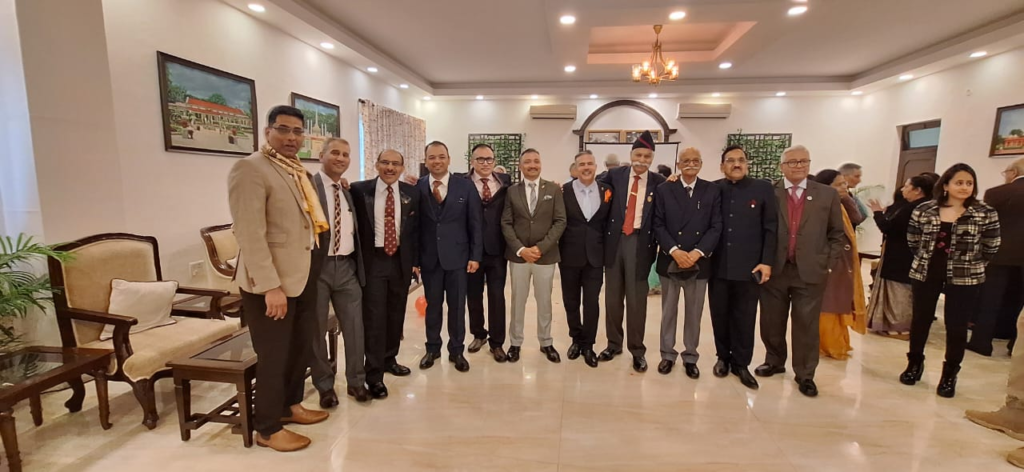
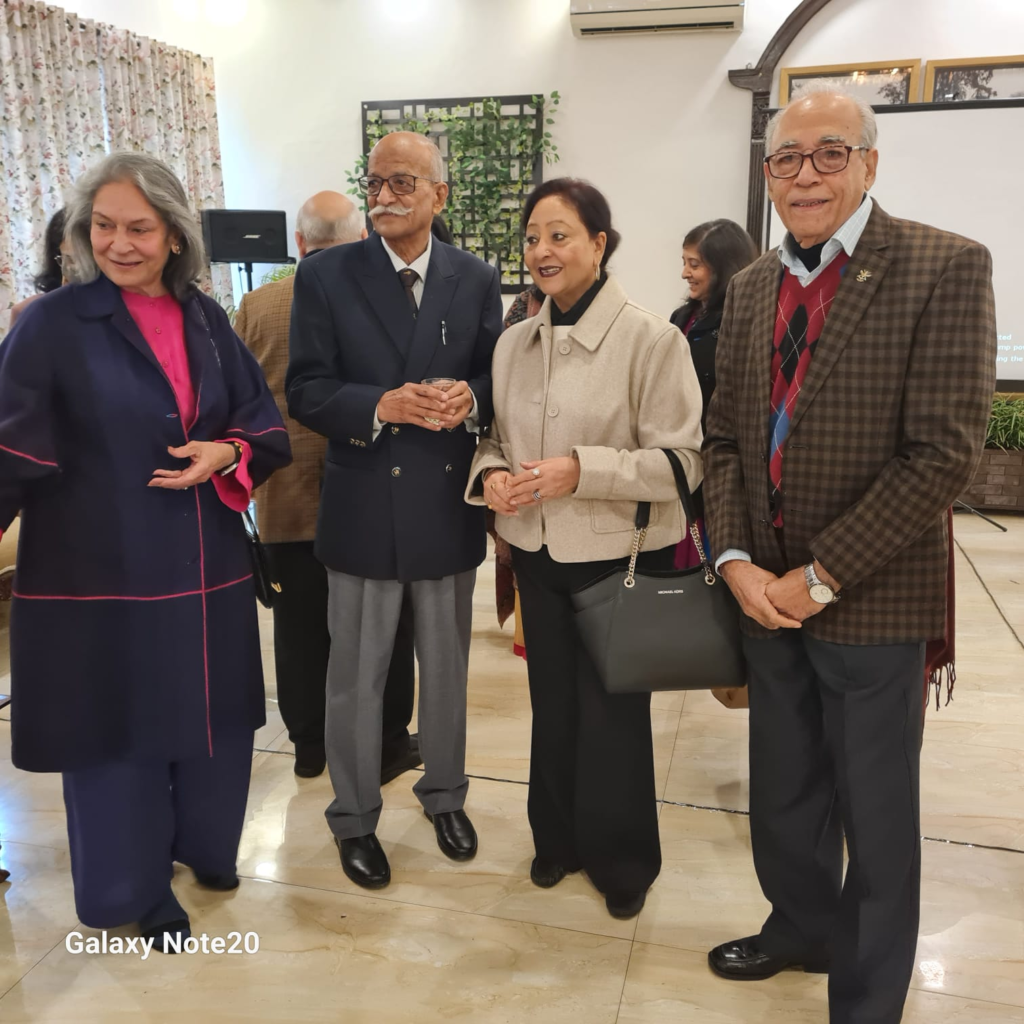
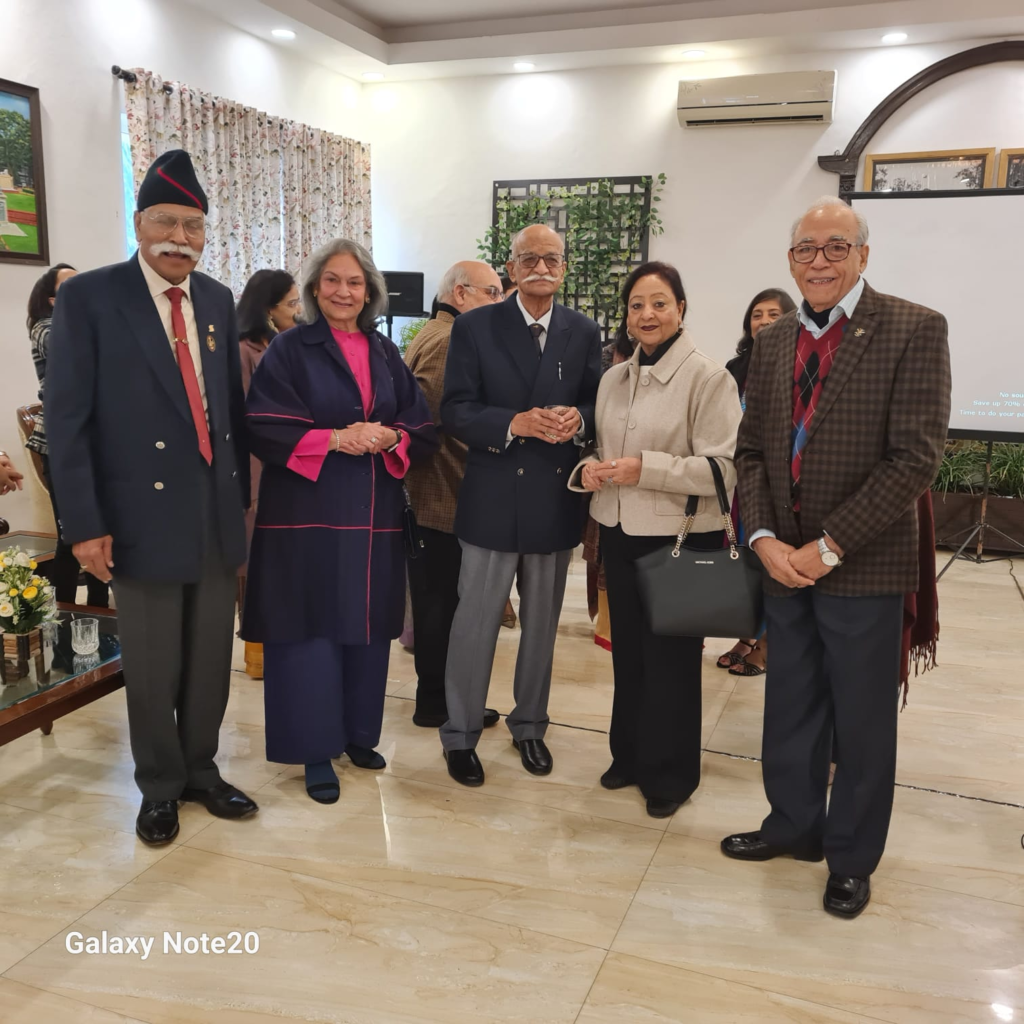
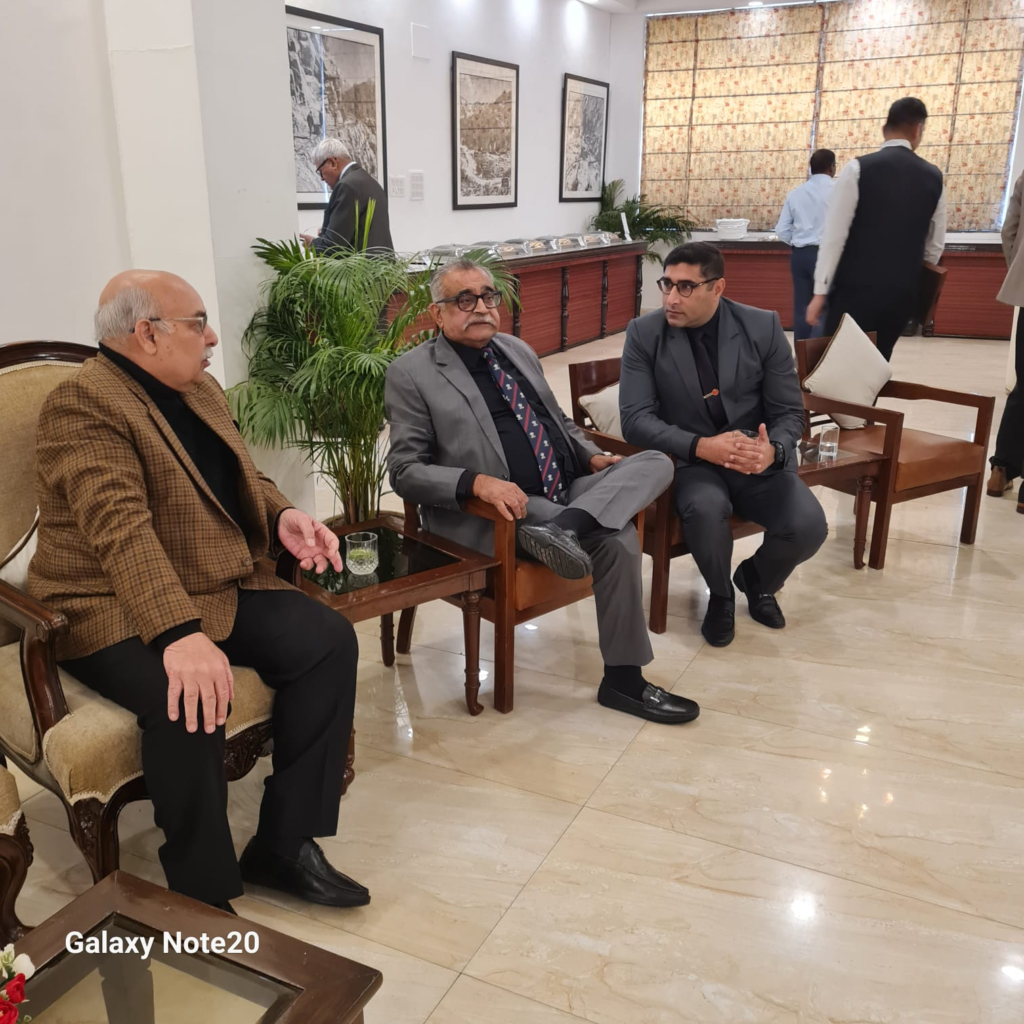
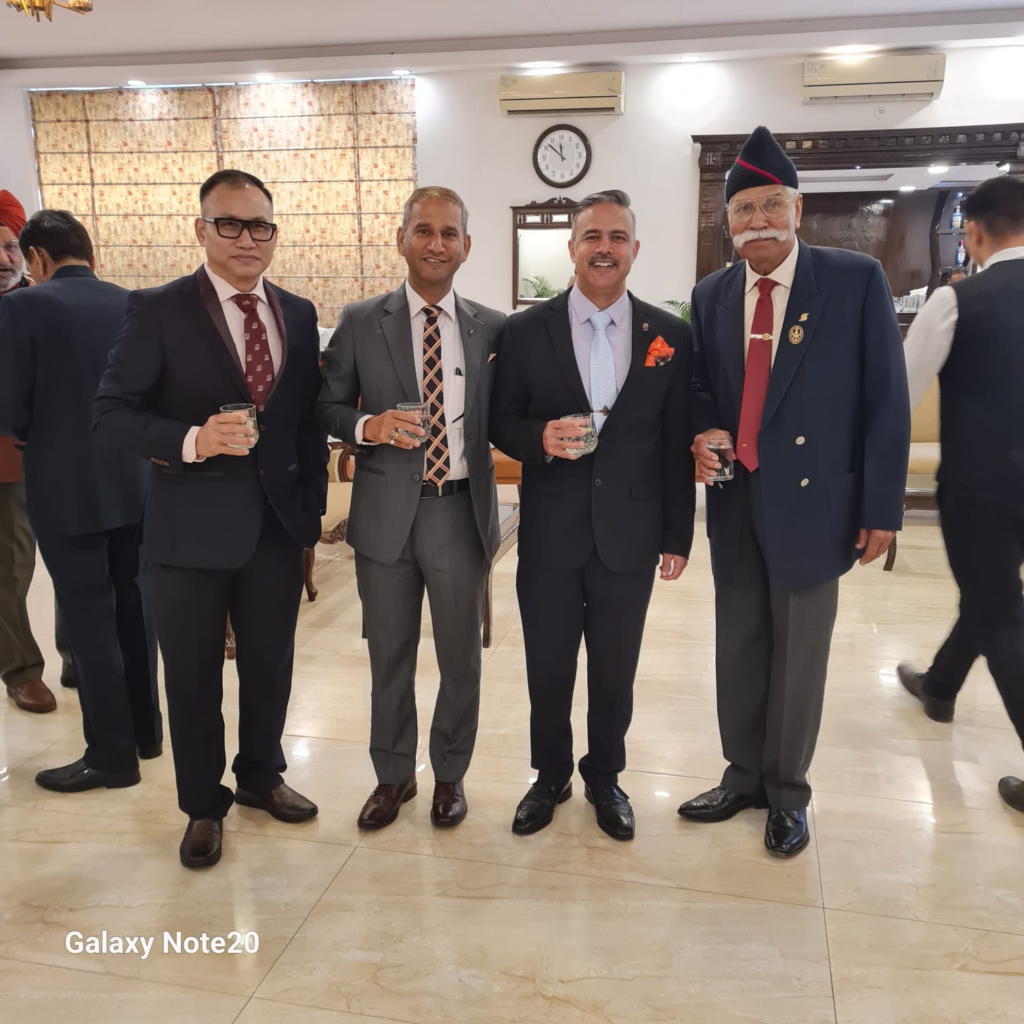
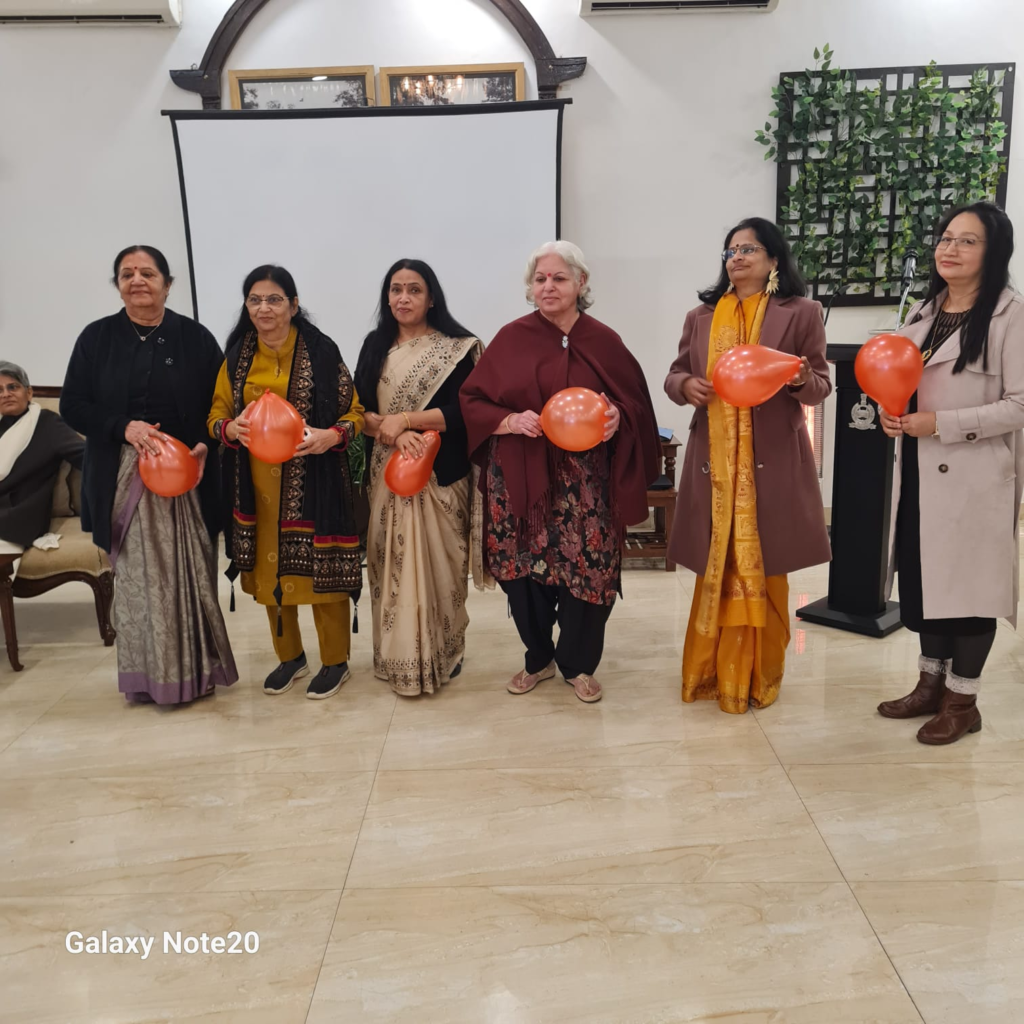
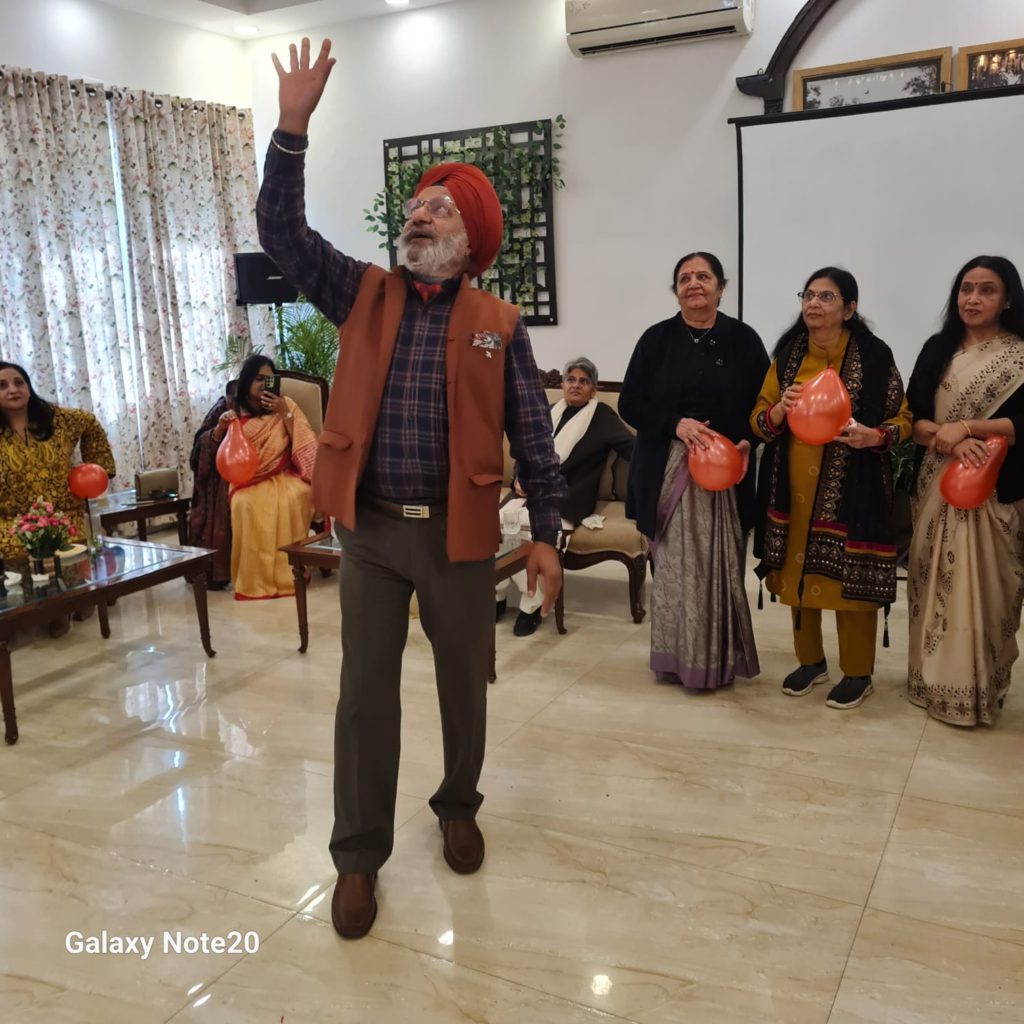
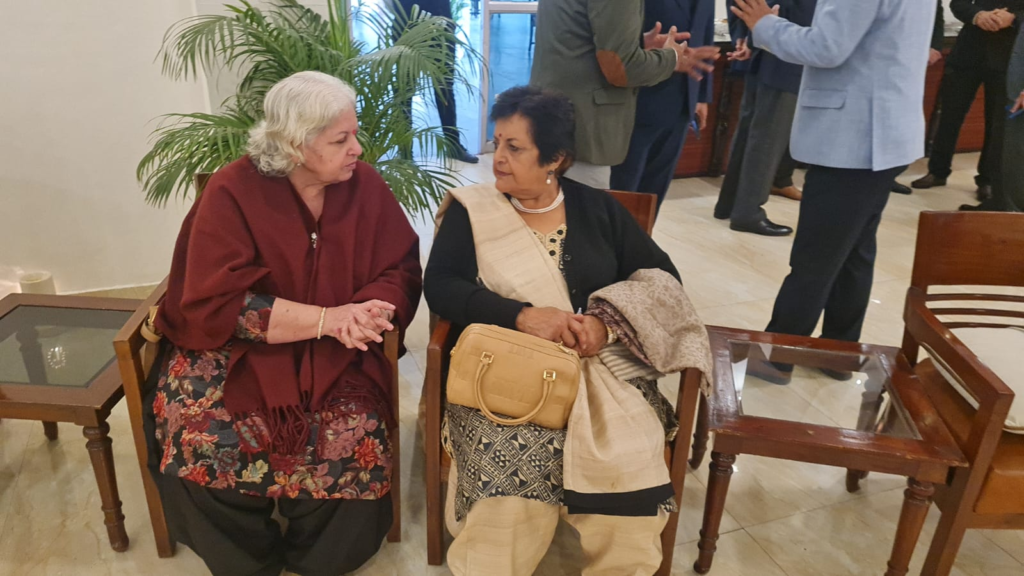
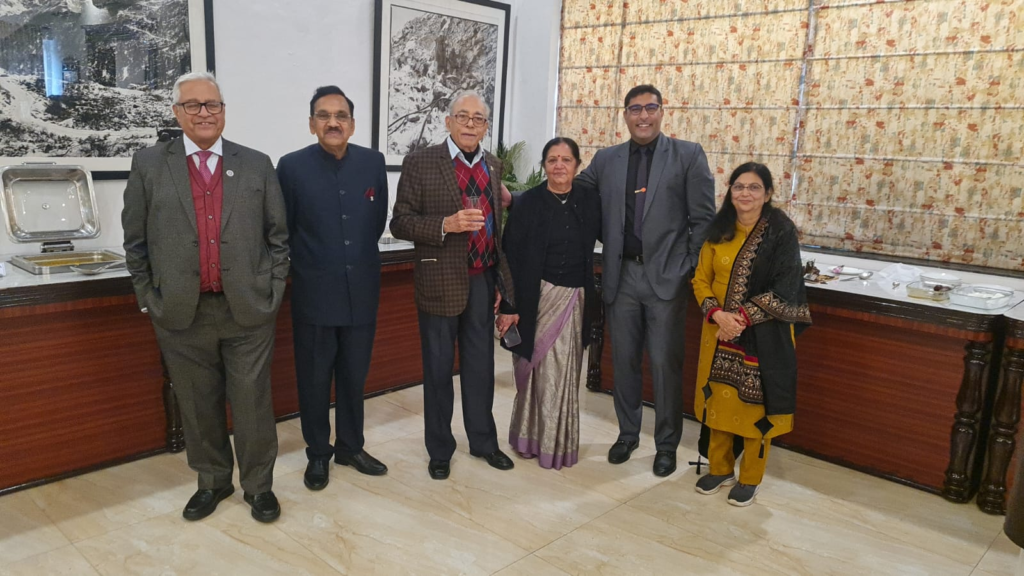
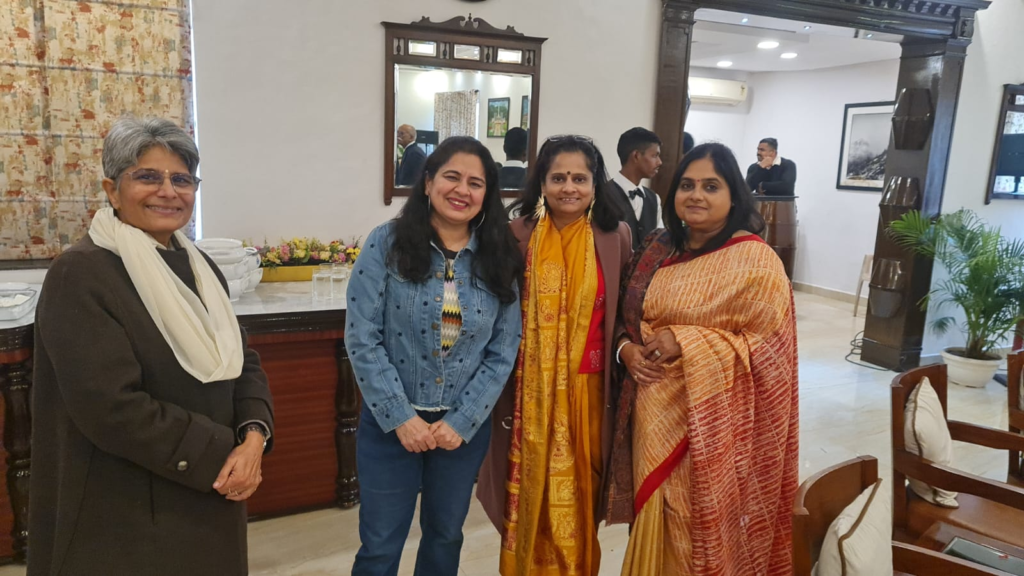
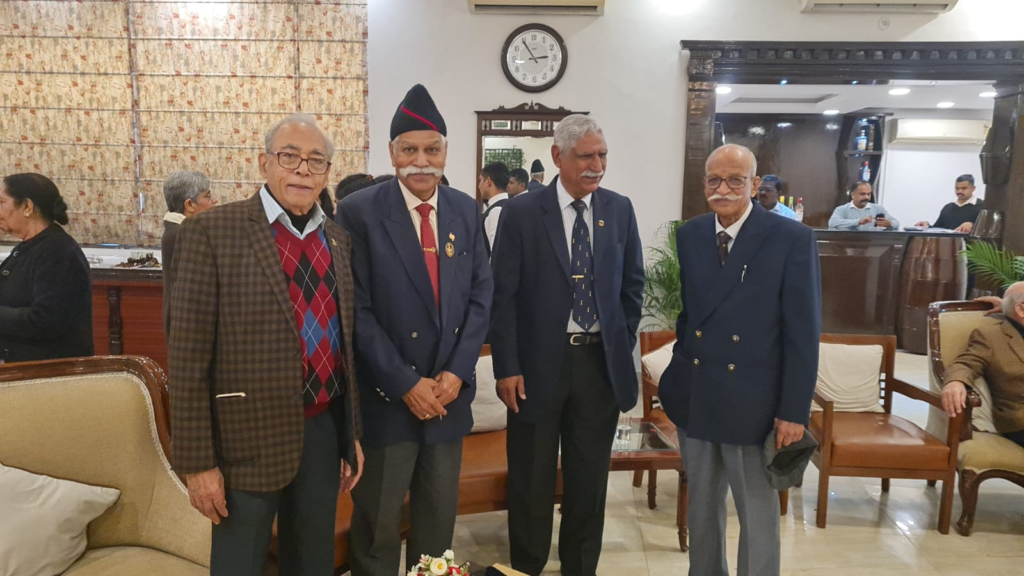
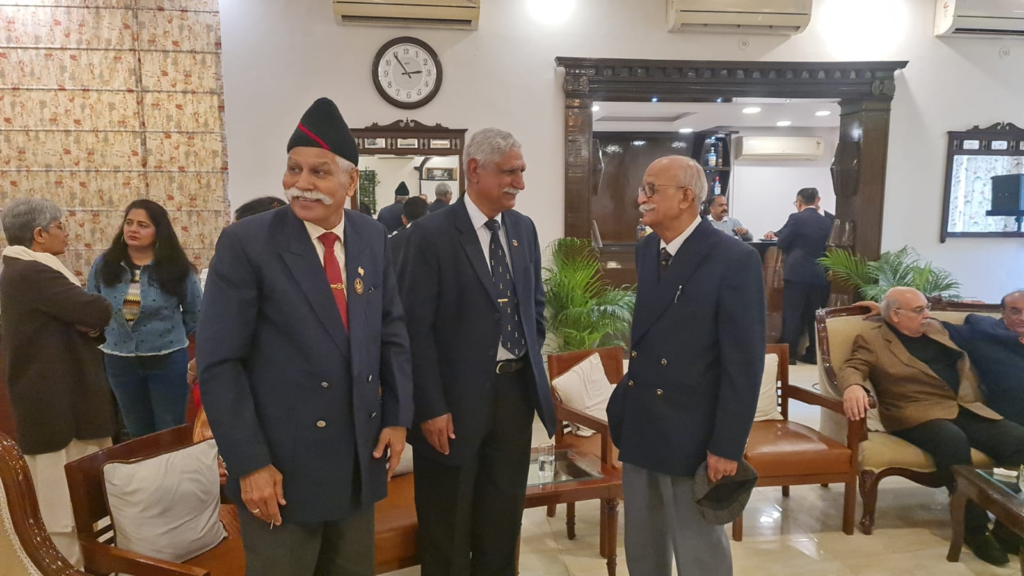
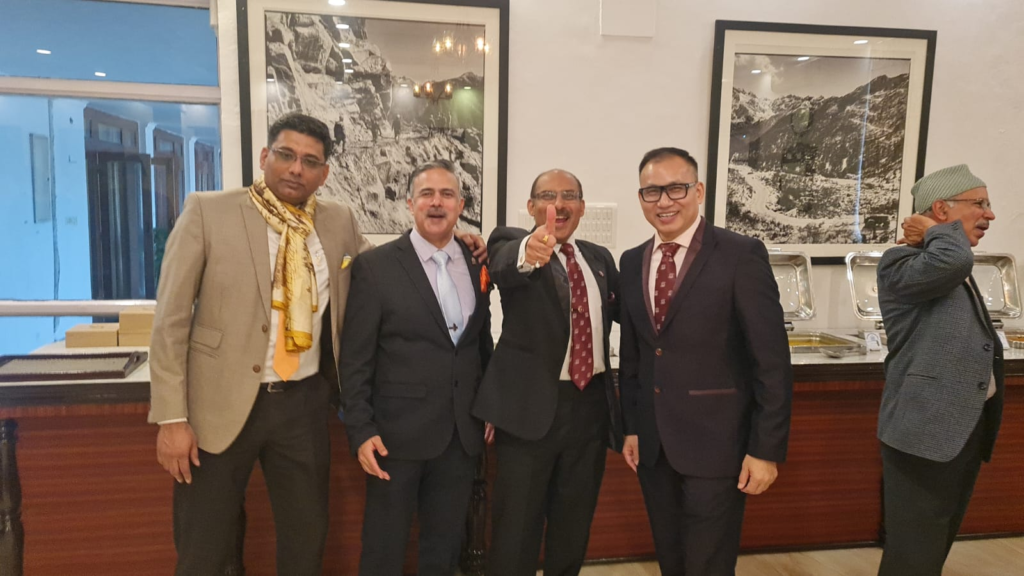
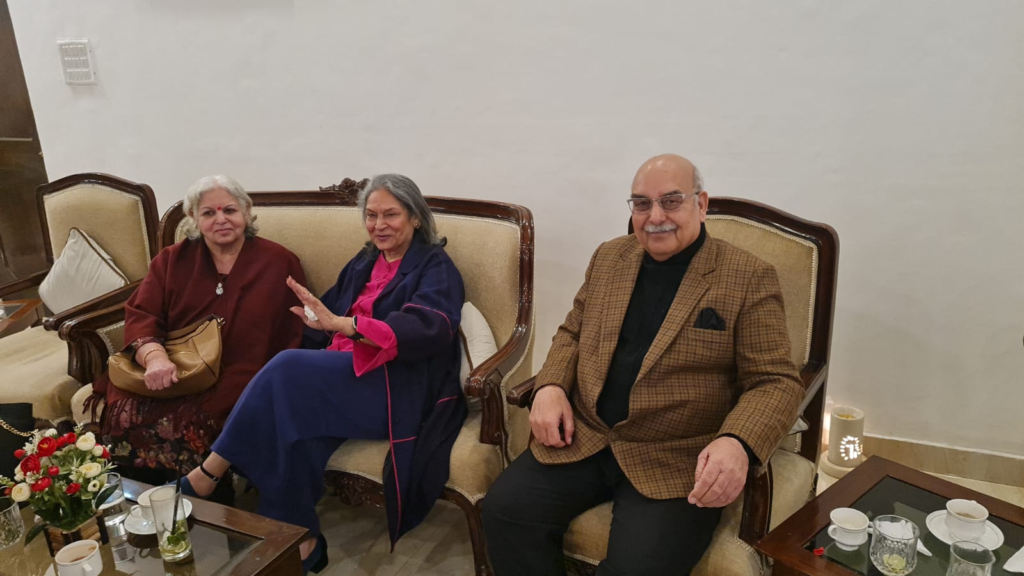
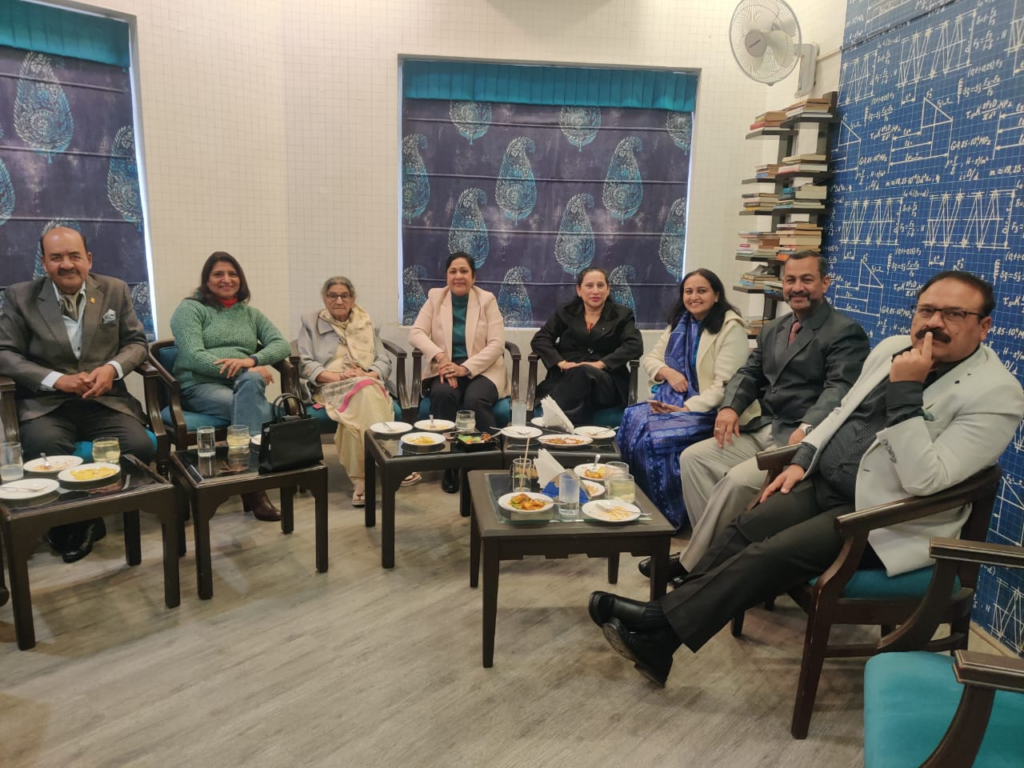
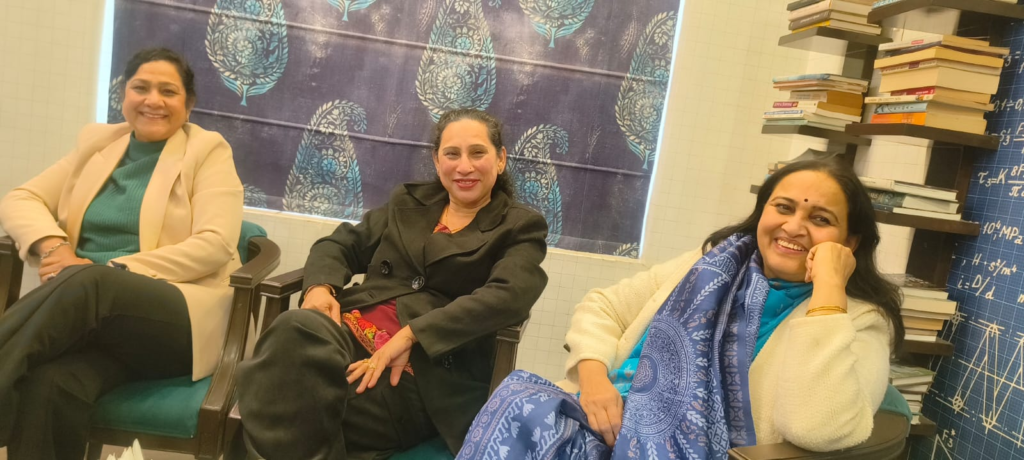
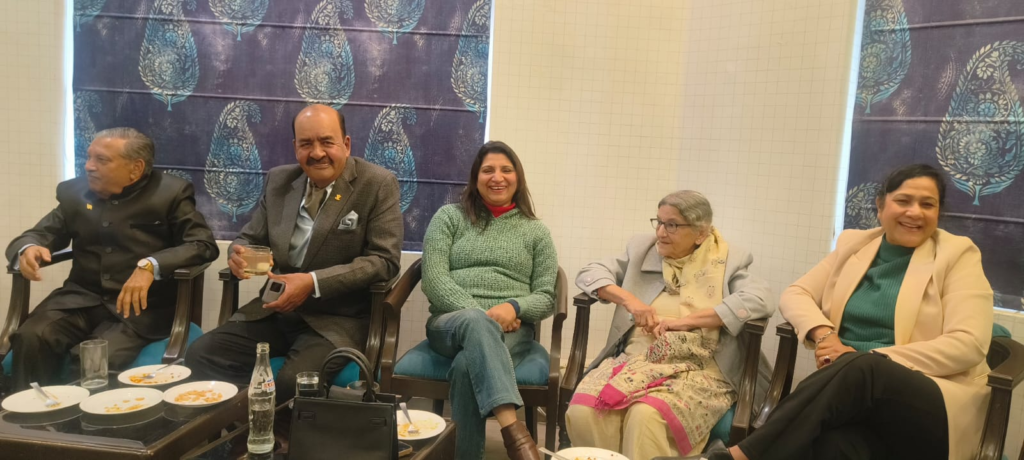
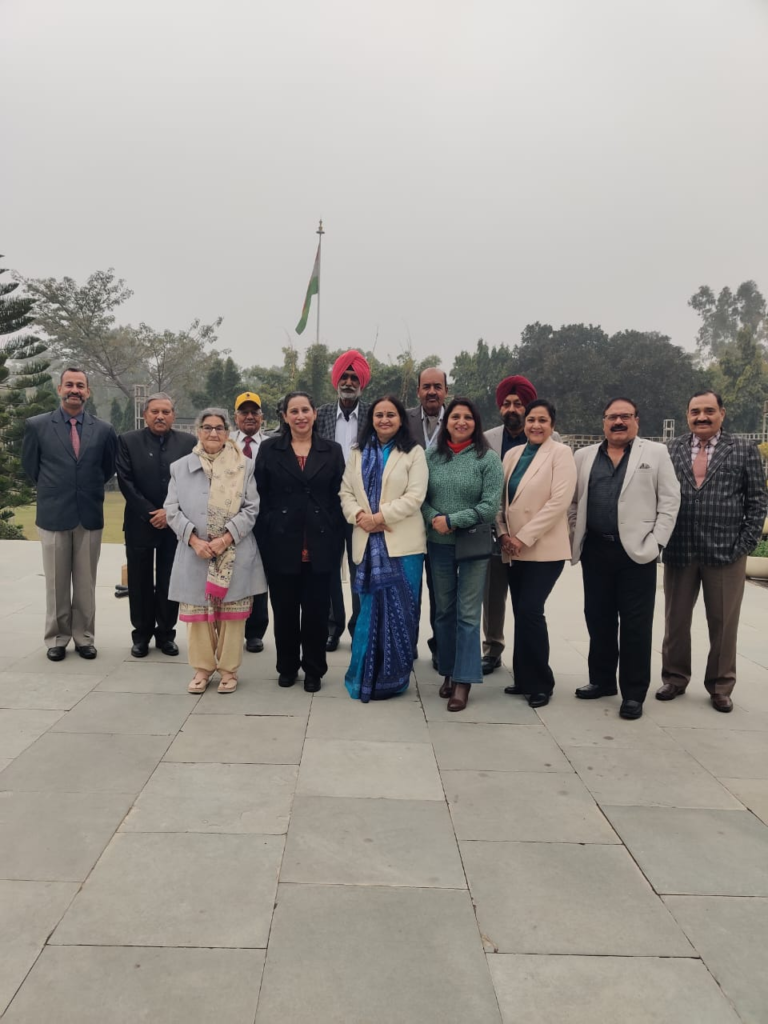
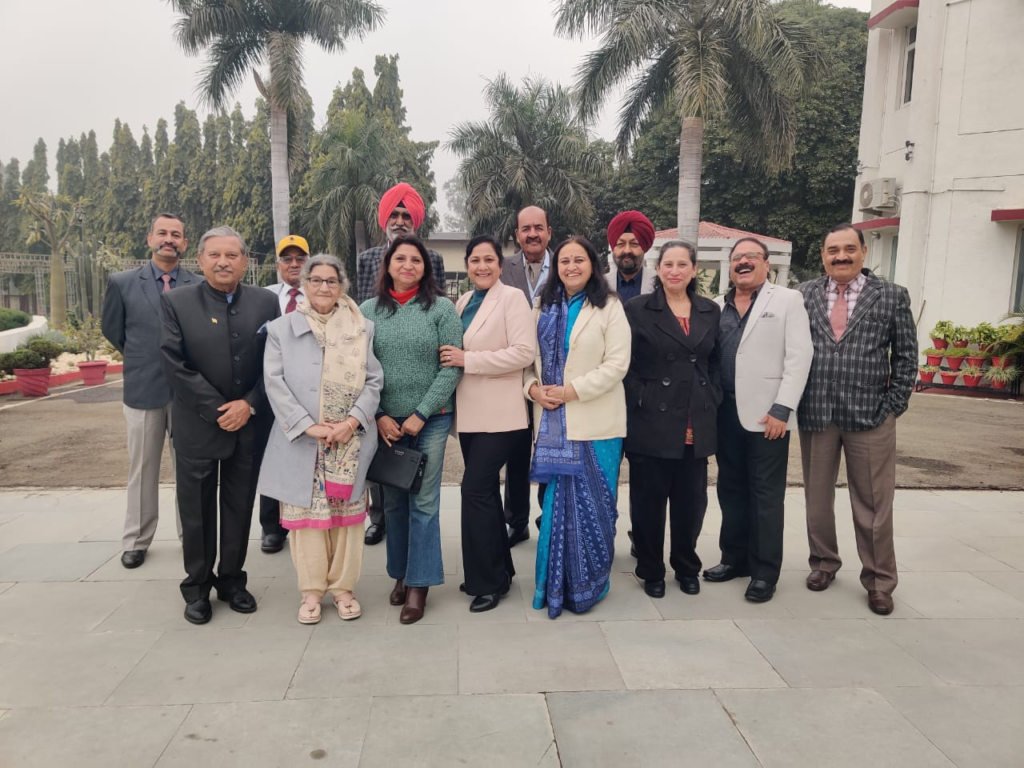
DELHI CHAPTER 03 JAN 2026 AT ENGINEERS OFFICERS MESS
Gratitude to
Mrs Manju Sikka & Mrs Kamini Sharma your presence an Honour for us all. 🫡
Brig & Mrs Amarjit. You made the efforts to be here- you made the Occasion so Full of Life.
Col & Mrs Sushil Chaudhry You joined us from Jammu, thank you for involvement.
Col Pradyumn Chand. Coming specially from Mathura- great Josh.
Org Team Col Rohit, Col Pramod, Lt Col Sandhu & Lt Col Akshay- nothing was possible without your contributions.
Tiger 55- Col Pritish your Leadership- gives us every reason to celebrate 🍾. Proud of the Chapter- the unit is writing under your Command.
All Esteemed Veterans Sirs, your guidance & presence- Inspires us. Thank you for all you have done & continue to do.
Msgs for Regt from fwg were conveyed.
Veterans from 55. Gen RM Chadha, Gen Batra. brig Hira Singh,Brig Tezpal, Brig Indeever Sood, Brig Chaturvedi. Col Nathan, Col AM Pandey, Col RV Kenjalkar, Col MM Nadaf, Cpl Narwal & Col Sidhu..
Sr Offrs- Engrs. EinC, Col Comdt, GOC33×××, GOC 17××, DGBR
Offrs: 55. Gen V Jotwani, Gen R Batra, Brig AS Kanwar, Brig SS Janghu, Brig Ravichandran, Col U Rane, Col J Kadam, Col J Pareek.Col Charanjit Khera
Sons of 55. Gen Vipul Singhal, Brig Mandeep , Col Nitin Sharma.
Thank you All for your Wishes. Jai Hind. Pachpan Ajay
POONA CHAPTER : 02 JAN 2026
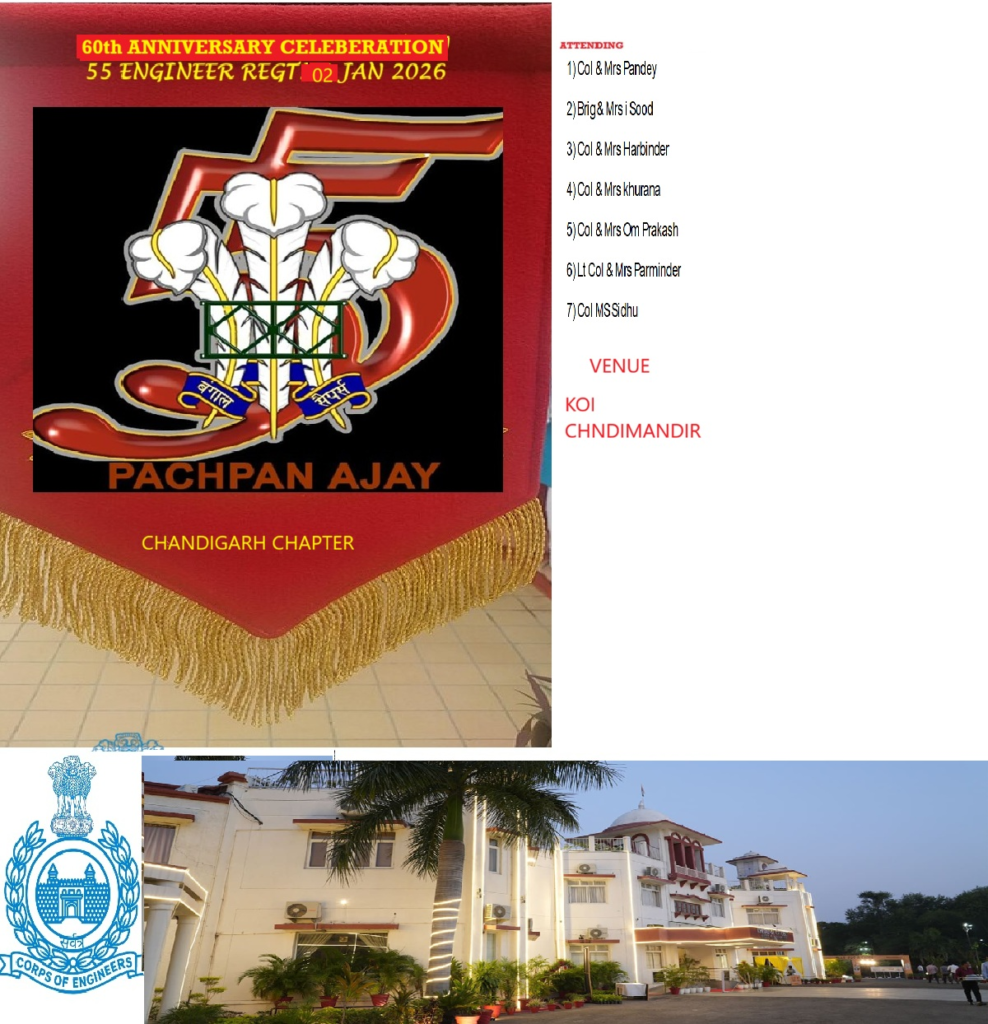
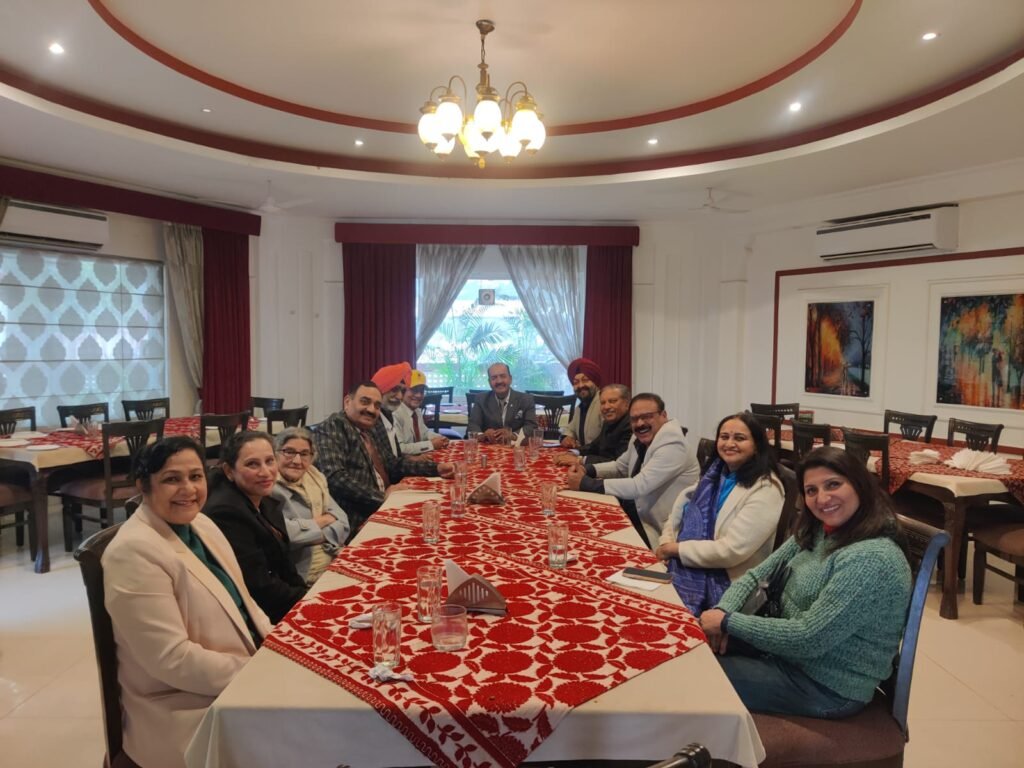
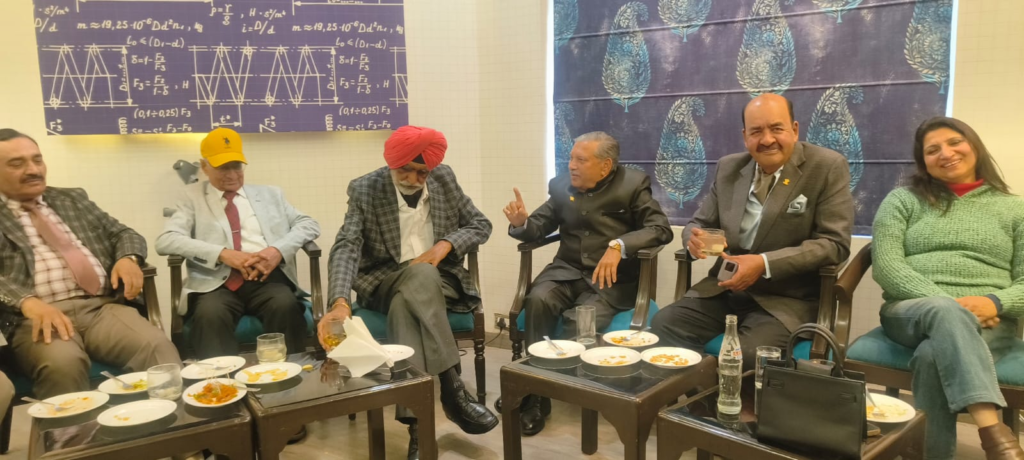
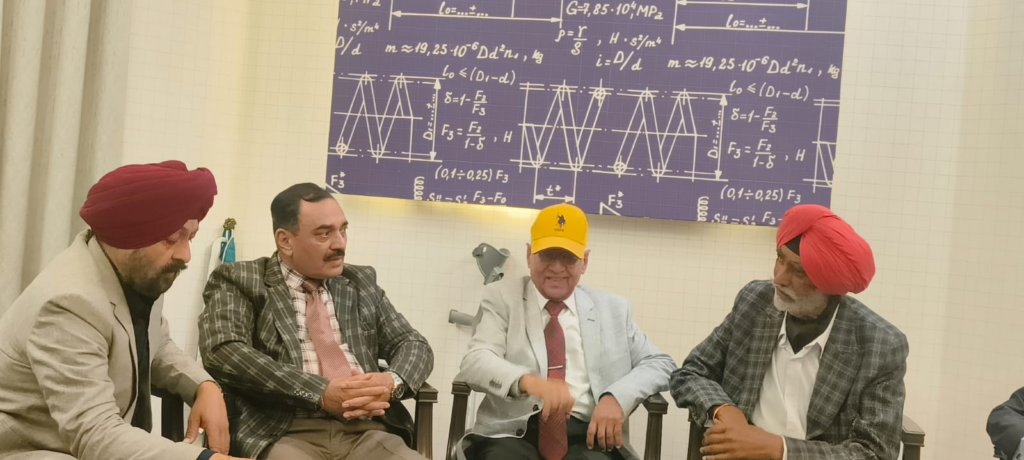
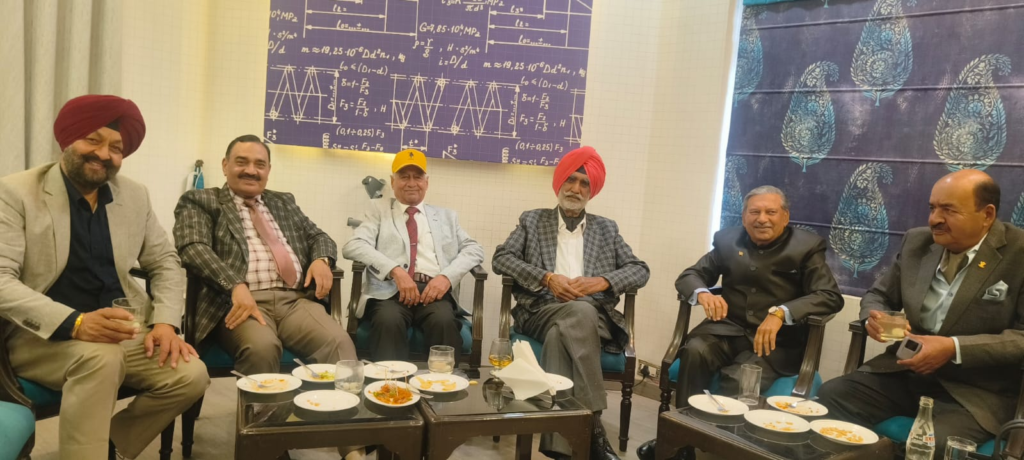
CHANDIGARH CHAPTER : 02 JAN 2026 AT KOI ,CHANDIMANDIR
THE GORDIAN KNOT(Maj Gen Harvijay Singh, SM)Stop untying, start redefining
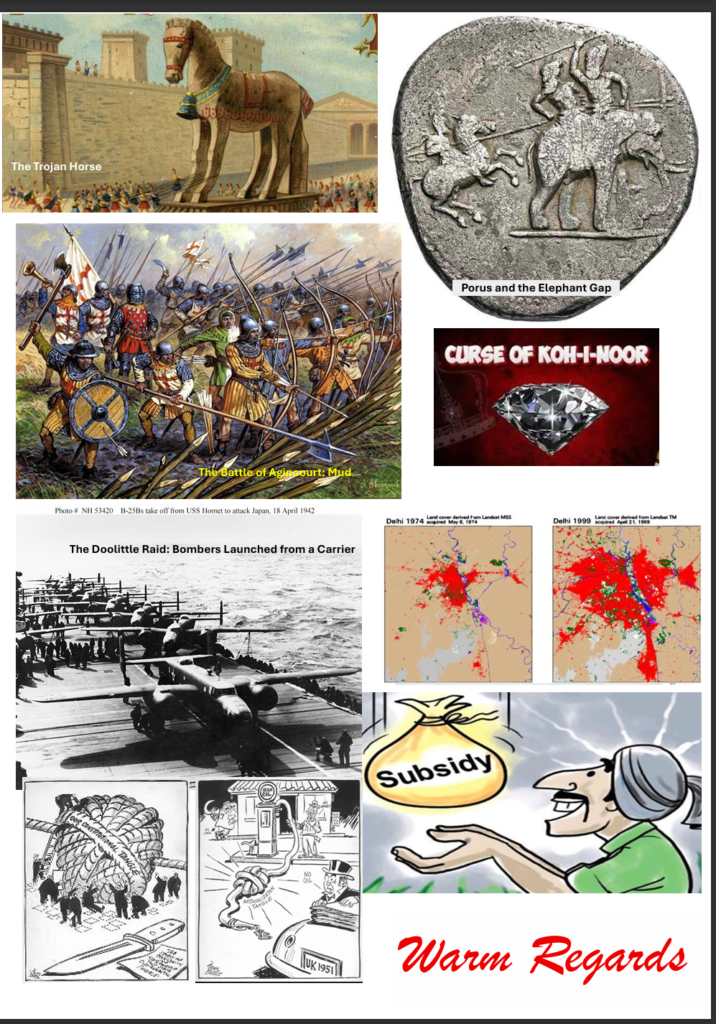
In the ancient city of Gordium in Phrygia (modern day Turkey), there was a chariot with an intricate knot securing its yoke (Gordian Knot). According to prophecy, whoever could untie this knot would become the ruler of all Asia. Many tried and failed, no one could solve this elaborate puzzle. One day, Alexander the Great arrived in Gordium. He, instead of trying to untie the knot, simply drew his sword and sliced through it in one stroke. 1/2026 Doolittle Raid: Bombers Launched from a Carrier (1942) After Pearl Harbor, America needed a morale‑boosting strike on Japan. Bombers could not reach Japan from any base. So, they launched medium bombers from an aircraft carrier, something never attempted before. Why it is Gordian: They didn’t extend the range. They moved the runway. More recently, happened in Op Spider too – Drones strike 4000 Kms inside Russia.
The Koh‑i‑Noor’s “Curse Management” Strategy The story of the Gordian Knot has since become a metaphor for solving difficult problems with bold and unconventional solutions: requiring just a fresh perspective and a bit of audacity. Some other interesting examples: The Trojan Horse (12th century BCE) A siege that could not be won. Walls that could not be breached. So, the Greeks did not attack the walls – they walked through the gates hidden inside a “gift.” Why it is Gordian: They didn’t breach the defence head‑on – they made the problem irrelevant: what a Trojan horse moment. Porus and the Elephant Gap (326 BCE) Facing Alexander at the Hydaspes, Porus used elephants to create psychological shock and break cavalry charges. Alexander countered by attacking the flanks, avoiding the elephants entirely. Why it is Gordian: Neither tried to overpower the other’s strength.
Both reframed the battlefield. The Battle of Agincourt: Mud as a Weapon (1415) Outnumbered five to one, Henry V faced French heavy cavalry. He positioned his archers in a narrow, muddy field. The French knights charged …….… and sank into the mud, becoming sitting targets. Why it is Gordian: He did not defeat the cavalry. He defeated the ground beneath them. Japanese Bullet Train & the Kingfisher (1960s) Engineers struggled with sonic booms in tunnels. Chief engineer Eiji Nakatsu, a bird‑watcher, redesigned the train’s nose after the kingfisher’s beak, eliminating the boom (The Kingfisher’s beak is shaped so it can dive into water with almost no splash). Why it is Gordian: Well, he did not optimize the train. He stole a design from nature. A solution that feels almost cheeky in its simplicity.
Doolittle Raid: Bombers Launched from a Carrier (1942) After Pearl Harbor, America needed a morale‑boosting strike on Japan. Bombers could not reach Japan from any base. So, they launched medium bombers from an aircraft carrier, something never attempted before. Why it is Gordian: They didn’t extend the range. They moved the runway. More recently, happened in Op Spider too – Drones strike 4000 Kms inside Russia. Why it is Gordian: They did not fight superstition. They weaponized it. The Delhi Metro Land Acquisition Trick (1990s) Land acquisition was notoriously slow. Sreedharan bypassed the bottleneck by starting construction only on land already owned, creating visible progress that forced other departments to accelerate approvals. Why it is Gordian:
He did not fight bureaucracy. He embarrassed it into moving. “Printer Jam” Ending a Bureaucratic War A university department had a printer that jammed every day. Committees formed. Budgets debated. Vendors blamed. This went on for three months. One day a PhD student walked in, lifted the printer, and threw it out of the window. Then calmly said: “Problem solved. Buy a new one.” The department bought a new printer the next day. Why it is Gordian: The solution bypassed the entire problem instead of solving it. The “Too Many Subsidies” Problem Government of India struggled with too many subsidies, middlemen were involved, corruption was rampant, trying to audit was a nightmare. The solution – a Shift to Direct Benefit Transfer (DBT). Money goes straight to the beneficiary’s account. Why it is Gordian: It was a tangle of dozens of interlocked problems. Replace the System
After Supreme Court order, MoD panel to re-examine non-functional upgradation for defence services
NFU was a provision recommended by the 6th Pay Commission to give financial parity to officers in Organised Group ‘A’ services two years after their counterparts in IAS are promoted to higher levels, even if they themselves are not promoted
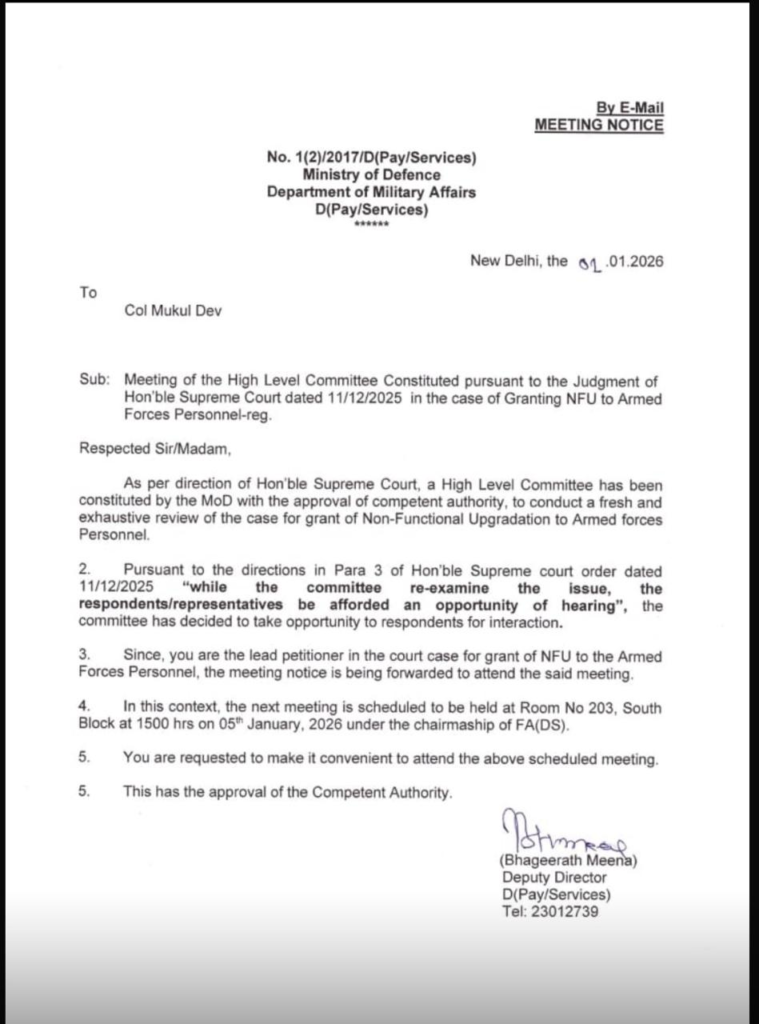
The Ministry of Defence has invited representatives of Armed Forces personnel to present their viewpoint on the grant of Non-Functional Upgradation (NFU) for the defence services, an issue pending for many years.
Following directives by the Supreme Court, a high-level committee set up by the government to re-examine the issue has fixed January 5 as the date to hear the claims and arguments put forward by the representatives in support of NFU. Defence services are the only government organisations to have been denied NFU, which grants higher financial benefits to officers who do not get promoted.
In its last hearing in the matter on December 11, a division bench of the Supreme Court comprising Justice JK Maheshwari and Justice Vijay Bishnoi had observed that the Central Government has constituted a committee consisting of the Financial Advisor (Defence Services) as its chairman, with Joint Secretary, Department of Military Affairs, a representative of the Department of Expenditure and a representative of the Department of Personnel and Training as members to re-look the claim of the Armed Forces personnel.
“Let needful be done within two months. Needless to say that while the committee re-examine the issue, the respondents/representatives be afforded an opportunity of hearing,” the bench directed. The case is scheduled to be heard next on February 25.
A letter sent to the respondents by MoD on January 1 states since a high-level committee has been constituted by MoD to conduct a fresh and exhaustive review of the case for grant of NFU to Armed Forces personnel, the committee has decided to give an opportunity to the respondents for an interaction.
NFU was a provision recommended by the 6th Pay Commission to give financial parity to officers in Organised Group ‘A’ services two years after their counterparts in Indian Administrative Service (IAS) are promoted to higher levels, even if they themselves are not promoted. The purpose was to reduce career stagnation and pay gaps. While all Group A services, including the para-military forces, have been granted NFU, the Defence Services have been left out, leading to prolonged litigation.
In December 2016, the principal bench of the Armed Forces Tribunal, in a detailed judgement in Col Mukul Dev vs Union of India that also clubbed numerous similar petitions, had directed the government to implement NFU for the defence services.
The tribunal’s bench comprising Justice BP Katakey and Lt Gen Sanjiv Langer had then ruled that the denial of NFU to Armed Forces personnel by the government had been unfair, evasive and without valid justification, which has resulted in iniquitous treatment to the defence services. Given their steep pyramidal hierarchy, stagnation in the defence services is the highest amongst any government organisation.
The Central Government appealed against the tribunal’s orders before the Supreme Court in 2019, contending potential disruption to the defence forces’ unique command structure. The government had also averred that the defence forces are not classified as Organised Group ‘A’ Service and are treated separately.
Rajnath flags ‘alarming trend’ of white-collar terror modules
Cites Delhi blast to highlight role of moral education
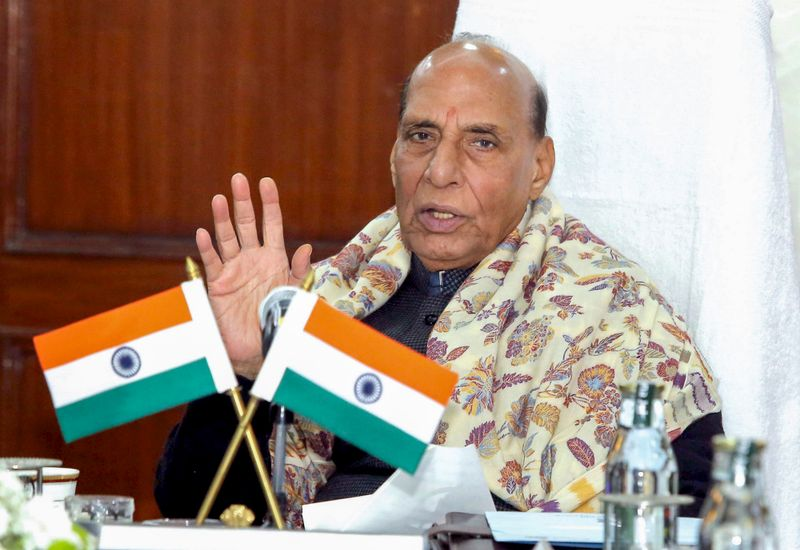
Defence Minister Rajnath Singh on Friday said that an alarming trend of white-collar terrorism was emerging in the country, wherein highly-educated people are engaging in anti-social and anti-national activities.
Singh pointed at the November 10 car bomb blast near the Red Fort in Delhi, where the perpetrators were found to be doctors. “Today, an alarming trend of white-collar terrorism is emerging in the country. Highly-educated people are working against society and the country,” Singh said at the 104th Foundation Day event of Bhupal Nobles’ University here.
“The perpetrators of the (Delhi) bomb blast were doctors – those who write ‘Rx’ on prescriptions, yet have RDX in their hands. This highlights the need for knowledge to be accompanied by values and character,” the Defence Minister said.
“The purpose of education is not only professional success but also the development of morality, ethics and human character,” he said.
Singh added that knowledge leads to competence, which leads to prosperity, and prosperity leads to righteousness, and ultimately, true happiness comes only from righteousness. “Any education system that cannot fulfil this objective, which does not impart humility, a sense of character and ‘dharma’ (righteousness) along with knowledge, is incomplete,” Singh said.
“When I talk about religion, it should not be associated with going to the temple, mosque or church for prayer. Religion is a sense of duty. Education devoid of religion and morality will not be useful to society, and sometimes it can even prove fatal. This is why educated people are sometimes found to be involved in crimes,” Singh said.
Terrorists are not necessarily illiterate; they can hold university and college degrees, yet they become terrorists because they lack wisdom, the minister said.
Singh also hailed defence startups for doing remarkable work in the country. “I am confident that in the next 15-20 years, India will become fully self-reliant in weapons,” the defence minister said.
He also said that artificial intelligence, machine learning and other technologies are transforming people’s lives and work, and they must be used positively to drive India’s development.
India is the world’s fourth-largest economy, which is on track to become the third-largest by 2030, Singh said, noting that universities have a big role to play in this journey. He also emphasised the importance of understanding the delicate balance between self-respect and ego, and urged people not to cross the fine line between the two.
“Today, the world is facing problems such as environmental issues, health crises and digital ethics, which cannot be solved with a single discipline. Solutions can only be found through a multidisciplinary approach. Universities must teach the students not only what to think, but also how to think. They must create an environment where students can think holistically,” he said.
Located about 535 km south of Port Blair, it is also close to the Malacca Strait
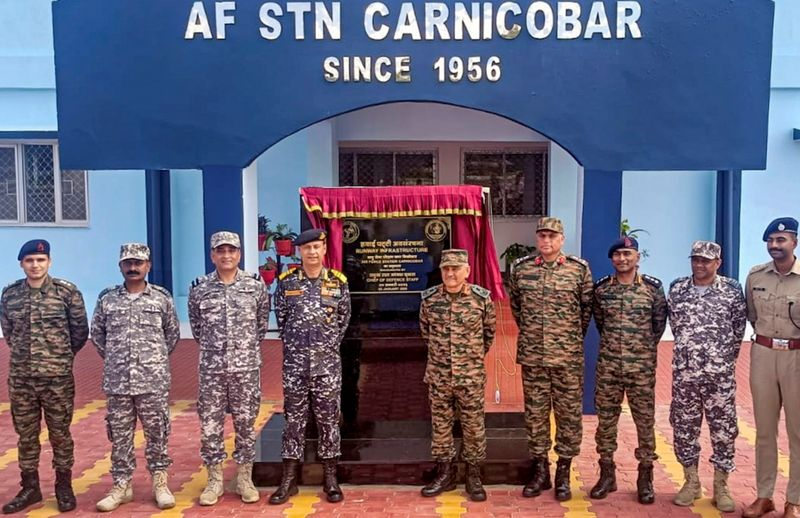
Chief of Defence Staff (CDS) General Anil Chauhan on Friday inaugurated the resurfaced and upgraded runway at the Indian Air Force’s Car Nicobar air base in the Andaman and Nicobar Islands, significantly enhancing operational capability.
The apron area – where planes can be parked – has been expanded to ensure smoother aircraft movement. Now, multiple aircraft can be parked, refuelled and turned around faster in the area, accelerating the operational tempo.
Facilities have also been created to allow basing of the Sukhoi 30MKI jets. These jets can be armed with the BrahMos missile with a 500-km range, expanding the envelope of operations. Besides, the resurfacing allows planes with heavy cargo to operate. Upgraded storage facilities will also result in improved logistics support, and supporting infrastructure to sustain prolonged air operations.
The upgraded runway would strengthen India’s strategic posture as Car Nicobar is located about 535 km south of Port Blair (Sri Vijaya Puram) and is close to the Malacca Strait. More than 96,000 vessel cross through the Malacca annually (a daily average of 260 ships), estimates the Maritime and Port Authority of Singapore (MPA).
The Air Force Station on Car Nicobar is situated in the northern Nicobar Islands and comes under the Andaman and Nicobar Command, which is India’s only tri-service theatre command integrating the assets of the Army, Navy and Air Force in a single structure.
Separately, India has formally initiated the process to make a second airfield at the strategically located Great Nicobar island, the country’s southern-most territory overlooking Straits of Malacca.
There existing operational Naval air base named INS Baaz at Campbell Bay on the Great Nicobar island is being expanded. The base has facilities to operate special operations planes, C-130 J, of the Indian Air Force, the Airbus C-295 and also maritime surveillance planes, the Dornier’s.
The Navy has another air base at Sri Vijay Puram and there are expansion plans for a runway at navy base INS Kohassa, Shibpur North Andaman, to accommodate larger military aircraft, along with new ammunition dumps and capacity upgrades for fighter jets.
MoD sets up panel for non-functional pay upgradation
A meeting has been scheduled for January 5 at the South Block.
The Ministry of Defence has constituted a high-level committee to conduct a “fresh and exhaustive review” for granting a salary increase to armed forces personnel who do not get promoted beyond a certain rank due to paucity of vacancies, but have served for specific number of years.
Called the non-functional upgradation (NFU), it is given to the entire civilian bureaucracy. It results in a hiked pay-band after a certain number of years of service, but the armed forces personnel do not get it.
The MoD formed the committee after the Supreme Court, while hearing the matter last month, asked the ministry to re-examine the issue. Respondents and legal representatives of those who moved the court have been invited by the MoD for an interaction. A meeting has been scheduled for January 5 at the South Block
14 Maoists, including 2 wanted ultras, killed in separate encounters in Chhattisgarh
Gunfights break out in Sukma and Bijapur forests during anti-Naxalite operations
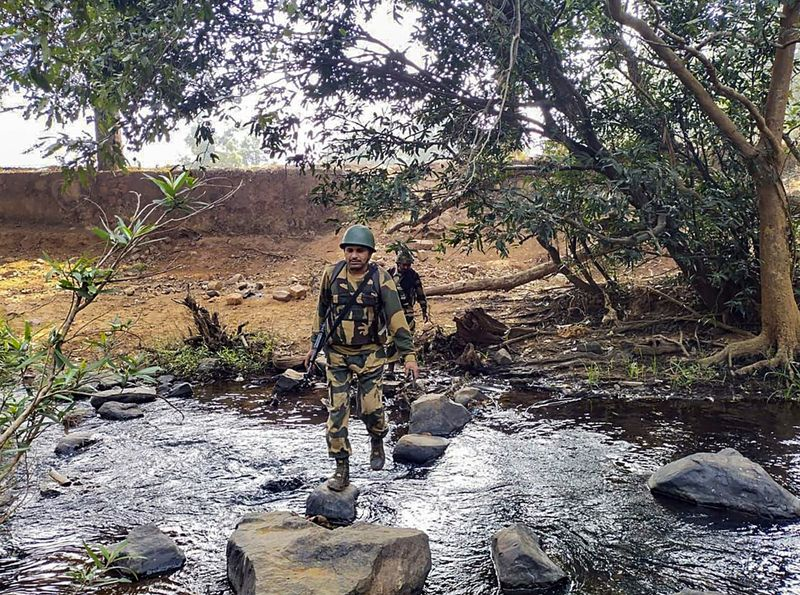
Security forces killed 14 Naxalites, including wanted ultras Mangtu (DVCM) and Hunga Madkam, in separate encounters in Chhattisgarh’s Sukma and Bijapur districts in the Bastar region on Saturday, officials said.
While 12 Naxalites, including Mangtu (DVCM), were neutralised by the security forces during an exchange of fire in Sukma, the bodies of two Maoist cadres, including Hunga Madkam, were found in the forests of Gaganpalli village in Basaguda, Bijapur, senior officials in the Ministry of Home Affairs said.
In Bijapur, the forces recovered one SLR rifle and one 12-bore rifle, along with the bodies of two Naxalites, they said.
A senior police official said the encounter broke out in the southern region of Sukma district when the team of security personnel was out on an anti-Naxalite operation.
In Bijapur, the gunfight broke out in a forest in the southern region of the district when a team of the District Reserve Guard, a unit of the state police, was out on a similar operation around 5 am, another official said.
Intermittent firing was underway when the last reports were received. Further details were awaited, the official said.
Last year, 285 Naxalites were gunned down in separate encounters with security forces in Chhattisgarh.
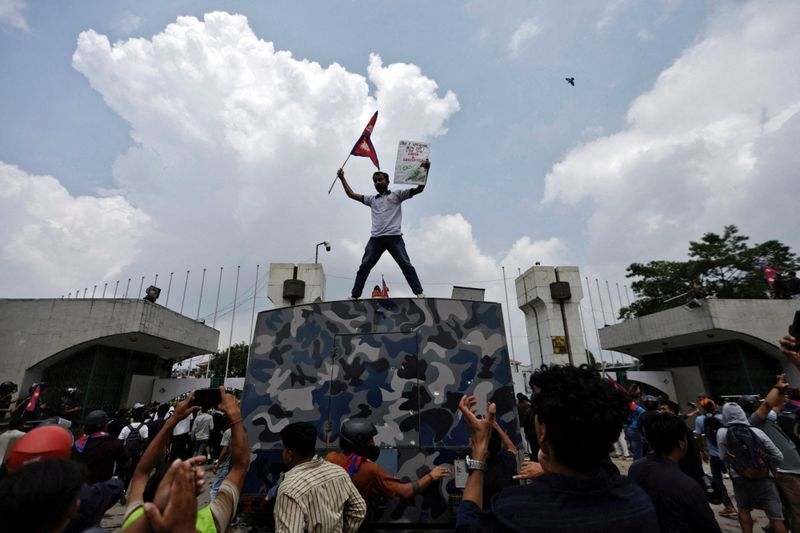
The outcome of Nepal’s fifth revolution (Jan Andolan) in September was the announcement of elections on March 5, 2026. Cadres of the ousted KP Oli-CPN (UML) government had clashed with Genji (Z) revolutionaries. The vandalism during the protests cost $5 billion (the government’s estimate puts the figure at $572 million). On September 9, all state institutions had collapsed, forcing Oli to resign; in the vacuum that ensued, the army was unable to protect government property. In its response to an inquiry, the army said it had to make a choice between protecting people (leaders and officials) and property. The Genji protests were ‘not all that spontaneous’. There is evidence that the US had stirred the pot. Further, doubt lingers over whether elections will be held; or, held on time.
The Genji protests were ostensibly against the Internet ban, which escalated after police firing killed 17 protesters. That figure shot up to 77 martyrs. The people’s uprising that piggybacked Genji protests expanded the latter’s demands — from good governance, elimination of corruption and job creation to constitutional amendments restoring political stability and voting from abroad. About 2,000 youth leave the country every day for employment. Genji is a collective of 49 disparate groups, whose leader is Sudan Gurung, a musician-turned-head of a humanitarian organisation. He signed at least three agreements with Karki, most notably the 10-point agreement in December. It includes amendments, which, according to advocate Radhesham Adhikari, will be difficult to implement and become a hurdle to timely elections.
Though the Nepali Congress and CPN (UML) have filed petitions for the restoration of Parliament, they will fight the elections. Some Genji members are joining the Bibeksheel, Ujyaalo Nepal and Rastriya Swatantra parties. The RSP president, Rabi Lamichhane, jailed for fraud cases, has been released. Ujyaalo Nepal was lit by the dynamic Kulman Ghising, who rid Kathmandu of load-shedding. The Mayor of Kathmandu, Balen Shah, struck a no-surprise deal as the PM face of the RSP, with Ghising also merging Ujyaalo with the RSP to become its vice-president. Genji leaders Gurung and Purushottam Yadav are backing the RSP, making it formidable. Pre-poll alliance is the new normal. Even the NC and UML are considering it after the boost of the RSP — precisely the virus of political instability that Genji wants to remove.
Despite being ousted from the government, four-time PM Oli won a landslide third-term chairmanship of the UML. Add to this, his party’s strong grassroots organisation and most government officials being his appointees, Oli may spring a surprise. While five-time PM NC leader Deuba will step down as party president, he will fight elections for an unprecedented eighth time. The party is factionalised into three groups, led by India-backed Shekhar Koirala, US-supported Gagan Thapa and with motley-backers Bimalendra Nidhi/KP Sitaula. Four-time PM Prachanda, minus the Maoist tag, is a survivor and coordinator of the reminted Nepal Communist Party, consisting of 10 Left parties. The new crop of political parties will not make much dent on grassroots parties, which are likely to come back but with smaller vote share and seats. The Left’s majority in Parliament is expected to reduce to less than 50 per cent.
The elections will be held in March, but could go into phases. 2026 promises some surprise and plenty of uncertainty for Nepal.
State Stalwarts
DEFENCE MINISTER
Minister Rajnath Singh
ALL HUMANS ARE ONE CREATED BY GOD
HINDUS,MUSLIMS,SIKHS.ISAI SAB HAI BHAI BHAI
CHIEF PATRON ALL INDIA SANJHA MORCHA
LT GEN JASBIR SINGH DHALIWAL, DOGRA
SENIOR PATRON ALL INDIA SANJHA MORCHA
MAJOR GEN HARVIJAY SINGH, SENA MEDAL ,corps of signals
.
.
PATRON ALL INDIA SANJHA MORCHA
MAJ GEN RAMINDER GURAYA ,MADRAS REGIMENT
sanjhamorcha303@gmail.com
PRESIDENT SOUTH ALL INDIA SANJHA MORCHA
COL SS RAJAN BOMBAY SAPPERS,
PRESIDENT UTTARAKHAND ALL INDIA SANJHA MORCHA
COL B M THAPA ,BENGAL SAPPERSS
PRESIDENT HARAYANA STATE CUM COORDINATOR ESM
BRIG DALJIT THUKRAL ,BENGAL SAPPERS
PRESIDENT TRICITY
COL B S BRAR (BHUPI BRAR)
PRESIDENT CHANDIGARH ZONE
COL SHANJIT SINGH BHULLAR
.
.
PRESIDENT PANCHKULA ZONE AND ZIRAKPUR
COL SWARAN SINGH
INDIAN DEFENCE FORCES
DEFENCE FORCES INTEGRATED LOGO
INDIAN AIR FORCE
Air Officer C-in-C WESTERN AIR COMMAND
AIR MSHL S PRABHAKARAN AVSM VM
AOC-IN-C, EASTERN AIR COMMAND
Air Marshal Inderpal Singh Walia
AOC-in-C SOUTH WESTERN AIR COMMAND
Air Marshal Vikram Singh
AOC-IN-C, SOUTHERN AIR COMMAND
Air Marshal J.Chalapati
AOC-IN-C TRAINING COMMAND
AIR MARSHAL SK GHOTIA VSM
AOC-IN-C MAINTENANCE COMMAND
Air Marshal Jagdish Chandra
Flag Officer Commanding in Chief, Western Naval Command
ice Admiral R Hari Kumar, PVSM, AVSM, VSM
Flag Officer Commanding in Chief, Eastern Naval Command
Vice Admiral Sanjay Bhalla, AVSM, NM
Flag Officer Commanding in Chief, Southern Naval Command