Sanjha Morcha

What’s New

Click the heading to open detailed news

Current Events :

web counter

Print Media Reproduced Defence Related News

Pakistan still has a wild card in the Jadhav case

Thanks to China’s veto, the Security Council cannot push Pakistan to comply with ICJ’s stay on the death sentence

The International Court of Justice (ICJ) on Thursday said Pakistan cannot hang Indian naval officer Kulbhushan Jadhav for now and ordered Islamabad to give consular access to him. “Pakistan shall take all measures to ensure that Jadhav is not hanged until a final decision by the court,” said International Court of Justice judge Ronny Abraham. “The circumstances of his arrest are in dispute… India should have been given consular access as per Vienna Convention”.

Pakistan says Jadhav, 46, was arrested in March last year in the restive Balochistan province. In April, a military court sentenced him to death for alleged involvement in spying and subversive activities. India has contended he was kidnapped from the Iranian port of Chabahar and his secret trial was a “farce”.

India moved the International Court of Justice citing imminent danger to Jadhav’s life, after Pakistan didn’t respond to 16 requests for consular access to the prisoner.

The International Court of Justice press release said Pakistan’s failure to provide consular notifications with regard to the arrest and detention of Jadhav “appear to be capable of falling within the scope of the Convention.” On this basis, the court concluded that “it has prima facie jurisdiction under Article I of the Optional Protocol.”

Replying to the objection of Pakistan on jurisdiction, the International Court of Justice observed: “The existence of a 2008 bilateral Agreement between the Parties on consular relations does not change its conclusion on jurisdiction.” On the merits, the ICJ held that the violation of consular rights alleged by India “are plausible”. The International Court of Justice found that the link exists between the rights claimed by India and the provisional measures sought.

Finally, on the question whether there is a risk of irreparable prejudice and urgency, the International Court of Justice observed: “Pakistan has given no assurance that Mr Jadhav will not be executed before the Court has rendered its final decision”.

Judge Cancardo Trindade – a Brazilian -has written a concurring opinion to the order of the International Court of Justice. Judge Dalveer Bhandari – an Indian — has appended his declaration to the order of the court after considering at length the decisions in the LaGrand case (Germany vs United States) and Guinea v. France and Ukraine v. Russia.

The International Court of Justice verdict will now be tested in its execution or implementation against the recalcitrant Pakistan, which has declared that it is not going to honour the provisional measures. Unlike the orders passed by national courts, the orders passed by international judicial organs cannot be executed by judicial process of attachment or detention.

The International Court of Justice statute — Article 41(2) — mandates that the order shall “forthwith” be given to the Security Council (SC). But the point is: What can the Security Council do in the circumstances ? Is it strictly obliged to implement the order of the International Court of Justice by sanctioning force or imposing economic sanctions against the recalcitrant Pakistan ?

But Article 94(2) of the United Nations charter confers discretion on the Council, saying: “If it deems necessary make recommendations or decide upon the measures to be taken to give effect to the judgment.”

The Council had faced difficulties in implementing such orders twice in the past: First, in the Anglo Iranian Oil case in 1951; and second, in the case filed by Nicaragua against the United States in 1986.

The decision of the Security Council will be nothing but a political decision.

If the non-compliance with the ICJ decision is a “procedural matter” under Art.27(2) of the UN Charter, the permanent members of the Council cannot exercise their veto power.

The UN General Assembly’s resolution of 1949 seem to support this interpretation.

India may succeed in persuading the Council to save Jadhav from a certain gallows, if China among the five permanent members has no right to veto in favour of Pakistan, its ally.


Colonel dies in Leh, laid to rest with state honours

Tribune News Service

Karnal, May 17

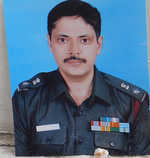
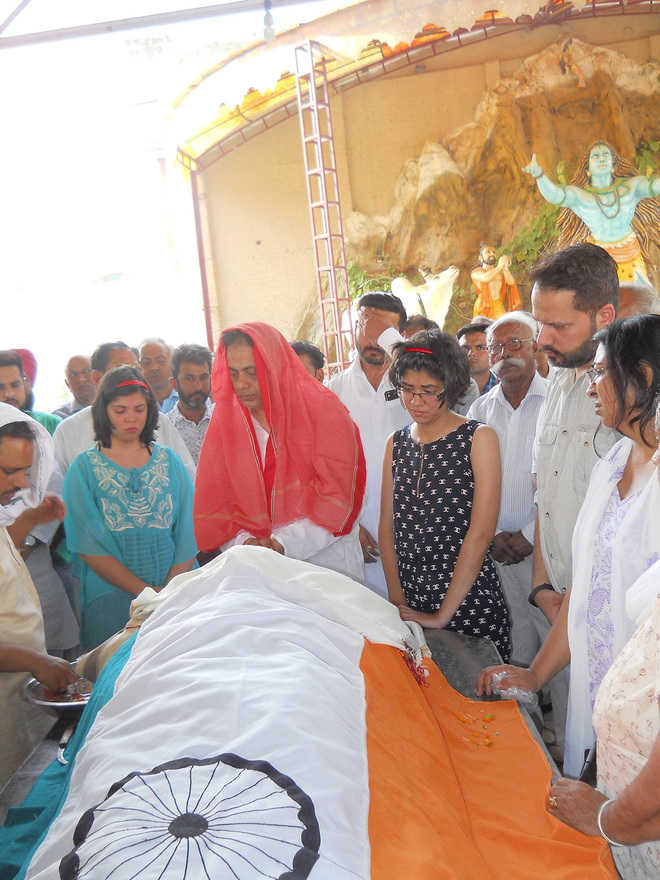
Colonel Manu Tondon, who was a doctor in the Army Medical Corps (AMC), died in Leh yesterday. He was cremated at the Model Town cremation ground with full state honours here today.The reason for his death has not been disclosed so far. He is survived by his father Hari Krishan Tondon, wife Dr Geetanjali and daughters Barkha and Ishra.His father, a retired NDRI scientist, said Colonel Tondon had been serving the Army for the last 23 years and was posted in Leh six months back.He added that he had talked to his son two or three days back, when he said he would come home during the vacation in June. Local residents thronged his residence to pay tributes.SDM Yogesh Kumar, DSP Shakuntala, tehsildar Shyam Lal, Zila Sainik Board secretary Colonel Ravinder Singh and Capt Nitish Kumar from the AMC paid tributes to Colonel Tondon.


Sukma’s lessons: A lot needs to change Syed Ata Hasnain

Red Corridor forces have mostly suffered when they encounter large groups of insurgents.

Police officers and jawans pay tribute to the CRPF personnel killed in the Sukma Naxal Attack in Chattisgarh, at the SSP office in Meerut. (Photo: AP)

 Police officers and jawans pay tribute to the CRPF personnel killed in the Sukma Naxal Attack in Chattisgarh, at the SSP office in Meerut. (Photo: AP)

Analysing a tragedy for whatever reasons must begin with an expression of regret.

That’s exactly how I look at the situation where the nation has been left frustrated yet again with a heavy loss in the security domain.

Losing 25 police personnel in circumstances much like in the past inspires little confidence in the ability of Central armed police forces and of the intelligence agencies that support them in the Red Corridor.

Amid all the patriotic fervor that accompanies the loss of uniformed personnel, the public also deserves to know why this happens so often. While doing so the colour of the uniform one has worn must not be evident; only then will justice be done. To make this into an “us versus them” affair within the uniformed services would be inherently unfair.

Even as I write an encounter is in progress in Kupwara where the Army has suffered losses. Such losses in the administrative realm, of camps and perhaps convoys, doesn’t absolve the Army and Central forces in Kashmir from the many blunders which have occurred in the recent past.

Sukma is nothing short of a tragedy. I insist on calling it that since innocent policemen doing their job and being martyred as they were not trained adequately to do that job is indeed a tragedy.

Citing former US defence secretary Donald Rumsfield, the phrase “known knowns” is most applicable here. Almost everything which goes into making such a repeated tragedy is a “known” in terms of past analyses, and we are fully aware that it is a “known”. There are some “knowns” that can’t and won’t change unless transformational decisions are taken, but it’s important to keep the public informed.

The Central Reserve Police Force has been delineated as the core or lead force to take charge of counter-insurgency operations (CI ops) across the country. Was this Union Cabinet decision, based on the recommendations of the Kargil Review Committee and Group of Ministers, correct? Is it something that should be reviewed?

Analysts are far happier quoting the decision than questioning its wisdom, or the absence of implementation. When such decisions are taken, they should be based on the capability of a force or its potential. If the latter, then the means to acquire that capability must also be delineated and orders issued. By merely recommending the CRPF as the lead force for CI ops without examining its structure, manning pattern and command and control, the Kargil Review Committee perhaps erred substantially. However, the purpose is not to assign blame; a decade and a half down the road experience itself would have repeatedly shown that in its current format and makeup it is unfair to give the CRPF such a responsibility. The “known knowns” of the force mentioned by every analyst in the past three days needs a brief recount.  Chasing nimble tribal guerrillas armed to the teeth who are fighting a “son of the soil” insurgency in a terrain they know like the back of their palms isn’t really a joke.

CRPF jawans are often 50-60 years old as the retirement age in the force is 60. It will be unfair to question it as I am unaware if the force has laid down an age limit for deployment of personnel in the Red Corridor. If not, then it is essential, and units must be restructured as Red Corridor units.

The Army’s Rashtriya Rifles is a fine model of a CI force to examine and improve upon.

The manning pattern, under which senior CRPF positions are occupied by Indian Police Service officers is too flogged an issue to repeat. The point to emphasise is that institutional awareness of weaknesses in the operational realm can’t be expected from a hierarchy completely inexperienced in training, planning or execution of such operations anytime in their service. To be parachuted into one or more star ranks and suddenly bearing operational responsibility and the lives of so many personnel under care is inherently unfair both on the IPS officers and the CRPF.

Harping on this is like begging the question, as nothing is likely to change. It is best to work around it and look at other ways of potential optimisation. Leadership, training and equipment are the three areas which need to be reviewed, other than the senior leadership question.

Most fighting entities will inform you that the best welfare for warriors is to ensure they are fully enabled in their quest to inflict maximum casualties on the adversary, and prevent casualties unto themselves. This is best done through training and professional stocktaking.

Some Red Corridor forces like the Andhra Pradesh Greyhounds have proved their capability beyond doubt, but such excellence is a drop in the ocean compared to the magnitude of the problem.

The Army’s Para SF units, particularly the ones that have operated in Sri Lanka and the Northeast, have institutional experience and strength. There are enough veteran officers and men who could be tapped professionally to impart their knowledge.

Institutions like the National Police Academy are centres of excellence which must be involved in analysis and lesson-learning in a substantive way. The plethora of experience that the CRPF and state police forces possess is itself not little.

The circumstances surrounding the Sukma event, however, do not inspire any confidence on the basics that those involved in such operations must have. Everything here is supposed to be tactical, including having meals.

Troops deployed on operations do not eat at the same time, and not without establishing security through observation posts, sentries and the like. There is obviously a real need to return to the basics, and to do so repeatedly.

Red Corridor forces have mostly suffered when they encounter large groups of insurgents.

Obviously, one of the banes of such operations is contact-based command and control and getting the sub-unit to respond beyond just returning fire. I am not sure whether training on this is ever carried out. CRPF units are most usedly to platoon-based functioning. Even the best Army units may find it difficult to have a full company-based response in the face of such situations. The fact that a full company can come under enemy action at a single time is itself a reflection of questionable field tactics. If this is to improve, egos must be shed. Smaller teams can train with Greyhounds and other successful police outfits, but if a full sub-unit response is necessary, it should imbibe the Army’s functional culture.

The immediate upgrading of equipment is vital. The Union home ministry has a very efficient procurement machinery. It must look at rotary aviation resources for recce and response. The Mine-Protected Vehicle is an imperative, and funds can’t be the reason for not provisioning this.

While the intelligence services have secured India quite well over the last many years, tactical-level intelligence in the Red Corridor still seems to be highly questionable.

I laud the BSF’s concept of G sections of its units. In all my experience, I have not found more competent intelligence personnel at the tactical level.

This is something that the CRPF should examine closely.

The writer, a retired lieutenant-general, is a former commander of the Srinagar-based 15 Corps. He is also associated with the Vivekananda International Foundation and the Institute of Peace and Conflict Studies.


MLA BALBIR SINGH SIDHU OF MOHALI VISITS MAI BHAGO ARMED FORCES PREPARATORY INSTITUTE FOR GIRLS

Brief Jeevani of Mata Bhag Kaur (Mai Bhago)

214319

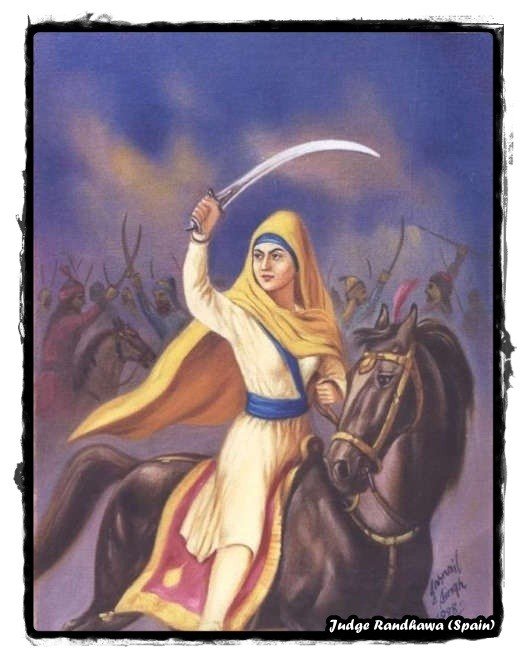
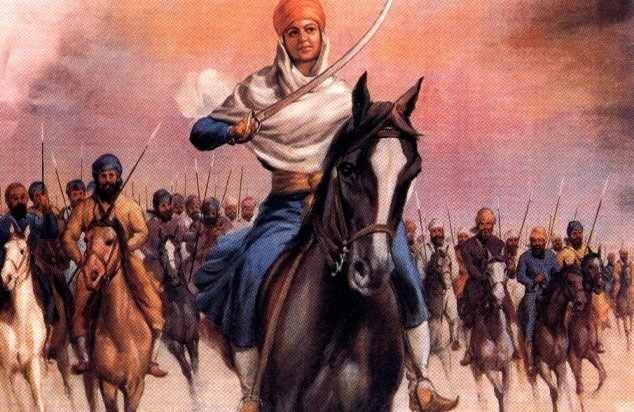
Mai Bhago also known as Mata Bhag Kaur was a Sikh woman who led 40 Sikh soldiers against the Mughals in 1705.
She killed several enemy soldiers on the battlefield, and led a life of true Sant Sipahi in every aspect. She was the sole survivor of the battle of Khidrana, i.e. Battle of Muktsar fought on 29 December 1705)

 In her childhood, Mai Bhag Kaur was called Bhag Bhari, which means “fortunate”. On being baptized, she was named Bhag Kaur. In the Sikh history, she is known as Mai Bhago.
She was born in a well known village, Jhabal, near Amritsar in year 1666.
She was the daughter of Malo Shah, son of Bhai Pare Shah. Her grandfather and Pare Shah’s brother, Bhai Langaha, had served under Guru Arjan Dev and Guru Hargobind.
Bhai Langaha had helped Guru Arjan Dev in the construction of Harmander Sahib and was one of the five Sikhs who accompanied Guru Arjan Dev when he went to Lahore for martyrdom.

The young Saint-Soldier

She visited Anandpur with her father in 1699 when Guru Gobind Singh created the Khalsa and was baptized along with other members of her family
She had inherited from her family ideals of bravery and courage.
Faith, truth, and fearlessness were her ornaments.
She had a well built body and started learning the art of warfare and horse riding from her father. She came to know that some Sikhs of her area had deserted Guru Gobind Singh at Anandpur Sahib and renounced his guruship in writing (Bedava).
The governor of Sirhind was planning a big attack on Guru Gobind Singh at village Dina where he was staying after the Battle of Chamkaur.
She could not hold herself, and in zeal to serve the Guru, she, the great heroine, said to her husband, “let us lay down our lives for the Guru who has sacrificed his father, mother and four sons for the Sikh faith. We must not sit idle when innocent lives are being bricked alive.”

391425_10200157311275388_877818085_n
She motivated the ladies of the area to challenge those deserters. These ladies dressed themselves as soldiers and wanted to proceed with Mai Bhago.
She said to the deserters, “Guru Ji has sacrificed his family and comforts for our freedom. We should not hide ourselves like cowards. Everybody has to die. Why not die like a brave person? If you don’t join me, I shall take a party of women and die for the Guru.” They got armed and they took the oath to die fighting and not to retreat from the battlefield. All of them marched to help the Guru and seek his forgiveness, under the leadership of Mai Bhago Ji.They were also informed that the Mughal forces, under the command of the governor of Sirhand, were proceeding towards the Guru.

In 1704 the city of Anandpur Sahib, the residence of Guru Gobind Singh Ji was under extended siege by the combined forces of the Mughal army and Hill chiefs. The siege took its toll and the meager provisions were completely exhausted, with the Sikhs having to live on leaves and bark from the trees.
Within the Sikh ranks there was a group of Jats of the Majha region, they had had enough and they made up their mind that they wanted to escape and leave Anandpur Sahib. After much deliberation they made their way to the Guru, and their leader Maha Singh told him of their desire to leave. Guru Gobind Singh Ji understood their situation but asked them to stay and fight, but all his persuasive arguments fell on deaf ears, they were resolute, they wanted to leave.

With no alternative Guru Gobind Singh Ji with a heavy heart asked them that if they truly wished to leave then they must write a disclaimer and have it signed by all the deserters claiming that they no longer belonged to the Guru, and the Guru no longer belonged to them. Obviously we can never understand the hardship the Sikhs had to endure and the desperate situation the Sikhs were in but even so, when we think of the great sacrifices made by Sikhs like Bhai Mani Singh, Bhai Taru Singh, Bhai Mati Das, Bhai Sati Das and Bundha Singh to name but a few it is hard to understand what possessed the Majha Sikhs to put pen to paper and write a disclaimer that “Guru Gobind Singh Ji, we are no longer your Sikhs and you are no longer our Guru,” it must go down as a most shameful episode in Sikh history.

The deserters were from the Majha region and one of the villages in this area was called Jhabal, and in the village lived a woman named Mai Bhago. She was known for her faith and courage and when she saw the 40 Sikhs approaching in the distance she went out to meet them. She asked news about Guru Gobind Singh Ji, and when she heard their sorry tale her blood boiled. She could not contain herself, she charged them with cowardice and a lack of faith in their Guru. She felt, as did the other women folk of the area that they had brought shame on their region. Mai Bhago was determined to wipe this stain of infamy of the Majha sikhs. She told all the women folk not to be hospitable to the Sikhs, she shamed and censured the Singh’s for their cowardice.

Mai Bhago donned on men’s clothing and told them that either they stay behind and look after the children or they try to make amends and return with her to the Guru. Ashamed by their act of desertion they vowed to put things right and mounted their horses and set off towards Frozepur.

Knowing that the enemy Wazir Khan was advancing to attack the Guru, Mai Bhago’s group took up positions near a place called Khidrana. As the enemy forces came close the Sikhs pounced on them, a fierce battle ensued; although heavily out numbered the Sikhs attacked with ferocity and many were killed on both sides. The dust raised by the battle alerted Guru Sahib Ji who by this time had vacated Anandpur Sahib, he joined his Sikhs on a sandy hill (tibbi) and shot arrows on the enemy. As the battle raged Guru Sahib Ji mounted his horse and led his contingent from the west. The enemy could not stand a sudden attack on its left flank and after sustaining heavy loses withdrew leaving the dead and dying on the battlefield.

Guru Gobind Singh Ji dismounted from his horse and surveyed the scene. He saw one of his Sikhs lying wounded and recognised him as Maha Singh, the leader of the 40 deserters. Guru Ji sat beside him and put his head on his lap and wiped away the blood and tears from his eyes, just as a father would a son. Guru Ji was greatly impressed and pleased by his Sikhs. “Ask whatever you will, the house of Guru Nanak is open to you” spoke Guru Ji but Maha Singh only had one thing on his mind, the letter of desertion. “O Lord of all the heavens, if you are in mercy then please forgive me and my companions for our betrayal, and all that I pray for now is that you tear up the letter we handed to you.” The all knowing Guru had kept the letter on his person knowing full well that it would be needed, Guru Ji took it out and tore it in front of Maha Singh.

“You have redeemed yourself here and in the hereafter.” The forty deserters who lay dead in the battlefield were blessed by Guru Sahib Ji as the chali mukhtay –the forty liberated ones. A grand gurdwara now stands at the site of the battle, known as GurdwaraTibbi Sahib, Mukhtsar.

Mai Bhago in the meantime was also laying in the battlefield wounded. Guru Ji blessed her for her courage and fortitude in leading the Sikhs into battle and regaining their honour. In time Mai Bhago recovered from her wounds and remained in the Guru’s presence after the battle. Mai Bhago followed Guru Sahib Ji to Nanded. In 1708 when Guru Ji ascended the heavens Mata Ji settled at Bidhar about 200 km from Nanded where she lived to a ripe old age. Mata Bhago Ji is held in the utmost high regard by Sikhs and considered a saint. Her spear and musket that she used in the battle at Mukhatsar is still preserved at Takhat Sri Hazur Sahib, Nanded.

Gurdwara Tibbi Sahib is associated with the Tenth Guru, Guru Gobind Singh Ji. This place is situated in high sandy mound (tibbi means a small hillock). Guru Sahib chose this place to stay on reaching Muktsar as it provided a very good view of the area. When the battle between the Forty Muktas and the Mughals was in progress, Guru Ji helped his sikhs by shooting arrows at the Mughals from this place. The birthdays of Guru Nanak Dev Ji, Guru Gobind Singh Ji and shahidi purab of Guru Arjun Dev Ji are celebrated with great fervour here. Besides, the Magh Mela is organized on the 12th and 13th of January to commemorate the sacrifice of the Forty Muktas. Diwali and Baisakhi are also celebrated with enthusiasm.

The Guru praised the bravery of Mai Bhago. She told the Guru how the forty deserters had fought bravely and laid down their lives.
The Guru asked her to go back to her village as her husband and brother had also obtained Shaheedi in that battle.
She expressed her desire to become an active saint-soldier and stay in the service of the Guru. Her wish was granted and she stayed with the Guru as a member of his bodyguards.
She accompanied the Guru to Damdama Sahib, Agra, and Nanded and lived there until the Guru left this world.
After the Guru’s death, she left Nanded for Bidar.
She lived there & preached Sikhism till end of her life.
She was a symbol of bravery and courage. Her life history and organization skills against odds will always be a milestone in Sikh history.


215036 zpic68

20170422_141154
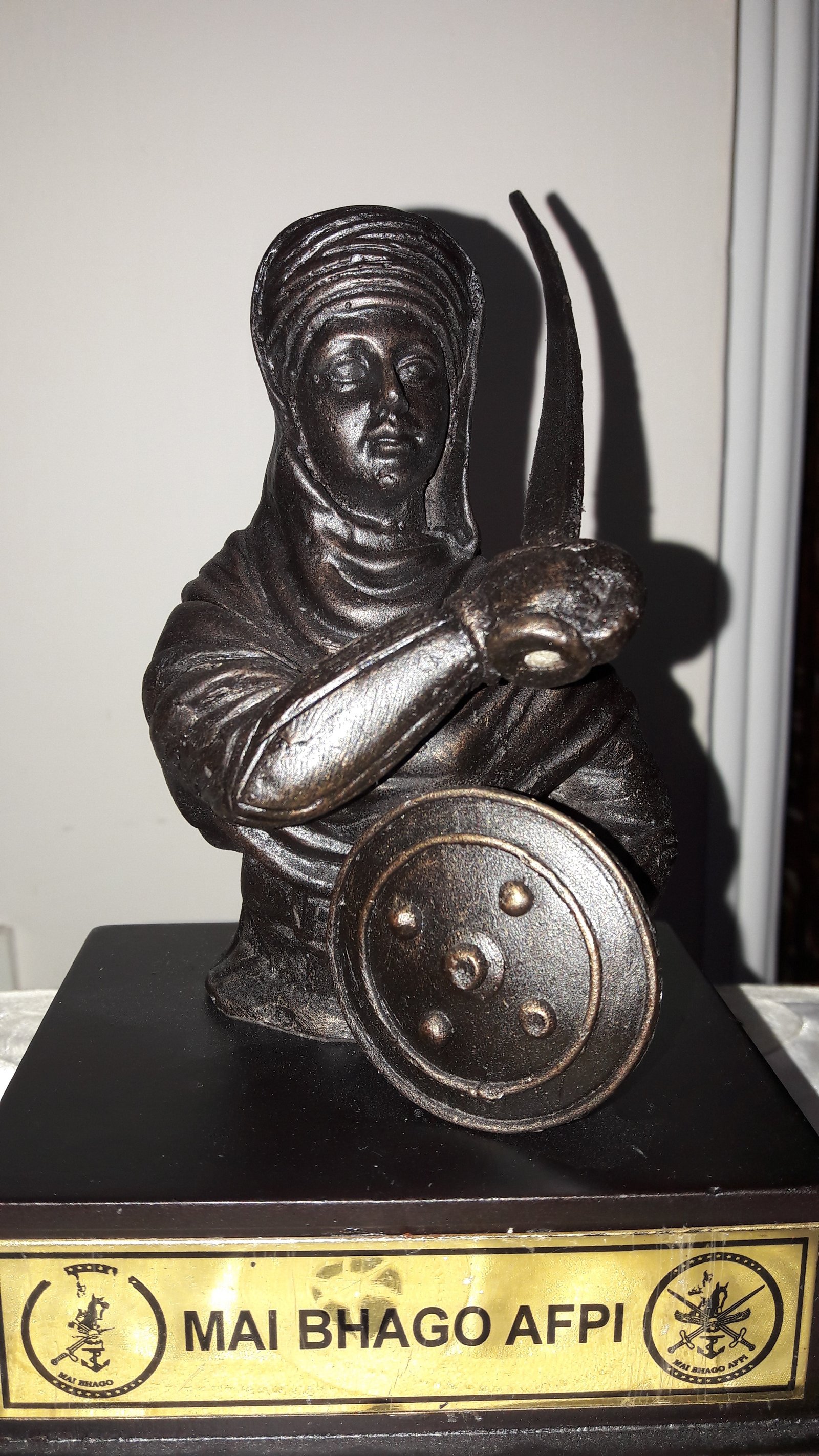
MOMENTO
20170422_125139
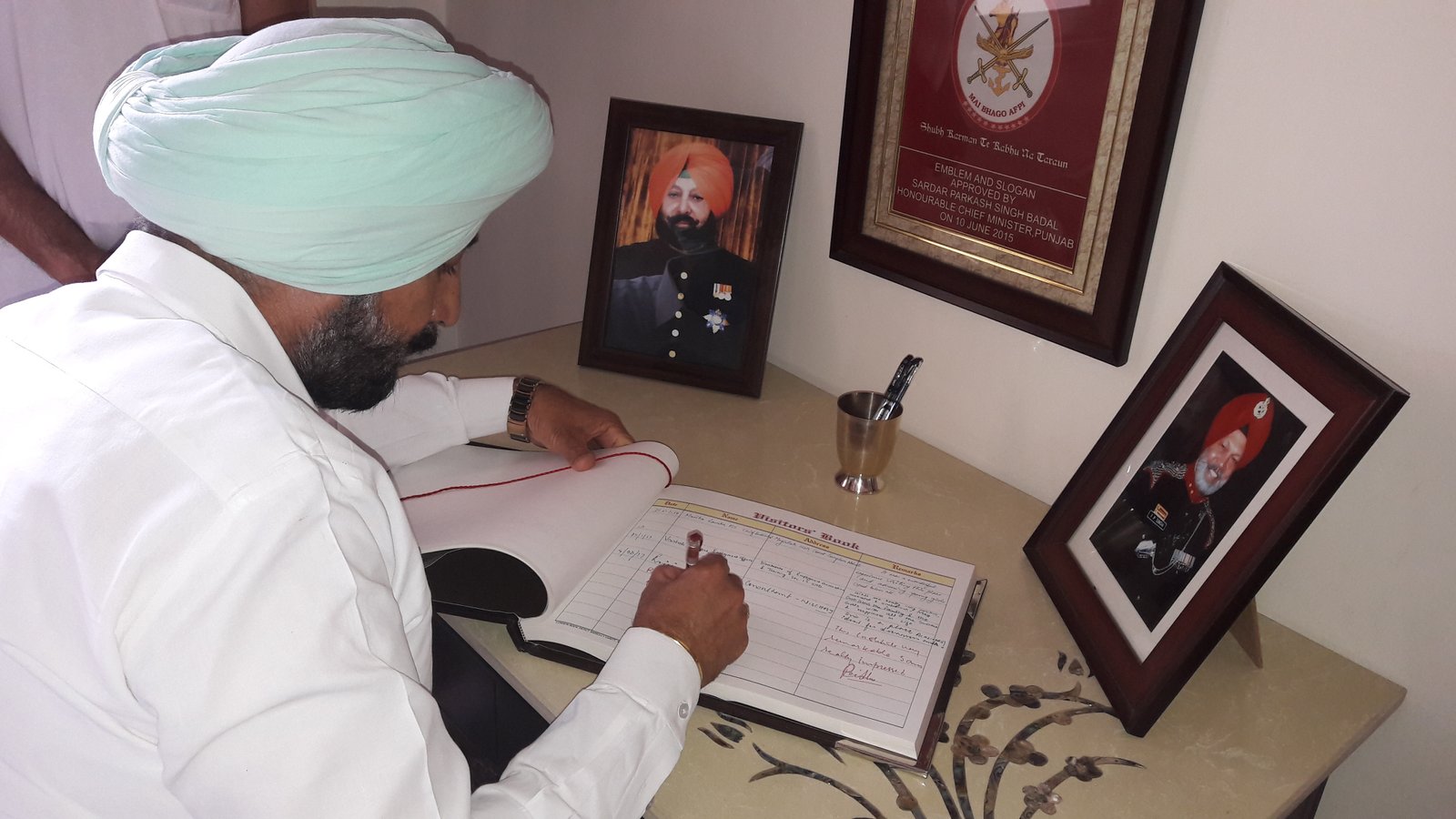
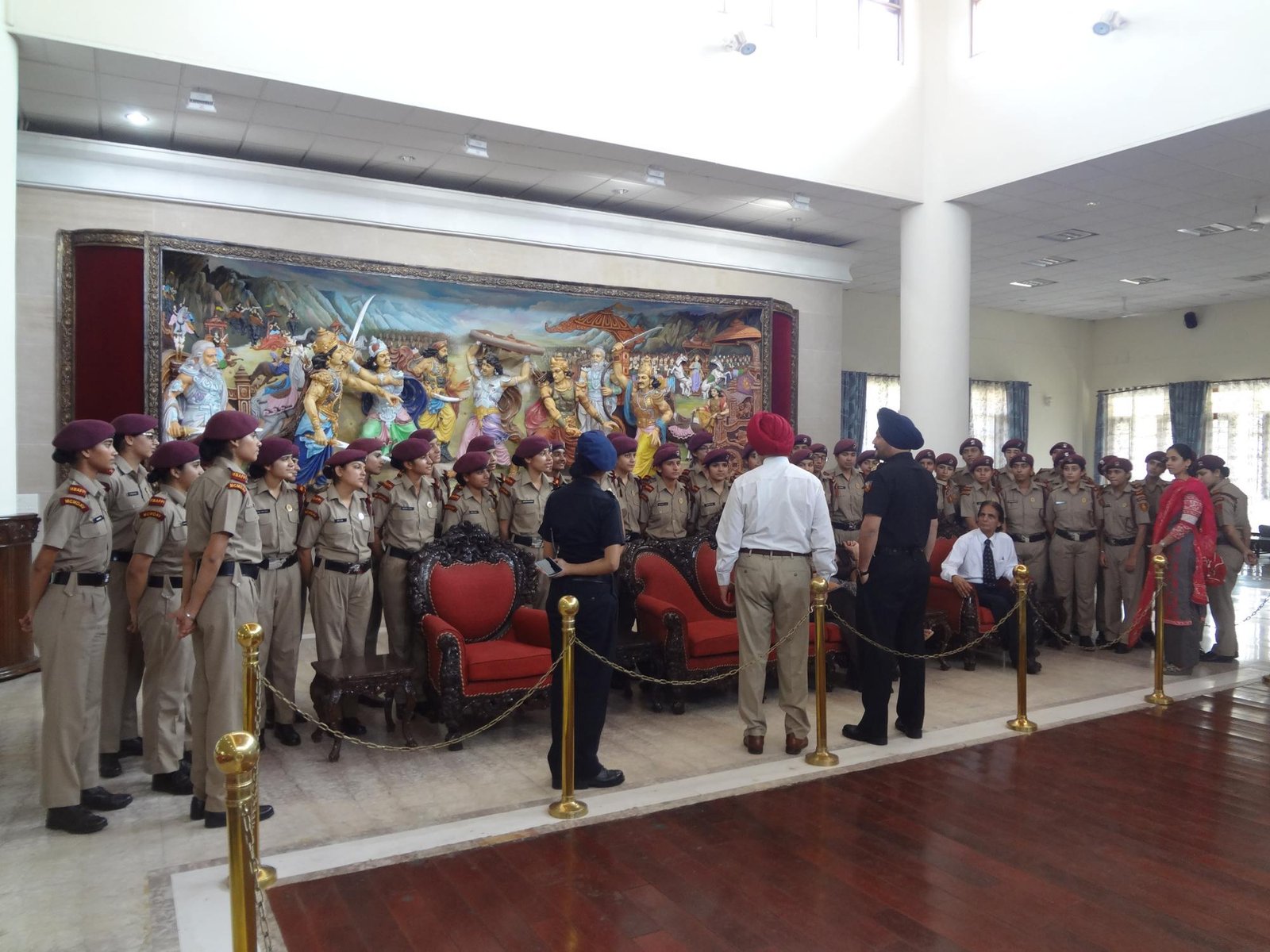
MLA BALBIR SINGH SIDHU SIGNING THE VISITORS BOOK


20170422_113538
MAJ GENJ IP SINGH(LEFT TOP) BRIEFING MLA (CENTRE)


20170422_12311020170422_122151


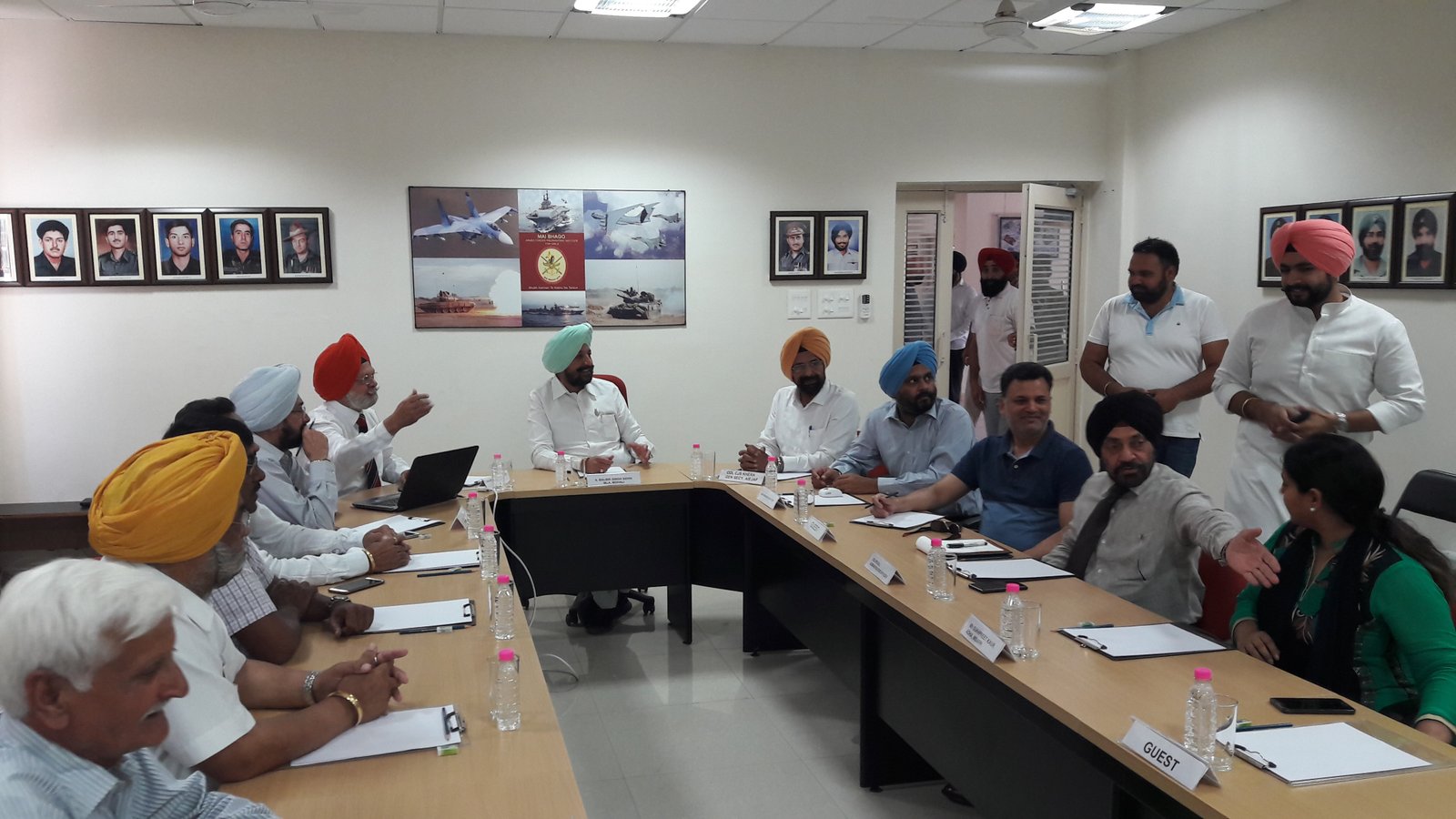
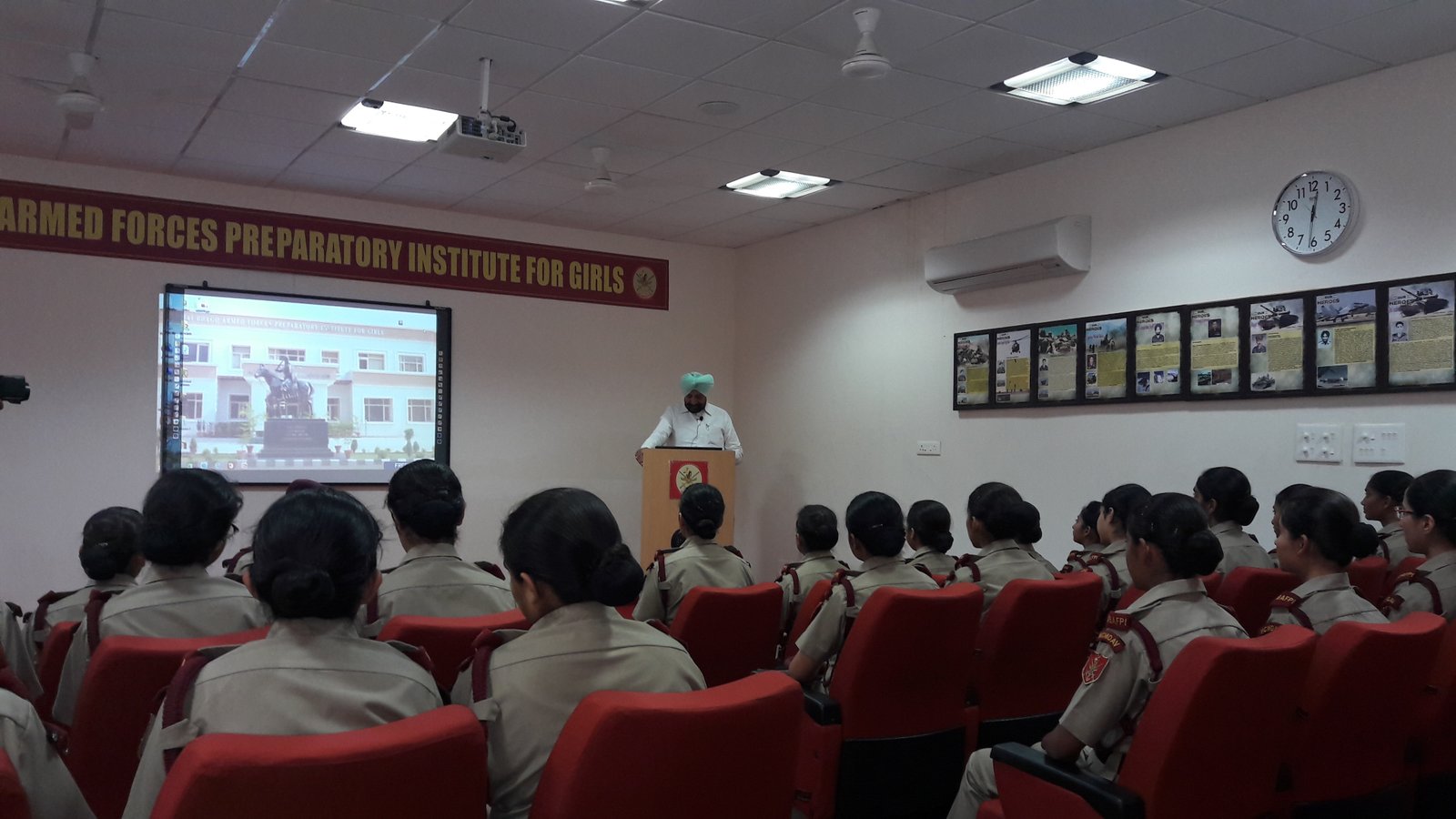
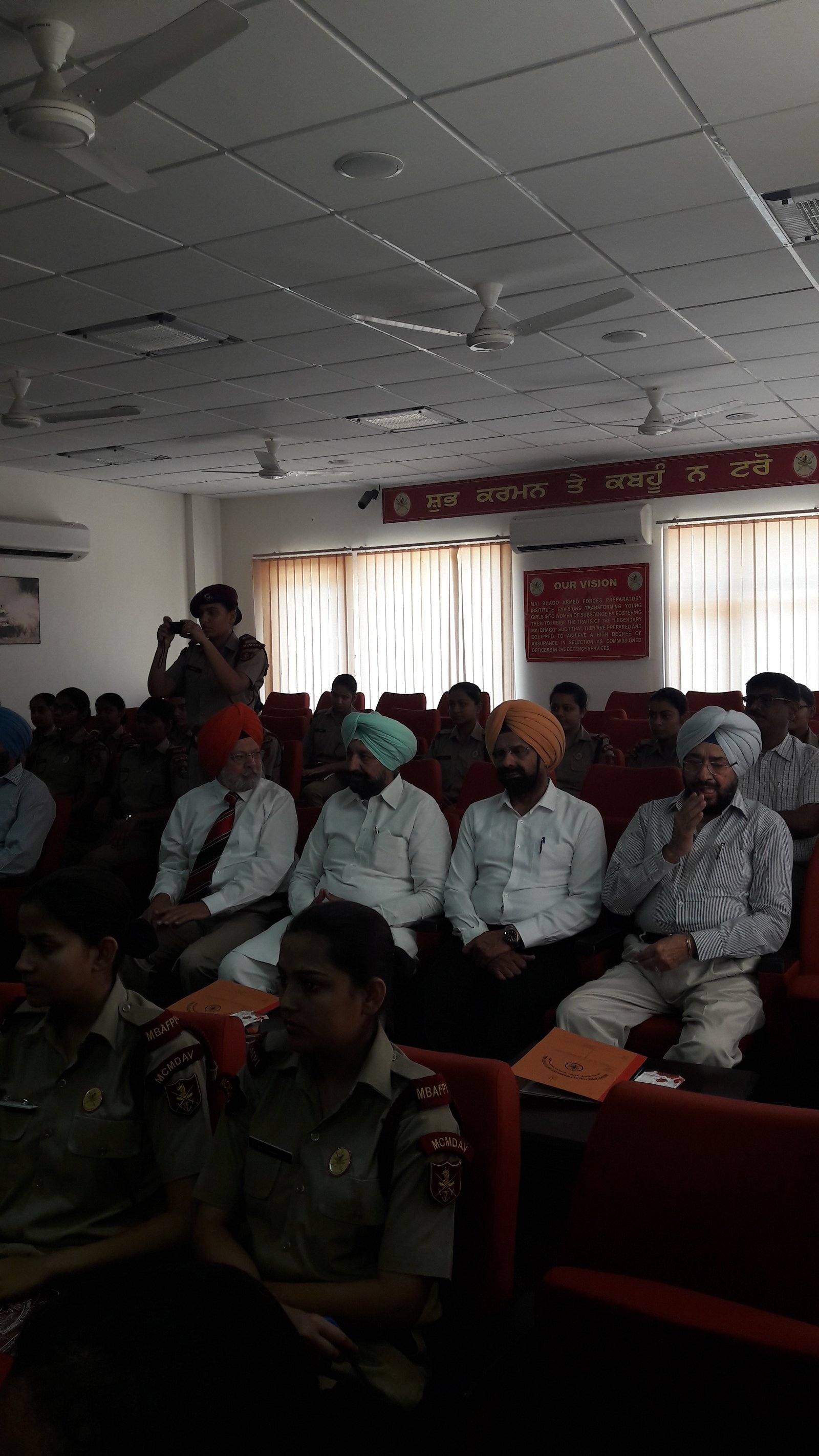
AT AUDITORIUM-L TO RIGHT—MAJ GEN IP SINGH,MLA BALBIR SINGH SIDHU,COL CJS KHERA,COL RS BOPARAI

About the Institute

sl-2

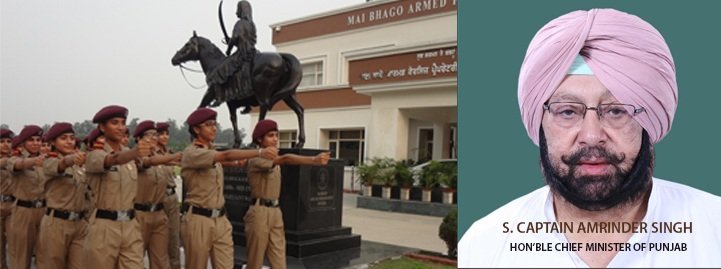
Mai Bhago Armed Forces Preparatory Institute for Girls has been set up by Punjab government as an exclusive all girls training Institute. It is a unique, first of its kind initiative in the country for the girl child. The Institute provides a lifetime golden opportunity to 10 plus 2 level girls from Punjab to choose an elite career as a Commissioned Officer in the Defence Services. The Institute, named after Mai Bhago Ji, the famous Sikh saint warrior, is laid out on a sprawling 8 acres beautifully landscaped area in Sector 66, SAS Nagar. Hon’ble Raksha Mantri, Sh Manohar Parrikar, inaugurated the Institute with its first batch of 25 Lady Cadets on 25 Jul 2015.

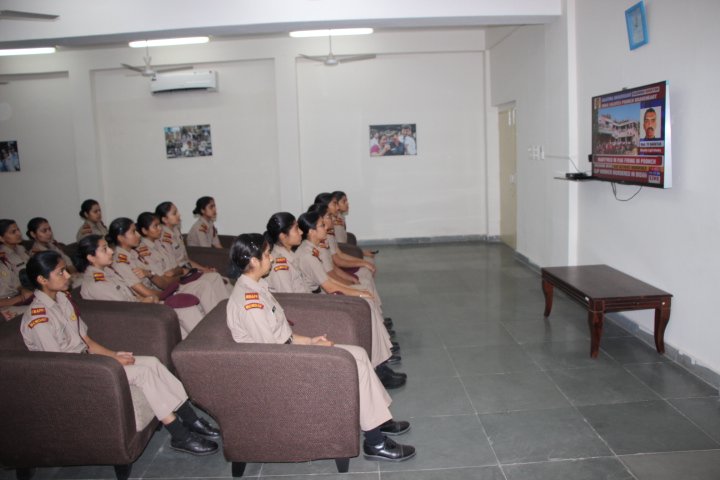
The Institute is fully residential and has all the modern facilities to include multi gym, swimming, shooting, sports fields, walking plaza etc. The training includes three years graduation in MCM DAV College Sector 36, Chandigarh; Sports and Physical Fitness, Personality Development, Communication Skills, Grooming, Extra Curricular Activities, NCC, Professional Training and preparation for SSB Interview. At the end of three years the Lady Cadets are made to appear in the competitive examination to seek admission into the officer Training Academies based on different Women Entry Schemes for commission into the Defence Services.ante roombriefing at


ਵਿਧਾਇਕ ਸਿੱਧੂ ਵੱਲੋਂ ਆਰਮਡ ਫੋਰਸਿਜ਼ ਪ੍ਰੈਪਰੇਟਰੀ ਇਸਟੀਚਿਊਟ ਦਾ ਦੌਰਾ12204CD-_22_MOHALI_1_A_-MAI-BHAGO-INSTITUTE-_1-BY-SODHI

ਪੱਤਰ ਪ੍ਰੇਰਕ
ਐਸਏਐਸ ਨਗਰ (ਮੁਹਾਲੀ), 22 ਅਪਰੈਲ
ਹਲਕਾ ਵਿਧਾਇਕ ਬਲਬੀਰ ਸਿੰਘ ਸਿੱਧੂ ਨੇ ਅੱਜ ਸੈਕਟਰ 66 ਸਥਿਤ ਮਾਈ ਭਾਗੋ ਆਰਮਡ ਫੋਰਸਿਜ਼ ਪ੍ਰੈਪਰੇਟਰੀ ਇਸਟੀਚਿਊਟ ਦਾ ਤੂਫ਼ਾਨੀ ਦੌਰਾ ਕਰਨ ਮੌਕੇ ਪ੍ਰਬੰਧਾਂ ਦੀ ਸਮੀਖਿਆ ਕੀਤੀ ਅਤੇ ਸਿਖਲਾਈ ਪ੍ਰਾਪਤ ਕਰ ਰਹੀਆਂ ਲੜਕੀਆਂ ਨਾਲ ਰੁਬਰੂ ਹੋਏ। ਉਨ੍ਹਾਂ ਕਿਹਾ ਕਿ ਇਹ ਇਸਟੀਚਿਊਟ ਪੰਜਾਬ ਦੀਆਂ ਧੀਆਂ ਲਈ ਵਰਦਾਨ ਸਾਬਤ ਹੋਵੇਗਾ ਤੇ ਇਸ ਸੰਸਥਾ ਵਿੱਚ ਉੱਚ ਸਿੱਖਿਆ ਪ੍ਰਾਪਤ ਕਰ ਕੇ ਲੜਕੀਆਂ ਨੂੰ ਆਪਣੇ ਪੈਰਾਂ ’ਤੇ ਖੜ੍ਹੇ ਹੋਣ ਅਤੇ ਡਿਫੈਂਸ ਫੋਰਸਿਜ਼ ਵਿੱਚ ਬਤੌਰ ਅਫ਼ਸਰ ਭਰਤੀ ਹੋ ਕੇ ਦੇਸ਼ ਦੀ ਸੇਵਾ ਕਰਨ ਦਾ ਸੁਨਹਿਰੀ ਮੌਕਾ ਪ੍ਰਦਾਨ ਹੋਵੇਗਾ। ਇਸ ਮੌਕੇ ਵਿਦਿਆਰਥਣਾਂ ਨੇ ਸ਼ਬਦ ਗਾਇਨ ਵੀ ਕੀਤਾ। ਮਾਈ ਭਾਗੋ ਆਰਮਡ ਫੋਰਸਿਜ਼ ਪ੍ਰੈਪਰੇਟਰੀ ਇਸਟੀਚਿਊਟ ਦੇ ਡਾਇਰੈਕਟਰ ਮੇਜਰ ਜਨਰਲ ਆਈਪੀ ਸਿੰਘ ਨੇ ਸੰਸਥਾ ਬਾਰੇ ਵਿਸਥਾਰ ਪੂਰਵਕ ਜਾਣਕਾਰੀ ਦਿੱਤੀ। ਸ੍ਰੀ ਸਿੱਧੂ ਨੇ ਜਿੱਥੇ ਸਿਖਲਾਈ ਪ੍ਰਾਪਤ ਕਰ ਰਹੀਆਂ ਲੜਕੀਆਂ ਦੇ ਸੁਨਿਹਰੀ ਭਵਿੱਖ ਦੀ ਕਾਮਨਾ ਕੀਤੀ, ਉੱਥੇ ਸੰਸਥਾ ਦੇ ਡਾਇਰੈਕਟਰ ਦੀ ਕਾਰਗੁਜ਼ਾਰੀ ਦੀ ਵੀ ਸ਼ਲਾਘਾ ਕੀਤੀ। ਉਨ੍ਹਾਂ ਪੰਜਾਬ ਸਰਕਾਰ ਵੱਲੋਂ ਭਰੋਸਾ ਦਿੱਤਾ ਕਿ ਇਸ ਵਕਾਰੀ ਸੰਸਥਾ ਦੀ ਹਰ ਸੰਭਵ ਮਦਦ ਕੀਤੀ ਜਾਵੇਗੀ। ਇਸ ਮੌਕੇ ਇੰਸਟੀਚਿਊਟ ਦੇ ਪ੍ਰਬੰਧਕੀ ਅਫ਼ਸਰ ਦੇ ਸੇਵਾਮੁਕਤ ਕਰਨਲ ਪੀਐਸ ਗਿੱਲ, ਸਹਾਇਕ ਡਾਇਰੈਕਟਰ ਤੇ ਹੋਸਟਲ ਪ੍ਰਬੰਧਕ ਸੁਖਪ੍ਰੀਤ ਕੌਰ ਥਿੰਦ, ਯੂਥ ਕਾਂਗਰਸ ਦੇ ਸੀਨੀਅਰ ਆਗੂ ਕਨਬਰਵੀਰ ਸਿੱਧੂ ਤੇ ਹੋਰ ਪਤਵੰਤੇ ਮੌਜੂਦ ਸਨ।


Naval officer’s parents elated Vice Admiral Ravneet Singh awarded Ati Vishisht Sewa Medal by Prez

Naval officer’s parents elated
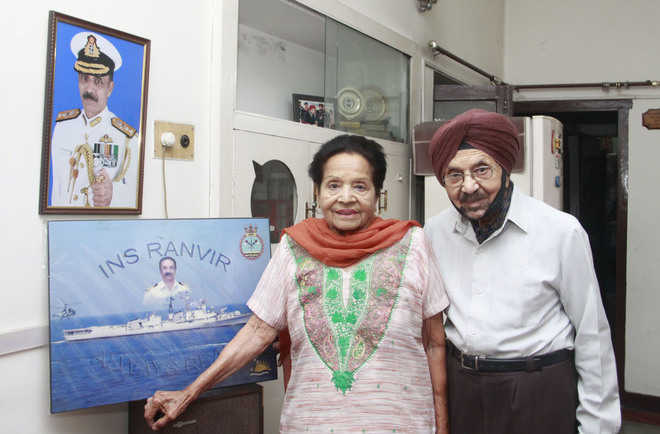
Parents of Vice Admiral Ravneet Singh in a cheerful mood in Jalandhar on Friday. Photo: Sarabjit Singh

Rachna Khaira

Tribune News Service

Jalandhar, April 7

Vice Admiral Ravneet Singh, who hails from Jalandhar, has been honoured with Ati Vishisht Sewa Medal (AVSM) by the President of India. Earlier too he had been awarded for the recovery of a Sea Harrier fighter aircraft in a grave emergency.The Flag Officer has the distinction of having flown 11 types of aircraft during his distinguished career. He is a qualified flying instructor and has more than 2,480 hours of flying experience.While speaking to The Tribune over the phone, the officer said that Navy had given him so much in all these years. “It’s time to pay back to my motherland by securing its borders,” Singh said.Expressing pride over his son’s achievement, his father, Avtaar Manmohan Jit Singh, a practicing lawyer at Punjab and Haryana High Court and Sessions Courts in Jalandhar, said winning was in his son’s blood. “I have no words to express my happiness at his enthralling success. All I want to pray is that he should keep on defending the country with utmost grit and determination,” said an emotional father. He said being a lawyer, although he had wanted his three sons to be in the same profession, the elder two including Admiral Ravneet joined the defence forces. While his one son is serving in Army, the other is a lawyer and settled abroad. The officer’s mother, Sarabjeet Kaur, also expressed her happiness.The Flag Officer has commanded various ships, establishments and air squadron during his illustrious career with INS Ranvijay, INS Ranvir, INS Himgiri, Sea Harrier Training and Frontline Operational Squadron INAS 300 and a premier naval air station INS Hansa.Prior to assuming his present appointment as the Chief of Staff, Headquarters, Western Naval Command, he had had the privilege of commanding the sword arm of the Indian Navy i.e. the Western Fleet, as the Flag Officer Commanding Western Fleet (FOCWF). Singh has also been the Flag Officer Goa Area and Flag Officer Naval Aviation (FOGA and FONA). He has also served as Assistant Controller Warship Production and Acquisition (ACWP&A) and Assistant Controller Carrier Projects (ACCP) at Naval Headquarters, New Delhi. Further, he has also served as the defence adviser in Kenya, Tanzania and Seychelles.An alumnus of Kendriya Vidyalaya, Jalandhar, Vice Admiral Ravneet Singh graduated from DAV College, Jalandhar, prior to joining the Indian Navy. Married to Deep Singh, he is blessed with two daughters.



Fresh orders for calculating pension of pre-2016 retirees

Vijay Mohan

Tribune News Service

Chandigarh, May 13

The Centre today issued fresh orders to calculate pension of employees who had retired prior to 2016. The orders could enhance their post-retirement financial benefits. The new orders are consequent to the Cabinet decision to accept an improvement over and above the system of pension calculation which was finally effectuated after the Seventh Central Pay Commission (CPC).The CPC had recommended two formulae for calculation of pension of pre-2016 retirees. While the first formula involved calculation of pension based on a notional basis, the second involved the multiplication of old pension by a factor of 2.57. The orders for the second formula were issued earlier and the first formula was recently accepted with certain modifications by the Cabinet.“The feasibility of the first option recommended by the seventh CPC has been examined by a committee headed by the Secretary, Department of Pension and Pensioners’ Welfare. Accordingly, it has been decided that the revised pension and family pension with effect from January 1, 2016, in respect of all Central civil pensioners and family pensioners, including Central Armed Police Forces, who retired/died prior to January 1, 2016, may be revised by notionally fixing their pay in the pay matrix recommended by the seventh CPC in the level corresponding to the pay in the pay scale/pay band and grade pay at which they retired/died,” orders issued by the department said.These orders, however, do not cover retired High Court and Supreme Court judges, constitutional and statutory authorities as well as Armed Forces pensioners, for whom separate orders will be issued by the appropriate authority.The notional pay fixation will be done under each intervening pay commission based on the formula for revision of pay. It has also been decided that higher of the two formulations, that is, the pension already revised and being disbursed or the revised pension as worked out in accordance with the new orders, shall be granted, the orders said.The arrears on account of revision of pension would be admissible with effect from January 1, 2016, only and no claims for the period before this would be accepted.

Judges not in ambit

  • The new orders do not cover retired High Court and Supreme Court judges, constitutional and statutory authorities as well as Armed Forces pensioners

Army Institute of Law celebrates annual day

Chandigarh, April 29

The Army Institute of Law (AIL), Mohali, celebrated its annual day here today. Various scholarships and cash prizes were awarded to meritorious students on the the occasion. Two industrial scholarships worth Rs 80,000, three alumni scholarships worth Rs 1.40 lakh and eight Tata Merit Scholarships for toppers in academics worth Rs 1.40 lakh were awarded to the students.—TNS


More mohalla get-togethers required for connecting people: Gen Malik

More mohalla get-togethers required for connecting people: Gen Malik
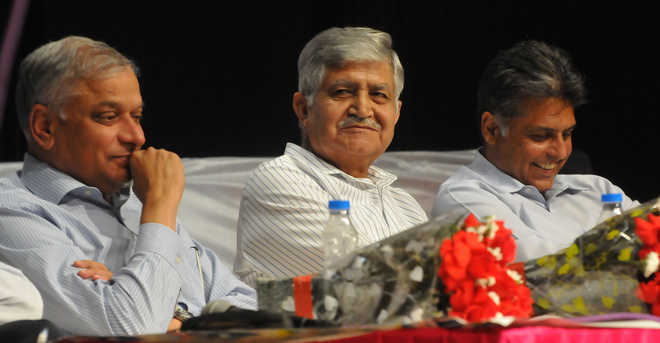
Former Prime Minister Manmohan Singh’s media adviser Pankaj Pachauri, former Army Chief General VP Malik and former Union Minister Manish Tewari during a function at the Punjab Kala Bhawan auditorium in Sector 16, Chandigarh, on Wednesday. Tribune photo: Vicky Gharu

Chandigarh, April 5

Former Army Chief General VP Malik said more mohalla get-togethers are required so that people can interact with each other. Gen Malik was speaking at a function organised by the People’s First Society on the topic Towards Togetherness (Apasdari and Shehardari) at Punjab Kala Bhawan, Sector 16 today.The focus of the programme was to increase people-to-people connection by holding small sabhas and get-togethers. Former Union Minister and Congress spokesperson Manish Tewari said: “The concept of “Know Your Neighbour” is a unique concept and we need to take this concept and idea first in Chandigarh and then to Mohali and Panchkula”.On this occasion, Pankaj Pachauri, veteran journalist and former Prime Minister Manmohan Singh’s media adviser, shared his experience and said there was Nana Nani Park in Maharashtra specially designed for the old-age people where they come and interact with each other.Former councillor Chander Mukhi Sharma said: “Connecting people on the social media is far easier than face-to-face meetings. So our focus is more on face-to-face interaction among the people of Chandigarh as it decreases the stress among neighbours and creates togetherness”. — TNS


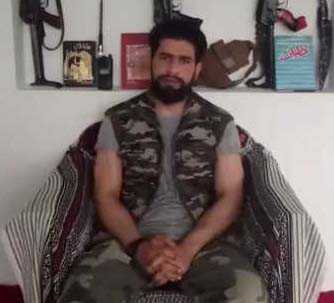
Will chop off your heads, Hizbul warns Hurriyat leaders

Will chop off your heads, Hizbul warns Hurriyat leaders
Zakir, alias Musa

Srinagar, May 12

Hizbul Mujahideen leader Zakir, alias Musa, has warned Hurriyat leaders that their heads will be chopped off and hung in the Lal Chowk here for interfering in the militant group’s “struggle for Islam”.

(Follow The Tribune on Facebook; and Twitter @thetribunechd)

In an audio, which has gone viral on social media, Zakir is heard saying: “I am warning all those hypocrite Hurriyat leaders. They must not interfere in our Islamic struggle. If they do, we will cut their heads and hang them in Lal Chowk”.

The militant leader asserted that his outfit was clear in its motives of “fighting to impose a Shariat in Kashmir and not resolving the Kashmir issue by calling it a political struggle”.

“Those leaders should know that the struggle is for Islam, for Shariat,” he was heard saying in the over five-minute audio clip. IANS could not confirm the authenticity of the audio clip.

Urging the people of Kashmir to unite against the Hurriyat’s “hycocrisy”, Zakir says: “We should all love our religion and we should realise that we are fighting for Islam. If the Hurriyat leaders think it is not so, then why have we been hearing the slogan ‘Azaadi ka matlab kya — La ilaha il Allah’, why have they (Hurriyat groups) been using mosques in their politics?” The Hizbul Mujahideen has been waging a silent battle to upstage the Hurriyat Conference since the 2016 uprising. Last week, the militant outfit also released a statement asking women protesters to not come on the roads to protest.

Militants from the group are also believed to be behind the killing of Kashmiri Army officer Ummer Fayaz earlier this week. — IANS


PUNJAB NEWS :::19 APR 20017

Punjab begins exercise to break cable cartel

Sarbjit Dhaliwal

Tribune News Service

Chandigarh, April 18

Eager to break the television cable network monopoly in the state, the Punjab Government has started the exercise to enact a law in this regard.Sources said the government has approached experts and others who have worked in the cable network field for suggestions before setting up a Cable Network Authority with legal backing for the purpose of implementing the rules and regulations to be framed to operate the network in the state.(Follow The Tribune on Facebook; and Twitter @thetribunechd)“The cable network cartel has been working in the state for long. It has been using muscle power to stop others from entering this business. We want to end that by opening it for all interested in running the cable network,” said Finance Minister Manpreet Singh Badal. The Cable Network Authority Act would be passed in the Budget session, he added.The objective is to provide a level-playing field to all those interested in running the cable network in various cities, towns and other parts of the state. Depending on the viability, there could be four, five or even more players to provide the cable network, he added.“Customers would  have a choice to get connection from any cable operator working in that city. Obviously, customers would opt for the best service provider,” said an official.Cable network operators had been censoring channels at their own level in the state. The private cartel would decide what news people should see and what channel should not be allowed to be seen.“There would be no control on the delivery of information via news channels. During the previous SAD-BJP government, only one particular Punjabi news channel was having a free run in the state. Others were either not delivered through the network or made to follow the government line,” said a state government official.

Harjit Sajjan refuses AAP invite

Deepkamal Kaur

Tribune News Service

Jalandhar, April 18

Dubbed a “Khalistani sympathiser” by Punjab Chief Minister Capt Amarinder Singh, Canadian Defence Minister Harjit Singh Sajjan has refused an invite by the Aam Aadmi Party (AAP).Leader of the Opposition HS Phoolka had invited Sajjan for coffee with the party MLAs at Chandigarh during his visit to the state capital on April 21.Phoolka said, “My office had sent an invitation to him via the Canadian High Commission. We have been told that his schedule is already very hectic and such a meet will not be possible.”Party insiders said the refusal indicated that Sajjan didn’t want to be drawn into a controversy, considering some AAP leaders’ alleged links with Sikh hardliners.Meanwhile, AAP Chief Whip Sukhpal Singh Khaira said here today that Capt Amarinder had snubbed Sajjan in order to appease his bosses in Delhi following the Ontario Assembly’s motion declaring the 1984 riots as genocide.Addressing mediapersons, Khaira said the Ontario motion seemed unacceptable to the Congress high command.“I urge the CM to reconsider his unjustified statement borne out of petty considerations and welcome Sajjan to Punjab as a state guest,” he added.

New sand quarries:Govt to opt for progressive bidding

New sand quarries:Govt to opt for progressive bidding
The new draft mining policy will come up for consideration at the Cabinet meeting tomorrow. Tribune file

Ruchika M Khanna

Tribune News Service

Chandigarh, April 18

The state government is all set to do away with reverse bidding for the auction of 58 new sand quarries, whose environmental clearance is expected soon, and opt for progressive bidding.The new draft mining policy will come up for consideration at the Cabinet meeting tomorrow. However, reverse bidding will be adopted for the 59 old quarries to be re-auctioned on April 24.In progressive bidding, buyers compete to obtain goods or service by offering increasingly higher prices. In a reverse auction or bidding, the sellers compete to obtain business from the buyers and prices typically decrease as the sellers undercut each other.The then Akali-BJP government had drawn flak over the cartelisation of the mining business and escalating prices of minor minerals extracted from sand quarries. After a below-par show in the 2014 Lok Sabha polls, the government had adopted reverse bidding.Mining contractors opine that progressive bidding would lead to higher bids, thus hiking manifold the cost of extracting sand and aggregate (sand and gravel).In the past month, the supply of sand has dropped and its price has gone up from Rs 15,000 to Rs 19,000 for 800 cubic ft (one truckload). The price of aggregate (bajri) has gone up from Rs 15,000 to Rs 20,000 for 800 cubic ft.Official sources said checks and balances had been incorporated in the draft policy to control prices of sand and gravel. The policy, it is learnt, will have provision for a helpline on which complaints about illegal mining or overcharging can be made.

Students to be taught about Saragarhi battle: Badungar

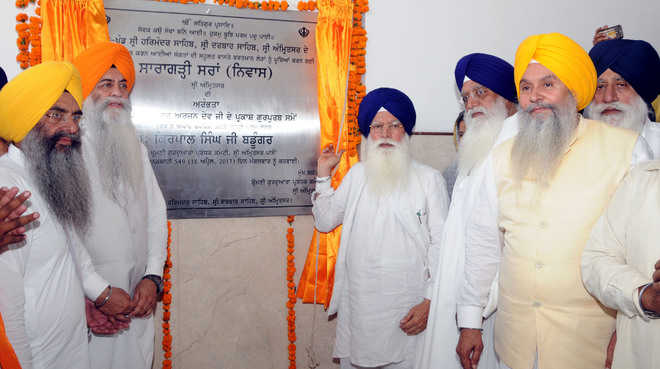
Students to be taught about Saragarhi battle: Badungar
SGPC chief Kirpal Singh Badungar (second from right) inaugurates Saragarhi Niwas in Amritsar on Tuesday. tribune photo: vishal kumar

Amritsar, April 18

The Battle of Saragarhi, one of the greatest stand-offs in the Indian history, is now going to be part of the curriculum of the SGPC-run educational institutes.This was disclosed by SGPC chief Kirpal Singh Badungar while inaugurating the state-of-the-art inn dedicated to the 21 Sikhs, who chose to fight to death while facing 10,000 Afghan attackers, in the Battle of Saragarhi on September 12, 1897. It occurred in North-West Frontier Province, which was part of British India at that time. It is now named Khyber-Pakhtunkhwa and is part of Pakistan.Badungar said even as the story is part of school curriculum in countries such as France, Italy, Japan and the UK, the Centre had never spared a thought for it.“We have decided to include the history of Saragarhi battle in the curriculum of our 38 colleges, 80 schools, medical college, Guru Granth Sahib University, polytechnic and other institutions. We are putting up a resolution in our upcoming executive body meeting to seek nod for it,” he said. — TNS

Top educationist to be VC of PTU

Rajmeet Singh

Tribune News Service

Chandigarh, April 18

The Punjab Government today decided to appoint a reputed educationist as Vice-Chancellor of the government-run IK Gujral Punjab Technical University (PTU), Jalandhar.While clearing the appointment, the CM has directed the Department of Technical Education to invite fresh applications through public notice and get them scrutinised by a search committee headed by the Chief Secretary (CS).The previous Technical Education Minister, Madan Mohan Mittal, and the then CS Sarvesh Kaushal had locked horns on the selection of the Vice-Chancellor. The government has decided to consider 28 applications that were received during the term of the previous government.Due to the cold war between Mittal and Kaushal, the Vice-Chancellor’s post had been lying vacant since January 2015 even as a 12-member Board of Governors (BOG) had recommended a three-member panel to select the Vice-Chancellor.Mittal, who had even gone public in blaming the CS for “violating rules” while forwarding the panel had reportedly been lobbying for a candidate with a saffron background.The then panel comprised Dr MP Poonia, director, National Institute of Technical Teachers Training and Research (NITTTR), Chandigarh; Dr VK Rattan (professor in Panjab University) and Dr Sanjay Marwaha, a professor of Sant Longowal Institute of Engineering and Technology, Sangrur.

Printing woes: Schools to have book banks

Chandigarh, April 18

Struggling to provide textbooks to students in time, the Education Department today announced “book banks” in all schools to save time and money of the students.Students will be asked to submit their old books, which in turn would be provided free of cost to others in need.The department is also mulling to incentivise such students. However, the department has not finalised the criteria and method on how to do so.The decision comes when Punjab School Education Board (PSEB), which publishes books on behalf of the department, is facing a severe shortage of paper.“The constitution of the book bank is purely voluntary and is not binding on any student. Those contributing towards the book bank must be incentivised, which is being deliberated upon, Education Minister Aruna Chaudhary said. — TNS

Punjab CM writes to VC, promises help

Tribune News Service

Chandigarh, April 18

A day after Punjab Finance Minister Manpreet Badal offered help, Chief Minister Capt Amarinder Singh wrote to the Panjab University Vice-Chancellor, reiterating the same.Arun Kumar Grover, Vice-Chancellor, Panjab University, said, “We received a letter from the Chief Minister today. he asked us to consult with the state Finance Minister in this regard.”The Vice-Chancellor, however, said he had written to the Finance Minister, seeking a meeting, to which he is yet to responsd.Notably, on Monday, the Congress government had assured to help the university and accused the previous SAD-BJP dispensation of not providing adequate funds to it.Earlier, Grover had written to the government seeking a meeting to apprise it of the financial situation.