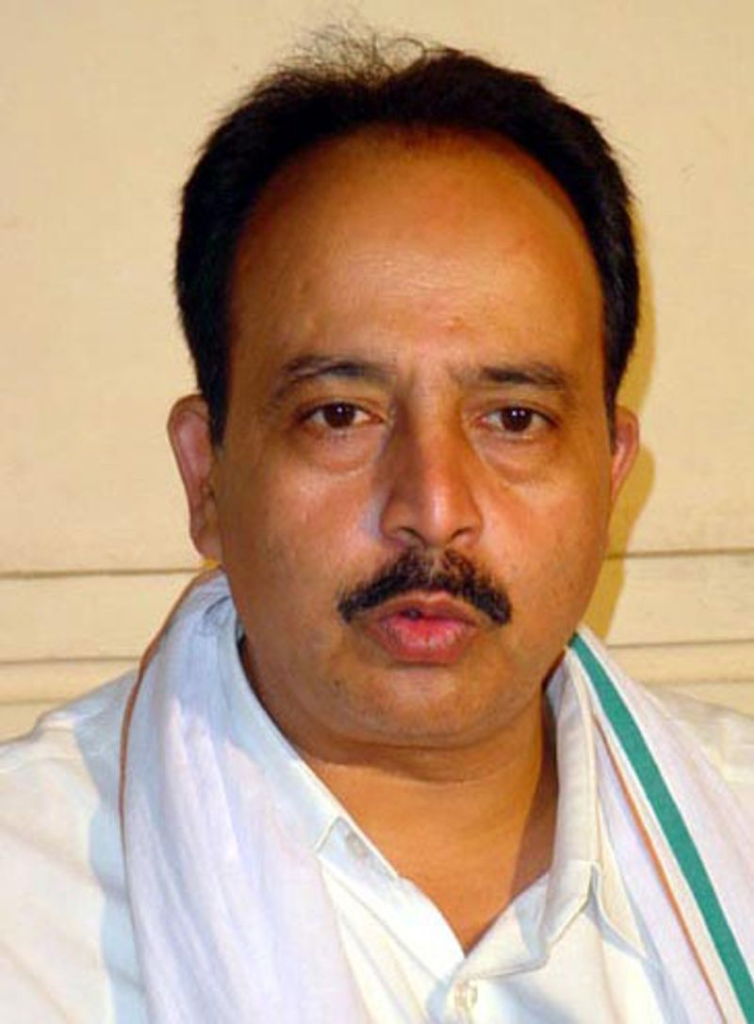
Granting special family pension to the widow of a soldier 37 years after his death during service, the Armed Forces Tribunal (AFT) has imposed an “exemplary” cost of Rs 2 lakh on the authorities concerned for causing suffering to the widow.
Naik Dharambir was enrolled into the Rajputana Rifles in 1975. While in service, he suffered from Hepatitis and died in 1987. His death certificate stated that his medical condition had been aggravated by the military service, making her widow eligible for special family pension, which is higher than ordinary pension.
However, the case of the soldier’s widow was processed for the grant of ordinary family pension by the Controller of Defence Accounts (Pensions), Allahabad. Even the Records Office of the Rajputana Rifles mutely agreed to the award, which even the widow accepted on account of her illiteracy.
It was after 30 years that she came to know that keeping in view the circumstances of the death of her husband, she was entitled to higher pension.
In 2017, she sent a legal notice to the Records Office and pension authorities, seeking sanction of special family pension. But her claim was rejected, following which she moved the AFT in 2019.
During the pendency of the case, the Records Office wrote to the Principal Controller of Defence Accounts (PCDA) that she was entitled to special family pension, but the letter was rejected by PCDA on the grounds that she had been granted ordinary pension in 1988 and the appeal was now time-barred.
Pointing out that even though the widow’s claim was genuine, the PCDA was not acting upon the same, the Bench of Justice Sudhir Mittal and Lt Gen Ranbir Singh ruled that they deserve to be burdened with exemplary costs of Rs 2 lakh.
The Bench ruled that she was entitled to special family pension from the day her husband died along with full arrears.
Lal Bahadur Shastri, the second Prime Minister of India, was a symbol of simplicity, humility and integrity. Born on October 2, 1904, in Mughalsarai, Uttar Pradesh, Shastri played a pivotal role in shaping modern India. His leadership and policies have left a lasting legacy, inspiring generations to come.
Shastri was born to Sharada Prasad Srivastava, a school teacher, and Ramdulari Devi. His father passed away when Shastri was just a year old, leaving his family in financial hardship. Despite these challenges, he was determined to pursue education.
He dropped his surname, ‘Srivastava,’ at a young age as a statement against the caste system. After completing his primary education in Varanasi, he joined Kashi Vidyapeeth, where he earned the title ‘Shastri,’ meaning ‘scholar.’ This became synonymous with his identity.
Shastri was deeply influenced by the teachings of Mahatma Gandhi and joined the Indian freedom struggle in 1921. He actively participated in movements such as the Non-Cooperation Movement, the Salt Satyagraha and the Quit India Movement, enduring imprisonment several times.
As a close follower of Gandhi and Jawaharlal Nehru, Shastri emphasised the principles of non-violence and self-reliance. He also worked to promote khadi and swadeshi products, embodying the ideals of self-sufficiency.
After India gained Independence in 1947, Shastri joined the provisional government, serving in various capacities. As the Union Minister of Transport and Railways, he introduced reforms, including the provision of third-class compartments in trains and better amenities for passengers.
He later served as the Minister of Home Affairs and established a reputation for his administrative skills, honesty and dedication. In 1964, following the death of Jawaharlal Nehru, Shastri was unanimously chosen as India’s second Prime Minister.
His tenure as Prime Minister, though short, was marked by significant achievements. One of his most notable contributions was his leadership during the 1965 Indo-Pak War. His slogan, ‘Jai Jawan, Jai Kisan’ (hail the soldier, hail the farmer), captured the spirit of India and emphasised the importance of defence and agriculture.
Shastri also laid the groundwork for the Green Revolution, which transformed India’s agricultural sector and addressed food shortages. He encouraged farmers to adopt modern techniques and work towards self-sufficiency in food production.
Known for his simplicity and modest lifestyle, Shastri lived in a small house, shunned extravagance and upheld ethical standards in public life. His integrity and humility earned him immense respect across political and social spectrums.
Shastri passed away on January 11, 1966, under mysterious circumstances in Tashkent, Uzbekistan, after signing the Tashkent Agreement to resolve the Indo-Pak conflict. His death remains shrouded in controversy, but his contributions are celebrated nationwide.
His life and work exemplify selflessness, dedication and patriotism. His legacy continues to inspire leaders and citizens, reminding us of the power of honesty and hard work in nation-building.
Shastri was a leader who connected deeply with the masses, championed national causes and upheld the values of simplicity and integrity. His life remains a testament to the ideals of humility and perseverance in the service of the nation.
Haryana first state to offer security cover to Agniveers: Minister
Haryana Sainik and Ardh Sainik Welfare Minister Rao Narbir Singh has said that Haryana has become the first state to offer a security cover for Agniveers. Under the Central government’s Agneepath scheme, which was launched on July 15, 2022, Agniveers have been recruited in the armed forces. The scheme also stipulates that 25% of Agniveers will be regularised after their service.
The first batch of Agniveers is expected to complete their service in July 2026, while Haryana’s Cabinet has already taken a progressive step by implementing the Haryana Agniveer Policy 2024, ensuring robust security and welfare measures for Agniveers.
The minister revealed that during 2022-23, a total of 1,830 Agniveers were recruited into the Army, Navy, and Air Force, followed by around 2,215 Agniveers in 2023-24.
He further shared that as part of the state’s commitment, a series of initiatives will be rolled out. These include a 10% horizontal reservation for Agniveers in the recruitment of police personnel, mining guards, jail wardens, and Special Police Officers. Additionally, 5% reservation will be provided for direct recruitment in Group C posts, and 1% in Group A posts.
To support the Agniveers in their transition, the state will also provide a five-year relaxation in the age limit for the first batch of Agniveers, along with exemption from the Common Eligibility Test. For those interested in self-employment or entrepreneurship, Agniveers will be eligible for loans of up to Rs 5 lakh. They will also receive priority in employment through the Haryana Skill Employment Corporation.
To further incentivise industries, the government will offer an annual subsidy of Rs 60,000 to those industries that hire Agniveers on a monthly salary of Rs 30,000 or more. In addition, Agniveers seeking careers in private security will be given priority in obtaining gun licences.
The Army has ordered a court of inquiry to look into an alleged brawl at a function in Meghalaya in November. Major Vinay Kumar Singh has alleged assault and humiliation at the hands of personnel of Army and lodged an…
The Army has ordered a court of inquiry to look into an alleged brawl at a function in Meghalaya in November. Major Vinay Kumar Singh has alleged assault and humiliation at the hands of personnel of Army and lodged an FIR in Meghalaya in December.
The Army probe is verifying facts of the incident and a probe is on to first examine the conduct of the Major and the subsequent allegations of a brawl. The incident occurred on November 15. The filing of the FIR was delayed as Major Singh was undergoing treatment in Kolkata. As per the FIR, Major Singh is currently posted as Assistant Chief Law Officer, Assam Rifles.
Women contingent, NCC girl cadets to march in Army Day parade
The Indian Army is set to celebrate its 77th Army Day on January 15 in Pune, marking two significant milestones. For the first time, an all-girl contingent from the National Cadet Corps (NCC) and an all-woman contingent from the Army…
The Indian Army is set to celebrate its 77th Army Day on January 15 in Pune, marking two significant milestones. For the first time, an all-girl contingent from the National Cadet Corps (NCC) and an all-woman contingent from the Army will participate in the parade.
The Army’s all-woman contingent will comprise other ranks (jawans) and will be led by a woman officer. This initiative follows the Army’s recruitment of women in non-officer ranks in the Corps of Military Police in recent years.
Among other highlights, the parade will feature a band from the Nepal Army and showcase India’s military prowess, heritage and cutting-edge technologies. Advanced innovations, such as robotic multi-utility legged equipment designed to enhance soldiers’ mobility in challenging terrains, will also be on display.
This is the second time the Army Day parade is being held outside the national capital; last year, it took place in Bengaluru. The parade will also be complemented by the ‘Know Your Army’ exhibition, providing the public an interactive experience with soldiers and military equipment.
Army Day commemorates January 15, 1949, when General KM Cariappa became the first Commander-in-Chief of the Indian Army, succeeding General Sir Francis Butcher.
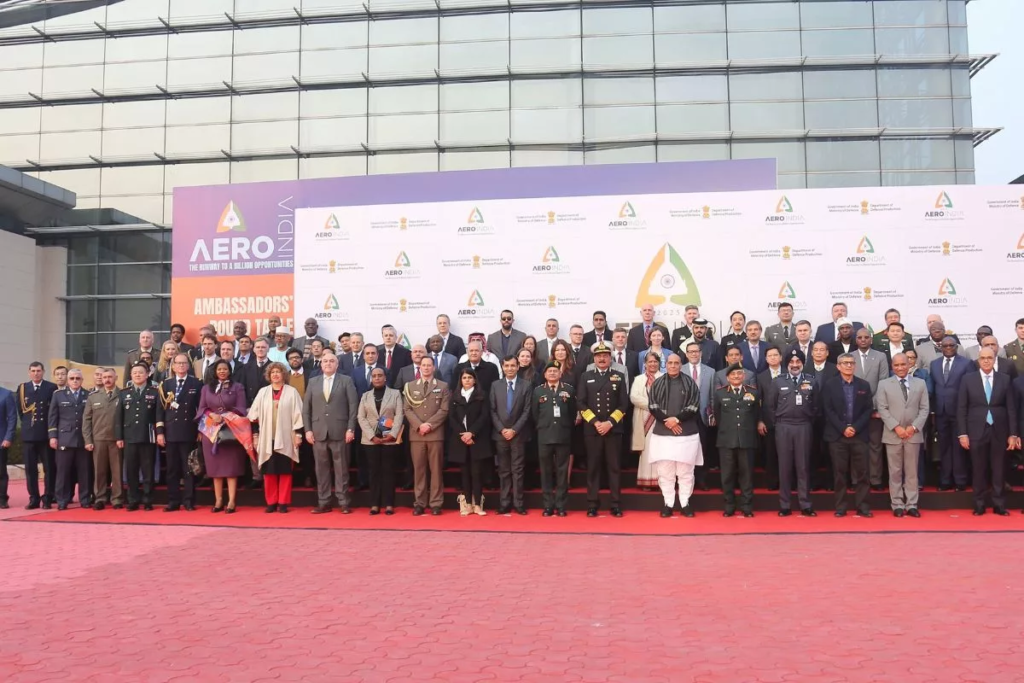
STATESMAN NEWS SERVICE NEW DELHI, 10 JANUARY Defence Minister Raj nath Singh empha sized India’s grow ing appeal as an investment destination, par ticularly in the defence and aerospace sectors, during the Ambassadors’ Round Table held today as a precursor to Aero India 2025. Addressing Ambassadors and High Com missioners from various nations, Singh highlighted Aero India 2025 as a platform for friendly nations to explore collaborative strengths and capabilities in the defence sector, catering to both strate gic and tactical needs. Acknowledging the current global security challenges and geopolitical tensions, Singh stressed the importance of collective global action. “Like-minded countries must strive together for peace and prosperity. Without these, future generations cannot fully benefit from the eco nomic growth and techno logical innovations of our era,” he said. The Defence Minister pointed out that India is emerging as a leading voice for the Global South and champions a multi-aligned policy approach, ensuring diverse perspectives are included in the pursuit of global prosperity. He referred to Prime Minister Narendra Modi’s five guiding princi ples—Respect, Dialogue, Cooperation, Peace, and Pros perity—as central to India’s commitment to addressing global challenges. He further noted that India’s vision of Vasudhaiva Kutumbakam (One Earth, One Family), which was the theme of the G-20 Summit in 2023, reflects its dedication to shared pros perity and responsibility. Singh also underscored the Indian government’s HP govt to strengthen State Electricity Board focus on self-reliance in the defence and aerospace sectors. “India possesses one of the largest defence industrial ecosystems in Asia, and the government remains com mitted to enhancing its capa bilities,” he said. Highlighting key milestones, he referred to the collaboration between Tata Advanced Systems Lim ited and Airbus Defence and Space in establishing the C 295 transport aircraft man ufacturing facility for the Indian Air Force, showcasing India’s ability to attract foreign investments and partner ships. He added that Aero India 2025 will act as a pivotal plat form for fostering collabo ration among industry leaders, technology experts, and entre preneurs. “The event will open new avenues for defence industrial enterprises and provide opportunities for partnerships that will shape inclusive and sustainable growth,” Singh said. The Defence Minister also emphasized the government’s transformative policy reforms aimed at promoting domestic design, development, man ufacturing, and exports in the defence sector. As part of its vision for Aatmanirbhar Bharat, the government has designated aerospace as a core sector. This has spurred significant advancements in cutting-edge defence tech nologies through active par ticipation from both public and private sectors. In conclusion, Singh called upon the global community to foster unity and collabo ration, stating that events like Aero India 2025 provide a vital forum for addressing contemporary challenges while driving collective growth and prosperity. Chief Minister Thakur Sukhvinder Singh Sukhu, while chairing a review meeting of the agriculture department here on Friday, said that the state govern ment was committed to promote natural farming and all possible efforts were being made in this direc tion.He directed the depart ment to map farmers culti vating wheat and maize through natural farming methods across the state. “All farms under the agri culture department in the state would be fully devel oped for natural farming by next year, which would focus solely on producing seeds for natural farming”, he said while giving instruc tions for establishment of high-tech storage centres for wheat and maize pro duced through natural farm ing. He said that one lakh families would be linked with natural farming in the coming year and also direct ed to explore possibilities
Aero India presents opportunity to address strategic, tactical needs: Rajnath
Like-minded countries should strive together for collective actions for peace in view of the state of “flux” triggered by multiple con flicts in the world, Defence Minister Rajnath Singh said on Friday. In an address at an ‘Ambassadors’ Round-Table’, he said the next month’s ‘Aero India’ aerospace exhibition in India presents an opportunity for nations to jointly explore strengths and capabilities and address “strategic” as well as “tactical needs”. The defence minister said aerospace power is the “new frontier of military dominance” which acts as strategic deterrence. India’s biennial aerospace exhibition Aero-India will be held at Yelahanka on the outskirts of Bengaluru from February 10-14 with an aim to project the country as a hub for de fence manufacturing. Singh said the Indian aerospace and defence sector represents an attractive opportunity for foreign companies seeking to establish new ventures and partnerships. “It is of paramount importance that the like-minded countries should strive together for col lective actions for peace and prosperity,” he said. “Without these, our future generations will not be able to take ad vantage of economic growth or technological innovations that we are experiencing in today’s era,” Singh told en voys of several countries. Singh said India is emerg ing as a leading voice for the Global South, and it advo cates for a multi-aligned pol icy approach, which ensures that diverse views are consid ered in the collective pursuit of prosperity. “In today’s geo political landscape, fostering unity among like-minded na tions is essential for ensuring mutual prosperity and peace, while addressing contem porary challenges,” he said. The defence minister said India has always champi oned shared prosperity and shared responsibility based on the fundamental principle of Vasudhaiva Kutumbakam (One Earth, One Family). Singh described Aero India as one such event, where “na tions come together and form bonds beyond boundaries.” Elaborating on the vision behind the biennial event, he stated that it has prov en itself to be the meeting ground for the aerospace and defence sectors to showcase their products/technologies. He defined it as a forum to forge strategic partnerships towards increasing opportu nities for business, transfer of technology, joint devel opment and co-production. The Aero India will feature a ‘Defence Ministers’ Con clave, CEOs’ round-table and a large exhibition comprising India Pavilion and a trade fair of aerospace compa nies. In his remarks, Singh emphasised that India now possesses one of the largest defence industrial ecosystems in Asia and cited the “signifi cant milestone” of setting-up of a production facility for C-295 transport aircraft in in Vadodara. The defence minister as serted that India has emerged as an attractive destination for investment, and Aero India presents an opportu nity for friendly nations to jointly explore strengths and capabilities in the defence sector.
Navy gets delivery of sixth and last Kalvari-class submarine
Designed for a variety of missions, the submarine is capable of anti-submarine warfare, intelligence gathering, area surveillance and special operations
The sixth and final Kalvari-class submarine, built by Mazagon Dock Shipbuilders Limited (MDL), was handed over to the Indian Navy today. The submarine, named “Vaghsheer”, is scheduled for commissioning on January 15.
Vaghsheer underwent a series of comprehensive and rigorous tests and trials over the past year. The Naval Group of France collaborated with MDL to build the Kalvari-class submarines, a variant of the Scorpene-class designed by the Naval Group.
The Indian Navy has already commissioned the earlier five submarines in the class — Kalvari, Khanderi, Karanj, Vela, and Vagir.
The state-of-the-art technology used in the Kalvari-class submarines ensures superior stealth capabilities, enabling the vessel to emit minimal noise during undersea operations.
Designed for a variety of missions, the submarine is capable of anti-submarine warfare, intelligence gathering, area surveillance and special operations. It is equipped with wire-guided torpedoes, anti-ship missiles, advanced sonar systems, and precision-guided weapons. Additionally, it can launch missiles from beneath the sea.
Vaghsheer distinguishes itself from its sister submarines with indigenously developed features, including an internal communication and broadcast system, main batteries and Ku-band satellite communication capabilities.The Kalvari class is a conventional diesel-electric-powered submarine, renowned for its ‘silent’ undersea operations. Its modular construction allows for future upgrades, such as integrating Air Independent Propulsion (AIP) technology, which extends underwater endurance. On December 30, the Ministry of Defence signed a Rs 1,990 crore contract for the future incorporation of AIP technology into the Kalvari class.
AIP is a marine propulsion technology that enables non-nuclear submarines to remain submerged for longer durations. Conventional diesel-electric submarines need to surface every three to four days to recharge their batteries, whereas submarines with AIP can stay underwater for eight to 10 days. This significantly enhances stealth and operational effectiveness.
India asks friendly nations to join hands at aero show
Pushing to position Aero-India as a prime event for the aerospace sector, Defence Minister Rajnath Singh today called upon like-minded nations to join hands to explore strengths and capabilities for strategic and tactical needs. Chairing the ‘Ambassadors’ Round-Table’ as a…
Pushing to position Aero-India as a prime event for the aerospace sector, Defence Minister Rajnath Singh today called upon like-minded nations to join hands to explore strengths and capabilities for strategic and tactical needs.
Chairing the ‘Ambassadors’ Round-Table’ as a prelude to Aero-India, Rajnath said, “Aerospace is the new frontier of military dominance, which acts as strategic deterrence.” Some 150 friendly countries were invited for the roundtable today. He argued that the current security environment had multiple conflicts and challenges.
Aero-India, a biennial event, is to be conducted in Bengaluru from February 10-14. It attracts a large number of exhibitors from the world’s leading industries in the field of aerospace and defence.
The minimum support price (MSP) system was a significant policy intervention for ensuring food security and protecting farmers from market fluctuations. However, it has begun to show limitations and is now a source of unrest among farmers. Its narrow focus on a few crops has drawn criticism as today’s agricultural challenges are evolving, with rising costs, ecological concerns and the need for viable alternatives.
While the MSP system successfully stabilised wheat and paddy production, it inadvertently discouraged crop diversification, leaving farmers vulnerable to market volatility and climate impacts. The demand for reform is escalating, with farmers advocating for a legal MSP framework that encompasses a broader range of crops, backs sustainability and enhances economic security.
Opponents of an expanded MSP, including many economists, argue that such a system is impractical and financially unsustainable for the government, which they believe should not be obligated to purchase all crops. They argue for a more liberated agricultural market, similar to other economic sectors.
However, the agricultural market is not as free as it might seem; government regulations to maintain affordable food prices sometimes create opacity and most of the small and marginal farmers cannot compete against powerful traders and intermediaries.
Moreover, there is no demand requiring government purchases at MSP. Yet, it is crucial that MSP serves as a price floor — ensuring market prices do not drop below it. Reforming the MSP to align with free-market principles requires creative thinking from policymakers, economists and legal experts.
A promising approach is the establishment of a diversified MSP. Expanding coverage beyond wheat and paddy to include pulses, oilseeds, millets and horticultural produce would create a more inclusive and dynamic system, responsive to farmers’ needs. This will not only secure farmers financially but also promote sustainable practices. For instance, millets need less water than paddy, making them ideal for drought-prone areas, while pulses can enrich soil quality.
To successfully implement a diversified MSP, five key elements are essential:
1. Dynamic pricing: MSP rates should adapt to regional needs, market trends and environmental conditions to ensure equitable compensation and promote sustainable practices.
2. Robust infrastructure: Significant investments are necessary to enhance storage, transportation and processing facilities, helping reduce post-harvest losses.
3. Legal safeguards: Farmers must have legal protections to secure fair prices and mechanisms to deter exploitation.
4. Technological integration: Utilising digital platforms can aid in transparent price discovery and facilitate direct sales between farmers and consumers.
5. Education: Training and awareness campaigns are crucial to inform farmers about the benefits of diversification.
The demand for reformed and expanded MSP is justified because in the last over five decades, states have not evolved any sustainable alternative marketing intervention for the farmers. The Government of India made special financial provisions for MSP as a marketing intervention to meet the challenges of food security.
The food credit limits sanctioned to the Green Revolution states were not included in their public borrowings. This special dispensation, often termed special central assistance, was crucial for these states. However, during all these years, innovative market access systems should have been developed to give farmers alternative options. In the absence of any other alternatives, the farmers’ dependence on MSP and their demand for its expansion is appropriate.
However, it is never too late. Both the Central and state governments need to evolve alternative market mechanisms for the farmers that assure them of good remuneration while maintaining the floor process for the produce.
There are good examples to emulate. Some countries have implemented agricultural support mechanisms that could inspire MSP reforms in India. For example, the US employs a combination of direct payments, crop insurance and market loans to support its farmers. These steps ensure that farmers have multiple safety nets and are not overly dependent on any single policy. The US Farm Bill includes provisions for price loss coverage and agricultural risk coverage, which help stabilise farmers’ incomes during price drops. Similarly, the European Union’s Common Agricultural Policy (CAP) offers subsidies and incentives for sustainable farming practices, which can be adapted to Indian conditions to promote crop diversification and environmental conservation.
Further, farmer cooperatives have shown promise in providing market stability and better bargaining power for small farmers. These cooperatives can be leveraged to aggregate produce, negotiate better prices and reduce dependency on middlemen.
Examples from countries like Israel and the Netherlands illustrate how cooperative models can significantly enhance the profitability and sustainability of farming communities. In Israel, cooperative societies like Tnuva have helped farmers secure better market access and fairer prices through collective marketing and distribution networks.
While government intervention is crucial in determining MSP for crops, a collaborative approach that includes private sector involvement in procurement could alleviate the financial load on public systems. Incentivising private companies through tax benefits to procure products at or above MSP can enhance market competitiveness and opportunities for farmers. This model has seen success in the contract farming system in Thailand, where private companies provide guaranteed prices to farmers, ensuring stable incomes.
Further, connecting farmers directly to consumers or industries through digital platforms can bypass intermediaries, resulting in fairer prices. Initiatives like e-NAM (National Agriculture Market) in India are steps in the right direction. They promote a unified online trading platform for agricultural commodities. Investing in training for young farmers and providing transport support to target markets is vital for achieving better pricing. Digital literacy programmes and mobile-based applications can empower farmers with real-time market information, enhancing their decision-making capabilities.
The urgent need for MSP reform is clear. Environmental issues and farmer discontent demand prompt action. By diversifying the MSP system, we can transform agriculture into a more resilient and prosperous sector.
A restructured MSP would broaden safety nets and encourage sustainable practices, empowering farmers to thrive amidst challenges. It can create a balanced agricultural ecosystem where farmers are protected, markets are efficient and food security is assured for future generations.
State Stalwarts
DEFENCE MINISTER
Minister Rajnath Singh
ALL HUMANS ARE ONE CREATED BY GOD
HINDUS,MUSLIMS,SIKHS.ISAI SAB HAI BHAI BHAI
CHIEF PATRON ALL INDIA SANJHA MORCHA
LT GEN JASBIR SINGH DHALIWAL, DOGRA
SENIOR PATRON ALL INDIA SANJHA MORCHA
MAJOR GEN HARVIJAY SINGH, SENA MEDAL ,corps of signals
.
.
PATRON ALL INDIA SANJHA MORCHA
MAJ GEN RAMINDER GURAYA ,MADRAS REGIMENT
sanjhamorcha303@gmail.com
PRESIDENT SOUTH ALL INDIA SANJHA MORCHA
COL SS RAJAN BOMBAY SAPPERS,
PRESIDENT UTTARAKHAND ALL INDIA SANJHA MORCHA
COL B M THAPA ,BENGAL SAPPERSS
PRESIDENT HARAYANA STATE CUM COORDINATOR ESM
BRIG DALJIT THUKRAL ,BENGAL SAPPERS
PRESIDENT TRICITY
COL B S BRAR (BHUPI BRAR)
PRESIDENT CHANDIGARH ZONE
COL SHANJIT SINGH BHULLAR
.
.
PRESIDENT PANCHKULA ZONE AND ZIRAKPUR
COL SWARAN SINGH
INDIAN DEFENCE FORCES
DEFENCE FORCES INTEGRATED LOGO
INDIAN AIR FORCE
Air Officer C-in-C WESTERN AIR COMMAND
AIR MSHL S PRABHAKARAN AVSM VM
AOC-IN-C, EASTERN AIR COMMAND
Air Marshal Inderpal Singh Walia
AOC-in-C SOUTH WESTERN AIR COMMAND
Air Marshal Vikram Singh
AOC-IN-C, SOUTHERN AIR COMMAND
Air Marshal J.Chalapati
AOC-IN-C TRAINING COMMAND
AIR MARSHAL SK GHOTIA VSM
AOC-IN-C MAINTENANCE COMMAND
Air Marshal Jagdish Chandra
Flag Officer Commanding in Chief, Western Naval Command
ice Admiral R Hari Kumar, PVSM, AVSM, VSM
Flag Officer Commanding in Chief, Eastern Naval Command
Vice Admiral Sanjay Bhalla, AVSM, NM
Flag Officer Commanding in Chief, Southern Naval Command