
All posts by webadmin
Ex-Servicemen (Kranti Kari Org) took active part in Rally along with farmers ,Labours, Teachers against corruption of Management of Rampura Phul Adarsh school for corruption run under the chairmanship of CM Bhagwant Mann
ਮਿਤੀ 12 ਅਪ੍ਰੈਲ 2025 ਨੂੰ ਰਾਮਪੁਰਾ ਫੂਲ ਵਿਖੇ, ਵਿਸਾਲ ਰੈਲੀ ਕੱਢੀ ਗਈ, ਜੋ ਕਿ ਆਦਰਸ ਸਕੂਲ, ਪਿੰਡ ਚਉਕੇ ਜਿਲਾ ਬਠਿੰਡਾ ਦੇ ਵਿੱਚ ਸਕੂਲ ਦੀ ਮੈਨੇਜਮੈਂਟ ਵੱਲੋਂ, 12, 15 ਸਾਲ ਤੋਂ ਕੰਮ ਕਰ ਰਹੇ ਟੀਚਰਾਂ ਨੂੰ ਨੌਕਰੀ ਤੋਂ ਕੱਢਿਆ ਗਿਆ, ਉਸ ਸਕੂਲ ਦੀ ਮੈਨੇਜਮੈਂਟ, ਟੀਚਰਾਂ ਦੇ ਸੈਲਰੀ ਵਾਲੇ ਅਕਾਊਂਟ ਦੇ ਏਟੀਐਮ, ਆਪਣੇ ਹੱਥ ਹੇਠ ਰੱਖੇ ਹੋਏ ਸਨ, ਸਪੋਜ 30 ਹਜਾਰ ਸੈਲਰੀ ਟੀਚਰਾਂ ਦੀ ਪਾਉਂਦੇ ਨੇ ਤਾਂ 20 ਹਜਾਰ ਰੁਪਏ ਏਟੀਐਮ ਰਾਹੀਂ ਡੇਵਿਡ ਕਰ ਲੈਂਦੇ ਨੇ ਤੇ 10 ਹਜਾਰ ਟੀਚਰਾਂ ਨੂੰ ਮਿਲਦਾ ਹੈ, ਪੰਜ ਸੱਤ ਸਾਲਾਂ ਤੋਂ ਬੱਚਿਆਂ ਨੂੰ ਕੋਈ ਯੂਨੀਫਾਰਮ ਨਹੀਂ, ਕੋਈ ਬੈਗ ਨਹੀਂ, ਕੋਈ ਮੈਡੀਕਲ ਫੈਸਿਲਿਟੀ ਨਹੀਂ, ਕੋਈ ਪਾਣੀ ਪੀਣ ਵਾਲੇ ਦਾ ਪ੍ਰਬੰਧ ਨਹੀਂ ਹੈ, ਇਸ ਬਾਰੇ ਜਦੋਂ ਮੈਨੇਜਮੈਂਟ ਨੂੰ ਟੀਚਰਾਂ ਨੇ ਕਿਹਾ, ਤਾਂ ਉਹਨਾਂ ਨੂੰ ਨੌਕਰੀ ਤੋਂ ਫਰਗ ਕੀਤਾ ਗਿਆ, ਉਹਨਾਂ ਸਕੂਲਾਂ ਦਾ ਚੇਅਰਮੈਨ ਮੁੱਖ ਮੰਤਰੀ ਭਗਵੰਤ ਸਿੰਘ ਮਾਨ ਹੈ, ਖੁਦ ਮੁੱਖ ਮੰਤਰੀ ਹੀ ਭਰਿਸ਼ਟਾਚਾਰ ਨੂੰ ਬਡਾਵਾ ਦੇ ਰਿਹਾ ਹੈ, ਔਰ ਉੱਪਰੋਂ ਕਹਿੰਦਾ ਹੈ, ਕਿ ਭਰਿਸ਼ਟਾਚਾਰ ਮੁਕਤ ਪੰਜਾਬ ਬਣਾਵਾਂਗੇ, ਇਹੀ ਪੰਜਾਬ ਸਰਕਾਰ ਤੇ ਮੁੱਖ ਮੰਤਰੀ ਪੰਜਾਬ ਦੀ ਖਾਸੀਅਤ ਹੈਂ, ਜਿਵੇਂ ਕਹਿ ਦਈਏ, ਹਾਥੀ ਦੇ ਦੰਦ ਖਾਣ ਨੂੰ ਹੋਰ ਤੇ ਦਿਖਾਉਣ ਨੂੰ ਹੋਰ, ਇਸੇ ਮਸਲੇ ਨੂੰ ਲੈ ਕੇ 12 ਅਪ੍ਰੈਲ ਨੂੰ ਇੱਕ ਵਿਸਾਲ ਰੈਲੀ, ਕੱਢੀ ਗਈ, ਸਾਬਕਾ ਸੈਨਿਕ ਕ੍ਰਾਂਤੀਕਾਰੀ ਯੂਨੀਅਨ, ਸੂਬਾ ਪ੍ਰਧਾਨ ਪ੍ਰਗਟ ਸਿੰਘ ਢੀਡਸਾਂ ਦੀ ਅਗਵਾਈ ਵਿੱਚ ਯੂਨੀਅਨ ਨੇ ਆਪਣਾ ਯੋਗਦਾਨ ਪਾਇਆ, ਅਤੇ ਸਾਰੀਆਂ ਹੀ ਕਿਸਾਨ ਜਥੇਬੰਦੀਆਂ, ਮਜ਼ਦੂਰ ਜਥੇਬੰਦੀਆਂ, ਸਟੂਡੈਂਟ ਜਥੇਬੰਦੀਆਂ, ਅਧਿਆਪਕਾਂ ਦੀਆਂ ਜਥੇਬੰਦੀਆਂ, ਨੇ ਵੱਧ ਚੜ ਕੇ ਭਾਗ ਲਿਆ, ਅੰਤ ਵਿੱਚ ਭਾਰਤੀ ਕਿਸਾਨ ਯੂਨੀਅਨ ਏਕਤਾ ਉਗਰਾਹਾਂ ਦੇ, ਸੂਬਾ ਪ੍ਰਧਾਨ, ਜੁਗਿੰਦਰ ਸਿੰਘ ਉਗਰਾਹਾਂ, ਵੱਲੋਂ ਧੰਨਵਾਦ ਕੀਤਾ ਗਿਆ
ਮਿਤੀ 12 ਅਪ੍ਰੈਲ 2025 ਨੂੰ ਰਾਮਪੁਰਾ ਫੂਲ ਵਿਖੇ, ਵਿਸਾਲ ਰੈਲੀ ਕੱਢੀ ਗਈ, ਜੋ ਕਿ ਆਦਰਸ ਸਕੂਲ, ਪਿੰਡ ਚਉਕੇ ਜਿਲਾ ਬਠਿੰਡਾ ਦੇ ਵਿੱਚ ਸਕੂਲ ਦੀ ਮੈਨੇਜਮੈਂਟ ਵੱਲੋਂ, 12, 15 ਸਾਲ ਤੋਂ ਕੰਮ ਕਰ ਰਹੇ ਟੀਚਰਾਂ ਨੂੰ ਨੌਕਰੀ ਤੋਂ ਕੱਢਿਆ ਗਿਆ, ਉਸ ਸਕੂਲ ਦੀ ਮੈਨੇਜਮੈਂਟ, ਟੀਚਰਾਂ ਦੇ ਸੈਲਰੀ ਵਾਲੇ ਅਕਾਊਂਟ ਦੇ ਏਟੀਐਮ, ਆਪਣੇ ਹੱਥ ਹੇਠ ਰੱਖੇ ਹੋਏ ਸਨ, ਸਪੋਜ 30 ਹਜਾਰ ਸੈਲਰੀ ਟੀਚਰਾਂ ਦੀ ਪਾਉਂਦੇ ਨੇ ਤਾਂ 20 ਹਜਾਰ ਰੁਪਏ ਏਟੀਐਮ ਰਾਹੀਂ ਡੇਵਿਡ ਕਰ ਲੈਂਦੇ ਨੇ ਤੇ 10 ਹਜਾਰ ਟੀਚਰਾਂ ਨੂੰ ਮਿਲਦਾ ਹੈ, ਪੰਜ ਸੱਤ ਸਾਲਾਂ ਤੋਂ ਬੱਚਿਆਂ ਨੂੰ ਕੋਈ ਯੂਨੀਫਾਰਮ ਨਹੀਂ, ਕੋਈ ਬੈਗ ਨਹੀਂ, ਕੋਈ ਮੈਡੀਕਲ ਫੈਸਿਲਿਟੀ ਨਹੀਂ, ਕੋਈ ਪਾਣੀ ਪੀਣ ਵਾਲੇ ਦਾ ਪ੍ਰਬੰਧ ਨਹੀਂ ਹੈ, ਇਸ ਬਾਰੇ ਜਦੋਂ ਮੈਨੇਜਮੈਂਟ ਨੂੰ ਟੀਚਰਾਂ ਨੇ ਕਿਹਾ, ਤਾਂ ਉਹਨਾਂ ਨੂੰ ਨੌਕਰੀ ਤੋਂ ਫਰਗ ਕੀਤਾ ਗਿਆ, ਉਹਨਾਂ ਸਕੂਲਾਂ ਦਾ ਚੇਅਰਮੈਨ ਮੁੱਖ ਮੰਤਰੀ ਭਗਵੰਤ ਸਿੰਘ ਮਾਨ ਹੈ, ਖੁਦ ਮੁੱਖ ਮੰਤਰੀ ਹੀ ਭਰਿਸ਼ਟਾਚਾਰ ਨੂੰ ਬਡਾਵਾ ਦੇ ਰਿਹਾ ਹੈ, ਔਰ ਉੱਪਰੋਂ ਕਹਿੰਦਾ ਹੈ, ਕਿ ਭਰਿਸ਼ਟਾਚਾਰ ਮੁਕਤ ਪੰਜਾਬ ਬਣਾਵਾਂਗੇ, ਇਹੀ ਪੰਜਾਬ ਸਰਕਾਰ ਤੇ ਮੁੱਖ ਮੰਤਰੀ ਪੰਜਾਬ ਦੀ ਖਾਸੀਅਤ ਹੈਂ, ਜਿਵੇਂ ਕਹਿ ਦਈਏ, ਹਾਥੀ ਦੇ ਦੰਦ ਖਾਣ ਨੂੰ ਹੋਰ ਤੇ ਦਿਖਾਉਣ ਨੂੰ ਹੋਰ, ਇਸੇ ਮਸਲੇ ਨੂੰ ਲੈ ਕੇ 12 ਅਪ੍ਰੈਲ ਨੂੰ ਇੱਕ ਵਿਸਾਲ ਰੈਲੀ, ਕੱਢੀ ਗਈ, ਸਾਬਕਾ ਸੈਨਿਕ ਕ੍ਰਾਂਤੀਕਾਰੀ ਯੂਨੀਅਨ, ਸੂਬਾ ਪ੍ਰਧਾਨ ਪ੍ਰਗਟ ਸਿੰਘ ਢੀਡਸਾਂ ਦੀ ਅਗਵਾਈ ਵਿੱਚ ਯੂਨੀਅਨ ਨੇ ਆਪਣਾ ਯੋਗਦਾਨ ਪਾਇਆ, ਅਤੇ ਸਾਰੀਆਂ ਹੀ ਕਿਸਾਨ ਜਥੇਬੰਦੀਆਂ, ਮਜ਼ਦੂਰ ਜਥੇਬੰਦੀਆਂ, ਸਟੂਡੈਂਟ ਜਥੇਬੰਦੀਆਂ, ਅਧਿਆਪਕਾਂ ਦੀਆਂ ਜਥੇਬੰਦੀਆਂ, ਨੇ ਵੱਧ ਚੜ ਕੇ ਭਾਗ ਲਿਆ, ਅੰਤ ਵਿੱਚ ਭਾਰਤੀ ਕਿਸਾਨ ਯੂਨੀਅਨ ਏਕਤਾ ਉਗਰਾਹਾਂ ਦੇ, ਸੂਬਾ ਪ੍ਰਧਾਨ, ਜੁਗਿੰਦਰ ਸਿੰਘ ਉਗਰਾਹਾਂ, ਵੱਲੋਂ ਧੰਨਵਾਦ ਕੀਤਾ ਗਿਆ
English Translation
On April 12, 2025, a huge rally was held at Rampura Phul, which was held at Adarsh School, village Chauke, district Bathinda. The school management dismissed teachers who had been working for 12 to 15 years. The management of that school had kept the ATMs of the teachers’ salary accounts under their control. If Teacher was paid RS 30000/- as salary deposited in their accounts ,the management of school used to withdraw Rs 20000/- through ATM Debit Card held with them. These teachers raised basic demands from Management like Drinking water, Uniform for students ,medical facility ,No Bags , resulting these teachers suspension.
The Punjab chief Minister Bhagwant Mann is Chairman of these schools and he has no time to look into this but seems hand in gloves with Management .
The Chief Minister himself is promoting corruption, and he says from above that we will make Punjab corruption-free, this is the specialty of the Punjab government and the Chief Minister of Punjab, as we say, eating elephant tusks is one thing and showing them is another, regarding this issue.A grand rally was taken out on April 12 regarding this issue. The union, led by Ex-Sainik Krantikari Union, State President Pargat Singh Dhidsan, contributed to the cause, and all the farmer organizations, labor organizations, student organizations, and teachers' organizations participated in large numbers. Finally, the state president of the Bharatiya Kisan Union Ekta Ugrahan, Joginder Singh Ugrahan, expressed his gratitude.
Army illuminates border village with solar power in Karnah Valley
Simari, a border village in Karnah Valley, Kashmir, has been fully electrified and LPG-enabled through a joint initiative of the Indian Army’s Vajr Division and Aseem Foundation, under the aegis of Chinar Corps. Situated along the Line of Control (LoC)

Simari, a border village in Karnah Valley, Kashmir, has been fully electrified and LPG-enabled through a joint initiative of the Indian Army’s Vajr Division and Aseem Foundation, under the aegis of Chinar Corps.
Situated along the Line of Control (LoC), with one half of the village across in Pakistan-occupied Kashmir, Simari holds a strategic and democratic importance as polling booth number 1 of India is located here.
Until now, the villagers struggled with limited power and primitive cooking facilities.
Advertisement
Plagued by energy shortages and power cuts, 347 villagers residing in 53 homes relied heavily on firewood and kerosene. Responding to the villagers’ appeal, the Indian Army initiated a solar electrification and LPG distribution.
The village has been divided into four micro-grid clusters, each equipped with solar panels, inverters, batteries and LED lighting, ensuring a reliable and sustainable power supply. Additionally, all homes received LPG connections with double-burner stoves, eliminating dependence on polluting fuels and improving living conditions.
An officer said, “The initiative is dedicated to Col Santosh Mahadik, Shaurya Chakra, Sena Medal, who laid down his life in service of the nation. In a solemn tribute, Col Mahadik’s mother, Kalinda Mahadik and Sarang Gosavi, Founder and MD of Aseem foundation, will jointly inaugurate the solar electrification system in Simari on April 14.”“This initiative is a testament to the Indian Army’s steadfast commitment to border area development, in alignment with the Government of India’s Vibrant Villages Programme. It reinforces the Army’s role not just as defenders of the nation, but as partners in progress-bringing light, dignity, and opportunity to even the remotest frontiers of India” the officer said.
He said the Chinar Corps in cooperation with the Aseem Foundation, through its sustained efforts in rural electrification, clean energy adoption and community development had been playing a vital role in empowering border communities across Jammu & Kashmir. Its partnership in this project reflects a deep commitment to nation-building through innovation, inclusion and local engagement.
Terrorists, security forces exchange fire in J-K’s Poonch
One Army personnel injured in firing and shifted to a hospital, say officials
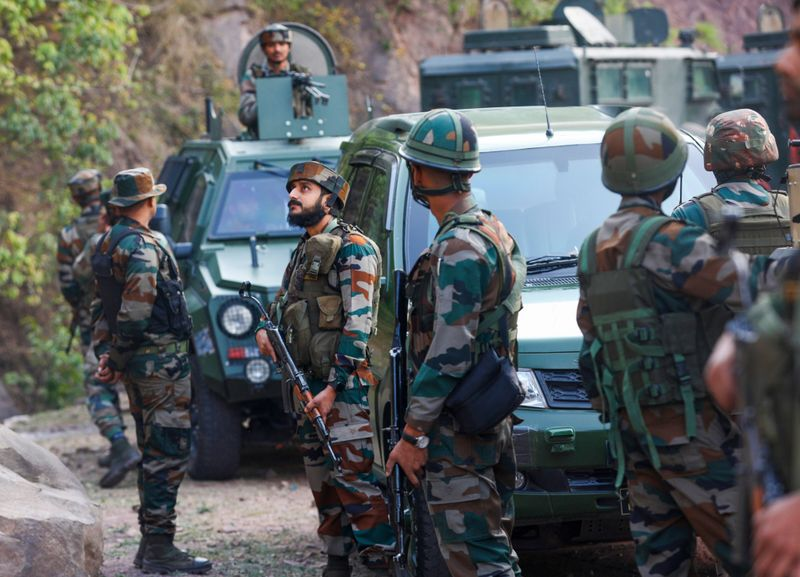
A brief exchange of fire took place between terrorists and security forces in a village in Jammu and Kashmir’s Poonch district, officials said on Tuesday.
The gunfire rattled the Lasana village of Surankote Monday night when security forces launched a search operation following information about the presence of terrorists, the officials said.
“Contact was established with terrorists during a joint operation with Police at Lasana, Surankote last night. Additional troops have been inducted, and search operations are ongoing to prevent the terrorists from escaping,” Army’s Jammu-based White Knight Corps wrote on X.
Officials said one Army personnel was injured in the firing, and was subsequently shifted to a hospital.
India joins elite group with laser anti-drone system test
India on Sunday carried out a successful trial of a laser-directed energy weapon system, joining a select group of nations having the new-age armament used to bring down hostile drones and unmanned aircraft. The Defence Research and Development Organisation (DRDO)…
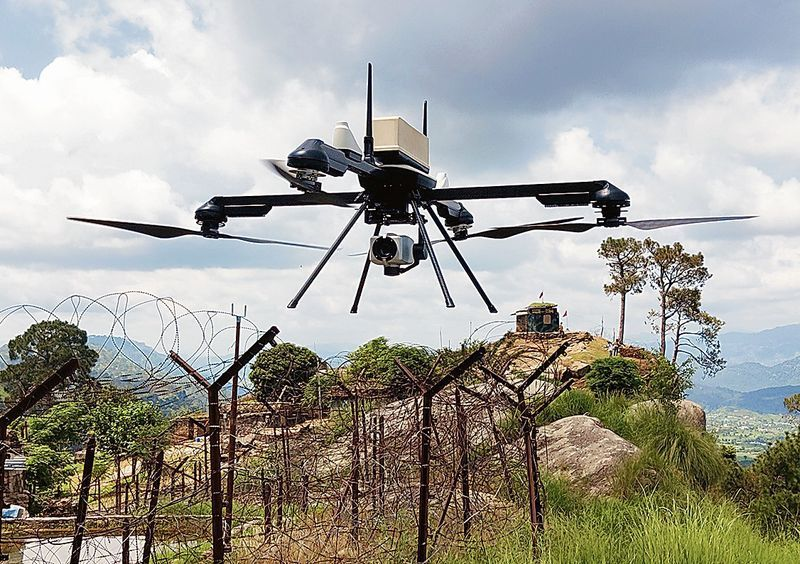
India joins elite group with laser anti-drone system test
India on Sunday carried out a successful trial of a laser-directed energy weapon system, joining a select group of nations having the new-age armament used to bring down hostile drones and unmanned aircraft. The Defence Research and Development Organisation (DRDO)…
Photo for representational purpose only. File photo
India on Sunday carried out a successful trial of a laser-directed energy weapon system, joining a select group of nations having the new-age armament used to bring down hostile drones and unmanned aircraft.
The Defence Research and Development Organisation (DRDO) said the weapon system was tested at Andhra Pradesh’s Kurnool.
India is among very few countries which are developing directed energy weapon systems to deal with future security challenges. The US, China and Russia are known to have developed directed energy weapon systems.
“CHESS DRDO conducted a successful field demonstration of the Land version of Vehicle mounted Laser Directed Weapon(DEW) MK-II(A) at Kurnool today,” the DRDO said in a social media post.
“It defeated the fixed wing UAV and Swarm Drones successfully. With this successful trial India has joined the exclusive club of powers who possess the high power Laser DEW System,” it said.
The Indian Air Force is already working towards integrating these weapon systems into airborne platforms.
Explainer: China could be providing GPS spoofing equipment in Myanmar, Pakistan
GPS spoofing is done with commercially available, cheap and portable equipment

Ajay Banerjee Tribune News Service
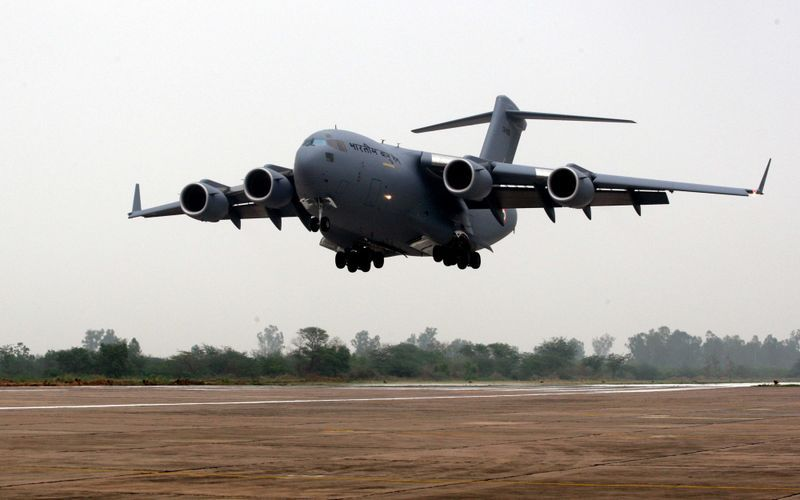
ndian Air Force planes flying relief material to earthquake-hit Myanmar faced cyber attacks—their Global Positioning Systems, used for navigation, were spoofed. In aviation parlance, it means the GPS gave wrong signals to pilots in an attempt to mislead them to follow a different flight path, other than what is determined by the Air Traffic Controller.
With many such cases being reported over Pakistani air space and Myanmar air space, the threat of China having supplied the equipment and training for doing this is not ruled out.
The IAF had sent in six sorties on March 29, a day after a 7.7-magnitude earthquake shook Myanmar. IAF pilots reported back about getting wrong GPS signals.
What is spoofing?
Spoofing means ‘fake’ information is sent to a plane in the air, while overriding the actual information. It is done using a radio transmitter that emits stronger signals than the real signals. The navigation system of the aircraft gets misled and starts working by considering the wrong ‘stronger’ signal as the correct one. GPS spoofing is done with commercially available, cheap and portable equipment, too, including using software-defined radios running open-source software.
GPS is one of the global navigation satellite systems (GNSS) used in the world. A constellation of satellites beam signals to Earth, ground-based receivers then transmit it and determine the location.
GPS spoofing can also interfere with smartphone apps and location data as well as involve cyberattacks on network systems and critical infrastructure that relies on GPS.
The threat of air-defence missiles getting activated
In South Asia all planes – civilian or military – need to get an air-defence clearance (ADC). This is like a security clearance required for flights operating through the Air Defence Identification Zones (ADIZ) of several countries in South Asia — India, Pakistan, Bangladesh, Myanmar and Nepal. Without an ADC, flights could face delays, or potentially being denied entry into the airspace.
The ADC number is transmitted to the Air Traffic Controllers, so that the air defence missile operators are notified and there is a clear information on what type of plane is flying in and the ground-based missiles don’t react.
Issues in Myanmar
Since the military coup in February 2021, there was a decline in ATC services as the staff went on strike. ATC services are back, however, amid growing unrest in the country with large swathes of territory under the control of rebels. Airspace is at risk because of military operations, surface-to-air fire and anti-aviation weaponry. The IAF planes, which had the GPS spoofed, were also at this risk, but they quickly shifted to inertial navigation system (INS). The INS is a back-up and used when a satellite breach disrupts the GPS. The INS puts the plane back on its correct course.
Civilian planes impacted regularly
The Ministry of Civil Aviation in reply in Lok Sabha on March 20 said several airlines have reported that aircraft operating in and around Amritsar have experienced GPS interference. Around 465 incidents of spoofing were reported along the Indo-Pak border region between November 2023 and February 2025. These were mostly in Amritsar and Jammu.
Pilots of civilian airlines are notified through what is called Notice to Airman (NOTAM).
All missions to Myanmar completed as planned: IAF
Indian Air Force pilots flying relief material to earthquake-hit Myanmar faced a calculated cyber attack that included mismatch of altitude, several areas getting blanked out and a slowing down of the communication system when flying over the country. The IAF,…
Ajay Banerjee Tribune News Service
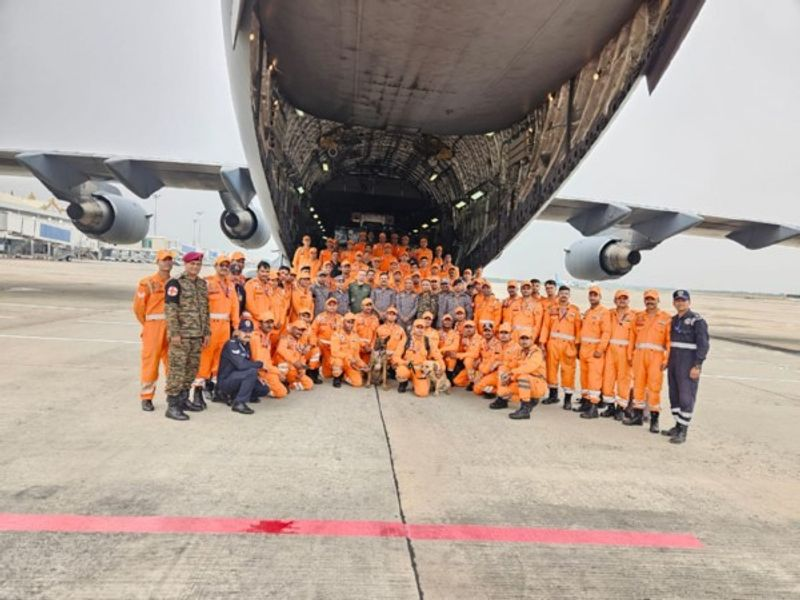
Indian Air Force pilots flying relief material to earthquake-hit Myanmar faced a calculated cyber attack that included mismatch of altitude, several areas getting blanked out and a slowing down of the communication system when flying over the country.
The IAF, reacting to social media posts about the incident and reports of spoofing of global positioning systems, said on X: “IAF crew are well capable to handle such unavailability (of GPS and navigation aids), while ensuring safety of flight and achievement of the designated task or mission. Accordingly, every mission was achieved as planned.”
The possibility of degraded GPS availability was published by Mandalay International airport, Myanmar, in notice to airmen (called NOTAM in aviation parlance). “ All due precautions were put in place to cater for such conditions,” the IAF said.After an earthquake measuring 7.7 on the Richter scale hit Myanmar on March 28, India launched Operation Brahma for swift humanitarian aid. The IAF flights, using US made planes, the C130-J and the C-17, entering Myanmar encountered a real test of airpower, cyber preparedness and ‘gray zone’ activities, suspected to have been carried out by China-backed rebels who control large parts of Myanmar.
The attack included a slowed down communication systems, anomalies in navigation, it was like a calculated electronic interference that could be classified as ‘hostileSome IAF flights faced a mismatch in altitude, terrain manipulation that can be called ‘data corruption’.
Sources confirmed that the IAF planes – the C130J and the C-17 — used for relief operations had an ample redundancy for communication and navigation, including a satellite communication system, called ‘SATCOM’ in aviation parlance .
IAF pilots switched to a protocol called EMCON (Emission Control) that restricts the use of electronic communications and radar systems to minimize the risk of detection by an adversary.
Also to avoid being GPS spoofing, the IAF pilots shifted to inertial navigation system (INS). The INS is a back up and used when a satellite breach disrupts the GPS. The INS puts the plane back on its correct course.
Civilian pilots have been reporting such GPS spoofing when flying over Myanmar and Pakistan.
Campus notes: NCC Cadet Shines Abroad
Cadet Shivam Kumar of DAV College, Amritsar has brought laurels to his institution by successfully completing the Overseas Deployment on Indian Coast Guard ship Shoor at Oman and UAE. Principal Dr Amardeep Gupta informed that Shivam was the only cadet…
Tribune News Service
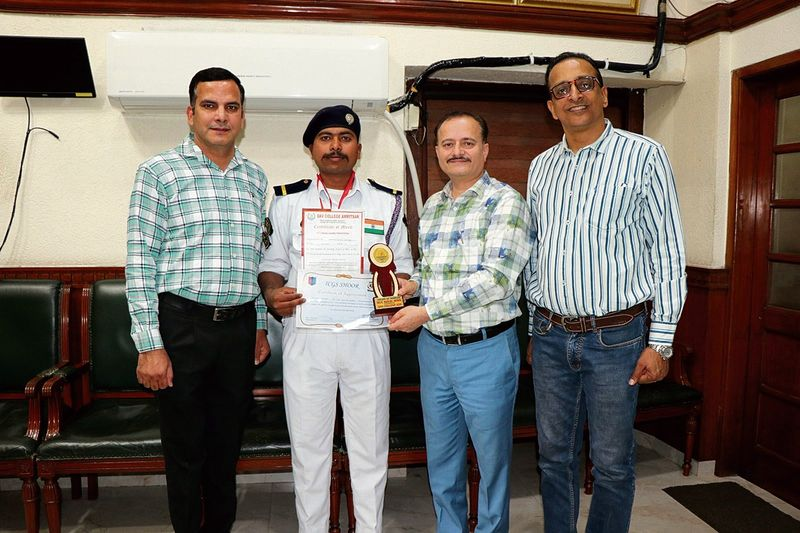
Cadet Shivam Kumar of DAV College, Amritsar has brought laurels to his institution by successfully completing the Overseas Deployment on Indian Coast Guard ship Shoor at Oman and UAE. Principal Dr Amardeep Gupta informed that Shivam was the only cadet…
Cadet Shivam Kumar of DAV College, Amritsar has brought laurels to his institution by successfully completing the Overseas Deployment on Indian Coast Guard ship Shoor at Oman and UAE. Principal Dr Amardeep Gupta informed that Shivam was the only cadet from Amritsar to join this prestigious camp. Dr Gupta further shared that the sailing commenced from Porbandar Port in Gujarat. During the journey, cadets underwent training sessions in various fields such as firing, swimming, and drill, and gained firsthand experience working at the Captain’s bridge, SONAR, and RADAR. The cadets actively engaged in various naval and sea-based activities, including visits to foreign countries, interactions with Indian and foreign military personnel, arms handling, and exploring diverse multicultural settings. A notable highlight of the deployment was the visit to the Naval Base in Oman.
Student Selected by ISRO
Anshika Thakur, a student of Partap World School, Pathankot, has been selected for the Indian Space Research Organisation’s (ISRO) Young Scientist Programme – YUVIKA 2025. YUVIKA (YUva VIgyani KAryakram) is a two-week residential programme initiated by ISRO and fully sponsored by the Government of India. It aims to nurture scientific curiosity and passion among high school students by providing them with fundamental knowledge in Space Science, Space Technology, and Space Applications. Anshika is not only the only student from District Pathankot to be selected but also one of just nine students from Punjab and among only 350 students nationwide to secure a place in this prestigious programme.
Tension escalates along LoC after infiltration bid, Army on high alert
Security forces along the Line of Control (LoC) in the Jammu division are on high alert following recent infiltration attempts by Pakistan-based militants, escalating tension along the sensitive border.In a tragic incident on Friday night, a Junior Commissioned Officer…

Arjun Sharma
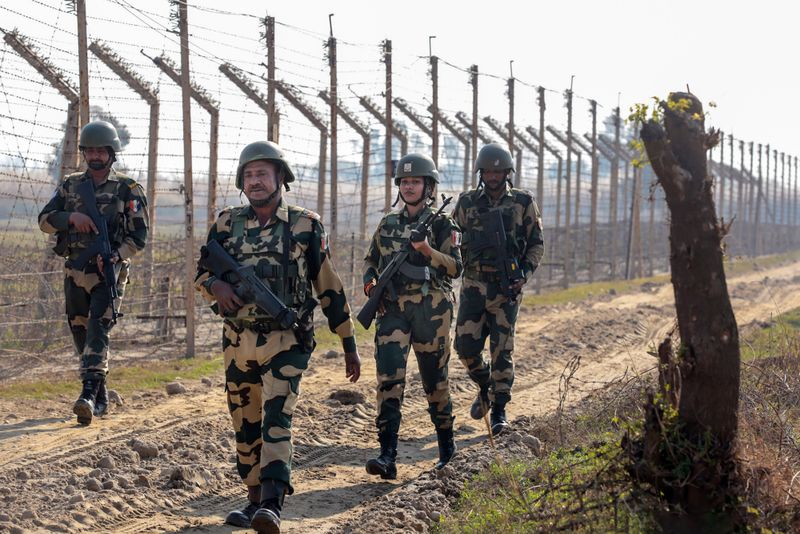
Security forces along the Line of Control (LoC) in the Jammu division are on high alert following recent infiltration attempts by Pakistan-based militants, escalating tension along the sensitive border.In a tragic incident on Friday night, a Junior Commissioned Officer (JCO) was killed while foiling an infiltration bid in the Keri Battal sector of Akhnoor. The movement of terrorists was detected through a thermal imaging device after which an anti-infiltration operation was launched leading to death of Subedar Kuldeep Chand of 9 Punjab.
The incident had come after a brigade commander-level flag meeting between Indian and Pakistani Armies in Poonch on Thursday.
It has been learnt that the infiltration bid was felicitated by Pakistani Army who targeted the Indian posts from small arms. While the infiltration was thwarted, ceasefire violation was also retaliated by the Indian side. Since then, the situation on the border is said to be tensed as the Army had held a flag meeting with the Pakistani side on Thursday.
Security measures have been significantly intensified, particularly in light of Prime Minister Narendra Modi’s visit to Jammu and Kashmir on April 19, a move that is likely to irritate many quarters in Pakistan.
Tensions had already been rising along the LoC. On April 1, Pakistani troops made a failed attempt to intrude into the Indian side in the Krishna Ghati sector of Poonch district. That intrusion was also foiled by alert Indian troops, but it added to growing concerns within the security establishment.
Sources in intelligence informed that in the recent past, there have been multiple attempts by the Pakistan based terrorists to sneak into this side of the border. “This is either due to the fact that many terrorists have been eliminated in different operations in J&K or the Pakistan is trying to again create an atmosphere of fear by sending its mercenaries. However the troops are well prepared and many terrorists have been eliminated during their attempt to enter through LoC,” said the sources.
Senior officials of Army’s 16 Corps have also visited the LoC in different sectors to review the operational preparedness of the troops. Guidelines have been issued to eliminate the ultras at the LoC when the try to infiltrate. Modern gadgets have been installed at the borders to detect any movement close to the border fence.
Bay of Bengal is emerging as geopolitical flashpoint
Two US generals had visited Bangladesh when Yunus went to China.

Vice Adm Shekhar Sinha Retd
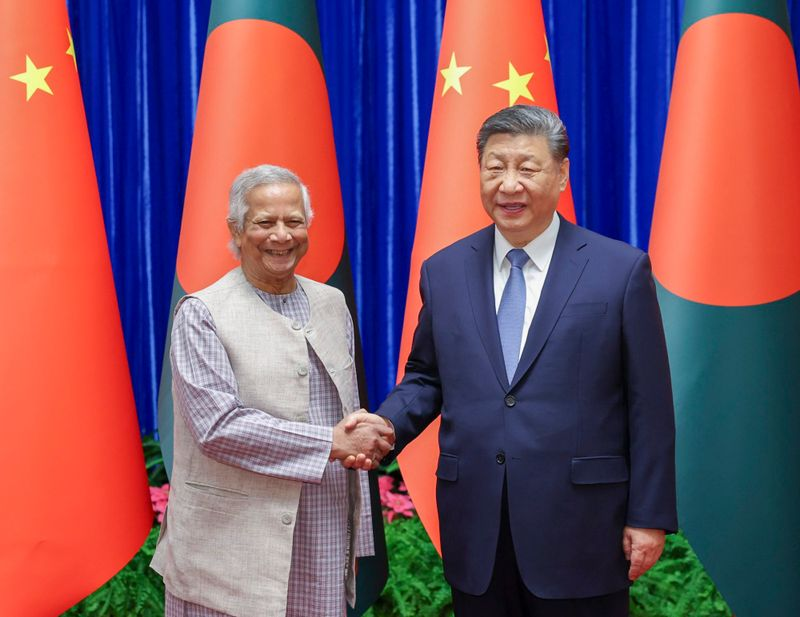
Not all is well on India’s eastern seaboard. At the time of PM Sheikh Hasina’s upstaging in last August, the script seemed to have the US signature all over. This perception was strengthened by the parachuting of Muhammad Yunus as Chief Adviser of Bangladesh’s interim government. Yunus had been earlier under US patronage for a few years.
However, the setting up of this governance model was unconstitutional since a caretaker government in Bangladesh is supposed to be headed by a Supreme Court judge. But, it had the backing of the army. Further, Yunus flew down to DC with the ‘student leader’ who had led the agitation before the regime change. He was introduced to Bill Clinton and, possibly, Joe Biden, giving legitimacy to the belief that the US deep state had steered the drama.
Yunus’ actions and the statements from his advisers have been adversarial to India. Foreign Secretary Vikram Misri visited Dhaka recently and met Yunus and, probably, conveyed India’s concerns.
Recently, Yunus called on General Secretary Xi Jinping in Beijing. He also addressed a business forum, where he said: “Seven sisters of India are landlocked — they have no way to reach the ocean. We are the only guardian of the ocean for all of this region…. From Bangladesh, you can go anywhere you want. The ocean is in our backyard. So, this is the opportunity that you want to take.”
Either the Adviser is geopolitically naïve or he hasn’t looked at the map. With a 580-km coastline, he considers Bangladesh to be the “guardian of the ocean for all of this region.” On the east coast alone, India has a coastline of approximately 6,100 km and along with Andaman and Nicobar Islands, it is around 7,516 km.
The size of the country, its trade, the combat naval arsenal, including two (soon to be three) Sub-Surface Ballistic Nuclear (SSBN) submarines, all in the east coast, speak for themselves. Clearly, his imagination that Bangladesh is the “guardian of the ocean” is misplaced.
The armed forces of the two countries, particularly the navies, hold regular exercises, a large number of personnel are trained in India and enjoy very cordial relations.
Yunus must be naïve to invite Chinese businessmen, knowing well that the US would not expect this from its proxy. Incidentally, two US generals were visiting Bangladesh when the Adviser travelled to China. Also, soon after his return, the army chief, General Waker-Uz-Zaman, visited Beijing.
Before her upstaging, Hasina had stated that the US was keen to use St Martin Island, located 9 km from the Cox’s Bazar-Teknaf peninsula, but she had declined the request. St Martin is just about 8 km from the Myanmar coast, making it rather strategic.
The US has been monitoring the worsening situation in Myanmar as also the growing influence of China in Bangladesh and Myanmar.
The Bay of Bengal is the only section of the Indian Ocean where the US does not have a physical presence. The Biden administration had earmarked $167 million for Myanmar, including $75 million for cross-border aid, of which $25 million was for non-lethal support to ethnic armed organisations.
China has been supporting both the military junta in Myanmar and several armed groups primarily to protect its port operations in Kyaukphyu, where oil from the Gulf is discharged and taken through pipelines to the Kunming refinery. This can be an alternative to the Malacca route, which exposes it to threats in times of tension with the US. China also supports some rebel groups near its border with Myanmar to not disturb the supply route. It developed Kyaukphyu port, which is used to offload Saudi and Iranian crude and taken to Kunming.
To maintain the balance of power between the two friends (China and India), the Myanmar government awarded the development and operational contract of the Sittwe port to India’s IPGL. It is key to the Kaladan Multimodal Transit Transport Project. This is also an alternative route to the Northeastern states, bypassing Bangladesh.
It will open the possibility of connecting the NE states with Thailand, Laos, Cambodia and Vietnam, opening into the Pacific (South China Sea).
China has many stakes in Bangladesh’s infrastructure as well as weapon platforms for its armed forces. It has 11 projects in hand. It is also Bangladesh’s top import partner. Bangladesh is also part of the BRI. All said, the Chinese projects provide 55,000 jobs to Bangladeshis. There were reports of discussion for PLAN ships to operate regularly from Bangladesh ports. This was declined by the Hasina government to avoid the Bay of Bengal becoming the new ocean of geopolitical contestation.
The US, too, has been active in this area, given China’s influence of the PRC and its stakes in both Myanmar and Bangladesh. And now, the Arakan army has gained control of Rakhine state and the border with Bangladesh, except the ports of Sittwe and Kyaukpyu. Rohingyas in Rakhine are facing the Arakan army’s onslaught and alleged human rights violation.
President Trump has suspended USAID, which was being used for basic food and medical care for thousands of Burmese refugees in Bangladesh, India and Thailand, raising the risk of malnutrition and death.
Yunus has reportedly agreed to invite China for the development of Mongla port (the operation of which was awarded to India by the Sheikh Hasina government). Yunus has also reportedly invited Pakistan to build an airbase at Lalmonirhat, near Chicken’s Neck. Both these could have adverse geopolitical consequences for Bangladesh.
The narrow portion of Bangladesh just below Chicken’s Neck is vulnerable to action by the Indian armed forces. There is a threat of retaliation from these new developments. Also, down south, the Arakan army has been giving hot pursuit to Rohingyas, right up to the Chittagong Hill Tracts. This narrow portion of Bangladesh has borders with Tripura, where ethnic Arakans are known to operate.
This portion, about 17 km wide, opens into the Bay of Bengal. Given the Arakan army’s advance, this part of Bangladesh, which includes Chittagong Harbour, is vulnerable to a split from the country.The US would be monitoring these developments closely since keeping China away from the Bay of Bengal is in the interest of its Indo-Pacific strategy.
The Bangladesh Government should concentrate on solving domestic problems rather than creating new external ones, which may become a geopolitical contest ground.






























