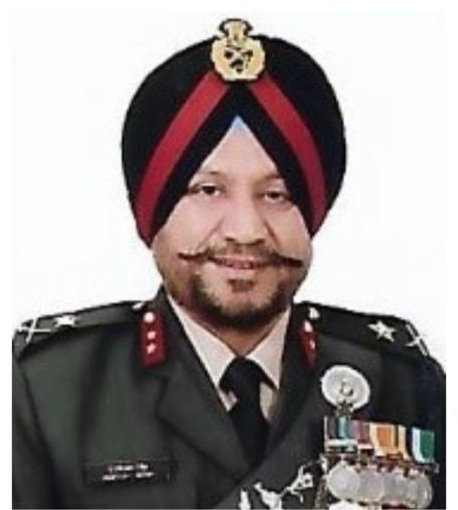
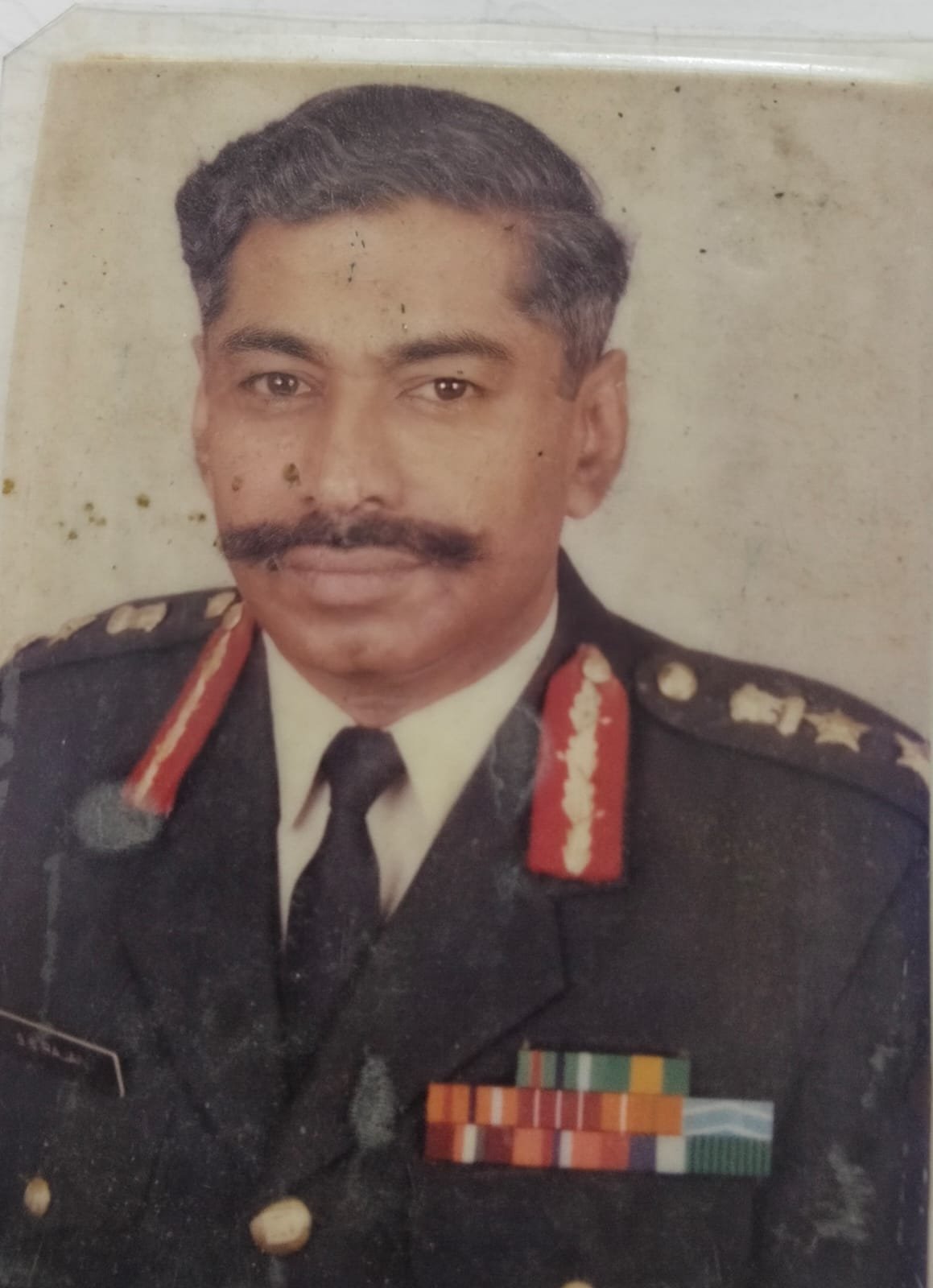
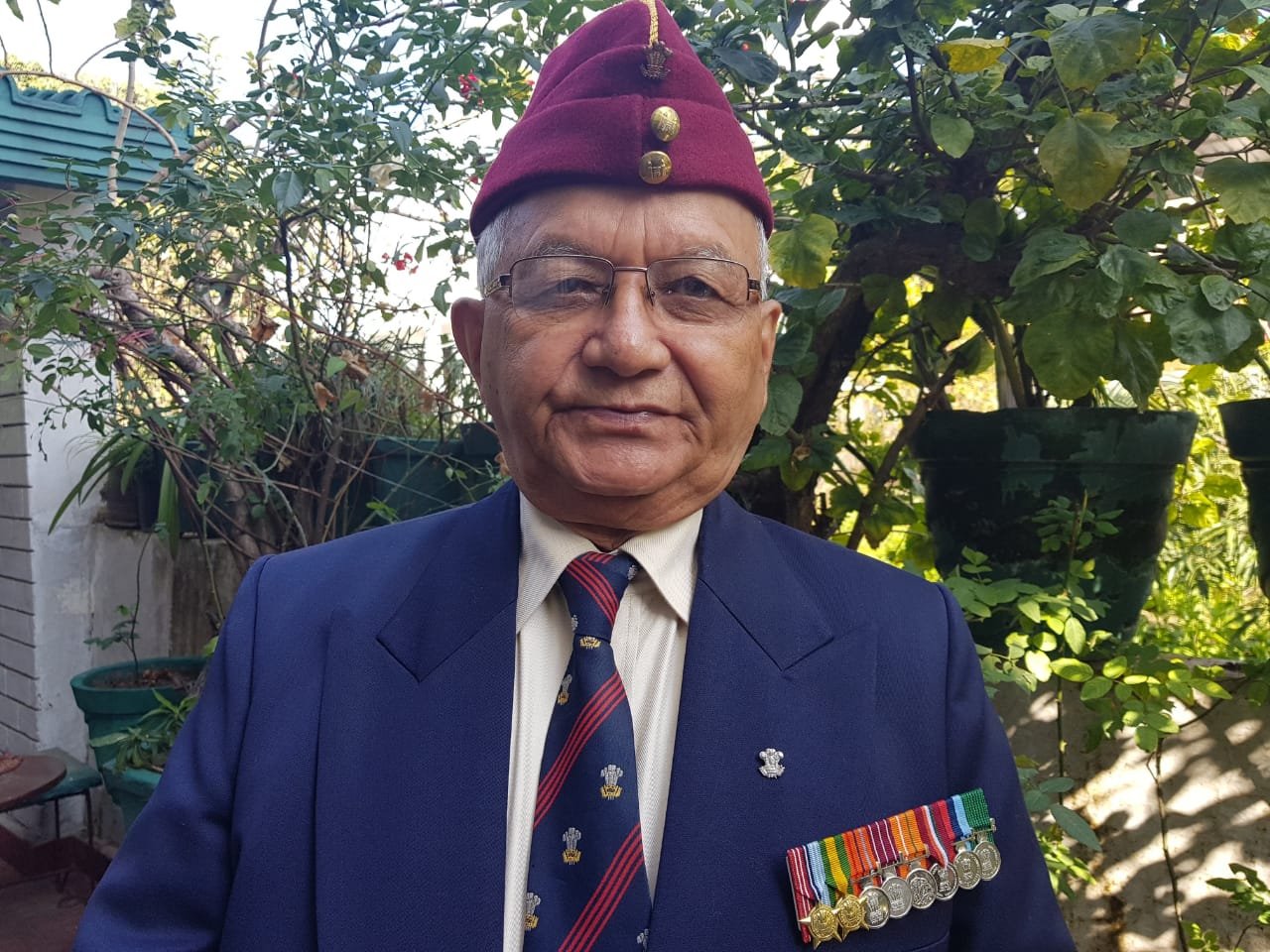
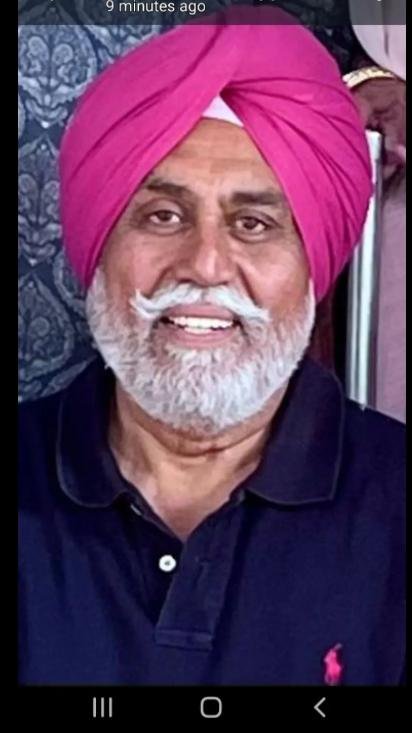
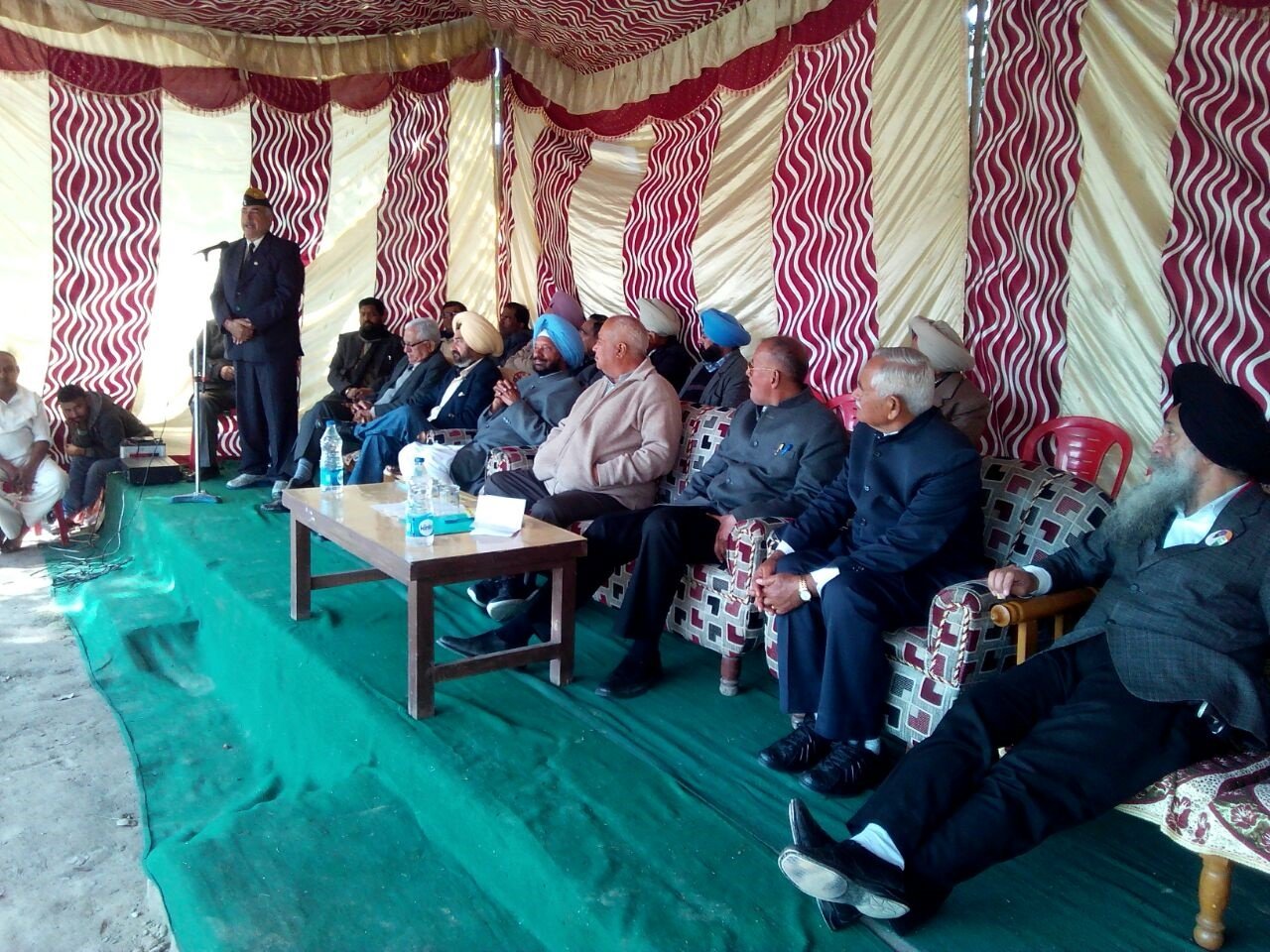
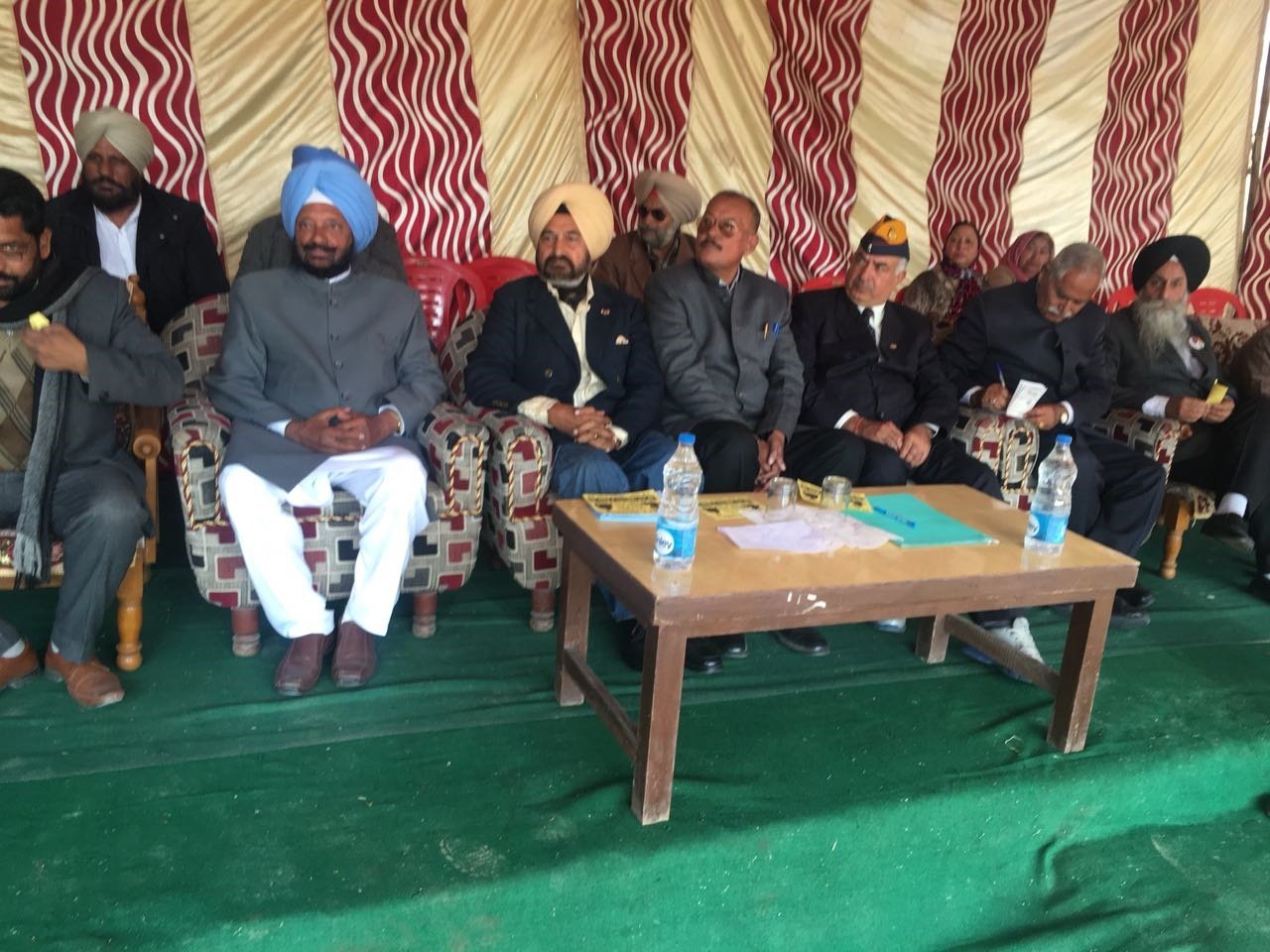
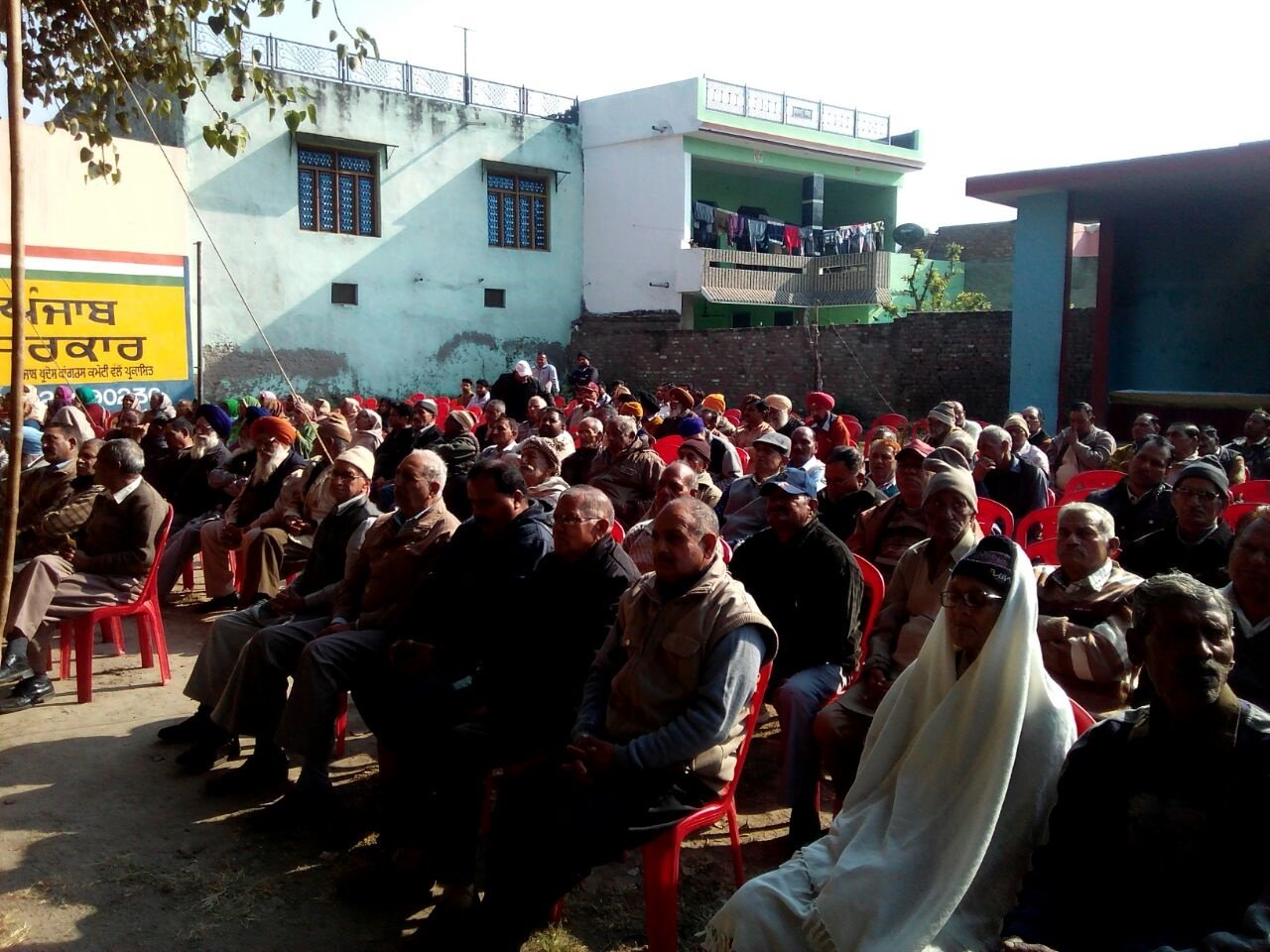
Brig Prahalad at MikeL TO R—-LT COL RS RANDHAWA,COL BALBIR SINGH, Sh RAJNISH PABBY,BRIG PRAHALAD , H/CAPT SOHAN SINGH,LT COL PATHAIANIA, CAPT AMARJIT SINGH
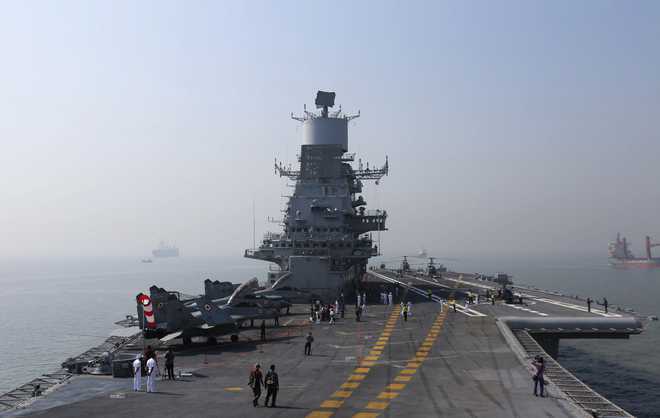
Navy’s fighter jet makes emergency landing at Mangaluru
The MiG-29K had taken off from aircraft carrier INS Vikramaditya. — File photo
Mangaluru/New Delhi, February 28A MiG-29K fighter jet of Indian Navy made an emergency landing at Mangaluru airport due to a hydraulic failure and was stuck on the runway for several hours as it suffered a tyre burst.As many as eight flights were affected as the runway operation was shut completely for about three hours.”During a routine training sortie, a MIG 29 K fighter aircraft diverted to Mangalore airfield following a hydraulic emergency.”During the landing the aircraft experienced a tyre burst and couldn’t clear off the runway. A second MIG 29K had escorted the aircraft,” Navy Spokesperson Captain D K Sharma said.A recovery team was sent to Mangaluru airport which cleared off the runway around 8 pm.Several flights were diverted from Mangaluru to Benguluru.Three arrivals and five departures were affected due to the runway closure between 5 pm and 8 pm, a Manguluru airport official said.The MiG-29K had taken off from aircraft carrier INS Vikramaditya and when the pilot suspected hydraulic failure, he decided to divert the aircraft to Manguluru airport and sought its emergency landing. — PTI
After the 2013 hanging of Afzal Guru, many had expected that the Valley would boil. Nothing much happened, leading people to inquire from Kashmiris as to why this was so. Friends from Kashmir often say that people from the Valley do not respond to events immediately, and that they nurse a grudge or a grouse and add layers of it to their psyche before allowing it to vent into action.
That is why unnatural silence is never good. The silence in the Valley at present can at best be called ominous. It is giving people a break from all the terrible negativity. There is a sizeable population that believes what has happened is wrong but its voice is drowned out by a noisy and clamorous set who wish to dictate the course.
The ominous silence is palpable. Terrorists attempted to break that with the recent ambush at Pampore. That is a tactical event for the Army to sort out by strengthening road security along the highway.
What should the State leadership and the Centre be doing at this time? Aside of congratulating themselves on the demonetisation exercise and its supposed effect of stopping stone throwing there is much that can be done in the winter that will have a positive impact in the summer. There is no need to allow the separatists the initiative to decide what they wish to do.
Firstly, Jammu can begin becoming the hub of the ‘way forward’ discussions. Not among Jammuites alone but between various stakeholders, such as a few Kashmiri students, traders, teachers, retired bureaucrats and policemen. Let the media in Kashmir begin reporting this even though it would tend to initially ignore it.
Secondly, if the Separatists do begin street turbulence again, the police forces had better have answers in the form of non-lethal weapons. The pellet gun that took away much credibility from our otherwise fairly controlled response in 2016 has been branded as the symbol of all oppression. In such internal asymmetric conflicts, symbolism becomes significant. An injury by a pellet gun again will magnify the negative message manifold. Hence, if alternatives cannot be thought of, then the tactics must be thought through, albeit there is no reason why universal methods of crowd control cannot be adapted by India’s police forces. Institutions such as the National Police Academy or even the Central Reserve Police Force Academy, whose job it is to act as intellectual planks for doctrinal guidance for the police forces, must be deeply involved in the research on control of mob violence and employment of non lethal weapons.
The administration should be looking at ensuring societal stability. There are reports of enhanced vigilantism of the kind societies in the throes of radicals suffer. Within India’s social tolerance, such a phenomenon cannot hold people and society to ransom. No administration can absolve itself of the responsibilities of stopping this. Where are Kashmir’s elected representatives? Are they with their people or spending time in Jammu? The political class has to get back to the grind of politics, and that begins from the grassroots and not from the Assembly House. Specific areas that have witnessed voids of such activity for long must have their representatives visiting them along with the ‘intezamiya‘ (local civil administration). The Army should only be too happy to create the environment and confidence for this. Its role is not independent from the overall efforts needed to restore normalcy and prevent resurgence of a 2016 like situation again.
What Should the Army be Doing?
As one of the key stakeholders and stabilisers, the Army should be in overdrive in what it is really good at, i.e. in playing potential scenarios of the future. It should also involve other stake holders and even Chief Minister Mehbooba Mufti herself who is seen to be far more involved with Unified Command than most of her predecessors. It does this wonderfully. The new Army Chief, an experienced hand, will assume office soon. The Army and Corps Commanders are new and most of the division commanders are due for change. Winter is usually the time for conventional war games in Northern Command. These can always be converted to comprehensive exercises to think the situations through and evolve ideas. The involvement of other institutions such as the Army War College and the Doctrine Branch of Army Training Command must be increased. The degree of thinking the Army does on its current threats in the hybrid sphere is perhaps insufficient. The Northern Command needs as much intellectual support because its command and staff functionaries are always short of time. For measure, the quality of protection of the soft targets in the rear needs to improve manifold. One cannot be strong everywhere but there is nothing that intelligent deployment, back to basics and good response cannot overcome.
The Unified Command must think well ahead. If there is peace and quiet in the Valley once the Durbar returns in May 2017 all the traditional issues will get thrown up again. Among them the West Pakistan Refugees, the return of the Kashmiri Pandits, the restoration of the Kashmiri Pandit culture, and most importantly, the Armed Forces Special Powers Act (AFSPA). After the spate of violence in 2016, it was presumed that demands for abrogation of AFSPA were no longer valid as the need for empowerment of the Army was a given. However, even six months down the line if there is peace, demands against AFSPA will rise. Everyone will get back to trying to understand what it is all about. By that time the Army’s hierarchies would have changed and institutional memory being what it is, much reinvention of the wheel would again be taking place. To avoid that, the hard work should be done now by teams of experienced officers.
One simple exercise on social media urging parents to get their children to school had phenomenal effect on turnout for examinations. If just a few themes are selected jointly by the Unified Command to work through social media campaigns, it will boost our capability to fight in different dimensions. The Northern Command is gaining experience in this and the State Government must join hands with it to run more such campaigns.
Both Pakistan and India will shortly have new military leaderships. Let us hope that better sense prevails and J&K can look forward to an elongated period of peace and quiet, without there being anything ominous about it.
Member, Governing Council, IPCS, & former GOC, 15 Corps, Srinagar
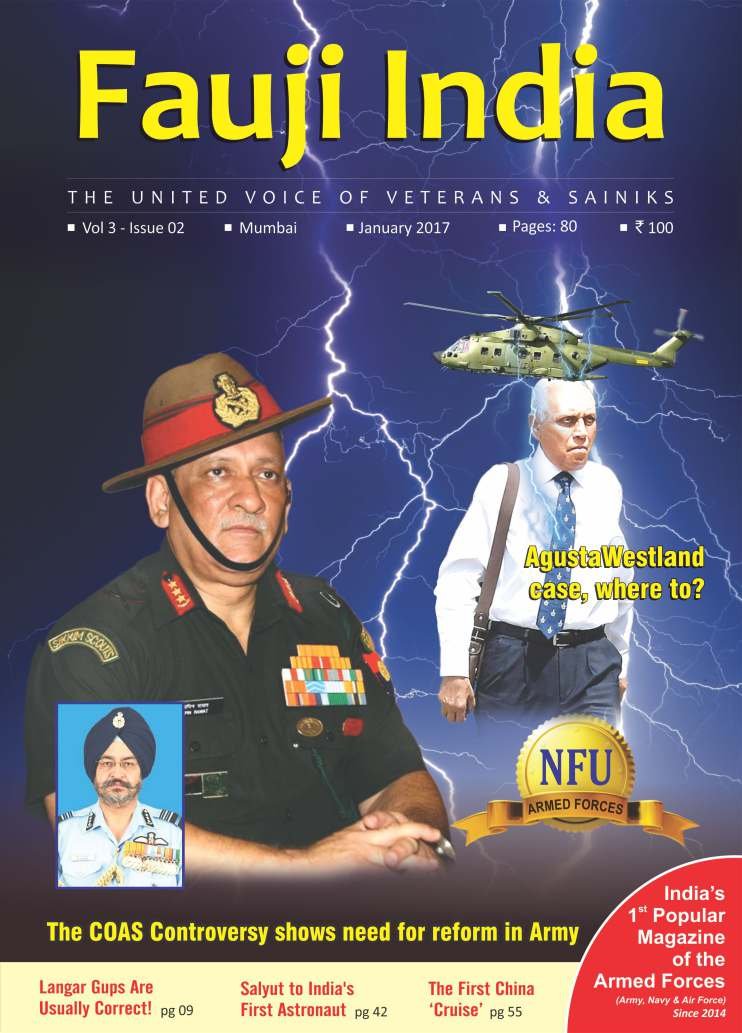
For peace, won’t hesitate to use force at border: Army Chief
Says fully conscious of responsibility, no change in vision and thrust areas
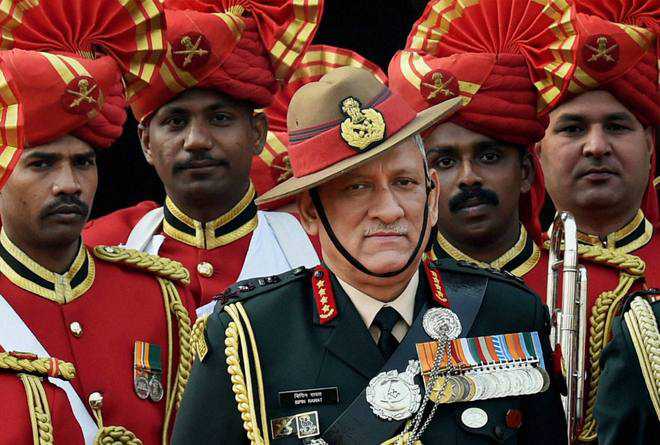
Army Chief General Bipin Rawat after guard of honour at South Block in New Delhi on Sunday. PTI
Ajay Banerjee
Tribune News Service
New Delhi, January 1
Army Chief General Bipin Rawat, who has planned and executed two cross-border surgical strikes, today sent out a strong message, saying India wanted peace and tranquility at its borders, but would not hesitate from using its power in any form.General Rawat was addressing the media after inspecting his first ceremonial guard of honour at the South Block in New Delhi. He had taken over as the Chief on Saturday.(Follow The Tribune on Facebook; and Twitter @thetribunechd)He said: “We want peace and tranquility at our borders but the target for peace does not mean we are weak. If need be, we will not hesitate to use force.”General Rawat is former Army Vice Chief. He closely monitored the cross-Line of Control (LoC) surgical strikes on September 29 to target militants’ launch pads in Pakistan-occupied Kashmir (PoK). In June 2015, General Rawat was heading the Dimapur (Nagaland) headquartered 3 Crops, when the Army destroyed militant camps of the NSCN (k) in Myanmar.India shares 3,323 km border with Pakistan, including a 749 km Line of Control (LoC). The Armies on either side are eyeball to eyeball. Indian Army lost 63 soldiers in Jammu & Kashmir in 2016. There have been 225 violations of ceasefire by Pakistan across the LoC.On the priorities, he said: “There will be no change in the vision and thrust areas of Army. It has been arrived at after due deliberations.”Earlier in the day, General Rawat said: “I am aware of the roles and tasks assigned to the Army. This will include maintaining security at the borders.”On two of his seniors — Lt Gen Praveen Bakshi and Lt Gen PM Hariz — being superseded, General Rawat said: “It’s the decision of the government. I respect the superseded officers. I hope we continue to work shoulder to shoulder in future to strengthen the unity and strength of the Army.”General Rawat also sent across a message to all ranks of the Army saying every soldier of the Army counts. “Everyone counts and is equal in my eyes,” he said in a possible effort to put a lid on the social media comments talking about promotion of Infantry officers over those from the armoured corps or the Artillery.
ARMY WILL USE POWER IF NEEDED: RAWAT
NEW DELHI: General Bipin Rawat on Sunday said the Indian Army’s role was to ensure peace along the borders but it would not hesitate to use force if needed.
Rawat took over as the army’s 27th chief a day earlier. The government overlooked claims of his two seniors to handpick him for the job. His vast operational experience in Jammu and Kashmir and the Northeast tilted the scaled in his favour.
“We want peace and tranquility, but that doesn’t mean we are weak. The army will not step back or hesitate to use force if necessary,” Rawat said after inspecting a customary guard of honour at South Block.
He will serve as the army chief for the maximum threeyear term, giving him enough time to implement his vision for the 1.3-million strong force
Son of a lieutenant general, Rawat has a reputation for being a no-nonsense commander who brings considerable military acumen to the table.
He was closely involved in planning surgical strikes on militant launchpads in Pakistanoccupied Kashmir in September and in Myanmar in June 2015.
As the commander of Indian peacekeeping troops in Congo in 2008-09, he reworked the UN contingent’s velvet-glove strategy to an iron fist within a month of his arrival.
Rawat allowed the use of helicopters to attack positions held by rebel groups responsible for civilian deaths, recruiting child soldiers and displacing millions of people. His tenure also saw infantry combat vehicles rigged with machine guns and cannons being used against rebels.
The government abandoned the seniority principle and ignored lieutenant generals Praveen Bakshi and PM Hariz to appoint Rawat as the army chief, triggering a controversy.
He had worked with both officers, had respect for them and everyone would cooperate to strengthen the army, Rawat said.
Bakshi pledged support to the new army chief on Saturday, ending speculation that he might opt to resign rather than serve under a junior officer.
In an interview to HT on Friday, Rawat, who has had three stints in Kashmir, said the situation in the Valley was dynamic and a status quo mentality wouldn’t work.
“You have to seek status change… A renewed thrust will be given to all issues in Kashmir,” he said.
Sarsawa air base likely to host first Rafale squadron
The first squadron of Rafale fighter jets are likely to be based at the Sarsawa air base of Indian Air Force in Uttar Pradesh, informed sources said on Friday.
According to sources, the air base is being geared up for the squadron, while two more bases are to be identified.
The deliveries of the aircraft will start in September 2019 and will be completed in April, 2022.
Sources said a team from Dassault Aviation visited the air base last month, and a feasibility test was carried out. The infrastructure for hosting the squadron and its maintenance is being created at the air base.
The Sarsawa air base comes under the Western Command of IAF.
The first squadron is likely to have 12 fighters, including pair of trainers.
India and France signed an inter-government agreement for purchase of 36 Rafale fighters off shelf on September 23 this year. This was after a long negotiation between the two countries over the price and other aspects of the deal which was agreed upon during Prime Minister Narendra Modi’s visit to France in April 2015
The procurement includes a provision for offsets of 50 percent of the value of the Aircraft and Weapons Package, excluding the value of Performance Based Logistics and Simulator Annual Maintenance, which will be discharged by the vendors through purchase of eligible products supplied by Indian firms.
(Clockwise from left) The Globemaster III aircraft, Air Chief Marshal Arup Raha and his successor Air Marshal Birender Singh Dhanoa
New Delhi, Dec. 22: The military has been summoned to flood the country with money. The soldier has been ordered to make and count cash.
A team of 120 Indian Air Force personnel – air warriors – have been deployed at the currency printing press in West Midnapore’s Salboni. Salboni has one of the most prolific currency note presses in the country.
In Madhya Pradesh’s Dewas, too, an army column has been tasked to a Reserve Bank of India currency printing press.
The deployment of the military – rather than the police or paramilitary forces – is indicative of the urgency that the Centre is dealing with in a situation of its own creation: demonetisation of the Rs 500 and the Rs 1,000 notes that were printed before November 8.
Currency soldiers were so far bank staff and air crew.
But now, there is military compulsion at currency printing presses, the Centre has determined. Soldiers have to be physically present at the presses. They are trained to fight. They are not trained to print money. But they have to do “physical labour”.
“Soldiers are coolies today,” one officer admitted. “We do physical labour, but to fight against enemies of the country. Now the government has ordered us to do this,” he said.
The Indian Air Force was drafted into transporting currency notes across the country just about a month ago.
In the twilight of his career, fighter pilot and Air Chief Marshal, Arup Raha, who has just overseen the marriage of his daughter and is fixing himself a retirement home in a township in Calcutta, is carrying out the Great Rupee Airlift.
So far he has had such other paltry stuff – like the depressingly dwindling fighter jet fleet – to bother about.
His successor has just been named: Air Marshal Birender Singh Dhanoa, the current Vice Chief of Air Staff is set to take over.
Dhanoa is also a former director of fighter operations and war-planning. His chief concern now is the deployment of cash.
Unlike in the army, the transition in the IAF is without question. Dhanoa is the seniormost in line to succeed Raha. He is a fighter pilot of distinction, a qualified flying instructor who has done sorties in the MiG21, the Jaguar, the MiG29 and the Sukhoi 30Mki. He has honed a generation of juniors in the skills of air-to-ground attack in high altitudes, like he did in the 1999 Kargil war.
When he moves into Air House in the afternoon of December 31 he, too, will be supervising the Great Rupee Airlift.
The Great Rupee Airlift compares difficulty with the Berlin Airlift of 1948-1949 when the air forces of the UK, US, Canada and France flew supplies to the people of West Berlin after Soviet Forces blockaded the-then divided city. But the Indian Air Force has confirmed to The Telegraph that it has completed more than 100 sorties between November 19, when the Union finance ministry called for its deployment, and December 19.
That is an average of more than three sorties per day – to transport currency notes from four airfields: Ozar (near Nasik), Kalaikunda (near Kharagpur and Salboni), Mysore in Karnataka and Indore (near Dewas) in Madhya Pradesh to more than 10 cities with RBI centres.
The acute shortage of cash led to the Centre directing the Indian Air Force to transport currency notes because chartered aircraft could not or would not do the job.
Repeat sorties have been made to at least six cities – the maximum to Bhopal and after that to Calcutta. These sorties are clubbed into 31 “trips”. Each trip contains within it three sorties – flying the aircraft from their home-bases to the airfields near currency presses, basing them at the airfields or mostly near airfields with maintenance facilities and then flying to and from the destinations where the currency notes are delivered.
An underestimate of the cost of transporting currency notes so far pegs the figure at Rs 65 crore in flying hours. The Indian Air Force has flown nearly 300 hours as currency soldiers.
IAF sources said they fly much faster than the RBI’s presses can print currency notes. Meaning, they are being forced to perform under par.
For the average of more than three sorties a day by the air force’s transport aircraft, plus waiting, many of the aircraft have had to be pulled out of regular duties like couriering soldiers from field stations – such as Leh or Thoise – to peace stations and back. The redeployment of transport aircraft that are in short number because most of them are grounded is stressing the fleet.
A Coordination Cell for the Great Rupee Airlift has been set up in the air chief’s office at Vayusena Bhavan, the air force headquarters in the national capital.
The aircraft assigned to the task are mostly carrying far less weight than they are capable of – an average of 18.4 tonnes only per sortie.
So far the US-sourced strategic airlifter C-17 Globemaster III aircraft – the latest transport planes in the IAF’s inventory – all 10 of which are based in Hindon, east of Delhi, have ferried 218.6 tonnes of currency notes. Each Boeing-made C-17 is capable of a take-off weight of about 30 tonnes. The C-17 is built for short take-offs and landings and inserting special forces and military materiel in hostile environment. The US air force has flown C-17 aircraft non-stop from its own shores to Australia.
The C-17s with the IAF are among other transport aircraft – the (also US-sourced C-130J Hercules and the Soviet-origin Antonov 32) – that are lifting currency notes from four airfields near RBI printing presses at Ozar, Mysore, Kalailunda and Indore.
The maximum number of sorties have been done by the C-130J Hercules (made by Lockheed Martin) aircraft. The 10 aircraft of this kind with the IAF have ferried 323.3 tonnes of currency notes.
The Antonov 32 aircraft, 100 of which are with the IAF, are known to be a workhorse have surprisingly carried out the least number of sorties. That is because the aircraft’s upgrade programme is caught in between the conflict that has hit the military industries of both Russia and Ukraine. Moreover, there is a drop in the confidence on the An-32 since it went missing, presumably into the Bay of Bengal, with 29 passengers and crew on July 22. Most of the An-32 in the fleet of the IAF are grounded.
The workhorse AN-32 aircraft have done only three “trips” so far carrying 10.8 tonnes of currency notes. Each AN-32 can carry 27 tonnes.
The total weight of currency notes ferried by the IAF transport fleet between November 19 and December 19 is 552.7 tonnes.
From Indore, the aircraft are flying notes of denominations of Rs 20, Rs 50 and Rs 100 printed at the RBI press in Dewas. From Mysore and Nasik (Ozar) and Salboni (Kalaikunda), the aircraft are flying notes of Rs 2000 and Rs 500.
The “trips” have been made to Jammu, Calcutta, Guwahati, Ahmedabad, Lucknow, Nagpur, Bombay, Pune, Bhopal, Thiruvananthapuram, Hyderabad, Visakhapatnam and Chennai.
In the North East and in Jammu and Kashmir, the IAF’s helicopters have also flown currency notes to smaller destinations. But that is part of the IAF’s regular tasking.
JUST LETTING WOMEN KNOW THE ARMY IS A CAREER OPTION AND ONE IN WHICH THEY HAVE TO FUNCTION IN A GENDERNEUTRAL ENVIRONMENT WILL DO A LOT MORE FOR WOMEN’S ADVANCEMENT IN THE DEFENCE FORCES
Defence minister Manohar Parrikar is never at a loss for words. Neither is he shy of contradicting himself. After saying that there are no plans to induct women into combat roles in the Indian army — something President Pranab Mukherjee said would be done in his speech during the budget session of Parliament — the irrepressible Mr Parrikar now says that there should be an all-women battalion. He feels that psychological barriers had been broken with the induction of three female fighter pilots. But, he has also added that this battalion will come up gradually so as not to “compromise” the Army’s primary task of guarding national security. Make of this what you will, I am baffled as to how this pans out. His explanation is: “There is the thinking that soldiers will not listen to a woman commanding officer…I don’t agree. But if there is some initial resistance, an all-women battalion would take care of it.” Is it Parrikar’s contention that an all-women battalion is the only force that can make a male soldier listen to orders from a woman officer? He should do so because he is bound by the rules to listen to his officer.
Parrikar says women on warships where there are separate cabin facilities is fine, but not on unigender submarines. But we are getting ahead of ourselves here. The idea of an allwomen battalion hardly serves to bring about gender parity in the army. If women are to play a greater role in the army, they should not be segregated into exclusively female zones.
Most of the women who have joined the army, and the percentage is not very high in India, are actually resentful of any preferential treatment. They feel that it creates friction with their male colleagues and that they did not join the army thinking it would be a Sunday school picnic. Yet, the same prejudices we see in the workplace place constrain them. One is that male colleagues don’t feel comfortable as their banter could be misunderstood by the women present. The other is that women are not psychologically strong enough to withstand the enormous pressure.
Parrikar is, however, right that infrastructure is a major impediment for women to be deployed in many places. But the question of infrastructure obtains even for men. The lack of proper facilities in camps and barracks is well known but little has been done to improve things. The army is in dire need of modernisation and this means bringing in more technology. This is an advantage for women as the greater the technology employed, the fewer the boots on the ground. This will boost the number of women coming into the army.
Despite Parrikar’s espousal of an all-women battalion, there should be no effort to push this idea. The army’s purpose, that of defending the nation, simply does not warrant any forced gender equality in the form of allwomen battalions. It should simply function on the principle of the best man or woman for the job. One thing one often hears is that we had a tradition of women warriors like Laxmibai of Jhansi, Razia Sultana and Chand Bibi, to name a few. And, yes, women did take part in the freedom movement. But this did not become a tradition and women were largely unseen in the defence realm until the early nineties.
Such is the mystique surrounding the army and perceptions of how you have to be as tough as hobnailed boots to join it, that many women, I am sure, would not think of it as an employment option. Mercifully, today despite all the prejudices they face, women are venturing into fields that were not considered appropriate for them before. Our women wrestlers are a case in point. When it comes to imparting skills to women, the options still are the tried and tested ones of health work, teaching and social work. But why not encourage women, especially in rural areas, to think of the army as an option? For this, there should be more defence training schools, which should not be a problem, given the vast and skilled manpower available in the form of retired soldiers who can man these. Letting women know the army is a career option and one in which they have to function in a gender-neutral environment will do a lot more for women’s advancement in the defence forces than an all-women battalion.
AN OFFICER PAR EXCELLENCE :AN OFFICER WHO WON HEARTS OF ONE & ALL
“General, state-of-the-art equipment adds to the might of the Army and the process of modernisation must keep pace with time. What lends a cutting edge to the weapon, however, is the man behind the machine,” was the response by Capt Praveen Bakshi to a question by the GOC Armoured Division on the impact of newly introduced T-72 tanks in a future war.
It was in 1986. Capt Bakshi, who is now a lieutenant general and was recently superseded by a fellow general for the post of Chief of Army Staff (CoAS), was one of the first officers nominated to go to a friendly foreign country to get acquainted with this battle-winning weapon. As a nodal expert, he would thus be the fulcrum of conversion process of the army to this high-technology machine. While travelling back to the headquarters, the GOC, impressed by Capt Bakshi’s professionalism, remarked to his ADC (self), “This Captain will go places.” We, the younger lot, were not surprised by the GOC’s pronouncement. In the words of one of his batchmates Commander Rohit Kaushik (retd) of the Indian Navy, “We had a premonition that he would achieve heights. Doughty, competent, fair, affable and cool, he was just different. Indian Defence is blessed to have him at the helm.” Lt Gen Bakshi, blessed with savoir faire, has an uncanny ability to always remain a step ahead of the fast-evolving environment. Computers were making a debut in the army during the early 90s. I remember Maj Bakshi, our downstairs neighbour at a military station, would sit on his computer for hours to get grip of the newly introduced gizmo. It was fun and challenge playing squash with him. A fitness freak, his “funda” was, “Only a healthy body can withstand the pressures that make the grey matter flourish.” Now, Lt Gen Bakshi, a Cavalier is likely to be the first CDS (Chief of the Defence Staff) of the Indian Defence Forces. The CDS will be the single-point advisor to the government of the day on all matters of defence. The armed forces, in recent times, are increasingly being subjected to a variety of challenges.The incessant efforts by the powers that be, to undermine and short shrift the armed forces in matters of pay, perks, status and credibility need an effective stance.
Thankfully, here we have a thoroughbred officer, who in the words of city-based Maj Gen SS Grewal , a veteran skinner’s horseman, “Praveen’s soldierly but amicable demeanour, coupled with an exceptional equipoise and professional brilliance will see him tackle all issues like hot knife in butter.” On having missed the boat to be the next COAS, I messaged my emotions to him to which he replied in his characteristic demeanour,” Thx Avnish… We take this in our stride..Looking forward to the future with positivity… for better things to come.” A soldierly poise indeed.
Of Defence Analysts and Defence Experts An article by Lt Gen BPS Mander
(This article is just in jest. If you are a cynic, do not read further)
These days it is fashionable to become a ‘Defence Analyst’, and if you cannot be one, then at least you can become a ‘Defence Expert’. In foreign armies ‘defence analysts’ are appointed; and they work with the government or the military to examine, evaluate, and review information, and write reports with recommendations.
No such thing here. Some exposure in the IDSA can make you an ‘analyst’. Be that as it may; anyone can become an ‘expert’. All that is required is that he should have retired. And should you have served in the Valley, even as an Adm Comdt, your credentials take a big leap.
You are the authority on all issues in the Valley irrespective of your level of expertise.
When the trend began, a lot of officers became experts without any expertise. And in keeping with the established principles of seniority, the level of intelligence got related to the rank, thehigher the rank the higher was considered to be your level of expertise. Dramatically some ‘Colonels’ inserted themselves with a patent on ‘command experience’ and so the net result today is that you have Colonels and Generals on TV, with only ‘Brigadier’ Mahalingam as the link between the two.
When the trend of these specialists caught up, a lot of people wanted to join the bandwagon; but soon the positions were saturated as TV channels could only accommodate X number of people. So those who did not make it as ‘experts’ harboured a grudge against those who did.
Since I had done a study on the issue, some approached me for consultations. I gave them my view on what is the best way to get into this field. If they wanted to enter this field they would need to follow some guidelines. These would need to be practiced before the mirror if they were to make an impression on TV. I advised them on a three point formula:-
– ⚔First, practice putting up a glum and serious face. After all war and insurgency is serious business.
-⚔Second, grow a handlebar moustache, and if not possible, at least a sizable one, which endorses your dominance over the clean shaven civilians.
-⚔Third and last and the most important, unless you have some catch phrases in your vocabulary, you stand no chances of making it for more than one time on TV, unless you know someone on the Channel. You can represent, but can never be an ‘expert’. It is time to forget the weapon that you carried in service. Your new weapon is the ‘catch phraseology’, the flavour of the day. Be clear on what you have to say. You should speak of ‘an intended legitimate military target’ with ‘minimal collateral damage’, as against ‘carpet bombing’ which damages the ‘local psyche’. Operations must create ‘shock and awe’ and yet not ‘rattle’. Army is a ‘broad sword’ and not a ‘scalpel’, but yet the Indian Army used the ‘scalpel’ to carry out strikes with ‘surgical precision’.
This much would be enough to establish your position on TV, but should you wish to hold on to it, you need to do more. You cannot say that ‘the enemy was caught napping’, it has to be ‘enemy was caught in a stupor’. And no proof can be given of our ‘surgical strikes’ as ‘National interest’ and ‘National security’ are ‘non negotiable’. After all the matter has been discussed it the ‘Cabinet Committee on Security’ and decided that ‘graphic accounts’ of ‘routine operations’ are never given out.
And all this will be of no use if you are not seized with how cross border terrorist camps and ‘launch pads’ are organized and the ability to counter ‘unprovoked and naked aggression’ and the ‘existential phenomenon’ of ‘cross border fire’.
Since arguing on Pakistan is a fashion these days, you have to be armed with some specific phrases.. Forget about ‘guerrilla warfare’, ‘insurgency’ and ‘terrorism’, the catchphrase is ‘asymmetric warfare’, a war ‘between belligerents whose relative military power differs significantly’ to ‘offset deficiencies in quality and quantity’.
Please remember that “Osama Bin Laden’ is no more in fashion and unless you mention ‘Masood Azhar’, ‘Hafeez Sayyed’, and ‘Sayeed Salauddin’ , you are shooting in the dark. And if you can throw in ‘Burhan Wani’, you will be considered topical
And if you want to be called repeatedly, you have to obliquely throw in the ‘ Haqqani Network’, since it is popular with US as it irks them. And to be super savvy, throw in names of some ‘non state actors’ like ‘Jalaluddin and Sarajuddin Haqqani’, and their relationship with each other.
A young officer, who had done ten years in the Army before being released, asked me if he could become a defence expert. I told him that by all means he could. So I gave him the catch phrases and told him to go ahead and make his mark. Incidentally he already had a handlebar moustache.
Armed with this knowledge he approached a Channel, confident that with the all the phraseology under his belt there was no stopping him. The first question they asked him was his rank, and when he said Major, they told him it is a no go. He shot back that Sir Basil Liddell Hart was just a Captain and he taught Generals. But they were not impressed. They asked him if he was from the Infantry, and when he said no, he had already lost the race. He gave them examples that Napoleon was a gunner and Mc Arthur was an Engineer and so on. But of no avail.
So frustrated he came back and told me that he had not made it as he was not from the elite Infantry, so I consoled him that he need not worry as there were other options. So I told him that he should become a ‘defence observer.’ And what does a defence observer do, he asked. Nothing, he just observes and enjoys the tons of wisdom doled out on TV, something we missed in service.
So a word of advice to those who could not make it, just become defence observers and you will enjoy the unending sermons and will also be able to assess that some who could not find their feet in service, have now established themselves as ‘experts’.
State Stalwarts
DEFENCE MINISTER
Minister Rajnath Singh
ALL HUMANS ARE ONE CREATED BY GOD
HINDUS,MUSLIMS,SIKHS.ISAI SAB HAI BHAI BHAI
CHIEF PATRON ALL INDIA SANJHA MORCHA
LT GEN JASBIR SINGH DHALIWAL, DOGRA
SENIOR PATRON ALL INDIA SANJHA MORCHA
MAJOR GEN HARVIJAY SINGH, SENA MEDAL ,corps of signals
.
.
PRESIDENT SOUTH ALL INDIA SANJHA MORCHA
COL SS RAJAN BOMBAY SAPPERS,
PRESIDENT UTTARAKHAND ALL INDIA SANJHA MORCHA
COL B M THAPA ,BENGAL SAPPERSS
PRESIDENT HARAYANA STATE CUM COORDINATOR ESM
BRIG DALJIT THUKRAL ,BENGAL SAPPERS
PRESIDENT TRICITY
COL B S BRAR (BHUPI BRAR)
PRESIDENT CHANDIGARH ZONE
COL SHANJIT SINGH BHULLAR
.
.
PRESIDENT PANCHKULA ZONE AND ZIRAKPUR
COL SWARAN SINGH
INDIAN DEFENCE FORCES
DEFENCE FORCES INTEGRATED LOGO
INDIAN AIR FORCE
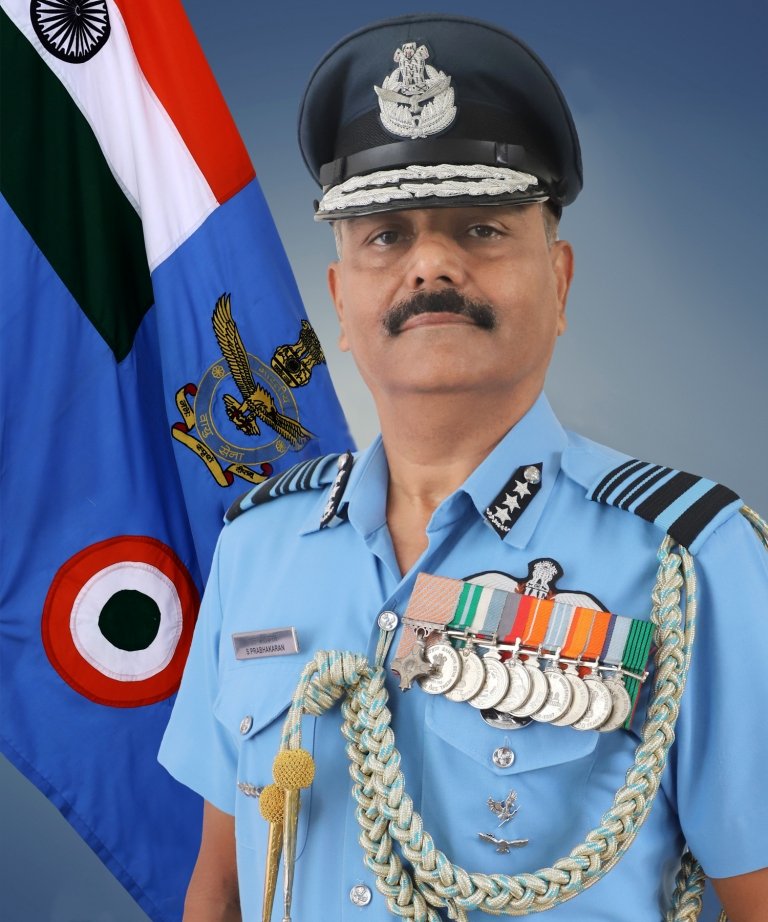
Air Officer C-in-C WESTERN AIR COMMAND
AIR MSHL S PRABHAKARAN AVSM VM
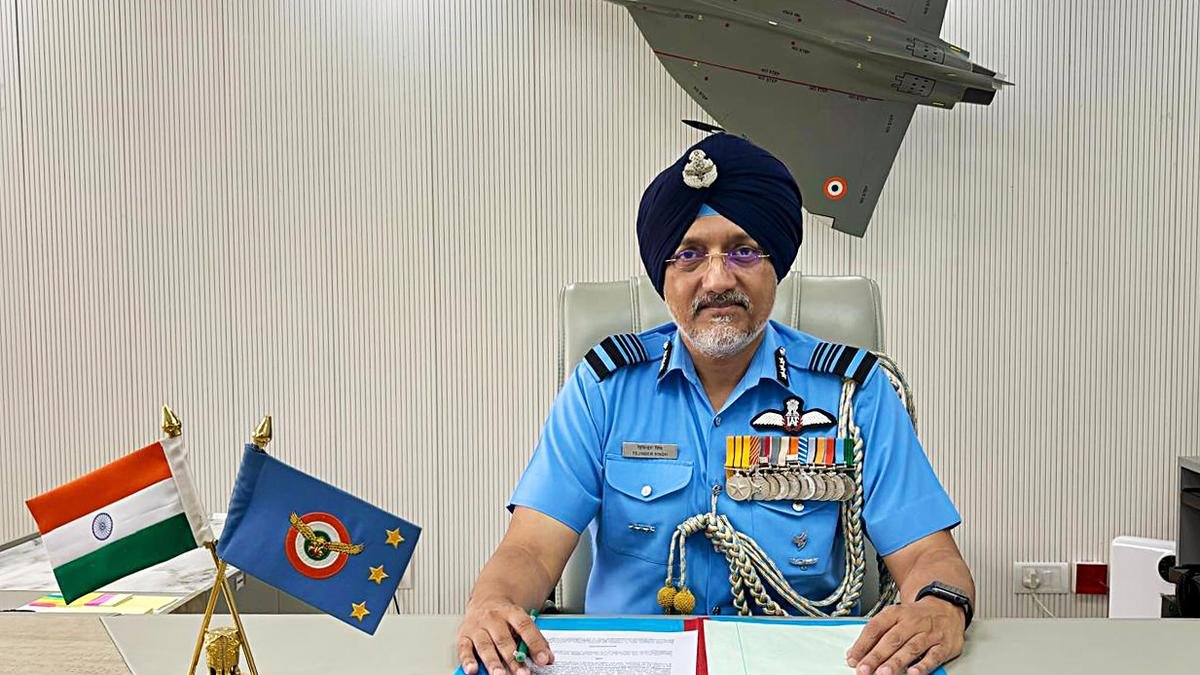
AOC-IN-C, EASTERN AIR COMMAND
Air Marshal Inderpal Singh Walia
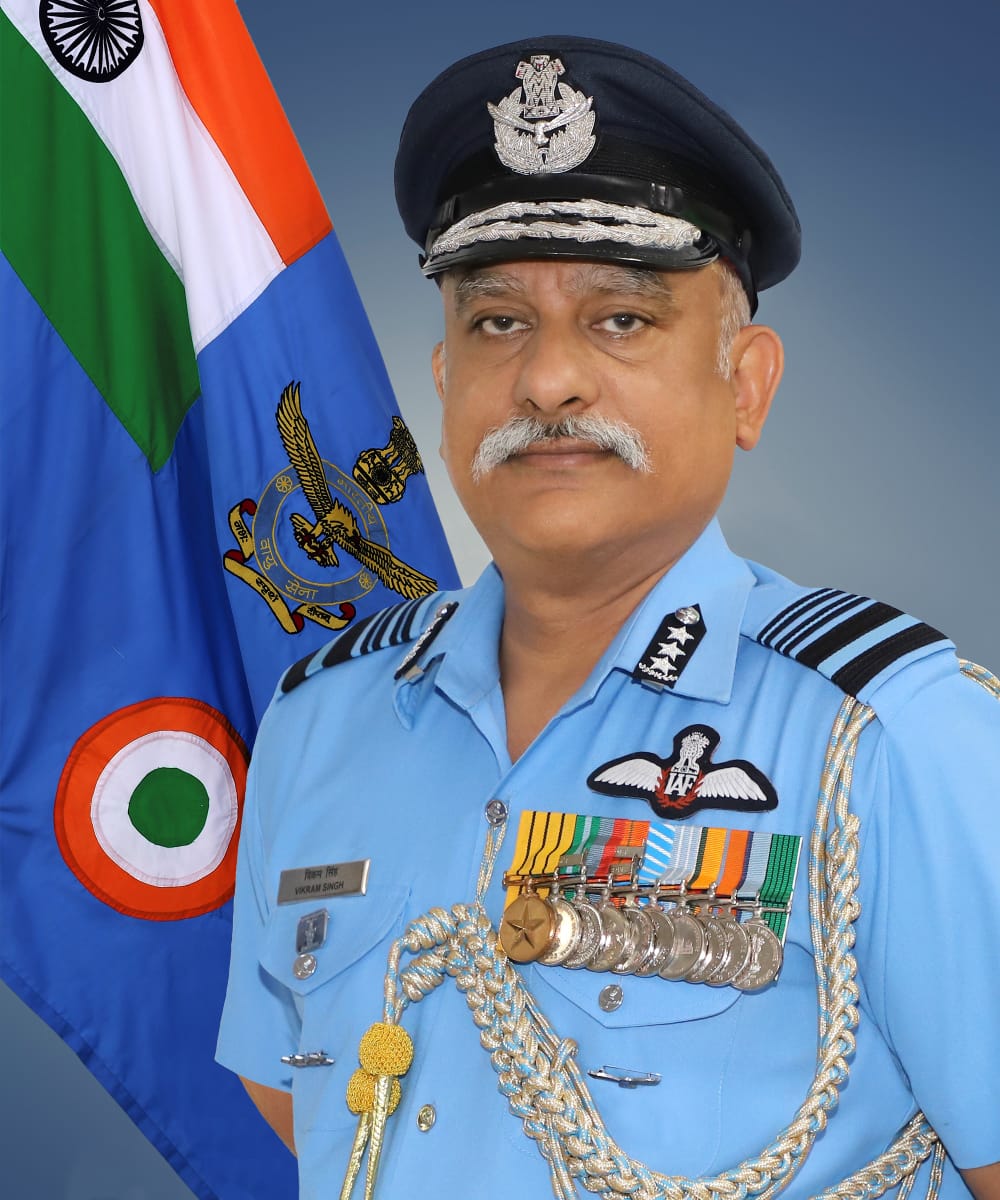
AOC-in-C SOUTH WESTERN AIR COMMAND
Air Marshal Vikram Singh
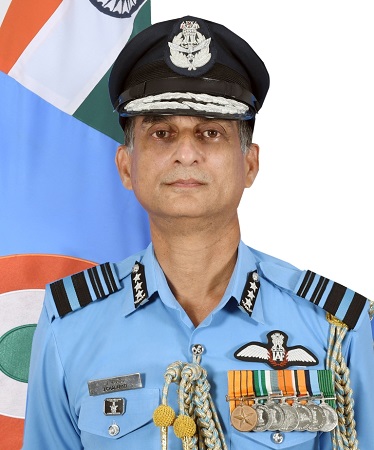
AOC-IN-C, SOUTHERN AIR COMMAND
Air Marshal J.Chalapati
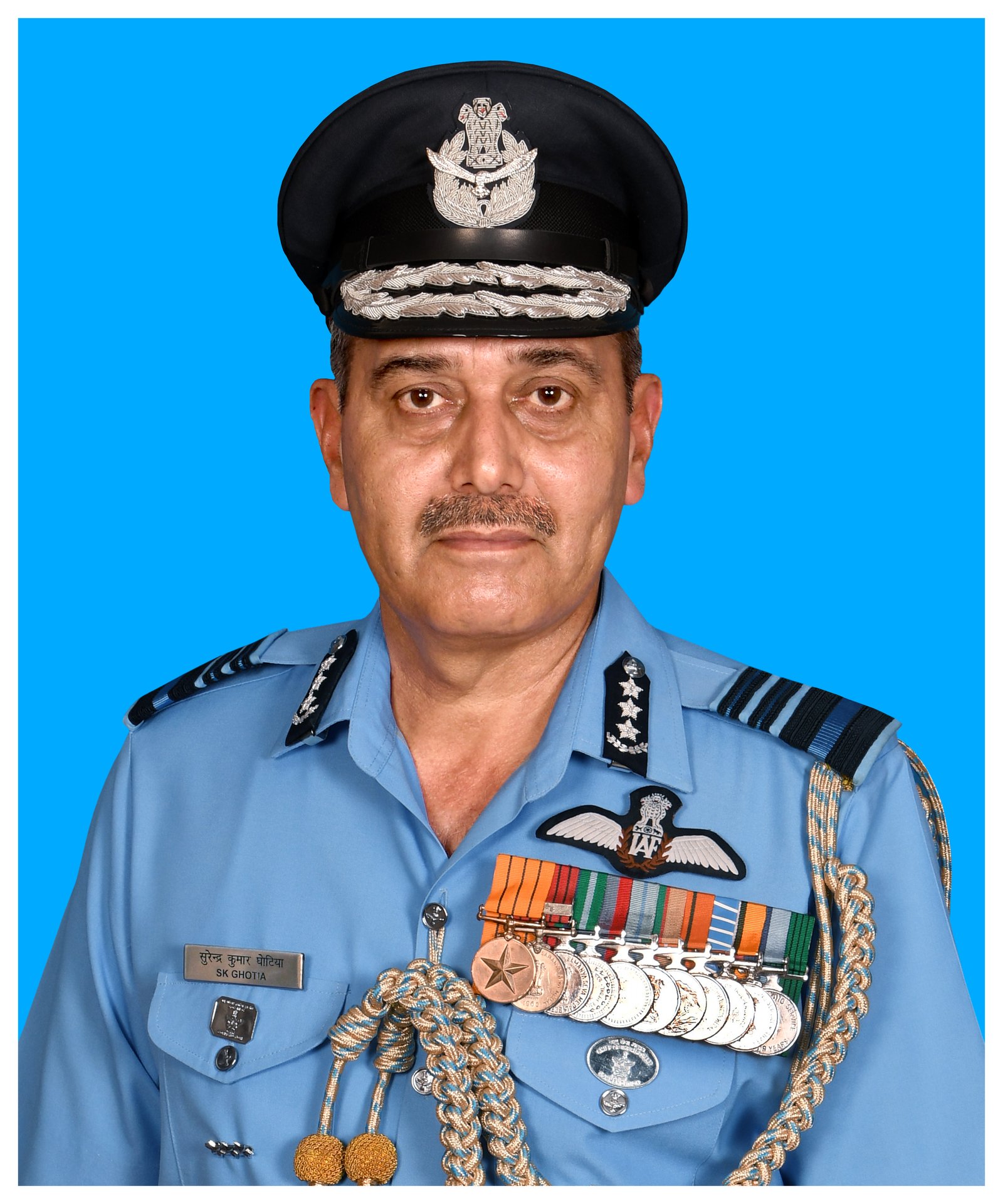
AOC-IN-C TRAINING COMMAND
AIR MARSHAL SK GHOTIA VSM
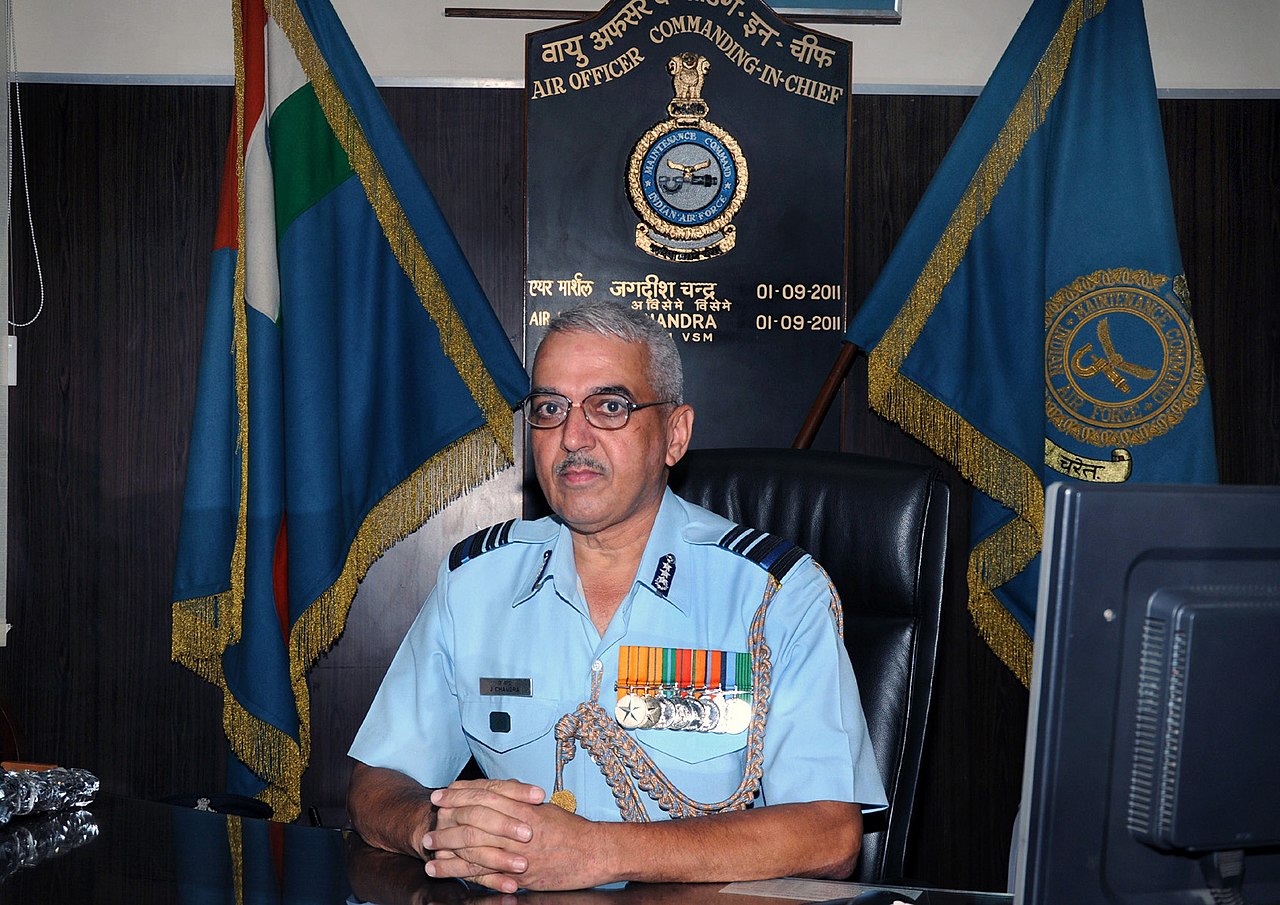
AOC-IN-C MAINTENANCE COMMAND
Air Marshal Jagdish Chandra
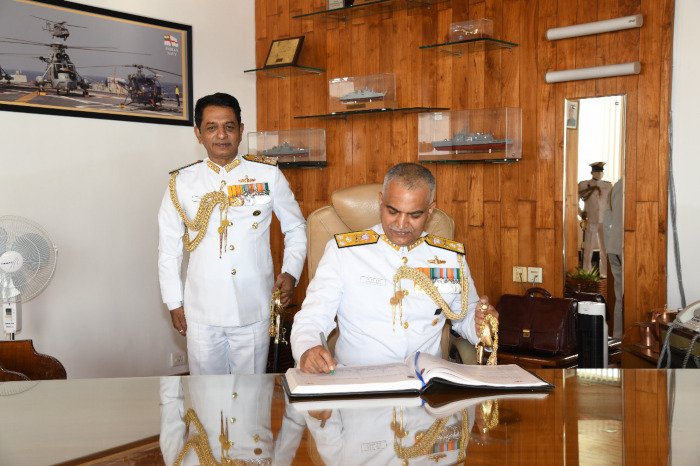
Flag Officer Commanding in Chief, Western Naval Command
ice Admiral R Hari Kumar, PVSM, AVSM, VSM
Flag Officer Commanding in Chief, Eastern Naval Command
Vice Admiral Sanjay Bhalla, AVSM, NM
Flag Officer Commanding in Chief, Southern Naval Command
CLICK TO OPEN-