IN his prison memoirs, while awaiting execution, Zulfiqar Ali Bhutto lamented in 1977 that while the “Christian, Jewish and Hindu” civilisations had nuclear weapons capability, it was the “Islamic civilisation” alone that did not possess “full nuclear capability”. Saudi Arabia, Libya and others initially financed fulfilment of this Bhutto dream and aspirations. Bhutto’s successors were liberal in transferring nuclear weapons technology and designs to Libya and Iran and offering such technology to Iraq. These pan-Islamic views were and are shared by a number of Pakistan’s nuclear scientists. Shortly after the 9/11 terrorist strikes, two senior Pakistani nuclear scientists, Sultan Bashiruddin Mehmood and Chaudhri Abdul Majeed, were charged with helping the Al-Qaeda acquire nuclear weapons. Two other scientists, Suleiman Asad and Ali Mukhtar, wanted for questioning about their links with the Al-Qaeda and Taliban, mysteriously disappeared while on a visit to Myanmar. A “fact sheet” published by the White House then stated that both Asad and Mukhtar had meetings with Mullah Omar and Osama bin Laden during repeated visits to Kandahar, prior to 9/11. It is no secret that AQ Khan’s successor, Samar Mubarak Mand, is also a hard-core Islamist, no less India obsessed than AQ Khan. Pakistan’s contacts and partners for nuclear proliferation extended to Saudi Arabia, Iraq and even North Korea, with which it struck a deal for supplying enrichment technology in exchange for liquid fuelled Nodong missiles. It is not surprising that, given this dubious track record on nuclear proliferation, Pakistan has few backers for receiving an Indian style “nuclear deal”, in the international community, apart from its “all-weather friend” and partner in nuclear proliferation, the Peoples Republic of China.Having acquired nuclear weapons, Pakistan was initially at a loss to spell out its nuclear doctrine, apart from repeating the mantra that its nuclear deterrent was exclusively “India centric”. About a decade ago, Lt General Khalid Kidwai, the longtime head of Strategic Planning of Pakistan’s National (Nuclear) Command Authority, declared that Pakistan’s nuclear weapons were “aimed solely at India”. Kidwai added that Pakistan would use nuclear weapons if India conquers a large part of Pakistani territory, or destroys a large part of its land and air forces. He also held out the possibility of the use of nuclear weapons if India attempted to “economically strangle” Pakistan, or pushes it to political destabilisation.In the decade that has elapsed since General Kidwai spoke, Pakistan has used its plutonium reactors and reprocessing plants in Khushab, located 200 km south of Islamabad, which have been supplied by China, to build light, relatively low-yield tactical nuclear weapons, mounted on short-range Nasr missiles. Pakistan describes this development as indicating that it now has “full spectrum nuclear capability” to launch low- yield tactical weapons against Indian army formations along the international border. On October 21, Pakistan Foreign Secretary Aizaz Chaudhry proclaimed: “Pakistan has built the infrastructure to launch a quick response to Indian aggression…Usage of low-yield nuclear weapons would make it difficult for India to launch an attack against Pakistan.” While this may appear to make sense in the Rajasthan-Sind region, it is certainly not feasible in Punjab, where the border areas in Pakistan are densely populated. Surely, the Punjabi-dominated Pakistan army does not intend to use its inability to fight a conventional war, to nuke its own Punjabi brethren, on its borders with India.India’s nuclear doctrine, first officially enunciated in January 2003, asserts that it intends to build and maintain a “credible nuclear deterrent”. While adopting a policy of “no first use”, it clarifies that its nuclear weapons will be used against an attack on Indian territory, or on Indian forces anywhere, in which nuclear, or chemical weapons are used. There is no ambiguity about the Indian doctrine. An attack on its territory, or armed forces, in which nuclear weapons are used, irrespective of whether they are low-yield tactical nuclear weapons, or strategic high-yield nukes, will face a massive nuclear response. The Pakistani civilian and military elite in Punjab will find the costs of an Indian response, to Pakistan’s use of low- yield tactical nuclear weapons against Indian forces anywhere, not merely “unacceptable”, but also “unbearable”. Pakistan will be very foolish to test out Indian resolve to respond massively to its use of tactical nuclear weapons. Pakistan will be particularly well advised to bear the reality in mind that its Punjab province, where both its civilian and military elite live, is densely populated. Its cantonments facing India are in this province. Moreover, Pakistan’s army has mounted military operations, involving the use of air power in certain cases, in populated areas of its three other provinces — Khyber Pakhtunkhwa, Baluchistan and Sind. Thousands of innocent Pakistani civilians have perished in the damage the army has inflicted. The Punjabi army elite evidently regards people in these provinces as less than equal — a mindset that cost them dearly in Bangladesh. In seeking to dominate the Pashtuns in their homeland, the Punjabi-dominated army seems to forget that historically, it is only the Sikhs in Punjab who have prevailed over the Pashtuns, till the Khyber Pass. It is self-evident that Gen Raheel Sharif is no Hari Singh Nalwa, who led the forces of Maharaja Ranjit Singh.Dealing with Pakistani nuclear illusions and delusions needs a multi-pronged approach. First and foremost, Pakistan should be presented a stark picture of what would happen to its Punjab province, if it resorts foolishly to nuclear adventurism, whether tactical or strategic. Diplomatically, India should expose the consequences to global nuclear safety and security of Pakistan’s refusal to join the Fissile Materials Cutoff Treaty. Given the Islamist inclinations of its nuclear scientists and a wide cross section of its Punjabi military-nuclear establishment, and their past proliferation record, it will be necessary, for responsible countries, to seriously take note of the dangerous implications of Pakistan’s nukes falling into wrong hands. An equally serious effort needs to be undertaken to expose China’s role in the development and expansion of Pakistan’s nuclear and missile arsenal. China, which has violated every international norm to curtail proliferation of missile and nuclear weapons technology, believes it is not accountable to anyone, because it is a Permanent Member of the UN Security Council. This arrogance, by a country that professes to be a votary of peace, needs to be exposed.
इस्लामिक बम और उसका प्रतिरोध
Posted On November – 18 – 2015
जी. पार्थसारथी
 जी. पार्थसारथी
पाकिस्तान के पूर्व प्रधानमंत्री जुल्फिकार अली भुट्टो ने 1977 में खुद को फांसी लगने का इंतजार करते हुए जेल की कोठरी में जो अपनी यादें कलमबद्ध की हैं, उनके मुताबिक जहां ईसाई, यहूदी और हिंदू सभ्यताओं के पास परमाणु बम सम्पन्न है’ वहीं उन्हें मलाल था कि सिर्फ इस्लामिक सभ्यता’ ही ऐसी थी, जिसके पास अपनी पूर्ण आणविक समर्था’ नहीं थी। सऊदी अरब, लीबिया और अन्य कई देशों ने पहले-पहल भुट्टो के इस सपने और आकांक्षा को पूरा करने के लिए पैसा लगाया था। भुट्टो के उत्तराधिकारियों ने आगे चलकर लीबिया और ईरान को आणविक हथियार बनाने की तकनीक और डिजाइन खुले दिल से हस्तांतरित किये और इराक को भी ऐसी पेशकश की गई थी। इस तरह के बृहद-इस्लामिक विचारों का समर्थन और प्रसार पाकिस्तान के बहुत से परमाणु वैज्ञानिक पहले भी करते आए हैं और आज भी कर रहे हैं। 9/11 के आतंकी हमलों के तुरंत बाद पाकिस्तान के दो वरिष्ठ परमाणु वैज्ञानिकों सुल्तान बशीरूद्दीन महमूद और चौधरी अब्दुल मजीद पर यह आरोप लगाए गए थे कि वे अल-कायदा को आणविक हथियार प्राप्त करने में मदद कर रहे हैं। इसके अलावा अल-कायदा और तालिबान से संपर्क रखने वाले दो अन्य वैज्ञानिक सुलेमान असद और अली मुख्तार जो पूछताछ के लिए वांछित थे, उस वक्त रहस्यमय ढंग से गायब हो गए थे, जब वे म्यांमार के दौर पर गए थे।
व्हाइट हाउस द्वारा प्रकाशित तथ्य-पत्र’ के अनुसार 9/11 के हमले से पहले असद और मुख्तार दोनों ही बार-बार कंधार जाया करते थे और इस दौरान मुल्ला उमर और ओसामा बिन लादेन के साथ मुलाकातें किया करते थे। पाकिस्तान के परमाणु कार्यक्रम के जनक वैज्ञानिक ए.क्यू. खान के उत्तराधिकारी समर मुबारक मंड भी काफी कट्टर इस्लामिक विचार रखते। अपने परमाणु कार्यक्रम को विस्तार देने की खातिर पाकिस्तान ने सऊदी अरब से लेकर इराक और उत्तर कोरिया के साथ संपर्क और साझेदारी कायम कर रखी थी। उत्तर कोरिया की द्रवित ईंधन पर चलने वाली नोडोंग मिसाइलों’ की तकनीक को परिष्कृत करने में सहायता देने की संधि इन दोनों देशों के बीच हुई थी। अत: इस तरह के संदिग्ध परमाणु शस्त्रीकरण कार्यक्रम के रिकॉर्ड के साथ पाकिस्तान का साथ देने में शायद ही उतनी संख्या में अंतरराष्ट्रीय बिरादरी के देश तैयार होंगे, जितनी कि भारत से की गई परमाणु संधि’ के प्रति सहमति रखते थे।
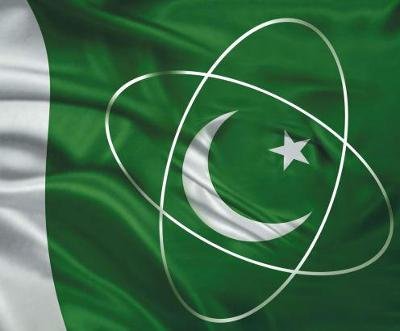
आणविक शक्ति पाने के बाद पाकिस्तान को यह समझ नहीं आ रहा था कि सिवाए यह मंत्रजाप’ करने के कि उसके परमाणु कार्यक्रम के केंद्र में भारत से बने खतरे की प्रतिक्रिया है, वह अपनी परमाणु नीति को क्या कहकर लोगों को बताए। कोई एक दशक पहले पाकिस्तान के राष्ट्रीय परमाणु कमांड प्राधिकरण के सामरिक योजना विभाग में अध्यक्ष रहे ले. जनरल खालिद किदवई ने यह उद्घोषणा की थी कि पाकिस्तान के आणविक हथियार सिर्फ भारत को निशाना बनाने के लिए’ ही हैं। किदवई ने कहा था कि पाक अणु बम का प्रयोग उन्हीं हालात में करेगा जब या तो पाकिस्तान के बड़े हिस्से पर भारत जीत प्राप्त करने में सफल रहेगा या फिर जब उसकी थल और वायुसेना को भारी नुकसान उठाना पड़ेगा। साथ ही इन संभावनाओं में भारत के वह प्रयास भी शामिल हैं, जिनमें वह पाकिस्तान की आर्थिकी का गला घोट दे’ अथवा उसे राजनीतिक रूप से अस्थिर करने वाले हालातों में ढकेल दे।
इस्लामाबाद से 200 कि.मी. दक्षिण में स्थित खुशआब इलाके में चीन द्वारा दिए गए प्लूटोनियम रिएक्टर और संवर्धन प्लांट में कम शक्ति का परमाणु पदार्थ काफी मात्रा में बनाया है जो कम संहारक क्षमता वाले आणविक हथियारों जैसे कि छोटी दूरी तक मार करने वाली नसर’ मिसाइलों को बनाने में इस्तेमाल होता है। पाक का दावा है कि अब उसके पास आणविक हथियारों की पूरी रेंज बनाने की समर्था’ आ गयी है और इसके बूते पर अंतरराष्ट्रीय सीमा पर तैनात भारतीय सेना की व्यूहरचना पर कम शक्ति वाले इन सामरिक हथियारों का इस्तेमाल किया जा सकता है। गत 21 अक्तूबर को पाकिस्तान के विदेश सचिव सरताज अजीज ने यह उद्घोषणा की : पाकिस्तान ने भारतीय आक्रमण का फौरी जबाव देने वाला आधारभूत ढांचा तैयार कर लिया है…क्योंकि कम शक्ति वाले आणविक हथियारों के बल पर हम भारत को पाकिस्तान पर हमला करने में मुश्किलें पैदा कर देंगे’। लेकिन उनका ऐसा आकलन जहां एक ओर राजस्थान-सिंध क्षेत्र के संदर्भ में तो सही हो सकता है वहीं दूसरी ओर पंजाब में यह बिल्कुल भी व्यावहारिक नहीं हो पाएगा, क्योंकि इस सीमांत प्रांत में खुद पाकिस्तान की भारी आबादी बसी हुई है। इतना पक्का है कि पंजाबियों के वर्चस्व वाली पाकिस्तानी सेना यह कतई नहीं चाहेगी कि अगर वह प्रभावी रूप से परंपरागत लड़ाई में असमर्थ रहती भी है तो इसका यह मतलब नहीं कि सीमा के साथ रहने वाले अपने ही पंजाबी भाई-बंधुओं को परमाणु-विकिरण के दोजख में झोंक दे!
भारत की परमाणु कार्यक्रम नीति में यह तय किया गया है कि इसका मंतव्य एक भरोसेमंद परमाणु प्रतिरोध’ बनाने और बनाए रखने का है। जहां भारत ने खुद से पहल न करने’ वाली नीति अपनाई है वहीं यह साफ किया है कि आणविक हथियारों का प्रयोग उस स्थिति में तब तक नहीं किया जाएगा जब तक कि भारतीय क्षेत्र या कहीं भी तैनात भारतीय सेना पर किसी प्रकार का परमाणु अथवा रासायनिक हमला न हुआ हो। पाकिस्तान की आम जनता और पंजाब के खासमखास वर्ग को उस वक्त तब यह पता चल जाएगा कि पाकिस्तान द्वारा कम शक्ति वाले आणविक हथियारों का इस्तेमाल न केवल भारत को नागवार’ है बल्कि इसकी प्रतिक्रिया में क्या कीमत उन्हें चुकानी पड़ेगी।
पाक को यह जहन में रखने की सलाह दी जाती है कि उसका पंजाब प्रांत जहां पर आम लोग और सेना के खासमखास रहते हैं, वह घनी आबादी वाला क्षेत्र है। भारत के सामने पड़ती इसकी अधिकांश छावनियां भी इसी इलाके में स्थित हैं। इससे भी ज्यादा यह कि पाकिस्तान की सेना ने इसके तीन प्रांतों खैबर-पखतूनवा, सिंध और बलूचिस्तान में सैन्य अभियान चला रखा है, जिसमें कुछ मामलों में घनी आबादी पर हवाई हमले भी शामिल हैं। सेना द्वारा ढहाए कहर में हजारों बेगुनाह नागरिक हताहत हुए हैं। पाक सेना का पंजाबी संभ्रात वर्ग जाहिरा तौर पर इन राज्यों के लोगों को अपने से दोयम मानता है। पंजाबियों के प्रभुत्व वाली पाकिस्तानी सेना जब पश्तूनों को उनके अपने इलाके में ही अपने अधीन लाने पर आमादा है, तब वह यह ऐतिहासिक तथ्य भूल जाती है कि खैबर दर्रे तक पश्तूनों की मुश्कें कसने में केवल तत्कालीन पंजाब के सिख योद्धा ही सफल रहे थे।
परमाणु बम के प्रति पाकिस्तान के मोह और भ्रम से निपटने के लिए बहुआयामी तरीका अपनाने की जरूरत है। सबसे पहले पाकिस्तान को उस दृश्यावली की भयावहता स्पष्ट रूप से प्रस्तुत कर दी जाए कि यदि वह परमाणु दुस्साहस करने की बेवकूफाना हरकत करेगा तो इस सूरत में उसके पंजाब प्रांत का क्या हश्र होने वाला है। यदि पाकिस्तान परमाणु बम बनाने वाले विखंडन पदार्थ की मात्रा सीमित करने वाली संधि का हिस्सा बनने से इनकार करता है तो इससे विश्व की परमाणु सुरक्षा को क्या खतरा उत्पन्न होगा। संसार के जिम्मेवार देशों को गंभीर रूप से इस बात का नोटिस लेना चाहिए कि यदि पाकिस्तान के परमाणु हथियार गलत तत्वों के हाथ लग गए तो इसका क्या खतरनाक नतीजा होगा। साथ ही पाक के परमाणु और मिसाइल कार्यक्रम में चीन की भूमिका का पर्दाफाश किया जाना चाहिए।
ਪਾਕਿ ਦੀ ਪਰਮਾਣੂ ਬਲੈਕਮੇਲਿੰਗ ਰੋਕਣ ਦਾ ਸਮਾਂ
Posted On November – 18 – 2015
 ਜੀ. ਪਾਰਥਾਸਾਰਥੀ *
ਸਾਲ 1977 ਵਿੱਚ ਜੇਲ੍ਹ ਦੀ ਕਾਲ ਕੋਠੜੀ ਵਿੱਚ ਫਾਂਸੀ ਦੀ ਉਡੀਕ ਕਰਦਿਆਂ ਲਿਖੀ ਆਪਣੀ ਸਵੈ-ਜੀਵਨੀ ਵਿੱਚ ਜ਼ੁਲਫ਼ਿਕਾਰ ਅਲੀ ਭੁੱਟੋ ਨੇ ਇਸ ਗੱਲ ਲਈ ਰੋਸ ਜਤਾਇਆ ਸੀ ਕਿ ‘ਈਸਾਈ, ਯਹੂਦੀ ਤੇ ਹਿੰਦੂ’ ਸੱਭਿਅਤਾਵਾਂ ਕੋਲ ਤਾਂ ਪਰਮਾਣੂ ਹਥਿਆਰਾਂ ਦੀ ਸਮਰੱਥਾ ਹੈ, ਪਰ ਇਸਲਾਮੀ ਸੱਭਿਅਤਾ ਇਸ ਮਾਮਲੇ ’ਚ ਇਕੱਲੀ ਕਾਰੀ ਰਹਿ ਗਈ ਹੈ ਤੇ ਪਰਮਾਣੂ ਹਥਿਆਰ ਆਪਣੇ ਦਮ ’ਤੇ ਬਣਾਉਣ ਦੇ ਸਮਰੱਥ ਨਹੀਂ। ਭੁੱਟੋ ਦੇ ਇਸ ਸੁਪਨੇ ਤੇ ਤਾਂਘ (ਪਾਕਿਸਤਾਨ ਨੂੰ ਪਰਮਾਣੂ ਸਮਰੱਥਾ ਵੇਖਣ ਦੇ) ਨੂੰ ਪੂਰਾ ਕਰਨ ਲਈ ਸ਼ੁਰੂਆਤ ਵਿੱਚ ਸਾਊਦੀ ਅਰਬ, ਲਿਬੀਆ ਤੇ ਹੋਰਨਾਂ ਮੁਲਕਾਂ ਨੇ ਪਾਕਿਸਤਾਨ ਦੀ ਵਿੱਤੀ ਮਦਦ ਵੀ ਕੀਤੀ। ਭੁੱਟੋ ਦੇ ਉਤਰਾਧਿਕਾਰੀ ਉਸ ਤੋਂ ਵੀ ਦੋ ਕਦਮ ਅੱਗੇ ਭਾਵ ਉਦਾਰਚਿੱਤ ਸਨ ਕਿ ਉਨ੍ਹਾਂ ਪਰਮਾਣੂ ਹਥਿਆਰ ਬਣਾਉਣ ਦੀ ਤਕਨੀਕ ਤੇ ਡਿਜ਼ਾਈਨ ਲਿਬੀਆ, ਇਰਾਨ ਤੇ ਅੱਗੋਂ ਇਰਾਕ ਨਾਲ ਵੀ ਸਾਂਝੇ ਕਰ ਲਏ। ਪਾਕਿਸਤਾਨ ਦੇ ਪਰਮਾਣੂ ਵਿਗਿਆਨੀ ਇਹ ਕੰਮ (ਟੈਕਨਾਲੋਜੀ ਸਾਂਝੀ ਕਰਨ ਦਾ) ਪਹਿਲਾਂ ਵੀ ਕਰਦੇ ਰਹੇ ਹਨ ਤੇ ਅੱਜ ਵੀ ਕਰ ਰਹੇ ਹਨ। ਅਮਰੀਕਾ ਵਿੱਚ 9/11 ਅੱਤਿਵਾਦੀ ਹਮਲੇ ਤੋਂ ਬਾਅਦ ਪਾਕਿਸਤਾਨ ਦੇ ਦੋ ਸੀਨੀਅਰ ਪਰਮਾਣੂ ਵਿਗਿਆਨੀਆਂ-ਸੁਲਤਾਨ ਬਸ਼ੀਰੂਦੀਨ ਮਹਿਮੂਦ ਅਤੇ ਚੌਧਰੀ ਅਬਦੁਲ ਮਜੀਦ ਉੱਤੇ ਪਰਮਾਣੂ ਹਥਿਆਰ ਤਿਆਰ ਕਰਨ ’ਚ ਅਲ-ਕਾਇਦਾ ਦੀ ਮਦਦ ਕਰਨ ਦੇ ਦੋਸ਼ ਲੱਗੇ ਸਨ। ਦੋ ਹੋਰ ਵਿਗਿਆਨੀ ਸੁਲੇਮਾਨ ਅਸਦ ਤੇ ਅਲੀ ਮੁਖ਼ਤਾਰ, ਜੋ ਅਲ-ਕਾਇਦਾ ਨਾਲ ਸਬੰਧਾਂ ਕਰਕੇ ਪੁੱਛ-ਪੜਤਾਲ ਲਈ ਲੋੜੀਂਦੇ ਸਨ, ਮਿਆਂਮਾਰ ਵਿੱਚ ਰਹੱਸਮਈ ਤਰੀਕੇ ਨਾਲ ਲਾਪਤਾ ਹੋ ਗਏ।
ਵ੍ਹਾਈਟ ਹਾਊਸ ਵੱਲੋਂ ਪ੍ਰਕਾਸ਼ਿਤ ਤੱਥਾਂ ’ਤੇ ਆਧਾਰਿਤ ਦਸਤਾਵੇਜ਼ ’ਚੋਂ ਮਗਰੋਂ ਕਿਹਾ ਗਿਆ ਕਿ 9/11 ਹਮਲੇ ਤੋਂ ਪਹਿਲਾਂ ਅਸਦ ਤੇ ਮੁਖਤਿਆਰ ਨੇ ਕੰਧਾਰ ਦੇ ਕਈ ਗੇੜੇ ਲਾਏ ਤੇ ਮੁੱਲ੍ਹਾ ਉਮਰ ਤੇ ਓਸਾਮਾ ਬਿਨ ਲਾਦਿਨ ਨਾਲ ਮੀਟਿੰਗਾਂ ਕੀਤੀਆਂ। ਇਹ ਗੱਲ ਵੀ ਕਿਸੇ ਤੋਂ ਲੁਕੀ ਨਹੀਂ ਕਿ ਪਾਕਿਸਤਾਨ ਦੇ ਪ੍ਰਮੁੱਖ ਪਰਮਾਣੂ ਵਿਗਿਆਨੀ ਅਬਦੁਲ ਕਦੀਰ ਖ਼ਾਨ ਦਾ ਜਾਨਸ਼ੀਨ ਸਮਰ ਮੁਬਾਰਕ ਮੰਡ ਕੱਟੜ ਇਸਲਾਮਪ੍ਰਸਤ ਹੈ ਅਤੇ ਉਹ ਭਾਰਤ ਦੇ ਓਨਾ ਹੀ ਖਿਲਾਫ਼ ਹੈ ਜਿੰਨਾ ਅਬਦੁਲ ਕਦੀਰ ਖ਼ਾਨ ਸੀ। ਪਾਕਿਸਤਾਨ ਨੇ ਪਰਮਾਣੂ ਤਕਨੀਕ ਦੇ ਪਸਾਰ ਲਈ ਆਪਣੇ ਭਾਈਵਾਲਾਂ ਦਾ ਘੇਰਾ ਵਧਾਉਂਦਿਆਂ ਸਾਊਦੀ ਅਰਬ ਤੇ ਇਰਾਕ ਤੋਂ ਇਲਾਵਾ ਦੱਖਣੀ ਕੋਰੀਆ ਨੂੰ ਵੀ ਇਸ ਵਿੱਚ ਸ਼ਾਮਲ ਕਰ ਲਿਆ, ਜਿਸ ਨਾਲ ਉਸ ਨੇ ਸੋਧੀ ਹੋਈ ਪਰਮਾਣੂ ਤਕਨੀਕ ਸਾਂਝੀ ਕਰਨ ਦੇ ਇਵਜ਼ ’ਚ ਤਰਲ ਫ਼ਿਊਲ ਯੁਕਤ ‘ਨੋਡੋਂਗ’ ਮਿਜ਼ਾਈਲਾਂ ਲੈਣ ਸਬੰਧੀ ਕਰਾਰ ਕੀਤਾ ਹੈ। ਪਰਮਾਣੂ ਟੈਕਨਾਲੋਜੀ ਦੇ ਪਸਾਰ ਨੂੰ ਲੈ ਕੇ ਪਾਕਿਸਤਾਨ ਦੇ ਪਿਛਲੇ ਸੰਦੇਹਪੂਰਨ ਰਿਕਾਰਡ ਨੂੰ ਵੇਖਦਿਆਂ ਇਸ ਵਿੱਚ ਕੋਈ ਹੈਰਾਨੀ ਵਾਲੀ ਗੱਲ ਨਹੀਂ ਕਿ ਭਾਰਤੀ ਤਰਜ਼ ਵਾਲਾ ‘ਪਰਮਾਣੂ ਸਮਝੌਤਾ’ ਕਰਨ ਲਈ ਚੀਨ ਨੂੰ ਛੱਡ ਕੇ (ਜਿਸ ਦਾ ਨਾ ਸਿਰਫ਼ ਪਾਕਿਸਤਾਨ ਨਾਲ ਪੱਕਾ ਯਾਰਾਨਾ ਹੈ ਬਲਕਿ ਉਹ ਪਰਮਾਣੂ ਟੈਕਨਾਲੋਜੀ ਦੇ ਪਸਾਰ ਵਿੱਚ ਉਸਦਾ ਭਾਈਵਾਲ ਵੀ ਹੈ) ਕੌਮਾਂਤਰੀ ਬਰਾਦਰੀ ਵਿੱਚੋਂ ਕੁਝ ਕੁ ਮੁਲਕ ਹੀ ਪਾਕਿਸਤਾਨ ਦੀ ਪਿੱਠ ਥਾਪੜਨਗੇ।
ਪਰਮਾਣੂ ਹਥਿਆਰ ਹਾਸਲ ਕਰਨ ਤੋਂ ਬਾਅਦ ਸ਼ੁਰੂਆਤ ਵਿੱਚ ਪਾਕਿਸਤਾਨ ਨੂੰ ਇਹ ਸਮਝ ਨਹੀਂ ਸੀ ਆ ਰਹੀ ਕਿ ਉਹ ਆਪਣੇ ਪਰਮਾਣੂ ਸਿਧਾਂਤ ਨੂੰ ਕਿਹੜੀ ਰੂਪ-ਰੇਖਾ ਦੇਵੇ। ਇਸੇ ਲਈ ਉਹ ਇਹੋ ਰਟ ਲਾਉਂਦਾ ਰਿਹਾ ਕਿ ਉਸ ਦਾ ਪਰਮਾਣੂ ਪ੍ਰੋਗਰਾਮ ਖ਼ਾਸ ਤੌਰ ’ਤੇ ਭਾਰਤ ਖ਼ਿਲਾਫ਼ ਕੇਂਦਰਿਤ ਹੈ। ਪਾਕਿਸਤਾਨ ਦੀਆਂ ਯੁੱਧਨੀਤਕ ਯੋਜਨਾਵਾਂ ਘੜਨ ਵਾਲੀ ਸੰਸਥਾ ਕੌਮੀ (ਪਰਮਾਣੂ) ਕਮਾਂਡ ਅਥਾਰਟੀ ਦੇ ਲੰਮਾ ਸਮਾਂ ਮੁਖੀ ਰਹੇ ਲੈਫ਼ਟੀਨੈਂਟ ਜਨਰਲ ਖ਼ਾਲਿਦ ਕਿਦਵਾਈ ਨੇ ਇੱਕ ਦਹਾਕਾ ਪਹਿਲਾਂ ਐਲਾਨ ਕੀਤਾ ਸੀ ਕਿ ਪਾਕਿਸਤਾਨ ਦੇ ਪਰਮਾਣੂ ਹਥਿਆਰਾਂ ਦਾ ਮੁੱਖ ਨਿਸ਼ਾਨਾ ਭਾਰਤ ਹੈ। ਕਿਦਵਾਈ ਨੇ ਕਿਹਾ ਕਿ ਪਾਕਿਸਤਾਨ ਸਿਰਫ਼ ਉਸੇ ਸਥਿਤੀ ਵਿੱਚ ਪਰਮਾਣੂ ਹਥਿਆਰਾਂ ਨੂੰ ਹੱਥ ਲਾਏਗਾ ਜੇਕਰ ਭਾਰਤ, ਪਾਕਿਸਤਾਨ ਸਰਜ਼ਮੀਨ ’ਤੇ ਕਬਜ਼ਾ ਕਰਨ ਜਾਂ ਇਸ ਦੇ ਵੱਡੇ ਹਿੱਸੇ ਜਾਂ ਹਵਾਈ ਸੈਨਾਵਾਂ ਨੂੰ ਨੁਕਸਾਨ ਪਹੁੰਚਾਉਣ ਦੀ ਕੋਸ਼ਿਸ਼ ਕਰਦਾ ਹੈ। ਕਿਦਵਾਈ ਨੇ ਤਾਂ ਆਰਥਿਕ ਤੌਰ ’ਤੇ ਮੁਲਕ ਨੂੰ ਕਮਜ਼ੋਰ ਕਰਨ ਜਾਂ ਸਿਆਸੀ ਅਸਥਿਰਤਾ ਵੱਲ ਧੱਕਣ ਦੀ ਸੂਰਤ ਵਿੱਚ ਵੀ ਭਾਰਤ ਖ਼ਿਲਾਫ਼ ਪਰਮਾਣੂ ਹਥਿਆਰ ਕੱਢਣ ਦੀ ਧਮਕੀ ਦਿੱਤੀ ਸੀ। ਜਨਰਲ ਕਿਦਵਾਈ ਵੱਲੋਂ ਕੀਤੇ ਇਸ ਐਲਾਨ ਤੋਂ ਬਾਅਦ ਇੱਕ ਦਹਾਕਾ ਲੰਘ ਚੁੱਕਾ ਹੈ। ਪਾਕਿਸਤਾਨ ਨੇ ਇਸਲਾਮਾਬਾਦ ਤੋਂ 200 ਕਿਲੋਮੀਟਰ ਦੱਖਣ ਵੱਲ ਖੁਸ਼ਾਬ ਵਿੱਚ ਚੀਨ ਵੱਲੋਂ ਘੱਲੇ ਪਲੂਟੋਨੀਅਮ ਰਿਐਕਟਰ ਤੇ ਰੀਪ੍ਰੋਸੈਸਿੰਗ ਪਲਾਂਟ ਸਥਾਪਿਤ ਕੀਤੇ ਹਨ ਜਿੱਥੇ ਘੱਟ ਦੂਰੀ ਤਕ ਮਾਰ ਕਰਨ ਵਾਲੀਆਂ ‘ਨਾਸਿਰ’ ਮਿਜ਼ਾਈਲਾਂ ’ਤੇ ਲੱਗਣ ਵਾਲੇ ਮੁਕਾਬਲਤਨ ਹਲਕੇ ਤੇ ਘੱਟ ਨੁਕਸਾਨ ਕਰਨ ਵਾਲੇ ਪਰਮਾਣੂ ਹਥਿਆਰ ਬਣਾਏ ਜਾ ਰਹੇ ਹਨ। ਪਾਕਿਸਤਾਨ ਦਾ ਦਾਅਵਾ ਹੈ ਕਿ ਹੁਣ ਪਰਮਾਣੂ ਹਥਿਆਰਾਂ ਦੇ ਖੇਤਰ ’ਚ ਉਹ ਪੂਰੀ ਤਰ੍ਹਾਂ ਸਮਰੱਥ ਹੈ ਤੇ ਉਹ ਕੌਮਾਂਤਰੀ ਸਰਹੱਦ ’ਤੇ ਭਾਰਤੀ ਫ਼ੌਜ ਦੇ ਟਿਕਾਣਿਆਂ ਵੱਲ ਇਨ੍ਹਾਂ ਪਰਮਾਣੂ ਹਥਿਆਰਾਂ ਨੂੰ ਦਾਗ਼ਣ ਤੋਂ ਗੁਰੇਜ਼ ਨਹੀਂ ਕਰੇਗਾ। ਅਜੇ ਪਿਛਲੇ ਮਹੀਨੇ ਹੀ ਪਾਕਿਸਤਾਨ ਦੇ ਵਿਦੇਸ਼ ਸਕੱਤਰ ਐਜ਼ਾਜ਼ ਚੌਧਰੀ ਨੇ ਵੀ ਇਹ ਦਾਅਵਾ ਕੀਤਾ ਸੀ ਕਿ ਉਨ੍ਹਾਂ ਭਾਰਤ ਦੇ ਕਿਸੇ ਵੀ ਹੱਲੇ ਦਾ ਫ਼ੌਰੀ ਜਵਾਬ ਦੇਣ ਲਈ ਬੁਨਿਆਦੀ ਢਾਂਚਾ ਵਿਕਸਤ ਕਰ ਲਿਆ ਹੈ। ਇਨ੍ਹਾਂ ਘੱਟ ਨੁਕਸਾਨ ਕਰਨ ਵਾਲੇ ਪਰਮਾਣੂ ਹਥਿਆਰਾਂ ਨੂੰ ਦੇਖਕੇ ਭਾਰਤ ਲਈ ਪਾਕਿਸਤਾਨ ’ਤੇ ਹਮਲਾ ਕਰਨਾ ਮੁਸ਼ਕਿਲ ਹੋ ਜਾਵੇਗਾ। ਰਾਜਸਥਾਨ-ਸਿੰਧ ਖੇਤਰ ਵਿੱਚ ਤਾਂ ਉਪਰੋਕਤ ਦਾਅਵੇ ਦੀ ਕੁਝ ਤੁੱਕ ਬਣਦੀ ਹੈ, ਪਰ ਪੰਜਾਬ ਜਿਸ ਦਾ ਪਾਕਿਸਤਾਨ ਵਾਲੇ ਪਾਸੇ ਦਾ ਸਰਹੱਦੀ ਖੇਤਰ ਸੰਘਣੀ ਆਬਾਦੀ ਵਾਲਾ ਹੈ, ’ਚ ਇਹ ਸੰਭਵ ਨਹੀਂ। ਇੱਥੇ ਪਾਕਿਸਤਾਨੀ ਫ਼ੌਜ, ਜਿਸ ਵਿੱਚ ਵੱਡੀ ਗਿਣਤੀ ਪੰਜਾਬੀਆਂ ਦੀ ਹੈ, ਸਰਹੱਦ ਦੇ ਇਸ ਪਾਰ ਭਾਰਤ ਵਿੱਚ ਰਹਿੰਦੇ ਆਪਣੇ ਪੰਜਾਬੀਆਂ ਖ਼ਿਲਾਫ਼ ਪਰਮਾਣੂ ਹਥਿਆਰ ਵਰਤਣ ਦੀ ਥਾਂ ਰਵਾਇਤੀ ਜੰਗ ਲੜਨ ਨੂੰ ਹੀ ਤਰਜੀਹ ਦੇਣਗੇ।
ਭਾਰਤ ਨੇ ਆਪਣੇ ਪਰਮਾਣੂ ਸਿਧਾਂਤ ਦਾ ਅਧਿਕਾਰਤ ਐਲਾਨ ਪਹਿਲੀ ਵਾਰ ਜਨਵਰੀ 2003 ਵਿੱਚ ਕੀਤਾ ਸੀ। ਉਦੋਂ ਭਾਰਤ ਨੇ ਦਾਅਵਾ ਕੀਤਾ ਸੀ ਕਿ ਉਸ ਦੀ ਪਰਮਾਣੂ ਨੀਤੀ ਦਾ ਮੁੱਖ ਮੰਤਵ ਭਰੋਸੇਯੋਗ ਪਰਮਾਣੂ ਹਮਲਾ ਵਰਜਕ ਪ੍ਰੋਗਰਾਮ ਤਿਆਰ ਕਰਨਾ ਹੈ। ਭਾਰਤ ਨੇ ਯਕੀਨ ਦਿਵਾਇਆ ਸੀ ਕਿ ਉਸ ਦੀ ਨੀਤੀ ‘ਪਹਿਲਾਂ ਹਥਿਆਰ ਨਾ ਚੁੱਕਣ ਦੀ ਹੈ। ਉਸ ਨੇ ਵਿਸ਼ਵ ਨੂੰ ਸਪਸ਼ਟ ਕਰ ਦਿੱਤਾ ਕਿ ਪਰਮਾਣੂ ਹਥਿਆਰ, ਤਾਂ ਹੀ ਵਰਤੇ ਜਾਣਗੇ ਜੇਕਰ ਕੋਈ ਭਾਰਤੀ ਸਰਜ਼ਮੀਨ ਜਾਂ ਭਾਰਤੀ ਸੁਰੱਖਿਆ ਦਸਤਿਆਂ ਖ਼ਿਲਾਫ਼ ਕਿਤੇ ਵੀ ਪਰਮਾਣੂ ਜਾਂ ਰਸਾਇਣਕ ਹਥਿਆਰਾਂ ਦਾ ਇਸਤੇਮਾਲ ਕਰੇਗਾ। ਭਾਰਤ ਦੀ ਪਰਮਾਣੂ ਨੀਤੀ ਨੂੰ ਲੈ ਕੇ ਕੋਈ ਸ਼ੱਕ-ਸ਼ੁਬਹਾ ਨਹੀਂ ਹੈ। ਭਾਰਤ ਖ਼ਿਲਾਫ਼ ਚਾਹੇ ਘੱਟ ਮਾਰੂ ਸਮਰੱਥਾ ਵਾਲੇ ਪਰਮਾਣੂ ਹਥਿਆਰ ਵਰਤੇ ਜਾਣ ਜਾਂ ਵੱਧ ਸਮਰੱਥਾ ਵਾਲੇ, ਜਵਾਬ ਮੂੰਹ ਤੋੜਵਾਂ ਮਿਲੇਗਾ।
ਪਾਕਿਸਤਾਨ ਜੇਕਰ ਭਾਰਤ ਖ਼ਿਲਾਫ਼ ਘੱਟ ਮਾਰੂ ਪਰਮਾਣੂ ਹਥਿਆਰ ਵਰਤਦਾ ਹੈ ਤਾਂ ਭਾਰਤ ਦੀ ਜਵਾਬੀ ਕਾਰਵਾਈ ਵਜੋਂ ਪਾਕਿਸਤਾਨ ਦੇ ਆਮ ਨਾਗਰਿਕਾਂ ਤੇ ਸੂਬਾ ਪੰਜਾਬ ਦੀ ਫ਼ੌਜ ਨੂੰ ਵੀ ਇਸ ਦਾ ਮੁੱਲ ਤਾਰਨਾ ਪਏਗਾ। ਅਜਿਹੀ ਸਥਿਤੀ ਦੇ ਬਾਵਜੂਦ ਜੇ ਪਾਕਿਸਤਾਨ ਫਿਰ ਵੀ ਪਰਮਾਣੂ ਹਥਿਆਰ ਭਾਰਤ ਖ਼ਿਲਾਫ਼ ਇਸਤੇਮਾਲ ਕਰਦਾ ਹੈ ਤਾਂ ਇਹ ਉਸ ਦੀ ਮੂਰਖਤਾ ਹੀ ਹੋਵੇਗੀ।
ਪਾਕਿਸਤਾਨ ਨੂੰ ਇਹ ਨੇਕ ਸਲਾਹ ਦਿੱਤੀ ਜਾਂਦੀ ਹੈ ਕਿ ਉਹ ਇਸ ਸੱਚਾਈ ਨੂੰ ਆਪਣੇ ਜ਼ਹਿਨ ’ਚ ਵਸਾ ਲਵੇ ਕਿ ਉਸ ਦਾ ਸੂਬਾ ਪੰਜਾਬ ਜਿੱਥੇ ਉਸ ਦੇ ਆਮ ਸ਼ਹਿਰੀ ਤੇ ਉੱਚ ਵਰਗ ਦੇ ਲੋਕ ਬਹੁਤ ਵੱਡੀ ਗਿਣਤੀ ’ਚ ਰਹਿੰਦੇ ਹਨ, ਸੰਘਣੀ ਆਬਾਦੀ ਵਾਲਾ ਇਲਾਕਾ ਹੈ। ਉਸਦੀਆਂ ਮੁੱਖ ਛਾਉਣੀਆਂ ਭਾਰਤ ਨਾਲ ਲੱਗਦੀ ਸਰਹੱਦ ਤੋਂ ਬਹੁਤੀ ਦੂਰ ਨਹੀਂ। ਪਾਕਿਸਤਾਨੀ ਫ਼ੌਜ ਘੱਟ ਵਸੋਂ ਵਾਲੇ ਦੇਸ਼ ਦੇ ਤਿੰਨ ਹੋਰਨਾਂ ਸੂਬਿਆਂ-ਖ਼ੈਬਰ ਪਖ਼ਤੂਨਵਾ, ਬਲੋਚਿਸਤਾਨ ਤੇ ਸਿੰਧ ਵਿੱਚ ਵੀ ਫ਼ੌਜੀ ਅਪਰੇਸ਼ਨ (ਹਵਾਈ ਸੈਨਾ ਦੀ ਮਦਦ ਨਾਲ) ਚਲਾ ਰਹੀ ਹੈ। ਅਜਿਹੇ ਅਪਰੇਸ਼ਨਾਂ ਦੌਰਾਨ ਸੈਂਕੜੇ ਨਿਰਦੋਸ਼ ਪਾਕਿਸਤਾਨੀ ਨਾਗਰਿਕ ਮਾਰੇ ਜਾ ਚੁੱਕੇ ਹਨ। ਫ਼ੌਜ ਉੱਤੇ ਹਾਵੀ ਪੰਜਾਬੀ ਉੱਚ ਵਰਗ ਇਨ੍ਹਾਂ ਸੂਬਿਆਂ ’ਚ ਆਮ ਲੋਕਾਂ ਨੂੰ ਪੰਜਾਬੀਆਂ ਨਾਲੋਂ ਨੀਵਾਂ ਸਮਝਦੇ ਹਨ। ਅਜਿਹੀ ਸੋਚ ਕਾਰਨ ਆਪਣੇ ਹੀ ਲੋਕਾਂ ਖ਼ਿਲਾਫ਼ ਜਾਣ ਦਾ ਉਹ ਬੰਗਲਾਦੇਸ਼ ਵਿੱਚ ਖ਼ਮਿਆਜ਼ਾ ਭੁਗਤ ਚੁੱਕੇ ਹਨ। ਆਪਣੇ ਗ੍ਰਹਿ ਸੂਬੇ ’ਚ ਪਸ਼ਤੂਨਾਂ ਦੇ ਗ਼ਲਬੇ ਨੂੰ ਘੱਟ ਕਰਨ ਦੇ ਚੱਕਰ ’ਚ ਫ਼ੌਜ ’ਤੇ ਆਪਣੇ ਦਬਦਬਾ ਰੱਖਣ ਵਾਲੇ ਪੰਜਾਬੀ ਸ਼ਾਇਦ ਇਹ ਗੱਲ ਭੁੱਲ ਗਏ ਹਨ ਕਿ ਇਤਿਹਾਸ ਇਸ ਗੱਲ ਦਾ ਗਵਾਹ ਹੈ ਕਿ ਖ਼ੈਬਰ ਪਾਸ ਤਕ ਉਹ ਸਿਰਫ਼ ਸਿੱਖ ਹੀ ਸਨ ਜਿਨ੍ਹਾਂ ਦਾ ਪਸ਼ਤੁੂਨਾਂ ’ਤੇ ਪੂਰਾ ਦਬਦਬਾ ਸੀ। ਇਹ ਗੱਲ ਵੀ ਜੱਗ ਜ਼ਾਹਿਰ ਹੈ ਕਿ ਜਨਰਲ ਰਹੀਲ ਸ਼ਰੀਫ਼, ਹਰੀ ਸਿੰਘ ਨਲੂਆ ਨਹੀਂ, ਜੋ ਮਹਾਰਾਜਾ ਰਣਜੀਤ ਸਿੰਘ ਦੀਆਂ ਫ਼ੌਜਾਂ ਨੂੰ ਪਸ਼ਤੂਨਾਂ ਖ਼ਿਲਾਫ਼ ਜੇਤੂ ਅਗਵਾਈ ਦਿੰਦਾ ਰਿਹਾ ਸੀ।
ਪਾਕਿਸਤਾਨ ਦੇ ਪਰਮਾਣੂ ਭਰਮਾਂ ਤੇ ਵਹਿਮਾਂ ਦਾ ਟਾਕਰਾ ਬਹੁਮੁਖੀ ਢੰਗ ਨਾਲ ਕੀਤਾ ਜਾਣਾ ਚਾਹੀਦਾ ਹੈ। ਉਸਨੂੰ ਉਸਦੇ ਦਾਅਵਿਆਂ ਤੇ ਧਮਕੀਆਂ ਦੇ ਜਵਾਬ ਵਿੱਚ ਅਸਲ ਤਸਵੀਰ ਦਿਖਾ ਦਿੱਤੀ ਜਾਣੀ ਚਾਹੀਦੀ ਹੈ ਕਿ ਜੇਕਰ ਉਹ ਪਰਮਾਣੂ ਹਥਿਆਰ ਵਰਤਣ ਦੇ ਰਾਹ ਪੈਂਦਾ ਹੈ, ਤਾਂ ਜਵਾਬ ਵਿੱਚ ਉਸਦੇ ਸੂਬਾ ਪੰਜਾਬ ਦੀ ਤਸਵੀਰ ਕੀ ਹੋਵੇਗੀ। ਸਫ਼ਾਰਤੀ ਪੱਧਰ ’ਤੇ ਭਾਰਤ ਨੂੰ ਚਾਹੀਦਾ ਹੈ ਕਿ ਉਹ ਪਾਕਿਸਤਾਨ ਦੇ ਪਰਮਾਣੂ ਪ੍ਰੋਗਰਾਮ ਨਾਲ ਜੁੜੇ ਖ਼ਤਰਿਆਂ ਨੂੰ ਸਮੁੱਚੀ ਦੁਨੀਆਂ ਵਿੱਚ ਬੇਨਕਾਬ ਕਰੇ।