All posts by webadmin

UERC urged not to approve power tariff hike for domestic consumers

UERC urged not to approve power tariff hike for domestic consumers
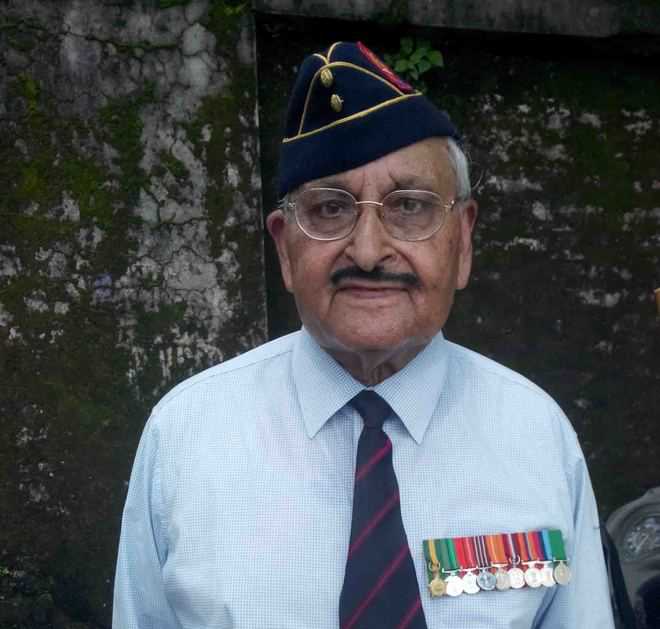
Brig KG Behl (retd)

Tribune News Service

Dehradun, March 10

The Uttarakhand Electricity Regulatory Commission (UERC) should not approve the proposed hike in power tariff for domestic and commercial consumers for 2016-17 in the state, stated Brig KG Behl (retd), president of the All India Consumers Council, Uttarakhand, in a press note issued here today. He said Uttarakhand Power Corporation Limited (UPCL) should chalk out effective plans to strengthen the electricity distribution system.Brig Behl said the present domestic tariff was already too high. Consumers were paying Rs 3.80 per unit after consuming 200 units in a billing cycle.“When the consumption of electricity goes beyond 400 units, the rate charged from domestic consumers is Rs 4 per unit, which is quite high considering that it is for domestic purposes,” he said.Brig Behl added domestic consumers were thus being charged high for their normal consumption which should not be more than Rs 3 per unit. He lamented that domestic consumers pay Rs 120 per month as a fixed charge.He said since electricity was generated in the state, domestic consumers should be charged at the rates at which it was produced and not at the rates at which electricity was being procured from other sources for industrial purposes.


Ready for talks, but India not forthcoming: Pak

Ready for talks, but India not forthcoming: Pak
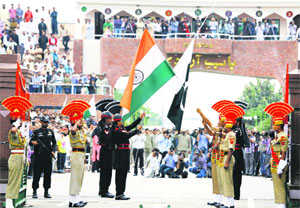
—Tribune file photo

New York/Islamabad, April 15

NEW YORK/ISLAMABAD: India is “not forthcoming” in resuming comprehensive dialogue with Pakistan and such an attitude is “impeding” prospects of normalisation of bilateral relations, Pakistan’s envoy to the UN has said, while in Islamabad, the Pakistan foreign office rejected a notion that the peace process was suspended, saying it remained engaged with New Delhi.

Pakistan’s Permanent Representative to the UN Ambassador Maleeha Lodhi told a group of students and faculty members from the US Army War College last week that despite a positive start following the coming to power of the government of Prime Minister Narendra Modi, India suspended talks between the two countries on “flimsy grounds and set unacceptable pre-conditions” for their revival.

According to a press release by the Pakistan Mission at the UN, Lodhi said in spite of Pakistan’s call to resume broad-based, comprehensive dialogue, “India was still not forthcoming”.

In Islamabad, Foreign office spokesman Nafees Zakaria during a weekly media briefing, said: “We need to look ahead and not think in terms of foreclosing any options. Both sides are in contact with each other.”

The spokesman was referring to media reports quoting Pakistan’s High Commissioner in India Abdul Basit as having said that the peace process was “suspended”, Dawn online reported on Friday.

“Dialogue is the best option. Diplomacy is for interaction and engagement between countries,” Zakaria said.

Last December, the two countries had agreed to restart the peace dialogue, which was named Comprehensive Bilateral Dialogue.

It was agreed during Indian Prime Minister Narendra Modi’s surprise stopover in Lahore on Christmas Day that the foreign secretaries would meet to decide the schedule and other details of the first round of talks.

However, the plan for re-engagement after a hiatus of two years was affected by the Pathankot attack in January and the two countries have not been able to schedule the foreign secretaries’ meeting since. Zakaria said the meeting would take place once the “modalities” have been settled. —IANS/PTI


‘Can’t fight Pakistan, China at the same time’

NEW DELHI: Setting off alarm bells about the country’s ability to tackle a combined threat from China and Pakistan, Indian Air Force vice chief Air Marshal BS Dhanoa on Thursday admitted the IAF did not have sufficient number of warplanes to fight a two-front war.

“Our numbers are not adequate to fully execute an air campaign in a two-front scenario,” said Dhanoa, drawing attention to the sharp reduction in India’s fighter fleet. The count of IAF’s fighter squadrons has shrunk to 33 compared to a desirable strength of 42, a capability gap the air force is struggling to fill.

It is rare for top military commanders to make such a startling public admission although Parliamentary panels have raised questions about India’s ability to fight the two adversaries at the same time – a worrying scenario the IAF describes as ‘Contingency-III’. “Probability of a two-front scenario is an appreciation you need to do. But are the numbers adequate? No. The squadrons are winding down,” said Dhanoa, who is in line to become the IAF chief on December 31, 2016.

The admission comes days before the IAF will carry out a firepower demonstration in Pokhran — the site of India’s first underground nuclear detonation — on March 18, a spectacle that will involve 181 planes, including 103 fighter jets. President Pranab Mukherjee and Prime Minister Narendra Modi are expected to witness exercise Iron Fist-2016, held every three years.

The only defence attaches not invited to witness the exercise, the tagline of which is ‘Demonstrating the Capability to Punish’, are from China and Pakistan. The IAF said it was a collective decision of the ministries of external affairs and defence to leave them out.

The IAF’s plans to scale up its capabilities have hit several hurdles, including a delay in the light combat aircraft (LCA) project, scrapping of a deal to buy 126 modern fighter jets, and no breakthrough in the Rafale purchase.


Ceasefire breach by Pak; 1st time in 6 months

short by Anupama K / 09:50 am on 10 Apr 2016,Sunday
Pakistani troops opened a fire along the LoC in the Poonch Sector of Jammu and Kashmir on Saturday night, in the first breach of the bilateral ceasefire in six months. The firing continued until on Sunday early morning, said an Army spokesperson. The troops opened fire after Pakistan suspended talks with India last week on diffusing tension along the LoC.

Beyond blockades by Maj-Gen (retd)Ashok Kumar Mehta

Nepal’s ruling K.P. Oli-led Left Alliance is intrinsically pro-China but geography, history and culture make it lean towards India. It’s high time that India leveraged its historic ties with Nepal to curb China’s growing clout in the region and erase the bitterness of last year’s ill-advised blockade
Beyond blockades
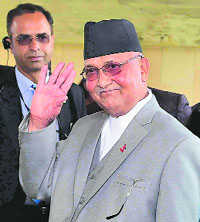
The Nepalese Prime Minister Khadga Prasad Sharma Oli, after paying tribute at Rajghat, during his recent visit to India. PTI

AFTER a week-long trek in the hills around Pokhara, I reached Kathmandu the very day last month Prime Minister KP Oli returned from his visit to China and his Chief of Army Staff, Gen Rajinder Chhetri flew there, the typical political pilgrimage they had done earlier to India that has become mandatory for Nepal to balance its relations with India and China. But it is still India first. Three centuries ago, Nepal’s founding father, king Prithvinarayan Shah had established the equidistance edict. In Hotel Malla, Gopal Thapa, a staff member, asked: “Mr Oli is back from China. Will India impose a blockade again?” This worry is prevalent among many sections of society. The China card has been used by the Royals to guard Nepal’s sovereign space, strategic autonomy and regime security. Its more visible use was noticed after the Maoists rose to power, openly advocating the need to balance India with China and looking beyond India to reduce the overwhelming dependence on its southern neighbour. The ruling Left Alliance government, consisting mainly of Communists and Maoists, is intrinsically pro-China but geography, history and culture make even it lean towards India. Stung by the blockade, the Nepalese hail the 15-point joint statement containing 10 agreements as a diplomatic victory especially the reference to the constitution as historic progress in the transition of Nepal whereas India merely noted its promulgation. The Chinese Ambassador Wu Chuntai  had to meet Madhesi leaders who had complained about the iniquities of the constitution lauded in the joint statement. The 10 agreements relate to transit and trade, infrastructure, connectivity including the celebrated ‘One Belt, One Road’ initiative, energy supplies and storage facilities, education, health, tourism — the whole gamut of interactions, exchanges and projects that fill up any joint statement. The transit agreement and feasibility of providing petroleum products are indeed a first but contingent upon connectivity and cost effectiveness. The Lhasa railway has reached Xigatse and is likely to be extended to Gyirong on the Nepal border by 2020. Its further penetration as envisaged in the joint statement to reach Lumbini in Terai is in the realm of the distant future. During a public engagement in Kathmandu on ‘One Belt, One Road’ last year, even as the blockade was in full fury, a young businessman told me that he and his friends were re-routing their business via the North through Hong Kong, instead of the customary southern route. Though long distance, time consuming and costly, the northern transit option is a strategic breakthrough, affording psychological comfort during any future  blockade.From an Indian point of view the outcome of the Oli visit is seen high on symbolism and intent: preparation of detailed project reports and feasibility studies but few firm commitments. China has spread its tentacles across the length and breadth of Nepal over the last two decades, utilising its economic wealth to secure political and strategic influence. In 2012, India slipped from the top position in FDI but regained primacy over China  in 2015. The competition is likely to continue. Chinese companies enjoy near monopoly in telecommunications and infrastructure sectors. That said, China recognises its lack of human and social capital for people-to-people engagement and its red lines in Nepal. Still it is a challenge India has to meet creatively, with its many leverages and strategic assets in Nepal.  The 135-day blockade, which caused unprecedented pain and hardship to ordinary Nepalis, has become  part of folklore featuring in songs and films. Hardly anybody in South Block anticipated the anger, alienation and anti-India sentiment it would generate. Many former diplomats would laugh it away saying a blockade has happened before. The 14-month blockade in 1989-90 is as different from the one last year as chalk from cheese. Only with nose and ear to the ground would the PMO have known the lifestyle changes in and outside the Kathmandu valley in the last two decades. In the past, flippant comments by the likes of Madhuri Dixit, Hrithik Roshan and Chief Minister Madan Lal Khurana would create a stir and temporary anti-India sloganeering. So also the Maoists whipping up anti-India hysteria over imagined border encroachments, allegations of India stealing Nepal’s water resources and other engineered indignities  inflicted by Big Brother India.  The Indian side of the border at most transit points, especially at Sunauli-Bhairahawa, is nothing short of  filth and squalor and the road network shoddy for a country with the fastest-growing economy in the world compared to the hugely smart conditions on the Nepali side. That the Birgunj blockade was very successful is partly reflected in the decline in customs revenue there, with corresponding increase in Bhairahawa. Traders fear that Madhesis will restart the protests. The blockade generated a black economy, especially in gas and petrol which has still not normalised completely. Overall, the coercive strategy to secure the constitutional amendments on behalf of the Madhesis and jana jatis was ill thought and has damaged India’s long-term interests in Nepal. Political instability continues to dog Nepal and no post-earthquake reconstruction has begun. New Delhi should help repair the damage done by the blockade by enhancing and fast-tracking its development-assistance programme and imaginatively winning back the hearts and minds of the people, especially the media. The open border and the 1950 Treaty of Peace and Friendship, confer upon the Nepalese unique privileges and facilities in India that no national enjoys in another country. Landlocked Nepal is actually India-opened and provided outlets to sea. Beijing knows it cannot replace India and Nepal and therefore, does not give false hopes to Kathmandu. What Nepal really needs now, as championed by the diminished Maoist leader Prachanda, is a National Unity government. While Oli has to keep his promise of addressing the Madhesis’s residual constitutional issues, Prime Minister Modi will need to revisit Pashupatinath. The writer, a retired Major-General from the Gorkha Regiment, has been visiting Nepal since 1959.


हिन्द महासागर में चीनी चुनौती

Posted On March – 9 – 2016

भारत जैसा देश जिसके पास समुद्री तटों पर रहने वाली आबादी हो तो यह लाजिमी हो जाता है कि वह उसकी समुद्रवर्ती सुरक्षा का ध्यान रखे। चीन और पाकिस्तान से लगने वाली अपनी समुद्री और जमीनी सीमाओं की सुरक्षा संबंधी दरकारों ने भारत के लिए इस जरूरत को ज्यादा उभार दिया है। आजादी के बाद कई दशकों तक आयात के विकल्प ढूंढने की नीति के चलते विश्व व्यापार में भारत का हिस्सा बहुत कम रह गया था। 1990 में आर्थिक चुनौती के बाद भारत को अपनी आर्थिक नीतियों में भारी फेरबदल करने पर मजबूर होना पड़ा था। इसके बाद हुआ यह कि भारत की अर्थव्यवस्था का एकीकरण न सिर्फ वैश्विक अर्थव्यवस्था के साथ हुआ बल्कि एक बढ़ते बाजार की बदौलत व्यापार और निवेश के लिए मुफीद माने जाने से हमारा देश वैश्विक अर्थव्यवस्था का एक रचनात्मक और सतत महत्वपूर्ण सदस्य बनकर भी उभरा। तब से लेकर हम उस जीर्ण अर्थव्यवस्था को पीछे छोड़कर एक गतिशील और उभरती हुई आर्थिक शक्ति में परिवर्तित हो चुके हैं।

विदेश व्यापार और निवेश भारत की तेजी से बढ़ती हुई आर्थिक वृद्धि के अनिवार्य केंद्र बिंदु बन गए हैं। हमने अपनी आर्थिकी को पूर्व और दक्षिण-पूर्व की सबसे तेजी से बढ़ती अर्थव्यवस्थाओं से जोड़कर समझदारी वाला काम किया है। आसियान’ संगठन के 10 देश जिनमें म्यांमार से लेकर फिलीपींस और जापान और दक्षिण कोरिया इत्यादि भी हैं, उनके साथ अब हमारी बृहद आर्थिक साझेदारी है। इसके अलावा हम आस्ट्रेलिया के साथ मुक्त व्यापार संधि’ करने के लिए बातचीत कर रहे हैं और अन्य दक्षेस देशों के साथ भी इसी तरह के समझौते करने का प्रयास कर रहे हैं। इससे भी ज्यादा यह कि आसियान’ के नेतृत्व वाले मंच जैसे कि पूर्वी एशिया शीर्ष वार्ता’ ने भारत को बंगाल की खाड़ी में बड़ी सामरिक भूमिका निभाने का मौका प्रदान किया है। हालांकि दक्षिण एशिया के देशों के बीच एकीकृत आर्थिक व्यवस्था बनाने की गति धीमी रही है, इसका मुख्य कारण पाकिस्तान का अडि़यल रवैया रहा है। महत्वपूर्ण यह है कि विश्व के सबसे ज्यादा जनसंख्या वाले दो देशों, चीन और भारत के बीच कुछ तनाव और विवाद वाले मुद्दे भी आपसी व्यापार और निवेश के माहौल को फलने-फूलने से नहीं रोक पाए।
भारत इस तथ्य को नजरअंदाज नहीं कर सकता कि जब भी हमारे देश ने अपनी पूर्वी सीमा के पार अपनी भूमिका को बढ़ाने का प्रयास किया है तब-तब चीन ने हर उस काम में रोड़ा अटकाने का काम किया है। मसलन बीजिंग की सरकार ने भारत द्वारा पूर्वी देशों की विभिन्न समितियां जैसे कि आसियान’ संगठन, आसियान क्षेत्रीय मंच’ और पूर्वी एशिया शीर्ष वार्ता’ के साथ अपने आर्थिक और सुरक्षा संबंधी रिश्ते बनाने के प्रयासों की कड़ी मुखालफत की है। वहीं दूसरी ओर चीन म्यांमार की सीमा के अंदर से भारत के खिलाफ मुहिम चलाने वाले उत्तर-पूर्वी पृथकतावादी संगठनों के साथ अपने संबंध बनाए हुए है। परंतु अब हम ऐसे चीनी प्रयासों का प्रत्युत्तर देने के लिए लगातार सार्थक सक्रियता बढ़ाने की ओर अग्रसर हैं। हमारा ध्येय अपनी पूर्वी सीमा से लगे देशों के साथ एक व्यावहारिक सुरक्षा तंत्र विकसित करने का है। बंगाल की खाड़ी के इलाके में अपने सैन्य अड्डे और पैठ बनाने के चीनी प्रयासों की वजह से हमारी चिंता बनी रहेगी। लेकिन अपने सहयोगी देशों जैसे कि अमेरिका और जापान के साथ बने सहमतिपूर्ण राजनयिक प्रयासों ने भारत को यह मौका प्रदान किया है कि वह अपनी पूर्वी सीमा के समुद्री क्षेत्र में सुरक्षा व्यवस्था को मजबूत कर सके। म्यांमार, बांग्लादेश, श्रीलंका और मालदीव में अपनी प्रधान भूमिका तय करवाने में चीन सफल नहीं हो सका है। जहां एक ओर भारत ने अपने पूर्वी तटों पर सुरक्षा को सुनिश्चित करने के लिए अपनी नीतियों में परिवर्तन किया है, वहीं दूसरी ओर पश्चिम में स्थित अरब सागर के इर्द-गिर्द वाले हमारे पड़ोसी देशों के बीच क्या पक रहा है, यह ठीक से कहा नहीं जा सकता। चीन न केवल हिंद महासागर में स्थायी सैन्य उपस्थिति बनाने की ओर अग्रसर है बल्कि ऐसा वह पाक के साथ मिलकर कर रहा है। भारत को चीन के इस किस्म के प्रयासों का संज्ञान लेते हुए उन परियोजनाओं पर पैनी नजर रखनी होगी, जिनके तहत वह हमारी पश्चिमी सीमा के पार वाले इलाके में सड़कों और बंदरगाहों का नेटवर्क बनाकर बढ़त बनाने की कोशिश में है। चीन अपने सामरिक उद्देश्य की पूर्ति की खातिर एक सिल्क रोड आर्थिक पट्टी’ बनाने जा रहा है जो उसे मध्य-एशिया, पाक-अधिकृत कश्मीर, फारस की खाड़ी, रूस और बाल्टिक देशों से जोड़ देगी। इसके अलावा चीन 21वीं सदी का एक ऐसा समुद्री-सिल्क-मार्ग भी बनाने जा रहा है जो उसके तटों से शुरू होकर हिंद महासागर से होता हुआ पश्चिमी देशों तक जाएगा। साथ ही चीन हिंद महासागर, एशिया और अफ्रीकी देशों में बंदरगाह बना रहा है। जिस बात से भारत के लिए आंखें मूंदना ठीक नहीं होगा, वह है कि सिल्क रोड’ हमारे पूर्वी और पश्चिमी, दोनों पड़ोसियों को अपने पाश में लेती हुई बनेगी और यही सड़क समुद्री-सिल्क-मार्ग’ की राह में पड़ने वाले हिंद महासागर के तटों और अरब सागर के मुहाने पर स्थित पाकिस्तान के गवादर बंदरगाह तक संपर्क बनाने का काम भी करेगी।
चिंता की बात यह है कि भारत के समुद्री-मार्ग गवादर के काफी पास से होकर गुजरते हैं और इनके जरिए फारस की खाड़ी में स्थित देशों से हमारा 70 फीसदी से ज्यादा कच्चा तेल आयात किया जाता है। अब चीन ने अपनी इन महत्वाकांक्षी जमीनी और समुद्री सिल्क रोड परियोजनाओं को बढ़ावा देने के एवज में पाकिस्तान को 46 बिलियन डॉलर देने का वादा किया है ताकि वह इसके गवादर बंदरगाह का लाभ उठाते हुए नियंत्रण एक तरह से अपने हाथों में कर सके। कोई एक दशक पहले तत्कालीन राष्ट्रपति परवेज मुशर्रफ ने इस्लामाबाद में कहा था कि भारत-पाक युद्ध होने की सूरत में भारत यह पाएगा कि चीनी नौसेना हमारी मदद को गवादर बंदरगाह में तैनात है। चीन को लगता है कि पाकिस्तान एक बहुत महत्वपूर्ण सहयोगी इसलिए भी है क्योंकि गवादर न सिर्फ होरमुज जलडमरू के पास स्थित है बल्कि इसके पास होकर भारत के समुद्री जहाज खाड़ी के उन देशों तक जाते हैं, जहां पर लगभग उसके 7 लाख प्रवासी कामगार हैं।
चीन की अत्यधिक रुचि का इस तथ्य से पता चलता है कि यह दो मील चौड़ा समुद्री-गलियारा वह है, जिसके माध्यम से 1.7 करोड़ बैरल कच्चा तेल रोजाना ढोया जाता है। जलमार्ग आगे चलकर मालाका जलडमरू से होकर गुजरता है। इस समुद्री रास्ते के जरिए 1.42 करोड़ बैरल कच्चा तेल जापान को जाता है। यह मात्रा उसके कुल तेल आयात की 80 फीसदी बनती है। समूचा हिंद महासागर क्षेत्र जो अदन की खाड़ी तक फैला है, पूरे संसार के कुल तेल उत्पादन का 40 फीसदी और विश्व तेल व्यापार में 57 फीसदी हिस्सा रखता है। इसीलिए अमेरिका ने इन अति-महत्वपूर्ण सामरिक नौवहनीय मार्गों की सुरक्षा की खातिर बहरीन स्थित नौसैनिक अड्डे में अपना पांचवां बेड़ा तैनात कर रखा है।
आदर्श स्थिति तब होगी जब एशिया के मुख्य तेल आयातक देश जैसे कि भारत, चीन, जापान और दक्षिण कोरिया उन परिस्थितियों पर आपसी सहयोग बनाएं जिनकी वजह से इन महत्वपूर्ण तेल और ऊर्जा सप्लाई समुद्री मार्गों की सुरक्षा को खतरा हो सकता है। लेकिन मौजूदा तनाव और आपसी शक के चलते ऐसा होने की उम्मीद करना ज्यादा ही अपेक्षा करने जैसा होगा, कम से कम निकट भविष्य में इसकी संभावना नहीं है।


3,500 ex-servicemen, ‘veer naris’ attend rally at Pathankot

PATHANKOT: Nearly 3,500 exservicemen, including 100 veer naris (war widows), attended a mega rally at the Mammun Cantonment near Pathankot on Saturday.

HT PHOTOWestern Command chief Lt Gen KJ Singh at Mamun Cantonment near Pathankot.Organised by Pathankot Sub Area under the Rising Star Corps, the rally was aimed to hear the problems of the veterans and the veer naris. Lt Gen KJ Singh, Army Commander, Western Command, who was present there heard and assured solution to their problems soon.

The rally was attended by the retired army personnel and the war widows from Jammu, Samba, Kathua, Pathankot and Kangra districts. Later addressing the rally, Lt Gen KJ Singh, reassured the veterans and veer naris that they shall always remain inseparable members of the armed forces fraternity.

The rally was held in close coordination with the state administration and Rajya Sainik Board. The focus of the rally was to resolve anomalies in disbursement of pension, land and legal cases being confronted by the veterans and veer naris, Lt Gen said. A number of stalls from various welfare agencies and organisations of the Army and civil administration were set up at the venue. A medical team, fully equipped with modern equipment and medicines, was also in place. An ‘Employment Fair’ for advising Kith and Kin of veterans and veer naris on employment avenues was also a major attraction.

The rally was a major step forward for ameliorating the day to day problems of the veterans and veer naris. It gave a platform to the veer naris to express their concerns directly to the officials, the army officials said.

58784


‘PRE-EMPTIVE ATTACK’ MODE Kim orders nuclear arsenal on ‘standby’ Pentagon urges North Korea to refrain from provocative actions

Kim orders nuclear arsenal on ‘standby’
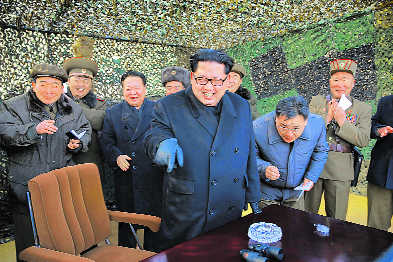
North Korean leader Kim Jong Un (C) smiles as he guides a test fire of a new multiple launch rocket system in Pyongyang. Reuters

Seoul, March 4

North Korean leader Kim Jong Un ordered his country to be ready to use its nuclear weapons at any time and the military to be in ‘pre-emptive attack’ mode in the face of growing threats from its enemies, state media said on Friday.The comments, carried by the North’s official KCNA news agency, marked a further escalation of tension on the Korean peninsula after the UN Security Council imposed harsh new sanctions on the isolated state for its nuclear programme.North Korea, known for belligerent rhetoric, has previously threatened pre-emptive attacks on its enemies, including South Korea and the United States. Military experts doubt it has yet developed the capability to fire a long-range missile with a miniaturised warhead to deliver a nuclear weapon as far as the US.Kim made the comments as he supervised military exercises involving newly developed rocket launchers, KCNA reported. It did not mention the date of the drills but said the new weapons had South Korea within range. South Korea’s defence ministry said the North launched several projectiles off its coast into the sea, an apparent response to the UN sanctions.Kim said North Korea should “bolster up (its) nuclear force both in quality and quantity” and stressed “the need to get the nuclear warheads deployed for national defence always on standby so as to be fired any moment,” KCNA quoted him as saying. “Now is the time for us to convert our mode of military counteraction toward the enemies into a pre-emptive attack one in every aspect.”Kim criticised South Korean President Park Geun-hye in his first direct published mention of her by name for acting “in league with the US scoundrels,” adding, “her hysteria will precipitate only her ruin in the long run,” KCNA said.A spokesman for South Korea’s Unification Ministry, which handles relations with the North, said Kim’s comments were not helpful and may have been intended for the domestic audience, to boost morale in the face of the new UN sanctions. — Reuters

Park vows ‘stern’ response

If North Korea launches a provocation, we must respond with stern punishment to clearly show the price North Korea has to pay and our determi-nation to protect our nation. — Park Geun-Hye, South Korean President

S Korea, US open missile shield talks

  • South Korea and the US were set to open talks on Friday on the possible deployment, vehemently opposed by China, of an advanced US missile defence system to counter the growing threat from North Korea
  • South Korea’s defence ministry said initial discussions would focus on potential locations, as well as cost-sharing and a timeline for installation of the THAAD system
  • The system fires anti-ballistic missiles into the sky to smash into enemy missiles either inside or outside the Earth’s atmosphere during their final flight phase
  • The interceptor missiles carry no warheads, instead relying on kinetic energy to destroy their targets

CROSS-BORDER TUNNEL Pak was planning major attack: BSF

Ravi Krishnan Khajuria

Tribune News Service

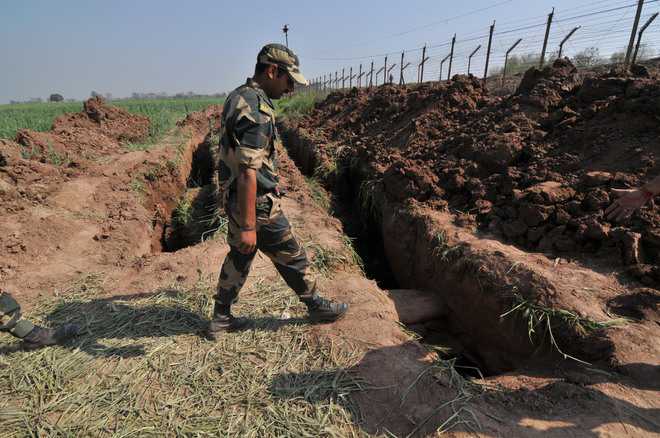
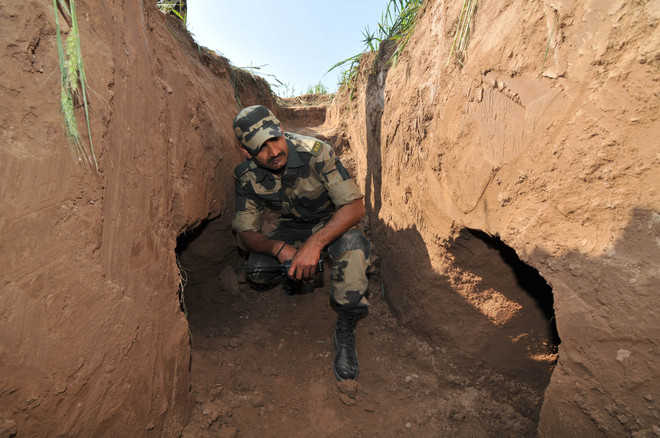
AMK Post (RS Pura), March 4A day after detecting Pakistan’s secret trans-border tunnel here, the BSF today said Pakistan was planning a major terrorist attack in near future after pushing terrorists through the tunnel.While the BSF attributed the detection of the tunnel to its anti-tunnelling drive, a tractor pressed into service on Thursday to clear elephant grass (sarkanda) between the Zero Line and an embankment had run over a stretch that caved in, leading to the detection of the tunnel.Briefing mediapersons after escorting BSF Director General KK Sharma to the spot on his maiden visit to Jammu, BSF, Jammu Frontier, Inspector General (IG), RK Sharma said that after detailed investigations, the Pakistan Rangers were showed the spot and asked to refrain from such nefarious activities.“Evidences will be given to them and we will request them to come forward for investigations and take stern action against the culprits,” said the BSF IG.“Timely detection (of the tunnel) has defeated a big plan of Pakistan. Had they succeeded in their plan, a big infiltration could have been carried,” he added.The BSF has held two flag meetings with the Pakistan Rangers on the issue.When asked how the Pakistan Rangers could be trusted to take action against the culprits, the IG said it was a matter of concern for the BSF also.“We told them that it happened right under their nose, in front of their post (Afzal Saeed) and on their soil and that they were having knowledge of it (tunnel),” he said.We asked them to identify the culprits, take action against them, disclose their plan on the international border and other areas, where tunneling activities might have been undertaken or are being conducted and to stop them immediately, added Sharma.He said the BSF had been continuously undertaking anti-tunneling measures on the entire 198-km-long international border, leading to the detection of the tunnel, he saidThe IG did not rule out the possibility of more such tunnels on the border and said the BSF was taking adequate measures to detect them.

Professional work

  • The trans-bordertunnel, which has a diameter of 2.5 feet to 3 feet, looks professionally done. Inside, rectangular teak wood planks have been placed horizontally and vertically
  • Bamboo sticks were placed to prevent soil collapse
  • The tunnel has enough space formilitants to crawl to the Indian side with arms, ammunition
  • The BSF IG said: “It was designed to undertake bigger infiltrations, close to Jammu town.”