Sanjha Morcha

Govt amends Aadhaar rules; supporting documents may be updated ‘at least once’ in 10 years

Govt amends Aadhaar rules; supporting documents may be updated 'at least once' in 10 years

PTI

New Delhi, November 10

The government has amended Aadhaar regulations, specifying that supporting documents may be updated “at least once” by Aadhaar holders on completion of 10 years from enrolment date.


The updation would ensure “continued accuracy” of Aadhaar-related information in the Central Identities Data Repository (CIDR), according to gazette notification issued by Ministry of Electronics and IT.

“Aadhaar number holders may, on completion of every 10 years from the date of enrolment for Aadhaar, update their supporting documents in Aadhaar, at least once, by submitting Proof of Identity (POI) and Proof of Address (POA) documents…so as to ensure continued accuracy of their information in the CIDR, in such manner as may be specified by the Authority from time to time,” it said.

The changes have been made by tweaking the Aadhaar (Enrolment and Update) Regulations

Last month, the Unique Identification Authority of India (UIDAI) — the government agency that issues Aadhaar numbers—had urged people to update identification and residence proof documents, if they were issued the unique ID more than 10 years back but had not updated their details since then.

Accordingly, to provide facility to Aadhaar holders in this regard, the UIDAI has developed a new feature of ‘update document’. This feature can be accessed online through the myAadhaar portal, and myAadhaar app or residents can visit any Aadhaar enrolment centre to avail of the facility.

The new feature permits Aadhaar number holders to revalidate details by updating the POI (containing name and photo) and POA (containing name and address) documents.

While 134 crore Aadhaar numbers have been issued till date, just how many Aadhaar holders will have to update their information after UIDAI’s latest move, is not known immediately.

Last year, about 16 crore updates of various kinds took place.

In a statement issued last month, UIDAI had said, “Any person who had got their Aadhaar made 10 years back and not updated the information in any of the subsequent years are being requested to do document updation”.

UIDAI had strongly encouraged people to come forward to update their documents, citing the benefits of doing so—more than 1,000 state and central government schemes leverage Aadhaar for identification and authentication of beneficiaries, transfer of benefits, and ensuring de-duplication.

Of these, nearly 650 schemes are of state governments and 315 of central government—all of which use the Aadhaar ecosystem and its biometric authentication.

The updation drive initiated now for Aadhaar issued 10 years back relates to the updation of demographic information and do not involve biometric update. A call on the biometric update will be considered if and when the need arises, a government source had earlier said.


Former CM Capt Amarinder Singh warns of return of dark days of 1980s in Punjab

Former CM Amarinder Singh warns of return of dark days of 1980s in Punjab

PTI

Chandigarh, November 5

Former chief minister Amarinder Singh on Saturday warned against the return of the dark era of 1980s in Punjab, saying “the way things are unfolding in the state today is quite worrisome” and cautioned the AAP government against any “laxity”.

He also condemned the “complete failure” on the part of the Aam Aadmi Party (AAP) government in the state, claiming that it has not taken any action so far even after 24 hours of murder of the Shiv Sena (Taksali) leader Sudhir Suri in Amritsar on Friday.

Suri (58) was shot dead in broad daylight while taking part in a protest.

He was protesting against the management of Gopal Mandir on Majitha Road—one of the busiest places in the city—after some broken idols of Hindu deities were allegedly found on the roadside, which he termed an act of sacrilege.

BJP leader Singh said he was more concerned because the AAP government had “neither shown any inclination nor any capability” to handle such an alarming situation.

“Once you let your weakness and shortcomings known, anti-national forces are bound to take advantage of that and that is what is precisely happening in Punjab now”, he said.

“I am reminded of 1980s when situation started drifting and deteriorating into terrorism and we had to pay such a huge price”, Singh warned, while cautioning the AAP government against any laxity and inaction.

“What to speak of taking any action, nobody from the AAP has even condemned the brutal murder of the Shiv Sena leader so far”, he said in a statement.

Singh expressed shock as how could someone who was under high security be shot dead in full public view with so many policemen around.

“What action has the government taken” he asked, while warning against letting people being killed like that and letting those responsible go scot-free.

The senior BJP leader criticized the AAP government for providing free run to the radical preacher Amritpal Singh, who has been openly preaching and propagating violence and speaking the language of secession and separatism.

“How can you (AAP government) let someone like him go scot-free when he has been openly speaking against the unity and integrity of the country and openly calling youth to take weapons,” he said.

“This is criminal negligence on part of the AAP government as it has repeatedly failed in tackling serious incidents of crime,” Singh alleged. He pointed out that gangsters were also “having a free run as they were killing people like international sports stars and singers at their sweet will”.

He also expressed strong apprehensions that the forces inimical to the interests of the country and state may soon form a nexus between gangsters and terrorists.

“I am not sure whether they have already done it and if they do it, it will be a very dangerous situation to tackle”, he warned the government while advising it “to nip the evil in the bud.”


J-K and Ladakh were and will always be India’s integral and inalienable part, India tells Pak

J-K and Ladakh were and will always be India’s integral and inalienable part, India tells Pak

PTI

Geneva, November 10

India on Thursday firmly told Pakistan that the entire Union Territory of Jammu Kashmir and Ladakh were and will always be its integral and inalienable part and said that after the constitutional changes in 2019, the people of the region are now able to realise their full potential as in other parts of the country.

Speaking at the 41st Session of the Universal Periodic Review (UPR) Working Group which is being held from November 7-18 at the UN Human Rights Council (UNHRC) here, Solicitor General of India Tushar Mehta also slammed Pakistan for raking up the Kashmir issue at the forum.

“The entire Union Territory of Jammu Kashmir and Ladakh were and will always be an integral and inalienable part of India,” Mehta said at the UNHRC, where the Universal Periodic Review of India’s human rights record is currently underway.

Mehta said that after the constitutional changes and reorganisation of the erstwhile state of Jammu and Kashmir, the people of the region are now able to realize their full potential as in other parts of the country.

His response came after the Pakistan delegate raised the issue of Jammu and Kashmir during his remarks at the review process.

The Pakistani delegate made six recommendations, including reversal of steps taken since August 2019 and access to independent observers to the region.

“Despite the continued threat of cross border terrorism, the security situation has improved significantly in Jammu and Kashmir since August 2019,” said Mehta, who is leading the Indian delegation for the UPR.

India abrogated Article 370 of the Constitution, revoking the special status of Jammu and Kashmir and bifurcating the state into two Union Territories on August 5, 2019.

Mehta said that the government of India has taken several steps for all round development of Jammu and Kashmir including restoration of democracy at the grassroot levels, good governance, unprecedented development of infrastructure, tourism and trade. He noted that this year, Jammu and Kashmir has already received over 16 million tourists, “the highest ever so far.”

He added that extension of over 800 people-friendly and progressive Central laws to the region has ensured better opportunities for all the people of Jammu and Kashmir and Ladakh.

“These Central laws include affirmative action for the vulnerable sections, the right to free and compulsory education, non-discriminatory inheritance laws, protection against domestic violence and empowerment of women, decriminalisation of same sex relations and conferment of rights to transgender persons,” he said.


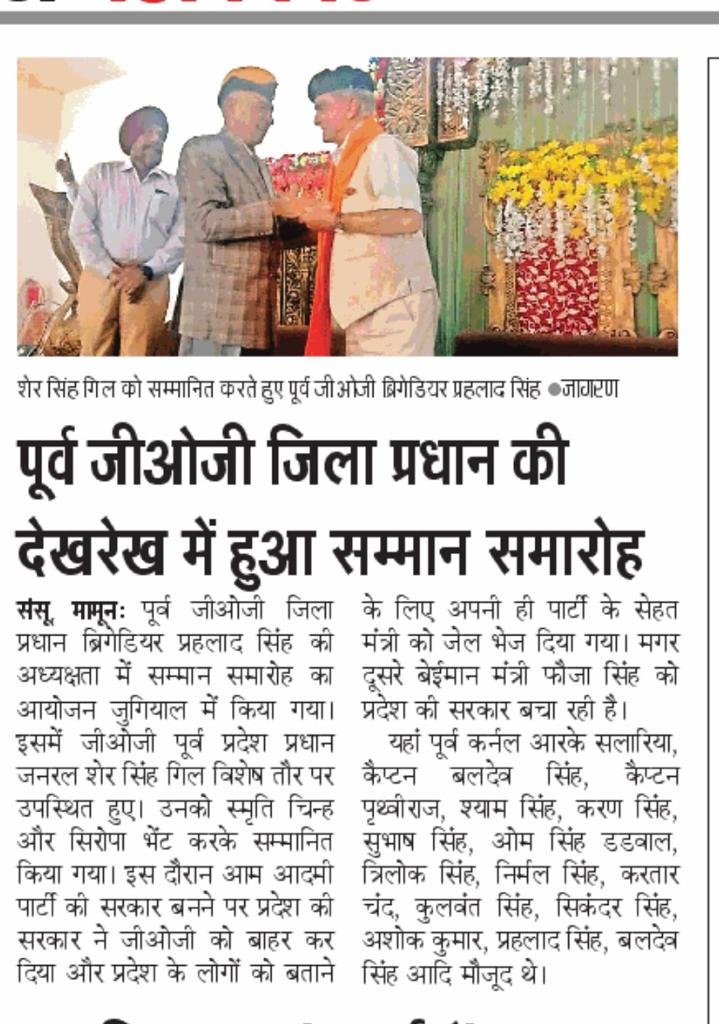
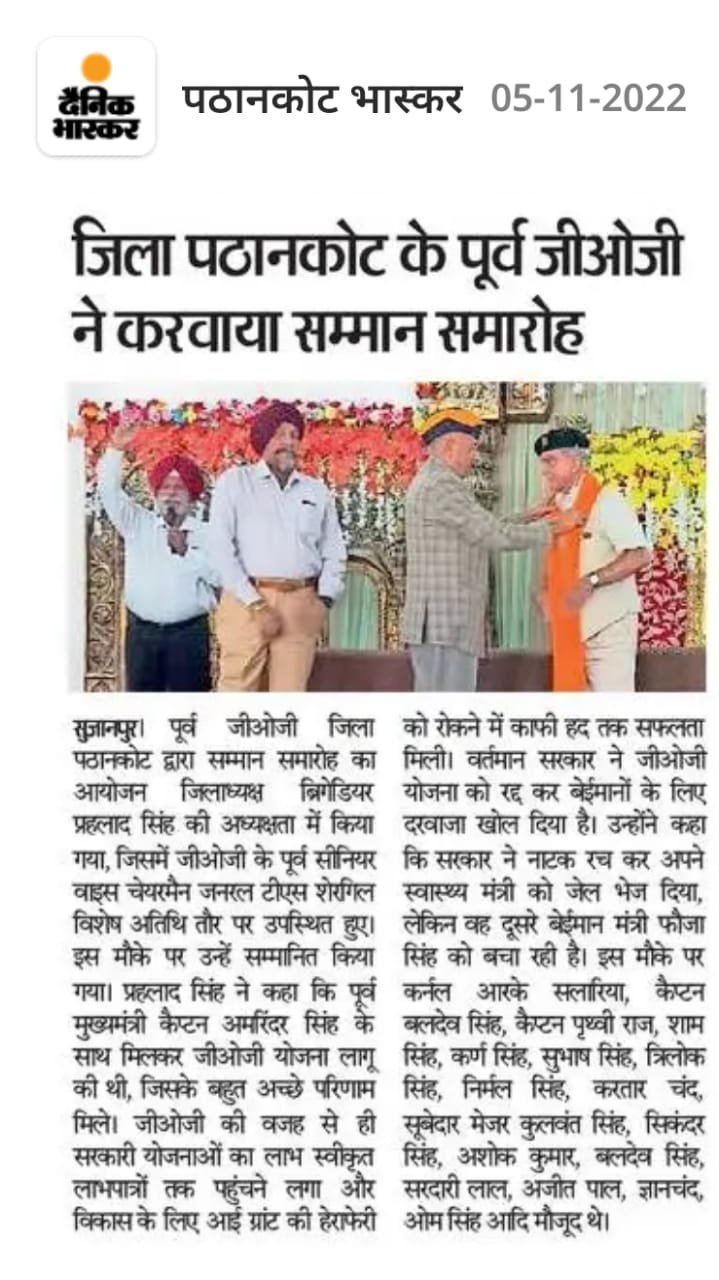
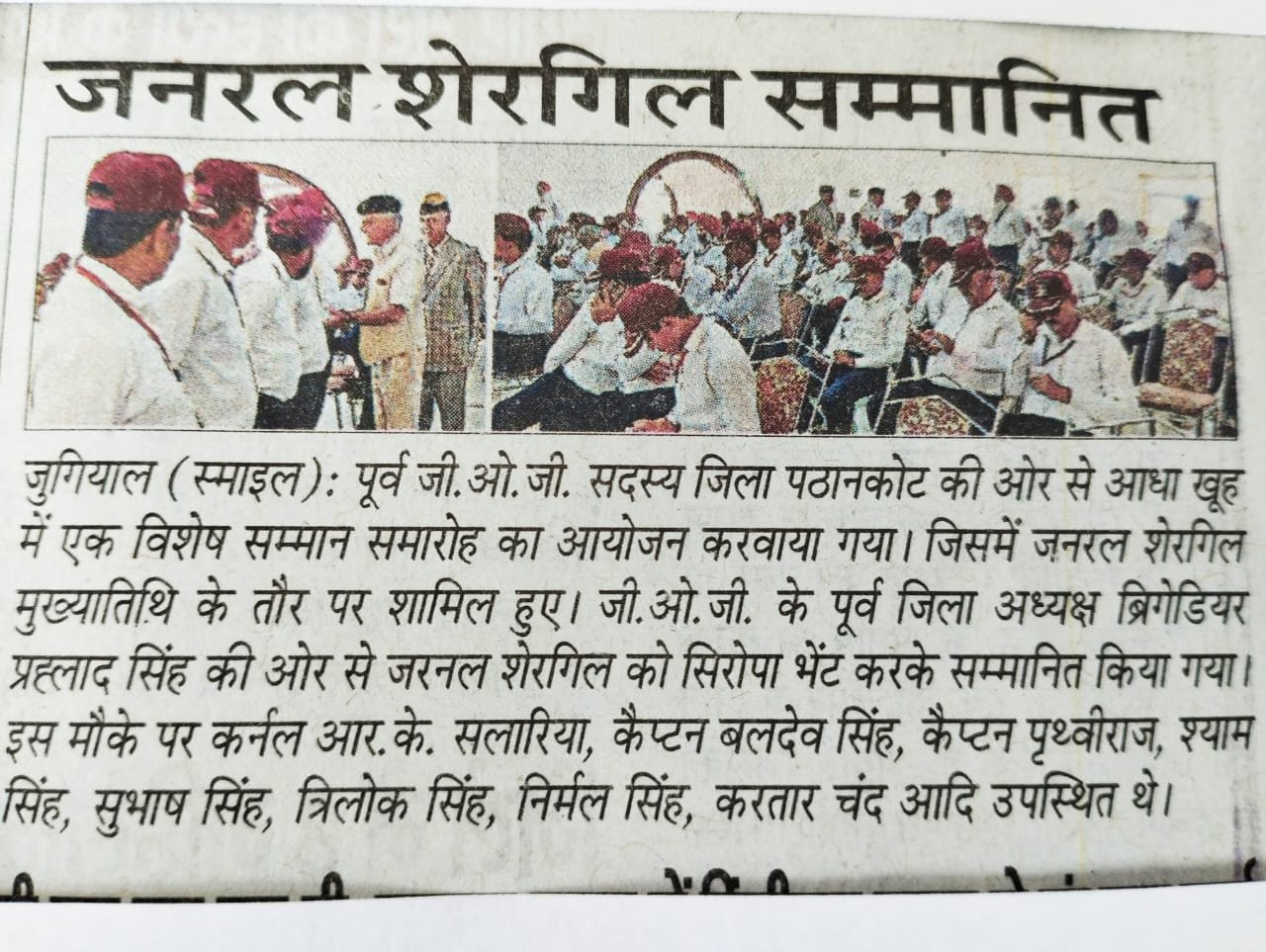
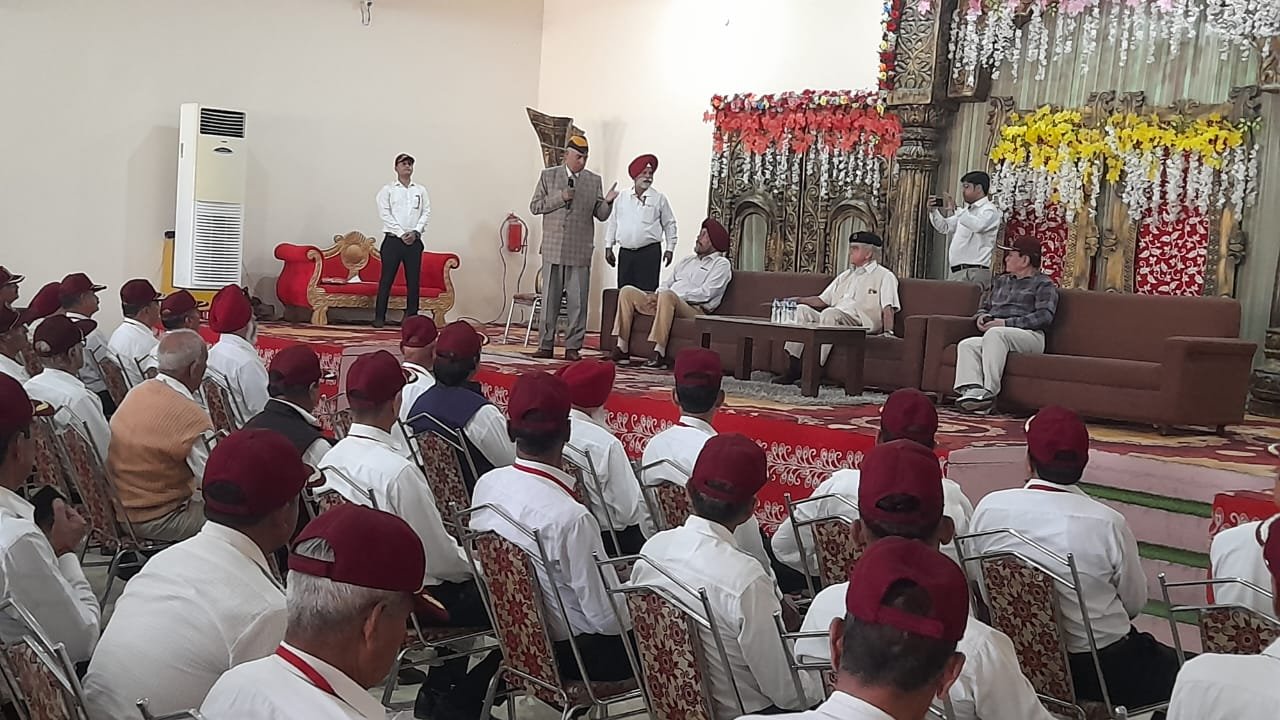
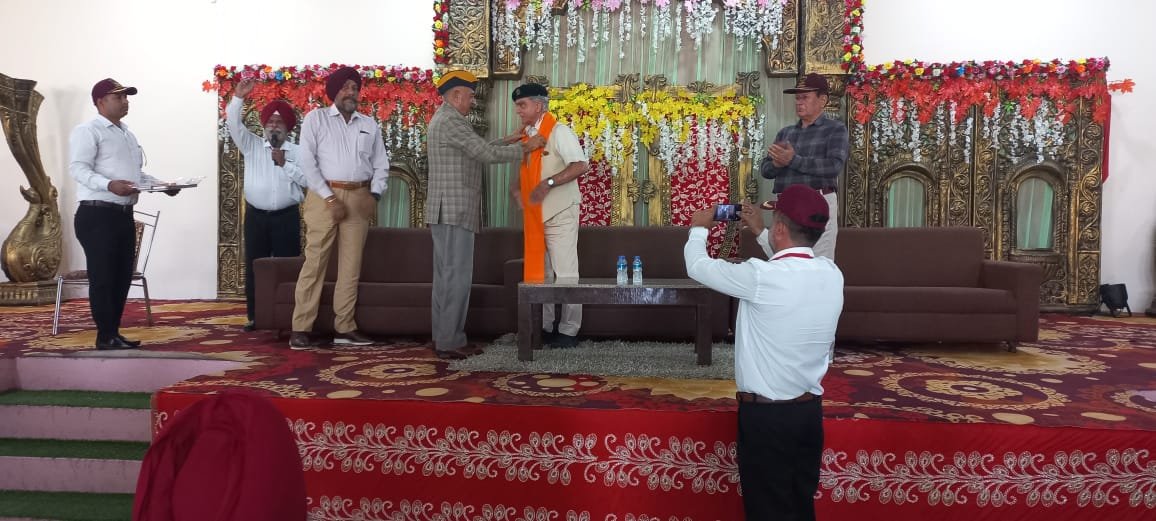
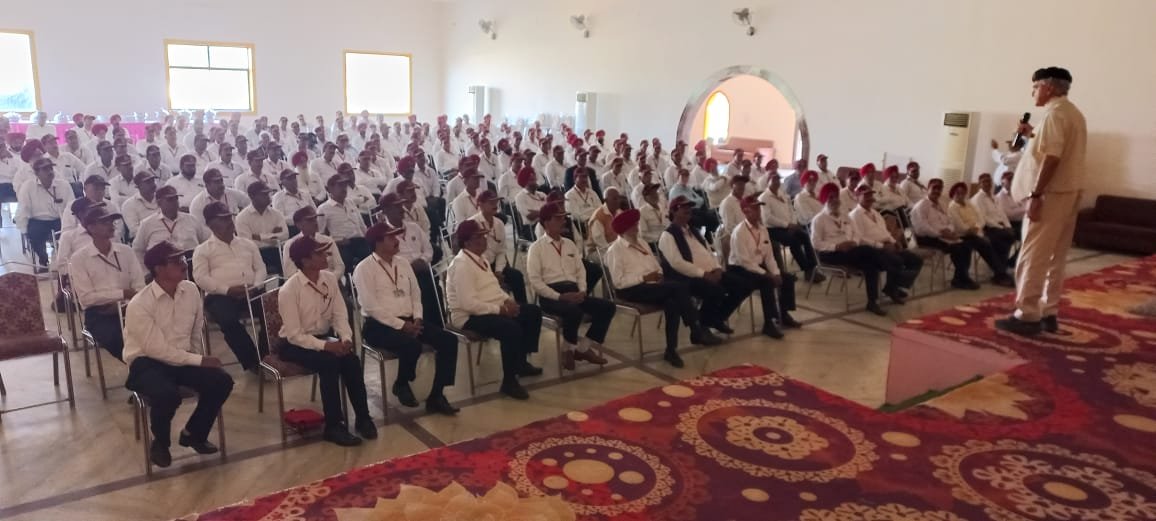
Ex GoG Dist Pathankot Honored Gen TS Shergill PVSM at Crystal Palace Pathankot

A special felicitation ceremony was organized by the erstwhile GOG District Pathankot at the Royal Palace at Half The Well in which Lt General Shergill was the special guest. Brigadier Prahlad Singh, Former District Head GOG honoured him with a saropa

Brigadier  Prahalad  Singh  said that it was The General Sahib who along with Captain Amarinder Singh, the former Chief Minister, had implemented the GOG scheme which yielded excellent  results and honoured the former soldiers for their good performance. It was with the help of the GOG that the benefits of government schemes started reaching the approved beneficiaries and succeeded to a great extent in preventing market manipulation. The present government has given a free hand to the dishonest by scrapping the GOG scheme. As a drama, the CM has sent his health minister to jail, but the other dishonest minister is saving Fauja Singh. In the end, The General thanked the Brigadier Prahlad  and his GOG team. Karnail R K Salaria, Captain Baldev Singh, Captain Prithvi Raj, Sham Singh, Karan Singh, Subhash Singh, Trilok Singh, Nirmal Singh, Kartar Chand, Subedar Major Kulwant Singh, Sikander Singh, Ashok Kumar, Prahlad Singh, Baldev Singh, Sardari Lal, Ajit Pal, Gian Chand, Om Singh Dadwal, Vinod Kumar and all the GOGs of the district were present on the occasion.

ਪੂਰਵ ਜੀ ਓ ਜੀ ਜ਼ਿਲਾ ਪਠਾਨਕੋਟ ਨੇ ਜਨਰਲ ਟੀ ਐੱਸ ਸ਼ੇਰਗਿੱਲ ਪੂਰਵ ਸੀਨੀਅਰ vice ਚੇਅਰਮੈਨ ਜੀ ਓ ਜੀ ਨੂੰ ਕੀਤਾ ਸਨਮਾਨਿਤ

ਪੂਰਵ ਜੀ ਓ ਜੀ ਜ਼ਿਲਾ ਪਠਾਨਕੋਟ ਵਲੋਂ ਇਕ ਵਿਸ਼ੇਸ਼ ਸਨਮਾਨ ਸਮਾਰੋਹ ਦਾ ਆਜੋਜਨ ਅੱਧੇ ਖੂਹ ਵਿਖੇ Royal Palace ਵਿਚ ਕੀਤਾ ਗਯਾ ਜਿਸ ਵਿਚ ਜਨਰਲ ਸ਼ੇਰਗਿੱਲ ਸਾਹਿਬ ਵਿਸ਼ੇਸ਼ ਮਹਿਮਾਨ ਵਜੋਂ ਸ਼ਾਮਿਲ ਹੋਏ. ਬ੍ਰਿਗੇਡੀਅਰ ਪ੍ਰਹਲਾਦ ਸਿੰਘ, ਪੂਰਵ ਜ਼ਿਲਾ ਮੁਖੀ ਜੀ ਓ ਜੀ ਨੇ ਜਨਰਲ ਸਾਹਿਬ ਨੂੰ ਸਰੋਪਾ ਪਾ ਕੇ ਸਨਮਾਨਿਤ ਕੀਤਾ. ਬ੍ਰਿਗੇਡੀਅਰ ਸਾਹਿਬ ਨੇ ਕਿਹਾ ਕਿ ਜਨਰਲ ਸਾਹਿਬ ਨੇ ਹੀ ਕਪਤਾਨ ਅਮਰਿੰਦਰ ਸਿੰਘ ਪੂਰਵ ਮੁੱਖਮੰਤਰੀ ਨਾਲ ਮਿਲ ਕੇ ਜੀ ਓ ਜੀ ਸਕੀਮ ਲਾਗੂ ਕੇਤੀ ਸੀ ਜਿਸ ਦੇ ਬਹੁਤ ਅੱਛੇ ਨਤੀਜੇ ਮਿਲੇ ਅਤੇ ਪੂਰਵ ਸੈਨਿਕਾਂ ਨੂੰ ਅੱਛੀ ਕਾਰਗੁਜਾਰੀ ਵਾਸਤੇ ਸਨਮਾਨਿਤ ਕੀਤਾ. ਜੀ ਓ ਜੀ ਦੀ ਬਦੋਲਤ ਹੀ ਸਰਕਾਰੀ ਸਕੀਮਾਂ ਦਾ ਲਾਭ ਮੰਜ਼ੂਰਸੁਧਾ ਲਾਭਪਾਤਰੀਆਂ ਤਕ ਪਹੁੰਚਣ ਲੱਗਾ ਅਤੇ ਚੋਰ ਬਾਜ਼ਾਰੀ ਹੇਰਾ ਫੇਰੀ ਨੂੰ ਰੋਕਣ ਵਿਚ ਕਾਫੀ ਹੱਦ ਤਕ ਕਾਮਜਾਬ ਹੋਏ. ਮੌਜੂਦਾ ਸਰਕਾਰ ਨੇ ਜੀ ਓ ਜੀ ਸਕੀਮ ਨੂੰ ਰੱਦ ਕਰਕੇ ਬੇਈਮਾਨਾਂ ਨੂੰ ਖੁਲ ਦੇ ਦਿੱਤੀ ਹੈ. ਡਰਾਮੇ ਦੇ ਤੌਰ ਤੇ ਆਪਣੇ ਸਿਹਤ ਮੰਤਰੀ ਨੂੰ ਤਾਂ ਜੇਲ ਭੇਜਿਆ ਪਰ ਦੂਜੇ ਬੇਈਮਾਨ ਮੰਤਰੀ ਫੌਜਾ ਸਿੰਘ ਨੂੰ ਬਚਾ ਰਹੀ ਹੈ. ਆਖਿਰ ਵਿਚ ਜਨਰਲ ਸਾਹਿਬ ਨੇ ਬ੍ਰਿਗੇਡੀਅਰ ਸਾਹਿਬ ਅਤੇ ਓਹਨਾ ਦੀ ਜੀ ਓ ਜੀ ਟੀਮ ਦਾ ਧੰਨਵਾਦ ਕੀਤਾ. ਮੌਕੇ ਤੇ ਕਰਨੈਲ ਆਰ ਕੇ ਸਲਾਰੀਆ, ਕੈਪਟਨ ਬਲਦੇਵ ਸਿੰਘ, ਕੈਪਟਨ ਪ੍ਰਿਥਵੀ ਰਾਜ, ਸ਼ਾਮ ਸਿੰਘ, ਕਰਨ ਸਿੰਘ, ਸੁਭਾਸ਼ ਸਿੰਘ, ਤ੍ਰਿਲੋਕ singh, ਨਿਰਮਲ singh, ਕਰਤਾਰ ਚੰਦ, ਸੂਬੇਦਾਰ ਮੇਜਰ ਕੁਲਵੰਤ ਸਿੰਘ, ਸਿਕੰਦਰ ਸਿੰਘ, ਅਸ਼ੋਕ ਕੁਮਾਰ, ਪ੍ਰਹਲਾਦ ਸਿੰਘ, ਬਲਦੇਵ ਸਿੰਘ, ਸਰਦਾਰੀ ਲਾਲ, ਅਜੀਤ ਪਾਲ, ਗਿਆਨ ਚੰਦ, ਓਮ ਸਿੰਘ ਡਡਵਾਲ, ਵਿਨੋਦ ਕੁਮਾਰ ਸਮੇਤ ਜ਼ਿਲੇ ਦੇ ਸਾਰੇ ਜੀ ਓ ਜੀ ਸ਼ਾਮਿਲ ਹੋਏ.


Excellent Interview by an Soldier and a Gentleman: LT GEN KJS DHILLON

https://youtube.com/watch?v=QdAL169WZX0&feature=share

A superb interview by an excellent Soldier and a Gentleman. Makes you feel proud. A long interview but it’s like a good book that you can’t put down. Strongly recommend you hear it through


Another drone spotted along Indo-Pak border

Another drone spotted along Indo-Pak border

Our Correspondent

Ferozepur, November 4

Troops belonging to the 136th Battalion of the BSF deployed near the Jagdish border outpost (BOP) in this sector spotted another drone last night.

According to official sources, the troops heard humming sound of the drone near the Indo-Pakistan border. As per information, the drone first entered the Indian territory at around 10.05 pm, followed by another sortie at around 10.32 pm.

The troops fired at the drone with INSAS rifles. Two illumination bombs were also fired, but in vain as the drone returned to Pakistan. Later, a massive search operation was carried out in the area. BSF officials said the same kind of sound was heard by the villagers of Gandhu Kilcha, which is located at a distance of approximately 1,200 meters from the International Border.


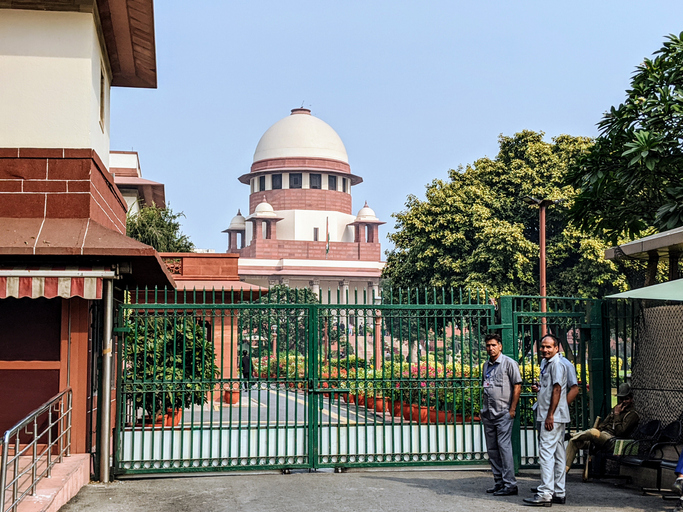
Supreme Court quashes court-martial proceedings against colonel accused of being involved with another officer’s wife

Section 122 of the Army Act bars trial by court martial on expiry of three years from the date the offence comes to the knowledge of the disciplinary authority concerned or the person aggrieved by the offence, whichever is earlier

Supreme Court quashes court-martial proceedings against colonel accused of being involved with another officer's wife

Vijay Mohan

Chandigarh, November 8

The Supreme Court has set aside the General Court Martial (GCM) proceedings against a colonel who was facing allegations of being involved with another officer’s wife, on the grounds that the charges have become time-barred.

Section 122 of the Army Act bars trial by court martial on expiry of three years from the date the offence comes to the knowledge of the disciplinary authority concerned or the person aggrieved by the offence, whichever is earlier.

On August 13, 2015, a colonel had sent a complaint to his brigade commander alleging improper relationship between his wife and the accused officer, following which a court of inquiry was ordered. On November 22, 2018, the Army issued orders that the accused officer be tried by GCM.

While the accused officer had contended that the day on which the complaint had been sent was the date on which the alleged offence came to the knowledge of the aggrieved party, the Army had averred that it was only after the completion of the summary of evidence at a later stage that a prima facie case was made out against the accused..

In its order on November 7, the apex court’s Bench comprising Chief Justice Uday Umesh Lalit and Justice Bela M Trivedi observed that in the instant case, having regard to the contents of the letter on August 2015 written by the aggrieved person to the authority concerned, specifying certain details, it clearly transpires that he was aware of the alleged act of the accused officer. Therefore, the date August 13, 2015 would be the crucial date on which the aggrieved person had the knowledge about the commission of the alleged offence and the time had started running from the said date for the purpose of Section 122.

“We are, therefore, of the opinion that the trial by the General Court Martial directed vide the order dated November 2, 2018 was clearly barred under Section 122 of the Army Act. The said proceedings deserve to be quashed and set aside and are accordingly set aside,” the Bench ruled.

“The apex court’s judgement has implications for a number of disciplinary cases under way in the three services where the authorities have considered the date of the finalisation of the court of inquiry or summary of evidence as the commencement of the period of limitation,” the officer’s counsel, Col Indra Sen Singh (retd), said..

The apex court’s Bench, however, added that the power of judicial review in the matter of disciplinary proceedings is extremely limited. It is circumscribed by the limits of correcting errors of law or procedural errors leading to manifest injustice or violation of principles of natural justice.

“The power of judicial review is an evaluation of the decision-making process and not of the merits of the decision itself. It is, therefore, clarified that the disciplinary proceedings initiated against the appellant pursuant to the chargesheet issued on November 19, 2018 shall continue in accordance with law,” the Bench said.


ITBP’s yak, pony get medals for carrying ration, ammo to LAC

ITBP’s yak, pony get medals for carrying ration, ammo to LAC

PTI

New Delhi, October 31

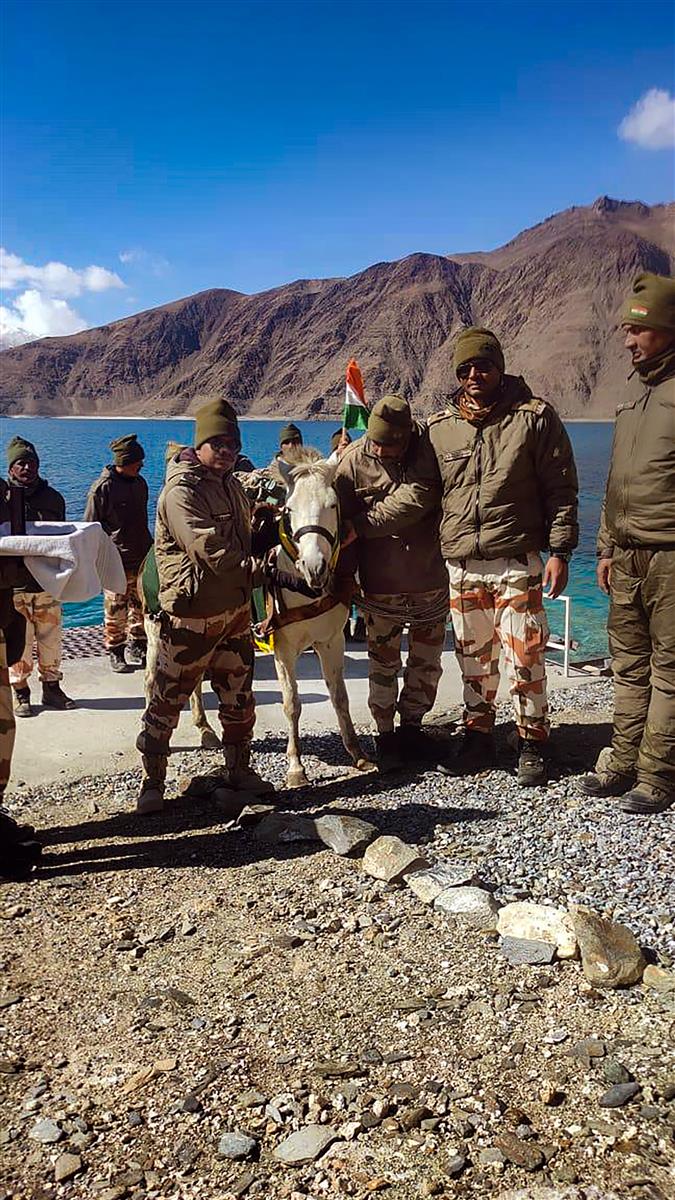
Yak ‘Bahubali’ and pony ‘Madhu’, part of the ITBP animal transport wing, have been awarded special service medals for delivering tonnes of ration, equipment and ammunition to forward posts along the India-China Line of Actual Control (LAC) in Sikkim and Ladakh sectors respectively, officials said on Monday.

While 10-year-old Madhu has carried a total of 59,821-kg load during its seven years of service with the force in Ladakh sector, Bahubali (9.6 years) has walked 2,348 km and carried 7,818 kg during the same service period, Indo-Tibetan Border Police (ITBP) officials said.

Posted in ladakh, sikkim sectors

  • 59,821-kg load has been carried by 10-year-old pony (Madhu) during its seven-year service in Ladakh with the ITBP.
  • 7,818-kg load has been ferried by 9.6-year-old yak (Bahubali) in Sikkim for seven years. The ITBP initiated the award in 2016.

The medals are given annually to those members of the animal transport wing who rendered exceptional services and undertook some of the most arduous journeys on the hills to reach remote border posts of the ITBP, a senior officer said.

According to official records, the wing, comprising ponies, mules and yaks, carried 30,45,019-kg load as its members walked over 3,43,593 km in the current year. The animals carry dry rations, fuel, ammunition, packaged food and other items to border posts that are located at high altitudes from Ladakh to Arunachal Pradesh ranging from a height of 8,000 ft to 16,000 ft.

The medals were given to the two winners at their respective border posts on the occasion of the ITBP Raising Day that was celebrated on October 24.

The ITBP had instituted Animal Transport and ‘K9’ (canine) medal in 2016 to honour the services of its four-legged soldiers.


India, Pak navies take part in 11-nation drill off Japan coast

India, Pak navies take part in 11-nation drill off Japan coast

China abstains from Int’l Fleet Review

Tribune News Service

Ajay Banerjee

New Delhi, November 7

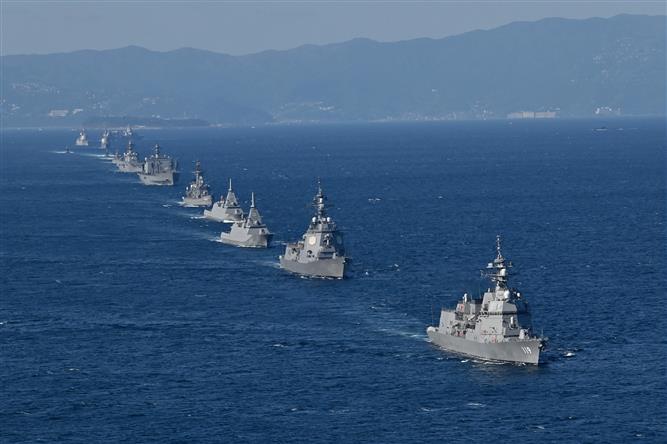
India joined 10 other countries for a “search and rescue” exercise planned within the International Fleet Review (IFR) off the coast of Japan over the weekend.

The IFR was conducted on November 6 and 7.

Unusually, from the Indian perspective, the Pakistan navy was also part of the exercise at sea. Japan had invited Pakistan for the exercise.

China abstained from the IFR in spite of an invitation from Japan.

A day after skipping the IFR, China today joined the Western Pacific Naval Symposium (WPNS) in Yokohama..

India has the status of an ‘observer’ at the WPNS and Navy Chief Admiral R Hari Kumar is participating. About 30 countries are part of the symposium.

This was not for the first time that the India and Pakistan militaries were together for a multi-nation forum or exercise. In 2019, armies of the two countries participated in a multi-nation exercise in Russia under the umbrella of the Shanghai Cooperation Organisation (SCO).

Indian naval warships Shivalik and Kamorta were part of the IFR and will remain there for almost two more weeks for other engagements..

The Japan Maritime Self Defence Force (JMSDF) said 11 countries — Australia, Canada, India, Indonesia, Japan, Malaysia, Pakistan, the Republic of Korea, Singapore, Thailand and the US — participated in search and rescue exercise.

Sources in New Delhi said the Indian naval ships were part of a group that included ships from Japan, Malaysia and Indonesia, indicating that Pakistan was in another group.

The exercise encompassed fire-fighting and medical evacuation drills, sources added..

Japanese PM Fumio Kishida inspected the fleets at the IFR on board JMSDF carrier JS Izumo. Japan hosted the IFR for the first time in 20 years to commemorate the 70th anniversary of the establishment of the JMSDF this year.


In Pakistan, a state of war with much drama ahead

S. Akbar Zaidi
is a political
economist based in
Karachi, Pakistan

A fter the failed assassination of former Pakistan Prime Minister Imran Khan on Thursday while he was on his haqeeqi azadi (genuine freedom) long march, things have just become far more complicated on the political horizon in Pakistan. From the operation theatre where he has been undergoing treatment, Mr. Khan has demanded the immediate removal of the Prime Minister, the Home Minister and a senior serving Major General from the Inter­Services Intelligence (ISI). While some of his key lieutenants have threatened revenge over the failed attempt, Mr. Khan has suggested that if these three people were not removed, all hell would break loose. The events of Thursday and the tenor from Mr. Imran Khan and his party were already foretold in the events which took place a week before. Following the no­confidence vote against Mr. Khan’s government in April this year, resulting in its dismissal, in what has been a tumultuous six months even by Pakistani standards (with allegations, intrigue and alleged conspiracies galore), there was one event last week that outdid everything else that has happened since. A press meet to note In what has been labelled as ‘historic’, ‘unprecedented’, ‘the rarest of rare occasions’, and a ‘nuclear option’, for the first time ever, Pakistan’s military’s Director General (DG), ISI, and the Director General, Inter­Services Public Relations (ISPR) held a live joint press conference to respond to and clarify many of the allegations that Mr. Khan had made about the military, and without directly naming him, against the current Chief of Army Staff (COAS), General Qamar Javed Bajwa. In the press conference, the DG, ISI, who according to media reports was the ‘first spymaster to address a live news conference’, said (without naming Mr. Khan) ‘you meet army chief General Qamar Javed Bajwa at night and then call him a traitor in the day’. The DG, ISI also revealed that days before the no­confidence motion against Mr. Khan’s government was passed. Mr. Khan had, in March, offered an ‘unlimited extension in tenure’ to Gen. Bajwa in return for ensuring that the vote did not take place. The DG, ISI added that he was present when this offer was made: ‘If you thought he was a traitor, why would you do that?’ he asked, in an obvious reference to Mr. Khan. By every measure, this press conference with the military’s ‘big guns’ (as the media called them), was historical, unprecedented, and revealed much about the state of Pakistan’s political economy, perhaps as never before. Close ties The Pakistan military’s close relationship with Mr. Khan goes back at least four years when the general elections were held in 2018 and he became the Prime Minister. At that time there were media reports that the election results were managed by the military and its agencies to ensure that Mr. Khan’s party had a winning hand. Allegations were made prior to the elections that pre­election rigging had taken place, where a number of potential candidates had received phone calls from unlisted numbers insisting that they switch party loyalties and support Mr. Khan’s party. Such calls did not go unanswered and loyalties shifted overnight, resulting in Mr. Khan’s Pakistan Tehreek­e­Insaf getting the largest number of votes and seats to form a coalition government in August 2018. In a stinging and bold editorial after the DG, ISI’s press conference, Pakistan’s newspaper of record, Dawn, wrote: “It is stunning how spectacularly the PTI and the military have fallen out. There is now little question that the military establishment, especially the ISI, played a key role in bringing the PTI to power.” Throughout the nearly four year period Mr. Khan was Prime Minister, all other parties in the opposition called him a ‘selected’ Prime Minister. While the combined Opposition worked through parliamentary and constitutional means to oust the government, as Prime Minister, Mr. Khan had the full support of the military establishment; he repeatedly gloated over this fact, saying that for the first time in Pakistan’s parliamentary history, the government and the military were ‘on the same page’. When they were on the same page, Gen. Bajwa was able to get an extension of tenure by all parties through Parliament, which includes those in Opposition; the resolution in Parliament was passed in record time, with a few, mostly from the religious parties, voting against it. While Mr. Khan’s government was a failure when it came to running the country, it remained on whatever page the military wanted it to be on. In November 2021, things began to change; some decisions regarding the appointment of key individuals in the army, including the future of Gen. Bajwa, the incumbent COAS, came up before Mr. Khan. Differences emerged and from November 2021, the combined Opposition became emboldened; probably assured of support from key institutions, it launched a successful no­confidence vote against the Khan government and ousted him from office, a move which may have now backfired. Finding a new voice Since then, Mr. Khan has become the new hero of Pakistan — by far the most popular politician. Having led rallies in scores of cities, his party has been able to win seats in the largest province of the Punjab and has formed the government there. In recent by­polls, Mr. Khan himself won six of the eight National Assembly seats. Ironically, having been brought to power by the military, he is now, and single­handedly, the anti­establishment champion of Pakistan’s political set­up. He has found a new voice and a new life while out of power and has taken his politics to the people insisting that elections be held immediately, in the hope that were they to happen, he would ride this popular wave. However, the present government has not agreed to holding early elections, with those who determine things having become ‘neutral’. As the DG, ISI’s press conference was such an extraordinary event, there has been much speculation as to why there were the ‘big guns’. In a news report in English, and, importantly, in Urdu, Pakistan’s biggest media house, the Jang Group of Newspapers, has asked ‘highly placed military sources’ why a press conference at this level was necessary. The reply, quoted in English and Urdu papers, was: ‘a state of war is an environment that threatens the survival of the state. When the state is in a state of war, the people and the army tackle it together. Be it a soldier or the most senior officer, everyone enters the field.’ Mr. Khan and the military in Pakistan have entered a ‘state of war’. As we know, in war there can be complete annihilation, bloodshed, negotiations, peace and also surrender. What has happened to Imran Khan is simply a continuation of a process which unfolded some weeks ago, with much more drama and histrionics ahead. The views expressed are pers