Sanjha Morcha

What’s New

Click the heading to open detailed news

Current Events :

web counter

Print Media Reproduced Defence Related News

7-hour window for flight ops at SBSI airport from Oct 26 to Nov 6

IAF takes decision in view of festival season

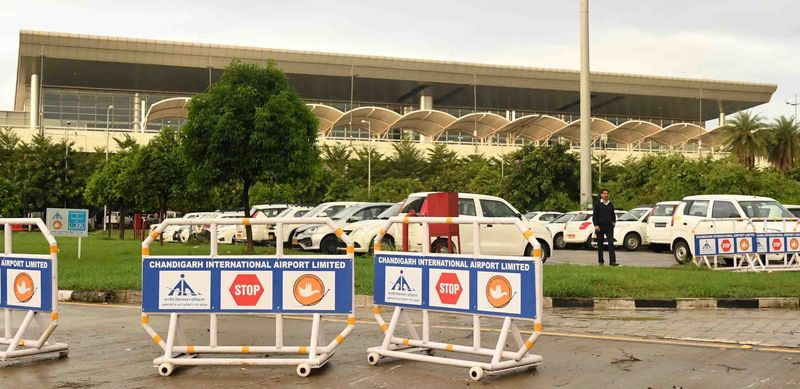
The Indian Air Force (IAF) has allowed a seven-hour window for flight operations during the ongoing repair and maintenance work on the runway of the Shaheed Bhagat Singh International Airport from October 26 to November 6 to facilitate the movement of passengers during the festival season.

The runway will be available for civilian flight operations from 5 am to 12 noon daily during that period. During the second phase of maintenance work, an 18-hour window — from 5 am to 11 pm— has been planned from November 7 to 18.

The IAF had earlier announced the complete closure of the runway for civilian flight operations during the two-week period for maintenance and repair of the single-strip runway. However, the maintenance project has now been divided into phases to avoid inconvenience to the passengers in the peak festival season.

The IAF authorities have issued a revised notice to airmen (NOTAM) for the closure period from October 26 to November 6, from 12 noon to 5 am (next day).

From November 7 to 18, the airport will remain closed from 11 pm to 5 am (next day) during low traffic hours. During this phase, the airport will be available for flight operations for 18 hours a day.

Meanwhile, the Chandigarh International Airport Authority (CHIAL) officials, UT and Mohali administrations, and other stakeholders held a review meeting today to discuss the action taken report (ATR) regarding the unusual bird activity in the vicinity of the airport threatening flight safety.

Chandigarh MP Manish Tewari and Anandpur Sahib MP Malvinder Singh Kang had addressed the issue of the serious flight safety hazard due to increased bird activity during the Airport Advisory Committee meeting held on October 12. Tewari, chairman of the 13-member committee, said, “It is a serious issue and steps are being taken by taking along administrative officials of the Tricity. All actions taken after October 12 meeting will be reviewed again on November 1. Effective waste management and remedial actions are being done on a priority.”

The announcement comes as a major relief to passengers who are travelling to celebrate festivals with family members and attend marriages of their near and dear ones.

Officials said polymer modified emulsion work was being carried out on the runway.

More than 50 flights operate from the airport daily. It operates direct service to 21 destinations — 19 domestic locations and two international destinations


BSF to install 1,000 scanners along Bangladesh border to track infiltrators

296 scanners put up in last 3 months

As many as 1,000 scanners will soon be installed along the 4,096-km India-Bangladesh border to digitally maintain a database of infiltrators — including Bangladeshi citizens entering Indian territory illegally, as well as Indian nationals crossing into Bangladesh illicitly. The initiative will help the BSF track their movements and activities more effectively.

Sources told The Tribune that in the last three months, 296 scanners have already been deployed along the Bangladesh border. These devices have helped maintain biometric records of infiltrators, giving the Border Security Force (BSF) a much clearer understanding of the people who cross the border illegally in either direction.

This first-of-its-kind initiative will see an additional 1,000 scanners installed along the Bangladesh border in the coming months. The scanners record fingerprints of individuals caught attempting to cross the border illegally.

BSF officials noted that, in many cases, the same individuals attempt to enter Indian territory repeatedly, even after being caught and imprisoned previously. Most of these repeat offenders are smugglers, and due to their large numbers, maintaining records manually has been nearly impossible, a senior BSF official said.

Since the scanners have been installed, biometric details of infiltrators are recorded whenever they are arrested. This enables the BSF to track both their movements and profiles. For example, if a Bangladeshi infiltrator is caught while attempting to smuggle cattle, their biometric record can verify whether they had previously been caught for other activities or smuggling attempts, the official explained.

Similarly, several Indian nationals are intercepted while entering India after having crossed into Bangladeshi territory illegally. In such cases, biometric data helps track their movements and maintain accurate records.

The scanners also help in cases where Indian farmers accidentally cross into Bangladesh. Their details can be verified quickly, preventing unnecessary penal action against them, officials added.


HEADLINES : 24 OCT 2025

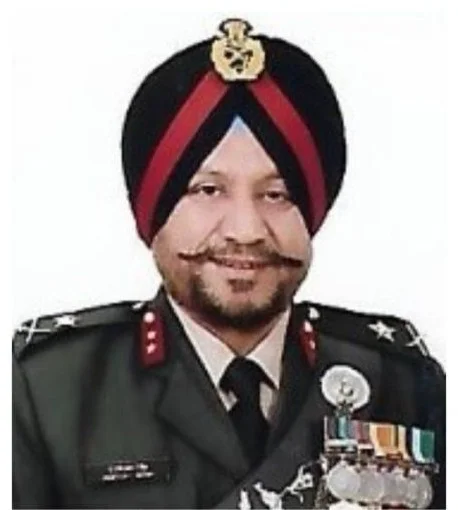
SUBEDAR JOGINDER SINGH PARAM VIR CHAKRA – 23 – 24 OCT 1962 by MAJ GEN HARVIJAY SINGH

Air Force chief joins nagar kirtan carrying Guru Gobind Singh relics


Reforming Agniveer scheme

India and Oman Deepen Defence Ties Through 3rd Army-To-Army Staff Talks In New Delhi

Indian Air Force Takes Part In Multinational Exercise Ocean Sky 2025 In Spain


Cochin Shipyard Delivers First Indigenous ASW Vessel INS ‘Mahe’ To The Indian Navy


Ex-IAF Chief Bhadauria Urges Shift of 97 TEJAS MK-1 Orders To More Capable MK-2 Variant


Massive Arms Upgrade: DAC Approves ₹79,000 Crore Military Modernisation Procurement Plan For Army, Navy & IAF


Centurion tank called the shots in 1965 war

Casteism, corruption are tainting khaki

NEXT

India, Bhutan hold border security meet after 6 years


MoD clears Rs 79K-cr proposals for drones, warships, missiles

India faces threat as US sanctions 2 Russian oil firms


SUBEDAR JOGINDER SINGH PARAM VIR CHAKRA – 23 – 24 OCT 1962 by MAJ GEN HARVIJAY SINGH

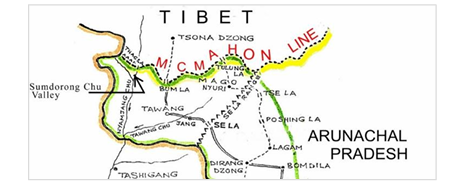
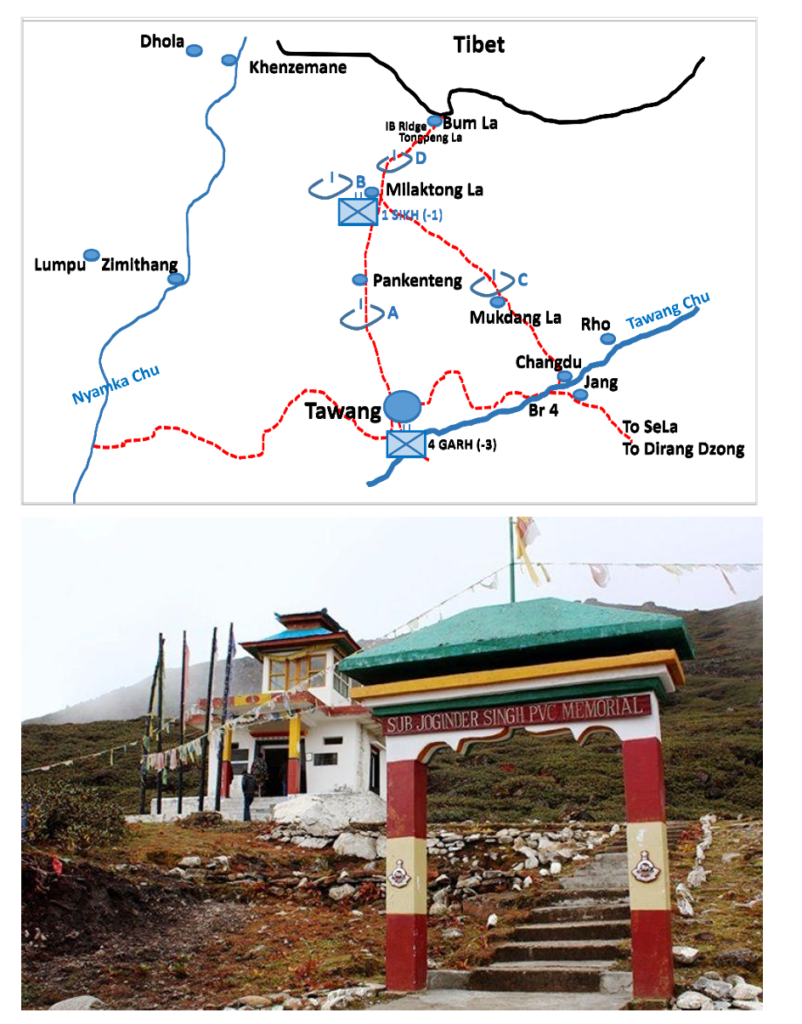
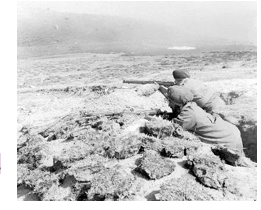
Tawang – elevation 3,048 metres (10,000 ft) in the northwestern part of Arunachal Pradesh then NEFA. Bum La Pass (15, 200 Ft) located 37 km away from Tawang by road. A 26-km Bum La Tawang foot-track was the shortest approach to Tawang. 3 km southwest of Bum La, west of the foot-track stood the feature called ‘Twin Peaks’. 1st Battalion, the SIKH Regiment was responsible to deny this approach to the Chinese. Delta Company was deployed at Tongpeng La, a pass situated a km southwest of the ‘Twin Peaks’. Between the ‘Twin Peaks’ and Bum La, existed an Inspection Bungalow (IB). 11th Platoon of Delta Company, under Subedar Joginder Singh, deployed at the nearby IB ridge and set up defences to halt the Chinese advance in their tracks. 7 (Bengal) Mountain Battery provided artillery cover with the artillery observation post officer located at Tongpeng La. At dawn on 20 Oct, a JCO of the Assam Rifles outpost at Bum La noticed hundreds of Chinese soldiers preparing for an attack. He alerted the 11th platoon (23 troops). Joginder promptly despatched a section of about 10 men under Havildar Sucha Singh to reinforce the Bum La-post.

The attack came at 4.30 AM on 23 Oct with volleys of mortar and anti-tank guns followed by an assault on the Assam Rifles post at 6 AM. Sucha Singh’s Section killed several Chinese before withdrawing to the IB ridge. Having overrun the Assam Rifles outpost, with the objective of capturing ‘Twin Peaks’, the enemy launched an assault on IB ridge. Subedar Joginder Singh had prepared his defences well. Other than this the troops were ill-prepared – logistically they had: a stock of four days’ rations, no snow boots, only canvas made jungle shoes, no winter clothing and limited ammunition. The gunfight began soon; mortars and artillery guns engaged the enemy with effect and mounting casualties compelled the Chinese to retreat. Even the SIKHs suffered and only 17, half the platoon, survived the Chinese offensive. Having repulsed the first wave, Joginder sent three men to the company HQs to fetch ammunition. The Chinese attacked again in greater strength, an echelon climbed unobserved from the right flank. The assault was far more ferocious. Joginder took a machinegun burst on his thigh. Dripping blood, he tied a field dressing on his wound. Joginder refused to be evacuated and continued screaming instructions. He manned a machine gun and inspired his men to hold ground.

They forgot their fear and stood fast with their leader. When the 2-inch mortar exhausted its bombs, Lance Naik Santokh Singh manning the mortar leapt up and killed two Chinese with the barrel before he was shot dead. However, the platoon suffered serious losses and soon the Chinese were swarming all over the IB Ridge. The Company Commander sensing a loss of the position, as a final resort, radioed Joginder if he could direct SOS fire on himself. (This meant calling Artillery Fire onto own position – causing serious casualties to own as well as the enemy troops who were now swarming the defensive position) …… Subedar Joginder Singh’s answer was ‘Yes’. The enemy was shocked. Joginder had readied the remaining platoon for a head-on, final attack. Shouting ‘Bole So Nihal Sat Sri Akal’, the SIKHs killed a score of Chinese soldiers in the bayonet charge …. The Chinese never expected the SIKHs would leave their trenches and charge with such intensity.

The Chinese troops however came in waves and continued to clamber up overpowering Joginder in close quarter combat. All but four soldiers from the platoon perished. Badly wounded Subedar Joginder Singh was taken prisoner, the other three gave the slip, trekked to the main defences at Se La, and narrated the ringside account of the battle that raged for four hours. No one had expected the locality to hang on for so long and so resolutely against 100s of Chinese. A Chinese surgeon informed Subedar Joginder Singh that his leg had to be amputated. He refused because he was due for promotion as a Subedar Major. He thought that if amputated, he would lose his due promotion. The valiant Subedar unfortunately, passed away due to gangrene soon after.

The Indian Government awarded Sub Joginder Singh the Param Vir Chakra for his leadership and gallantry. Out of the 23 men only three men survived, the rest died fighting at IB Ridge. Indeed, a ‘Battle of the Last Man to the Last Round’. On learning that Joginder was awarded the Param Vir Chakra, Chinese army, in a mark of respect, repatriated his ashes with full military honours – No tribute can be greater. A memorial has been constructed at Bumla to honour the brave soldier. This memorial is like a temple visited by all before being deployed in the region. The ‘spirit’ of Subedar Joginder Singh continues to guard the icy slopes of the treacherous Tawang region.


Air Force chief joins nagar kirtan carrying Guru Gobind Singh relics

article_Author
Aditi Tandon

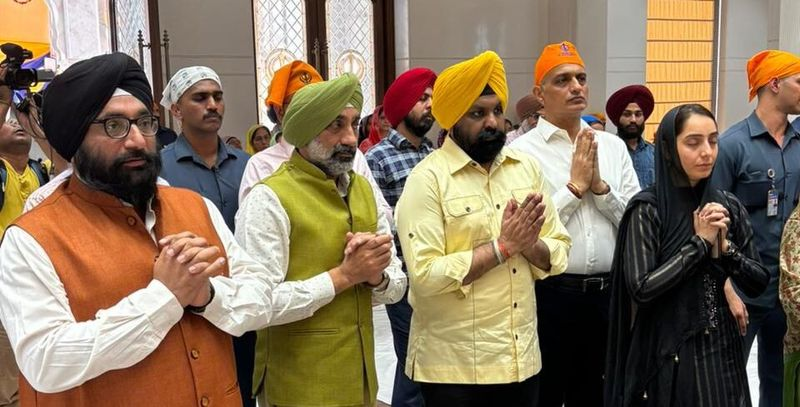
The Indian Air Force chief Amar Preet Singh on Thursday joined the nagar kirtan at gurdwara Moti Bagh from where the holy footwear of Guru Gobind Singh and Mata Sahib Kaur will travel to Takth Patna Sahib.

The family of Union Minister Hardeep Singh Puri, custodians of the sacred belongings for 300 years, have handed over their care and custody to the Sikh Sangat.The relics were given to Delhi Sikh Gurdwara Management Committee on Wednesday and placed at the gurdwara for devotees to pray.

Hardeep Puri himself carried the Jore Sahib to the gurdwara.

The relics would travel in a nagar kirtan to various cities covering 1,500 km from Delhi to Patna.

These would be enshrined at Takht Patna Sahib, the birthplace of Guru Gobind Singh.

A special committee of Sikh influencers formed earlier to determine the final resting place for the relics had unanimously voted for Patna Sahib gurdwara as the home for the footwear which Puri’s ancestors had been given by the 10th Guru in recognition of their services.


Reforming Agniveer scheme

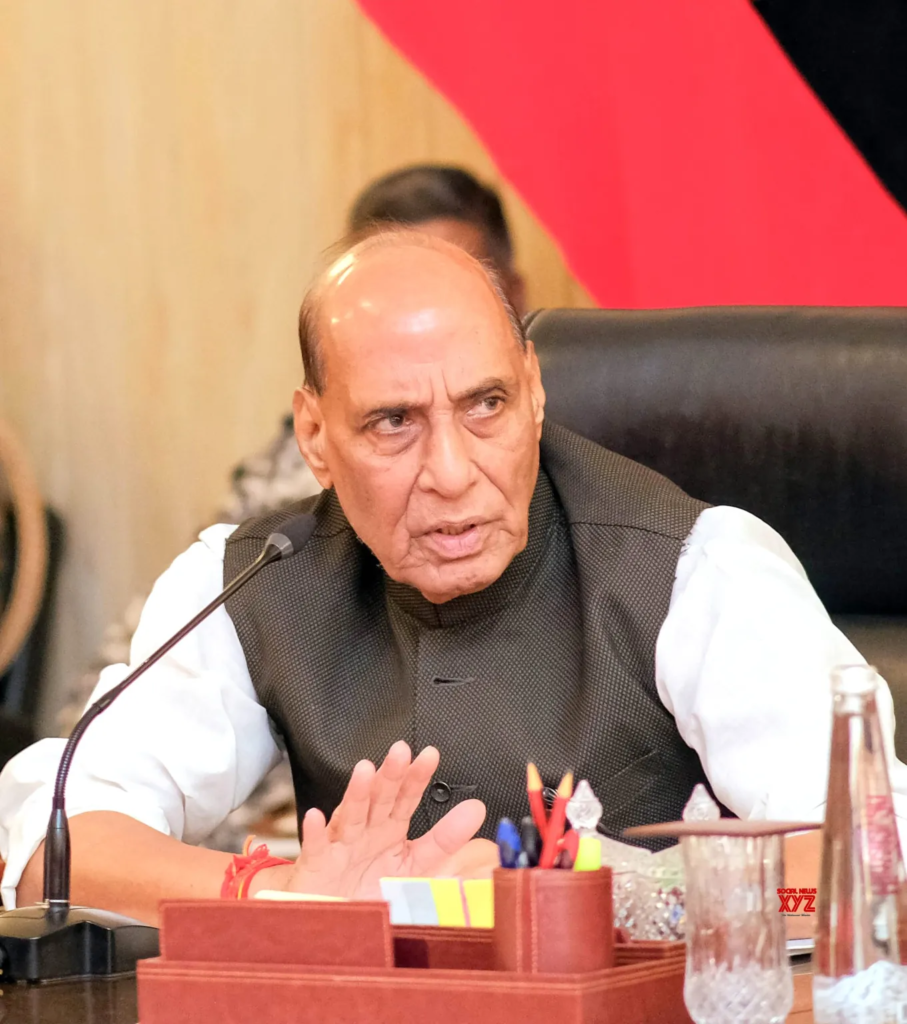
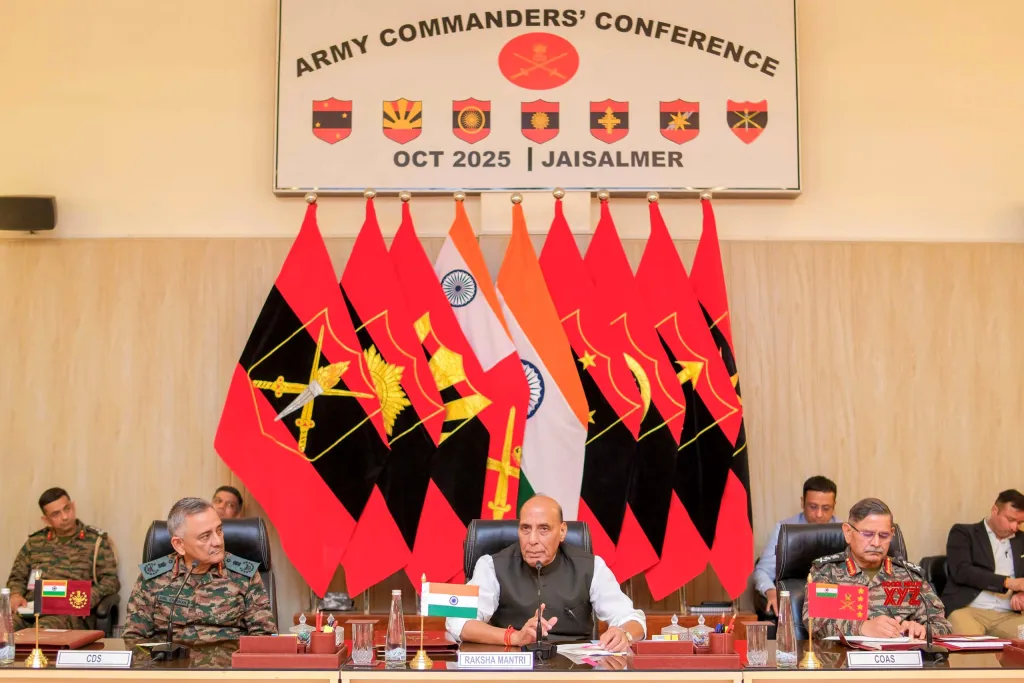
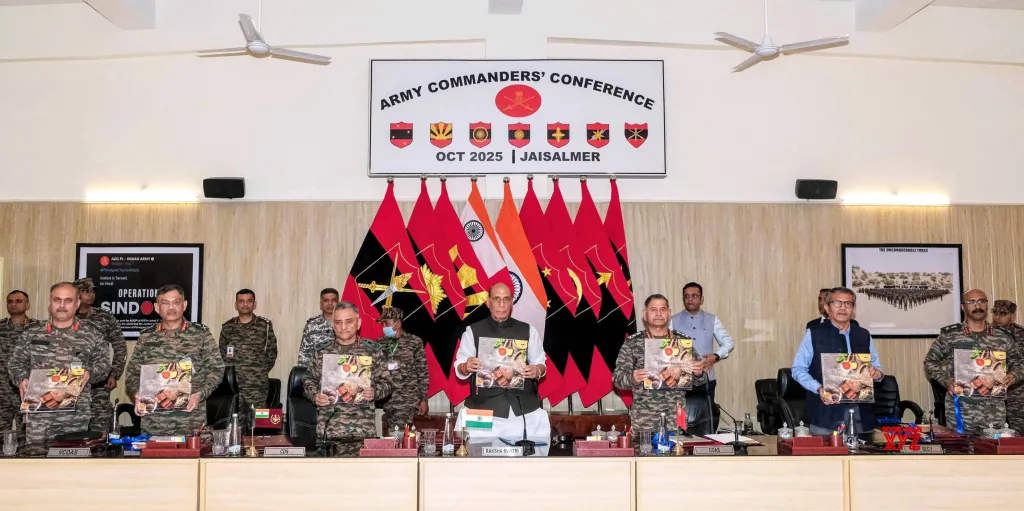
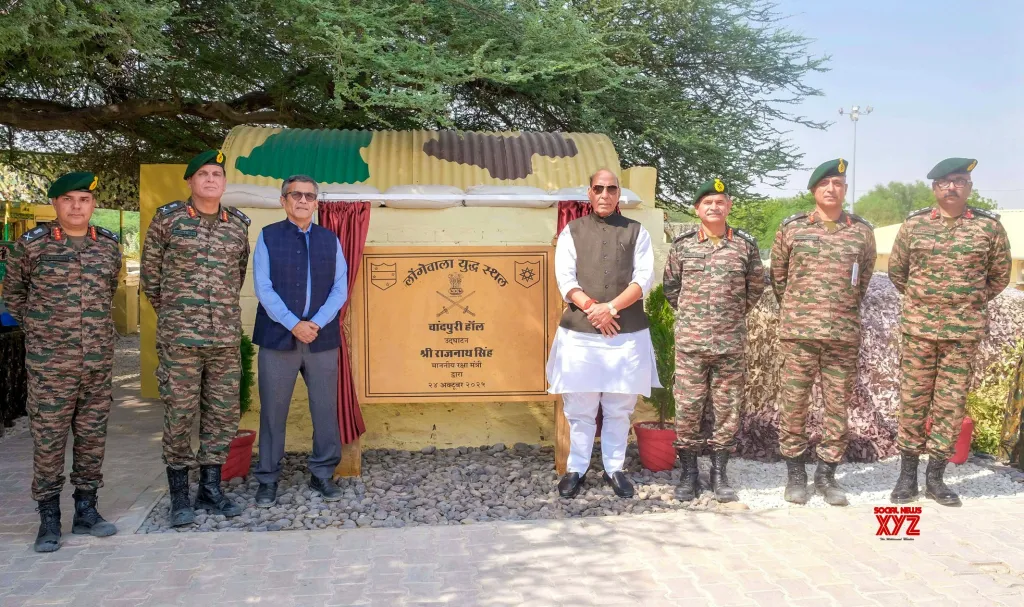
After launching the Agniveer scheme to infuse new blood into the armed forces, the Govern ment of India is now thinking of ways and means to make it more attractive to the public at large. One of the proposals under consideration is to raise the Agniveer retention rate from the current 25 per cent to up to 75 per cent. This is among the proposals being discussed by the Army Commanders Conference at Jaisalmer. Other proposals include measures to enhance joint ness among the three services and review the implementation of Mission Sudarshan Chakra. The first batch of Agniveers will complete their four-year tenure next year and, there fore, their retention is on the agenda. This is the first Army Commanders Conference since Operation Sindoor in May.

The conference serves as a platform for the Army’s senior leadership to review the overall security situa tion and deliberate on key operational priori ties to address emerging challenges. responders with the nec essary knowledge and skills for the timely and effective management of chemical incidents. The modules, which are a step to wards enhanced preparedness, were launched by Punya Salila Srivastava, the Secretary of Health and Family Welfare, along with key senior offi cials from various line ministries at Nirman Bhawan, New Delhi. “Chemical emergencies pose a significant and evolving threat to public health, environmental safety, and societal stability, underscoring the need for strengthened national preparedness and response mecha nisms,” said the Ministry of Health. “In the present fast-growing in dustrial economy, updating and keeping oneself prepared for any such emergencies is of paramount importance,” it added. The specialised training modules, divided into three parts, were de veloped by the National Centre for Disease Control (NCDC), Ministry of Health and Family Welfare (Mo HFW), in collaboration with NDMA (National Disaster Management Au thority) and with technical support from the World Health Organization (WHO India).

Module 1 includes preparedness, surveillance, and response for pub lic health management of chemical emergencies. Module 2 elaborates pre-hospital management of chemical emergen cies, including the identification and assessment of chemical hazards, pa tient triage and decontamination, and the appropriate use of personal protective equipment. Module 3 details medical manage emergencies have a profound impact ment of chemical emergencies. It is designed to cover a wide range of topics related to the medical management of chemical emergen cies, including in-hospital patient triage, hospital decontamination, the initial assessment and man agement, and the appropriate use of personal protective equipment. As India is rapidly emerging as a major global hub for industrial and technological development, it is increasing the risk of exposure to chemical hazards. Uncontrolled releases of such sub stances can have serious implications for public health and the environ ment, potentially resulting in chemi cal emergencies.

These chemical on human health, often resulting in casualties, long-term consequences, and damage to property and the en vironment. In such a scenario, “these modules aim to equip public health profes sionals, healthcare workers, emer gency responders, and policymakers with the necessary knowledge, skills, and operational tools for timely and effective management of chemical incidents,” the Ministry said. Strengthening chemical emergency management also supports core ca pacities under the International Health Regulations (IHR 2005), contributing to both national and global health security, the Ministry said. IANS Similarly, with the increasing strength of veterans, options to gainfully use their experi ence and expertise are being considered. At present, veterans are engaged in limited roles such as those under the Army Welfare Educa tion Society and the Ex-Servicemen Contribu tory Health Scheme (ECHS) polyclinics, but broader participation across formations is be ing considered. Personnel and welfare-related issues of serving troops are also expected to feature in the discussions.

Measures under discussion to improve integration include the standardisation of equipment, common supply chains for logis tics and procurement, combined training at all levels, more cross-postings and exposure across services, and greater social interaction among personnel – all steps aimed at paving the way for the creation of theatre commands. Some of these initiatives were also discussed at the Combined Commanders Conference in Kolkata last month, which was attended by the Prime Minister. At that meeting, the gov ernment announced the formation of three joint military stations and the merger of the education branches of the Army, Navy, and Air Force into a single Tri-Services Education Corps – key steps towards deeper integration. This is the first conference of Army Com manders since Operation Sindoor in May. It serves as a platform for the Army’s senior leadership to review the overall security situ ation and deliberate on key operational pri orities to address emerging challenges. The Combined Commanders’ Conference took place in Kolkata last month. It will also re view operational preparedness, including the repair and replacement of damaged equip ment, emergency procurement of critical stores, and ammunition stocking for various weapon systems. The implementation of Mission Sudarshan Chakra, which involves coordination with other services and multiple stakeholders, will also be discussed.The Jaisalmer meeting marks the second phase of the second Army Commanders Conference this year; the first phase was held in Delhi earlier this month. SPIRITUA



India and Oman Deepen Defence Ties Through 3rd Army-To-Army Staff Talks In New Delhi

The Indian Army and the Royal Army of Oman concluded the 3rd Army-to-Army Staff Talks (AAST) in New Delhi from 22 to 23 October 2025, underscoring a renewed vigour in bilateral defence collaboration. The talks represented a key advance in the evolving strategic partnership between the two nations.

According to the Additional Directorate General of Public Information (ADG PI), the discussions focused on broadening cooperation through enhanced joint exercises, expert exchanges in specialised domains, and intensified training collaboration. Both sides also identified new avenues for partnership under the forthcoming Defence Cooperation Plan 2026.

The deliberations emphasised joint capability development, professional military education, and institutional frameworks to deepen interoperability. These initiatives build upon the strong foundation established by previous engagements, notably the 5th edition of the India–Oman Joint Military Exercise Al Najah, which successfully concluded in September 2024 at the Rabkoot Training Area in Oman.

The event was attended by senior officials from both countries, including Amit Narang, India’s Ambassador to Oman, and Captain Harish Srinivasan, Defence Attaché to Oman. The Omani delegation was led by Brigadier General Abdulkadhim Bin Ibrahim Al-Ajmi, Commander of the 11th Infantry Brigade, accompanied by Lieutenant Colonel Masood Mubarak Al-Ghafri, Commanding Officer of the Frontier Force.

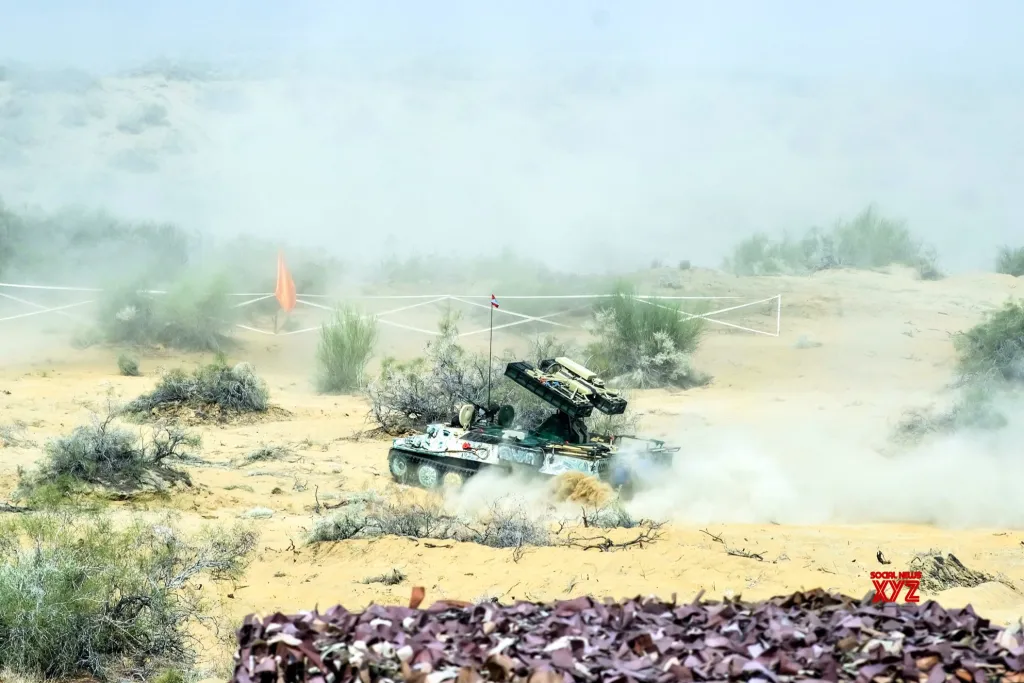
A joint live-fire demonstration followed the staff talks, showcasing operational synergy between the two armies. Approximately sixty soldiers from both nations participated in tactical exercises mirroring United Nations peacekeeping scenarios. The drills simulated village isolation and clearance operations in a desert terrain, with combined armoured personnel carrier detachments undertaking coordinated room interventions and hostage rescue missions.

Snipers from both armies demonstrated precision engagement capabilities, reinforcing the benefits of combined marksmanship training. The demonstration also incorporated advanced Indian-made equipment, such as surveillance drones for real-time reconnaissance and ballistic shields for urban intervention and protection tasks, highlighting India’s growing self-reliant defence technology base.

The event concluded with a ceremonial flag display, an exhibition of military equipment, and an exchange of mementoes between contingents. Both delegations reaffirmed their commitment to maintaining global peace, regional security, and mutual military preparedness through sustained cooperation.

The successful conclusion of the 3rd AAST thus marks another milestone in the robust defence partnership between India and Oman, laying the groundwork for a stronger and more institutionalised framework of collaboration under the Defence Cooperation Plan 2026.

Based On ANI Report