‘Several were reportedly coerced or misled into signing up for combat roles’
India on Friday confirmed that 44 of its nationals are currently serving in the Russian Army, several of them reportedly coerced or misled into signing up for combat roles amid Moscow’s war with Ukraine.
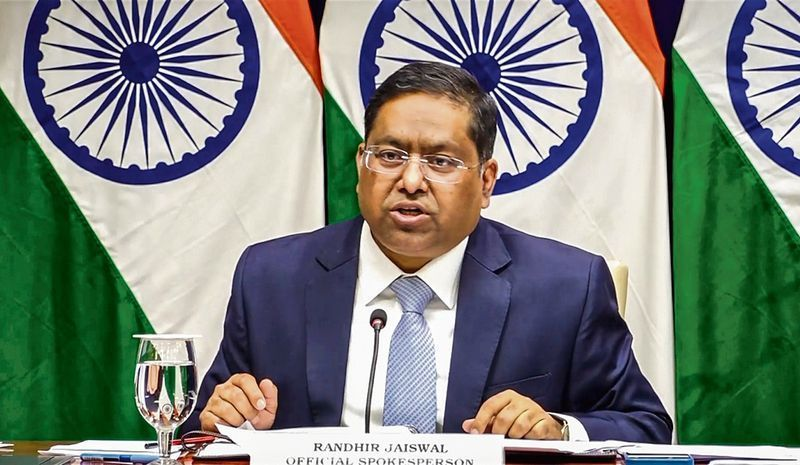
“We have come to know of several Indian nationals who have been recruited in the Russian Army. As per our understanding, there are 44 Indians presently serving there,” Ministry of External Affairs spokesperson Randhir Jaiswal said at the weekly media briefing.
Jaiswal said India had “once again taken up the matter with the Russian authorities” to secure the early release of those Indians and urged Moscow to put an immediate end to the practice of such recruitment. “We are in touch with the Russian side and with the families of these people, keeping them informed of all developments,” he said.
Reiterating a strong advisory, Jaiswal warned Indian citizens to stay away from dubious agents offering jobs or positions in the Russian military. “We have repeatedly cautioned that such offers are fraught with danger to life. Despite our warnings, some continue to enlist. Obviously, we cannot stop an individual from doing so, but they must be aware of the risks once they sign up for these jobs,” he said.
The MEA spokesperson also noted that Indian law enforcement agencies had initiated action against individuals and networks suspected of luring Indians into joining the Russian forces. “Action has been taken in the past and continues to be taken so that people are not tricked into such risky endeavours,” Jaiswal added.
The Tribune has over the past year reported extensively on the mounting anguish among families, particularly in Punjab and Haryana, whose sons have been missing for more than 15 months after being allegedly coerced into joining Russia’s war with Ukraine. Many of these young men had travelled to Russia on student or work visas, only to find themselves trapped in military contracts with no means of returning home.
Shift stray dogs from institutional areas, cattle from highways: Supreme Court
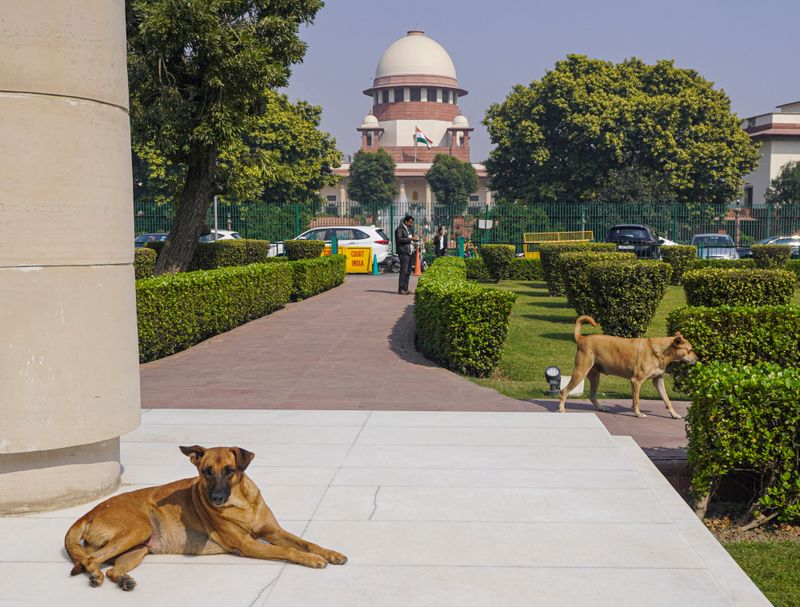
Taking note of an “alarming rise” in dog bite incidents within institutional areas such as educational institutions, hospitals and railway stations, the Supreme Court on Friday directed immediate shifting of stray canines to designated shelters after due sterilisation and vaccination.
A three-judge Bench led by Justice Vikram Nath made it clear that the stray dogs picked up shall not be released back to the same location from which they were removed.
“We have consciously directed the non-release of such stray dogs to the same location from which they were picked up, as permitting the same would frustrate the very effect of the directions issued to liberate such institutional areas from the presence of stray dogs,” said the Bench, which also included Justice Sandeep Mehta and Justice NV Anjaria.
It directed the administrative heads of all government and private educational institutions, hospitals, primary health centres, medical colleges, public sports complexes/stadia, bus stands/depots and railway stations to ensure that the premises are secured by adequate fencing, boundary walls, gates and such other structural or administrative measures as may be necessary to prevent the ingress of stray dogs through their respective local/municipal authorities, under the overall supervision of the District Magistrate concerned.
“It shall be the responsibility of the jurisdictional municipal body/authority to forthwith remove every stray dog found within the premises of an educational institution, hospital, sports complex, bus stand/depot or railway station and to shift such animal(s) to a designated shelter after due sterilisation and vaccination…,” the Bench said.
Asking the authorities to complete the exercise as soon as possible and preferably within eight weeks from today, the Bench posted the matter for further hearing on January 13, 2026.
It directed the chief secretaries of all states and union territories to file affidavits of compliance within eight weeks, specifically indicating the steps taken to secure institutional premises and the availability of anti-rabies vaccines and immunoglobulin in all government medical facilities.
The Bench asked the states and the UTs to file comprehensive additional affidavits, specifically indicating the remedial measures undertaken to ensure full compliance with the court’s directions and to rectify the “lapses” highlighted in the report filed by amicus curiae Gaurav Agrawal.
“The management of every educational institution, hospital, sports complex, bus stand/depot, including Inter-State Bus Terminal, and railway station identified under direction (A) shall designate a nodal officer responsible for the upkeep and cleanliness of the premises and for ensuring that stray dogs do not enter or inhabit the campus,” it said.
It said any lapse in this regard shall be viewed seriously and the municipal officials/administrative authorities concerned shall be held responsible.
While dealing with a suo motu PIL on the stray dog menace initiated on July 28 following a news report about the death of a six-year-old girl in the national capital due to rabies caused by stray dog bites, the top court directed the authorities to ensure removal of all cattle and other stray animals from state highways, national highways and expressways.
The recurrence of dog bite incidents within institutional areas, including sports complexes, reflected not only administrative apathy but also a “systemic failure” to secure these premises from preventable hazards, it noted.
“The situation calls for immediate judicial intervention to safeguard the fundamental right to life and safety of citizens, especially children, patients and sportspersons, under Article 21 of the Constitution,” the Bench said.
Noting that children, the elderly and economically weaker sections bore the brunt of the menace as they were vulnerable and lacked “timely access to post-exposure prophylaxis”, the Bench said it was a matter of grave and continuing public concern that accidents caused by cattle and other stray animals on public roads had become alarmingly frequent.
“The menace of dog bites, particularly in public and private institutions that serve as spaces of learning, healing and recreation, thus constitutes not merely a public-health challenge but a matter of human safety concern. The state and its instrumentalities bear an affirmative obligation to ensure that no citizen, least of all children, elderly people and patients, are exposed to preventable injury or disease within public premises,” the Bench said.
It said all government and private hospitals shall maintain a mandatory stock of anti-rabies vaccines and immunoglobulin at all times.
The top court said the primary objective was to safeguard the fundamental right to life and safety of citizens, particularly children, students, patients and sportspersons, while ensuring compliance with the principles embodied in the Animal Birth Control Rules, 2023, framed under the Prevention of Cruelty to Animals Act, 1960.
“Scientific assessments, including those conducted by the World Health Organisation and the National Centre for Disease Control, have estimated that a large ratio of animal-related deaths annually in India were attributable to rabies, with over 90 per cent of human cases resulting from bites inflicted by domestic or stray dogs,” the Bench said.
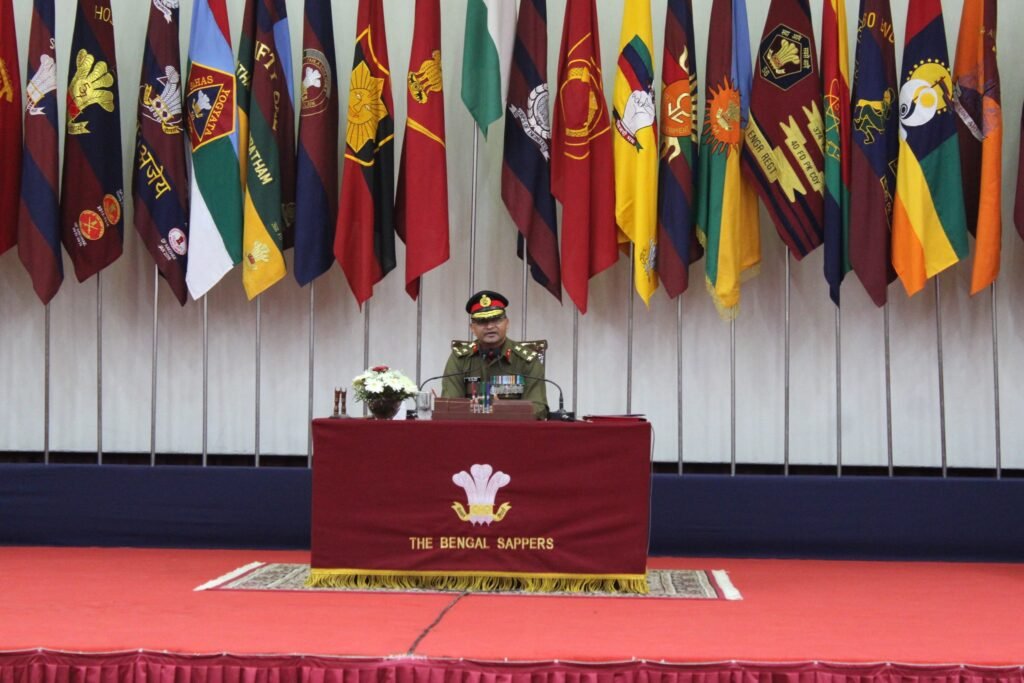
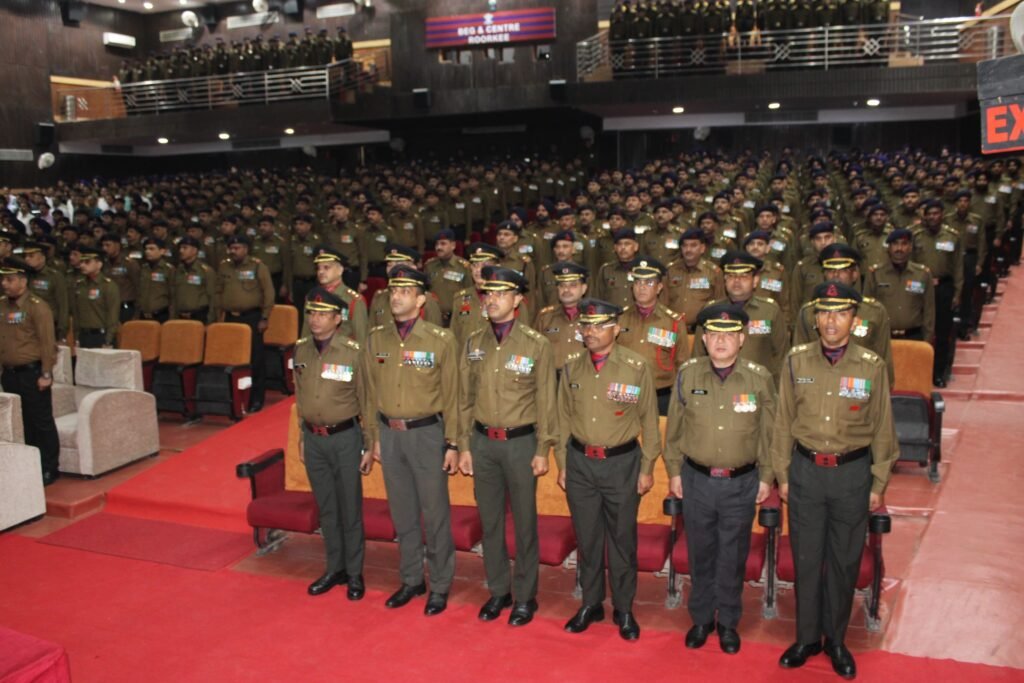
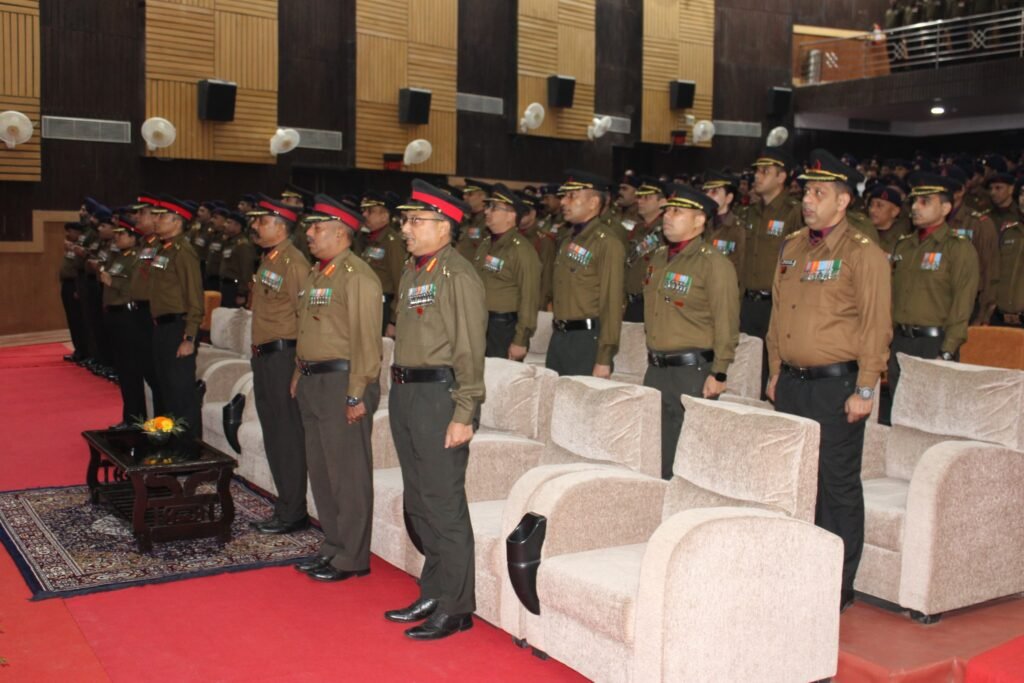
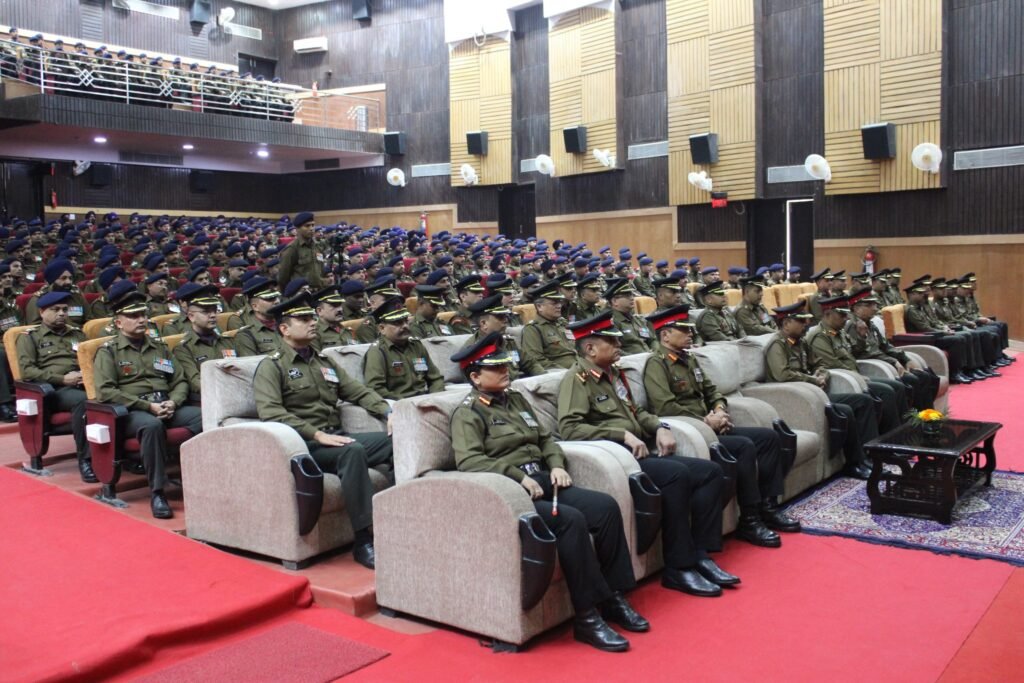
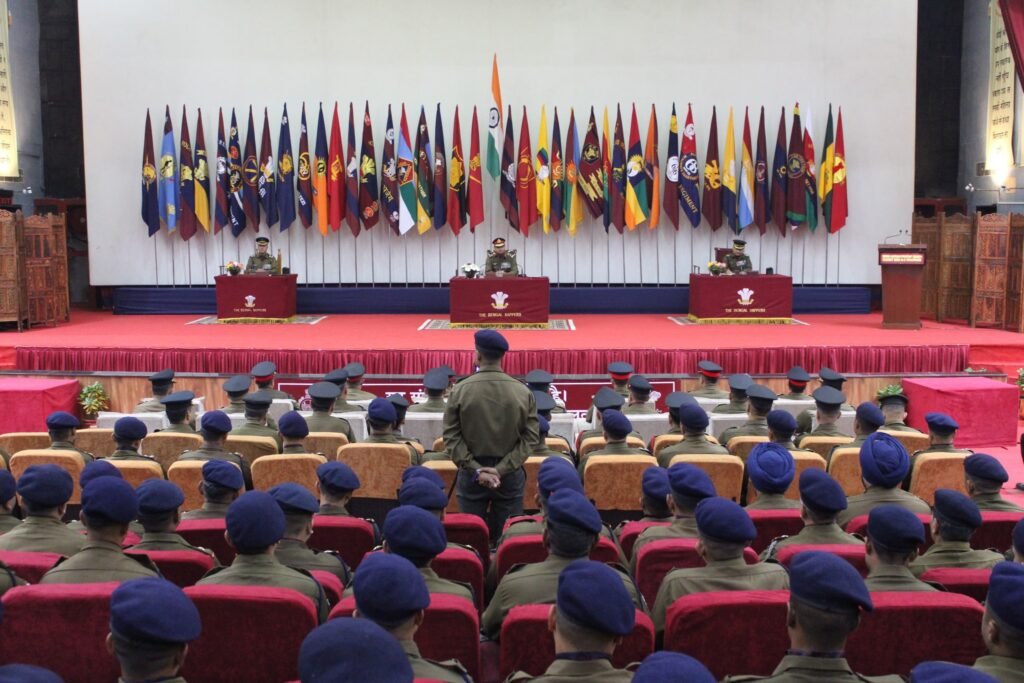
Sainik Sammeln by Brig KP Singh, Comdt at BEG & C. Roorkee.
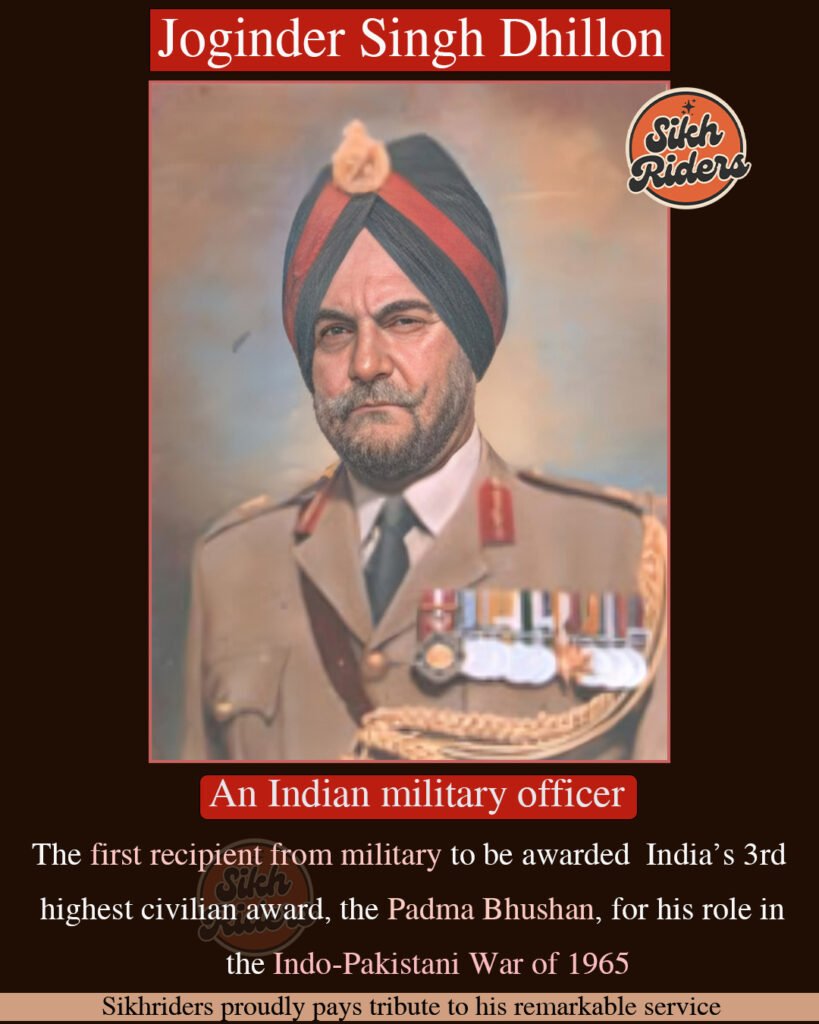
Lt Gen JS Dhillon was the First Commandant of BEG & Centre Roorkee , He commanded Gp Day Parade and Pandit Jawarlal Nehru took the Salute at Roorkee and Later he was the First to Command the First Republic Day Parade
Guru Nanak Dev Ji (1469–1539) was the founder of Sikhism and the first Sikh Guru. Born in Talwandi (now Nankana Sahib, Pakistan), he taught equality, honesty, and kindness. Through his travels, he spread the message of unity and service to humanity. He established Langar to promote equality and founded Kartarpur before he died in 1539. His ideas continue to inspire people worldwide, making him one of India’s greatest teachers and reformers.
Guru Nanak Dev Ji (1469–1539) was the first Sikh Guru and the founder of Sikhism. He was born in Talwandi, now known as Nankana Sahib, in Pakistan. From a young age, Guru Nanak showed deep curiosity about life, equality, and truth. Instead of following traditional norms, he focused on promoting fairness, compassion, and respect for all people. He believed that everyone is equal, regardless of caste, religion, or gender. His teachings encouraged people to live honestly, work hard, and share with others.
Guru Nanak Dev Ji travelled widely across India and other regions to spread his ideas of peace and social harmony. His message was simple but powerful—live truthfully and serve humanity. In this article, we’ll take a look at his early life, major teachings, journeys, and how his thoughts have shaped society and continue to inspire millions today.
Who Was Guru Nanak Dev Ji?
Guru Nanak Dev Ji (1469–1539) was the first Sikh Guru and the founder of Sikhism. He was born in Talwandi, now known as Nankana Sahib in Pakistan. From a young age, he showed great interest in learning and thinking deeply about life and society.
His ideas were simple yet powerful. He believed that all humans are equal and that one should live honestly, help others, and do good deeds. He travelled widely to spread his message of truth, equality, and kindness.
Early Life and Background
Guru Nanak Dev Ji was born on 15 April 1469 into a Hindu family of the Bedi clan. His father, Mehta Kalu, was a village accountant, and his mother’s name was Mata Tripta. From childhood, Nanak was curious and thoughtful. He often questioned traditions and customs that divided people. He received an education in languages and religious texts, which helped shape his understanding of society.
As he grew older, he worked briefly as a storekeeper but soon devoted his life to teaching and travel. He married Mata Sulakhni and had two sons. His travels, known as “Udasis”, took him across India and beyond—to Tibet, Arabia, and Persia—where he met people of different faiths and backgrounds to share his ideas of peace and equality.
Historical Context
During the 15th century, India was under the rule of various regional powers and the Mughal Empire. Society was divided by caste, religion, and social inequality. People faced discrimination based on birth and occupation.
Religious practices had become rigid, with greater emphasis on rituals than on moral values. Guru Nanak Dev Ji lived in this period of division and conflict. He noticed the growing gap between the rich and the poor, as well as between different religious groups.
His teachings questioned society’s unfair customs. Instead of promoting one religion over another, he encouraged people to live honestly, with humility, and with respect for all. In this way, his thoughts were not only spiritual but also deeply social and reformative for that era.
Major Teachings of Guru Nanak Dev Ji
Guru Nanak Dev Ji’s teachings were simple and practical. He believed in three main principles — Kirat Karni (earn an honest living), Vand Chakna (share with others), and Naam Japna (remember and act truthfully).
He rejected the idea of caste and said that all humans are equal in the eyes of God. He taught that helping others and living a truthful life are more important than performing rituals. He encouraged people to work hard, be kind, and support one another.
He also promoted women’s equality and opposed social injustice. These values became the foundation of Sikhism and continue to guide millions even today. His message focused on creating a fair society based on compassion, honesty, and equality.
Establishment of Sikhism
Guru Nanak Dev Ji laid the foundation for Sikhism, a religion based on equality, service, and community life. He gathered followers and formed communities called Sangat (a group of people who learn together) and Langar (a community kitchen). In Langar, everyone—regardless of caste, religion, or wealth—could sit together and share a meal.
This simple practice symbolised unity and equality. His teachings were later compiled by his successors into the Guru Granth Sahib, the holy book of Sikhs. He did not aim to create a new religion but to promote a better way of living where truth and goodness come first. Sikhism grew over time under the guidance of the successive nine Gurus, all of whom followed the same human values that Guru Nanak first shared.
Legacy and Influence
Guru Nanak Dev Ji passed away in 1539 in Kartarpur, a town he founded near the Ravi River. His legacy continues to inspire people across the world. His teachings laid the foundation for Sikhism, which today has millions of followers. The message of equality, service, and unity is still relevant in modern society.
His life is celebrated every year as Guru Nanak Jayanti, which marks his birth anniversary. Schools, universities, and cultural programs across India and abroad teach about his values and their importance.
Beyond religion, Guru Nanak Dev Ji is remembered as a reformer and philosopher who believed in justice, peace, and respect for all human beings. His ideas continue to motivate people to live a moral and meaningful life.
Conclusion
Guru Nanak Dev Ji was not only a religious leader but also a great thinker and social reformer. His life and teachings focused on honesty, equality, and kindness—values that remain important even today. He encouraged people to look beyond divisions of caste and religion and to build a just and caring society. His influence shaped Sikhism and inspired future generations to live by truth and service.
In modern times, his thoughts continue to guide individuals toward a better, more equal world. Remembering Guru Nanak Dev Ji is not just about faith—it is also about learning to live responsibly, truthfully, and with compassion for all.
Not opposed to new structure: IAF Chief on theaterisation move
Says any decision to create a new structure to deepen synergy between the three forces will be taken in the national interest
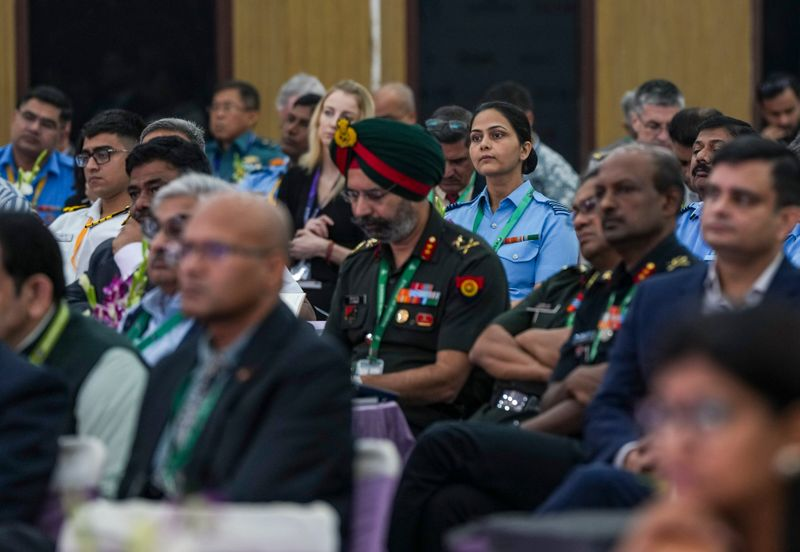
Any decision to create a new structure to deepen synergy between the three armed forces will be taken in the national interest, Indian Air Force Chief Air Chief Marshal AP Singh on Tuesday said, adding that deliberations on the proposal are underway. He was referring to the proposed creation of “theatre commands” — also called “theaterisation” in military jargon.
Singh said he supported a joint structure that could include the three services, paramilitary forces and certain civilian entities to handle issues such as the use of drones. He denied that the IAF is opposed to the initiative but urged that reforms be taken forward only after careful discussion and analysis.
“I am not saying that we do not need another structure. We may need another joint structure. But my way of looking at it is, let’s not go by some structures that exist somewhere else and say this will fit us,” he told the India Defence Conclave hosted by a media house.
Asked whether the IAF opposed theatre commands, especially after Operation Sindoor, Singh said the focus should be on assessing current capabilities and performance: “Let’s look at what we have today — where did we falter, or did we falter. If we did not, then what did we do good. Let’s make it a more formalised way.”
Drones cannot win wars: IAF Chief
Drones cannot actually win you wars. They can aid, they can create confusion. If you want to finally hit a place, decimate a place deep inside enemy territory, you need weapons that will carry a punch. A drone cannot do that as of now. Air Chief Marshal AP Singh
Two months earlier at the Army War College, Mhow, the IAF Chief had argued for a joint planning and coordination centre in New Delhi: “We plan centrally and execution of tasks is de-centralised,” he said. At Tuesday’s event he described Operation Sindoor as a reflection of tri-services synergy, with all three services operating as a team.
Singh expressed confidence that any reform would follow a “nation comes first” approach. “Whatever decision is finally taken will be for the good of the nation,” he said.
Theatre commands involve creating geographically defined areas of operation under a single military commander who controls all war-fighting assets — aircraft, helicopters, guns, tanks, equipment and manpower — to integrate Army, Navy and Air Force capabilities. At present, the three services operate separate commands.
Also speaking at the conclave, Navy Chief Admiral DK Tripathi said semiconductors can be as decisive as submarines, and secure data links matter as much as secure sea lanes.
No impact of confession before incompetent authority if conviction based on evidence before court martial: HC
Recording of a pre‑trial confession by an incompetent authority will not impact the findings of a General court martial (GCM) if the conviction is based on evidence produced during the trial, the Punjab & Haryana High Court has ruled.
The high court agreed with the judgement of the Chandigarh Bench of the Armed Forces Tribunal (AFT) that had, in 2020, upheld the sentence of dismissal from service and life imprisonment awarded by a GCM to a soldier who had shot dead two colleagues in Doda with his service weapon way back in 2007.
A complaint over the incident had been lodged by the Army authorities with the local police at Bhaderwah, following which a case was registered under provisions of the Indian Penal Code and the Army Act, and the accused soldier was produced before a magistrate in Bhaderwah, who recorded a pre-trial confession under Section 164 of the Criminal Procedure Code.
The Magistrate referred the matter to the Army authorities under Section 125 of the Army Act and he was charged under Sector 69 of the Army Act for committing a civil offence, read with Section 302 of the Ranbir Penal Code for murder.
The soldier had challenged his conviction on the grounds that a sub-divisional magistrate is not the competent authority to record a pre-trial confession under Section 164 and this confession was one of the reasons for the GCM convicting him.
“The recording of a confession by an incompetent authority will not make much difference to the ultimate findings recorded by the General Court Martial or the punishment imposed upon the petitioner, since conviction is based on the total evidence brought on record and not solely upon the confession of the petitioner,” a Division Bench comprising Justice Harsimran Singh Sethi and Justice Amarinder Singh Grewal said in their order a few days ago.
During the court arguments, it was brought out that there were 21 witnesses whose statements were brought on record to prove the allegations alleged against the accused soldier.
“Once enough evidence has been brought on record to prove the allegation against the petitioner that he had murdered two colleagues — which fact has been taken into consideration by the General Court Martial while recording the finding of guilt — then the dispute about the confessional statement, even if it is not taken into consideration, there is enough evidence on record to prove the allegation of murder of his two colleagues alleged against the petitioner,” the Bench ruled.
Army’s new course trains soldiers for sub-conventional warfare
The Army had also launched a tri-services ‘Future Warfare Cours
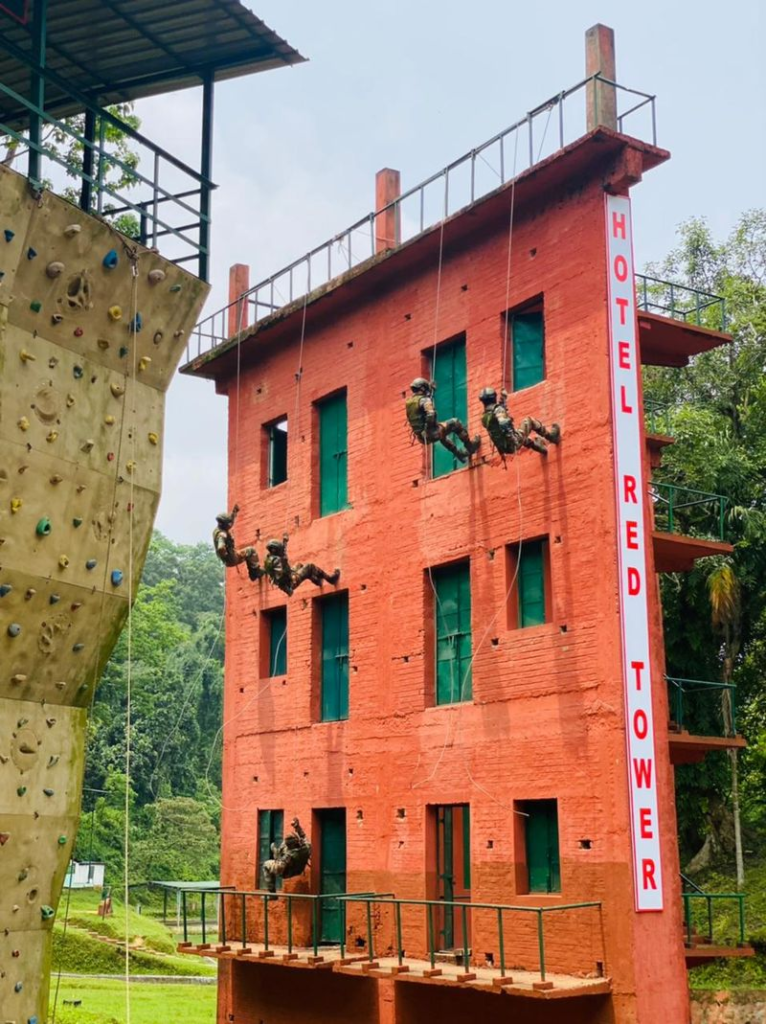
As asymmetric warfare and sub-conventional operations throw up increasing challenges in a multi-domain environment, the Indian Army has instituted a new ‘Unconventional Warfare Course’ to empower its rank and file in the tactics of combating covet operators, saboteurs and terrorists.
The inaugural course concluded at the Counter Insurgency and Jungle Warfare School in Mizoram on November 2, Shimla-based Army Training Command (ARTRAC), which is responsible for all training across all hierarchical levels in the Army, said on Monday.
“In continuation with the #IndianArmy’s resolve to be prepared to respond to any act of terror, the course trains small teams for rapid and effective response to complex situations stemming during Unconventional Warfare within the Conventional Domain,” ARTRAC said.
“The course nurtures tactical agility, adaptive strategies and leadership development for modern conflict environments,” the Command added.
In line with meeting the requirements in the years ahead, the Army had also launched a tri-services ‘Future Warfare Course’, last year which focuses on the evolving operational, administrative and logistics dynamics in emerging domains like artificial intelligence, electromagnetic spectrum, cyber and space.
The CIJWS, Indian Army’s primary training institution for tactical aspects of unconventional warfare, was in 1970, and specialises in the tactical aspects of counter-insurgency, jungle warfare and guerrilla warfare.
With its motto, “Fight the Guerrilla Like a Guerrilla,” it trains officers and troops in advanced techniques of survival, surveillance, covert operations, ambush, counter-ambush, handling improvised explosive devices (IEDs) and psychological aspects.
The courses run by CIJWS generally are of 2–4 weeks duration involving intensive, scenario-based drills, sand model simulations, live firing exercises, and ethical indoctrination to minimise collateral damage.
Enriched with the Indian Army’s vast experience of dealing with counter insurgency and terrorism in Jammu and Kashmir, north-east as well as overseas, the school is internationally acclaimed and also trains soldiers from several friendly foreign countries.
India, Israel ink MoU on military equipment co-production
Pact was signed during the 17th meeting of the Joint Working Group on Defence Cooperation in Tel Aviv
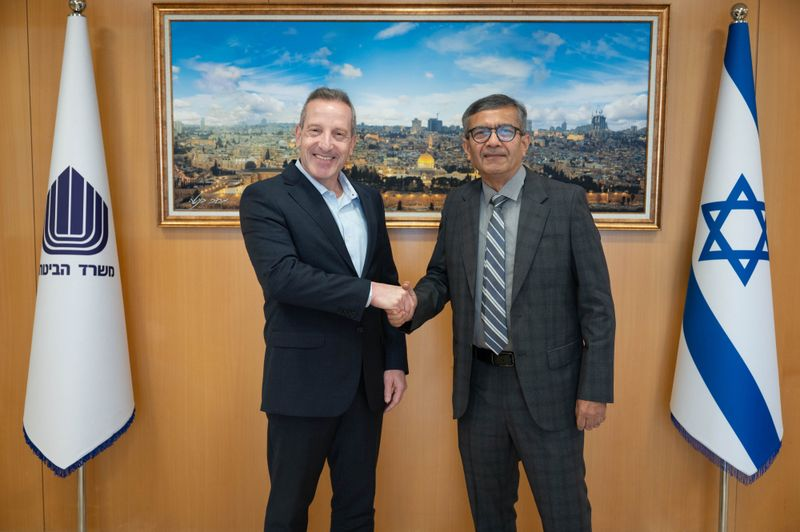
India and Israel on Tuesday signed a memorandum of understanding (MoU) on defence cooperation aimed at enhancing technology sharing and promoting co-development and co-production in advanced systems.
The MoU was signed during the 17th meeting of the Joint Working Group (JWG) on Defence Cooperation in Tel Aviv, co-chaired by Defence Secretary Rajesh Kumar Singh and Maj Gen Amir Baram, Director General of Israel’s Ministry of Defence.
According to India’s Defence Ministry, “The MoU will provide a unified vision and policy direction to deepen the already strong defence cooperation between the two countries.”
The agreement identifies a wide range of areas for collaboration, including strategic dialogues, training, defence and industrial cooperation, science and technology, research and development, innovation, artificial intelligence and cybersecurity.
The JWG reviewed ongoing defence initiatives and noted that both nations have benefited from each other’s strengths. Discussions also covered future technology partnerships, enhancing operational capabilities, and tackling shared security challenges such as terrorism. Both sides reaffirmed their commitment to combat the threat collectively.
India and Israel share a long-standing defence partnership rooted in mutual trust and shared security interests. According to the Stockholm International Peace Research Institute (SIPRI), during 2020-2024, India was the world’s second-largest arms importer, while Israel ranked as its third-largest supplier, accounting for 13 per cent of India’s total imports. Russia and France were the top two suppliers.
India imports a range of advanced weapon systems from Israel and has collaborated on joint development and “Make in India” projects, involving UAVs, missiles, precision weapons and surveillance systems. The two countries also share intelligence on terrorism and regional threats, particularly related to Pakistan and militant groups in Kashmir, and conduct regular joint exercises such as “Blue Flag” to enhance interoperability and tactical expertise.
State Stalwarts
DEFENCES FORCES RANKS
ARMY, NAVY, AIRFORCE RANKS
FORMATION SIGNS
FORMATION SIGNS
ALL HUMANS ARE ONE CREATED BY GOD
HINDUS,MUSLIMS,SIKHS.ISAI SAB HAI BHAI BHAI
CHIEF PATRON ALL INDIA SANJHA MORCHA
LT GEN JASBIR SINGH DHALIWAL, DOGRA
SENIOR PATRON ALL INDIA SANJHA MORCHA
MAJOR GEN HARVIJAY SINGH, SENA MEDAL ,corps of signals
.
.
PATRON ALL INDIA SANJHA MORCHA
MAJ GEN RAMINDER GORAYA , CORPS OF
sanjhamorcha303@gmail.com
PRESIDENT HARAYANA STATE CUM COORDINATOR ESM
BRIG DALJIT THUKRAL ,BENGAL SAPPERS
PRESIDENT TRICITY
COL B S BRAR (BHUPI BRAR)
PRESIDENT CHANDIGARH ZONE
COL SHANJIT SINGH BHULLAR
.
.
PRESIDENT PANCHKULA ZONE AND ZIRAKPUR
COL SWARAN SINGH
PRESIDENT SAS NAGAR (MOHALI)
COL BALBIR SINGH , ARTY
INDIAN DEFENCE FORCES
DEFENCE FORCES INTEGRATED LOGO
FORCES FLAGS
15 Th PRESIDENT OF INDIA SUPREME COMMANDER ARMED FORCES
Droupadi Murmu
DEFENCE MINISTER
Minister Rajnath Singh
CHIEF OF DEFENCE STAFF (2nd)
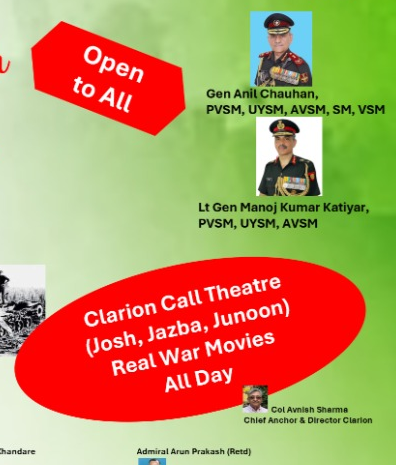
General Anil Chauhan PVSM UYSM AVSM SM VSM
INDIAN FORCES CHIEFS
CHIEF OF ARMY STAFF(29th)
General Upendra Dwivedi, PVSM, AVSM (30 Jun 2024 to Till Date)