Please give wide publicity to the following in your Regimental groups : The Infosys Foundation has donated Rs 30 Crores to the Indian Army for the benefit of the education of widows and children of Physical Casualties.
The grants from Indian Army for education range from Rs 10,000 to 50,000.
Considering the average grant per child for a year is Rs 20000 a total number of children who can benefit from this single grant is 15,000.
Like Infosys the Indian Army has many more donors and there is adequate financial support available through donors.
Unfortunately only about 30% of those who are eligible claim these grants
This is because of lack of awareness as well as lack of connect with the NOK of the physical casualties.
Project Sambandh aims to establish this connect and the simple modus operandi developed can ensure that every eligible child claims the grant.
Please reach out to the NOK of rhe physical Casualties of your course, unit, regiment and Project Sambandh will help you establish the connect.
Let’s together help assist the children of the physical casualties.
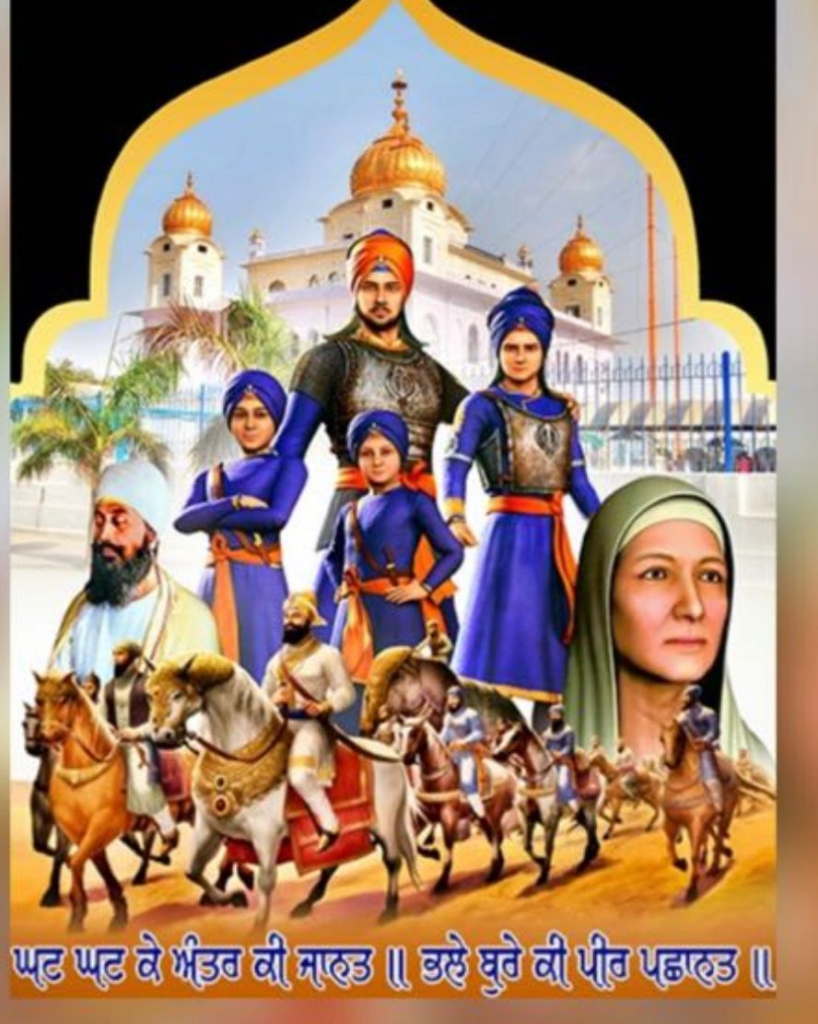
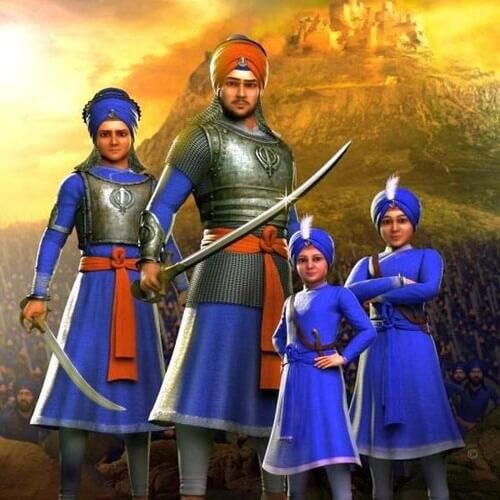
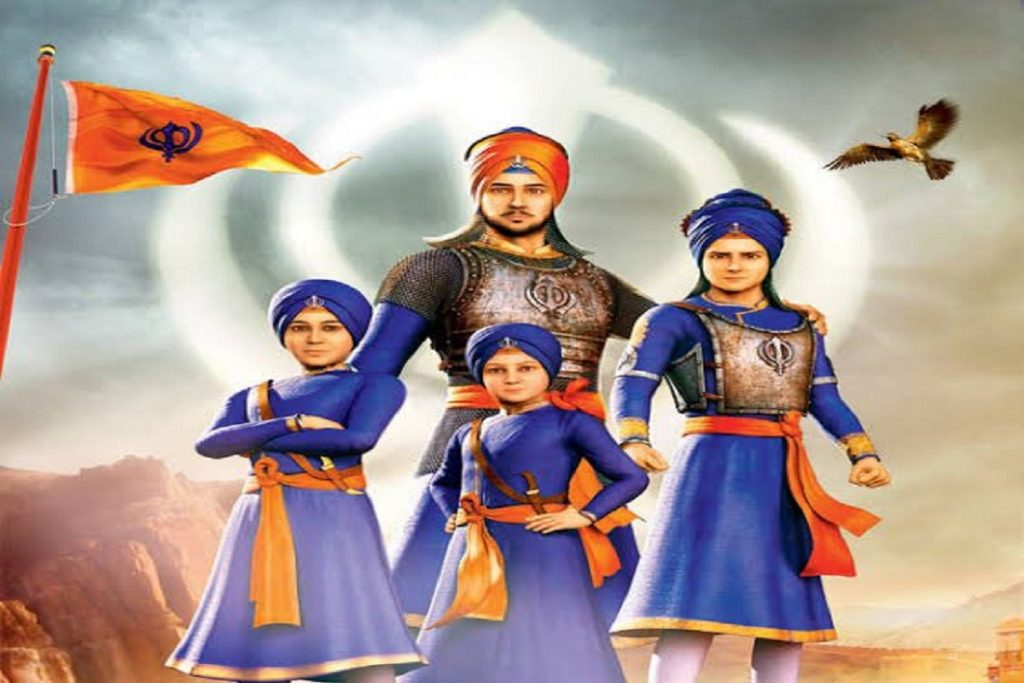
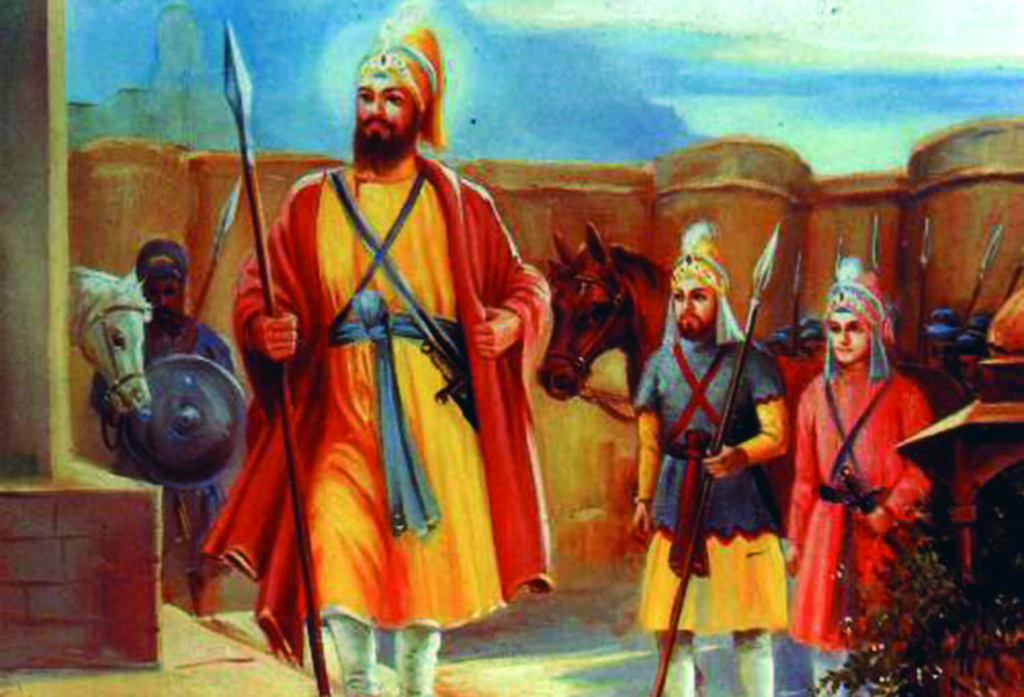
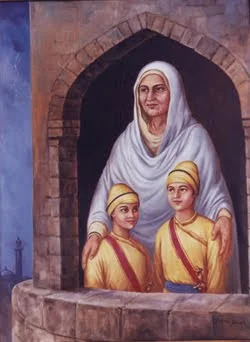
This is to remember the supreme sacrifice of Guru Govind Singh family for the Nation and other Communities for non conversion and adoption to Muslim religion but instead preferred to sacrifice their Lives . The first Shabads will be dedicated for the supreme sacrifice
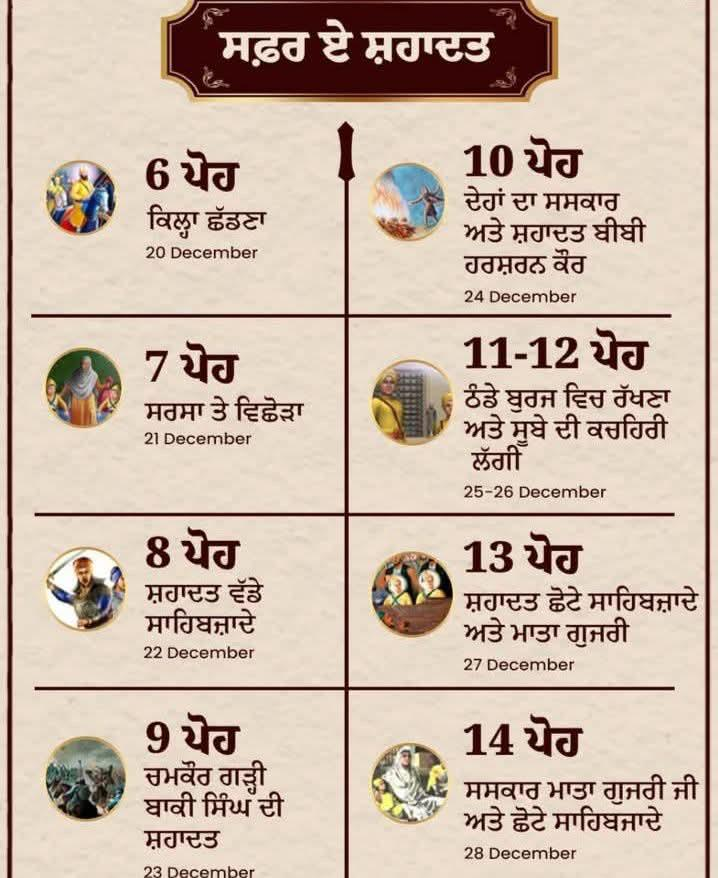
Details translated in English as under English
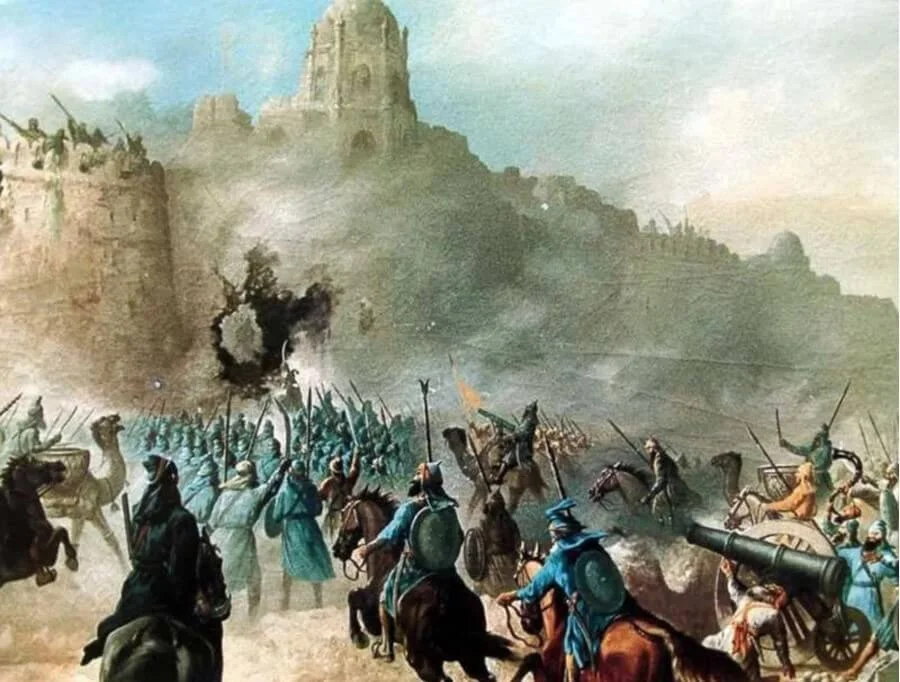
20 Dec —Left Anandpur Sahib Fort as was encircled and attacked by 12 Kings of Indian Mountains ( 12 पहाड़ी राजे/12 ਪਹਾੜੀ ਰਾਜੇ ) Fighting for Aurangzeb to Capture Guru Gobind Singh Live
21 Dec—-Separation of Family at Sirsa River at Ropar , younger Sahibzada (Zorawar Singh, and Sahibzada Fateh Singh )with Grandmother and elder Sahibzada’s (Ajit Singh, Sahibzada Jujhar Singh), with Guru Gobind Singh
22 DEC—- Elder Sahibzada’s became Martyrs in Chamkor shaib ( Near Morinda) Battle against 10000 mogul army
23 DEC—–Balance Sikhs became Martyrs in Chamkor Sahib Battle
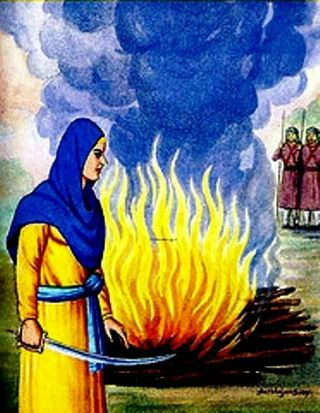
24 DEC— Bibi Harsharan kaur was Martyred who dared to conduct Funeral of all dead bodies of sikhs and two Sahibzada during night at Chamkor sahib Battle field single handily
25-26 DEC — Younger Sahibzada’s along with Grandmother Mata Gujri Prisoned in Thanda Burj SIRHIND court trial was conducted but Sahibzada did not relent for conversion in spite of giving them all the worldly greed.
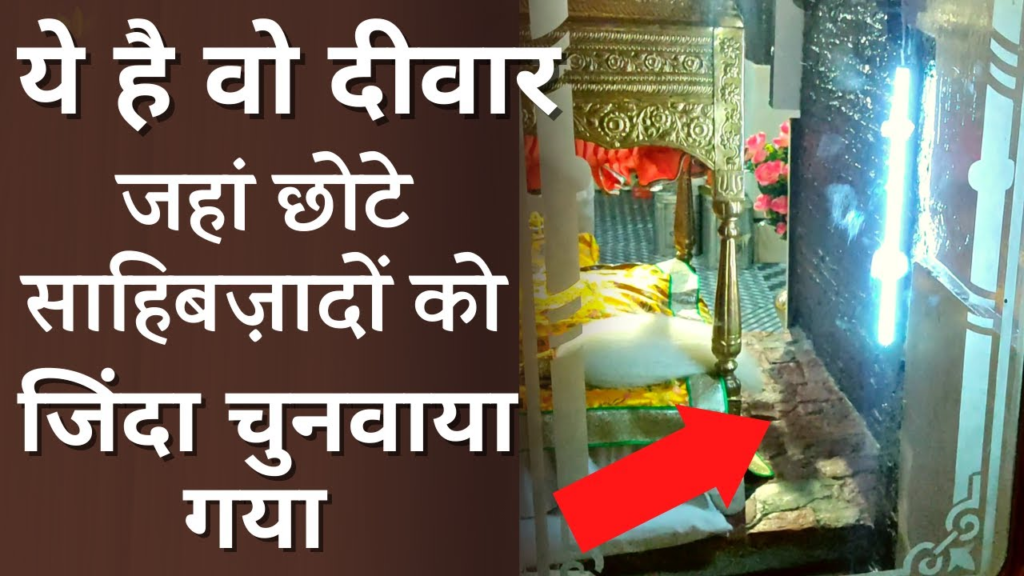
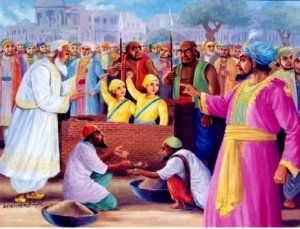
27 DEC —- Younger Sahibzada’s Martyred after they were live buried in walls and then Mata Gujri also gave her life after hearing the supreme sacrifice of Younger Sahibzada’s
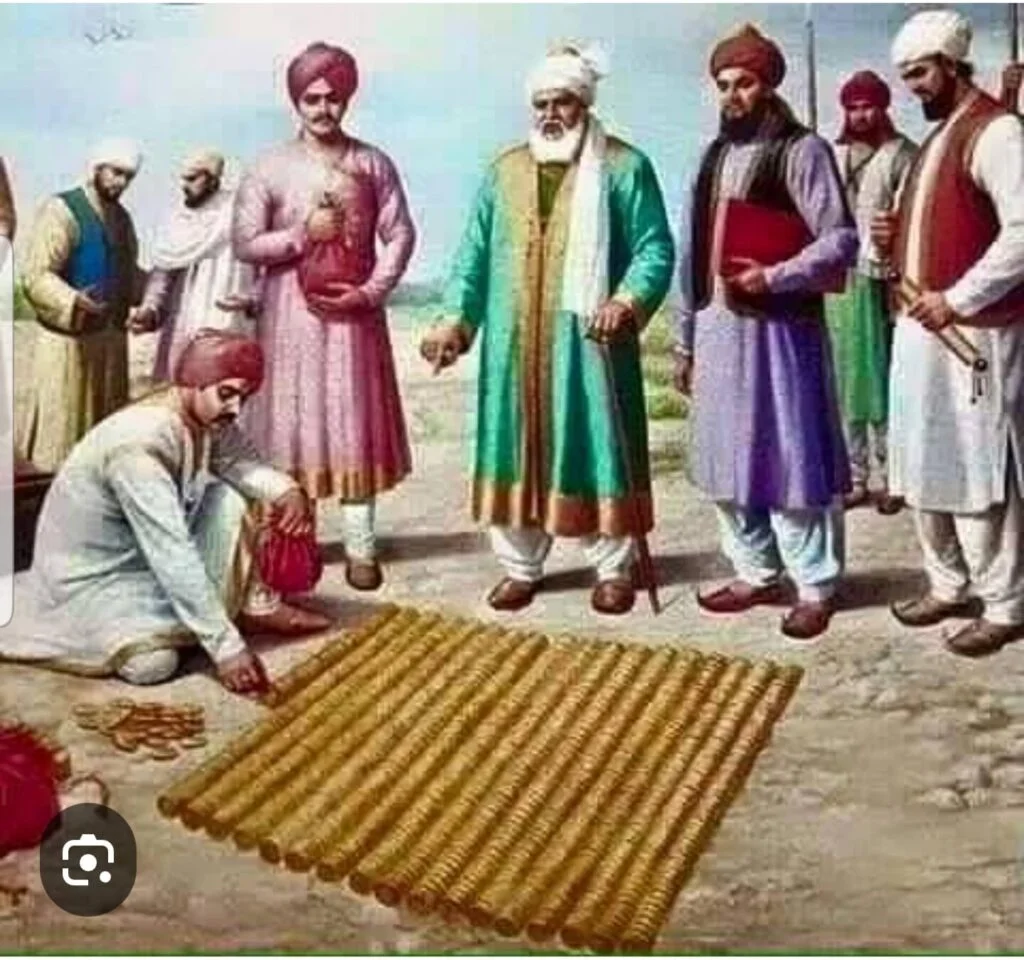
28 DEC—Younger Sahibzada Funeral was conducted on Piece of Land bought by Diwan Todar mal with standing Gold coins.
Vijay Diwas: Despite wounds, Col Hoshiar Singh Dahiya manned a machine-gun to repulse multiple enemy attacks
Of the four recipients of the Param Vir Chakra in the 1971 India-Pakistan War, Col Hoshiar Singh Dahiya was the only living awardee of the nation’s highest wartime honour
Of the four recipients of the Param Vir Chakra in the 1971 India-Pakistan War, Col Hoshiar Singh Dahiya, known to be a tough taskmaster but also one who knew the art of motivating troops, was the only living awardee of the nation’s highest wartime honour.
Then a Major with 3 Grenadiers in the Shakargarh sector, he moved fearlessly from trench to trench under heavy shelling and tank fire despite being wounded, motivating his men to fight and repel repeated enemy assaults with heavy casualties inflicted on the enemy.
“He was a go-getter who did not relent and did not believe in losing,” Maj Gen Naveen Airy (retd), who served under Colonel Dahiya when the latter was commanding his battalion, told The Tribune. “When he was the Commanding Officer, the battalion never lost any professional competition,” he added.
Maj General Airy said the most outstanding aspect of his personality was that he understood the psyche of a soldier well and that the soldiers, whom he pushed hard to train, respected him.
In fact, Maj General Airy’s father, Lt Gen VP Airy, had been Colonel Dahiya’s Commanding Officer in the Battle of Basantar during the war and had been decorated with the Maha Vir Chakra.
“I remember my father telling me that Colonel Dahiya was wounded in the battle but refused to leave the battlefield. My father had forced the injured officer to be evacuated. Even when wounded, he asked two soldiers to assist him in moving from trench to trench to inspire them and keep control on the situation,” Maj General Airy said.
Col Hoshiar Singh Dahiya
During the battle, Colonel Dahiya had captured a well-fortified Pakistani position and later held back several counter attacks, during which he was wounded in shelling. On December 15, 1971, his battalion was tasked to establish a bridgehead across the Basantar in the Shakargarh sector. Then Major Dahiya was commanding a forward deployed company and was ordered to capture the enemy locality of Jarpal.
This was a well-fortified position. During the assault, his company came under intense shelling and crossfire from enemy medium machine guns. Undeterred, he led the charge and captured the objective after a fierce hand-to-hand combat.
The enemy staged three counterattacks the next day. Unmindful of the heavy enemy fire, he motivated his men to stand fast and fight. Inspired by his courage and dauntless leadership, his company repulsed all attacks, inflicting heavy casualties on the enemy.
On December 17, the enemy launched another attack with a battalion supported by heavy artillery fire. An enemy shell landed near a medium machine-gun post, injuring the crew and rendering it inoperative. Realising the importance of the machine-gun, he rushed to the pit and though seriously wounded himself, manned the weapon inflicting heavy casualties on the enemy. The enemy retreated, leaving behind 85 dead, including their commanding officer and three other officers.
“Throughout this operation, Major Dahiya displayed gallantry, indomitable fighting spirit and leadership in the highest traditions of the Army,” the citation for his award reads.
“After the war, the battalion came to be known as the ‘Triumphant Third’. Once standards have been set, there is no space to compromise and the expectations from a highly decorated unit increase manifold,” Col JS Dillion (retd) who also served under Colonel Dahiya in 3 Grenadiers, told The Tribune. “It is Colonel Dahiya’s legacy and personal example that continue to motivate the battalion to strive for excellence,” he added.
Colonel Dahiya hailed from Sisana village in Haryana’s Sonepat district and was commissioned into the Grenadiers in June 1963. In the 1965 Indo-Pakistan war, as a Lieutenant, he had also seen action in the Rajasthan sector, for which he was mentioned-in-despatches for gallantry.
After serving as an instructor at the Indian Military Academy, Dehradun, he commanded 3 Grenadiers and later had a stint at the National Defence Academy. He hung up his boots in 1988 and settled in Jaipur, where he passed away 10 years later at the age of 62.
At the stroke of 2000 hours on December 17, 1971, during the Indo-Pak war in the western theatre, the sudden and profound near-total quiet which had descended all across the Chhamb battle zone after 15 days of almost continuous lethal combat engagements, was to me reminiscent of the all-pervasive surreal silence in the Universe before God created life on planet Earth. But did we dance in euphoria, having brought the war to a closure? Speaking for myself, I was simply bewildered to make any sense of it all, like the two teenaged grandchildren who in all innocence had asked poet laureate Robert Southey about the “Battle of Blenheim“:
Looking back, this little patch of the Indian subcontinent had been a strategic obsession of the Pakistan military planners as a springboard for dominance of the southern Pir Panjal region and a potential threat to Jammu during all the three Indo-Pak wars, albeit without success. Mindful of these tendencies, the 10 Infantry Division of WW II fame was resurrected, both to bolster the defence posture in the Chhamb-Jaurian sector and to recapture the territory lost to Pakistan in the Chhamb sector in the 1965 war. But kudos to our Pakistani foes who outwitted us with an audacious pre-emptive, executed spiritedly without let, beginning at sundown on December 3, 1971.
Their intent left little doubt when some 180 artillery guns of various calibres firing in unison lit up the horizon in an orange-pink wash, followed by the distant thunder of massed guns firing in rapid succession, gradually building into a never-ending roll of drumbeats. But in the next blink of an eye, even that mighty sound got downgraded by the greater, deafening lethal shell bursts all around us.
And the serenity of the beautifully starlit horizon of five minutes earlier was completely obliterated by the mushrooming clouds of smoke and debris, turning beauty into something beastly.
By nightfall on December 5, Pakistan had well-nigh neutralised most constituents of the 191 Infantry Brigade group holding defences west of the Tawi rivulet (TR), except 12 Field Regiment (Artillery), and the GOC signalled his commanders to withdraw on December 6. It appeared that our Command Radio frequency had been compromised because come 0200 hours that night, endless waves of artillery fire assaults heaped up the existing carnage of blood and gore.
Around 1700 hours on December 6, 191 Brigade commenced phased withdrawal under covering fire by 12 Field Regiment. And, by 1945 hours, noticing the now totally isolated 12 Field, our foe seized the opportunity to create a horseshoe resting on TR, trapping us gunners in its constricted centre! For all intents, we were in the bag —but luck had not deserted us, as our archetypal breeching of the siege was best summed up by Lt Gen KP Candeth, the GOC-in-C Western Command thus: “Guns of this Battery (Sic. 12 Field Regiment, Q Battery) were the last organized body of troops to withdraw across the Munawar Tawi bridge with great élan and in a copy book sequence, each 25 Pounder gun leap-frogged in a retrograde action, firing at point blank range till the pursuing enemy infantry were exhausted to stand still, before it (bridge) was blown by us as a part of our defensive plan” by 101 Engineer Field Company at 2345 hours on December 6, 1971.
Even under intense combat, there are moments of comic relief. On December 7, our lookout sentries apprehend a suspect trespasser in our gun area. But fancy meeting the lanky, 6-ft Major in armoured corps overalls, after our last term together at the IMA, Dehradun, in 1956! Recognition dawned upon both of us simultaneously; friend Grover had been asleep in a trench when his tank troop acted on orders to “move at once”, leaving their troop commander to recoup his sleep!
And lastly, two legacy memories. Just when it seemed that we had wrested the initiative, enemy sprang another surprise with multiple shallow intrusions across the east bank, sending alarm bells ringing loud and we received orders to withdraw yet further back.
Subedar Major Sant Ram Sahib bickered with tear-filled eyes: “Saab, aenaa pichhe hut-hut ke, ghar wapas ja ke apna moonh kime dakhawan ge!” I was struggling for an answer when, fortunately, that order was countermanded, eliciting a prompt happy response from Sant Ram Sahib, “Aah taan Rab ne fauj de izzat bucha ditti, Saab ji!“
For the first time, on December 14 morning, there was a perceptible drop in demands on fire support. Around midday, every eye turned towards sentries escorting at the point of bayonet two turbaned Sikh peasants in colourful, loose-flowing Punjabi “kurtas” and billowing “tehmats” of Bhangra performing artistes to where I stood. In a flicker, they lifted me up in a tight bear hug, uttering: “Oh! Balle-balle-balle!” and the entire gun position burst in merry guffaw.
A somewhat bewildered and embarrassed havildar clerk, Nirmal Singh, emerged from the Regimental Command Post dugout to formally introduce his maternal uncles!
After a lengthy narration of how they hitched rides from Gurdaspur onwards, and gave the slip to every Military Police check post en route, they stated “Asaan socheya aeni ghamasan jung lagi hai, te assan apne bhaanje nu zarur mil aaiye!” We entertained them to a right royal lunch, downed with stiff rum punch before escorting them back to Akhnoor.
Subedar major Sant Ram Sahib and havildar Nirmal Singh and their kind are the epitome of those who are attracted to the Indian armed forces. As Philip Mason surmised: “Because it is a matter of honour!” No less, no mor
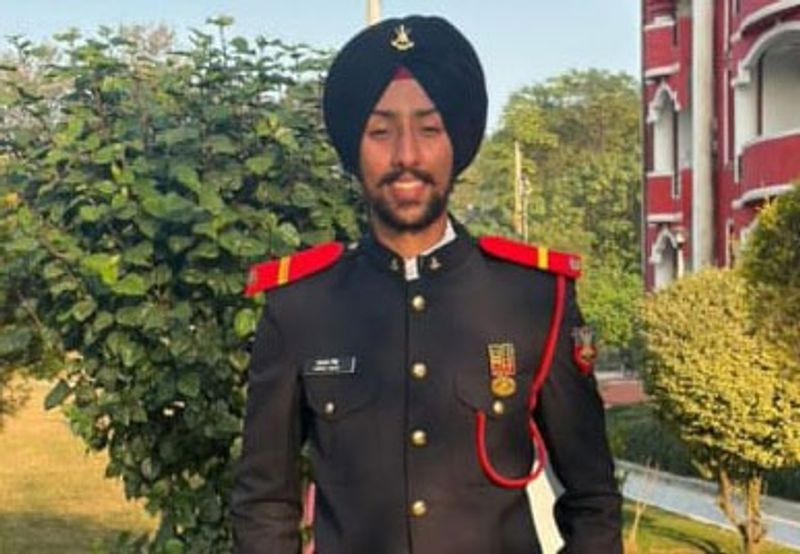
Commissioned into 20 Jat, the same unit as that of his father, Brigadier Upinder Pal Singh, Lt Sartaj Singh’s roots go back to 1897
As 525 newly commissioned officers took their first step out of Indian Military Academy (IMA) in Dehradun on Saturday, among them was a Lieutenant carrying forward five generations of military legacy. Two others came from families that have donned the uniform for four generations.
The passing out parade of the officers, forming the 157th Regular Course, 46th Technical Entry Scheme Course, 140th Technical Graduate Course, 55th Special Commissioned Officers Course and Territorial Army Online Entrance Exam 2023 Course, along with 34 officers from 14 friendly foreign nations, was reviewed by Chief of the Army Staff, Gen Upendra Dwivedi.
Commissioned into 20 Jat, the same unit as that of his father, Brigadier Upinder Pal Singh, Lt Sartaj Singh’s roots go back to 1897, when Sepoy Kirpal Singh of 36 Sikh took part in the Afghan campaign, setting the first stone of a lineage built on courage and sacrifice, according to information shared by IMA.
That spirit was strengthened by his great-grandfather, Subedar Ajmer Singh of 2 Field Regiment, who fought at Bir Hakeim in the Second World War and earned the rare Order of British India for gallantry. His grandfather, Brigadier Harwant Singh, added new chapters of valour in the 1965 and 1971 Indo-Pak wars, while his uncle, Colonel Harvinder Pal Singh, upheld the family tradition in Siachen during the 1999 Kargil war.
On the maternal side too, the story is equally inspiring — officers like Captain Harbhagat Singh, Captain Gurmel Singh (Retd.), Colonel Gursewak Singh (Retd.) and Colonel Inderjit Singh have all worn the uniform with distinction across World War I, World War II, the 1971 war and beyond.
“Growing up in such an environment, Sartaj absorbed service, discipline and patriotism not as ideas, but as a way of life. For him, commissioning is not just a personal milestone; it is the moment when a legacy becomes his responsibility. His journey reminds the youth that true honour is not inherited by name, but earned by living up to the values of those who came before — and then carrying them forward with pride, courage and humility,” a post by IMA said.
For Lt Harmanmeet Singh Reen, the heritage of olive green runs deep in his veins. The echoes of valour, pride and strength that have resonated through four generations of his family have now found a new voice in him.
His great grandfather served in the Sikh Regiment, setting the stage for a legacy that would span four generations. His grandfather joined the Signals and two of his brothers fought in the 1965 Indo-Pak war as officers of the Regiment of Artillery. One of them, Capt Ujagar Singh, was decorated with the Sena Medal for Gallantry.
Harmanmeet’s father, Col Harmeet Singh, is currently serving in the Maratha Light Infantry, the same regiment that he has joined. A Silver Medal winner at Cadet Training Wing of the Military College of Telecommunication Engineering, Harmanmeet has etched his name in history with outstanding academic performance, winning the Bayonet Pin and Six Star Torch. He’s also excelled in sports, earning Half Blue in Squash and Merit Card in Tennis.
His mother, Harveen Reen, an educationist with 26 years of experience, has been the pillar of strength for both Harmanmeet and his father. Her unwavering support and guidance have been instrumental in shaping Harmanmeet’s journey.
According to IMA’s information, two key moments defined Harmanmeet’s journey — as a three-year-old, he stood before Chetwode Building at IMA, dreaming of donning the olive green, and the day he met former president Dr APJ Abdul Kalam, who prophesied his future as a soldier.
Lt Yuvraj Singh Nughaal is the fourth generation in his family to be a warrior. His commissioning signified more than the beginning of a professional journey — it was the continuation of a sacred family tradition rooted in honour, sacrifice and selfless duty.
His father was commissioned into 7 Mechanised Infantry and before him, the officer’s grandfather had served with distinction in 16 Grenadiers, a regiment celebrated for its valour and indomitable spirit. His stories of camaraderie, grit and battlefield honour became early lessons in leadership and the true meaning of command.
The lineage extended even further back to Yuvraj’s great-grandfather, who served in 7 Jat before India’s independence. That generation laid the foundation of this legacy, guided solely by duty and an unshakable sense of honour. “This commissioning was not an end but a renewal — a solemn passing of the mantle of service from one generation to the next,” IMA said.
Kolhapur’s Saee Jadhav, 23, becomes first woman Territorial Army officer to pass out of IMA
Saee Jadhav from Maharashtra’s Kolhapur has become the first woman Territorial Army officer to complete pre-commissioning training at the Indian Military Academy (IMA), Dehradun, breaking the institution’s 93-year-old tradition of male-only officer training.
Chief Minister Devendra Fadnavis congratulated her and said her achievement is an inspiring milestone that gives direction to the dreams of countless young girls across the country.
Jadhav, 23, was commissioned as a Lieutenant during the Passing Out Parade of the 157th course held last week, marking a historic milestone for the IMA, which was established in 1932 and has since produced generations of Army officers.
She was commissioned into the services on December 13 during the commissioning ceremony at IMA, Dehradun.Speaking to PTI, Saee’s father Sandip Jadhav, a serving major with the Territorial Army, said that Saee has been commissioned into the 130 Territorial Army (ecological ) battalion of Kumaon Regiment at Pithoragarh in Uttarakhand.
Saee is currently pursuing her MBA through distance learning, he said.
“While pursuing her MBA, she was also preparing for competitive exams and TA (Territorial Army). She appeared for the exam in December 2023. There was only one vacancy for a woman officer in TA and since her rank was at the top in merit, she was selected,” said Major Jadhav.
“She is now commissioned into 130 Infantry Battalion (TA) of Kumaon Regiment at Pithoragarh in Uttarakhand,” he said.Jadhav said her daughter was inclined to join the armed forces, given the family’s armed forces background. “As parents, we feel proud that our daughter followed her dream and chose to serve the nation,” he added.
Maharashtra Chief Minister Devendra Fadnavis also congratulated “Marathi Mulgi” Saee.
“She has created history by becoming first woman officer cadet to pass out of IMA in 93 years… It is a matter of immense pride that this honour has gone to a Marathi Mulgi!,” he wrote in a post on X.
“This is not just an individual success story, but an inspiring milestone that gives direction to the dreams of countless young girls across the country. Educated and brought up in Belgaum and originally from Kolhapur, Saee represents the 4th generation of the Jadhav family to carry forward the legacy of service to the nation,” he added.
Kashmir gets tanks, artillery guns by rail: Army strengthens border readiness
Previously, logistics support relied on road convoys, often disrupted by snow and landslides
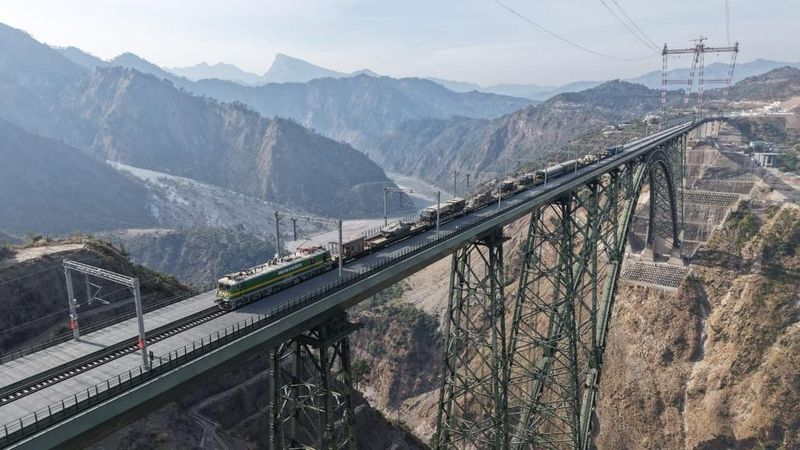
The Indian Army achieved a major logistics milestone on December 16 by inducting tanks and artillery guns into the Kashmir Valley via a military special train. This significantly boosts the Army’s operational capability in the northern sector.
As part of the validation exercise, tanks, artillery guns, and dozers were moved from Jammu to Anantnag, showcasing enhanced mobility and logistical capability. The Army stated on X, “This milestone was achieved in close coordination with @RailMinIndia, highlighting the Udhampur-Srinagar-Baramulla Rail Link (USBRL) project’s impact on rapid logistics and operational readiness along the Northern Borders.”
While artillery guns are deployed along the Line of Control (LoC) against Pakistan as well as the Line of Actual Control (LAC) opposite China, tanks at present are primarily positioned along the LAC in some areas of Ladakh. In Kashmir, tanks were first used at Zoji La Pass in 1947-48 against Pakistani raiders, making it the first time that tanks were deployed at such an altitude.
The first freight train ran on September 12-13, carrying 753 metric tonne of Advance Winter Stocking (AWS) load, marking the first winter stocking in the valley by train. This initiative underscores the Army’s efforts to ensure operational preparedness in challenging Himalayan terrain.
Previously, logistics support relied on road convoys, often disrupted by snow and landslides. The rail link will also benefit support to Kargil and Ladakh sectors.
In a unique dual-use logistics demonstration, the return train will transport Kashmiri apples to Indian markets, benefiting local communities and farmers. The Rs 43,780 crore, 272-km USBRL project, inaugurated by Prime Minister Narendra Modi in June, features 36 tunnels (120 km), 8 escape tunnels, and 943 bridges, including the world’s highest railway arch bridge, Chenab bridge.
This project provides all-weather connectivity to Kashmir, enhancing economic relief and livelihood security for farmers, who previously suffered losses due to road blockages.
IAF’s sole PVC recipient who single-handedly took on 6 Pakistan jets
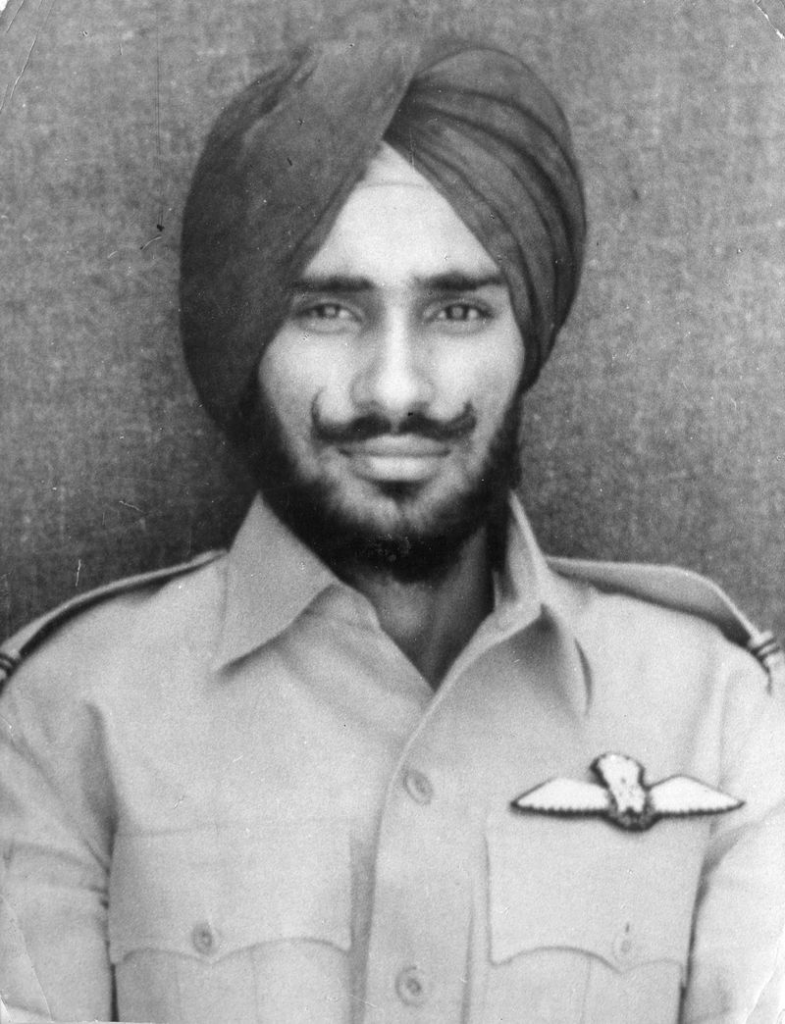
Over half a century later, the legacy of Flying Officer Nirmal Jit Singh Sekhon, Air Force’s sole recipient of the Param Vir Chakra, continues to inspire.
Sekhon received the country’s highest gallantry award for single-handedly taking on six enemy fighters during the 1971 India-Pakistan War.
“Concepts of warfare have changed a lot since then. While many tactics of air combat of that era may no longer be applicable, his legacy in terms of facing danger and rendering selfless service continues,” Air Marshal Dhiraj Kukreja (retd), former Air Officer Commanding-in-Chief, Training Command, told The Tribune.
Born in 1945, Sekhon hailed from Isewal village near Ludhiana city, where a statue stands in his honour at a prominent intersection.
Besides, a marine tanker has been named after him and the Department of Posts issued a commemorative postal stamp featuring his portrait. His father had served as an IAF Master Warrant Officer.
Newly commissioned officers march past Flying Officer Nirmal Jit Singh Sekhon’s statue at the Air Force Academy in Dundigal near Hyderabad. Pic: IAF
A landmark building overlooking the parade ground and the runway at the Air Force Academy in Dundigal near Hyderabad, with his statue in front, has also been named after Sekhon.
“It’s a source of inspiration for all new officers. All cadets joining the academy are motivated about Sekhon’s wartime actions and he is often talked about at the Srinagar airbase from where he had fought,” said Group Captain MR Pandeya (retd), a fighter pilot belonging to Ludhiana.
Commissioned into the IAF in June 1967, he was serving with No. 18 Squadron, the Flying Bullets, when he took to the air in his Gnat fighter on December 14 in Srinagar, which was under attack from the Pakistani Sabre aircraft during the 1971 War.
Despite his two-man formation being outnumbered by six enemy planes, he engaged them in a dogfight scoring two hits. However, his own aircraft sustained damage from enemy bullets and went down.
Official records state that in spite of the mortal danger of attempting to take off, Sekhon immediately engaged a pair of the attacking Sabres.
In the ensuing fight, he secured hits on one aircraft and damaged another. By this time the other Sabre aircraft came to the aid of their hard-pressed companions, Sekhon’s Gnat was again outnumbered, this time by four to one.
“Even though alone, Flying Officer Sekhon engaged the enemy in an unequal combat. In the fight that followed, at treetop height, he almost held his own, but was eventually overcome by the sheer weight of numbers,” states the citation for his award.
“His aircraft was shot down by gunfire of one of the Sabres and he was killed. The sublime heroism, supreme gallantry, flying skill and determination above and beyond the call of duty displayed by Flying Officer Sekhon in the face of certain death have set new heights in Air Force traditions,” it added.
Chandigarh declared ‘no-flying zone’ on Dec 19, 20
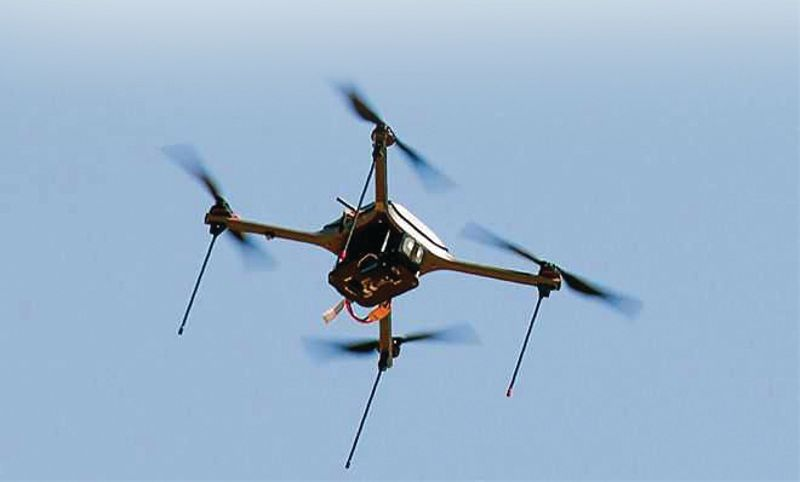
n view of VVIP movement in Chandigarh from December 19 to 20, District Magistrate Nishant Kumar Yadav has declared the entire UT as a “no-flying zone” for drones and unmanned aerial vehicles (UAVs).
The order reads, “In view of emerging security threats and recent trends of terrorist activities involving the use of drones fitted with improvised explosive devices (IEDs) by anti-national elements, and in the interest of ensuring the safety and security of VVIPs as well as the general public, it has become necessary to regulate the use of drones and UAVs in the UT of Chandigarh.”
State Stalwarts
DEFENCES FORCES RANKS
ARMY, NAVY, AIRFORCE RANKS
FORMATION SIGNS
FORMATION SIGNS
ALL HUMANS ARE ONE CREATED BY GOD
HINDUS,MUSLIMS,SIKHS.ISAI SAB HAI BHAI BHAI
CHIEF PATRON ALL INDIA SANJHA MORCHA
LT GEN JASBIR SINGH DHALIWAL, DOGRA
SENIOR PATRON ALL INDIA SANJHA MORCHA
MAJOR GEN HARVIJAY SINGH, SENA MEDAL ,corps of signals
.
.
PATRON ALL INDIA SANJHA MORCHA
MAJ GEN RAMINDER GORAYA , CORPS OF
sanjhamorcha303@gmail.com
PRESIDENT HARAYANA STATE CUM COORDINATOR ESM
BRIG DALJIT THUKRAL ,BENGAL SAPPERS
PRESIDENT TRICITY
COL B S BRAR (BHUPI BRAR)
PRESIDENT CHANDIGARH ZONE
COL SHANJIT SINGH BHULLAR
.
.
PRESIDENT PANCHKULA ZONE AND ZIRAKPUR
COL SWARAN SINGH
PRESIDENT SAS NAGAR (MOHALI)
COL BALBIR SINGH , ARTY
INDIAN DEFENCE FORCES
DEFENCE FORCES INTEGRATED LOGO
FORCES FLAGS
15 Th PRESIDENT OF INDIA SUPREME COMMANDER ARMED FORCES
Droupadi Murmu
DEFENCE MINISTER
Minister Rajnath Singh
CHIEF OF DEFENCE STAFF (2nd)
General Anil Chauhan PVSM UYSM AVSM SM VSM
INDIAN FORCES CHIEFS
CHIEF OF ARMY STAFF(29th)
General Upendra Dwivedi, PVSM, AVSM (30 Jun 2024 to Till Date)