




Sanjha Morcha

What’s New

Click the heading to open detailed news

Current Events :

web counter

Print Media Reproduced Defence Related News

Himachal leads nation in substandard drugs, 49 samples fail quality test

CDSCO’s latest drug alert exposes serious manufacturing lapses

A nationwide quality audit conducted by the Central Drugs Standard Control Organisation (CDSCO) in coordination with state drug regulators has uncovered significant lapses in pharmaceutical manufacturing standards across the country. As many as 205 drug samples were declared ‘Not of Standard Quality’ (NSQ) in the drug alert issued on Wednesday evening, with Himachal Pradesh emerging as the single largest contributor.

Of the total substandard drugs identified, 49 were manufactured in various industrial clusters of Himachal Pradesh, accounting for a staggering 23.09 per cent of the national tally. Other states that figured prominently in the list include Uttarakhand (39 samples), Gujarat (27), Madhya Pradesh (19), Tamil Nadu (12) and Haryana (nine). Telangana and Chennai reported seven samples each, while Sikkim and Puducherry accounted for five each. Maharashtra reported four, Punjab and West Bengal three each and two samples each were traced to Mumbai, Andhra Pradesh, Jammu and Kashmir, Karnataka, Rajasthan and Uttar Pradesh. One drug sample from Kerala was also found to be substandard.

Within Himachal Pradesh, pharmaceutical units located in Baddi, Barotiwala, Nalagarh, Solan, Kala Amb, Paonta Sahib and Una have come under regulatory scrutiny for multiple deficiencies. In a particularly troubling finding, five drug samples from a single Kala Amb-based unit failed quality parameters, highlighting serious non-compliance with prescribed manufacturing norms.

The drugs flagged in the alert are widely used for treating common ailments such as bacterial infections including typhoid, lung, urinary tract and gastrointestinal infections, as well as respiratory disorders like cough, bronchitis, asthma and allergies. Medicines related to digestive health — acidity, ulcers, gas and constipation — also feature prominently in the list.

More concerning is the inclusion of drugs used to manage chronic and life-threatening conditions such as diabetes, hypertension, cardiac ailments, neurological disorders, skin diseases and inflammatory conditions. The affected categories span antibiotics, painkillers, anti-diabetic medicines, cough syrups, iron supplements and injectable drugs, amplifying the potential public health risk.

According to the CDSCO’s November 2025 drug alert, several samples failed the dissolution test, casting doubt on their absorption and therapeutic effectiveness. In some cases, the active pharmaceutical ingredient was found below prescribed limits, while others failed description and identification tests. Experts warn that such technical deficiencies can severely compromise drug efficacy and patient safety.

In response, authorities have ordered batch recalls and initiated risk-based inspections of the erring units. State Drugs Controller Dr Manish Kapoor confirmed that show-cause notices have been issued to all concerned manufacturers. “Any compromise on drug quality will not be tolerated. Protecting public health remains the government’s top priority,” he said, adding that field staff have been directed to conduct thorough investigations.
Advertisement


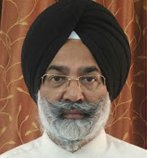
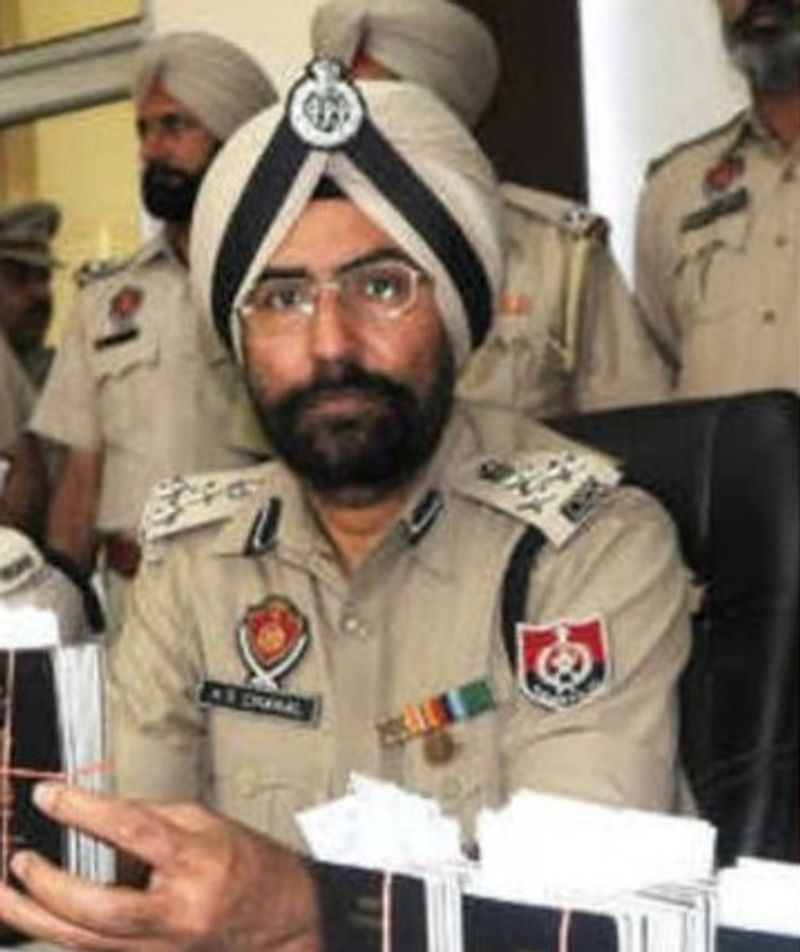
Patiala Police file forgery case after Punjab ex-IPS officer’s ‘Rs  8  crore scam’ suicide note

Following a surgery and other medical attention, the former cop continues to be under treatment with doctors monitoring him closely

Patiala police have registered a case of forgery and other offences against the cyber frauds as was alleged by former Punjab-cadre IPS officer Amar Singh Chahal who allegedly shot himself on Monday after being “defrauded” of over Rs 8 crore by online scammers.

The IG continues to be in a critical state.

According to senior police officers, they have registered an FIR under sections pertaining to forgery and the IT Act on the basis of the suicide letter in which the former police officer had made serious allegations.
“We have registered an FIR and started a probe to ascertain the role of everyone involved,” said Patiala SSP Varun Sharma. “We will ensure that the cyber thugs are brought to justice and a probe has been initiated. We will ensure that all linked to the fraud are identified and arrested,” said Sharma.

Meanwhile, following a surgery and other medical attention, the former cop continues to be under treatment with doctors monitoring him closely.

According to senior officers who have been in touch with the doctors attending to the injured former IPS officer, his condition is critical and “the next 48 to 72 hours are crucial”. Chahal was rushed to a private hospital with a critical injury. 

In an alleged suicide note, he wrote, “I am in deep trouble. I have been scammed out of crores of rupees by very sophisticated investment and wealth managers. Most of the money I borrowed was from friends and relatives whom I am not able to face as I have no money to repay them. I am left with no option other than to take my life.”

Known to be a very helpful police officer, Chahal alleged that he had invested the money over the past decade, but instead of any returns, the company continued to ask for more money.

The former cop further mentioned that the main culprit used a picture of a CEO of a reputed company on his WhatsApp account and that “all transactions were made online through a bank”.

Before taking the step, the former Inspector General, who retired in 2019, wrote to the PM, Union Home Minister, Union Finance Minister and the Punjab DGP, highlighting the scam and how he was defrauded, and demanded a CBI probe.

In the note, Chahal mentioned: “I hope criminals will not go unpunished and my family will get justice. I also request all my friends from whom I borrowed money to let my family come out of the shock before they are in a position to repay the loans.”

“The site is named as F777 Wealth Equity Research Group and they have multiple numbers. I had borrowed over Rs 7 crore from friends and relatives and was ashamed to face them,” read the excerpts from the handwritten note that was sent to many people.

The former IG demanded that a CBI probe or an SIT be formed by the state police to arrest these online scammers who dupe gullible people of their hard-earned money.

Chahal is one of the accused in the 2015 Faridkot firing case.


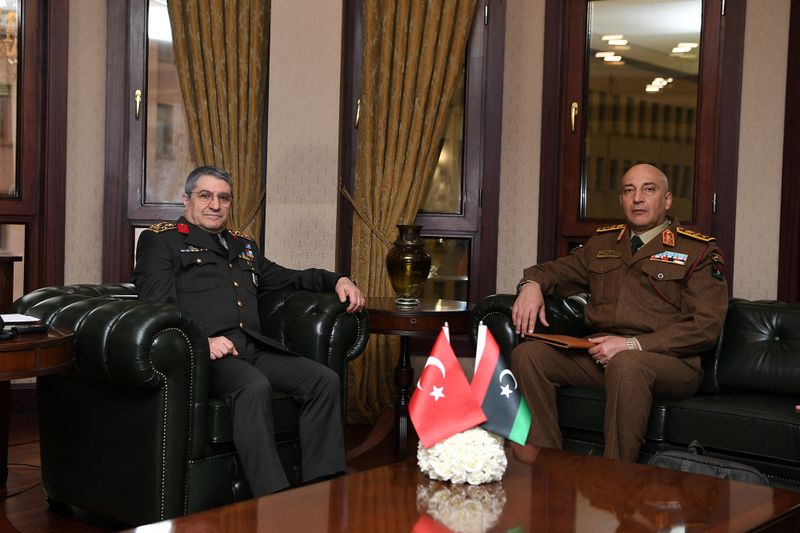
Libya’s military chief, 7 others killed in plane crash in Turkey

Libyan officials said the cause of the crash was a technical malfunction on the plane

Libyan officials said the cause of the crash was a technical malfunction on the plane.

The Libyan delegation was in Ankara for high-level defence talks aimed at boosting military cooperation between the two countries, Turkish officials said.

Libyan Prime Minister Abdul-Hamid Dbeibah confirmed the death of Gen Muhammad Ali Ahmad al-Haddad and the four officials, saying in a statement on Facebook that the “tragic accident” took place as the delegation was returning home. The prime minister called it a “great loss” for Libya.

Al-Hadad was the top military commander in western Libya and played a crucial role in the ongoing, UN-brokered efforts to unify Libya’s military, which has split, much like Libya’s institutions.

The four other officers who died in the crash were Gen Al-Fitouri Ghraibil, the head of Libya’s ground forces; Brig Gen Mahmoud Al-Qatawi, who led the military manufacturing authority; Mohammed Al-Asawi Diab, advisor to the chief of staff; and Mohammed Omar Ahmed Mahjoub, a military photographer with the chief of staff’s office.

The identities of the three crew members were not immediately known.

Turkish officials said the wreckage of the Falcon 50-type business jet had been found near the village of Kesikkavak, in Haymana, a district some 70 kilometres south of Ankara.

Earlier on Tuesday evening, Turkey’s air traffic controllers said they lost contact with the plane, which was en route back to Libya, after takeoff from Ankara’s Esenboga airport.

Turkish Interior Minister Ali Yerlikaya said in a social media post that the plane took off at 8.30 pm and that contact was lost 40 minutes later. The plane issued an emergency landing signal near Haymana before all communication ceased, Yerlikaya said.

Burhanettin Duran, the head of the Turkish presidential communications office, said the plane notified air traffic control of an electrical fault and requested an emergency landing. The aircraft was redirected back to Esenboga, where preparations for its landing began.

The plane, however, disappeared from the radar while descending for the emergency landing, Duran said.

Security camera footage aired on local television stations showed the night sky over Haymana suddenly lit up by what appeared to be an explosion.

While in Ankara, al-Haddad had met with Turkish Defence Minister Yasar Guler and other officials.

The airport in Ankara was temporarily closed, and several flights were diverted to other locations. Turkey’s Justice Ministry said four prosecutors have been assigned to investigate the crash, as is common in such incidents.
According to a government statement on Facebook, Libya will send a team to Ankara to work with Turkish authorities on investigating the crash.

Libya plunged into chaos after the country’s 2011 uprising toppled and killed longtime dictator Moammar Gadhafi. The country split, with rival administrations based in the east and west, backed by an array of rogue militias and foreign governments.

Turkey has been allied with Libya’s government in the west, but has recently taken steps to improve ties with the eastern-based government as well.

Tuesday’s visit by the Libyan delegation came a day after Turkey’s parliament approved to extend the mandate of Turkish troops serving in Libya for two years. Turkey deployed troops following a 2019 security and military cooperation agreement that was reached between Ankara and the Tripoli-based government.


HEAD LINES 23DEC 2025

23 Dec Balance Sikhs Martyred at Chamkour sahib battle

Safar -Ae-Shahadat : Maj Gen Harvijay Singh

Martyrdom Day of Vadde Sahibzade: A legacy that defeated tyranny

Peer-e-Hind ravvad (“The “Peer” of Hind is leaving”). Ignoring the mortal remains of his sons (ਦੇਖਕੇ ਅਣਡਿੱਠ ਕੀਤਾ)

Fatehgarh Sahib district admn gears up for Shaheedi Jor Mela


Pakistan launches televised auction for PIA privatisation


Duped of Rs 8 crore, Punjab ex-IPS officer Amar Singh Chahal shoots self

Jammu & Kashmir: A Chinese telescope, a missing assault rifle and a child

Navy’s ‘stitched’ wooden vessel INSV Kaundinya to sail on December 29

some clips

HEADLINES FROM VARIOUS NEWSPAPERS


23 Dec Balance Sikhs Martyred at Chamkour sahib battle

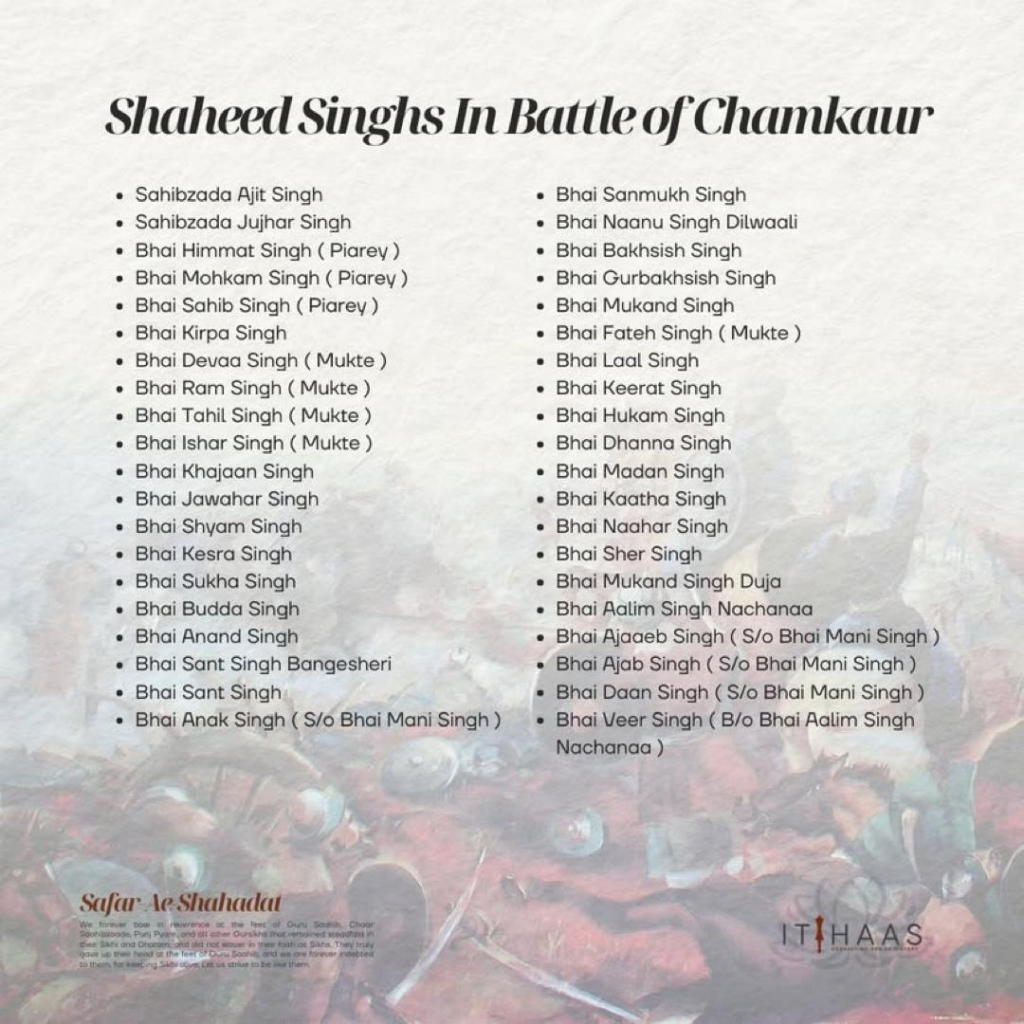
December 23 marks the conclusion of the Battle of Chamkaur (fought around 21-23 December 1704), where Guru Gobind Singh and a small group of 40 Sikhs defended a mud fortress against a massive Mughal army. 

Key Martyrs and Details for Dec 23:

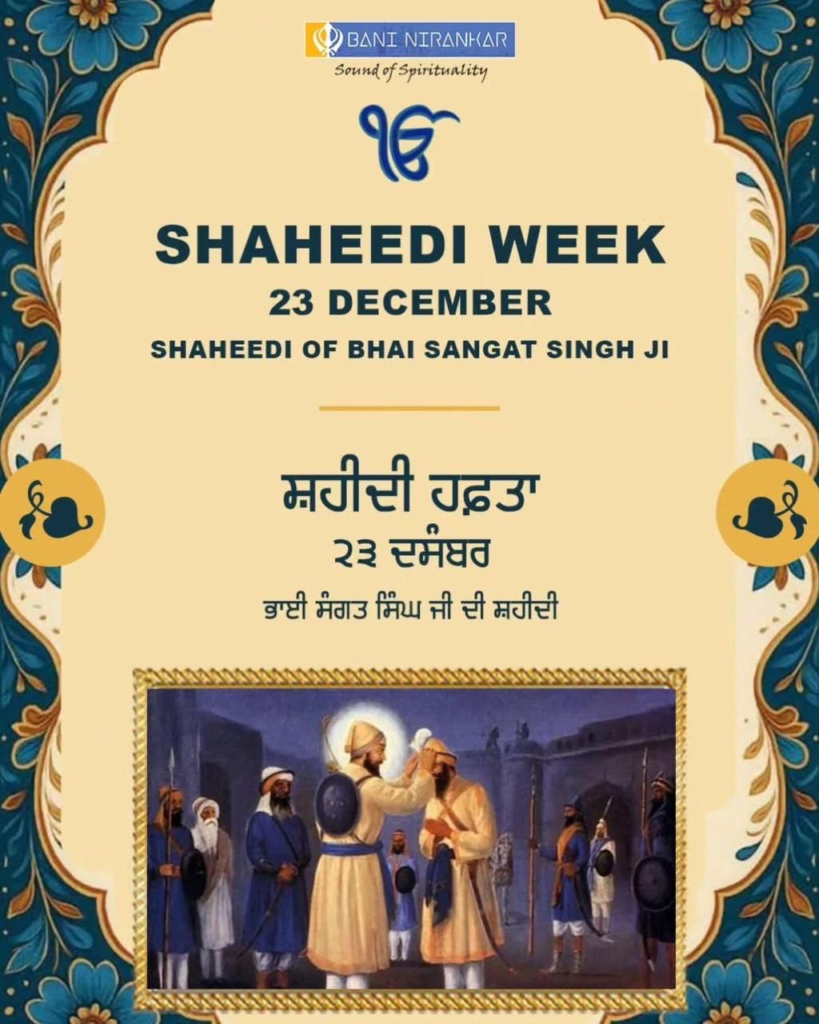
  • Final Stand: By the morning of December 23, the last remaining defenders, led by Bhai Sangat Singh (who disguised himself to look like the Guru to allow him to escape), were martyred.
  • Total Casualties: Approximately 35-40 Sikhs achieved martyrdom in the battle, including three of the Panj Piaras (Beloved Five).
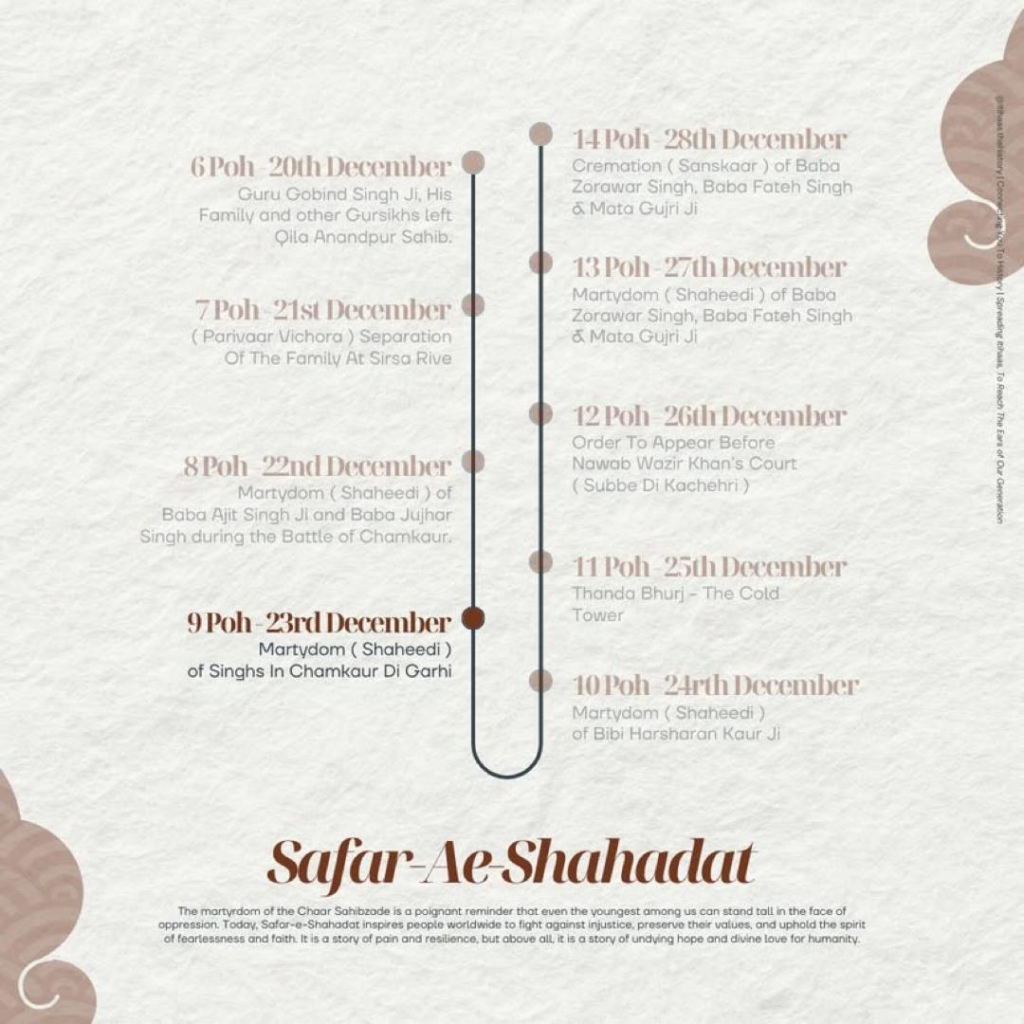
  • Elder Sahibzaade: While the battle raged on the 22nd and 23rd, Guru Gobind Singh’s eldest sons, Baba Ajit Singh (18) and Baba Jujhar Singh (14), were martyred on December 22nd. 

Contextual Events on Dec 23:

  • Following the Guru’s safe exit from the fort on the night of Dec 22-23, the remaining defenders continued to fight until the last breath.
  • Younger Sahibzaade: Simultaneously, on December 23, the two younger sons, Baba Zorawar Singh and Baba Fateh Singh, were produced in the court of Sirhind after being captured but kept in Morinda small Jail for one night  
  • KOOTWALI SAHIB
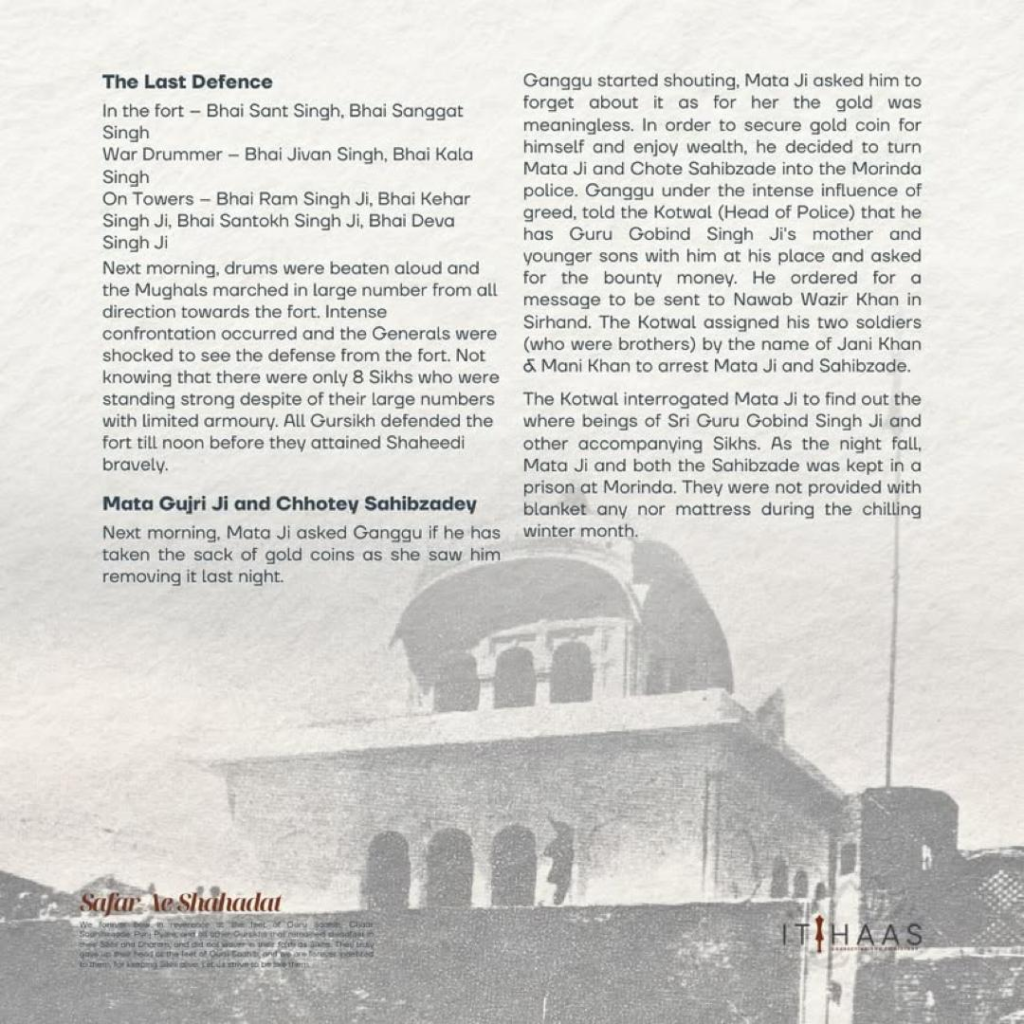
  • Gurdwara at Morinda (Distt Ropar) 15 Km from Chamkour Sahib,as Kotwali sahib.After Gangu Teli (cook of Guru family) handed them over to Mugul Army for greed
  • Zafarnama
  • Zafarnama or “Epistle of Victory” is a letter that was written by Guru Gobind Singh to the then Mughal Emperor Aurangzeb. Zafarnama vividly describes what happened at Chamkaur, and also holds Aurangzeb responsible for what occurred and promises he broke.
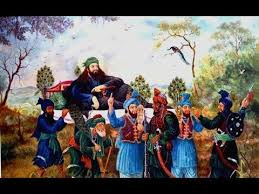
  • After his escape from Chamkaur, the exhausted Guru is said to have been carried by two Pathans (Ghani Khan and Nabi Khan) to Jatpur where he was received by the local Muslim chieftain. He later went to Dina, and stayed at Mai Desanji’s house, where he wrote “Zafarnama” in Persian, in 111 verses.[17]
  • Dating
  • According to Hari Ram Gupta, the battle of Chamkaur was fought on the Bikrami date of Magh Shudi 7 Samvat 1761, which corresponds to 22 December 1704 in the Gregorian calendar. However, according to Pal Singh Purewal, this date conversion by Hari Ram Gupta was an error and the true date of Poh 8 corresponds to 7 December. According to Purewal, Gupta likely converted the date using a modern panchangs rather than a historical one corresponding to that era, historical shifts in calendar dates were not accounted for.[18][19]

Martyrdom Day of Vadde Sahibzade: A legacy that defeated tyranny

Through their sacrifice, the Sahibzadas fulfilled proclamation about their father: Sawa lakh se ek ladaun, tabe Gobind Singh naam kahaun

The household of Guru Gobind Singh was graced by four radiant souls, the elder two revered as Vadde Sahibzade —Sahibzada Ajit Singh and Sahibzada Jujhar Singh. Nurtured amidst the fragrance of spiritual wisdom mingled with clanging of steel, they were far more than princes; they were embodiment of the Sant-Sipahi spirit, where devotion and courage flowed together.

The defining moment in their lives arrived during the Battle of Chamkaur in 1704. Surrounded by a sea of Mughal and Hill Chiefs’ forces, Guru Gobind Singh stood with mere forty devoted warriors in the mud-walled fortress, or kachi garhi, of Chamkaur. Sikhs stepped out in small groups, confronting the enemy and attained martyrdom in service of righteousness.

When eighteen-year-old Sahibzada Ajit Singh sought permission from his father for battlefield, the air within the fortress grew heavy. The Sikhs pleaded, “Guruji, we cannot bear the loss of the Sahibzada. Allow us to fight in his place.” But Guru Gobind Singh, his heart as vast as the ocean, replied, “All of you are my Sahibzadas.”

Nishan Sahib

With his own hands, the Guru adorned his son with shastars, preparing him for final destiny as if he were dressing him for his wedding. Leading a small band of Sikhs, Sahibzada Ajit Singh charged into the battlefield like a roaring lion, raining arrows upon enemy. He fought with unparalleled ferocity, cutting through enemy ranks before attaining martyrdom. Through his sacrifice, the Sahibzada fulfilled proclamation about his father: Sawa lakh se ek ladaun, tabe Gobind Singh naam kahaun — I shall make one fight against one and a quarter lakh; only then shall I be called Gobind Singh.

From the fort walls, the father proudly watched his firstborn’s transition from life to immortal legend.

Witnessing the elder’s bravery, fourteen-year-old Sahibzada Jujhar Singh yearned for the same exaltation. He requested his father, “Guruji, grant me the honour to follow the path my brother has paved”.

Imagine the silence in the fortress. Sensing the impending loss, Sikhs knelt and begged the Guru to spare one remaining blossom. But the Guru visualised a higher horizon — that foundation of sovereignty could not be built on compromise, but on the purest blood.

As the Sahibzada marched out, there was no tearful adieu; instead, the Guru bestowed the final Fateh, sending him forth not toward death, but to a triumphant rising that would echo through the corridors of eternity. His courage beyond his age was not born of impulse but of disciplined faith and absolute commitment to the cause. Sahibzada Jujhar Singh fought with relentless determination and embraced martyrdom with the composure of a seasoned warrior.

Soora so pahichaneai ju larai deen ke het

Purja purja kat marai kabhoo na chhadai khet

Meaning: He alone is know as a spiritual fighter, who fights in defence of those in need. He may be cut apart, piece by piece, but he never leaves the battlefield.

Sikhs

Beholding his sons crowned with eternal glory, Guru Gobind Singh, instead of grieving, stood unshaken and raised a thunderous Jaikara — Bole So Nihal, Sat Sri Akal — thanking the Almighty that his sons upheld faith and honour.

In the annals of world history, there is no parallel to a father who sends his sons to a battlefield from which there is no return, despite having the power to save them.

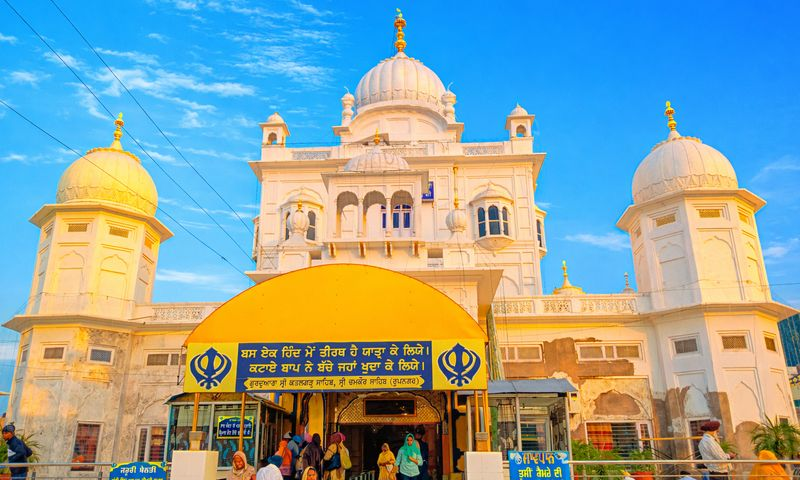
Poet Allah Yaar Khan Jogi wrote: Bas ek Hind mein teerath hai yatra ke liye, katae baap ne bache jahan khuda ke liye — In Hind, there is but one true place of pilgrimage: where a father allowed his sons to be sacrificed for the sake of God.

The martyrdom of the Sahibzadas stands as a timeless testament: Even the fear of death bows its head before true faith. Sahibzadas laid down their lives so that dignity would never fade and no soul would ever have to live beneath the shadows of tyranny again.


Peer-e-Hind ravvad (“The “Peer” of Hind is leaving”). Ignoring the mortal remains of his sons (ਦੇਖਕੇ ਅਣਡਿੱਠ ਕੀਤਾ)

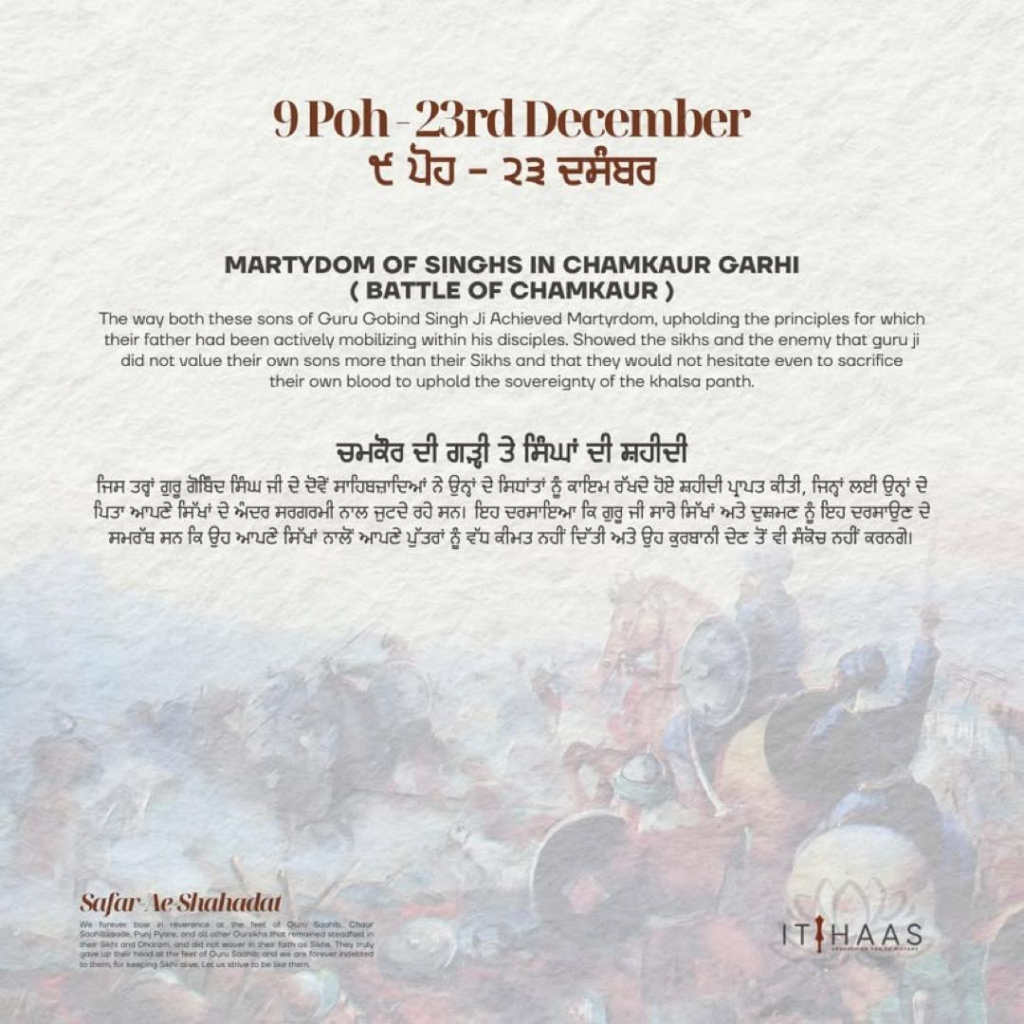
23 Dec. 9 ਪੋਹ/Poh. By the evening of 22nd December, both the elder Sahibzaade and many Singhs had laid their lives at Chamkaur.

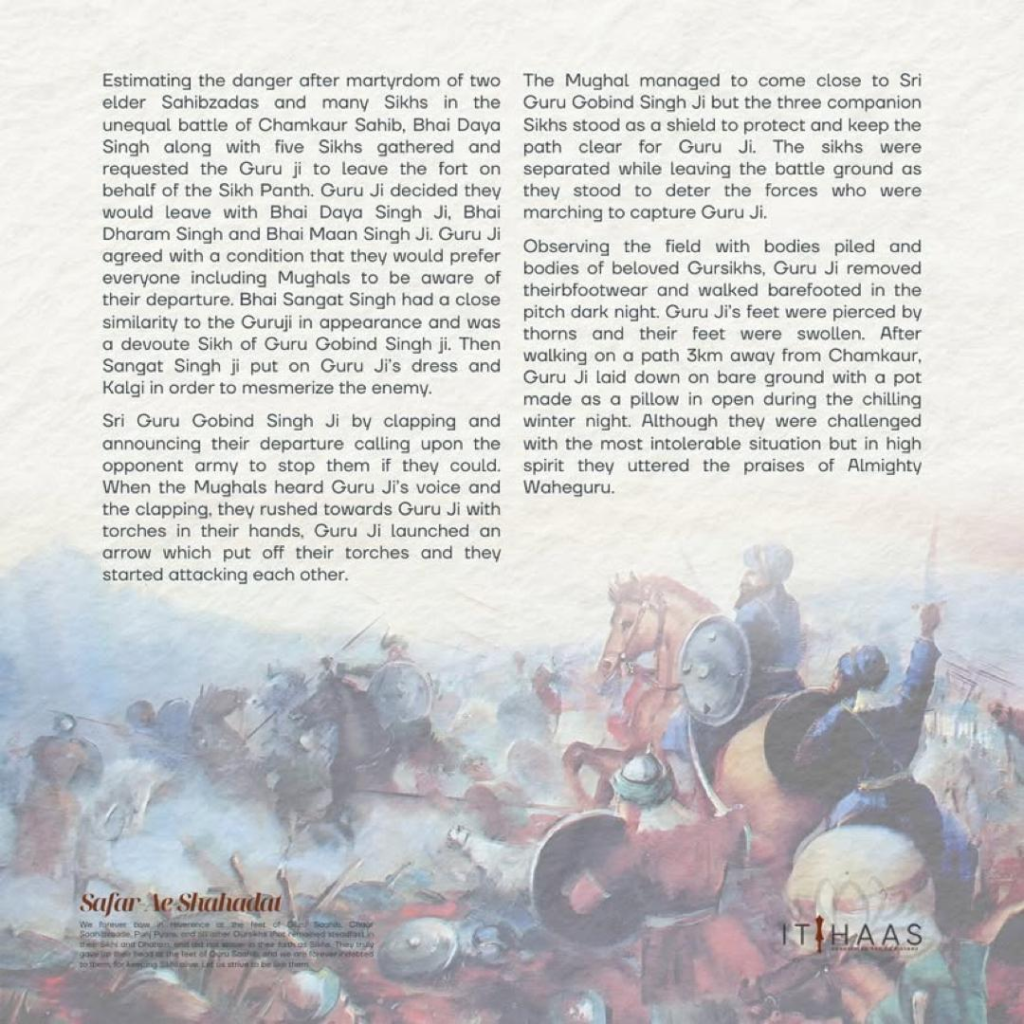
On the orders of Panj Peyaras, Guru ji was asked to leave the Chamkaur Ghadi at night. Reluctantly
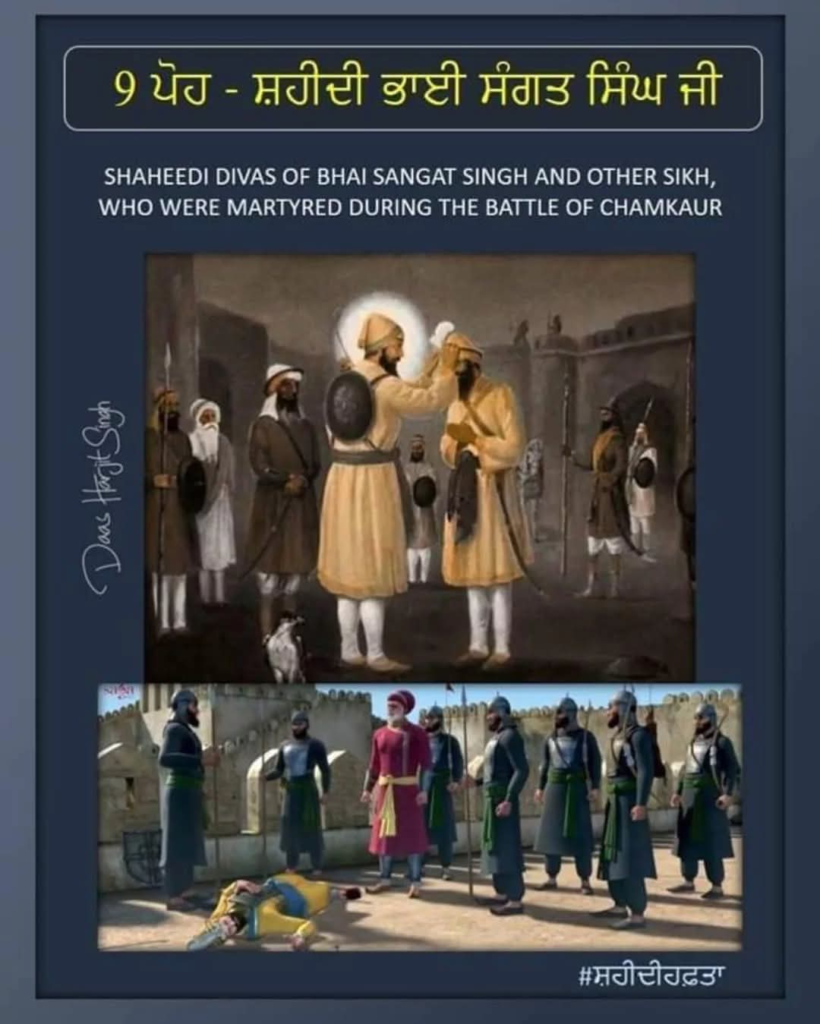
Guru ji then gave his Dastaar and Kalgi to Bhai Sangat Singh who resembled Guru ji. Bhai Sangat Singh and few other Singhs were left behind at Chamkaur.

While leaving, Guru Sahib blew his horn and stood on high ground and clapped his hands three times saying Peer-e-Hind ravvad (“The “Peer” of Hind is leaving”). Ignoring the mortal remains of his sons (ਦੇਖਕੇ ਅਣਡਿੱਠ ਕੀਤਾ) Guru ji proceeded towards Machiwara Jungle and rested under a tree in a Orchard.

Gangu,the household cook, by now had reported Younger Sahibzadas and Grandmother to Mughal Authorities. They were arrested and eventually taken to Morinda Kotwali.

As day broke, the Mughals launched an all out attack on the Chamkaur fortress. There was stiff resistance. They finally entered the fortress. The Mughals rejoiced over Bhai Sangat Singh’s slain body, thinking they had captured and killed Guru Gobind Singh ji.

(Today is the Shaheedi Divas of Bhai Sangat Singh and remaining Singhs who fought rear guard action in Chamkaur Fortress)


Fatehgarh Sahib district admn gears up for Shaheedi Jor Mela

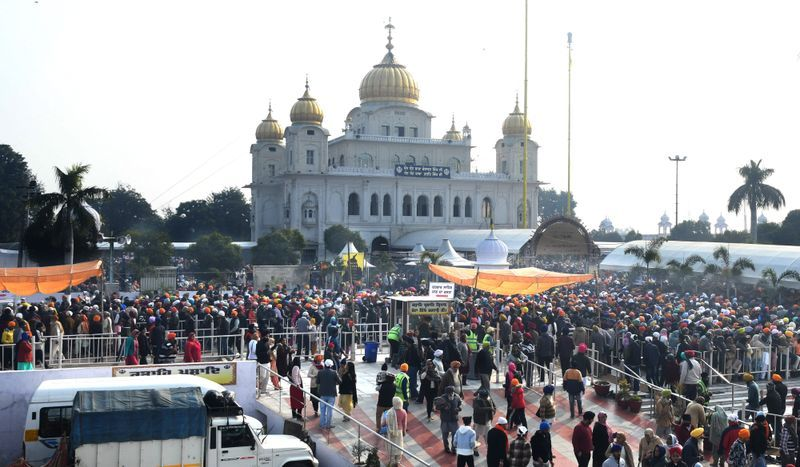
Braving chill and foggy weather, devotees numbering up to 25 lakh throng Fatehgarh Sahib for Shaheedi Jor Mela every year.

Spending nights in makeshift tents and tractor-trailers, these devotees have started reaching the holy place from across Punjab and neighbouring states.

The biggest annual event of the state is held from December 25 to 27 to commemorate the martyrdom of Baba Zorawar Singh and Baba Fateh Singh, younger Sahibzadas of Guru Gobind Singh, who were bricked alive by Mughal ruler for not embracing Islam.

Bhai Harpal Singh, head granthi of Fatehgarh Sahib gurdwara, said the Shaheedi Sabha would start on December 25 by performing akhand path of Guru Granth Sahib at Jyoti Swarup Sahib Gurdwara, where the Sahibzadas were cremated and conclude on December 27 with concluding ardas.

Dr Sona Thind, Deputy Commissioner, said all arrangements had been completed for the mela. Around 3,500 police officials, 300 CCTV cameras, six drones, 21 parking sites and 72 nakas had been erected. An integrated control room of all departments with a toll-free number had been set up so that people could call in case of any emergency.

Also read: Martyrdom Day of Vadde Sahibzade: A legacy that defeated tyranny

Despite temperatures dipping to single digit, volunteers are braving the cold to serve hot meals to the devotees.


Pakistan launches televised auction for PIA privatisation

Pakistan on Tuesday kicked off a televised auction for state-owned Pakistan International Airlines (PIA) as the government attempts to advance long-delayed reforms mandated under its International Monetary Fund (IMF) programme.

Bids for a majority stake in PIA are scheduled in two phases, with submissions due around 10.45 am (0545 GMT), followed by a public bid-opening ceremony later in the day, officials said.

The auction marks Pakistan’s second attempt to privatise the once-storied flag carrier after a televised bidding process last year collapsed. That effort failed when a solitary bid came in far below the government’s reference price, derailing what would have been Pakistan’s first major privatisation in nearly two decades.

Three domestic bidders are expected to participate in Tuesday’s auction after the military-linked Fauji Fertilizer withdrew from the process, Privatisation Minister Muhammad Ali told digital media outlet Nukta in an interview last week.

Under the transaction structure, the government is open to selling up to 100% of PIA, with any stake above 75% attracting a 15% premium, local media reported.

Last year, the government had set a minimum price of $305 million for a 60% stake but received just one bid of $36 million from real estate developer Blue World City. The bidder declined to raise its offer, citing concerns over PIA’s financial health and what it described as “significant leakages.”

Several pre-qualified groups told Reuters at the time that they chose not to bid due to worries about policy continuity, unattractive terms, and doubts over the government’s ability to honour long-term commitments, especially after Islamabad moved to renegotiate sovereign-guaranteed power contracts.

Since then, PIA’s outlook has improved. The government has assumed most of the airline’s legacy debt, the carrier has posted its first pre-tax profit in two decades, and both Britain and the European Union have lifted a five-year ban that had cut PIA off from its most lucrative routes.

The reopening of these routes could significantly boost revenues and support a higher valuation than in last year’s failed auction, analysts and government officials said.

The proposed sale of PIA is part of a broader privatisation drive under Pakistan’s IMF bailout programme, which also includes plans to offload stakes in state-owned banks, power distribution companies, and other loss-making enterprises as the government seeks to curb fiscal drain and restore investor confidence.