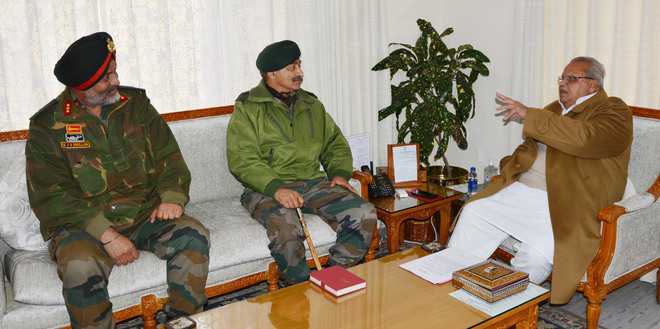
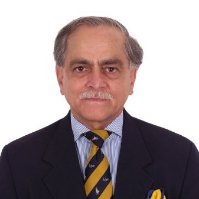
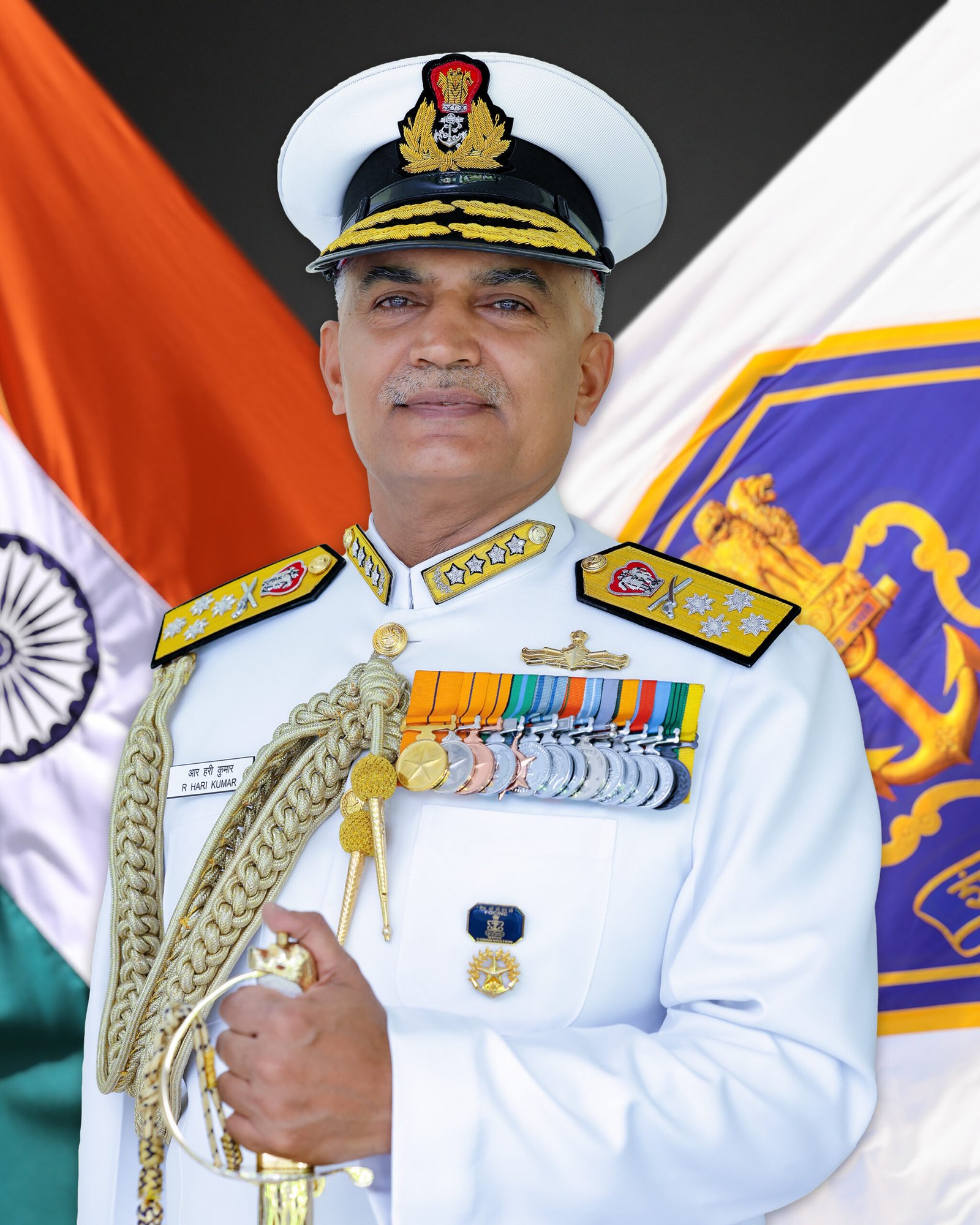
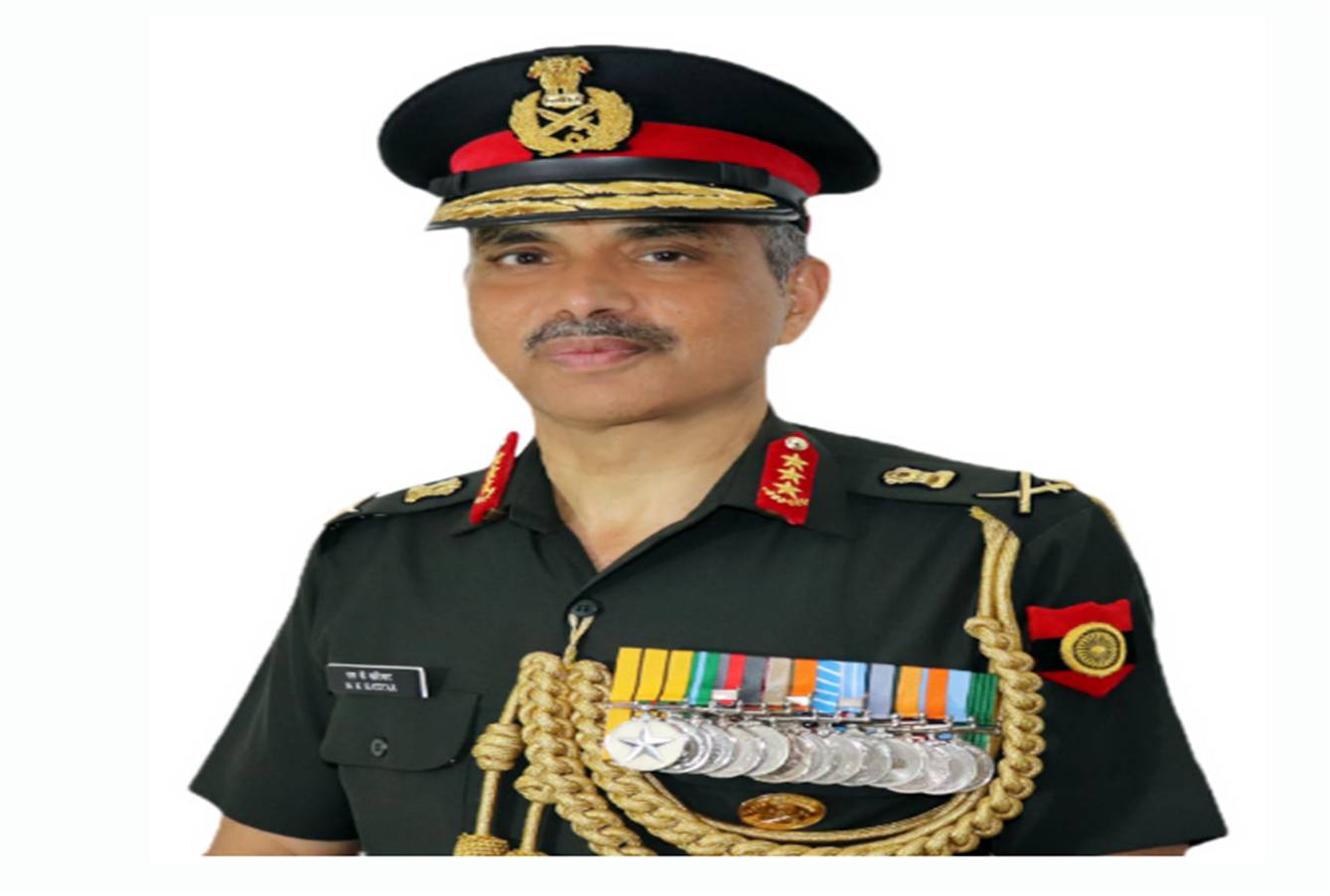
Governor Satya Pal Malik with Lt Gen AK Bhatt and Lt Gen KJS Dhillon at Raj Bhawan in Jammu. Tribune Photo
Tribune News Service
Jammu, February 4
Lt Gen AK Bhatt, GOC of 15 Corps, met Governor Satya Pal Malik at Raj Bhawan here on Monday and briefed him on the security situation in the Kashmir valley. He was accompanied by Lt Gen KJS Dhillon, GOC, 15 Corps (designate).
The Governor appreciated Army’s strong support to the security forces in carrying out counter-terrorism operations in the Valley.
He bade farewell to Lieutenant General Bhatt, who will soon be joining as the Military Secretary in the Army Headquarters, New Delhi, and wished him a successful tenure ahead.
Newly-appointed Brig Satinder Singh (retd), Director, Defence Services Welfare, inspected the Jalandhar office of Defence Services Welfare.
District Defence Services Welfare Officer, Major Yashpal Singh (retd), briefed him about various programmes, including planned budget, non-planned budget, Punjab State War Memorial, Sainik Rest House, Central Sainik Board, Flag Fund, Punjab, Amalgamated Fund, Staff Welfare Fund, Training and others.
The director was informed that the district office had received 3,055 applications from widows of ex-servicemen, or the dependents regarding the change of addresses, duplicate discharge book, AGI scheme, pension cases, identity cards, tubewell connections, CSD indent and all applications had been settled timely.
District Defence Services Welfare Officer Major Yashpal Singh (Retd) said the director asked the employees to accord top priority to the applications.
The director also distributed Rs 1.90 lakh among the beneficiaries of ‘Flag Day’ fund.
TILL OUR MILITARY INDUSTRIAL COMPLEX COMES OF AGE, WE MUST STRIVE FOR BALANCE BETWEEN ALLOWING INDIGENOUS TECHNOLOGIES TO FRUCTIFY AND ACQUIRING WEAPON SYSTEMS FROM OUTSIDE
The uproar during the ongoing Rafale procurement process has been a unique experience. Never in the past has such a row been created over the acquisition of any weapon system. Even the air force has been roped in this duel with the chief of air staff being called a liar.
At present, the Indian Air Force is facing monumental challenges. Its combat aircraft inventory is depleting without much hope for recovery in the near future. It is struggling to tide over the problem of diminishing numbers. Its interest lies in acquiring a proven combat aircraft of Rafale genre that will see the air force through the coming decades.
After extensive trials along with American, Russian and Swedish aircraft, Rafale came out as a clear winner. It’s a multi-role fighter that has been operationally tested in war theatres of Afghanistan and the Middle East. Unfortunately, despite its acknowledged superiority as a modern combat aircraft, the deal for 126 Rafale fell through for devious reasons.
UPGRADE TO DETER
Not too long ago, the IAF was three times the size of the Pakistan air force and technologically far superior to the hordes of Chinese aircraft. At present, it is in a state of turmoil with dwindling inventory and an uncertain future. Today, it is down to 31 combat squadrons against the authorised strength of 42. Doubts are being raised in certain quarters if the IAF as of now is in a position to provide the requisite level of deterrence.
Inadequate indigenous production capabilities and incessant bickering among the political leaders has adversely impacted the combat potential of the air force. The chief of air staff is on record saying that the number of squadrons will still remain the same as today i.e. 31, even after the induction of Rafale and indigenous light combat aircraft (LCAs) in coming years.
In a bid to arrest further erosion in its fighter strength, the IAF has resorted to large-scale upgrade of existing aircraft such as SU-30 MKI, Mirage2000 and Jaguar. Addition of Rafale and the LCAs with delivery schedule of 2022 and the upgraded aircraft together may help arrest further decline in strength and stabilise the air force for the time being. But there is an element of uncertainty here. Known for limited capabilities and chronic delays, Hindustan Aeronautics Limited (HAL) is unlikely to contribute significantly towards making good the deficiencies in near future. Contracts signed in 2006 and 2010 for delivery in 2011 and 2016 are running way behind schedule. So far, the HAL has delivered only nine LCAs to the air force.
There are strong indications about the LCA project being shifted from HAL and Aeronautical Development Agency (ADA) to the Indian Air Force. Perhaps, this is to overcome the blame game being played for perpetual delays by the stakeholders.
CHECK THE TAILSPIN
At present, the IAF inventory largely comprises third and fourth generation aircraft. If it has to keep pace with others, it urgently needs fourth generation plus aircraft. Our adversaries are gradually overtaking us both in terms of quality and quantity. The Chinese have a huge mix of aircraft inventory, of which 900 are modern combat aircraft. They are also focused on the development of fifth generation aircraft and intend to induct these into service at the earliest. Since Pakistan is largely dependent on the Chinese military wherewithal, they may too end up getting the latest generation fighters.
China’s defence budget is an eye-opener. At $175 bn (2018), it is nearly four times that of India’s at $ 45 bn. Even against Pakistan, our edge is no more the same as hitherto. The slide in our regional status has reached a worrisome stage.
The concept of deterrence is unfortunately not quite understood at the highest political level. The need of the hour is to have another six to eight fighter squadrons as soon as possible. Till our military industrial complex comes of age, we must strive for balance between allowing indigenous technologies to fructify and acquiring weapon systems from outside so as to be ready for any eventuality at all times.
Big increase in Rafale’s price came because a deal bypassing mandated procedures and made in the face of official objections resulted in €1.3 billion ‘non-recurring’ cost attributed to the ‘Design and Development’ of 13 India Specific Enhancements being spread over 36 instead of 126 aircraft
Prime Minister Narendra Modi’s decision, announced out of the blue in Paris on April 10, 2015, to buy 36 Rafale fighter jets from France instead of the 126 asked for by the Indian Air Force for seven squadrons pushed the price of each fully fitted, combat-ready aircraft up by 41.42%. It was the National Democratic Alliance government’s acceptance of the cost of €1.3 billion claimed for the ‘design and development’ of 13 India Specific Enhancements (ISE), and the distribution of this ‘non-recurring cost’ over 36 instead of 126 bare-bones aircraft, that was the major reason for the big increase in price.
The NDA government has refused to disclose even to a privileged committee of Parliament full information on the pricing of a Rafale aircraft, contending that its agreement with France on the ‘Exchange and Reciprocal Protection of Classified or Protected Information’ stands in the way of such disclosure. The French government, however, has made it clear that this inter-governmental agreement is there only “to protect the classified information provided by the partner, which could, in particular, impact the security and operational capabilities of the defence equipment.” The restriction clearly does not apply to the disclosure of pricing details. In fact, a scan of news media coverage reveals that there has been selective background briefing by military and civilian defence officials on technical and other supposedly sensitive details of the deal and that these briefings have helped answer some, but not all the critical questions being asked about the Rafale deal, chiefly on the pricing of these medium multi-role combat aircraft (MMRCA).
This article, based on information exclusively available to The Hindu, focusses on the interesting question of how and why the price per Rafale fighter jet of the F3-R standard, with practically the same configuration and capabilities, changed substantially over three points, in 2007, 2011, and 2016.
In 2007, five years before M/s Dassault Aviation was declared the L1 vendor, that is, the Lowest Bidder and the presumptive winner of the tender floated by the United Progressive Alliance government for the supply of 126 Rafales (18 flyaway plus 108 to be manufactured, under licence, in India by Hindustan Aeronautics Limited), the price quoted by the vendor for one flyaway bare-bones aircraft was €79.3 million. By 2011, the escalation cost factor had taken this per-aircraft price up to €100.85 million. In 2016, the 9% discount on the 2011 price obtained by the NDA government for the 36 Rafales it was buying from France through an Inter-Governmental Agreement brought this per-aircraft price down to €91.75 million.
But that is not even half the story. Dassault claimed a €1.4 billion cost for the ‘design and development’ of 13 India Specific Enhancements, that is, additional capabilities in the form of hardware as well as software that had been specified by the Indian Air Force all along, and this cost was negotiated down to €1.3 billion. What it meant was that the design and development cost, now distributed over 36 Rafale fighter jets, shot up from €11.11 million per aircraft in 2007 to €36.11 million when the deal was struck in 2016.
The Hindu has reviewed official documentation which reveals that three senior Defence Ministry officials on the seven-member Indian Negotiating Team (INT) objected to the high cost of €1.3 billion (brought down from the original €1.4 billion) assigned by the vendor, Dassault Aviation, to India Specific Enhancements for the 36 Rafale fighter jets. Rajeev Verma, Joint Secretary & Acquisitions Manager (Air), Ajit Sule, Financial Manager (Air), and M.P. Singh, Adviser (Cost) noted: “The cost of India Specific Enhancements (ISE) was too high.” (It is also a matter of official record that the three senior Defence Ministry officials objected to several other aspects of the proposed inter-governmental deal, including the inflated ‘benchmark price,’ but these issues need not concern us here.)
ALSO READ
Citing The Hindu report, Congress, CPI (M) slam Modi govt on Rafale deal
Objections overruledThe other four members of the Indian Negotiating Team – the Deputy Chief of Air Staff of the Indian Air Force, who headed the team; the Joint Secretary (Defence Offset Management Wing); the Joint Secretary and Additional Finance Adviser; and the Assistant Chief of Air Staff (Plans) – overruled the objection. The relevant resolution states: “The seven member Indian Negotiating Team (INT) concluded by majority decision of 4-3 that the ISE cost of 1.3 bn euros at May 2015 EC was much better than that in the quote of 1.4 bn euros at EC 2009 in 126 MMRCA case. Further, it was concluded that ISE cost is a non-recurring cost (NRC) and is not affected by the number of aircraft purchased. The facts were presented to DAC [Defence Acquisition Council] which agreed to INT’s viewpoint and it was ratified by the CCS [Cabinet Committee on Security].”
The official record shows that various aspects of the government-backed proposal for the procurement of 36 flyaway Rafales were presented or referred back to the DAC on five separate occasions between August 2015 and July 2016. It is surely significant that every one of the 10 contentious issues raised within the INT was settled by a 4-3 majority vote. The negotiating team duly completed its work and its chairman submitted a report on August 4, 2016.
Thirteen India Specific Enhancements to the Rafale fighter jet were demanded by the Indian Air Force. | Photo Credit: Reuters
According to the government’s notes on the decision-making process submitted to the Supreme Court of India and shared with a group of petitioners in compliance with the court’s orders, “the INT report and the proposal for obtaining approval of the Cabinet Committee on Security (CCS) was processed in Ministry of Defence…inter-ministerial consultations [took place] with Finance Ministry and Ministry of Law and Justice,” and the proposal was placed before the CCS on August 24, 2016. The proposal included the matter of pricing as well as other contentious issues relating to the proposed deal.
DAC’s role
It is again significant that there is no reference in the government notes to any further role for the Defence Acquisition Council headed by Defence Minister Manohar Parrikar. The DAC was empowered to take a decision under the Defence Procurement Procedure, but Mr. Parrikar shied away from his responsibility and “progressed” the matter, in other words, passed the buck, to the Cabinet Committee on Security, as recommended by the INT chairman. All this was unsurprising considering that more than a year earlier Prime Minister Modi had spoken his mind, reversing the course followed over the previous decade and announcing, through an Indo-French joint statement in Paris, a decision to buy the 36 Rafale fighter jets in flyaway condition “on terms that would be better than conveyed by Dassault Aviation as part of a separate process under way.” The CCS, chaired by the Prime Minister, quickly ratified the majority decisions of the Indian Negotiating Team.
Thirteen India Specific Enhancements to the Rafale fighter jet were demanded by the Indian Air Force as part of its urgent strategic requirement in both the UPA-era bid and the 2016 deal. Besides the additional equipment to be fitted on the bare-bones Rafale fighter jet, this brought in the cost assigned by M/s Dassault Aviation to the design and development of these enhancements so that they could be ‘seamlessly’ integrated in the aircraft.
While the BJP government has refused to disclose what these 13 India Specific Enhancements are, partly on grounds of national security, it is extremely unlikely that this information can remain a secret from the international community of military experts and journalists specialising in defence and security matters. In fact, some of the information is already available in the public domain. An Indian Air Force document, cited by The Hindu’s Special Correspondent, Dinakar Peri, in a November 2018 report (https://www.thehindu.com/news/national/india-specific-rafale-add-ons-after-delivery-of-all-36-fighters/article25532159.ece), states that the 13 ISE capabilities are “not present in the Rafale aircraft being operated by other countries.” They include capabilities relating to radar enhancements “which will provide the force with better long range capability”, a helmet mounted display “through which IAF pilots will be able to counter many threats simultaneously”, the capability to start and operate from high-altitude airfields, an advanced infrared search-and-track sensor, “a very potent electronic jammer pod”, and capabilities pertaining to avionics. The Hindu has access to the full ISE list but will not be presenting it here, because the technical details contained in the list, which the government insists on keeping secret, are not strictly relevant to this story.
Special leverage?
An important question that arises is whether in 2015-2016 the NDA government had any special leverage that might have enabled it to extract substantial price reductions from France for the 36 fully fitted, combat-ready Rafale fighter jets. The answer is yes – and the leverage was provided by an attractive, if not mouth-watering, offer that came from the Eurofighter Typhoon Consortium which comprises leading aerospace and defence companies from the United Kingdom, Germany, Italy, and Spain. In fact, the official documentation shows that the three dissenting members of the Indian Negotiating Team raised this issue in the following manner: “(f) Issue-6. The 20% discount offer of EADS [European Aeronautic Defence and Space Company] in 126 MMRCA tender was ignored. The INT should take EADS quote for 36 Rafale delivery equivalent and then compare prices.” The relevant INT resolution, adopted by a 4-3 majority, asserts that “the unsolicited offer of 20% by EADS in 126 MMRCA deal” was not in line with the provisions of the Defence Procurement Procedure and was also against Central Vigilance Commission (CVC) guidelines, since it was given after the bidding closed.
The Eurofighter had come through technical and flight evaluations carried out between 2009 and 2011 along with Rafale and been found to be fully compliant with the Indian Air Force’s MMRCA requirements. It had lost out to Rafale, on price. With the negotiations for the acquisition of the 126 Rafale fighter jets stalling for a complexity of reasons, the Eurofighter Consortium represented by Airbus (formerly EADS) sensed an opportunity. In a letter dated July 4, 2014 addressed to the then Defence Minister, Arun Jaitley, Domingo Urena-Raso, Head of Military Aircraft, Airbus Defence and Space, outlined a fresh offer. This featured 126 Eurofighter Typhoons, a 20% reduction in the total package price “compared to the numbers previously submitted”, improved aircraft capabilities, “favourable payment terms”, an enhanced transfer of technology process by setting up a production line and a Eurofighter Typhoon Industrial Park in India along with “a comprehensive training and support programme”, and the tantalising prospect of accelerated delivery of Eurofighter jets by diverting deliveries meant for Germany, the U.K., Italy, and Spain “to the benefit of the Government of India should you wish to utilize such an accelerated program.”
Nor did the new Eurofighter offer seem entirely “unsolicited.” Sr. Urena-Raso’s letter to Mr. Jaitley opens with this intriguing sentence: “The interest of the Indian Government to replace its existing fighter aircraft fleet has continually attracted our full engagement and we are hence delighted to respond to your request as conveyed through our Nations’ Ambassador.”
The opportunity to make full use of the leverage provided by the new offer from the Eurofighter Consortium was lost. The official stance that entertaining the offer at that stage was impermissible under the DPP and would also be violative of CVC guidelines was, at best, a debatable position to take. By going for an inter-governmental agreement, in lieu of a straight commercial contract with M/s Dassault Aviation, for the acquisition of 36 flyaway fighter jets instead of the 18 flyaway Rafales plus the 108 to be manufactured, under licence, by HAL, the Indian and French governments as well as Dassault were, in effect, crafting a new deal. Walking away from the deal under negotiation if the finally offered price was not right was certainly an option – and that knowledge should have given the Indian negotiators strong leverage with France. The leverage might even have been potent enough successfully to push for pricing and related terms that would have matched the Eurofighter offer.
Distributed over 36 jets
To sum up the new information presented in this article: In the 2007 bid by M/s Dassault Aviation, the ‘design and development’ cost of €1.4 billion claimed by the vendor for the India Specific Enhancements was to be spread over 126 aircraft. Although this fixed cost was negotiated down to €1.3 billion in the 2016 inter-governmental deal, it was distributed over 36 fighter jets. This straightaway meant an increase of €25 million in the price of each aircraft as compared with the UPA-era bid by Dassault.
The increase of €25 million was far greater than the 9% reduction in the price of a bare-bones aircraft offered by France in 2016. That this discount was applied to the price of a bare-bones, and not a fully fitted, combat-ready, Rafale was confirmed by Dassault Aviation Chairman and CEO, Eric Trappier, in a November 2018 interview to ANI.
The 9% reduction was explained by Union Law Minister Ravi Shankar Prasad at a press conference at the BJP’s headquarters on July 23, 2018: “The UPA invited quotes for 126 aircrafts in 2007. The price quoted for Rafale was Euro 79.3 Million, which also had inbuilt escalation formula. When the bid was opened in 2011, the proposed cost in the bid document was 100.85 Million Euros per aircraft; however, this also could not be finalized. When in 2016, after NDA came to power, under the inter-government agreement the cost per aircraft finalized was 91.75 Million Euros.” The Minister added: “Therefore the price determined during NDA Government is 9% lesser than what was negotiated during UPA Government. Therefore, the corresponding cost in Indian Rs 670.32 Crore per aircraft has been conveyed to the Parliament.”
What the Law Minister’s statement failed to say was that when the ‘non-recurring’ design and development cost claimed for the India Specific Enhancements was factored in, the per unit price negotiated by the NDA government for the 36 Rafale fighter jets worked out to €127.86 million, which was 41.42% higher than the price quoted by Dassault in 2007. When the escalation formula was applied, the price per aircraft agreed to by the NDA government turned out to be 14.20% higher than the proposed price per aircraft when the commercial bid was opened in November 2011 under the UPA government.
As confirmed by M. Trappier in his ANI interview, the 2007 and 2011 prices mentioned by Mr. Prasad were for the 18 flyaway aircraft. The remaining108 aircraft were to be manufactured under licence by HAL in Bengaluru, for which negotiations were at an advanced stage when the surprise announcement that India would buy 36 flyaway Rafales from France came from Paris in April 2015. Among other things, this meant jettisoning HAL and with it the plans for technology transfer, building self-reliance in the defence sector, and ‘Make in India’.
What was more, in exchange for the 9% reduction in price, the Indian government agreed to abandon the options or ‘follow-on’ clause, which was very much part of the deal being negotiated with M/s Dassault Aviation for the 126 aircraft. Dropping the follow-on clause – having an option for a follow-on contract to buy up to 50% of the quantity bought earlier, under the same terms and conditions – was a deviation from standard practice in defence contracts. In the deal under prolonged negotiation, the UPA government had an option to buy 189 aircraft with the same fixed cost of design and development of the India Specific Enhancements.
A fairly large literature, investigative, prosecutorial, and critical, is now available on various aspects of the Rafale deal of 2015-2016. This literature has shown or alleged that institutions and mandated or standard procedures laid down for defence acquisitions were bypassed; that guidelines were violated; that the benchmark price, a sort of ceiling for the whole package, discovered by financial experts was arbitrarily raised from €5.2 billion to €8.2 billion at political behest; that crony capitalism was behind the NDA government’s choice of key offset partners; that the Modi government took an indefensible risk by not insisting on a sovereign guarantee from the French government, as advised by senior officials in the Ministry of Law and Justice, and settling instead for a ‘Letter of Comfort’ from the French Prime Minister, which considering M/s Dassault Aviation’s fragile financial situation ‘is no comfort at all’ (in the eyes of a former senior bureaucrat who has gone on record); and indeed that the Indian Air Force was short-changed by the deal. In addition, top-level corruption and criminal misconduct have been alleged, notably by Congress president Rahul Gandhi, and three well-known public interest petitioners, Yashwant Sinha, Arun Shourie, and Prashant Bhushan, who along with two others took their case to the Supreme Court of India but could not succeed.
Comparisons have been drawn with the Bofors scandal, by protagonists as well as antagonists, towards different ends. The process of decision-making on a vital defence acquisition in 2015-2016 does bear an eerie resemblance to how decisions were made in 1985-1986; but unlike Bofors, where journalistic investigation was able to uncover corruption disguised as ‘commissions’ paid secretly into Swiss bank accounts, no money trail has been discovered so far in the current case. What seems guaranteed is that we have not heard the last of l’affaire Rafale.
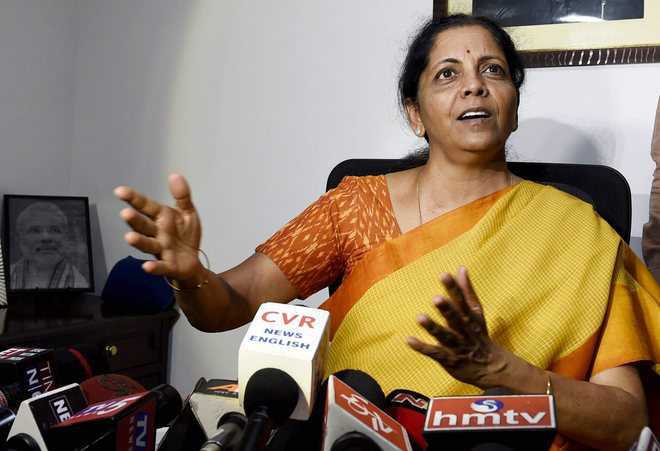
Women to comprise 20% of military police after graded induction: Nirmala Sitharaman
Women inductees in the military police will be done in a graded manner, and will eventually comprise 20 percent of its total strength, Defence Minister Nirmala Sitharaman announced on Friday.
The decision to induct women in the military police with an aim to enhance their representation in the armed forces was announced by Army Chief General Bipin Rawat last year.
In a series of tweets, the official handle of the defence minister said, “to improve representation of women in our armed forces Smt @nsitharaman takes a historic decision to induct women for the first time in PBOR (Personnel Below Officer Rank) role in Corps of Military Police.”
It further said “the women will be inducted in graded manner to eventually comprise 20% of total Corps of Military Police.” Their role would range from probing rape and molestation cases to assisting the Army wherever required.
Last year, Rawat had said the process to allow women in combat role, currently an exclusive domain of men, was moving fast and initially women will be recruited for positions in military police.
Accordingly, the Army chalked out induction of approximately 800 women in military police with a yearly intake of 52 personnel per year.
Currently, women are allowed in select areas such as medical, legal, educational, signals and engineering wings of the Army.
The role of the military police includes policing cantonments and army establishments, preventing breach of rules and regulations by soldiers, maintaining movement of soldiers as well as logistics during peace and war, handling prisoners of war and extending aid to civil police whenever required.
Earlier this month, in a written response to a question in Rajya Sabha, Minister of State for Defence Subhash Bhamre said the Army has 3.80 per cent of its work force as women, the Air Force 13.09 per cent and the Navy 6 per cent. PTI
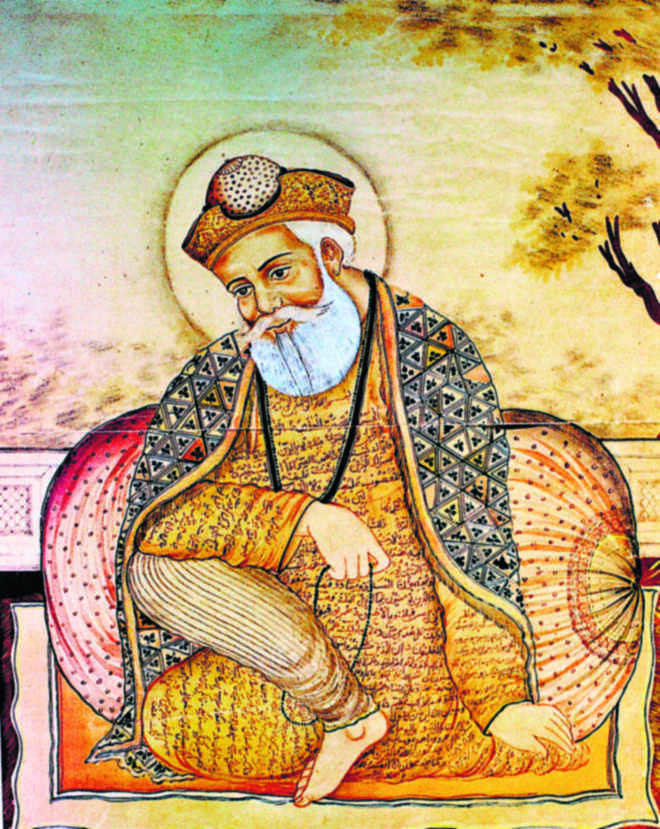
Guru Nanak’s 550th birth anniv celebrations in US:: IN INDIA CREDITABLITY OF KARTARPUR CORRIDOR YET TO CONCLUDE
Washington: Year-long celebrations of Guru Nanak’s 550th birth anniversary have kicked off in the US to spread his message of brotherhood and sharing.
The Indian Embassy and Consulates have chalked out a calendar of activities, said India’s new Ambassador Harsh V Shringla.
He was addressing people gathered to celebrate the occasion; artiste Bhai Baldeep Singh played devotional music on Saturday.
“Guru Nanak was one of greatest philosophers and social reformers. His voice was an empowering call to unshackle the human mind of centuries of religious and political tyranny,” he said. pti
As many as 297 junior division cadets, including 78 girls of the No.1 Chandigarh Naval NCC Unit, are attending the 10-day annual training camp at the NCC Academy in Ropar.
Cadets belong to various government and private city schools. They are being trained in various subjects such as national integration, civic duties, environment protection and naval orientation. Physical training, small arms firing, drill, ship modeling and sports are also a part of the camp curriculum.
Educational and motivational lectures by guest speakers have also been arranged. Ravinder Pal Singh, Employment Officer, Ropar, visited the camp and briefed the cadets about employment openings available on the basis of NCC certificates. The camp was inspected by Col Rohit Thakur, Officiating Group Commander, Chandigarh NCC Group, on Saturday. — TNS
Why Woman Are Not Suitable for Deployment in Combat Arms Brig Narender Kumar
Why Woman Are Not Suitable for Deployment in Combat Arms
Brig Narender Kumar
There is a debate on why a woman should not be deployed in combat arms. This issue needs to be looked at from the operational imperatives and service conditions rather than looking at it from a gender biased approach. It is important to understand how young officers are groomed to be able to lead their men till death, an ethos that requires close physical and mental connect with the men. This connect comes by living and competing with the men that a woman may find it difficult to do so.
When I took over the command of my unit, I told my officers, “Sweat together to bleed together” and “Train together to fight together”. To lead men in war require identifying as one of them. Trust and faith to die for each other do not come by wearing rank and walking up to them on the day of the judgement. When men are thrown to the wolf, in an uncertain environment, they look up to the officers who can convert their fear and apprehensions into strength and undying spirit. Men are not machines; the trust is built on the physical and mental robustness of the officers when they train together in peace and field.
To make a leader in the combat arm is a nuanced process. To be an officer is one aspect and to be a leader of the men is another. When a young officer walks into the combat arms unit, he is made to live with the men as a soldier and performs all duties that a soldier is required to perform. He sleeps in the barrack, he eats with them, he plays with them and rubs shoulders during games and training. He is exposed to the men and they know if he is capable of leading or needs to be polished further. Vikram Batra, Manoj Pandey and Shaitan Singh were the product of this tradition of grooming a young military leader in combat arms and the nation will remain proud of them for eternity.
During formative years young officer is part of various competitions along with his men. He is required to go on LRP for long duration where he is supposed to share his small pup tent with his buddies, eat from the same plate and take bath in the same stream where men take bath. If you are part of the Armoured or Mechanised Regiment you are sleeping and training with the crew day and night. There are no barracks in desert when you are out for training. A tank is your home and side of the tank is your bathroom. There is no luxury to have a separate caravan while on the move. Similarly, when you are out with your Artillery Regiment you sleep in gun position along with the gun crew and when you are operating as Arty Op or forward observation officer, you are with the leading infantry column. Living the way men are living along with your radio operator beside you all the time.
When you get hurt or sprain your body parts, it is your buddy who would help you in everything including going to toilet. I do remember when a senior JCO told me that the young officer still has baby fat on him and he needs to be polished to become a commander of his men. Officers returning back from leave are often ticked off by the CO or 2IC for being overweight. But telling a woman to reduce weight and get fit could be considered as chauvinist’ remark. As a young officer, you are required to compete every day with men during PT and games. Play troop’s games and push and shove each other in the contest for being better than the men. Be it PT, games, battle physical efficiency test (BPET), firing, and he is required to give demonstration to his men to make them his followers. After he has done it all he is considered fit to lead men. Lives of men can be trusted upon him once he is found suitable to lead men in combat. These activities develop trust, faith and moral contract of unlimited liability as an officer towards men. The command is personal and you cannot make men lay down their lives on orders, it requires mutual trust and deep understanding of each other’s capabilities. Regimental ethos is drilled into young officers by men and not by officers. Men are ready to do impossible when they know they are being led by a tiger who will risk his life before harm is brought upon his men. This faith comes when you are capable of roughing it out with the men. It is the senior JCO and Platoon Havildar who train the young officers and give their opinion if they are fit to lead men on independent missions or not.
In combat and war, for weeks and days, you are away from your basis and sleeping, eating and huddling together with the men behind rocks and bushes. In ambush you cannot even go away to relive yourself, it is in-situ or else you will either be shot by your own men in the darkness or ambush would be compromised. There are no changing rooms, there are no toilets, and you have to change clothes in the open in front of your men. I do remember as a company commander and as a CO, during operations when you wish to go to attend to nature’s call, you are escorted by your buddy or else you may be shot by the terrorists. In field more often you walk into your men’s bunks and play with them chess or carom. During cross LOC firing officers even sleep in the bunkers along with the men for days together.
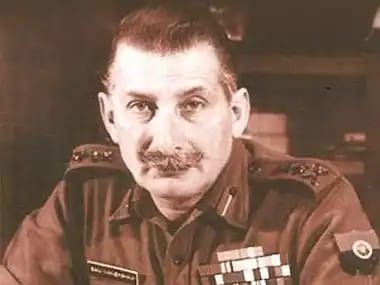
Question is not that women are any less in physical attributes but combat is all about trust, faith, personal rapport and contact with the men. It is considered a great gesture of affection and concern for men when officers put a hand over the shoulders of men even while informal interaction. Punching playfully on the chest or stomach of fellow soldiers is a sign of proximity and intimacy. It is a sign of trust and comradery. As a CO in combat, you hug and put hands around the neck of your men to tell them that you are with them. FM Sam Manekshaw often interacted with the men by physical contact while talking to them especially during war. In combat arms, there are no concessions as far as physical attributes are concerned, if you cannot cope up with the men you may risk their lives in operations. At times as an officer, you have to carry or support your men and their loads and every good company commander would have done it during his service. As a leader in war or CI/CT operations you can’t have men guarding you. You have to prove that you are better than men when it comes to action even in close quarter combat. Combat is physical and let us face the fact men and woman are not equal in physical capabilities, otherwise you will not have separate sports competitions for men and woman.
Not giving combat role to a woman is not gender discrimination, but there are practical issues and women certainly are not yet ready unless they are part of a women subunit. During the war, there are chances where an officer can become a prisoner of war (POW). The treatment to a woman as POW can be outrageous and national embarrassment. Similarly, in CI/CT and deployment along LOC, one has to be prepared to fight it out alone and if a woman officer is captured and killed, mutilation is traumatic and embarrassing. Even in UN Missions, there are protocols and women are not deployed in the field due to operational conditions.
The debate of deployment of a woman on combat duties is becoming fashionable and a sign of woman liberation against gender bias. But there are operational imperatives and conditions that do not allow a woman to get deployed in a combat role. It must not be misunderstood with logistic issues but it is more for operational issues and pre-requisites for preparation of combat leaders. Leading men in war is not by authority but by belief and trust that you gain from your men by rubbing shoulders with them. The ethos in Infantry is either you are able to walk ahead of your men or you will be left behind to face humiliation.
The author is a distinguished fellow of United Services Institution of India.
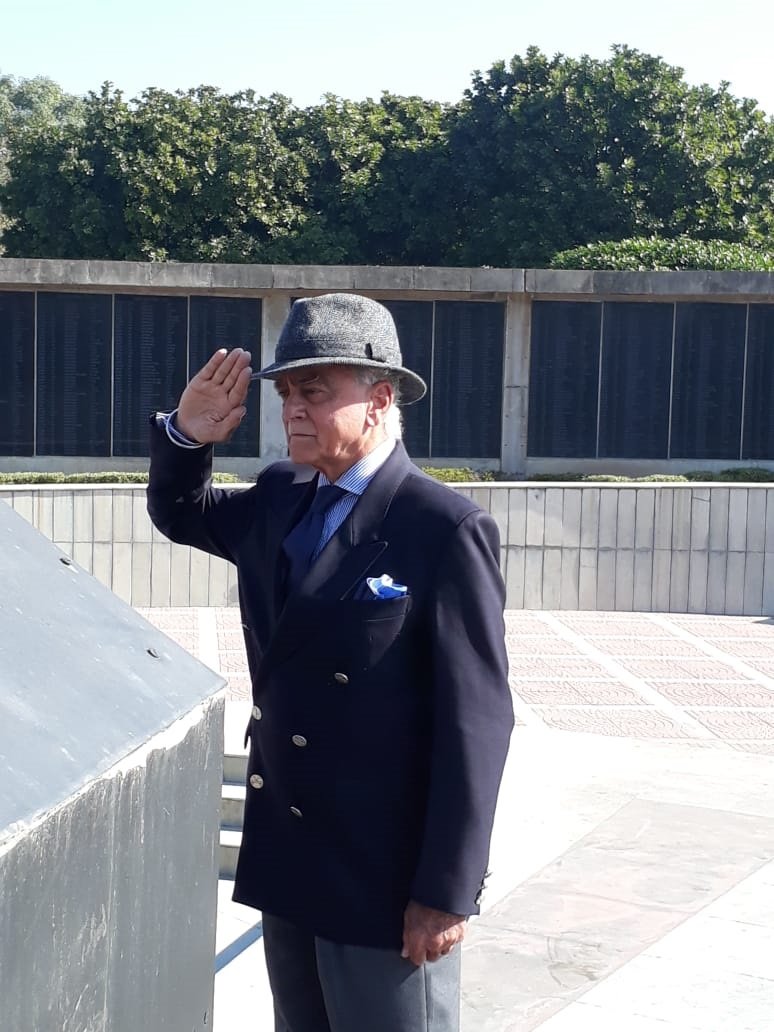
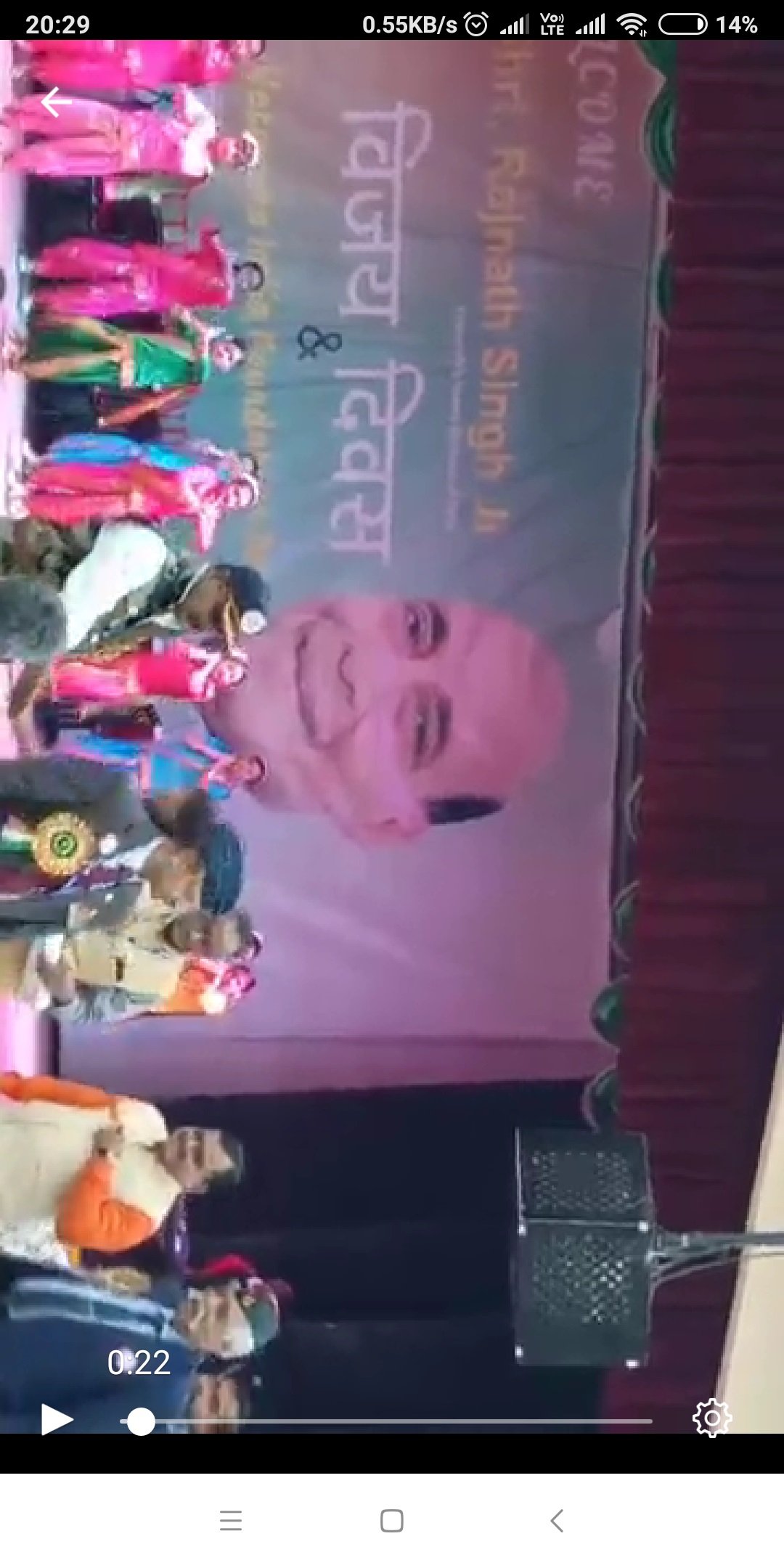
Vijay Diwas :: Spirited General visits Chandigarh war Memorial All Alone
The shortest 13 days war which brought laurels to the Armed forces . We veterans only celebrate Kargil Diwas , a one sided war to get back PAK occupied height which they occupied due to own Intelligence failure .
Dear Tri-City Veterans ,
But we seldom celebrate Vijay Diwas in which 90000 PAK soldiers surrendered .A war where Field Marshal SAM told Pak forces to * “You surrender or we wipe you out*
Where has the spirit gone , Present govt celebrating surgical strike the results of which are yet to be known/seen and its deterrent effects as was expected ..
The Home Minister Shri Rajnath celebrating Vijay Diwas with his photo on the stage Banner instead of Gen Manekshaw and Gen Jagjit Singh Aurora or any war heros.
We say and believe that true soldier spirit never dies . Here is where Lt Gen TS Shergill, Sr advisor to CM Pb and Sr Vice chairman GOG went all alone to Chandigarh War memorial and salutes the brave hearts and pays homage to his collegues who have sacrificed themselves for the Nation . We salute him in turn for the spirit he carries with him as a true soldier.
We always crib that the Politicians/ Govts don’t worry about the Martyrs and their families/children/dependents . If we ask our self do we care about our brothers or their children,widows except aon occaions /functions for show business and distribute gifts without listening to their woes. We know non of the Politicians reach out during cremation of Martyred or the Administrative Babus who wait for an order from political bosses to be present , But it very disheartening that we as veterans don’t reach out at cremations or to the families , so then why blame the Politicians /Govts. If we as Class start caring or attending or celebrating the victories , then only our togetherness spirit will convey the message to the rulers /civilians etc.
Hope veterans will not overlook celebrating Such a historical victorious day of Vijay Diwas in future and other victory days.
Lets look after the war widows,children or old veteran widows instead of caring for living legends frequently/
Col Charanjit Singh Khera
State Stalwarts
DEFENCES FORCES RANKS
ARMY, NAVY, AIRFORCE RANKS
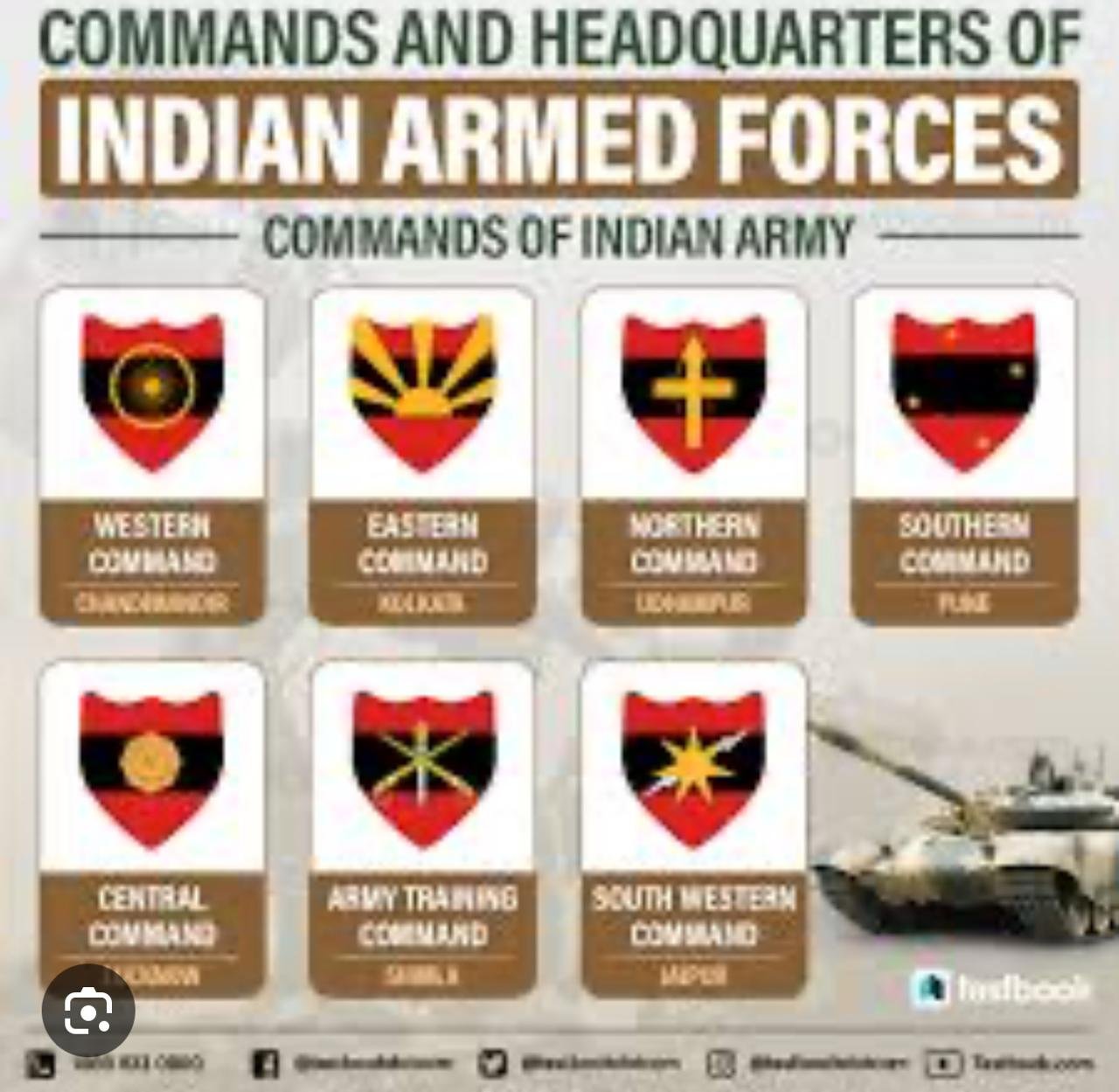
FORMATION SIGNS
FORMATION SIGNS
ALL HUMANS ARE ONE CREATED BY GOD
HINDUS,MUSLIMS,SIKHS.ISAI SAB HAI BHAI BHAI
CHIEF PATRON ALL INDIA SANJHA MORCHA
LT GEN JASBIR SINGH DHALIWAL, DOGRA
SENIOR PATRON ALL INDIA SANJHA MORCHA
MAJOR GEN HARVIJAY SINGH, SENA MEDAL ,corps of signals
.
.
PATRON ALL INDIA SANJHA MORCHA
MAJ GEN RAMINDER GORAYA , CORPS OF
sanjhamorcha303@gmail.com
PRESIDENT HARAYANA STATE CUM COORDINATOR ESM
BRIG DALJIT THUKRAL ,BENGAL SAPPERS
PRESIDENT TRICITY
COL B S BRAR (BHUPI BRAR)
PRESIDENT CHANDIGARH ZONE
COL SHANJIT SINGH BHULLAR
.
.
PRESIDENT PANCHKULA ZONE AND ZIRAKPUR
COL SWARAN SINGH
PRESIDENT SAS NAGAR (MOHALI)
COL BALBIR SINGH , ARTY
INDIAN DEFENCE FORCES
DEFENCE FORCES INTEGRATED LOGO
FORCES FLAGS
15 Th PRESIDENT OF INDIA SUPREME COMMANDER ARMED FORCES
Droupadi Murmu
DEFENCE MINISTER
Minister Rajnath Singh
CHIEF OF DEFENCE STAFF (2nd)
General Anil Chauhan PVSM UYSM AVSM SM VSM
INDIAN FORCES CHIEFS
CHIEF OF ARMY STAFF(29th)
General Upendra Dwivedi, PVSM, AVSM (30 Jun 2024 to Till Date)