All posts by webadmin

Well revived at Saragarhi martyr memorial site in Tarn Taran

At Dhun Dhai Wala, a small village in the border belt of Tarn Taran district, the memory of Naik Lal Singh is cherished. A martyr of the Battle of Saragarhi, one of the best known but scarcely documented war, Naik…

Neha Saini Tribune News Service
At Dhun Dhai Wala, a small village in the border belt of Tarn Taran district, the memory of Naik Lal Singh is cherished. A martyr of the Battle of Saragarhi, one of the best known but scarcely documented war, Naik Singh’s legacy has been preserved in the form of a Saragarhi Memorial at the village that stands as a testament to his sacrifice and that of his comrades.

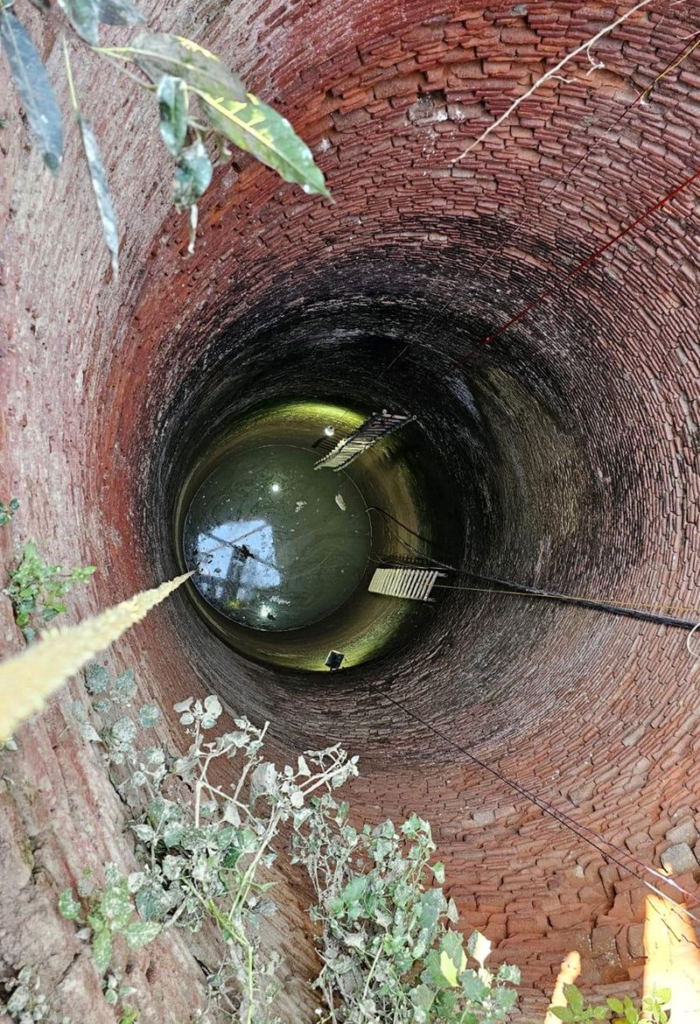
Annual commemorations are held to honour their legacy, attracting commoners and dignitaries alike. In a recent development, members of the village panchayat, led by sarpanch Jagroop Singh, and locals dug up a well located at the memorial site and made it functional. The villagers, in collaboration with Punjab INTACH Tarn Taran chapter, had moved a proposal to develop the memorial site, including Naik Lal Singh’s family land, into a heritage site.

During a recent visit of INTACH ex-chairman Maj Gen LK Gupta (retd) to Naik Lal Singh’s memorial, he said the historic well, which was in a state of disuse, should be conserved and preserved. Dhun Dhai Wala village panchayat led by sarpanch Jagroop Singh and Surjit Singh from Saragahi Welfare Society, members of panchayat and village women, led by Parkash Kaur, started the process of digging up the well, along with Dr Baljit Kaur, INTACH Tarn Taran convener.

Advertisement

Maj Gen Balwinder Singh, INTACH State Convener, said with the help of the village panchayat and volunteers, manual digging of the well was done. “After 15 feet digging, the water was found. The well is now functional. Earthen buckets that were used to extract water at that time were found while digging, confirming that the well is historic indeed,” said Maj Gen Balwinder Singh.

Born at Dhun Dhai Wala, Lal Singh hailed from a family with a rich martial tradition. The village, located on fertile land, has been a nurturing ground for many bravehearts, who have served the Indian Army.

The land on which the well is situated belonged to Naik Lal Singh. Next to the well is the War Memorial of Naik Lal Singh. “In September every year, a function is held wherein over 2,000 people from nearby villages gather to remember Lal Singh’s sacrifice,” said Dr Baljit Kaur, Tarn Taran INTACH chapter convener.

In September last, recognising the historic significance of the Saragarhi battle and the need to preserve its legacy, the Indian National Trust for Art and Cultural Heritage (INTACH) initiated efforts to maintain and promote the related sites. The third generation of Naik Lal Singh’s family attended the memorial ceremony and pledged the land for heritage use. “Last year, defence personnel from the British and US Army came to pay tribute as history of Saragarhi martyrs is well known in Europe,” added Maj Gen Balwinder Singh.

Battle of Saragarhi

On September 12, 1897, the British Indian Army’s 36th Sikh Regiment (now 4 Sikh) was stationed at the Saragarhi post, a small outpost connecting two major forts — Lockhart and Gulistan — in the North-West Frontier. Naik Lal Singh was at the Saragarhi fort and made a supreme sacrifice, along with, all the 21 soldiers while fighting back more than 10,000 Afghan tribesmen.

Despite being heavily outnumbered, the Sikh soldiers displayed exceptional valour. They repelled multiple assaults, inflicting significant casualties on the attackers. The battle lasted for several hours, during which all 21 defenders, including Lal Singh, were martyred. In recognition of their unparalleled bravery, all 21 Sikh soldiers were posthumously awarded the Indian Order of Merit, the highest gallantry award for Indian soldiers at the time. The honour is considered equivalent to the present day Param Vir Chakra.


Spurt in gun smuggling: BSF seizes 11 pistols along Punjab border in just 5 days

There has been a sudden increase in the number of illegal weapons being seized along the International Bor der in Punjab this week, with the Border Security Force (BSF) recovering 11 pistols in the last five days. Along with weapons, the BSF has also recovered over a 100 rounds of ammuni tion so far this month. In comparison, eight pistols and nearly 100 rounds were recovered near the border in March and three pistols were recovered in February, BSF sources said. Six pistols of different makes, along with 97 live rounds, were found in the fields yesterday evening in Amritsar, making it among the highest number of guns to have been recovered in a single day. The spurt in the attempts to smuggle illegal weapons has implications for the law and order in the state, BSF officers said. This comes close on the heels of sev eral improvised explosive devices (IED) being found last week by the BSF ahead of the border fence along a route frequently traversed by the BSF and local farmers in the Gurdaspur sector. A BSF trooper was seri ously injured after one of the IEDs, connected by a network of wires, exploded while it was being defused. Sources said that while re coveries or narcotics, weap ons and drones are a regular affair along the border, the presence of IEDs was a rare occurrence. The recoveries made by the BSF are in addition to any illegal weapons that may have been seized by the po lice in different parts of the state. The seized weapons are believed to have been dropped by drones launched from Pakistan. Some of the weapons were wrapped in yellow polythene that is typi cal for cross-border smug gling consignments. In April so far, the BSF has neutralised about 10 drones in the vicinity of the border and seized over 5 kg narcot ics. In addition, five persons suspected to be involved in smuggling have also been apprehended and items such as currency, motorcycles and mobiles have been recovered from their possession. Drones have become the major means of pushing contraband into Punjab from Pakistan. All captured drones are examined foren sically to determine their place of origin, flight path and destination. The BSF drone workshop, established in August 2024 in Amritsar, has successfully completed the technical analysis of 200 Pakistani rouge drones to extract valuable intelligence and develop future strate gies to counter the drone menace. AGENCIES


Warding off liver mortality

World Liver Day (April 19)

Mahesh Sharma

World Liver Day (WLD) is celebrated on April 19 every year as a reminder of the importance of liver and the need to take proactive measures to maintain its health.

The WLD was launched in 2010 by the European Association for the Study of the Liver (EASL) with the intent to commemorate its foundation in 1966 and to raise awareness about critical hepatic disorders.

India needs to pay sustained attention to observe the day as the burden of hepatic diseases, including viral hepatitis and non-alcoholic fatty liver disease (NAFLD), is elevating sharply, posing significant challenges to our healthcare system and making liver mortality rates higher.

Recognising the importance of dietary habits in maintaining the health of the largest gland of the body, the World Health Organisation has announced ‘Food is Medicine’ theme for WLD-2025.

The theme emphasises the importance of nutrition in maintaining and upgrading liver health, informing how dietary modifications can prevent and manage liver diseases. It also promotes mindful eating and healthier food choices to safeguard the liver.

Critical analysis of the theme of the year interprets that doctors and liver specialists are not just practicing to prescribe medicines, rather they can also prescribe healthy food for individuals according to their age, gender and profession.

This year’s theme should prompt us to ask our healthcare provider about nutrition plans and resources, besides taking prescription as treatment or preventive medicine.

Celebrating the day is also important because liver plays a vital role in various body functions, including metabolism, detoxification and storage and digestion of fats and other nutrients. The day encourages adopting healthy lifestyles, including a balanced diet, regular exercise and avoiding excessive alcohol consumption. Food tips can work as a game changer for liver health, which is further a regulating factor for other vital organs.

Millions of Indians are living with liver disorders which could be prevented through organised steps to spread awareness on the subject.

About 40% people living a sedentary lifestyle are suffering from some grade of NAFLD, wherein fat accumulates in the liver making it ‘fatty’. If unchecked, it is sure to grow as a silent epidemic.n

Celebrating the day in true spirit and following the WLD-2025 theme is imperative to check further rise in incidences of Hepatitis B and C, liver damage, cirrhosis and liver cancer.

We can ill afford to ignore the fact that India topped the global chart for liver mortality in 2021.


Most liver diseases silent in early stages: Expert

Doctors across Chandigarh unite to highlight the silent rise of liver disease. They urge residents to embrace lifestyle changes for better liver health

The liver, often overlooked, is now at the centre of a growing health concern. This World Liver Day, observed on April 19 every year, Chandigarh’s leading medical institutions, including the PGIMER, Fortis Hospital, Mohali, and Max Hospital, Mohali, observed different events to sound the alarm on liver disease, educate the public on its prevention and offer screening facilities — all under this year’s resonant theme, “Food is Medicine.”

At the forefront of the initiative was the Department of Hepatology, PGIMER, Chandigarh, which launched an extensive screening and awareness drive starting April 19. “Most liver diseases remain silent in early stages and can lead to irreversible damage if not detected in time,” said Prof (Dr) Ajay Duseja, head of the department. “Three major culprits — alcohol-related liver disease (ALD), fatty liver (MASLD) and viral Hepatitis B and C — continue to burden our healthcare system,” Prof (Dr) Duseja said.

PGIMER’s screening initiative, in collaboration with its Department of Psychiatry, is focusing on high-risk groups — individuals with alcohol use disorder (AUD) and persons who inject drugs (PWIDs) — attending the Drug De-addiction and Treatment Centre. These individuals are being tested for Hepatitis B and C and undergoing transient elastography, a non-invasive test to detect liver scarring and fat content.|

Dr Sunil Taneja, Additional Professor, Hepatology, emphasised on the role of lifestyle. He said, “Most liver conditions stem from unhealthy habits. Awareness and prevention go a long way in ensuring liver health.”

To instil these values early, the PGIMER and the Indian National Association for Study of the Liver (INASL) organised a Liver Health Awareness Programme at Delhi Public School, Chandigarh, on Thursday (April 17). Over 500 students, teachers and staff participated in the session. “Children are the key. If they learn healthy habits early, we can prevent the next wave of liver disease,” said Dr Duseja, who also chairs INASL’s newly formed taskforce on preventive hepatology.

The message echoed across other city hospitals. Dr Arvind Sahni, Director, Gastroenterology and Hepatology, Fortis Hospital, Mohali, said, “Approximately 120 million Indians have a fatty liver, many unknowingly.” While stressing on the need for early diagnosis and lifestyle changes, he said, “A simple ultrasound can detect fatty liver before it progresses to cirrhosis. Avoiding processed foods, alcohol, and sedentary habits can change the course of one’s liver health.”

Dr Sahni further advised a practical approach. He said, “Even 2.5 hours of exercise a week, plus a diet rich in greens, whole grains, nuts, berries and turmeric can go a long way. Also, vaccinations against Hepatitis B and responsible medication use are vital.” He also recommended drinking black coffee (without cream/sugar), which research suggests improves liver inflammation.

Dr Gurbakshish Singh Sidhu, Principal Consultant, Gastroenterology, Max Hospital, Mohali, said the symptoms of liver disease — fatigue, jaundice, abdominal swelling — often show up too late. “Timely detection is the cornerstone of saving lives. Unfortunately, low awareness remains our biggest challenge,” he said. He urged people to get regular liver check-up, especially those with obesity, diabetes, or high cholesterol.

He said, “Simple dietary steps like high-fibre, low-fat meals and avoiding sugary drinks and fast food can protect your liver for life.”

From classrooms to clinics, Chandigarh took a unified step toward protecting the liver — the body’s metabolic powerhouse — reminding everyone that health starts not just with treatment, but with awareness, education and the food on our plate.


Army orders probe after university professor claims assault by troops

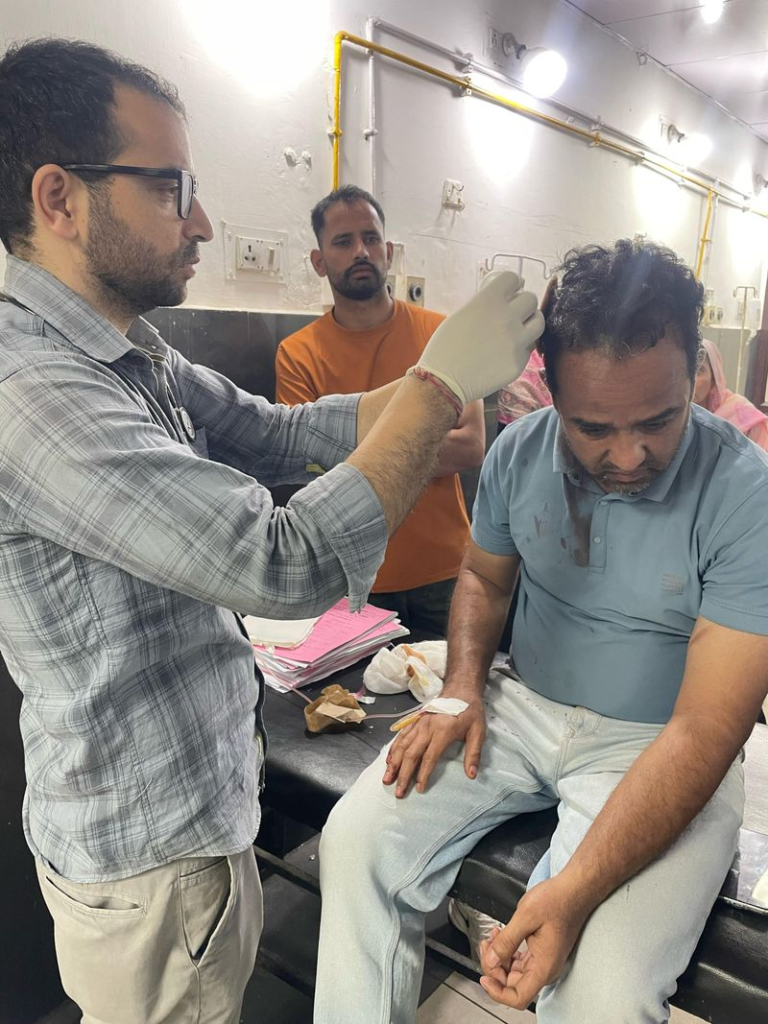
The Army on Friday ordered an inquiry after an assistant professor accused troops of assaulting him during a vehicle check in a village in Rajouri district, officials said. Ali reportedly sustained head injuries in the alleged assault near the border…

article_Author
Adil Akhzer Our Correspondent

The Army on Friday ordered an inquiry after an assistant professor accused troops of assaulting him during a vehicle check in a village in Rajouri district, officials said. Ali reportedly sustained head injuries in the alleged assault near the border village of Laam late Thursday night, and a purported video showing the bleeding professor has surfaced online.

Liaqat Ali, associated with Indira Gandhi National Open University (IGNOU), said he was travelling with his brother and other relatives in the Nowshera area when the incident occurred. He claimed that his relatives—some of whom serve in the Army and his younger brother, who is in the ITBP—were accompanying him in civilian clothes at the time.

Videos of the incident, which show an exchange of words between Army personnel and the group, have gone viral on social media.

In a Facebook post, Ali wrote that he was “assaulted” without any provocation. “My entire family is in the Army, and I have always been proud of that—proud of the uniform, the service, the sacrifice. But today, what I experienced shook that pride to the core. Without any reason, without any question, I was assaulted—hit on the head with a weapon by the very people I once trusted blindly,” he said. The post included a photo of him bleeding.

“It made me realise one terrifying truth: if the system chooses to, it can ‘encounter’ any human being—without evidence, without trial, without justice. There’s no apology that can undo this wound. Only one haunting question remains—has justice now become the privilege of the uniform alone?” he added.

Javid Iqbal, one of Ali’s cousins, told The Tribune that the family wants strict action taken against the Army personnel involved. “Apart from Professor Ali, his younger brother, who is in the ITBP, was also beaten. Other relatives, who serve in the Army, were abused by the troops,” he said.

Former Chief Minister Mehbooba Mufti said “deeply disturbing visuals have emerged” from Nowshera, where Army personnel were “seen mercilessly assaulting the professor.”

“The professor, accompanied by his brothers, was en route to attend his sister’s wedding when the incident occurred. This shocking act has shattered a common man’s faith—especially painful given that the victim’s family has proudly served in the Indian Army,” she said on X, urging the Army to take immediate and strict action against those responsible.

“Such individuals tarnish the reputation of a respected institution through their unacceptable and high-handed behaviour,” she said.

Meanwhile, the Army stated that it has launched a probe into the matter. In a statement, Army said an incident has come to light wherein certain individuals were allegedly manhandled by Army personnel.

The Army noted that it had received intelligence on the possible movement of “terrorists in a vehicle in this sensitive area.” “Accordingly, search operations were being conducted. Preliminary information suggests that on being stopped, the individual tried to snatch a weapon from the soldiers on duty and initiated a scuffle with them,” the statement read.

The Army further stated that should any personnel be found guilty of misconduct, strict action would be taken in accordance with existing laws.

“The Indian Army remains steadfast in upholding the highest standards of professionalism and discipline in the conduct of counter-terror operations. All sections of society are requested to continue to cooperate and collaborate with the Indian Army for collective and comprehensive security in this sensitive area,” the statement concluded.


Europe’s waning clout in Russia-Ukraine war

The moot point is that not a single non-warring European country will be able to take the rate of fatality which both Russia and Ukraine are facing.

article_Author
Abhijit Bhattacharyya

Europe’s waning clout in Russia-Ukraine war

The moot point is that not a single non-warring European country will be able to take the rate of fatality which both Russia and Ukraine are facing.

article_Author
Abhijit Bhattacharyya

Europe’s waning clout in Russia-Ukraine war

The moot point is that not a single non-warring European country will be able to take the rate of fatality which both Russia and Ukraine are facing.

article_Author
Abhijit Bhattacharyya

Since February 2022, the longest and deadliest Europe-origin post-World War-II Russia-Ukraine bloodshed has been raging, ruining millions of lives, livelihoods and economics. It has divided the world, especially the West, more than ever before owing to the sensational reversal of the traditional anti-Russia policy of sanction, boycott and diplomatic isolation adopted by US President Donald Trump. Trump’s direct talks with Russian President Vladimir Putin to end the war, bypassing the 50-odd nations of Europe (including the 27-nation European Union) and Ukraine, have irked the West the most.

Understandably, both the EU and non-EU London, the trusted ally of Washington since the 1940s, are unimpressed. The direct Trump-Putin link sans Europe constitutes a snub to the old West and has severely jolted its status and stature in world polity. The West (Europe) has become irrelevant in its own eyes, being cut to size by two non-Europeans. The US as a geographical non-Europe is understood, but why and how is the pariah Russia non-Europe? It is because the Big Four (London, Paris, Berlin, Rome) don’t like considering Russia a European state. To them, Russia is “Eurasian” because its bigger portion falls in Asia. Hence, racially, Russia is Slav and does not come up to the standard of the victors of heartland Europe. Russia is in the periphery, a fringe element prying and trying to be gregarious with the ‘gorgeous Anglo-Saxons’.

In the eyes of mainland Europe, Russia is lowly and an outcast. Yet, that lowly and pariah Moscow suddenly stands more close to Washington than the ‘sophisticated and upper crest of Anglo-Saxon club’ members of the old imperialist powers. Europe’s war cannot be resolved without its participation in the conference room, say London, Berlin and Paris. Hence, a restless EU is hopping from summit to summit. London, Brussels, Paris, Munich are busy hosting 30 to 50 nations, whose conspicuous pretension revolves around ending the 38-month-old war, which has already damaged the economy, destabilised the established government and created racial tension. The Grand Europe is on the wane towards the ground as it gazes from the high table.

In the eyes of EU leaders, therefore, Europe has to be revived, defended and taken care of solely with the gun; and who else but the Germans to do the job? Post World War II, the Germans were war-wary, dormant and sullen. How profound is their transformation now? Wanting to be in the forefront of the combined armed forces operating in the war-ravaged Ukraine, Germany is toying with the idea of providing the long-range Taurus missile to Kiev and deploying troops in states bordering Russia. This is a bad omen. It can be construed to be a prelude to the repeat provocation of history’s murderous assault of Germany’s Hitler in 1941.

The Ukraine-Russia conflict, without doubt, has been a shadow proxy war between Russia and the West, led by the USA. With the sudden American exit from the NATO-EU team confronting Russia through Ukraine, the burden of European defence has swung from Washington to the EU’s Warsaw, which is bent on the continuation of fire, rather than ceasefire.

The moot point, nevertheless, is that in the midst of such a bellicose European stand on the Russia-Ukraine war, not a single non-warring European country will be able to take the rate of fatality which both Russia and Ukraine are facing. Let us peruse the figures of Military Balance 2025 (International Institute for Strategic Studies, London). Will Germany be able to accept the death of 20,000 men when its entire army today consists of 60,650 soldiers? Incidentally, in 2005, its strength was 1,17,900 and it was deployed in 13 overseas destinations. Today, it is reduced to a few hundred soldiers in seven stations. Similarly, the British PM appears to be vocal on doing a joint European force tour of Ukraine as some sort of “peace-keeping” duty inside Ukraine to deter future Moscow aggression. Again, the reduced number of the Royal Army is too conspicuous to be missed: from a 2,77,560-strong army in 2005, it has come down to 78,800. Will the famed Royal troops be able to replenish the loss of 30,000 soldiers the way Moscow and Kiev have been coping for last 38 months?

These are the numbers of the big two powers only. France is an exception. Paris has traditionally been different owing to its linguistic pride and it being culturally different from the English-speaking London-Washington’s special relationship. However, Europe also has several tiny nations for which even the death of 2,000 soldiers each will be the end of their army. In 2005, Estonia had 4,934 active soldiers, Latvia 1,817 and Lithuania 11,510. The numbers thereof today stand at 1,300 combatants for Estonia, 1,500 for Latvia and 10,250 for Lithuania.

Post the 1991 USSR breakup, Europe drastically reduced its combatants, neglected defence factories and the robust aviation industry and lowered warship yard production. The US-led NATO and EU expanded the economics and extended the politico-diplomatic geography towards the Russian underbelly through a fresh induction of former Moscow allies and satellite states into NATO.

Consequently, Russia rightly felt threatened and couldn’t wait for a possible breach of its last frontier of Ukraine falling into the lap of NATO. War became inevitable and its disastrous results are there for all to see.

Yet, the West hasn’t learnt the lessons of history. War is necessary for the revival of its arms industry and using Ukraine as the sole frontline coffins, which cannot be fought by the rest of Europe owing to the inevitable colossal loss of manpower of the already diminishing demography of white Christians.

Be that as it may, one thing is certain. Post the Russia-Ukraine war, the borders and geography of the war zone are bound to undergo monumental changes. There could emerge several beneficiaries of the parcelled out Kiev land as both Russia and the USA today are reportedly talking about the “partition of Ukraine.”

Will the EU stare and endure this happening? The scenario is murky and hazy. The continuation of violence appears more than a possibility.


Ominous churning on India’s frontiers

THE GREAT GAME: The spectre of Bangladesh and Pakistan forgiving each other for their past sins is apparent

article_Author
Jyoti Malhotra

A great churning is taking place on both sides of India’s frontiers, throwing a new challenge to the RSS idea of “akhand Bharat,” or “undivided subcontinent.” In the east, a new samudramanthan is taking place around the Bay of Bengal, as Naya Bangladesh reaches out to both China and Pakistan like it hasn’t for decades. And in Pakistan, the powerful Army Chief looks like he fancies himself as a latter-day Jinnah, delivering homilies about the so-called “two-nation theory” and such like.

Let’s start with Bangladesh. For the first time in 15 years, Pakistani officials have travelled to Dhaka this week for consultations, during which the Bangladesh foreign secretary demanded an apology for the “genocide committed by the then Pakistan military in 1971.” Plus, he said, $4.3 billion still remains to be paid when East Pakistan split from Pakistan — with, of course, a little help from India, although the foreign secretary didn’t quite add the last phrase.

Moreover, in less than 10 days from now, Pakistan’s Deputy PM and Foreign Minister Ishaq Dar will travel to Dhaka. Mr Dar is a consummate politician and is expected to easily find some way to say sorry for the massacres the Pakistani military committed in 1971 — he will be careful that the apology doesn’t offend his all-powerful military chief, Gen Asim Munir, back home.

When that apology takes place — not if, but when — the two former wings of Pakistan will be closer than they have been in decades.

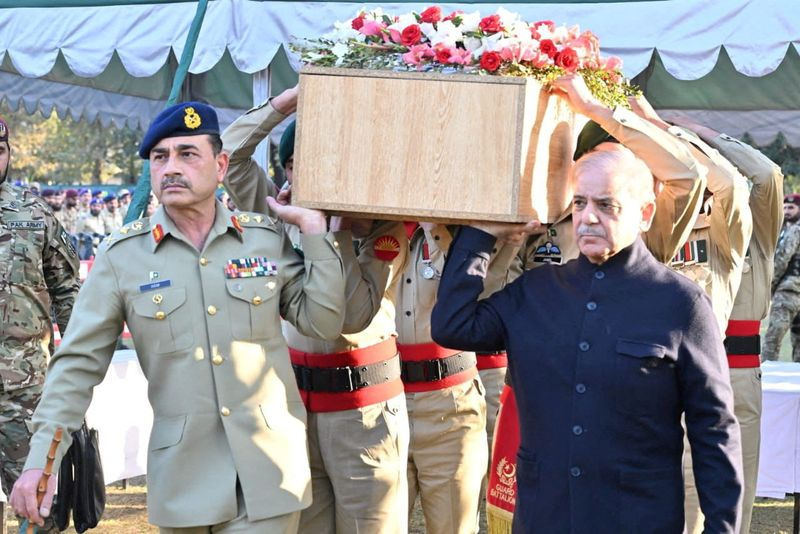
Imagine a 53-year-long reversal of history-in-the-making. Make no mistake, dear Reader, the stage is being set, only the flowers and some knick-knacks to prettify the room remain. When Dar meets Bangladesh Chief Advisor Muhammad Yunus — whom the Americans kept ready in cotton-balls, waiting for the opportunity to insert him back into a post-Sheikh Hasina Bangladesh, and more fool she who gave them the opportunity — the Bangladeshis, with a gentle nudge from the Chinese, will graciously accept. It’s that simple.Meanwhile, Muhammad Ali Jinnah’s pet phrase could get a new lease of life. At a function in Rawalpindi on Thursday, Gen Munir said Pakistan was created on the basis of the “two-nation theory,” even as his suited-booted Prime Minister Shehbaz Sharif listened in the front row.

“Our forefathers thought we are different from the Hindus in every possible aspect of life. Our religions are different, our customs are different, our traditions are different, our thoughts are different, our ambitions are different. That was the foundation of the two-nation theory that was laid there. That we are two nations, we are not one nation…” Gen Munir said.

Clearly, the good General imagines himself as a latter-day Quaid-e-Azam that Pakistan needs, to save itself for another day. Not that Pakistan doesn’t need saving — things are so bad, both in the economy as well as in the polity, that the military establishment could easily be misconstrued as the brightest, shining star on the horizon — it is certainly the most powerful.

Meanwhile, we saw PM Shehbaz Sharif hearing Gen Munir out quietly, as he rested two fingers on his cheek. Was he, already, sequestering to the back of his brain his elder brother Nawaz Sharif’s efforts to improve ties with India, for which he was whipped with iron chains in Attock jail soon after Musharraf invaded Kargil — because Shehbaz knows he cannot remain in power without Munir’s munificence?

But the big question this weekend is whether you can have a hearty laugh with irony. Will you be foes or comrades? So the same Bangladesh now reaching out to Pakistan, 53 years ago consigned the “two-nation theory” to the trash of history with a whoop and a chuckle as it belted out “Joy Bangla!” in the face of machine-gun fire from West Pakistani soldiers.

Today, as Yunus furiously cycles back to the past and Gen Munir intones the idea of separation — an idea that ironically finds much traction in present-day India — Bangladeshis seem to be resurrecting the importance of religion and geopolitics over language.

Only two days ago, Yunus’ foreign affairs advisor rudely told off India to manage its affairs better and look after its minority population in neighbouring West Bengal — referring to the violence in Murshidabad. Understandably, New Delhi is furious. But all the MEA spokesperson could add was that Bangladeshis better look inwards and protect their own Hindu minority.

That’s the basic problem with both the Partition as well as “akhand Bharat.” The subcontinent is so messily diverse that drawing the line anywhere — or by anyone, whether Radcliffe, McMahon or Durand — is going to end up being an exercise in haphazardness. Someone or the other is going to be so hurt or angry or both that they are bound to remember.

And so back to the present. Remember Yunus’ day out in Beijing some weeks ago where he told Chinese businessmen to come and invest, and that he was ready to hand over the Bay of Bengal to them?

Meanwhile, some things, however much they change, remain the same, and one example of that is the China-Pakistan relationship — described by Pakistani leaders over the decades as “higher than the mountains, deeper than the seas and sweeter than honey.” China is not just Pakistan’s biggest defence partner, it is its patron; it builds it roads and sea-ports, from the Karakoram highway to Gwadar on the Arabian Sea; it is connecting the country via the Belt & Road Initiative. From missiles to safety-pins, the Chinese are making in China and the Pakistanis are buying.

So on one side of India a China-friendly Pakistan asserts itself, and on the other side a China-friendly Bangladesh. Already, the spectre of Bangladesh and Pakistan forgiving each other for their past sins and moving on is apparent. In the middle is India, with severed diplomatic relations with Pakistan and a deteriorating relationship with Bangladesh.

So as a renewed churning takes place across the subcontinent, the key question that asks itself is, not just how the Narendra Modi government will deal with these challenges without, but what are the implications of these events within?


India, China abstain from vote on UN resolution on Ukraine; US opposes it

India and China were among the 33 countries which abstained from voting on a UN resolution that referred to aggression by Russia against Ukraine. The UN General Assembly adopted a draft resolution called “Cooperation between the United Nations and…

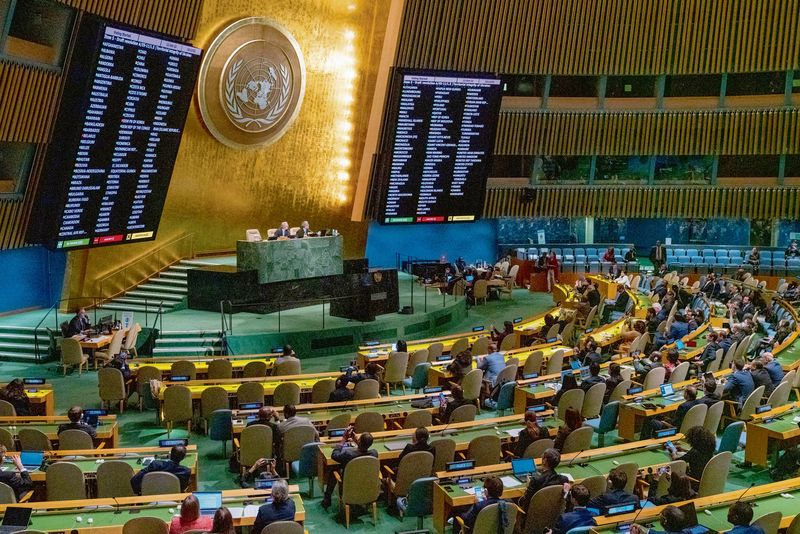
India and China were among the 33 countries which abstained from voting on a UN resolution that referred to aggression by Russia against Ukraine.

The UN General Assembly adopted a draft resolution called “Cooperation between the United Nations and the Council of Europe” by vote of 105 in favour to nine agains, a UN statement said.

Among those who voted against were Belarus, North Korea, Eritrea, Mali, Nicaragua, Niger, Russia, Sudan and the US. India and China were among the 33 countries that abstained from the voting.

The language of the resolution was disputed by many countries. Notably, it spoke about “unprecedented challenges now facing Europe following the aggression by Russia against Ukraine and against Georgia prior to that”.

It sought to promptly restore and maintain peace and security based on respect of the sovereignty, territorial integrity and political independence of any state.

Luxembourg, which holds the current chair of the Council of Europe, said the biennial resolution, first adopted at the Assembly’s 55th session in 2000, has traditionally been adopted by consensus.

The Russian delegation at the UNGA accused the Council of Europe of becoming a platform for promoting pseudo-legal, legally null and void initiatives.

The US said the UN aimed for peaceful settlement of disputes yet the resolution repeated statements that were unhelpful to advance the pursuit of peace.

The US said it supported efforts to achieve a comprehensive and lasting peace between Ukraine and Russia.


Iran, US to hold talks in Rome in bid to reach nuclear deal

Washington wants halt to Iran’s uranium enrichment

Iran and the United States will hold a new round of nuclear talks in Rome on Saturday to resolve their decades-long standoff over Tehran’s atomic aims, under the shadow of President Donald Trump’s threat to unleash military action if diplomacy fails.

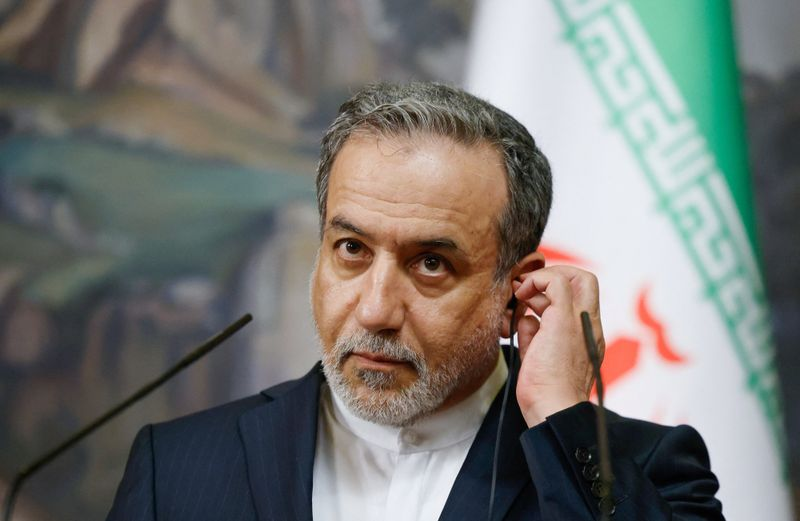
Iran’s Foreign Minister Abbas Araqchi and Trump’s Middle East envoy Steve Witkoff will negotiate indirectly through mediators from Oman, a week after a first round in Muscat that both sides described as constructive.

Tehran has sought to tamp down expectations of a quick deal, after some Iranian officials speculated that sanctions could be lifted soon. Iran’s utmost authority, Supreme Leader Ayatollah Ali Khamenei, said this week he was “neither overly optimistic nor pessimistic”.

For his part, Trump told reporters on Friday: “I’m for stopping Iran, very simply, from having a nuclear weapon. They can’t have a nuclear weapon. I want Iran to be great and prosperous and terrific.”

Trump, who ditched a 2015 nuclear pact between Iran and six powers during his first term in 2018 and reimposed crippling sanctions on Tehran, has revived his “maximum pressure” campaign on Iran since returning to the White House in January.

Washington wants Iran to halt production of highly enriched uranium, which it believes is aimed at building an atomic bomb.

Tehran, which has always said its nuclear programme is peaceful, says it is willing to negotiate some curbs in return for the lifting of sanctions, but wants watertight guarantees that Washington will not renege again as Trump did in 2018.

Since 2019, Iran has breached and far surpassed the 2015 deal’s limits on its uranium enrichment, producing stocks far above what the West says is necessary for a civilian energy programme.

A senior Iranian official, who described Iran’s negotiating position on condition of anonymity, listed Iran’s red lines as never agreeing to dismantle its uranium enriching centrifuges, halt enrichment altogether or reduce its enriched uranium stockpile below levels agreed in the 2015 deal. Iran also rejects negotiating about defence capabilities such as missiles.

While both Tehran and Washington have said they are set on pursuing diplomacy, there is still a wide gap between them on the dispute that has rumbled on for more than two decades.

Witkoff and Araqchi interacted briefly at the end of the first round last week, but officials from the two countries have not held direct negotiations since 2015, and Iran said the Rome talks would also be held indirectly through the Omani mediators.

Russia, a party to Iran’s 2015 nuclear agreement, has offered “to assist, mediate, and play any role” that will be beneficial to Iran and the United States.


New Rules for Pensioners Effective May 1 – RBI’s Major Announcement

New Pension Rules : The Reserve Bank of India (RBI) has made a significant announcement that will impact millions of pensioners across the country starting May 1. This move aims to streamline the pension disbursement process, enhance security, and bring greater transparency to pension-related transactions. Here’s a detailed breakdown of all the new rules and how they will affect pensioners.

Key objectives behind the new rules:uthorized access

  • To bring uniformity in disbursement practices across all banks
  • To improve grievance redressal mechanisms for pensioners

Major Highlights of the New Pension Rules Effective from May 1

Here’s a quick overview of the key changes that pensioners must be aware of:

  • Mandatory revalidation of life certificate by April 30 every year
  • Pension credit deadline fixed to the last working day of every month
  • Enhanced biometric verification for disbursement
  • Introduction of SMS/email alerts for every pension transaction
  • Banks required to set up a dedicated pension helpdesk
  • Immediate reporting of discrepancies in pension amounts
  • Introduction of digital pension passbook system

These reforms are being rolled out to ensure seamless pension experience and protection for senior citizens against misuse or technical delays.

New Monthly Pension Disbursement Timeline – What’s Changing?

The RBI has directed all authorized banks to ensure pensions are credited within a strict timeline. The aim is to avoid late payments and align pension credit dates uniformly.

MonthPension Credit DeadlineLate Credit PenaltyMandatory Alerts
May 2025April 30, 2025₹100 per daySMS + Email
June 2025May 31, 2025₹100 per daySMS + Email
July 2025June 30, 2025₹100 per daySMS + Email
August 2025July 31, 2025₹100 per daySMS + Email
September 2025August 30, 2025₹100 per daySMS + Email
October 2025September 30, 2025₹100 per daySMS + Email
November 2025October 31, 2025₹100 per daySMS + Email
December 2025November 30, 2025₹100 per daySMS + Email

Life Certificate Rules: What’s New for Pensioners?

The biggest change impacting pensioners is related to the submission of the Life Certificate, which proves the pensioner is alive and eligible for monthly payouts.

New guidelines regarding Life Certificate:

  • Must be submitted annually by April 30
  • Digital Life Certificate through Jeevan Pramaan preferred
  • Banks must acknowledge receipt within 24 hours
  • Submission can be made online, via mobile app, or in person
  • Failure to submit will result in pension suspension from May

Banks will assist pensioners in submitting the certificate through doorstep services or help centers, especially for those with mobility issues.

Bank Responsibilities Under RBI’s New Guidelines

To ensure the smooth implementation of these rules, RBI has placed fresh responsibilities on the shoulders of banks:

Bank ObligationTimelinePenalty on DelayRemarks
Credit pension by month-endMonthly₹100/day to pensionerApplies to all banks
SMS/email alert for every transactionReal-timeNILMandatory under RBI norms
Setup of dedicated helpdeskMay 1 onwardsNILTo handle pension complaints
Life certificate verification system24-hr turnaroundNILDigital & manual both accepted
Redressal of grievancesWithin 5 working days₹500 per delayCompensation from bank fund

Technology Boost: Digital Pension Passbooks & Alerts

To promote transparency and empower pensioners, RBI has now made it mandatory for all banks to implement digital pension tracking features.

Benefits of the digital upgrade include:

  • Access pension transaction history from mobile app
  • Get real-time SMS alerts for credits and deductions
  • Download pension slips anytime
  • Avoid physical visits to banks
  • Reduce dependency on branch staff

The RBI has advised banks to enable these services without additional charges.

Who Will Be Most Impacted by These Rules?

The new rules will significantly affect the following categories of pensioners:

  • Government retirees (central and state)
  • Defence and paramilitary pensioners
  • Family pension beneficiaries
  • Widows receiving dependent pension
  • Senior citizens above 80 years (relief via doorstep services)

For those residing abroad or bedridden, exemptions or special assistance channels will be provided by banks in consultation with RBI norms.

How to Prepare for the New Rules – Action Checklist for Pensioners

To avoid disruptions in pension disbursement from May 1, here’s a quick checklist:

  • Submit Life Certificate before April 30 (preferably online)
  • Update mobile number and email ID with your bank
  • Check with your bank if they have a dedicated pension helpdesk
  • Install your bank’s official app for real-time alerts
  • Report any pension delay or discrepancy immediately
  • Keep a printed copy of your digital Life Certificate (if submitted)

RBI’s new pension rules, effective from May 1, 2025, reflect a forward-thinking and pensioner-centric approach. By enforcing stricter timelines, embracing digital tools, and enhancing grievance redressal, the central bank is ensuring that the dignity and financial security of retired citizens are preserved. Pensioners are advised to act proactively, stay informed, and remain digitally connected to enjoy uninterrupted benefits.

Who Will Be Most Impacted by These Rules?

The new rules will significantly affect the following categories of pensioners:

  • Government retirees (central and state)
  • Defence and paramilitary pensioners
  • Family pension beneficiaries
  • Widows receiving dependent pension
  • Senior citizens above 80 years (relief via doorstep services)

For those residing abroad or bedridden, exemptions or special assistance channels will be provided by banks in consultation with RBI norms.

How to Prepare for the New Rules – Action Checklist for Pensioners

To avoid disruptions in pension disbursement from May 1, here’s a quick checklist:

  • Submit Life Certificate before April 30 (preferably online)
  • Update mobile number and email ID with your bank
  • Check with your bank if they have a dedicated pension helpdesk
  • Install your bank’s official app for real-time alerts
  • Report any pension delay or discrepancy immediately
  • Keep a printed copy of your digital Life Certificate (if submitted)

RBI’s new pension rules, effective from May 1, 2025, reflect a forward-thinking and pensioner-centric approach. By enforcing stricter timelines, embracing digital tools, and enhancing grievance redressal, the central bank is ensuring that the dignity and financial security of retired citizens are preserved. Pensioners are advised to act proactively, stay informed, and remain digitally connected to enjoy uninterrupted benefits.