Defence Minister stresses need for advanced technology along with trained manpower to secure the Indian coast line
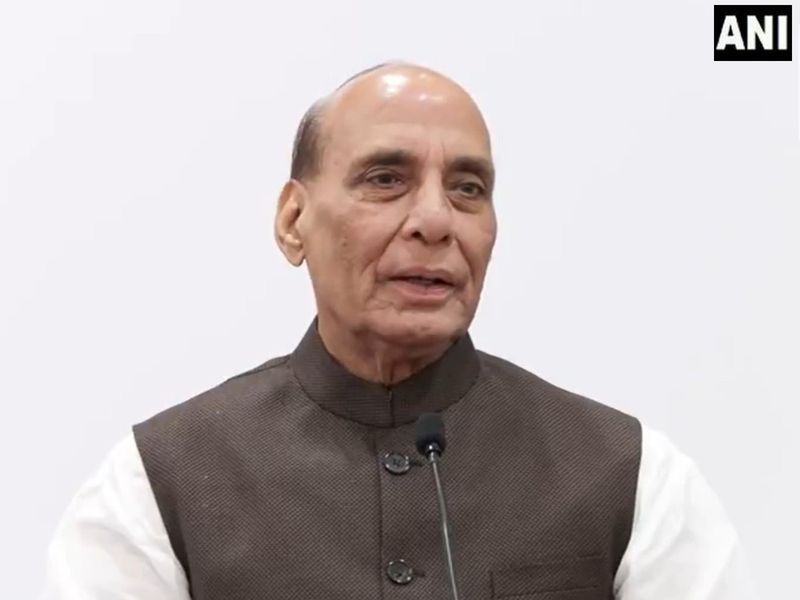
Defence Minister Rajnath Singh today said maritime threats were becoming increasingly technology-driven and multi-dimensional and mentioned how advanced technology was needed along with trained manpower to secure the Indian coast line.
The minister was speaking at the Indian Coast Guard Commanders Conference in New Delhi and called for the need for a futuristic roadmap, technology-aided vigilance and indigenous strengthening of maritime security.
The minister said India’s 7,500-km-long coastline, along with island territories of the Andaman and Nicobar Islands and Lakshadweep, pose enormous challenges, requiring advanced technology, well-trained personnel, and round-the-clock surveillance.
He stressed maritime security was not on predictable patterns of smuggling or piracy. New threats include sophisticated operations using GPS spoofing, remote-controlled boats, encrypted communications, drones, satellite phones, and even networks operating on the dark web.
Terrorist organisations exploited modern tools such as digital mapping and real-time intelligence to plan their activities. He said to the Coast Guard commanders that “we must be ahead of criminals and adversaries by integrating artificial intelligence, machine learning-based surveillance, drones, cyber defence systems, and automated response mechanisms into our maritime security framework.
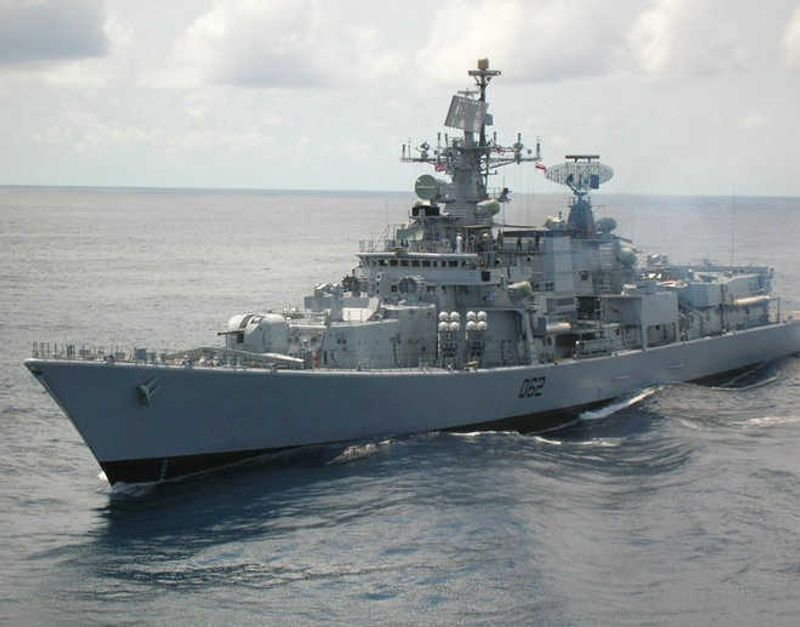
The three-day (September 28 to 30) conference brings together the senior leadership of Coast Guard to deliberate on strategic, operational and administrative priorities in the backdrop of evolving maritime security challenges and the growing strategic significance of the Indian Ocean Region. The Coast Guard operates 152 ships and 78 aircraft.
Since its establishment in 1977, the Coast Guard has apprehended 1,638 foreign vessels and 13,775 foreign fishermen involved in illegal activities within Indian waters. It has also seized 6,430 kilograms of narcotics, valued at Rs. 37,833 crore.
It was easy for officials to shift the blame on him when a five-year-old Ladakhi protest turned violent
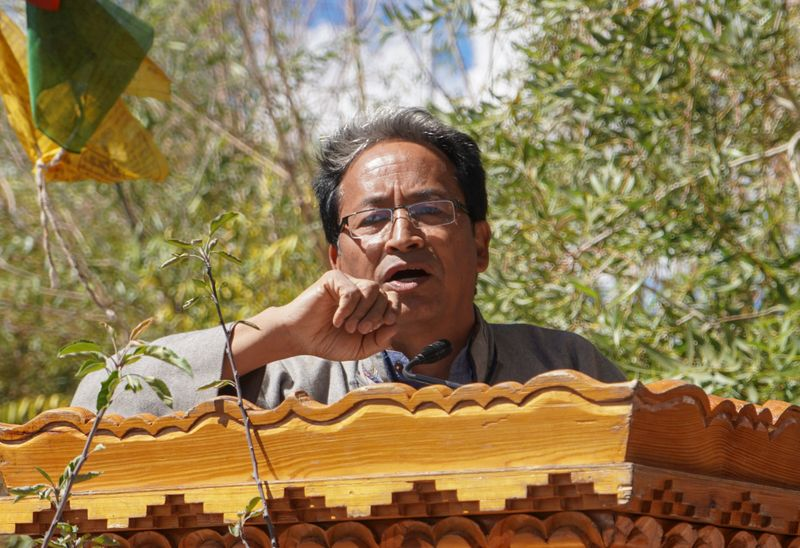
LAST week, when Ladakh erupted in violence and four persons were shot dead by security forces, police and other officials started blaming Sonam Wangchuk for inciting the protests, describing him as anti-national, while saying that they were also investigating “his visit to Pakistan in February” — as if that was a crime against India by itself.
I know about that visit only too well. He was an invitee to a conference organised by Dawn group, one of Pakistan’s leading media houses. The conference was about tackling climate change. I know about it because I was invited as well. I wrote about the conference in the columns of this newspaper.
That’s where I met Wangchuk for the first time — in Islamabad. Dawn had embarked on an ambitious South Asian project to draw awareness to climate change. The media group brought together people from Bangladesh, Bhutan, Nepal and India, making the case that climate change was a challenge that needed an “all of South Asia” approach. After all, the countries in the region are all joined by mountains to the north, rivers and river systems flowing east and west, and coastlines and seas further down. An environmental disaster in one country does not leave its neighbour untouched. When a dust haze settles over Delhi in the winter, Lahore is similarly enveloped. The floods that devastated Punjab caused widespread destruction in the Punjab province of Pakistan too. And so on.
I recall thinking all the time during the two-day conference that this is what SAARC (South Asian Association for Regional Cooperation) might have devoted itself to quite usefully, had it not been so uselessly defunct. After India’s refusal to attend the Islamabad summit in 2016 over the Uri attack, SAARC has died in Delhi’s eyes. BIMSTEC (Bay of Bengal Initiative for Multi-Sectoral Technical and Economic Cooperation) became India’s most-favoured go-to alternative regional grouping, but Delhi’s interest in this group too has waned with Sheikh Hasina’s departure from Bangladesh. Now, India has no real friends in the neighbourhood. But that’s another story.
‘Breathe Pakistan’ was the title of the Islamabad conference. Dawn’s publisher Haroon Hameed, who has a fund of interesting stories about his road journeys in India back in the day when this was possible, was the moving force behind it. The venue was the renovated Jinnah Convention Centre, where the SAARC summit would have been held had it taken place, up a small hill past the Diplomatic Enclave.
When I was posted in Pakistan as the correspondent of The Hindu, I heard Karen Armstrong speak at the convention centre on the topic of ‘Tolerance and Islam’. That was in February 2008 when she visited to celebrate the golden jubilee of the Aga Khan, the head of Islami Shia sect of Islam, and Pakistan was grappling with a string of deadly terrorist attacks by then newly-formed Tehreek-e-Taliban Pakistan.
The others in the group from India were Wangchuk’s wife Gitanjali Angmo, Soumashree Sarkar of The Wire and Harjeet Singh of the Fossil Fuel Non-Proliferation Treaty Initiative (Harjeet also heads the Satat Sampada Climate Foundation). Soumashree and I were in a panel discussion on focusing media attention on climate change.
Wangchuk was on a panel titled ‘Glacial Melt: A Sustainable Strategy for the Water Towers of South Asia’, where he spoke about the Ice Towers that he helped construct in Ladakh. His panel was chaired by the UN coordinator in Afghanistan, Indrika Ratwatte. The other participants were Kanak Mani Dixit of Nepal, Dechen Tsering of the UNEP Asia-Pacific regional office and Aisha Khan, who heads a civil society coalition on climate change in Pakistan.
During his presentation, Wangchuk explained the ‘Ice Stupa’ concept as the creation of artificial glaciers in the winter, which would melt and provide water in the summer. “Freeze, freeze, and freeze”, he said, and those are the three words I noted down of his speech. I also recall clearly that he showered praise on Prime Minister Narendra Modi for his visionary leadership in tackling climate change.
What actually surprised me most was that no one seemed to know who Wangchuk was. When the panel discussion began, I was seated next to Pakistani journalist Hamid Mir in the audience. Wangchuk’s formal introduction contained no hint of his political activism or his hunger strikes. He was introduced as a climate change activist and innovator from Ladakh. So I asked Hamid if he had heard of Wangchuk before.
When he replied in the negative, I asked him if he had seen 3 Idiots, the Aamir Khan movie. He had, and I told him the story, apocryphal or not, that the character played by Khan in the movie was based on him. I also told him about Wangchuk’s padayatra in 2024 from Leh to Delhi for Ladakh’s statehood and other rights.
Ever the newsman, Hamid stood up like a shot, went up close to the dais and began taking photos of Wangchuk. He may have alerted his TV channel as well, for soon after the panel discussion, Wangchuk was surrounded by crews asking him for a ‘byte’. Before that, the only people who seemed to know of him were a group of youth from Gilgit-Baltistan. Wangchuk asked me to take a photo of him with the group. I asked them who they were, and Wangchuk replied: “They are my brothers from the other side”. They all posed in an awkward semicircle next to the stage, with Wangchuk in the middle.
At a get-together after the conference, I asked a senior person in Dawn why they had not given Wangchuk a full-spectrum introduction. He laughed and said: “There was no need. This was a climate conference, saying all that would have shifted the focus”.
Over the last few days, as I thought back on that trip to Islamabad and tried to reconcile it with the accusations about Wangchuk the “anti-national”, I also thought about a government that strung Ladakhis along for over five years on their demand for more agency over their own lives — Sixth Schedule, statehood, demographic protection, rights over their land, the right to representation.
When a five-year-old protest turned violent, and the security forces responded with what seems like disproportionate force, and four people were killed in a place that has remained peaceful, it was easy to shift the blame on “Wangchuk who went to Pakistan”. Officials accused him of inciting protestors by talking about the Arab Spring and Gen Z protests in Nepal. Did no one think of cautioning him when he actually made those speeches, or did the Centre just fail to see that it had turned a peaceful little town into a festering site of people’s grievances and unfulfilled aspirations that was just waiting to burst?
Just over six years ago, on August 5, 2019, Ladakh celebrated the abrogation of Article 370, its freedom from Jammu & Kashmir and its own status as a brand new Union Territory. As we saw last week, so much has changed these past six years.
Nirupama Subramanian is an independent journalist.
लेह में 24 सितंबर को हुए हिंसक प्रदर्शनों के बाद शिक्षाविद और पर्यावरण कार्यकर्ता सोनम वांगचुक को उनके गांव उलेटोक्पो से गिरफ़्तार किया गया था. बीबीसी हिंदी ने उनकी गिरफ़्तारी, पाकिस्तान से जुड़े आरोप, एफ़सीआरए और हिंसक प्रदर्शन के दिन की घटनाओं पर उनकी पत्नी और हायर एजुकेशन के लिए काम करने वाली संस्था हयाल (एचआईएएल) की सीईओ डॉ. गीतांजलि से बातचीत की.
Ceremony to mark culmination of aircraft’s operational flying held at Chandigarh Air Force Station
“It was the darling of fighter pilots,” Air Chief Marshal BS Dhanoa, the most recent Air Chief who had commanded a MiG-21 squadron to have retired, quipped on the venerable fighter jet that made its last operational flight at Chandigarh today after serving the IAF for 62 long years.
As scores of serving officers and veterans, who had been associated with the MiG-21, touched base at Chandigarh for the ceremony marking the culmination of the aircraft’s operational flying, bonhomie and nostalgia flowed in endless measure, and fond memories and old associations were revived.
ACM Dhanoa had commanded a MiG-21 squadron during the 1999 Kargil conflict and among the missions he flew was a covert sortie along the Line of Control carrying the then Chief of Air Staff, ACM AY Tipnis, to assess the battle situation.
MiG-21s take off during the aircraft’s operational flying culmination ceremony at the Chandigarh Air Force Station on Friday. Tribune photo: Ravi Kumar
ACM Tipnis, who served in No. 28 Squadron, the fist MiG-21 unit as a young officer and later commanded No. 23 Squadron, the last squadron to operate this aircraft, and was present at the ceremony, had said in a podcast released by the IAF that “the MiG-21 taught us how to be innovative and produce results”. He said IAF pilots used their agility with adaptability, because it was built for high altitude flying, but the IAF started using it for strike purposes which spoke tremendously for the IAF.
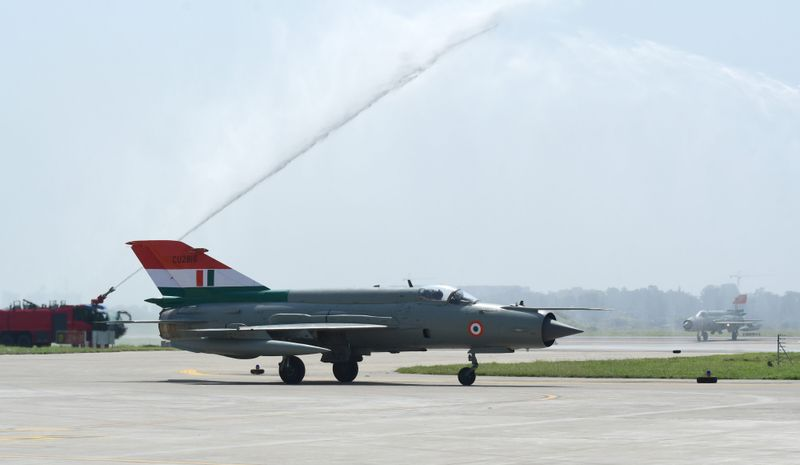
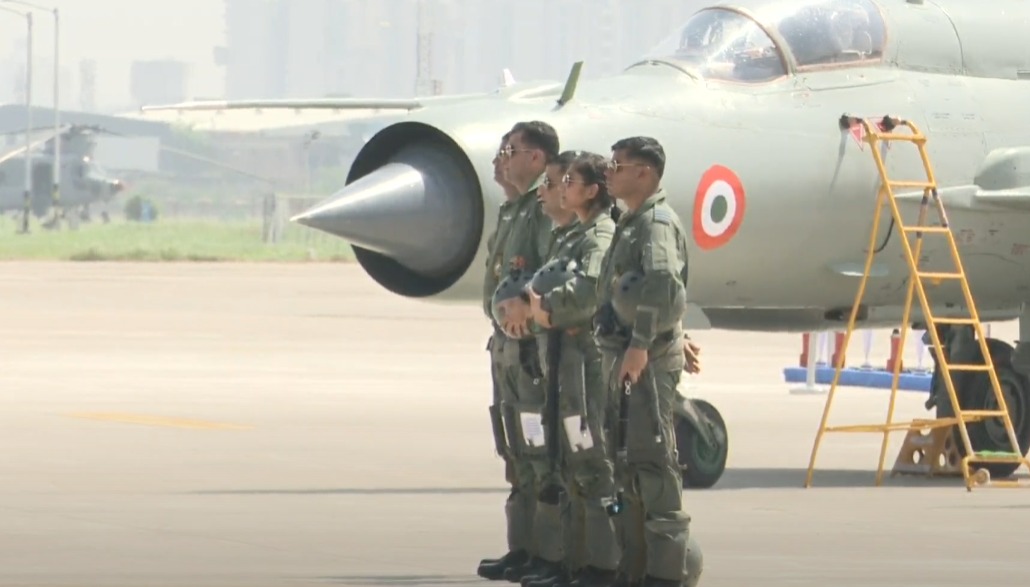
MiG-21s get a water cannon salute on touchdown. Tribune photo: Ravi KumarIndian Air Force pilots pose for lensmen with a MiG-21 aircraft in the backdrop during its decommissioning ceremony. ANI
Group Captain Shubhansu Shukla, the first Indian astronaut to have visited the International Space Station, said he had flown different versions of the MiG-21 in the earlier days of his career and had fond memories of the aircraft. Expressing nostalgia at the event, he said the MiG-21 was an important part of his aviation career and the aircraft had taught him a lot.
A gathering at the MiG-21 decommissioning event. Tribune photo: Ravi Kumar
Among the attendees was Air Cmde Tapas Kumar Das. At 91, he was the oldest MiG-21 pilot to make it to the occasion. Having taken part in the 1971 Indo-Pak War, he termed the MiG-21 as a “beautiful toy”.
“In the early days, the aircraft did not have any guns and was armed with two air-to-air missiles. We were full of enthusiasm because of the capability of the missiles,” he added. He had commanded No. 18 Squadron and No. 47 Squadron.
“It was a lovable machine with amazing characteristics, just like a sports car with an unbelievable power to weight ratio,” said a former test pilot who was the first to evaluate locally overhauled MiG-21s. “I was fortunate to have flown it and my love for flying overcame any fear of flying,” he added.
“Though my flying with the MiG-21 was limited as compared to my peers, I can never forget the experience. I often wake up after a dream of flying the MiG 21 and it shows how embedded the aircraft is in the minds and hearts of pilots,” said Gp Capt Tarun Kumar, who also served with No. 23 Squadron. “It is an awesome machine and its last encounter against Pakistan after the Balakot airstrikes shows that it has proven its worth,” he added.
“For any pilot, every day is a different day. It is a constantly learning process,” said Air Cmde SS Tyagi (retd), who has logged 4,300 hours on the MiG 21, among the highest for any pilot on this type. For the pilots, the MiG-21 was a demanding yet reliable aircraft that rewarded skill and punished carelessness.
After the MiG-21: An urgent call for India’s next-gen jets
The Tribune Editorial: Though the Tejas Mk-2, AMCA and TEDBF projects hold promise, delays, supply issues and technological dependencies remain key risks
HE MiG-21’s final flight over Chandigarh on September 26 symbolised more than the retirement of an aircraft; it marked a transition in how India must think about air power. For decades, this Soviet-era fighter was more than a machine — it was a statement of intent by a young nation eager to secure its skies. Its endurance reflected India’s ability to stretch limited resources, but also the tendency to delay modernisation until crises forced change. The MiG’s twilight years exposed those vulnerabilities. The jet’s longevity became its weakness. Over 300 crashes and repeated technical snags turned it into the dreaded ‘flying coffin’.
In Photos: India bids adieu to iconic MiG-21 fighter jet in Chandigarh
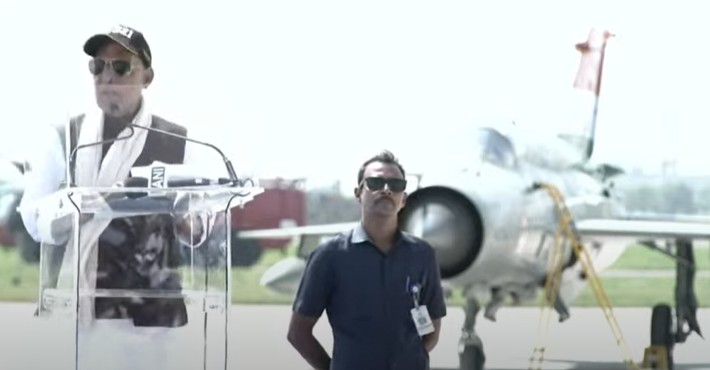
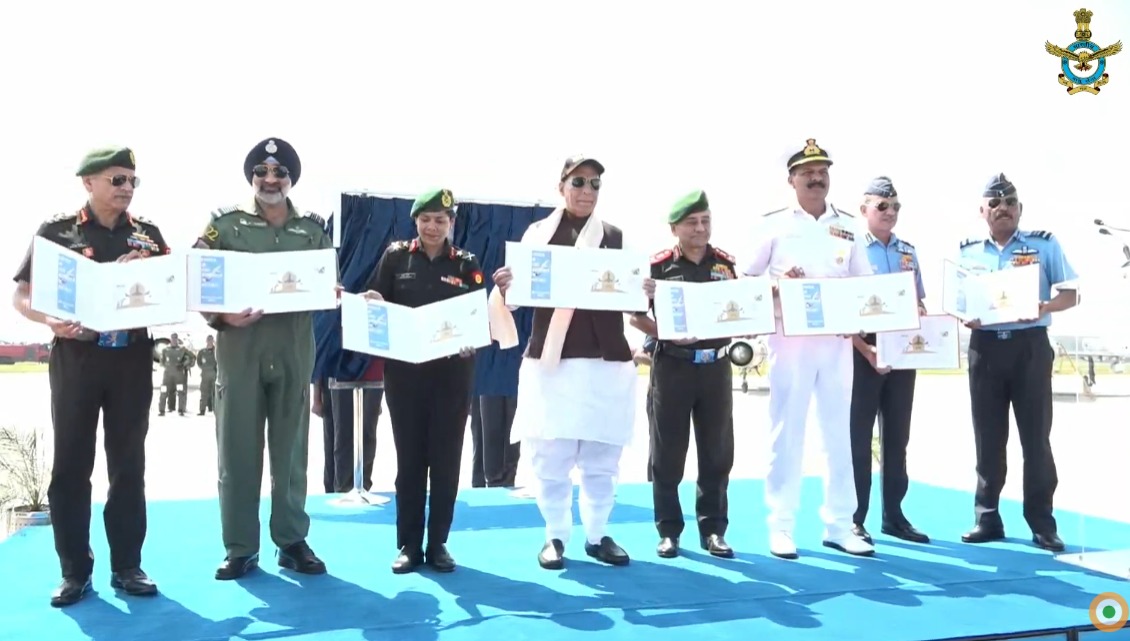
In the backdrop of Russia making a pitch for manufacturing the Su-57 fifth-generation fighter in India, Defence Minister Rajnath Singh said on Friday that the MiG-21 fighter, which finally retired today, was not just an aircraft or a machine but a powerful example of the deep relations between India and Russia.Speaking at a ceremony held at the Chandigarh Air Force Station to mark the culmination of the operational flying by MiG-21 after serving for 62 years, the Defence Minister said that the aircraft was a mighty machine, national pride and a defence shield that shaped the nation’s confidence and inspired generations of air warriors.
“The MiG-21 performed far better than the expectations of both the sellers and buyers The design on which this jet was built in the 1950s was the best according to the technology of that time. Over time, state-of-the-art systems were added to it. This is the reason why MiG-21 continued to earn the trust and respect of our air force for such a long time,” he said.
He pointed out that while the MiG-21’s journey began in 1963, the aircraft that were inducted in the 1960s and 1970s have long been retired from service and the MiG-21s that were flying until now were at least 40 years old — completely normal by the standards of such aircraft: “In many countries, such fighter jets are kept active for just that much time. But a special thing about MiG-21 is that it has been kept technically updated all the time,” he said.
The Defence Minister said that as an interceptor, MiG-21 served to stop the enemy. In the ground attack, it demonstrated its aggressive capability. As an air defence fighter, it protected the skies and also trained countless air warriors as a trainer aircraft.
Rt
“The point is that with every flight, the MiG-21 has further strengthened India’s future: The highly skilled fighter pilots of today owe their foundation, in some way, to MiG-21. This is why the MiG-21 has always stood by us like a charioteer in India’s security journey. “MiG-21 has taught us not to fear change, but to harness new energy from it and move forward,” he added.
Stating that the chapter of MiG-21 in the history of the Indian Air Force will be written in letters of gold, Rajnath said that as we bid farewell to this glorious chapter, it is also a tribute to the countless heroes whose sacrifices have made this machine a living legacy. “Their contribution will forever remain immortal in our memory,” he said.
“We are also taking this assurance that in the coming tomorrow, our new generation will take defence manufacturing and air power to even greater heights with the same spirit. I am confident that in the times to come, when the world looks at India, it will say this is the country that started with MiG-21 and today is the leader of the world in future technology,” Rajnath said.
“We must not allow this legacy to break. The contribution of MiG-21 is not just history, it is a lesson, it is DNA, which will take us forward. We must consider the success of LCA-Tejas as the beginning of our next mission; and infuse this confidence into the upcoming fighter aircraft, Advanced Medium Combat Aircraft and other programmes that India can overcome every challenge,” he added.
MiG-21 was inducted into the IAF at Chandigarh in 1963 with No.28 Squadron, the First Supersonics, then commanded by Wg Cdr Dilbagh Singh who later rose to become Chief of the Air Staff.
The last operational sortie today was by the present Air Chief, Air Chief Marshal Amar Preet Singh, with the call sign Badal-3, who was joined in the final flypast by pilots of No.23 Squadron, the Panthers, the last unit operating the MiG-21.
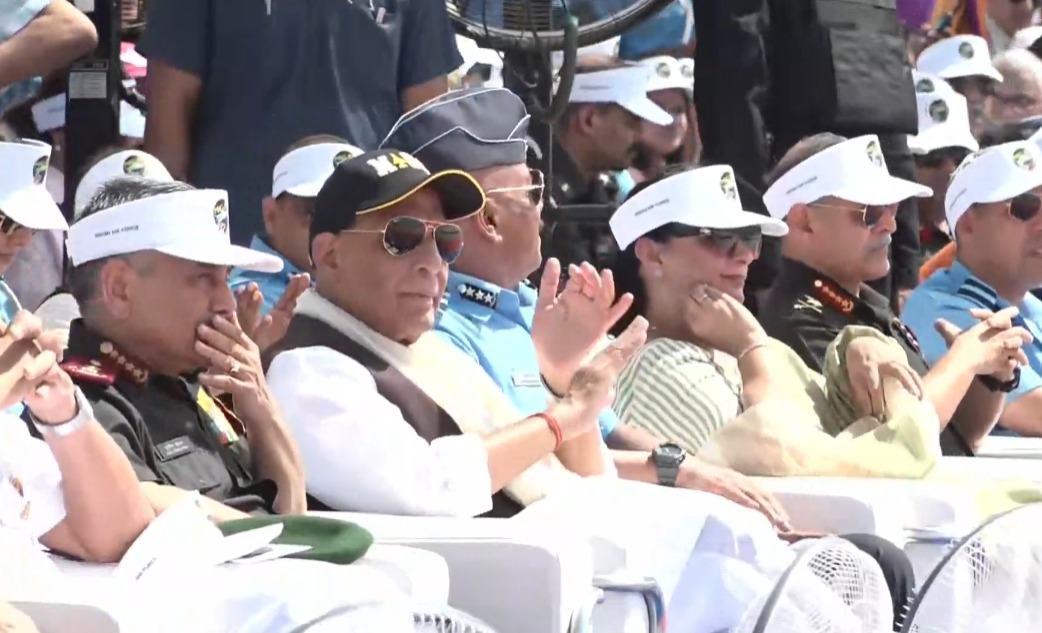
Chief of Defence Staff, Gen Anil Chauhan, Chief of Navy Staff, Admiral Dinesh Tripathi, several former Air Chief, including Air Chief Marshals AY Tipniis, S Krishnaswamy, SP Tyagi and BS Dhanoa, as well as Group Captain Shubhanshu Shukla, the first Indian astronaut to visit the International Space Station, were among a large number of serving and retired officers associated with MiG-21 to be present.
Gp Capt Shukla has been a MiG-21 pilot and has flown various variants of the fighter before converting to other aircraft.
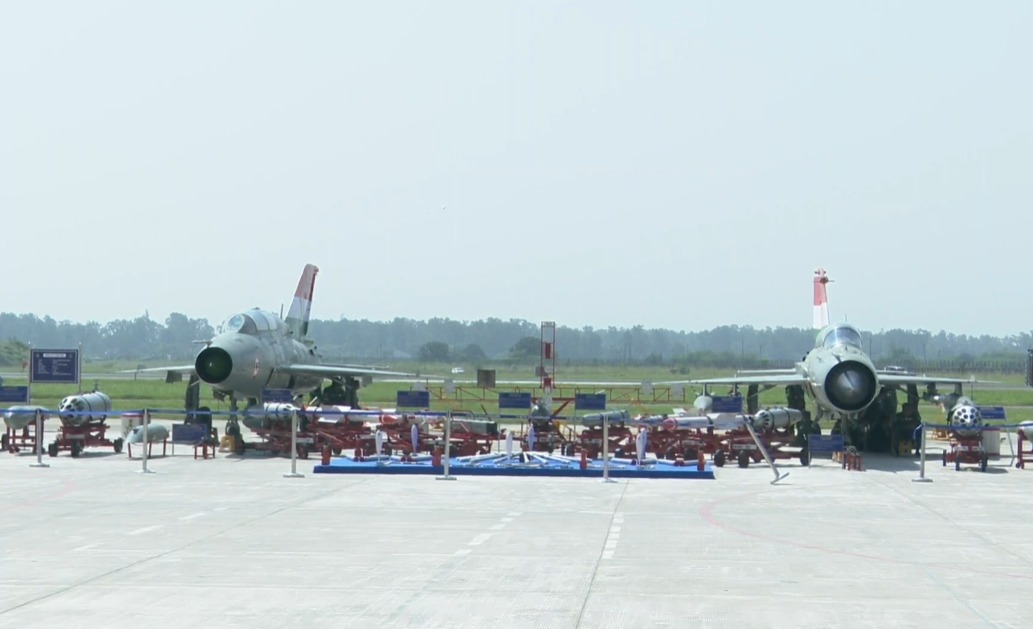
MiG-21 was the first supersonic fighter inducted into the IAF, and over 870 were procured, with many being manufactured locally by Hindustan Aeronautics Limited. They formed the backbone of the IAF combat fleet for decades and played critical roles in the 1965 and 1971 wars with Pakistan, the 1999 Kargil conflict and the 2019 Balakot airstrike. MiG-21s are being replaced by the indigenous Tejas.
india’s first supersonic fighter, Mig-21 officially retired on Friday after 62 years of unmatched service, marking the end of an era in Indian military aviation and celebrating its legacy of valour and Indo-Russian partnership. The decommissioning ceremony, held at the Candigarh Air Force Station, brought together air warriors, defence officials and dignitaries to pay tribute to the legendary aircraft that has been the backbone of India’s combat fleet since the 1960s. Defence Minister Rajnath Singh, addressing the gathering, described the MiG 21 as far more than just a machine. “MiG-21 is not only an aircraft or a machine but it is also a proof of deep ties between India and Russia,” he said.He recalled the aircraft’s contributions across decades, highlighting its role in major conflicts such as the 1971 war with Pakistan, the 1999 Kargil conflict, the 2019 Balakot air strikes and Operation Sindoor. He emphasised that the jet has been a silent witness to numerous heroic acts by the Indian armed forces, each sortie re inforcing the nation’s confidence and honour. The MiG-21’s history is closely tied to India’s strategic partnership with Russia. The minister noted that the aircraft not only strengthened the IAF’s combat capability but also served as a symbol of enduring bilateral relations.Over 11,500 MiG-21s were produced worldwide, with 850 serving in the Indian Air Force alone, demonstrating the jet’s global popu larity, reliability and versatility. Its remarkable production numbers and widespread adoption are a testament to the aircraft’s multi-dimensional capabilities and enduring relevance over decades. Inducted into the IAF in the early 1960s, the MiG-21 catapulted India into the jet age, be coming the nation’s first supersonic fighter and interceptor. Over its 62-year operational journey, it not only enhanced India’s aerial combat prow ess but also created a lasting legacy of bravery, sacrifice and technical excellence.The farewell ceremony witnessed the last operational sortie of the MiG-21, with Air Chief Marshal AP Singh flying the final flight of the Number 23 Squadron “Panthers,” under the call sign Badal 3. This poi gnant moment marked not just the retirement of a fighter jet, but a farewell to decades of shared memories, national pride and the stories of cour age that defined generations of air warriors.The decommissioning of the MiG-21 is more than the retirement of an aircraft. It is the closing of a remarkable chapter in Indian military history. For over 60 years, this legendary fighter jet has embodied valour, technical brilliance and the deep bonds between India and Russia. As the IAF moves forward with modern aircraft, the MiG-21 will remain a symbol of national pride and a shining example of courage and excellence in military aviation. SPIRITUAL WORL
MiG-21 swansong: Iconic fighter jet flies through Indian skies for last time, Rajnath terms it ‘national pride’
The legendary Mikoyan-Gurevich MiG-21 fighter jets, the backbone of the Indian Air Force’s combat fleet for more than six decades, streaked through Indian skies for the last time on Friday — its final adieu edged in history and many a remembrance.
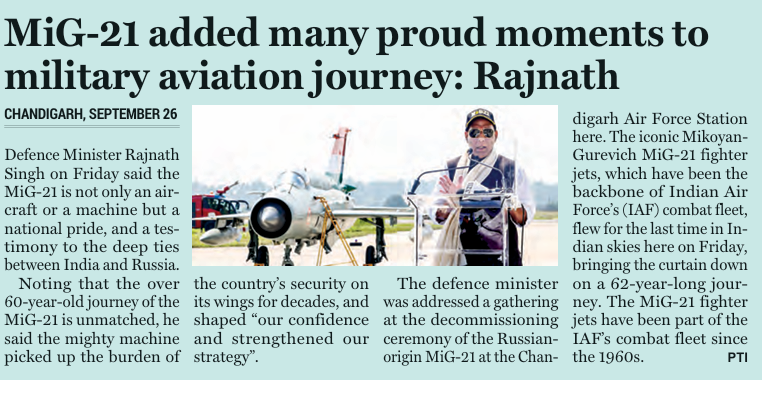
Describing the MiG-21 as a mighty machine and a national pride, Defence Minister Rajnath Singh said there was a deep attachment to the aircraft that shaped the country’s confidence.
He was speaking at the decommissioning event in Chandigarh, where it was first inducted.
“MiG-21 is not only an aircraft or machine but also proof of deep India-Russia ties,” the minister said.
“The history of military aviation is incredible. The MiG 21 added many proud moments in our military aviation journey,” Singh told the gathering.
Former IAF chiefs AY Tipnis, SP Tyagi and BS Dhanoa, Group Captain Shubhanshu Shukla, India’s first man on the International Space Station, besides scores of veterans, many who had piloted the aircraft, were present on the occasion.
Air Chief Marshal AP Singh flew the sortie of the MiG-21 Bison aircraft with call sign Badal 3. Dilbagh Singh, who became the IAF chief in 1981, led the first MiG-21 Squadron here in 1963.
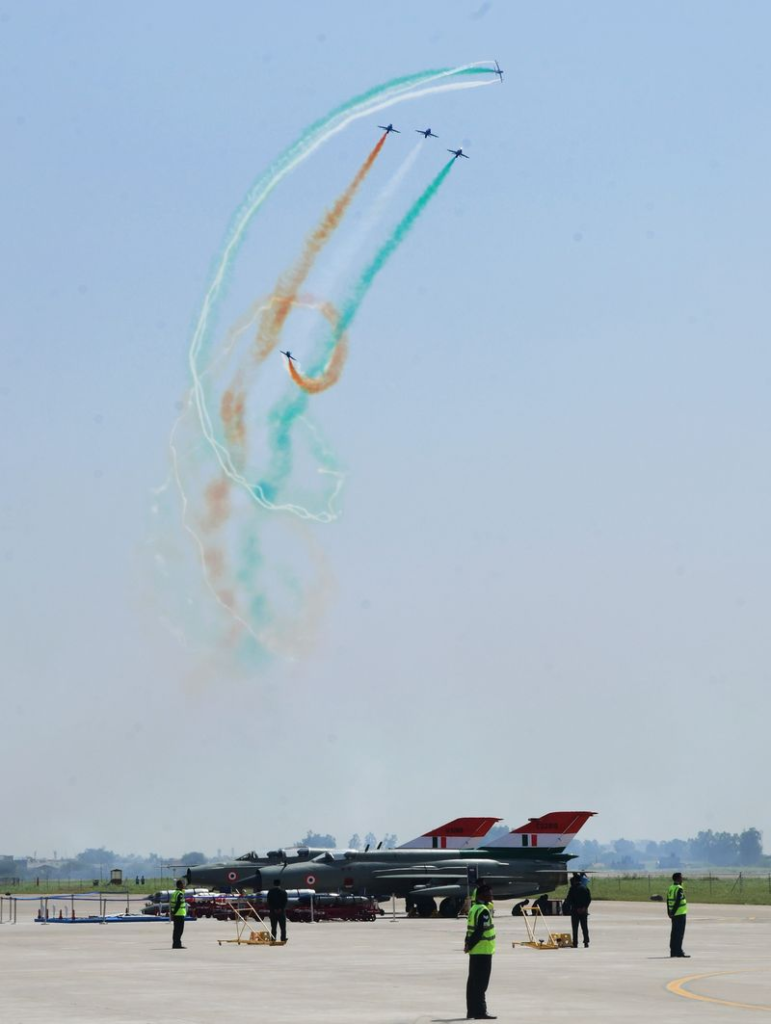
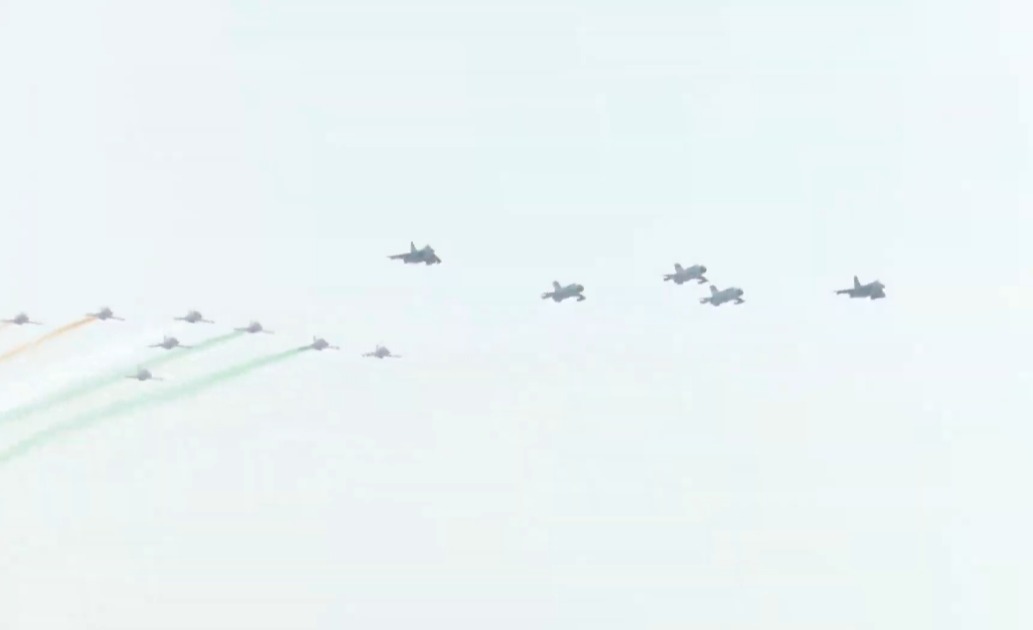
The culmination of MiG-21 operations took place with a ceremonial flypast at the event, marking the closure of a historic chapter in India’s air power.
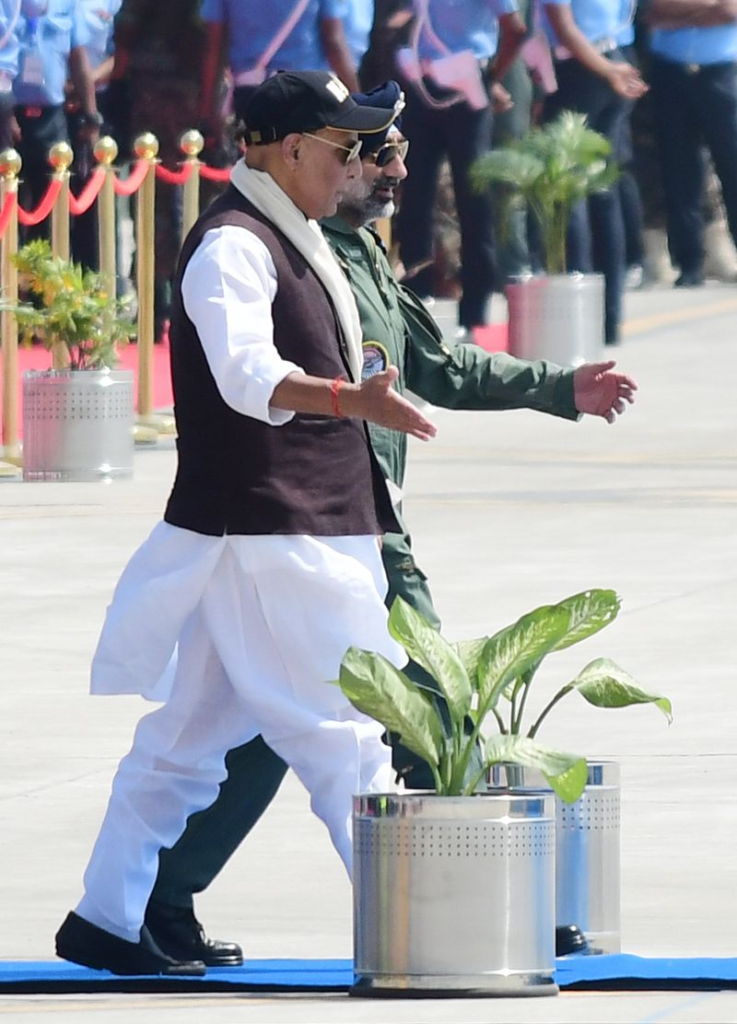
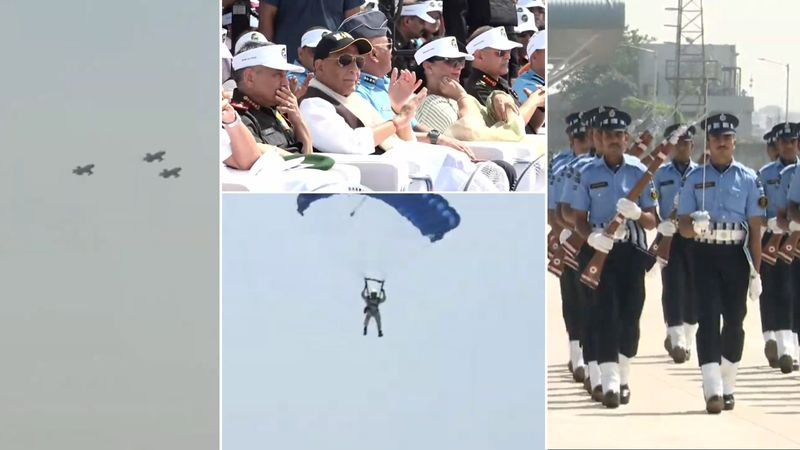
The ceremony began with the arrival of the Defence Minister, the chief guest at the occasion, followed by a spectacular display by IAF’s elite skydiving team ‘Akash Ganga’, which skydived from a height of 8,000 feet.
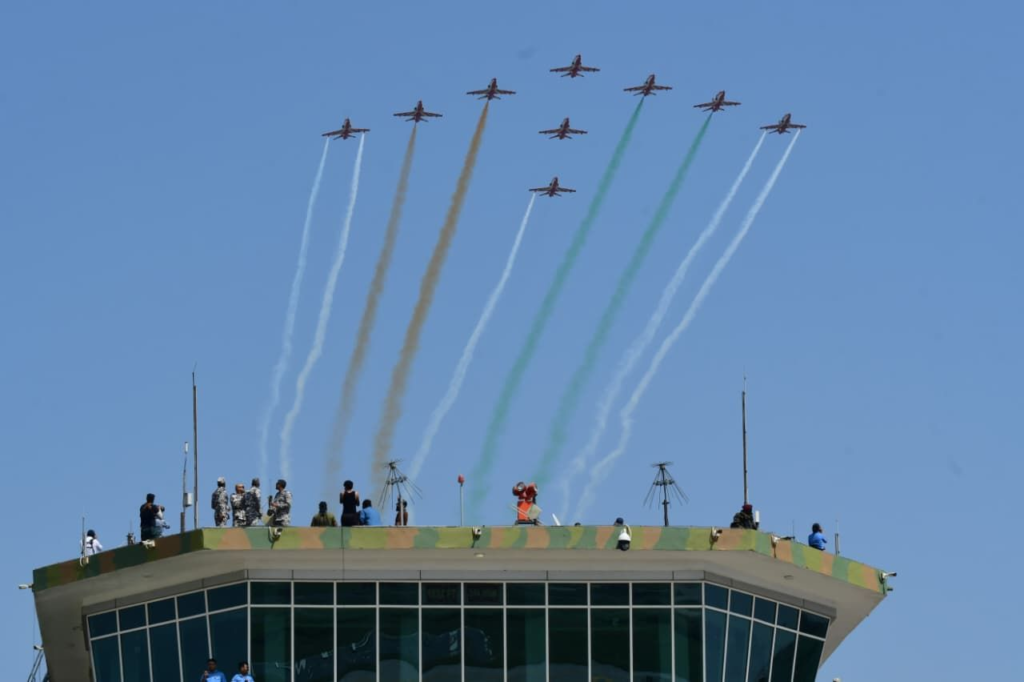
This was followed by a majestic flypast of the MiG-21 aircraft accompanied by precision of the air warrior drill team and an aerial salute.
The fighter pilots flew MiG-21s in the three-aircraft Badal formation and the four-aircraft Panther formation roared over the skies one final time.
The Surya Kiran aerobatic team also enthralled the audience with their breathtaking manoeuvres.
MiG-21 jets, belonging to number 23 Squadron, took part in the flypast ceremony, and were given a water cannon salute.
The Jaguar and the Tejas aircrafts also took part in the ceremony.
After its first induction, the IAF procured over 870 MiG-21s to boost its overall combat prowess.
The supersonic jets were the dominant platforms during 1965 and 1971 wars with Pakistan. The aircraft also played a key role in the 1999 Kargil conflict as well as the 2019 Balakot airstrikes.
The aircraft has also had a troubled safety record and was involved in multiple crashes in the last six decades. The ageing fleet prompted some to describe the aircraft as “legacy coffins”.
The MiG-21 jets made their last operational flights at the Nal Air Force Station in Rajasthan’s Bikaner, a month ahead of the formal retirement ceremony.
As part of the symbolic farewell, Air Chief Marshal Singh had also flown solo sorties of the MiG-21 from Nal on August 18-19. — With PTI
MiG-21 is a mighty machine, national pride and defence shield; we have deep attachment to it, it shaped our confidence: Rajnath Singh
MiG 21 is not only an aircraft or machine but also proof of deep India-Russia ties, says Defence Minister
September 26, 2025 12:36 pm
‘80% credit for 1971 war victory goes to MiG-21’
September 26, 2025 12:18 pm
Squadron leader SS Tyagi, known for the highest flying hours onboard the plane, gave MiG-21 80 per cent credit for the victory in the 1971 war. Tyagi said that the iconic figher planes had conducted rocketry, gunnery, and dropped bombs during the 1971 war. “We passed on our learnings to our juniors. Amid all the lessons and training, my flying hours kept increasing. I had never thought I had to reach this milestone… We didnt have many aircraft in 1965… MiG-21 actually participated in a war in 1971, where it did rocketry, gunnery, dropped bombs, and achieved various targets in Dhaka… I would give 80% of the credit to MIG-21 for our victory in 1971…” Tyagi said.
September 26, 2025 12:13 pm
September 26, 2025 12:09 pm
Air Chief, with call sign Badal-3, flies a three-aircraft formation along with an air commodore and a group capt
Defence Minister Rajnath Singh at the event besides former IAF chiefs S P Tyagi and BS Dhanoa. IAF Group Captain Shubhanshu Shukla also present
MiG 21 flies into history today
Chandigarh begins ceremonial farewell to the Indian Air Force’s MiG-21 fighter jet on September 26 at the Air Force Station, the Traffic Police has issued a traffic advisory for the general public.
Indian national missing after falling overboard cargo vessel near Maldives found dead
The incident was reported at 11.35 pm on September 22 from the Indian ship MSV Doula, when one of the crew members was reported missing and believed to have fallen overboard near Vilimale
The man who fell into the sea from an Indian vessel anchored near the Maldives capital has been found dead on Friday, authorities confirmed here.
According to the Maldives National Defence Force (MNDF), the man’s body was recovered in the southern waters of K Feydhoofinolhu by the MNDF Coast Guard Second Squadron under Male’ Area Command, news portal Edition.mv said.
The incident was reported at 11.35 pm on September 22 from the Indian ship MSV Doula, when one of the crew members was reported missing and believed to have fallen overboard near Vilimale.
The body has since been handed over to the Maldives Police Service for further investigation, the report said.
The search operation was conducted by both sea and air, it added.The MNDF did not identify the Indian national.
State Stalwarts
DEFENCE MINISTER
Minister Rajnath Singh
ALL HUMANS ARE ONE CREATED BY GOD
HINDUS,MUSLIMS,SIKHS.ISAI SAB HAI BHAI BHAI
CHIEF PATRON ALL INDIA SANJHA MORCHA
LT GEN JASBIR SINGH DHALIWAL, DOGRA
SENIOR PATRON ALL INDIA SANJHA MORCHA
MAJOR GEN HARVIJAY SINGH, SENA MEDAL ,corps of signals
.
.
PATRON ALL INDIA SANJHA MORCHA
MAJ GEN RAMINDER GURAYA ,MADRAS REGIMENT
sanjhamorcha303@gmail.com
PRESIDENT SOUTH ALL INDIA SANJHA MORCHA
COL SS RAJAN BOMBAY SAPPERS,
PRESIDENT UTTARAKHAND ALL INDIA SANJHA MORCHA
COL B M THAPA ,BENGAL SAPPERSS
PRESIDENT HARAYANA STATE CUM COORDINATOR ESM
BRIG DALJIT THUKRAL ,BENGAL SAPPERS
PRESIDENT TRICITY
COL B S BRAR (BHUPI BRAR)
PRESIDENT CHANDIGARH ZONE
COL SHANJIT SINGH BHULLAR
.
.
PRESIDENT PANCHKULA ZONE AND ZIRAKPUR
COL SWARAN SINGH
INDIAN DEFENCE FORCES
DEFENCE FORCES INTEGRATED LOGO
INDIAN AIR FORCE
Air Officer C-in-C WESTERN AIR COMMAND
AIR MSHL S PRABHAKARAN AVSM VM
AOC-IN-C, EASTERN AIR COMMAND
Air Marshal Inderpal Singh Walia
AOC-in-C SOUTH WESTERN AIR COMMAND
Air Marshal Vikram Singh
AOC-IN-C, SOUTHERN AIR COMMAND
Air Marshal J.Chalapati
AOC-IN-C TRAINING COMMAND
AIR MARSHAL SK GHOTIA VSM
AOC-IN-C MAINTENANCE COMMAND
Air Marshal Jagdish Chandra
Flag Officer Commanding in Chief, Western Naval Command
ice Admiral R Hari Kumar, PVSM, AVSM, VSM
Flag Officer Commanding in Chief, Eastern Naval Command
Vice Admiral Sanjay Bhalla, AVSM, NM
Flag Officer Commanding in Chief, Southern Naval Command