



Colonel Bath ਕੇਸ ਦੇ ਰੋਸ ਵਜੋਂ ਆਜ਼ਾਦੀ ਦਿਹਾੜੇ ਦੇ ਸੰਬੰਧੀ ਸਰਕਾਰੀ ਸਮਾਗਮਾਂ ਦਾ ਬਾਈਕਾਟ ਕਰਨ ਦਾ ਵੱਡਾ ਫ਼ੈਸਲਾ
High Court’s tight slap to CM Maan, Punjab & Chandigarh police in Col. Bath case || Connect Newsroom
‘Have respect for Army people…They go and defend you, and they come back wrapped in the National Flag,’ says Bench of Justice Sanjay Kumar and Justice Satish Chandra Sharma, dismissing police officers’ petition against CBI probe
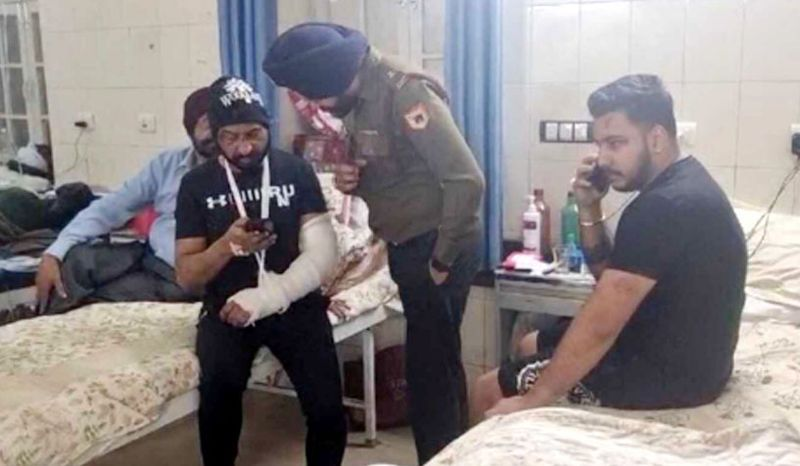
Colonel Pushpinder Singh Bath and his son Angad were allegedly assaulted by Punjab cops, including four Inspectors, during a parking dispute near a roadside eatery close to Rajindra Hospital in Patiala. File photo
The Supreme Court on Monday deprecated the conduct of Punjab Police officers accused of assaulting a serving Army Colonel and his son over a parking dispute as it rejected police officers’ petition against the Punjab and Haryana High Court’s order for a CBI probe into the incident.
“Have respect for Army people. You are sleeping peacefully in your house because that man is serving at the border at minus 40 degrees… They go and defend you and they come back wrapped in the National Flag,” a Bench of Justice Sanjay Kumar and Justice Satish Chandra Sharma said, dismissing the police officers’ petition against the high court’s July 16 order for a CBI probe.
“When the war is going on, you glorify these Army officers…Your SSP says, I am not able to arrest them in spite of rejection of anticipatory bail (plea) because they are police officers…Eight-day delay in lodging FIR!” the Bench wondered.
“This kind of lawlessness is not acceptable. No legal arguments, nothing is there…Your bail was dismissed, they are roaming freely and they have not been arrested…Let the CBI look into this,” the top court said, describing the High Court’s order as “well-reasoned”.
The counsel for the police officers contended that the high court’s order indicted them even before the trial could commence.
The alleged incident took place on the intervening night of March 13 and 14 when Colonel Pushpinder Singh Bath and his son were having food at a roadside dhaba in Patiala. He alleged four Inspector-rank officers of the Punjab Police and their armed subordinates attacked him and his son without provocation, snatched his ID card and cell phone, and threatened him with a “fake encounter”—all in public view and under CCTV camera coverage.
On April 3, the high court had assigned the probe to Chandigarh Police and directed them to complete it in four months. However, on July 16 the high court transferred the probe to the CBI—two days after it reprimanded the Chandigarh Police over laxity in their probe into the matter.
Colonel Bath alleged that Chandigarh Police “failed” to ensure a free and fair investigation that was conducted by a special investigation team, led by Chandigarh Superintendent of Police.

If you want know the full story you have to watch the video taken by the officer at the check-in counter.
It was clearly shown that his check in baggage was more than 7 kg and he paid 1200/- rupees as penalty but the staff at thecounter failed to provide the receipt. He discarded his personal clothes in the dustbin to reduce the weight. Still all these incidents happened.How dare a civilian raised his hands and slapped an army officer when he was under the protection/custody of a CISF personnel?
India will engage with the world, but not at the cost of those who have no voice, no ballot, no recourse
COLONIALISM did not just extract wealth — it amputated dignity. It taught subjugated nations to doubt themselves, to defer instinct and to seek validation from distant capitals. For India, the wound was not just of stolen grain or looted treasure. It was the deeper theft of agency: the idea that governance, order and moral judgment were foreign imports.
And yet, when Independence arrived, India did not echo its oppressors. It did not adopt vengeance as doctrine or exclusion as policy. In the ashes of the Partition, amid staggering poverty and a fractured subcontinent, India made a radical choice, to trust its people completely. Not just men, not just the educated, not just the wealthy. Everyone.
Universal adult franchise was not a gradual concession. It was foundational. Before America passed the Voting Rights Act, before many European powers fully enfranchised their citizens, India gave each of its citizens a voice. At birth, our democracy was not a borrowed idea, it was a civilisational affirmation.
But time has a way of testing moral memory. Today, the very powers that once tutored us on liberty now struggle to uphold their own democratic compacts. The markets they once liberalised are now shielded behind digital walls and tariff barricades. The freedoms they once evangelised are selectively withheld, offered to allies, denied to others. Compassion has become conditional. Trade has become a tool of coercion.
If democracies now attack free markets, stifle voices, trump tariffs, call names, befriend terror regimes, for sudden bursts of greatness, and evade their own moral compacts, then what price these signatures they proudly affix to charters and conventions?
In multilateral forums, we see declarations diluted by design. Human rights reduced to instruments of leverage. Climate promises repeated, then quietly set aside. Refugees are dehumanised. Minorities are policed in plain sight. Wars are judged not by their human cost but by who wields the weapons.
India, meanwhile, has remained a paradox to many. Growing and democratic. Chaotic, yet durable. Large, yet rarely imperial. We have absorbed the scorn of those who misunderstood our method. We have tolerated the indifference of those who dismissed our voice. But we did not lose faith in the silent contract we forged, with our people, and with the world.
We are not perfect. We have our faults. But we are not pretending. And that distinction matters.
We did not enter the global order to inherit its hypocrisies. We do not seek a seat at the table to mirror its cynicism. And we certainly do not need lectures from those who treat memory as a convenience and justice as a bargaining chip.
Our restraint has often been mistaken for reticence. Our civility, for servility. But India’s civilisational compass does not swing with the tides of global approval. It is rooted in something older than balance sheets and summit declarations. It also has the DNA of self-correct.
And now, as the world begins to fracture under the weight of its own contradictions, the temptation will be to retreat, to once again let others narrate the world, while we nod in polite deference. But that age has passed.
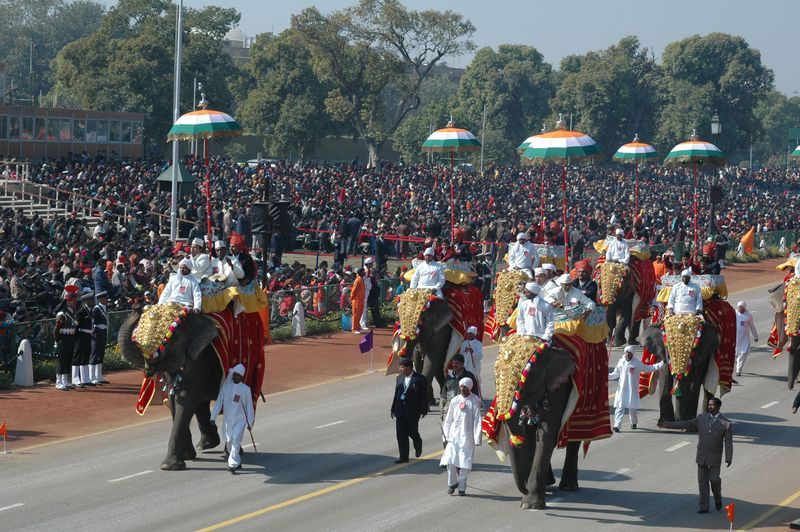
The elephant remembers
It remembers 1947, when we chose democracy over dominion. It remembers 1971, when we stood alone against genocide. It remembers 1991, when we restructured not just our economy, but our self-belief. It remembers 1998, when the haves decided that nukes were global currency, and we broke in, and declared no-first use (NFU). And the world has just witnessed Op Sindoor in 2025.
Restraint and Resolve are the key in what we do. We have heard the growls of superpowers, the barks of belligerence, the shrill cries of opportunism. But the world has not yet heard the elephant trumpet, not as a cry of war, but as a call of memory, morality and direction.
That time is now
Not because we seek to impose, but because we refuse to imitate. Not to dominate the conversation, but to anchor it in something more enduring than expediency.
The new hypocrisy is strategic: speak of values, act for interest. Raise your voice for Ukraine, but look away from Gaza. Sanction one tyranny, salute another. Trade in freedoms, but partner with regimes that continue rule of uniform and imprison their own leaders who ask for change.
India does not roar. It does not bray. It does not echo. But it remembers. And when it finally speaks, not with anger, but with conviction, it does not seek to drown others. Only to remind them.
And as democracies begin to blur their own reflection, allying with military regimes, winking at dispossession, and finding convenience in strongmen, they risk abandoning the very ideals they once exported.
When the price of strategic access is silence on suppression, when military juntas cloak themselves in the language of order, and when governance becomes the preserve of crypto-familial elites masquerading as reformers, then the compact between the state and its people is no longer democratic. It is dynastic. It is durable only for the few.
The elephant trumpets
Our partnerships are not transactional. Our friendships are not blind. We will engage with the world, but not at the cost of those who have no voice, no ballot, no recourse.
Because memory is not merely about what we recall. It is about what we refuse to become.
The elephant does not forget.
It has 1.4 billion caught between dignity and demand in a free market.
It does not follow. It reflects.
It chooses when to walk, and when to trumpet.
Lt Gen SS Mehta (retd) is ex-Western Army Commander and Founder Trustee, Pune International Centre.
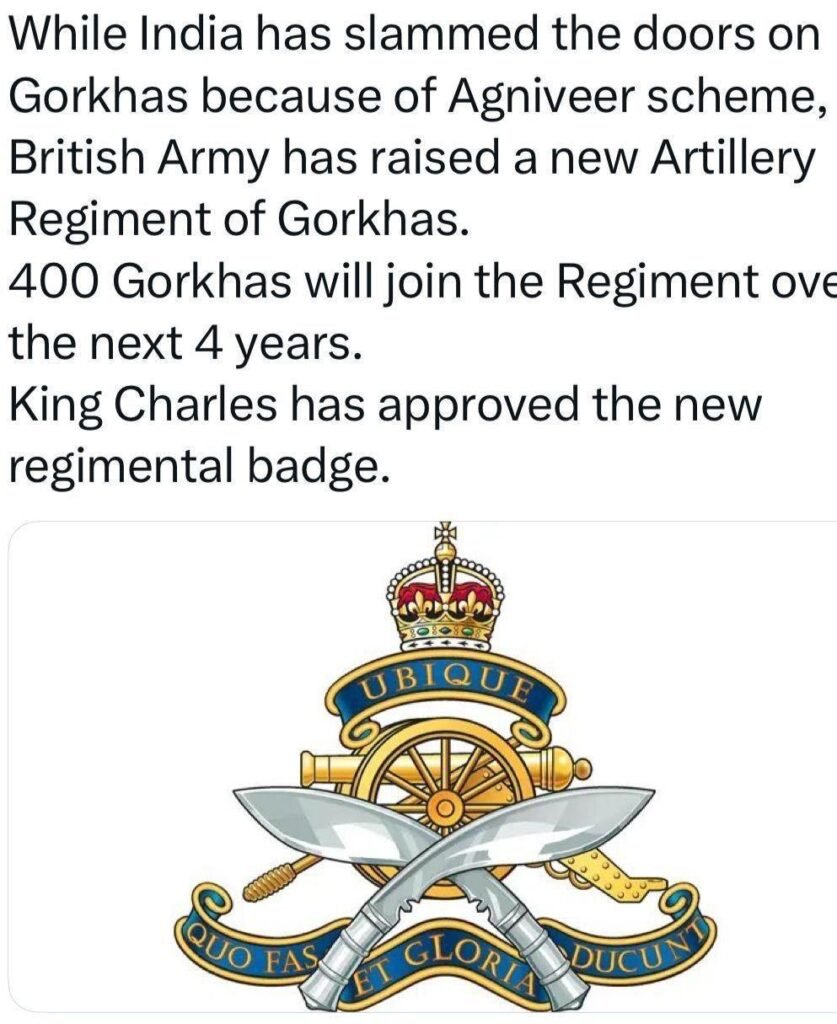
Fallout of Agniveer :: Stupidity of our Govt : Our Loss and British Gain :: Loosing Excellent Soldiers to British Army. I had 64 Field Regiment ( Only Gorkha Unit of Indian Artillery ) under command of 19 Arty Bde . Excellent Disciplined Unit which had done well .
The medals will be preserved and displayed at the Garhwal Rifles Regimental Centre Museum in Lansdowne, Uttarakhand
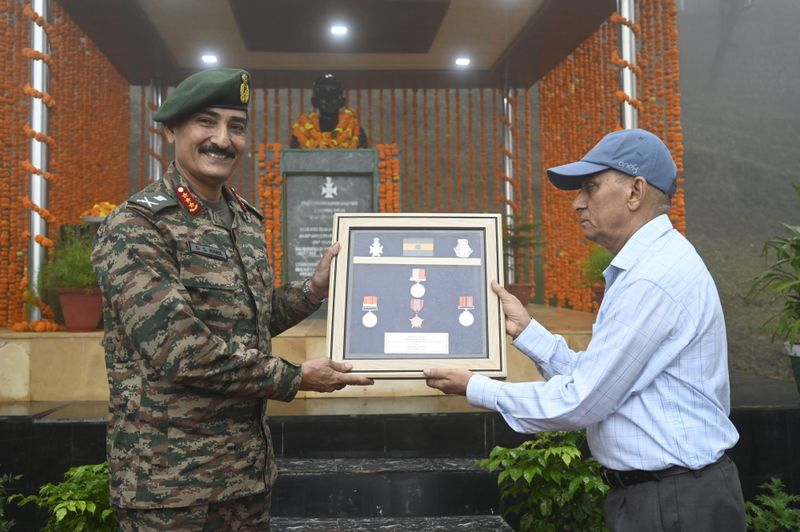
During a ceremony held at Dharamsala to commemorate the 60th death anniversary of Captain Chander Narain Singh — who was posthumously decorated for gallantry with the Maha Vir Chakra during the India-Pakistan War of 1965 — his family presented his gallantry and other service medals to the Garhwal Rifles Regiment as a tribute to his enduring legacy.
Hailing from Garhwal, Captain Singh belonged to the Second Battalion of the Garhwal Rifles and had fought in the Poonch Sector during the war. It is the same Battalion that was awarded two Victoria Crosses in the First World War.
Captain Chander was awarded the Maha Vir Chakra, India’s second-highest wartime gallantry award, for his exceptional bravery and leadership, according to his citation. He was attached to Headquarters 120 Infantry Brigade when, on August 5, 1965, reports emerged of over 100 enemy infiltrators in the Brigade’s area of responsibility.
Tasked with verifying the threat, he led a patrol to a high-altitude region at 4,000 feet. While flushing the area, his team came under heavy enemy fire and grenade attacks. Despite being outnumbered, undeterred, he chose to launch a night assault, during which his small team neutralised six enemy soldiers and injured several others, forcing the rest to retreat. Even after being hit in the head by enemy fire during a counterattack, he continued to lead his troops and refused evacuation, ultimately laying down his life in the line of duty.
Sukhdev Singh, the late officer’s brother, handed over the MVC and other service medals to Lieutenant General DS Rana, Commander-in-Chief, Andaman and Nicobar Command, who is also Colonel of the Garhwal Rifles and Garhwal Scouts. The ceremony was attended by military personnel along with veterans and serving personnel of the Regiment.
Speaking on the occasion, Lt Gen Rana paid tribute to Captain Chander, describing him as a true symbol of bravery, leadership and patriotism. He expressed gratitude to the family for entrusting the Regiment with his medals and affirmed that the legacy of the officer would continue to inspire future generations of Indian soldiers.
The medals will be preserved and displayed at the Garhwal Rifles Regimental Centre Museum in Lansdowne, Uttarakhand. These will act as a lasting tribute to Captain Singh’s heroism and a reminder of the selfless service of Indian Army personnel.
Such noble gestures by families of fallen heroes are deeply valued, as they ensure that the legacy of supreme sacrifice remains etched in the collective memory of the nation, a defence spokesperson said.