Washington wants halt to Iran’s uranium enrichment
Iran and the United States will hold a new round of nuclear talks in Rome on Saturday to resolve their decades-long standoff over Tehran’s atomic aims, under the shadow of President Donald Trump’s threat to unleash military action if diplomacy fails.
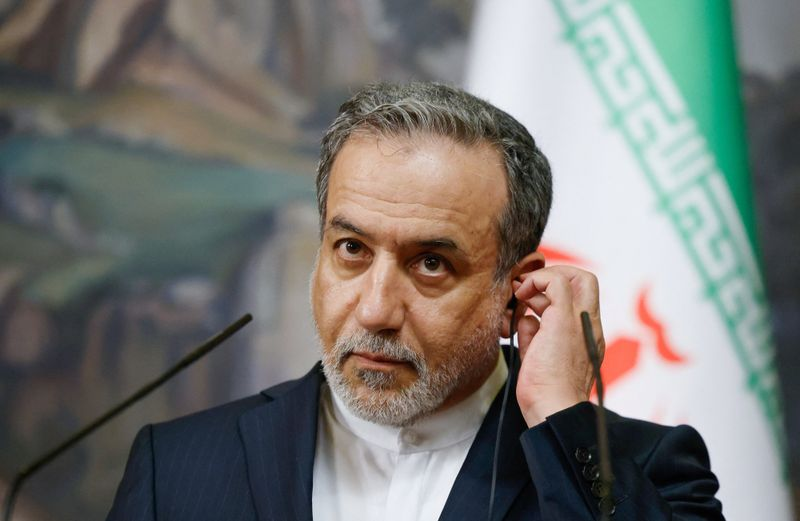
Iran’s Foreign Minister Abbas Araqchi and Trump’s Middle East envoy Steve Witkoff will negotiate indirectly through mediators from Oman, a week after a first round in Muscat that both sides described as constructive.
Tehran has sought to tamp down expectations of a quick deal, after some Iranian officials speculated that sanctions could be lifted soon. Iran’s utmost authority, Supreme Leader Ayatollah Ali Khamenei, said this week he was “neither overly optimistic nor pessimistic”.
For his part, Trump told reporters on Friday: “I’m for stopping Iran, very simply, from having a nuclear weapon. They can’t have a nuclear weapon. I want Iran to be great and prosperous and terrific.”
Trump, who ditched a 2015 nuclear pact between Iran and six powers during his first term in 2018 and reimposed crippling sanctions on Tehran, has revived his “maximum pressure” campaign on Iran since returning to the White House in January.
Washington wants Iran to halt production of highly enriched uranium, which it believes is aimed at building an atomic bomb.
Tehran, which has always said its nuclear programme is peaceful, says it is willing to negotiate some curbs in return for the lifting of sanctions, but wants watertight guarantees that Washington will not renege again as Trump did in 2018.
Since 2019, Iran has breached and far surpassed the 2015 deal’s limits on its uranium enrichment, producing stocks far above what the West says is necessary for a civilian energy programme.
A senior Iranian official, who described Iran’s negotiating position on condition of anonymity, listed Iran’s red lines as never agreeing to dismantle its uranium enriching centrifuges, halt enrichment altogether or reduce its enriched uranium stockpile below levels agreed in the 2015 deal. Iran also rejects negotiating about defence capabilities such as missiles.
While both Tehran and Washington have said they are set on pursuing diplomacy, there is still a wide gap between them on the dispute that has rumbled on for more than two decades.
Witkoff and Araqchi interacted briefly at the end of the first round last week, but officials from the two countries have not held direct negotiations since 2015, and Iran said the Rome talks would also be held indirectly through the Omani mediators.
Russia, a party to Iran’s 2015 nuclear agreement, has offered “to assist, mediate, and play any role” that will be beneficial to Iran and the United States.
New Rules for Pensioners Effective May 1 – RBI’s Major Announcement
New Pension Rules : The Reserve Bank of India (RBI) has made a significant announcement that will impact millions of pensioners across the country starting May 1. This move aims to streamline the pension disbursement process, enhance security, and bring greater transparency to pension-related transactions. Here’s a detailed breakdown of all the new rules and how they will affect pensioners.
Key objectives behind the new rules:uthorized access
To bring uniformity in disbursement practices across all banks
To improve grievance redressal mechanisms for pensioners
Major Highlights of the New Pension Rules Effective from May 1
Here’s a quick overview of the key changes that pensioners must be aware of:
Mandatory revalidation of life certificate by April 30 every year
Pension credit deadline fixed to the last working day of every month
Enhanced biometric verification for disbursement
Introduction of SMS/email alerts for every pension transaction
Banks required to set up a dedicated pension helpdesk
Immediate reporting of discrepancies in pension amounts
Introduction of digital pension passbook system
These reforms are being rolled out to ensure seamless pension experience and protection for senior citizens against misuse or technical delays.
New Monthly Pension Disbursement Timeline – What’s Changing?
The RBI has directed all authorized banks to ensure pensions are credited within a strict timeline. The aim is to avoid late payments and align pension credit dates uniformly.
Month
Pension Credit Deadline
Late Credit Penalty
Mandatory Alerts
May 2025
April 30, 2025
₹100 per day
SMS + Email
June 2025
May 31, 2025
₹100 per day
SMS + Email
July 2025
June 30, 2025
₹100 per day
SMS + Email
August 2025
July 31, 2025
₹100 per day
SMS + Email
September 2025
August 30, 2025
₹100 per day
SMS + Email
October 2025
September 30, 2025
₹100 per day
SMS + Email
November 2025
October 31, 2025
₹100 per day
SMS + Email
December 2025
November 30, 2025
₹100 per day
SMS + Email
Life Certificate Rules: What’s New for Pensioners?
The biggest change impacting pensioners is related to the submission of the Life Certificate, which proves the pensioner is alive and eligible for monthly payouts.
New guidelines regarding Life Certificate:
Must be submitted annually by April 30
Digital Life Certificate through Jeevan Pramaan preferred
Banks must acknowledge receipt within 24 hours
Submission can be made online, via mobile app, or in person
Failure to submit will result in pension suspension from May
Banks will assist pensioners in submitting the certificate through doorstep services or help centers, especially for those with mobility issues.
Bank Responsibilities Under RBI’s New Guidelines
To ensure the smooth implementation of these rules, RBI has placed fresh responsibilities on the shoulders of banks:
Bank Obligation
Timeline
Penalty on Delay
Remarks
Credit pension by month-end
Monthly
₹100/day to pensioner
Applies to all banks
SMS/email alert for every transaction
Real-time
NIL
Mandatory under RBI norms
Setup of dedicated helpdesk
May 1 onwards
NIL
To handle pension complaints
Life certificate verification system
24-hr turnaround
NIL
Digital & manual both accepted
Redressal of grievances
Within 5 working days
₹500 per delay
Compensation from bank fund
Technology Boost: Digital Pension Passbooks & Alerts
To promote transparency and empower pensioners, RBI has now made it mandatory for all banks to implement digital pension tracking features.
Benefits of the digital upgrade include:
Access pension transaction history from mobile app
Get real-time SMS alerts for credits and deductions
Download pension slips anytime
Avoid physical visits to banks
Reduce dependency on branch staff
The RBI has advised banks to enable these services without additional charges.
Who Will Be Most Impacted by These Rules?
The new rules will significantly affect the following categories of pensioners:
Government retirees (central and state)
Defence and paramilitary pensioners
Family pension beneficiaries
Widows receiving dependent pension
Senior citizens above 80 years (relief via doorstep services)
For those residing abroad or bedridden, exemptions or special assistance channels will be provided by banks in consultation with RBI norms.
How to Prepare for the New Rules – Action Checklist for Pensioners
To avoid disruptions in pension disbursement from May 1, here’s a quick checklist:
Submit Life Certificate before April 30 (preferably online)
Update mobile number and email ID with your bank
Check with your bank if they have a dedicated pension helpdesk
Install your bank’s official app for real-time alerts
Report any pension delay or discrepancy immediately
Keep a printed copy of your digital Life Certificate (if submitted)
RBI’s new pension rules, effective from May 1, 2025, reflect a forward-thinking and pensioner-centric approach. By enforcing stricter timelines, embracing digital tools, and enhancing grievance redressal, the central bank is ensuring that the dignity and financial security of retired citizens are preserved. Pensioners are advised to act proactively, stay informed, and remain digitally connected to enjoy uninterrupted benefits.
Who Will Be Most Impacted by These Rules?
The new rules will significantly affect the following categories of pensioners:
Government retirees (central and state)
Defence and paramilitary pensioners
Family pension beneficiaries
Widows receiving dependent pension
Senior citizens above 80 years (relief via doorstep services)
For those residing abroad or bedridden, exemptions or special assistance channels will be provided by banks in consultation with RBI norms.
How to Prepare for the New Rules – Action Checklist for Pensioners
To avoid disruptions in pension disbursement from May 1, here’s a quick checklist:
Submit Life Certificate before April 30 (preferably online)
Update mobile number and email ID with your bank
Check with your bank if they have a dedicated pension helpdesk
Install your bank’s official app for real-time alerts
Report any pension delay or discrepancy immediately
Keep a printed copy of your digital Life Certificate (if submitted)
RBI’s new pension rules, effective from May 1, 2025, reflect a forward-thinking and pensioner-centric approach. By enforcing stricter timelines, embracing digital tools, and enhancing grievance redressal, the central bank is ensuring that the dignity and financial security of retired citizens are preserved. Pensioners are advised to act proactively, stay informed, and remain digitally connected to enjoy uninterrupted benefits.
News Analysis: Pak shifts terror focus to Jammu region
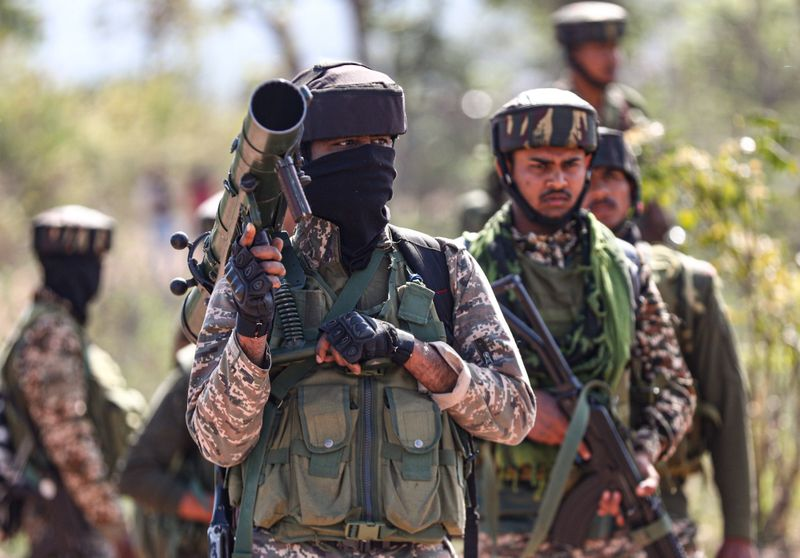
With six encounters and two infiltration bids—including one by Pakistani troops—between March 23 and April 11, the Jammu region is facing a renewed threat of terrorism, actively backed by Pakistan’s Army. The recent spate of encounters in the Kathua, Udhampur,…
With six encounters and two infiltration bids—including one by Pakistani troops—between March 23 and April 11, the Jammu region is facing a renewed threat of terrorism, actively backed by Pakistan’s Army.
The recent spate of encounters in the Kathua, Udhampur, and Kishtwar districts, along with the elimination of five Pakistani militants belonging to Jaish-e-Mohammad (JeM), indicates large-scale infiltration through the International Border in Kathua. This area had traditionally served as a major infiltration route for terrorists until 2005.
As local support for terrorism in Kashmir has waned following the abrogation of Article 370, with few joinings in terror ranks, most of the militants operating in the Jammu region are now Pakistanis. Pakistan’s objective in reigniting terrorism in Jammu appears to be an attempt to project to the international community that the abrogation of Kashmir’s special status has not changes anything in J&K. Additionally, Jammu’s rugged topography provides a safe haven for militants.
Hi-tech recoveries
Since March 27, five terrorists have been eliminated in the Kathua and Kishtwar districts. Security forces recovered large quantities of rations, medicines, and sophisticated weaponry from them, including thermal imaging scopes and VHF helical antennas used for communication. These night vision devices have given terrorists an upper hand in certain situations, especially in dense forests.
Ambush: The new tactic
On March 27, when a team of five policemen entered the forests of Ghati Juthana in Kathua following an intelligence input, they were ambushed by at least five terrorists. Four policemen were killed, and a DSP was injured. Since the rise in terrorism in 2023, over 50 security personnel have been killed—many during such ambushes. Terrorists are increasingly using ‘hit-and-run’ tactics, taking advantage of Jammu’s vast jungles to hide.
Increased infiltration
Intelligence agencies have reported a spike in infiltration attempts in recent weeks via the International Border in Kathua. Notably, on April 1, Pakistani troops attempted to cross the Line of Control in Poonch to assist terrorists in infiltrating. The Indian Army foiled the attempt. In another incident on April 11, a Junior Commissioned Officer (JCO) was killed in Akhnoor while stopping an infiltration bid.
Local support
Terrorists who had previously exfiltrated to Pakistan are now mobilising support in the form of Over Ground Workers (OGWs) in the Jammu districts. Many militants operating from Pakistan and orchestrating attacks in Jammu have been identified by the National Investigation Agency (NIA). Intelligence inputs have confirmed that OGWs aided recently infiltrated groups. Several terror associates have been detained and interrogated in connection with the recent surge in terror activities.
Pak-Afghan angle
Some battle-hardened Pakistani terrorists, previously active on the Afghan front, have been killed in the Rajouri and Poonch sectors in recent months. Following the withdrawal of US forces from Afghanistan, Pakistan has been deploying these experienced militants to train new recruits. With the global narrative on Kashmir losing traction after the revocation of Article 370, Pakistan is likely using increased terrorism as a strategy to revive attention on the issue.
Govt’s response
In response to the recent escalation in terror incidents, Union Home Minister Amit Shah chaired a high-level security review meeting in Srinagar. He directed security forces to intensify operations to eliminate terrorists hiding in forest areas. The Minister also emphasised the need to improve infrastructure in remote regions of the Jammu division.
Kin of jawan held in YouTuber grenade attack case in shock, demand fair probe
Family members of the Army jawan, held in connection with a grenade attack on a YouTuber’s house in Jalandhar, expressed shock over the development and sought a fair probe into the incident. The Jalandhar police had arrested Sukhcharan Singh (30),…
Family members of the Army jawan, held in connection with a grenade attack on a YouTuber’s house in Jalandhar, expressed shock over the development and sought a fair probe into the incident.
The Jalandhar police had arrested Sukhcharan Singh (30), a resident of Maha Badhar village in Muktsar, in connection with the grenade attack on YouTuber Rozer Sandhu’s house in Raipur Rasoolpur village of Jalandhar on March 16.
A sepoy with the Sikh Light Infantry, Sukhcharan was posted in Jammu and Kashmir’s Rajouri, where he was arrested on April 15. He is the first person from his family to serve in the Army. He is married and has two children — a daughter and a son.
His parents are daily wagers and his elder brother is a vegetable-seller. His sister is married.
His father Balwinder Singh, said, “We are shocked to hear Sukhcharan’s name figuring in an illegal activity. He has never been involved in any wrongdoing. Our family has been called to Jalandhar and we want a fair probe.”
Kulwinder Singh, numberdar of Maha Badhar village, said, “Sukhcharan had come here on leave about two months ago. I am surprised how he could be involved in any such illegal activity while on duty.”
“The Army is known for its discipline and it’s impossible to even think of his involvement in any crime. We demand thorough investigation and justice,” he said. According to sources, some local police personnel also visited Sukhcharan’s residence today.
Trained key accused in grenade use: Police
Meanwhile, the Jalandhar police said Sukhcharan had come in contact with the key accused of the case — Hardik Kamboj — through social media.
The Army jawan allegedly trained Hardik on how to use a grenade on video and telephone calls. The revelations were made by Hardik during interrogation by the Jalandhar police.
The police have so far arrested nine persons in the case. As many as 18 people have been nominated in the FIR. A senior official said Sukhcharan used to flaunt his weapon on Instagram, which might have attracted Hardik to him.
According to information, so far only Hardik is known to have been in touch with Sukhcharan. The police said their investigation did not point to the duo meeting each other in person.
The Army jawan had been remanded into 5-day police custody, an official said.
Sukhcharan had joined the Army in 2015.
SSP Jalandhar (Rural) Harvinder Singh Virk said, “Sukhcharan Singh and Hardik came in contact with each other on social media. The training in grenade use was rendered primarily through video calls.”
How Army Cells at IITs Are Boosting India’s Defence Tech Self-Reliance
In the rapidly evolving landscape of modern warfare, India has recognised the critical importance of indigenous technological innovation for maintaining strategic autonomy and combat readiness. The collaborative ecosystem established between the Indian Army and premier technical institutions, particularly the Indian Institutes of Technology (IITs), is transforming India’s defence capabilities through systematic integration of academia, military, and industry. These partnerships are creating sustainable pathways for innovation, reducing import dependency, and positioning India as an emerging global leader in defence technology development.
The foundation of Army-IIT collaborations lies in the recognition that warfare is increasingly technology-driven, requiring expertise in quantum computing, artificial intelligence, 5G networks, hypersonic technologies, robotics, and smart materials. India boasts a strong tradition in science and technology education, with IITs witnessing a 100% increase in student enrolment over the past decade, reaching 135,000 students. This talent pool represents an invaluable resource for developing innovative military solutions.
The Army Design Bureau (ADB), established in 2016, serves as the cornerstone of these collaborative efforts, conducting technology scans, identifying acquisition and development needs, and facilitating research and development with industry, academia, and Defence Public Sector Undertakings (DPSUs). The ADB’s mandate extends to providing inputs that help academic and industry partners understand specific user requirements, thereby initiating design and development cases that promote indigenisation.
The Defence Research and Development Organisation (DRDO) has further strengthened this ecosystem by establishing dedicated research cells at IITs. In July 2020, DRDO established a research cell at IIT-Hyderabad aimed specifically at developing critical defence technology indigenously. This cell undertakes both basic and applied research programs in identified technology areas to meet future defence technological requirements.
As former DRDO Chairman G Satheesh Reddy noted, “This MoU is aimed at bringing together the capabilities of DRDO and IITH in order to achieve greater heights in indigenous technology through collaborative research”. Such initiatives represent strategic investments in India’s long-term technological self-sufficiency.
Regional Technology Nodes: Extending The Collaborative Network
To maximise the geographical reach and technological diversity of these collaborations, the Indian Army has established Regional Technology Nodes (RTNs) in key technology hubs across the country. The RTN in Bangalore, inaugurated at the ASC Centre & College, leverages the city’s robust information technology ecosystem to coordinate technological advancements that benefit the Indian Army. This node serves as an interface with trade, industry, and academia with a specific focus on Information Technology on behalf of the ADB and Army Training Command (ATRAC). Similarly, the RTN in Pune, which was the first regional-level node set up under the ADB, interfaces with industries in the Maharashtra region.
These nodes are strategically positioned to capitalise on regional industrial bases, start-up ecosystems, and talent pools. The Pune node, for instance, covers Maharashtra, Gujarat, and Goa, facilitating interaction with industries, Micro, Small and Medium Enterprises (MSMEs), and start-ups in western India to develop futuristic technologies like AI, robotics, and communication systems. The Bangalore node encompasses the innovation-rich states of Karnataka, Telangana, Tamil Nadu, and Kerala. By extending the reach of the ADB into regional technology hubs, these nodes are accelerating military modernisation while positioning India as a potential exporter of defence goods.
Key Institutional Partnerships And Technology Focus Areas
The partnerships between the Indian Army and IITs span multiple institutions and diverse technological domains. In November 2024, the Military College of Telecommunication Engineering (MCTE), representing the Army Training Command (ARTRAC), entered into a comprehensive partnership with IIT-Indore through a formal Memorandum of Understanding (MoU). This collaboration focuses on addressing critical military problem definitions, promoting resource sharing, and driving innovation in key areas such as Artificial Intelligence, Cyber Security, Communications, Signal Processing, and VLSI Technology. Lt Gen K H Gawas, Commandant of MCTE, emphasised that this initiative would bolster the Indian Army’s technological preparedness on future battlefields, resonating with the government’s vision of Atmanirbhar Bharat (self-reliant India).
The Indian Army has also signed an MoU with the Foundation for Innovation and Technology Transfer (FITT) at IIT-Delhi to streamline technology transfer processes. This ensures that innovations developed within academic settings can be effectively transitioned to operational military use. Other significant partnerships include collaborations with IIT-Kanpur for developing advanced Remote Piloting Training Modules and Software-in-the-Loop Simulators for drones and Unmanned Aerial Vehicles, with IIT-Guwahati for bamboo-based composites suitable for high-altitude bunkers, and with IIT-Jammu for research and development to enhance the operational efficiency of battle tanks and their crews.
Innovation Showcases And Technological Achievements
These collaborations have yielded impressive technological advancements across multiple domains. IIT-Kanpur has showcased innovations including quadruped and rotary robots, Kamikaze drones, high-altitude logistics solutions, and eVTOL (electric Vertical Take-Off and Landing) systems during Army visits. The Army itself has incubated and mentored over 30 defence-focused start-ups, many of which operate within the innovation ecosystems of these premier institutions.
The Indian Army’s in-house innovation initiatives, supported by these academic partnerships, have produced significant results. In 2023, the Army selected 34 out of 80 in-house innovations powered by Artificial Intelligence, software applications, unmanned aerial platforms, and counter-drone systems for further development. These included an AI-based information collation and analysis software that addresses the previously labour-intensive and time-consuming manual approach for gathering and analysing intelligence data on enemy activities. This software offers dynamic graphical representation capabilities that reveal hidden trends and patterns, thereby enhancing situational awareness.
Another notable innovation is the Military Objects Detection System in Satellite Images, which facilitates automatic detection and classification of military objects in satellite imagery in real time. This AI module significantly enhances Intelligence, Surveillance, and Reconnaissance capabilities, enabling commanders at all levels to make more timely decisions. Additionally, the Army has developed “Vidyut Rakshak,” an IoT-based Generator Monitoring and Control System, technology for which has been transferred to indigenous industry for mass production.
The Socioeconomic Impact of Army-IIT Collaborations
Beyond the immediate technological benefits, these collaborative initiatives are creating significant socioeconomic impact. By involving academia in defence innovation, the Army is making the youth aware of Indian defence and security needs while harnessing young talent capable of contributing implementable ideas. The emphasis on domestic technology development is reducing India’s historical dependency on imported defence systems, enhancing strategic autonomy, and creating economic opportunities within the indigenous defence industrial base.
The partnership model also facilitates intellectual property development and protection. The Army has filed Intellectual Property Rights applications for eight niche technology innovations and is developing four additional innovations under the guidance of faculty from IIT-Delhi through the Army Technology Board route. These efforts not only protect India’s technological developments but also create potential for future commercial exploitation and export opportunities.
Conclusion
The strategic partnership between the Indian Army and premier technical institutions represents a transformative approach to defence innovation and self-reliance. By establishing formal research cells, regional technology nodes, and collaborative frameworks, the Army is effectively leveraging India’s substantial academic talent and research infrastructure to address complex military challenges. These initiatives are accelerating indigenous technology development, reducing import dependency, and fostering an ecosystem of innovation that spans academia, industry, and military domains.
The ongoing collaboration between the Army and IITs exemplifies the vision of Atmanirbhar Bharat in the defence sector, creating pathways for sustainable technological self-sufficiency while positioning India as an emerging hub of defence innovation. As these partnerships mature and expand, they promise to significantly enhance India’s defence capabilities, strategic autonomy, and potential as an exporter of advanced defence technologies, thereby contributing to both national security and economic development.
Agencies
Pak Army Chief Asim Munir Says Kashmir As Pakistan’s ‘Jugular Vein’; India Hits Back Befittingly
India issued a strong rebuttal to Pakistan Army Chief General Asim Munir’s recent remarks describing Kashmir as Pakistan’s “jugular vein,” firmly rejecting the claim and questioning its logic. Speaking at a media briefing, Ministry of External Affairs (MEA) spokesperson Randhir Jaiswal stated, “How can anything foreign be in a jugular vein? This is a union territory of India.
https://googleads.g.doubleclick.net/pagead/ads?gdpr=0&client=ca-pub-5761017298734489&output=html&h=400&slotname=1997097661&adk=2958071478&adf=346032647&pi=t.ma~as.1997097661&w=580&abgtt=6&lmt=1744953596&format=580×400&url=https%3A%2F%2Fwww.indiandefensenews.in%2F2025%2F04%2Fpak-army-chief-asim-munir-says-kashmir.html&host=ca-host-pub-Its only relationship with Pakistan is the vacation of illegally occupied territories by that country”. Jaiswal’s comments underscored India’s position that Jammu and Kashmir is an integral part of India, and that Pakistan’s only link to the region is its obligation to vacate areas it occupies illegally.
General Munir, addressing a gathering of overseas Pakistanis, reiterated Pakistan’s longstanding position by calling Kashmir its “jugular vein” and defending the two-nation theory, which asserts foundational differences between Hindus and Muslims as justification for the creation of Pakistan. He urged the Pakistani diaspora to promote this narrative and maintain a sense of cultural and ideological distinctiveness.
India’s response highlights the deep-seated disagreement between the two countries over Kashmir’s status.
While Pakistan continues to raise the issue in international forums and asserts that the region’s final status should be determined in accordance with United Nations Security Council resolutions and the aspirations of the Kashmiri people, India maintains that Kashmir is a domestic matter and opposes any external intervention, insisting that the only outstanding issue is the vacation of territory illegally occupied by Pakistan.
The rhetorical exchange reflects the entrenched positions of both nations. For India, any reference to Kashmir as Pakistan’s “jugular vein” is seen as both factually and symbolically unacceptable, given its sovereignty over the region.
The MEA’s pointed question—how anything foreign could be in a country’s jugular vein—serves to reject not only the metaphor but also the legitimacy of Pakistan’s claim.
This episode further illustrates how Kashmir remains a focal point of national identity and diplomatic contention for both India and Pakistan, with each side leveraging historical, ideological, and legal arguments to assert its stance.
Pakistan Army Chief Says ‘We Are Different From Hindus In Every Way’, Needles India On Kashmir
Pakistani Army Chief General Asim Munir has reignited tensions with India through a series of provocative remarks delivered at a recent public event.
Munir emphatically asserted that “no power can separate Kashmir from Pakistan,” directly challenging India’s position on the disputed region and invoking the longstanding Kashmir issue, which remains a core point of contention between the two countries.
His comments come on the heels of India’s strong rebuttal at the United Nations, where India’s Permanent Representative, Ambassador Parvathaneni Harish, dismissed Pakistan’s references to Jammu and Kashmir as “unwarranted” and reiterated that the region “was, is, and will always remain an integral part of India”.
In his speech, Munir also referenced the ideological foundation of Pakistan, asserting that “our forefathers thought we are different from Hindus in every possible aspect of life.
Our religions are different, our customs are different, our traditions are different, our thoughts are different, our ambitions are different. That was the foundation of the two-nation theory that was laid there. We are two nations, we are not one nation”.
This statement underscores the persistent invocation of the two-nation theory, which was central to the partition of British India in 1947 and continues to shape Pakistan’s national narrative.
Beyond the India-Kashmir rhetoric, Munir addressed internal security threats, particularly in Balochistan. He vowed a decisive crackdown on terrorist groups, declaring that “even ten generations of terrorists cannot harm Balochistan and Pakistan” and dismissed the idea that a small number of militants could alter the course of the nation’s future.
He stated, “If 1.3 million Indian Army, with all their wherewithal, cannot intimidate us, these terrorists can subdue the armed forces of Pakistan?”
Munir also expressed solidarity with Palestinians affected by Israel’s military actions in Gaza, stating, “The hearts of Pakistanis beat in unison with the Muslims of Gaza,” thereby aligning Pakistan’s stance with broader Muslim world concerns.
These remarks reflect a multi-pronged approach: reinforcing Pakistan’s ideological identity, asserting a hardline stance on Kashmir, promising robust action against domestic terrorism, and expressing solidarity with international Muslim causes.
The timing and tone of Munir’s statements indicate a deliberate effort to project strength both domestically and internationally, especially as India and Pakistan continue to spar over Kashmir on the global stage.
DRDO’s 6.8mm Assault Rifle Prototype: A Strategic Shift In India’s Small Arms Development
In early 2025, India’s Defence Research and Development Organisation (DRDO) unveiled a promising new 6.8x43mm assault rifle prototype, marking a significant advancement in the nation’s indigenous small arms capabilities.
This development represents a potential game-changer for the Indian Army’s firearm inventory, strategically positioning itself between the currently imported SIG716 rifles and the stalled AK-203 production plan.
The prototype, developed by the Armament Research and Development Establishment (ARDE) in Pune, features modern elements including a polymer magazine with metal reinforcements and a telescopic stock, offering a balanced solution that combines the stopping power of larger calibres with improved portability and handling characteristics for diverse combat scenarios.
The development of the 6.8mm assault rifle by DRDO has roots going back several years. In 2019, DRDO officials held discussions with Textron, a Texas-based ammunition company, regarding possible collaboration on 6.8mm cartridge development under the Defence Technology and Trade Initiative (DTTI) between India and the United States. This interest coincided with the U.S. Army’s shift from 5.56mm to 6.8mm rounds for its Next Generation Squad Weapon (NGSW) program, indicating a global trend toward this intermediate calibre for modern warfare requirements.
DRDO had previously experimented with multi-calibre weapon systems. The Multi Calibre Individual Weapon System (MCIWS), designed to fire 5.56mm, 7.62mm, and 6.8x43mm special purpose cartridges by changing the barrel and magazine, was rejected by the Army in 2013-2014.
However, DRDO maintained development capabilities for the 6.8x43mm round, as evidenced by their listing of this calibre among those available for their multi-calibre weapon system. This persistent focus on the 6.8mm calibre demonstrates DRDO’s long-term commitment to exploring this ballistic solution despite early setbacks.
The current prototype represents a revival and evolution of these earlier efforts, now presented as a dedicated 6.8x43mm platform rather than a multi-calibre system. The timing is particularly significant as it follows DRDO’s 2024 launch of the 7.62x51mm ‘Ugram’ rifle, suggesting a strategic expansion of indigenous rifle options to cover multiple tactical requirements. This development occurs against the backdrop of India’s ongoing efforts to modernise its infantry weapons through both imports and domestic production.
Technical Specifications And Design Philosophy
The newly unveiled 6.8x43mm assault rifle prototype embodies a carefully considered design philosophy, seeking the optimal balance between firepower, weight, and operational versatility. Featured prominently in the design is a polymer 30-round magazine reinforced with metal inserts for durability, alongside a telescopic stock that enhances adaptability across different combat environments from close-quarters urban warfare to operations in mountainous or jungle terrain. These features demonstrate ARDE’s focus on creating a weapon that meets the diverse operational requirements of the Indian Army.
While complete technical specifications remain classified, the rifle employs a gas-operated mechanism likely derived from ARDE’s extensive experience with the INSAS and more recent Ugram platforms. This design heritage suggests an emphasis on reliability in adverse conditions, a critical factor for military operations along India’s varied borders. The 6.8x43mm cartridge itself occupies a strategic middle ground between the 5.56mm NATO standard and the heavier 7.62mm rounds, potentially delivering enhanced ballistic performance without the substantial recoil and weight penalties associated with larger calibres.
The prototype’s development philosophy aligns with global trends in military small arms, particularly the U.S. Army’s adoption of the 6.8mm calibre for its NGSW program, which prioritises improved range and penetration capabilities against modern body armour. This parallel evolution suggests DRDO’s awareness of and response to changing battlefield requirements, particularly the need for weapons that can effectively engage protected targets at various distances while remaining manageable for infantry soldiers during extended operations.
Comparison With Existing And Planned Small Arms
The Indian Army’s small arms modernisation efforts have followed multiple paths in recent years, creating a complex landscape into which the new 6.8mm rifle enters. In 2019, India procured 72,400 SIG 716 assault rifles from U.S.-based SIG Sauer under a fast-track procurement route, with the Army receiving 66,400 of these 7.62x51mm weapons. These rifles feature a short-stroke pushrod gas system and were specifically acquired for counter-terrorist operations, with the first batch of 10,000 directed to the Northern Command.
Concurrently, India pursued a deal with Russia for AK-203 assault rifles chambered in 7.62x39mm, though this arrangement has faced significant delays. As of early 2020, reports indicated that the AK-203 deal would not be finalised in time for Prime Minister Modi’s planned May visit to Moscow, as various issues remained unresolved. This stalled procurement represents a critical gap in India’s planned small arms supply chain, particularly as it was intended as a long-term solution through domestic production under Russian partnership.
The 6.8x43mm prototype positions itself as a potentially ideal compromise between these existing options. It offers greater stopping power than the legacy 5.56mm INSAS rifles while being lighter and potentially more manageable than the 7.62x51mm SIG716. This middle-ground approach could provide tactical advantages in India’s varied operational environments, where soldiers may need to engage adversaries wearing body armour or behind light cover while also maintaining mobility during extended patrols in difficult terrain.
Strategic Implications For India’s Defence Sector
The development of the 6.8x43mm assault rifle carries significant strategic implications beyond mere technical specifications, particularly regarding India’s defence industrial policy. Most importantly, this prototype represents tangible progress toward the government’s Atmanirbhar Bharat (self-reliant India) initiative in the critical domain of small arms production. Unlike the AK-203 deal, which depends on Russian collaboration and has faced delays partly due to the Russia-Ukraine conflict, the indigenous 6.8mm rifle offers the potential for complete domestic control over design, production, and supply chains.
This self-reliance aspect becomes particularly valuable when considering India’s security environment and the potential for international supply disruptions during crises. The rapid development and unveiling of the prototype following the earlier Ugram rifle demonstrates DRDO’s growing capability to respond to the armed forces’ requirements with indigenous solutions. This acceleration in military R&D output represents a significant maturation of India’s defence industrial base, potentially reducing the need for emergency foreign acquisitions in the future.
The timing of this development also suggests strategic foresight regarding global small arms trends. By pursuing the 6.8mm calibre, DRDO aligns India’s small arms development with emerging international standards, particularly those set by the U.S. military’s NGSW program. This parallelism could facilitate future interoperability with allied forces while ensuring Indian troops aren’t disadvantaged relative to potential adversaries adopting similar calibres for their next-generation infantry weapons.
Challenges And Implementation Roadmap
Despite its promising characteristics, the 6.8x43mm assault rifle faces substantial hurdles before potential adoption as a standard-issue weapon. The prototype must successfully navigate multiple testing phases, beginning with internal evaluations at ARDE’s small arms facility before progressing to comprehensive Army trials in extreme environmental conditions ranging from the sub-zero temperatures of Ladakh to the scorching heat of Rajasthan. These tests will scrutinise the rifle’s accuracy, reliability, durability, and performance under stress, with any shortcomings requiring prompt engineering solutions.
A particularly significant challenge lies in the logistics of adopting a non-standard calibre. Introducing the 6.8x43mm cartridge into India’s military supply chain necessitates establishing dedicated ammunition production facilities, stockpiling protocols, and distribution networks. This represents a major logistical undertaking that may face resistance from military planners concerned about maintaining compatibility with existing weapon systems and ammunition stocks, especially during potential conflicts requiring rapid resupply.
Competition from alternative platforms presents another obstacle. The SIG716 has already been inducted and deployed with frontline units, creating institutional familiarity and established maintenance protocols. Similarly, despite delays, the AK-203 project represents a significant political and financial investment that may yet be revitalised, particularly given the depth of India-Russia defence relations. The 6.8mm rifle must therefore demonstrate clear operational advantages sufficient to justify the disruption and expense of introducing an entirely new weapon system and calibre.
Future Outlook And Conclusion
The DRDO’s 6.8x43mm assault rifle prototype represents a significant milestone in India’s journey toward self-reliance in critical defence technologies, particularly in the small arms sector where foreign dependencies have long persisted. If successfully developed and adopted, this rifle could fundamentally reshape the Indian Army’s infantry capabilities, offering a domestically controlled solution that balances firepower, portability, and adaptability for diverse operational requirements. The prototype’s unveiling signals DRDO’s growing confidence in its ability to deliver advanced small arms that meet or exceed international standards.
Looking ahead, several factors will determine the ultimate impact of this development. The results of upcoming technical evaluations and field trials will establish whether the 6.8mm rifle can meet the rigorous demands of military service across India’s varied operational environments. Political decisions regarding funding priorities and implementation timelines will influence how quickly any successful design might transition from prototype to production. Additionally, geopolitical developments, particularly regarding the stalled AK-203 program, may alter the competitive landscape for this indigenous offering.
Regardless of its eventual adoption status, the 6.8x43mm rifle prototype demonstrates India’s serious commitment to developing sovereign capabilities in strategic military technologies. This progress aligns with broader national security objectives of reducing external dependencies while ensuring Indian forces have access to modern equipment optimised for their specific operational needs. As global small arms technology continues evolving toward intermediate calibres offering enhanced performance against protected targets, DRDO’s work positions India at the forefront of this important military technology trend rather than as a mere consumer of foreign innovations.
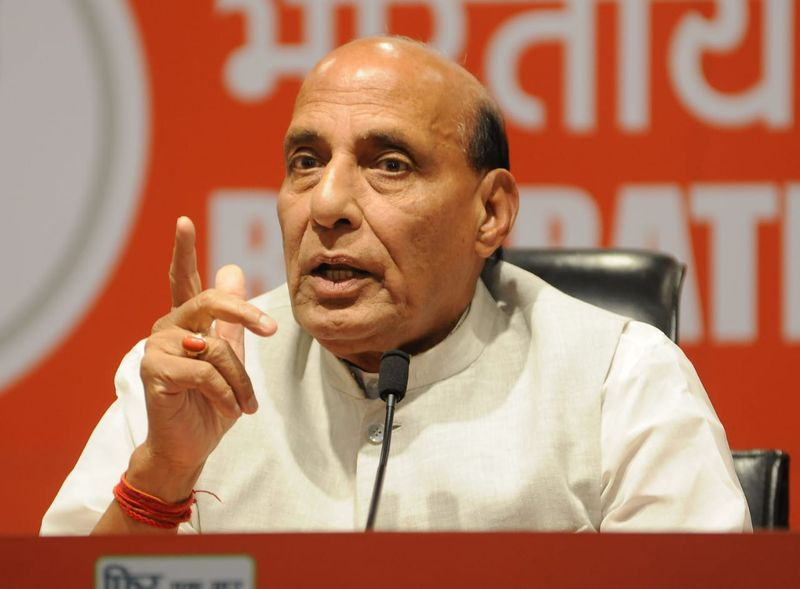
Defense Minister Rajnath Singh will visit Ladakh on April 26 to review the security situation along the Line of Actual Control (LAC) and also inaugurate multiple developmental projects in the Union Territory. Singh will meet senior Army officials stationed in…
Defense Minister Rajnath Singh will visit Ladakh on April 26 to review the security situation along the Line of Actual Control (LAC) and also inaugurate multiple developmental projects in the Union Territory.
Singh will meet senior Army officials stationed in the UT and review the situation besides assessing the pace of development, especially in villages along the border. He will virtually inaugurate many projects in different states that have been completed by the Border Roads Organization (BRO).
CRPF to raise special CoBRA battalion for counter-terrorist operations in J&K: DG
The Central Reserve Police Force has decided to raise a special CoBRA battalion for counter-terrorist operations in Jammu and Kashmir, 17 years after this jungle warfare unit was raised in the paramilitary to undertake operations in Naxal-affected states. CRPF Director…
CRPF to raise special CoBRA battalion for counter-terrorist operations in J&K: DG
The Central Reserve Police Force has decided to raise a special CoBRA battalion for counter-terrorist operations in Jammu and Kashmir, 17 years after this jungle warfare unit was raised in the paramilitary to undertake operations in Naxal-affected states. CRPF Director…
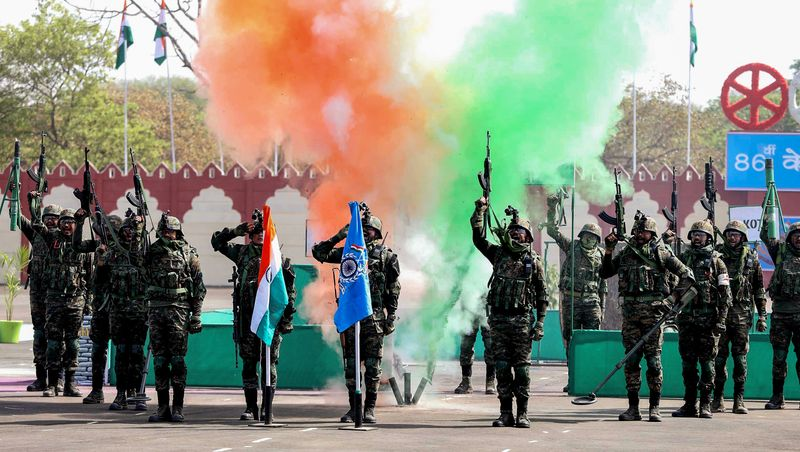
CRPF personnel take part in the 86th Raising Day parade in Neemuch (MP) on Thursday. ANI
The Central Reserve Police Force has decided to raise a special CoBRA battalion for counter-terrorist operations in Jammu and Kashmir, 17 years after this jungle warfare unit was raised in the paramilitary to undertake operations in Naxal-affected states.
CRPF Director General (DG) Gyanendra Pratap Singh announced this during the 86th Raising Day event of the force held in this historic Madhya Pradesh town which is the ‘birthplace’ of about 3.25 lakh strong world’s largest paramilitary force.
The DG said the force was in the process of raising a new Commando Battalion for Resolute Action (CoBRA) for J&K as directed by Home Minister Amit Shah.
Shah officiated as the chief guest of the event. According to the CRPF chief, the futuristic unit will be used to enhance operational activities of the force in the UT.
A senior officer said the CoBRA unit will be tasked to undertake operations in the forested areas of Jammu and Kashmir including in the Jammu region where a number of terrorist incidents have taken place in the recent past.
In 2023, some CoBRA companies were sent to the Kashmir valley for training purposes but they were not deployed for any action.
At present, regular CRPF units and its special commando unit called ‘Kashmir valley quick action team (QAT)’ undertake counter-terrorist operations there.
CoBRA was raised in 2008-09, a time when Left Wing Extremism was at its peak in several states. By 2011, 10 CoBRA battalions were raised and the numbers continue till now. The J&K unit will be the 11th CoBRA battalion. The commandos
Advertisement
State Stalwarts
DEFENCES FORCES RANKS
ARMY, NAVY, AIRFORCE RANKS
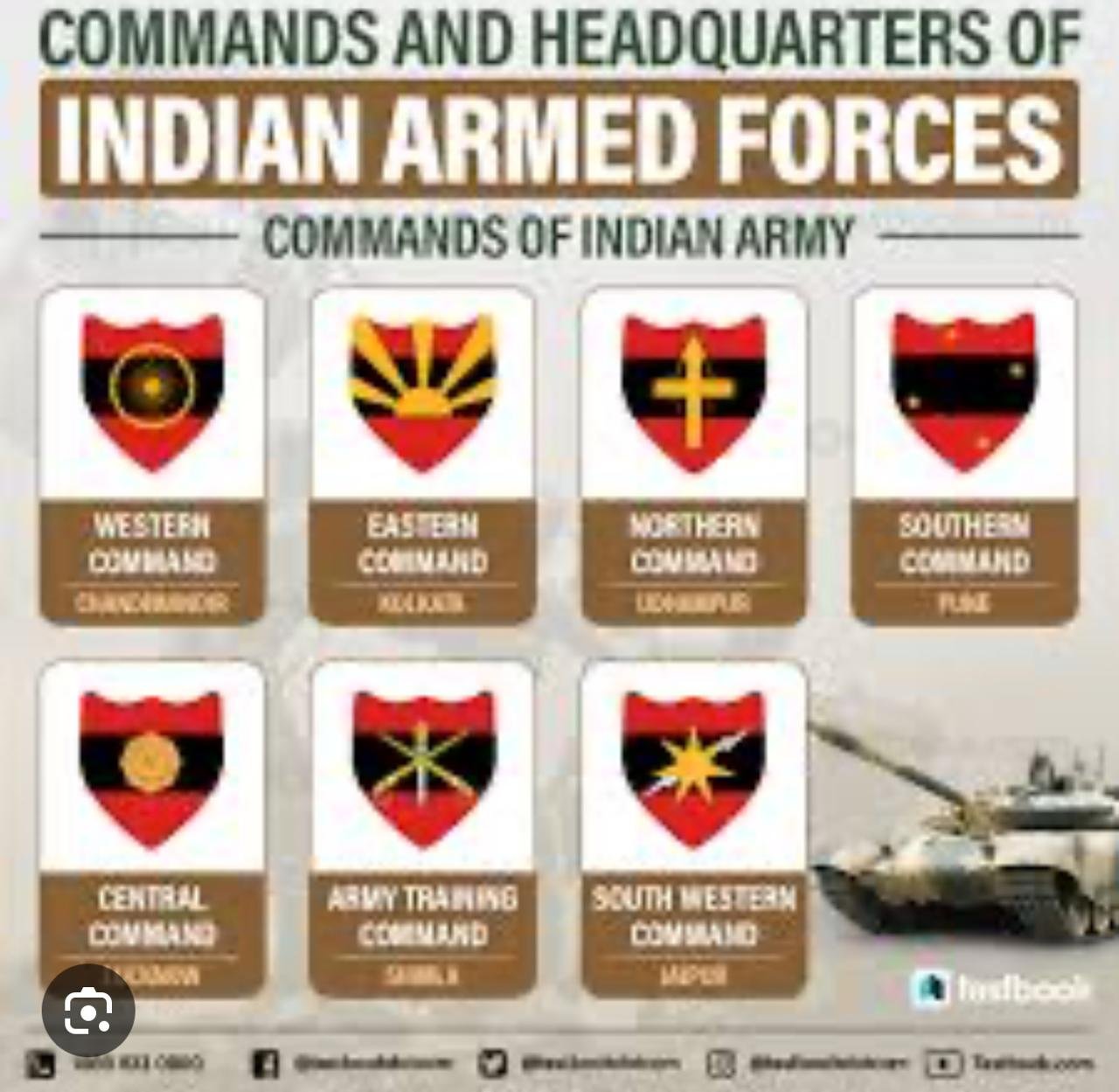
FORMATION SIGNS
FORMATION SIGNS
ALL HUMANS ARE ONE CREATED BY GOD
HINDUS,MUSLIMS,SIKHS.ISAI SAB HAI BHAI BHAI
CHIEF PATRON ALL INDIA SANJHA MORCHA
LT GEN JASBIR SINGH DHALIWAL, DOGRA
SENIOR PATRON ALL INDIA SANJHA MORCHA
MAJOR GEN HARVIJAY SINGH, SENA MEDAL ,corps of signals
.
.
PRESIDENT CHANDIGARH ZONE
COL SHANJIT SINGH BHULLAR
.
.
PRESIDENT TRI CITY COORDINATOR
COL B S BRAR (BHUPI BRAR)
.
.
INDIAN DEFENCE FORCES
DEFENCE FORCES INTEGRATED LOGO
FORCES FLAGS
15 Th PRESIDENT OF INDIA SUPREME COMMANDER ARMED FORCES
Droupadi Murmu
DEFENCE MINISTER
Minister Rajnath Singh
CHIEF OF DEFENCE STAFF (2nd)
General Anil Chauhan PVSM UYSM AVSM SM VSM
INDIAN FORCES CHIEFS
CHIEF OF ARMY STAFF(29th)
General Upendra Dwivedi, PVSM, AVSM (30 Jun 2024 to Till Date)