Sanjha Morcha

Protesting farmers don’t know what they want, says BJP MP Hema Malini Hema also said that it was ‘not nice’ to see towers being vandalised in Punjab

Protesting farmers don't know what they want, says BJP MP Hema Malini

Veteran actress and BJP MP Hema Malini. — PTI

Mathura, January 13

Farmers agitating at the borders of Delhi don’t know what they want, said veteran actor and Bharatiya Janata Party (BJP) MP from Mathura, Hema Malini, and added that they are only protesting because someone had asked them to do so.

“It is good that the Supreme Court has stayed the laws. This will hopefully calm the situation. Farmers are not willing to come to a consensus even after so many talks. They do not even know what they want and what is the problem with the farm laws. This means that they are doing this because someone asked them to do it,” Hema Malini said.

She also said that it was ‘not nice’ to see towers being vandalised in Punjab.

“Punjab has suffered a lot of losses. It was not nice to see them (farmers) vandalise towers. The government has called them for talks repeatedly, but they don’t even have an agenda,” she added.

Speaking about the COVID-19 situation, she reminded people that the pandemic is not yet over and masks should be used and safety protocols followed.

“Corona is not yet over. Some people from our party passed away due to the disease. The general public should continue to be more cautious. If we roam around freely (without precautions) it will increase again. Especially with this new bird flu, everyone should take care of themselves and their family,” she said.

The actor-turned-politician further said that she would definitely be vaccinated when her turn comes.

“Good that the vaccine is here now. I will definitely get the vaccine when my turn comes. The opposition has also said some things. Whatever the government says they have to say just the opposite,” she said. 


Farmers in Punjab burn copies of farm laws on Lohri Protesting farmers owing allegiance to different farm bodies held protest at many places in the state

http://

Chandigarh, January 13

Farmers in Punjab on Wednesday burnt copies of the Centre’s three new farm laws at several places on the festival of Lohri as a mark of protest against the legislations.

The harvest festival of Lohri is celebrated in Punjab, Haryana and other parts of north India. Bonfires are an important part of the festivities.

Protesting farmers owing allegiance to different farm bodies held protest at many places in the state and burnt copies of the new agriculture laws.

Farmers also shouted slogans against the BJP-led Centre and slammed the government for not acceding to their demands. They demanded that the new farms laws should be repealed.

Farmers, including women, under the banner of Kisan Mazdoor Sangharsh Committee held a protest at Pandher Kalan village in Amritsar.

“We burnt the copies of the farm laws as a mark of protest against these legislations,” said committee’s general secretary Sarwan Singh Pandher in Amritsar.

Similar protests are also being held at other places in Amritsar.

“Until the Centre accepts all the demands of farmers, our agitation will continue,” said Pandher.

“We will not accept these farm laws as they are not in the interest of the farming community and the government should repeal these legislations,” said a protester.

Farmers also burnt copies of the new farm laws at many places, including Hoshiarpur, Sangrur and Kapurthala.

Farmers, who have been camping at the Delhi borders, are demanding a repeal of the farm laws and a legal guarantee to the minimum support price for crops.

The Supreme Court on Tuesday had stayed the implementation of the controversial new farm laws till further orders and decided to set up a four-member committee to resolve the impasse over them between the Centre and farmers’ unions protesting at Delhi borders. PTI


Farmers’ stir gives vendors at Singhu border a chance to revive income

Farmers’ stir gives vendors at Singhu border a chance to revive income

A farmer buys a badge at the Singhu border. PTI

New Delhi, January 13

Before the coronavirus pandemic, Rakesh Arora used to be a vendor at the India Gate, but his business did not pick up after lockdown. Now, the farmers’ stir at the Singhu border has given him a chance to improve livelihood, selling badges and stickers.

With the protesting farmers staying put at the border point of the national capital for over six weeks now, a number of small businesses have sprung up at the site, the newest being sale of pro-protest badges and stickers.

Shopkeepers with basketful of badges and stickers with ‘I love Kheti (farming)’, ‘I love Kisan’, and ‘Kisan Ekta Zindabad’ printed on them have seated themselves at every nook and corner of the highway. Almost every protester could be seen wearing a badge, while the tractors and trolleys flaunt the stickers.

Arora and his nephew brought in inventory worth Rs 2,500 two days ago from Ambala and have managed to sell products worth Rs 700 so far.

“I used to be a vendor at India Gate. But after lockdown, business has been really poor. So we decided to set shop at the protest once we saw an opportunity,” Arora said.

Amaan, an electrician from Delhi’s Okhla has also taken to selling these badges and stickers, owing to lack of work. Both badge and sticker are being sold at Rs 10.

“It doesn’t yield much income, but something is better than nothing. Barely 15-20 people buy these each day,” he said.

Brothers Moin (17) and Nadeef (11), from Uttar Pradesh’s Loni, have also ventured into this business. “We bring in 500 of these badges every day. We manage to sell some 300 of them,” said Moin, who set up shop in Singhu a week back.

Many shopkeepers at Singhu border are hoping to make most of the agitation, by earning whatever little they can. Many of these badges are sourced from Delhi’s Sadar Bazaar market.

Chandan Kumar, who has been running an electrical equipment shop at the Singhu border for over five years now, has pushed bulbs, switches and wires to the back and lined his shop with ‘No Farmer, No Food’ stickers and badges.

“The electrical business had completely taken a backseat. I realised that the farmers liked stickers about their agitation. So I started getting radium paper from Kashmere Gate market and printing the stickers myself,” he said.

Kumar said while it was not at all a close substitute for his earlier business, it did bring in some income.

For over a month several farmers, mostly from Punjab and Haryana, are camping at the borders of Delhi to protest the three farms laws, which the NDA claims will reform the agri sector.

However, the protesting farmers have expressed apprehension that the new laws would pave the way for eliminating the safety cushion of Minimum Support Price and do away with the mandi system, leaving them at the mercy of big corporates. PTI


On Lohri, protesting farmers in Delhi to burn copies of new agri laws

On Lohri, protesting farmers in Delhi to burn copies of new agri laws

Farmers at the Singhu border. Tribune file

New Delhi, January 13

Farmers protesting at Delhi borders said they would burn copies of the Centre’s new agriculture laws at all demonstration sites on the festival of Lohri on Wednesday, as a mark of protest against the legislations.

Lohri is mostly celebrated in north India, marking the beginning of the spring season. Bonfires are a special characteristic of the festival.

Farmers’ leader Manjeet Singh Rai said they would celebrate Lohri by burning the copies of farm laws at all protest sites in the evening.

Sanyukt Kisan Morcha, an umbrella body of around 40 protesting farmer unions, will hold a meeting later in the day to discuss the next course of action.

This comes a day after the protesting farmer unions asserted that they would not appear before the Supreme Court-appointed panel, alleging it was “pro-government”, and said they would not settle for anything less than the repeal of the three contentious laws.

The unions also raised doubts over the neutrality of the members of the committee even as they welcomed the top court’s order to stay the implementation of the laws.

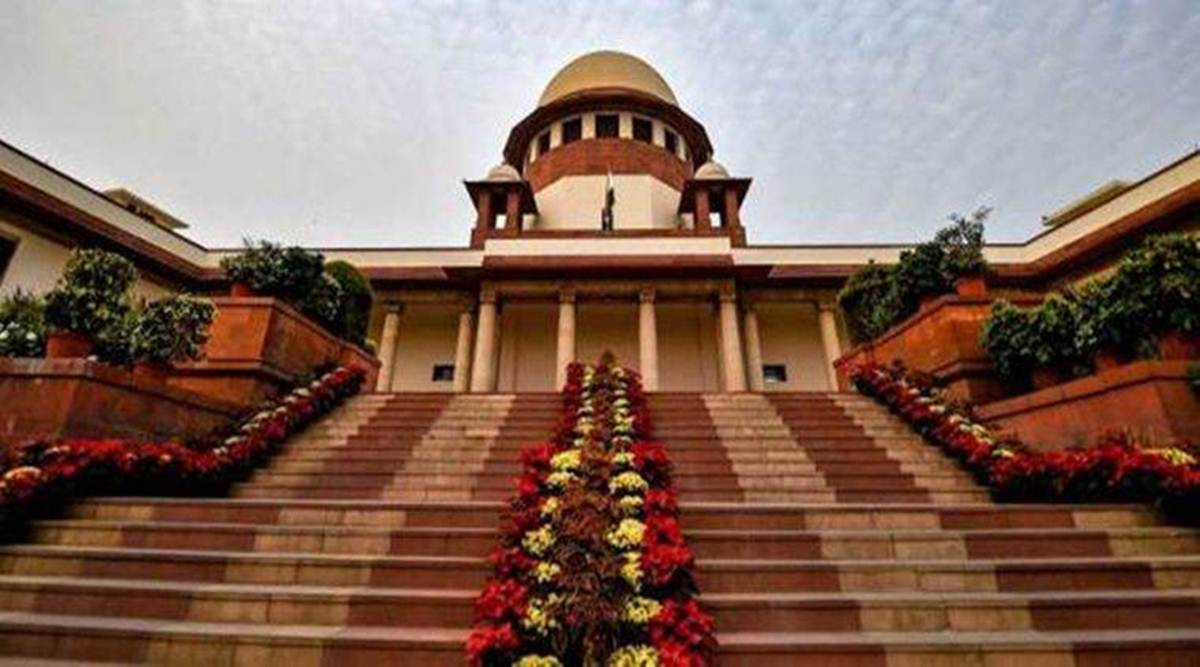
The Supreme Court on Tuesday stayed the implementation of the controversial farm laws till further orders and set up the four-member committee to resolve the impasse between the Centre and the farmer unions protesting at Delhi’s borders over the legislations.

Also read: Protesting farmers don’t know what they want, says Hema Malini; adds ‘Punjab has suffered a lot of losses’

Thousands of farmers, mostly from Haryana and Punjab, have been protesting at several border points of Delhi since November 28 last year, demanding a repeal of the three laws and a legal guarantee to the minimum support price (MSP) system for their crops.

Enacted in September last year, the three laws have been projected by the Centre as major reforms in the agriculture sector that will remove middlemen and allow farmers to sell their produce anywhere in the country.

However, the protesting farmers have expressed the apprehension that the new laws would pave the way for eliminating the safety cushion of the MSP and do away with the “mandi” (wholesale market) system, leaving them at the mercy of big corporates. — PTI


1971 war victory flame in Zirakpur

1971 war victory flame in Zirakpur

The Swarnim Vijay Mashaal in Zirakpur. Tribune photo

Chandigarh, January 12

The Swarnim Vijay Mashaal or the victory flame, which is traversing the country as part of the golden jubilee celebrations of the 1971 Indo-Pak war victory, arrived at Zirakpur today.

A grand reception was organised for the flame. Serving personnel and veterans paid tributes to the war martyrs.

In the western part, the flame will pass through 35 locations and 11 key battle locations from where soil will be collected and used for sapling plantation event at the National War Memorial in New Delhi.

The flame will move to Chandimandir, the headquarters of the Western Command that had played a key role in the war. — TNS


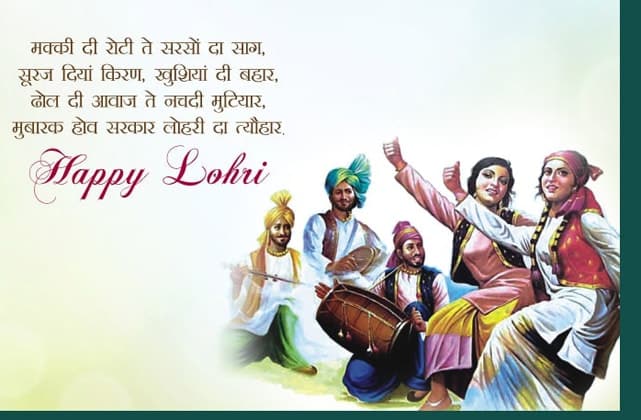
Sanjha Morcha Wishes ALL Happy Lohri and MAGI

lohri2 punjabi

Lohri Is The Popular Festival Of Punjabi People, Celebrated By Sikhs and Hindus From The Punjab Region Of Indian. Lohri Event Is Celebrated On 13th Of January Of Every Year. This Event Is Very Important To Newly Borned Babies As Its Marks Of Richness and Fertility. People Offered Prayers To The Bonfire Seeking Wealth and Success. Lohri Event Brings Happiness Among All People Enjoy This Event By Dancing and Singing Traditional Songs

Happy Lohri 2020 Wishes Status for Whatsapp and Facebook, Happy Lohri Wishes Shayari Quotes in Hindi, Happy Lohri Wishes in Hindi 2020, Happy Lohri Whatsapp Status, हैप्पी लोहड़ी व्हाट्सप्प स्टेटस, Punjabi Lohri Quotes, लोहड़ी मैसेज, Lohri Festival Quotes

happy lohri, happy lohri images, lohri images, happy lohri 2020, lohri wishes in punjabi, happy Lohri, happy lohri 2020 status in hindi, happy lohri wishes, happy lohri wishes in hindi, lohri quotes in punjabi, lohri wishes, Happy lohri

happy lohri 2020 images in hindi, happy lohri 2020 wishes in punjabi, happy lohri image, happy lohri images 2020, happy lohri images hindi, happy lohri in punjabi, happy lohri photos 2020, happy lohri pics, Happy lohri pics 2020, Happy lohri quotes in hindi, happy lohri shayari in hindi, happy Lohri wallpaper

lohri 2020, lohri image in hindi, Lohri message, lohri photos, Lohri Photos, lohri quotes in hindi, lohri shayari, lohri wish image wallpaper, lohri wishes hindi, lohri wishes in Hindi, lohri wishes love pics, wishing for lohri, Happy Lohri 2020 Wishes Images

happy lohri, happy lohri images, lohri images, happy lohri 2020, lohri wishes in punjabi, happy Lohri, happy lohri 2020 status in hindi, happy lohri wishes, happy lohri wishes in hindi, lohri quotes in punjabi, lohri wishes, Happy lohri, happy lohri 2020 images in hindi, happy lohri 2020 wishes in punjabi, happy lohri image, happy lohri images 2020

happy lohri wishes, lohri messages, Lohri Wishes In Hindi, Lohri Wishes In Punjabi, Happy Lohri 2019

http://

http://


Army to have women pilots in frontline operational units by next year, says chief Naravane

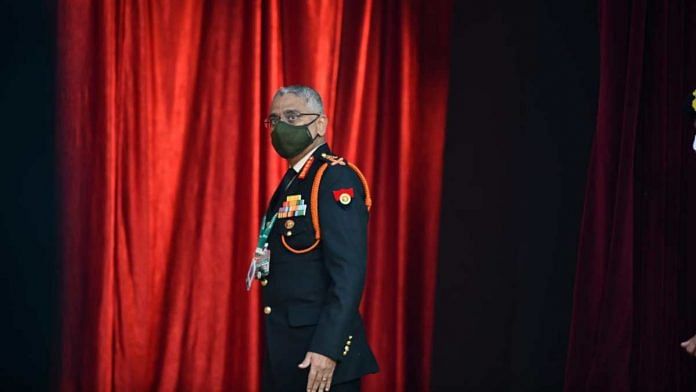
Army chief General M.M. Naravane addresses press on 12 January in New Delhi | ThePrint photo

Army chief General M.M. Naravane addresses press on 12 January in New Delhi | ThePrint photo

New Delhi: The Army plans to induct women officers soon for combat roles in the flying branch of the Army Aviation Corps as early as next year, Army chief General M.M. Naravane said Tuesday.

Addressing the media ahead of Army Day on 15 January, the Army chief said that just a month ago, he had proposed that Army aviation should have women pilots.

So far, the Army does not have women officers in the flying branch, unlike the Indian Air Force and the Navy. The Army has women officers deployed at the ATC (Air Traffic Control) for ground duties.

The Army chief said that women officers will undergo pilot training in the next course beginning July, and after a year of training they would be serving in frontline operational units for flying duties.

“The Adjutant General’s branch, the Military Secretary branch, the Aviation Directorate have also reached a consensus that women officers should be there for flying duties,” General Naravane said.

Armoured Corps, Mechanised Infantry and Infantry comprise the combat arms of the Indian Army, while combat support arms include Artillery, Corps of Engineers, Corps of Army Air Defence, Army Aviation Corps, Corps of Signals.


Also read: What India, Saudi, UAE look to gain from Gen. Naravane trip, a first by an Indian Army chief

‘Going to be a path-changing move’

Naravane’s statement comes after the Army in November last year found 422 women officers eligible for permanent commission out of 615 officers, who were screened by a Special Number 5 Selection Board. Many of them had fought a legal battle lasting over 14 years.

The eligible women officers are of the rank of majors and lieutenant colonels. Many of them have already served in the Army for over 20 years, but had not been given promotions since the matter was sub-judice.

“It’s going to be a path-changing move. Till now, women were not considered for flying duties. With this, they will also be shouldering the challenging responsibilities at the frontline along with their male counterparts,” a senior woman Army officer told ThePrint.

As of now, women Army officers are eligible for permanent commission in Army Aviation, Army Air Defence, Signals, Engineers, Electronics and Mechanical Engineers, Army Service Corps, Army Ordnance Corps, and Intelligence Corps, in addition to Judge and Advocate General and the Army Educational Corps, where women officers were given permanent commission in 2008.

The Army Aviation Corps is one of the youngest corps of the Indian Army and operates a fleet of Chetak, Cheetah, Advanced Light Helicopter (ALH) Dhruv, and Rudra helicopters. The main roles of the choppers include observation, reconnaissance, casualty evacuations, load drops as well as search and rescue operations.

Assets of the corps were also deployed during the Galwan clashes in eastern Ladakh on 15 June for search and rescue, and other operations.


Also read: Ready to hold ground in eastern Ladakh ‘for as long as needed’ — Army chief Gen Naravane


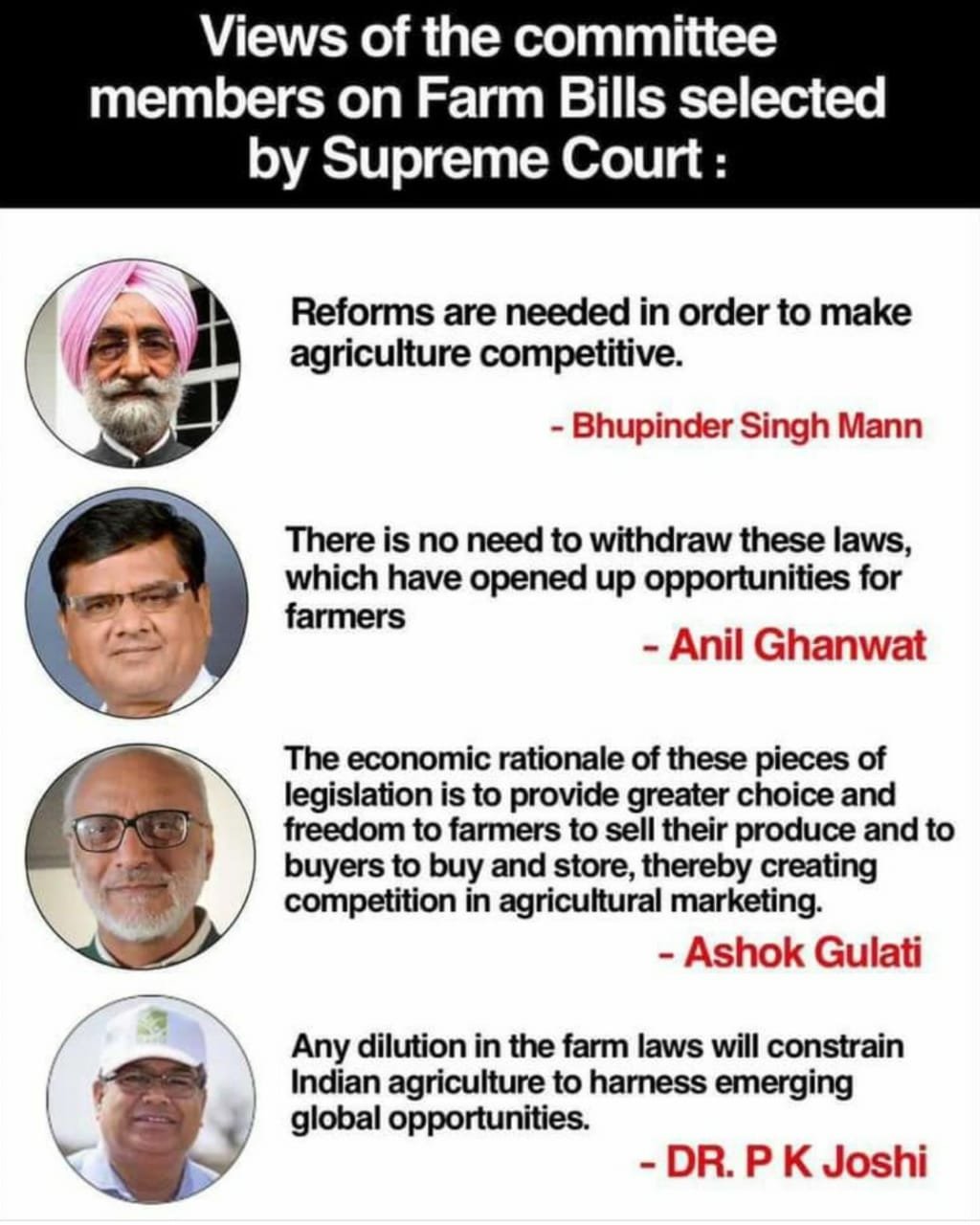
SUPREME COURT COMMITEE TO RESOLVE FARM LAWS:ALLEGED TO BE PRO GOVT

PHOTO-2021-01-12-19-05-24

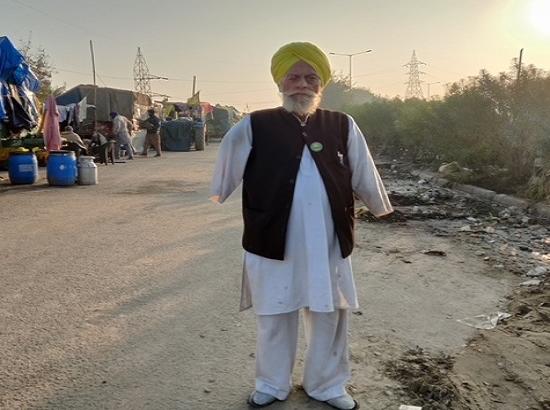
With amputated arms & half blindness 78-year-old man is Kisan Morcha fighter since day one

With amputated arms & half blindness 78-year-old man is Kisan Morcha fighter since day one  

8-year-old man with amputed arms and half blindness, sits at Kisan morcha since 1st day
Said, will never return to his village if the farms laws not repealed

By Harshabab Sidhu

Tikri Border (Delhi), January 12, 2021: The enthusiasm of the farmers is limitless and many surprising as well as emotional pictures can be witnessed on the Delhi borders here amid the Kisan morcha. One such brave farmer was seen at the Tikri Border, who has no arms and he is also blind from one of his eyes.
Nirmal Singh (78), a resident of Hathan village in Sangrur district is protesting with his family and villagers, and staying in the trolley home since the farmers approached towards Delhi on November 26 last year. Nirmal Singh, who is here for the last around 50 days, said he will not return to his village untill the farms laws are not repealed.

“I am sitting here from the very first day of Delhi chalo movement. We are having a ration of approximately six months and I can live here for several months or an year if the protest continues. Now, Haryana farmers are also helping a lot in providing food and milk. When I left my home, I had swear to my villagers that I will return only after the three black laws are repealed, ” he said.


Nirmal Singh shared about the worst incidents of his life and said that he had lost his right eye when he was just 10-year-old as a stick accidentally hit his eye following which his right eyesight lost. He said he was working as an employee in the electricity department but just after 10 months, he lost both of his arms in an incident of 1982 when he was using a chaff cutting machine. “I have spent my whole life like this but had never lost confidence. My villagers kept encouraged me from the beginning. Now, I am working as a cashier of my village and collects the donation from all, said Nirmal Singh with his teary eye.

Speaking about the new farm laws, Nirmal Singh said, “I had three acres of land but following poverty I left with only two acres now. We are nine family members and our life is already in pathetic condition. We takes the land of other farmers on contract. We also have three buffaloes and we earns some money by selling their milk to the villagers” while adding that “the three laws will throw the small farmers like me in the whole darkness. These laws are nothing less than the death warrants. I will survive my life anyhow now but I can’t able to see the future of my children if the laws are not repealed.”


Supreme Court’s order putting on hold the farm bills is terrible constitutional precedent, bereft of judgment


Supreme Court’s order putting on hold the farm bills is terrible constitutional precedent, bereft of judgment

he Supreme Court is increasingly looking like one of those fantasy creatures with disjointed shapes, where nothing is what it appears to be.

The Supreme Court is increasingly looking like one of those fantasy creatures with disjointed shapes, where nothing is what it appears to be. The forms keep mysteriously changing, with benign faces masking more ominous fangs, and shapes shifting as the need arises. So this is a constitutional court that does not pronounce on the constitutionality of laws. Instead, it wades into political and administrative management without the imprimatur of any law. It positions itself as a saviour of democracy only to make a mockery of the parliamentary process. It wades into conflict management, only to hide behind the façade of some expert committee. It pretends that distributive conflicts are technical ones. It finds ruses to defuse genuine democratic protest. Yet it will not facilitate the orderly and law-bound expression of protest.

It will accuse governments of not responding, while it itself perpetually refuses to pronounce on constitutionality and law in a time-bound manner. It speaks the language of neutrality, of being above the fray, but is clearly willing to disrupt the normal political give and take in a democracy. The court’s order putting on hold the farm bills is terrible constitutional precedent, bereft of judgment. It has an odour of cynicism behind it.

The issues in the farm bills are complex. But no matter which side you are on, you should now worry about how the Supreme Court is interpreting its function. It has suspended the implementation of the farm laws, and created a committee to ascertain the various grievances. But it is not clear what the legal basis of this suspension is. The court’s action, at first sight, is a violation of separation of powers. It also gives the misleading impression that a distributive conflict can be resolved by technical or judicial means. It is also not a court’s job to mediate a political dispute. Its job is to determine unconstitutionality or illegality. Even in suspending laws there needs to be some prima facie case that these lapses might have taken place. But instead of doing a hearing on the substance — the possible federalism challenge, the possible challenge based on the ouster of grievance redressal — and then pronouncing a stay, it has simply decided to create a committee to hear farmers’ grievances and wade into political territory.

The framework governing agriculture needs serious reform. The objective of reform must be to improve farmers’ incomes and well-being, to increase crop diversification, make agriculture more environmentally sustainable, make subsidies less counterproductive, keep food inflation down, and ensure that nutrition reaches all. Achieving all these objectives in no easy task, especially in states like Punjab. It will require immense trust to move to a new regime in agriculture. The government was right to think reforms were necessary. But it was prioritising the wrong reforms by beginning with the hollow promise of “choice of traders,” which did not tackle the underlying issues, but created more uncertainty all around.

In not responding to legitimate concerns of the farmers, the government was forfeiting their trust. The farmers were well within their rights to protest, and did so with grace, despite repeated government attempts to delegitimise them as anti-national. There was a stalemate. In principle, any mediation to break the stalemate is welcome. But the mediation has to be a political process between the government and the people. If there is no unconstitutionality involved, Parliament has to fix what it broke.

Here is why what the Supreme Court has done is dangerous. It has set a new precedent for putting on hold laws passed by Parliament without substantive hearings on the content of the laws. It has muddied all the possible lines of judicial procedure, where it is not clear what the locus standi of different counsel are, what are the specific prayers that need to be addressed and how the court’s remedies address them. It has not really heard the farmers, whose counsel were not fully heard before the passing of orders. This is a monumental irony since a court whose own procedures seem to be opaque sets itself up as the arbiter of responsive government. This is not public interest litigation, it is whimsy on steroids.

The court is, perhaps unintentionally but damagingly, seeking to break the momentum of a social movement. You can have a view on whether the government is right or the farmers. But it will be up to the people and the political process to decide who is correct, as long as there is no unconstitutionality involved. But political movements require collective action and timing, they are not easy to assemble. There is no question that the timing of the order has the objective to save the government the embarrassment of intensifying protests. By appointing a committee, the court has shifted the onus on the farmers to stop their protests, or else appear unreasonable. In a related matter, on the form in which protests in Delhi should be allowed, the court has also positioned itself as an arbiter of national security by taking seriously the Attorney General’s contention that farmers’ protests may be the vehicle for the Khalistan movement. This is delegitimisation of protest by misdirection. It is preparing the ground for the protests on a significant scale being rendered illegal.

In another ruse, the court seems to have redefined the function of mediation. If the function of a committee is mediation, then the court has violated the first rule of mediation: The mediators must be acceptable to all parties and appointed in consultation with them. If the purpose of the committee is to ascertain facts, why not just do it through open hearings of all parties in the court?

The farmers did not need the paternalism of the court, the way in which it is infantilising them, protecting them from themselves. What they need is clarity of law where relevant, and the right to make their demands heard through the political process and civil society. By being too clever by half, the court has potentially created an explosive situation. It has set a bad precedent where implementation of laws can be suspended without legal basis. It has created mistrust in farmers about its intention. The court seems to have given the government a setback, but it is more a “get out of jail” card: Saving it from being on the political backfoot in the face of a movement. By this order, the court has forfeited the very thing it needs most: Being a repository of trust.

The writer is contributing editor, The Indian Express


APPLE GROWERS IN HIMACHAL AT RECEIVING END

किसान आंदोलन क्यों कर रहे हैं, यह समझने के लिए शिमला जाइए।

शिमला में सेब के बाग है और किसानो से छोटे छोटे व्यापारी सेब ख़रीदकर देश भर में भेजते थे। व्यापारियों के छोटे छोटे गोदाम थे। अड़ानी की नज़र इस कारोबार पर पड़ी । हिमाचल प्रदेश में भाजपा की सरकार है तो अड़ानी को वहाँ ज़मीन लेने और बाक़ी काग़ज़ी कार्यवाही में कोई दिक़्क़त नहीं आयी। अड़ानी ने वहाँ पर बड़े बड़े गोदाम बनाए जो व्यापारियों के गोदाम से हज़ारों गुना बड़े थे ।

अब अड़ानी ने सेब ख़रीदना शुरू किया, छोटे व्यापारी जो सेब किसानो से 20 रुपए किलो के भाव से ख़रीदते थे, अड़ानी ने वो सेब 22 रुपय किलो ख़रीदा। अगले साल अड़ानी ने रेट बढ़ाकर 23 रुपय किलो कर दिया। अब छोटे व्यापारी वहाँ ख़त्म हो गए, अड़ानी से कम्पीट करना किसी के बस का नहीं था। जब वहाँ अड़ानी का एकाधिकार हो गया तो तो तीसरे साल अड़ानी ने सेब का भाव 6 रुपय किलो कर दिया।

अब छोटा व्यापारी वहाँ बचा नहीं था, किसान की मजबूरी थी कि वो अड़ानी को 6 रुपय किलो में सेब बेचे। अब अड़ानी किसान से 6 रुपए किलो सेब ख़रीदता है और उस पर एक-दो पैसे का अड़ानी लिखा स्टिकर चिपका कर 100 रुपए किलो बेच रहा है। बताइए क्या अड़ानी ने वो सेब उगाए?

टेलिकॉम इंडस्ट्री की मिसाल भी आपके सामने हैं। कांग्रेस की सरकार में 25 से ज़्यादा मोबाइल सर्विस प्रवाइडर थे। JIO ने शुरू के दो-तीन साल फ़्री कॉलिंग, फ़्री डेटा देकर सबको समाप्त कर दिया। आज केवल तीन सर्विस प्रवाइडर ही बचे हैं और बाक़ी दो भी अंतिम साँसे गिन रहे हैं। अब JIO ने रेट बढ़ा दिए। रिचार्ज पर महीना 24 दिन का कर दिया। पहले आपको फ़्री और सस्ते की लत लगवाई अब JIO अच्छे से आपकी जेब काट रहा है।

कृषि बिल अगर लागू हो गया तो गेहूँ , चावल और दूसरे कृषि उत्पाद का भी यही होगा। पहले दाम घटाकर वो छोटे व्यापारियों को ख़त्म करेंगे और फिर मनमर्ज़ी रेट पर किसान की उपज ख़रीदेंगे। जब उपज केवल अड़ानी जैसे लोगों के पास ही होगी तो मार्केट में इनका एकाधिकार और वर्चस्व होगा और बेचेंगे भी यह अपने रेट पर। अब सेब की महंगाई तो आप बर्दाश्त कर सकते हो क्यूँकि उसको खाए बिना आपका काम चल सकता है लेकिन रोटी और चावल तो हर आदमी को चाहिए ।

अभी भी वक्त है, जाग जाइए, किसान केवल अपनी नहीं आपकी और देश के 100 करोड़ से अधिक मध्यमवर्गीय परिवारों की भी लड़ाई लड़ रहा है।

जो भी अंधभक्ति में डूबा हुआ व्यक्ति है और किसानों के साथ नहीं उसका सामाजिक बहिष्कार करो।