Sanjha Morcha

SC issues notice to Centre on plea to reconstitute committee on farm laws

SC issues notice to Centre on plea to reconstitute committee on farm laws

Photo Source: ANI

SC issues notice to Centre on plea to reconstitute committee on farm laws

New Delhi, January 20 (ANI): The Supreme Court on Wednesday issued notice to the Central government and asked Attorney General KK Venugopal to respond to a plea filed by Kisan Mahapanchayat to reconstitute the Committee after one member recused himself.

This comes after Bhupinder Singh Mann, National President of the Bharatiya Kisan Union (Mann) recused himself from the 4-member committee appointed by Supreme Court over the new farm laws. A Bench headed by Chief Justice of India SA Bodbe said it would hear the petition and asked Attorney General to file a response to the plea.

“This court appointed a committee of experts in the field of agriculture. The purpose of the appointment was clear — that is to listen to the grievances of the parties affected by the impugned laws with reference to the provisions enacted. Adjudicatory powers have not been conferred on the committee. The committee’s role is to hear the grievances of the parties affected and make a report to the court,” the Supreme Court said in its order.
“Sardar Bhupinder Singh Mann has resigned from the Committee. This has resulted in a vacancy in the committee. Kisan Mahapanchayat moves court seeking direction to fill up the vacancy. Notice issued in the application,” the Bench added.

Senior advocate Dushyant Dave an d advocate Prashant Bhushan appearing on behalf of some farmers unions told the court that since the unions represented by them have decided not to participate in the deliberations of the committee, they have nothing to say about this application.

“No power has been given to committee members to adjudicate things, they have to report to us. Where is the question of bias? If you don’t want to appear before the committee, don’t appear but don’t malign or brand anyone like this, don’t cast aspersion on the court,” the CJI said.

During the hearing, the top court said that it doesn’t want to be subject to maligning and that it can’t base verdicts on public opinion.

“You just malign them for some opinion expressed in the past. The Supreme Court has appointed someone and you shred their reputation,” it added.

“We are telling you that you are appearing for a farmers union, the Kisan Mahapanchayat that wants the committee to change. Your demand is to change the committee. What is the basis for this? These people (in Committee) are the brightest minds in agriculture today. They have an expertise that their critics do not have and you are maligning them,” the Bench observed.

The Bench said the Committee doesn’t have the power to adjudicate the case but to hear the grievances of farmers.

“Where is the question of bias in this? We have not given adjudicating powers to the committee. You don’t want to appear before the Committee is understandable, but casting aspersions on someone because he expressed his view is not done. You don’t need to brand anybody like this,” CJI Bobde said.
“Everyone should have an opinion. Even judges have opinions. This has become a cultural thing. Branding people that you do not want has become the norm. We have not given any power of adjudication to the committee,” the Bench added.

The Supreme Court asked the advocate appearing for Kisan Mahapanchayat whether it’s the same organisation that rejected the constitution of the committee yesterday. The advocate replied in negative.

“We took up the case in the interest of the public. Now, you want to brand us? What do you mean read newspapers? Are you going to adjudicate on newspapers? Public opinion is important but it is not determinative for the court. If you can muster public opinion that can malign someone that doesn’t mean it will affect the court. We have judgments saying public opinion cannot say whether someone is biased. We have serious objections to our appointed committee members being called names. We want the committee to tell us what clauses have a problem. We don’t want experts to be the subject of the maligning. I am very disappointed to see what’s been appearing in the press,” CJI Bobde said.

The Supreme Court also said that it will not pass any order on the Centre’s plea against the proposed tractor rally or any other kind of protest by farmers on Republic Day.

“We have said that it is for the Police to decide. We are not going to pass the orders. You are the authority to take action,” the Chief Justice of India said.
If we uphold farm laws then you can start agitation but peace has to be maintained, he asserted.

Lawyer Prashant Bhushan, appearing for eight farmers unions, told the CJI that farmers only want to celebrate the Republic Day on outer ring road peacefully and there is no attempt to destroy peace. (ANI)


With farmers out on roads, India has become a laughing stock: Rahul

http://

Aditi Tandon

Tribune News Service

New Delhi, January 19

On the day the Supreme Court-appointed committee on farm issue began its deliberations, Congress leader Rahul Gandhi has said India has become a laughing stock with farmers of the country sitting on the roads in harsh winters, and that the repeal of the controversial farm laws is the only way out of the deadlock.

Congress senior leader Rahul Gandhi addresses a press conference at the AICC headquarters in New Delhi on Tuesday. Tribune Photo: Manas Ranjan Bhui

Addressing a press conference at the AICC headquarters on Tuesday, Gandhi accused the government of spawning monopolies and said four to five capitalist friends of Prime Minister Narendra Modi were now owning India.

Congress senior leader Rahul Gandhi addresses a press conference at the AICC headquarters in New Delhi on Tuesday. Tribune Photo: Manas Ranjan Bhui

“Millions do not accept the nonsense that is going on. They understand the massive failures taking place. We are a laughing stock. We cannot give people jobs. Farmers are sitting on the roads in the cold and I do not understand why the Prime Minister feels this is something to be proud of. He is destroying the vision Mahatma Gandhi and the Congress painstakingly made for India. He is throwing that vision to the winds,” said Gandhi, calling upon youngsters to see the “tragedy unfolding in the country in the form of monopolies”.

“This is not about the present. It is about the future. What we are seeing today across sectors from airports, infrastructure, power, telecom and retail is the development of massive monopolies in the country. I mean three, four, five people are now owning this country. This country is now owned by a limited group of people, who I call crony capitalists and have close relations with the Prime Minister, and who provide the Prime Minister media support,” he said, adding that agriculture was the last of the protected bastions to be overrun by these monopolies.

Congress senior leader Rahul Gandhi addresses a press conference at the AICC headquarters in New Delhi on Tuesday. Tribune Photo: Manas Ranjan Bhui

Describing the agitating farmers as patriots working to protect the country, Gandhi said it was tragic that the country was “watching the ridiculous show”.

“Why are the farmers of Punjab and Haryana standing there? Who are they? They are patriots protecting the livelihoods of people. I support them 100 per cent. Every single Indian should support them because they are fighting for us and for protecting the country from falling into the hands of few industrialists,” he noted adding that if the farm laws were to go through, the prices of essential commodities would rise.

Congress senior leader Rahul Gandhi addresses a press conference at the AICC headquarters in New Delhi on Tuesday. Tribune Photo: Manas Ranjan Bhui

Asked if the Congress would seek an all-party meet to break the ongoing deadlock between the Centre and the farmers, Gandhi said there was no deadlock.

“The government believes they can tire the farmers out and that the farmers can be fooled. Farmers cannot be tired out or fooled. They are wiser than the Prime Minister. There is only one solution, no other — the laws will have to be repealed,” said Gandhi adding that the Congress respected the ongoing farm agitation and was exerting pressure on the government in its own ways.

Congress senior leader Rahul Gandhi addresses a press conference at the AICC headquarters in New Delhi on Tuesday. Tribune Photo: Manas Ranjan Bhui

He alleged that the farmers were the first of the government towards monopolisation of sectors and there was more to come.

“You will understand this when you become slaves,” he said.


Farmer dies after consuming poisonous substance at Tikri border A Sikh preacher had also allegedly ended his life near the Singhu border protest site claiming that he was “unable to bear the pain of the farmers”

Farmer dies after consuming poisonous substance at Tikri border

New Delhi, January 20

A farmer who allegedly consumed a poisonous substance at the Tikri border died during treatment at a hospital here on Wednesday, police said.

The deceased has been identified as Jai Bhagwan Rana (42), a resident of Pakasma village in Rohtak district of Haryana. He had consumed Sulphas tablets at the farmers’ protest site at Tikri on Tuesday, they said.

In a purported suicide note, Rana said he was a small farmer and many peasants have taken to the streets to protest against the Centre’s new farm laws.

“The government says it is a matter of only two to three states, but farmers from all over the country are protesting against the laws. Sadly, it is not a movement now, but a fight of issues. The talks between the farmers and the Centre also remain deadlocked,” he wrote in the letter.

Deputy Commissioner of Police (Outer) A Koan said the man was taken to Sanjay Gandhi Hospital by CAT ambulance where he passed away during the course of treatment.

He added that legal proceedings under CrPC have been initiated in the matter.

Last month, a lawyer from Punjab had allegedly committed suicide by consuming poison a few kilometres away from the protest site at the Tikri border.

A Sikh preacher, Sant Ram Singh, had also allegedly ended his life near the Singhu border protest site claiming that he was “unable to bear the pain of the farmers”.

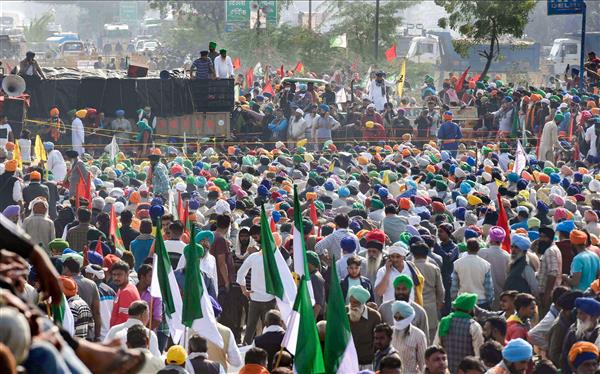
Thousands of farmers, mainly from Punjab, Haryana and Uttar Pradesh, have been protesting at various border points of Delhi for over two months demanding repeal of the three laws—the Farmers’ Produce Trade and Commerce (Promotion and Facilitation) Act, the Essential Commodities (Amendment) Act, and the Farmers (Empowerment and Protection) Agreement on Price Assurance and Farm Services Act.

Enacted in September 2020, the Centre has presented these laws as major farm reforms aimed at increasing farmers’ income, but the protesting farmers have raised concerns that these legislations would weaken the minimum support price (MSP) and “mandi” systems and leave them at the mercy of big corporations.

The government has maintained that these apprehensions are misplaced and ruled out repeal of the laws. — PTI


Ex-IAS officers to send quilts

Ex-IAS officers to send quilts

Students leave for Singhu in support of protesting farmers in Patiala on Monday. Photo: Rajesh Sachar

Chandigarh, January 18

Former IAS officers of Punjab today decided to send quilts, blankets, pillows and tarpaulins worth Rs 3 lakh for the protesting farmers at the Singhu border.

A decision to send these items was taken in a meeting held here today and presided over by SS Boparai and RI Singh. Officers expressed their apprehensions regarding the adverse effects of the three agriculture Acts on farmers and the agriculture sector. The former officers expressed concern regarding the threat to the federal structure of the country. — TNS


Leakage of military secret treason, those involved deserve no mercy: Antony Arnab chats set to trigger a storm in Parliament as Congress demands a high-level enquiry into who let the Balakot secret out

http://

Aditi Tandon

Tribune News Service

New Delhi, January 20

Upping the ante on the explosive Arnab Goswami chats on Wednesday, former Defence Minister and Congress veteran AK Antony said the leakage of secret military operations was treason and those who were party to the act deserved no mercy and must be punished.

Shocked at Republic TV Editor Arnab Goswami’s remarks to ex-BARC chief Partho Dasgupta three days before the IAF strike in Balakot that “something big is going to happen”, Antony said leaking official secret is a crime but leaking information on military operations was an anti national act and those involved must be punished.

Antony also said only four to five civilians in the top echelons of the government had the Balakot strike information and “someone from among them has leaked it.”

“Having worked with the military people I am sure no one from the military could ever leak such information,” the former defence minister said.

Demanding that an enquiry be ordered immediately to determine the source of the leak and whether the leak compromised the Balakot operations, Antony said, “One of the top five civilians in the government suspect. It has to be enquired immediately on war footing as to who that person is. Whoever is responsible for the leakage must be punished for treason and this journalist who was in possession of sensitive military operations he has to be punished. The government must order a proper enquiry. Whoever is responsible, whoever is party to the leakage of this sensitive military operation deserves no mercy. He has to be punished.”

The ex-minister, flanked by former home minister Sushil Kumar Shinde, former external affairs minister Salman Khurshid and Leader of Opposition in Rajya Sabha Ghulam Nabi Azad said today that “Leaking of official secret is a criminal act but leaking of official secret about military operation, a national security matter, that too sensitive military operations especially a military strike is treason, anti national.”

It is not just criminal action it is anti national activity, said Antony. He said only three or four or five ministers and officials could have known of the operation.

Antony said how three days before the Balakot strike on February 26, 2019, one journalist came to know the details of the air strike.

“It could have affected the operations. I don’t know whether it did not or. Effectiveness of the operation could also have been affected if details are known in advance to someone. How did a person not authorized to have this information end up having it?” he asked adding that a handful of people would know.

“After working with the military people I am very sure no military officer will leak such sensitive information to journalists or others so these documents were leaked to one journalist from among those four or five civilian people who are in the top position in the government, either the ministers or officers concerned with national security. Only they can leak these documents,” he said.

Shinde said the leakage must be probed under the Official Secrets Act with the Congress adding that the matter would be raised in Parliament and demand of a JPC made at an appropriate time after speaking to other parties.

Azad demanded a probe into whether Arnab was simply bragging his proximity to the government or whether he actually got help from the government to manipulate the TRPs through unlawful means.

“This matter is not the concern of one political party but of the entire country, how two persons—editor of a national channel and CEO of BARC – manipulated the TRPs. TRP itself gives you a greater role in national news networks and more advertisements. If someone has become richer, got more finances and ads not in normal course or merit but through criminal conspiracy and by manipulating TRPs artificially, this is a matter of great concern,” Azad said.

He asked whether the TRP and BARC system should function at the cost of national security.

Khurshid mentioned the alleged unsavoury references in the chats about the judiciary with Dasgupta once asking Arnab to “Buy the judge” and asked whether the judiciary would take cognizance of the issue.

“Irresponsible statements have been made in relation to a case. The comments are very painful and therefore some questions arise. Have attempts been made to influence the judiciary? Have any wrong decisions been secured through this influence?” asked Khurshid.


Khalsa Aid nominated for Nobel Peace Prize Canadian MP cites its humanitarian work

Khalsa Aid nominated for Nobel Peace Prize

A Khalsa Aid member works in a flood-hit area in Shahkot. File

Sukhmeet Bhasin

Tribune News Service

Bathinda, January 18

United Kingdom-based non-governmental organisation (NGO) Khalsa Aid has been nominated for the Nobel Peace Prize for its humanitarian work.

Canadian MP Tim Uppal, Mayor of Brampton Patrick Brown and the MPP for Brampton South Prabmeet Singh Sarkaria have officially nominated Khalsa Aid for the Nobel Peace Prize.

Ravi Singh, Founder, Khalsa Aid

Deeply humbled

We are deeply humbled by this nomination. Everything we do is because of our amazing teams and volunteers all around the globe. We are grateful for this historical nomination.

In the letter written to Berit Reiss-Andersen, Chair, The Norwegian Nobel Committee, Tim Uppal has stated that Khalsa Aid is an international NGO with an aim to provide humanitarian aid in disaster areas and civil conflict zones around the world.

It also stated that Khalsa Aid became the first-ever cross border international humanitarian aid organisation based on the Sikh principle of recognising the whole human race as one.

Further, it states that it was founded by Ravinder (Ravi) Singh, who was stuck by the plight of the refugees in Kosovo in 1999. The charity has been providing support around the world to victims of natural and manmade disasters such as floods, earthquakes, famines and wars for over 20 years.

Uppal also writes that Khalsa Aid, inspired by the Sikh ideology of ‘Sarbat da bhala’ (well-being of all), has been helping all those in need regardless of race, religion and border.

He also said Khalsa Aid represented exactly the kind of international cooperation and commitment the world needed in today’s times.

Ravi Singh reacted on social media, saying, “We are deeply humbled by this nomination. Everything we do is because of our amazing teams and volunteers all around the globe. We are grateful for this historical nomination.”

It is worth mentioning that Khalsa Aid has been actively serving the farmers who have been protesting at the Delhi borders for 53 days. It has also set up a Kisan Mall at the Tikri border.

On January 16, the National Investigation Agency (NIA) issued summons to Khalsa Aid’s India director Amanpreet Singh and other trustees and asked them to depose before the agency.


Delhi Police may allow tractor rally on Jan 26, but under strict supervision: Sources Police to get details of participating farmers, including vehicle number, RC details, names of drivers, and co-passengers

Delhi Police may allow tractor rally on Jan 26, but under strict supervision: Sources

A large numbers of farmers ride tractors during the ongoing protest against the new farm laws in Gurugram. Tribune photo/ S.Chandan

Tribune News Service
New Delhi, January 20

Delhi Police may allow protesting farmers to hold their planned tractor rally in the National Capital on January 26, but on the “pre-identified and sanitised” routes with a limited number of participants and under “strict police supervision”, said sources.

Sources in the Delhi Police said the officials are in talks with the protesting farmers and trying to convince them with the plan given the sensitivity of the day (January 26). But in case the farmers do not adhere to the plan and try to breach the blockade at the borders, the police will use all its might to push them back, they added.

The sources further said that the permission for the proposed rally could only be granted if there is a “mutual consensus” on the route, number of persons and number of tractors. “We would like to have in advance details of participating farmers including vehicle number, RC details, names of drivers, and co-passengers,” said a senior police officer.

As the Delhi Police had approached Supreme Court to seek instructions against the proposed rally or any other kind of protest by farmers, the top court had said the Delhi Police is competent and should decide on its own on the entry of protesting farmers into the national capital on Republic Day.

Meanwhile, the Delhi Police has made an elaborate arrangement to guard the national capital in the run-up and on the Republic Day this year. Nearly 75 per cent (more than 65,000) of the city’s 87,000 police personnel could continue to be on duty, supported by heavy barricading at many intersections and checkpoints on arterial roads, said a senior official.

“The iron barricading at the borders is being strengthened, and a number of large vehicles, water cannons and cranes will also be stationed there on Republic Day. The police have identified non-functional CCTV cameras in order to replace them,” he said, adding that recently an order has also been issued to ban the operation of “sub-conventional aerial platforms”, including UAVs, paragliders and hot air balloons, in the national capital for 27 days beginning January 20.

The Delhi Police has also asked the MHA for additional manpower in terms of CAPFs reinforcement, as work on the listing of deployment is being undertaken at Police headquarters to bring about a surprise for protesting farmers, the official said.


Women power to fore against farm laws Thousands protest in Barnala I Stage sit-in at Jyani’s house

Women power to fore against farm laws

A farmer leader addresses a gathering at the grain market in Dhanaula town of Barnala on Monday. Tribune photo

Tribune Reporters

Barnala/Fazilka, January 18

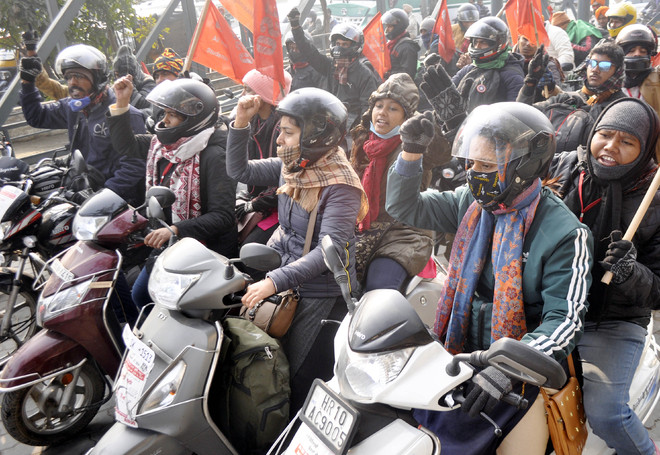
To observe ‘Mahila Kisan Diwas’, thousands of women today converged on the grain market at Dhanaula town in Barnala and raised their voice against the central farm laws. Protesters said they chose Dhanaula because BJP leader Harjeet Singh Grewal belongs to this town.

“The implementation of black farm laws will further burden the debt-ridden farmers of Punjab and impact the farming community adversely. BJP leaders like Grewal are trying to weaken our protest, and we would not allow that to happen at any cost,” said Manjit Kaur Barnala, spokesperson for BKU (Ugrahan).

Another woman leader, Gupreet Kaur, alleged the BJP-led central government first implemented the farm laws without any consultation with farmers and now its leaders were trying to convince farmers by distorting the facts about laws.

“The central government has been elected not by corporate houses, but the common man. It is hell-bent on destroying the agriculture sector,” alleged Komal Khanauri, BKU (Ugrahan) leader during the event.

Women and other activists of BKU (Ugrahan) from Sangrur, Fatehgarh Sahib, Patiala, Ludhiana, Mansa and Barnala districts participated in protest.

“Our protests at all venues, including New Delhi borders and Punjab, are gaining strength by the day and more and more residents are joining us. We would compel central government to rollback the black laws” said Jarnail Singh Badra, general secretary, BKU (Ugrahan) Barnala.

In Fazilka, a large number of farmers, including hundreds of women, participated in a massive protest held outside the residence of BJP coordination committee chairman Surjit Kumar Jyani at his native Katehra village to observe ‘Mahila Kisan Diwas’ today.

The protest was led by BKU (Ekta Ugrahan) general secretary Sukhdev Singh Kokri Kalan. After the failure of several rounds of talks with the central government, all factions of the BKU have decided to observe ‘Mahila Kisan Diwas’ to honour women for their incredible contribution in the protests.

Woman farmer leaders Gurpreet Kaur Jethuke from Bathinda and Kuldeep Kaur from Moga and Khet Mazdoor leaders Krishna Devi and Gurmel Kaur while addressing the gathering alleged that their rights were being snatched by the Centre and the three laws would ruin the farming community.

Kokri Kalan condemned BJP leaders Surjit Kumar Jyani and Harjeet Singh Grewal for their alleged anti-farmer stand. He said the protests against these leaders would continue. He demanded the repeal of the contentious laws, power amendment Bill and stubble pollution related ordinances.

Meanwhile, the farmers also observed a two-minute silence to pay tributes to farmers who have lost their lives during the protests.


Sharing is caring. 16 Facts About Guru Gobind Singh Ji – Every Human Being Must to Know

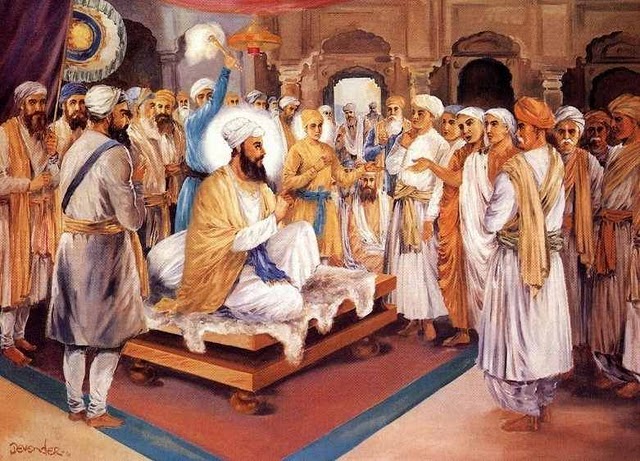
“The personality of Guru Gobind Singh is like Rainbow. He have Honeyed Humility (ਮਿਠਤ ਨੀਵੀ ) of Guru Nanak Dev ji, Lamblike Virtue (ਕਰੁਣਾਜਨਕ ਦ੍ਰਿਸ਼ਟੀ) of Jesus Christ, Spiritual Wisdom (ਆਤਮ ਗਯਾਨ) of Gautam Buddha, Bubbling Energy (ਜੋਸ਼ ) like Prophet Mohammad, Sunkissed Glory (ਸੂਰਜ ਦਾ ਤੇਜ) like Krishan and Abiding discipline (ਮਰਯਾਦਾ ਪੁਰਸ਼ੋਤਮ) and Royal glamour (ਸ਼ਾਹੀ ਸ਼ਾਨ) like Rama seen in his personality.” T.L.Vaswani Writes about Guru Gobind Singh.81BAwgGUIQL._SL1448_

1. Family and Early Life
► Birth and Childhood
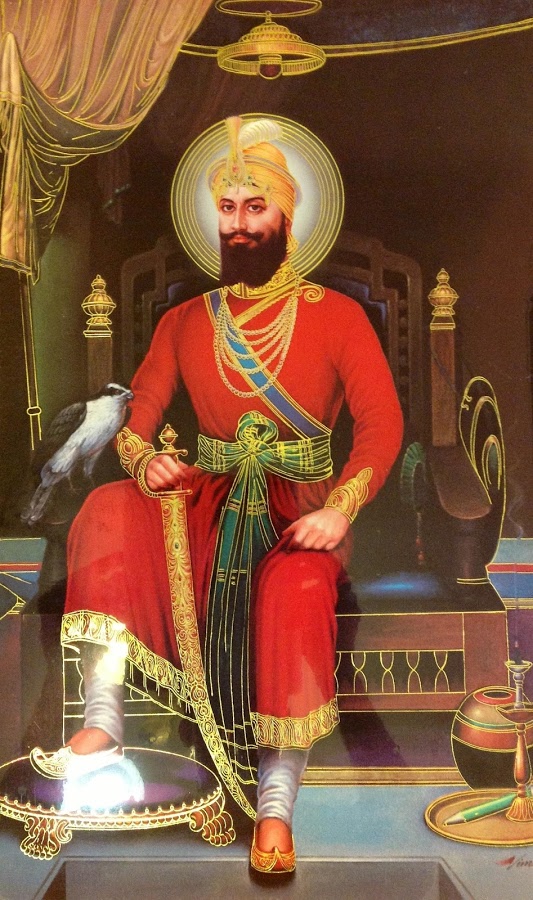
Guru Gobind Singh Ji (Gurmukhi: ਗੁਰੂ ਗੋਬਿੰਦ ਸਿੰਘ) (January 5, 1666-21 October, 1708), was the only son of Guru Teg Bahadur, the ninth Sikh guru, and Mata Gujri ji. He was born as “Gobind Rai” at Patna Sahib, Bihar, India, was the tenth Nanak or last of the human form Gurus/preachers of Sikhism. His teachings have inspired the Sikh community and all Human beings for generations. He became Guru on November 24, 1675 at the age of nine, following the martyrdom of his father, the ninth Guru, Guru Tegh Bahadur Ji.
► Marriage and Children
On 4th April, 1684, while still in Anandpur, Guru Gobind Singh was married to Mata Jito, also known as Mata Sundari the daughter of Bhai Ram Saran, a Kumarav Khatri of Bijvara, in present-day Hoshiarpur district of the Punjab.Four sons were born to Mata Jitoji/Sundariji Ajit Singh (7 Jan 1687), Jujhar Singh (14 March 1691), Zorawar Singh (17 November 1696) and Fateh Singh (25 February 1699)
► Mother of Khalsa-Mata Sahib Kaur ji
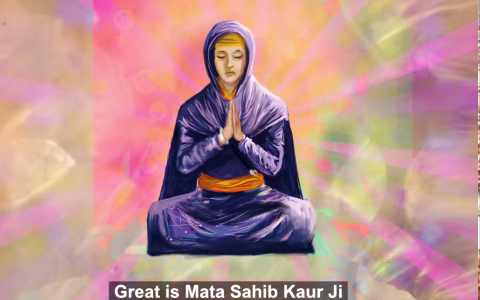
Mata Sahib Kaur, a follower of the tenth Sikh Guru, Guru Gobind Singh Ji was born in 1681 at Rohtas, Jhelum. Her parents, Mata Jasdevi Ji and Bhai Rama ji were ardent devotees of Guru Gobind Singh Ji. The devotion of her parents to Guruji influenced her very much and she also decided to devote her whole life in the service of Guru Gobind Singh Ji.

When the proposal of her marriage was brought for discussion to Anandpur, Guru Gobind Singh had already been married. Therefore, Guruji said that he could not have another wife since he was already married.But Sahib Deva from her heart & mind already accepted guru ji as her husband. Finally, Guruji agreed for her to stay at Anandpur but without accepting her as his wife on the term that the relationship with Mata Sahib Deva would be of a spiritual nature and not physicaland this is called ‘Kuwara Dolla’ also. The question arose, as most women desire to have children, how she could have one without being married. Then Guruji told that, “She will be the ‘mother’ of a great son who will live forever and be known all over the world.” Guru Gobind Singh Ji blessed her by giving her a unique title of “MOTHER OF KHALSA”.

2. Scholar and Warrior

Guru Sahib learned many languages including Sanskrit, Urdu, Hindi, Braj, Gurmukhi and Persian. Guru Gobind Singh’s literary heritage was very rich. Guru Gobind Singh, employed literature to the service of mankind. With its help they tried hard to shape the psyche of the people to enable them face the challenges for all times to come.Quite a large number of compositions were produced by the Guru himself Like Jaap Sahib, Akaal Ustat, Chandi di Vaar,Bachiter Natak,Swayaas, Zafarnaama,Shabad Hazare etc


ਧੰਨ ਜੀਓ ਤਿਹ ਕੋ ਜਗ ਮੈ ਮੁਖ ਤੇ ਹਰਿ ਚਿੱਤ ਮੈ ਜੁਧੁ ਬਿਚਾਰੈ ॥
Blessed and auspicious is the soul who in this world through his mouth and in his mind fights the war of righteousness
He also learned martial arts to become adept in self defense & combat. He also realized that a robust body is essential not only to fit the man for the rigors of soldiering but also to bring about alertness of mind and coordination which, along with physical fitness results in true mobility.Martial games and physical exercises were conduced regularly. These involved physical conditioning and toughening of the troops. Prizes were given to the most able bodied.
3. Guru Gobind Singh Ji’s Love For Art


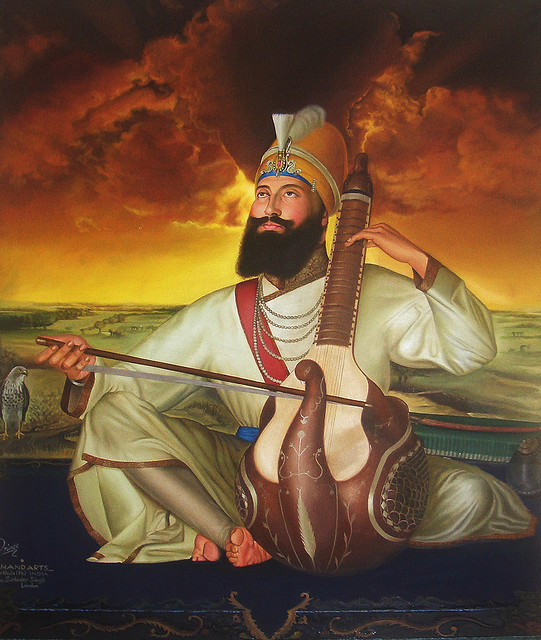
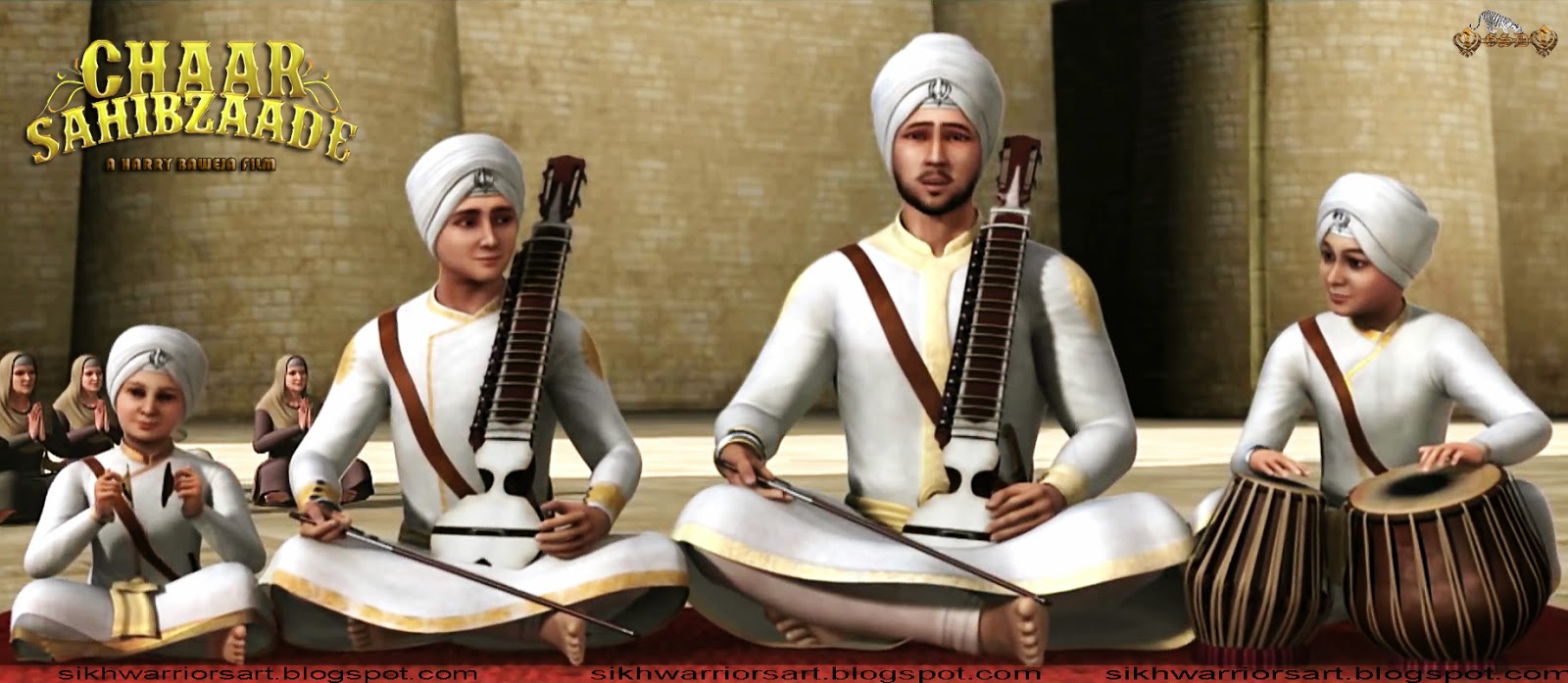
Guru Gobind Singh Ji cherished all kinds of art. He invented the musical instrument Dilruba (Esraj) which is used by many renowned modern musicians like The Beatles and AR Rahman in their musical compositions. It is said that there were  52 celebrated poets  in the Guru’s darbar (court) and Bhai Nand Lal Goya is one of them.


ਬਰ ਤਰ ਅਜ਼ ਹਰ ਕਦਰ ਗੁਰੂ ਗੋਬਿੰਦ ਸਿੰਘ ॥
Guru Gobind Singh supreme in all virtues.
ਜਾਵਿਦਾਨੀ ਸਦਰ ਗੁਰੂ ਗੋਬਿੰਦ ਸਿੰਘ ॥ ੧੪੪ ॥
He is eternal and above everyone else.(Bhai Nand Lal Goya)
4. Guardian of Human Rights
ਭੈ ਕਾਹੂ ਕਉ ਦੇਤ ਨਹਿ ਨਹਿ ਭੈ ਮਾਨਤ ਆਨ ॥
One who does not frighten anyone, and who is not afraid of anyone else
ਕਹੁ ਨਾਨਕ ਸੁਨਿ ਰੇ ਮਨਾ ਗਿਆਨੀ ਤਾਹਿ ਬਖਾਨਿ ॥੧੬॥
– says Nanak, listen, mind: call him spiritually wise. ||16||
Human Rights word come in existence When, the Kashmiri Pandits had approached Guru Tegh Bahadur Jee Maharaj, seeking his help to stop the forced conversions that were being carried out by Aurangzed, Guru Gobind Singh Ji ( then called Gobind Rai) who was just nine years old, came running to his father’s lap, and asked him what was the matter. Guru Jee replied, “These people are in trouble. It would require the sacrifice of a great man to save their faith/thier religion”. Gobind Rai replied ,”Father,  there is no soul greater than you at this time on earth. You should go ahead for the sacrifice.”Thus at the age of nine years, little Gobind Rai, is only the one example in the history who encourage and sent his father to safeguard the interest of Kashmiri Pandits (Hindus) by sacrificing his human frame.
5. Son of a Martyr & Father of Martyrs


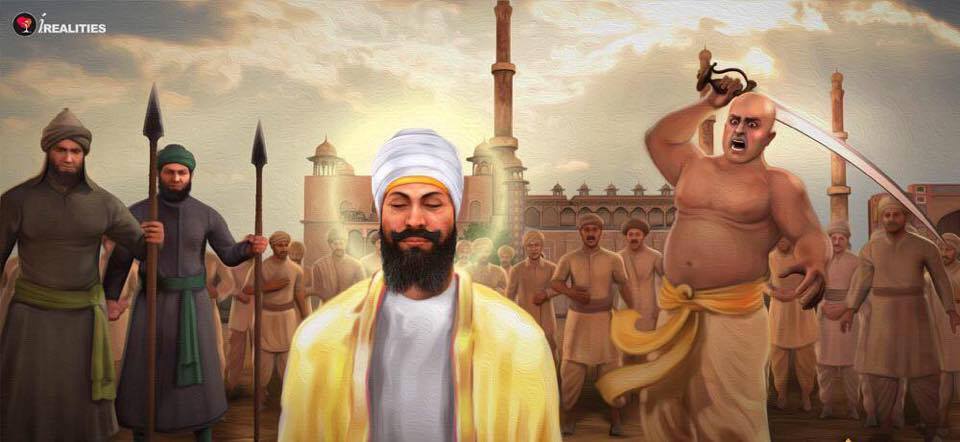
Guru Gobind Singh is only Human beeing in whole universe who is Son of Martyr and Father of Martyrs. The father of Guru Gobind Singh Nine Nanak,Guru Teg Bahadur scrifice his life for safe guard other’s religion (Hindu Religion) on 24 November 1675 at Chandni Chowk, Delhi, India,  when Gobind Rai was only Nine years old.


ਜਬ ਆਵ ਕੀ ਅਉਧ ਨਿਦਾਨ ਬਨੈ ਅਤ ਹੀ ਰਨ ਮੈ ਤਬ ਜੂਝ ਮਰੋਂ ॥੨੩੧॥
When the end of my life comes, then I may die fighting in the battlefield.231.


The Chaar Sahibzaade (Sons) of Guru Gobind Singh ji also Martyr, two (Baba Ajit Singh January 7, 1687 – December 22, 1704 only 17 Years Old and Baba Jujhar Singh March 1689-December 22, 1704, 15 Years Old Martyre in Battel of Chamkaur with fought 10 Lacs Army of Mugals and Hindu Pahadi (hill) Kings and two younger sons, Baba Zorawar Singh (17 November 1696-Dec 27,1704) and Baba Fateh Singh (25 February 1699-Dec 27,1704) in age of 7 and 5 years were Masonry alive in walls at Sarhind Fatehgarh Sahib.

6. The Battle Against Oppression

ਚੁ ਕਾਰ ਅਜ਼ ਹਮਹ ਹੀਲਤੇ ਦਰ ਗੁਜ਼ਸ਼ਤ ॥ ਹਲਾਲ ਅਸਤ ਬੁਰਦਨ ਬ ਸ਼ਮਸ਼ੀਰ ਦਸਤ ॥੨੨॥
When all other methods fail, it is proper to hold the sword in hand. (22)
The battles fought by Guru Ji never had a political intent, he fought only against injustice, and to preach his Divine message. He always taught that one must pick up the sword, only when all other methods of curbing oppression have failed.He is the only person, in the whole world who fought for injustice, even after so many victories, he never conquered any region of world & sacrificed his whole family & relatives to stop injustice to humanity.Guru ji fought 14 battles some of them are :
The Battle of Bhangani (1689): In September 1688, at the age of 19, Guru Gobind Singh fought the Battle of Bhangani against an allied force of Bhim Chand, Garwal king Fateh Khan and other local kings of the Sivalik Hills.The battle lasted for a day and thousands of lives were lost. The Guru came out victorious.
The Battle of Nadaun (1690) : Won against Mughals, in response to a request from Raja Bhim Chand.
The Battle of Anandpur Sahib (1700): Against combined forces of the Mughals and the Hill Rajas. After a prolonged Siege, the Guru left Anandgarh Fort.
The Battle of Chamkaur (1704): Forty Sikhs with the Guru fought valiantly against thousands of the enemies, and became martyrs. The two elder sons of the Guru also martyr fighting in this battle.
The Battle of Muktsar (1704): Forty Sikhs, who had abandoned Anandpur Sahib, returned to the Guru and sacrificed their lives while fighting in his defence against a Mugal Army. They became martyrs and the Guru blessed them as “MUKTAS”.
7. As a Leader Creation of the Khalsa – The Way of Life
ਆਗਿਆ ਭਈ ਅਕਾਲ ਕੀ ਤਬੀ ਚਲਾਇਓ ਪੰਥ ।
Under the orders of the Immortal Being, the Panth (Religion) was created.
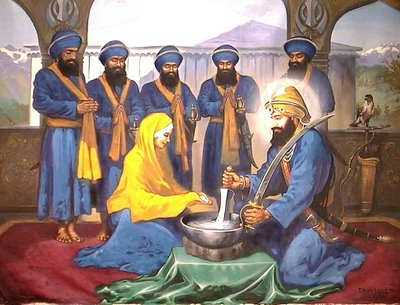
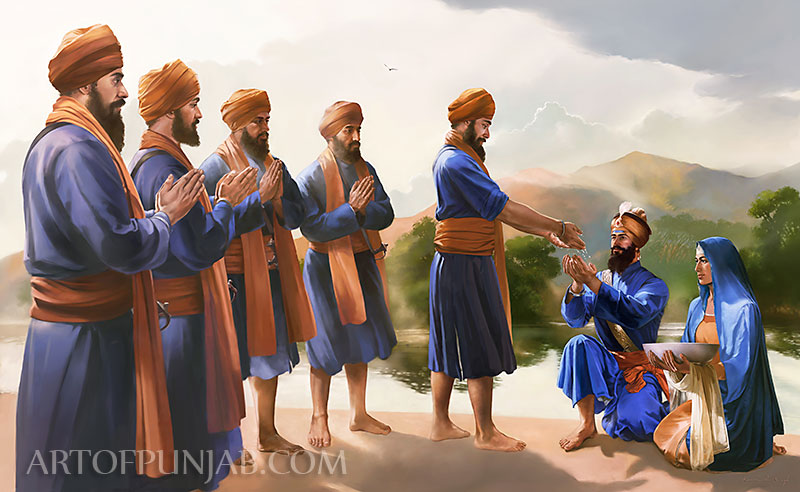
India was 1000 years of slavery under different foreign races. When people were forced to accept Islam and those who denied were killed, tortured and murdered.Hindus except Rajputs will not ride on elephant, fine horses, in palanquins or carry arms.Indian Hindus were divided in castism and caught in Ritualism. People were afraid and life of them was total hell. That time Guru gobind Singh Create KHALSA PANTH with sacred Bani and Amrit Sanchar on day of Baishakhi 1699. He Make Sant & Soldiers to fought against injustice of rural and ritualism of religious priests. In a brilliant move of strategy and leadership, Guru Gobind Singh transformed the Sikhs into the fearless and united body of the Khalsa.


With the creation of Khalsa Guru Gobind Singh permanently erased any caste differences that may have lingered on within the Sikh society of the time. In 1699, when the rest of the world was still practicing slavery and caste system Guru Gobind Singh declared all humans as equals. Guru Gobind Singh declared that a quorum of 5 Sikhs shall mean a presence of the Guru himself. He Gave his followers such an identity that never can be hidden.


8.The Panj Pyare – The Five Beloved of Guru
1.Bhai Daya Singh(1661-1708)-The meaning of the term “Daya” is “merciful, kind, compassionate.
2.Bhai Dharam Singh(1666-1708)-The meaning of “Dharam” is “righteous living.
3.Bhai Himat Singh (1661-1705)- The meaning of “Himmat” is “courageous spirit.”
4.Bhai Mohakam Singh (1663-1705)-The meaning of “Muhkam” is “strong firm leader or manager
5.Bhai Sahib Singh(1662-1705)-The meaning of “Sahib” is “lordly or masterful.”

Basic meaning of these five is a way of living life. when someone have “Daya” Mercy in his heart only than one can be on the way of “Dharam” or religion and who is on the way of Dharam/religion never afraid any one or any evil he has such a “Himat” or Courageous spirit.Who have Himat/Courageous Spirit always victorious on every enemy or inner evil thats called “Mohakam” or free from all evils and at last who is free from all evils become a part of “Sahib” or Waheguru/God. This is whole the meaning of these five beloved of Guru Gobind Singh Ji that teach us the way of life.


9. The equality of Human Being – Singh and Kaur 
ਹਿੰਦੂ ਤੁਰਕ ਕੋਊ ਰਾਫਜੀ ਇਮਾਮ ਸਾਫੀ ਮਾਨਸ ਕੀ ਜਾਤ ਸਬੈ ਏਕੈ ਪਹਿਚਾਨਬੋ ॥
“Some are Hindus while other Muslims. some are Shias and
others are Sunnis.  Man’s caste should be
considered as one”
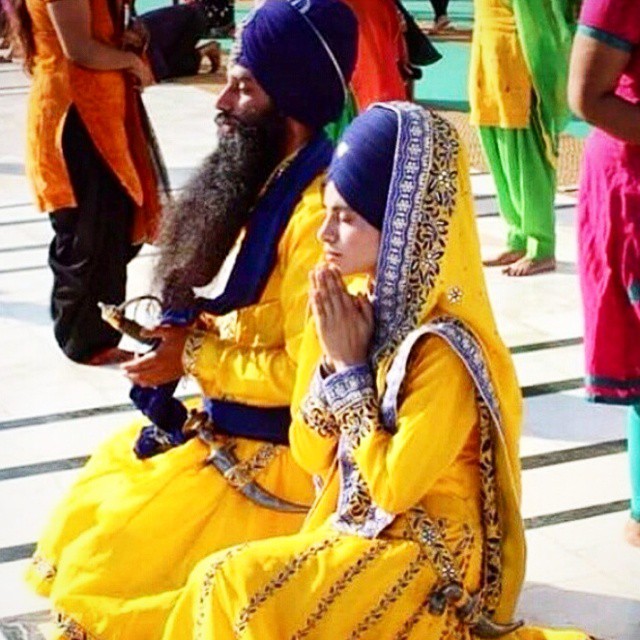
At the gathering of 1699, Guru Gobind SIngh founded the Khalsa Vani – “Waheguru ji ka Khalsa, Waheguru ji ki fateh”. He named all his followers with the title Singh and Kaur. Singh means a lion and Kaur means a princess. In Sikhism these titles eliminate discrimination based on “family name” (which denotes a specific caste) and reinforces that all humans are sovereigns and equal under God.
10.The principles of the Five ‘K’s – The 5 Articles of Faith 
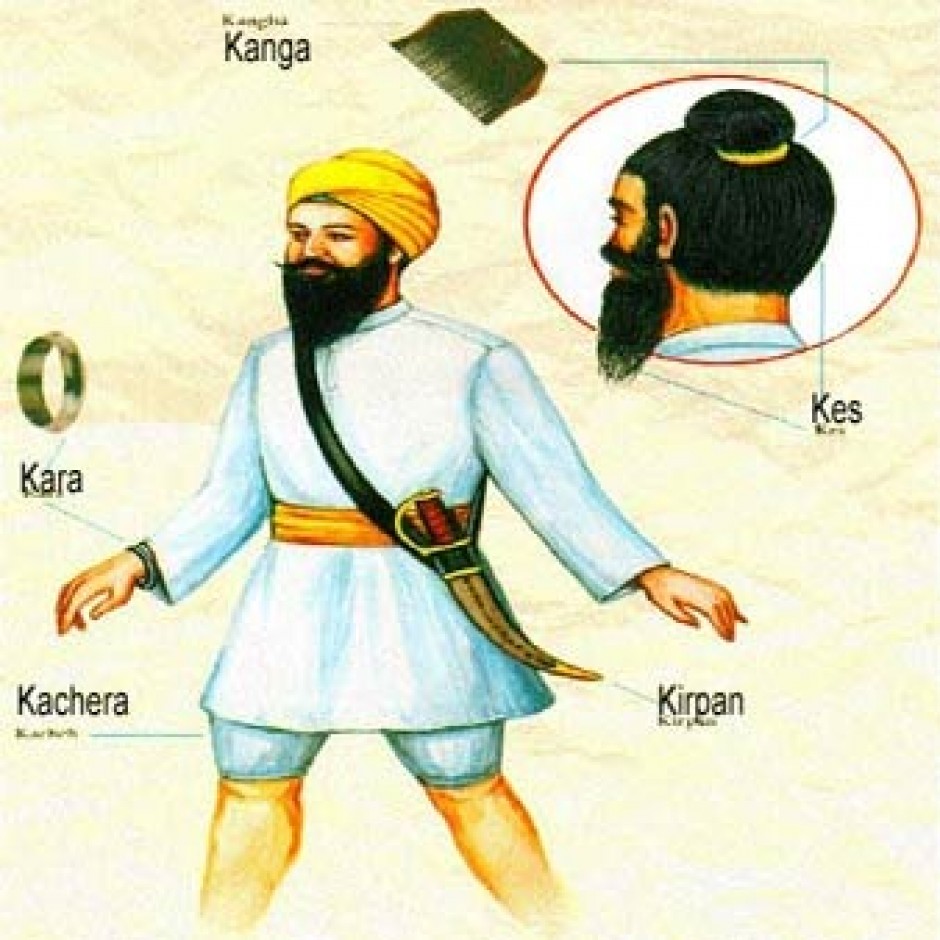
The 5 Articles of Faith, given by Guru Gobind Singh that a baptised Sikh has to carry every time with him. When Guru Ji mandated it for all Sikhs, he united them under a unique physical appearance. The five ‘K’s are the five principles of life that are to be followed by a Khalsa has a great significance and a deep meaning behind them.
1.The Kesh (Hair)
The hair, is considered to be a gift of the Almighty and is supposed to be kept in its natural state. Guru Nanak Dev ji started this practice, and Guru Gobind Singh ji instructed the Sikhs to wear the Turban in order to protect it.
2.The Kangha or wooden comb – as a symbol of cleanliness
A Sikh is instructed to carry a comb, comb his hair twice a day and tie his turban neatly. The turban is worn to protect the hair and to promote social identity. 
3.The Kara or iron bracelet
The bracelet, worn on the right wrist, as a mark to remind a Khalsa of self-restraint.
4.The Kirpan
The sword symbolizes courage and self- defence, to defend oneself and the poor, the weak and the oppressed from all religions, castes and creeds.It embraces dignity and is a reminder of self dependence and reliance.
5.The Kacchera
The under shorts, reminds the Sikhs about the self discipline over rage, anger, lust and passion. If a Sikh ever gets caught in a moment of negativity, the Kachehra reminds him of his duties.
11.Humility and Temperance –  Master and Disciple
Another good thing that we can learn from the Guru’s life is to remain humble and not to be elated when success licks our feet, and not to feel dejected when our efforts fail. He created an example of humility when he knelt before his five beloveds and requested to be baptized. Thus he gave his people a new status superior to himself. He advised his followers not to treat him as God. He considered himself an ordinary man of God. He was humble enough to give the credit of his achievements to his followers:
ਜੇ ਹਮ ਕੋ ਪਰਮੇਸਰ ਉਚਰਿ ਹੈ ॥ ਤੇ ਸਭ ਨਰਕ ਕੁੰਡ ਮਹਿ ਪਰਿ ਹੈ ॥ ਮੋ ਕੌ ਦਾਸ ਤਵਨ ਕਾ ਜਾਨੋ ॥ ਯਾ ਮੈ ਭੇਦ ਨ ਰੰਚ ਛਾਨੋ ॥ 
‘Those who call me God will fall into the pit of hell . Consider me as His (the Immortal Lord’s) servant, Understand that there is not one iota of discrepancy in this statement.
ਮੈ ਹੋ ਪਰਮ ਪੁਰਖ ਕੋ ਦਾਸਾ ॥ ਦੇਖਨ ਆਯੋ ਜਗਤ ਤਮਾਸਾ ॥ (Dasam Granth:132)
 I am servant to the Supreme Lord. And have come to witness the pageant of this world.’
12. Respect all Religion and Their Sacred Things
ਨਾ ਕੋ ਬੈਰੀ ਨਹੀ ਬਿਗਾਨਾ ਸਗਲ ਸੰਗਿ ਹਮ ਕਉ ਬਨਿ ਆਈ ॥
No one is my enemy, and no one is a stranger to me. I get along with everyone (1299).
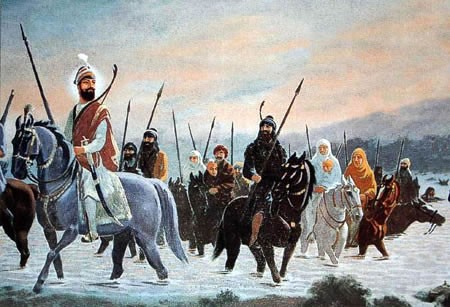
Under the pressure of a prolonged siege with food and ammunition exhausted, Guru Gobind Singh and 400 Sikhs left Sri Anandpur Sahib on the bitter cold and rainy night of December 20, 1704. The Mughals and Ajmer Chand’s league of Rajput Hill Chieftains had offered Guru Sahib a safe passage to leave Anandpur Sahib on an oath sworn on the Quran, an oath that had been signed by emperor Aurangzeb, as well as, an oath swore on the cow (which Hindus consider sacred) by the Rajput Chieftains. However, their respective ‘Holy’ oaths proved to be meaningless as they lost little time betraying their promises to Guru Sahib, almost as soon as the Sikhs had left the safety of their impregnable fortress.
13.About Superstious People and Masands
The Guru received various complaints against the priests, masands who robbed the poor People and misappropriated the collections. Guru Sahib abolished this order and severly punished the miscreants. Hereafter, the faithful were to bring their offerings directly to the Guru at the time of the annual Vaisakhi fair.
The Guru wanted to create a strong self-respecting community. He inspired the Sikhs with courage and heroism and a life of simplicity and hard work.
Once when the Brahmins insisted that he should offer worship or yug to goddess Durga in order to seal victory, he agreed and kept up the farce till nothing came out of it. At the crucial moment,the Guru unsheathed his sword exclaiming, “The sword is our Durga which will give us victory over our enemies”.
ਕਾਹੂ ਲੈ ਪਾਹਨ ਪੂਜ ਧਰਯੋ ਸਿਰ ਕਾਹੂ ਲੈ ਲਿੰਗ ਗਰੇ ਲਟਕਾਇਓ ॥
Some worship stones, borne on their heads; some hang lingams from their necks.
ਕਾਹੂ ਲਖਿਓ ਹਰਿ ਅਵਾਚੀ ਦਿਸਾ ਮਹਿ ਕਾਹੂ ਪਛਾਹ ਕੋ ਸੀਸੁ ਨਿਵਾਇਓ ॥
Some claim that God dwells in the south, whilst other bow to the West.
ਕੋਉ ਬੁਤਾਨ ਕੋ ਪੂਜਤ ਹੈ ਪਸੁ ਕੋਉ ਮ੍ਰਿਤਾਨ ਕੋ ਪੂਜਨ ਧਾਇਓ ॥
Some worship idols, foolishly ignorant; others put trust in the tombs of the dead.
ਕੂਰ ਕ੍ਰਿਆ ਉਰਿਝਓ ਸਭ ਹੀ ਜਗ ਸ੍ਰੀ ਭਗਵਾਨ ਕੋ ਭੇਦੁ ਨ ਪਾਇਓ ॥10॥30॥
All are astray, seduced by false ritual; none knows the secret of God
॥10॥30॥
14. Forward Looking
ਆਗਿਆ ਭਈ ਅਕਾਲ ਕੀ ਤਬੀ ਚਲਾਇਓ ਪੰਥ॥ ਸਭ ਸਿੱਖਨ ਕੋ ਹੁਕਮ ਹੈ ਗੁਰੂ ਮਾਨਿਓ ਗ੍ਰੰਥ॥

Under orders of the Immortal Being, the Panth was created. All the Sikhs are enjoined to accept the Granth as their Guru.

Guru Gobind Singh molded the Sikh religion into its present shape, with the institution of the Khalsa fraternity, and completion of the sacred scripture, the Guru Granth Sahib, in the final form that we find today. Before leaving his mortal body in 1708, Guru Gobind Singh decreed the “Guru Granth Sahib” as the next and perpetual Guru of the Sikhs.As Guru Ji was the 10th and the last of the human Guru of Sikhism, he made some practices and code of conduct for the Sikhs, called the ‘Khalsa’ and ordered Sikhs to accept the Guru Granth Sahib Ji as the Guru hereafter.
15. A Unique Personality
Guru Gobind Singh was not a ruler yet he ruled the hearts of the people through the force of his moral character. He was a true socialist in thought, word and deed. Never before Guru Gobind Singh, a child of 9 requested his father to go and offer his head for the sake of his oppressed countrymen whose religious freedom was in danger. He directed his young sons to fight against heavy odds, where death was certain. Never before has any leader sacrificed everything dear to him without any remorse. Never before has any religious leader knelt before his followers and treated them as superior to himself, and never before has any general fought battles himself like Guru Gobind Singh did.

ਮਿੱਤਰ ਪਿਆਰੇ ਨੂੰ ਹਾਲ ਮੁਰੀਦਾ ਦਾ ਕਹਿਣਾ ॥
Tell the beloved friend (the Lord) the plight of his disciples ॥

200 years before Hentry Dunant, the Guru started the movement of Red Cross by supplying ointment and bandages to Bhai Kanhiya for dressing the injured soldiers without considering their religion. To him, it was a sin to bow before tyranny and righteousness to take up arms against the tyrants He reconciled the cult of sword with spiritual values. He succeeded in convincing the masses that the destiny of a nation changes only when people themselves make an effort to alter it. He blended the courage of the soldier with the enthusiasm of a devotee. He projected the concept that weapons were the medium of worship of God. Under his leadership, the cows of Guru Nanak’s time had become lions. He converted undisciplined persons given to plunder and agriculture pursuits into a force of disciplined soldiers. Under his able leadership, a handful section of the society humbled the so-called invincible power of the Mughals.

16. Diffrent Name of Guru Gobind Singh ji
1.’Sarbansh Dani’ – Guru Ji is referred to as ‘Sarbansh Dani’, as he sacrificed his entire lineage (Grand Father, Father, Mother, Four little sons,Cousin) for fighting against oppression and tyranny.
2.Kalgiya wala
3.Dashmesh Pita
4.Baazan Wala
5.Sahib e Kamal
6.Mard Agamda
7.Sant Sipahi
8.Aape Guru Chela
9.Amrit da Data
10.Nile da Sah Sawaar
11.Parmpurkh ka daasa
12.Anadpur da Waasi
13.Hemkunt Waasi
14.The Father of Khalsa
15.Uch Da Peer
16.Sache Patshah
17.Badshah Darvesh
He considered the entire Khalsa as his sons and daughters , not only his four biological sons. So does he say,
“In puttran ke sees par, vaar diye sut chaar,Chaar mue to kya hua, jeevat kai hazaar”
( For the Khalsa (my children), I have sacrificed my 4 (biological sons).
So what if four are dead? Thousands of my sons will live hereafter !)
Guru Dev considered the Khalsa as his own image, and said that he himself is present within the Khalsa.

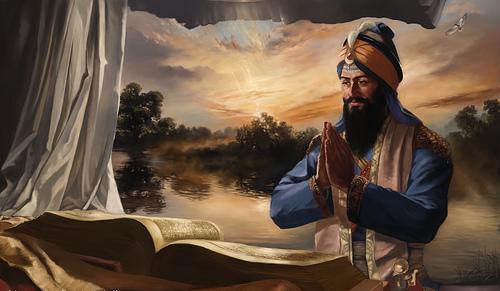
Guru Gobind Singh Ji left His physical body in 1708, at Abchal Nagar, Hazoor Sahib (Nanded, Maharashtra, India).Saying ‘Waheguru ji ka Khalsa, Waheguru ji ki Fateh’, Guru walked around the Guru Granth Sahib and proclaimed, “O beloved Khalsa, let him who desireth to behold me, behold the Guru Granth. Obey the Granth Sahib. It is the visible body of the Gurus. And let him who desires to meet me, search me in the hymns.”

‘Waheguru ji ka Khalsa, Waheguru ji ki Fateh’

Narinder Kapany: Unsung hero who coined term ‘fibre optics’ and touched billions of lives
Narinder Kapany: Unsung hero who coined term ‘fibre optics’ and touched billions of lives

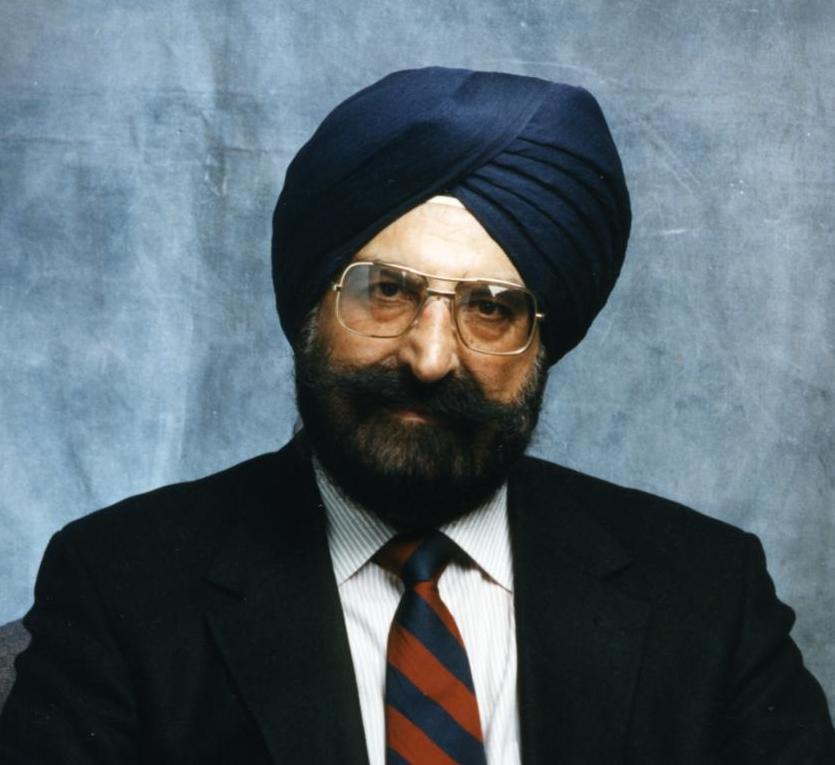
Narinder Singh Kapany. Photo courtesy: Sikh Foundation

New Delhi, January 18

Fibre optics – say the words and people think of high-speed internet cables. More knowledgeable ones might also know it is the science of transmitting light through flexible fibre. But very few would even have an inkling that the man who coined the term “fibre optics” was born and educated in India.

Fewer still realise that the contributions of Narinder Singh Kapany find application in the lives of billions of people on this planet, in ways big and small.

Kapany died in the US last month, a trailblazer in the field of fibre optics, a role model for optical engineers but an unsung hero, unknown to so many whose lives he touched with his innovations.

Kapany, 94, passed away peacefully in Redwood City, California, a world away from Moga in Punjab where he was born and the hill town of Dehradun where he grew up. He graduated in 1948 from Agra University, later receiving his doctorate from Imperial College, London, in 1955.

The wide applications of the field that has gone on to revolutionise the internet age stand on the shoulders of Kapany who demonstrated that light transmission is possible with flexible fibre bundles.

Credited with coining the term “fibre optics”, Kapany was a true visionary in his field who earned over 100 patents, say scientists. His seminal research in fibre optics, lasers and solar energy have found applications in bio-medical instruments, defence, communications and pollution-monitoring. Inspiration struck early.

“When I was a high school student at Dehradun in the beautiful foothills of the Himalayas, it occurred to me that light need not travel in a straight line, that it could be bent. I carried the idea to college,” Indian physicist Shivanand Kanavi quoted Kapany as saying in his 2003 book ‘Sand to Silicon: The Amazing Story of Digital Technology’.

Kanavi is among the several scientists who believe Kapany’s contribution may have gone unnoticed by the Royal Swedish Academy of Sciences which grants the Nobel Prize.

While Chinese scientist Charles K Kao was one of the recipients of the Nobel Prize for Physics in 2009 “for groundbreaking achievements concerning the transmission of light in fibres for optical communication”, it was Kapany who first demonstrated successfully that light can be transmitted through bent glass fibres, Kanavi said.

In his illustrious career as scientist, engineer and entrepreneur, Kapany authored four books on fibre optics and entrepreneurship. In 1999, Fortune named him one of seven ‘Unsung Heroes’ in their ‘Businessmen of the Century’ issue.

The first breakthrough came in 1953 when Kapany, along with his PhD guide Harold Horace Hopkins at Imperial College London, became the first to successfully transmit high-quality images through fibre bundles. With Hopkins, Kapany carefully assembled 10,000 to 20,000 fibre bundles, each the diameter of 1/1000 of an inch, as fine as a single strand of the average human hair, and showed light guidance and imaging through a 75-centimetre-long fibre.

The duo published their results in the journal Nature on January 2, 1954, and there was no looking back after that.

Following this pioneering feat, he came up with the term “fibre optics” in a famous article for Scientific American in 1960. “If light is directed into one end of a glass fiber, it will emerge at the other end. Bundles of such fibers can be used to conduct images over a tortuous path and to transform them in various ways,” Kapany wrote, describing the potential applications of the field.

Kapany realised that bundles of thin glass fibres could bend more easily. “Initially, my primary interest was to use them in medical instruments for looking inside the human body. The broad potential of optic fibers did not dawn on me till 1955. It was then that I coined the term fibre optics,” he told Kanavi, who is an adjunct faculty at the National Institute of Advanced Studies in Bengaluru.

The principle behind fibre optic technology is the concept of total internal reflection in which light, when beamed through a glass slab at specific angles, reflects it back completely.

Indian Institute of Technology professor Deepa Venkitesh explained that optical fibre is nothing but hair-thin silica glass drawn to kilometres of length.

“Now if you launch light correctly into this fibre, the light bounces multiple times at the interface and is trapped in the fibre, propagating until it reaches the far end of the fiber,” the fibre optics researcher told PTI.

She said the importance of fibre optics had grown in this era of working from home.

“The backbone that enables high-speed connectivity in front-end mobile devices is in fact the humongous fibre optic communication network that spans the globe,” Venkitesh said.

“Kapany’s key contributions are the demonstration of a system utilising optical fibres for the purpose of transmission of an image over a reasonable distance and the coining of the term fibre optics and sort of introducing the field to a wider audience through an article in the Scientific American,” added VR Supradeepa, associate professor, Centre for Nano Science and Engineering, Indian Institute of Science (IISc), Bengaluru.

He said it is hard to find areas which had not been affected by advances in fibre optic communication.

“Any application which involves the internet and similar computer networks is built upon fibre optic communication. The field has come a long way since the early demonstrations by Dr Kapany. From his demonstrations of the first static optical fiber link over a fiber bundle, we now have multi terabits (1 trillion bits) per second communications over a single fibre strand,” the IISc scientist added.

Science writer Jeff Hecht noted in his book, ‘City of Light: The Story of Fiber Optics’ that Kapany was the lead author on 46 scientific papers and co-author of 10 more in the years between 1955 and 1965. “That represented a staggering 30 per cent of all the papers published on fiber optics during those years, including reports on medical treatment,” he said.

After migrating to the US, Kapany first worked at Rochester University, then at the Illinois Institute of Technology in Chicago.

In 1961, he founded Optics Technology Inc successfully taking it public in 1967 – the first Sikh Indian to take a company public in Silicon Valley. He created the Sikh Foundation in 1967 which pioneered the display of Sikh arts at the Victoria and Albert Museum in London, the Smithsonian Museum in Washington, DC, and at the Rubin Museum in New York.

Kapany, who is survived by wife Satinder Kaur, two children and four grandchildren, was witness to the horrors of Partition during his years in Dehradun.

Sharing his firsthand accounts with the 1947 Partition Archive, a non-profit organisation, he recalled a mob turning up at their home and demanding that he hand over a Muslim domestic help.

“They were shouting and said, ‘You have a Muslim living here, give him to us’,” he recalled in his interview with the organisation. But he was prepared to use his double-barrel gun to protect the house help.

“I think there were some wise people there who found that I meant it. I wasn’t going to let anybody hurt him,” he said.

Kapany’s last book, a memoir titled ‘The Man Who Bent Light’, is expected to be available in spring this year. PTI