Sanjha Morcha

India, China armies test their shooting skills in live firing exercise

http://

Tribune News Service
Chandigarh, December 13

Armies of India and China on Thursday participated in ‘Combat Skill Live Firing’ exercise as part of the seventh edition of Sino-Indian joint military exercise ‘Hand-in-Hand 2018’, currently under way in China’s Chengdu.

Aimed at achieving synergy and interoperability, both contingents took turns to participate in the exercise. The exercise involved shooting static and impromptu targets while on the move.

‘Hand-in-Hand 2018’ began on December 11, and will go on until December 23.

Company size contingents of 11 Sikh Light Infantry from Indian Army and a regiment from Tibetan Military District of People’s Liberation Army are participating in the exercise.

The Indian contingent is commanded by Col Puneet Paratap Singh Tomar, Commanding Officer of 11 Sikh Light Infantry, while the Chinese contingent is led by Col Zhou Jun, Commanding Officer from Infantry Battalion of Tibetan Military District of PLA, according to an official Indian Army statement.


A lost plot

The celluloid depiction of the bravery of defence personnel in India has been lacking soul by being belligerent and loud
A lost plot

Nonika Singh

A soldier will fight long and hard for a bit of coloured ribbon. Napoleon Bonaparte

And Indian soldier even more so. The Indian Army and its high morale on battlefield or even off it, has  never been a subject of dispute. Alas, the same can’t be said of the celluloid depiction of the bravery of the men in uniform. In a society increasingly turning insular towards the sacrifices its defence forces make, a cinematic tribute ought to be the proverbial knock on the head. But with a few exceptions what makers offer is more like a thud, loud and belligerent.

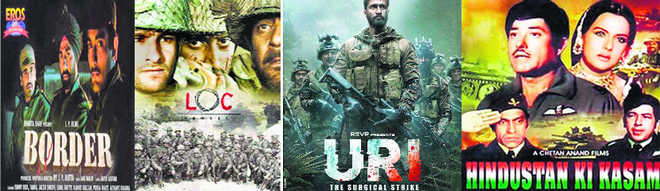
No doubt men in uniform have never looked more dashing as on our silver screen. For a long time, the Indian cinema has flirted with the image of a defence officer, portraying him in the best of colours —  suave, intelligent and undeniably handsome. Be it in fleeting parts as in Sangam, Aradhana or plum roles (Hindustan Ki Kasam, Hum Dono, Border, Rustom), the list of heroes who have donned the uniform and rocked the look runs long and impressive.

But then wearing a uniform on screen is easy. Finding them a matching and equally sterling and inspiring story, however, is easier said than done. No wonder, war movies are not exactly a staple diet of our filmmakers.  Except for JP Dutta, whose heart beats for defence personnel, a few have dared to replicate the daring feats of our war heroes. Fewer still make the reel world credible and visceral. If old-timers swear by Haqeeqat whose song ‘Main yeh soch ke’ continues to ring through corridors of time, in more recent memory, the movie that flashes  is Border. Based on the Battle of Longewala during the Indo-Pakistan War in 1971 and starring handsome Sunny Deol as Punjab’s very own war hero Major Kuldip Singh Chandpuri, Border went on to win the National Award for National integration. Till date it is rated as the best movie by Dutta, who went on to direct LOC Kargil later.

Depicting the Indian Army’s valiant win on the highest battlefield, LOC, which opened to mixed reviews, had the standard Dutta tropes. Burdening each character with a pining wife and lover is the only way our directors deem fit to create an emotional core in such films dripping with overt sentimentality.

Patriotism, too, is an over used card with which they try to hook and hoodwink the viewer. Films like Anil Sharma’s Ab Tumhare Hawale Watan Saathiyo, touted as the first film on Indo-Pak friendship for instance indulged in blatant Pak bashing . Be it 1971 Beyond Borders or just 1971, which was about six prisoners of war, the directors and scriptwriters rarely push the envelope and, at best, fall in “good effort well intended” category.

Contrast this with the West where films delve deep into the psychology of the battles, what soldiers have to grapple with. Directed by Clint Eastwood, American Sniper — a biographical war drama film — followed the life of Kyle, who became the deadliest marksman in US military history with 255 kills from four tours in the Iraq War. Then there is Kathryn Bigelow’s The Hurt Locker, yet another Iraq war film described as spellbinding and gut-wrenching. Universally acclaimed, it won six Academy Awards, including Best Film and Best Original Screenplay, making Bigelow the first female director to win Best Film award.

Steven Spielberg’s Saving Private Ryan is undisputedly on everyone’s favourite list of war films. Set during the invasion of Normandy in World War II, it asks how important one person’s life is and entails the sacrifices in the line of duty without even once uttering the word. It simply yet emphatically tells the story of a war veteran who sacrifices his life to save yet another soldier, Ryan.

Hollywood succeeds in portrayals that are poignant, gritty and moving in equal parts. These are films where silence speaks and not just the sound of guns. In comparison, desi war dramas only jump the gun and rarely touch a raw nerve.

Invariably, Bollywood does not go beyond paying lip service to the gallant. Jingoism might make Dutta see red, but when he forces unnecessary bravado on us as in his latest Paltan, no other word comes to mind. Prior to the release of this movie based on the Nathu-la military clashes of  1967, which took place along the Sikkim border,  he promised that there won’t be a single dry eye. Alas, the only heartfelt moment in the film was the line “Tum 100 crore ke ehsason mein zinda ho”.

Indeed, every once in a while there is a film that demands and commands attention. Shoojit Sircar’s Madras Cafe for instance. Delving into India’s role in Sri Lanka’s ethnic strife and the presence of   the IPKF in Sri Lanka, it encapsulated the cycle of events through the eyes of iArmy Intelligence officer Vikram (John Abraham). Despite certain flaws, it did manage to take you into the thick of things. Never mind that it married fact with fiction, it was on point as far as research and authenticity (real names of course were changed) were concerned. Sans item songs or any other digression, it remained close to the subject. Peppered with dialogues like “We lost our Prime Minster and Sri Lankan Tamils their future,” it was indeed an intelligent take on wars, portraying these as essentially what they are — a human tragedy more than anything else.

Dutta, too, asserts that war movies are essentially anti-war. Yet despite his noble intentions, India is yet to make a world class war film, a feat achieved by smaller nations such as Israel whose two films Waltz With Bashir and Foxtrot, dealing with dilemmas of soldiers won critical appreciation worldwide.

Will the upcoming Kesari that tells the story of Battle of Saragarhi, in which an army of 21 Sikhs fought against 10,000 Afghans in 1897, might tilt the scales and give us a cinematic treat that has eludedus so far? In near future we will also get to see movies on Uri attacks and on Captain Vikram Batra who died in the Kargil War and was awarded the Param Vir Chakra posthumously.  To what extent will the film on Batra will do justice to the gallant officer, remains to be seen. Uri: The Surgical Strike takes a leaf from the very recent retaliatory ‘surgical strikes’ in the wake of Uri attacks.

Will these movies reverse the tide and rise above clichés? Without doubt these are stories waiting to be told. However, the trick lies in not merely recounting heroic tales but delving deep and going beyond the Mera Bharat Mahan rhetoric too.



Imran’s googly takes a wicket by Lt gen Syed Ata Hasnain (retd)

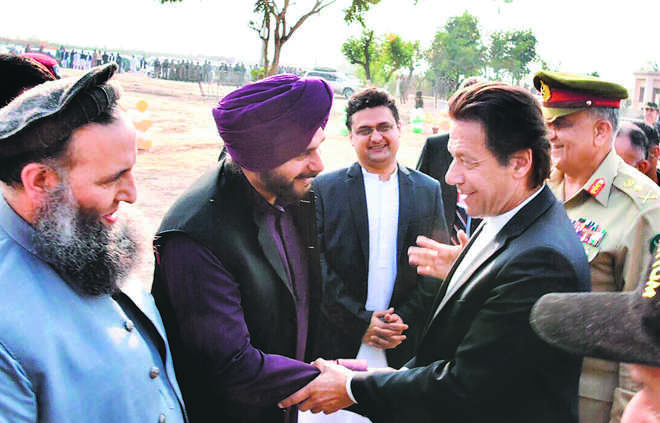
he presence of Pak army chief and a Khalistani leader gave the game away

Imran’s googly takes a wicket

Off the mark: The Pakistan army chief should have kept away from the ceremony.

Lt Gen Syed Ata Hasnain (retd)
Chancellor, Central University of Kashmir 

Prime minister Imran Khan just completed hundred days in office. His pre-power utterances did not inspire much confidence as he mouthed only words that the security establishment of Pakistan (the Deep State) was happy to hear. However ever since coming to power, he has been trying too hard to draw India into a dialogue, even as there is no let-up in the proxy war his country relentlessly pursues in J&K. Either he is not smart enough to appreciate India’s concerns or the Deep State hopes to escape some of the vilification which comes its way time and again from the international community, by forcing an Indian refusal. Pakistan Foreign Minister Shah Mehmood Qureshi’s subsequent mischievous statement that Imran Khan delivered a googly and India sent two ministers to Pakistan reveals the immature attitude of the Pakistan government promoted by the deep state.

While yet a cricketer, Imran was popular in India. He seems to think that the same popularity has accompanied him into the murky world of politics. The relationship of his country with India is on a different plane than what it was in the 70s and 80s. The terms then too were not friendly, but people-to-people contact existed. The LoC was quiet except for an odd infringement of the ceasefire agreed in 1971. The Siachen issue was beginning to heat up relations. But there existed an accepted idea that the military domain involving trans-LoC exchanges should not come in the way of bilateral relations. It was only after 1987 that things started to change in J&K and came to a head in early 1990. Imran was then captaining his team for the World Cup in 1992. Navjot Sidhu played for India and a goodly relationship had developed between them and other team members. The friendship continued, unmindful of the changes. This is what the two bring to the table today, frozen in time. Both are idealists while the time today is of realists.

Evidence that Imran has not been able to shed the sportsman’s persona comes from his utterances about Sidhu in his recent speech. Referring to the possibility of peace with India if and when Sidhu would be the PM of India exposes his naivety. If it was a  statement at the behest of the Deep State, it is even worse because Gen Bajwa must know that evoking a positive response from India won’t happen by instigating the BJP. Perhaps that was the intent; irritate the Indian leadership to such an extent that even with a goodwill gesture such as the Kartarpur corridor, it would be forced to respond negatively and thereby hopefully remain open to international criticism. 

In the sensitive world of India-Pakistan relations, every gesture is under the scanner for potential negativity, howsoever positive the intent. The moment Imran learnt that the Indian Government was playing ball up to a point and had no intent of treating a religious-cultural initiative as a political initiative, he should have changed tack. He should have spoken of the event being a major one in the people-to-people field which hopefully would transform to the political field. Mentioning the futility of war was fine, but implying mutual assured destruction due to the nuclear capability of both countries was like baiting India.

We are at a stage in the mutual relationship where to break the negativity in the political diplomatic sphere, sensitivities have to be kept in mind. Pakistan’s general election is over, India’s general election is away, but crucial state elections are on. This is a sensitive time for the ruling dispensation. A major decision in foreign policy would surely not be taken now. Even the acceptance of the corridor by India at this stage surprised many analysts. 

But getting a Khalistan protagonist to attend the ceremony was inappropriate. India’s major concern about the corridor has been about the potential influence by Khalistan separatist leaders on pilgrims who may visit the shrine. This aspect by itself appears to cast a doubt on the eventual success of this initiative.

Was Gen. Bajwa’s presence at the ceremony necessary? Gen. Rawat was nowhere near the Indian ceremony. Our Army kept itself away from it. Since the Indian event preceded the Pakistani event, someone on the Pakistan side did not do his homework. Its officialdom has some very smart people, but my impression gets diluted with the unnecessary presence of their army chief. Bajwa’s presence reinforced the perception that Pakistan army is the key controller. Sending a local commander to attend it would have conveyed a positive message. Someone who is looking to improve a political relationship from a position of relative weakness (in this case in two domains, the economic and international opinion) does have to bother about public perception across the border.

Sidhu is a superb speaker, but it seems he chooses the wrong themes to speak about. He was aware that his Chief Minister was conveying an important strategic message by staying away from the Pakistani event. Very few have actually complimented him for that. He was expressing a national concern without any political baggage. Sidhu could have won brownie points for the nation, for his Chief Minister and himself by conveying to his hosts, in the sweetest way that only he can convey, that India had concerns and addressing those concerns was important in order to make the initiative work. He should have thanked Imran profusely, but also cautioned him appropriately. These are times when political parties come together to play a strategy, as did the BJP and the Congress in 1994. Captain Amarinder Singh’s gesture smacked of the maturity of 1994. Unfortunately, Sidhu’s gest


Chinese consulate attacked in Karachi: Incident is a manifestation of Baloch frustration on poor dividends of CPEC by Syed Ata Hasnain

On the morning of Friday, 23 November, 2018 three gunmen attacked the Consulate of the People’s Republic of China (PRC) at Karachi. In an hour-long gun battle, the Sindh Police managed to thwart the attack, killing the three gunmen while losing two of their men. All 21 Chinese citizens were safely evacuated. Prime Minister Imran Khan called the Karachi incident a “failed attack which was clearly a reaction to the unprecedented trade agreements that resulted from our trip to China. The attack was intended to scare Chinese investors and undermine the CPEC. These terrorists will not succeed.” Imran Khan was referring to his recent visit to China to plead more economic assistance for Pakistan’s failing economy, but nothing concrete emerged amid reports that he had raised issues concerning the China Pakistan Economic Corridor (CPEC) and its less than effective dividends for the people of Pakistan.

A terror attack in Pakistan with no Islamist link is a rarity. This one was by the Baloch Liberation Army and carries the sentiment of the demand for separation and creation of the independent state of Balochistan. However, there is more to it than just that sentiment, as the Baloch strongly feel the presence of the Chinese in Pakistan, and more specifically in their region, is inimical to their interests. They vehemently oppose Chinese projects in the western province that borders Iran and Afghanistan.

Balochistan is Pakistan’s poorest and least populous province despite a number of development projects Islamabad initiated there in the past. Baloch are 14 percent of Pakistan’s population residing in 40 percent of its land area. Rebel Baloch groups have waged a separatist insurgency in the province for decades, with the demand that the central government and the richer Punjab province unfairly exploit their resources. In 2005, Islamabad reacted to the insurgency by launching a military operation that resulted in the death of Nawab Akbar Bugti a respected Baloch leader; that operation had a profound effect in cementing separatist sentiments.

Pakistani security personnel move in the compound of Chinese Consulate in Karachi. AP


The CPEC in which China has invested more than 62 billion USD runs through the heart of Baluchistan. It aims to expand China’s influence in Pakistan and in conjunction with other initiatives of the Belt & Road Initiative (BRI) across Central and South Asia in order to counter US and Indian influence. The CPEC links Pakistan’s southern Gwadar port in Balochistan on the Arabian Sea to China’s western Xinjiang region. It also includes plans to create road, rail and oil pipeline links to improve connectivity between China and West Asia. The Baloch perceive that this project will give them nothing, exploit Balochistan’s abundant natural resources and give even more confidence to Islamabad to subjugate their people. Pakistan has raised a 15,000 strong force to secure the corridor against rebel attacks and other activities which hamper the completion of the project.

There is another angle to the militant attack. It, in fact, obliquely assists Pakistan in its quest for greater assistance to bail it out of its precarious financial position. Down to the last 8 billion USD in foreign exchange reserves, equivalent to approximately six weeks’ worth of imports, Pakistan has been seeking bailouts from different quarters. 3 billion USD promised by Saudi Arabia has seen only a billion USD reach its account and another 3.3 billion USD worth of energy credits again from Saudi Arabia gives it a temporary reprieve. Simultaneously, a 9 billion USD bailout from the International Monetary Foundation (IMF) has been sought, but is mired in transparency issues regarding the terms and conditions of the CPEC (relatively unknown) which the US as one of the major controllers of the IMF wants laid out bare. Prime Minister Imran Khan made a trip to Beijing to reinforce the longstanding existing relationship with China. However, even with the signing of many trade agreements, the visit did not produce any immediate financial relief, with China insisting that more talks were needed. Imran Khan was also seeking to renegotiate the Chinese terms as well as the priorities of the CPEC. In fact, lack of success in this direction has forced Pakistan to reinvigorate the pursuit of the IMF bailout but has run into the US demand on greater transparency.

To add to it is the Financial Action Task Force (FATF) demands on Pakistan to do more on dismantling financial networks that support transnational terror to get any reprieve in financial support. Pakistani newspaper Dawnreported that the delegation of the Asia Pacific Group of the FATF was not impressed with the progress made by Pakistan so far as it found the legal framework insufficient and the institutional arrangements weak.

People from Balochistan further charge that the province’s local population has no stake in the CPEC and chafe at China importing materials from China, needed for projects, rather than purchasing them locally and also employing Chinese rather than Pakistani labor; all actions which give no boost to the local economy.

The militant attack in Karachi could turn all this around if the Chinese perceive a serious security threat to their flagship project. It could see a change in the Chinese approach towards securing more support for the project and therefore a rejigging of the terms and conditions, exactly what Imran Khan was seeking during his visit. It could also lead to an assuaging release of loans under negotiation. The Chinese are known for their “no free lunch” approach to financial assistance. Beijing’s release will be for the strictest purpose of effect. It will include terms for enhancing the security and making the CPEC project more viable. The experience with Malaysia is only too recent to fritter away the long term gains at the altar of short term losses.

India was right in condemning the attack, although many in India will decry the lack of support for a Baloch militant group in light of Pakistan’s proxy war in Jammu and Kashmir. Pragmatism demands that perception be reinforced about the difference between India’s stature as a responsible nation battling transnational terror and of Pakistan which is repeatedly accused of supporting it; the latest being President Trump’s responses in a recent interview.

The Karachi militant attack may seed more such actions by Baloch rebels and nationalists unless Pakistan is able to convince the Chinese to re-examine the CPEC and its local dividends. Failure to do so by the Chinese is likely to lead to more instability astride the Corridor and its consequent failure.

The author is a retired lieutenant-general and former general officer commanding 15 and 21 Corps


Why Woman Are Not Suitable for Deployment in Combat Arms Brig Narender Kumar

Why Woman Are Not Suitable for Deployment in Combat Arms

 Brig Narender Kumar

There is a debate on why a woman should not be deployed in combat arms. This issue needs to be looked at from the operational imperatives and service conditions rather than looking at it from a gender biased approach. It is important to understand how young officers are groomed to be able to lead their men till death, an ethos that requires close physical and mental connect with the men. This connect comes by living and competing with the men that a woman may find it difficult to do so.

 

When I took over the command of my unit, I told my officers, “Sweat together to bleed together” and “Train together to fight together”. To lead men in war require identifying as one of them. Trust and faith to die for each other do not come by wearing rank and walking up to them on the day of the judgement. When men are thrown to the wolf, in an uncertain environment, they look up to the officers who can convert their fear and apprehensions into strength and undying spirit. Men are not machines; the trust is built on the physical and mental robustness of the officers when they train together in peace and field.

 

To make a leader in the combat arm is a nuanced process. To be an officer is one aspect and to be a leader of the men is another. When a young officer walks into the combat arms unit, he is made to live with the men as a soldier and performs all duties that a soldier is required to perform. He sleeps in the barrack, he eats with them, he plays with them and rubs shoulders during games and training. He is exposed to the men and they know if he is capable of leading or needs to be polished further. Vikram Batra, Manoj Pandey and Shaitan Singh were the product of this tradition of grooming a young military leader in combat arms and the nation will remain proud of them for eternity.


During formative years young officer is part of various competitions along with his men. He is required to go on LRP for long duration where he is supposed to share his small pup tent with his buddies, eat from the same plate and take bath in the same stream where men take bath. If you are part of the Armoured or Mechanised Regiment you are sleeping and training with the crew day and night. There are no barracks in desert when you are out for training. A tank is your home and side of the tank is your bathroom. There is no luxury to have a separate caravan while on the move. Similarly, when you are out with your Artillery Regiment you sleep in gun position along with the gun crew and when you are operating as Arty Op or forward observation officer, you are with the leading infantry column. Living the way men are living along with your radio operator beside you all the time.


When you get hurt or sprain your body parts, it is your buddy who would help you in everything including going to toilet. I do remember when a senior JCO told me that the young officer still has baby fat on him and he needs to be polished to become a commander of his men. Officers returning back from leave are often ticked off by the CO or 2IC for being overweight. But telling a woman to reduce weight and get fit could be considered as chauvinist’ remark.  As a young officer, you are required to compete every day with men during PT and games. Play troop’s games and push and shove each other in the contest for being better than the men. Be it PT, games, battle physical efficiency test (BPET), firing, and he is required to give demonstration to his men to make them his followers. After he has done it all he is considered fit to lead men. Lives of men can be trusted upon him once he is found suitable to lead men in combat. These activities develop trust, faith and moral contract of unlimited liability as an officer towards men. The command is personal and you cannot make men lay down their lives on orders, it requires mutual trust and deep understanding of each other’s capabilities. Regimental ethos is drilled into young officers by men and not by officers. Men are ready to do impossible when they know they are being led by a tiger who will risk his life before harm is brought upon his men. This faith comes when you are capable of roughing it out with the men. It is the senior JCO and Platoon Havildar who train the young officers and give their opinion if they are fit to lead men on independent missions or not.


In combat and war, for weeks and days, you are away from your basis and sleeping, eating and huddling together with the men behind rocks and bushes. In ambush you cannot even go away to relive yourself, it is in-situ or else you will either be shot by your own men in the darkness or ambush would be compromised. There are no changing rooms, there are no toilets, and you have to change clothes in the open in front of your men. I do remember as a company commander and as a CO, during operations when you wish to go to attend to nature’s call, you are escorted by your buddy or else you may be shot by the terrorists. In field more often you walk into your men’s bunks and play with them chess or carom. During cross LOC firing officers even sleep in the bunkers along with the men for days together.


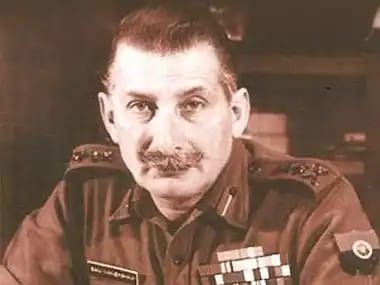
Question is not that women are any less in physical attributes but combat is all about trust, faith, personal rapport and contact with the men. It is considered a great gesture of affection and concern for men when officers put a hand over the shoulders of men even while informal interaction. Punching playfully on the chest or stomach of fellow soldiers is a sign of proximity and intimacy. It is a sign of trust and comradery. As a CO in combat, you hug and put hands around the neck of your men to tell them that you are with them. FM Sam Manekshaw often interacted with the men by physical contact while talking to them especially during war. In combat arms, there are no concessions as far as physical attributes are concerned, if you cannot cope up with the men you may risk their lives in operations. At times as an officer, you have to carry or support your men and their loads and every good company commander would have done it during his service. As a leader in war or CI/CT operations you can’t have men guarding you. You have to prove that you are better than men when it comes to action even in close quarter combat. Combat is physical and let us face the fact men and woman are not equal in physical capabilities, otherwise you will not have separate sports competitions for men and woman.


Not giving combat role to a woman is not gender discrimination, but there are practical issues and women certainly are not yet ready unless they are part of a women subunit. During the war, there are chances where an officer can become a prisoner of war (POW). The treatment to a woman as POW can be outrageous and national embarrassment. Similarly, in CI/CT and deployment along LOC, one has to be prepared to fight it out alone and if a woman officer is captured and killed, mutilation is traumatic and embarrassing. Even in UN Missions, there are protocols and women are not deployed in the field due to operational conditions.


The debate of deployment of a woman on combat duties is becoming fashionable and a sign of woman liberation against gender bias. But there are operational imperatives and conditions that do not allow a woman to get deployed in a combat role. It must not be misunderstood with logistic issues but it is more for operational issues and pre-requisites for preparation of combat leaders. Leading men in war is not by authority but by belief and trust that you gain from your men by rubbing shoulders with them. The ethos in Infantry is either you are able to walk ahead of your men or you will be left behind to face humiliation.


The author is a distinguished fellow of United Services Institution of India.


Vijay Diwas :: Spirited General visits Chandigarh war Memorial All Alone

IMG-20181216-WA0128

The shortest 13 days war which brought laurels to the Armed forces . We veterans only celebrate Kargil Diwas , a one sided war to get back PAK occupied height which they occupied due to own Intelligence failure .

Dear Tri-City Veterans ,

But we seldom celebrate Vijay Diwas in which   90000 PAK soldiers surrendered .A war where Field Marshal SAM told Pak forces to * “You surrender or we  wipe you out*


Where has the spirit gone , Present govt celebrating surgical strike the results of which are yet to be known/seen and its deterrent  effects as was expected ..

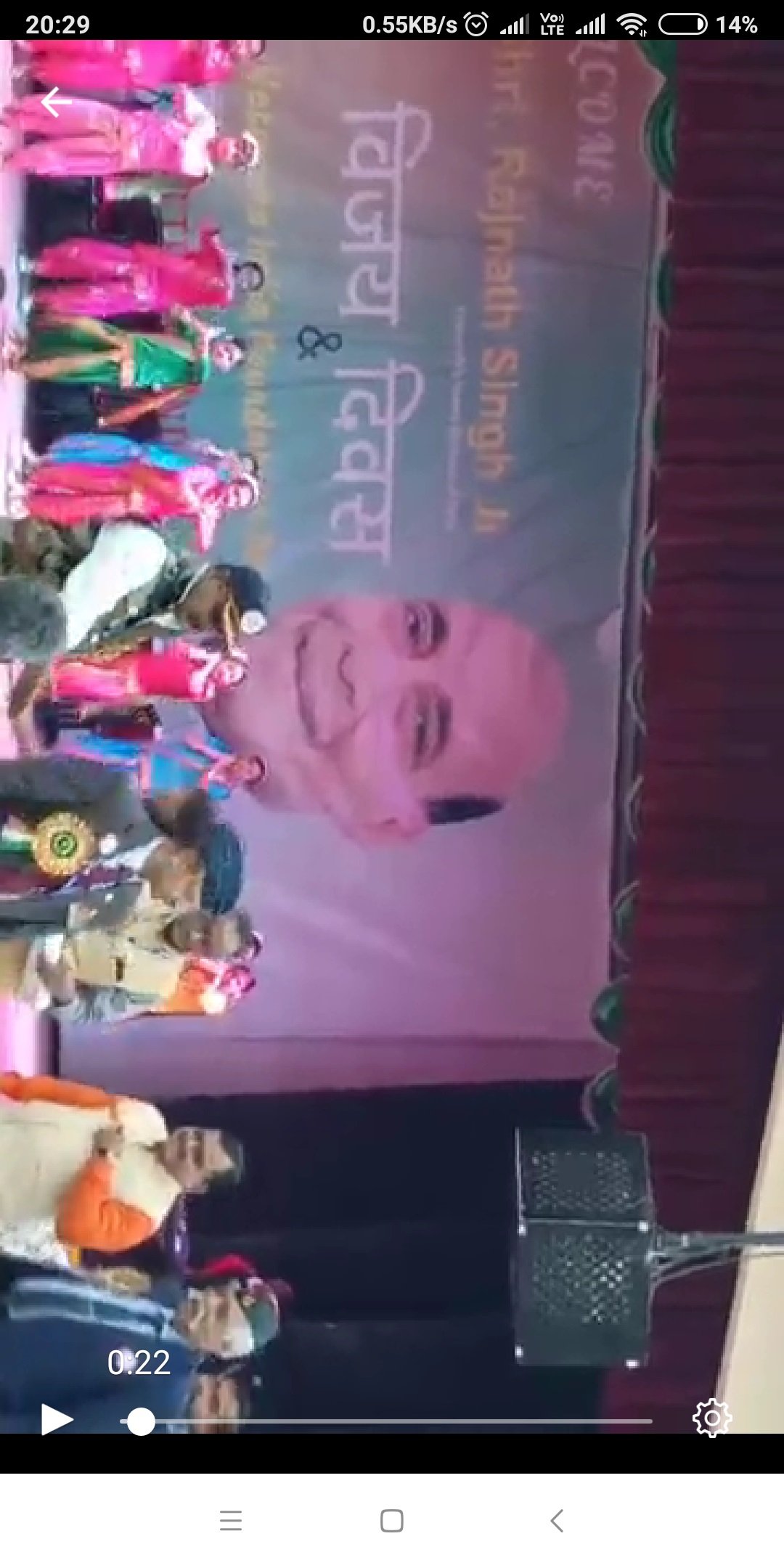
The Home Minister Shri  Rajnath celebrating Vijay Diwas with his photo on  the stage Banner instead of Gen Manekshaw and Gen Jagjit Singh Aurora or any war heros.

hm

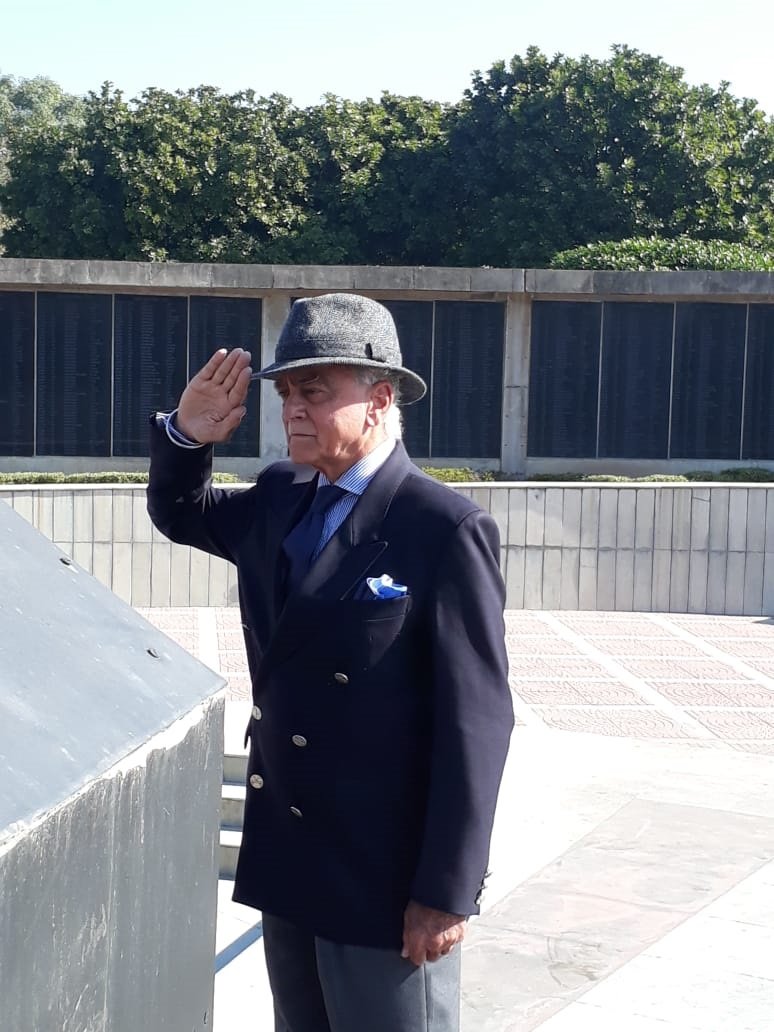
We say and believe that   true soldier spirit never dies . Here is where  Lt Gen TS Shergill, Sr advisor to CM Pb and Sr Vice chairman GOG went all alone to Chandigarh War memorial and salutes the brave hearts and pays homage to his collegues who have sacrificed themselves for the Nation . We salute him in turn for the spirit he carries with him as a true soldier.

Image result for lt gen TS shergill in uniform

We always crib that the Politicians/ Govts  don’t worry about the Martyrs and their families/children/dependents .  If we ask our self do we care about our brothers or their children,widows except aon occaions /functions for show business and distribute gifts without listening to their woes.  We know non of the Politicians reach out during cremation of Martyred or the Administrative Babus who wait for an order from political bosses to be present , But it very disheartening that we as  veterans don’t reach out at cremations or to the families , so then why blame the Politicians /Govts. If we as Class start caring or attending or celebrating the victories , then only our togetherness spirit will convey the message to the rulers /civilians etc.

Hope veterans will not overlook celebrating Such a historical victorious day of Vijay  Diwas in future and other victory days.

Lets look after the war widows,children or old veteran widows instead of caring for living legends  frequently/

Col Charanjit Singh Khera


SC Relief To Ex-IAF Officer Who Had Married A Foreign National Without Requisite Permission

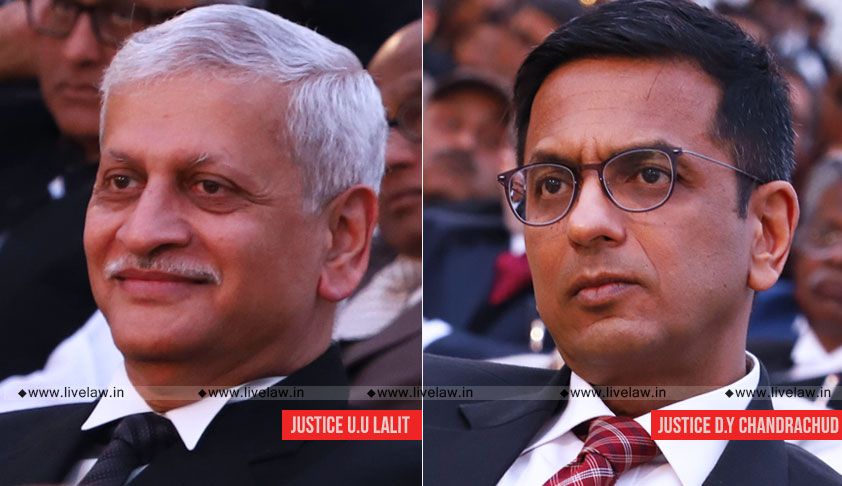
If an officer after his release or retirement could, therefore, validly contract the marriage with a foreign national and the spouse would therefore be entitled to all the benefits including medical or hospital facilities or club membership or cantee…

Read more at: https://www.livelaw.in/sc-relief-to-ex-iaf-officer-who-had-married-a-foreign-national-without-requisite-permission-read-judgment/


Mohali cadet bags bronze in IMA passing-out parade

Mohali cadet bags bronze in IMA passing-out parade

Tribune News Service

Chandigarh, December 8

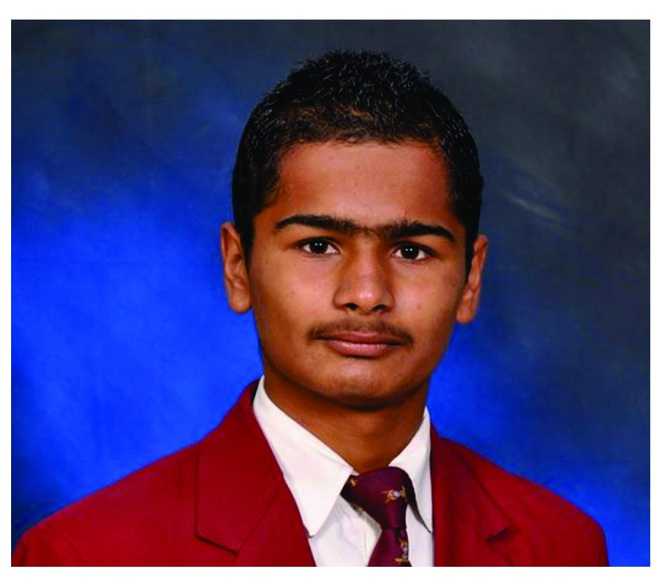
Senior under officer Gurvansh Singh Gosal was awarded a bronze for standing third in the overall order of merit of the Indian Military Academy’s 135th course that passed out today.

He is an alumnus of Maharaja Ranjit Singh Armed Forces Preparatory Institute (AFPI), Mohali, and had earlier stood first in the All-India merit list for entrance to the NDA.

Gurvansh has won three other medals for being first in tactics, academics and also in service subjects. He has been commissioned into the 4 Sikh Battalion of the Battle of Saragarhi fame.

Brijesh Pal Singh and Balpartap Singh, two other alumni of the AFPI, were also commissioned today.


Comic timing

War comics have had a late start in India and there still are tons of stories that need to be shared

Comic timing

Rishi Kumar

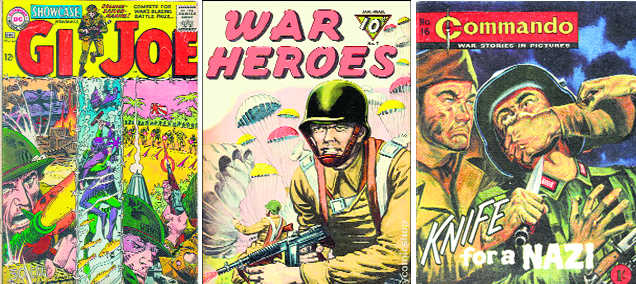
Wars and war heroes have been glorified by people of all races, colour and creed throughout the ages. The war stories of gods and mortals have been known to humanity since time immemorial. However, the method of telling war stories has kept on evolving. In the beginning of the 20th century the concept of visual narration became more popular. As books became more accessible to more audience worldwide, pictures and texts intermingled to narrate a story. Subsequently, pictures became a dominant form of storytelling. Early part of the 20th century witnessed the World War I, followed by World War II. These two major historical events led to the genesis and popularity of the British and American war comics. The British with their Commando Comics and the Americans with Marvel Comics churned out fictional war stories in substantial number.

Indian comic books, however, had a delayed start as till the early 1950s there was hardly any illustrated depiction of war and strife and border conflict. This was despite the fact that Amar Chitra Katha & Indrajal comics were household names during this decade. Though there were some “war” stories in ACK, these were mainly from the epics and mythology. The void in war comic space in India was filled largely by Commando Comics during this time. Despite being British, the Commando series did mild justice to Indian characters by portraying them in its WWI, WWII stories. But the depiction was secondary as Indian war heroes were never the focus of the story.

Despite the success of Indian comic book industry in the 1960s, there are hardly any comic books on the stories of Indian armed forces of post or pre-Independence era. In the late 1960s, there was an attempt by Indrajal Comics to showcase Indian war stories, though these were only fictional. These barely made an impact.

It will, thus, not be an exaggeration to claim that Indian war comics are a 21st century phenomenon. Technically, it was in 2008 that India’s first-ever comic book on a war hero was published. Based on the story of the legendary Captain Vikram Batra, it was published by Aditya Bakshi, son of Maj Gen G.D.Bakshi (retd). Then in 2012, a comic book depicting the Siachen conflict was published by AAN Comics. As many as 30 titles have been published so far in this series. Following the success of these two companies, comic-book giant Amar Chitra Katha, too, jumped onto the war comics bandwagon. It came out with a digest on 21 Param Vir Chakra awardees in 2015.

Another Indian publishing giant, Roli Books, has also come out with the Param Vir Chakra series and stories of 10 war heroes have been published since 2013. Roli Books has teamed up with Maj Gen Ian Cardozo (retd). Other major publishers like Bloomsbury also came out with comic books on World War I, in 2014 to commemorate the 100 years of the Great War (1914-1918). Companies like Campfire came out with WWI & WWII series in 2014-2016. They have partly focused on Indian characters with the limelight mostly on “the British”.

India has a huge repertoire of heroism of its officers and jawans and tons of stories are waiting to be told. Besides the untold stories from the five wars that the country has faced till now, the contribution of the Indian National Army heroes and heroes who fight domestic insurgency and terrorism need to be shared. ACK brought out a comic book on Netaji Subhash Chandra Bose based on WWII depicting the role of the INA and its founder. The rising popularity of war comics in the past few years has made the government come out with stories of ParamVir Chakra awardees published by the National Book Trust. The then Army Chief Gen Dalbir Singh Suhaag and Smriti Irani, HRD minster had launched the books. The action comics ‘fever’ has gripped CRPF as well as it came out with its own Veergatha in 2017.

One must note that though the war comic format in India is similar to the one adopted in Commando Comics, but there is a significant difference.  Commando Comics were based on real life events with fictional characters, but Indian war comics are based on real life characters and events. They are a part of our history. So, there is something to be proud of after all and the Indian war comics scene will keep moving towards better times.

The writer is founder Aan Comics