Sanjha Morcha

BRO refuses to allow vehicles to pass through

SHIMLA : Border Roads Organisation (BRO), a wing of the defence ministry, has declined state government’s request for allowing use of strategic tunnel for vehicles during winter as the Lahaul and Spiti district has been cut off road connectivity after heavy snowfall at the Rohtang pass.

Rohtang Pass, gateway to tribal Lahaul and Spiti district, of Himachal Pradesh, was officially closed for traffic on November 12 after the region experienced fresh bout of snowfall.

The pass will open for traffic in May 2019 after the snow melts.

After the closure of the pass, the people of Lahaul and Spiti had been repeatedly insisting the government and the defence authorities to allow tunnel for transportation twice a week.

However, the defence authorities have turned down the request citing that it was not feasible to allow vehicles through the tunnel, which is under construction.

“We cannot allow vehicles to ply the tunnel as it is unsafe for transportation right now, “said a defence official requesting anonymity.

Lahaul and Spiti deputy commissioner (DC) Ashwani Kuymar Chawdhary said, “The request has been turned down by the BRO for the second time.”

A fortnight ago the region experienced fresh bout of snow and the district administration had written to the state government seeking BRO’s consent for using tunnel during the winter months.

“District administration had written to the chief secretary but the BRO has declined our request, “the DC said.

However the BRO has agreed that the tunnel can be used in dire emergency, he added.

The tunnel that is under construction had proved to be a boon for more than 4,000 people who were stranded on the roads after sudden snowfall in September last week.

The stranded tourists and the locals were evacuated through the tunnels.


Of Indians who fought the war Book re-traces soldiers’ footsteps across continents

Of Indians who fought the war

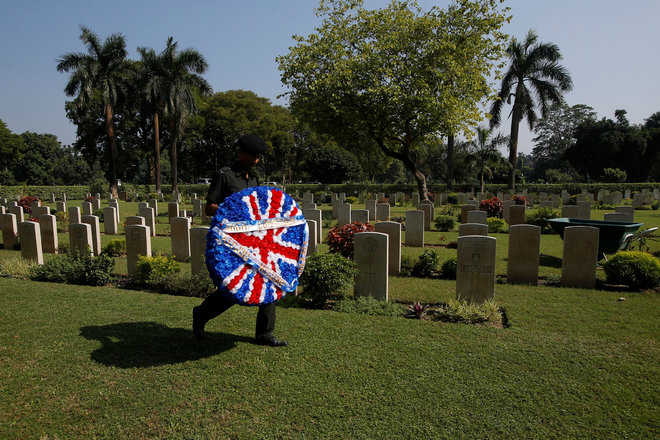
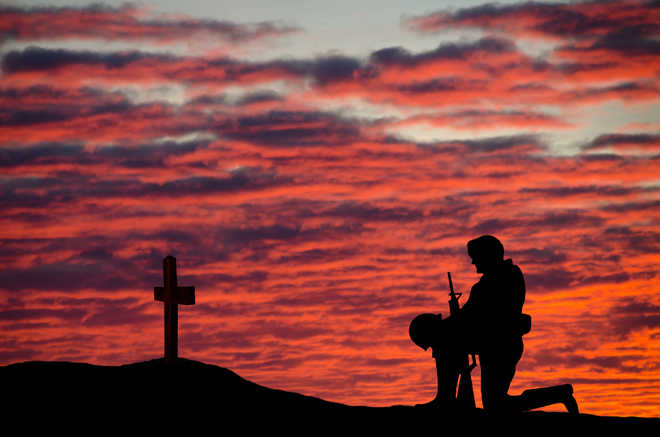
A soldier carries a wreath at War Graves Cemetery during a ceremony to mark the centenary of Armistice in Kolkata on Sunday. Reuters

New Delhi, November 11

What did it really mean to be an Indian soldier of the World War of 1914-18?

It could be said that it was a life of honour, duty and valour with the British providing the curries, clothing and medical care respectful of the Hindu, Muslim and Sikh religions, while the Indian ranks stoically suffered the rain and mud, cruelly catapulted by the fates into a war far from home that was never their own yet winning their fair share of Victoria Crosses, says a new book.

In ‘The Indian Empire At War: From Jihad to Victory, The Untold Story of the Indian Army in the First World War’, British historian George Morton-Jack re-traces the Indian soldiers’ footsteps across the continents, their dangerous missions as secret agents, their discoveries of foreign cultures and their heart-breaking ordeals as prisoners of war.

According to Morton-Jack, the Indian soldiers were “seasoned professionals and cold-blooded killers, more travelled, politically aware and militarily skilled than they have been given credit for”.

The Indian Army of 1914-18 was uniquely multicultural, combining such a variety of humankind into a single brotherhood-in-arms that it was really a modern wonder of the world, says the book.

The majority of the Indian recruits — some 1.28 million or 85 per cent — came from British India’s provinces, above all Punjab. The other 15 per cent were immigrants to British India, slightly over half of whom, or around 11,15,000 recruits, came from the princely states.

“They were a mix of Muslims, Hindus, Sikhs, Buddhists, Christians, Jews, Zoroastrians and pagans, and they spoke not just Hindustani, the army’s official vernacular blending Hindi and Urdu, but also their separate home languages,” the book says. — PTI


In remembrance of slain heroes by Nivedita Choudhuri

In remembrance of slain heroes

Remembrance Day (informally called the Poppy Day) is a memorial day observed in Commonwealth countries since the end of World War I to remember the soldiers who died.

Nivedita Choudhuri

‘In Flanders’ fields
the poppies blow,
Between the crosses,
row on row,
That mark our place:
and in the sky,
The larks, still bravely singing, fly
Scarce heard amid
the guns below.’

This poem penned by Canadian doctor John McCrae as he sat in an ambulance near the battle-scarred fields of Ypres, Belgium, in 1915 is a poignant reminder of the horrors and futility of war. November 11, 2018, marks the 100th anniversary of the signing of the Armistice that ended World War I.

This year the Armistice Centenary on 11 November coincides with Britain’s Remembrance Sunday. Remembrance Sunday is held in the UK and the Commonwealth countries as a day to commemorate the contribution of British and Commonwealth military and civilian servicemen and women in the two World Wars and later conflicts.

The Armistice was signed between the Allies of the World War I and Germany at Compiegne, France, for the cessation of hostilities. It took effect at 11 o’ clock in the morning — at the ‘eleventh hour of the eleventh day of the eleventh month’ of 1918. A formal peace agreement was only reached when the Treaty of Versailles was signed the following year. Around 20 million people died and another 21 million were wounded during the war, ranking it among the deadliest conflicts in human history.

The poppy has become the symbol of reverence, and remembrance, for the millions of soldiers who have lost their lives in conflict. During the World War I (1914-1918), much of the fighting took place in western Europe. The beautiful countryside was bombed and fought over. The landscape quickly became arid and desolate. However, bright red Flanders poppies were resilient flowers and grew in thousands, flourishing in the midst of upheaval and disarray. 

In 1915, after losing a friend in Ypres, Lt Col McCrae was inspired by the sight of the poppies to write the famous poem, In Flanders Fields. His poem inspired an American professor, Moina Michael, to make and sell red silk poppies which were brought to England by a French woman, Anna Guerin. The British Legion, formed two years after the end of the World War I, ordered nine million of these poppies and sold these on  November 11, 1921. The poppies sold out almost immediately and that first ever ‘Poppy Appeal’ raised over £100,000, a huge amount of money at the time. The cash was used to help World War I veterans with housing and employment.

India made a massive contribution to Britain’s war effort. It sent vast numbers of volunteers to fight and die on behalf of the Allied forces. Almost 1.5 million Muslim, Sikh and Hindu men from present-day Punjab, Uttar Pradesh, Tamil Nadu, Maharashtra and Bihar volunteered in the Indian expeditionary force which saw fighting on the Western Front, in East Africa, Mesopotamia, Egypt and Gallipolli.

Volunteering offered a chance to bypass the caste system because becoming a soldier meant good pay and the opportunity to be part of the ‘warrior caste’. Of these men, around 50,000 died, 65,000 were injured and 10,000 were reported missing.

Besides a huge procession past the Cenotaph, a memorial built in  Whitehall, London, at the end of the World War I, bells will also toll from Flanders to villages across the UK and Germany on Novembe 11. As news of the Armistice spread in 1918, church bells which had fallen silent across the UK, rang out in celebration. On the Armistice Day Centenary, Ypres will be focus of global media attention.

This year, early on November 11, more than 3,000 bell towers across the UK will ring out with the sound of half-muffled bells in a heartfelt memory of those who laid down their lives. At midday, the bellringers will remove the muffles from the clappers and the bells will ring open to signal the thankfulness of the nation.

The British and German governments have urged other governments to ring bells at the same time so as to show the unity and the reconciliation that has come about among former foes.




Army to induct K9 Vajra, M777 howitzers today

Army to induct K9 Vajra, M777 howitzers today

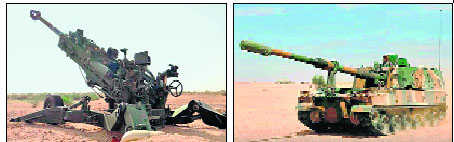
Army to get 7 regiments of 145 M777 howitzers (L) and 100 K9 Vajras

New Delhi, November 8

Defence Minister Nirmala Sitharaman will attend a ceremony on Friday to induct new artillery guns and equipment, including K9 Vajra and M777 howitzers, at Deolali artillery centre in Nashik, a ministry spokesperson said.

The induction of 100 K9 Vajra at a cost of Rs 4,366 crore is to complete by November 2020. The first batch of 10 guns will be delivered this month, Defence Ministry spokesperson Col Aman Anand told reporters on Thursday. The next 40 guns will be delivered in November 2019, and another 50 in November 2020, he said.

The first regiment of K9 Vajra, first-ever artillery gun manufactured by the Indian private sector, is expected to complete by July 2019.

The gun has a maximum range of 28-38 km. It is capable of burst firing three rounds in 30 seconds, intense firing of 15 rounds in three minutes and sustained firing of 60 rounds in 60 minutes, he said. The Army is also going to raise seven regiments of 145 M777 howitzers.

Five guns each will be delivered to the Army beginning August 2019 and the entire process will complete in following 24 months. The first regiment will complete by October next year, the spokesperson said. The gun, having a range of 30 km, can be moved to a desired location using helicopters and service aircraft. Compact gun tractor to tow 130 MM and 155 MM artillery guns will also inducted during the ceremony, the officer said.

It is fitted with a crane that can handle ammunition weighing two tonne. — PTI


Opening the doors Commonwealth soldiers for UK forces

Opening the doors

ON the eve of the World War I armistice centenary, the British government has announced that it is opening its doors wider for soldiers from Commonwealth nations to be enlisted in the UK armed forces. Before we get to that, let’s look at the conditions under which 15 lakh soldiers from India fought in the Great War. World War I commemoration events showed how the soldiers, disproportionately large number of who were from this region, faced brutality, racial discrimination and prejudice even as they fought heroically on battlefields in Europe and Africa, where an estimated 34,000 made the ultimate sacrifice.

Indians do not fight under a foreign flag, although persons of Indian origin who are citizens of other nations have long distinguished themselves in foreign armies. This is not going to change. The British Army, however, has maintained a component of Gurkha soldiers for over two centuries, but it was only in 2014 that these soldiers were allowed to settle in Britain after they had served their term. There have also been issues about their pay and pensions.


Unlike India, certain Commonwealth countries contribute soldiers to the British armed forces, but the 200-a-year cap was lifted in the face of a shortage of 8,200 personnel. Yes, this is not quite a floodgate, but then the British armed forces have been slow to change. Women were allowed to apply for all positions in the armed forces only last month. The new recruitment effort has come about because of a chronic shortage of candidates, which people from the Commonwealth countries are likely to fill. Naturally, such a move would also allow for more diversity, which is needed. The British army has to evolve with the times and needs fresh blood, but the irony of opening doors of the most vital and strategic arm of the country at a time when the political and rhetorical tide is against immigration, can’t be missed.


Imran Khan’s overtures Can Kartarpur corridor be a harbinger for improved ties?

Imran Khan's overtures

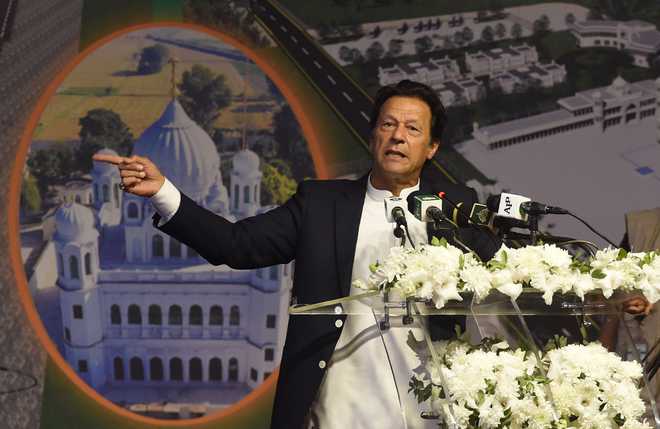
PAKISTAN PM Imran Khan would have set the pigeons aflutter at South Block by his offer for talks with PM Modi. More crucial for India’s stance of “terror and talks cannot go together”, Imran conceded that it was not in Pakistan’s interests to allow the use of its territory for terror activities in other countries. “The mindset of the people has changed,” he tried to convince skeptical Indian journalists. The ball is now in India’s court after it treated Pakistan’s earlier quest to utilise the Kartarpur corridor with suspicion as it sought a reset by glossing over past terror strikes in India that were incubated on its soil. Imran Khan’s call for amity and détente sounds more sincere with a reference to India’s bugbear — cross-border terrorism.

But there were adverse signals both from the presence of separatists at the ceremony and the Sikhs for Justice (SFJ) announcing plans for a pro-Khalistan convention in Pakistan. Such provocations, even if of figurative importance, feed into the apprehensions of the Indian security establishment, rendering them reluctant partners in a peace initiative. While Imran has tried hard to cast Pakistan in global eyes as a harbinger of peace, his admission about terror launch pads in Pakistan goes only a small distance to address the angst of substantial political constituency here that perceives Pakistan as an exporter of terror.

The unanimity among all the major players in Pakistan on improving ties with India, as Imran claims, should be reflected in bringing to book the masterminds of the Mumbai, Uri and Pathankot attacks, the actual cause for the strain. The Sikh community’s happiness over the development of the corridor cannot escape the overarching political context. The ease of passage of pilgrims to the shrine will always be an adjunct of the state of play in bilateral ties. Imran is playing for the long haul as is apparent from his readiness to wait for reciprocation till the general elections here are over. Besides bringing spiritual solace and fulfilment to lakhs of Sikhs, the corridor can well be a new path to  peace.


IAF to select 110 fighters after MMRCA results

NEW DELHI: The process to select 110 fighters for the Indian Air Force (IAF) will draw upon the field evaluation results of the now-cancelled Medium MutiRole Combat Aircraft (MMRCA) purchase deal to shorten and hasten the process, senior officials in the ministry of defence who aren’t authorised to speak to the media said.

In 2015, the Narendra Modiled National Democratic Alliance (NDA) government at the Centre scrapped the US$ 20 billion MMRCA project. Instead, it opted to buy 36 Rafale aircraft from French defence manufacturing giant Dassault through a government-to-government contract with France. The ~58,000 crore deal has triggered a major political controversy, with the Opposition alleging corruption and wrongdoing in the purchase of the aircraft which the government has vehemently denied.

Strapped with an ageing and depleting fighter fleet, IAF had earlier this year floated a Request for Information (RFI) – a global tender – to buy 110 fighters. Of the 110 jets, around 85% will have to be built in India under the ‘Make in India’ programme in partnership with an Indian manufacturer under the Strategic Partnership (SP) route.

“What was tested earlier and proved will not be put to test again,” the officer said. “When we evaluate fighters now, only new additions, systems of the aircraft, and modifications made to the aircraft, if any, will be put to test. We have decided not to go through the entire process again. This will substantially cut down the time,” the first defence ministry officer said.

What may come as a relief to IAF is that all six global manufacturers who have responded to the RFI – Lockheed Martin F-16 and SAAB Gripen with single-engine fighters, and Boeing F-18, Dassault Rafale, Eurofighter Typhoon and United Aircraft Corporation MiG-35 with twin-engine fighters – were also contenders for the previous MMRCA deal.

The air force is now in the process of finalising the Air Staff Qualitative Requirements (ASQR) – a list of must-have capabilities and parameters – for the aircraft. “We are ensuring that ASQR takes into account the disruptive and transformative technologies that are likely to be a reality in the coming decades. The ASQR will be complete in the next few weeks,” a second official involved in the acquisition process said.

“We hope to get a nod from the ministry (of defence) by March 2019,” the officer added.

With a new government expected to be sworn in next May, the IAF is keen to complete as much of the process as possible before that.

“We hope to start the process of field evaluation by next June and complete it as early as possible, so that commercial negotiation can start,” the second officer said.

Commercial negotiations are precurser to signing a contract.

The IAF spokesperson was not available for comment. Experts and former IAF test pilots who were involved in the acquisition of aircraft, however, said “using previous test results” is practical but advised caution at the same time.

“It is not necessary to test proven points in the QSR again; all previous points on which a platform was found to be noncomplaint should be checked,” Air Marshal RK Sharma (retd), former Vice Chief of IAF and test pilot, said.

“Importantly, when checking fresh add-ons, modifications to a platform the IAF must ensure is that they check all parameters that the modification will affect,” he said. “The process that follows the selection of the aircraft like commercial negotiations, etc, should also be completed quickly,” he said.


Amarinder declines, Sidhu accepts Pak invite for Kartarpur corridor event

Amarinder declines, Sidhu accepts Pak invite for Kartarpur corridor event

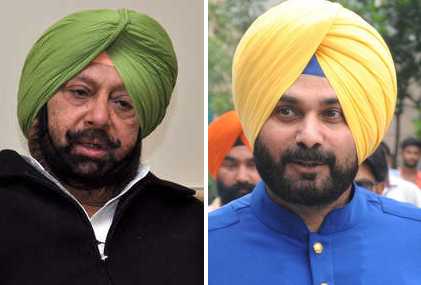
Punjab CM Capt Amarinder Singh and Cabinet minister Navjot Sidhu. File photos

Sanjeev Singh Bariana
Tribune News Service
Chandigarh, November 25

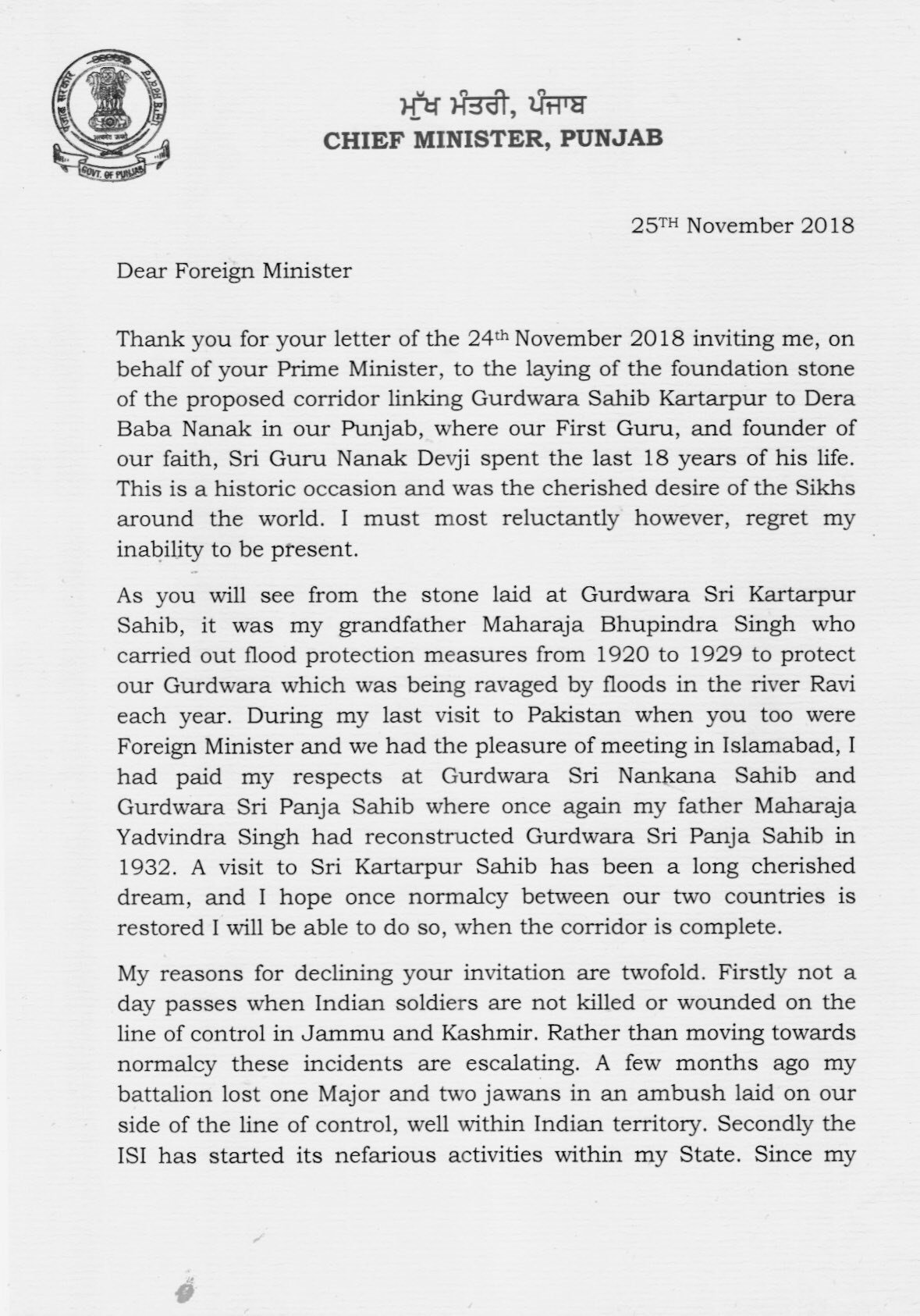
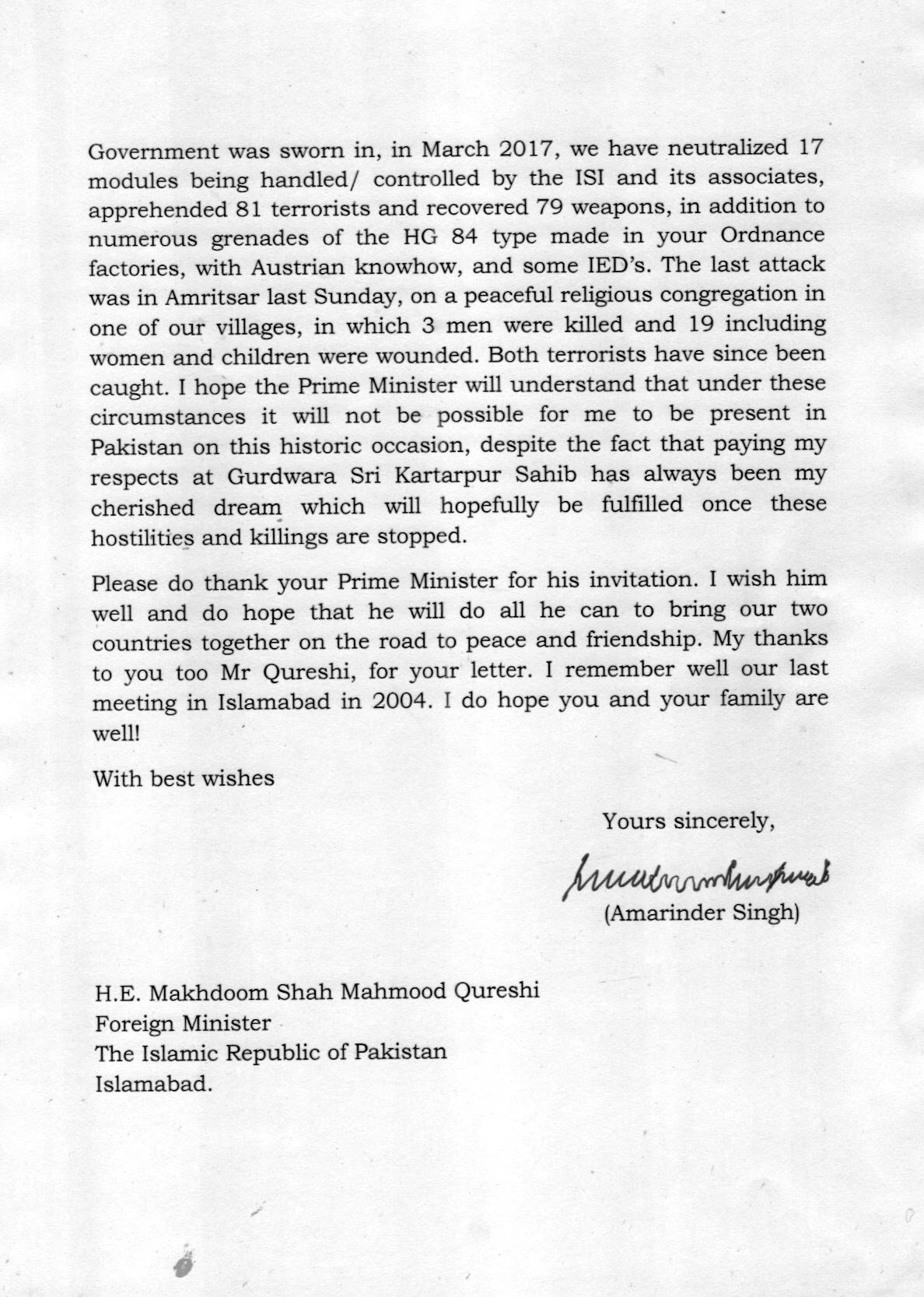
Citing continued terrorist attacks in Punjab and the killing of Indian soldiers by Pakistan troops at the LoC, Punjab Chief Minister Capt Amarinder Singh today turned down the Pakistan Foreign Minister’s invitation for the stone-laying of the Kartarpur corridor on November 28.

His Minister for Tourism, Cultural Affairs and Museums Navjot Singh Sidhu, though, will be flying to Pakistan to attend the  “ground-breaking ceremony” by Pakistan Prime Minister Imran Khan. Talking over phone from poll-bound Madhya Pradesh, where he is campaigning for the Congress, Sidhu said: “I have the permission of the CM and have informed the Ministry of External Affairs, as required.”

In a letter to the Pakistan Foreign Minister, Sidhu wrote: “On this momentous day, the hearts of the Sikh community will overflow with hope and gratitude as they contemplate their chance to pay obeisance at the historical gurdwara.”

Capt Amarinder welcomed the “historic occasion” but said he could not make it. He expressed hope that the Pakistan PM “will do all he can to bring the countries together on the road to peace”.

To islamabad: can’t go, because…

Not a day passes when Indian soldiers are not killed or wounded on LoC; secondly, because of ISI’s nefarious activities in Punjab Capt Amarinder Singh 

Ray of hope for boosting ties, says Sidhu

I had sought the CM’s permission for a cause. I see it as a ray of hope for boosting India-Pakistan ties. I will attend the state function in Amritsar too. Navjot Singh Sidhu

IMG_20181126_082743 (1) IMG_20181126_082750


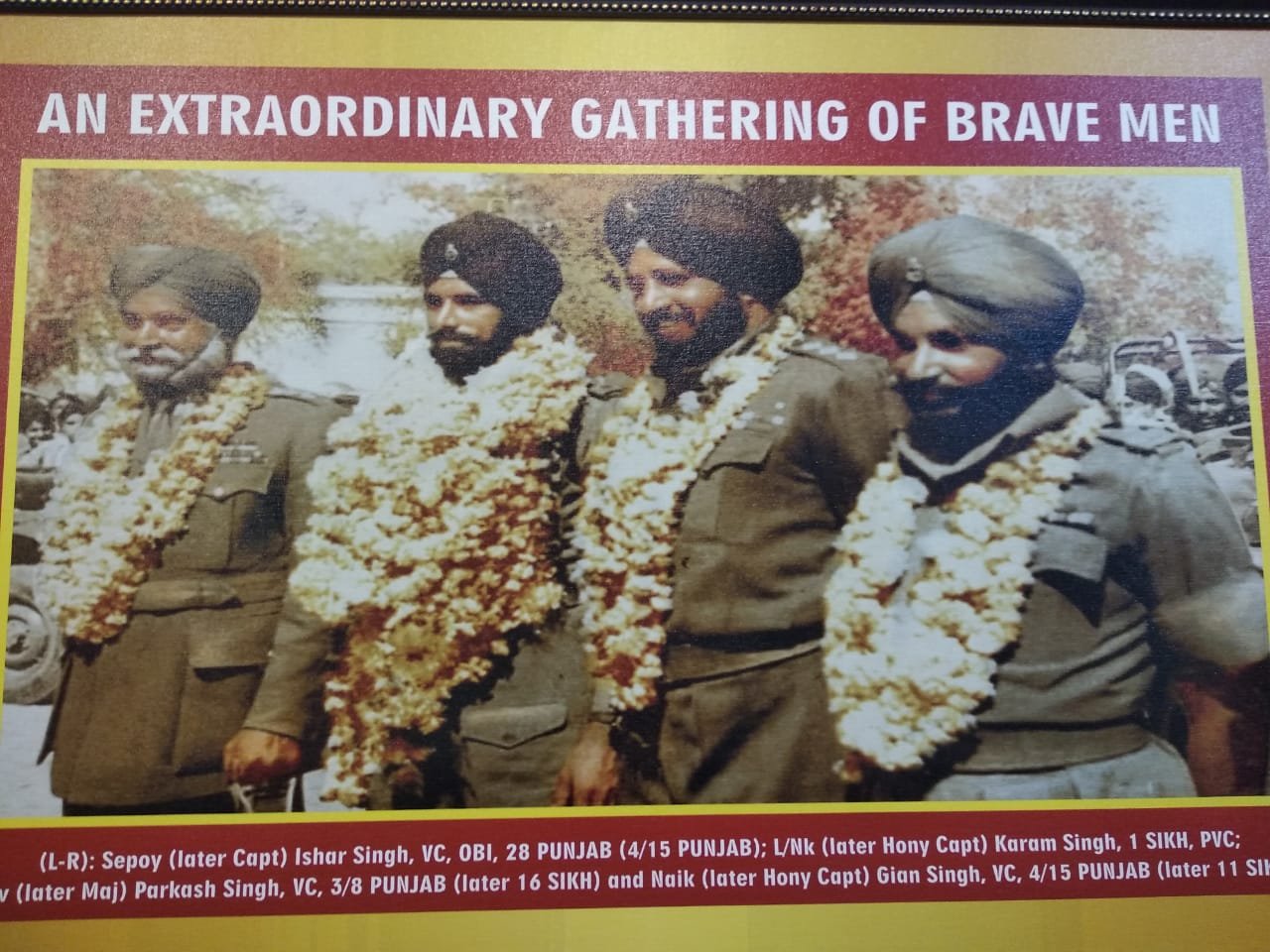
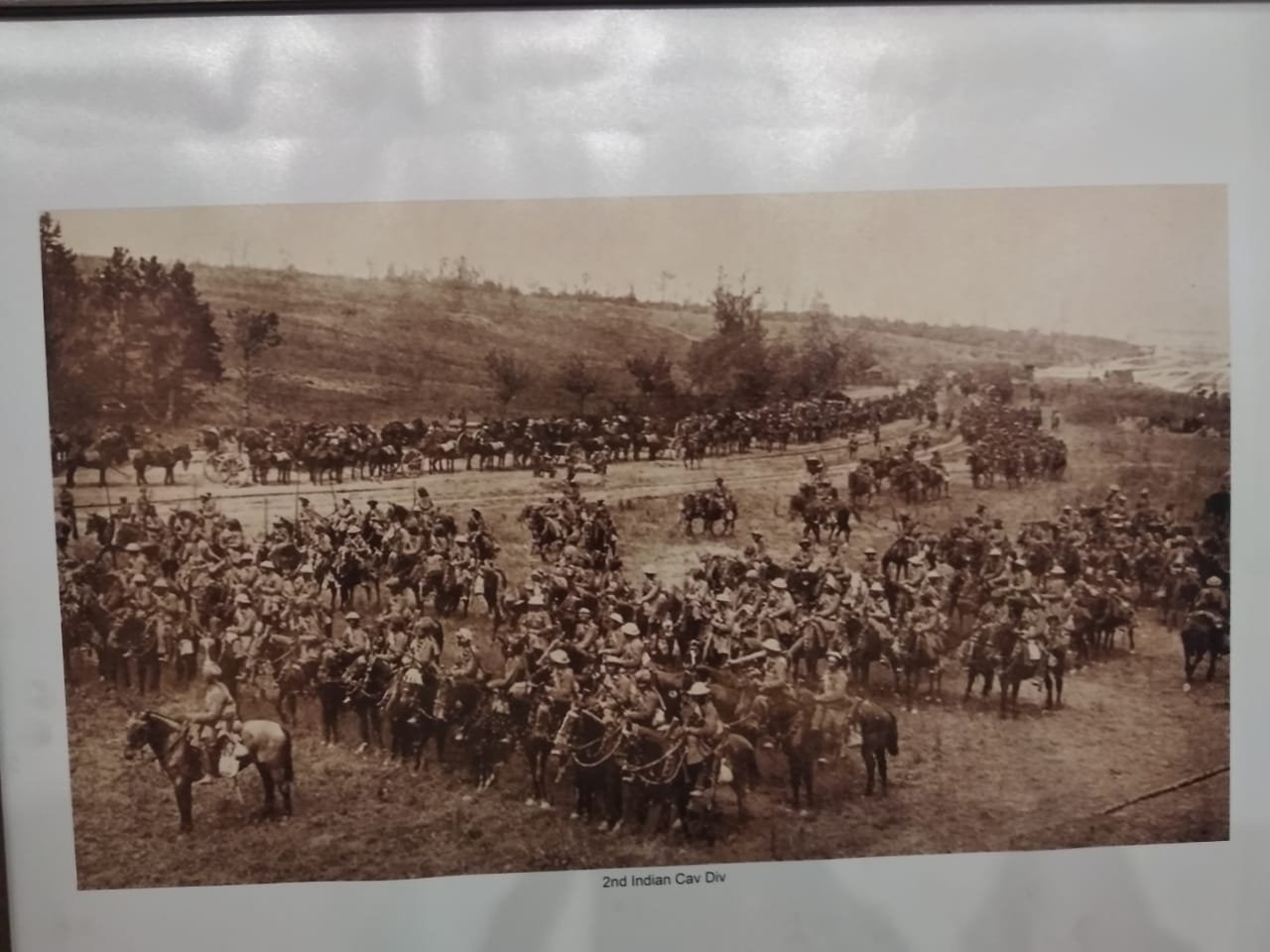
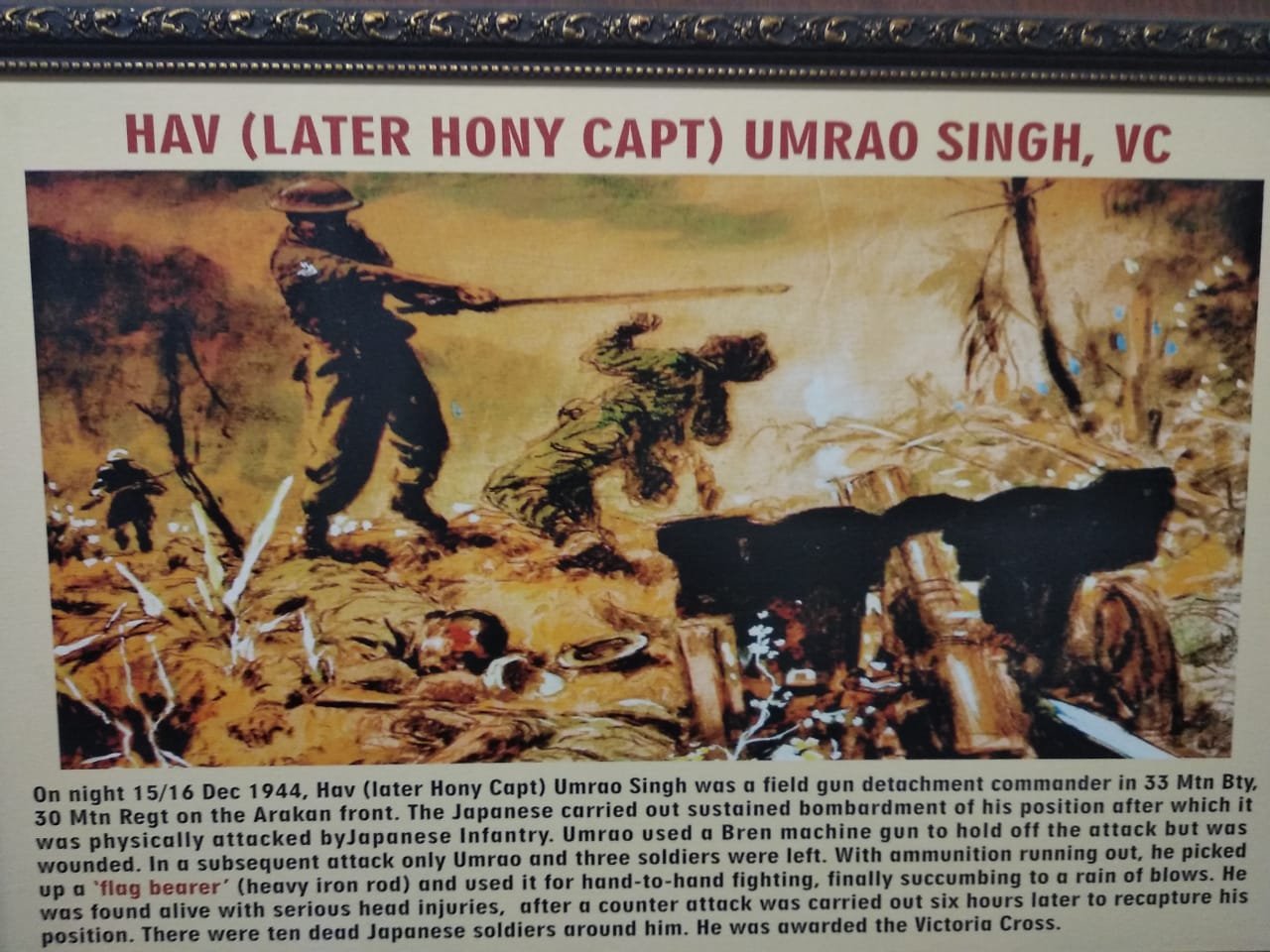
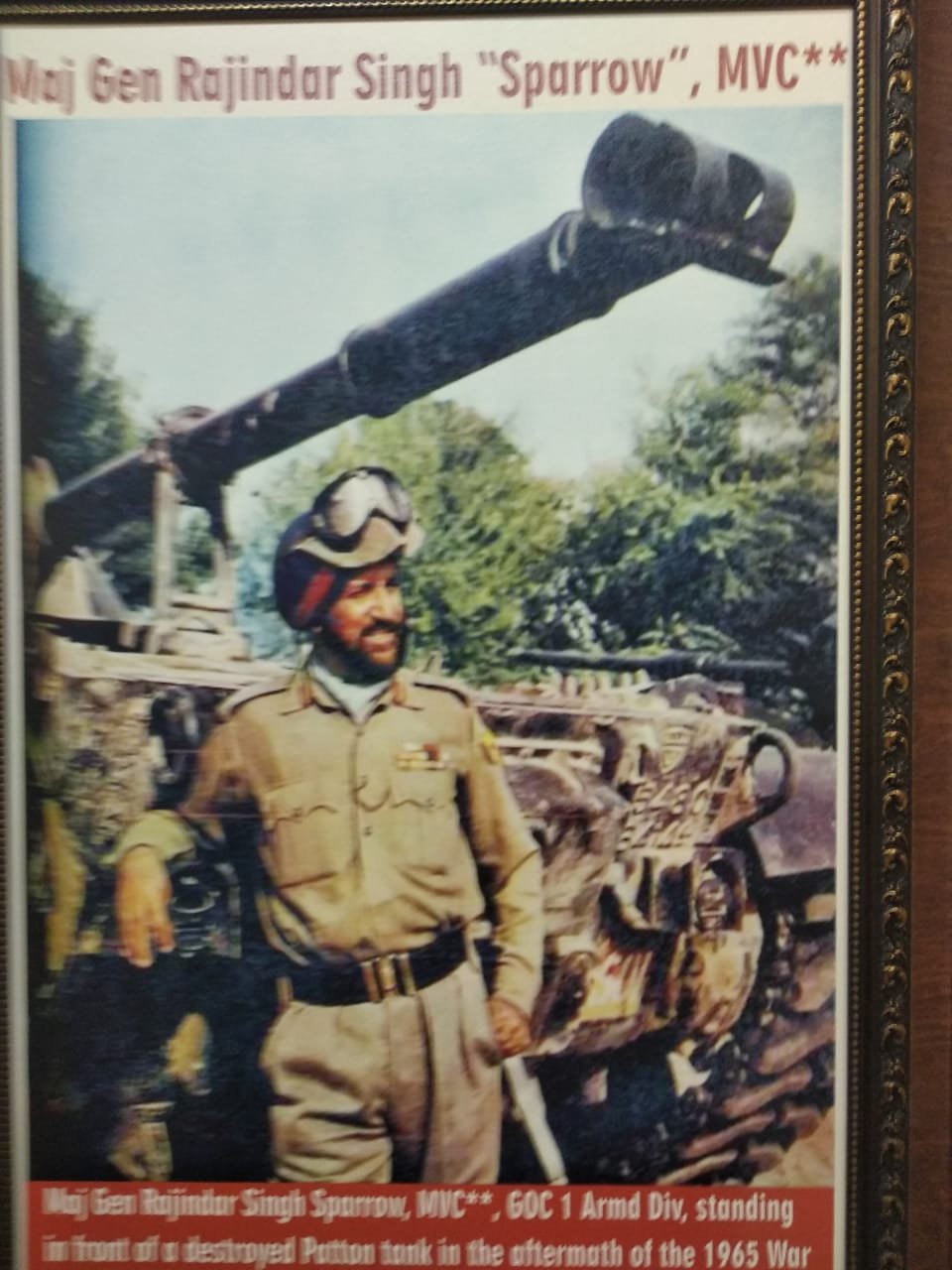
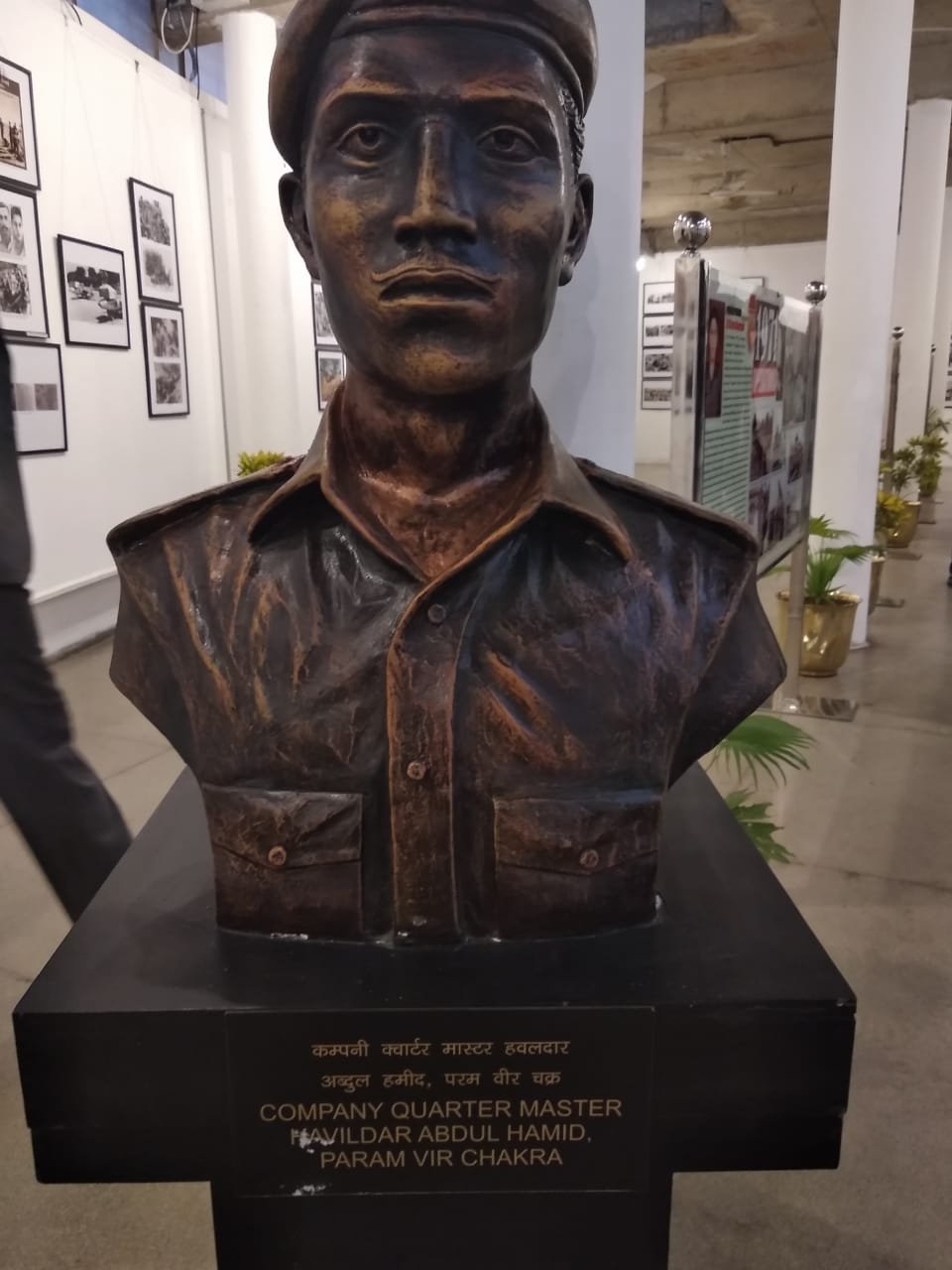
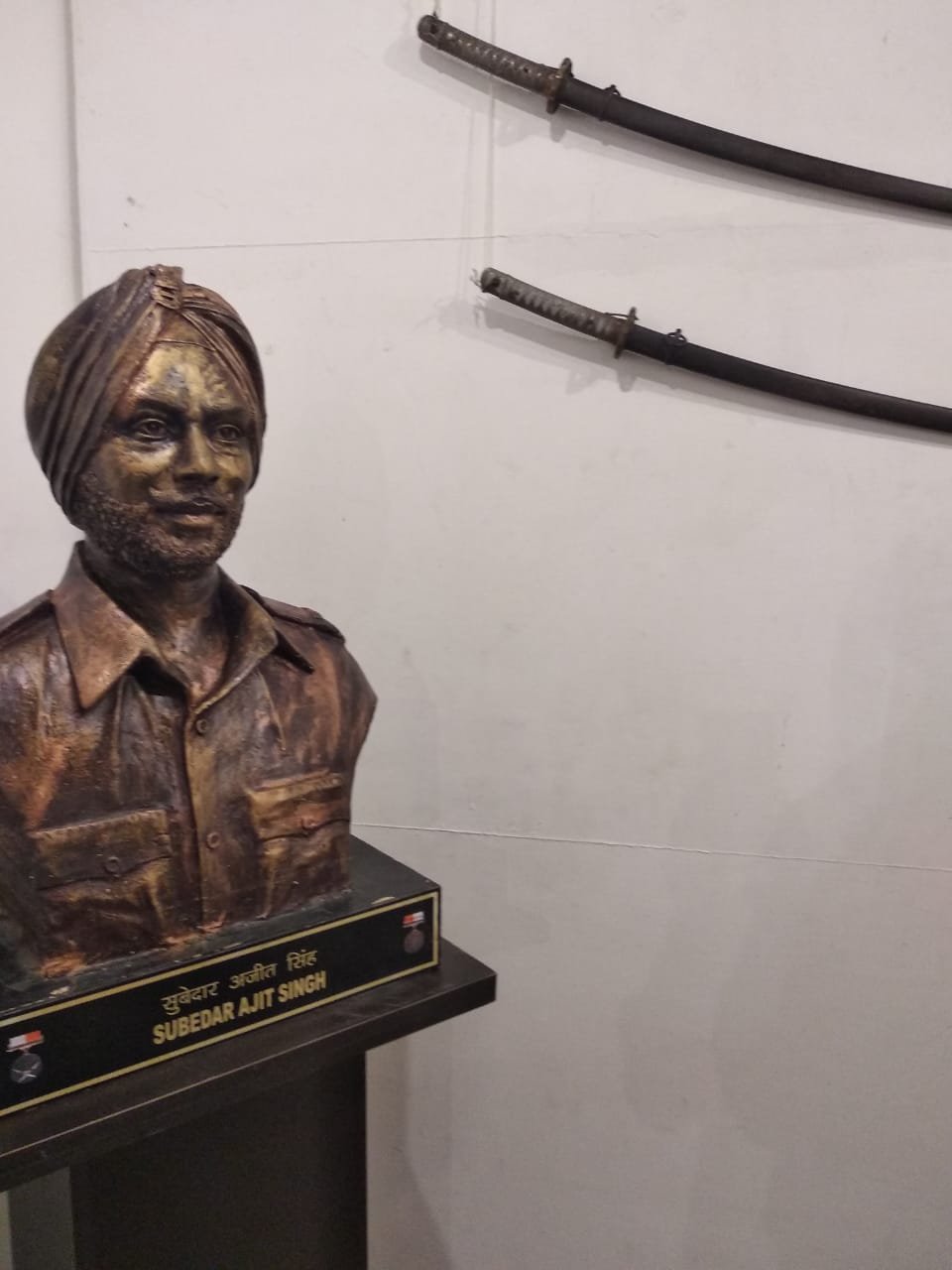
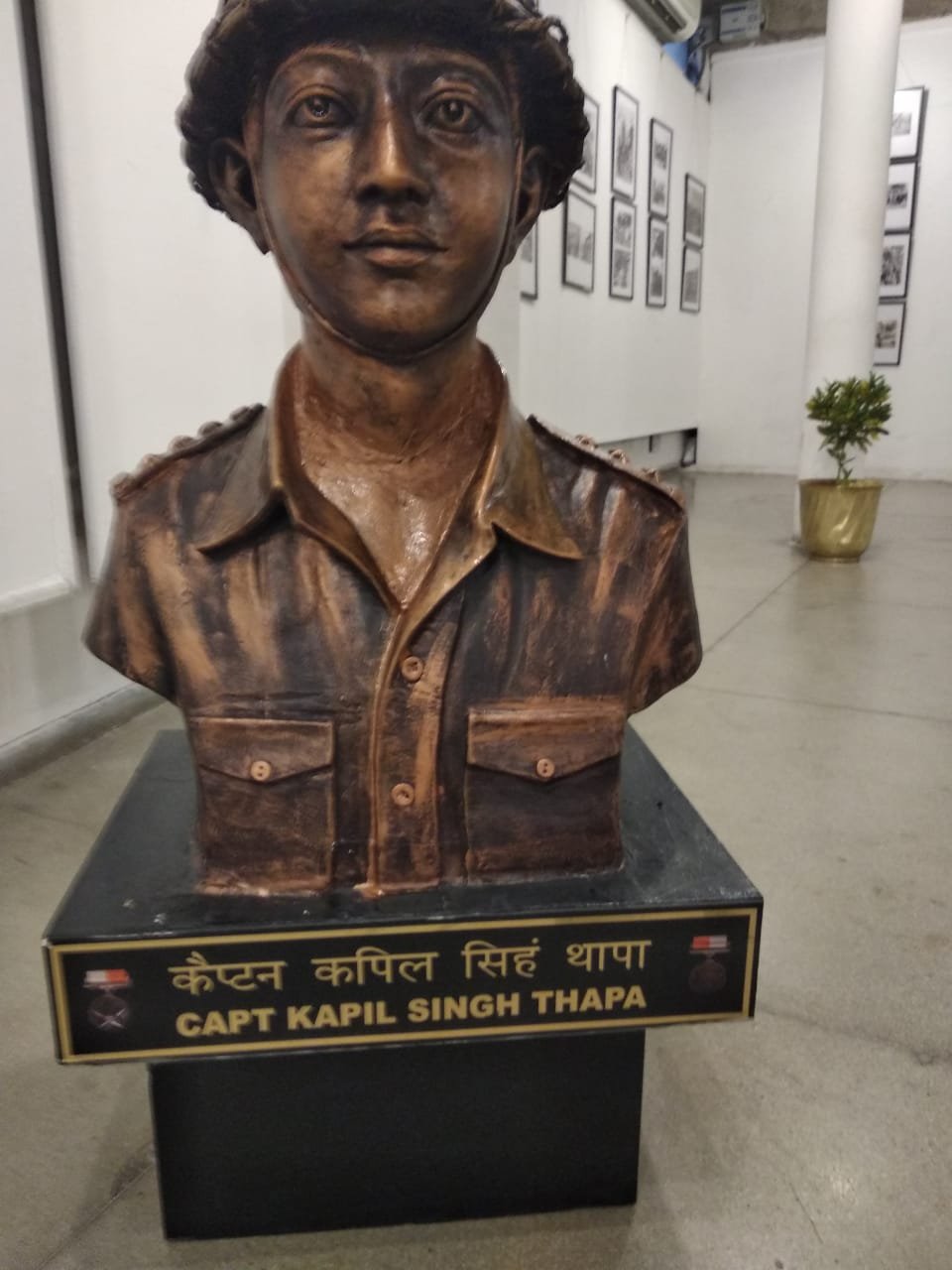
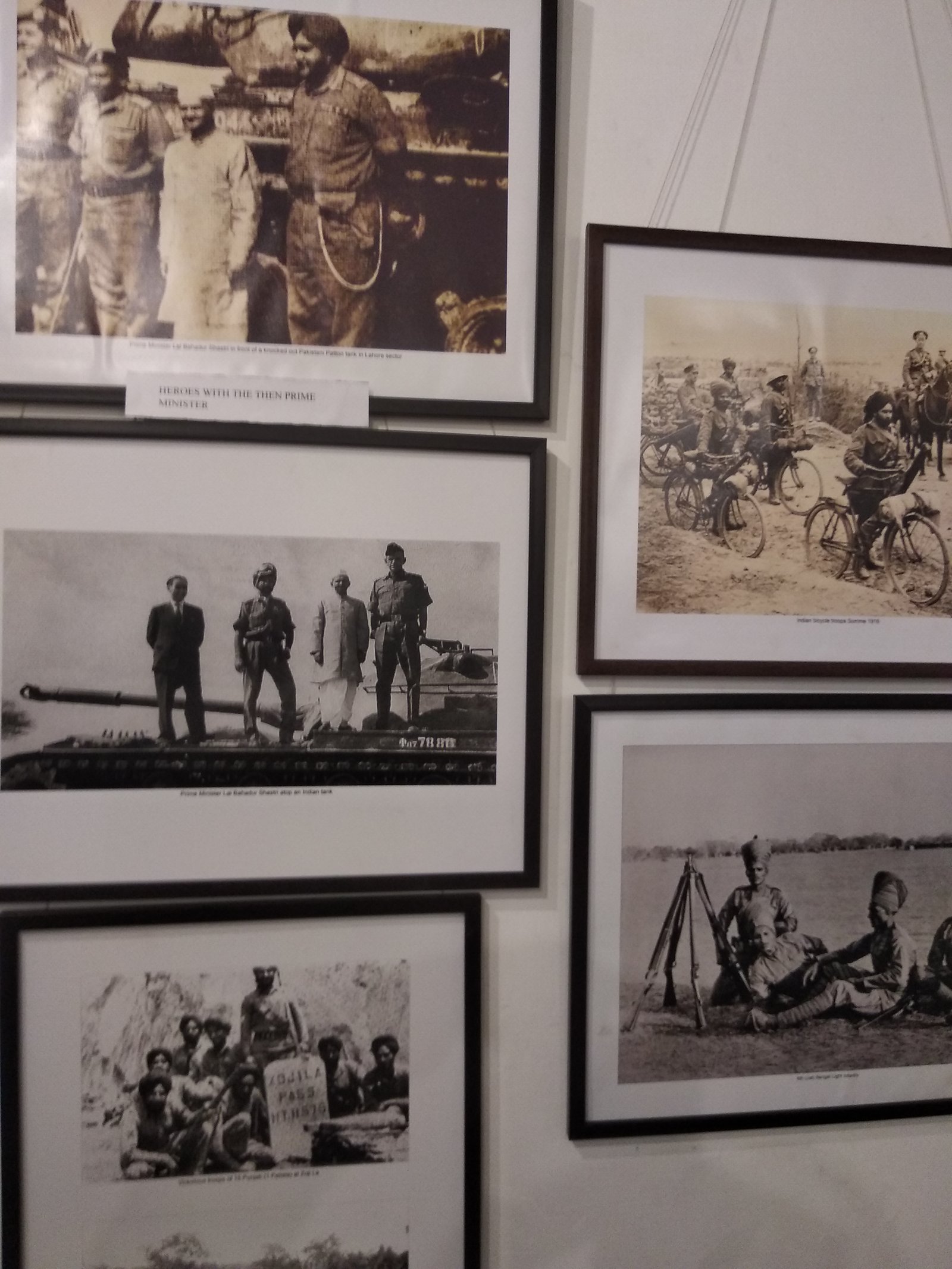
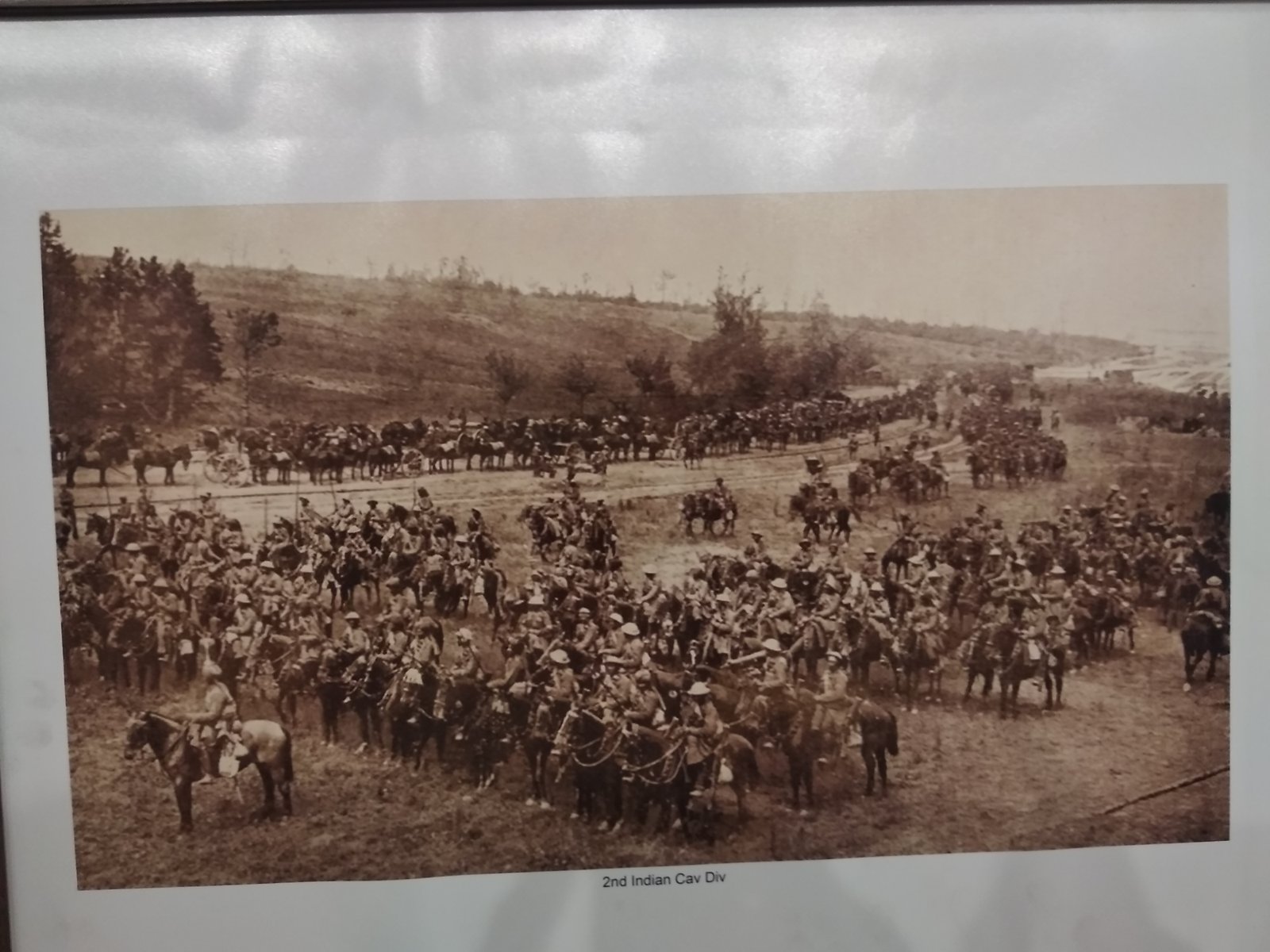
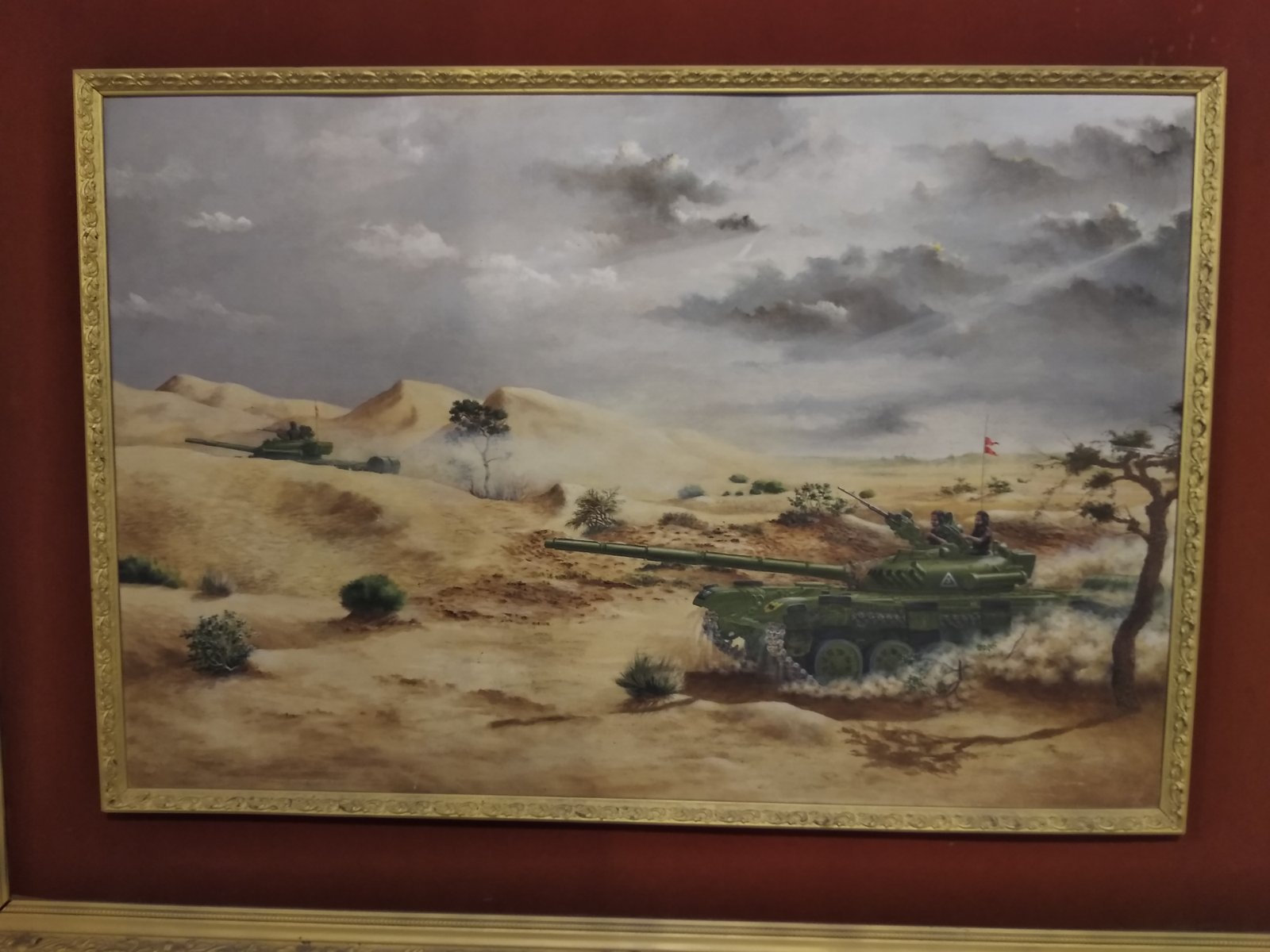
RARE PICTURES OF WAR AND BUSTS OF GALLANT MARTYRS DISPLAYED DURING MILITARY FEST 2018 AT ART GALLERY CHANDIGARH

SAVE_20181125_121345 SAVE_20181125_121408 SAVE_20181125_121426 SAVE_20181125_121443 SAVE_20181125_121457 SAVE_20181125_121517 SAVE_20181125_121532


download
20161002_160637 93888


slider-logo IMG_20181124_101915IMG_20181124_102010 IMG_20181124_102129 IMG_20181124_103332


Indian, Pak armies hold flag meeting

Indian, Pak armies hold flag meeting

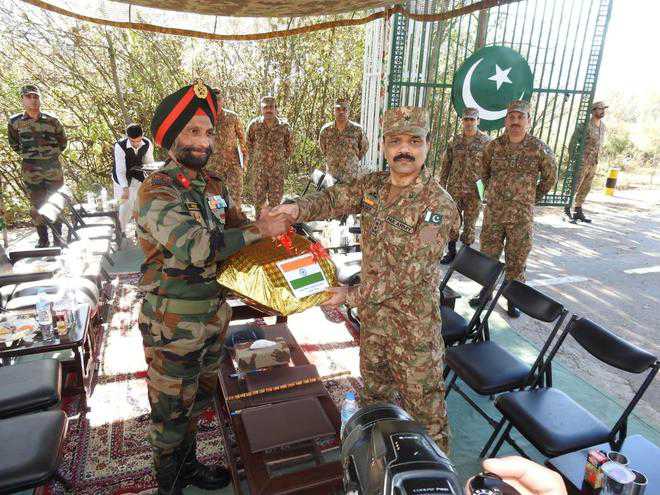
Indian and Pakistani army officers during a meeting at the Poonch-Rawalkote crossing point on Friday.

Tribune Njews Service

Jammu, November 23

A Brigade Commander-level flag meeting was held between the Indian and Pak armies on Friday morning at the Poonch-Rawalkote crossing point.

The Indian Army delegation was led by Brigadier VS Sekhon while the Pakistan team was led by Brigadier Qaiser.

The flag meeting focused on augmenting confidence-building measures, maintaining peace along the Line of Control (LoC) and prevention of infiltration from Pakistan-occupied Kashmir. The meeting was held in a cordial and friendly atmosphere and ended with both sides assuring to adhere to the norms of the 2003 ceasefire agreement and work towards improving the situation along the Line of Control.