Sanjha Morcha

US vs rest of the world by MK Bhadrakumar

US vs rest of the world


MK Bhadrakumar

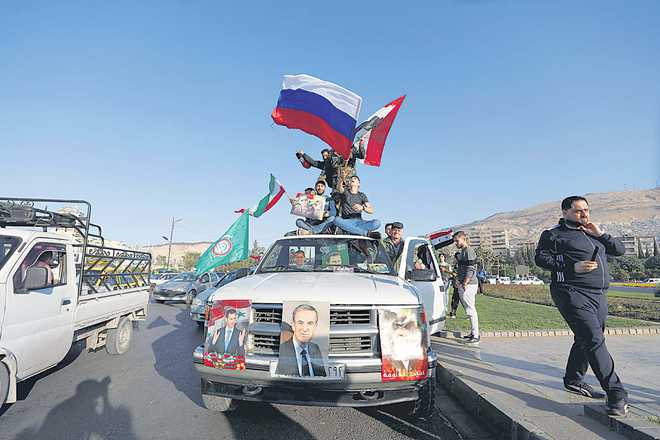
THE developments over Syria during the past 10 days have been breathtaking. In the eyes of some observers, the cascading tensions between the two superpowers — the US and Russia — harked back to the 1962 Cuban missile crisis. But that is a stretch. There is no ideological struggle today; Syria is not Cuba; nor is Russia the Soviet Union or the world bipolar. The leitmotif, if at all, lies in geopolitics.Fundamentally, the precipitate situation has a lot to do with the United States’ unipolar predicament. The failure of the wars in Afghanistan and Syria underscored that the US has lost the capacity to impose its will abroad despite being the biggest military power. The Harvard professor who invented the term “soft power”, Joseph Nye, wrote recently that the US has to relearn the “lessons of using power with others as well as over others.” He added, “In other words, the US will have to use its soft power to create networks and institutions that will allow it to cooperate with China, India, Japan, Europe, and others to deal with transnational problems… that no country can solve unilaterally. That will require overcoming the unilateral policies and attitudes associated with the rise of Trump.”However, the problem is more deep-rooted than the rise of Donald Trump. The American elites, with very few exceptions, are in a denial mode regarding the decline of the US’ influence after nearly a century of global hegemony and over the shift in global power away from the West after a history of five centuries of dominance. Trump accentuates this contradiction because although his support base in the 2016 election roots for “America First”, he actually represents Wall Street interests. And American capitalism is fuelled by wars. The highly contrived Russia-collusion hypothesis worked well so far for the “swamp” to nudge Trump incrementally toward the trodden path of the military-industrial complex and Wall Street. Barack Obama also faced a similar predicament — in Libya and Afghanistan; in proclaiming a “pivot” strategy in Asia; in ramping up NATO as the vehicle for the New American Century project; in the deployment of US missile defence system to Central Europe; and, in piloting the regime change in Ukraine in 2014 — which turned the tide of the West’s relations with Russia. Obama’s master plan to resuscitate the Western alliance system and to re-establish the US’ trans-Atlantic leadership was never in doubt.In fact, the Syrian conflict is Barack Obama’s legacy. The new element that Trump has introduced is his virtual handover of the endgame to the generals. First he began saying he wanted American troops in Syria to return home “where they belong” — and end the US’ wasteful Middle Eastern wars that cost $7 trillion so far. But when his generals objected, pleading there is unfinished business still, he’s swung to the other extreme by seizing a rumoured chemical attack in Douma and ordering the Pentagon to plan an attack on the Syrian regime. And Trump then took a de tour to announce that the attack would be deferred. By Thursday, Trump had tweeted: “Never said when an attack on Syria would take place. Could be very soon or not so soon at all!”Was he playing a video game, as the former US Deputy of State Nicholas Burns put it? The US domestic politics indeed becomes a moot point where a wave of support is steadily building up for the Democrats in the November elections to the Congress. In the foreign policy arena too, like in a Salvador Dali painting, all this rather becomes the stuff of a surrealist meditation on the collapse of our notions of a fixed world order. The present crisis has morphed into an inflection point. Trump is all but jettisoning his foreign policy instincts and is also opting to play safe. Clearly, a limited US strike on the Syrian government cannot hope to achieve anything significant. The Syrian troops and their allies have quietly evacuated the major air bases and relocated elsewhere. In effect, the Syrian regime has all but won the seven-year conflict. All major cities and main population centres — Damascus, Aleppo, Latakia, Homs and Hama — are under the regime’s control. These regions spanning the fertile lands along the western coast and the northwest of the country were once dubbed cynically  “useful Syria” by the French colonialists, as distinct from the vast inhospitable deserts and infertile regions to the east and northeast where the US and its Kurdish allies (who form around 10 per cent of Syria’s population) are operating.The only plausible explanation for the ecstatic interest in London and Paris for the US-British-French attack on Syrian regime is their collective frustration and anger that the entire regime-change enterprise has collapsed. The capture of East Ghouta, a set of suburbs of Damascus to the east, by government forces a week ago from Salafi jihadi militia has infuriated the Western intelligence. (Douma, where the alleged chemical attack took place last Sunday, is one of three districts of East Ghouta, and was dominated by the Saudi Arabian proxy, Army of Islam.) Then, there is the overarching Western concern that the resurgence of Russian power on the global stage, especially in the Middle East, needs to be countered before it is too late.Without doubt, Trump’s earlier decision to drawdown the US forces in Syria is fundamentally correct. The point is, a narrow exercise of deterrence — the current “one-time shot, as US Defence Secretary James Mattis described the wave of attacks on Saturday — will not alter the balance of power in Syria. It seems improbable that Trump has any interest, either, to commit resources for “nation-building” in Syria. The futility of reversing the history of political failure in Syria under Obama’s watch is at once apparent — except through a large-scale invasion of Syria. Again, it is already apparent that the European Union is badly divided on the US-UK-French operation. Above all, Trump will come under fire for not seeking Congressional approval and acting without mandate from the UN Security Council, leave alone wait for the chemical investigation team to report back from Syria.Conceivably, a fair amount of “mil-to-mil” US-Russia consultations took place through the most recent days regarding “deconfliction” procedures. From all appearance, Moscow was notified in advance about the US strike on Syria. However, the heart of the matter is that Saturday’s strike is hugely symbolic and cannot be shrugged away as a “stand-alone” event. Moscow will suspect that a pre-designed scenario is being implemented and Russia itself is threatened.The writer is a former ambassador

CM’s adviser reviews functioning of GoG project

Tribune News Service

Malout, April 13

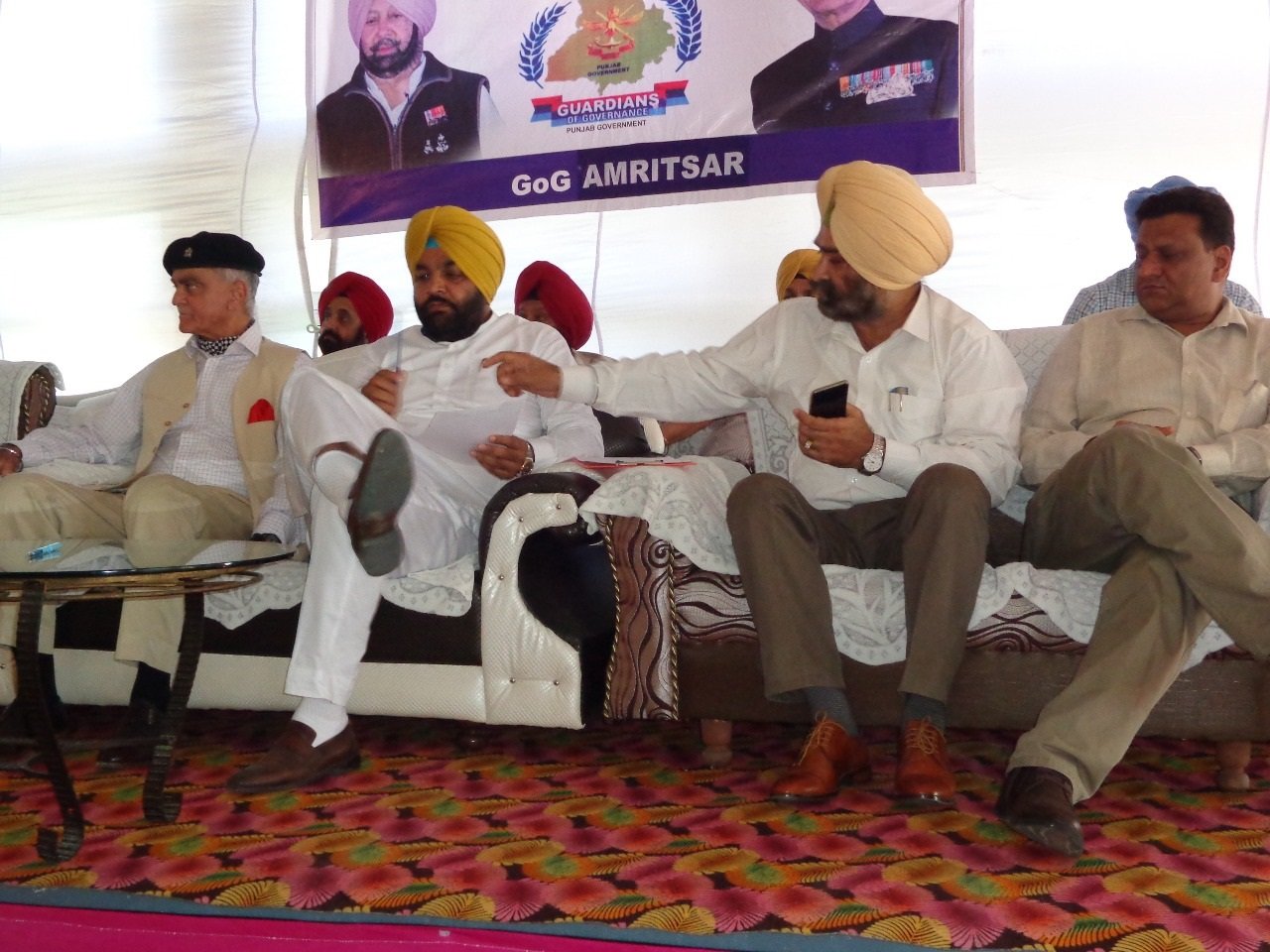
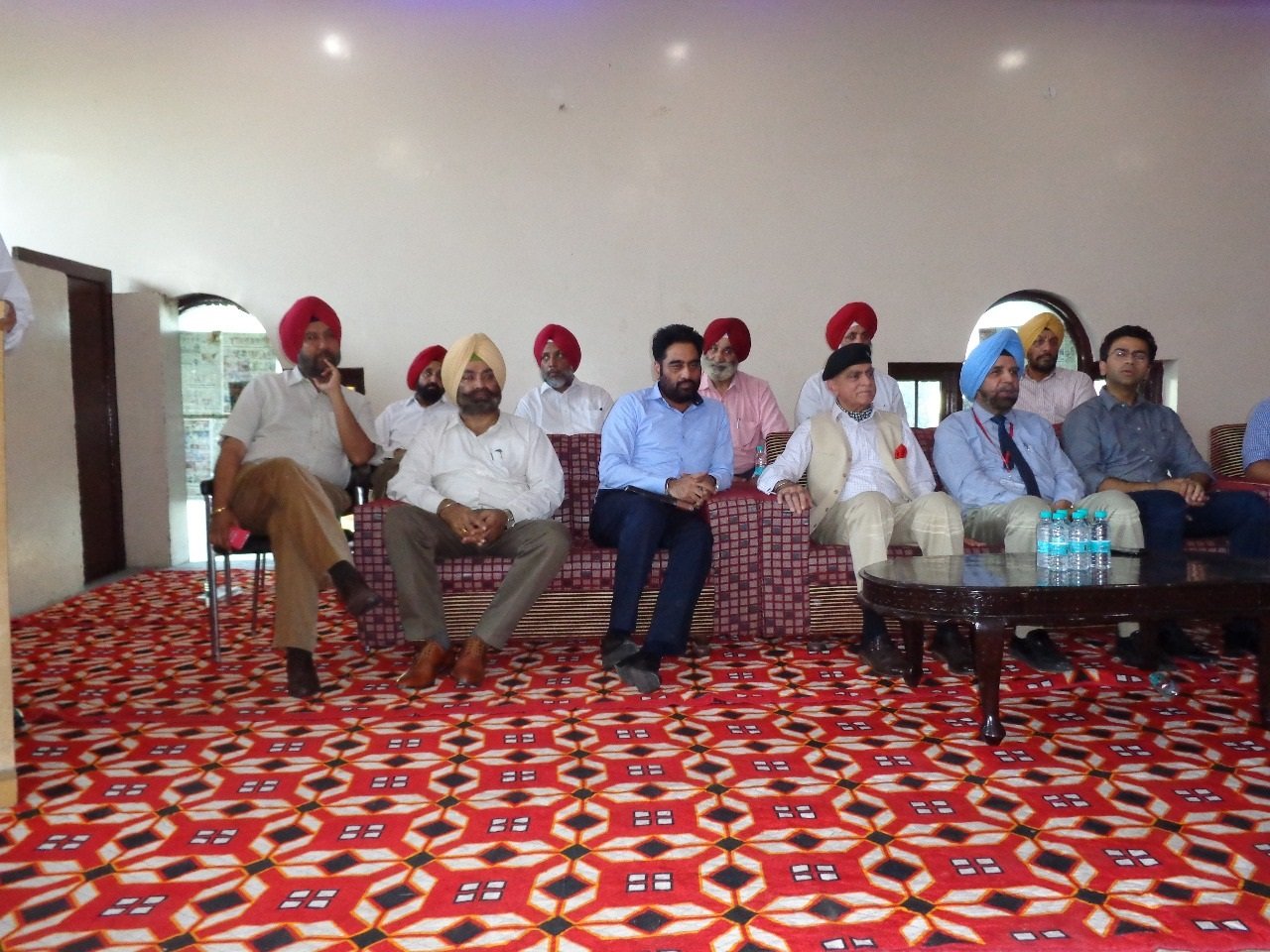
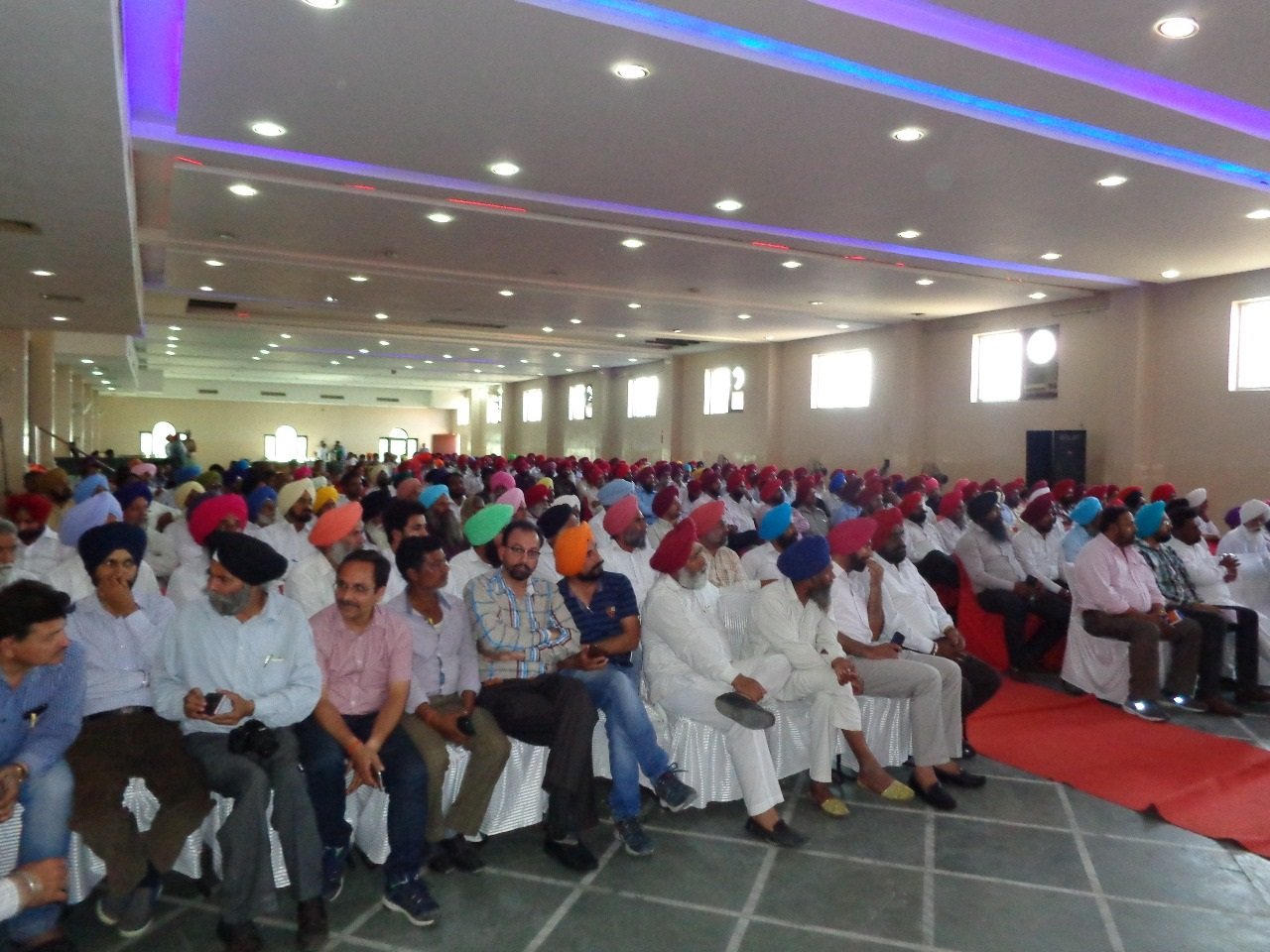
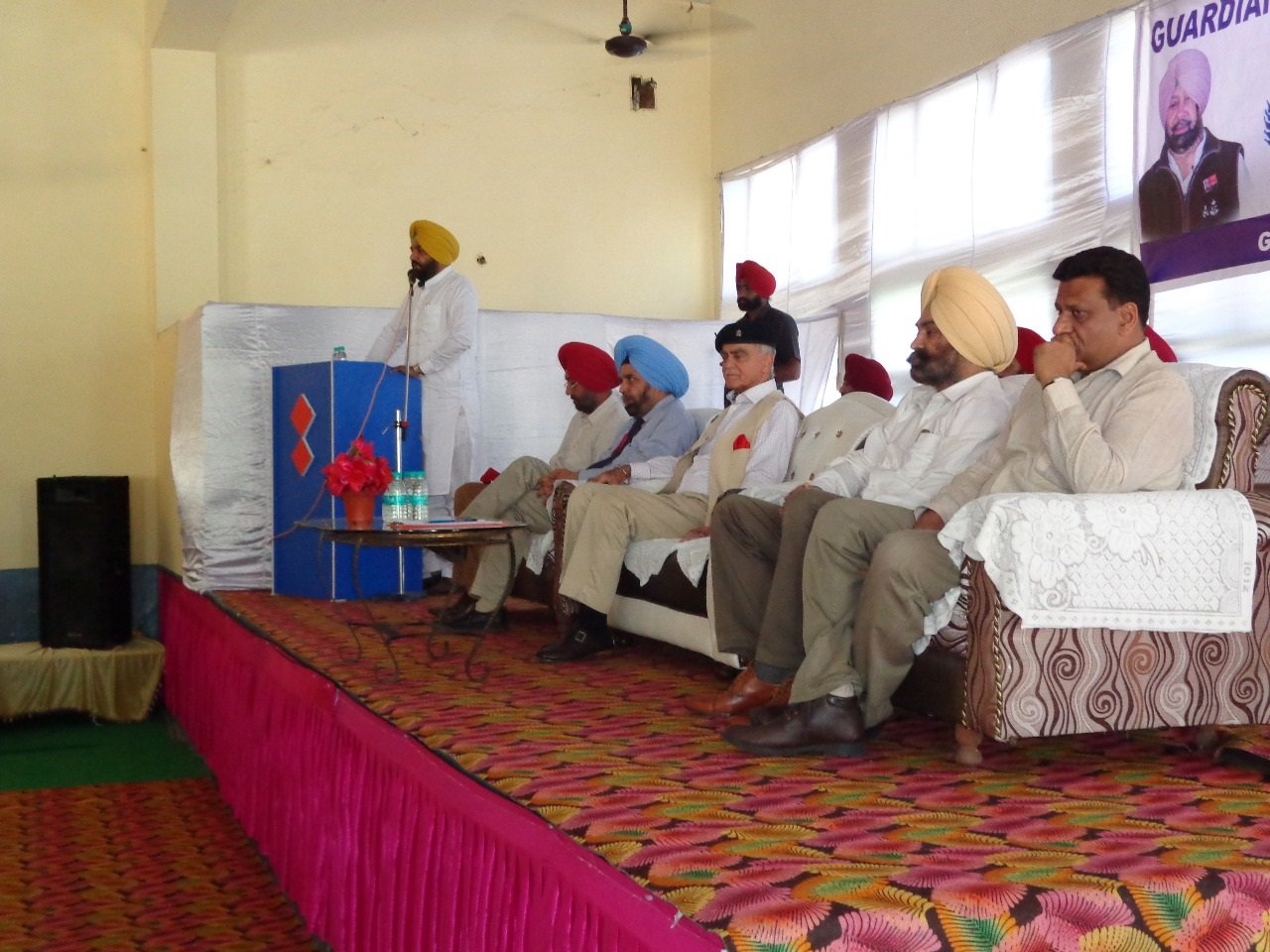
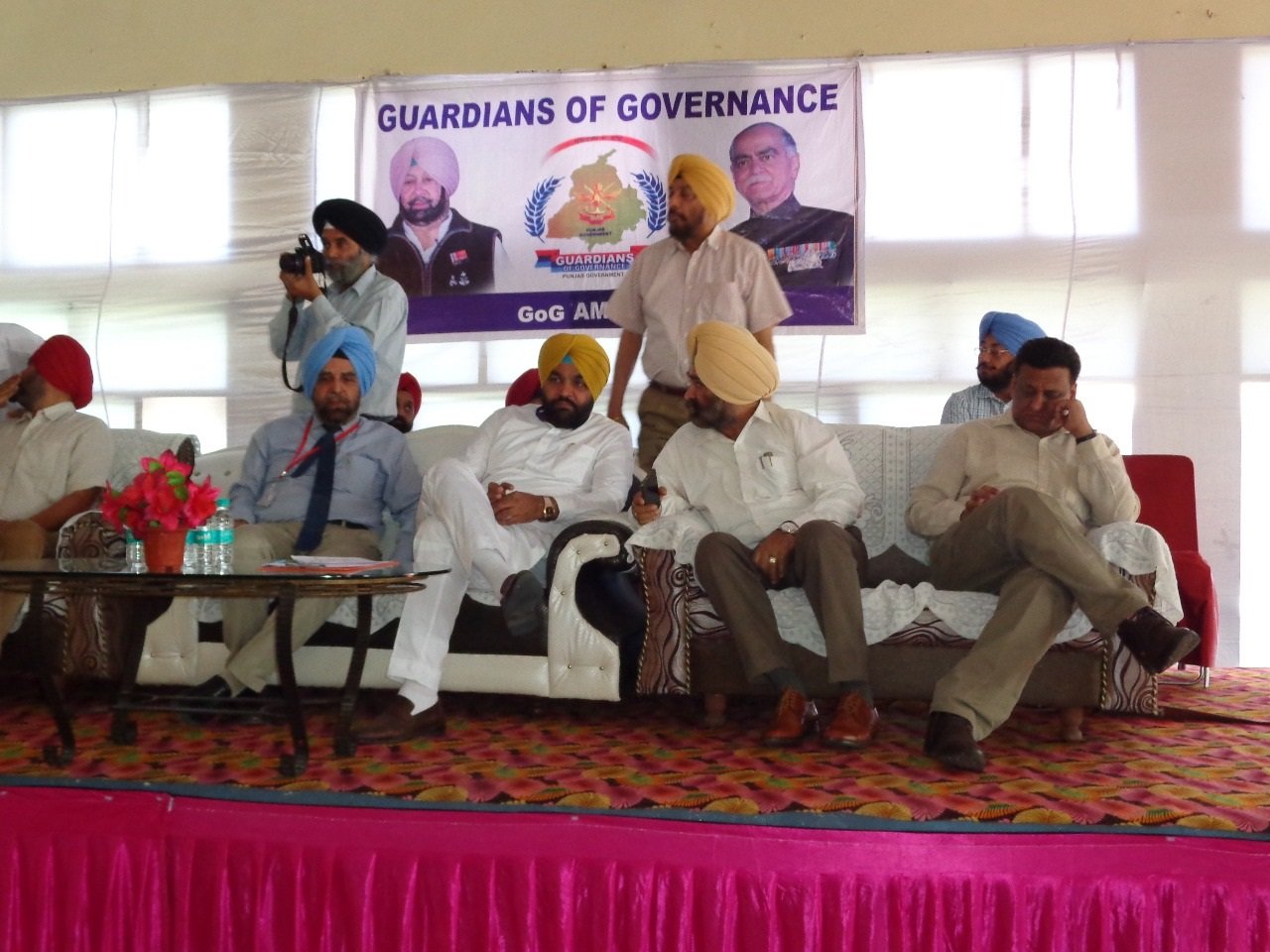
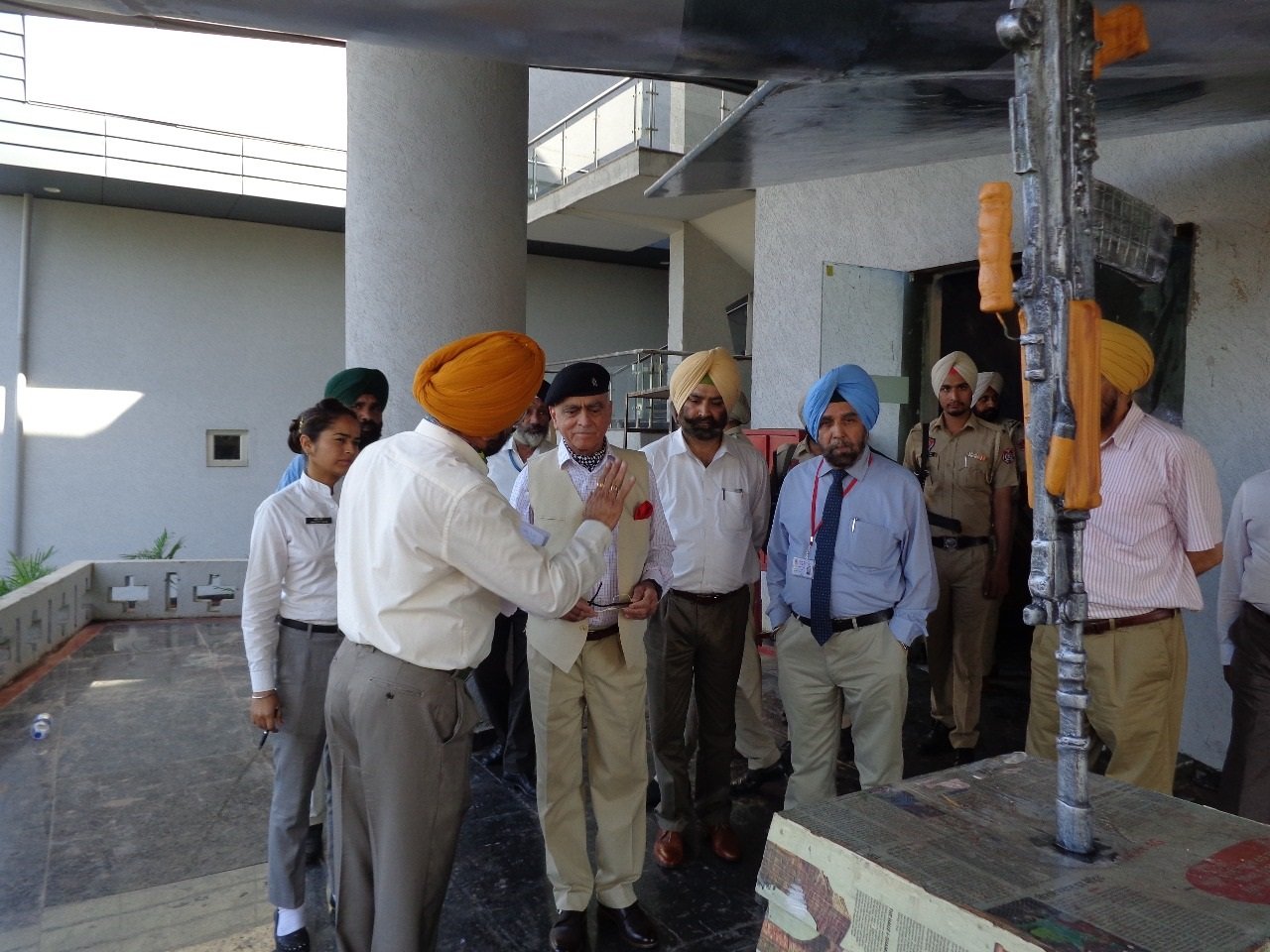
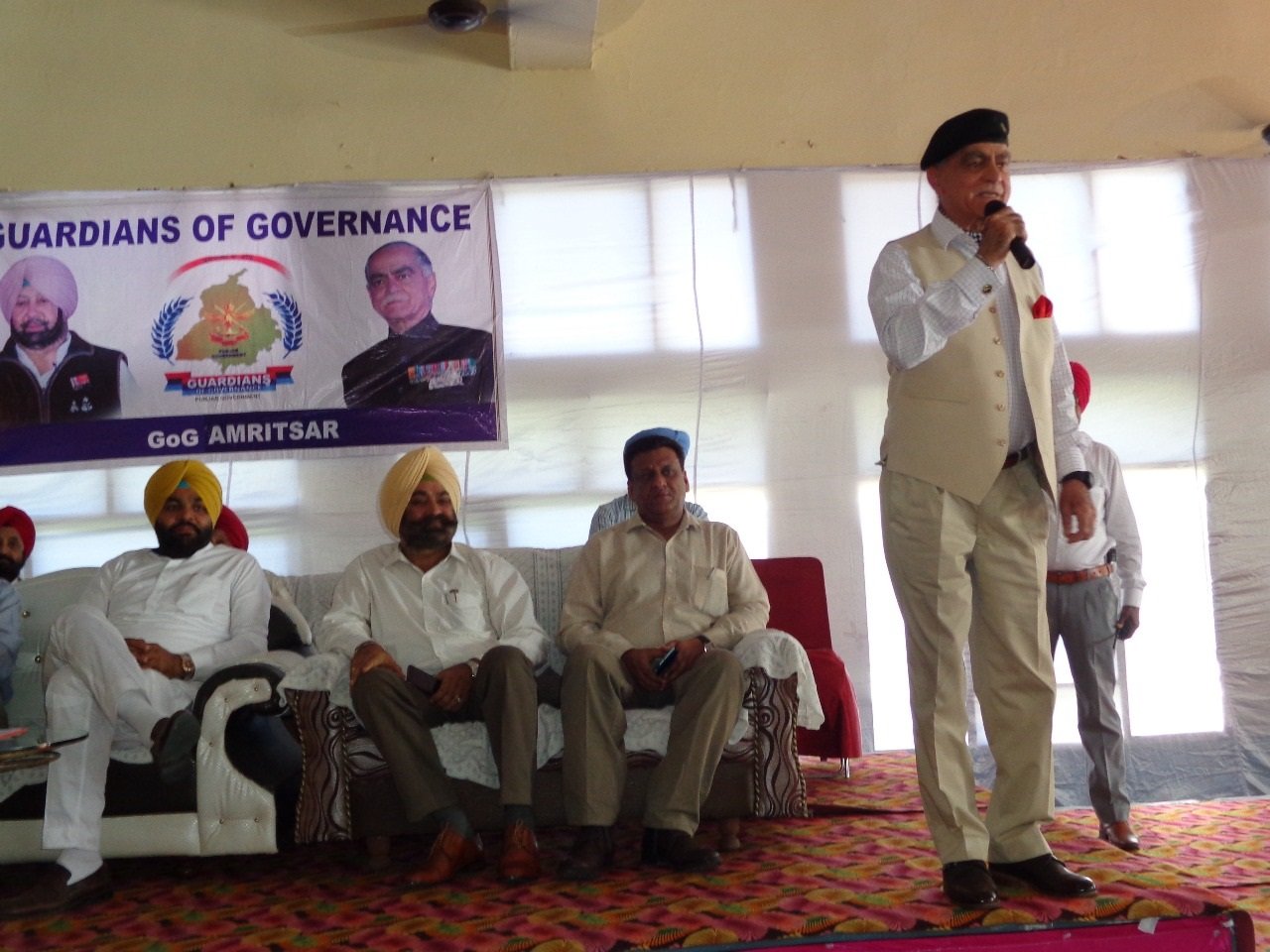
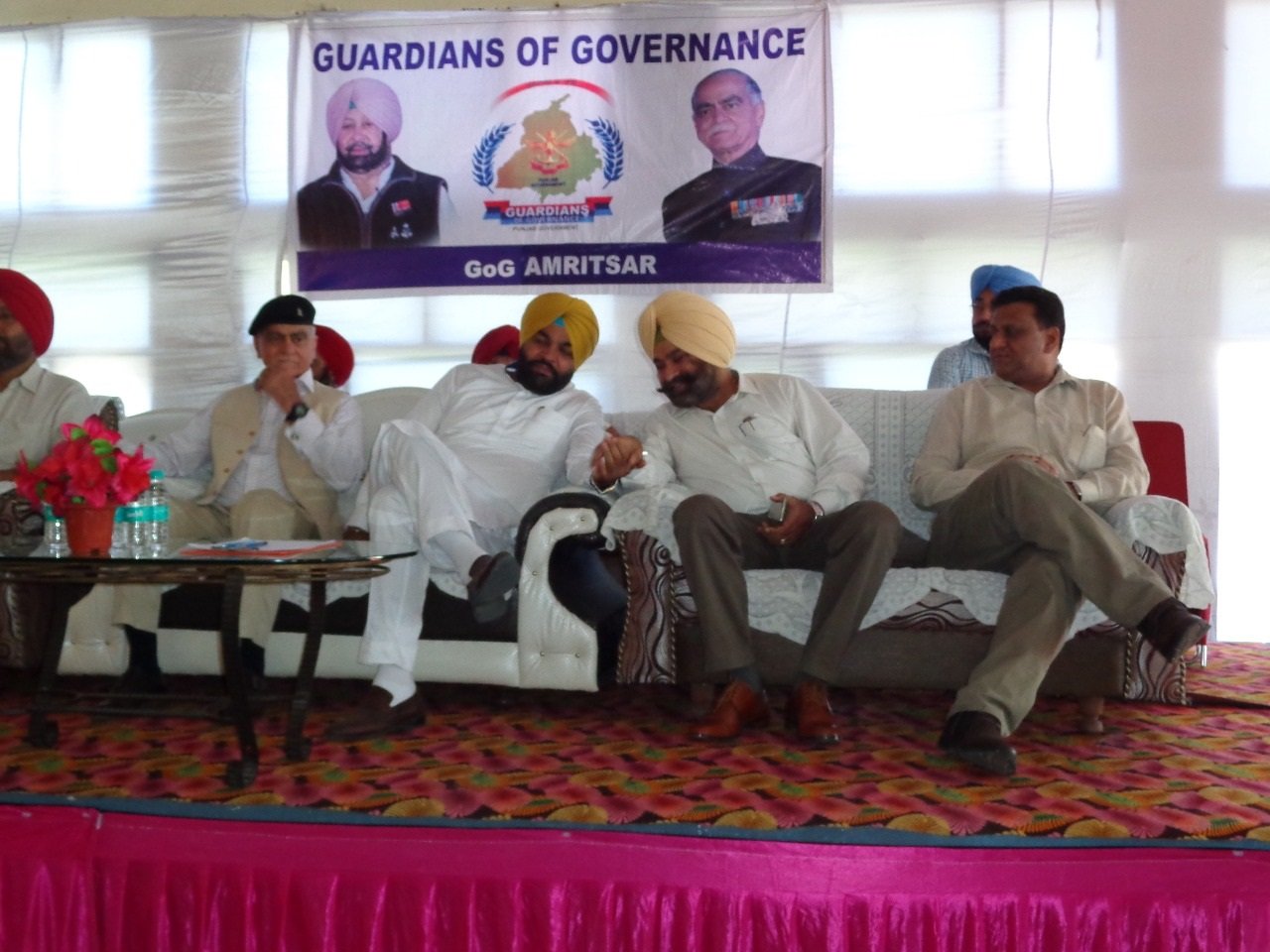
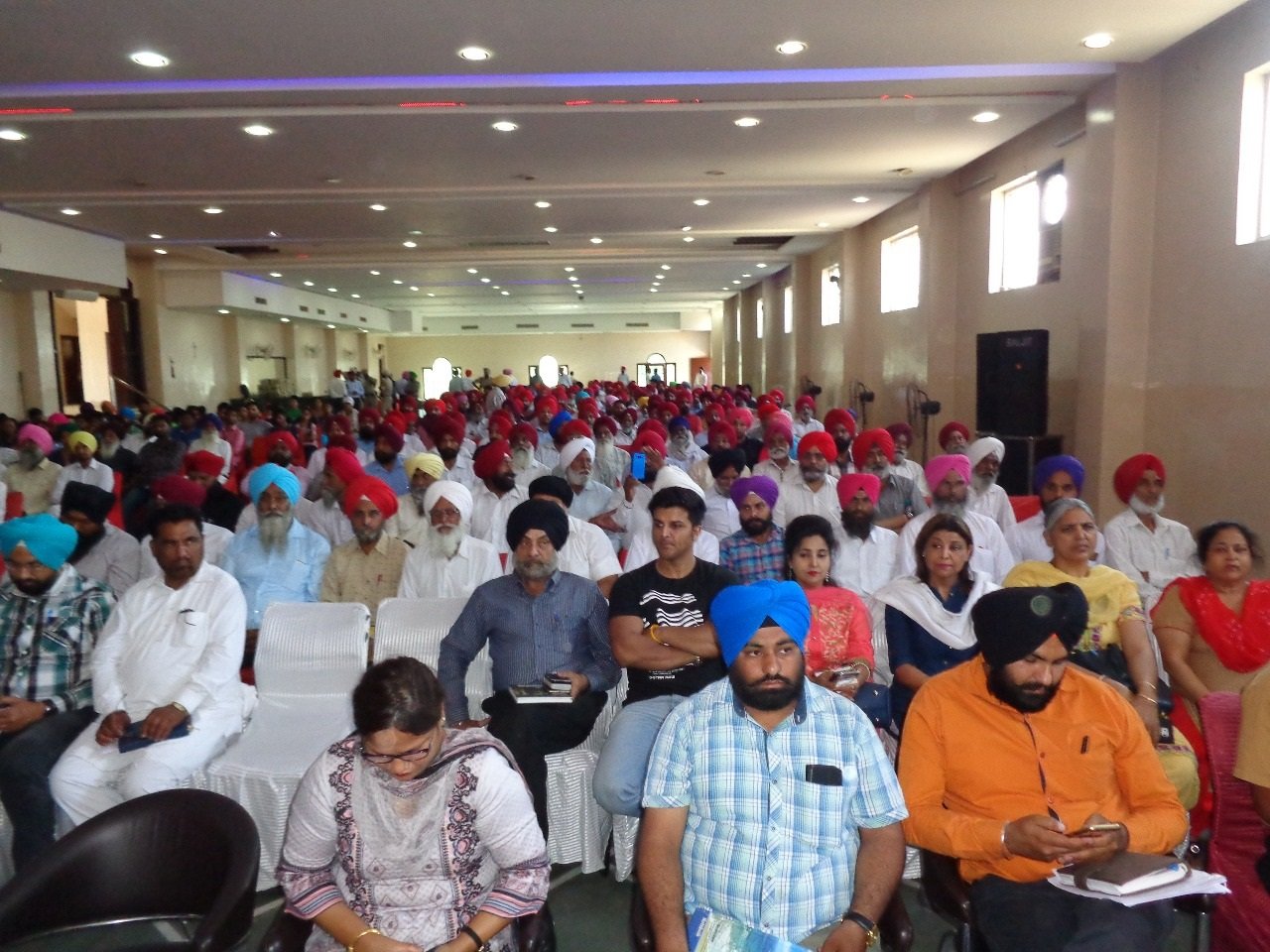
Senior vice-chairman of Guardians of Governance (GoG) and senior adviser to Chief Minister Lieutenant-General TS Shergill (retd) on Friday held a meeting with officials and some ex-servicemen at the District Administrative Complex (DAC) in Muktsar and said this new initiative of the state government would play an active role in the overall development of the state.He said the aim of the scheme was to ensure that every scheme of the government and all grants issued by the government reach the actual beneficiaries without any delay.He said the Congress government had honoured brave ex-soldiers through this scheme who would implement it with honesty and dedication.IMG-20180413-WA0096 IMG-20180413-WA0097 IMG-20180413-WA0098 IMG-20180413-WA0100 IMG-20180413-WA0101 IMG-20180413-WA0102 IMG-20180413-WA0103 IMG-20180413-WA0104 IMG-20180413-WA0105 IMG-20180413-WA0106delay.He said the Congress government


and dedication.IMG-20180413-WA0096 IMG-20180413-WA0097IMG-20180413-WA0098IMG-20180413-WA0100IMG-20180413-WA0101IMG-20180413-WA0102IMG-20180413-WA0103IMG-20180413-WA0104IMG-20180413-WA0105IMG-20180413-WA0106delay.He said the Congress government

had honoured brave ex-soldiers through this scheme who would implement it with honesty and dedication


7 MoUs inked with Russia for military spares

Tribune News Service

Chennai, April 13

To tide over the problem of getting spares for Russian-origin military equipment, seven MoUs were on Friday signed between Indian private companies and Russian manufacturers at the DefExpo here.The MoUs were signed at the third India-Russia military industrial conference held on the sidelines of the event.Deliberations during the conference focused on the need for improvement of after-sales support of Russian-origin defence platforms.The Indian delegation was led by Secretary (Defence Production) Dr Ajay Kumar while Deputy Minister of Industry and Trade of Russian Federation Oleg Ryazantcev led the other side. The Russian delegation comprised senior representatives of the government and representatives of leading defence industries.Around 75 Indian defence sector manufacturing companies and 28 original equipment manufacturers from Russian industry participated in the conference.Two rounds of India-Russia military industrial conferences have been held in past: in March and August last year in New Delhi and Moscow.


Now pay more for hiring mules, porters to visit Hemkund Sahib

Now pay more for hiring mules, porters to visit Hemkund Sahib

Jotirmay Thapliyal

Tribune News Service

Dehradun, April 4

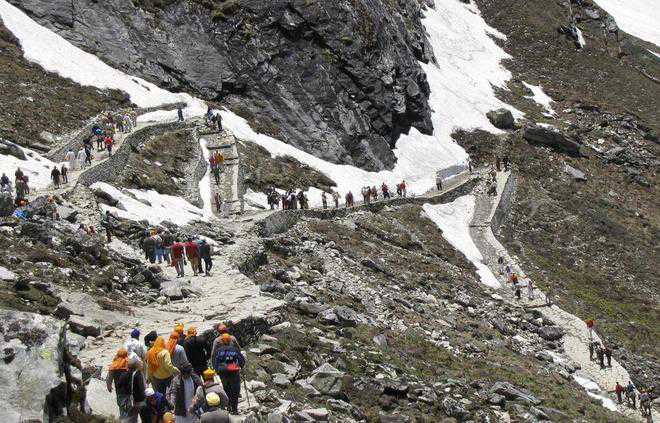
Pilgrims planning to visit Hemkund Sahib in Chamoli district this year will have to shell out extra money as the fares of hiring mules, porters and palanquins have been increased. The Sikh temple will open on May 25.Pilgrims can take their vehicles till Pulna only and further they have to cover a 16-km stretch on foot. Most of the pilgrims, especially elderly, prefer to hire mules and porters as the route is arduous.The Chamoli district panchayat, which manages all these facilities, has decided to increase the fares from this year. A porter will now charge Rs 1,900 for carrying a pilgrim with weight up to 50 kg from Pulna to Hemkund Sahib for to and fro journey. Earlier, the fare was Rs 1,570. Those weighing above 50 kg will be charged Rs 2,610, while earlier it used to be Rs 2,155.Similarly, the owners of mules and horses will charge Rs 3,435 for carrying weight up to 60 kg. Earlier, the charges were Rs 2,860. For hiring palanquin, the fare has been increased from Rs 13,205 to Rs 15,850.MS Rana, a senior government official in Chamoli, said the fares had been increased after a gap of three years.

Costly affair

  • A porter will charge Rs 1,900 for carrying a pilgrim with weight up to 50 kg from Pulna to Hemkund Sahib for to and fro journey. Earlier, the fare was Rs 1,570. Those weighing above 50 kg will be charged Rs 2,610. Earlier, it was Rs 2,155.
  • The owners of mules and horses will charge Rs 3,435 for carrying weight up to 60 kg. Earlier, the fare was Rs 2,860. For hiring a palanquin, the fare has been increased from Rs 13,205 to Rs 15,850

Bridge on Gangotri highway collapses

Bridge on Gangotri highway collapses

Jyotirmay Thapliyal

Tribune News Service

Dehradun, April 1

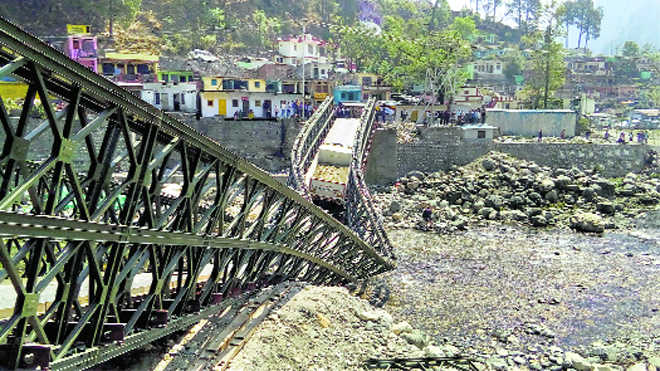
The sole bailey bridge over the Assi Ganga river connecting Uttarkashi district with the Sino-Indian border collapsed on Sunday morning. No one was reportedly hurt in the incident. The 60-metre long bridge at Gangori on the Gangotri National Highway in Uttarkashi district has collapsed for the second time in over three months.The 190 feet bridge collapsed last on December 14, 2017. The bridge was repaired and opened to traffic on January 10. Located at a distance of     6 km from Uttarkashi town, the bridge is a vital link for transporting locals to and from 80 villages of Bhatwari region and tourists visiting the Gangotri temple.The bridge has a load bearing capacity of 19 tonne and is important in terms of ferrying ration and other reinforcements for the ITBP personnel guarding the Sino-Indian border in this part of the country.Efforts are now under way for immediate alternative arrangements to ensure smooth flow of traffic.The need for a permanent bridge replacing the current arrangement has been felt since long. The original bridge was washed away in the 2013 floods. Meanwhile, the district authorities are probing the reasons for the bridge collapse. Sources attribute the collapse to a large number of overloaded trucks crossing the bridge daily. With Char Dham Yatra round the corner, it has become imperative for the authorities concerned to repair the bridge as soon as possible.

Used for ferrying ration for ITBP personnel

  • The 190 feet bridge is located at a distance of sixkilometres from Uttarkashi town
  • The bridge is a vital link for transporting locals to and from 80 villages of Bhatwari region and tourists visiting Gangotri temple.
  • It is used to ferry ration and other reinforcements for the ITBP personnel guarding the Sino-Indian border in this part of the country

SC raps MoD for careless litigation

Vijay Mohan

Tribune News Service

Chandigarh, April 26

Coming down heavily on the Ministry of Defence (MoD) for indulging in excessive litigation in settled matters, the Supreme Court had asked the government to wake up to its duties and responsibilities to the justice delivery system.“The couldn’t-care-less and insouciant attitude of the Union of India with regard to litigation, particularly in the Supreme Court, has gone a little too far,” a Division Bench comprising Justice Madan B. Lokur and Justice Deepak Gupta ruled on April 24 while imposing a fine of Rs 1 lakh on the government for a second time within a few weeks.Dismissing an appeal filed by the MoD in a disability related case of Prithwi Singh, a resident of Bhiwani in Haryana who had been granted relief by the Chandigarh Bench of the Armed Forces Tribunal, the Bench observed that several similar matters had been disposed of by the top court earlier and even a fine of Rs 1 lakh had been imposed last month to ensure the Union of India was far more circumspect.“The Union of India must appreciate that by pursuing frivolous or infructuous cases, it is adding to the burden of this court and collaterally harming other litigants by delaying hearing of their cases through the sheer volume of numbers,” the Bench said.To make matters worse, the Bench pointed out, 10 lawyers, including an additional solicitor general and a senior advocate, were engaged in this case. “The Union of India has created a huge financial liability by engaging so many lawyers for an appeal whose fate can be easily imagined on the basis of existing orders of dismissal in similar cases. Yet the Union of India is increasing its liability and asking the taxpayers to bear an avoidable financial burden for the misadventure,” the Bench ruled.The Bench observed that the government’s own action plan, which has been hanging fire for several years, mentions among others, steps to avoid unnecessary filing of appeals in routine matters and that vexatious litigation should be immediately withdrawn. It hoped that someday some sense will prevail on the Union of India with regard to the formulation of a realistic and meaningful National Litigation Policy.


Army pays tributes to Pulwama martyr

Army pays tributes to Pulwama martyr

Tribune News Service

Srinagar, April 25

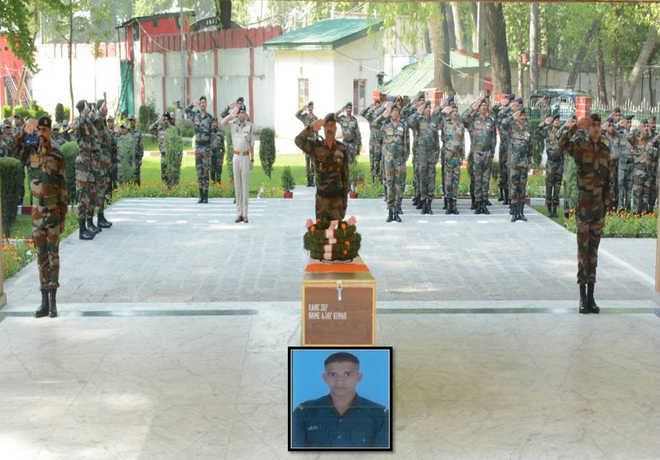
The Army on Wednesday paid tributes to Sepoy Ajay Kumar, who was killed during a counter-insurgency operation on Tuesday in south Kashmir’s Tral sub-district.“In a solemn ceremony at BB Cantt, Lt Gen AK Bhatt, Chinar Corps Commander, paid homage to the martyr on behalf of the country,” the Army said in a statement. “In a show of solidarity, representatives from other security agencies also joined in to pay their last respects to the martyr,” it said.Kumar had sustained a bullet injury during the fierce gunfight in the Laam forest in Tral and succumbed to injuries at the 92 Base Hospital here.The slain soldier was 25 years old and had joined the Army in 2013. He belonged to Panjola village of Sirmaur district in Himachal Pradesh and is survived by his parents and a brother.Four militants affiliated with the Jaish-e-Mohammad and a policeman were also killed in the gun battle on Tuesday.


Capt opposes MHA move to mergeUT cadre DSPs

Chandigarh, April 22

Chief Minister Capt Amarinder Singh has opposed the move of the Ministry of Home Affairs (MHA) to merge the Chandigarh cadre DSPs with those of all union territories, including Delhi.He has demanded that status quo be maintained till the dispute over Chandigarh between Punjab and Haryana was settled.The CM has directed the Chief Secretary to prepare a formal proposal on setting up a special cell in the General Administration to deal with Chandigarh-related issues in order to protect the interests of Punjab and bring it in the next Cabinet meeting.In a statement issued here, the CM said any move to erode the state’s stake in Chandigarh was not acceptable to Punjab. Capt said any such move would limit the avenues for the career progression of senior Punjab officers in line for promotion.The proposal of the MHA would lead to merger of all sanctioned posts of DSP of Chandigarh with the entry grade of the combined cadre of Delhi and other UTs, which would allow their transfer/posting in any UT, the CM pointed out. — TNS


Cops on alert after ‘carjacking’ near International border

Cops on alert after ‘carjacking’ near International border

Tribune News Service

Pathankot, April 16

Police in border districts of Pathankot, Gurdaspur and Batala are on a high alert after reports of ‘carjacking’ near the International border late Sunday night. IG (Border) Surinder Pal Singh Parmar confirmed the incident and added that a massive manhunt had been launched after the questioning of the car owner Gujjar Maskin Ali. The car owner told the police that two unidentified armed fled with his car after threatening him.Pathankot SSP Vivek Sheel Soni received a call from the control room around 11 pm about the incident. After making initial inquiries from the SHO Narot Jaimal Singh police station, the SSP sensed that the threat was “indeed real” and immediately put his force into action. Within two hours all vital installations in the city, including the road leading to the civil airport, Air Force station, Mamun cantonment and the ammunition dump — considered to be one of the biggest army storage facility in North India — were secured.By the time morning walkers hit the streets, the city had been converted into an impregnable fortress with the cops also establishing a dozen check posts on the strategic Jammu-Pathankot national highway.


Lockheed hails India’s procurement initiative for fighter jets

Lockheed hails India’s procurement initiative for fighter jets

At least 85 per cent of the aircraft will have to be made in India while 15 per cent of them can be in a flyaway condition. File photo

Washington, April 7

American aerospace and defence major Lockheed Martin has welcomed India’s mega procurement initiative for fighter jets worth over USD 15 billion and said that it looked forward to responding to the initial tender.India on Friday began the process to acquire a fleet of around 110 fighter jets in one of the biggest such procurements in recent years globally which could be worth over USD 15 billion.At least 85 per cent of the aircraft will have to be made in India while 15 per cent of them can be in a flyaway condition.An RFI (Request for Information) or initial tender for the mega deal was issued by the Indian Air Force and the procurement will be in sync with the government’s ‘Make in India’ initiative in the defence sector, officials said.“Lockheed Martin welcomes India’s fighter aircraft Request for Information (RFI) and we look forward to responding to it,” said Dr Vivek Lall, vice president, strategy and business development at Lockheed Martin.“The F-16 remains the only aircraft programme in this competition with the proven performance and industrial scale to meet India’s operational needs and ‘Make in India’ priorities, including unmatched export opportunities,” he said.Indian-American Lall was last year instrumental in the decision of the Trump administration to sell top-of-the-line unarmed drones from General Atomics.Lockheed Martin has positioned the newest Block 70 variant of its F-16 aircraft for the Indian Air Force, while Boeing has offered its F/A-18 Super Hornet Block III for the Indian Navy.“The two aircraft have been positioned complementarily, and the purchase of the pair is an interesting proposition for policymakers from both countries,” US-based think-tank Atlantic Council said in a report released in New Delhi on Friday.In the report, ‘India’s Quest for Fighter Jets: Make in India vs Make America Great Again’, it said China’s bellicose incursions in the Indo-Pacific region are challenging US geostrategic supremacy in the region.Consequently, improving India’s capacity to play a stronger role in the region would play a critical role in the US grand strategy, the think-tank said.While offshoring both the F-16 and F/A-18 assembly lines would appear to contradict Trump’s promise to create more manufacturing jobs in the US, nuances in that policy could open a window of opportunity, Atlantic Council said.The F-16s and the F/A-18 Super Hornets manufactured in India would not be sold to the US, it said.The F-16 production line will be used to service the orders from the Indian Air Force, as well as any follow-on international orders.Noting that the US Air Force has not bought an F-16 since 1999, and is transitioning its multi-role fighter force to the F-35, the think-tank said that any additional F-16 orders would be for non-US customers. An India partnership presents a way to sustain F-16 production, with all the economic and strategic benefits that result, it said.Similarly, the F/A-18 Super Hornet production line would also be used to service orders for the Indian Navy, with all US orders manufactured in the US.Despite the shift of production lines, there is a considerable work-share component in the proposals by Lockheed Martin and Boeing, which would present a reasonable case for setting up production lines in India, despite the obvious hindrances that such an operation would ordinarily pose for a foreign investor, the think-tank added.India’s latest hunt for over 100 fighter jets is the first mega procurement initiative for fighter jets after the government scrapped the process to acquire 126 Medium Multi-Role Combat Aircraft (MMRCA) for the IAF around five years ago.The IAF has been pressing for expediting the process to acquire the aircraft citing declining strength of its fighter squadron as some of the ageing jets are being phased out.Currently, the IAF has 31 fighter squadrons as against authorised strength of 42 squadrons. PTI