Sanjha Morcha

What religion permits is not mandate, says AFT

PLEA OF A SACKED AIR FORCE MAN LAST POSTED AT HALWARA IN LUDHIANA DISMISSED; HE MARRIED TWICE WITHOUT PERMISSION

CHANDIGARH: In a verdict on Muslim soldiers living in plural marriage, the Chandigarh bench of Armed Forces Tribunal (AFT) ruled on Tuesday that “what is permissive under the scripture cannot be equated with a mandate that amounts to religious practice”.

It added that “a bigamous marriage among Muslims is neither religious practice nor religious belief, and certainly not a religious injunction or mandate”. The bench ruled that air force regulations restrained any personnel from having more than one wife, though Muslims get liberty if the she deserts them, is declared mentally unstable, or her infidelity is proved. Further marriage comes only with permission from the competent authority.

Dismissing the petition of a Muslim soldier, Kalimul Gazi, who was last posted at Halwara in Ludhiana and dismissed from the air force for marrying twice without permission, justice Surinder Singh Thakur said the force rules don’t say that individuals of particular religion can have four wives, or having more than one wife is part of religion. “It is neither made obligatory by the religion nor it is a matter of conscience,” he added.

Gazi of West Bengal and a corporal in the air force first married Najmunnahar in 2009. He has a daughter from that marriage. In 2012, he married Razia Khatun and they had a son. He disclosed that to the air force himself, after which a Court of Inquiry was conducted in 2013. He argued that his religion permitted him to keep four wives. He was sacked on September 8, 2014.

The judgment added that “it is a clear case of violation of the regulations (under para 579 of the air force regulations), the object and intent of which is to maintain public order, morality, health, and force discipline. The self-declaration by the petitioner doesn’t condone the aforesaid illegality. Therefore, the penalty… cannot be… held shockingly disproportionate to the proved allegations”.


Two lakh across Valley attend Burhan Wani’s funeral

Two lakh across Valley attend Burhan Wani’s funeral
Mourners carry the body of Hizbul Mujahideen militant commander Buhran Muzaffar Wani during his funeral procession in Tral. Tribune Photo: Mohammad Amin War

Azhar Qadri &Suhail A ShahTribune Reporters

Tral, July 9

Thousands of people, including teenaged boys and old men, today offered several funeral prayers for Burhan Wani, a young militant commander who was killed last evening, making it the largest gathering in the region in recent years.At least four major funeral prayers were offered at the vast ground near Wani’s home in Tral town in south Kashmir, while several other small funeral prayers were also offered as the steady stream of mourners kept arriving here despite curfew imposed by the authorities.Even though it was difficult to count the number of people who attended the funeral, but estimates suggest the number could have been anywhere around two lakh people or more. The attendance in Wani’s funeral was one of the largest for a militant in the past decade.The funerals of militants have attracted large attendances in recent years as insurgency has made a significant comeback in the last four to five years and gained several hundred recruits.Three militants, including Wani, were killed in a brief gunfight in the Kokernag area of south Kashmir on Friday evening. Wani, who headed militants of Hizbul Mujahideen in south Kashmir, was one of the most prominent militant commander in the region and had become the poster boy of new-age militancy.Those who attended Wani’s funerals had come from across the Kashmir valley, including from distant places like Kupwara and Baramulla, more than 100 km from here. Many had come on foot and walked long distances, while hundreds came in cars, load carriers, tractors and trucks.Several masked men, believed to be militants, also came to the ground where Wani’s body was kept for public viewing during the day.The police handed over Wani’s body to his family late on Friday night and it arrived at his Sharifabad home at 3 am. As soon as the body of the militant commander arrived, hundreds of men – most of them young boys – gathered at Wani’s home and raised slogans praising militants.The first of the several funeral prayers was offered at 10 am as heavy rush of people flooded the ground which caused advancing of the funeral from the scheduled time. Wani was later buried in the afternoon after several rounds of funeral prayers. Some reports suggesting as many as 20 big and small funeral prayers were offered.


8 killed in clashes in Kashmir over Hizb commander’s killing

Amarnath yatra suspended; school board exams postponed

Majid Jahangir

Tribune News Service

Srinagar, July 9

Kashmiri Muslim villagers gather around a top Hizbul Mujahideen Militant Commander and poster boy Buhran Muzaffar Wani during his funeral procession in Tral, some 38 Kilometers south of Srinagar, saturday. Violent protests erupted in the Kashmir on Saturday after Buhran Muzaffar Wani a militant commander and two more were killed in an encounter with the army,SOG at Village Bamdoora near Kokernag south kashmir’s Anantnag district. Tribune Photo/Mohammad Amin War

Eight youths were killed and over 100 others were injured in the clashes on Saturday over the killing of Hizbul Mujahideen militant commander Burhan Wani.The casualties have been reported in south Kashmir’s Anantnag and Kulgam districts. “Eight youths have so far been killed and over 60 injured in south Kashmir,” an official said.Kashmir remained tense on Saturday over the killing of Wani as curfew, shutdown and internet blockade paralysed the normal life across the region. Despite the restriction, clashes erupted across Kashmir.Due to the tension, the authorities also suspended the Amarnath yatra.(Follow The Tribune on Facebook; and Twitter @thetribunechd)Wani, 22, was killed on Friday in a gunfight in south Kahsmir’s Anantnag district along with two of his associates. Protests and clashes had erupted immediately after the killing of Burhan on Friday evening.In Srinagar, curfew was imposed in old city areas to ensure that there were no protests. Restrictions were imposed in police stations areas in Safakadal, Maharaj Gunj, Khanyar, Nowhatta, Rainawari and Maisuma. The government also blocked mobile internet services in the region since Friday night to ensure peace. The train service in Kashmir was also suspended.There were reports of clashes and protests in many parts of Srinagar. Police had to fire teargas shells to disperse the protesters at least at a dozen places.Groups of youths pelted police posts and police stations at Bandipora, Qazigund and Larnoo in Anantnag district with stones, a police official said, adding that a mob also attacked the BJP office in Nilo-Bugam area of Kulgam district and damaged the building.Violent protests were held in Mir Bazaar and Damhaal Hanjipora in Kulgam district and Warpora in Sopore township of Baramulla district. The police picket guarding minority community in Vessu area of south Kashmir was also attacked, the official said.Stone-pelting incidents were also reported from Sheeri, Kreeri, Delina, Pattan and Palhalan areas of north Kashmir’s Baramulla district, the official said, adding that Barsoo and Shariefabad in Awantipora area of south Kashmir also saw violent protests.


ਸੁਪਰੀਮ ਕੋਰਟ ਨੇ ਬੰਨ੍ਹੇ ਫ਼ੌਜ ਦੇ ਹੱਥ

supreme court of india
Posted On July – 8 – 2016
supreme court of indiaਮਨੀਪੁਰ ਵਿੱਚ ਹੋਏ ਮੁਕਾਬਲਿਆਂ ਬਾਰੇ ਵਿਸਥਾਰ ਵਿੱਚ ਜਾਣਕਾਰੀ ਮੰਗੀ
ਨਵੀਂ ਦਿੱਲੀ, 8 ਜੁਲਾਈ
ਸੁਪਰੀਮ ਕੋਰਟ ਨੇ ਅੱਜ ਕਿਹਾ ਕਿ ਮਨੀਪੁਰ ਵਿੱਚ ਫ਼ੌਜ ਅਤੇ ਨੀਮ ਸੈਨਿਕ ਬਲ ‘ਹੱਦੋਂ ਵੱਧ ਜਵਾਬੀ ਕਾਰਵਾਈ’ ਨਹੀਂ ਕਰ ਸਕਦੇ ਅਤੇ ਅਜਿਹੀਆਂ ਘਟਨਾਵਾਂ ਦੀ ਪੜਤਾਲ ਹੋਣੀ ਚਾਹੀਦੀ ਹੈ। ਜਸਟਿਸ ਐਮਬੀ ਲੋਕੁਰ ਅਤੇ ਜਸਟਿਸ ਯੂ ਯੂ ਲਲਿਤ ਦੇ ਬੈਂਚ ਨੇ ਅਦਾਲਤੀ ਮਿੱਤਰ ਨੂੰ ਮਨੀਪੁਰ ਵਿੱਚ ਹੋਏ ਕਥਿਤ ਮੁਕਾਬਲਿਆਂ ਬਾਰੇ ਵਿਸਥਾਰ ਵਿੱਚ ਜਾਣਕਾਰੀ ਦੇਣ ਲਈ ਕਿਹਾ ਹੈ। ਬੈਂਚ ਨੇ ਕਿਹਾ ਕਿ ਇਨ੍ਹਾਂ ਫਰਜ਼ੀ ਮੁਕਾਬਲਿਆਂ ਦੇ ਦੋਸ਼ਾਂ ਦੀ ਫ਼ੌਜ ਆਪਣੇ ਪੱਧਰ ’ਤੇ ਪੜਤਾਲ ਕਰਾ ਸਕਦੀ ਹੈ।
ਸਰਬਉੱਚ ਅਦਾਲਤ ਨੇ ਇਹ ਵੀ ਕਿਹਾ ਕਿ ਉਹ ਕੌਮੀ ਮਨੁੱਖੀ ਅਧਿਕਾਰ ਕਮਿਸ਼ਨ ਦੇ ਉਸ ਦਾਅਵੇ ਦੀ ਪੜਤਾਲ ਕਰੇਗੀ, ਜਿਸ ਵਿੱਚ ਉਸ ਨੇ ਆਪਣੇ ਆਪ ਨੂੰ ‘ਬੋੜਾ ਚੀਤਾ’ ਕਹਿੰਦਿਆਂ ਹੋਰ ਤਾਕਤਾਂ ਦੀ ਮੰਗ ਕੀਤੀ ਸੀ। ਸੁਪਰੀਮ ਕੋਰਟ ਵੱਲੋਂ ਸੁਰੇਸ਼ ਸਿੰਘ ਦੀ ਪਟੀਸ਼ਨ ’ਤੇ ਸੁਣਵਾਈ ਕੀਤੀ ਜਾ ਰਹੀ ਹੈ, ਜਿਸ ਵਿੱਚ ਉਸ ਨੇ ਗੜਬੜ ਵਾਲੇ ਇਲਾਕਿਆਂ ਵਿੱਚ ਭਾਰਤੀ ਹਥਿਆਰਬੰਦ ਬਲਾਂ ਨੂੰ ਵਿਸ਼ੇਸ਼ ਤਾਕਤਾਂ ਦੇਣ ਵਾਲੇ ‘ਅਫਸਪਾ’ ਕਾਨੂੰਨ ਨੂੰ ਰੱਦ ਕਰਨ ਦੀ ਮੰਗ ਕੀਤੀ ਹੈ।
ਇਸ ਤੋਂ ਪਹਿਲਾਂ ਅਦਾਲਤ ਨੇ ਕਿਹਾ ਕਿ ਸੀ ਕਿ ਮਨੀਪੁਰ ਵਿੱਚ ਮੁਕਾਬਲਿਆਂ ਦੌਰਾਨ ਸੁਰੱਖਿਆ ਬਲਾਂ ਵੱਲੋਂ ਮਾਰੇ ਗਏ ਵਿਅਕਤੀਆਂ ਦੇ ਪਰਿਵਾਰਾਂ ਨੂੰ ਮੁਆਵਜ਼ਾ ਦਿੱਤਾ ਗਿਆ ਹੈ, ਜਿਸ ਤੋਂ ‘ਸਪੱਸ਼ਟ ਸੰਕੇਤ’ ਮਿਲਦਾ ਹੈ ਕਿ ਇਹ ਮੁਕਾਬਲੇ ਫ਼ਰਜ਼ੀ ਸਨ। ਅਦਾਲਤ ਨੇ ਮਨੀਪੁਰ ਸਰਕਾਰ ਨੂੰ ਕਿਹਾ ਸੀ ਕਿ ਉਹ ਮੁਕਾਬਲਿਆਂ ਵਿੱਚ ਮਾਰੇ ਗਏ ਵਿਅਕਤੀਆਂ ਦੇ ਪਰਿਵਾਰਕ ਮੈਂਬਰਾਂ ਨੂੰ ਮੁਆਵਜ਼ਾ ਦੇਣ ਬਾਅਦ ਚੁੱਕੇ ਗਏ ਕਦਮਾਂ ਬਾਰੇ ਅਦਾਲਤ ਨੂੰ ਜਾਣਕਾਰੀ ਦੇਵੇ। ਅਦਾਲਤ ਨੇ ਇਸ ਬਾਅਦ ਕੇਂਦਰ, ਮਨੀਪੁਰ ਸਰਕਾਰ ਤੇ ਕੌਮੀ ਮਨੁੱਖੀ ਅਧਿਕਾਰ ਕਮਿਸ਼ਨ ਨੂੰ ਸੂਬੇ ਵਿੱਚ ਹੋਏ ਮੁਕਾਬਲਿਆਂ ਬਾਰੇ ਵਿਸਥਾਰ ਵਿੱਚ ਰਿਪੋਰਟ ਸੌਂਪਣ ਲਈ ਕਿਹਾ। ਇਨ੍ਹਾਂ ਵਿੱਚ 62 ਮੁਕਾਬਲੇ ਅਜਿਹੇ ਹਨ, ਜਿਨ੍ਹਾਂ ਦੀ ਐਫਆਈਆਰ ਵੀ ਨਹੀਂ ਦਰਜ ਕੀਤੀ ਗਈ। ਬੈਂਚ ਨੇ ਕੇਂਦਰ ਦੇ ਨੁਮਾਇੰਦੇ ਐਡੀਸ਼ਨ ਸੌਲਿਸੀਟਰ ਜਨਰਲ ਮਹਿੰਦਰ ਸਿੰਘ, ਕੌਮੀ ਮਨੁੱਖੀ ਅਧਿਕਾਰ ਕਮਿਸ਼ਨ ਅਤੇ ਮਨੀਪੁਰ ਸਰਕਾਰ ਦੇ ਵਕੀਲਾਂ ਨੂੰ ਅਦਾਲਤੀ ਮਿੱਤਰ ਨੂੰ ਮੁਕਾਬਲਿਆਂ ਬਾਰੇ ਲੋੜੀਂਦੀ ਜਾਣਕਾਰੀ ਦੇਣ ਲਈ ਕਿਹਾ ਹੈ ਅਤੇ ਉਹ ਇਨ੍ਹਾਂ ਕੇਸਾਂ ਬਾਰੇ ਵਿਸਥਾਰ ਸਹਿਤ ਜਾਣਕਾਰੀ ਅਦਾਲਤ ਨੂੰ ਅਗਲੀ ਕਾਰਵਾਈ ਲਈ ਦੇਵੇਗਾ।
ਜ਼ਿਕਰਯੋਗ ਹੈ ਕਿ ਮਨੀਪੁਰ ਵਿੱਚ ਸਾਲ 2000 ਤੋਂ 2012 ਤਕ ਸੁਰੱਖਿਆ ਬਲਾਂ ਅਤੇ ਪੁਲੀਸ ਵੱਲੋਂ ਕਥਿਤ ਤੌਰ ’ਤੇ ਨਿਆਂ ਦੀ ਹੱਦ ਤੋਂ ਬਾਹਰ ਜਾ ਕੇ ਕੀਤੀਆਂ 1528 ਹੱਤਿਆਵਾਂ ਸਬੰਧੀ ਇਕ ਜਨਹਿੱਤ ਪਟੀਸ਼ਨ ’ਤੇ ਸੁਣਵਾਈ ਦੌਰਾਨ ਸੁਪਰੀਮ ਕੋਰਟ ਨੇ ਫ਼ਰਜ਼ੀ ਮੁਕਾਬਲਿਆਂ ਦੀ ਸੰਪੂਰਨ ਪੜਤਾਲ ਦਾ ਨਿਰਦੇਸ਼ ਦਿੰਦਿਆਂ ਕਿਹਾ ਕਿ ਇਨ੍ਹਾਂ ਪਿਛਲਾ ਸੱਚ ਜਾਣਨਾ ਜ਼ਰੂਰੀ ਹੈ ਤਾਂ ਜੋ ਕਾਨੂੰਨ ਮੁਤਾਬਕ ਇਨਸਾਫ਼ ਹੋ ਸਕੇ। ‘ਅਫ਼ਸਪਾ’ ਸਬੰਧੀ ਮਾਮਲੇ ’ਤੇ ਟਿੱਪਣੀ ਕਰਦਿਆਂ ਬੈਂਚ ਨੇ ਕਿਹਾ ਕਿ ਮਨੀਪੁਰ ਵਿੱਚ ਅੰਦਰੂਨੀ ਗੜਬੜ ਅਤੇ ਅਮਨ-ਕਾਨੂੰਨ ਦੀ ਹਾਲਤ ਵਿੱਚ 1958 ਤੋਂ ਕੋਈ ਸੁਧਾਰ ਨਹੀਂ ਹੋਇਆ। ਇਨ੍ਹਾਂ 60 ਸਾਲਾਂ ਦੌਰਾਨ ਦੋ ਪੀੜ੍ਹੀਆਂ ਸੰਤਾਪ ਹੰਢਾ ਚੁੱਕੀਆਂ ਹਨ। ਮਨੀਪੁਰ ਦੇ ਸਮਾਜ, ਬਾਗ਼ੀਆਂ, ਮਨੀਪੁਰ ਸਰਕਾਰ ਅਤੇ ਭਾਰਤ ਸਰਕਾਰ ਨੂੰ ਇਸ ਸਮੱਸਿਆ ਦਾ ਸ਼ਾਂਤੀਪੂਰਨ ਹੱਲ ਕੱਢਣਾ ਚਾਹੀਦਾ ਹੈ।
-ਪੀਟੀਆਈ
ਦਿੱਲੀ ਸਰਕਾਰ ਦੀ ਪਟੀਸ਼ਨ ’ਤੇ ਸੁਣਵਾਈ ਤੋਂ ਇਨਕਾਰ
ਨਵੀਂ ਦਿੱਲੀ: ਸੁਪਰੀਮ ਕੋਰਟ ਨੇ ਅੱਜ ਦਿੱਲੀ ਸਰਕਾਰ ਦੀ ਉਸ ਪਟੀਸ਼ਨ ’ਤੇ ਸੁਣਵਾਈ ਤੋਂ ਇਨਕਾਰ ਕਰ ਦਿੱਤਾ, ਜਿਸ ਵਿੱਚ ਕਿਹਾ ਗਿਆ ਸੀ ਕਿ ਦਿੱਲੀ ਹਾਈ ਕੋਰਟ ਨੂੰ ਪਹਿਲਾਂ ਇਹ ਫ਼ੈਸਲਾ ਕਰਨ ਲਈ ਕਿਹਾ ਜਾਵੇ ਕਿ ਕੇਂਦਰ ਤੇ ਸੂਬੇ ਵਿਚਾਲੇ ਵਿਵਾਦ ਉਸ ਦੇ ਨਿਆਂਇਕ ਖੇਤਰ ਵਿੱਚ ਆਉਂਦਾ ਹੈ ਜਾਂ ਇਹ ‘ਕੇਵਲ’ ਸਰਬਉੱਚ ਅਦਾਲਤ ਦੇ ਦਾਇਰੇ ਵਿੱਚ ਆਉਂਦਾ ਹੈ। ਸੁਪਰੀਮ ਕੋਰਟ ਨੇ ਦਿੱਲੀ ਸਰਕਾਰ ਨੂੰ ਕਿਹਾ ਕਿ ਹੁਣ ਉਹ ਉਦੋਂ ਹੀ ਉਨ੍ਹਾਂ ਕੋਲ ਆਵੇ ਜਦੋਂ ਦਿੱਲੀ ਹਾਈ ਕੋਰਟ ਇਸ ਮੁੱਦੇ ਸਮੇਤ ਬਾਕੀ ਸਾਰੇ ਮਸਲਿਆਂ ’ਤੇ ਫ਼ੈਸਲਾ ਕਰ ਲਏ ਕਿ ਵਿਵਾਦ ਉਸ ਦੇ ਅਧਿਕਾਰ ਖੇਤਰ ਵਿੱਚ ਹੈ। ਜਸਟਿਸ ਦੀਪਕ ਮਿਸ਼ਰਾ ਤੇ ਜਸਟਿਸ ਯੂ ਯੂ ਲਲਿਤ ਦੇ ਬੈਂਚ ਨੇ ਕਿਹਾ ਕਿ ਜਦੋਂ ਹਾਈ ਕੋਰਟ ਨੇ ਤਰਜੀਹ ਵਾਲੇ ਅਧਿਕਾਰ ਖੇਤਰ ਸਮੇਤ ਬਾਕੀ ਸਾਰੇ ਮਾਮਲਿਆਂ ’ਤੇ ਸੁਣਵਾਈ ਕੀਤੀ ਹੈ ਅਤੇ ਫ਼ੈਸਲਾ ਸੁਰੱਖਿਅਤ ਰੱਖ ਲਿਆ ਹੈ ਤਾਂ ਤਮਾਮ ਮੁੱਦਿਆਂ ’ਤੇ ਹਾਈ ਕੋਰਟ ਦੇ ਫ਼ੈਸਲੇ ਬਾਅਦ ਹੀ ਦਿੱਲੀ ਸਰਕਾਰ ਉਸ ਕੋਲ ਮਾਮਲਾ ਪੇਸ਼ ਕਰੇ। ਅਰਜ਼ੀ ਰੱਦ ਕਰਦਿਆਂ ਬੈਂਚ ਨੇ ਕਿਹਾ ਕਿ ਹਾਈ ਕੋਰਟ ‘ਸੰਵਿਧਾਨਕ ਅਦਾਲਤ’ ਹੈ। ਇਸ ਤਰ੍ਹਾਂ ਦੇ ਸੰਵਿਧਾਨਕ ਮਾਮਲਿਆਂ ’ਤੇ ਫੈ਼ਸਲਾ ਕਰਨ ਅਤੇ ਇਨ੍ਹਾਂ ਨੂੰ ਪਰਿਭਾਸ਼ਤ ਕਰਨ ਦੀ ਉਸ ਕੋਲ ਸ਼ਕਤੀ ਹੈ। ਦਿੱਲੀ ਵੱਲੋਂ ਪੇਸ਼ ਹੋਈ ਵਕੀਲ ਇੰਦਰਾ ਜੈ ਸਿੰਘ ਨੇ ਦਲੀਲ ਦਿੱਤੀ ਕਿ ਦਿੱਲੀ ਵਿੱਚ ਚੁਣੀ ਹੋਈ ਅਤੇ ਜ਼ਿੰਮੇਵਾਰ ਸਰਕਾਰ ਹੈ। ਇਸ ਮਾਮਲੇ ਵਿੱਚ ਸਰਬਉੱਚ ਅਦਾਲਤ ਦਾ ਫ਼ੈਸਲਾ ਲਾਗੂ ਹੁੰਦਾ ਹੈ ਕਿ ਉਪ ਰਾਜਪਾਲ ਨੇ ਮੁੱਖ ਮੰਤਰੀ ਤੇ ਮੰਤਰੀ ਮੰਡਲ ਦੀ ਮਦਦ ਅਤੇ ਸਲਾਹ ਨਾਲ ਪ੍ਰਸ਼ਾਸਨ ਚਲਾਉਣਾ ਹੈ। ਇਹ ਵਿਵਾਦ ਸਿਰਫ਼ ਸੁਪਰੀਮ ਕੋਰਟ ਹੀ ਨਿਬੇੜ ਸਕਦੀ ਹੈ।


Bangladesh important IS target, says former Indian army general

A former Indian army officer says Muslim majority Bangladesh, despite its “initial success” in countering radicalisation, remains an “important” target of the Islamic State to expand its caliphate.

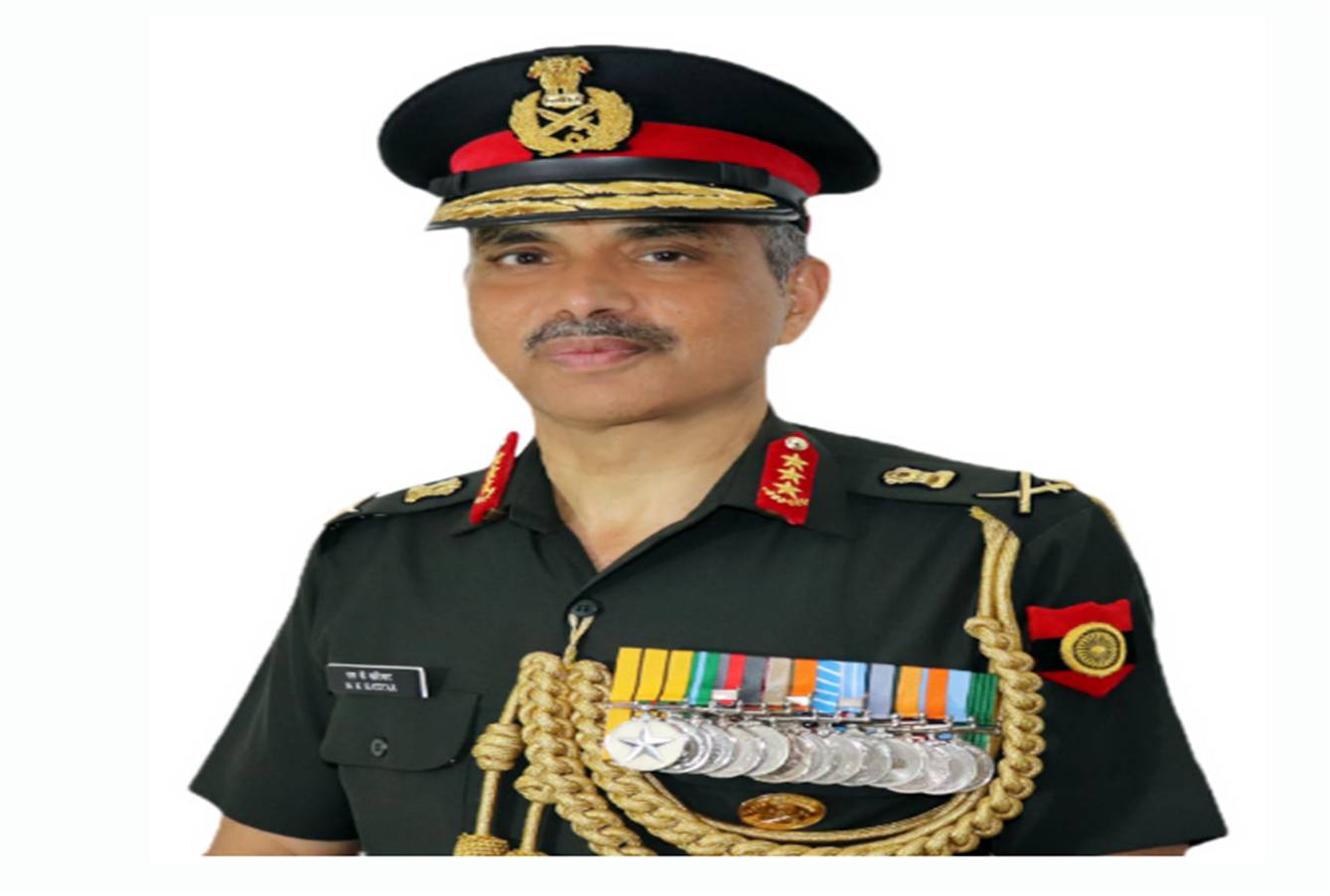
Lt General Syed Ata Hasnain, however, did not see any ‘big’ IS presence in the region, including in Bangladesh, at present.

“At the moment it is restricting itself and not expanding in rapid-fire. It is looking for surrogates,” Hasnain, who commanded the Indian army in Kashmir and served as the military secretary in his much-decorated career, said in Dhaka.

He was delivering a lecture on Tuesday at the Bangladesh Institute of International and Strategic Studies (BIISS) on the challenges facing counter-terrorism in South Asia.

His comment on the IS came in the wake of the radical group claiming that it killed two foreigners in Bangladesh and hurled bombs on a Ashura rally preparation of the Shia Muslims that left at least two dead.

The government has dismissed those claims, but the US says they should be taken seriously.

Hasnain, however, said it was up to the Bangladesh agencies to find out whether IS was involved or not, when asked.

He said events in Bangladesh, India and Pakistan “may be the ‘feelers’ to see how [it] can be done here, if it has to be done at all”.

“A lot of people are raising Islamic State flags in Kashmir that is bull-shit. Those are all symbolic acts.”

But he said Bangladesh could be an “important” target in South Asia because of the “density of Muslim population” and its geographical location connecting South East Asia.

“If caliphate has to be successful, they have to look at the larger segment of territory. South Asia has a larger density of Muslim population. But in India Muslims live in pockets. Pakistan has concentrated Muslims as it is an Islamic republic.

“Bangladesh has a larger density and this is why Bangladesh is important in a larger game of expanding the so called caliphate movement,” he said.

But he added that secularism was Bangladesh’s biggest strength and, hence, it was “not as vulnerable as Pakistan”.

Hasnain suggested addressing the issue of “ideology”, which he said was one of the three things needed to trigger terrorism.

The other two, in his opinion, were leadership and finance.

“That’s (idealism) what our concern is today in South Asia. It’s a major concern in Bangladesh and India. We’re all worried about all aspects of radicalisation,” he said.

Senior military officers including Principal Staff Officer to the Armed Forces Division Lt General Md Moinul Islam, diplomats of different embassies, former Bangladesh diplomats, officials, academia and journalists were present at the lecture.


RETIRED DEFENCE CIVILIANS TO HAVE CANTEEN FACILITIES MoD notifies all headquarters, ex-civilians welcome move

Former defence civilians will be authorised to get groceries, but not liquor. PIC FOR REPRESENTATIONAL PURPOSES

Even as the Ministry of Defence (MoD) struggles to resolve the long-pending one rank one pension (OROP) issue, there is good news for around 3.70 lakh retired defence civilians in the country. The MoD has finally agreed to extend Canteen Stores Department (CSD) facilities to former defence civilians, which they earlier had to forego after retiring. The integrated headquarters of MoD (Army) has shot off a notice in this regard to all headquarters, including seven army commands in the country. The issue has been under consideration for many years.

According to the notice, retired employees from the Defence Audit Department, Executive Officer Cantonment Board, Hindustan Aeronautics Ltd personnel retired from Air Force Station Hyderabad, Jorhat, Air Force Academy, Dundigal (Hyderabad) and Air Force Station Yelahanka (Bangalore), Indian Defence Accounts Services, Secretariat Border Roads Development Board and HQ Director General Roads, retired employees of CSD and Military Engineering Services (MES) employees will be able to avail of the CSD facility.

“They will be entitled only to groceries. No liquor will be authorised,” the notice mentions. + Though defence civilians are central government employees, paid out of the defence estimate and part of the MoD, they do not come under the purview of the Armed Forces Act.

An army source said, “They are primarily governed by central government employment rules as applicable to employees of other ministries. They are employed at administrative and technical posts in various defence establishments, including service HQ, defence accounts, MES, ordnance factories, defence estates, etc.”

Welcoming the move, a senior official from HAL Bangalore, requesting anonymity, told Mirror, “It is good news for us as one’s source of income is limited after retirement. Even getting groceries is a big leap.” “Each concerned department should appoint an officer authorised to countersign and promulgate orders and forward details to the Quartermaster General’s branch,” the notice mentioned.

The sale of four-wheelers through CSD for defence civilians is, however, restricted to officers. “Defence civilians also enjoy several other benefits and perks applicable to armed forces personnel while posted in field and hard areas,” a source informed.

(Source- Pune Mirror)


More cash in hand Short-term joy, long-term pain

PAY hikes bring cheers for some, heartburns for others. Social tensions and protests rise as inequalities increase. Comparisons become inevitable. IAS officers resent fat corporate salaries. Defence officers complain of discrimination and seek pay parity with bureaucrats. Reacting to the Central staff bonanza, farmers demand a debt waiver. A vast majority working in the unorganised sector has neither job security nor time-bound, inflation-linked wage increases. As more money chases fewer goods, prices would rise and the poor would feel the maximum pain.  With tax hikes and oil gains the Centre can manage the higher pay burden but for states it would be ruinous. State politicians too have elections to win and they also pursue politics of appeasement. Punjab’s already overstretched finances could spell disaster since ruling politicians here are not known for paring wasteful expenditure, shedding administrative flab or using technology to cut costs. Chief Minister Badal would not sack the unwanted Chief Parliamentary Secretaries or shut unnecessary PSUs like the cow board but slash posts at the lower level and reduce the budgetary allocations to hospitals, schools, colleges and universities. Countrywide, money which should have been spent on education, health and infrastructure would go into unproductive spending. Babus’ pay hikes are resented because in their interaction with people, they appear uninterested and unexcited, if not unhelpful, extortionist and corrupt. Governments justify pay hikes, saying they need to attract and retain talent. For people what matters more is an efficient, hassle-free delivery of services. Pay hikes have a cascading effect. The cost of producing goods and offering services goes up. China once attracted massive foreign investment in its manufacturing sector because it was a low-cost economy. With regular wage increases it has lost that cutting edge and is forced to move to high-technology industries. India’s consumption-driven growth following the Western model needs a relook; otherwise it would extract a high price in terms of environmental damage and exploitation of natural resources. The pay-driven boost to car buying would soon demand wider roads, more flyovers and better traffic management. The Seventh Pay Commission report is actually for the benefit of car-makers, not the employees.


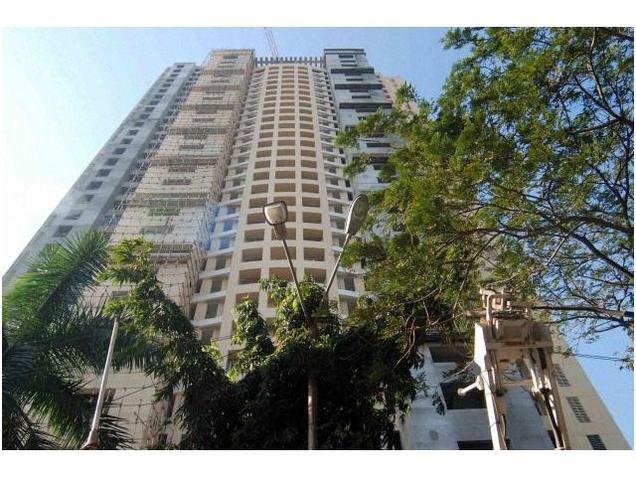
Army takes possession of Adarsh building

Adarsh_2952990f

Army on Saturday took possession of the controversial Adarsh Society building in Colaba area of South Mumbai.

Acting on Supreme Court’s directive, the Army on Saturday took possession of the controversial Adarsh Society building in Colaba area of South Mumbai.

 “The physical possession of the 31-story building is with the Army now,” defence spokesperson Commander Rahul Sinha said on Saturday evening. “There are a few minor modalities being worked out and we hope this would be completed in the next two days, but guards put by the society and other people attached with it have been moved out,” he said.

Identify men mutilated by enemy, CIC tells Army

New Delhi, July 28

The Central Information Commission (CIC) has directed the Army to provide details of soldiers whose bodies were mutilated by insurgents and enemy soldiers during skirmishes on Pakistan and China borders.The case resulted from an RTI application filed by one Abhishek Shukla in 2013 as the Army decided to keep under covers the information in this regard about the soldiers who had given supreme sacrifice for the country fighting enemies.“People of the country have right to know about the soldiers who lay down their lives in the line of duty,” Information Commissioner Divya Prakash Sinha said.The Army, which had to respond to an RTI application within 30 days, took 78 days to give its first response to the RTI application declining to share any details citing Section 8(1)(a) of the RTI Act to withhold the information.The Army raised an additional argument during the hearing before Sinha, saying its HQs did not maintain the information of soldiers whose bodies had been mutilated.The appellant countered it saying if they did not maintain the information, how was Army citing national security to deny it. The applicant also cited the statement given by ex-Defence Minister AK Antony in the RS where he had given details of a past incident.“On January 8, 2013, a Pak Border Action Team ambushed our patrol party in Krishna Ghati in which Lance Naik Sudhakar Singh and Lance Naik Hemraj were killed. Lance Naik Hemraj was found beheaded and both bodies were mutilated,” Antony had said.As per law, the information that can be placed before Parliament cannot be denied to a citizen. The appellant cited a press meet of ex-Army Chief Gen Bikram Singh who had accepted that two jawans of Kumaon regiment had been beheaded by Pak army in 2012. — PTI

Army had cited national security to deny info

  • The Army refused to share details of soldiers whose bodies were mutilated by insurgents and enemy soldiers citing Section 8(1)(a) of the RTI Act, which exempts information that can prejudicially affect the country’s security
  • It also said that its Headquarters did not maintain the information of soldiers whose bodies had been mutilated
  • The appellant countered it saying if they did not maintain the information, how the Army was citing national security to deny it